
#Gadgets
478 stories on this topic, newest first.
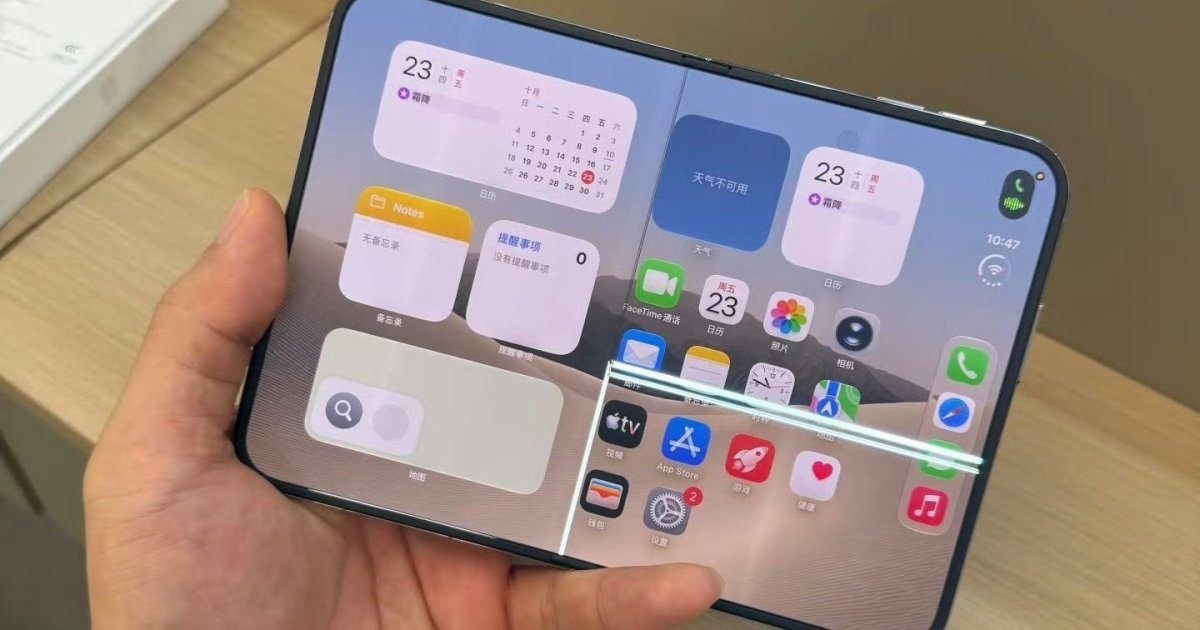
Early buyers of the iPhone Duo are reporting inner screen cracks near the hinge after fewer than 20 folds. While Apple is replacing defective units, first-generation hardware risks mean everyday buyers should wait for mature revisions.
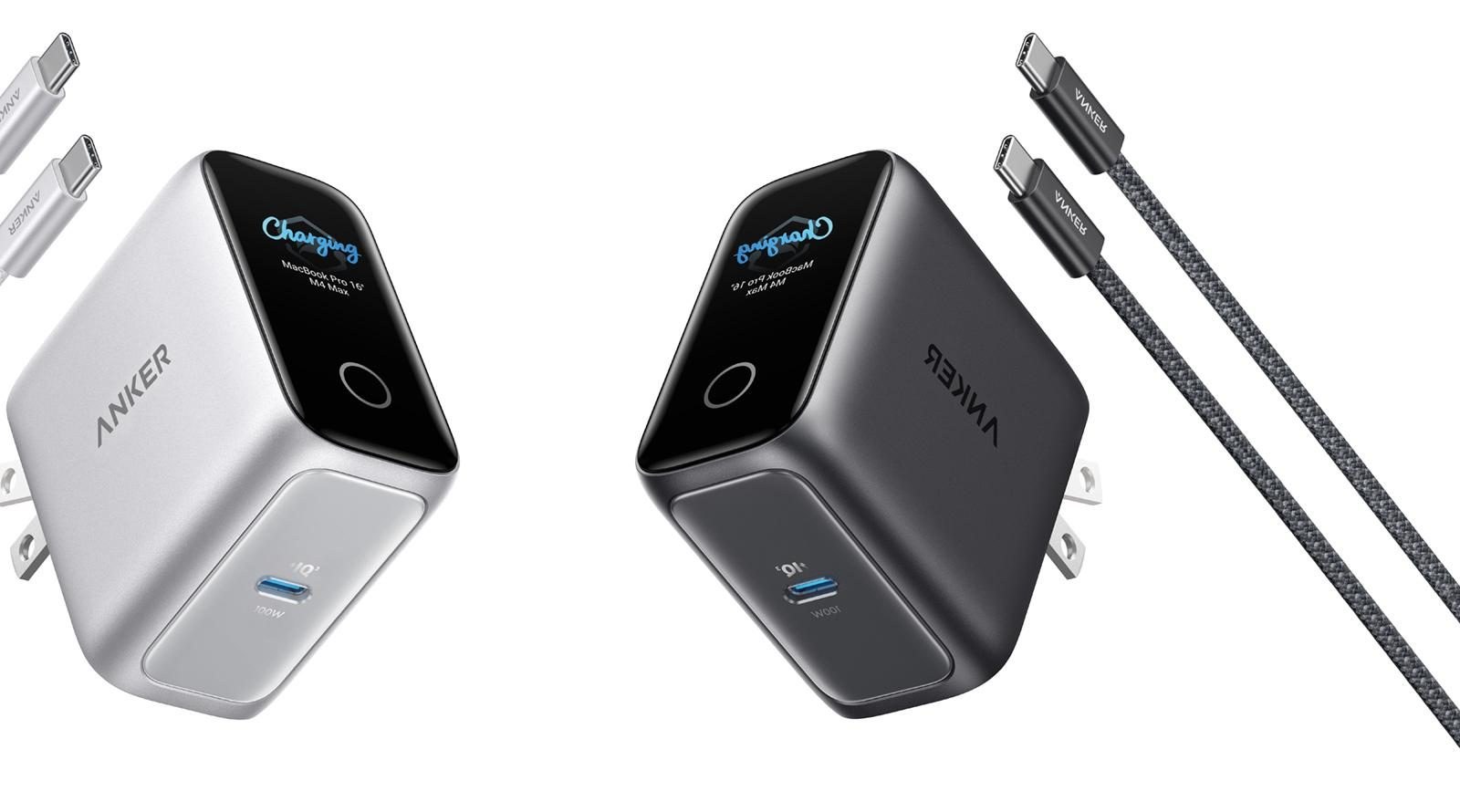
Anker's $60 Laptop Charger Pro packs 100 watts, a display, and battery-care modes into a tiny brick, but drops its design down to a single USB-C port. You trade everyday multi-device charging convenience for a tiny screen and dubious battery lifespan gains.

Valve's Steam Deck now costs $789, but Hong Kong-based abxylute offers an alternative with its M5 and M6 magnetic sliding controllers. For under $90, the accessories snap onto modern phones to handle console ports and streaming without the heavy price tag.

OKA's Mori brings a 12-inch wool-blend mushroom robot to your living room that deliberately avoids voice assistants and notifications. For $649, it offers local facial recognition, ambient lighting, and gentle physical movements instead of smart-home chores.
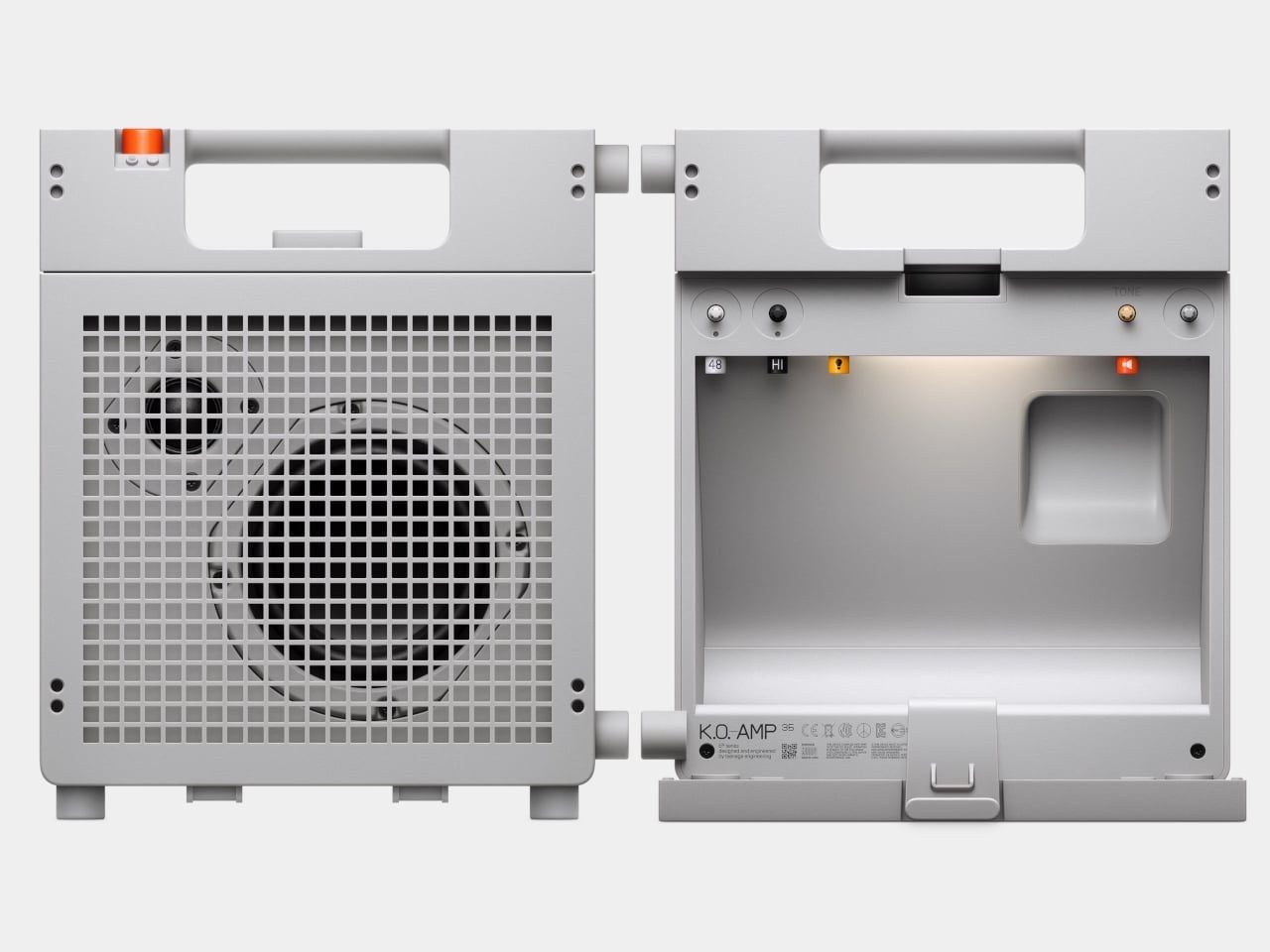
The EP-35 combines a portable speaker, guitar amp, and audio interface into a seven-pound housing. While it trades strict studio minimalism for practical storage, casual users paying $399 will find it heavily over-engineered.
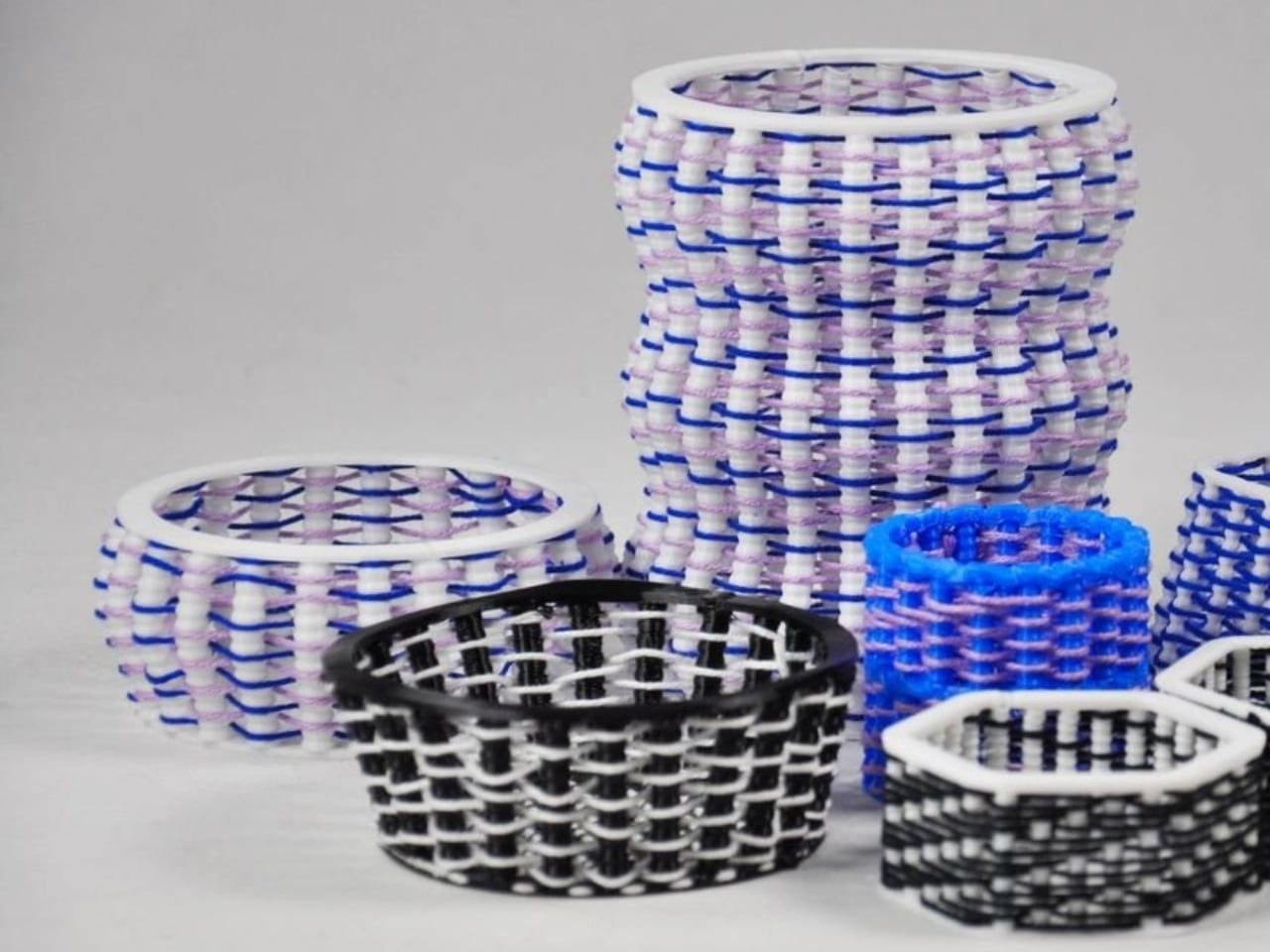
TU Delft graduate Joram de Haas developed FilaLoom, an open-source attachment for the Bambu Lab A1 that lets a desktop 3D printer automatically weave colorful yarn into rigid plastic objects.
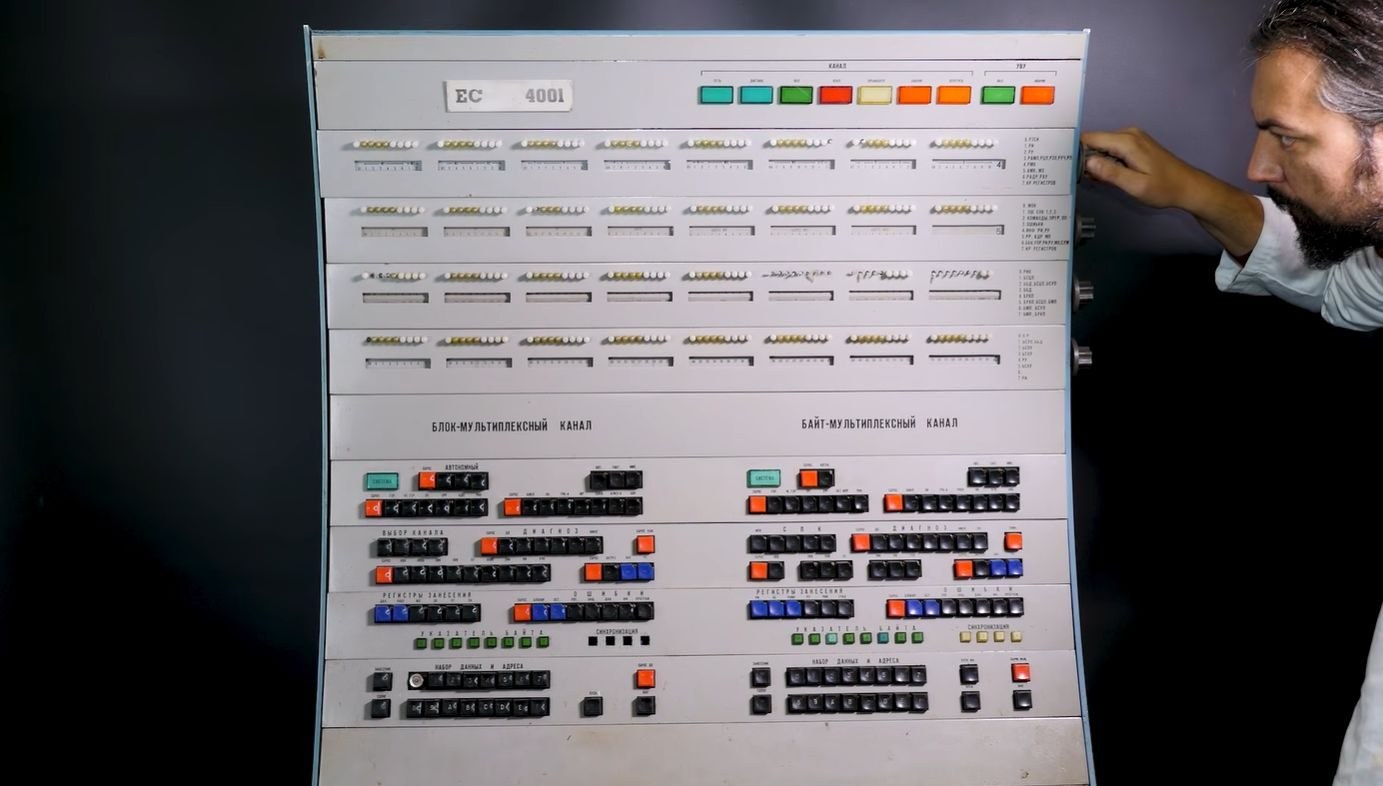
Enthusiasts have resurrected a control panel from a 1970s Soviet ES-4001 mainframe, exposing the contrast between repairable historical engineering and today's sealed, disposable hardware.
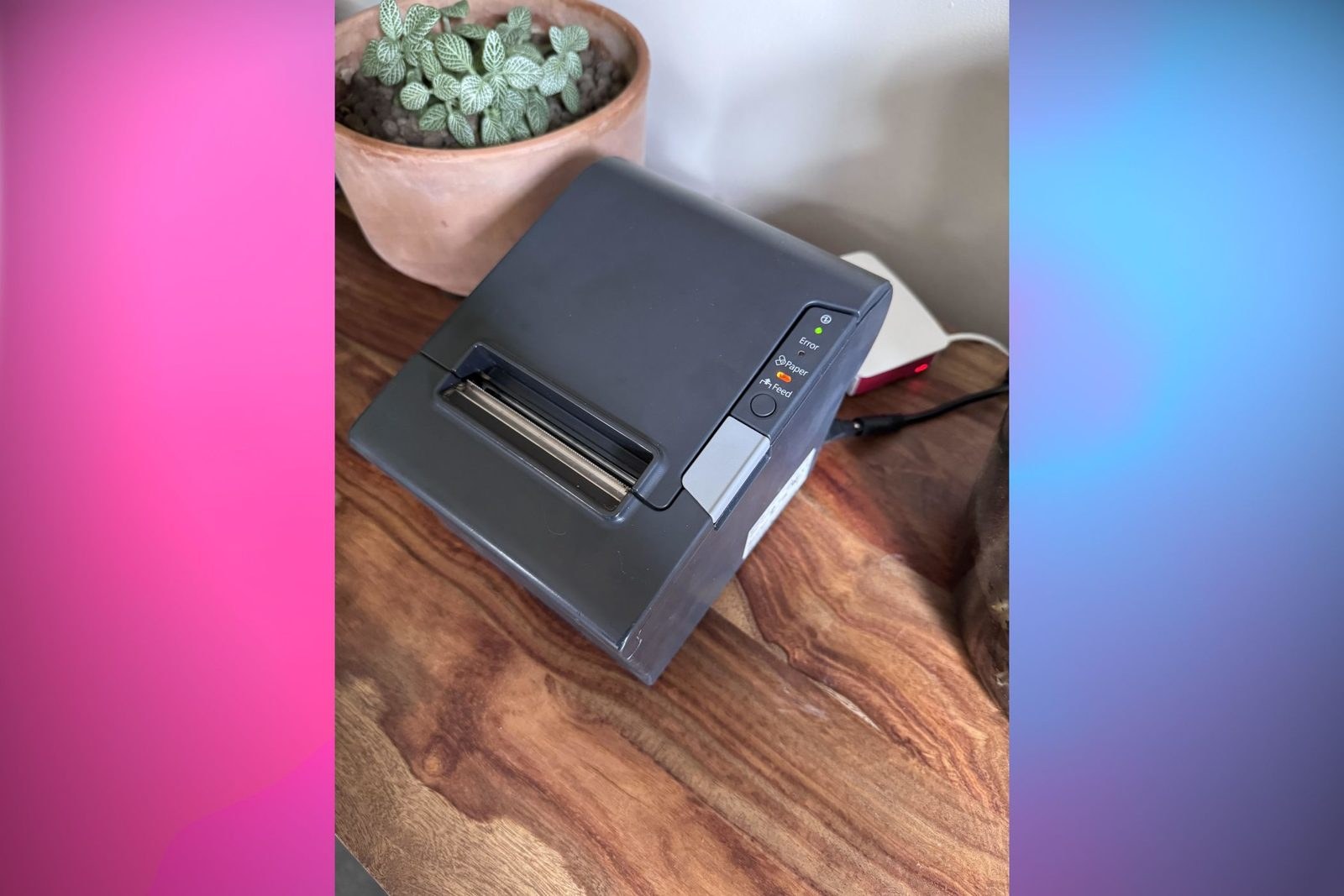
A Reddit hobbyist has turned a spare mini-computer and an old Epson receipt printer into a kitchen bulletin board that prints daily weather, chores, and puzzles.

Twelve months of daily testing reveal whether the $249–$429 AYN Thor dual-screen handheld actually delivers on its ambitious hardware promises. While 3D emulation finally runs smoothly, bulky dimensions and idle secondary screens mean it remains strictly for

An independent developer has built a working PlayStation core for the Analogue Pocket using AI tools like Claude and Codex. It lets owners run original discs and files without buying new hardware, though the handheld's lack of dual thumbsticks remains a hurdle
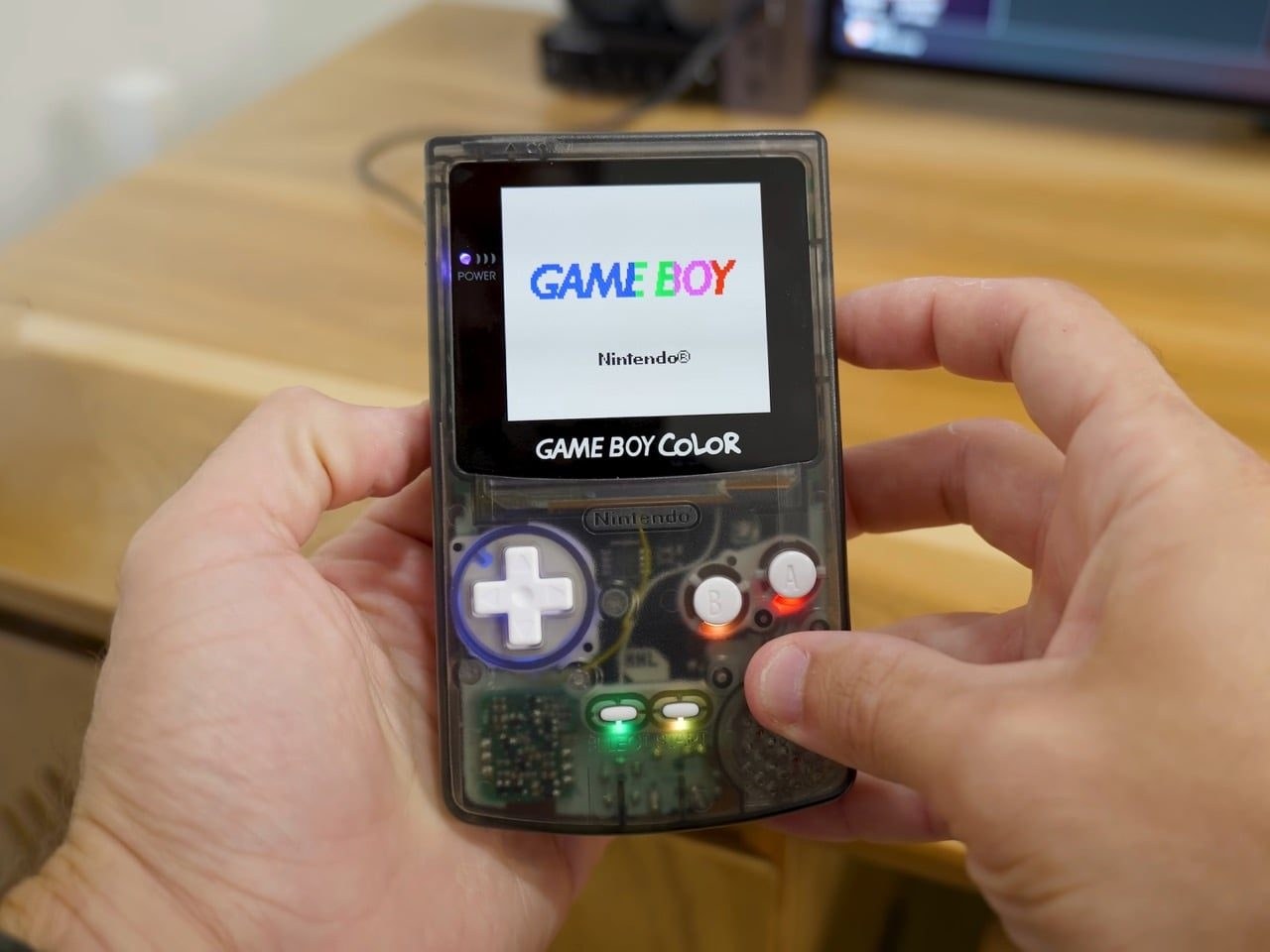
Canadian creator Zac Builds revives a 1998 Nintendo console by grafting a BlackBerry OLED display, wireless charging, and a custom voltage regulator into the original plastic shell.

This 4-gram Bluetooth ring straps to your index finger to swap a standard mouse for touch pads and mid-air gestures. While it saves precious desk space across eight operating systems, waving your hand in the air introduces a steep learning curve and limits
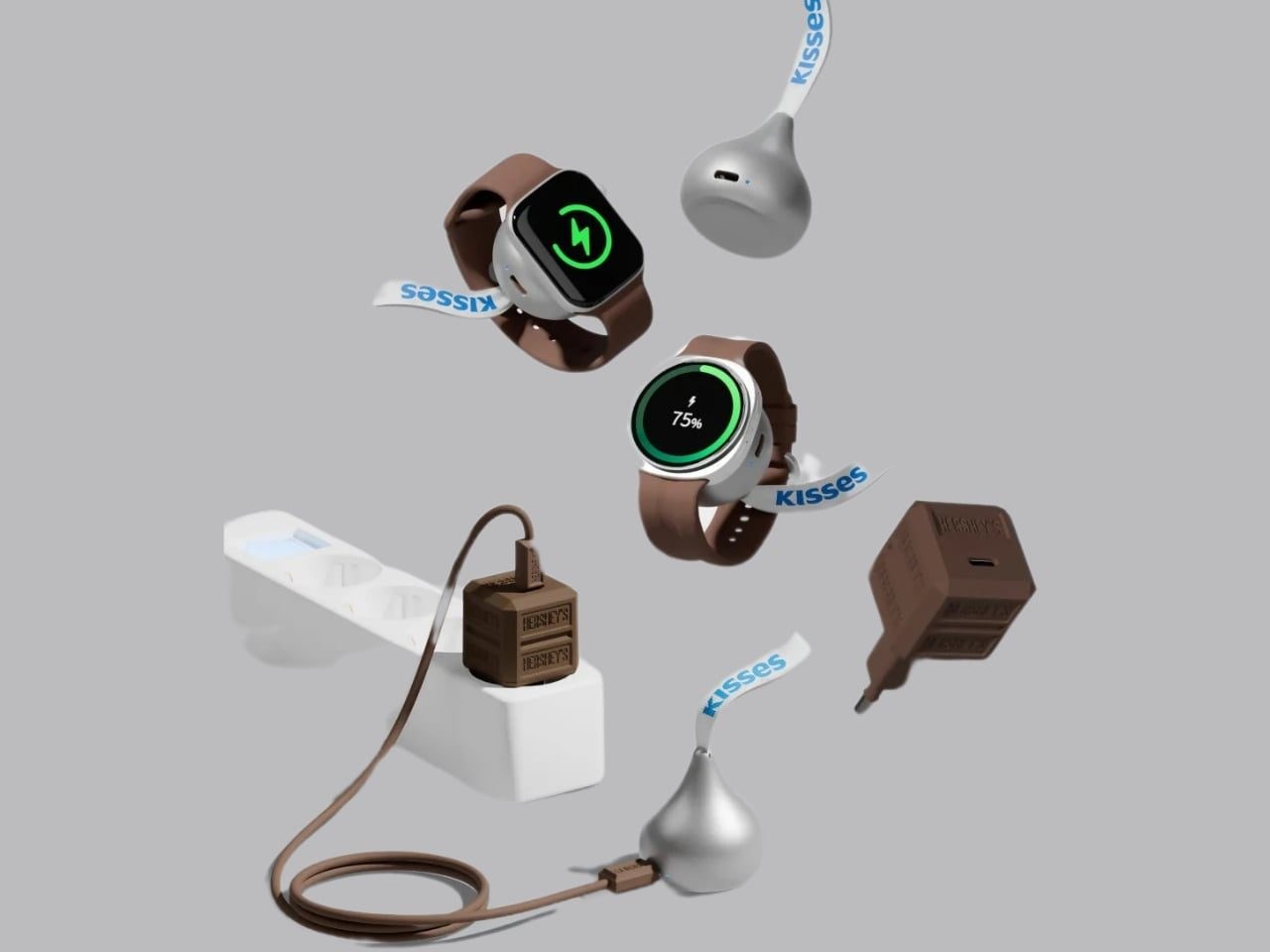
miniduct has turned a 40-gram emergency battery for Apple and Galaxy watches into a replica of a Hershey’s Kiss. Equipped with a 700mAh capacity and an auto-aligning magnetic mount, it serves as a desktop stand and a pocket-sized backup for dying wearables.
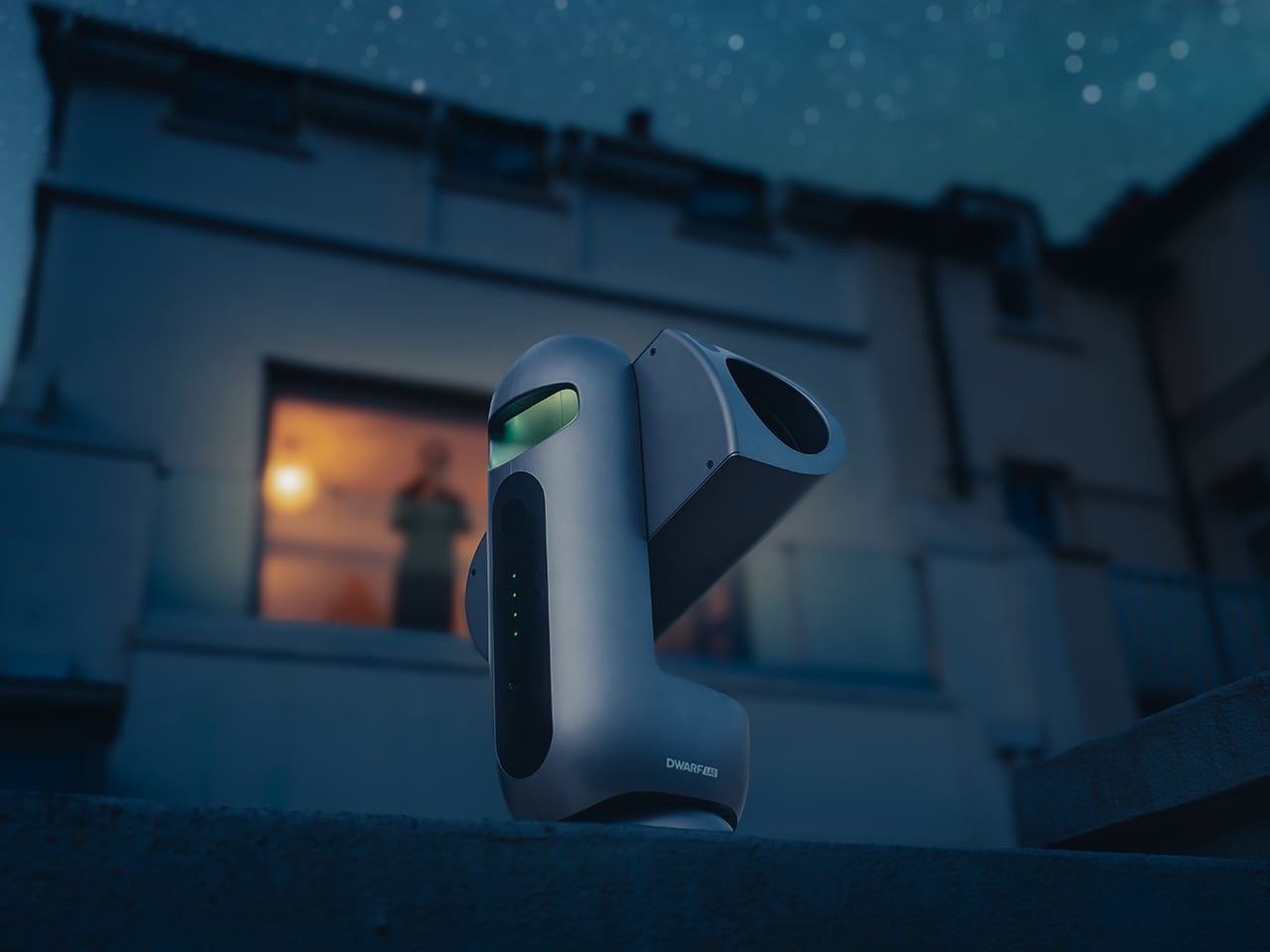
Dwarflab's new Draco telescope automates polar alignment with a rotating sensor to combat earth's rotation. Costing up to $1,599, it targets backyard astronomers who want deep-space shots without hours of manual setup.
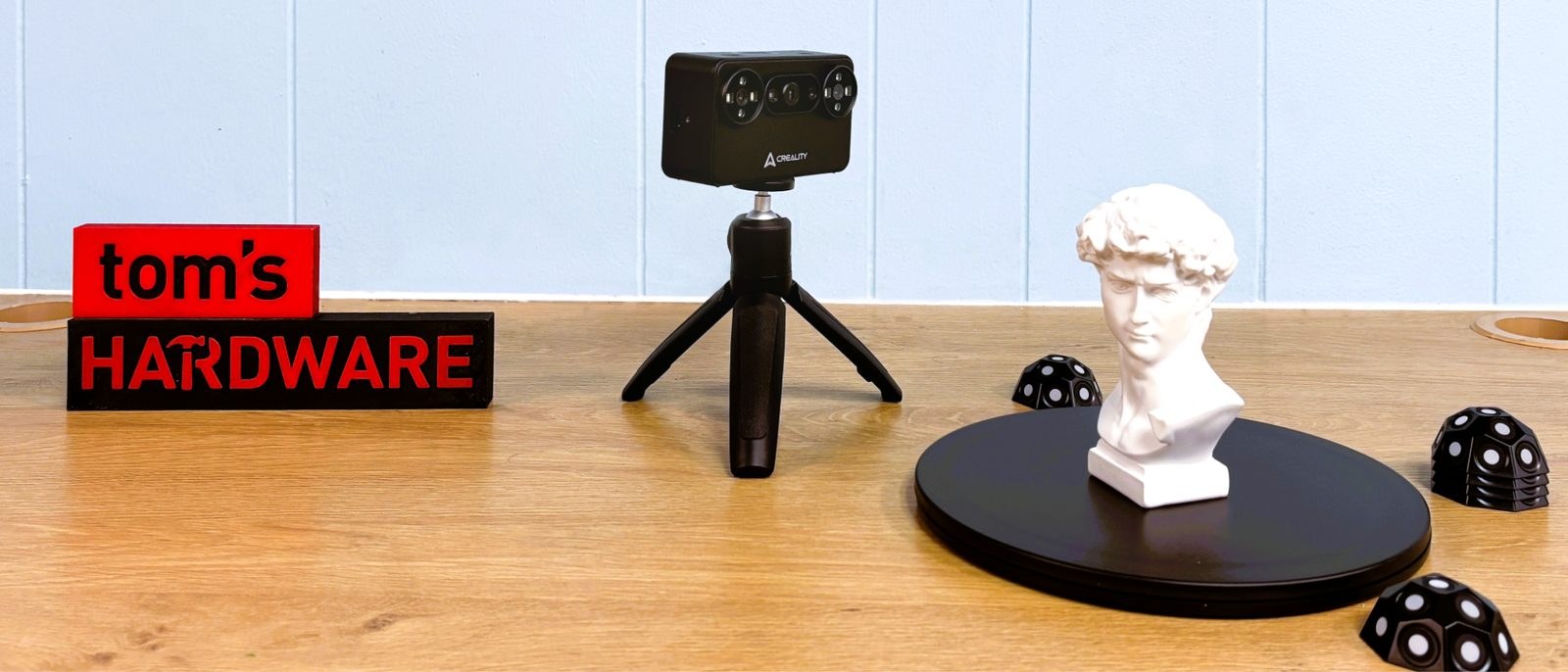
Weighing just 260 grams, the $699 Creality Pika brings handheld 3D scanning down to desktop budgets by ditching marker dots and computer cables. Yet infrared tracking requires a steady hand, strict ten-minute calibrations, and patience with proprietary
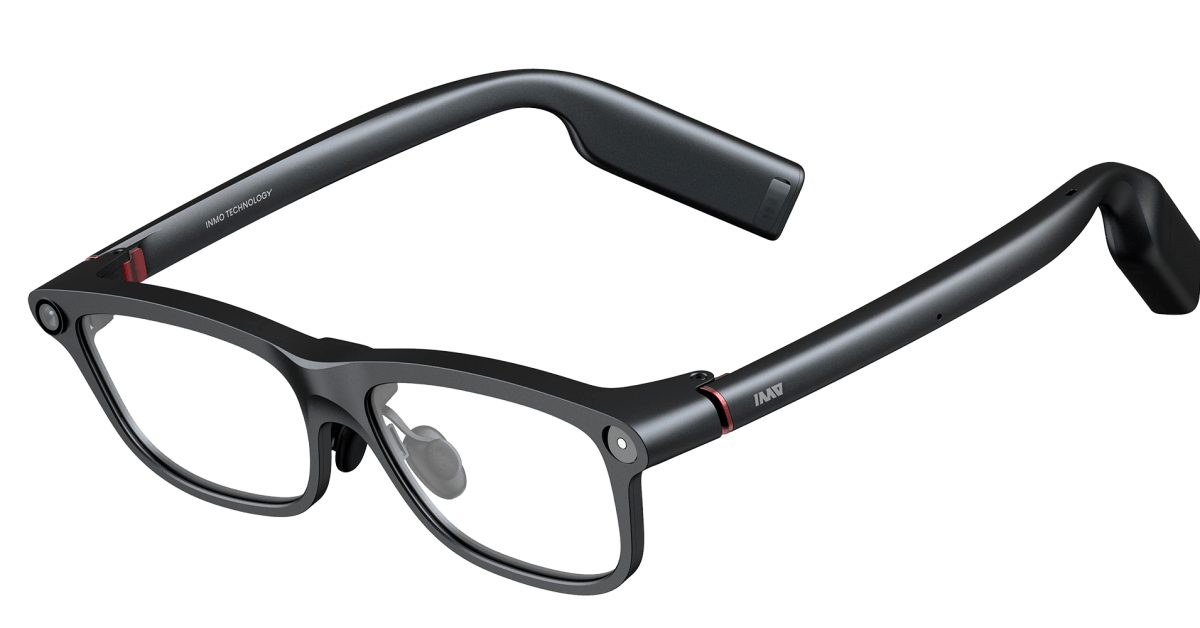
The $509 INMO GO3 smart glasses pack dual MicroLED displays and Gemini AI, but their most useful feature is a manual physical shutter covering the camera. An interchangeable battery system also lets you swap power packs on the fly without tethering your face

Apple finally drops its first folding phone with a $1,999 price tag, a heavy titanium frame, and a side-mounted fingerprint scanner. It brings serious specs and a nano-texture inner screen, but software optimization still lags behind the hardware.
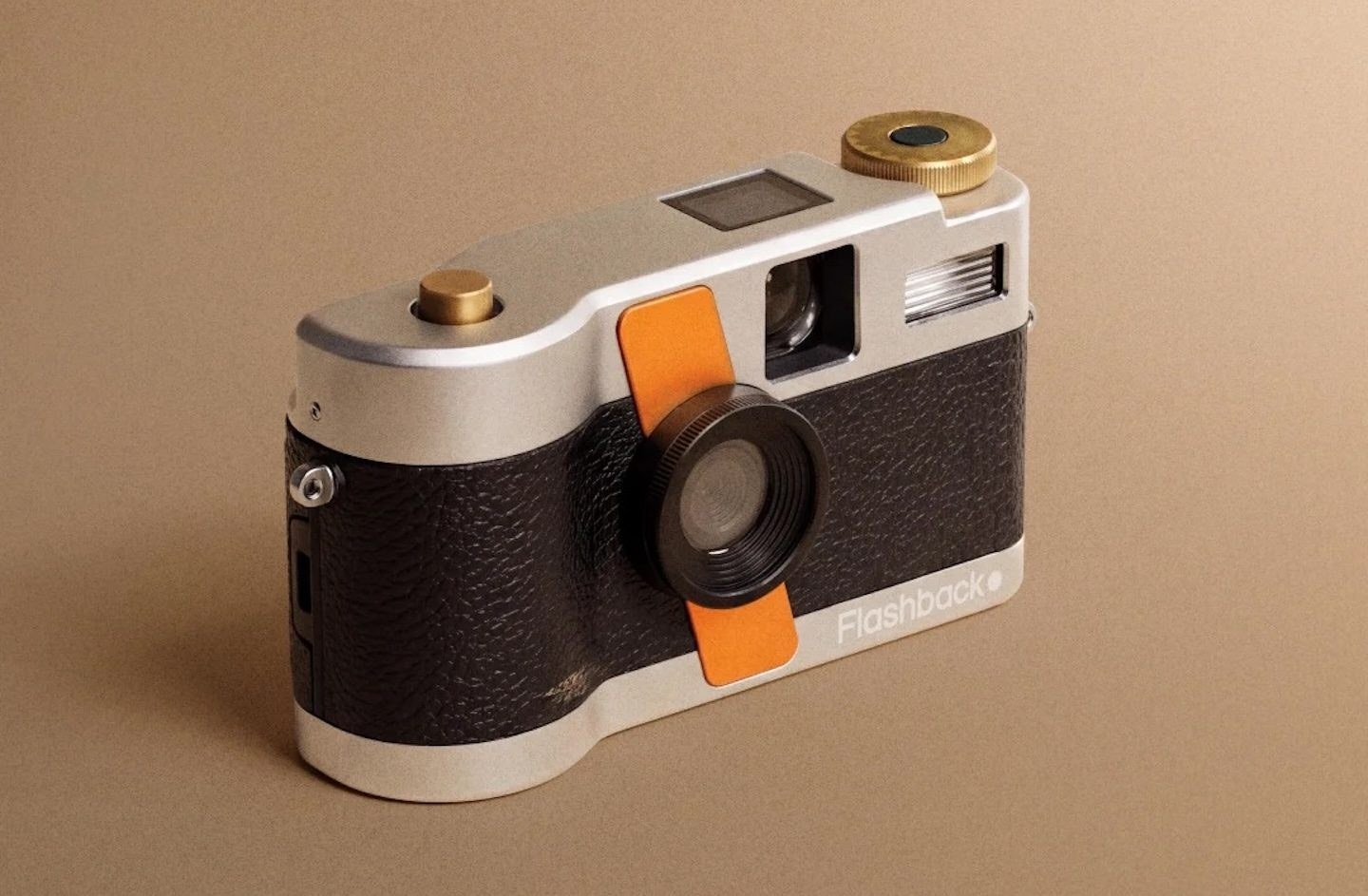
The Flashback ONE75 packages a basic 13-megapixel sensor in an aluminum body with a mechanical wind-on lever and artificial 24-hour photo delays. It swaps digital convenience for manufactured nostalgia, making you pay a premium to delete your ability to review

A maker known as PowerfulChart560 has converted a $5 ESP32 touchscreen module into a local marine ecosystem featuring 100 species and no subscription fees. The offline project runs entirely on device memory, bypassing cloud servers and companion apps for a
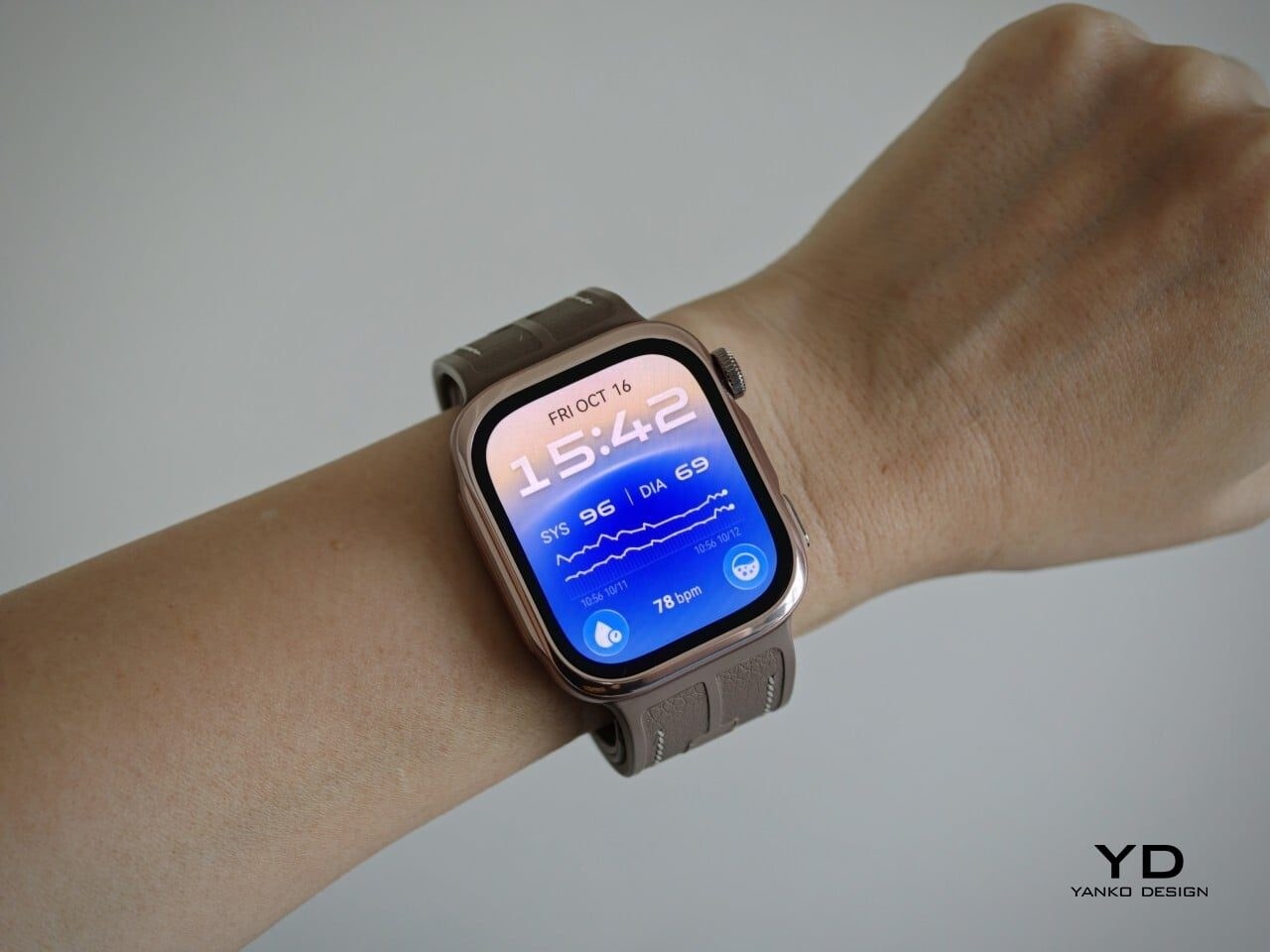
Huawei packs a genuine inflatable cuff inside the Watch D3 to deliver clinical blood pressure monitoring without the bulk. We tested how the slimmer design and 24-hour tracking handle daily life and doctor visits.
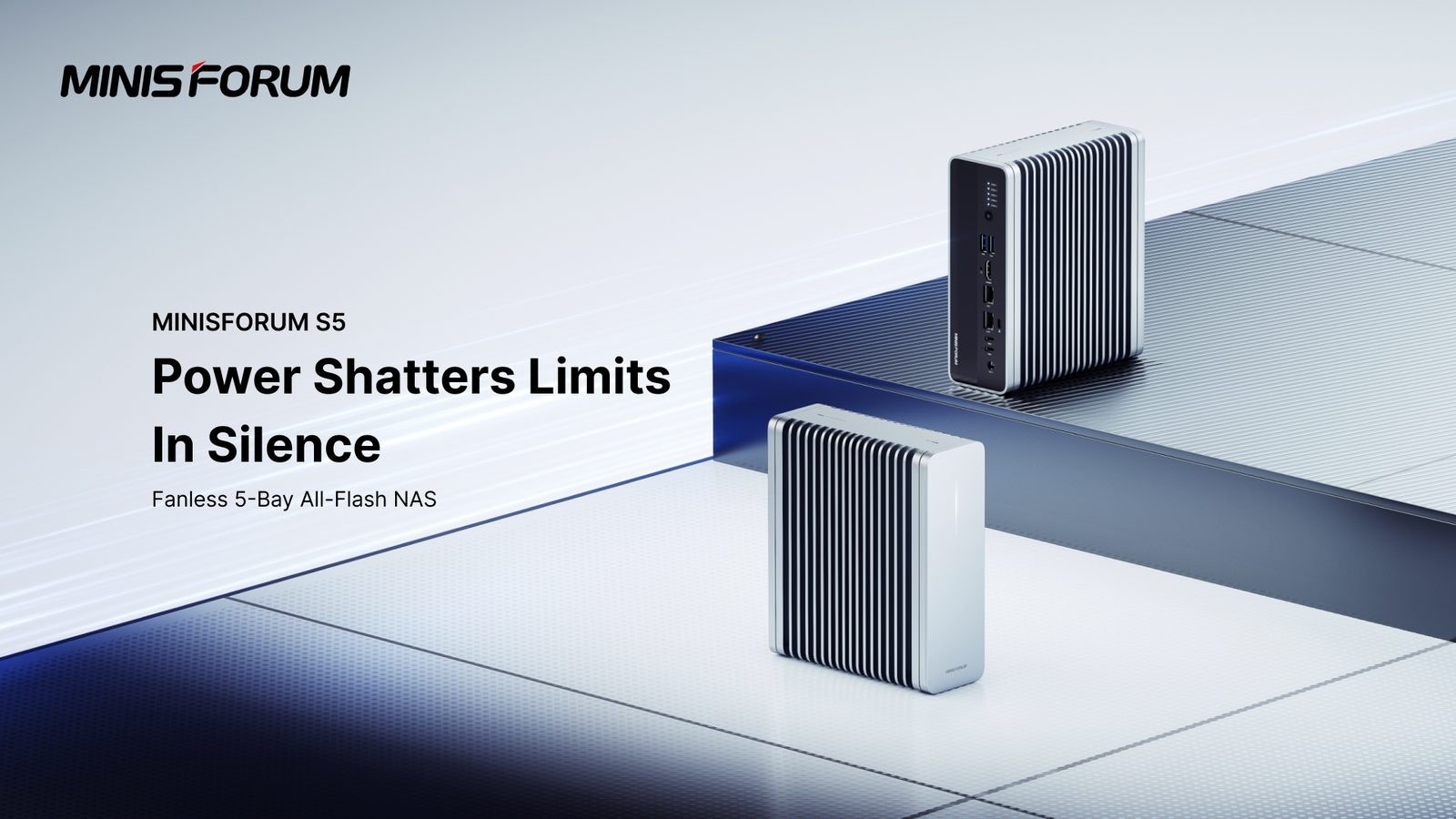
Minisforum's fanless S5 storage box trades noisy hard drives for up to 40TB of silent solid-state memory starting at $599. We break down whether buying the barebone chassis and adding your own drives actually beats the prebuilt pricing.

The $349 PURA NEO Pro combines heating and extraction into a single cylindrical gadget that pumps water upward into a built-in drinking cup. It saves kitchen counter space, but portable pressure and battery limits turn morning caffeine into a deliberate

The $469 xTool C1 integrates a four-color inkjet printer, scanner, and blade cutter into a single desktop unit. It eliminates manual alignment marks for stickers and home publishing, though thicker materials and fabric transfers require extra gear.

Coolpad breaks the mold of tall, narrow displays with a wide, squat smartphone designed for documents and spreadsheets. Without a final price or software adaptation details, pre-ordering this unusual device remains a gamble.

Weighing just 18 grams with no screen and a tiny 1.38-megapixel sensor, the Kenko Tokina Pieni III trades smartphone perfection for pure tactile novelty. It costs $38 and ditches computational photography entirely, leaving every shot a surprise until you
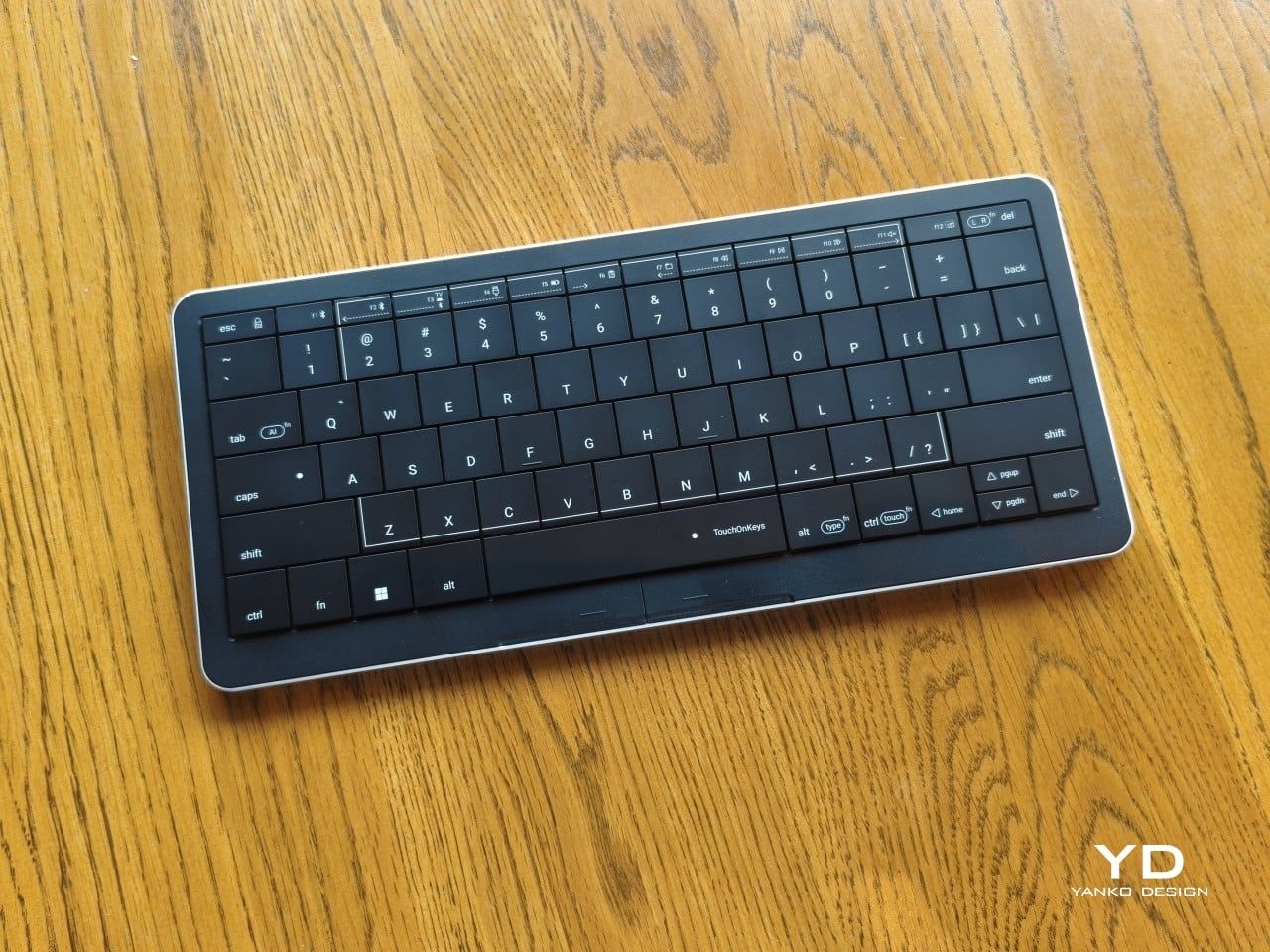
The 78-key Clevetura S turns its entire typing grid into a giant touchpad to eliminate desktop clutter. But paying a luxury tax for dual-purpose hardware means enduring accidental gestures until its adaptive software finally learns your typing habits.
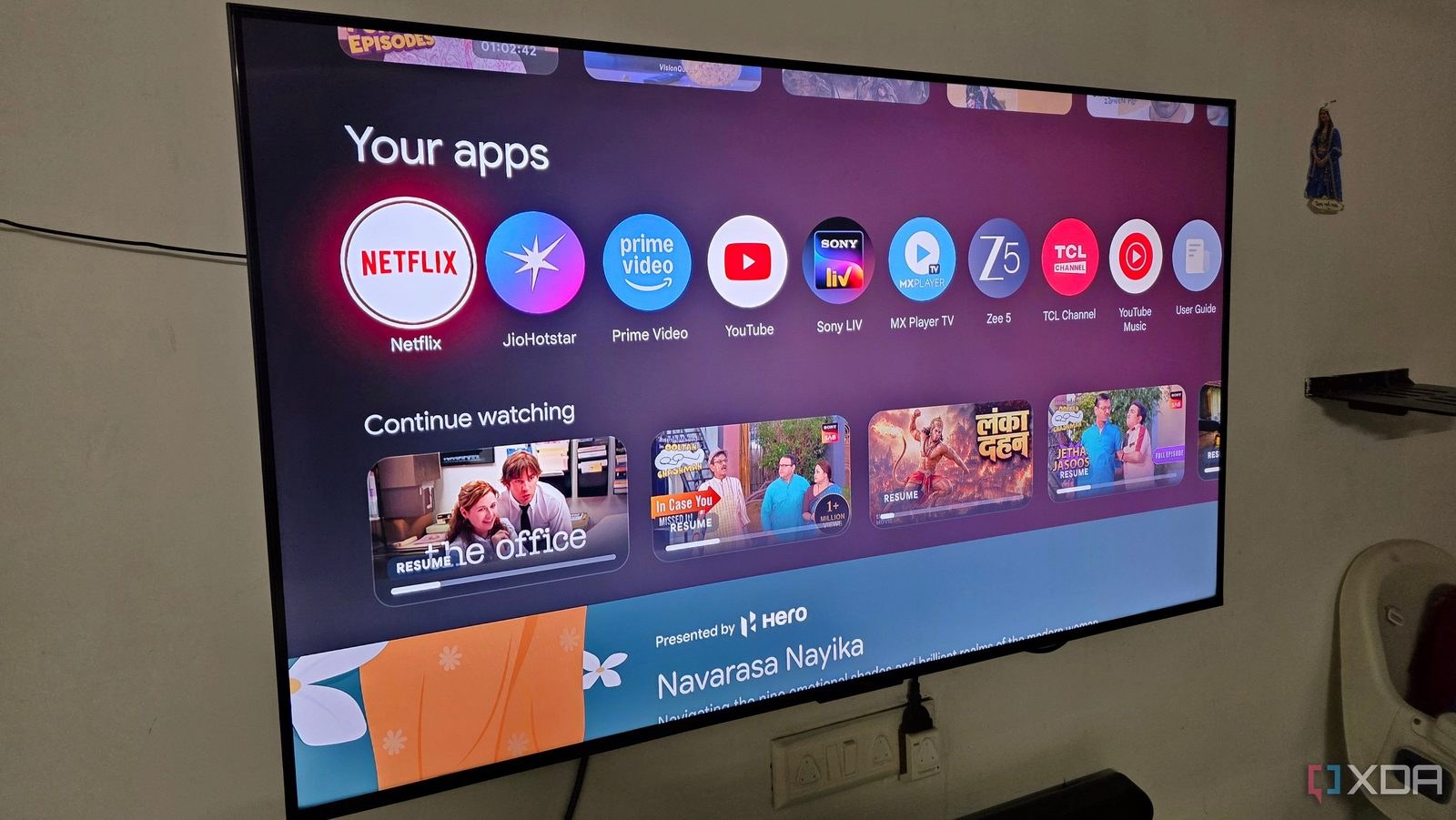
Fed-up owners are stripping sponsored tiles and tracking scripts from modern displays using free open-source utilities. These tools bypass interface bloat via Android debugging without requiring dangerous root access or permanent system changes.
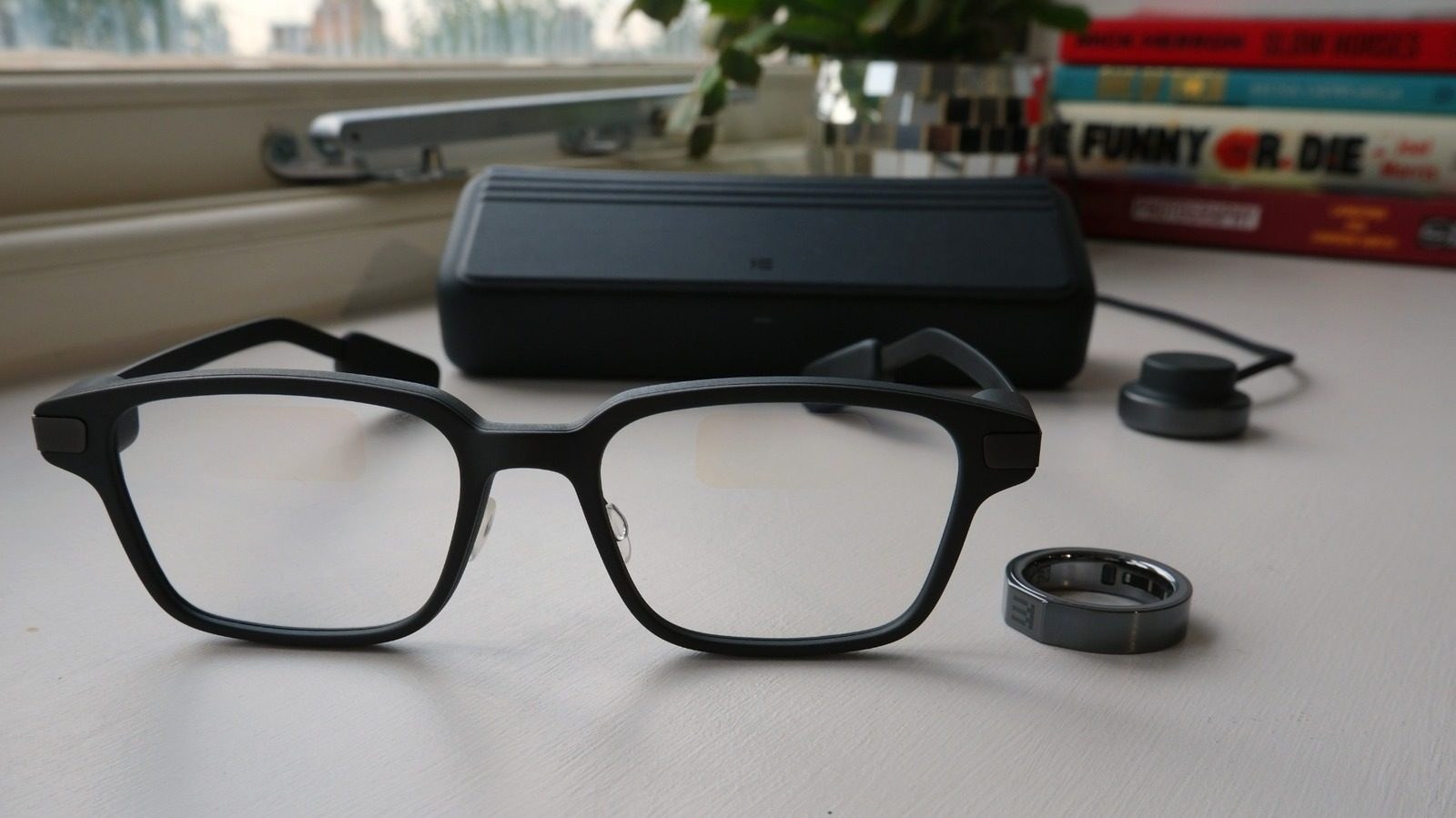
Even Realities upgraded its smart glasses with sharper displays and water resistance for $599, but forcing users to buy a separate $249 control ring creates unnecessary daily frustration.
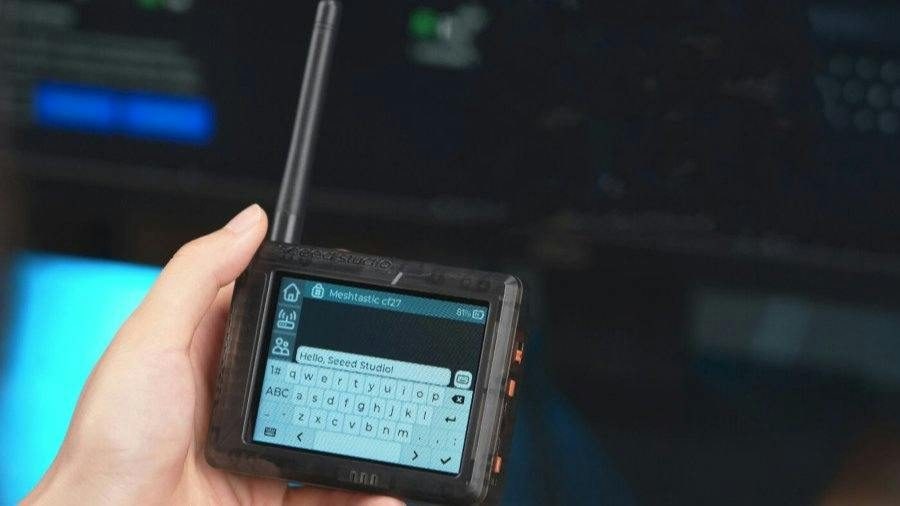
The $Seeed Studio Wio Tracker L2 Pro features a 3.2-inch color touchscreen and built-in GPS to run independent Meshtastic chats without a smartphone. Without an active local radio community nearby, however, this pocket node quickly turns into an expensive
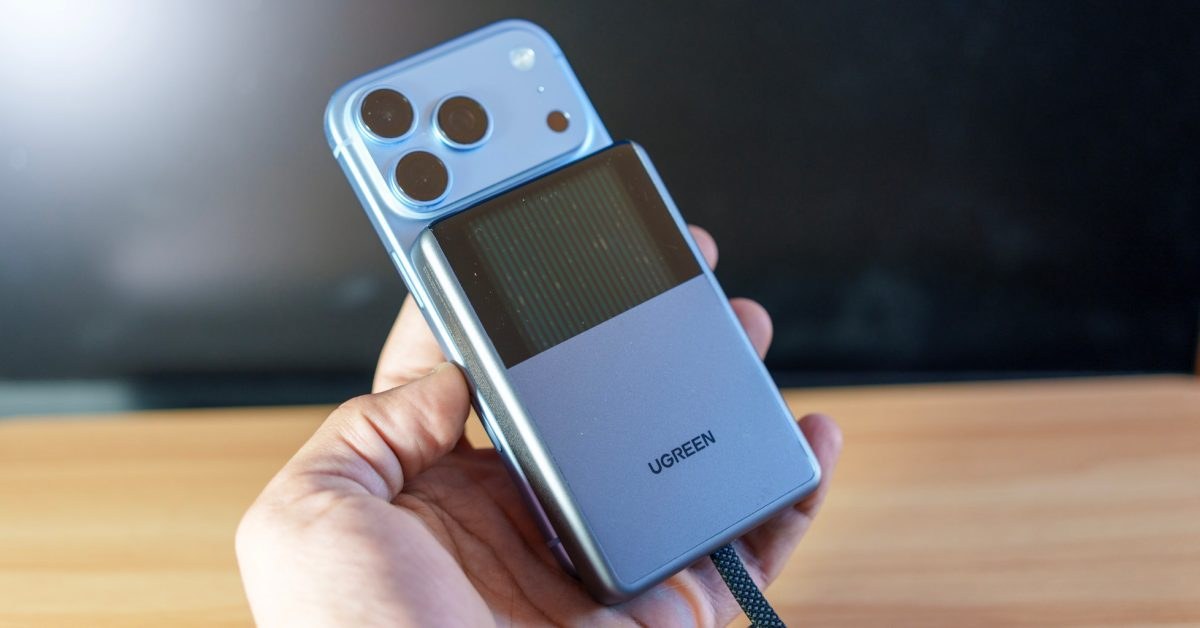
UGREEN added a swirling liquid cooling loop to a 10,000 mAh MagSafe power bank to tame 25W wireless charging heat. At $95 to $149, it looks like a sci-fi prop, but the chunky chassis lacks a kickstand and changes how your phone sits in your hand.

Casio straps an optical heart rate monitor and a gold-tone steel bezel onto its classic square shape for $385. The hybrid watch promises retro durability and fitness tracking, but skips built-in GPS and a touchscreen, leaving traditionalists and smartwatch
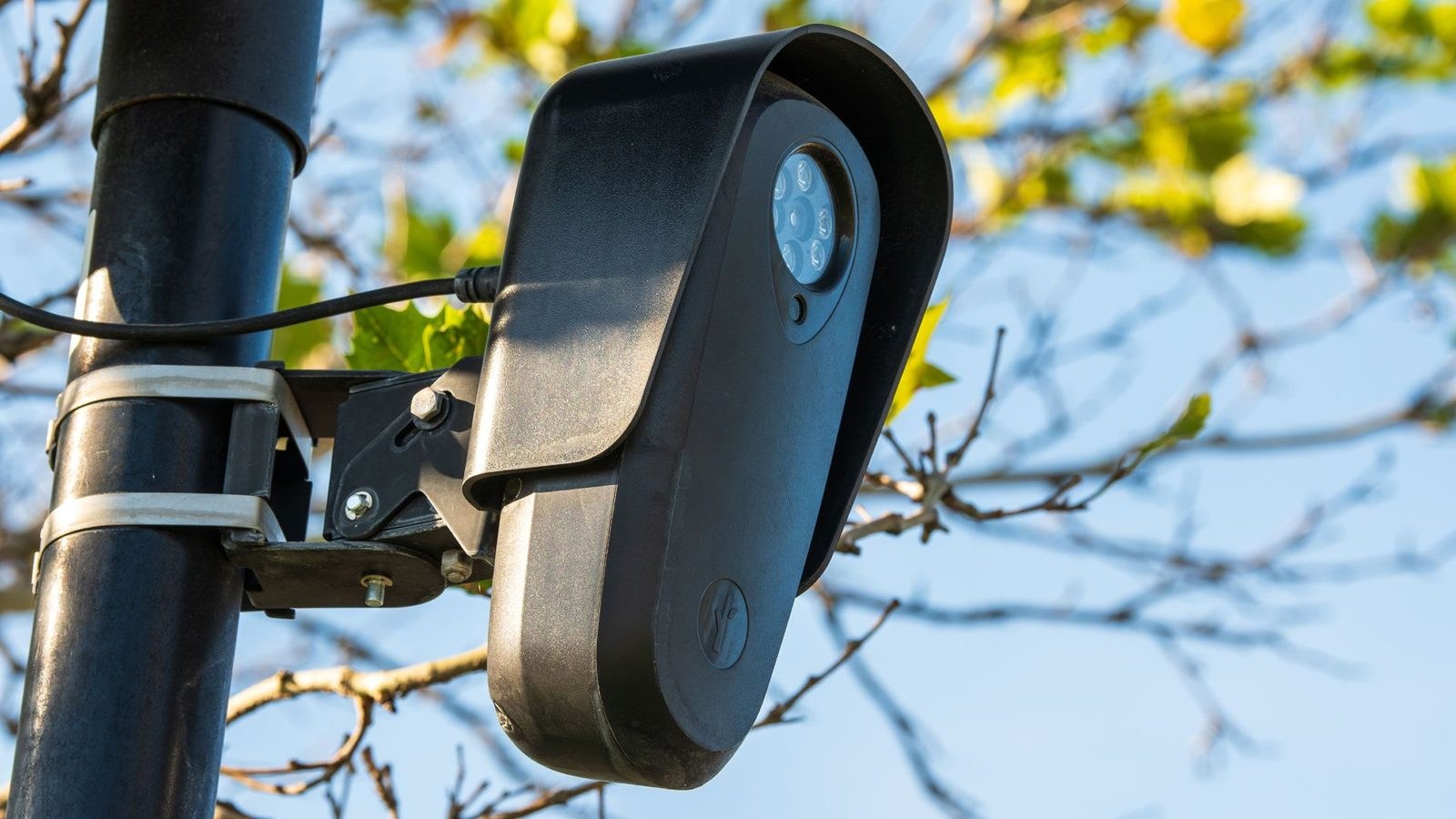
Canadian developer Anthony Sistilli built a cheap automated license plate reader to track police cruisers and got a doorstep visit two weeks later. The garage-built setup exposes the double standard of mass surveillance and why private tracking is a liability.
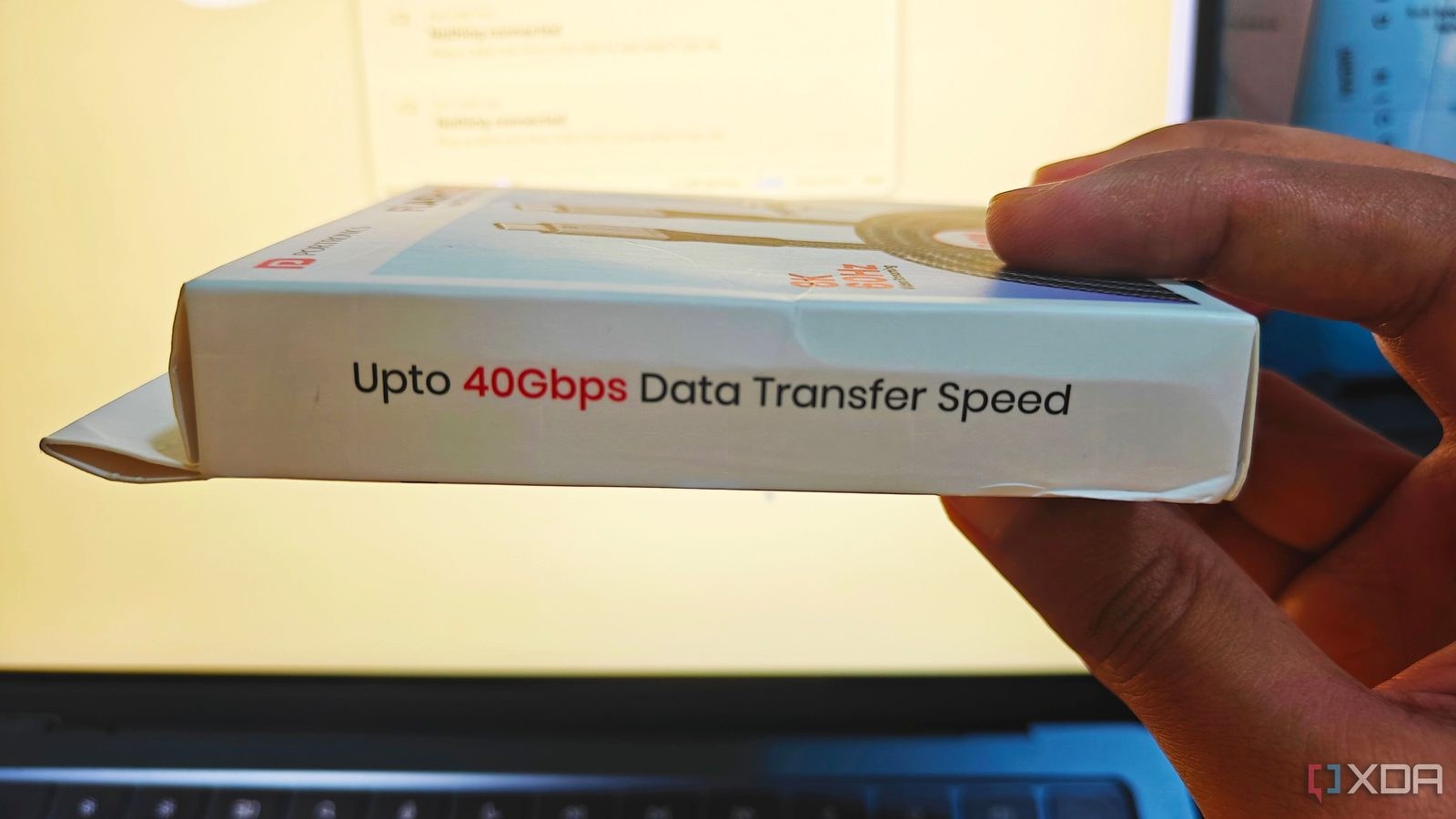
Budget manufacturers are programming fake e-marker chips into cheap USB-C cords to mimic expensive 40Gbps Thunderbolt 4 cables on paper. A simple terminal command or hardware tester reveals whether your four-dollar wire is lying to your operating system.
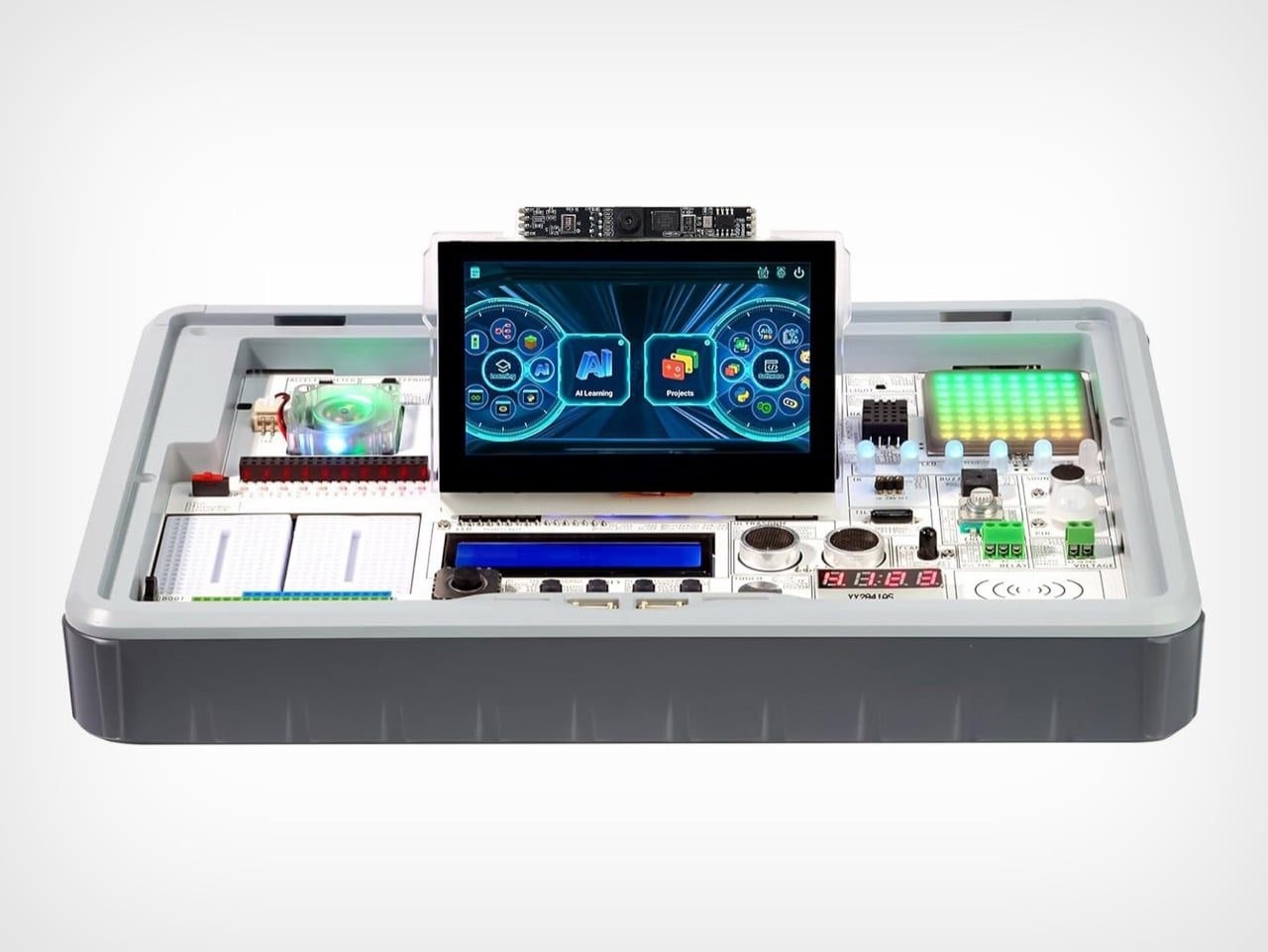
The CrowPi 3 packs a Raspberry Pi 5, 41 sensors, and AI chatbot integration into a 2.4-pound rugged gray briefcase. It gives middle schoolers a ready-to-code hardware kit without the hassle of 3D printing a custom cyberdeck from scratch.

Boostep Ato solves the parent-tech dilemma by hiding an AI voice assistant inside a cream 5.5-inch retro radio housing. Relatives manage reminders via an app while older users press a chunky orange button to talk, though it still requires a wall outlet and
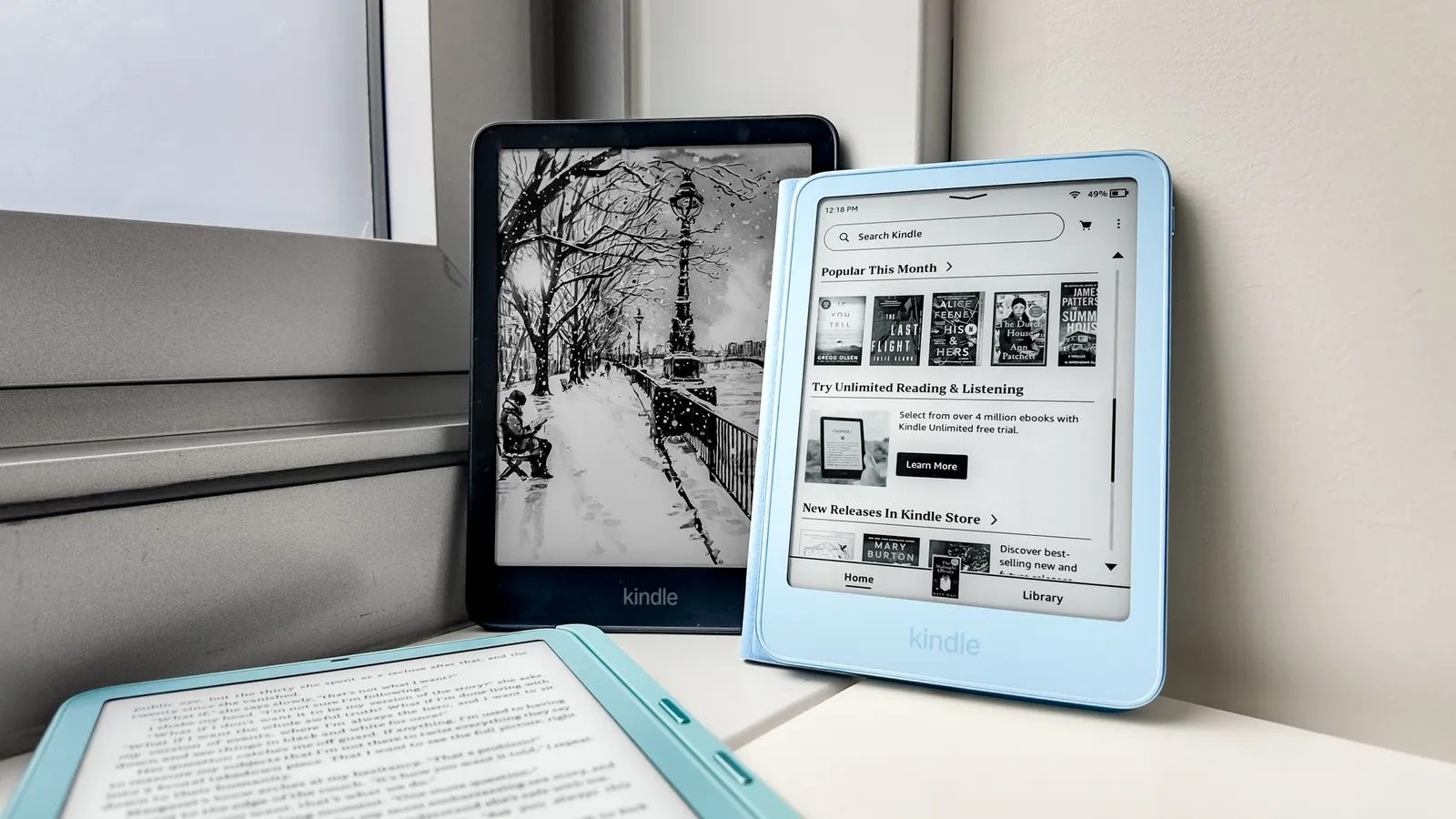
The latest Amazon Kindle lineup ditches glued enclosures for removable back panels and built-in battery health diagnostics. European Union regulations forced the shift, turning disposable e-readers into devices you can actually fix yourself.

The new Kaleido 4 color e-paper panels finally speed up page turns and boost contrast by 50 percent, making graphics and documents actually readable. Hanvon Technology is launching the global debut in its M10C II notebook, though missing price tags mean
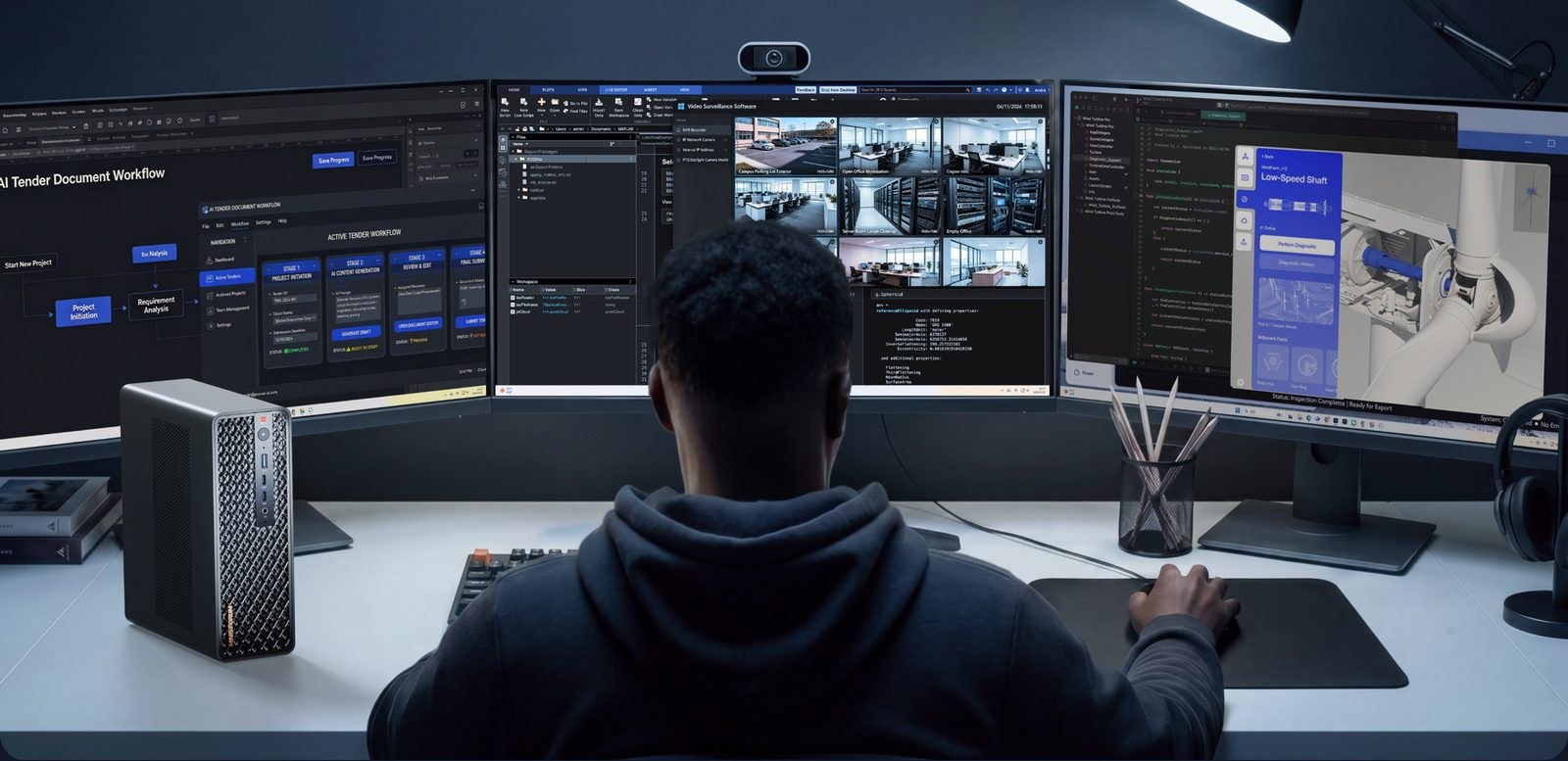
Minisforum priced its new MS-S1 MAX-P495 compact desktop at $7,399, targeting users who need massive local memory to run large artificial intelligence models at home.

Toyota's 10-month prototype replaces traditional wheelchair wheels with four robotic legs designed to conquer staircases and cramped indoor spaces. The award-winning concept wraps its joints in 3D-knitted fabric, though buyers cannot purchase it yet.

Sonic Lamb is shipping its Beyond headphones for $249 in November 2026, ditching active noise cancellation to pump 2Hz physical bass vibrations directly into your skin via specialized wooferpads.

A firmware bug caused Ray-Ban Meta smart glasses to record and transcribe private conversations without users saying the activation phrase. While Meta has pushed a silent patch, the glitch proves how easily face-worn cameras can bypass user consent.
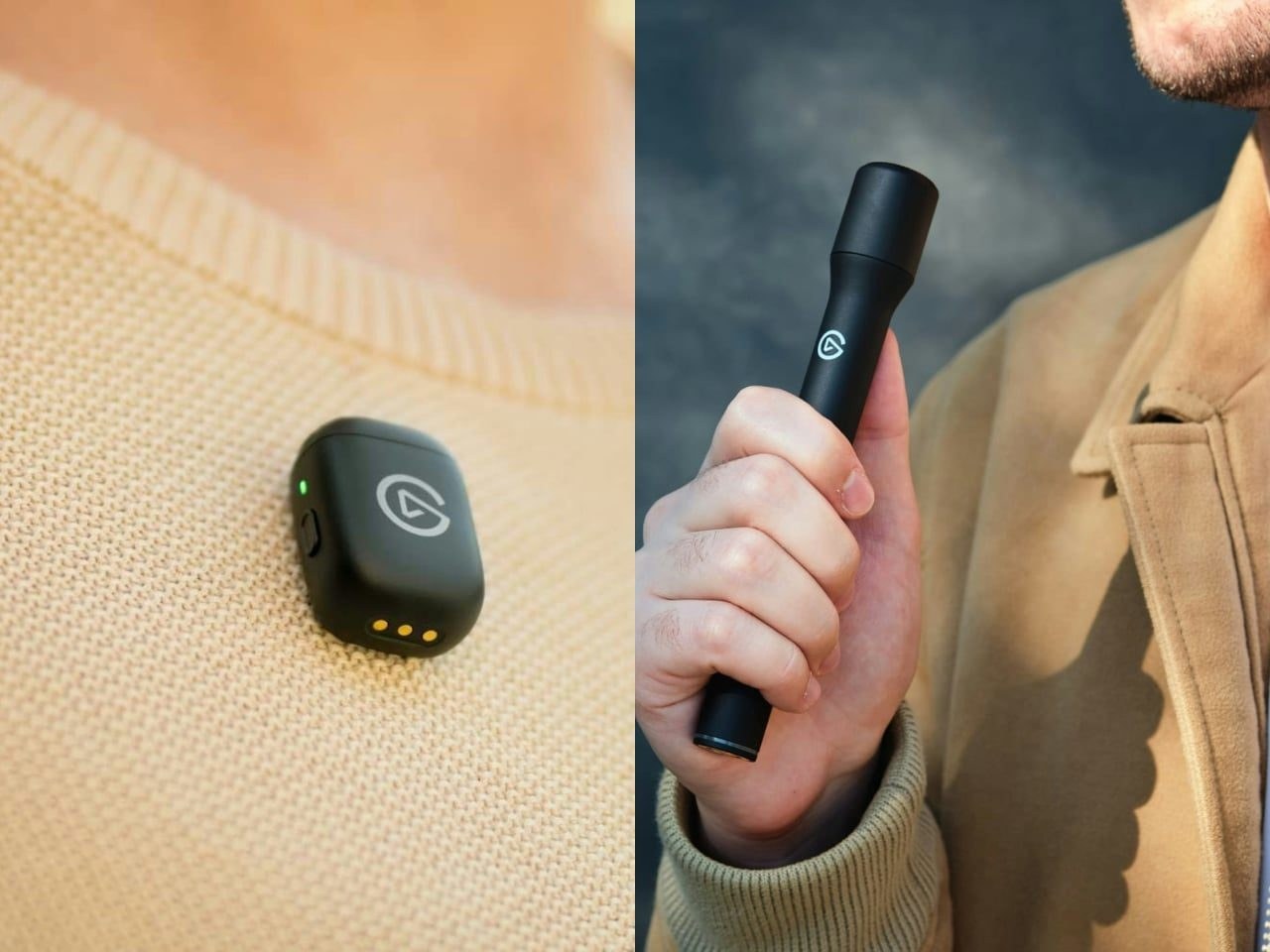
The new Elgato Wave Go is a tiny 0.25-ounce wireless transmitter that snaps into a plastic wand for street interviews. For $99, creators get a dual-purpose setup with 48 hours of total battery life, bypassing the need to carry two separate mics.

OPPO's 8.8-inch tablet combines an anti-glare matte OLED display with a 9.95-ounce metal body and Snapdragon 8 Gen 5 performance. It offers a practical alternative for commuters and readers tired of glossy screens acting as mirrors.
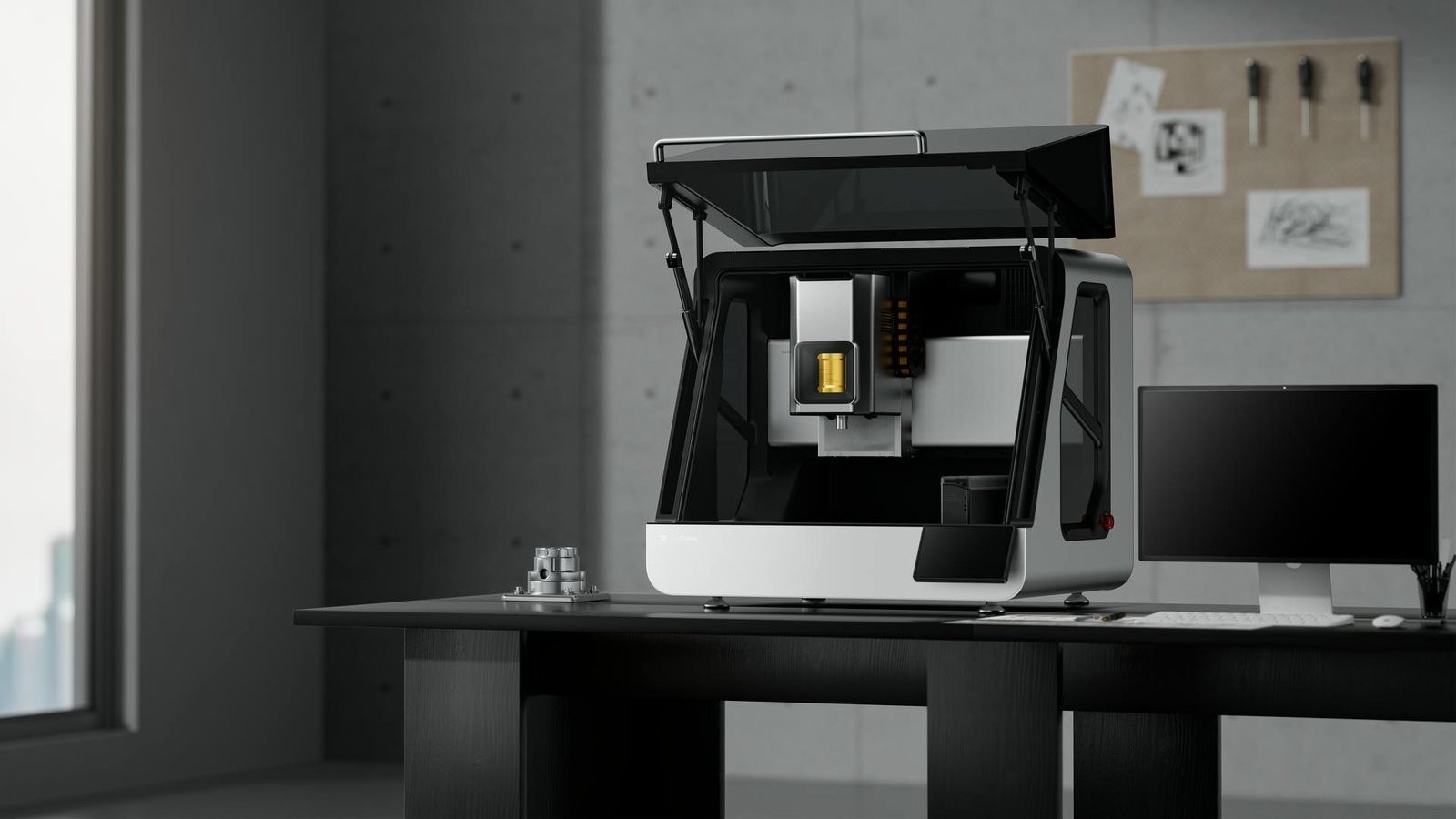
The Kickstarter-backed ToolDance X1 packs a 1.5 kW spindle and modular 5-axis cutting into a 110kg desktop frame. It promises industrial-grade precision for home workshops, but demands serious floor space and domestic compromise.
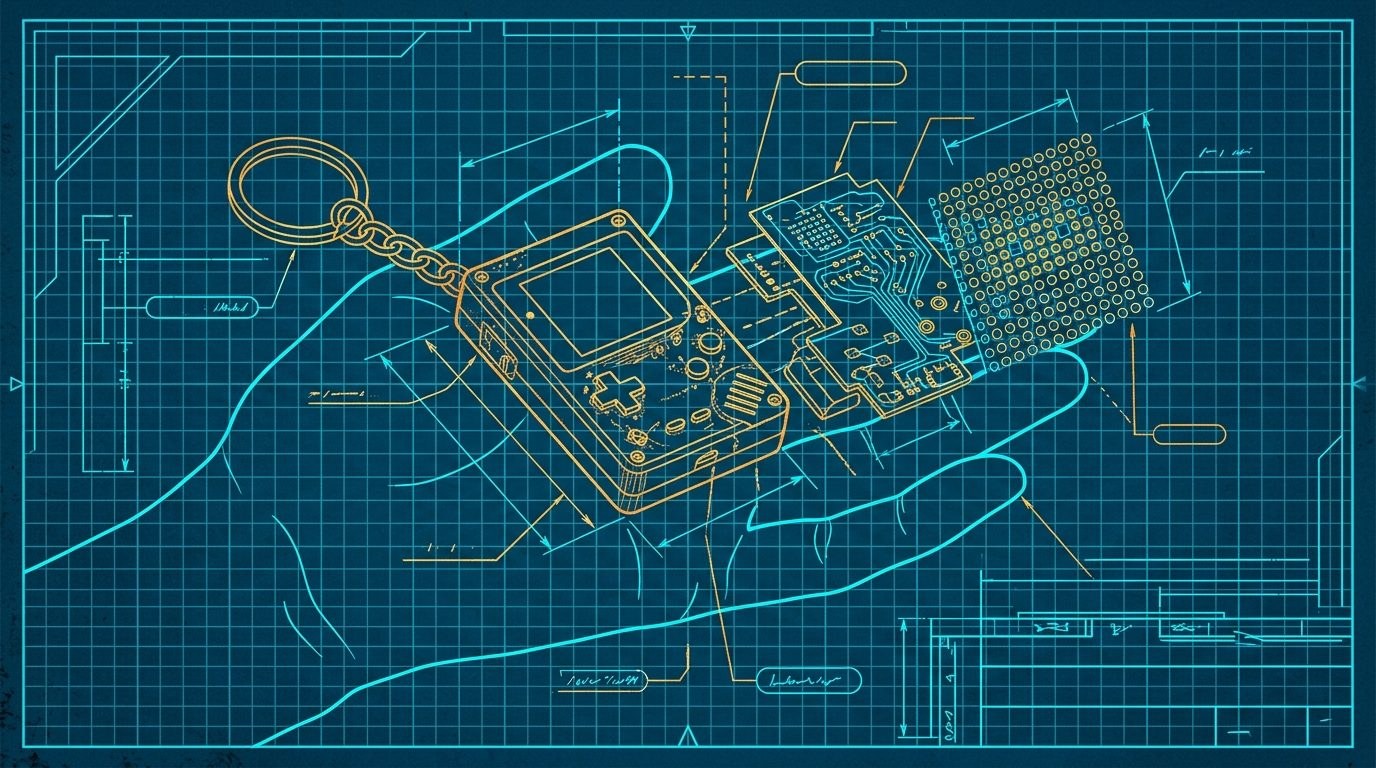
Maker ItzSunBoi has built a pocket-sized gaming console that replaces a traditional display with an 11×15 grid of individual LEDs and physical buttons. It cannot be bought and changes nothing for daily tech, but proves strict hardware limits still spark clever
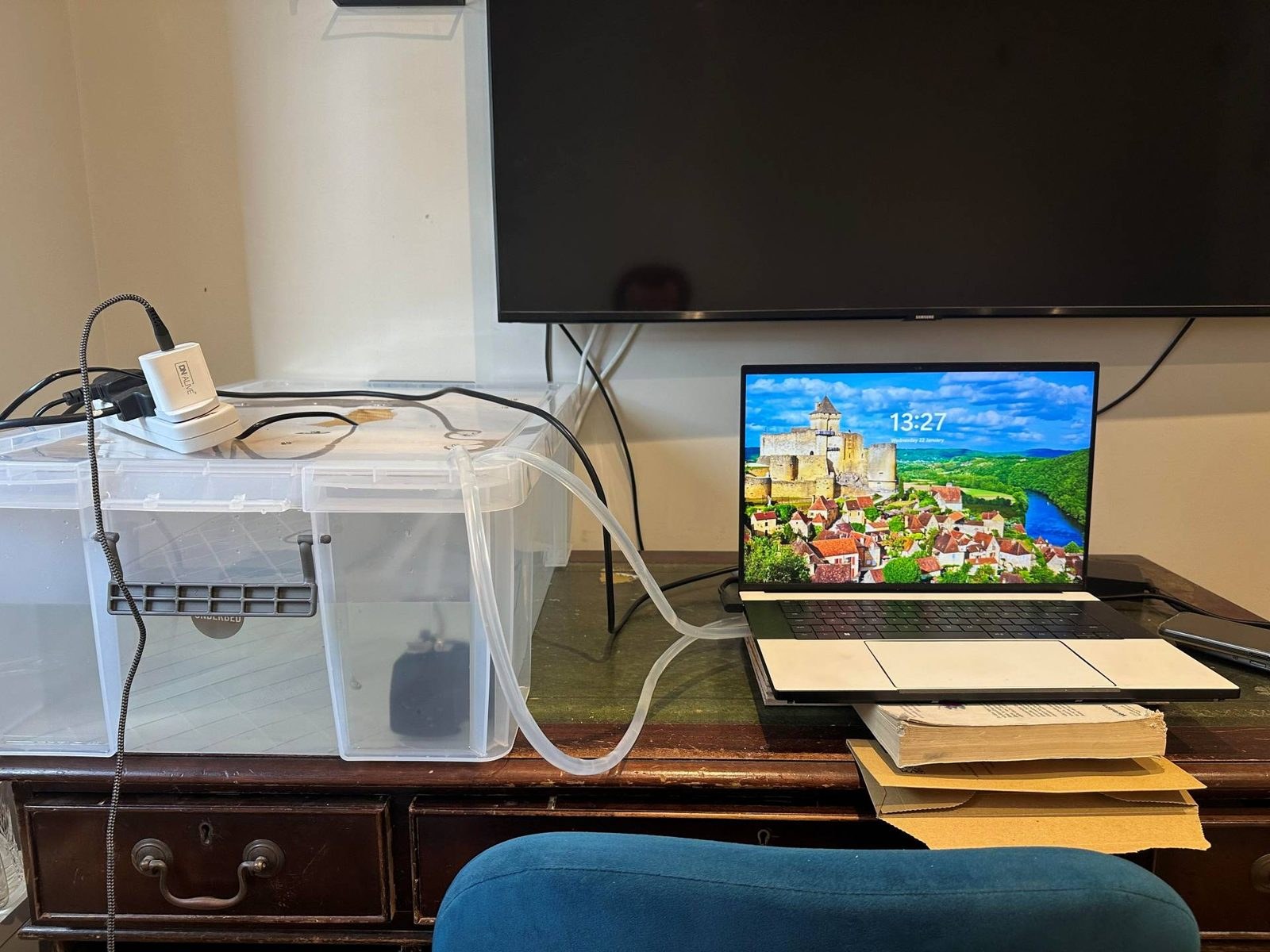
When a £2,500 manufacturer repair quote for a dead heatsink crossed the line into ransom, a Razer Blade 16 owner spent £100 on copper blocks and an external liquid-cooling loop.
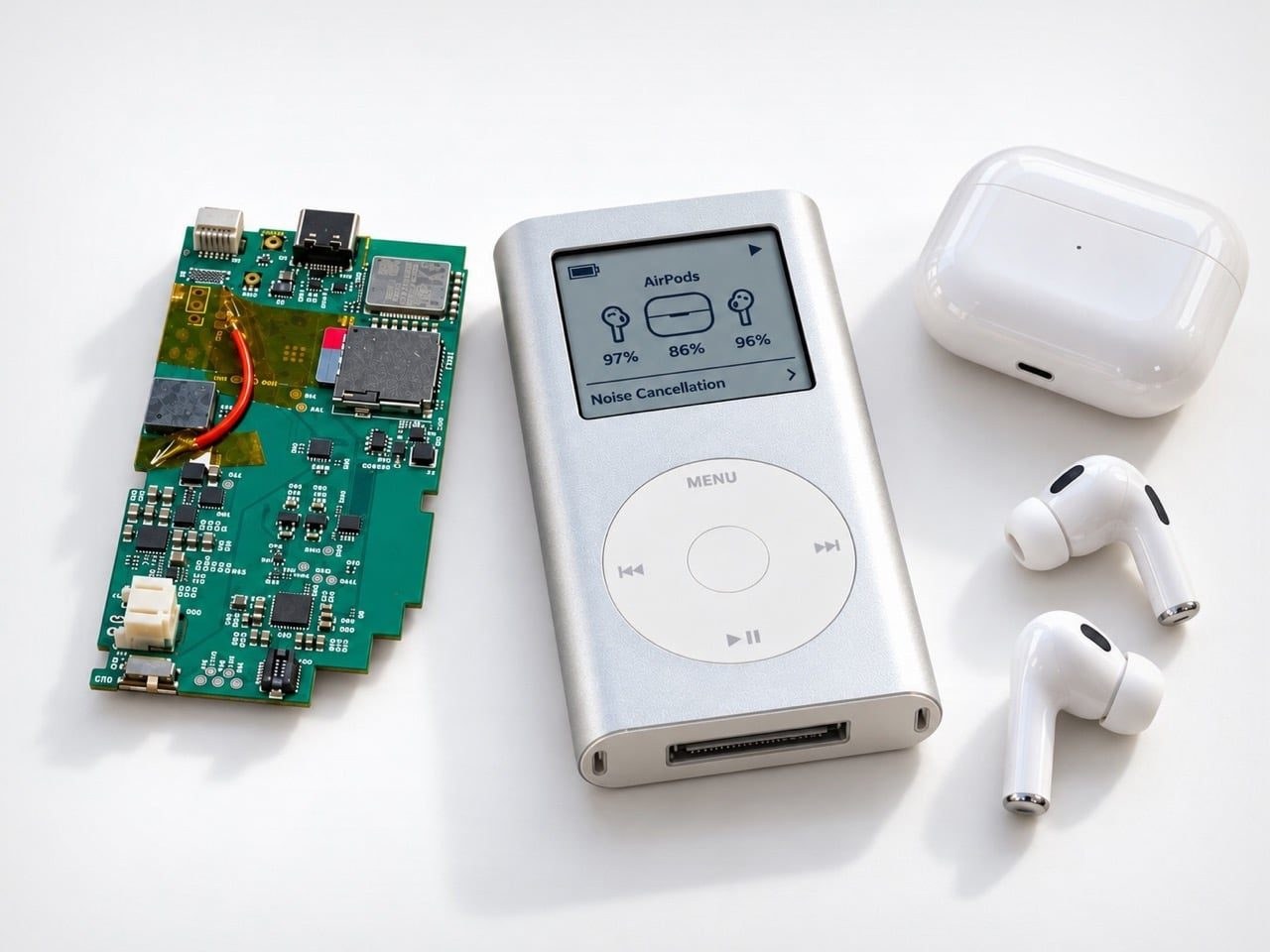
London-based Certain Things has designed a drop-in replacement motherboard that upgrades classic 2004 iPods with modern wireless pairing, USB-C, and up to 2TB of storage.
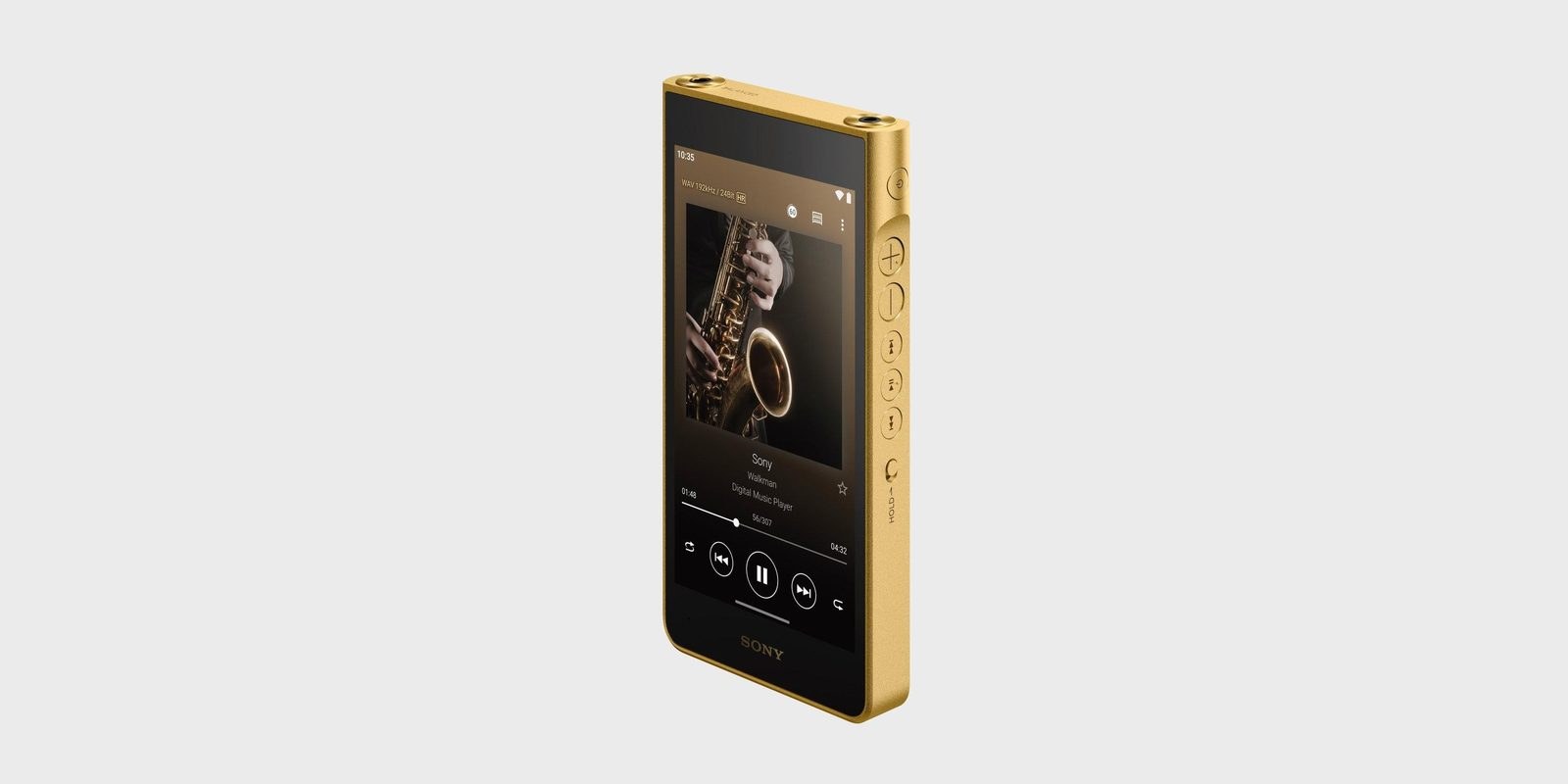
Sony has launched three ultra-expensive Walkman players, topping out with the gold-plated $5,899 NW-WM1ZM3. These heavy music players promise studio-grade analog sound, but offer virtually no everyday benefits over a cheap used iPod.
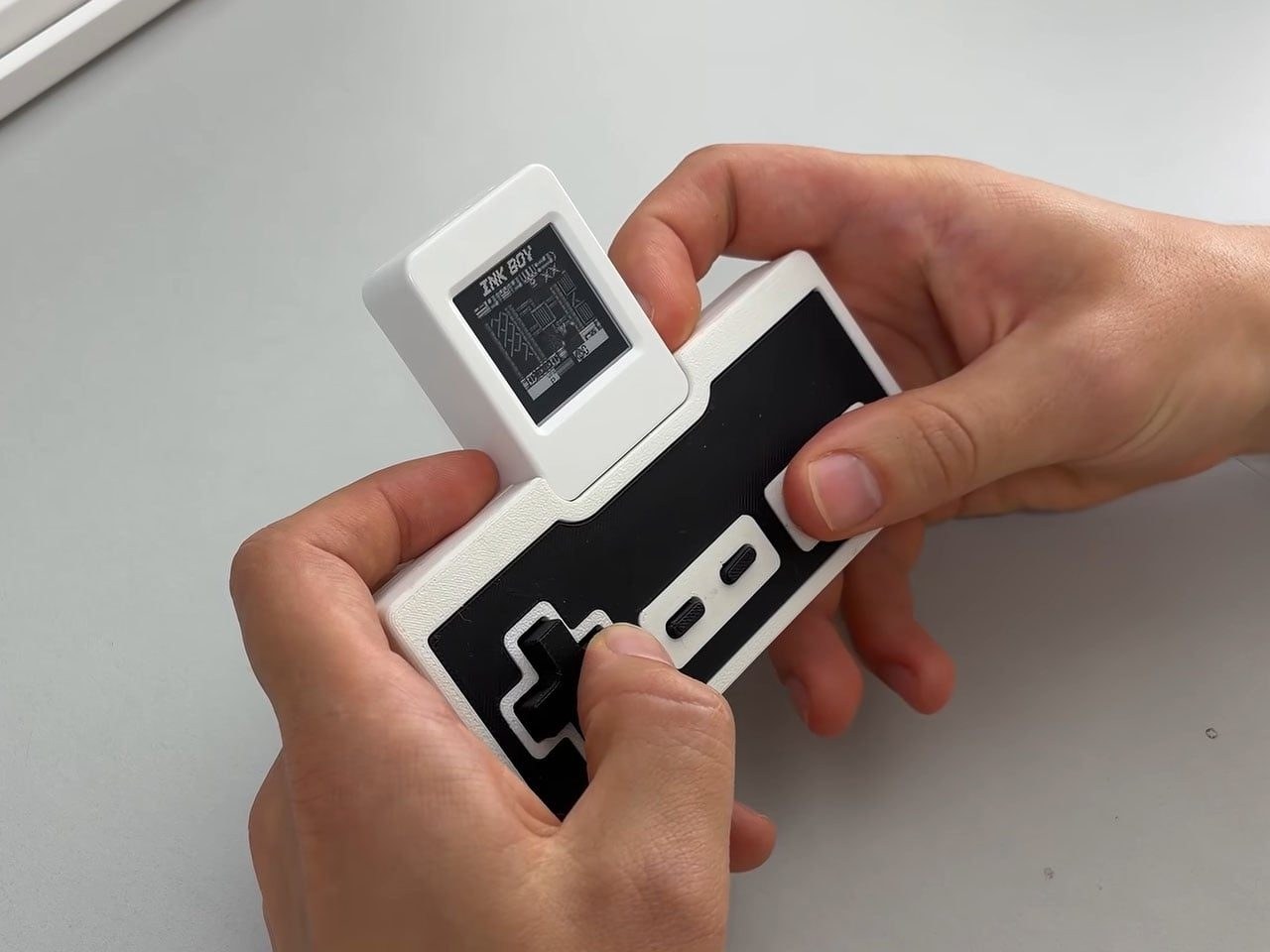
Independent developer Bo Made It built InkBoy, a tiny gadget that forces slow electronic paper screens to run retro games at 30 frames per second. Powered by an ESP32 chip and custom pixel-refresh software, it proves monochrome book displays can handle fast

DJI's automated mechanical dock swaps dead drone batteries in under 25 seconds to eliminate hours of charging downtime. At $25,100 bundled with the Matrice 5TD, it transforms security surveillance into a heavy capital investment.
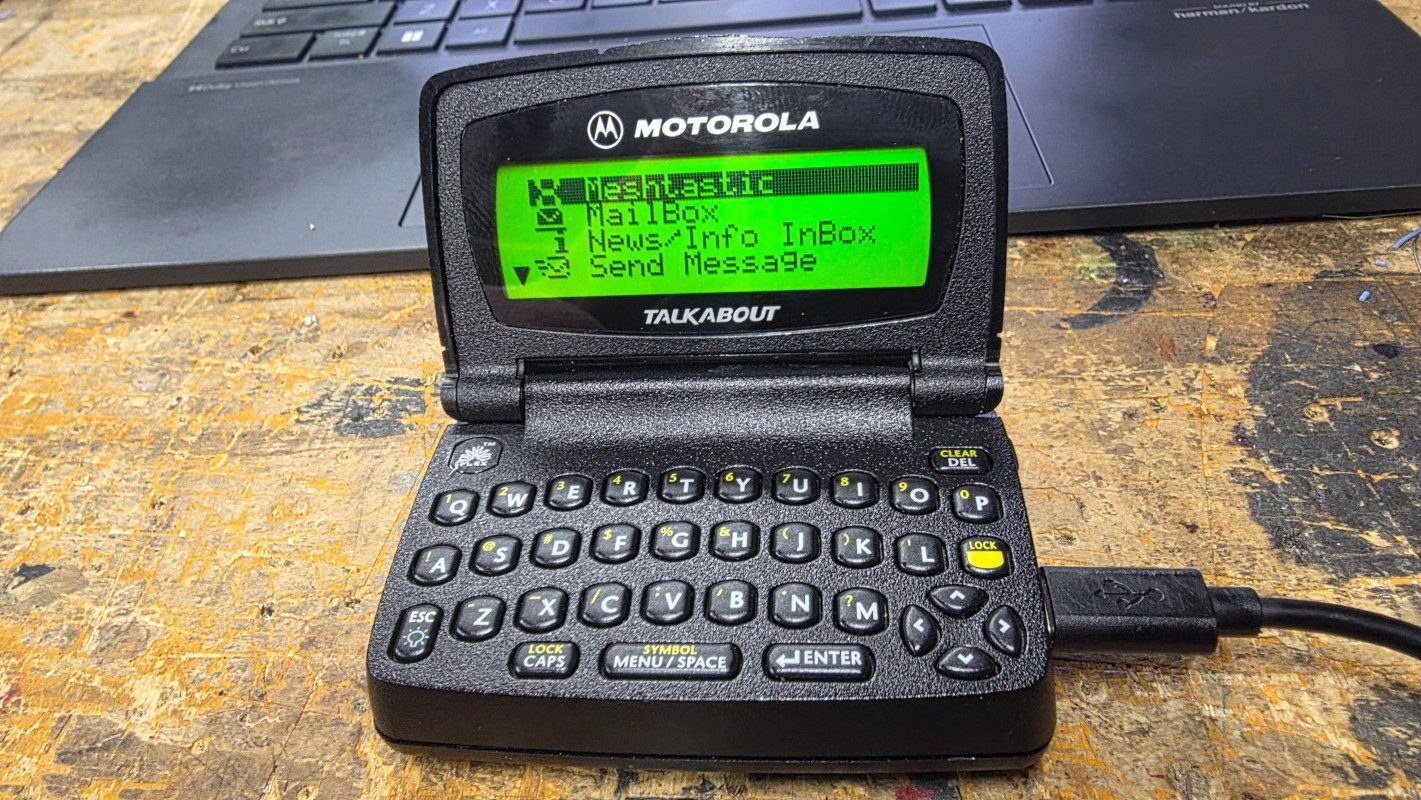
Maker [zindustries87] rebuilt a vintage Motorola T900 pager to run on the decentralized Meshtastic radio network. The custom prototype requires heavy reverse-engineering and isn't ready for practical emergency use yet.
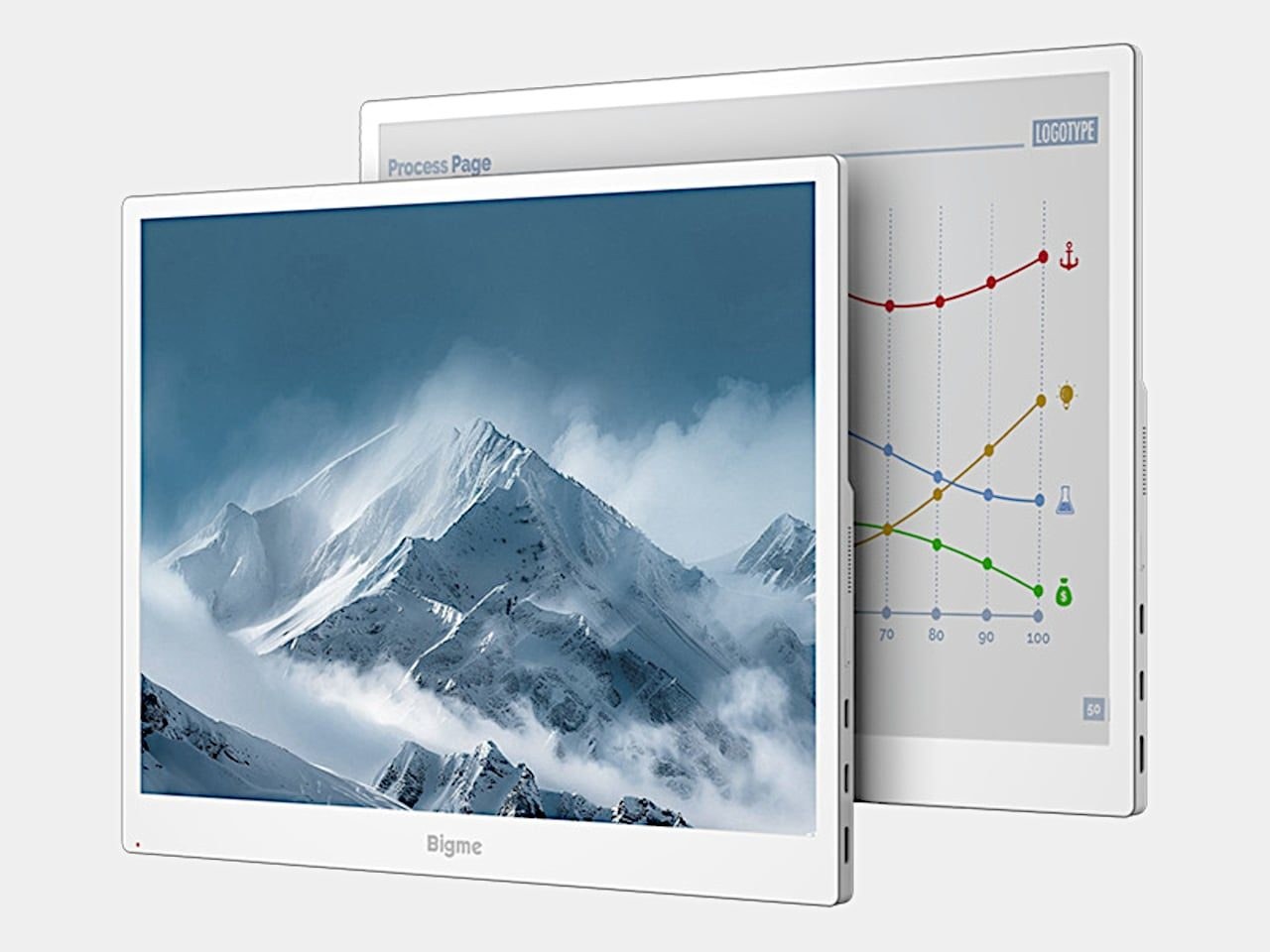
Staring at spreadsheets all day leaves eyes exhausted, prompting Bigme to release a 13.3-inch color e-paper monitor with a 60 FPS refresh rate. The $600+ screen relies on reflected ambient light instead of a harsh backlight to make text-heavy work easier on
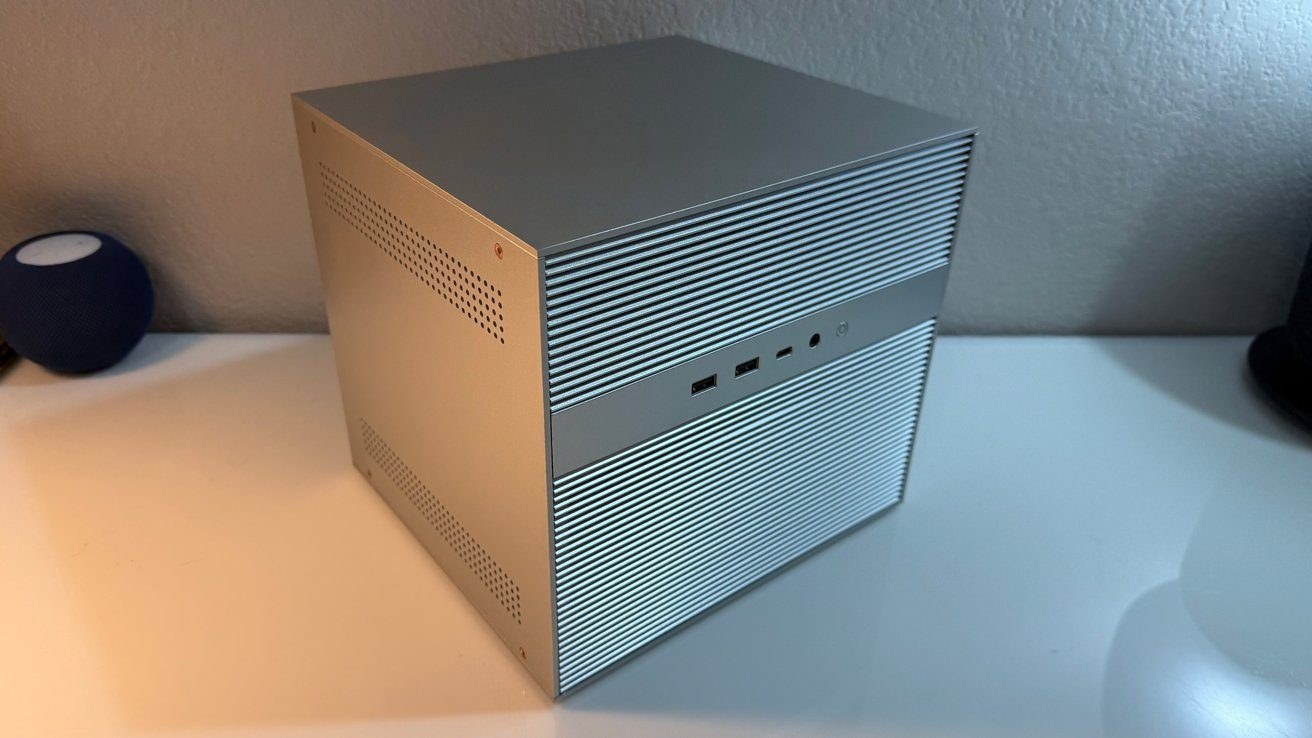
IceWhale's $799 six-bay NAS lets you ditch cloud subscriptions and install your own operating system, but its hyped Thunderbolt speeds require extra legwork.
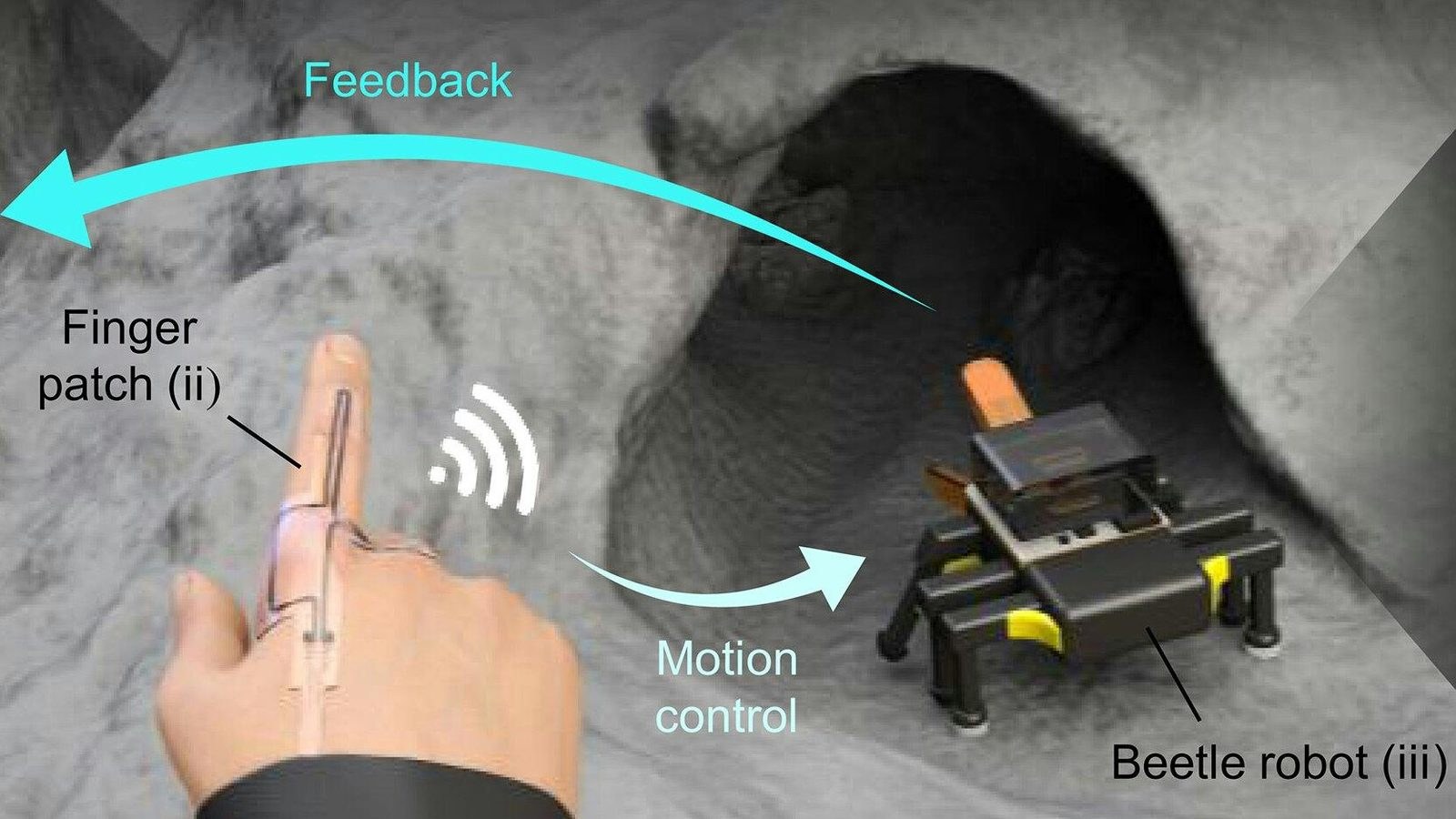
Researchers at KAIST developed a six-legged micro-robot driven by liquid crystal elastomer muscles that contract under a three-volt current. Despite grabbing objects and mimicking beetle jaws, the prototype suffers from sluggish cooling cycles and lacks practical consumer value.

XREAL's first Android XR glasses ditch the direct phone cable for a separate computing puck and start at $1,279. Pre-orders require a $199 non-refundable-sounding deposit ahead of holiday deliveries.
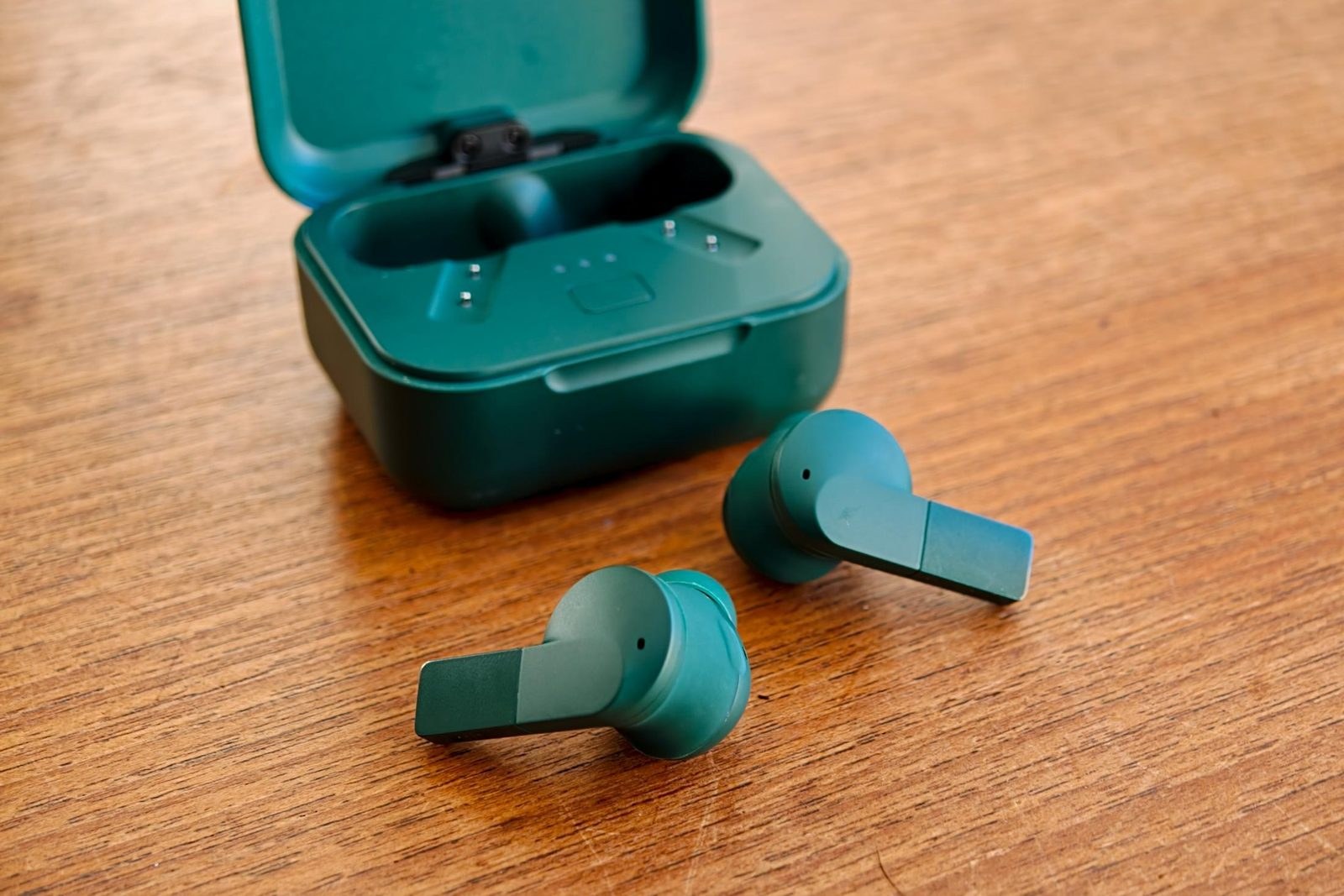
Fairphone’s €119 wireless earbuds feature user-replaceable batteries that can be swapped in under a minute without tools. The design tackles the industry's disposable gadget model by offering a repairable alternative with 40-hour total playback.
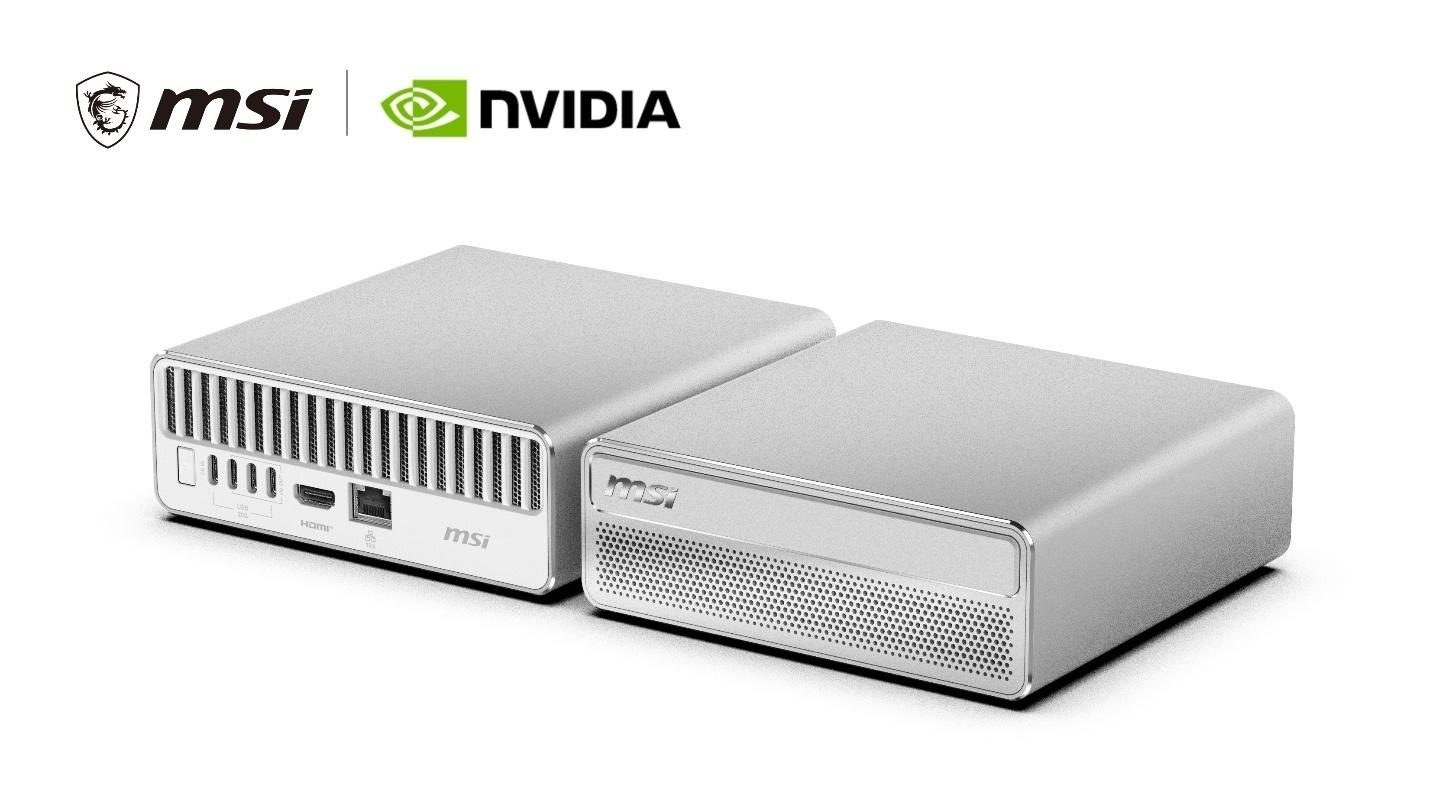
MSI squeezed a 1-petaflop AI server into a 1.3-liter desktop box with 128 GB of memory. We check if a home neural network workstation is worth its massive price tag.
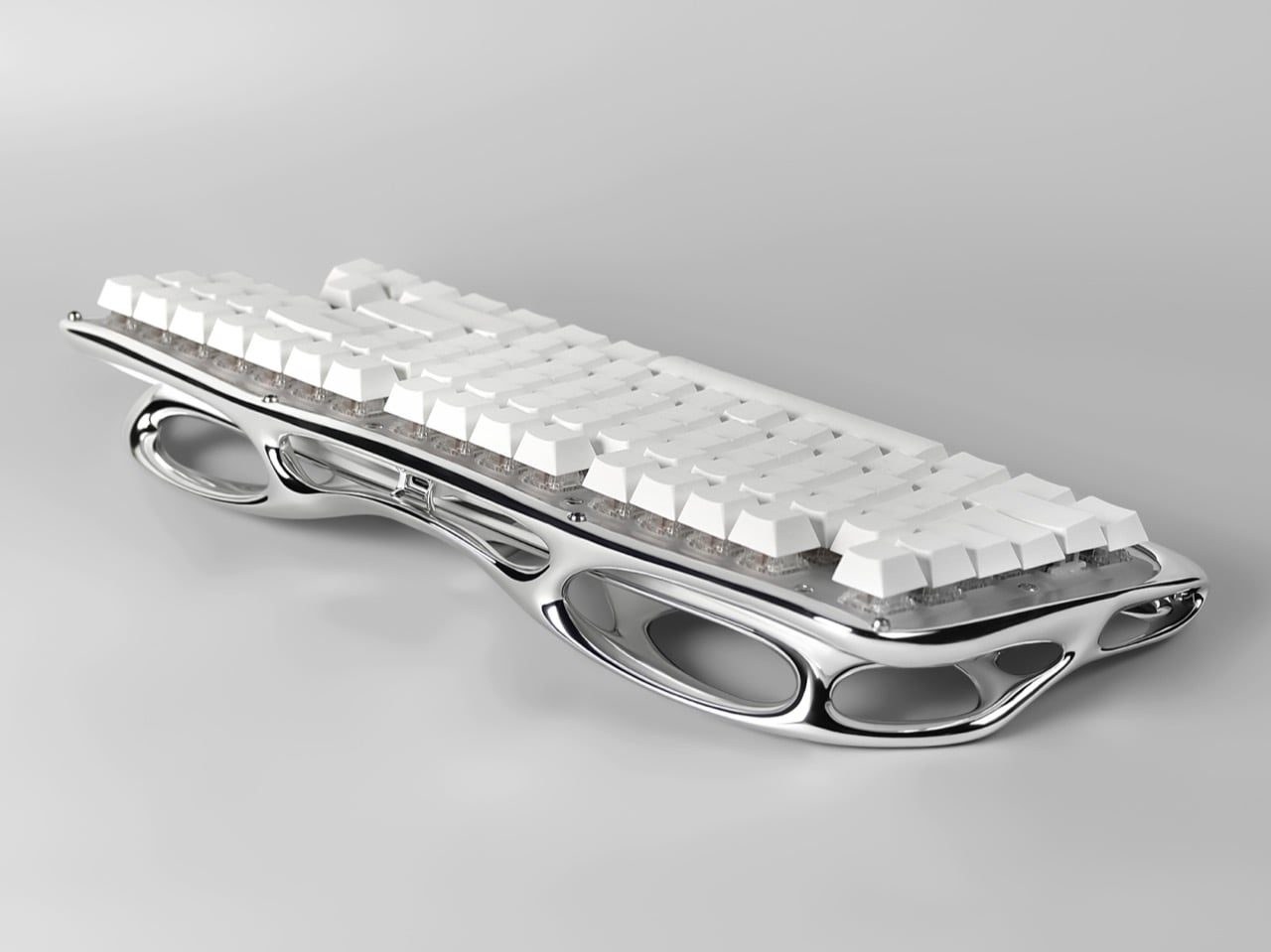
Designed by Haoyuan Lu and his team, the Pulse One replaces molded plastic with a 3D metal-printed shell shaped by generative algorithms. It merges the frame, bezel, and wrist rest into a single continuous form while remaining fully wireless and hot-swappable.
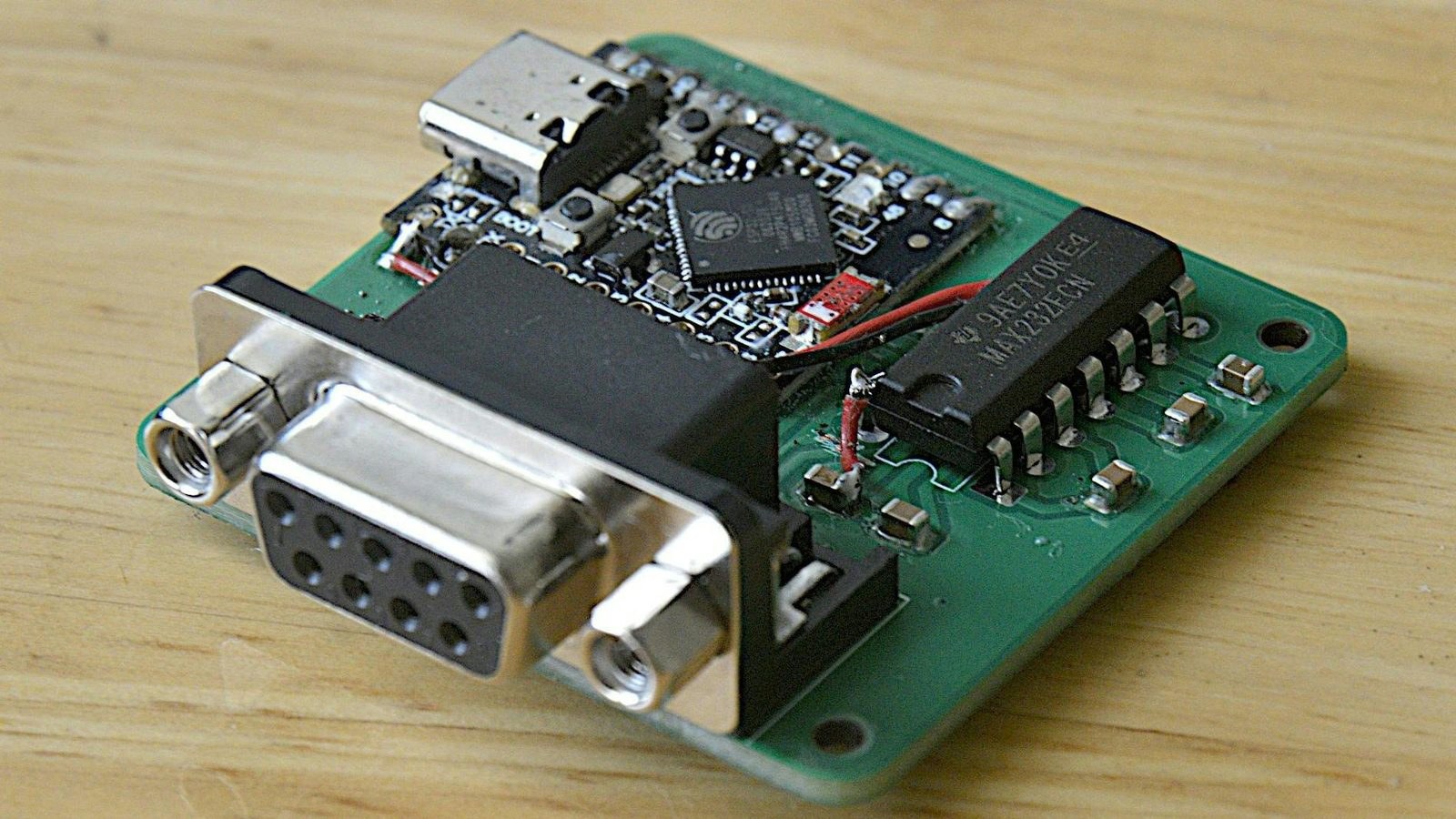
Legionlabs built the Selectric-256, an eight-dollar hardware box using an ESP32 chip to bring military-grade post-quantum messaging to computers of any age. The device offloads network processing to external Wi-Fi and connects via USB or serial, keeping legacy machines secure without cloud subscriptions.
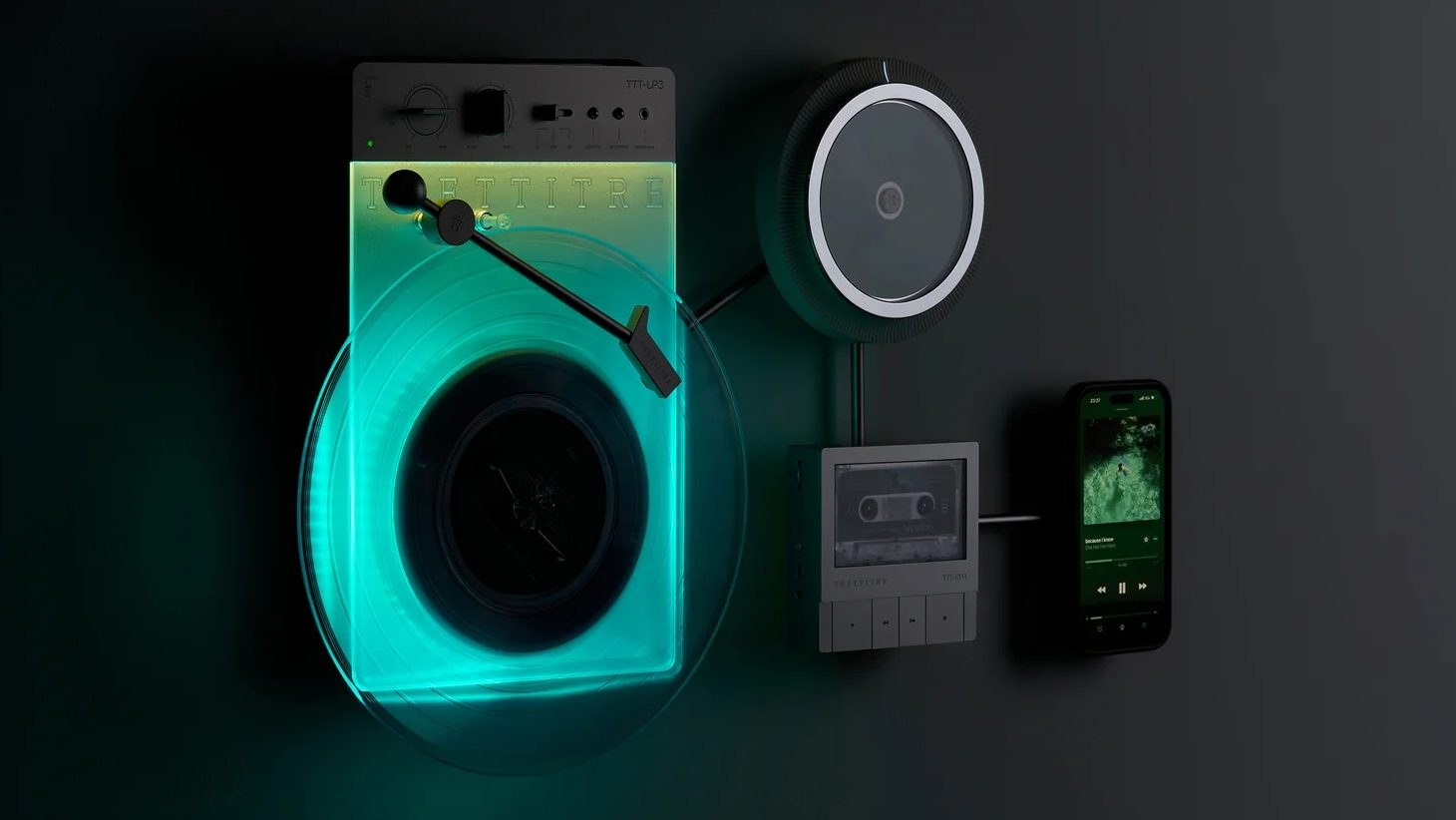
Trettitre's magnetic wall rack mounts a vinyl turntable, CD player, and cassette deck vertically with RGB backlighting. Starting at $399 on Kickstarter, it trades acoustic purity for striking interior decor.
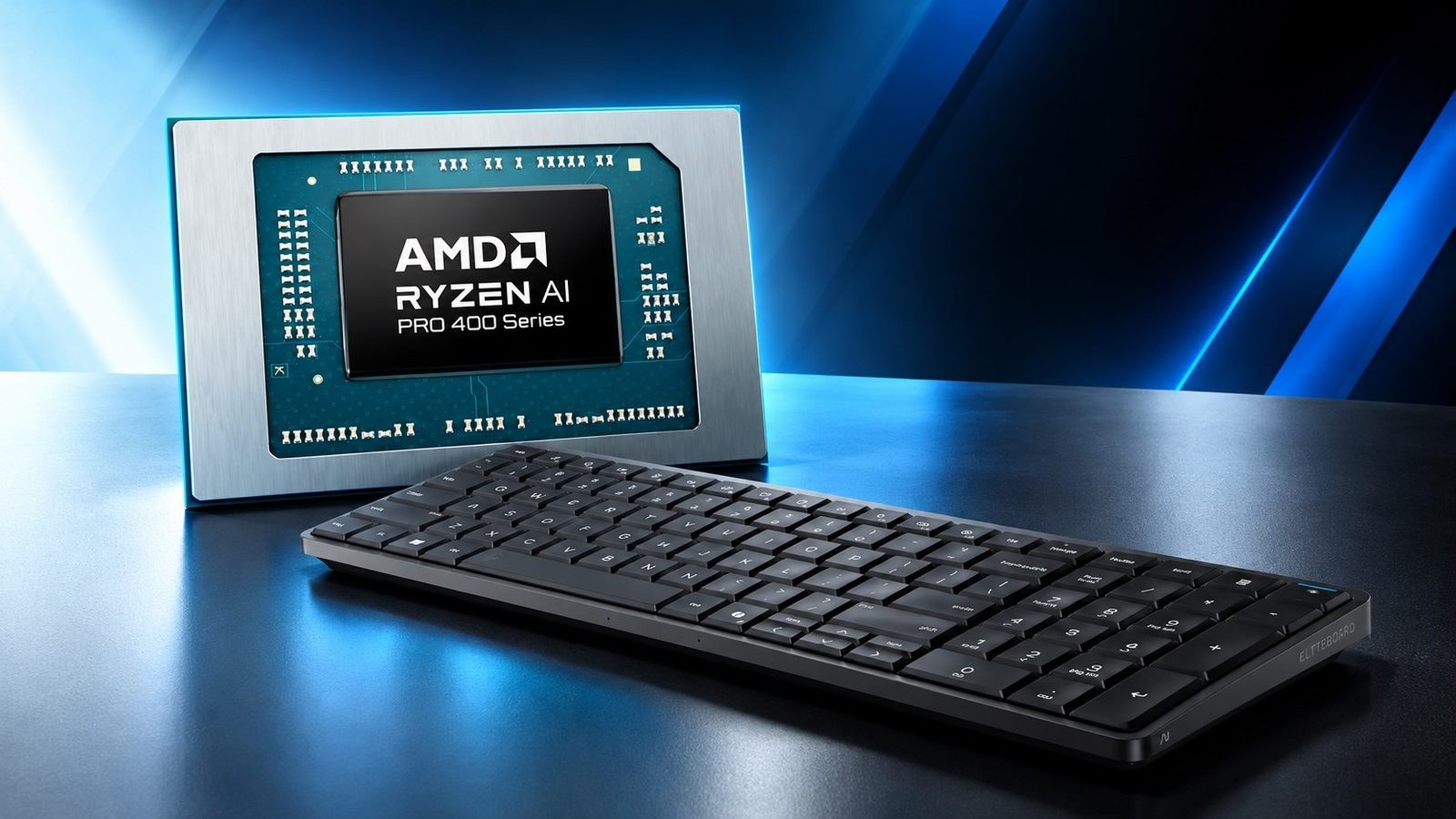
HP has revived the 1980s computer-in-a-keyboard design with the new EliteBoard G2a, starting at $3,053. It crams Ryzen AI Pro processors and up to 64GB of RAM into a 1.49-pound chassis, asking users to pay a massive luxury tax for ultimate desktop minimalism.
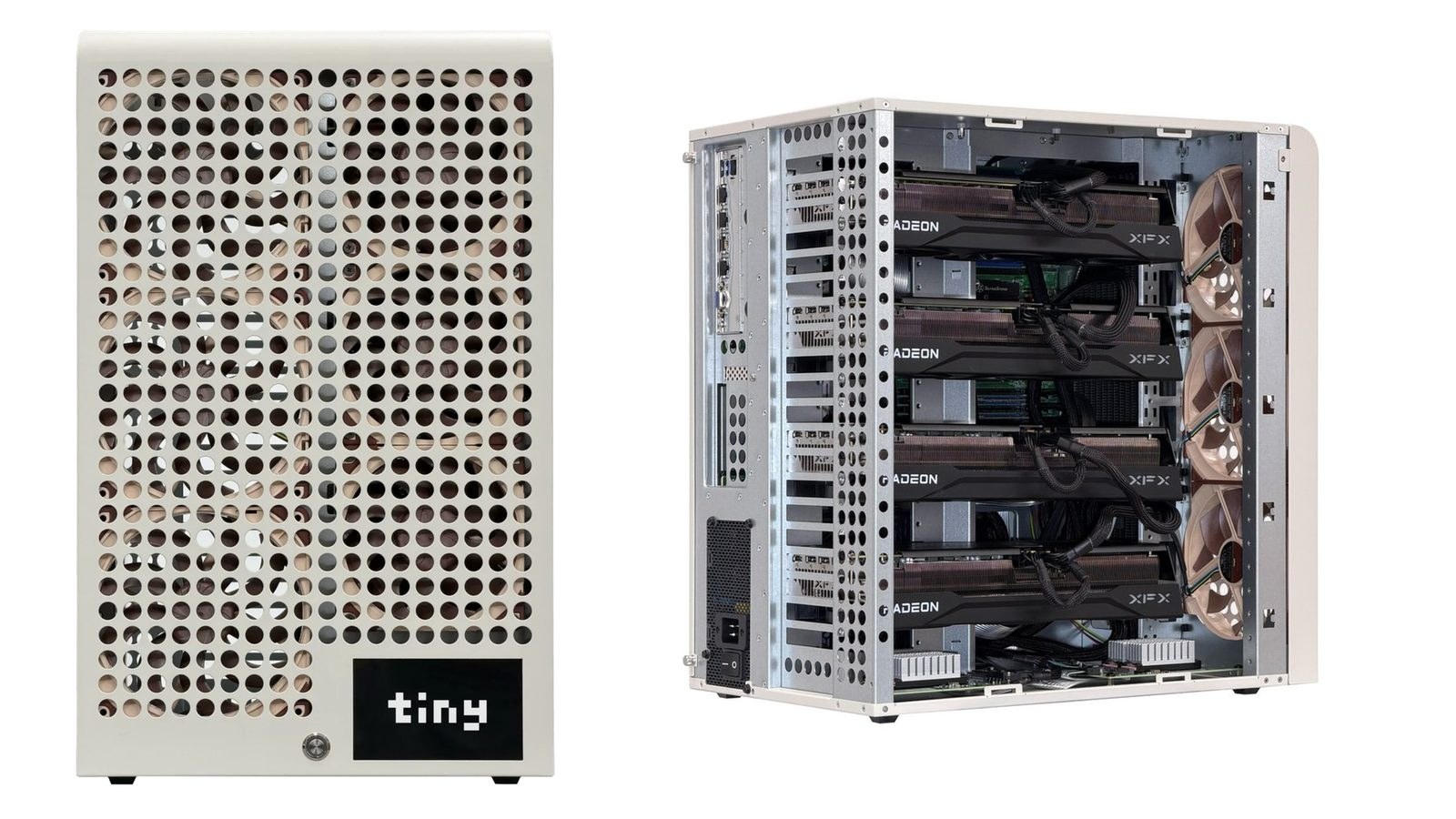
Tinygrad updated its desktop deep-learning workstation to support four AMD Radeon graphics cards starting at $11,000. For independent developers dodging cloud bills, the 42-pound machine offers local power built on older server parts.

The Sprout project swaps classic iPod internals for a custom motherboard powered by Raspberry Pi hardware. It adds Bluetooth, a USB-C port, local storage up to 2TB, and enough processing power to handle modern streaming and PlayStation 1 games using the original click wheel.
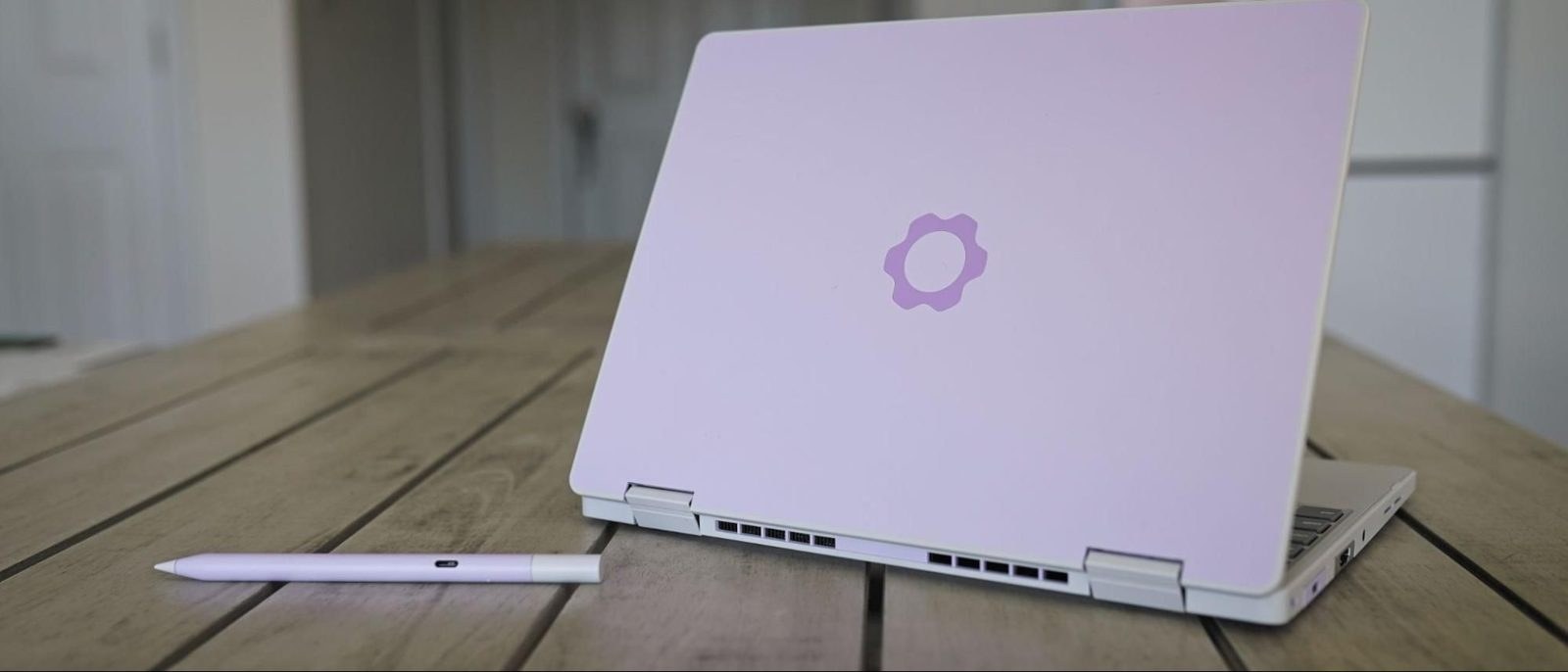
The modular Framework Laptop 12 starts at $549 for a bare-bones kit, promising easy self-repair and custom assembly. However, fully pre-built versions climb to $1,000, trading premium aluminum for a plastic chassis and higher costs unless you supply your own RAM and SSD.
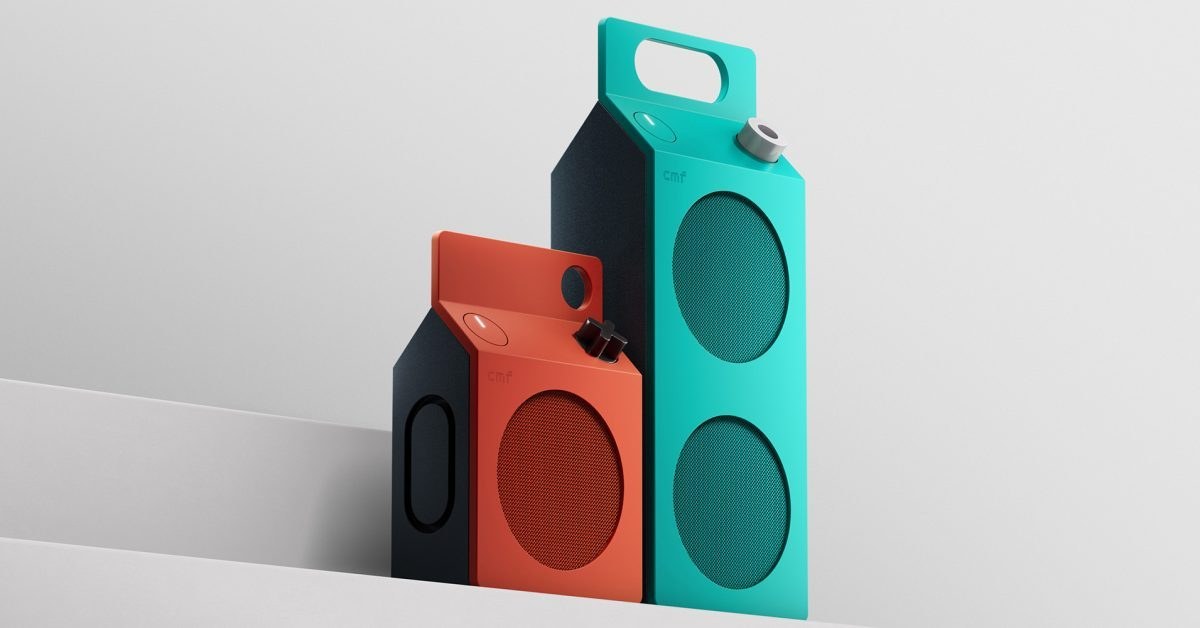
CMF by Nothing has released unusual milk-carton shaped wireless speakers in two sizes starting at $59. Featuring chunky physical controls, NFC pairing, and up to 18 hours of battery life, they inject personality into a workspace without breaking the bank.
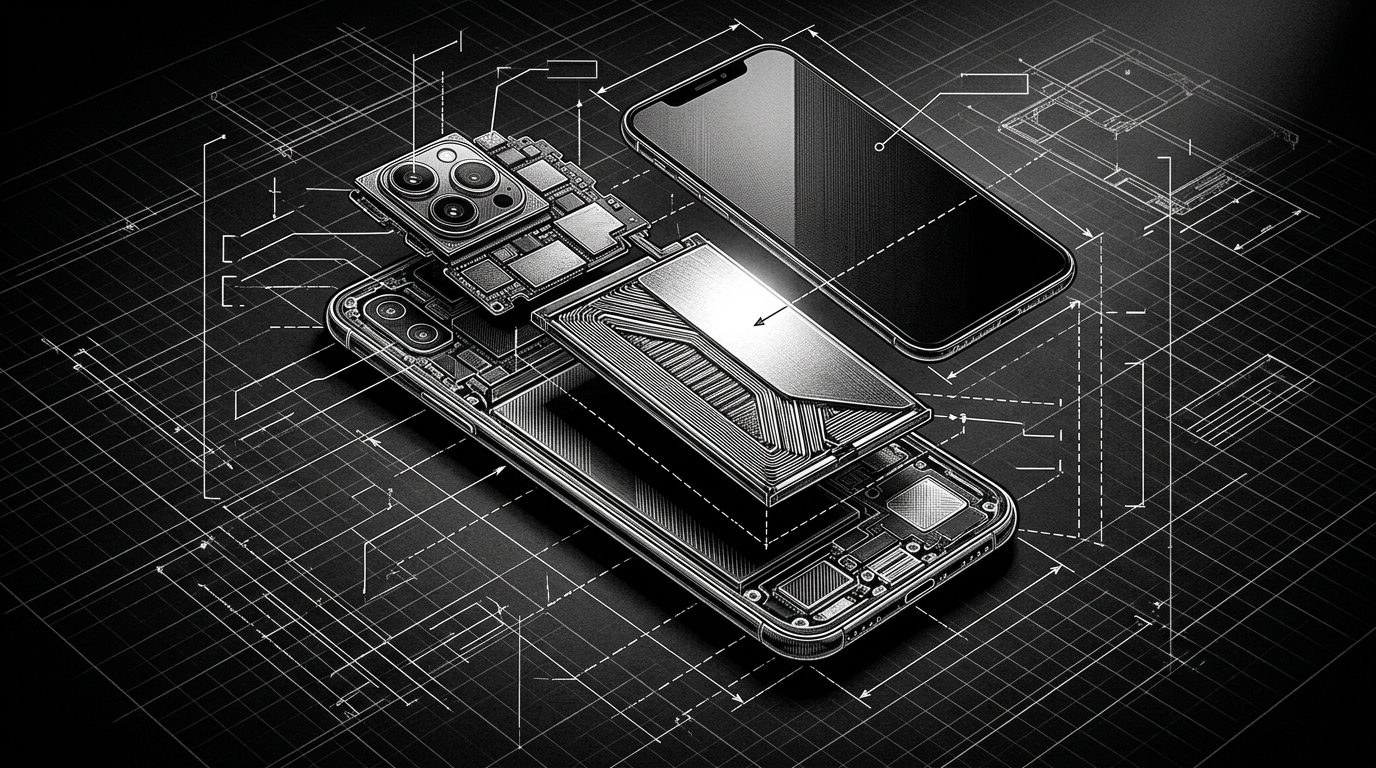
The new OnePlus 16 solves daytime battery anxiety with a colossal 9,000 mAh cell and top-tier Snapdragon chips. However, buying one outside China means dealing with missing local warranty support and frustrating software import workarounds.

Sony's premium wireless headphones look sleek, but a weak plastic hinge is driving owners to scrap them. See why a $400 price tag doesn't buy you durability.
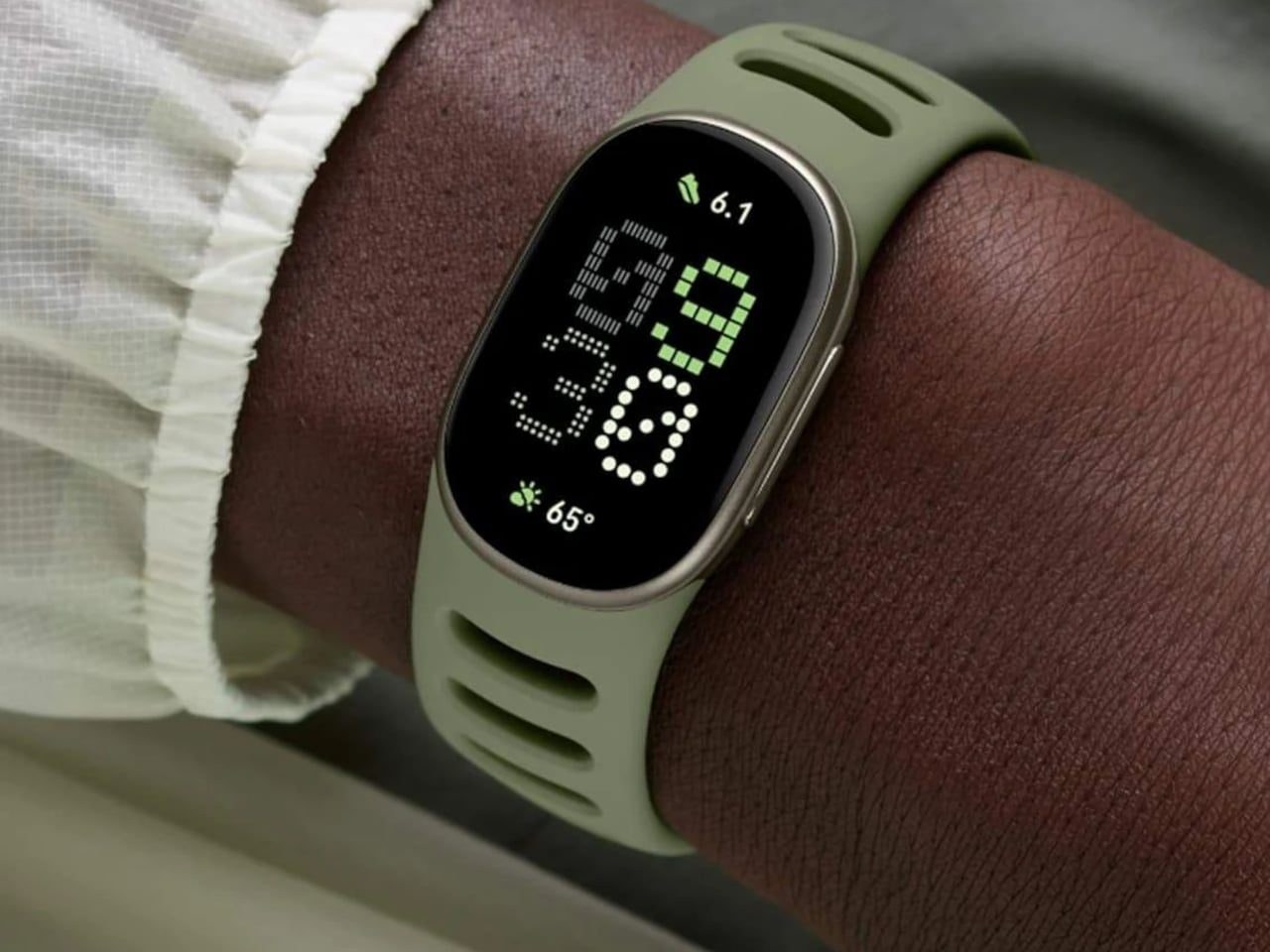
The new Google Fitbit Edge features a modular design built to let you replace a dead battery instead of tossing the entire device into the trash. However, swapping the power cell requires specific tools and regional repair support rather than a quick pop-open fix at home.
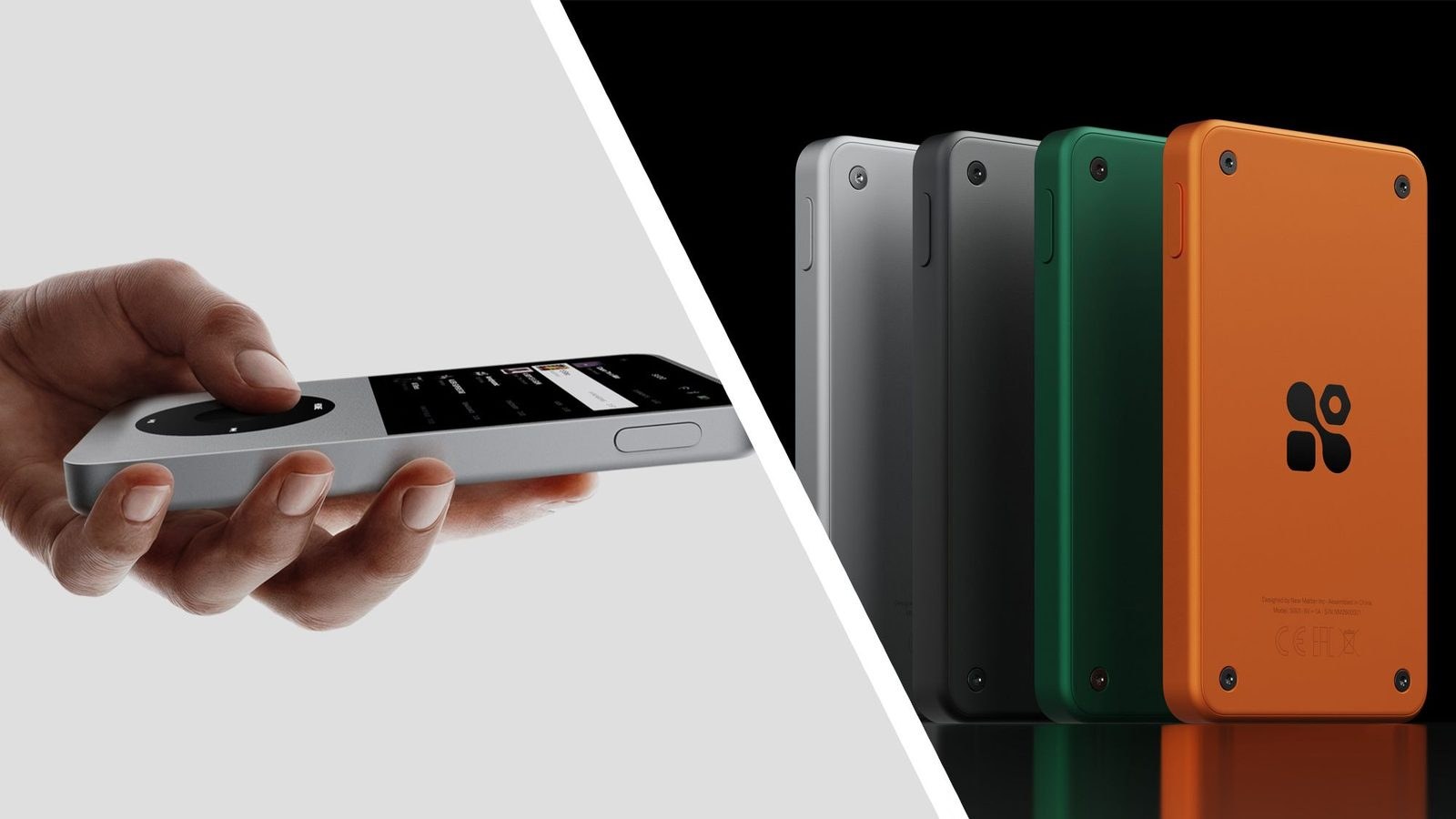
Sudo is taking $50 deposits for a $250 digital detox music player blending an iPod scroll wheel and Zune screen. Buyers must wait until late 2027 to see if the crowdfunded device actually materializes.
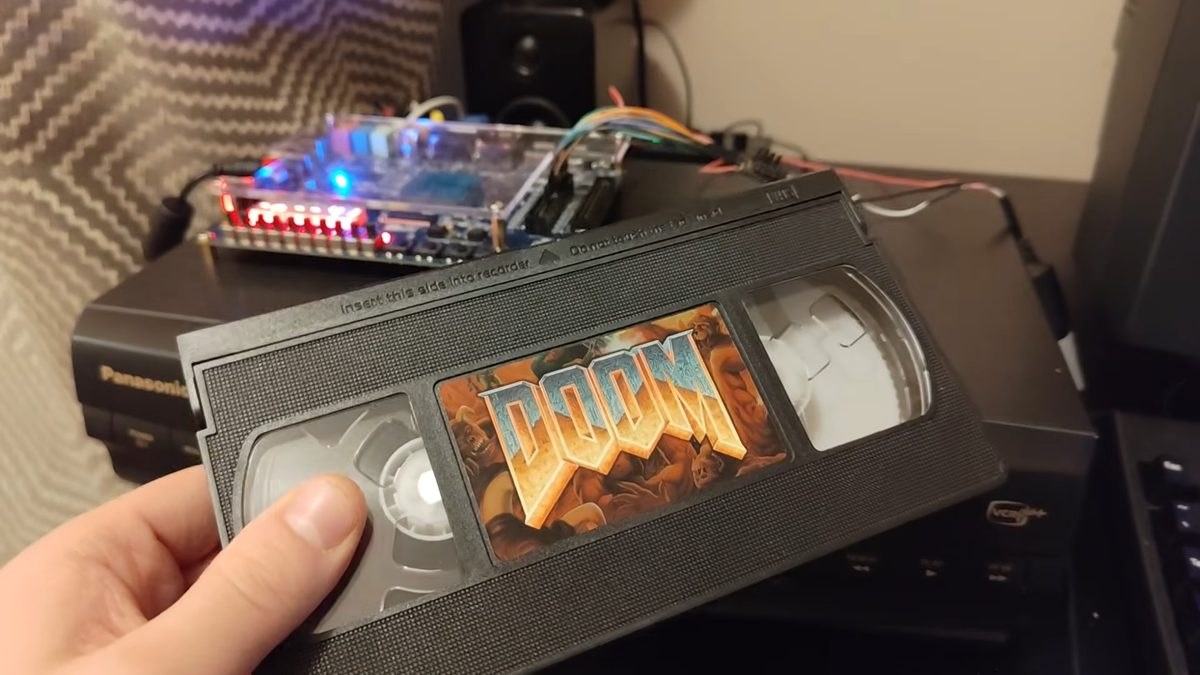
An indie enthusiast built a functioning gaming rig that loads classic titles like Doom and Super Mario Bros from a standard VHS cassette. The project exposes how bloated modern game code has become by comparison.

Brazilian developer RafaelNGP built a homebrew app using Claude AI to stream Xbox Cloud Gaming on PlayStation 5 hardware. The mod maps four controllers and adds 4K upscaling, but requires voiding your console warranty for a laggy, high-risk streaming setup.
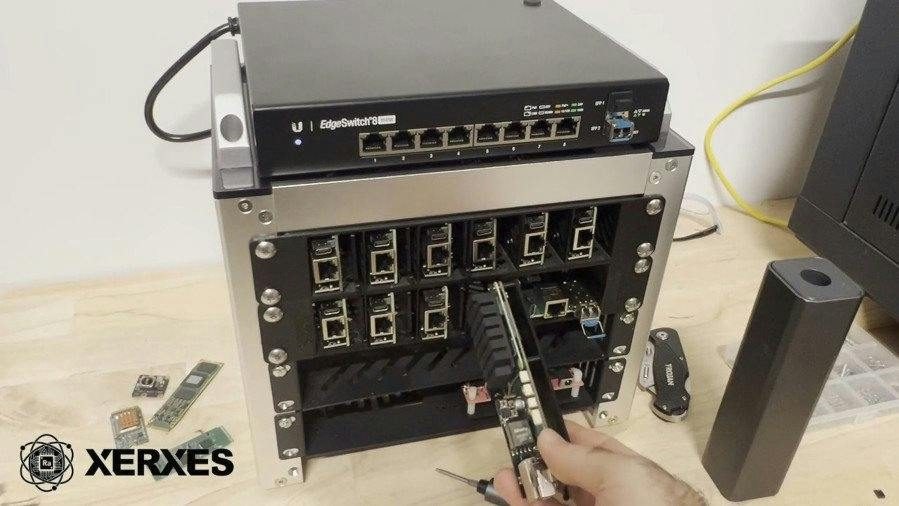
Engineer Rob Newport has launched a Kickstarter campaign for the Xerxes Home Lab, a modular blade-style setup that cleans up messy desk wires for self-hosting enthusiasts. The hardware supports Raspberry Pi and Nvidia Jetson modules, with DIY 3D-printable racks and bundles starting at AU$49.

The TDM Neo solves packing space by twisting its headband to double as external speakers, but dropping active noise cancellation makes long trips a noisy chore. With a $249 price tag, four audio drivers, and a 200-hour battery, these quirky headphones demand heavy trade-offs for travel convenience.
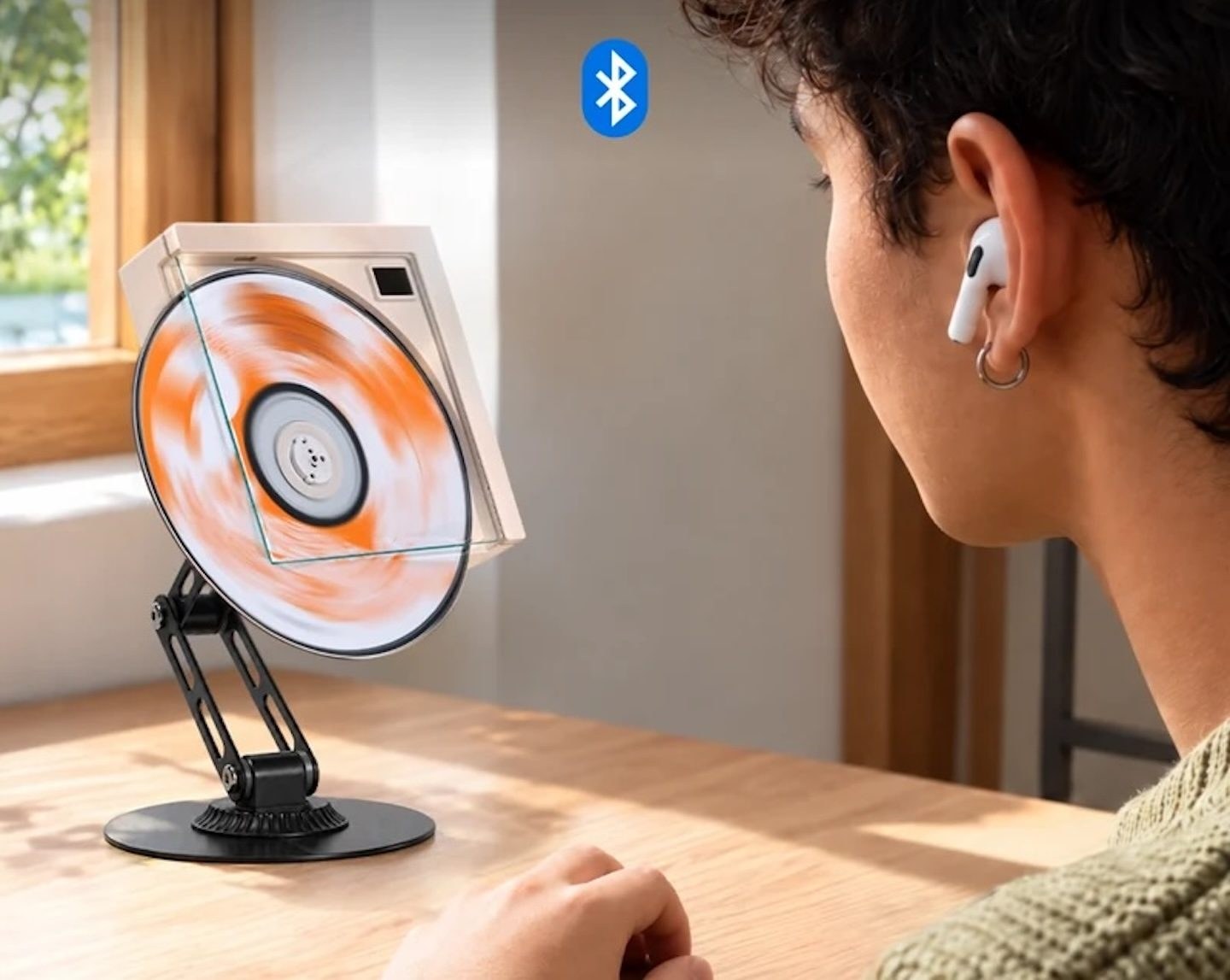
Streaming left your old music collection gathering dust, but a new $99.99 pocket player lets you spin physical compact discs again without a bulky stereo receiver. The Fosi Audio DISC Nano features a Cirrus Logic DAC and wired headphone jacks, but its exposed spinning disc makes it strictly a desk toy rather than a portable commuter gadget.
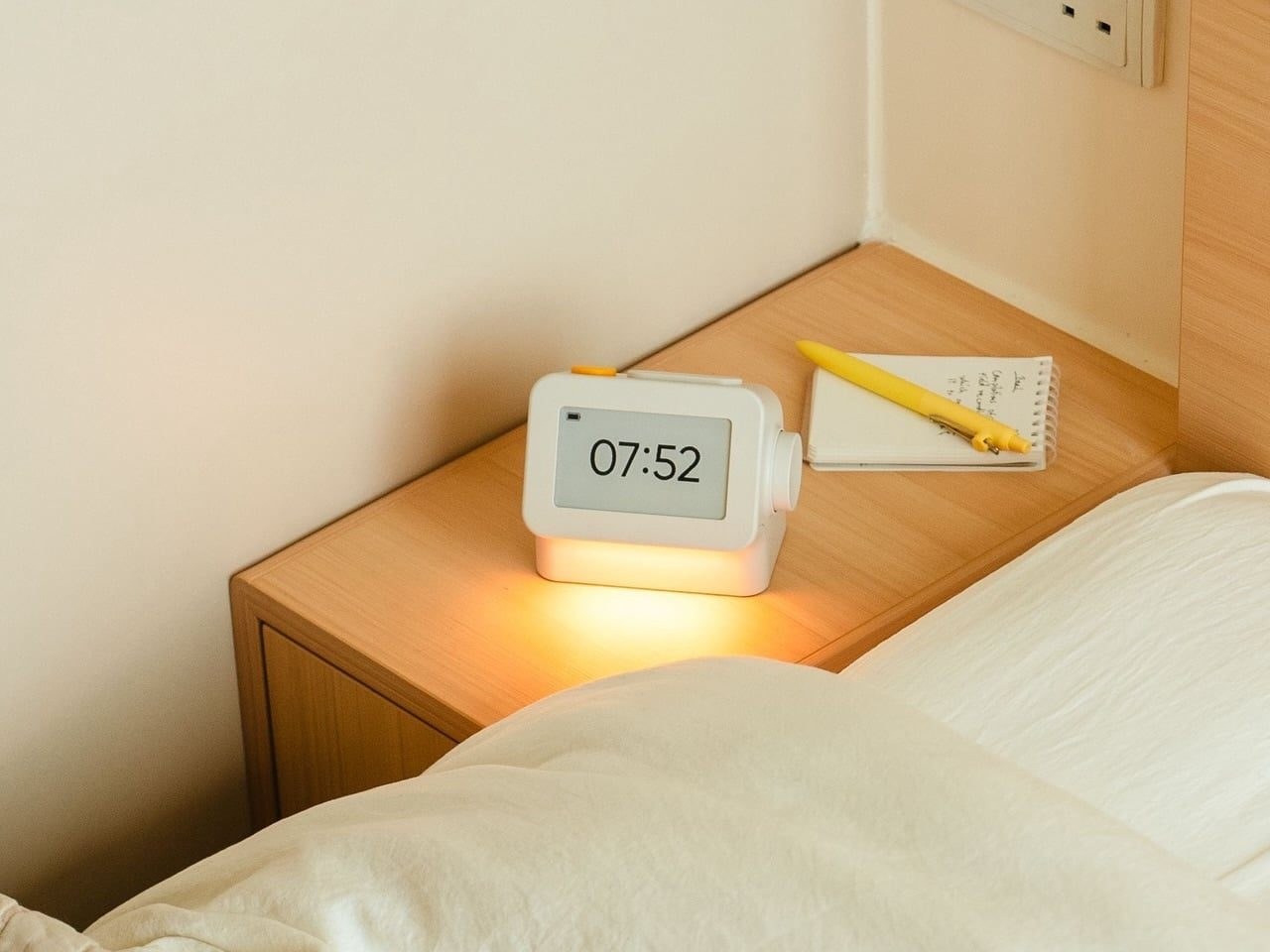
Designers Peter Arvad and Jesper Westendahl built a dedicated bedside clock to break the smartphone morning scroll habit. The 3.7-inch e-paper display uses ambient light, physical controls prevent half-asleep mistakes, and built-in sleep sounds require no apps or subscriptions.
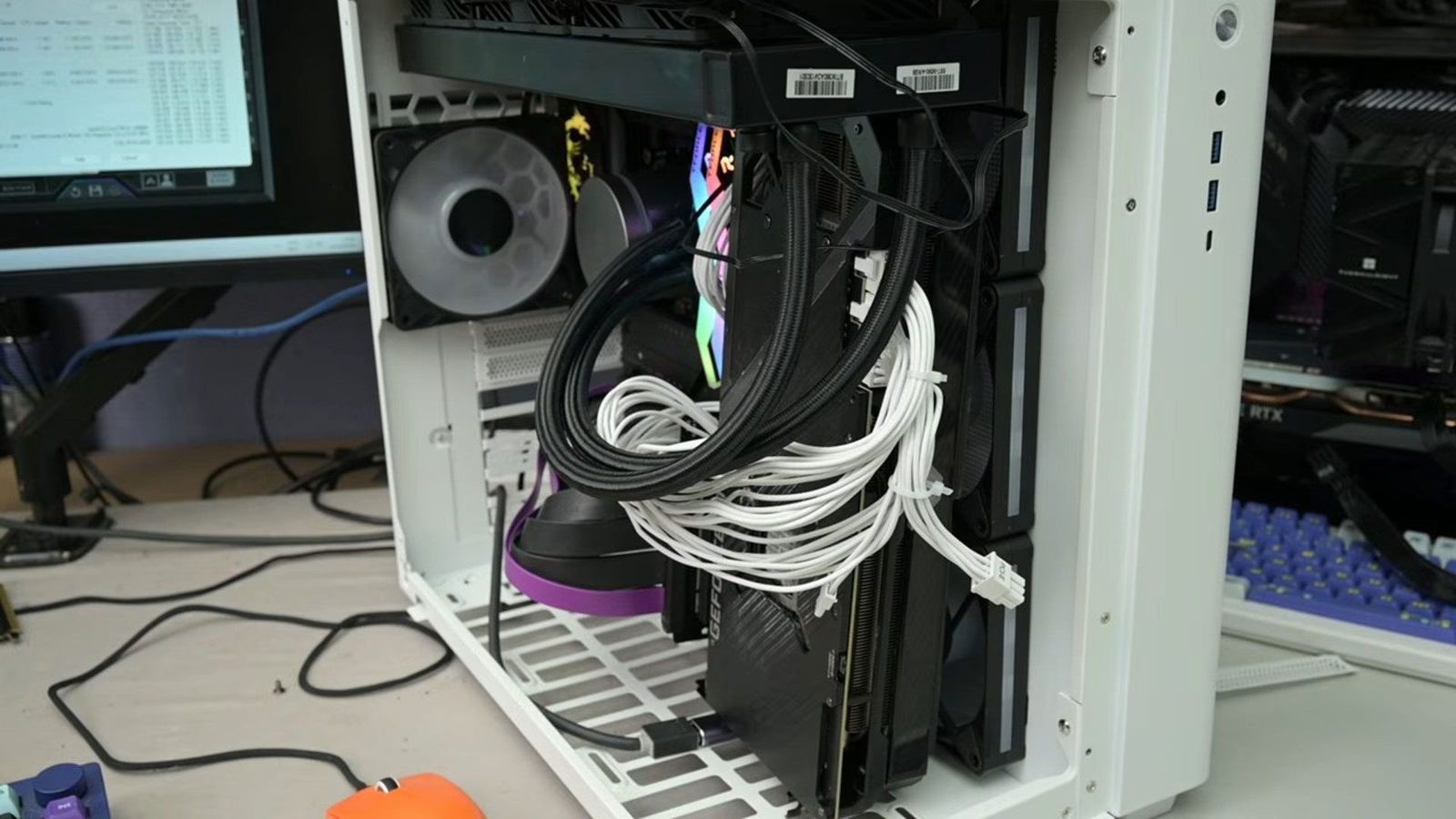
Hardware modder TrashBench tested a radical PC layout that shifts the graphics card away from its standard motherboard slot. The unorthodox configuration slashed GPU hotspot temperatures by 19°C, though it introduces new cooling hurdles for the processor.
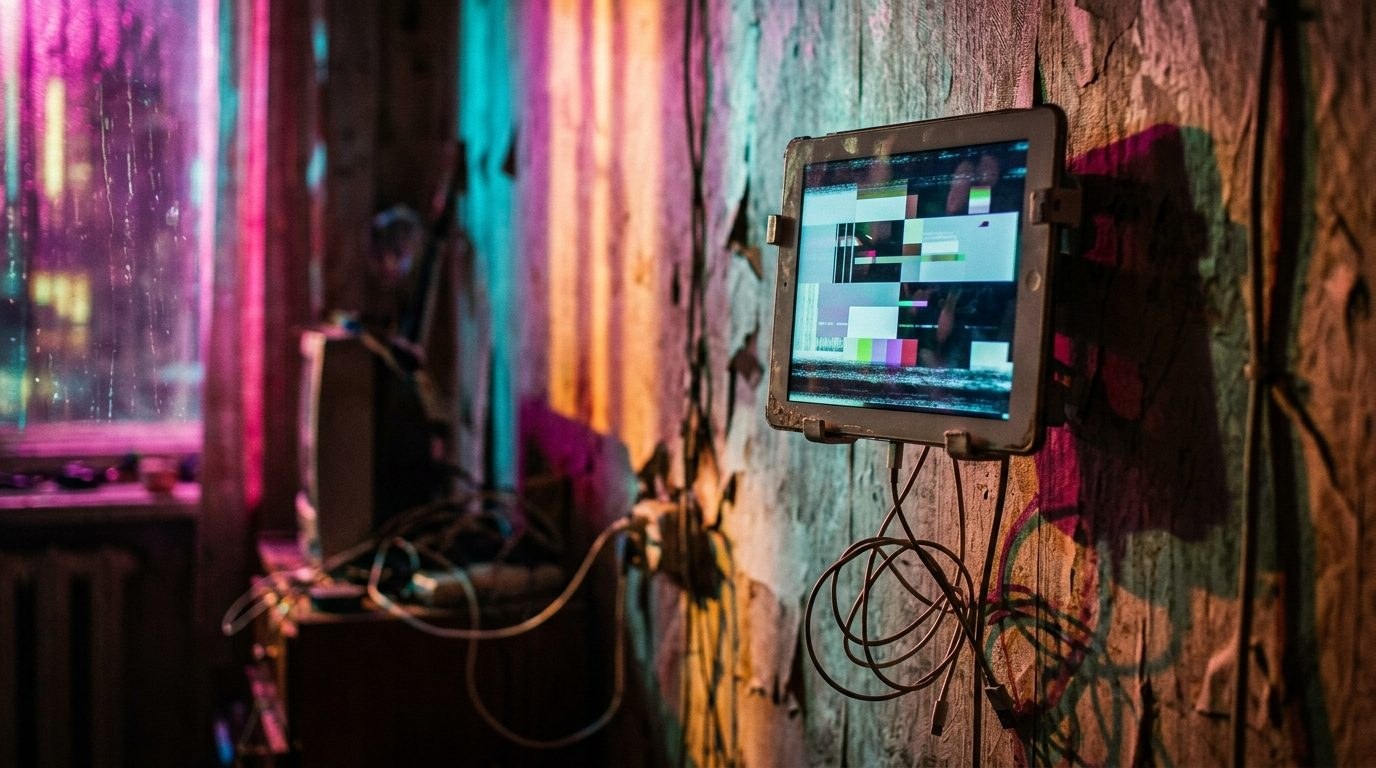
Repurposing old tablets for smart home dashboards leads to bloated hardware, swollen batteries, and endless reboots. We test a dedicated 10.1-inch panel running on a lightweight chip to see if it fixes the problem.

A developer created unidex, an open-source operating system running on a tiny 1.54-inch Waveshare ESP32-S3 e-paper display. It tracks your schedule, stores notes, and features a digital pet without pulling you into algorithmic feeds.
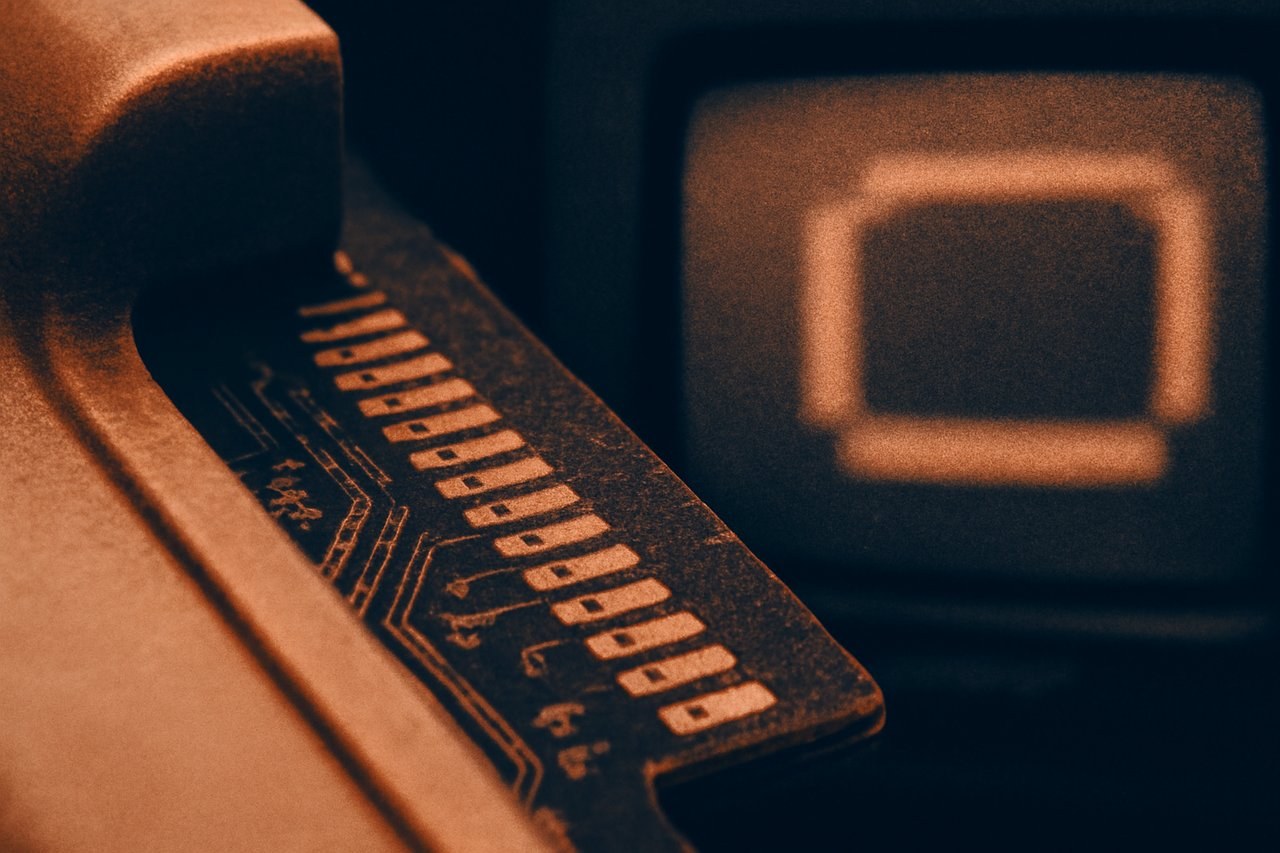
Chinese manufacturer JGINYUE has built a $58 PCIe expansion card carrying an AMD B650 chipset to squeeze four M.2 NVMe drives and extra ports into older PCs. While it spares you a costly platform upgrade, it demands manual BIOS tuning and comes with a notoriously loud cooling fan.

Anbernic announced the RG DDS clamshell handheld featuring dual IPS displays and a Qualcomm Snapdragon G2 Gen 2 chip. The device mimics the classic 3DS layout for retro gaming enthusiasts, though pricing and release dates remain unconfirmed.
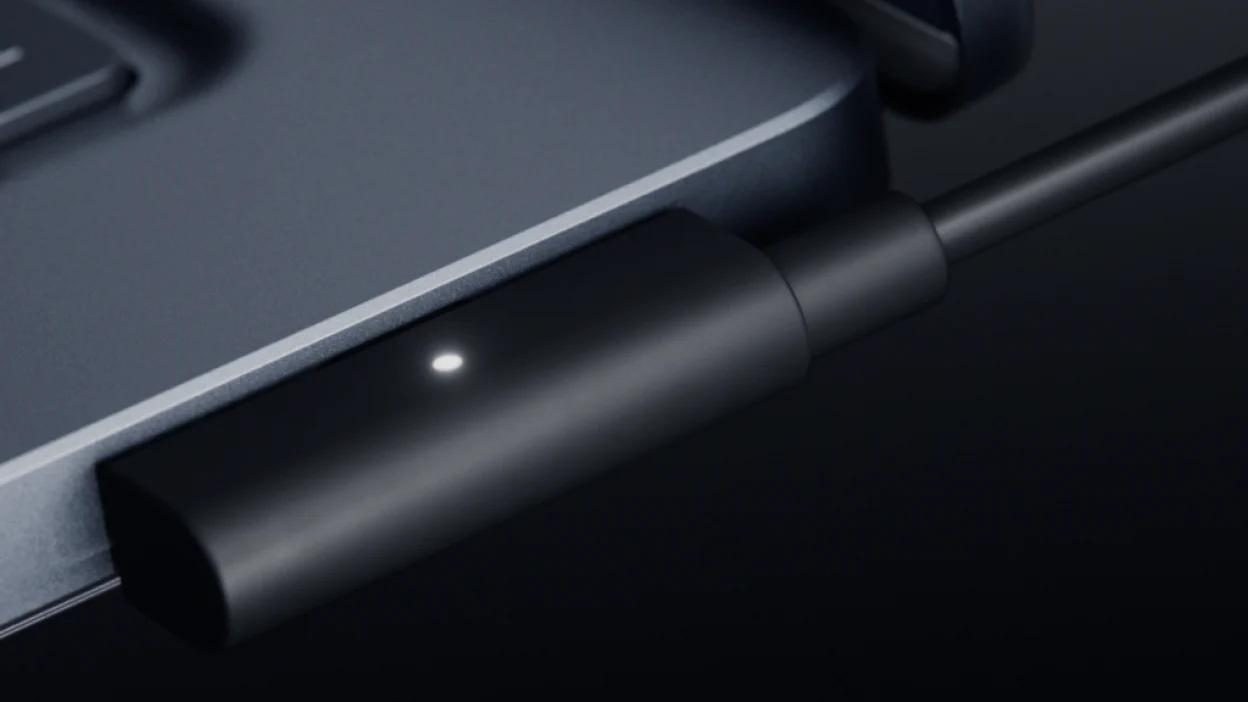
Microsoft has introduced the Surface Laptop Ultra featuring the industry's first built-in magnetic USB-C port. Priced at $2,599, the high-end machine combines magnetic convenience with full standard cable compatibility.

UCLA researchers have built a 19-inch humanoid robot powered by a discarded Android phone running TensorFlow Lite. The project cuts entry-level bipedal robotics costs to roughly $400, letting old pocket hardware handle vision and navigation.
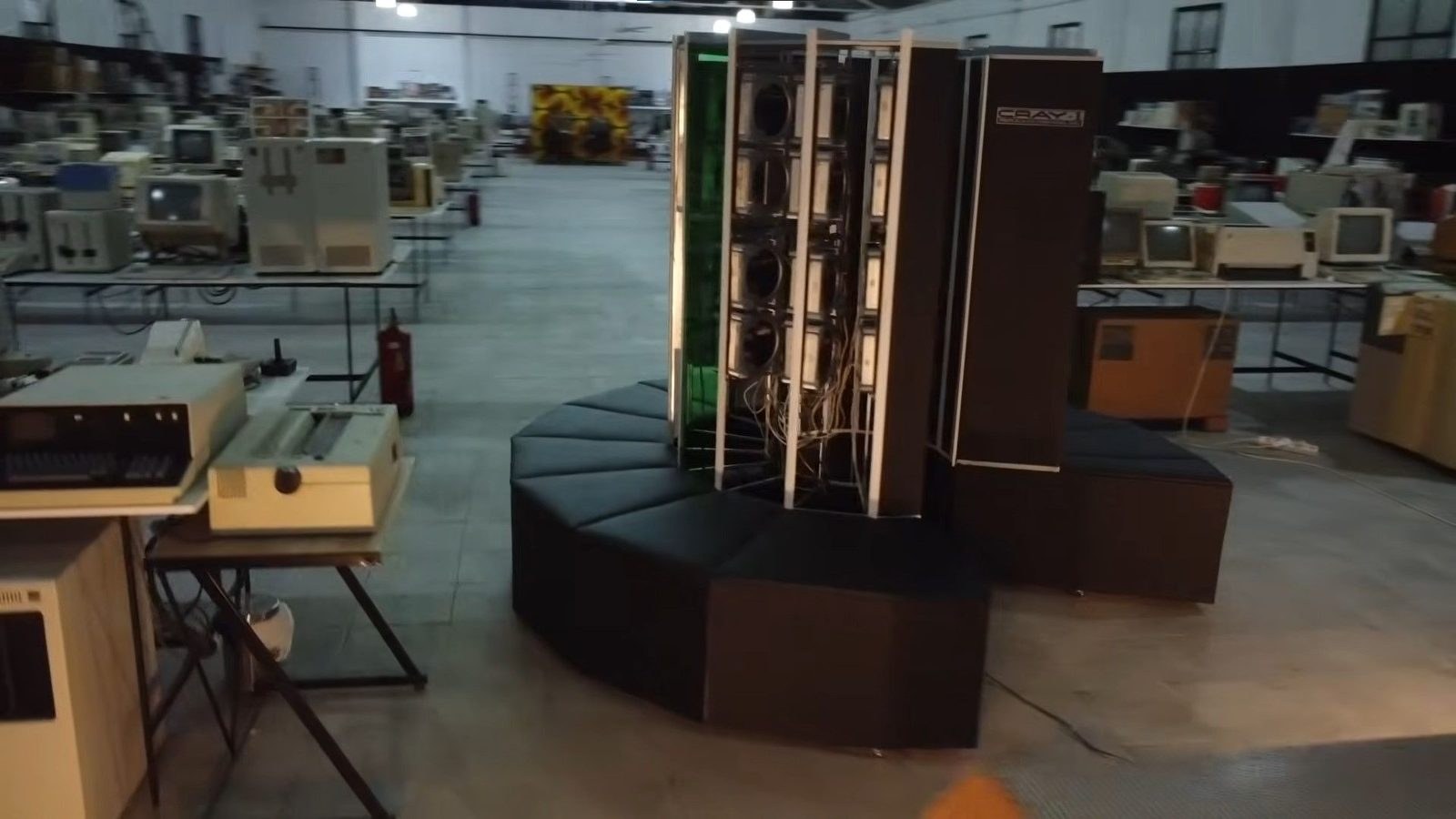
Spain's Museo de Historia de la Computación turned 30 obsolete Mac Minis into a working replica of the legendary Cray-1 supercomputer. Delivering 1.3 TeraFLOPS of power without industrial cooling, the project proves that decade-old hardware still has plenty of life left.

Fosi Audio released the DAP Neo music player for $79.99, featuring physical controls and a scroll wheel for local audio files. The pocket-sized device lets users escape streaming app subscriptions and notification pings without sacrificing wired audio quality.
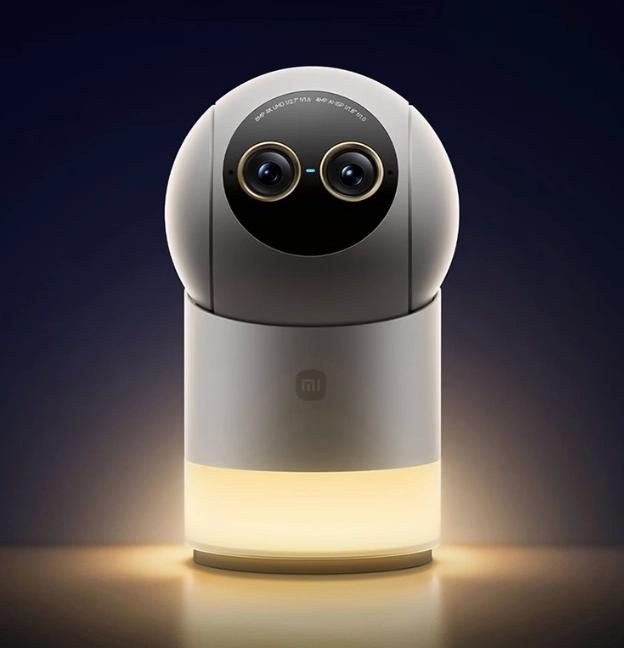
Xiaomi released the Smart Camera 5 Pro featuring dual 8MP and 4MP lenses, 4K recording, and local AI processing for around $75. The camera brings flagship-grade hardware to a budget price point, though it currently lacks an official international release.

Colorful has launched the iGame Shadow II DDR5-6000 memory kit priced at $595 for 32 GB. Built entirely on local Chinese chips, it trades basic performance for technological independence and calligraphy.

Anker EufyHome drops its active roller robot vacuum to $499.99 on Amazon, trading flat vibrating pads for a continuous water-flushing system. It targets sticky kitchen spills and heavy pet hair for buyers tired of manual pad scrubbing.

The BirdVue FEED 1 ditches home Wi-Fi limits by adding 4G LTE and an eSIM to a $179 smart bird feeder. It lets you track wildlife deep in your garden, though cellular data adds an ongoing cost.
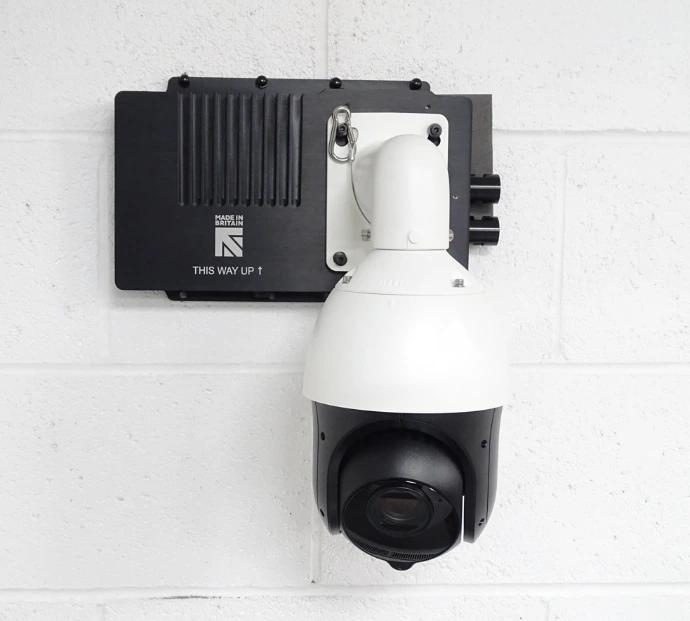
VisionGuard's new VG-15M6 surveillance unit runs on desktop-grade Intel silicon to process heavy video feeds locally. It eliminates cloud subscriptions for industrial sites, but brings overkill hardware to anyone else.

Extreme Core has launched the AE3 LR electric scooter boasting a 160 km range and a 72V battery for $1,000. We look at whether this budget-friendly two-wheeler delivers on its bold paper promises in real-world city traffic.

A team from the University of Bath has built a 20-pound remote-controlled jet primarily out of everyday PETG plastic. The Kingchaser aims to shatter a nine-year-old world speed record by pushing toward Mach 0.8 using desktop-printed materials.
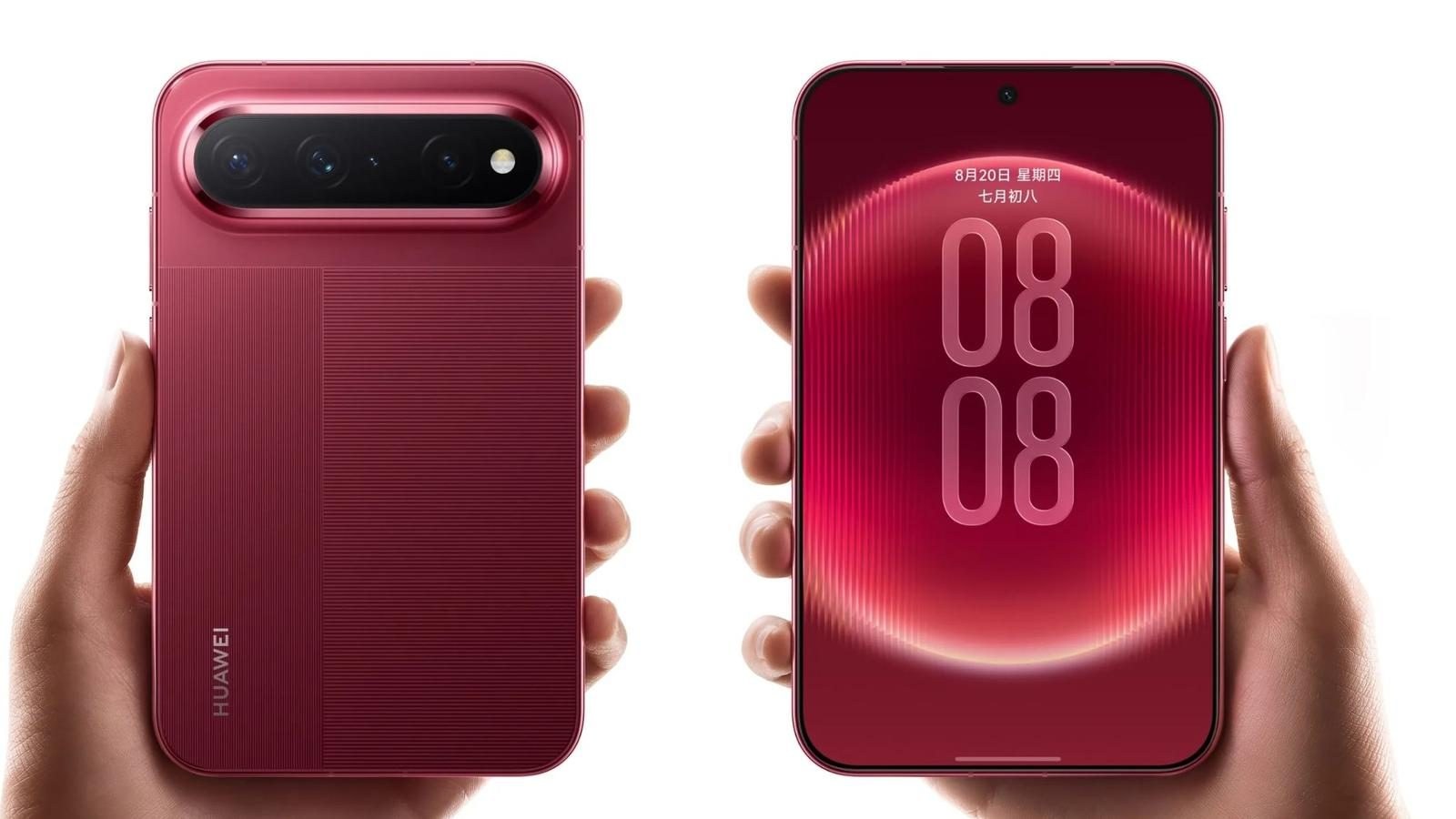
The unusually proportioned Huawei Pura X View has become a runaway hit, triggering severe retail shortages and heavy reseller markups. Buyers are ditching narrow screens for a wider format, defying manufacturer volume expectations.
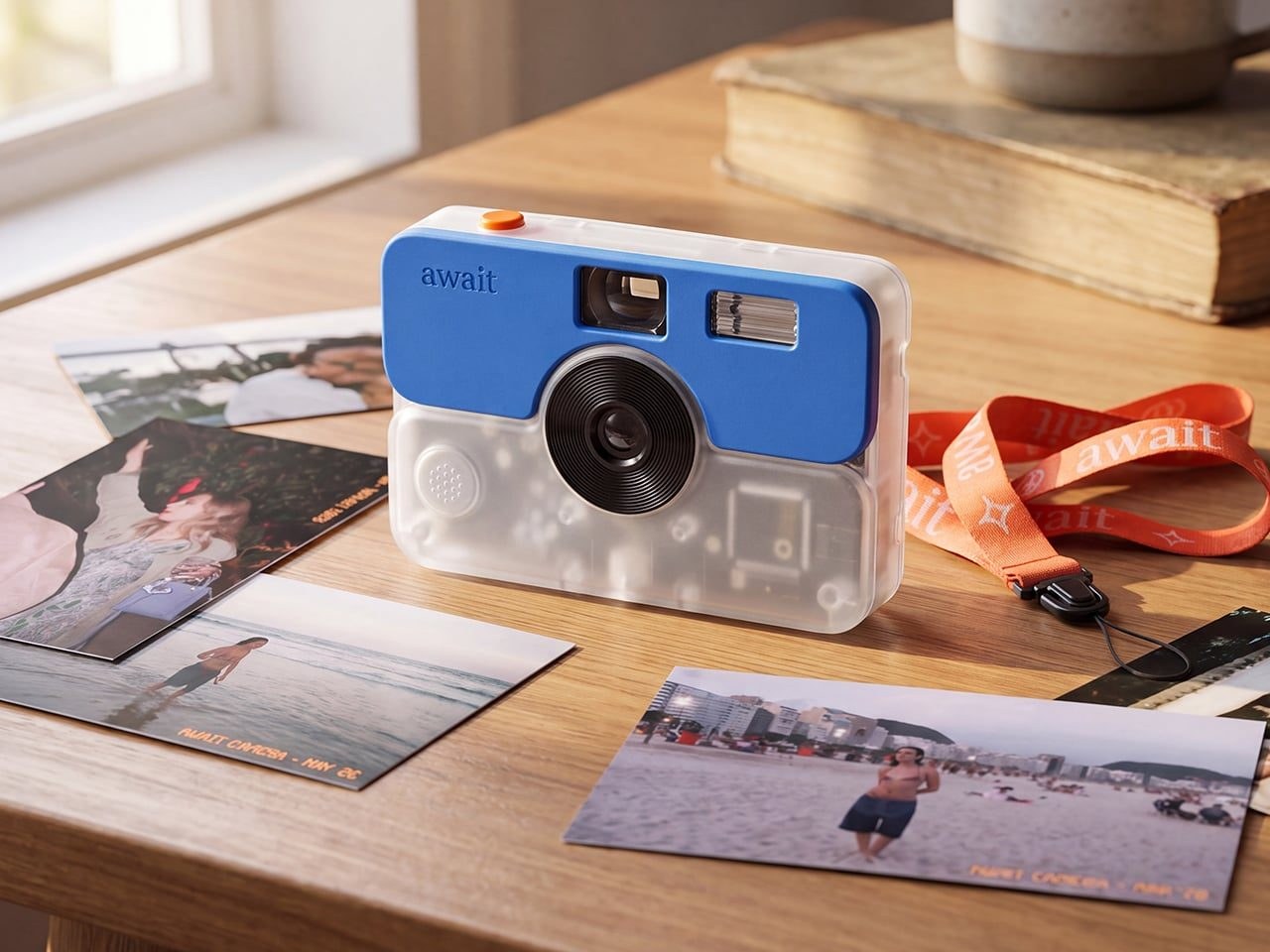
Swiss gadget maker Rolling Square has released the Await, a pocket-sized digital camera that restricts users to 24 exposures per roll with no preview screen. Priced at $100 on Kickstarter ahead of a $145 retail release, the device forces deliberate shooting and requires physical print orders for digital access.
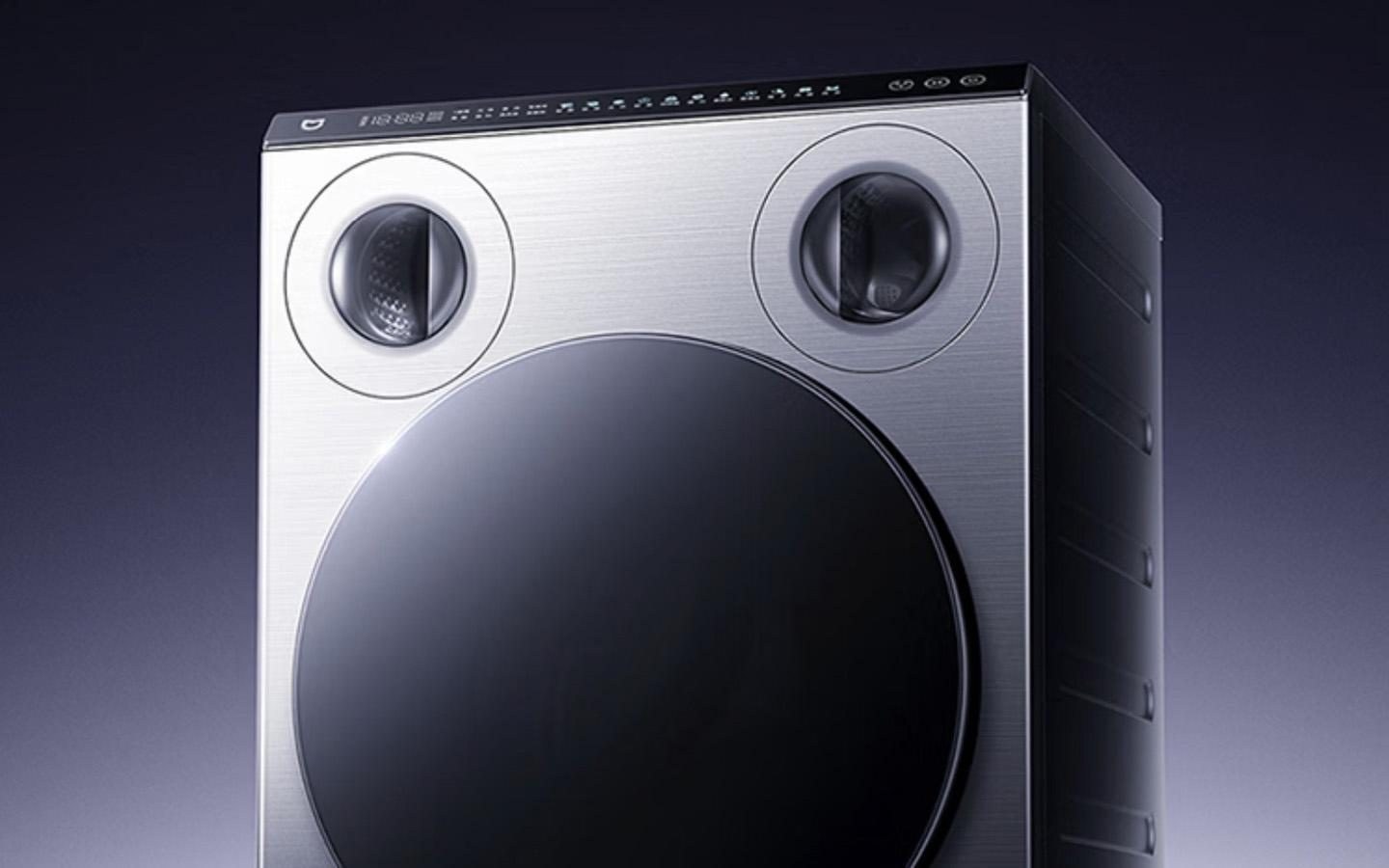
Xiaomi's new XQG110MJ101 packs three independent drums and water circuits into a standard-sized housing. It lets you wash socks and bedsheets at the same time, but tiny mini-compartment capacities make it an expensive novelty for most buyers.
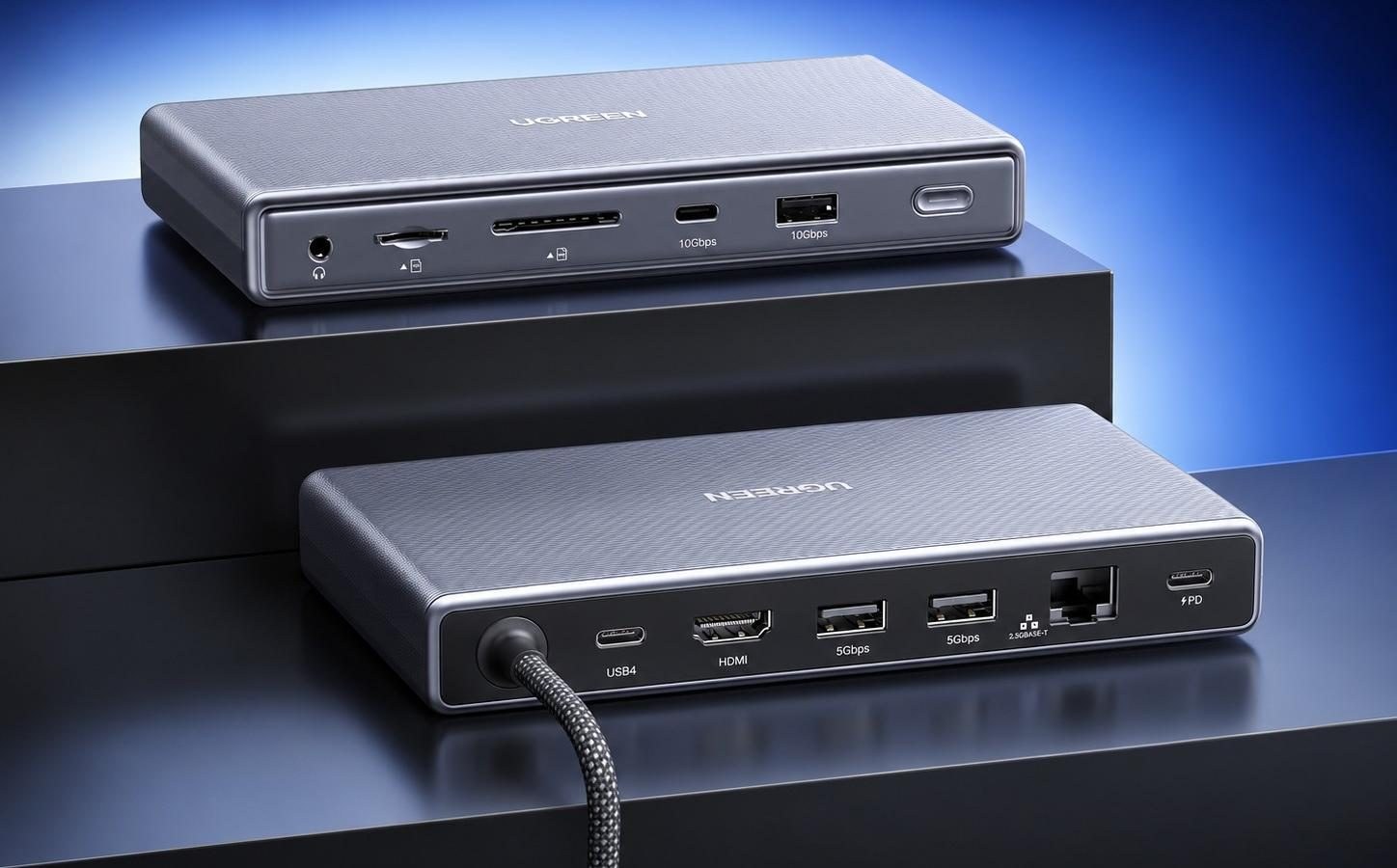
Ugreen launched a $150 dock packing USB4, 115W power delivery, and dual 4K displays. It undercuts pricey brand-name hubs while matching their performance.
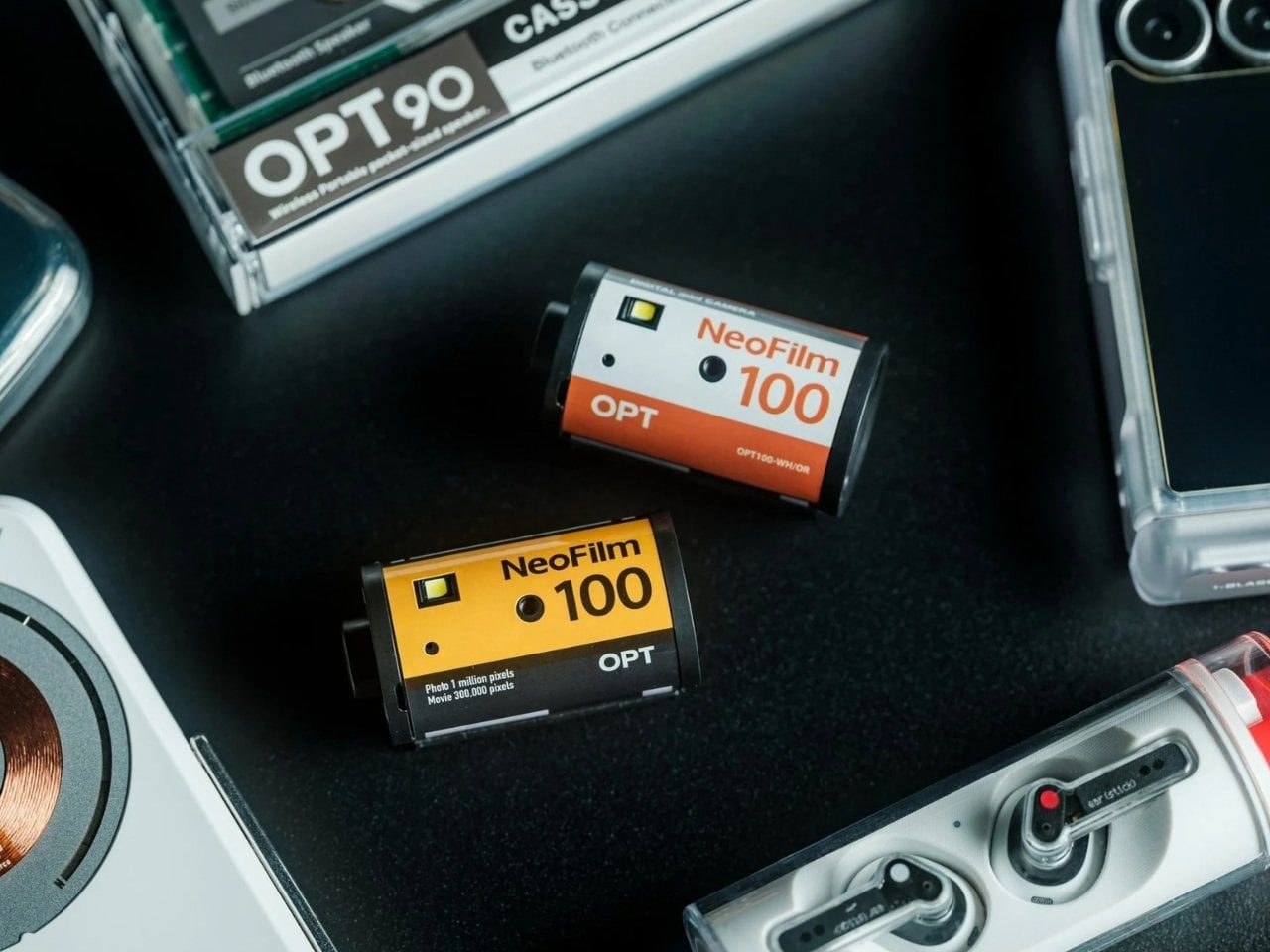
The Analog Capsule Camera packs a 1-megapixel sensor into a 25-gram 35mm film shell. It gives you grainy, imperfect vintage shots via USB-C and microSD without the cost of real film or chemical developing.

Engineers built a walking robot that runs entirely on kinetic energy without a battery. However, real-world physics means your phone charger and daily gadgets are safe for the foreseeable future.
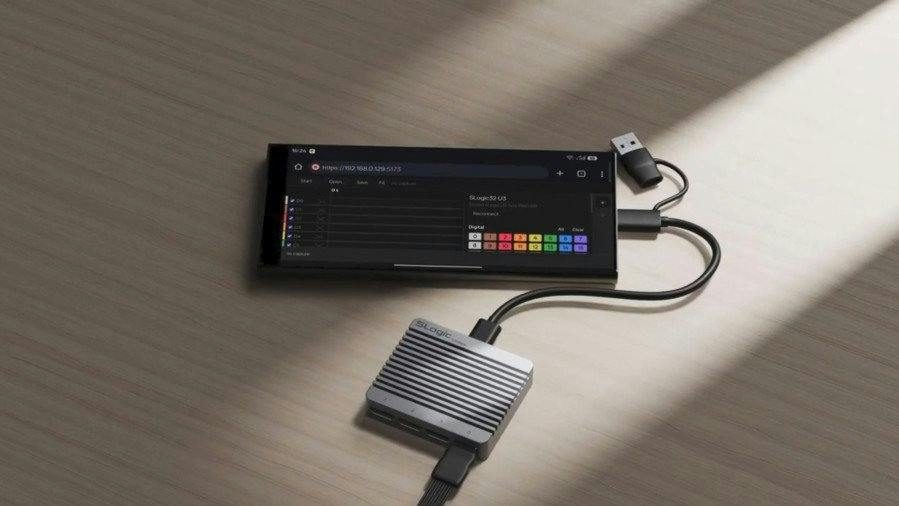
Shenzhen-based Sipeed has launched a crowdfunding campaign for the SLogic32U3, a pocket-sized logic analyzer delivering 10Gb/s USB 3.2 speeds and 32 channels starting at $149. While the specifications rival expensive bench equipment, backing hardware on Kickstarter still carries the usual financial risks.

Tech developers are ditching power-hungry smartwatches and heavy AR glasses for screen-free AI pendants worn around the neck. This low-cost voice companion handles daily tasks without forcing you to stare at another display.

Amazon is tackling the ultimate smart home fear with the Ring Smart Lock, featuring a built-in manual hand-crank to revive dead batteries. Slated for a US release in early 2027, the device integrates directly with Alexa and Amazon Sidewalk.
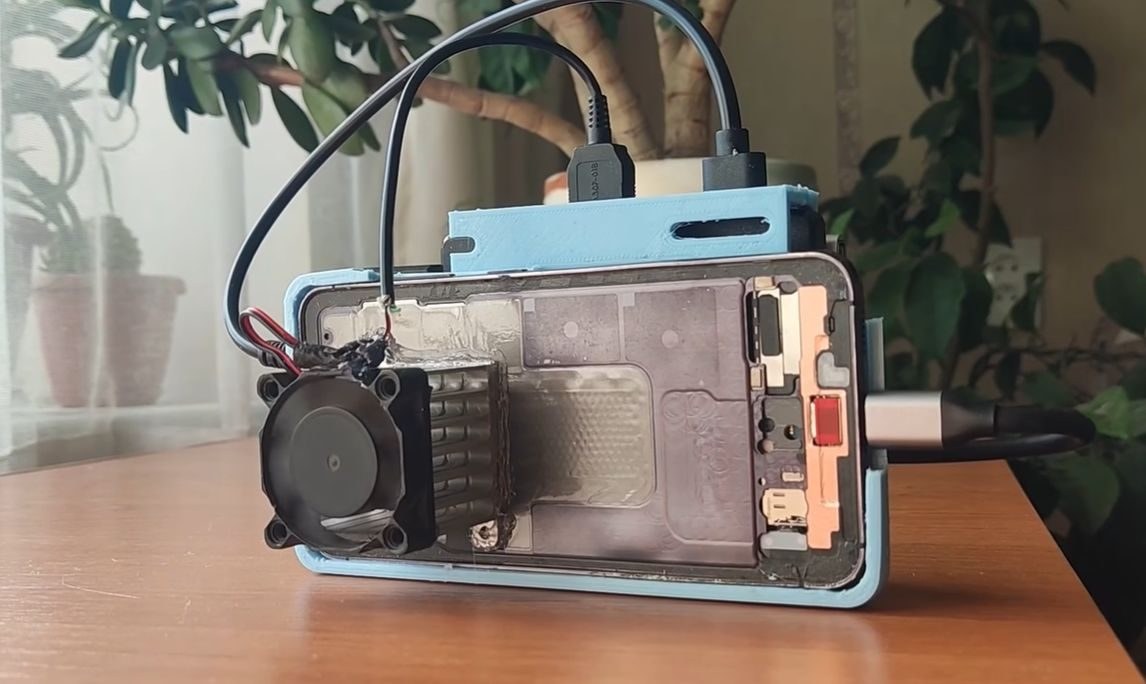
Enthusiasts resurrected a carrier-locked, pancake-flat Samsung Galaxy S23 for just $40 by hammering the frame straight and adding a 3D-printed cooling rig. Powered by Samsung DeX and a Snapdragon 8 Gen 2 chip, the frankengadget easily handles PS2 emulation and PC titles.
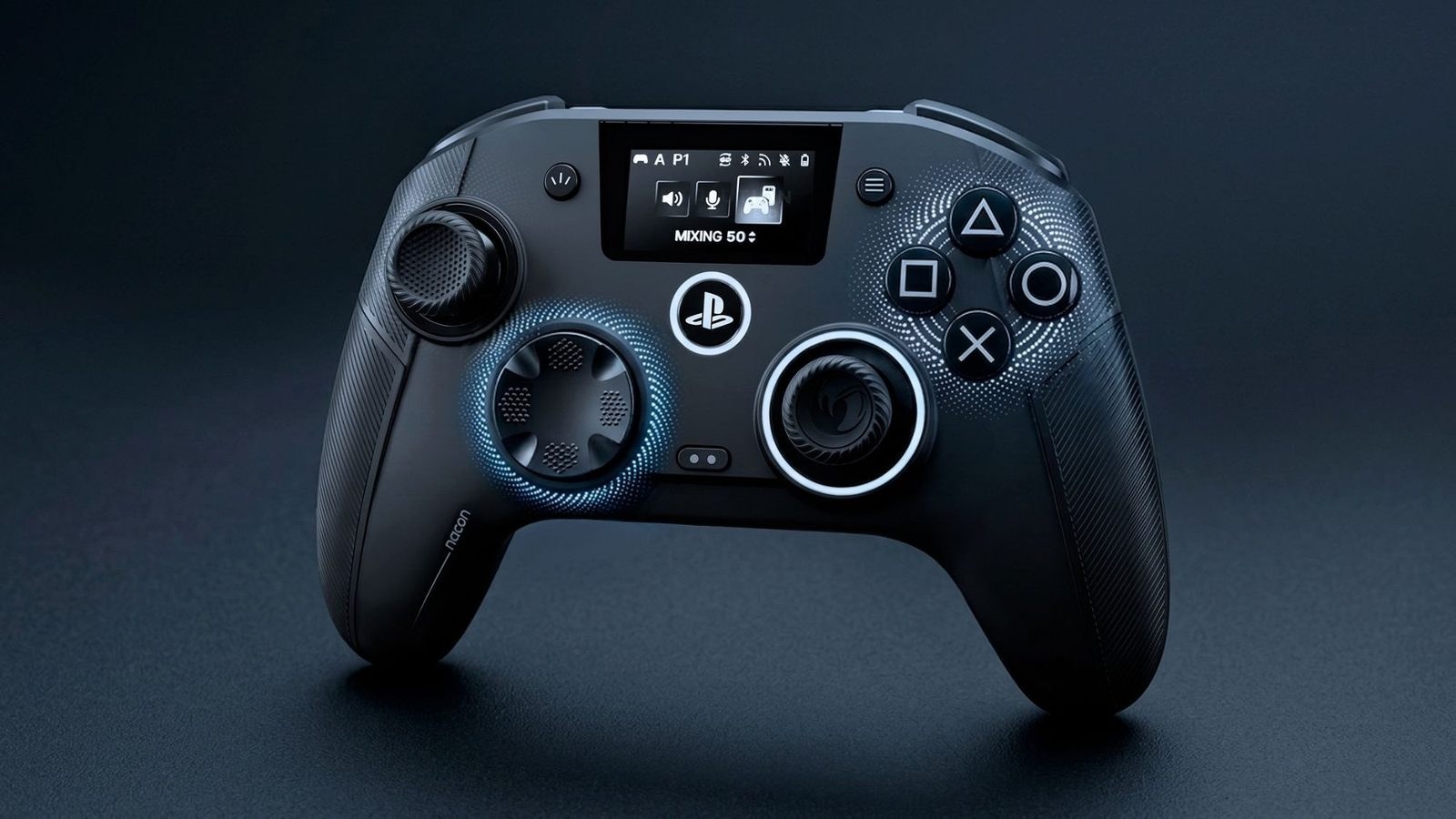
Nacon's new $230 Revolution 5 Unlimited is the first officially licensed PS5 pad with a built-in control screen. We look at whether on-device settings tuning justifies the steep luxury price tag over standard controllers.
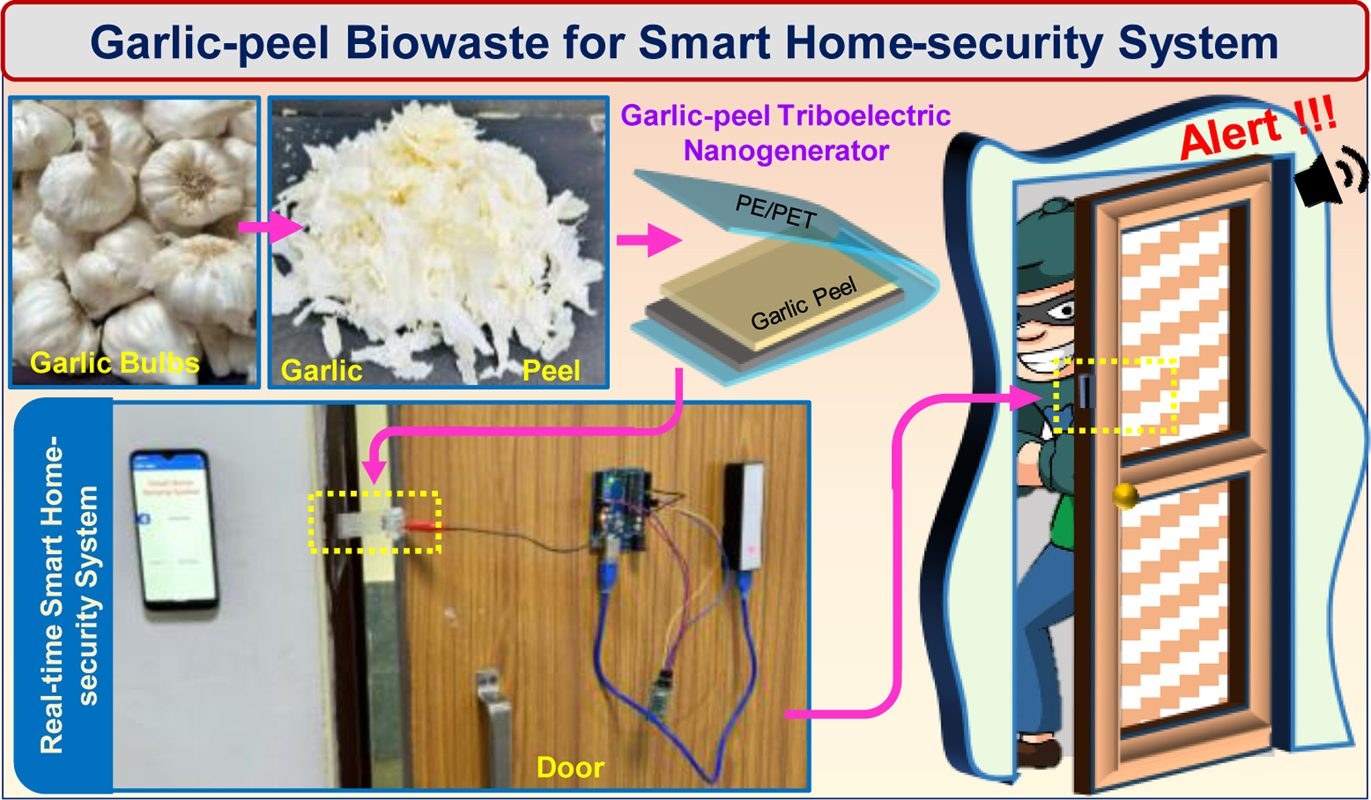
Engineers Manas Tiwari and Deepak Bharti replaced traditional coin batteries with a triboelectric generator made from ground garlic peels. The prototype produces up to 400 VAC from the physical motion of a swinging door, pointing to a weird future of organic waste-powered smart homes.
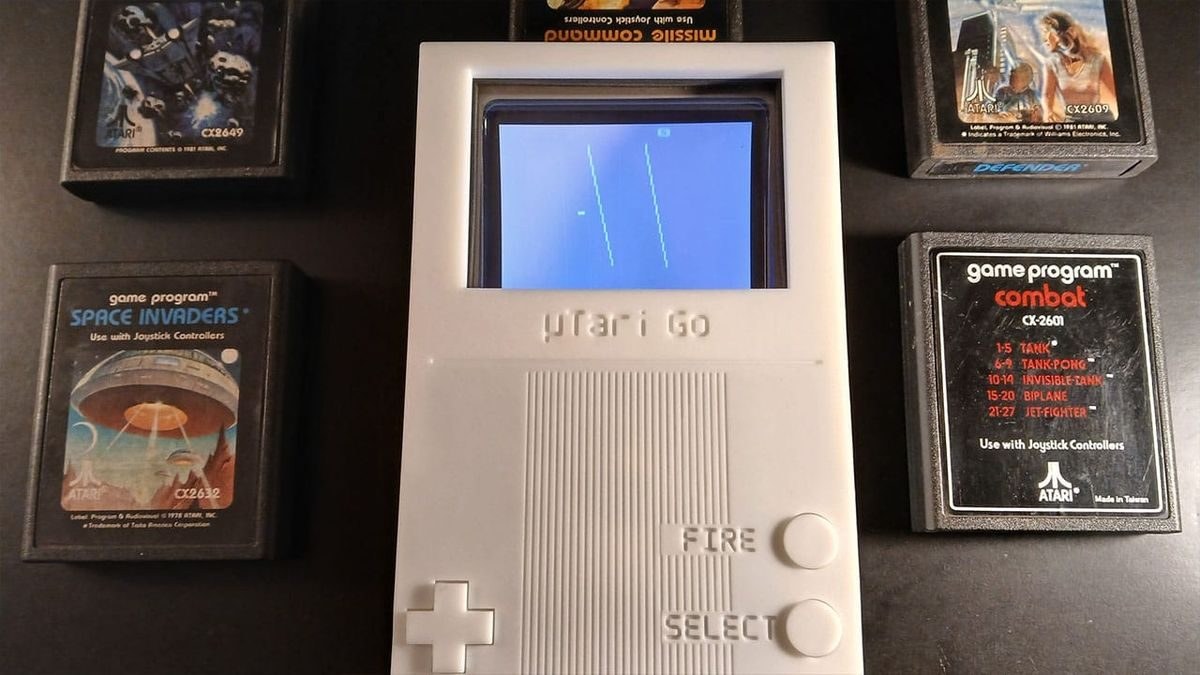
Nick Bild created the µTari Go, a portable console that ditches software emulation to run actual Atari 2600 cartridges on a tiny 4-inch cathode-ray tube. Powered by a 12V external supply, it brings zero-lag vintage hardware straight into a backpack.
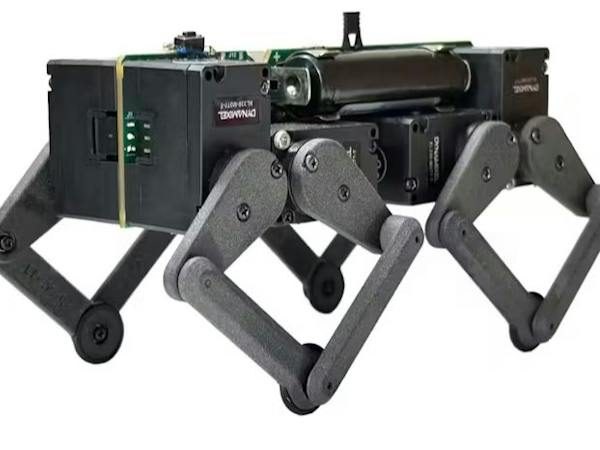
ZeroWire Robotics has introduced the Q8botOne on Crowd Supply, a pocket-sized 250-gram quadruped that ditches internal wiring for a single central circuit board. The open-source desktop robot packs eight smart actuators and PA12 nylon legs, offering developers a clean sandbox for movement algorithms without the traditional cable spaghetti.
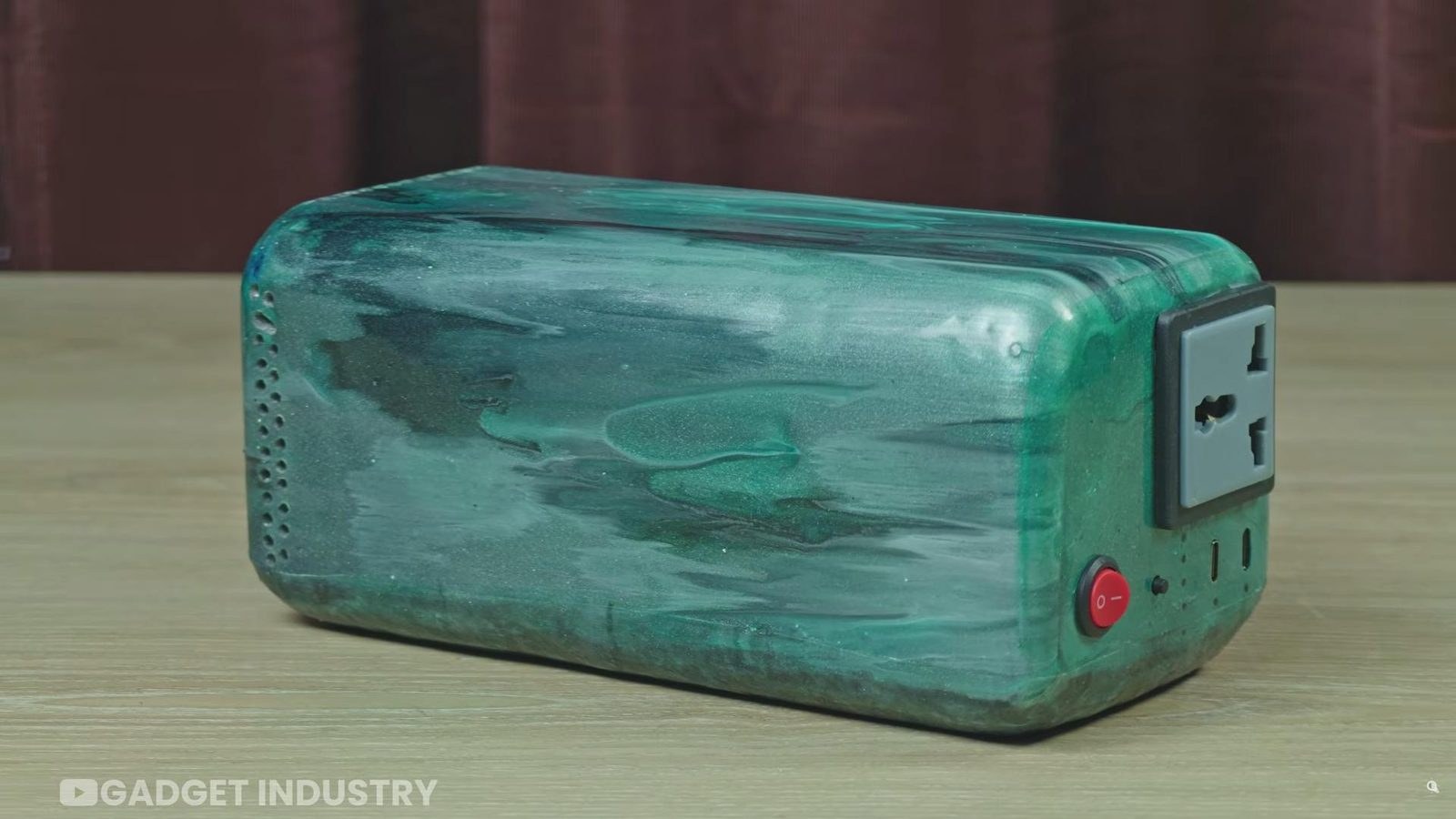
Independent creator Gadget Industry built a palm-sized power station packing a 300W AC inverter and 140W USB-C ports into a custom epoxy resin case. The garage-built device punches far above traditional bulky power banks without the wasted empty space of commercial brick designs.
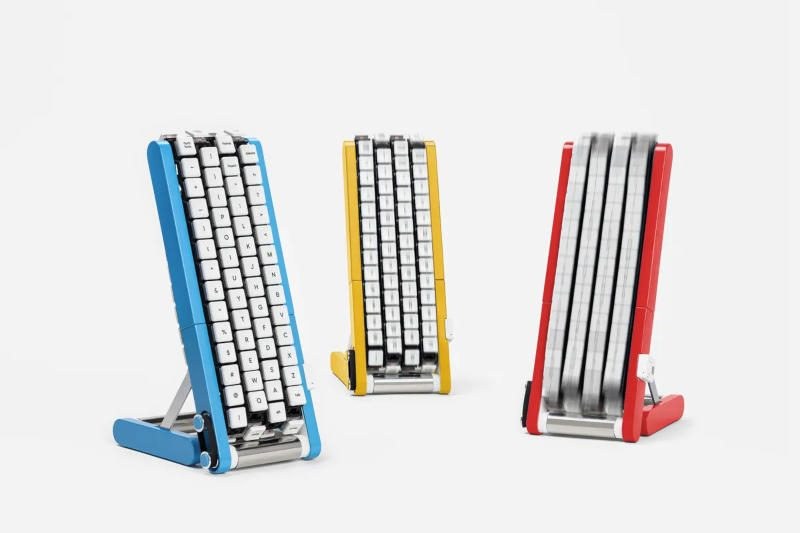
Google's Japanese division has released open 3D printing blueprints for the Gboard Kuru-Kuru, a vertical cylinder keyboard where you spin a barrel to find letters. It destroys typing speed and offers zero practical value, serving purely as an open-source DIY joke for enthusiasts.
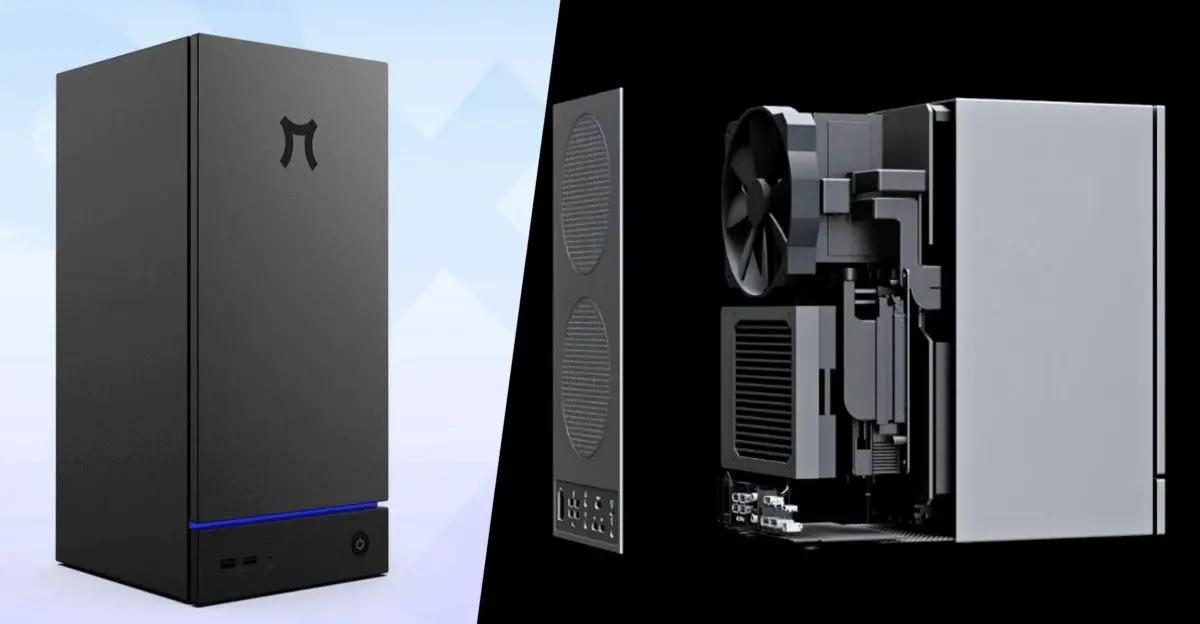
Primax is jumping into desktop PCs with the Spation, a compact rig featuring high-end parts like a Ryzen 7 processor and RTX 5070 Ti graphics. But with zero pricing details and hidden case dimensions, buying this mystery box is a massive gamble.

Maker ChaosBench built a fully functional, oversized Nintendo 64 gamepad using 3D printing, automotive filler, and heavy-duty springs. While it connects to modern PCs via a USB encoder, pressing its giant buttons requires a surprising amount of physical force.

The Kickstarter-backed CyboPal ONE mounts a 27-inch 4K screen onto a motorized six-axis arm that tracks your face and adjusts its position automatically. Packed with a built-in Linux computer, it promises seamless ergonomic shifts but introduces heavy mechanical and software complexity to your desk.

Independent developer Taki Udon has released translucent limited colorways of the SuperStation One FPGA console starting at $249.99. The hardware uses chip-level emulation to eliminate input lag and supports both MiSTer cores and an authentic physical disc drive.
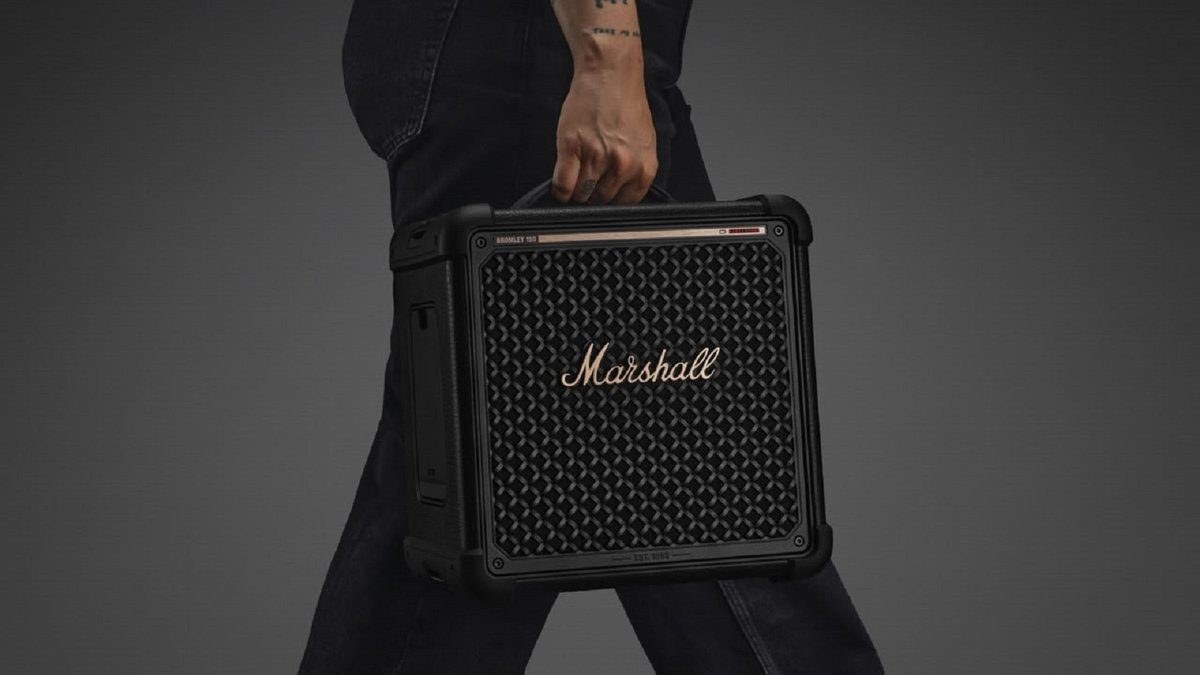
Marshall has announced the Bromley 150, a $500 portable speaker that ditches the glued-shut design for a swappable battery pack. Weighing 6.3 kg with 200W of power, it targets home and patio use while tackling the industry's planned obsolescence problem.
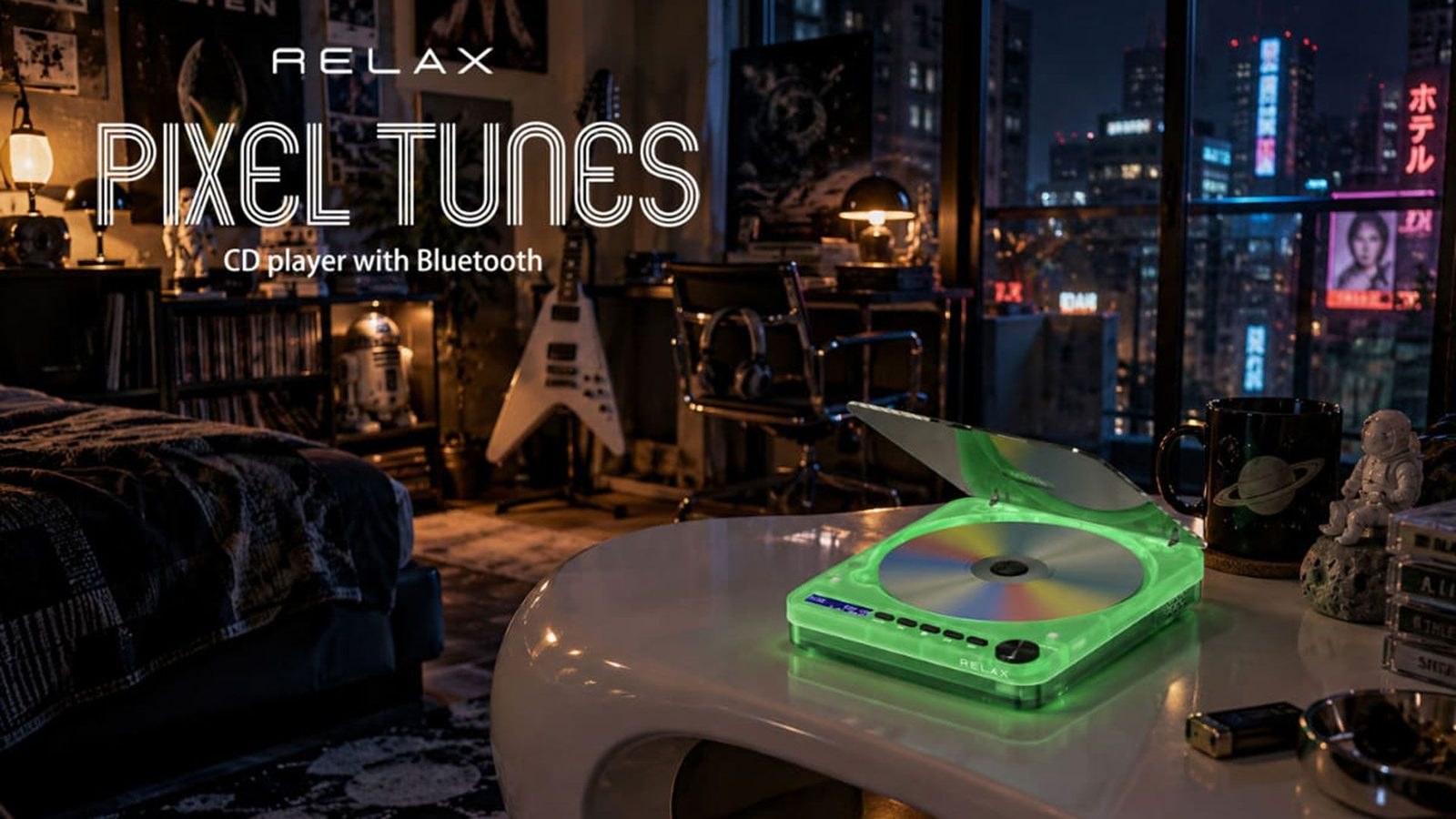
Sincere Inc. has released a limited edition Pixel Tunes portable CD player featuring a phosphorescent shell that glows green in the dark. Priced at $83, it adds Bluetooth 5.3 and USB Type-C charging to physical music playback, though it lacks support for burned discs.

Honor has added a tiny 2.01-inch rear display to the budget Honor X5d s alongside a 6,000 mAh battery. The secondary screen promises selfie framing and quick notifications, but mostly serves as a marketing gimmick on a low-end device.
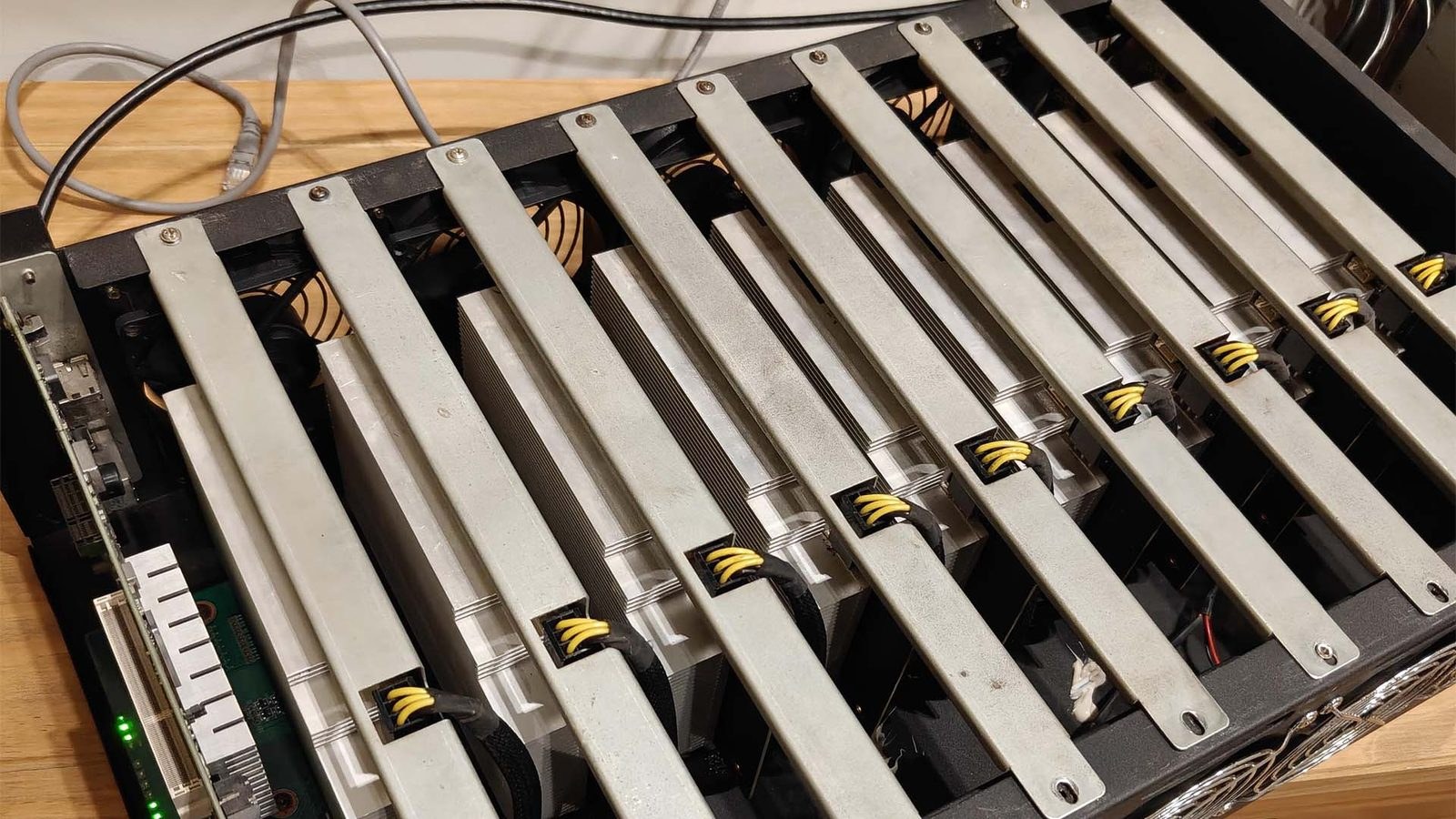
An enthusiast bought an abandoned nine-card crypto mining rig on Avito for just $35, packing 54GB of video memory. However, crippled data speeds and devastating power consumption make the Frankenstein setup practically useless for anyone paying for electricity.

Nineteen-year-old startup founder Zain Javaid has built the Ghost Core, a $3,499 desktop computer packed with an Nvidia RTX Pro 4000 graphics card to run AI agents locally. The machine targets privacy-minded users who want to ditch cloud subscriptions and handle heavy AI workloads directly on their desk.
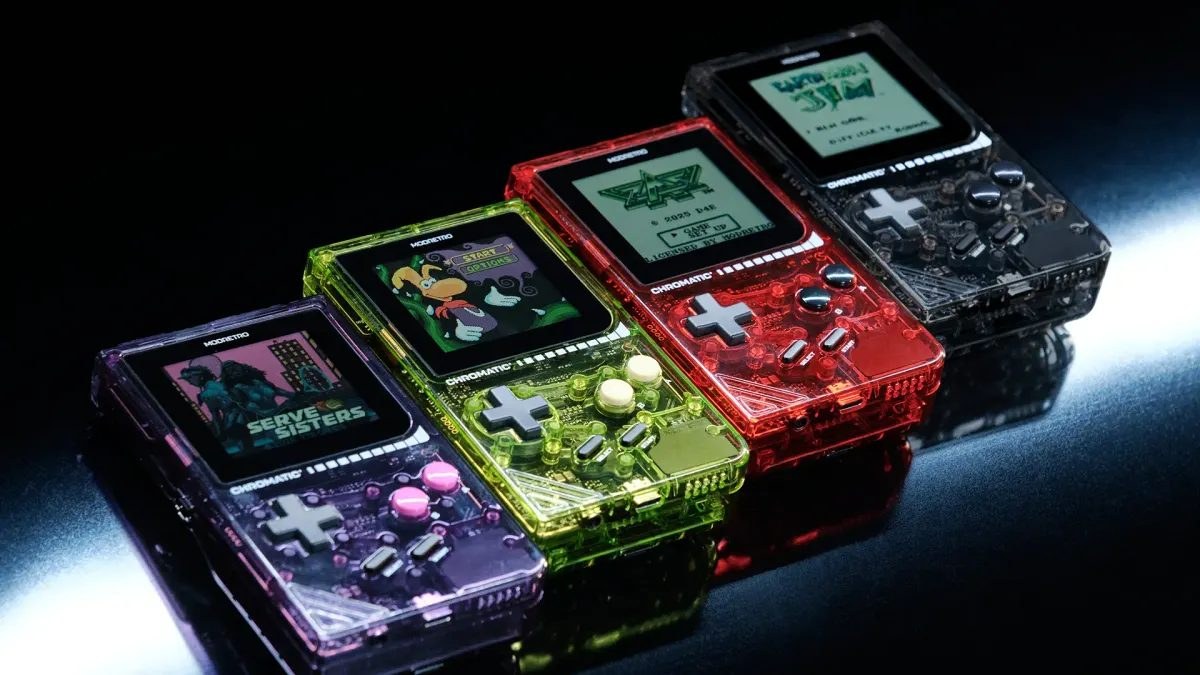
ModRetro is rolling out purple, green, red, and smoke transparent shells for its Chromatic handheld console on October 8. The device still demands physical game cartridges instead of ROM files, making it an expensive choice for anyone without a vintage collection.

An anonymous prototype at IFA sparked rumors of a budget Micro Four Thirds camera from Sonida, but the company denies any connection. The device turned out to be a cheap mockup with an incompatible lens mount that leaves buyers with nothing to actually purchase.
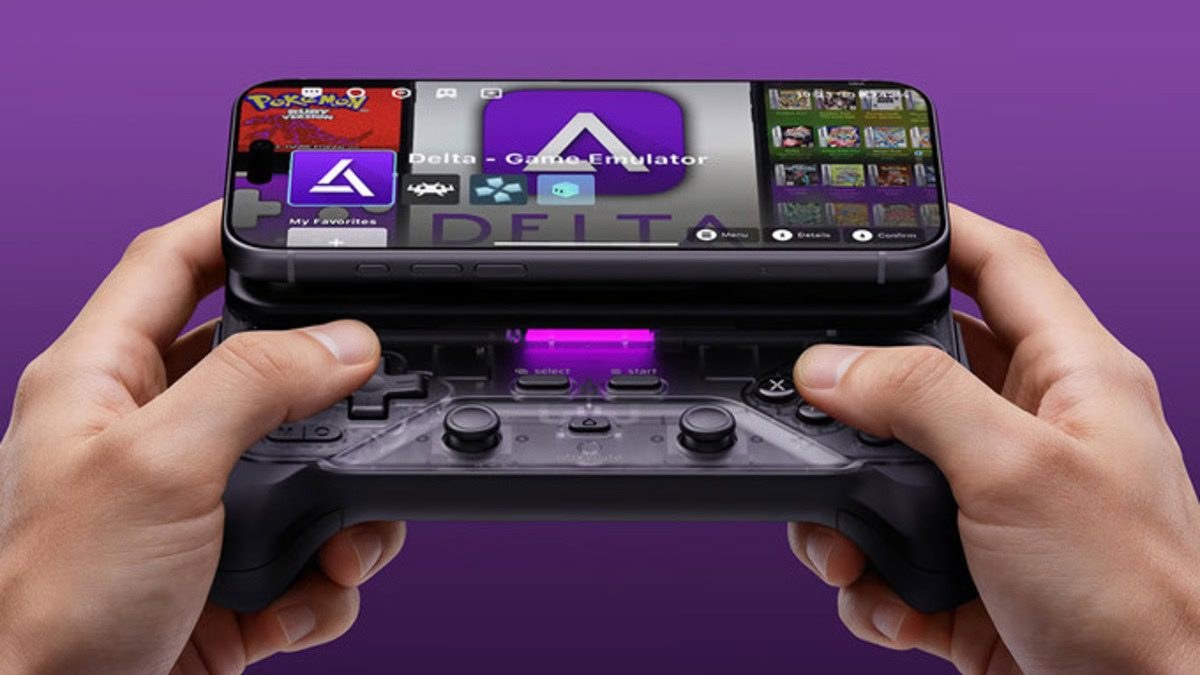
Abxylute launched a Kickstarter campaign for the M5 and M6 controllers, reviving the sliding Xperia Play form factor with magnetic mounts and Hall-effect sticks. The flagship M6 packs a 500mAh battery and a gyro, while the slim M5 relies on wired pass-through charging.
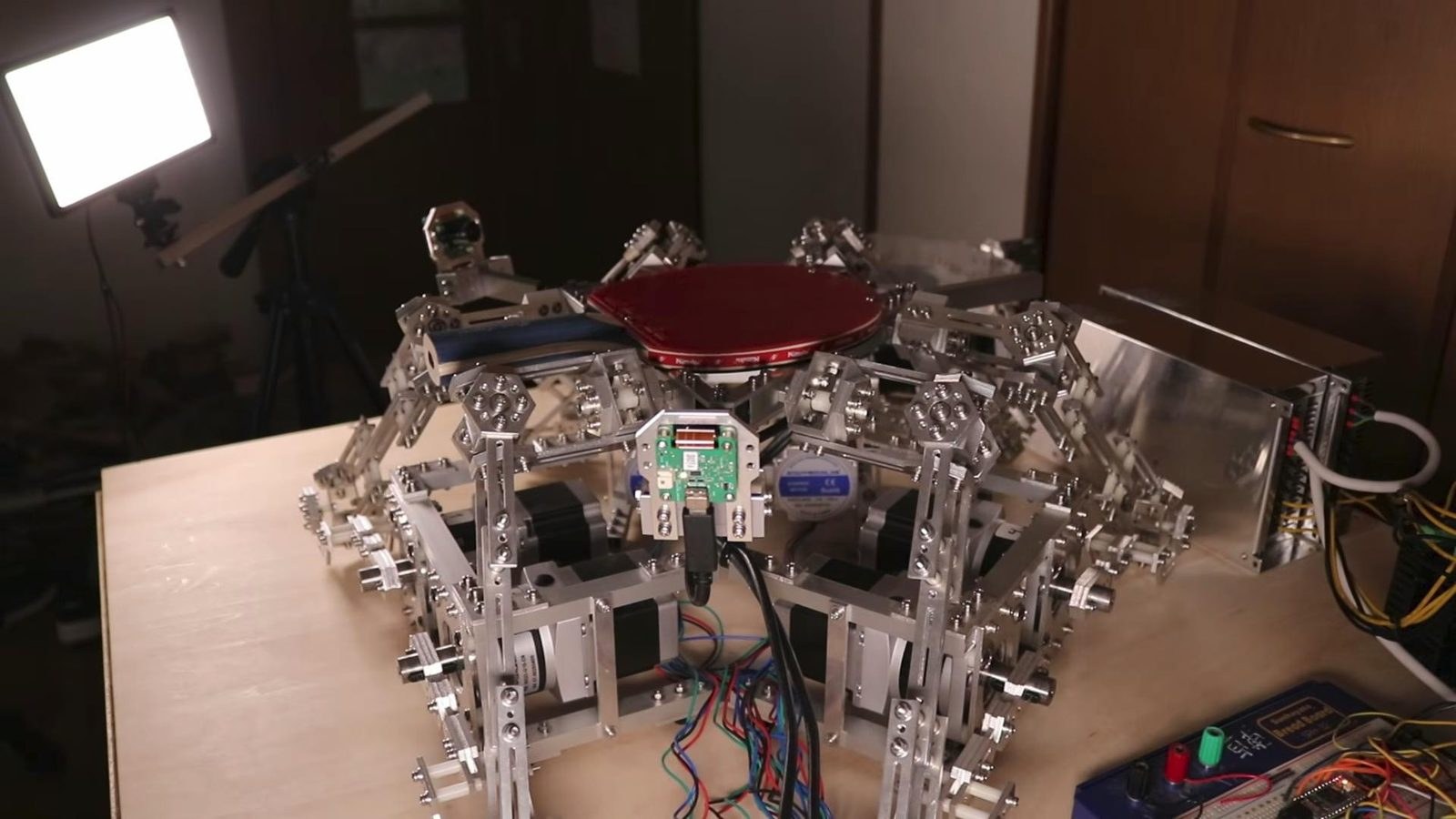
Electron Dust has engineered the Hexa-Bouncer, a mechanical table tennis platform driven by six stepper motors and high-speed stereo cameras. The garage project exposes the cloud dependency and sluggish response times plaguing modern smart home automation.
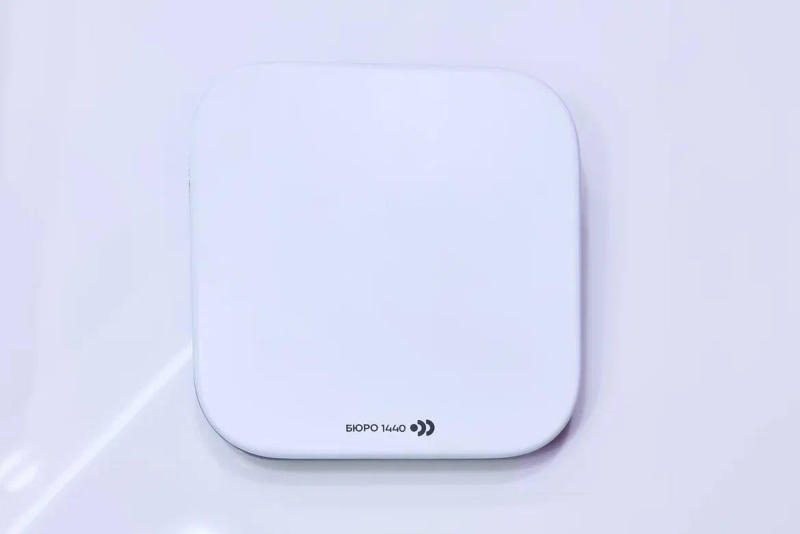
Bureau 1440 has introduced a production satellite internet terminal promising speeds up to 700 Mbps in extreme cold. But with no price tag or subscription details announced, its real-world value remains a mystery.

Labs claim new wall coatings harvest ambient energy to power peripherals, but micro-watt yields mean your wall outlets are safe for years. Don't expect to rewire your home with this overpriced prototype anytime soon.

Engineers claim to have developed wallpaper that turns ambient humidity into electrical current to power smart home sensors. However, the technology is stuck in the lab and cannot deliver stable power in real living conditions, leaving standard batteries as your only practical choice.

The BougeRV DuneRover turns heavy backyard hauling into a remote-control game, flattening steep hills with dual electric motors. But this Kickstarter prototype packs annoying software quirks and won't ship until February 2027.

French maker DAB Motors teamed up with BRABUS and Fragment Design to build 10 units of a $50,000 electric commuter. Underneath the custom paint and carbon fiber sits the exact same hardware as the base model.
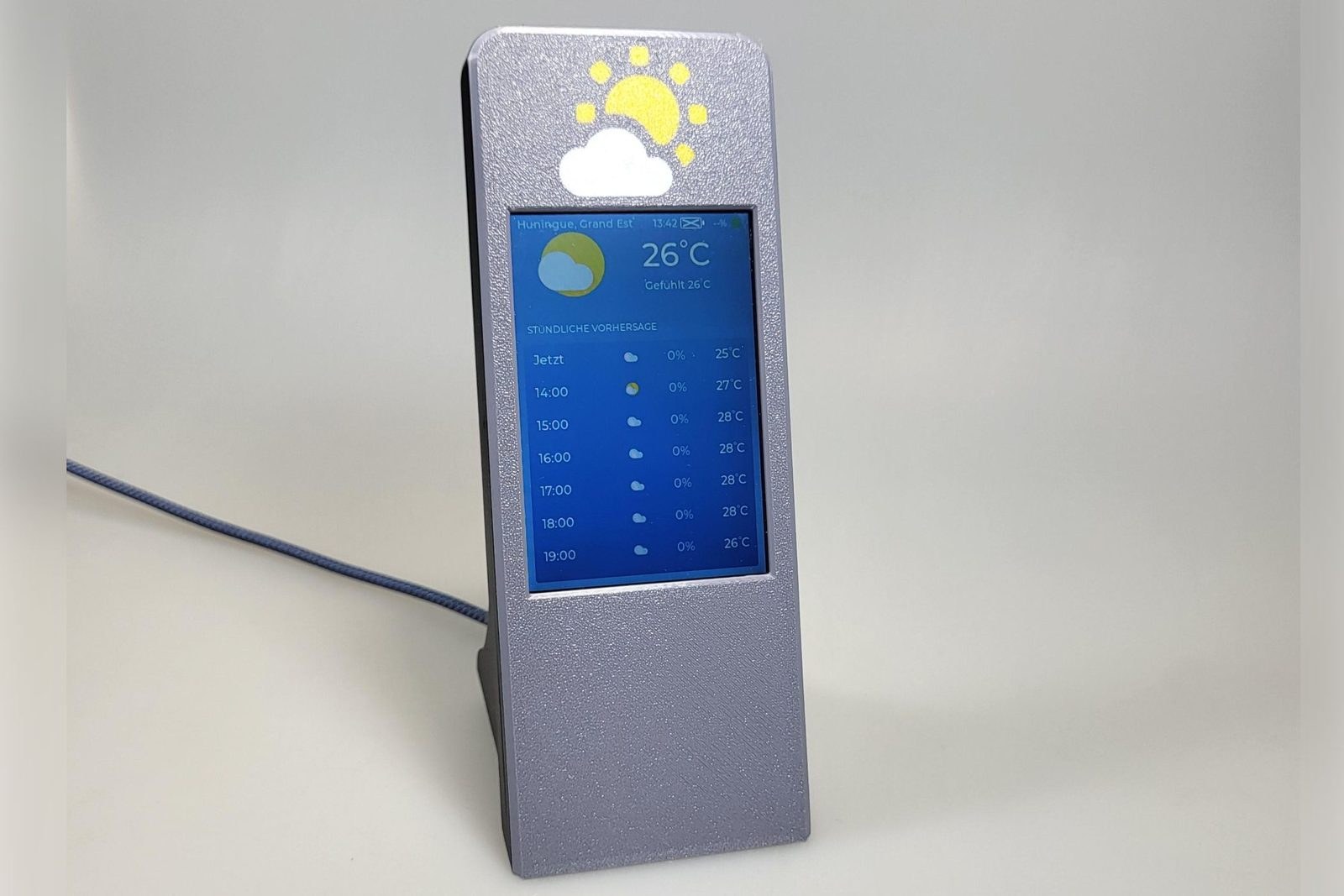
A new DIY weather display swaps blind motion sensors for a millimeter-wave radar chip that detects actual human presence. The device wakes up only when someone steps close enough to read the screen, solving the annoyance of glowing smart home hubs in the dark.
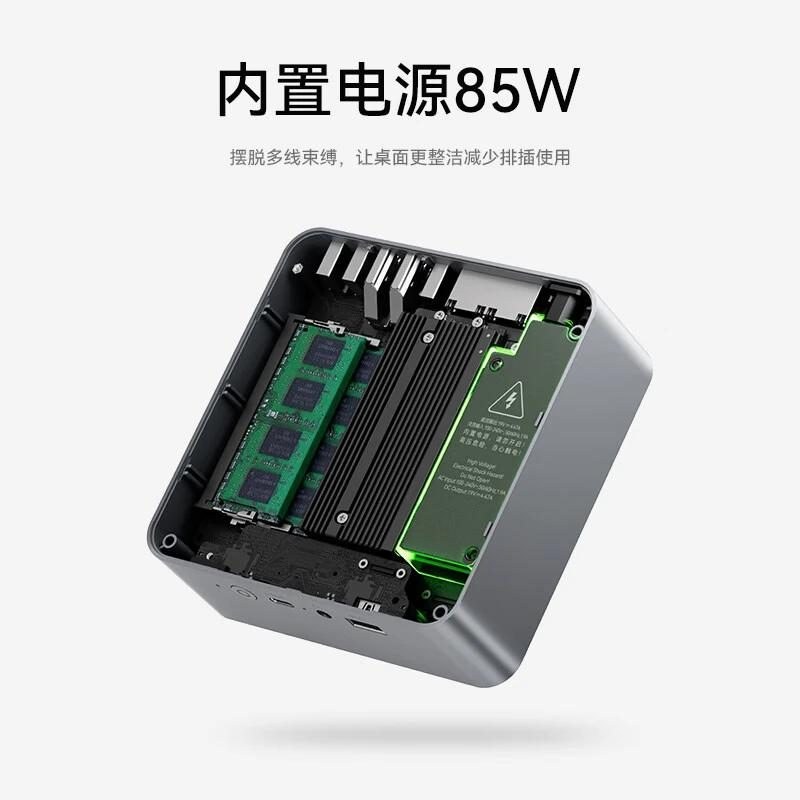
Beelink expands its mini PC lineup with an AMD Ryzen 5 5500U model aimed at everyday office work and home server setups. It ditches the bulky desktop tower format while offering silent operation and dual Ethernet ports.

TDK has built a smart glasses prototype with a projector embedded straight into an 80% transparent lens. The technology bypasses bulky plastic frames and privacy issues, but right now it only outputs monochrome text and has no release date.

A routine firmware patch bricked Samsung's high-end Bespoke AI refrigerators right before the Chuseok holiday, leaving owners with spoiled groceries and sluggish support. The disaster highlights the hidden risks of cloud-tethered kitchen appliances that rely entirely on remote servers.
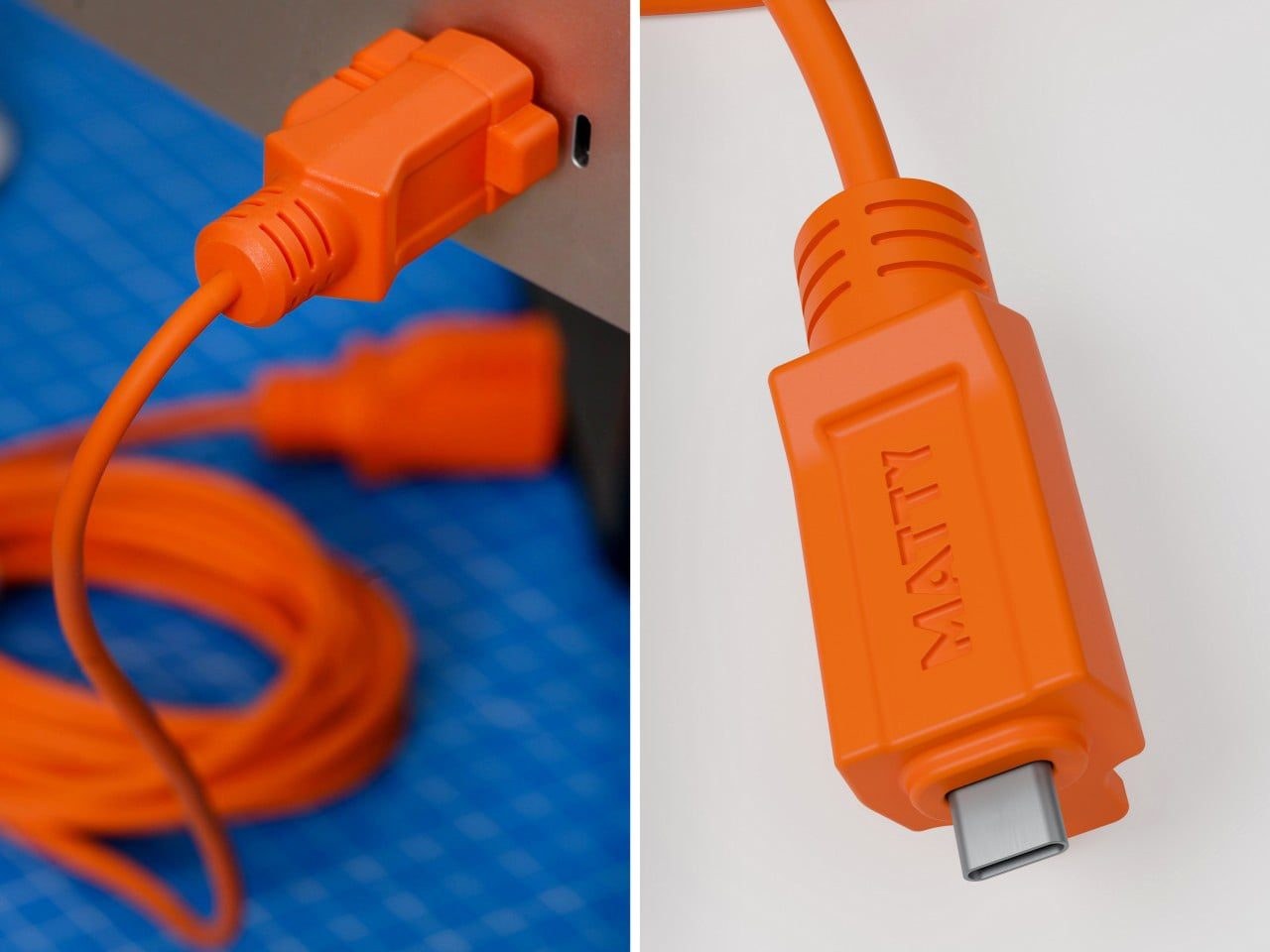
Designer Matty Benedetto has turned his viral Unnecessary Inventions gag into a real 60W USB-C cable styled like a heavy-duty construction extension cord. Available in three colors for $25, it brings industrial humor to everyday desk charging without sacrificing actual utility.
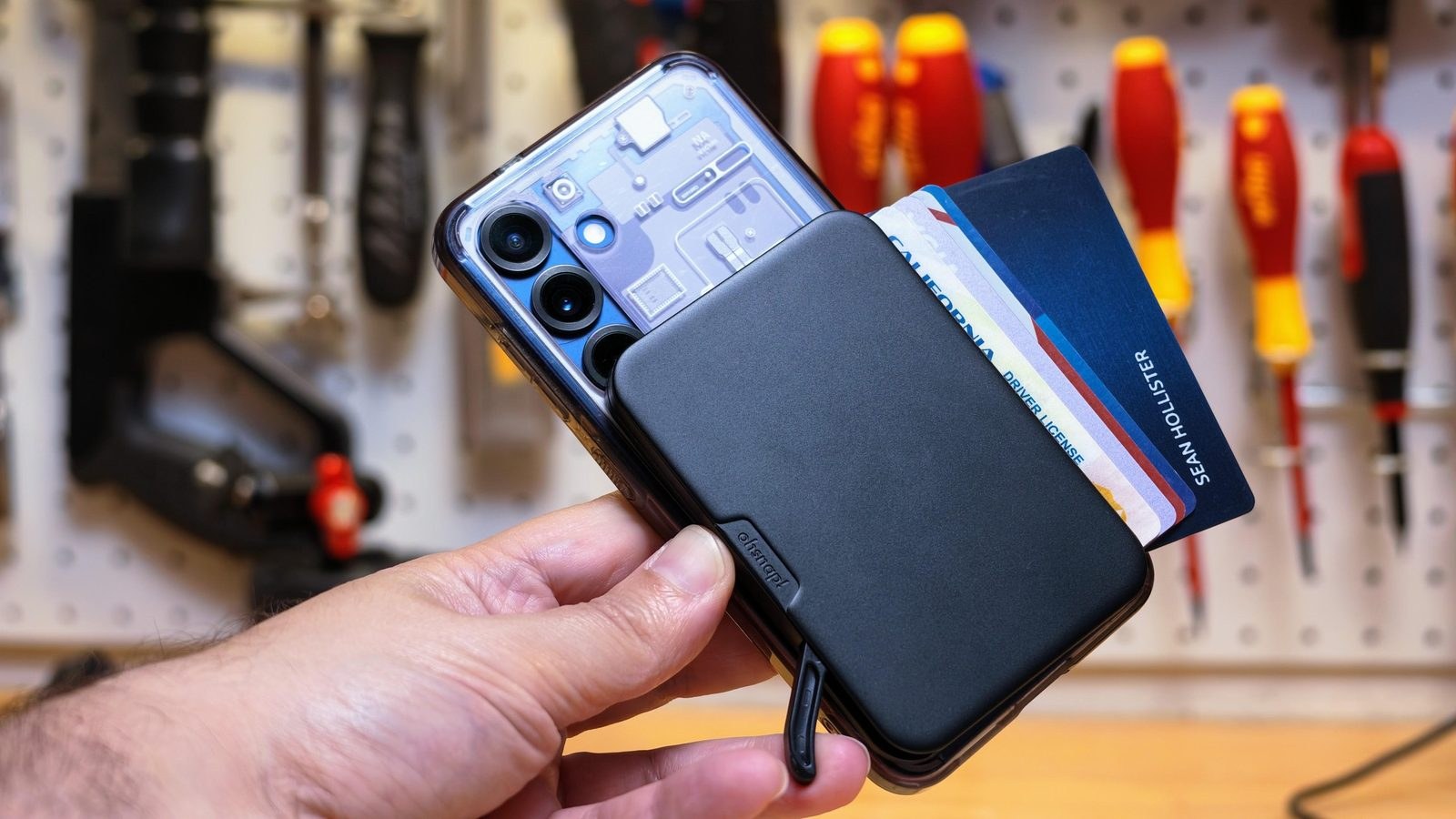
The OhSnap Wallet 2 trades boring leather sleeves for a spring-loaded mechanical lever that fans out your cards. But turning your wallet into a fidget toy adds noticeable weight and wrist fatigue to your daily phone use.

Sony has quietly updated the PS5 Slim hardware with an accessible CMOS battery and a revised cooling system. This silent redesign solves major long-term repair headaches that plagued early units.

StillFrame headphones try to solve gear-rotation fatigue by packing active noise cancellation, transparency modes, and Bluetooth 5.4 into a single hybrid device. We look at whether this all-in-one approach beats carrying dedicated audio gear for your commute, desk, and home.

Researchers at ETH Zurich have taught a standard robotic hand to walk on its fingertips across various surfaces using AI reinforcement learning. This approach could let future robots crawl into tight spaces without needing bulky wheeled chassis.

Casio is releasing a $7,000 quartz G-Shock with a platinum-treated dial and laser-carved titanium. We break down whether this 800-piece collector item makes any sense beyond flexing your bank account.
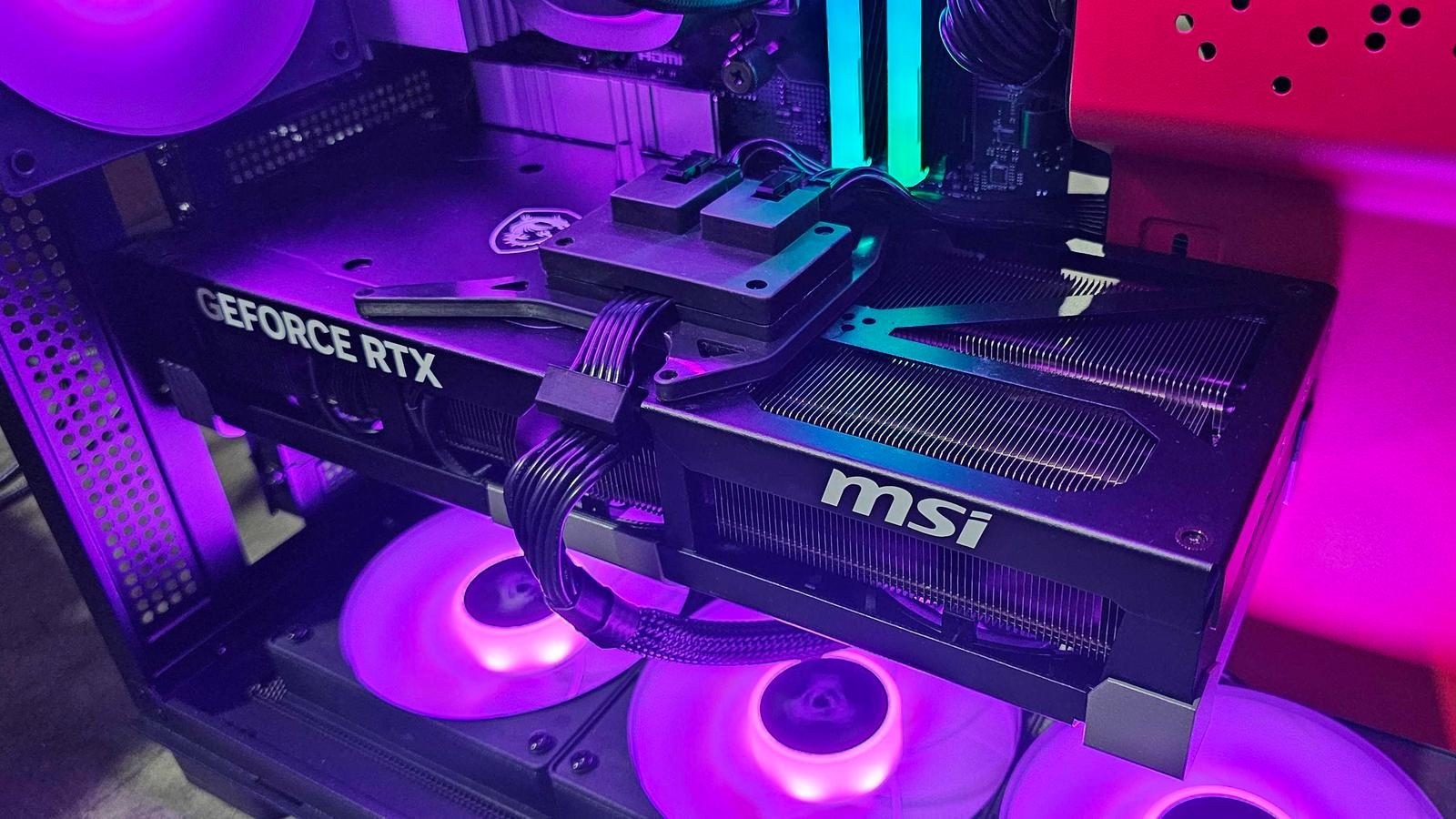
A Reddit user modded a GeForce RTX 5090 with two extra 8-pin power connectors to prevent melting cables under a 550-watt load. The DIY fix spreads out the electrical current but offers zero performance gains and voids your warranty instantly.
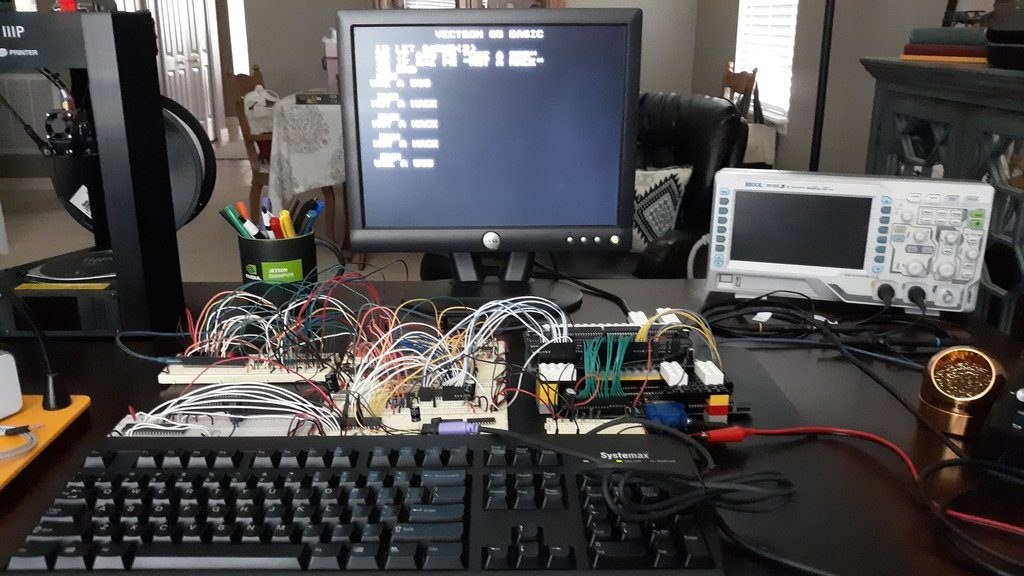
The Vectron65 Plus has evolved from a breadboard experiment into a modular printed circuit board with extra RAM and independent graphics coprocessors. Built by engineer Nick Bild around the classic 6502 chip, it offers a fully repairable alternative to modern disposable hardware.

The 3.1-inch Freckle device gives children a way to make calls, pay for snacks, and use simplified maps without opening the door to endless algorithmic feeds. Designed for kids aged 7 to 13, it replaces standard smartphones with tactile buttons, a discovery camera, and parental location tracking.

Maker Jim Bruges built an instant camera using a webcam and a thermal receipt printer, swapping expensive chemical cartridges for pennies-per-roll paper. It even packs an onboard processor to turn your photos into AI-generated rubber ducks without touching a cloud server.

Neuralink trial participants have logged over 50,000 hours of implant use, hitting a cursor control speed record of 11.32 bits per second. The breakthrough points toward predictive algorithms that could eventually transform mainstream consumer device control.
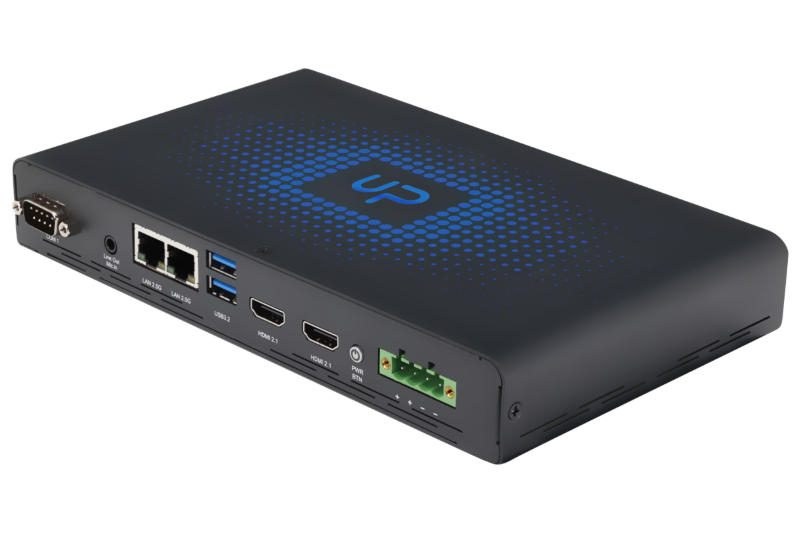
Frore Systems brings solid-state cooling to Intel Panther Lake mini-PCs, replacing fans with ultrasonic vibrations. But you are paying top dollar to beta-test unproven thermal tech.

GL.iNet has dropped a $40 travel router running OpenWrt that packs dual-core power and Gigabit ports into a 100-gram chassis. It turns sketchy hotel Wi-Fi into an encrypted personal network without breaking the bank.

Honor's new $48 hair dryer introduces a reverse-airflow self-cleaning mode that blows out accumulated dust and hair with a single button press. This simple mechanical fix tackles the premature hardware failure that kills most high-speed beauty gadgets.

Casio is shrinking its iconic A168 digital watch into a $135 ring arriving this November. It packs dual time zones, a stopwatch, and an LED backlight into a tiny metal band.

An independent developer named Mañolo has built a custom 6-DoF VR headset using 3D-printed parts and custom Fresnel lenses. The project proves that high-end virtual reality components are now cheap enough to bypass corporate monopolies entirely.
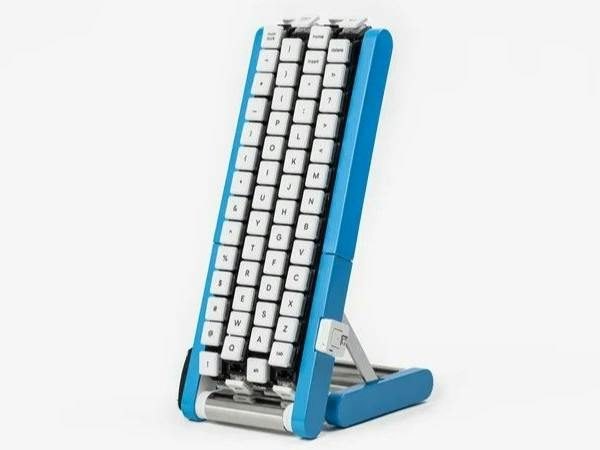
Google Japan built a working mechanical keyboard featuring a vertical conveyor belt instead of standard rows. Powered by an M5Stack microcontroller, it brings the keys directly to your stationary fingers for maximum absurdity.

The Sudo music player features a physical scroll wheel and local file playback to escape monthly streaming fees and constant notifications. It offers a tactile hardware experience designed for users exhausted by subscription-based media.
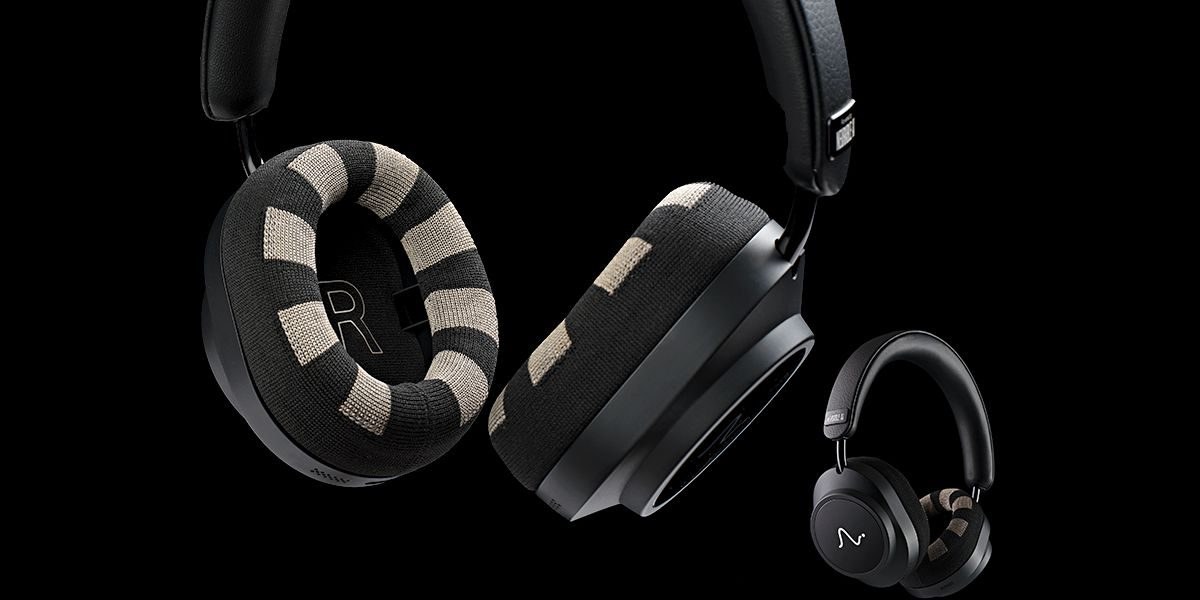
Boston-based startup Neurable built 12 brain-scanning fabric sensors directly into the ear cushions of its $499 active noise-canceling headphones. The device reads electrical signals from your scalp to track mental fatigue and provide live focus nudges while you work.

Tractor Supply's holiday lineup features a 125cc miniature pickup that mimics classic styling while offering strictly entry-level utility. With a combined 300-pound weight limit for both seats, buyers get a backyard leisure toy rather than a working farm vehicle.
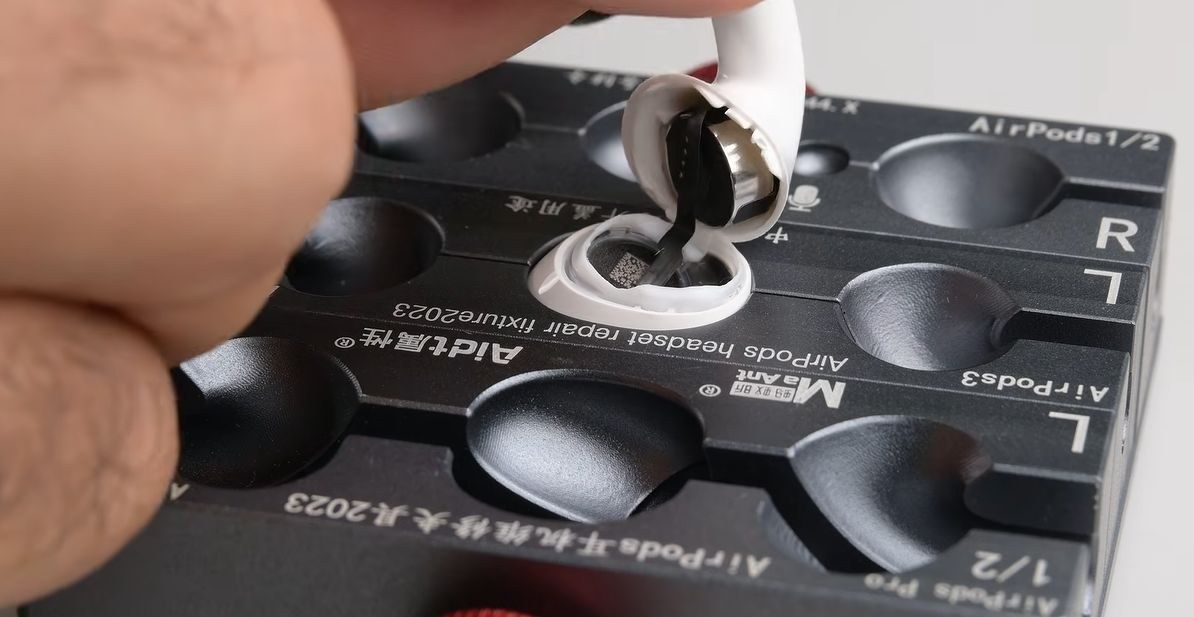
Apple's latest earbuds finally use a snap-open design instead of permanent glue, letting repair techs swap internal coin batteries without destroying the housing. However, the accompanying charging case remains completely disposable and requires physical plastic destruction to open.
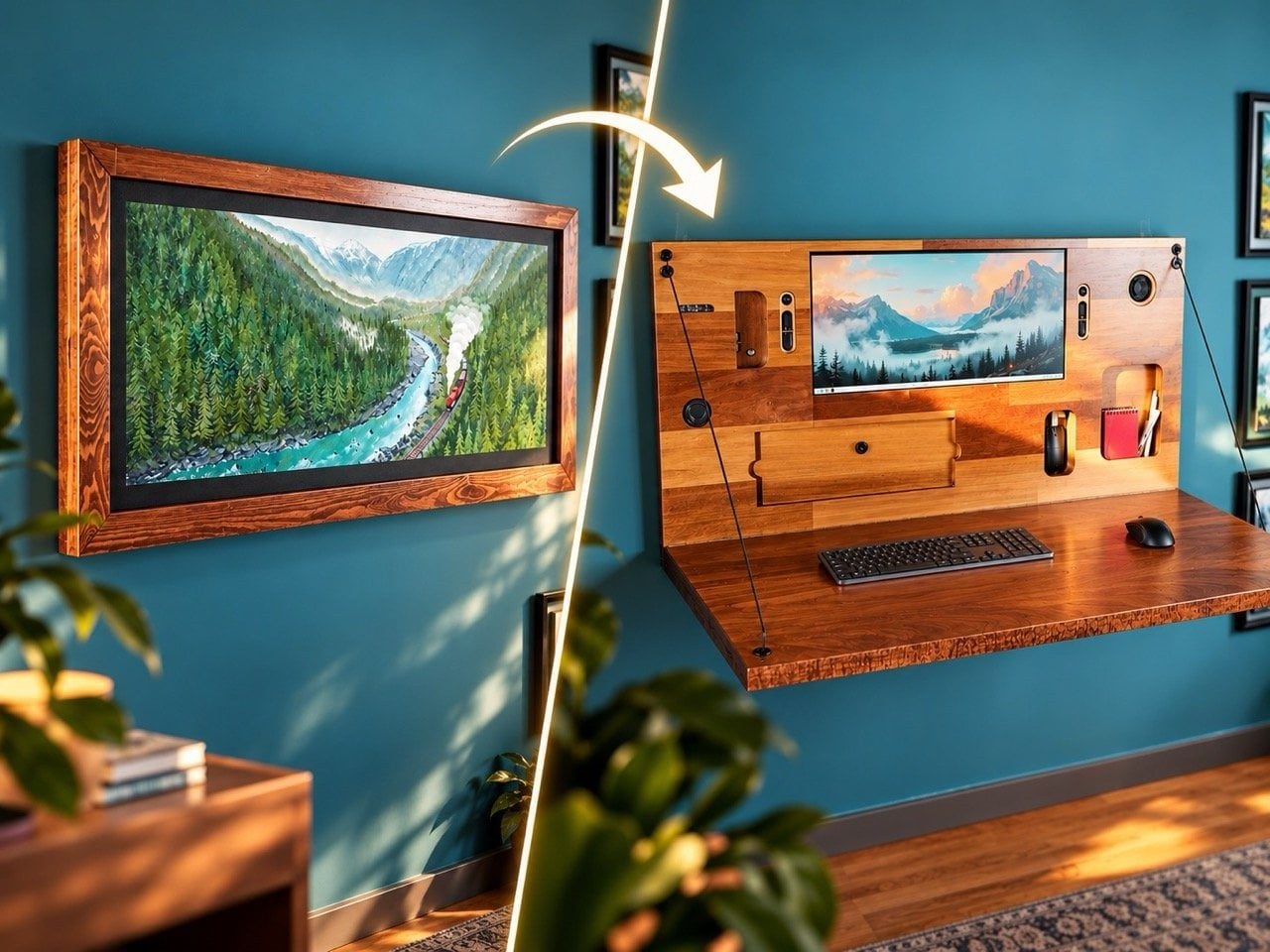
DIY Perks creator Matt built a wall-mounted landscape painting that folds down into a full Linux PC workstation. The clever setup uses recycled laptop parts, copper tape power hidden under paint, and a server heatsink to eliminate desktop clutter.

French robotics maker Wandercraft has received US approval to sell its Eve personal exoskeleton directly for home use. The 12-motor motorized frame lets adults with spinal cord injuries stand, cook, and move independently without crutches.
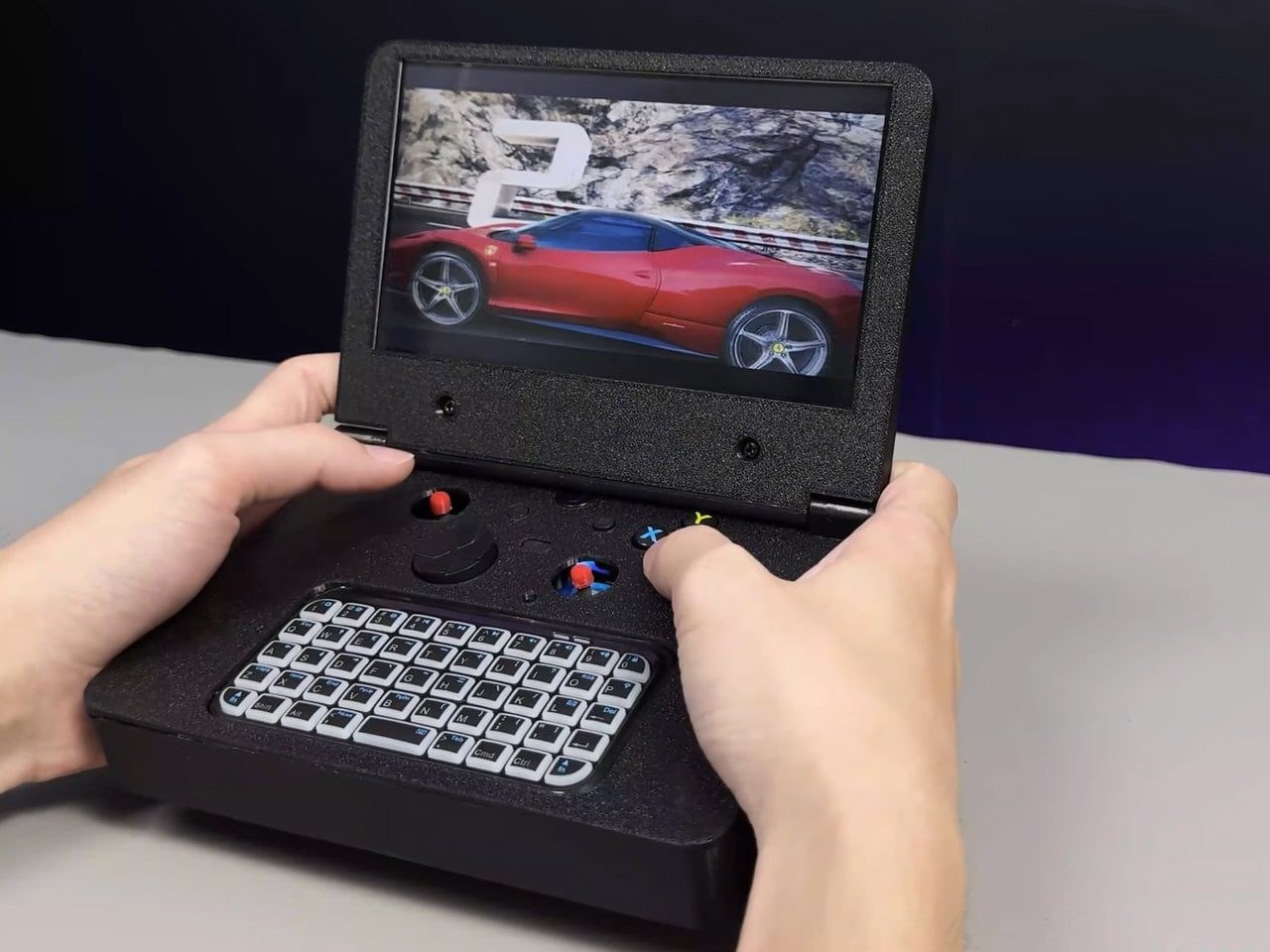
Tired of overpriced handheld consoles from major brands, an enthusiast turned a smashed $30 eBay phone into a working pocket gaming rig. The project strips down a flagship device and pairs it with custom 3D-printed parts to prove how much markup you actually pay for retail hardware.
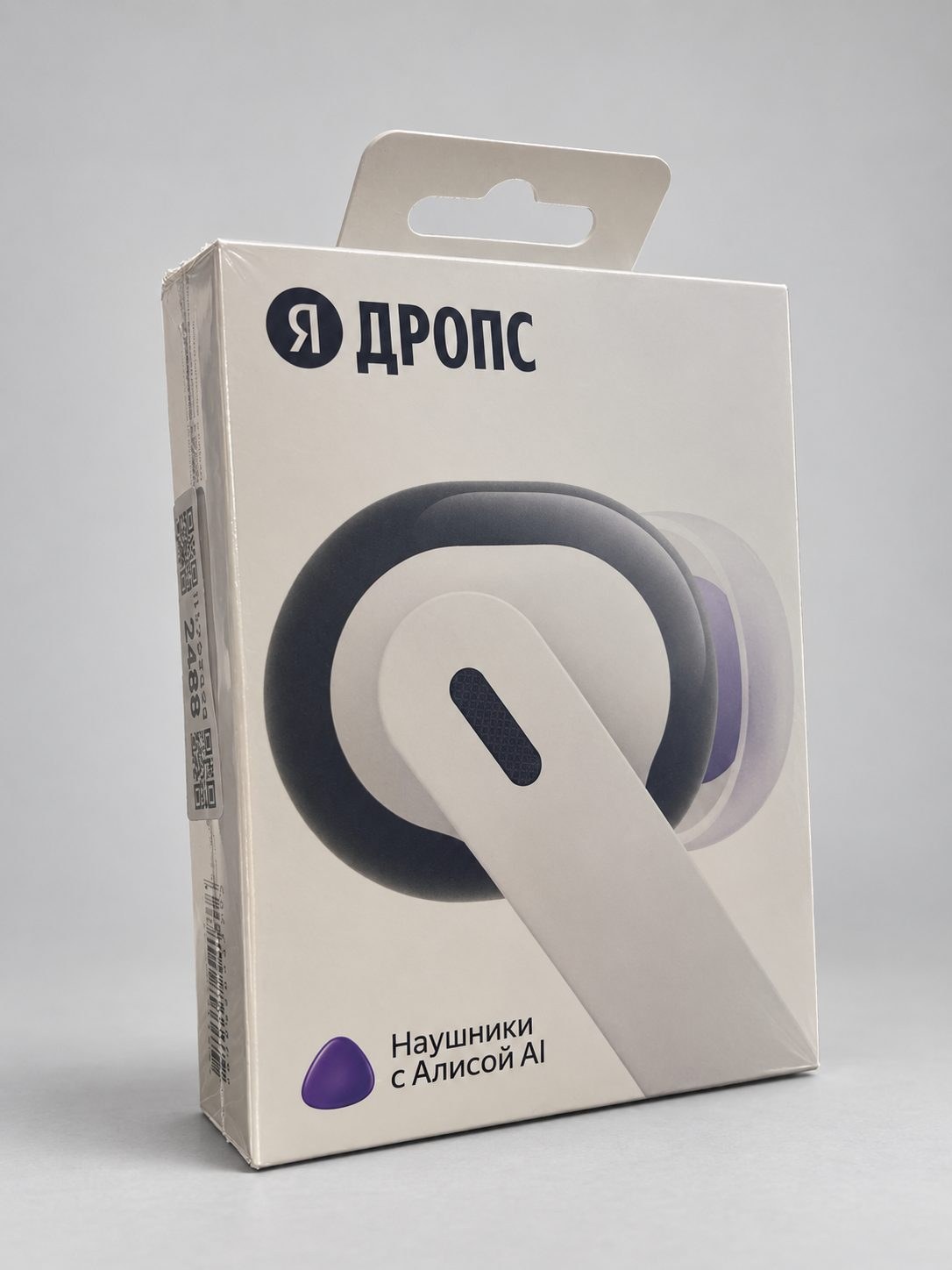
An X-ray microtomography scan of the Yandex Drops reveals a tightly packed, unrepairable layout. Find out why this AI-powered gadget is built to be disposable once the battery dies.

Motorola is defying the giant-slab trend with the Razr Flex, a shrunken clamshell phone scheduled for a December launch. While it easily disappears into tight jeans, cramming high-end parts into a tiny body inevitably sacrifices battery life and everyday usability.
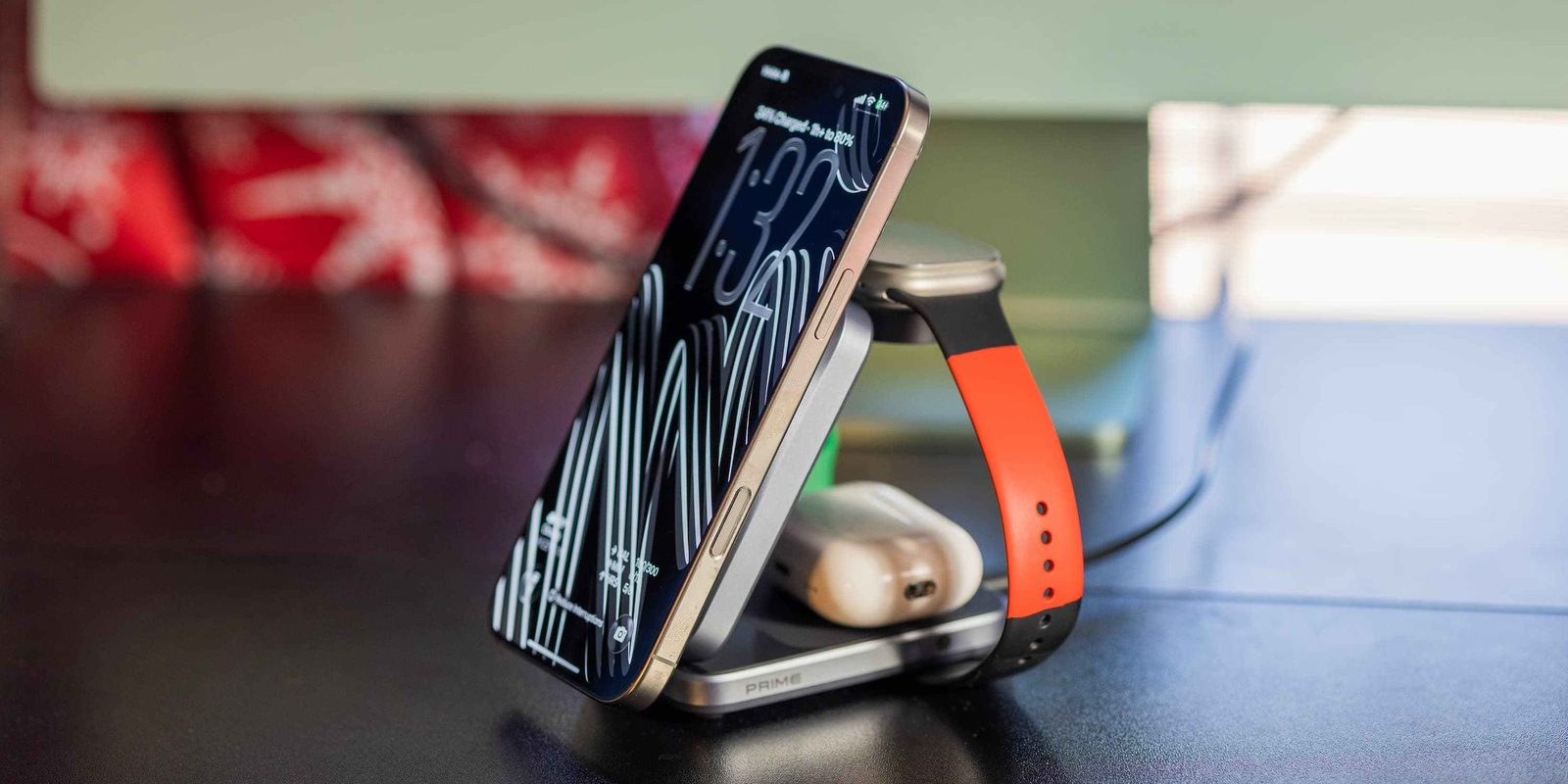
Anker's new $99 folding 3-in-1 dock includes a built-in fan to prevent fast 25W wireless charging from overheating your phone. The package bundles a wall brick and cable, powering an iPhone to 50% in 27 minutes.
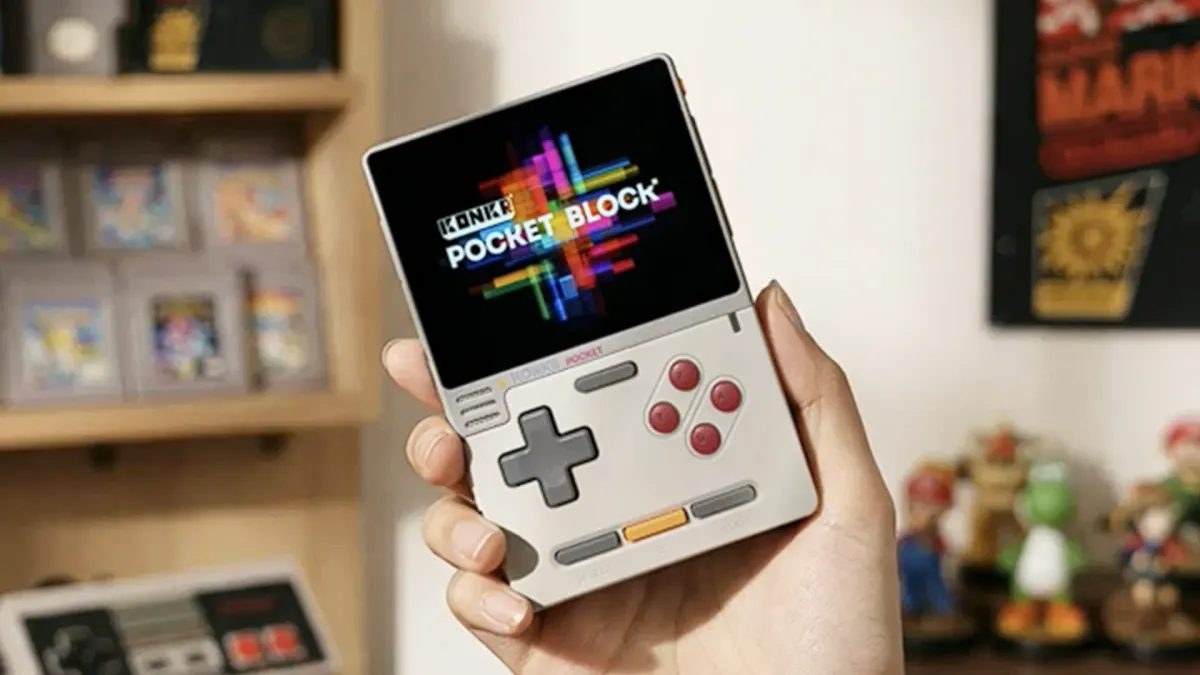
AYANEO has unveiled the KONKR Pocket Block, a 165-gram vertical handheld designed for retro gaming on the go. Priced from $79 with a 3.33-inch screen, it sacrifices raw processing power for absolute portability.
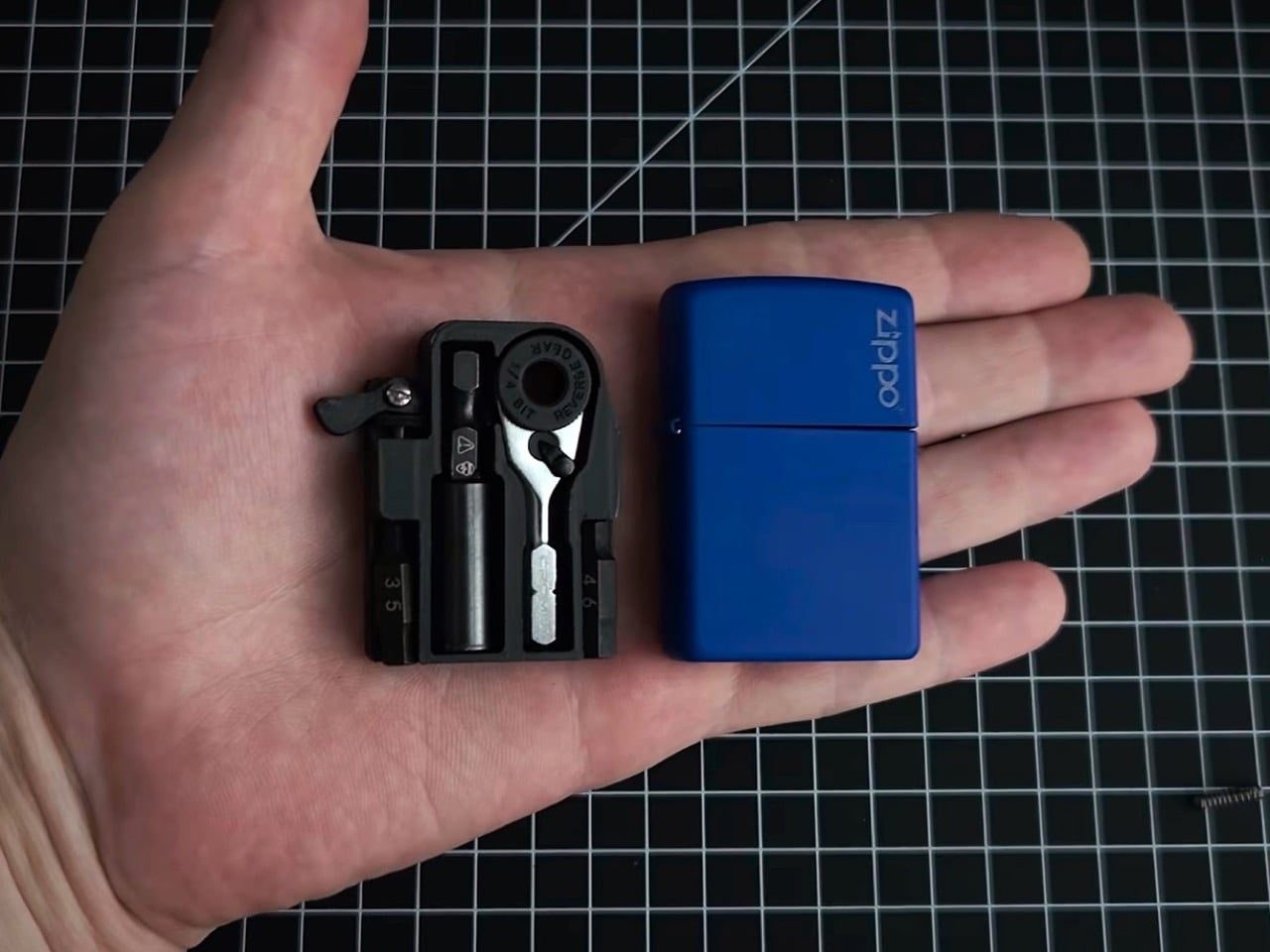
An independent maker gutted a vintage 1932 Zippo lighter and packed it with a micro ratchet, S2 steel bits, and a spring from a Bic lighter. The resulting $150 kit fits entirely in a coin pocket without weighing down your trousers.

Designer Alex Dufetel solved the classic smart home annoyance where physical wall switches lose track of phone app adjustments. His solid walnut desktop console uses professional audio-style motorized faders that silently glide into place on their own whenever your home lighting changes.
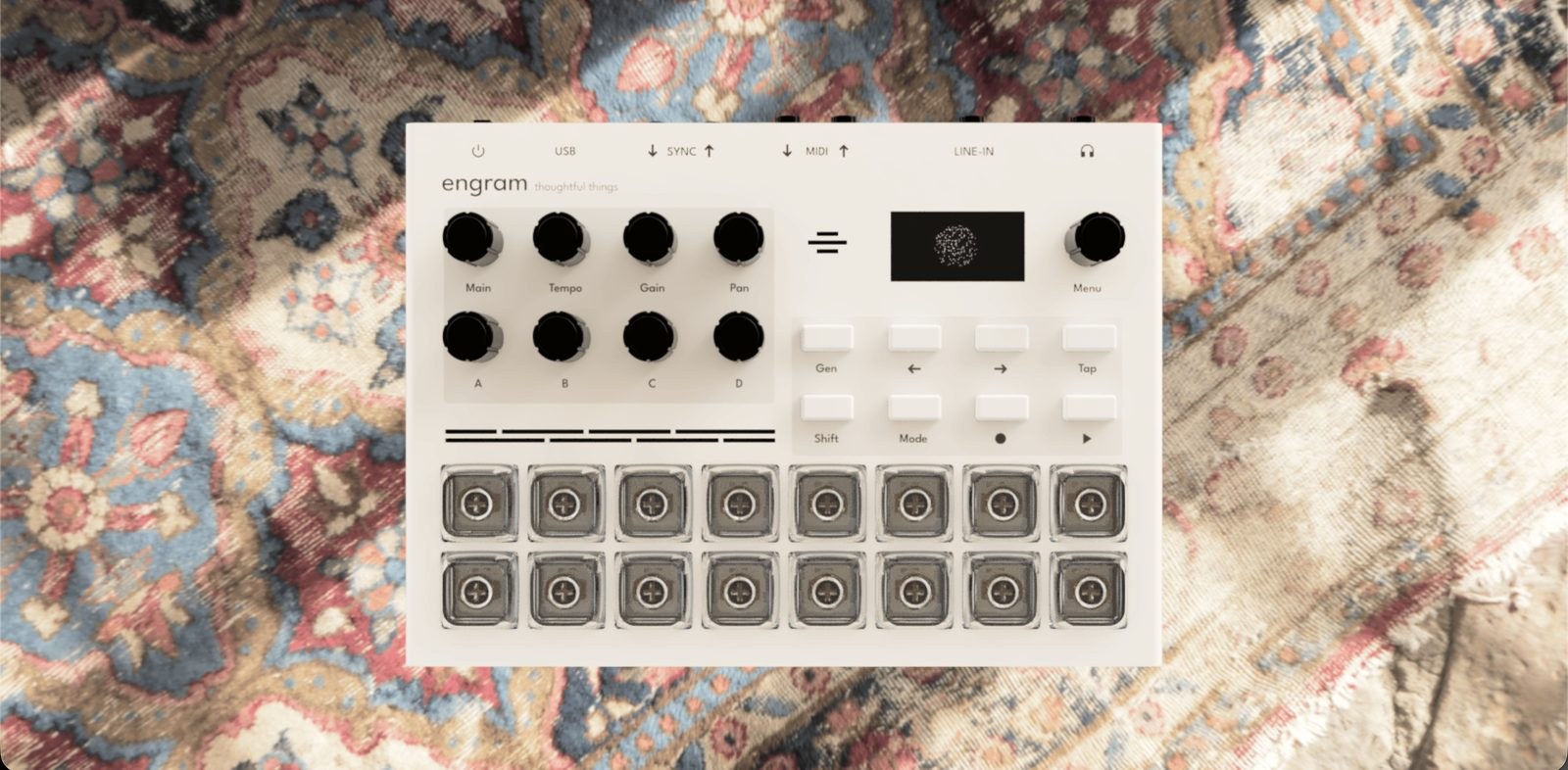
Startup Thoughtful Things has launched a Kickstarter campaign for Engram, a $675 standalone groovebox that runs a tiny custom AI locally to mangle audio. By refusing to connect to the internet, it ditches subscription fees and cloud latency for musicians seeking unpredictable hardware textures.
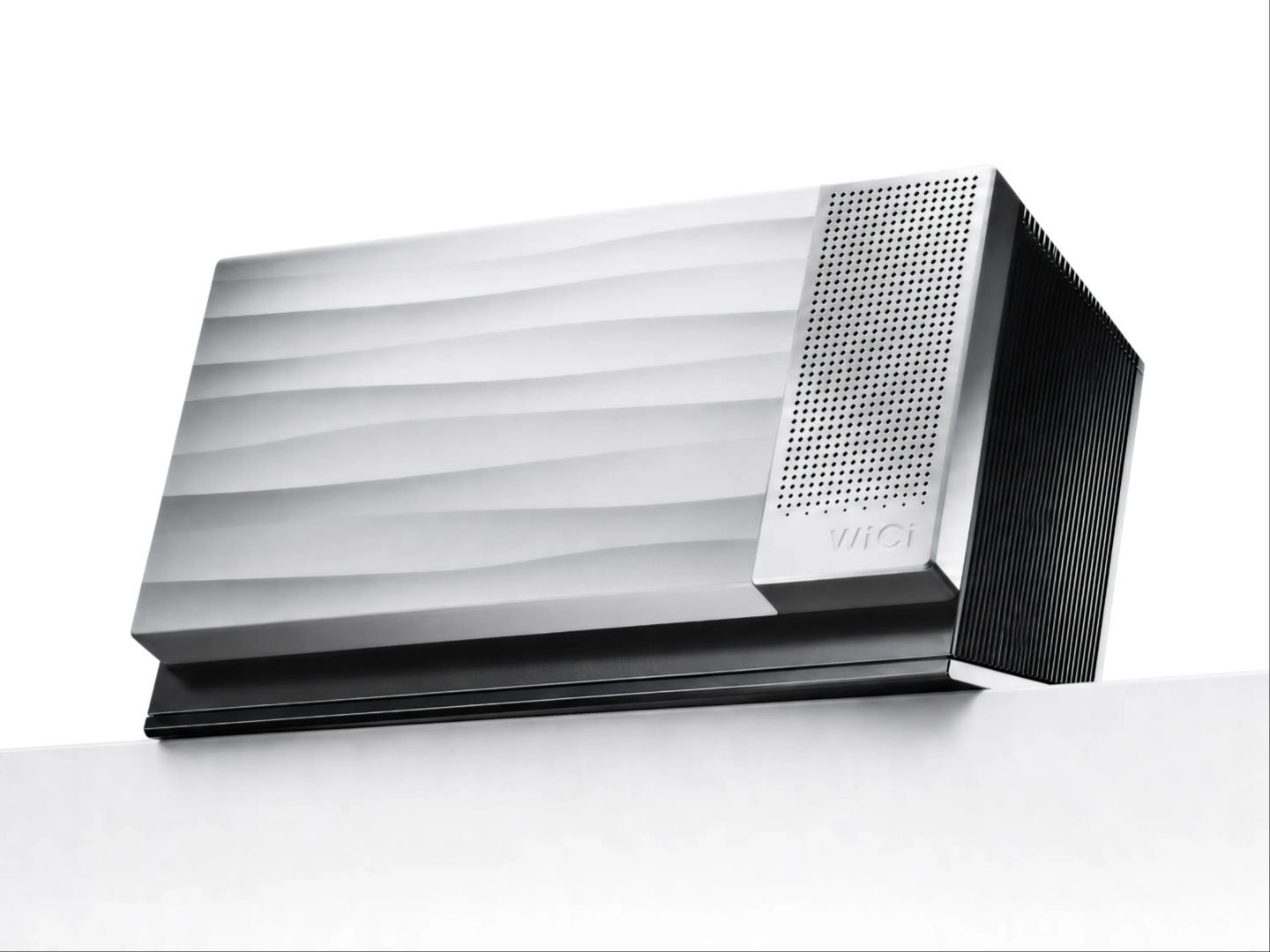
Startup WiCi has introduced the WiCi One, an external graphics box containing a complete PC and an RTX 5060 Ti that streams desktop compute over a Wi-Fi 7 link. While it promises total freedom from cables for thin laptops, physical bandwidth limits and hefty pricing raise serious questions about real-world performance.
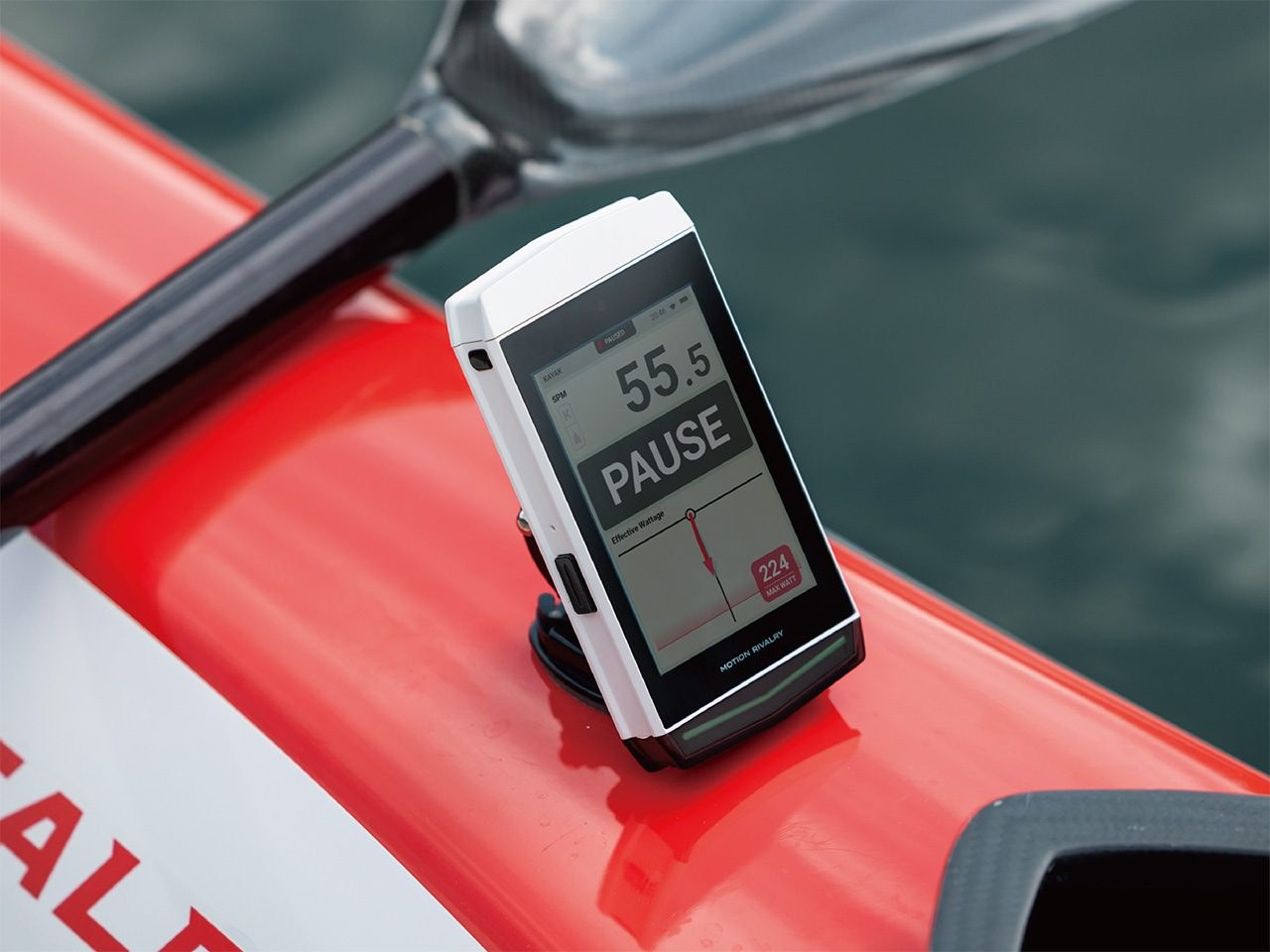
Motion Rivalry designed REACH to replace action cameras and walkie-talkies with interchangeable hardware modules on a single base unit. The crowdfunding campaign raised over $122,000, bringing the entry price to $359.

Xiaomi's Pocket Guitar snaps onto the back of a flagship phone to act as a Bluetooth rhythm controller. We look at whether this 90-dollar plastic accessory is worth your cash.

The $69 FunnyPlaying GB Mini offers budget FPGA cartridge gaming, but severe plastic flexing and loose screens ruin the experience. Retro fans should skip this fragile console until manufacturing quality improves.
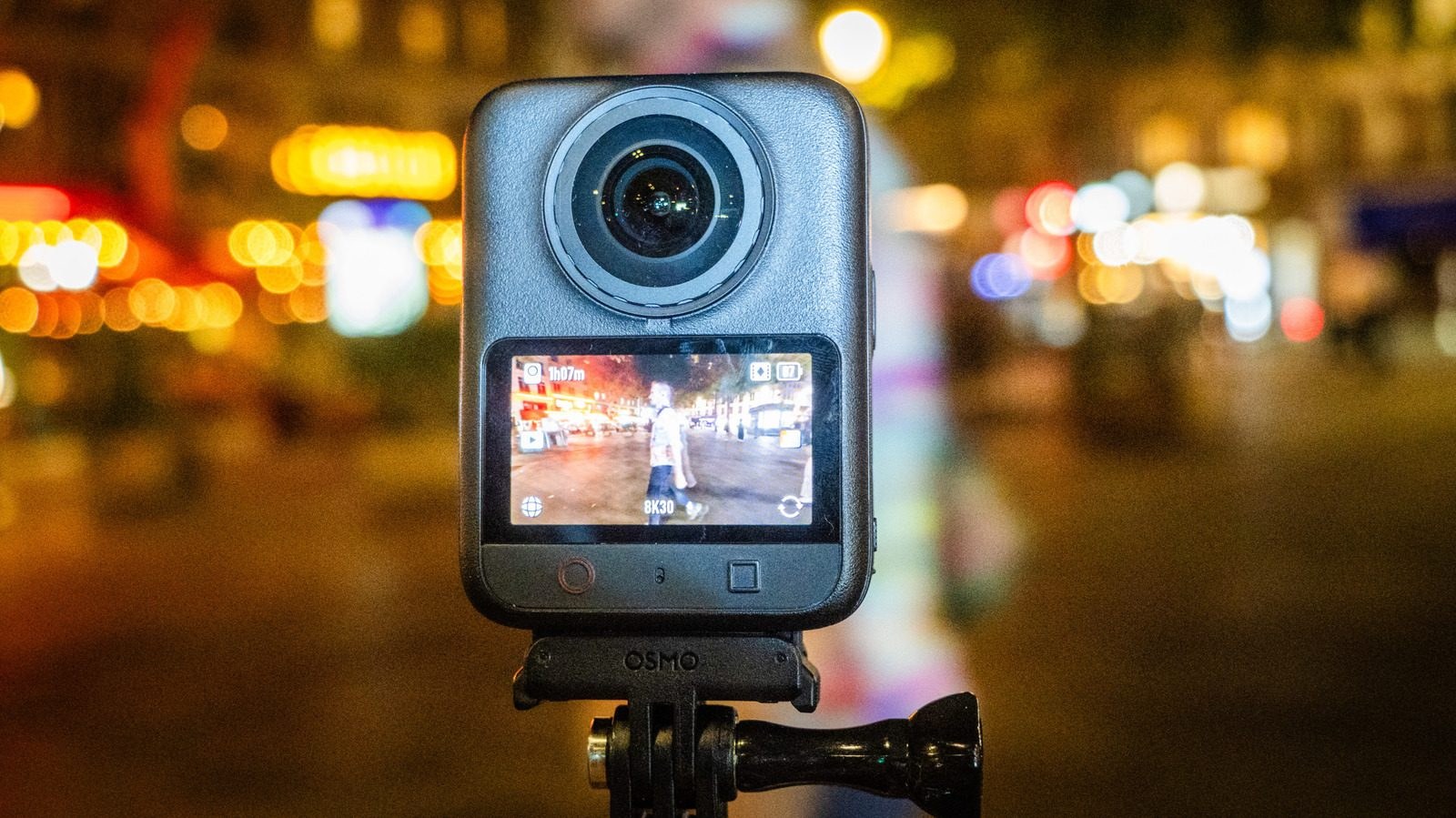
DJI's Osmo 360 II solves the perennial action camera nightmare of scratched lenses by letting you replace broken glass on your workbench in under five minutes. Alongside 8K recording and 105GB of built-in storage, it undercuts rival pricing at €589, though US creators are locked out of the launch.
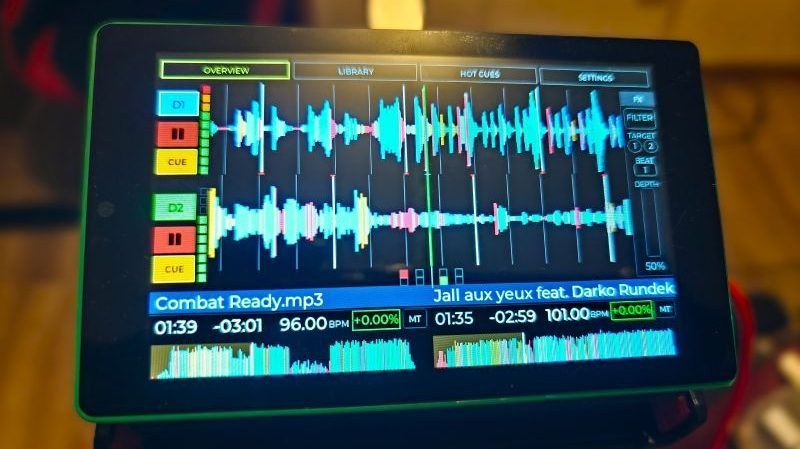
Independent maker Daniel Vučinović has engineered a standalone DJ controller running on a $50 ESP32 chip. It reads USB drives, renders live waveforms on a touchscreen, and eliminates laptop crashes for mobile DJs.
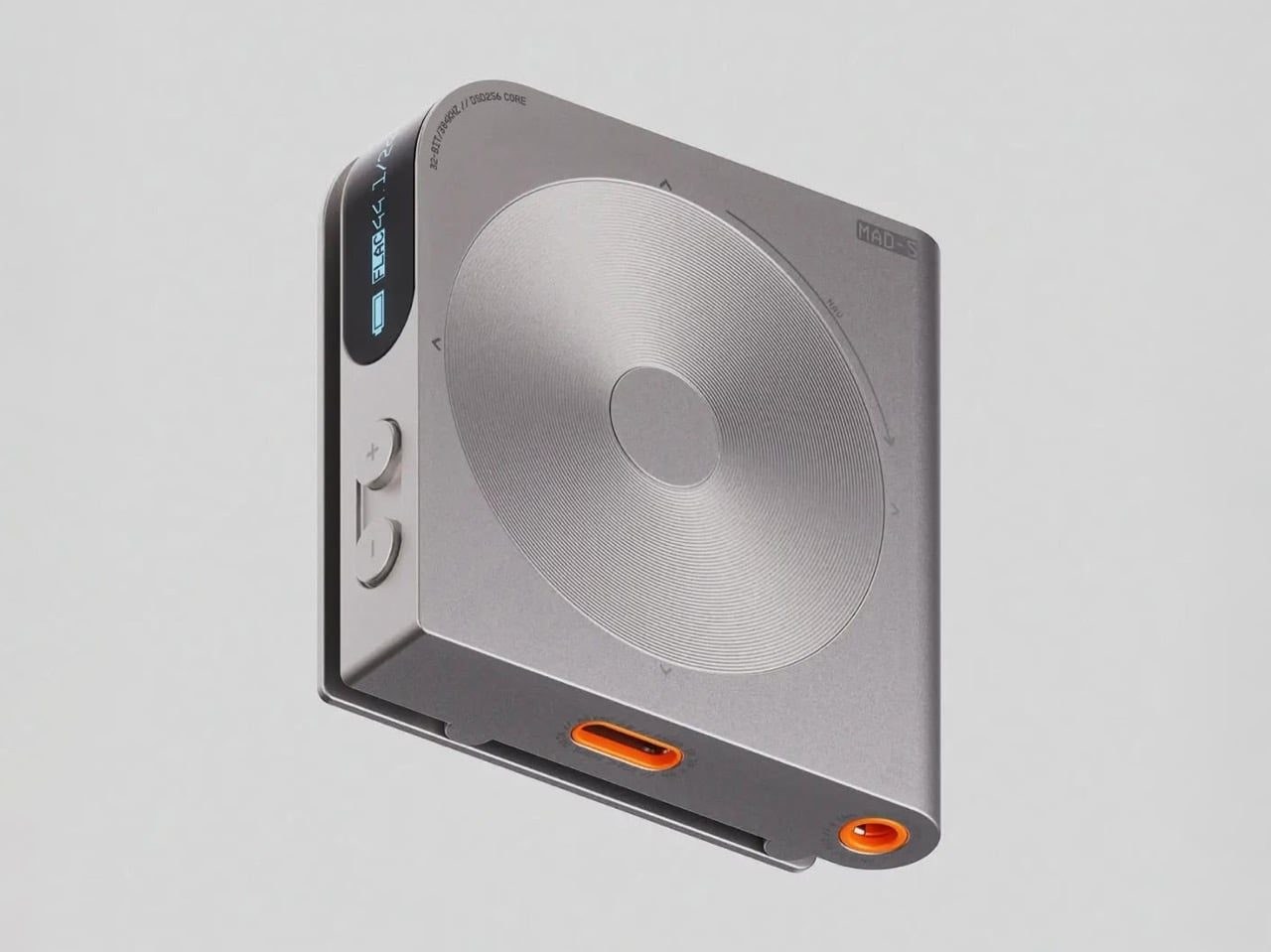
Designer Florent Porta has unveiled the MAD-5 concept, a square aluminum music player that moves track info to an edge-mounted ticker. It revives the ergonomic brilliance of clipped vintage audio gear while exposing the limits of purely conceptual hardware.
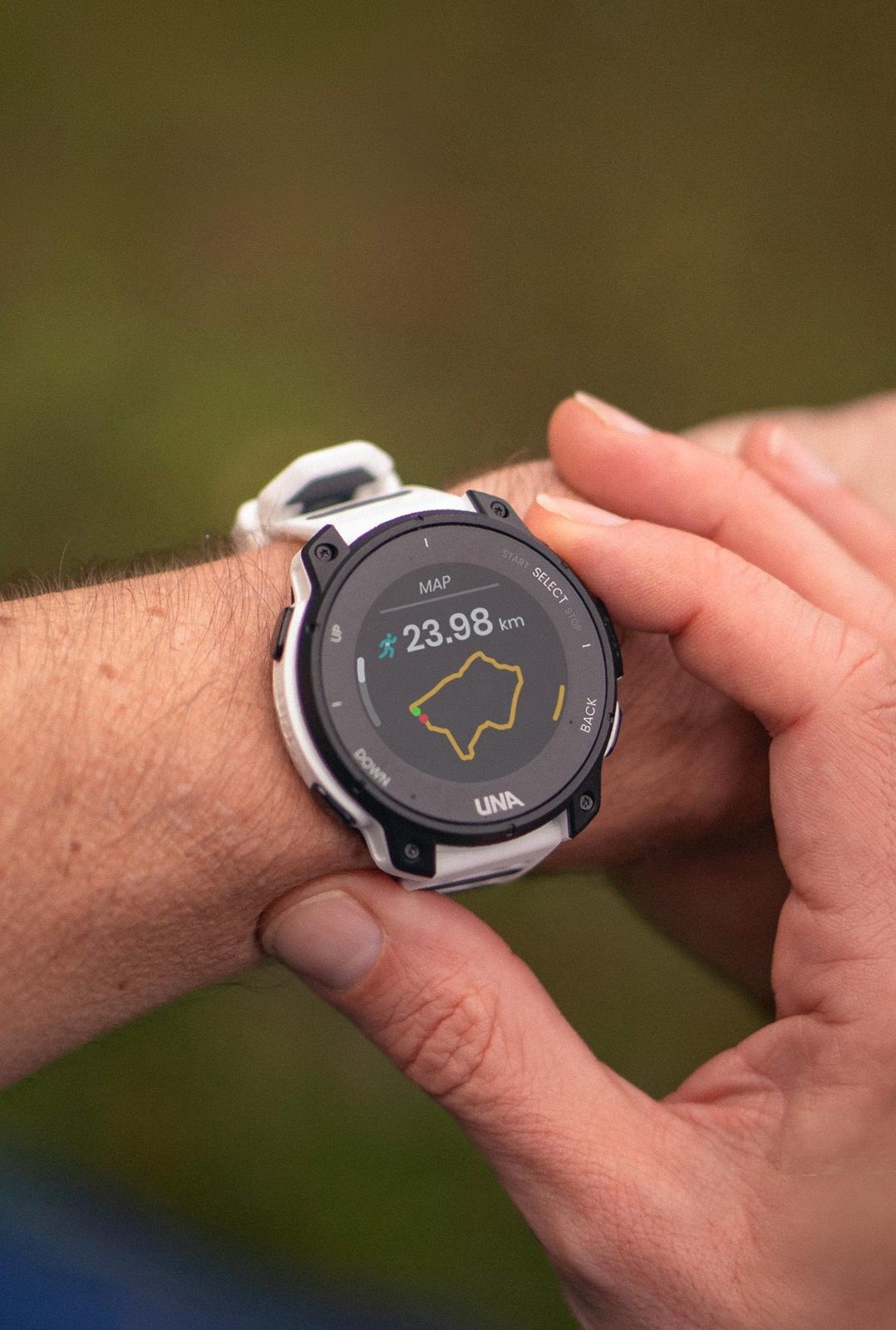
The Una Watch has dropped from its initial $350 Kickstarter price down to $199, offering a fully modular design that you can open and repair with standard tools. It packs a user-swappable 280mAh battery, dual-frequency GPS, and up to 10 days of battery life, though its modest IPX5 splash resistance rules out swimming.
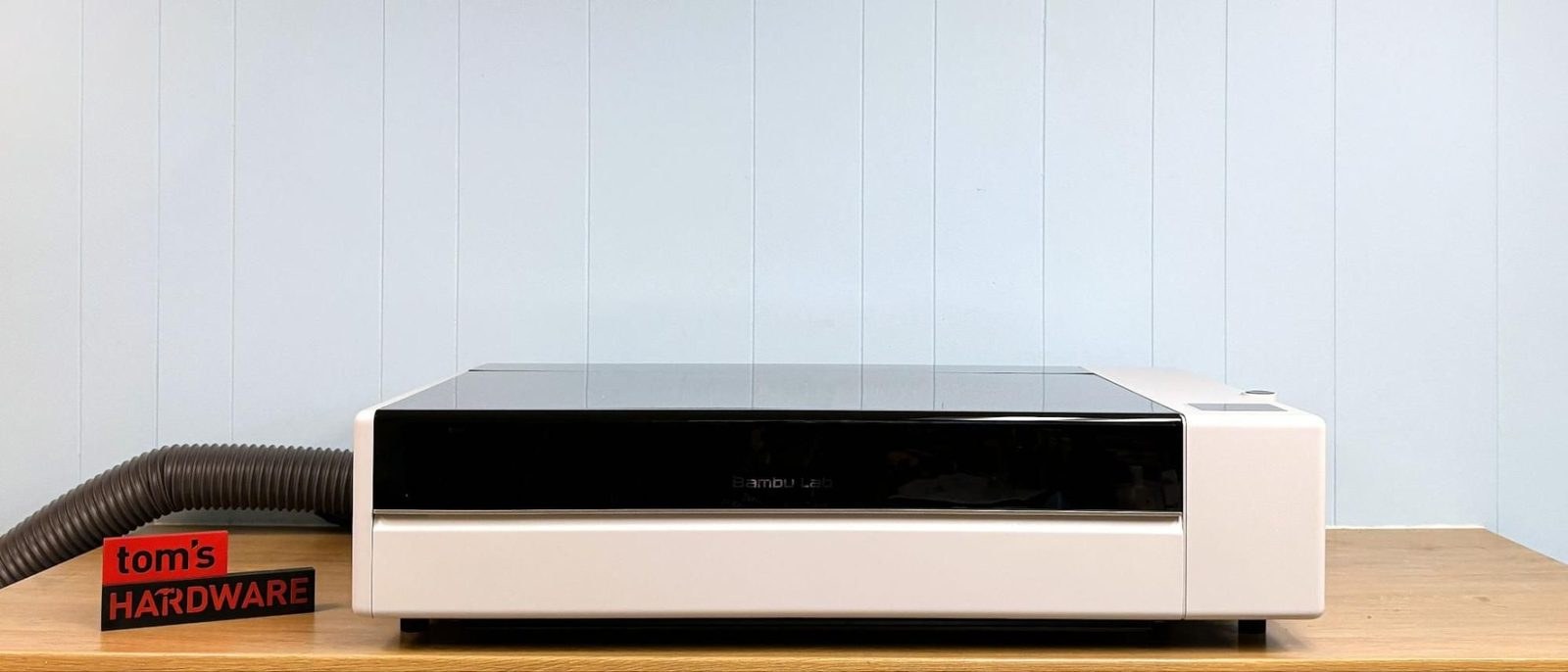
The $2,499 Bambu Lab R1 brings a 55W CO2 laser, overhead alignment camera, and 70-pound steel chassis to small-shop owners. While it slices cleanly through wood and acrylic, tedious lens swaps and loud cooling fans complicate daily work.

Beats introduces its first sweat-resistant over-ear headphones featuring a lightweight 260g build and modular $49.99 replacement cushions. The design tackles gym stability and hygiene issues that usually ruin bulky audio gear during heavy training.
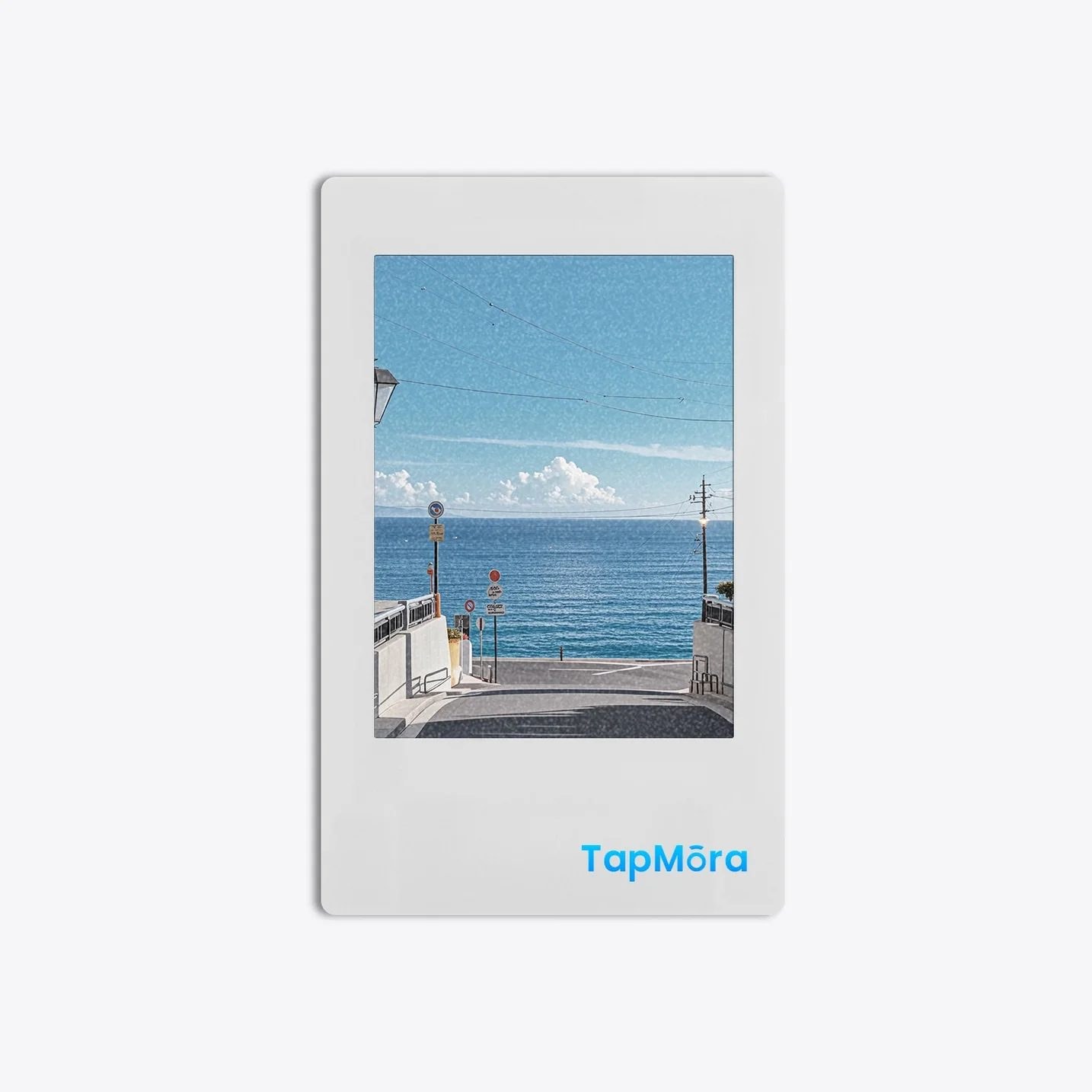
Tapmora has introduced a $45 pocket-sized E Ink photo frame for your fridge that runs entirely without batteries, cables, or Wi-Fi. By harvesting energy directly from your smartphone's NFC chip during a quick tap, it delivers a glare-free paper-like display.
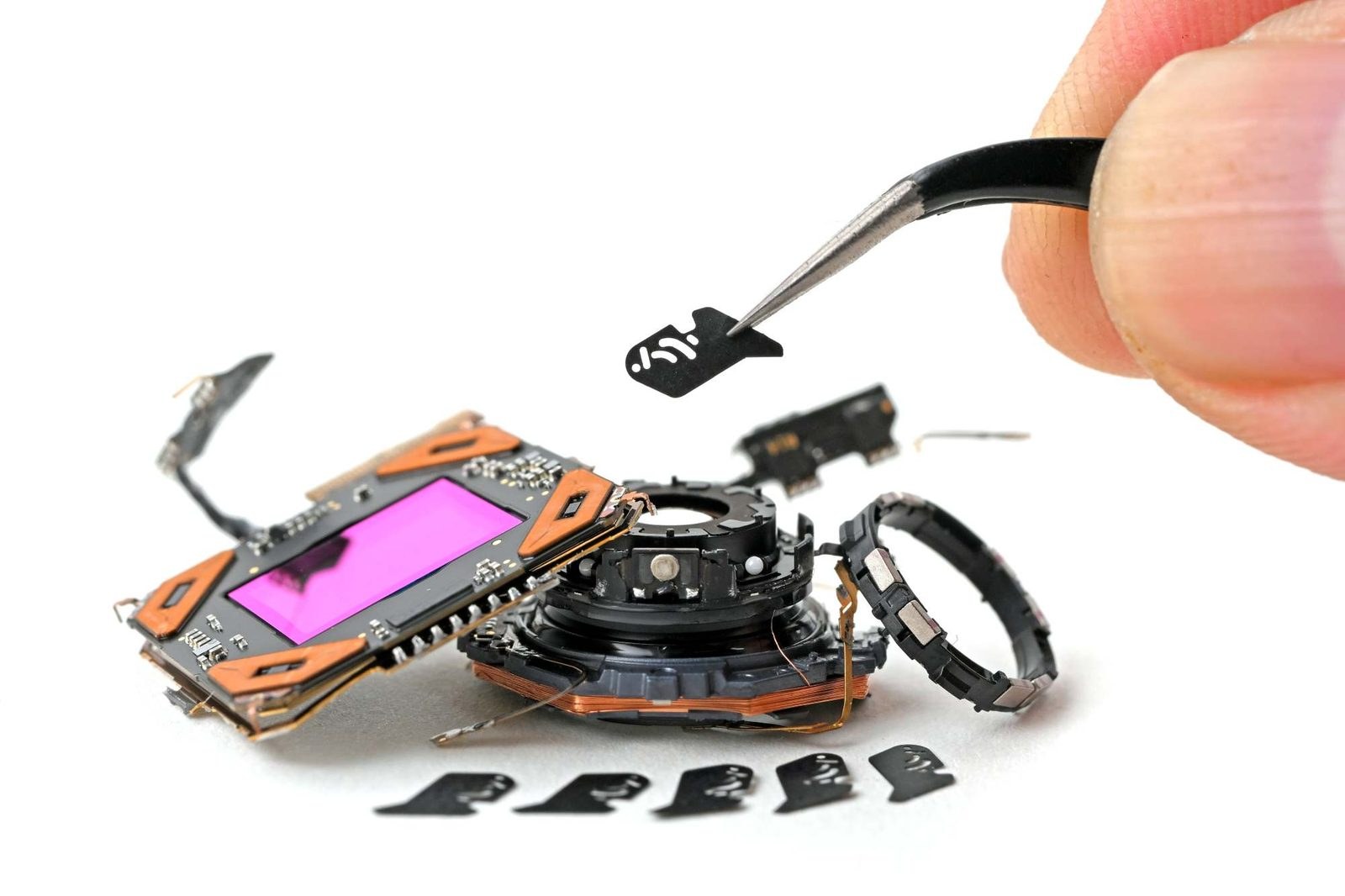
Repair specialists found that opening the new iPhone 18 Pro often breaks its plastic frame, while a complex mechanical camera ensures repairs will cost a fortune. Regular users dropping their phones face steep bills for microscopic moving parts that cannot be individually replaced.
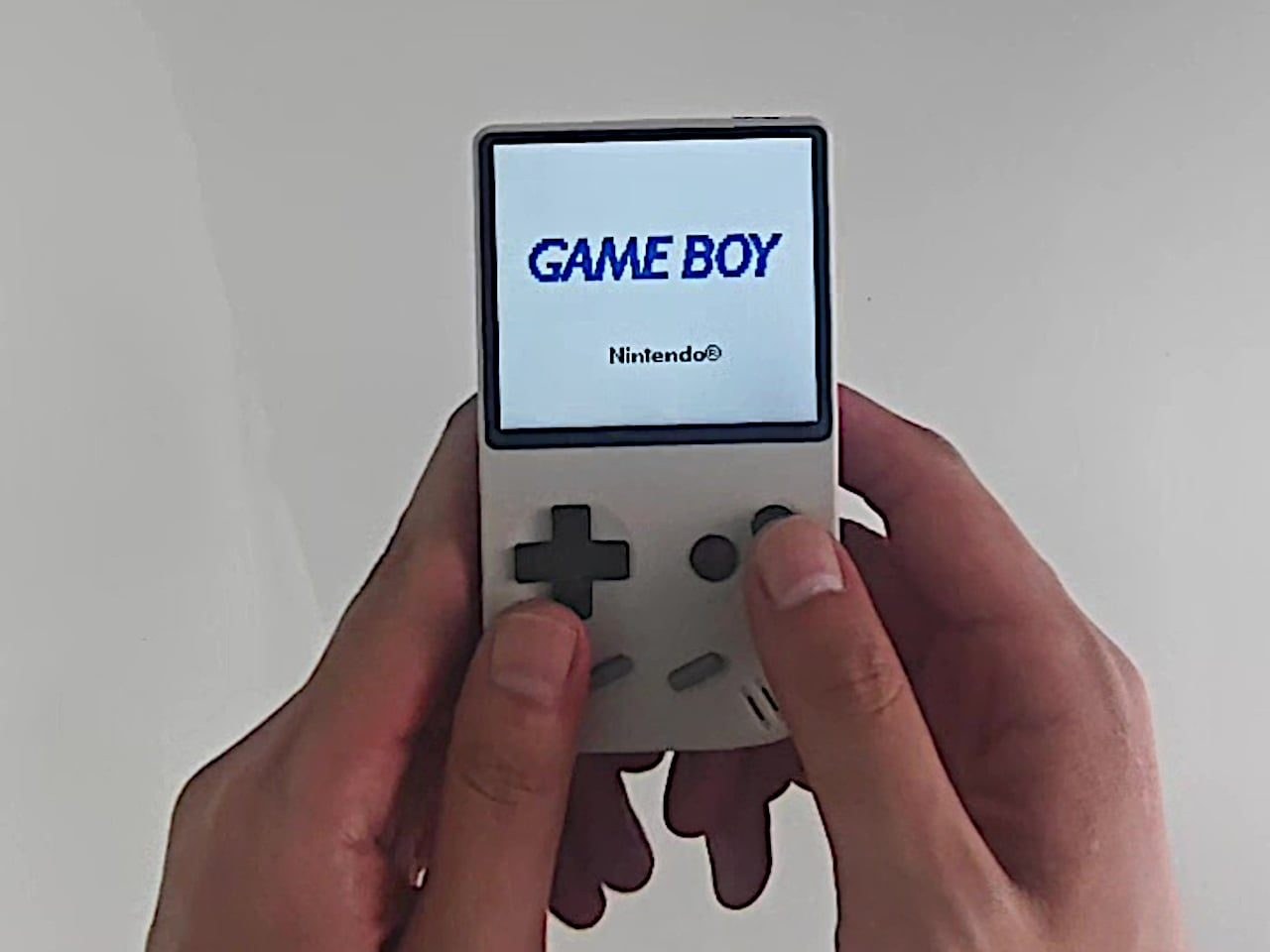
FunnyPlaying packed authentic hardware-level Game Boy emulation into a 135g device measuring just 113mm across. It plays original cartridges on a 2.98-inch IPS screen, offering true vintage accuracy for collectors who do not mind a tiny grip.
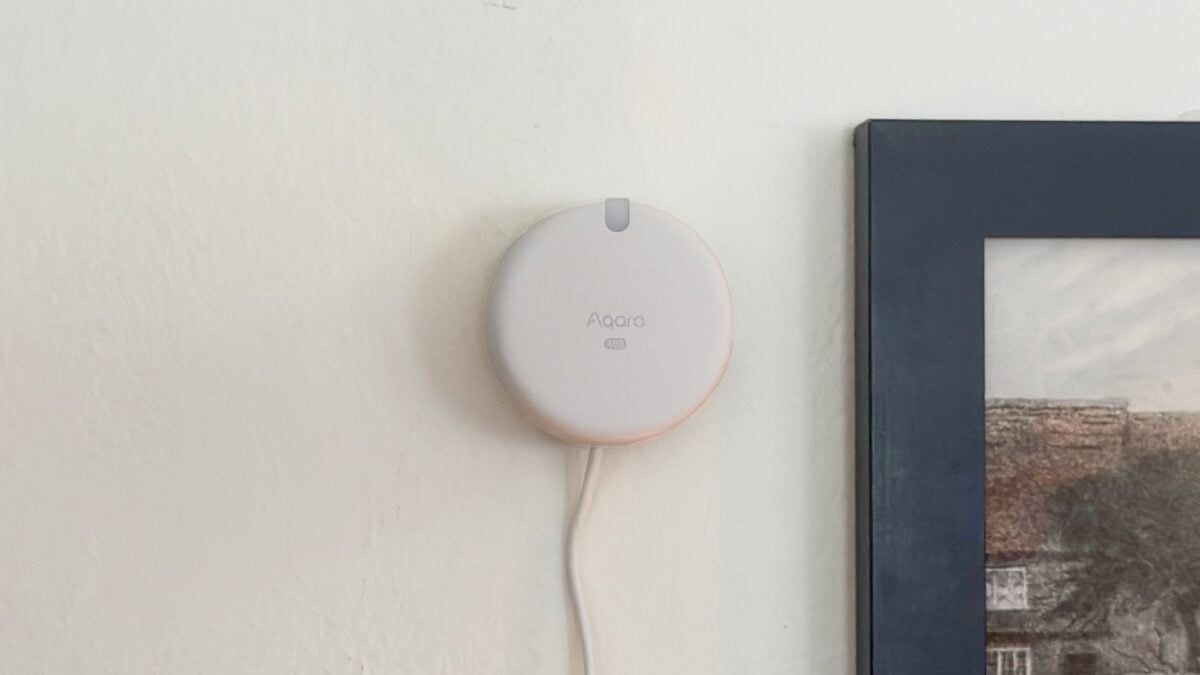
Aqara's new spatial sensor uses radio waves to map up to 10 people in a room locally without cloud lag. However, dropping battery support means you are tethered to a USB-C wall wire.
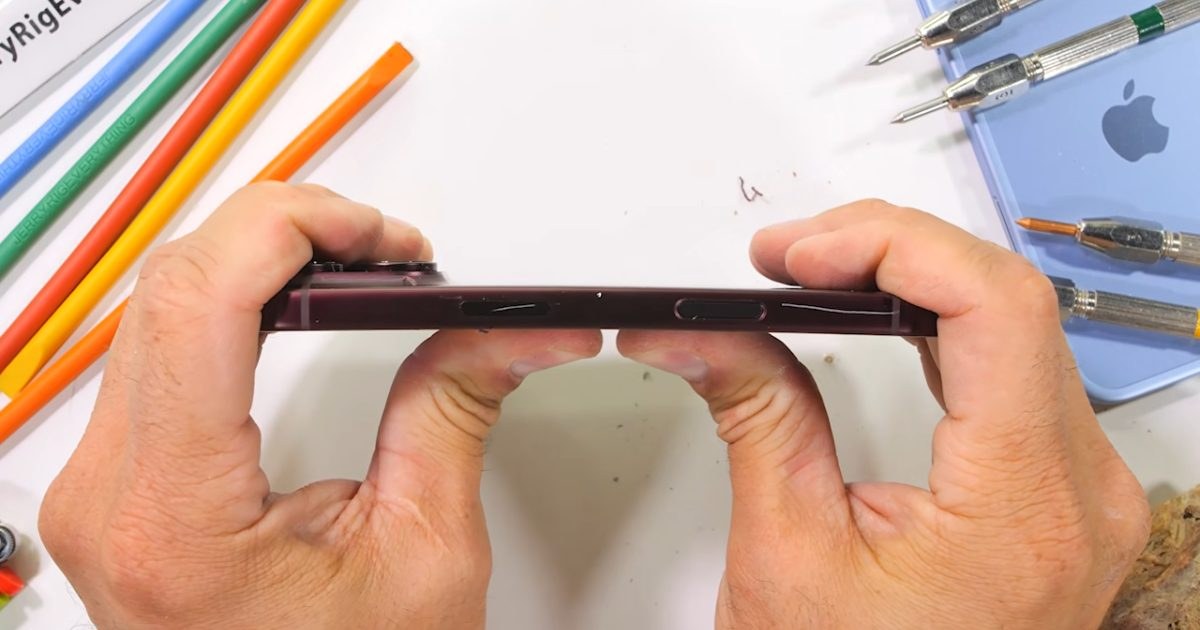
The latest iPhone flagship survived a brutal bend test, but its metal edges and plastic camera base remain vulnerable to everyday keys and coins. JerryRigEverything put Apple's new pro device through its traditional torture routine to see what changed in your hands.
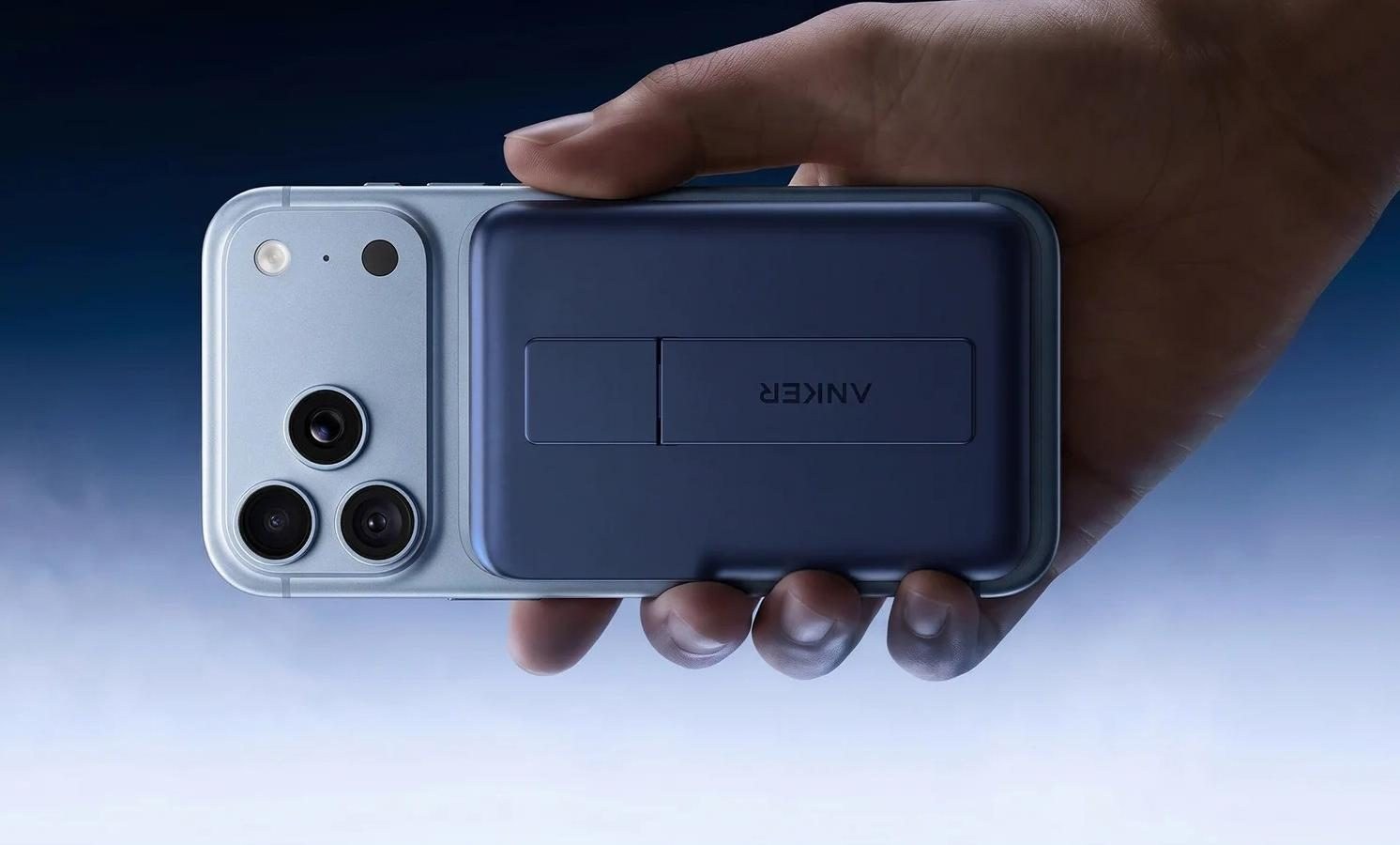
Anker added an active cooling fan to its $110 MagGo 2 Pro wireless power bank to fix overheating and speed throttling. It tackles the heat problem of Qi2 charging, but adds noticeable weight and a steep price tag to your pocket.
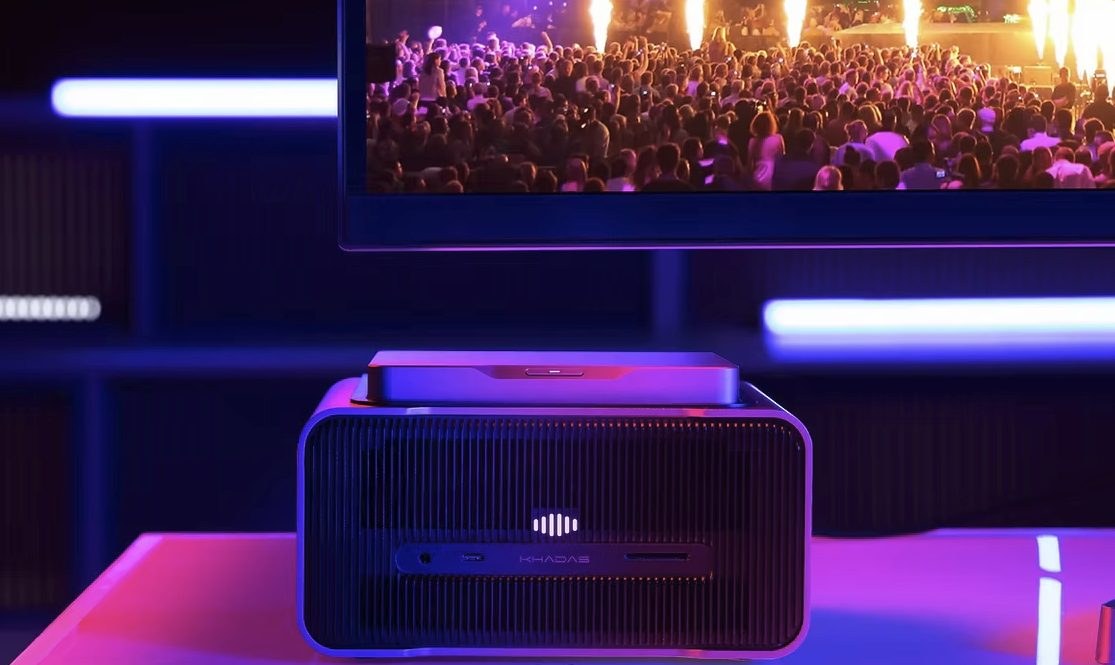
We tested the pocket-sized Khadas Mind 2 modular PC that transforms into a gaming station with an external dock. Here is whether the concept actually works in practice.

Dyson dropped its new R1 Nurovi Dry robot vacuum for $550, skipping the water tanks and motorized mop pads that usually inflate modern floor bots past $2,000. For anyone tired of maintaining damp cloths and paying for features they never switch on, the base model offers high suction power without the markup.

The $75 Camp Snap 110D ditches the review screen entirely, forcing you to shoot blind and wait until you plug it in to see your photos. Built like a 1970s film camera with an 8-megapixel sensor, it trades modern digital perfection for genuine peace of mind.
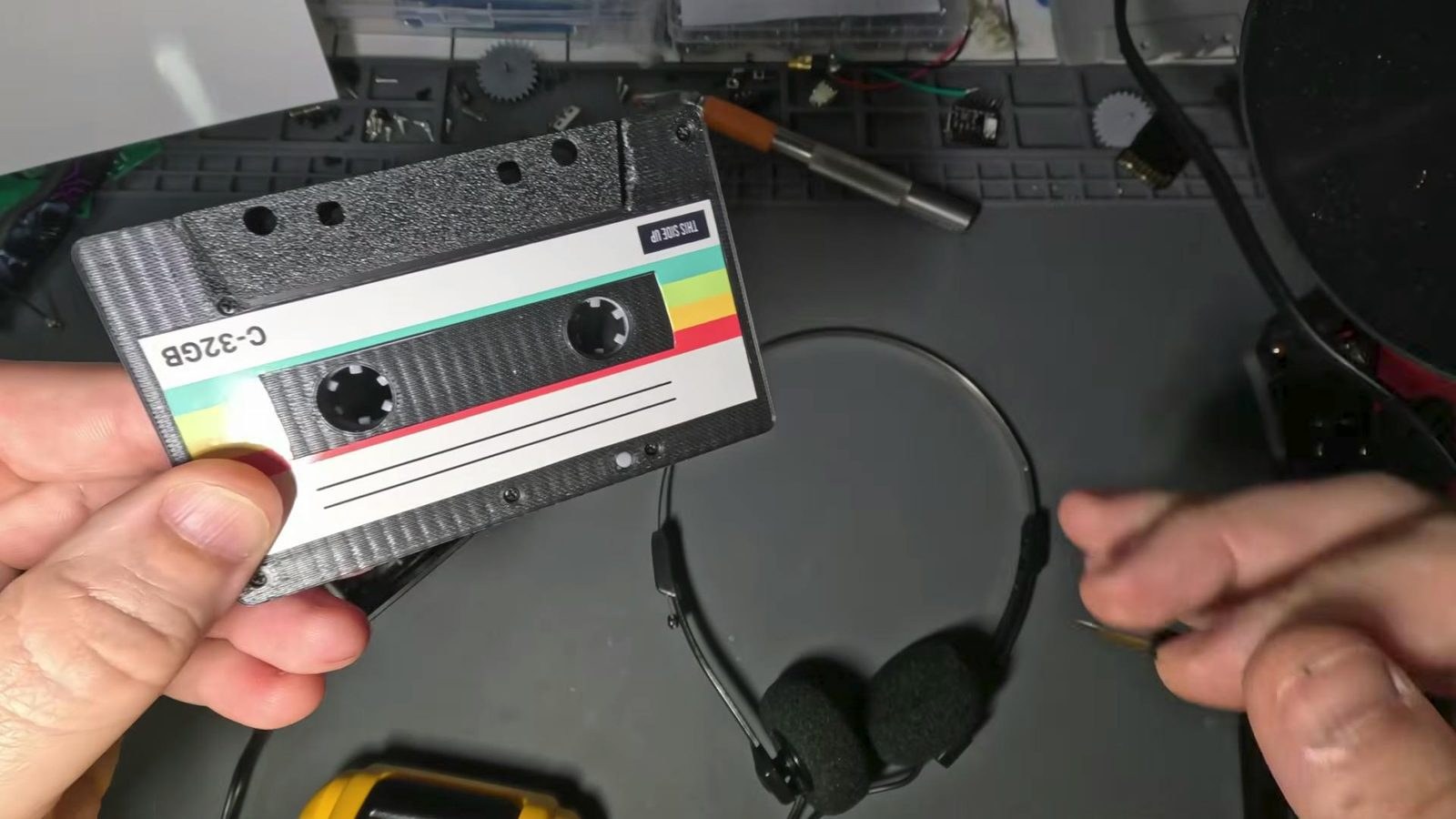
Engineer Jonathan Rowny built a fully functional MP3 player that fits entirely inside a standard cassette shell. It features wireless file transfers and a 10-hour battery, but only plays music when you slide it into a mechanical vintage tape deck.
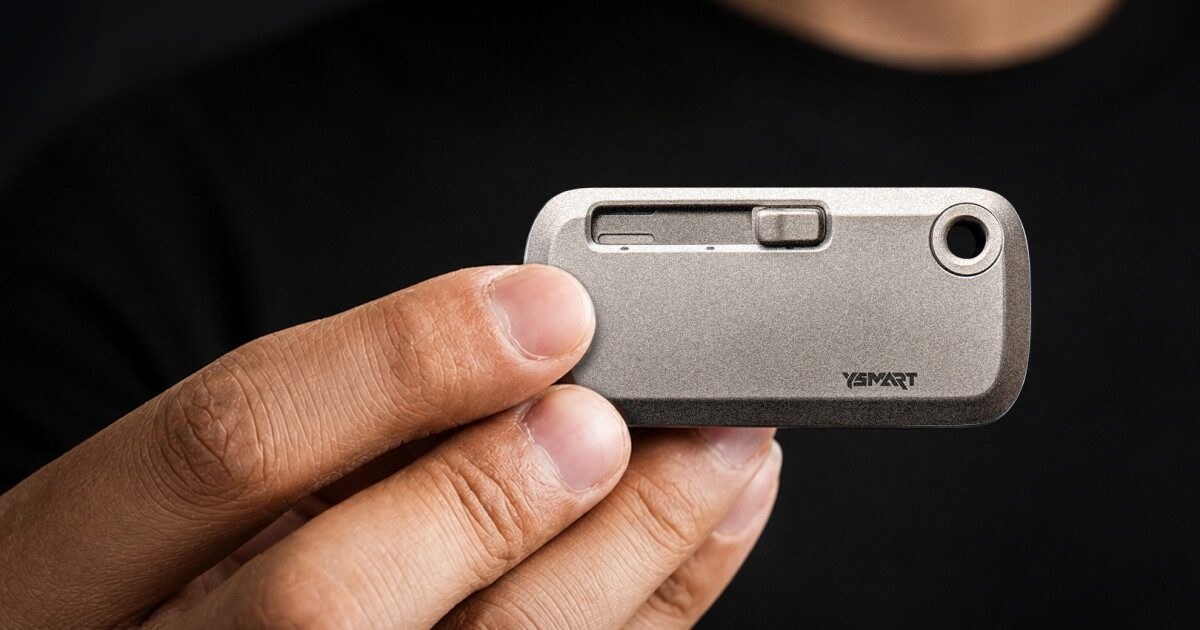
British studio Ysmart London has launched a Kickstarter campaign for the Toolt, a 70mm key fob featuring three dozen sliding tools and a replaceable Stanley blade. Costing up to £149 at retail and shipping in January 2027, the gadget trades practical leverage for cramped novelty.
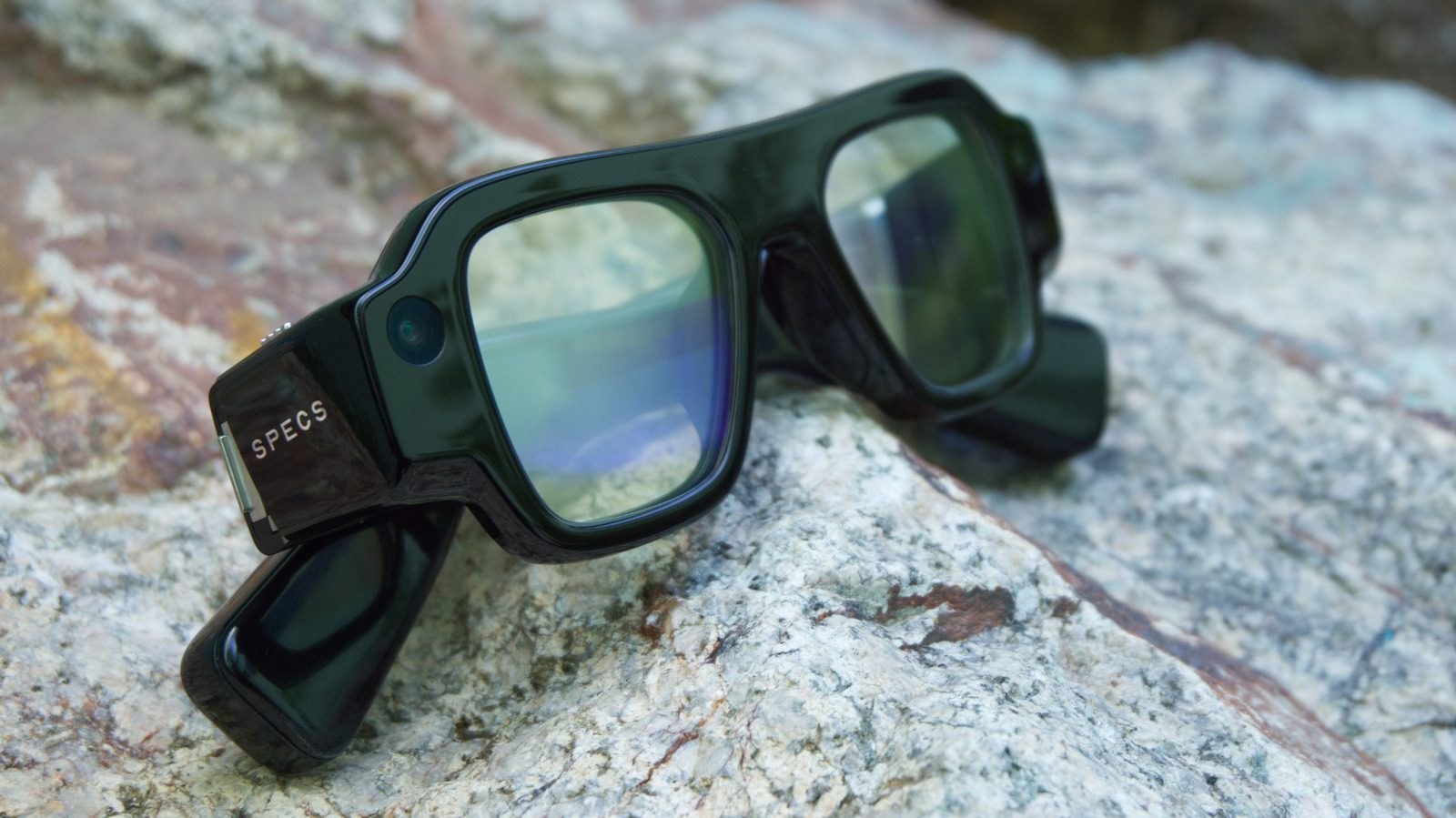
Snap introduces standalone augmented reality glasses with dual hand-tracking cameras and a 132-gram frame. The wire-free headset costs $2,195 and targets developers rather than everyday buyers.
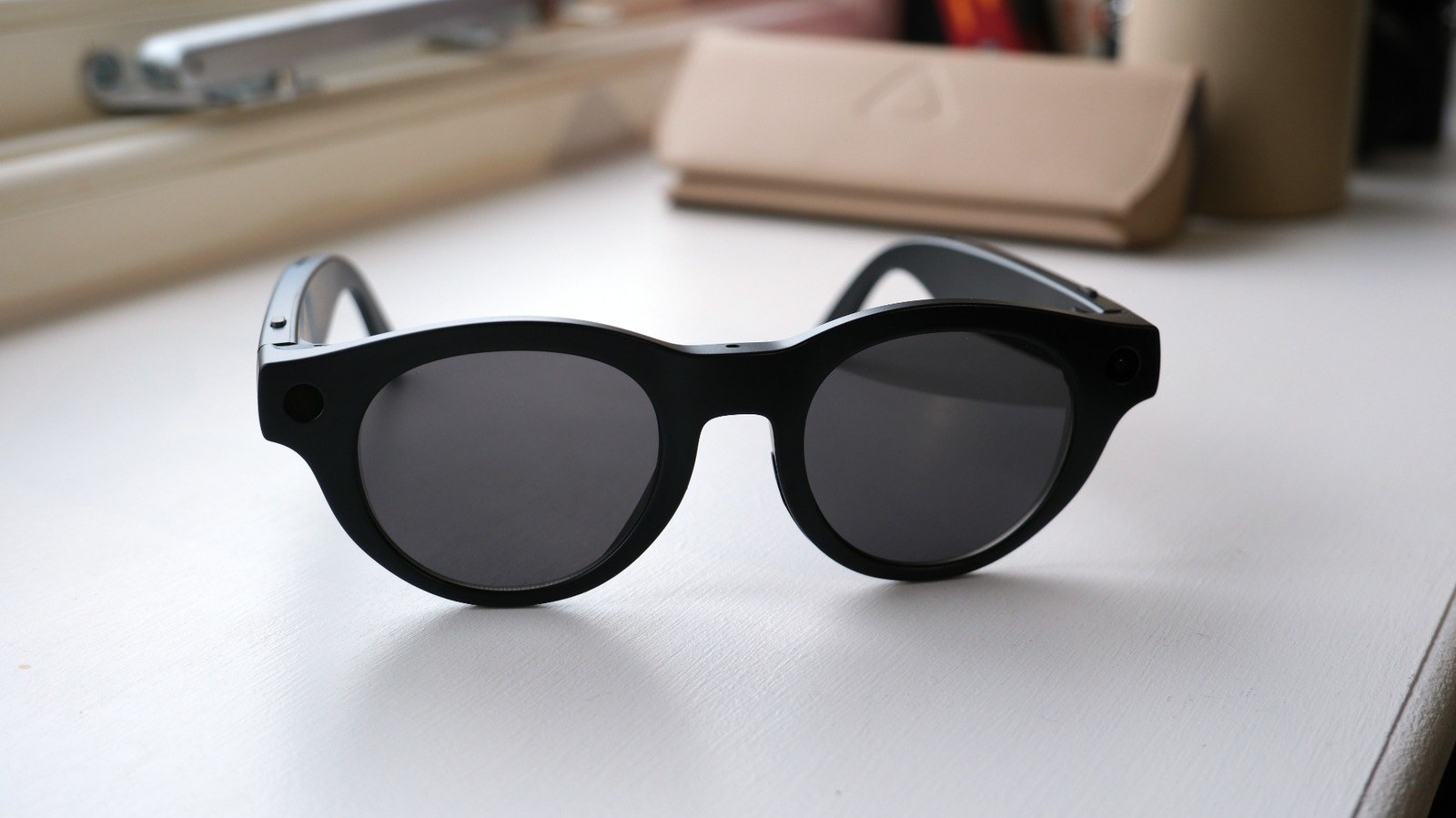
HTC has brought its Vive Eagle smart frames to Western markets for $499, packing open-ear audio, a 235mAh battery, and a Snapdragon processor into a 49-gram package. Despite physical controls and a lightweight build, the glasses struggle with tinny music playback and barely last three hours on phone calls, making them a hard sell against your smartphone.

Maker Natasha Dzurny ditched standard plastic laptop cases to build a fully functional portable workstation inside a furry theatrical puppet. Powered by an Arduino board with a 5-inch screen and built-in webcam, the absurd build turns a Linux machine into a portable stage prop.
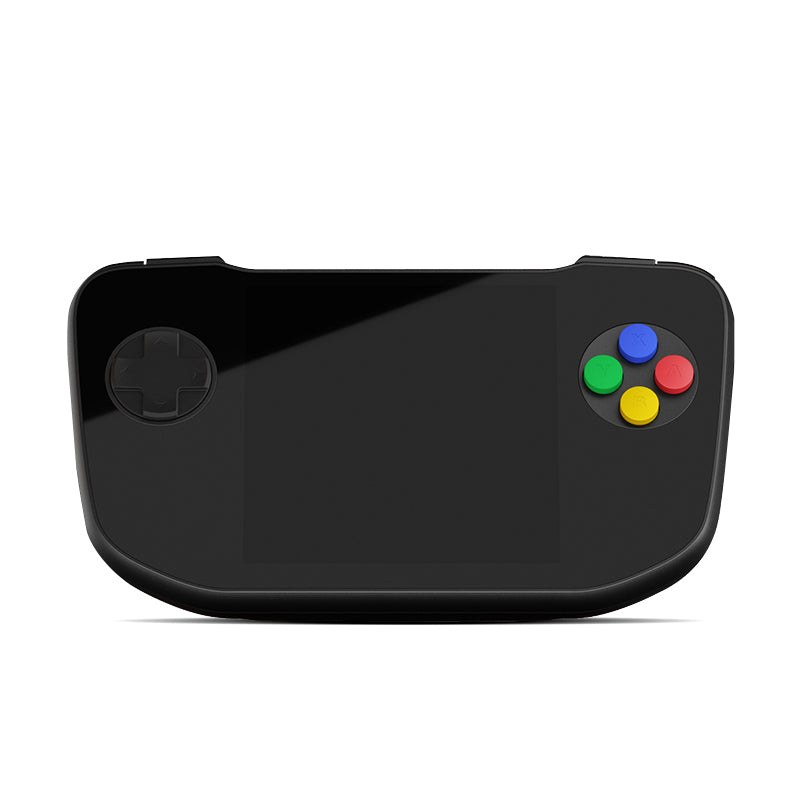
The new GAMEMT MTX lets players insert actual Game Boy Advance cartridges without paying over $200 for boutique hardware. Costing just $79.99 during its initial launch, it pairs physical cartridge slots with a 4-inch screen and standard digital emulation.

ANBERNIC is dropping a $37.99 retro handheld that beats the usual garbage flooding the budget market. It gives you a solid 3.5-inch screen and real buttons without asking you to remortgage your house.
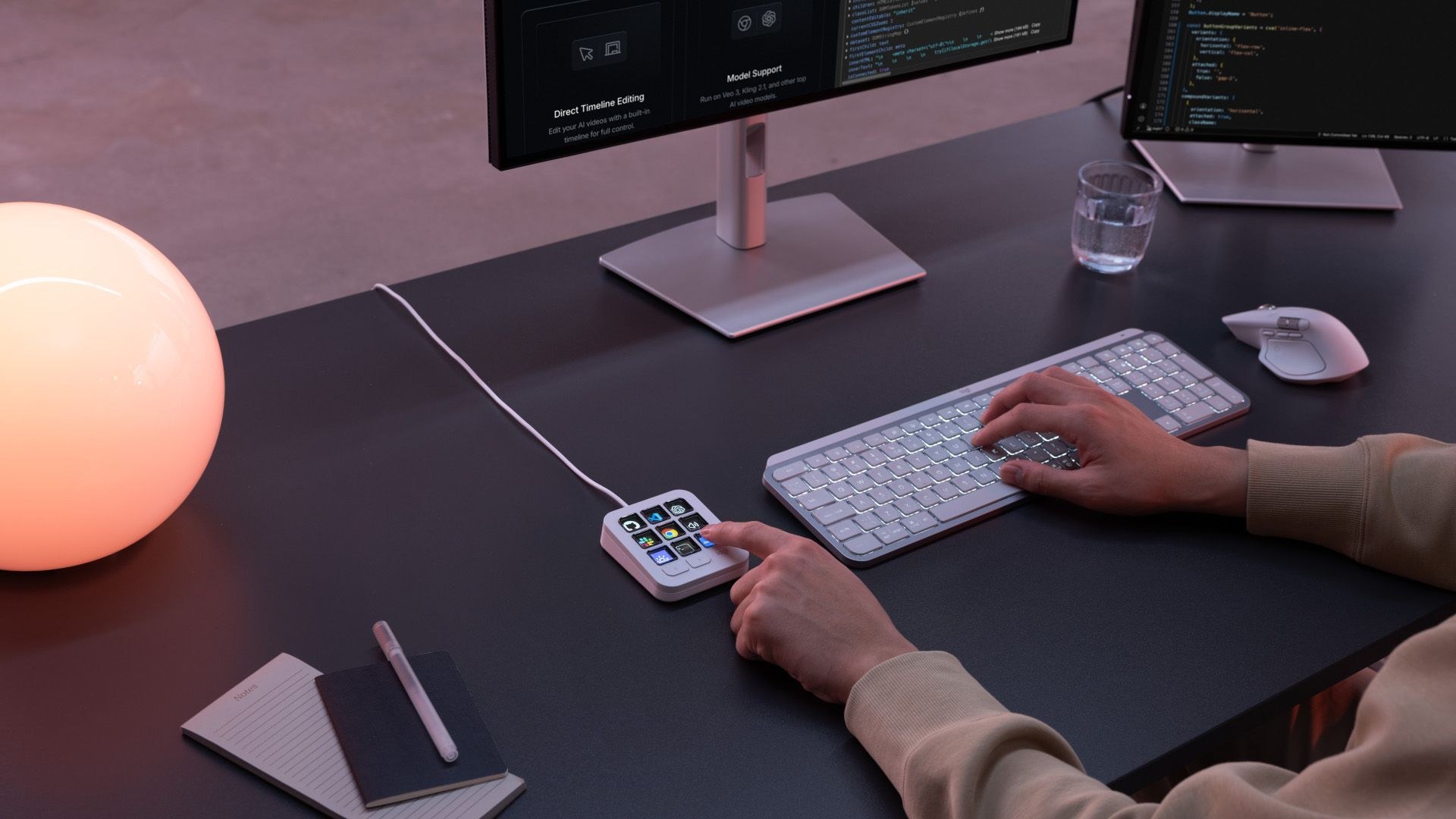
Logitech released the MX Keypad for $99, packing nine customizable color LCD keys into a 96-gram desktop console. Built alongside GitHub, the device aims to speed up AI coding commands, though buyers must decide if a dedicated plastic pad beats standard keyboard shortcuts.
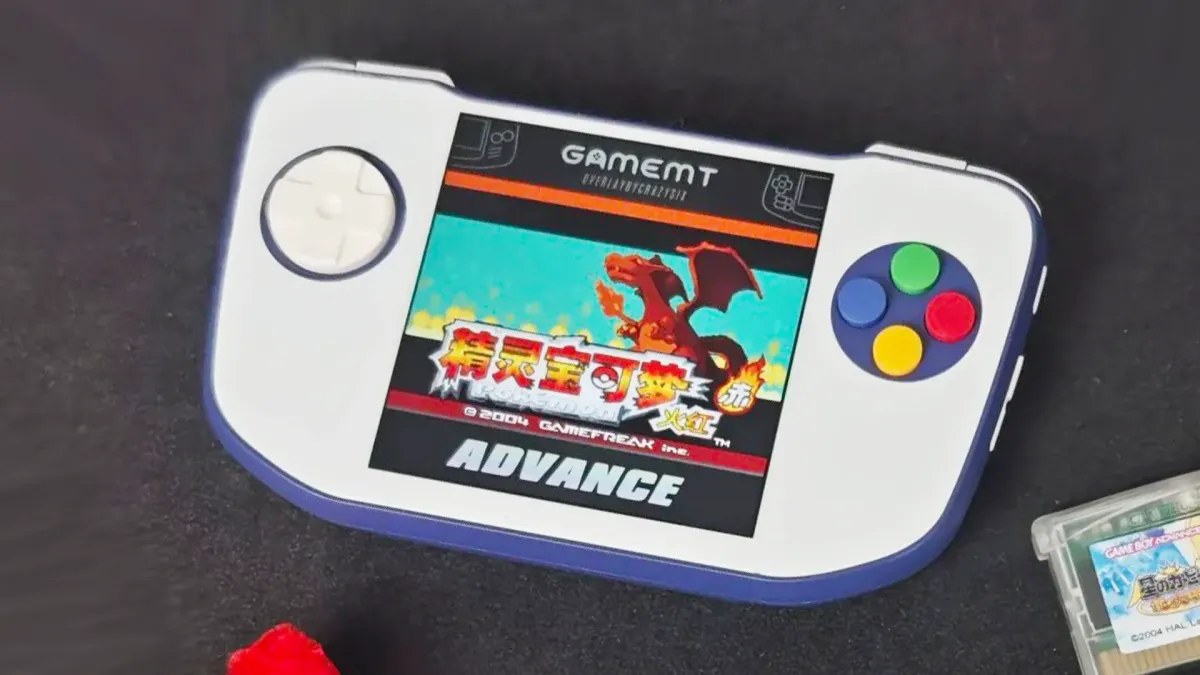
The new GAMEMT MTX handheld combines physical cartridge slots with an unusual square display. Early leaks reveal this design choice forces massive black bars on classic widescreen games, compromising the experience for retro collectors.

Berlin trade show highlights include a toothbrush with a built-in macro lens, ultra-thin folding phones, and sleep tracking earbuds. We break down which of these gadgets are actually worth buying.

A Reddit user discovered severe melting on a Thermal Grizzly WireView monitoring device attached to a Radeon RX 7900 XTX. The incident proves that adding intermediate gadgets between a power supply and a graphics card creates dangerous new points of failure, even with traditional 8-pin plugs.

A new crowdfunded smart mattress brings independent zone adjustments and motorized posture correction to the bedroom for 1300 dollars. But paying for built-in climate control and moving parts makes little sense compared to a standard orthopedic base.
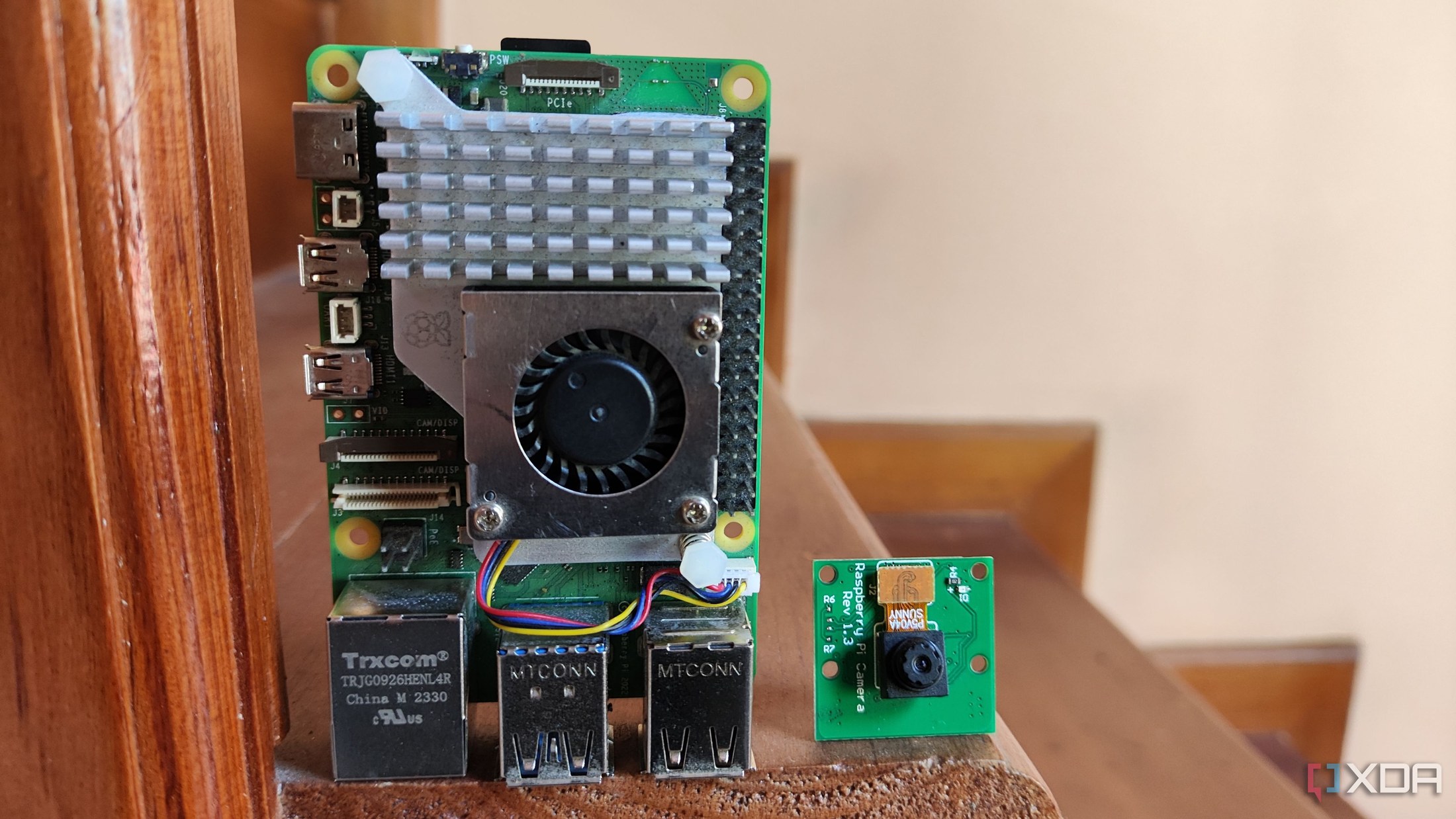
A DIY enthusiast built a portable camera array using four synchronized microcomputers to shoot 3D wigglegrams on a budget. While the maker hasn't released blueprints yet, the wireless setup proves you can get Hollywood bullet-time effects without a massive professional studio budget.

The Flowtica Verso attaches a magnetic e-paper screen and microphone array to the back of your smartphone to handle notes and summaries without unlocking the main display. At $299, it attempts to cure phone addiction by adding more hardware.

Apple asks $1,999 for the folding iPhone Duo with a matte screen and software hacks for awkward cases. Is it worth your money?
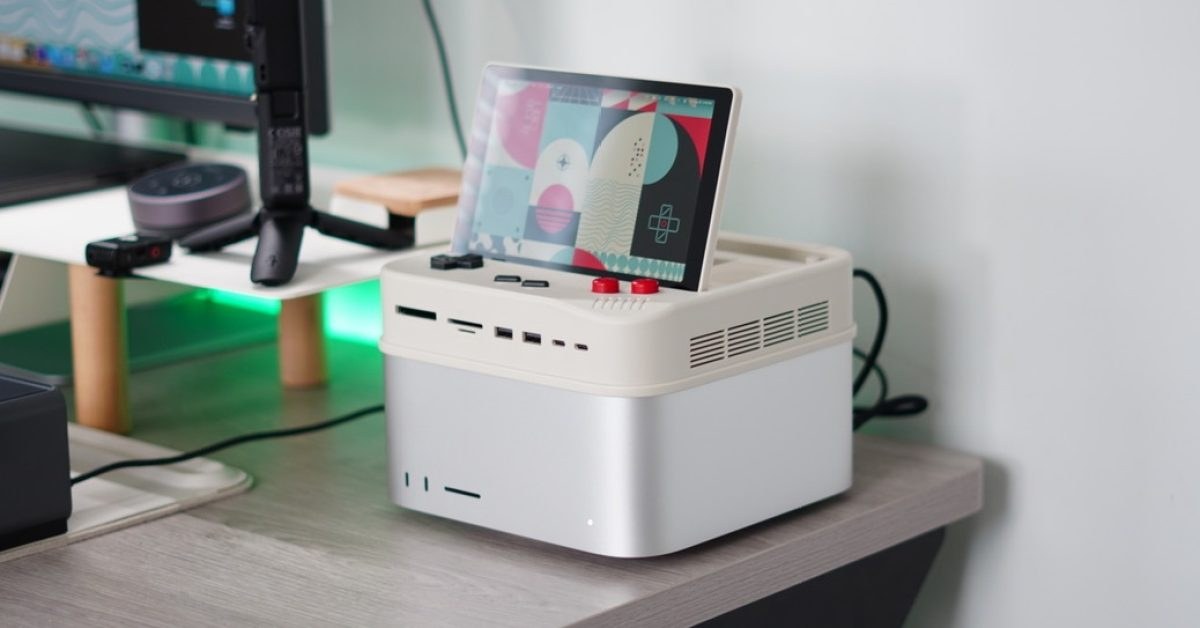
The Wokyis G7 dock adds a 7-inch display, physical shortcut buttons, and extra storage to a Mac Studio. We look at whether this nostalgic desktop upgrade is actually useful in daily work.
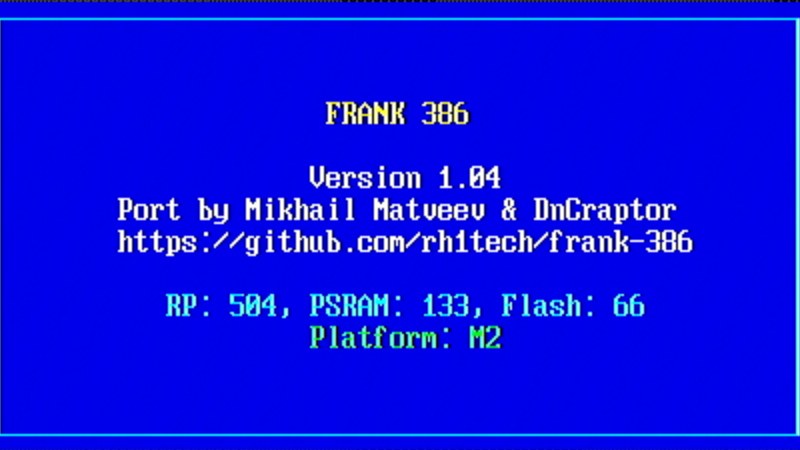
A tiny five-dollar microcontroller can now run a stripped-down Linux kernel and recreate a classic 386 PC. This inventive setup lets you ditch overpriced vintage hardware on eBay to run old-school DOS, Windows 3.1, or lightweight Linux right in your palm.
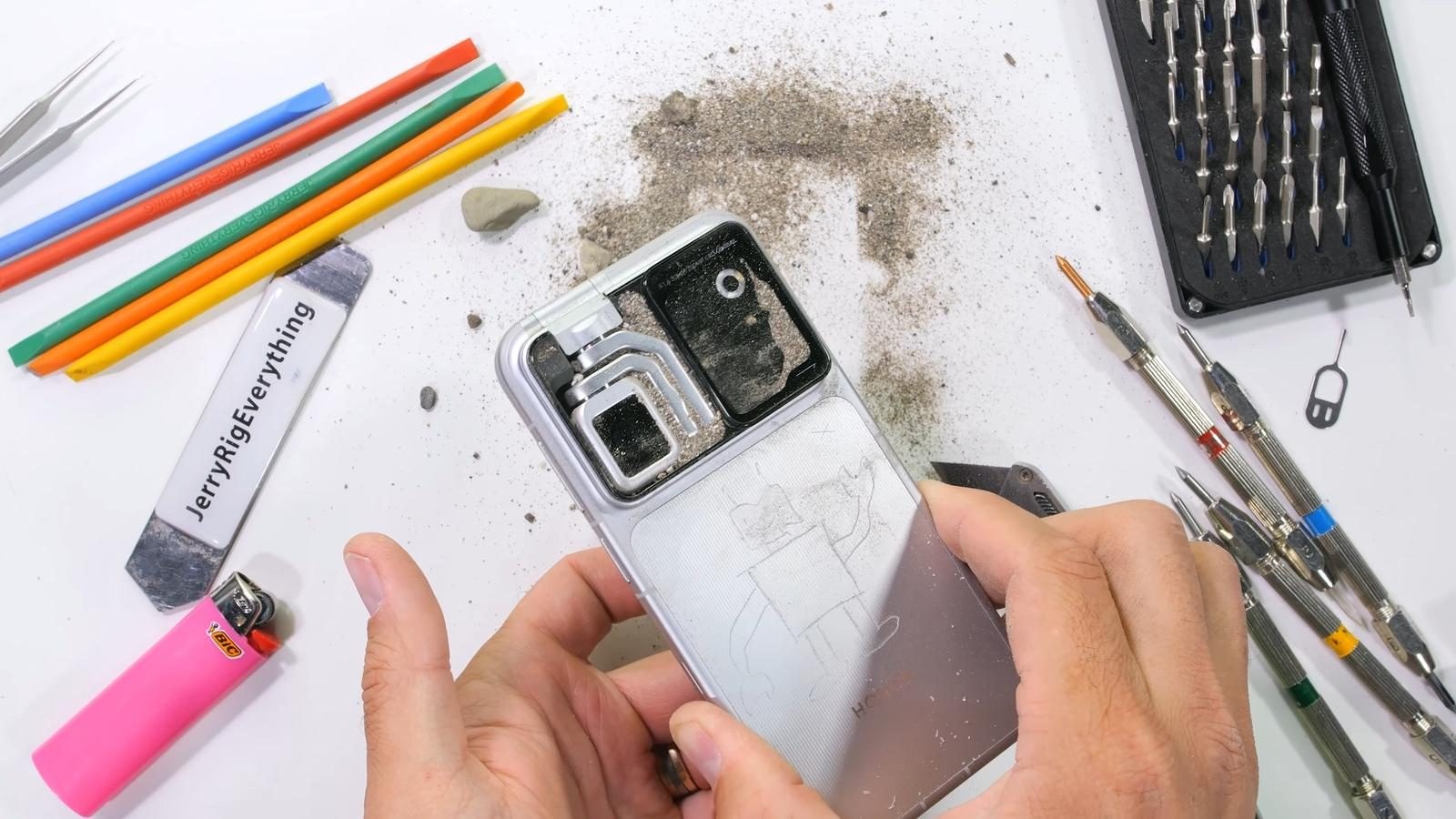
JerryRigEverything tested the Honor Robot motorized camera and discovered a fatal flaw with sand. A single trip to the beach can jam the moving lens permanently and force an expensive mechanical replacement.
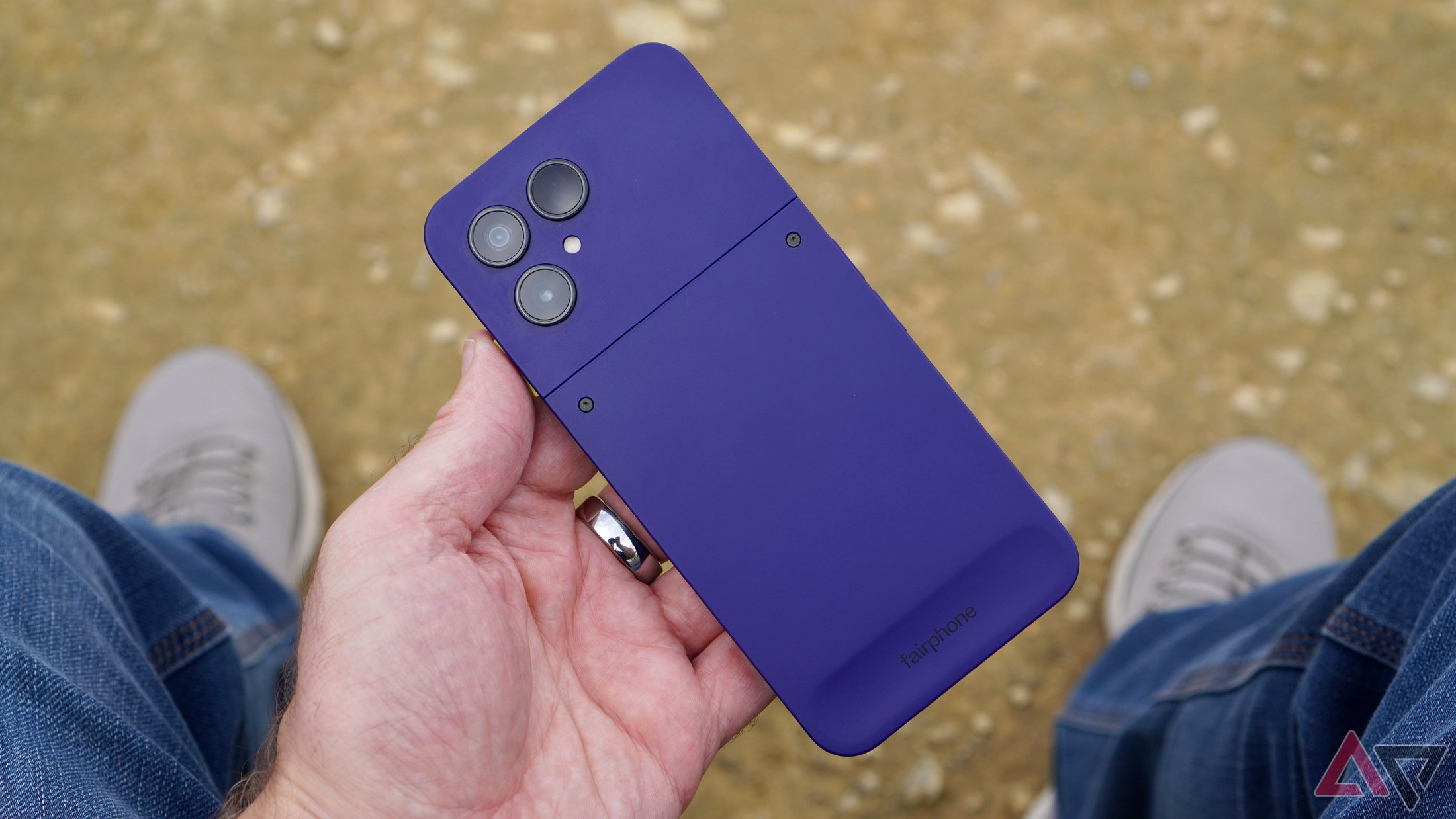
Fairphone's latest modular smartphone lets you swap parts with a screwdriver, but living with it means dealing with a thick plastic body, poor water resistance and a sluggish camera shutter. The $650 device promises seven years of life, yet demands immediate sacrifices in everyday handling.
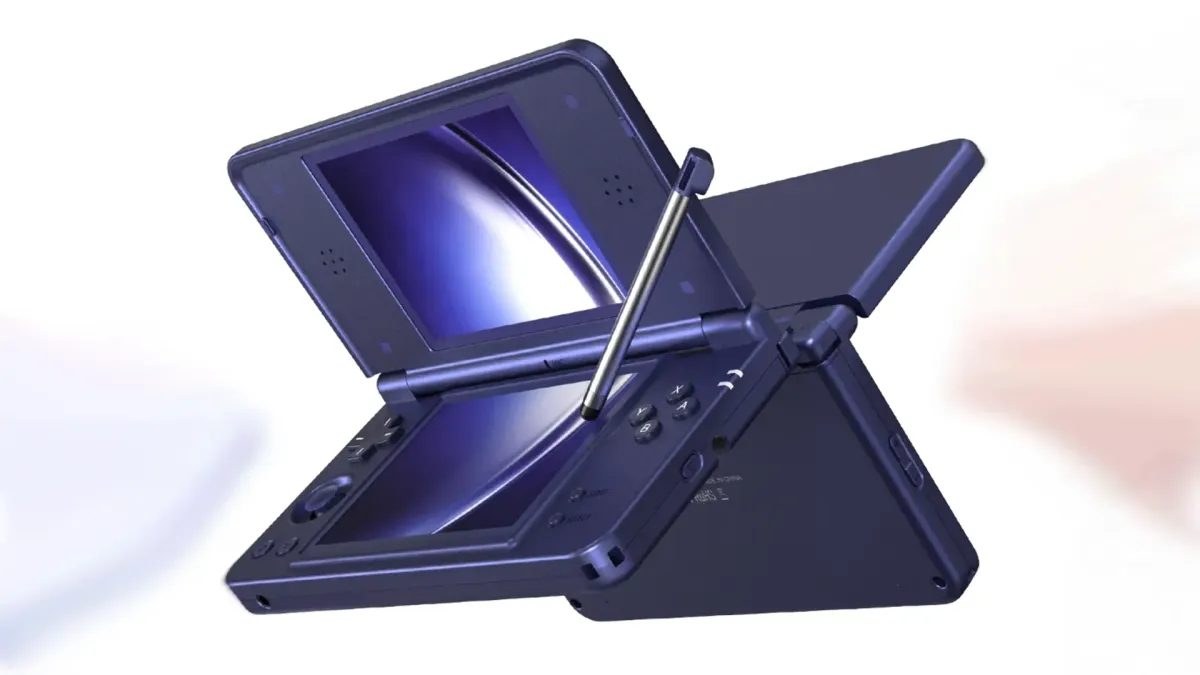
ANBERNIC is bringing back the dual-screen handheld format with the RG DS Plus, priced at $84.99 for early birds and $94.99 at full retail. Launching on September 15 in three colorways, the budget console lets players experience classic two-screen games without paying enthusiast-tier prices.
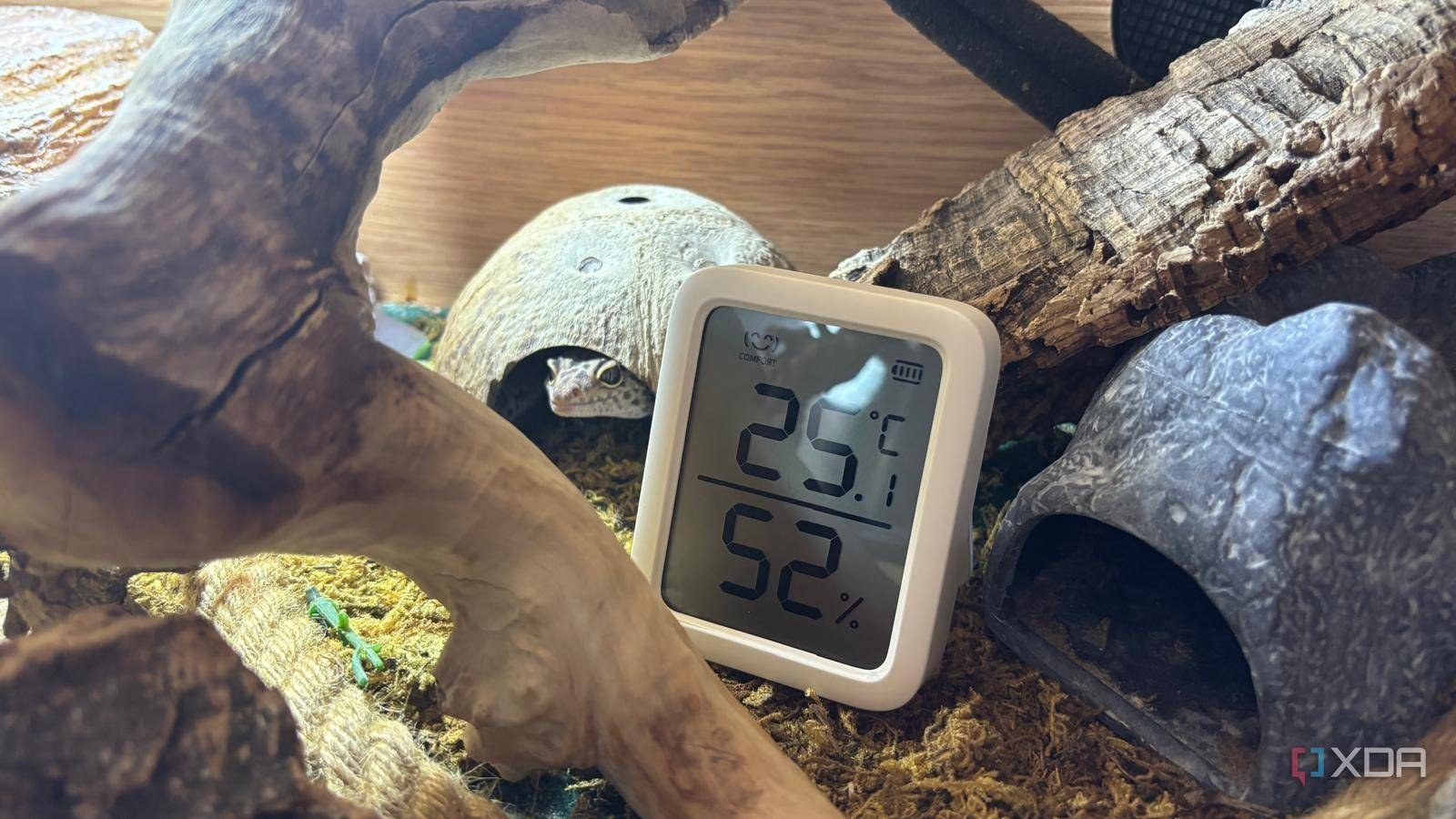
Commercial terrarium controllers lock reptile owners into expensive, ad-loaded apps with cloud lag. A $15 SwitchBot sensor paired with a cheap Bluetooth bridge delivers instant local tracking, zero subscriptions, and failsafe safety automation.
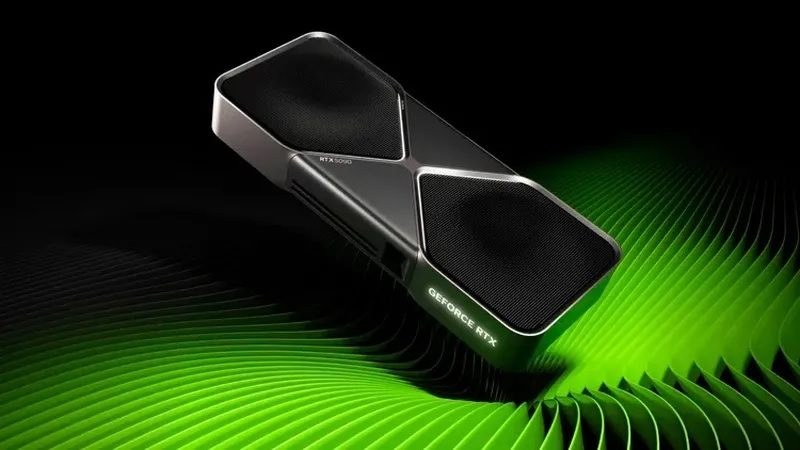
Chinese workshops are hand-soldering custom GeForce RTX 5090 graphics cards with triple the memory for under $4000. For everyday gamers and PC buyers, this garage engineering is an expensive minefield that voids warranties and courts instability.
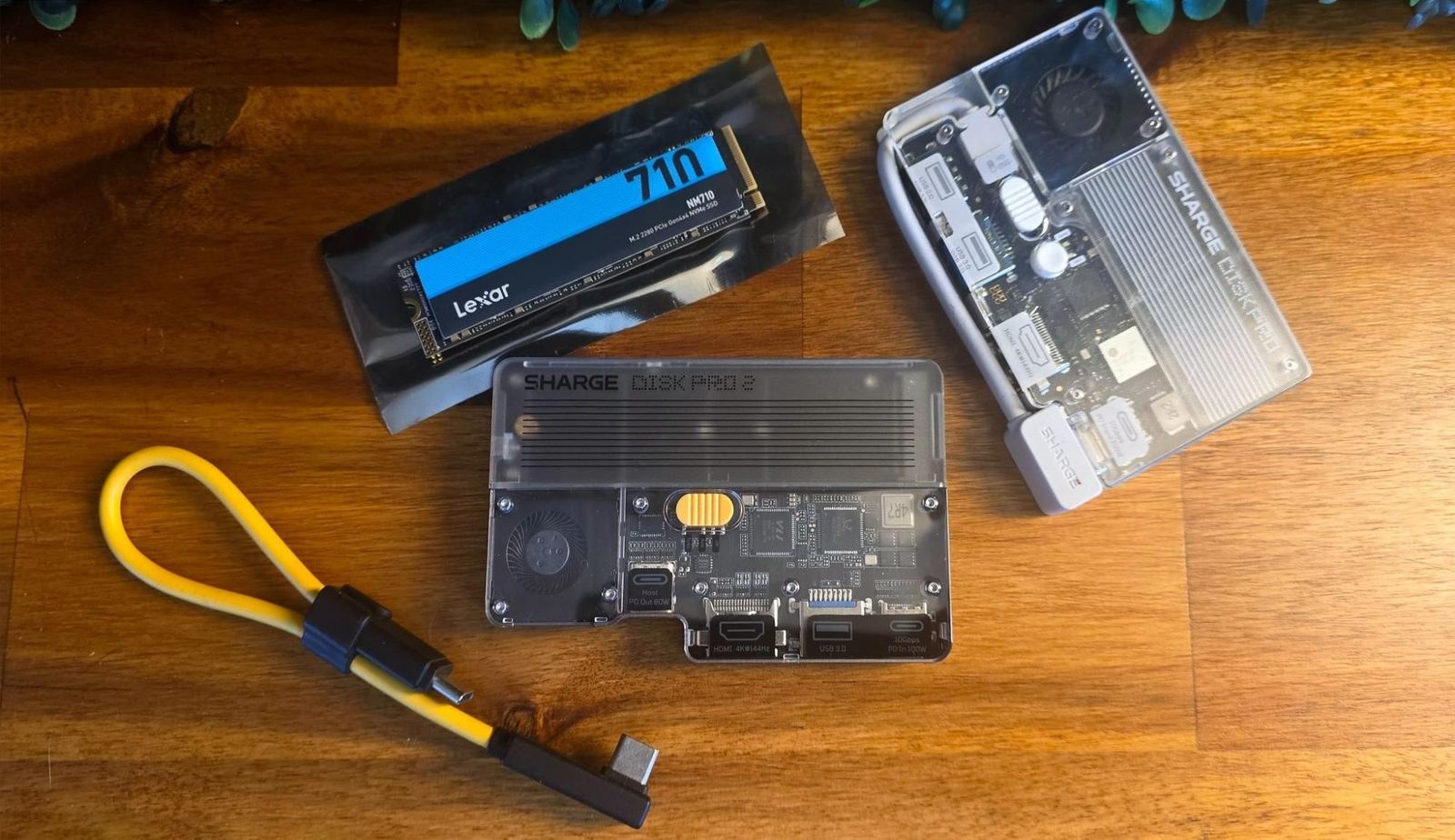
Sharge combined a portable solid-state drive enclosure, active cooling, and a multiport hub into a single pocketable shell with MagSafe. However, its 10 Gbps speed limit throttles fast NVMe drives when moving data and video signals at the same time.

Today's folding smartphones pack multi-gear hinges and flexible glass into slim pockets, but accidental drops risk damage that rivals the price of a brand-new flagship device. Buyers trade everyday durability for cutting-edge hardware that still demands exceptionally careful handling.
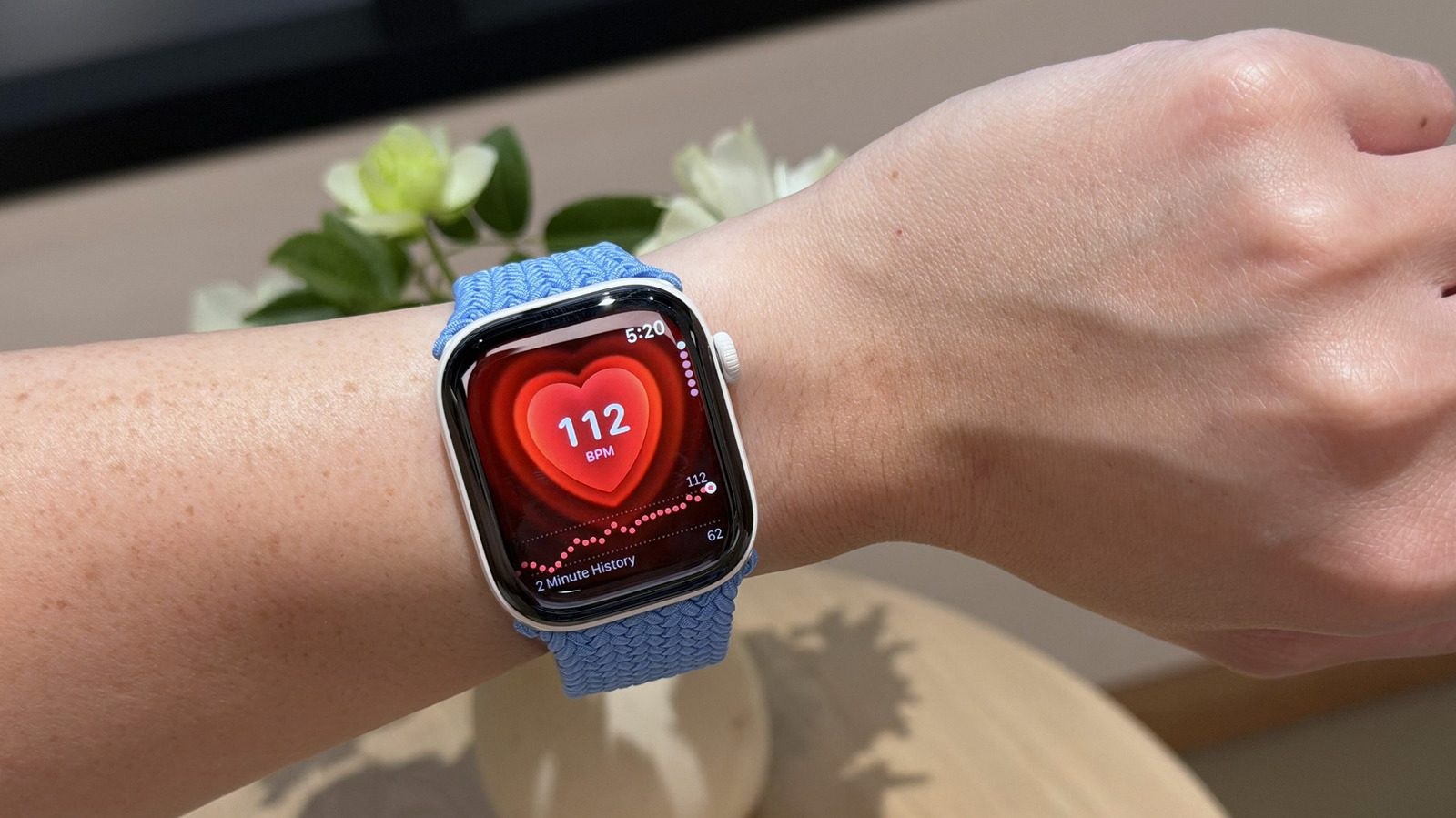
The Apple Watch Series 12 swaps out older LEDs for a 12-light sensor ring that checks your pulse every five minutes. While it adds a daily 0-to-10 recovery score and smart audio transcription, the battery life is still stuck at a single day.

A hobbyist has run the open-source Tomb Raider engine natively on a $5 Espressif ESP32-P4 chip. The setup calculates 3D polygons in real time at 320x240 resolution, proving pocket-change silicon can handle mid-90s gaming.
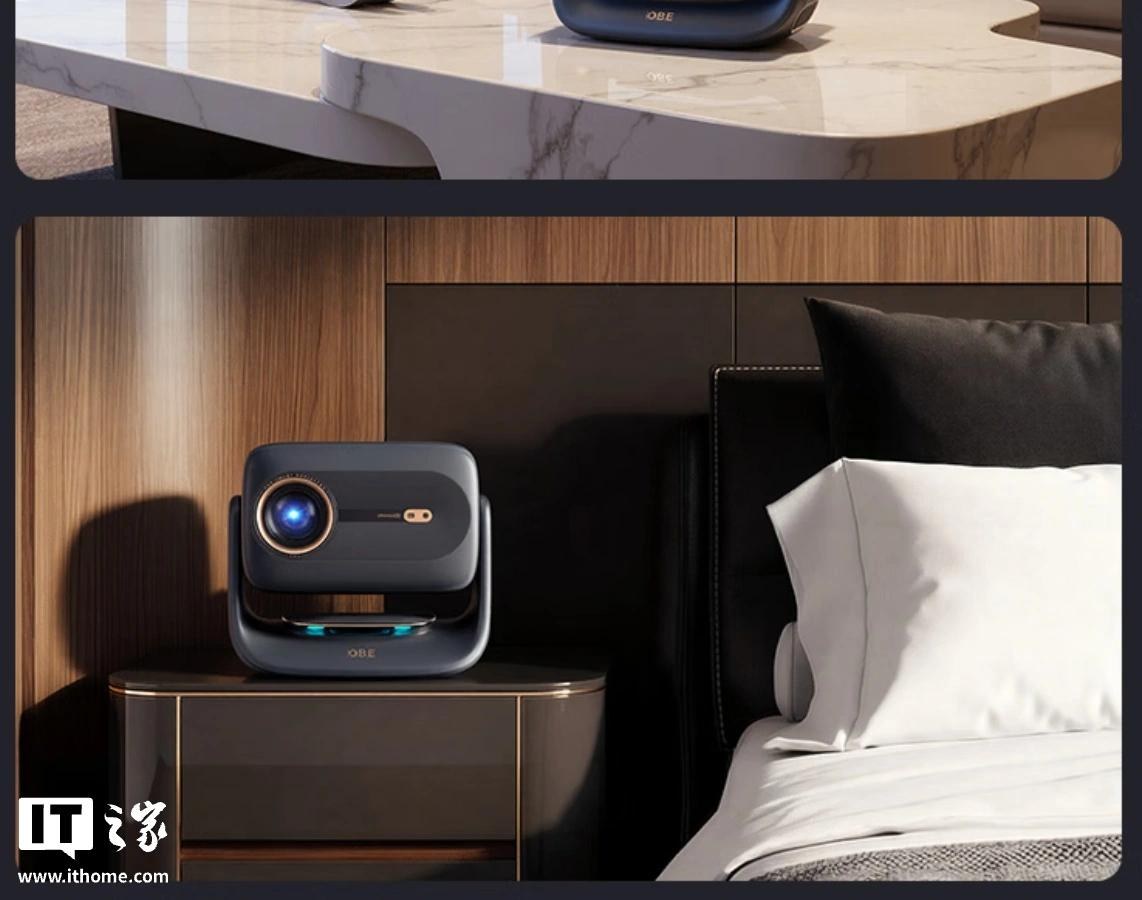
Dangbei has unveiled the R3 Ultra Max, an all-in-one home projector built on a flexible gimbal mount. Featuring an integrated 2.1 audio setup with a 25W subwoofer and automatic obstacle avoidance, it turns any tabletop into a home theater without extra gear.

Pilot 5G networks have gone live in 16 Russian cities, but iPhone users are entirely locked out due to carrier profile restrictions. Even for compatible Android owners, sparse coverage and heavy battery drain make upgrading an unnecessary expense for everyday tasks.

IT Store is crowdfunding the DV42 on Makuake for $55, packaging a tiny novelty camera inside a miniature audio cassette shell. Despite 48-megapixel marketing claims, the built-in non-replaceable battery and cheap sensor mean you are paying for desk decor rather than real photography.

Apple launched the Watch Ultra 4 powered by the new S11 silicon. Real-world testing shows battery life and workout accuracy remain essentially identical to prior models, offering existing Ultra owners few reasons to upgrade.
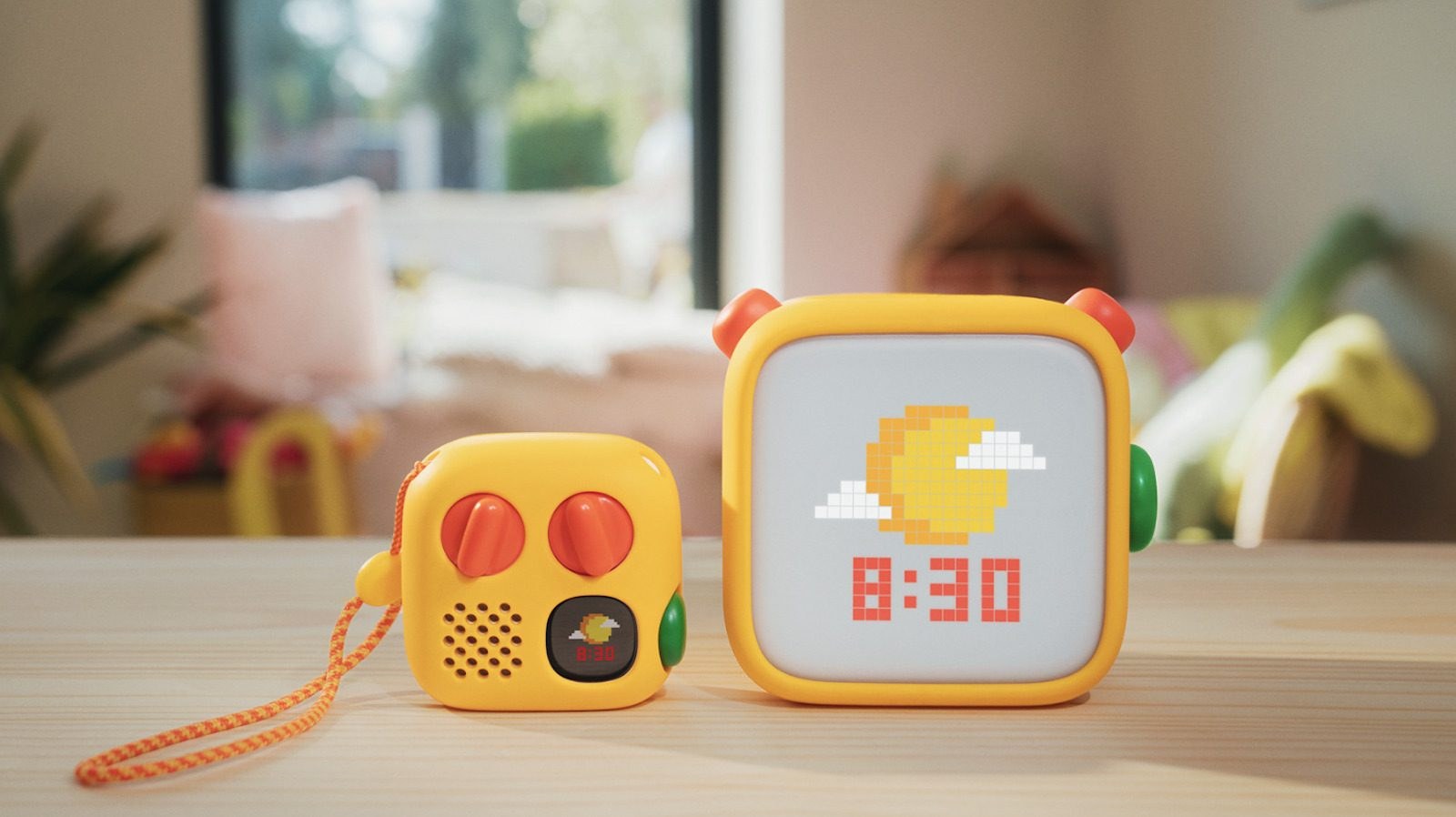
Yoto has revealed its fourth-generation screen-free audio players, adding a physical green preset dial to bypass phones entirely. The new Yoto Player costs $150 and ships October 15, while the rugged Yoto Mini rises to $110 ahead of its September 30 release.
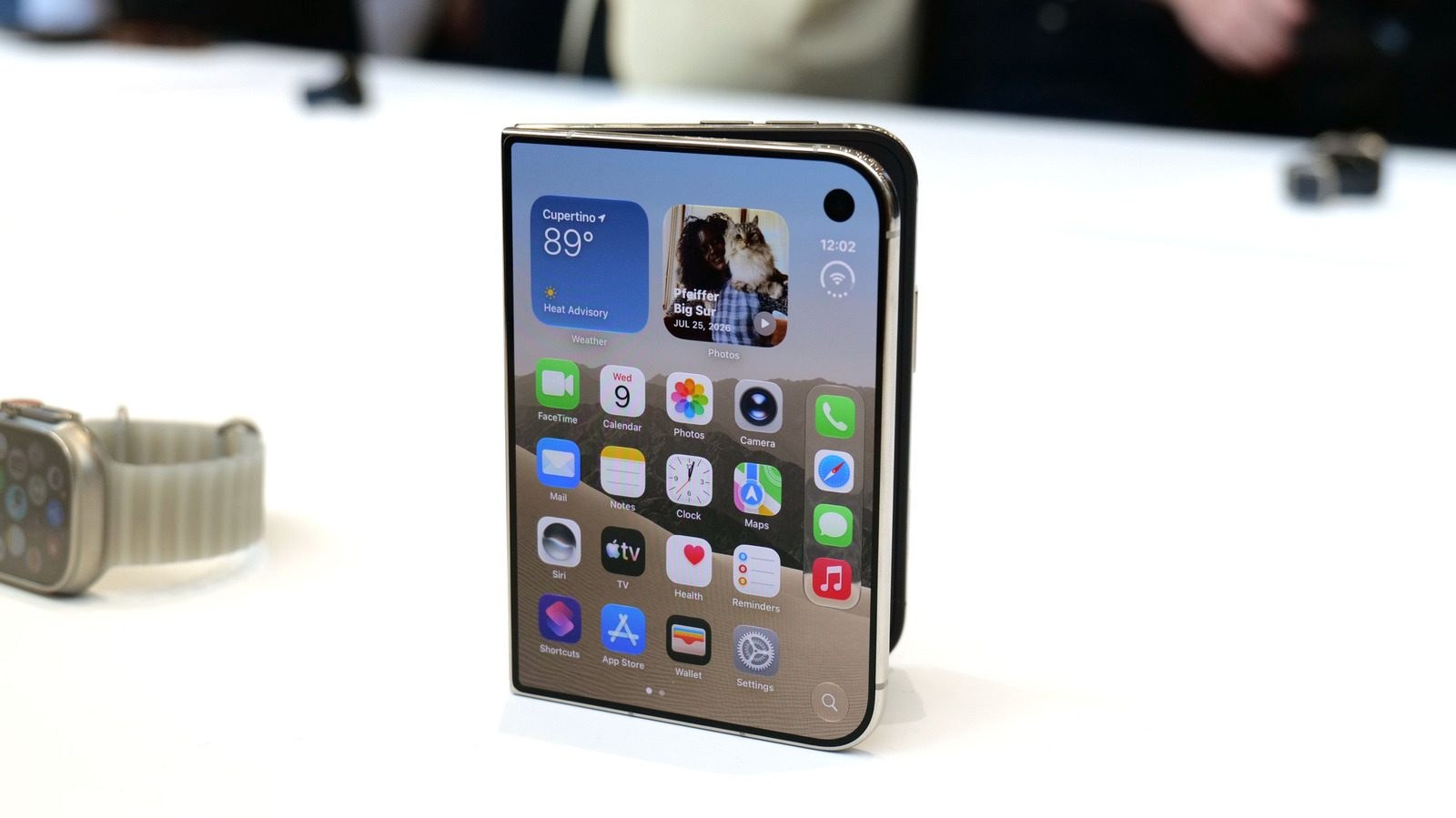
Apple's first folding phone packs a 7.6-inch flexible screen inside a titanium shell, but weighs 254 grams and completely skips the optical zoom lens. Daily testing reveals a heavy pocket brick that forces major camera compromises for early adopters.
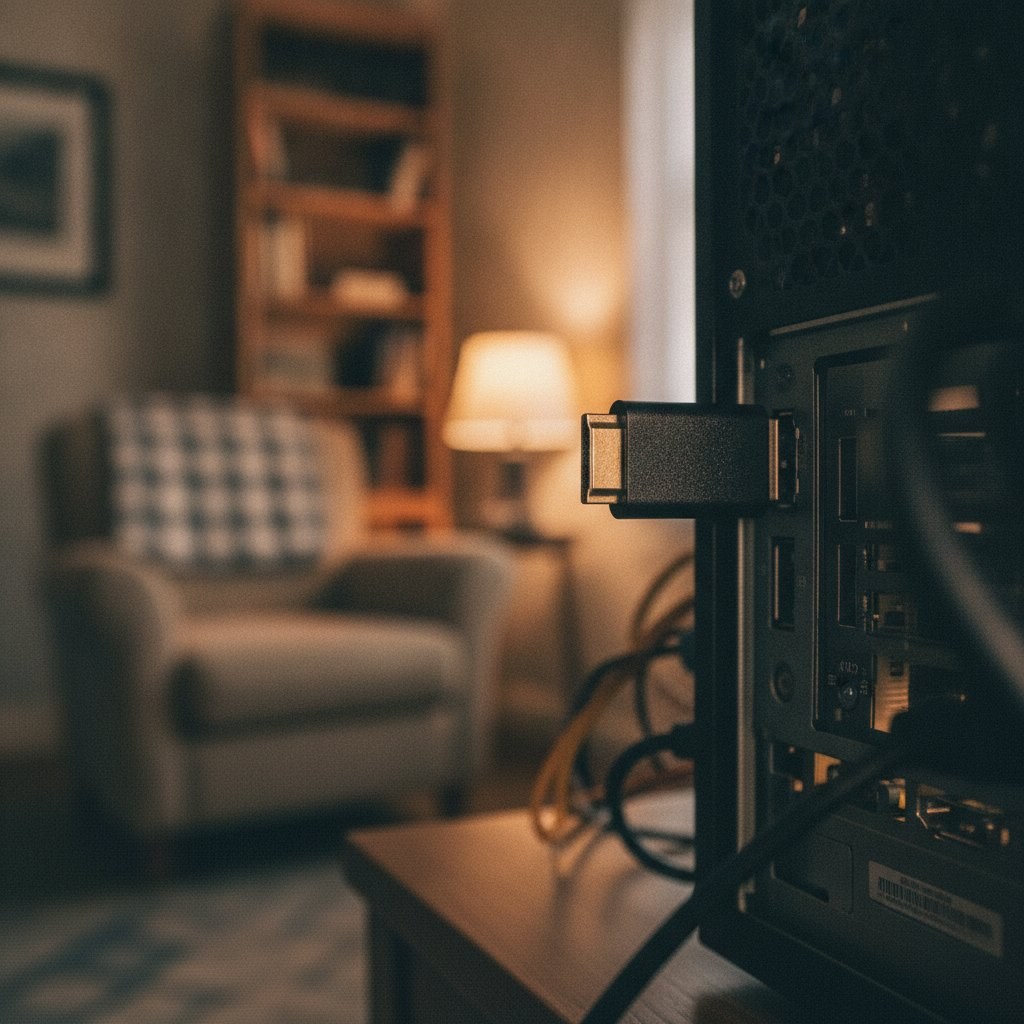
Streaming PC games to a living room TV often fails because graphics cards refuse to render without an active monitor. A thumbnail-sized four-dollar hardware dongle tricks the system into broadcasting a permanent 4K signal, replacing buggy virtual display drivers for good.
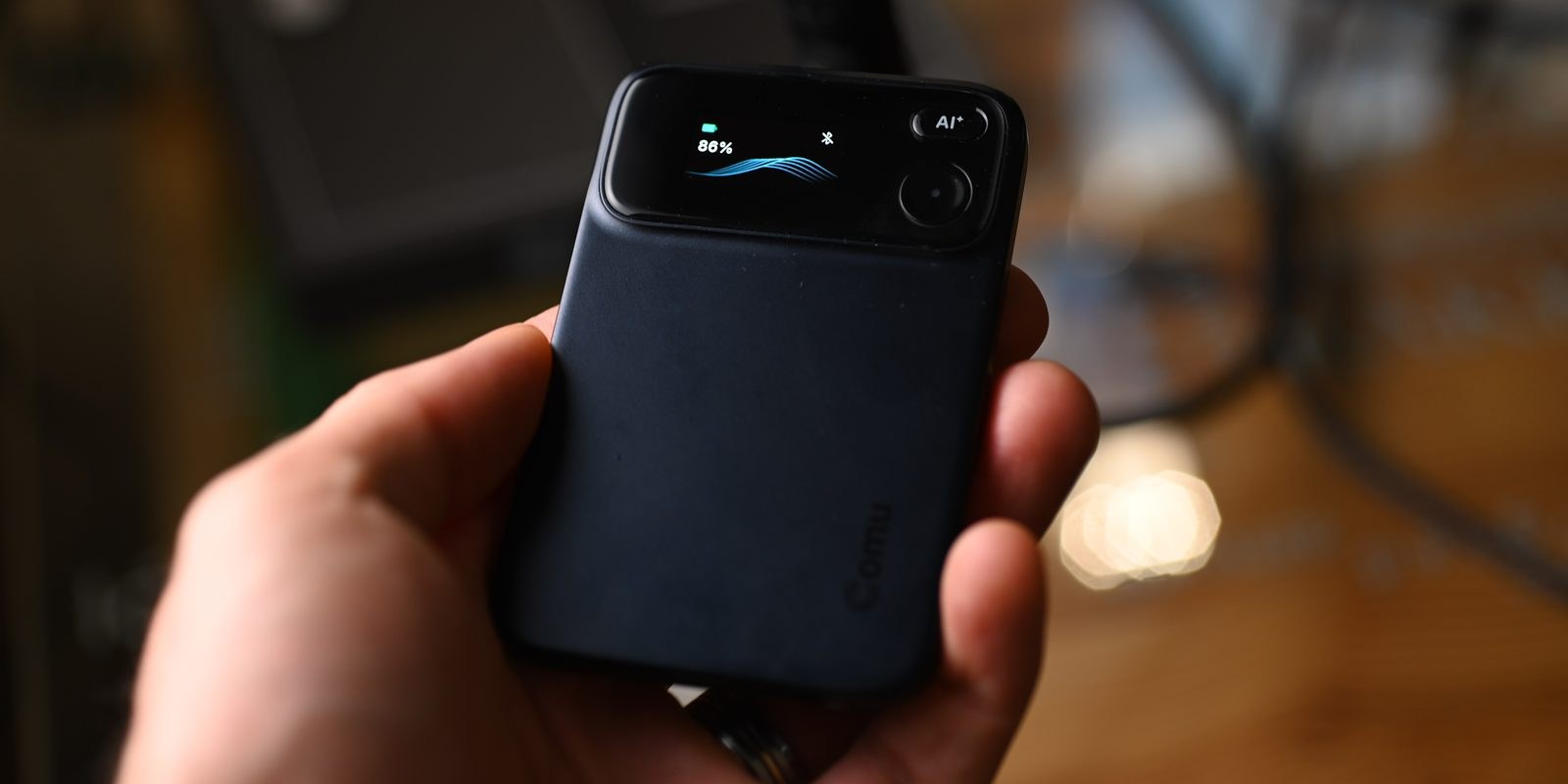
The $180 Comu Action Pro snaps neatly to the back of your phone and packs a 70-hour battery, but locked-down cloud transcription fees turn a handy pocket gadget into an expensive monthly subscription trap for everyday buyers.
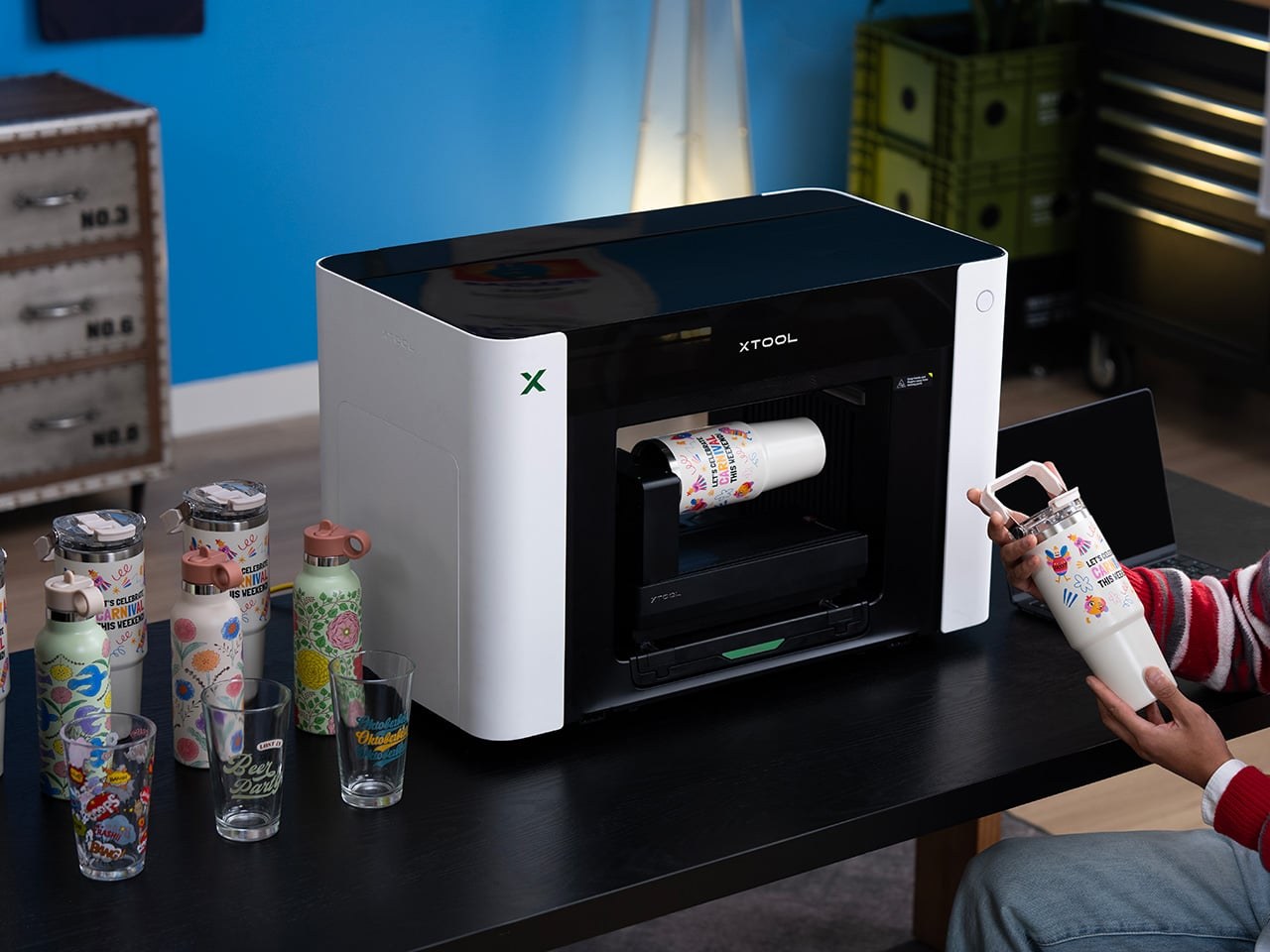
The new $1,899 to $2,999 xTool O1 Omni merges UV, DTG, DTF, and UV DTF printing into a single modular desktop machine, raising $20 million on its first day. It lets creators skip buying separate industrial flatbeds and textile plotters, though relying on one set of rails means sharing maintenance risks.

Dreame introduced the AtomForm M1, a 3D printer equipped with four independent toolheads that switch automatically. The design cuts filament waste and drastically speeds up multimaterial printing for everyday makers.
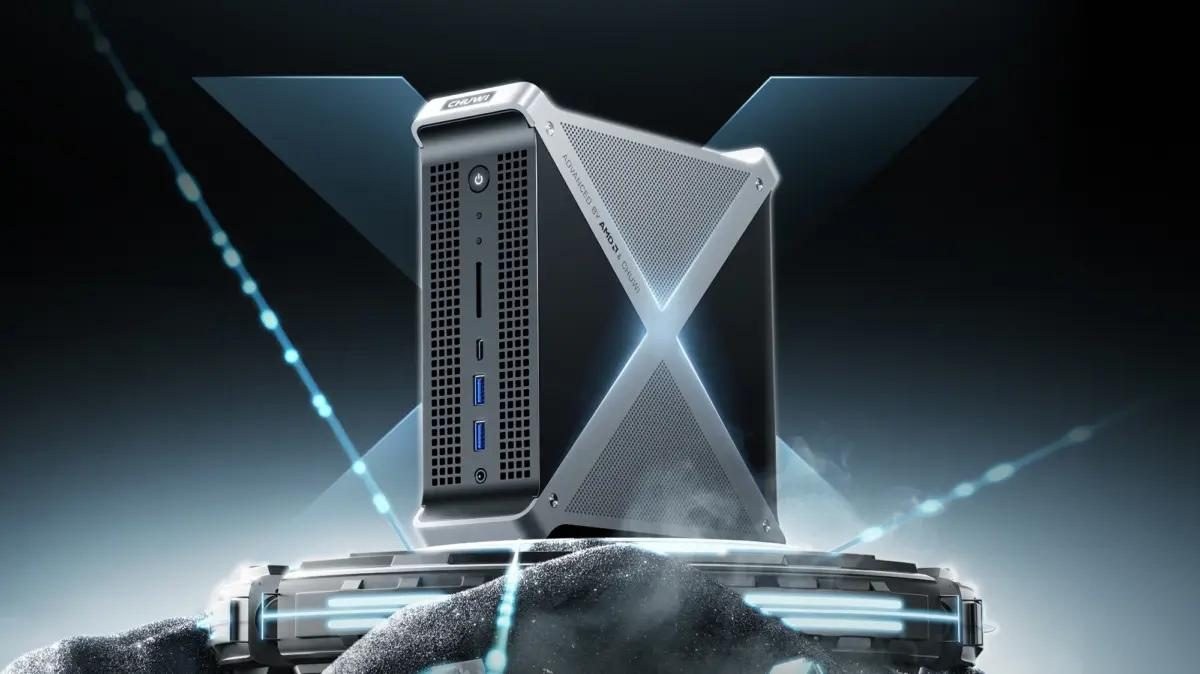
Chuwi has unveiled a three-liter mini PC powered by AMD's Ryzen AI MAX+ Pro chip and up to 192 GB of unified memory. The compact desktop can allocate 160 GB of VRAM to run heavy local AI models, replacing noisy full-tower rigs.

The LUCAS system replaces exhausted paramedic arms with a battery-powered aluminum piston that delivers flawless chest compressions. While trials show it does not magically raise survival rates, it frees rescue crews to handle critical drugs and airways on the move.
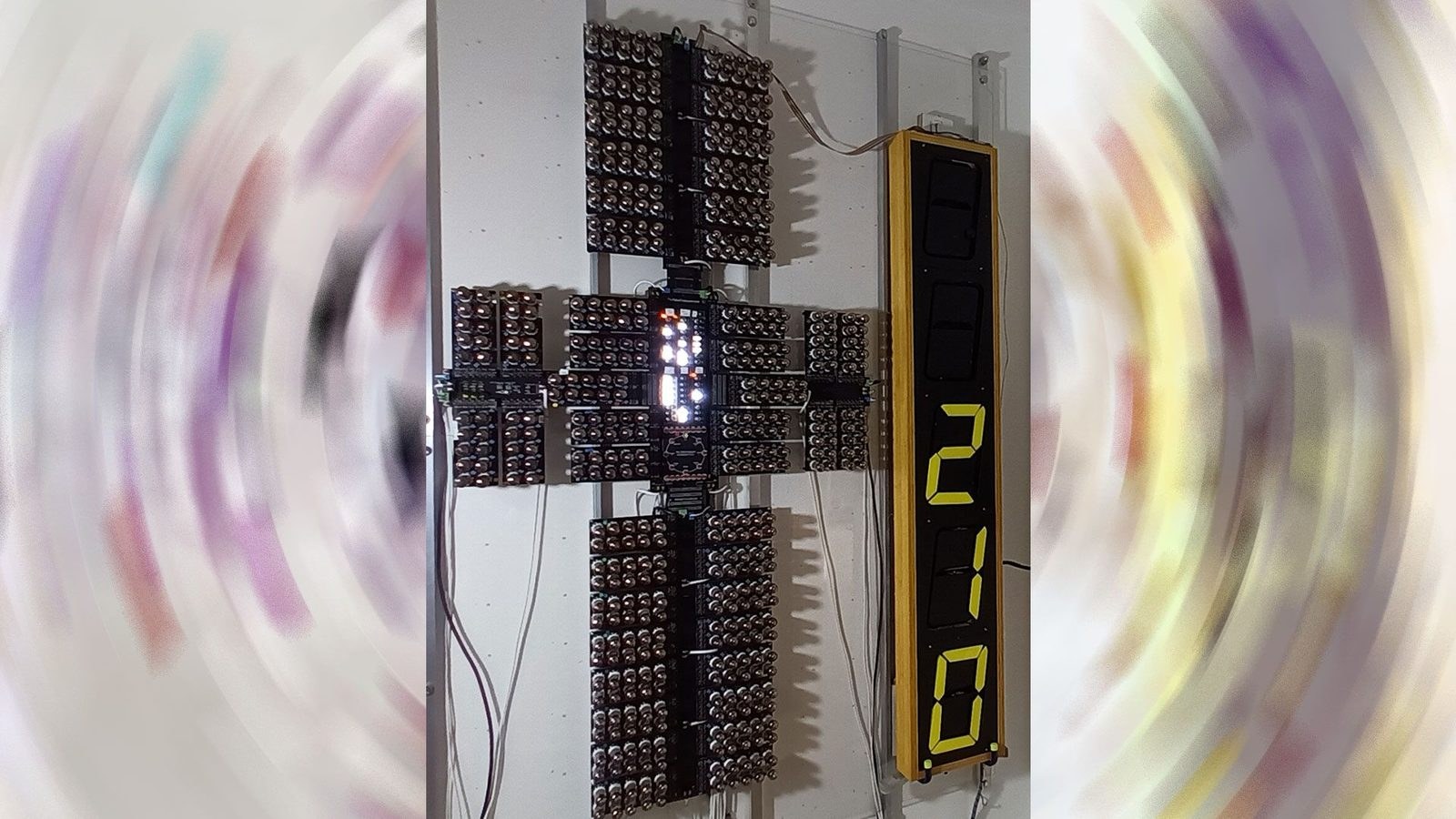
Self-taught maker Mike built a massive, wall-mounted 8-bit computer using vintage Soviet vacuum tubes and germanium diodes instead of microchips. Operating the machine requires a 15-minute warmup cycle, constant dusting, and a fire extinguisher nearby to handle burning components.
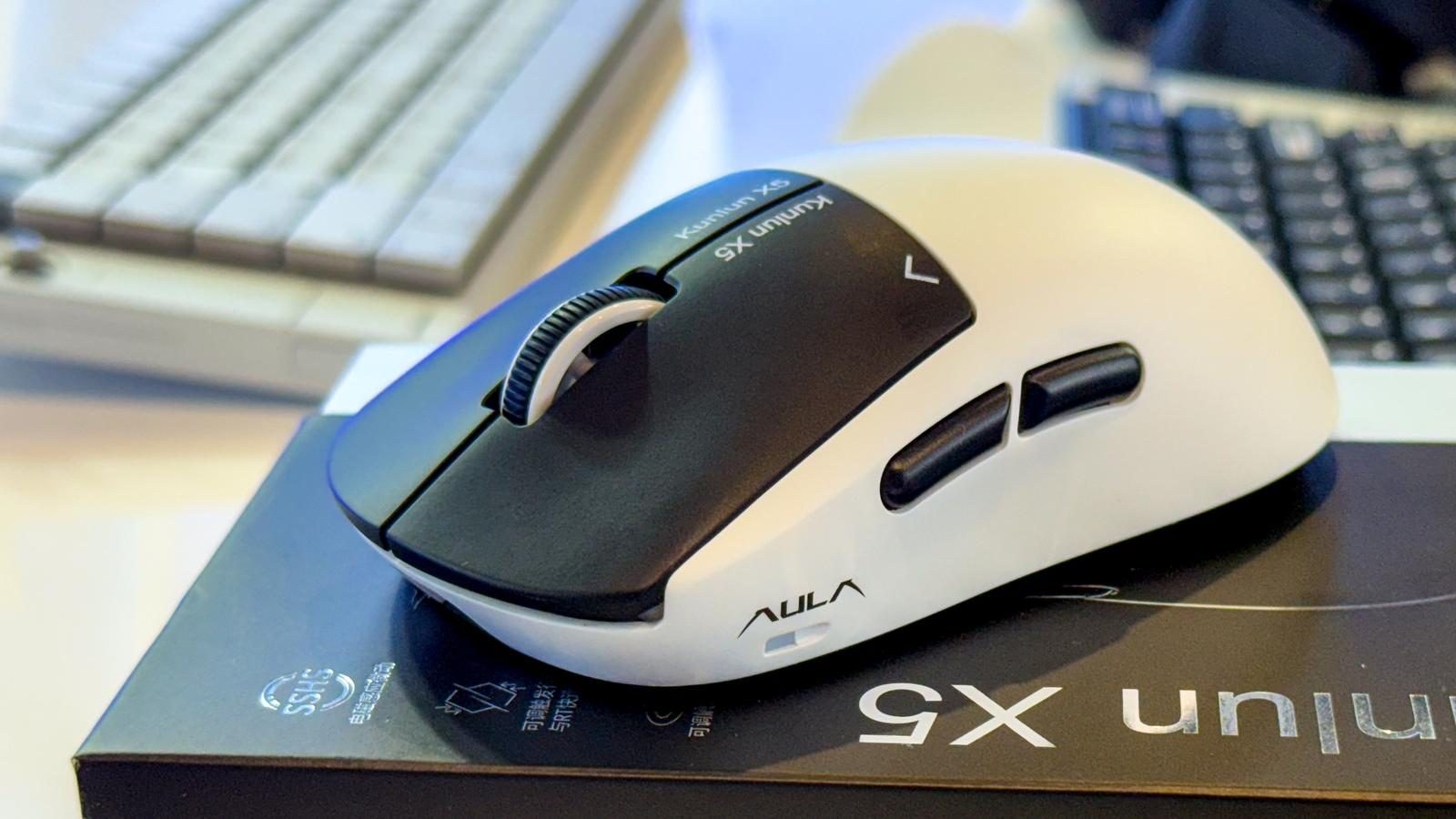
Aula has introduced the Kunlun X5 wireless mouse featuring proprietary electromagnetic switches that replace mechanical contacts with inductive sensors. The hardware change eliminates double-clicking issues and lets users adjust tactile resistance or switch to a completely silent click mode.
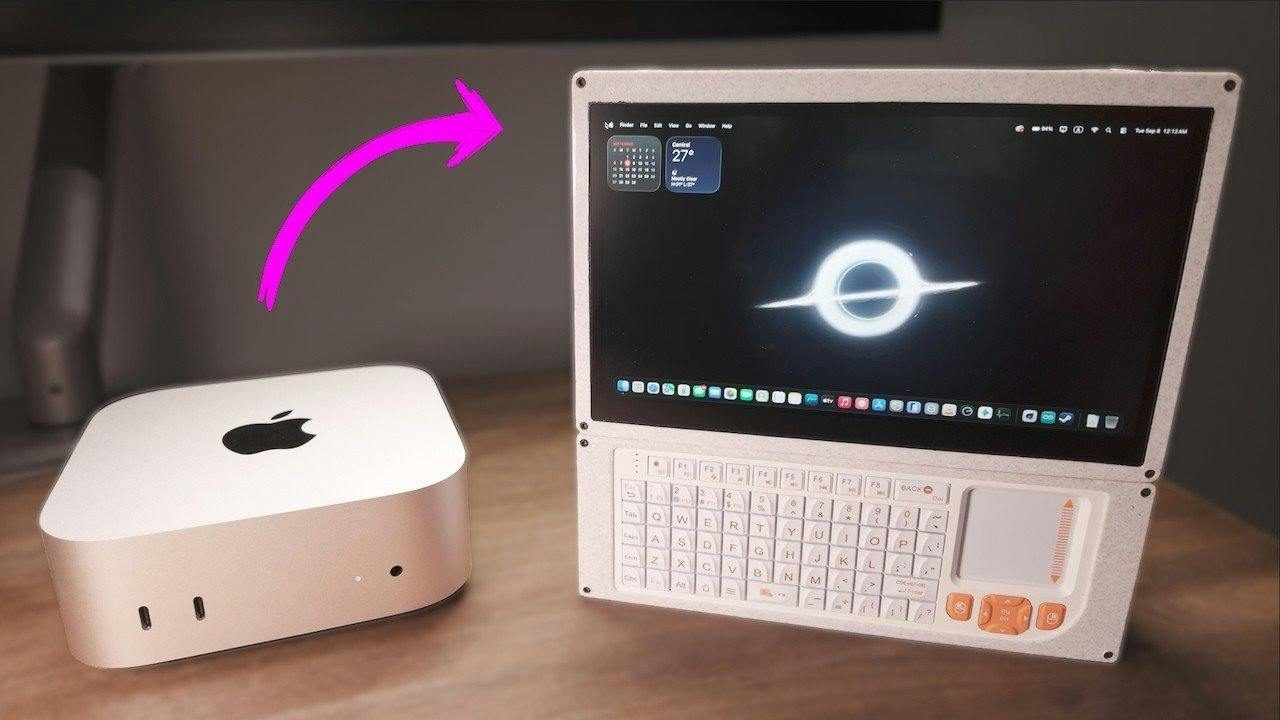
Hardware modder Shing Solutions stripped an Apple M4 Mac mini down to its core circuit board and built a 7-inch portable cyberdeck. The machine runs on four high-drain batteries for six hours, proving desktop silicon can fit entirely in your palms.

South Korean designer Jung Hyun Kim has drafted Babel, a conceptual vertical tower that stacks an ambient lamp, a speaker, and a mini wine cooler into one footprint. The project targets micro-apartment dwellers, though current engineering hurdles leave it strictly in the render stage.

Apple enters the folding market with the $1,999 iPhone Duo, packing a 7.6-inch inner screen and the A20 Pro chip into a passport-shaped body. Everyday buyers get a noticeable center crease and downgraded cameras for double the price of a standard flagship.

Dreame's sub-brand MOVA unveiled new robot vacuums with all-in-one self-cleaning docks and wire-free lawnmowers at IFA 2026. These releases bring advanced LiDAR mapping and automated maintenance to mainstream price points, eliminating the markup for premium badges.

Xiaomi has opened pre-orders for the Mijia Smart Bathroom Heater 2, an all-in-one ceiling panel packing a 3,000W graphene heater, radar sensors, and forced ventilation. The module dries damp rooms in 90 seconds and automates climate control, though older apartments will need a dedicated power line to run it safely.

Google's experimental AI search interface surfaces listings that cost 21.6% more on average than traditional search results. A new investigation reveals the feature consistently favors high-margin items and major retailers instead of cheapest offers.

OpenAI and former Apple designer Jony Ive are working on a dedicated, screenless AI hardware puck. However, standalone voice devices offer little that modern smartphones and everyday wireless earbuds cannot already handle locally.

Apple introduced the iPhone 18 Pro and Pro Max with a mechanical variable aperture camera and a $200 price increase across the lineup. The internal silicon upgrades and smaller Dynamic Island provide notable battery and photo enhancements. However, the identical chassis and steep entry price leave little incentive to upgrade from recent generations.

Apple added active noise cancellation to its open-ear AirPods 5 lineup, dropping pre-orders on September 9, 2026. The $129 entry model and $149 step-up mute constant hums, but missing silicone tips mean sudden chatter will still leak into your ears.

Samsung has teamed up with Danish acoustic brand Canvas to embed its flagship OLED panel inside custom wooden cabinetry with up to 1,500 watts of power. Starting at $7,999 when it arrives in October 2026, the setup eliminates messy AV receivers for design-conscious buyers who want big sound without rear speakers.
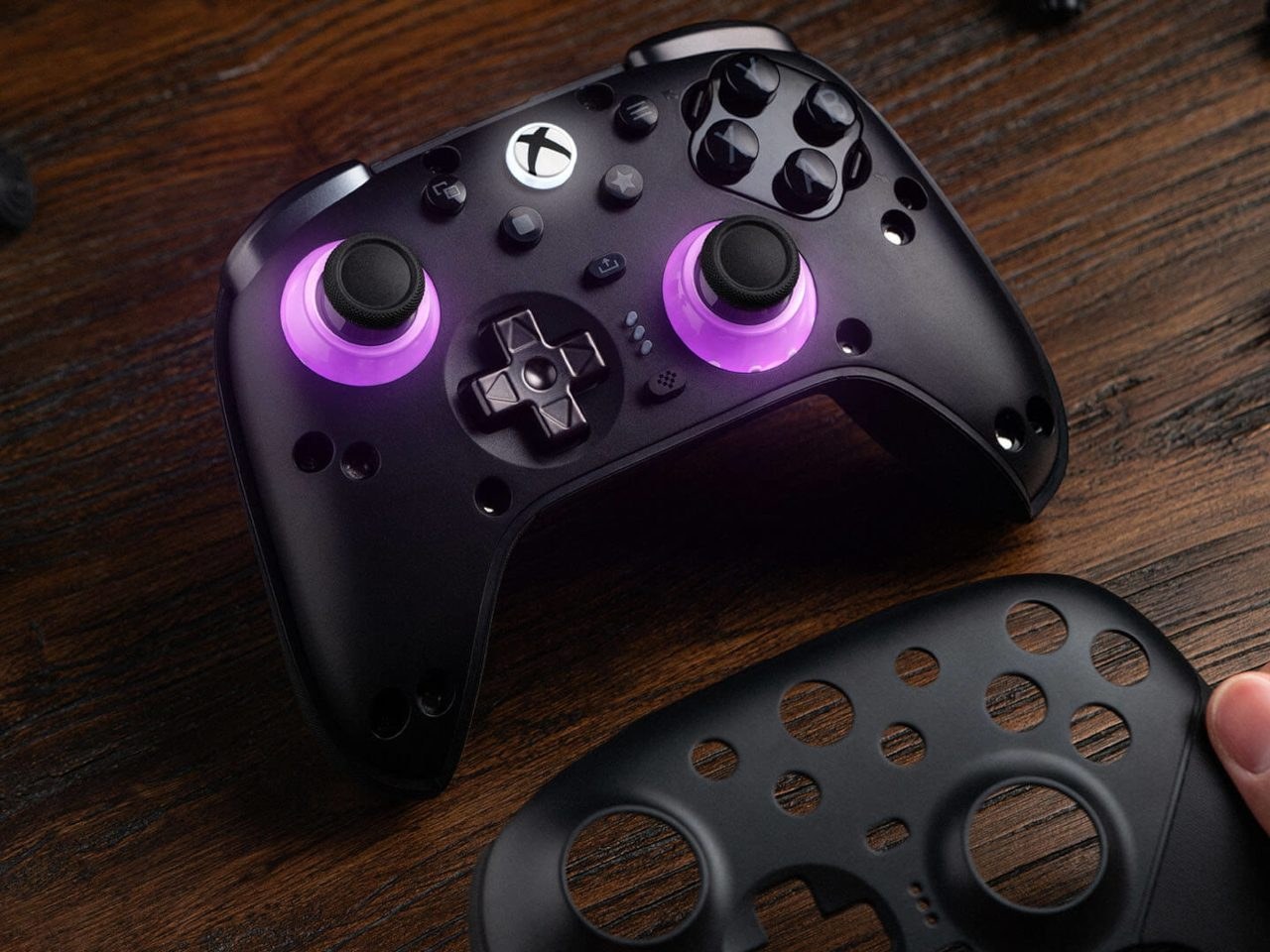
The 8BitDo Ultimate 3E replaces soldered controller parts with magnetic sticks and swappable modules that you can change by hand in seconds. Bundled with a charging dock and Apple certification, it tackles the two-year lifespan of standard gamepads.
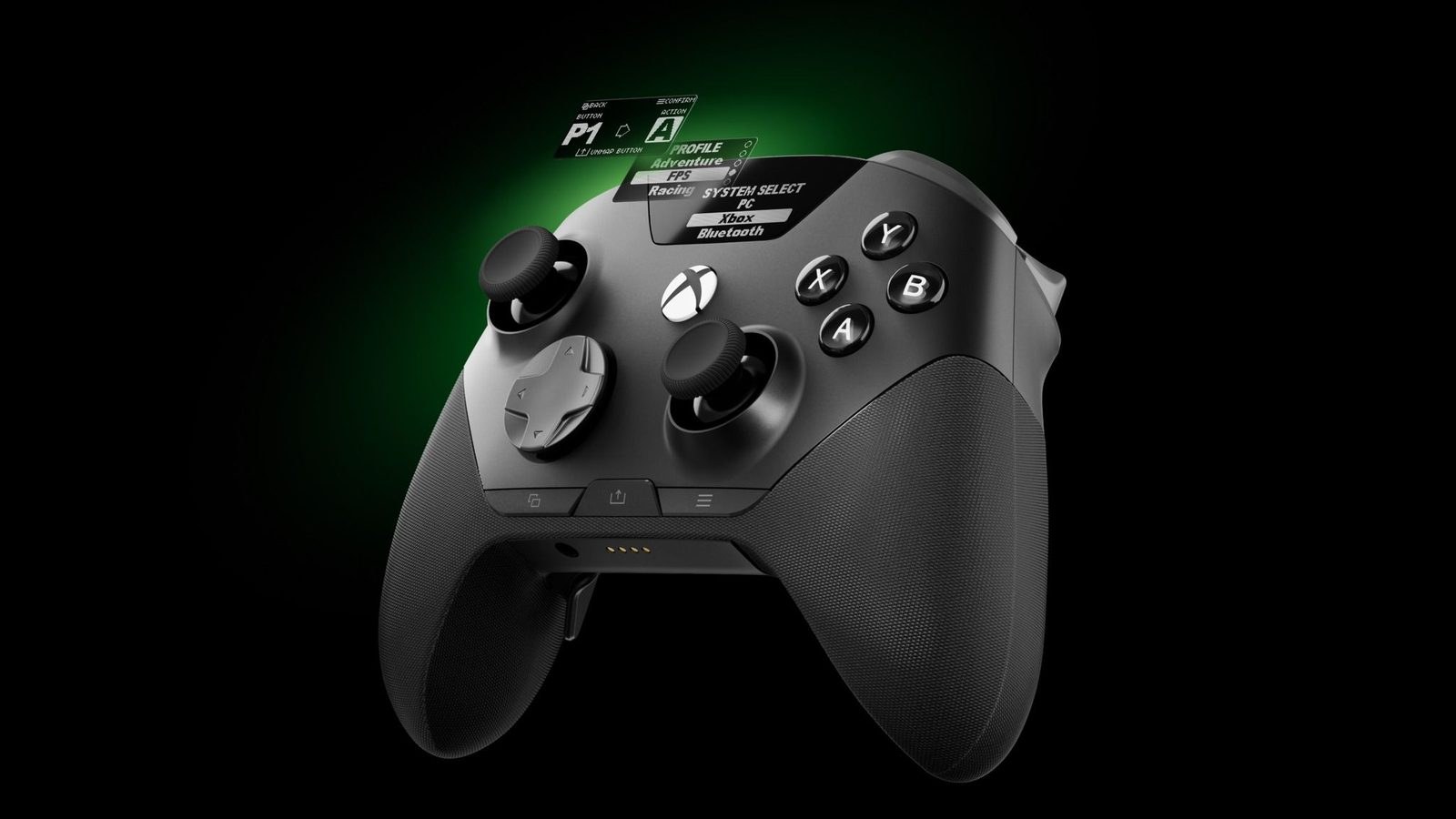
The $260 SteelSeries Aeon Pro controller eliminates constant re-pairing between your PC and console using a quick-switch dock and hot-swappable batteries. It solves messy multi-device setups for players who regularly jump screens, but the high cost limits its appeal.
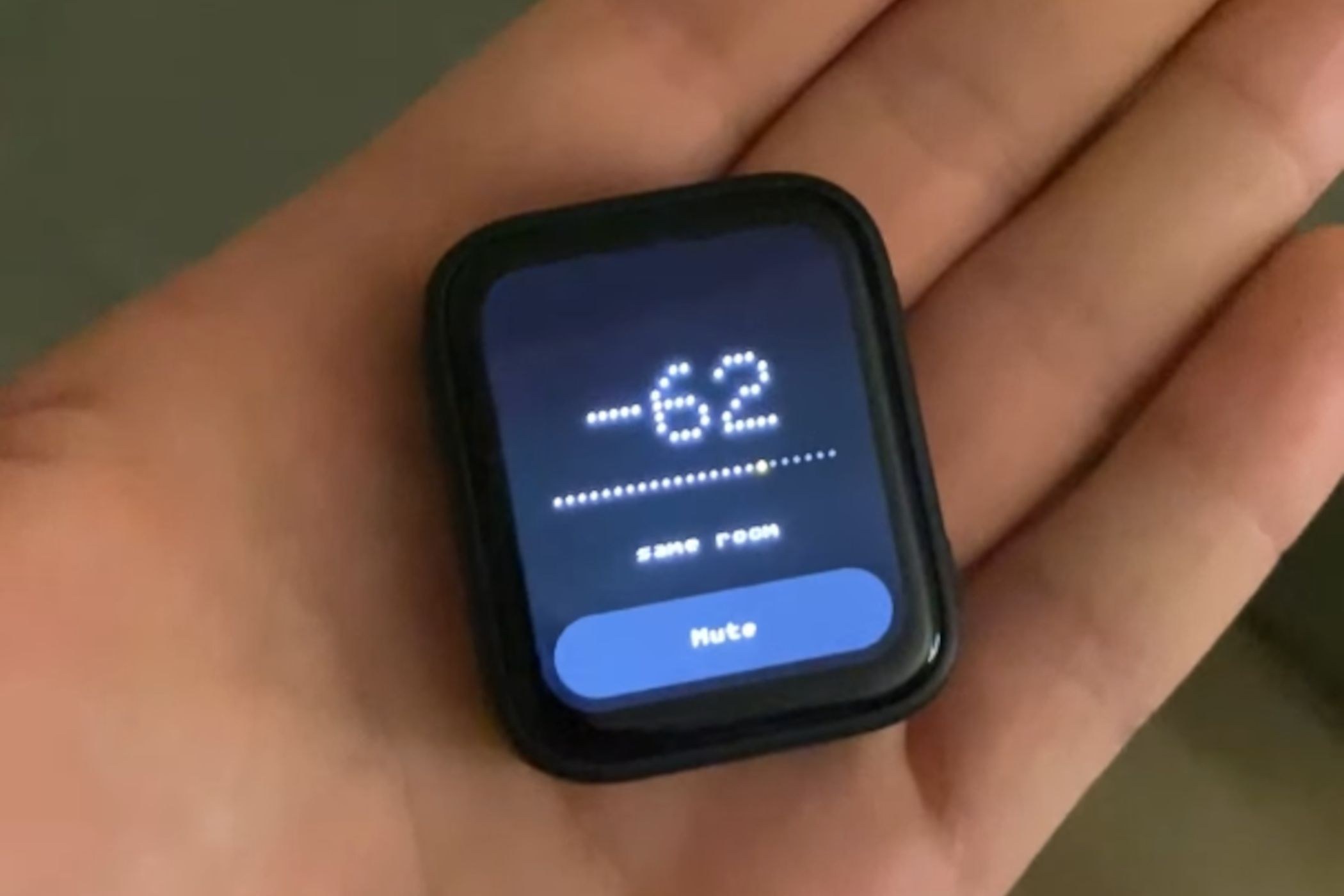
An open-source pocket device built on an ESP32 chip locates misplaced phones offline using Bluetooth signal strength. Instead of blasting a loud ringtone or draining battery through cloud services, it guides you by touch and sound like a radiation detector.

The $99 Razer Prio mobile gamepad collapses to credit-card size so you can slip it into a jeans pocket without carrying a bulky case. While its flat low-profile sticks sacrifice couch-gaming comfort, contactless magnetic sensors prevent stick drift for commuters on the go.

Hori released an electronic wind synthesizer styled after The Legend of Zelda that doubles as a game controller for $50. The device requires no Bluetooth or cables, relying entirely on the console's microphone to detect played melodies and trigger in-game events.
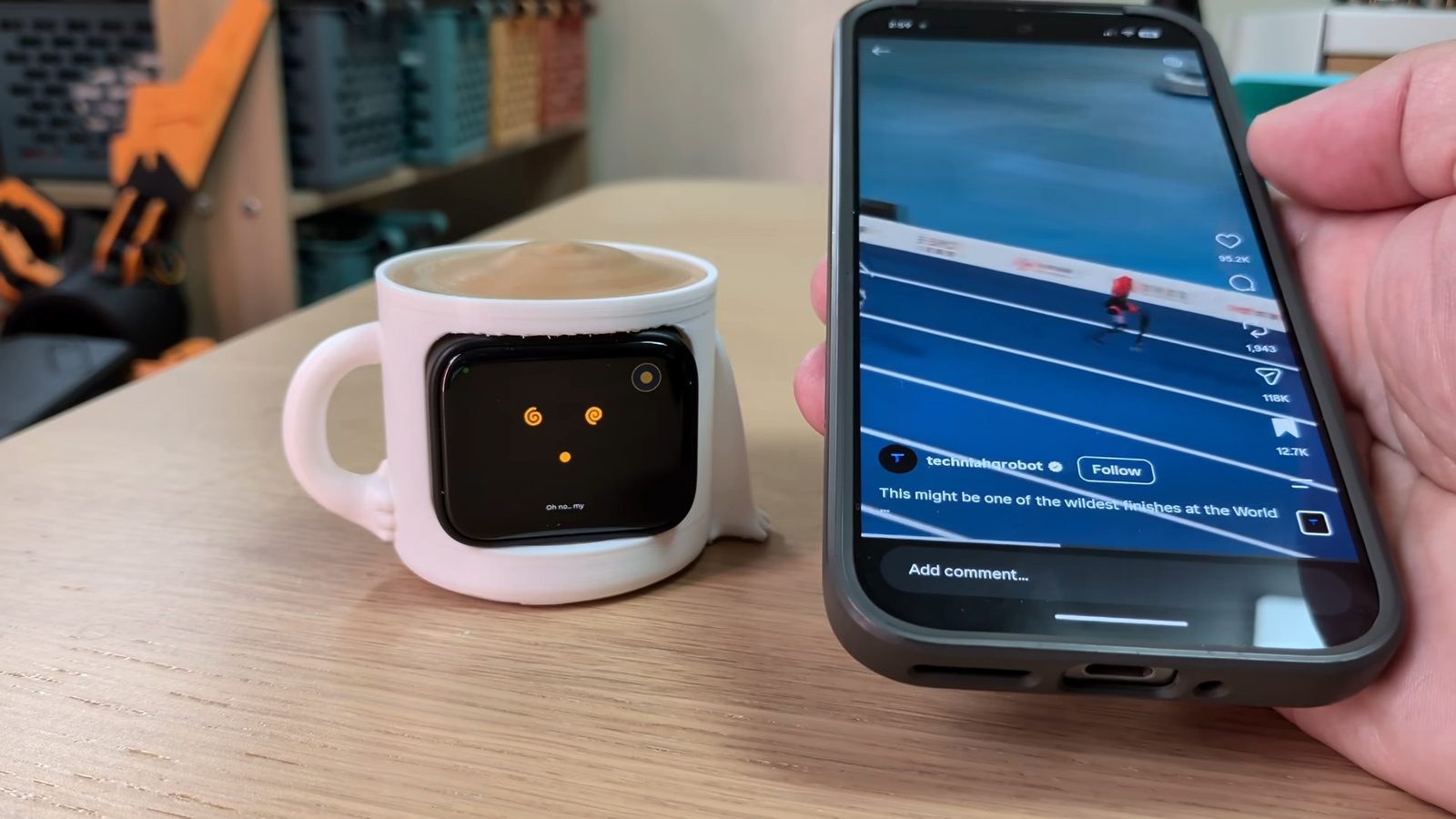
Maker brenpoly designed an open-source ESP32 gadget that links to your phone via Bluetooth and makes a virtual pet fall ill when you exceed screen time limits. The device uses local AI to read notifications aloud and verbally demands you put the handset down.
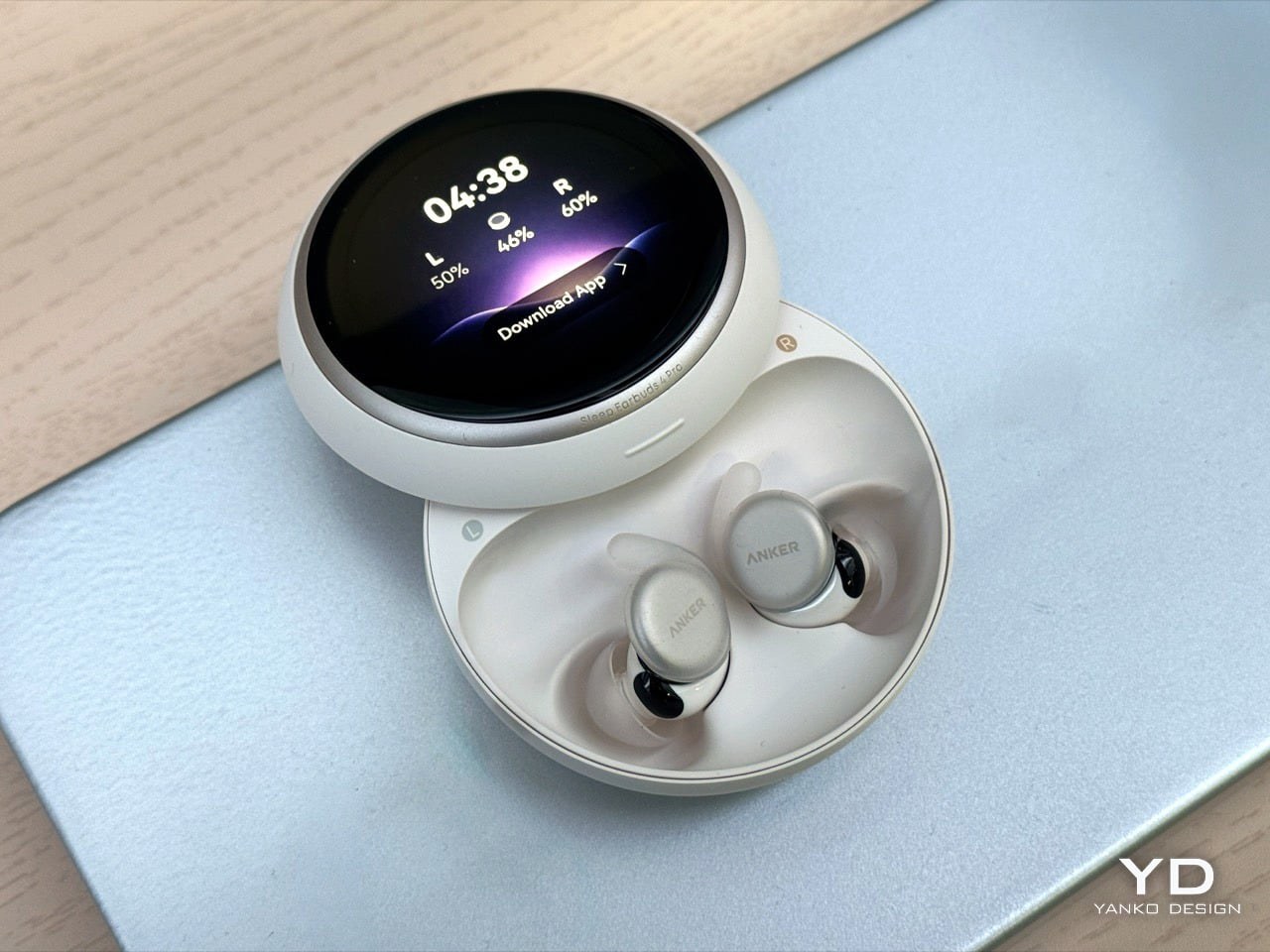
Anker's new $350 sleep earbuds move the computer into a touchscreen charging case to let side sleepers rest without ear pressure. The Pro model adds heart-rate tracking, though it strangely drops the emergency sound alerts found on the cheaper version.

Google Gemini will soon execute long AI reasoning tasks in the background with the screen locked. The upgrade frees up the display for other apps, but sustained on-device compute will strain mobile processors and rapidly drain batteries.
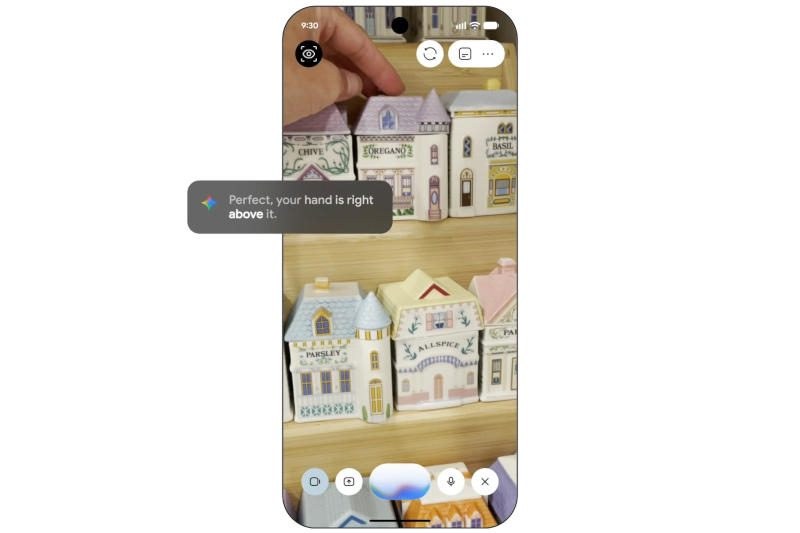
Google added Guided Vision to Gemini Live, letting users scan rooms via live video to locate lost everyday items. Real-world testing reveals heavy battery drain and subscription costs that make dedicated hardware trackers far more practical.
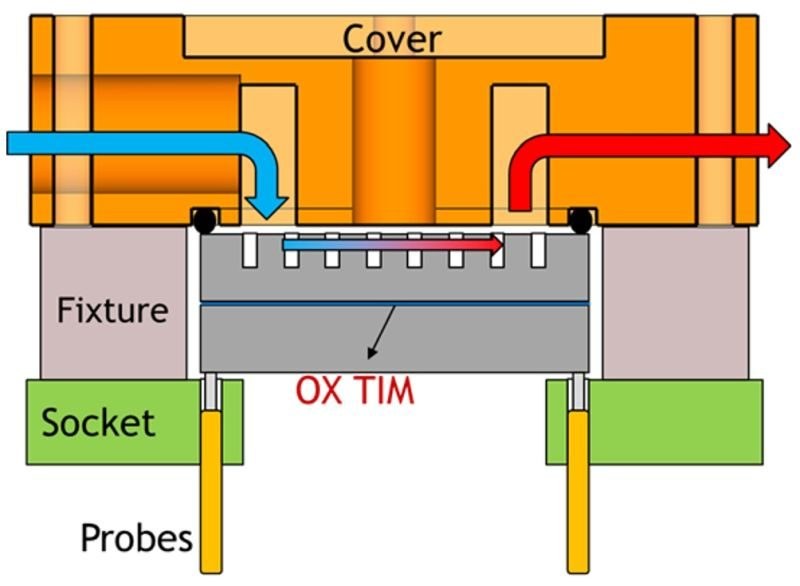
Chipmakers are preparing to integrate nanoscale liquid cooling channels directly into silicon packaging. The technology will initially roll out to AI server farms before migrating to mobile flagships to eliminate thermal throttling and overheating.
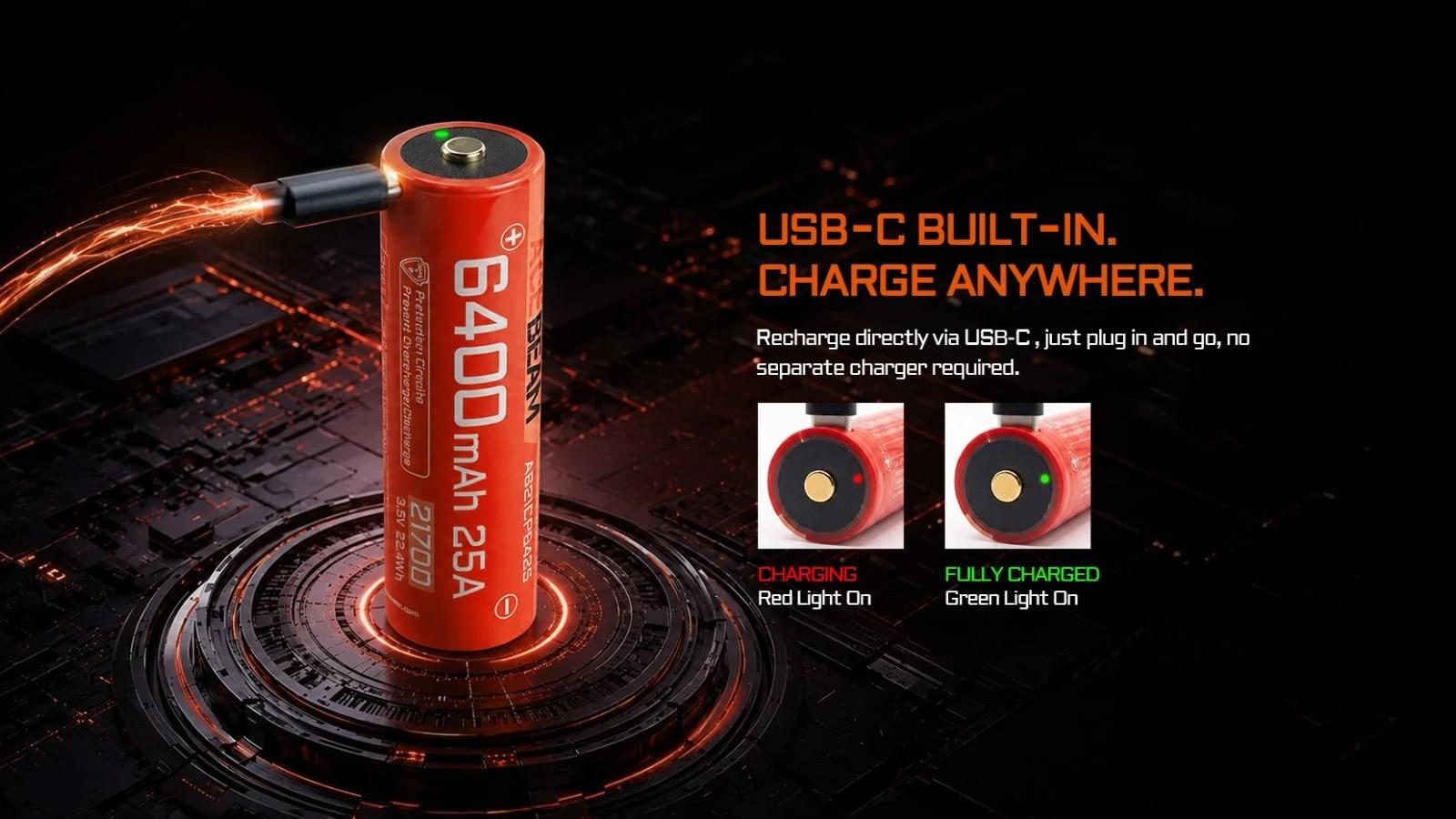
Acebeam has made its high-capacity 21700 battery available for standalone purchase at $25. Built-in USB-C charging eliminates the need for bulky cradle chargers while delivering 25A continuous discharge for high-drain gear.

The Berkeley Humanoid Lite drops the cost of bipedal robotics to $5,000 using 3D-printed actuators and off-the-shelf parts. Independent builders can now download the complete CAD files and firmware directly from GitHub.

Neurotech startup Atlas launched the $499 Atlas 1.0 Pioneer Edition, a tiny sensor that hooks behind the ear to track mental fatigue and focus. Despite the high price, iPhone-only requirement, and mandatory $29.99 monthly subscription, initial pre-orders sold out in days.
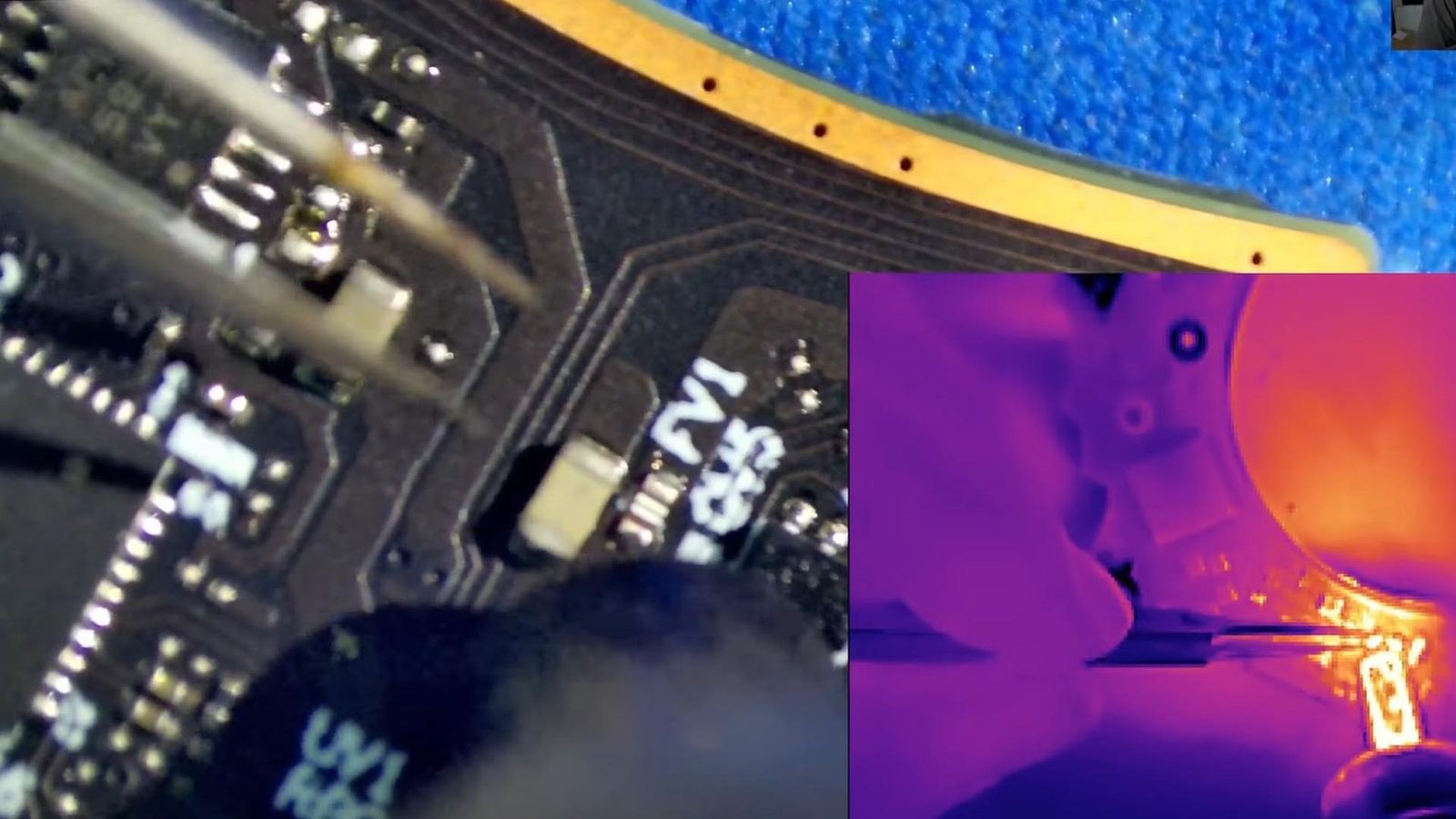
When a Lenovo laptop screen died, official support demanded over $800 to swap the motherboard. An independent technician brought the display back to life using just a tiny scrap of copper wire and basic soldering skills.
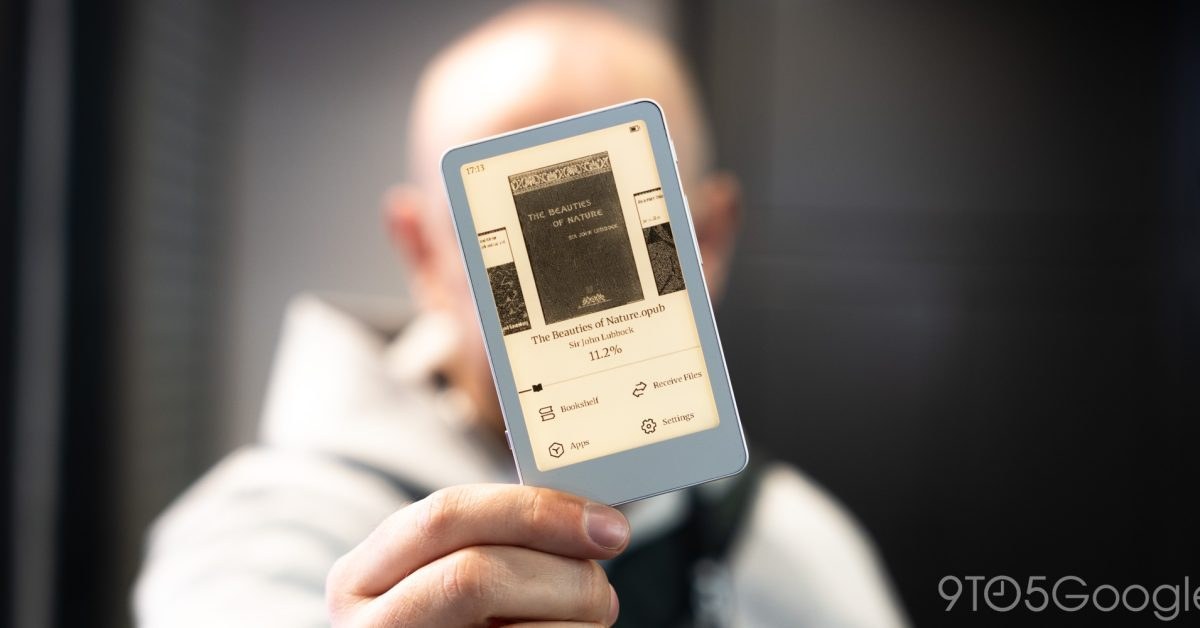
Scheduled for release in November 2026, the 4-inch Boox Picco prototype trades open Android software for a closed operating system to hit a projected $100 price. Buyers lose access to the Kindle app and Google Play, trading app flexibility for physical page turners and extreme portability.

Huawei fitted the Watch GT 7 Pro with sapphire glass, a nanoceramic case, and offline ski maps to challenge dedicated sports gear. While the wrist navigation adds real convenience on the slopes, the hefty luxury build limits its appeal as a purely utilitarian mountaineering tool.
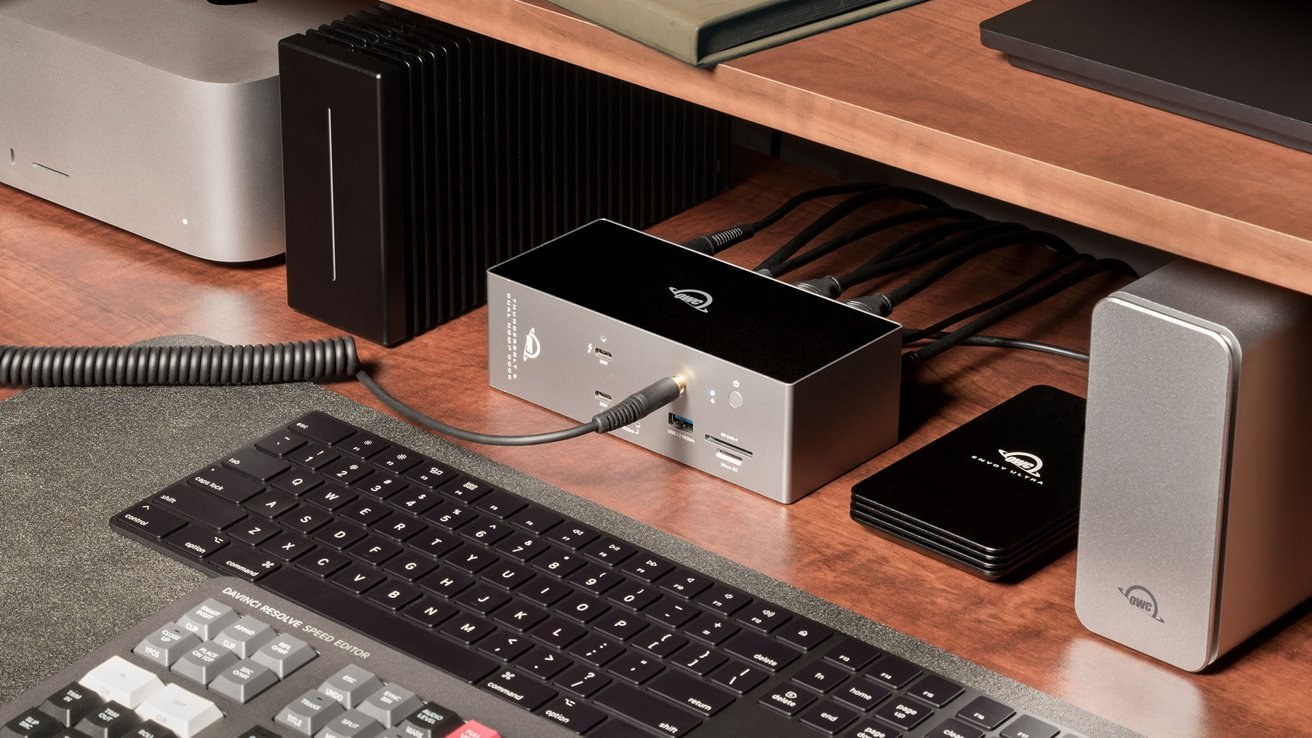
OWC's new desktop hub connects two high-refresh 4K displays and charges demanding laptops through a single cable. Shipping in November for $350, it targets professionals tired of juggling messy adapters.

Xiaomi has launched the Mijia Sterilizing Foot Bath equipped with UV sanitation and motorized silicone rollers. The $60 device targets users seeking targeted arch relief without the bacterial buildup typical of cheap plastic basins.
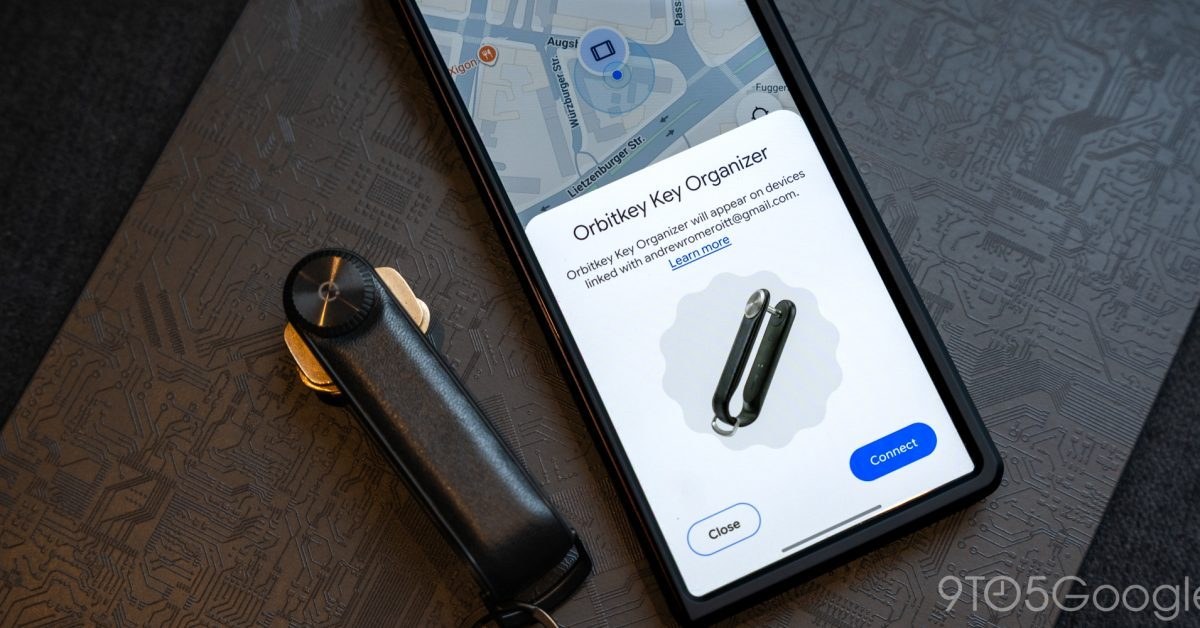
Orbitkey has solved pocket bulk by baking Google Find My Device and Apple tracking hardware straight into the leather side band of its key holder. Instead of dangling plastic fobs, users get a rechargeable module lasting up to five months that stops keys from rattling.
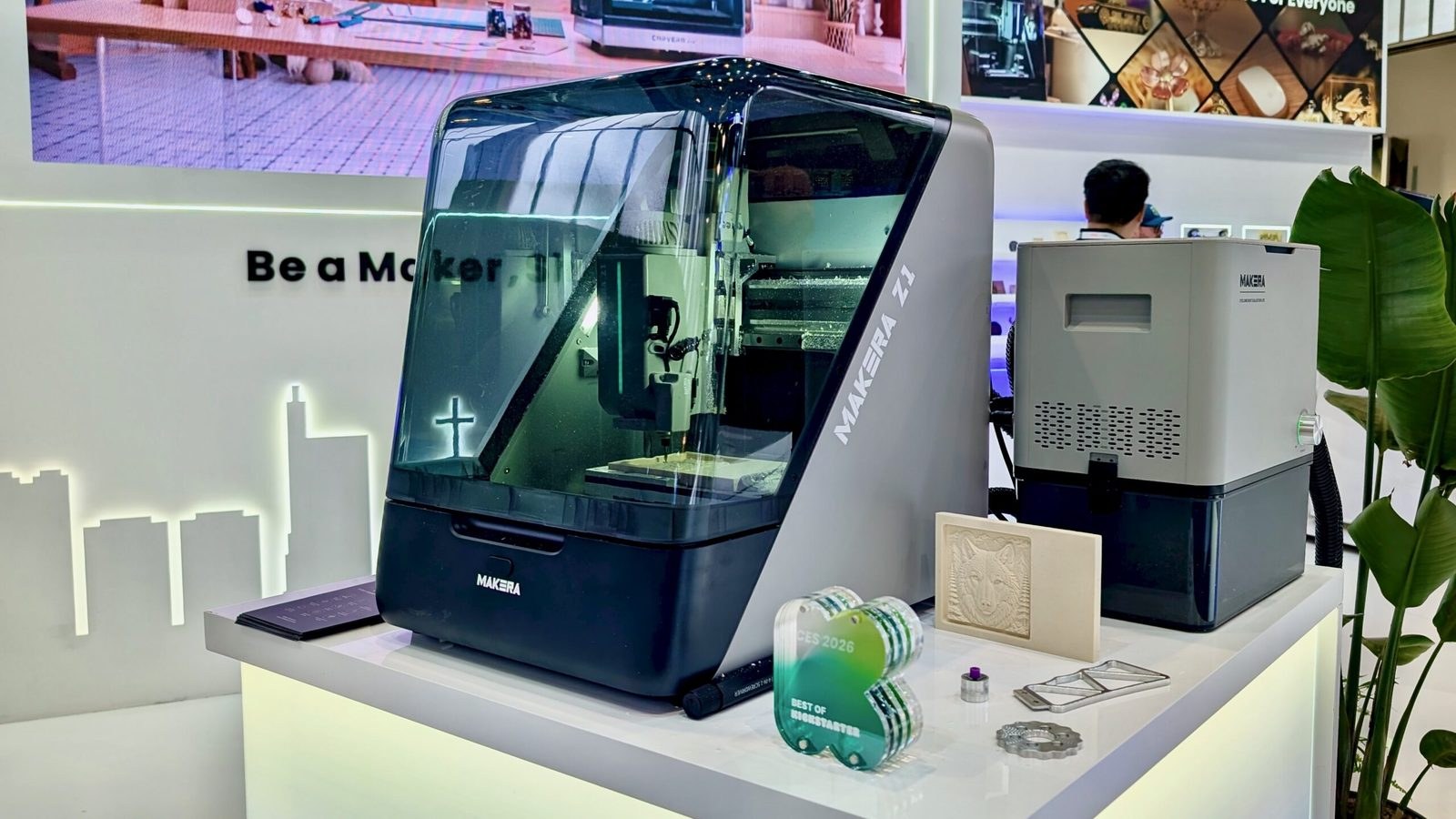
Makera unveiled the Z1 desktop CNC mill at IFA 2026, offering makers a compact way to carve real metal, wood, and carbon fiber without a noisy industrial rig. The machine uses a one-piece cast frame to reduce vibration, paired with an automatic tool changer and built-in dust collection for home workshops.
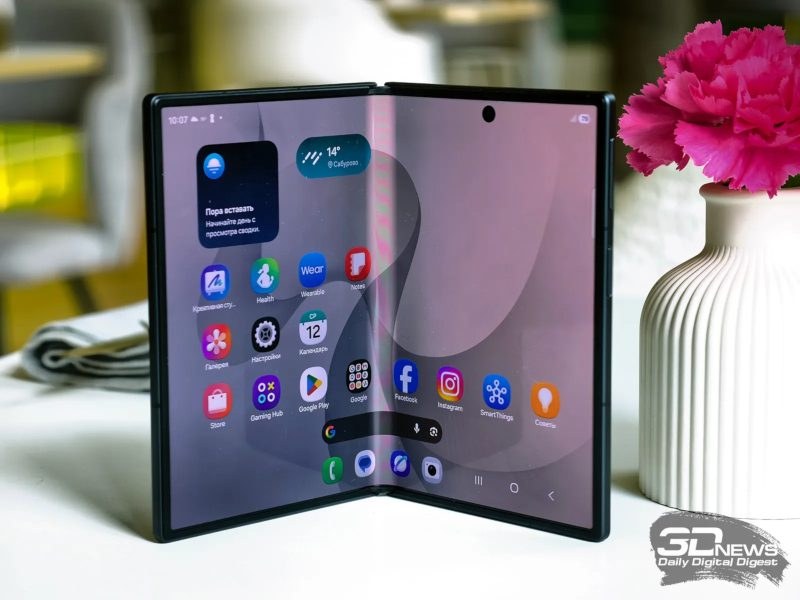
Galaxy Z Fold 8 owners are finding permanent physical dents across their folding panels, but Samsung refuses warranty repairs by calling the flaws an intended material trait. This shifts the financial burden of fragile flexible OLED displays entirely onto buyers who paid flagship prices.
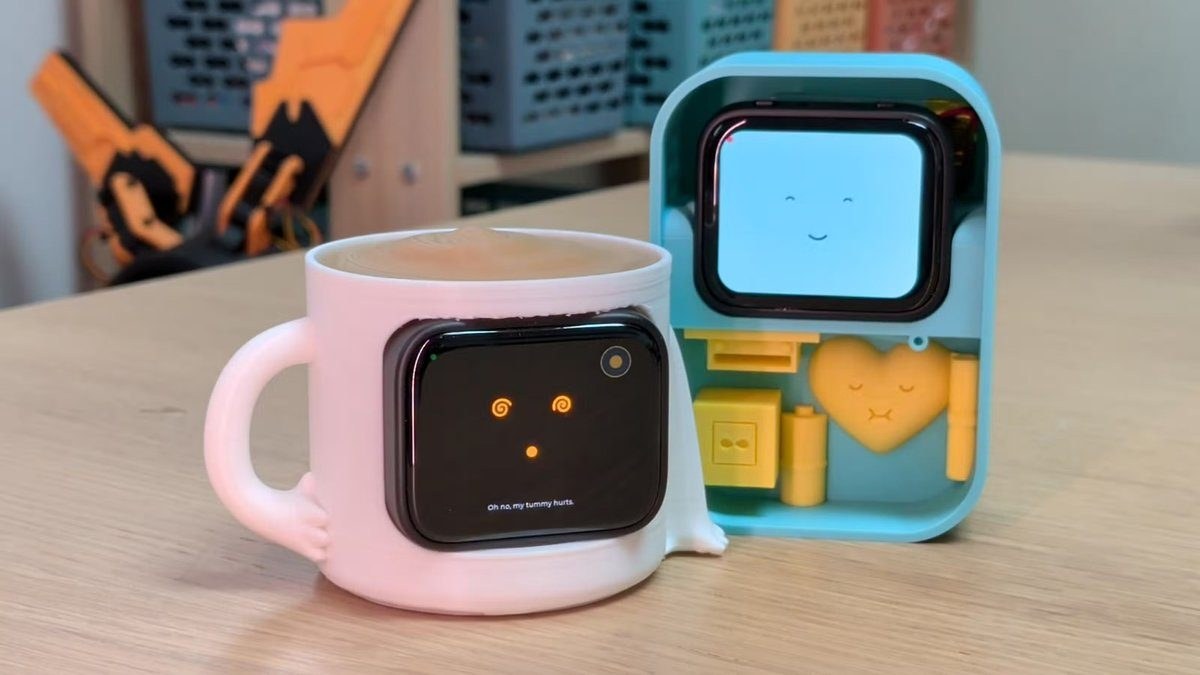
An open-source DIY keychain uses classic Tamagotchi mechanics to break doomscrolling habits by letting a virtual pet sicken whenever phone limits are exceeded. The offline gadget replaces easily ignored software prompts with emotional accountability at a fraction of the cost of commercial blockers.

XTEINK has launched the 68-gram X4 Classic e-reader for $79, stripping out touchscreens and backlighting in favor of physical buttons and a glare-free panel. Running on an ESP32 chip with a 920 mAh battery, it offers a distraction-free pocket device for dedicated readers who want to escape smartphone notifications.

Ex-DJI engineers Bowen Xie and Linjian Xiang have launched the InfiMaker K1 on Kickstarter for $5,199. It brings complex five-axis metal machining to desktop footprints, letting independent creators bypass weeks of factory delays for custom aluminum and brass parts.
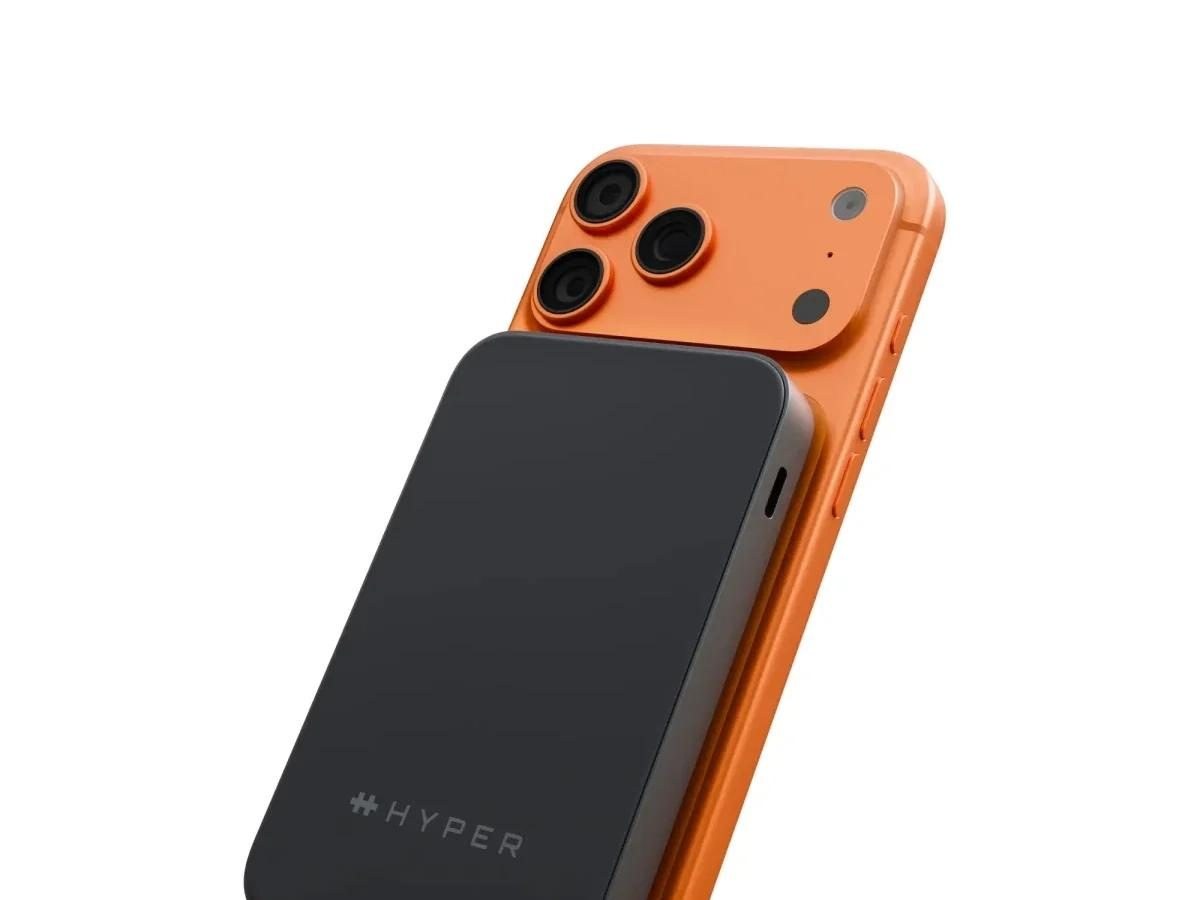
Hyper has launched a 5,000 mAh magnetic power bank built with a semi-solid-state battery instead of standard liquid chemistry. The new design prevents dangerous cell swelling in extreme heat and maintains stable output in freezing temperatures.

A maker on Habr built the Kollektive Deck, a custom handheld gaming console powered by a salvaged POCO F5 motherboard and halved GameSir controllers. The project features active Peltier cooling, physical trackpads, and dual-boot Android/Linux for a fraction of mainstream hardware prices.

An international committee has introduced the first unified performance testing standard for legged service robots. The benchmark measures how well hardware handles real-world stairs, slippery slopes, and domestic obstacles instead of curated lab demos. This will give prospective buyers verifiable metrics before spending thousands on robotic pets.

Bandai Spirits has launched the Mobile Stationery Automatic Transforming Business Card Case, a spring-loaded mechanical gadget that flips cards 180 degrees. Measuring an inch thick, this chunky collector's item turns a standard greeting into an anime launch sequence, though it destroys the silhouette of a tailored suit.

Security researchers discovered that flagship LG OLED TVs scan local networks, profile your other gadgets, and record microphone audio even in standby mode. All collected telemetry feeds directly into the manufacturer's aggressive advertising wing, turning the display into a passive surveillance beacon.
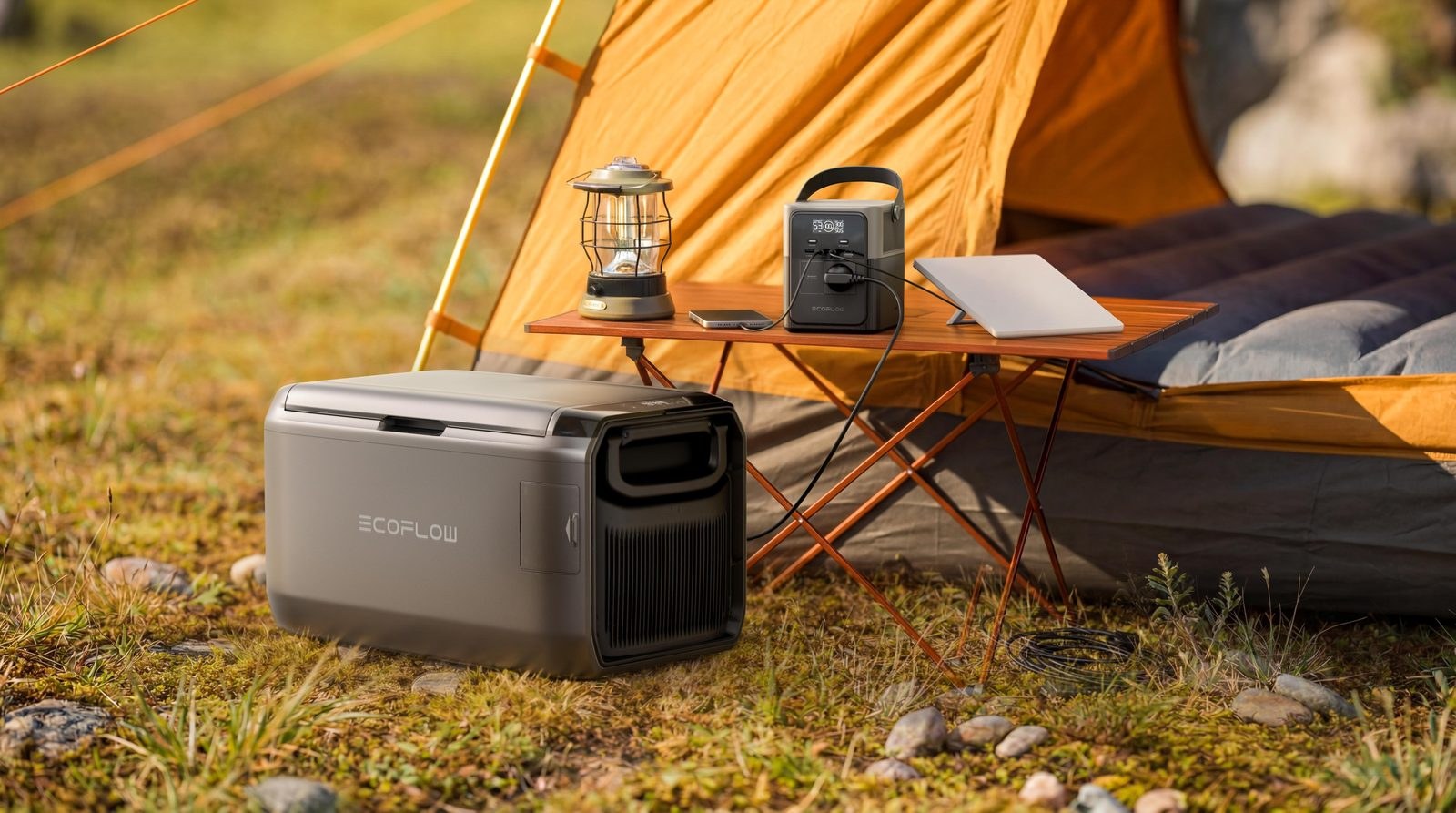
EcoFlow redesigned its River power station lineup to trade heavy plastic for high-density LFP batteries. The new 5.63-liter model weighs 4.6 kg while maintaining enough continuous output to run a fridge or a satellite terminal off-grid.
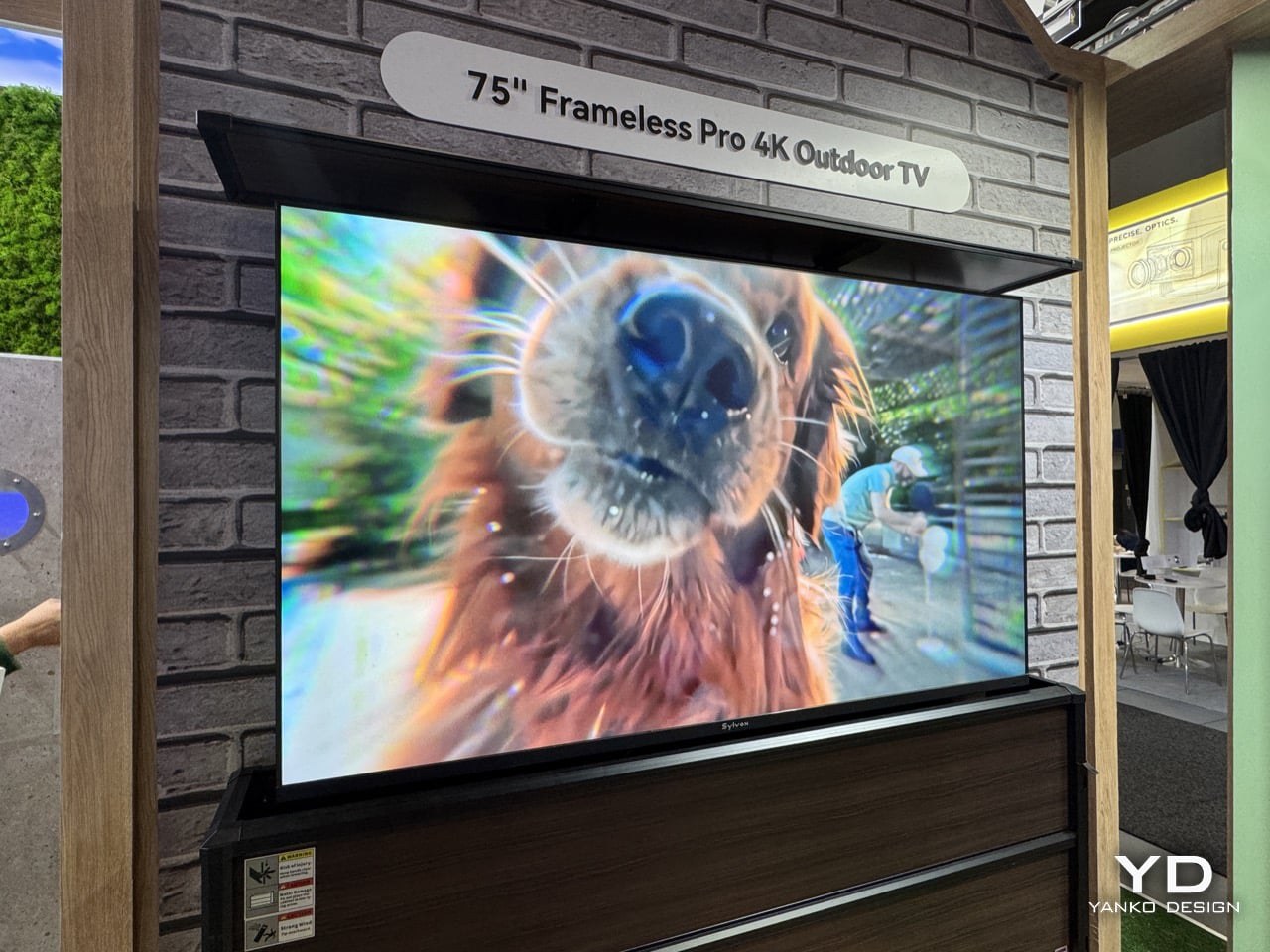
Sylvox has squeezed weather-proofing gaskets into the back of its 75-inch Frameless Pro to eliminate the bulky industrial frames on open-air screens. Operating between -22 and 122 degrees Fahrenheit with 2,000 nits of brightness, the 5,299-dollar panel trades boxy borders for a deeper chassis meant for luxury patios.
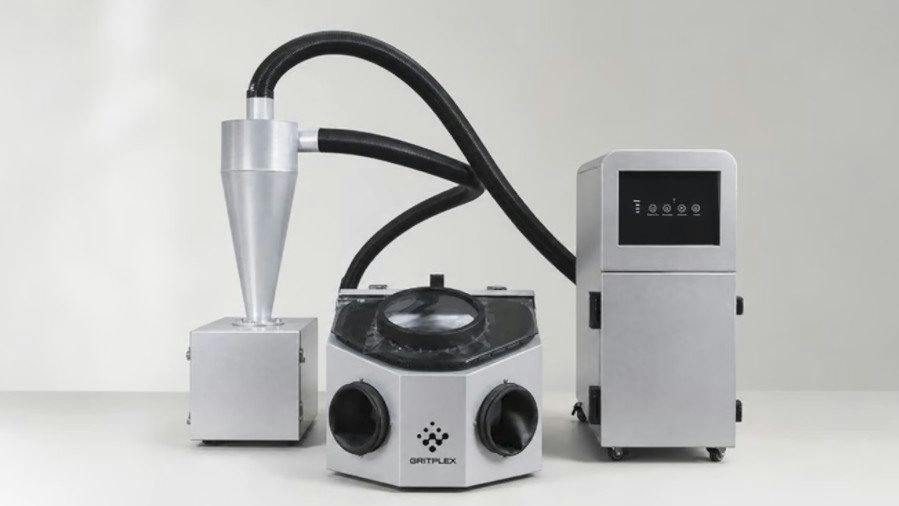
GritPlex built an enclosed desktop sandblaster designed to remove 3D printer layer lines indoors without spraying toxic plastic dust. The complete sealed setup costs $899 on Kickstarter and ships in October.
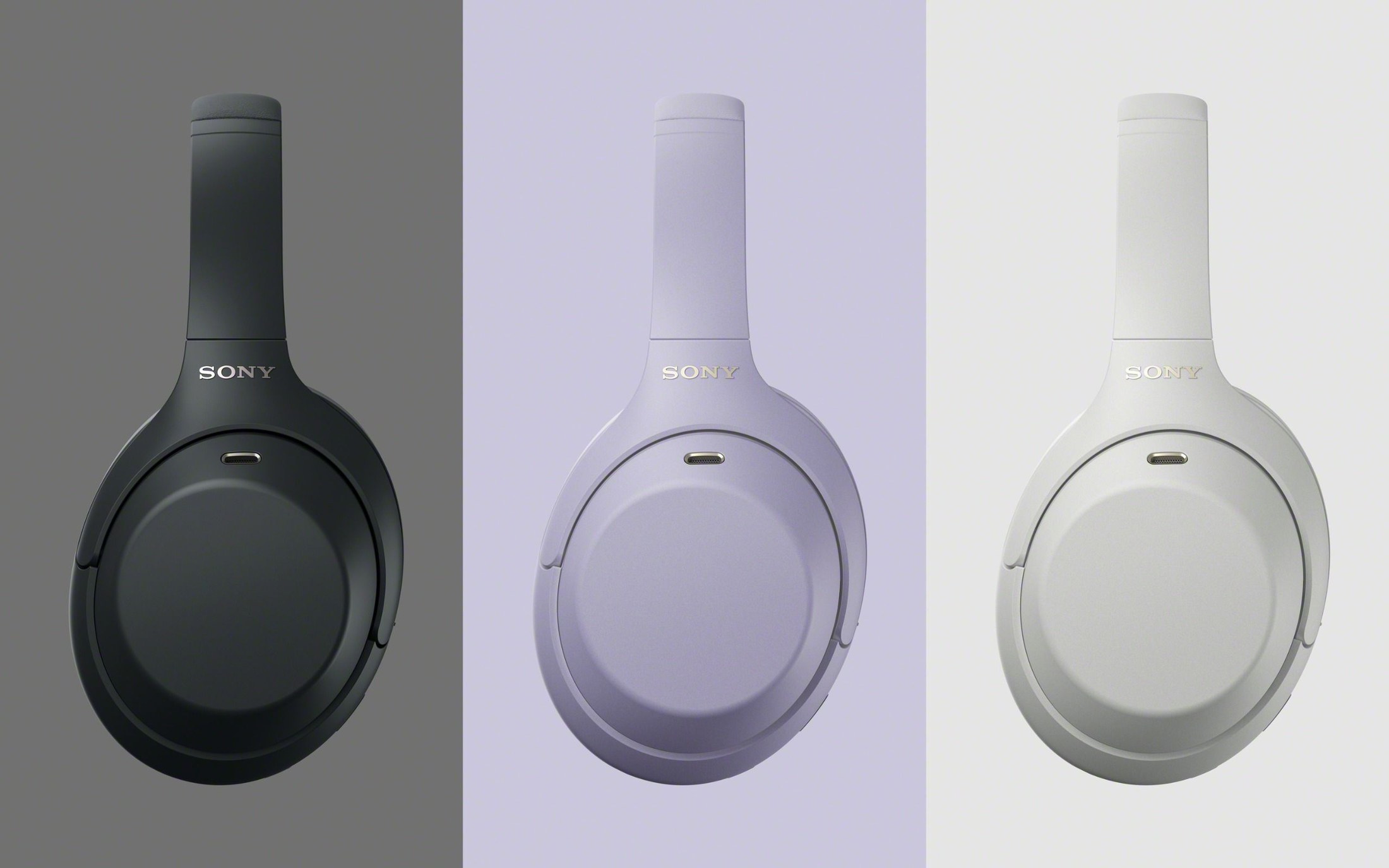
Sony's new WH-1000XM4C brings back the folding 2020 classic with a crucial upgrade: an easily replaceable battery designed to beat EU repair rules. For everyday listeners, it means high-end audio no longer has an expiration date tied to a glued-shut power cell.
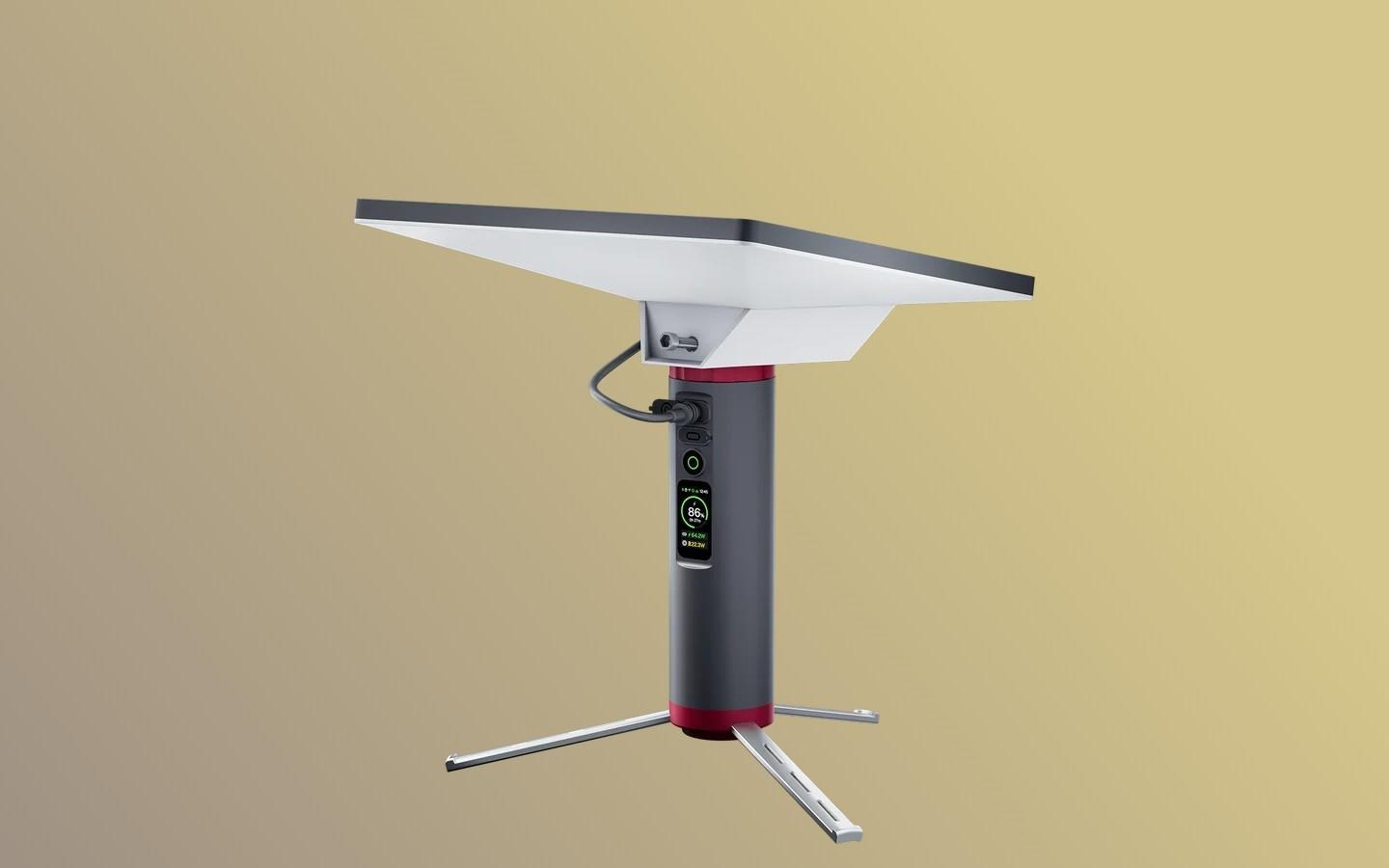
PeakDo has introduced the LinkPower Pod 1, a cylindrical 99 Wh power bank with integrated tripod legs built for the Starlink Mini. The stackable modules deliver 4.5 hours of runtime each and comply with airline carry-on limits, cutting pack weight for off-grid travelers.
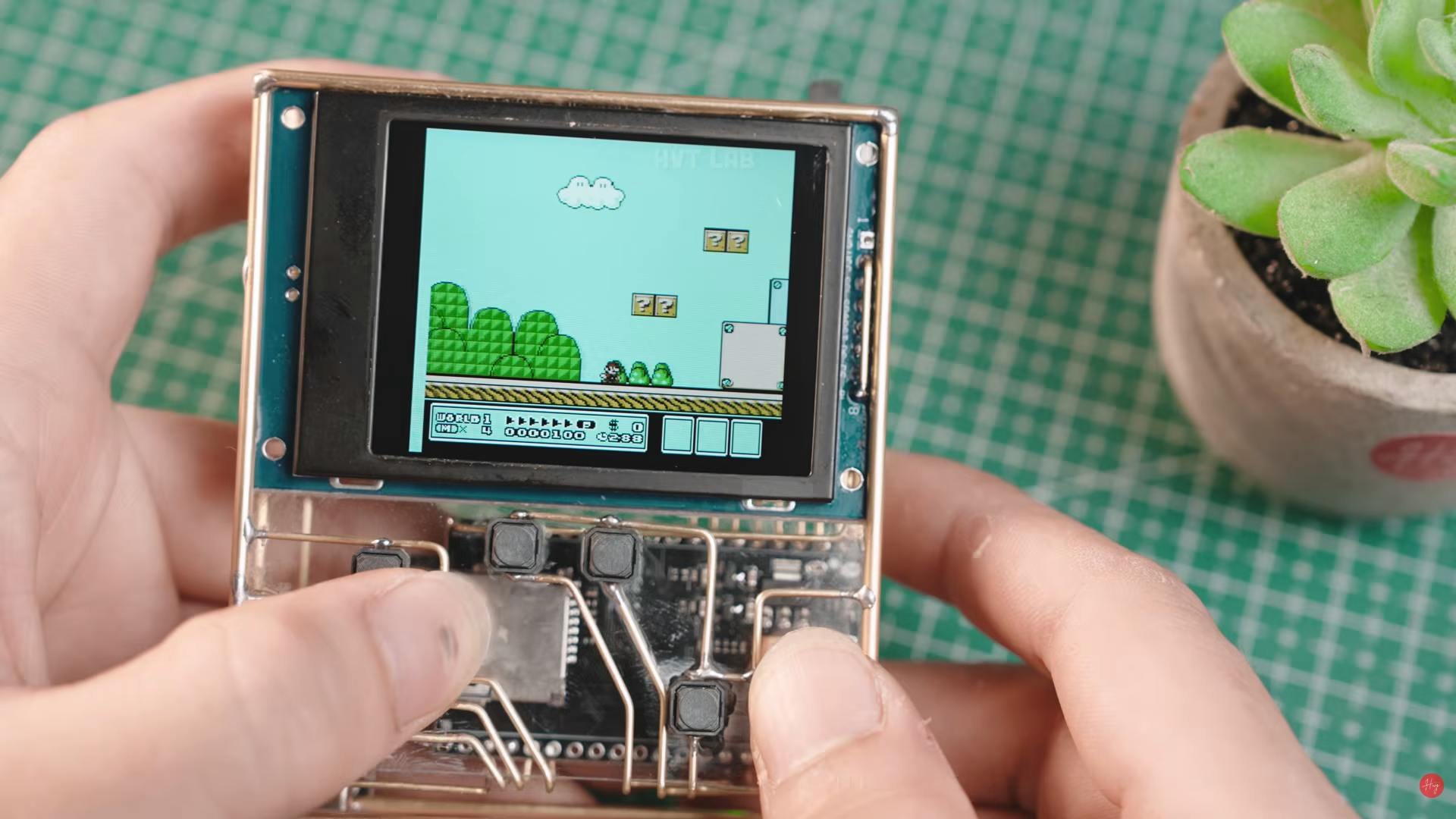
Vietnamese maker Huy Vector replaced cheap plastic with a rigid 2mm brass skeleton to build an open-frame retro handheld running classic games. Powered by an ESP32-S3 chip and rechargeable AAA cells, it offers a fully repairable, tactile alternative to mass-market consoles.
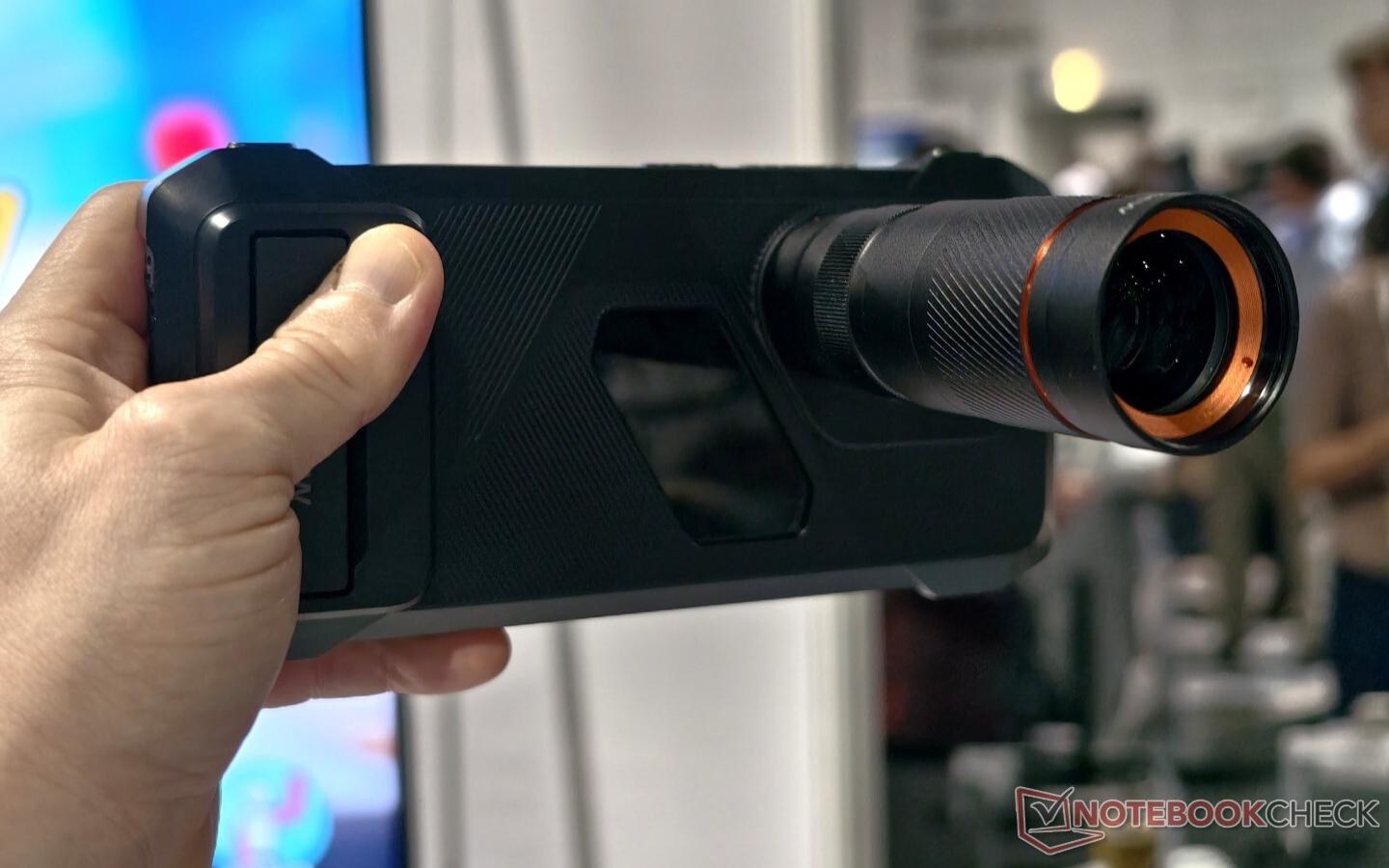
Blackview has introduced the Xplore 6, a rugged phone equipped with a 12,000mAh battery and a modular 10x optical telephoto lens. It combines flagship specs with extreme IP69K durability, though its massive 428-gram body limits its appeal strictly to field professionals.

The RPCS3 emulator now lets you play physical PlayStation 3 discs directly on your PC without copying massive files to your SSD. You will need a compatible Blu-ray drive, making this a smart fix only for those with existing physical libraries.

Retroid has confirmed development of the Pocket Duo, its first integrated clamshell handheld designed specifically for dual-screen retro gaming. The device ditches fragile external attachments for a unified folding body, aiming to finally make multi-screen emulation comfortable on the go.
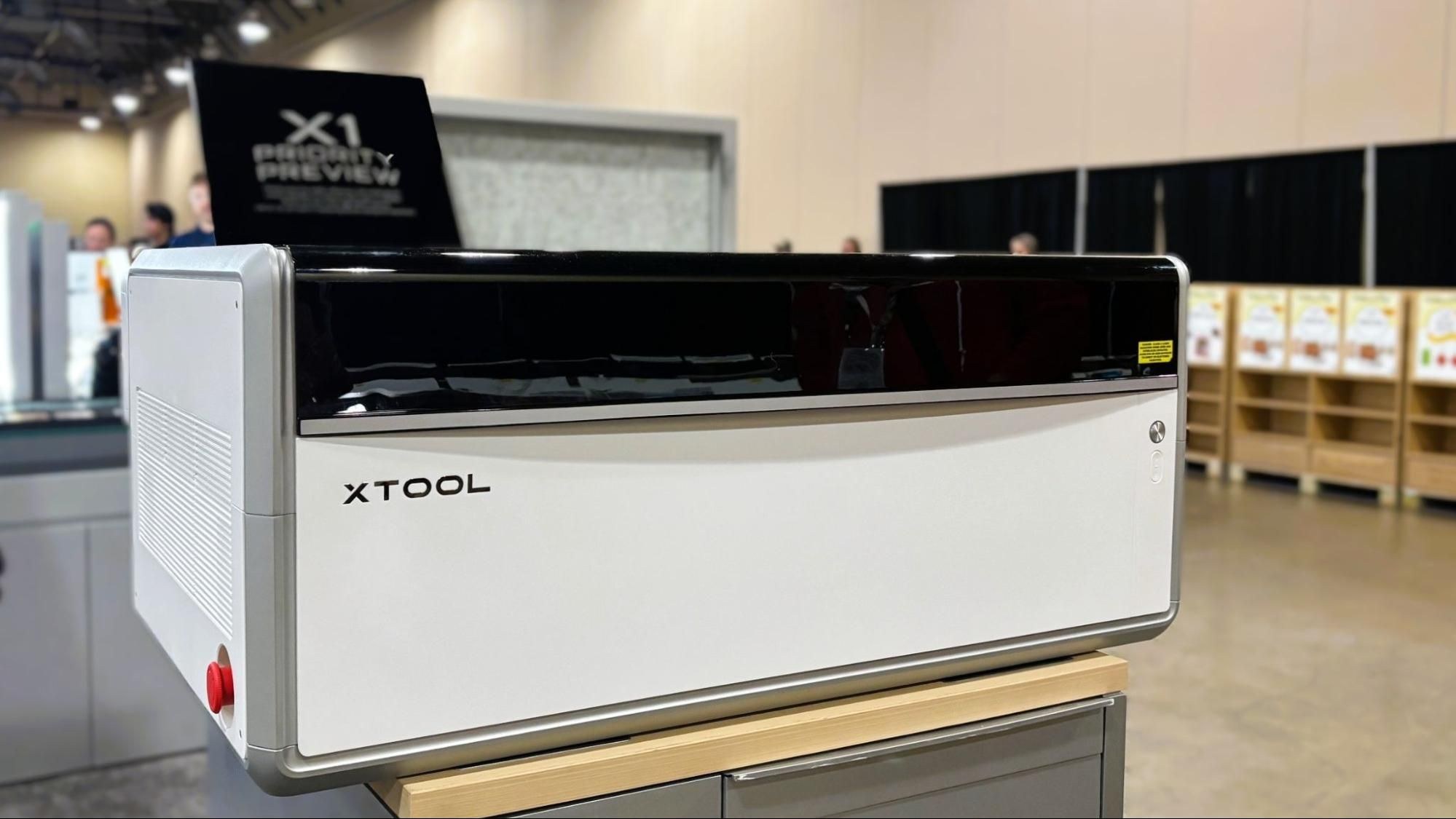
The modular xTool X1 packs five different laser types onto a single moving frame, letting small workshops switch from heavy plywood cutting to metal marking without changing machines. Shipping this October, the hybrid rig aims to clear floor space, though the company has yet to reveal its price.

Acer revealed the DualPlay Mini concept at IFA, transforming the laptop trackpad into a detachable wireless gamepad. While the engineering looks clever on stage, moving parts under your palm rest compromise chassis durability and everyday ergonomics. A standard controller in a backpack remains the smarter, cheaper choice.

Xiaomi has redesigned the book-style foldable to match standard A4 paper proportions, fixing the cramped outer display problem. The phone packs a 6,000 mAh battery into a 5.02 mm slim chassis with a nearly invisible crease. It makes one-handed messaging on a foldable practical without opening the device.

Dyson has scrapped its signature hollow loops across three full-sized air purifiers, replacing them with star-shaped nozzles borrowed from jet engines. The radical redesign trades sleek living room aesthetics for a dramatic drop in noise, delivering high-volume airflow built for uninterrupted sleep.

Norwegian lawmakers are preparing a total ban on smart glasses and wearables equipped with cameras in public spaces. Device makers could soon deploy geofenced firmware updates to disable hardware features and avoid liability. Buyers risk seeing high-end tech turn into regular designer plastic overnight.
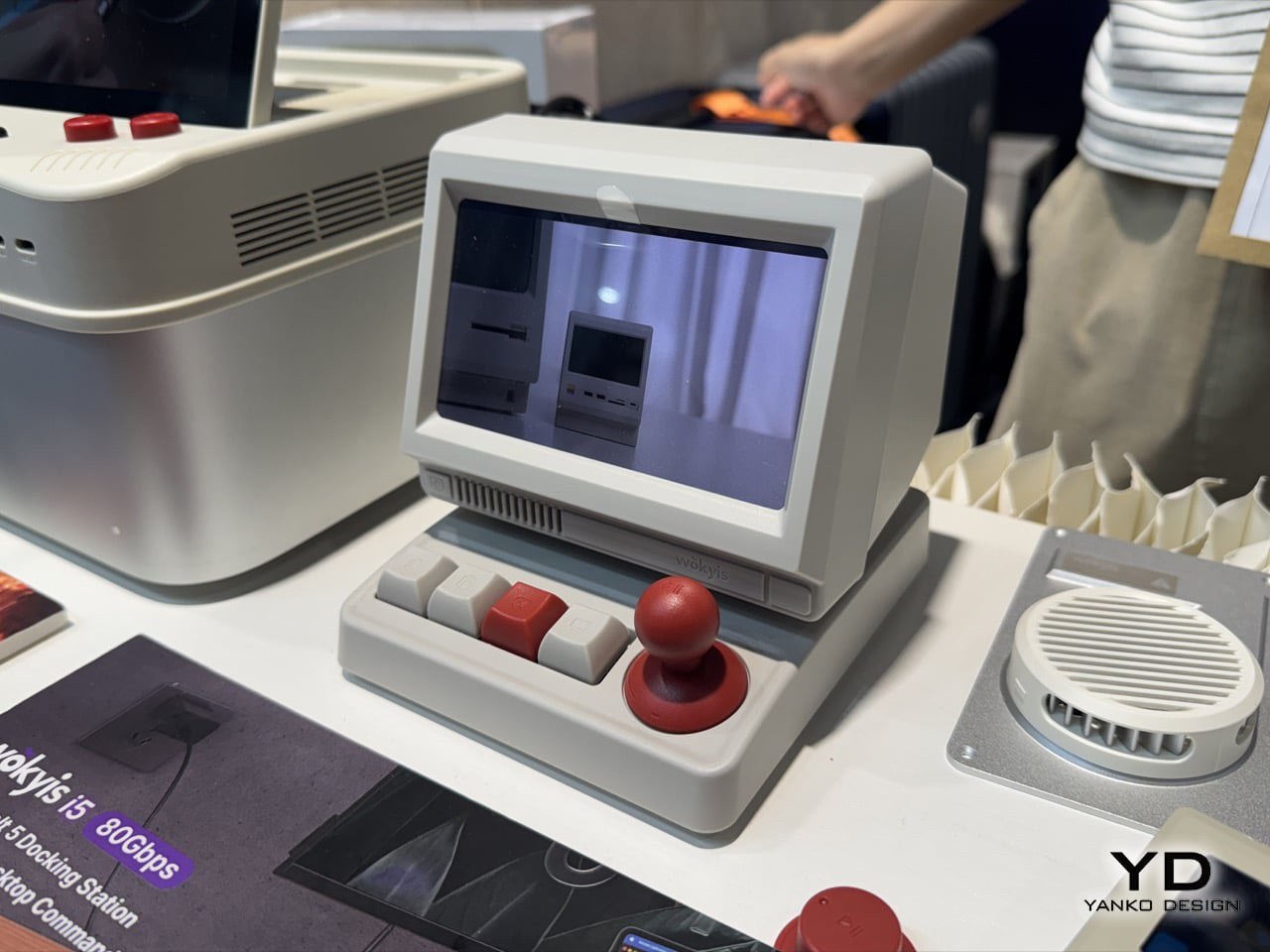
Wokyis has launched the i5, a desktop docking station styled after a classic vintage Macintosh. It integrates a 5-inch secondary monitor, mechanical shortcut buttons, and an internal SSD enclosure to replace sterile aluminum hubs with practical desk aesthetics.
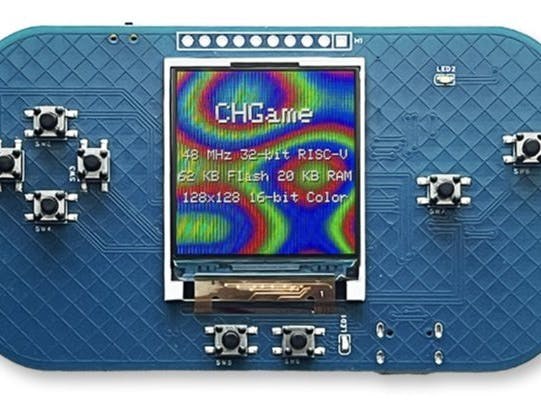
Arduboy released the CHGame Rev0, a $39 open-source developer kit featuring a 1.44-inch color screen and physical buttons. It delivers an affordable sandbox for learning hardware-level programming without forcing beginners to buy expensive gear.

Independent workshop Strange Inventions engineered a 3D-printed instant camera that prints digital photos onto removable four-color E-Ink cartridges. The $150 open-source build eliminates the recurring dollar-per-shot cost of traditional chemical film.

Huawei has unveiled the Pura X View, trading the narrow smartphone trend for an ultra-wide display and a massive 7,000 mAh battery inside a 6.68 mm chassis. Starting at $900, it prioritizes multi-day battery life and document reading at the expense of one-handed use.

TECNO unveiled the CAMON Slim 5G at IFA 2026, pairing a razor-thin 6.39mm profile with a heavy-duty 6,000mAh battery. It swaps fragile rear glass for a rugged fiberglass composite to solve the eternal trade-off between ultra-thin design and multi-day endurance.
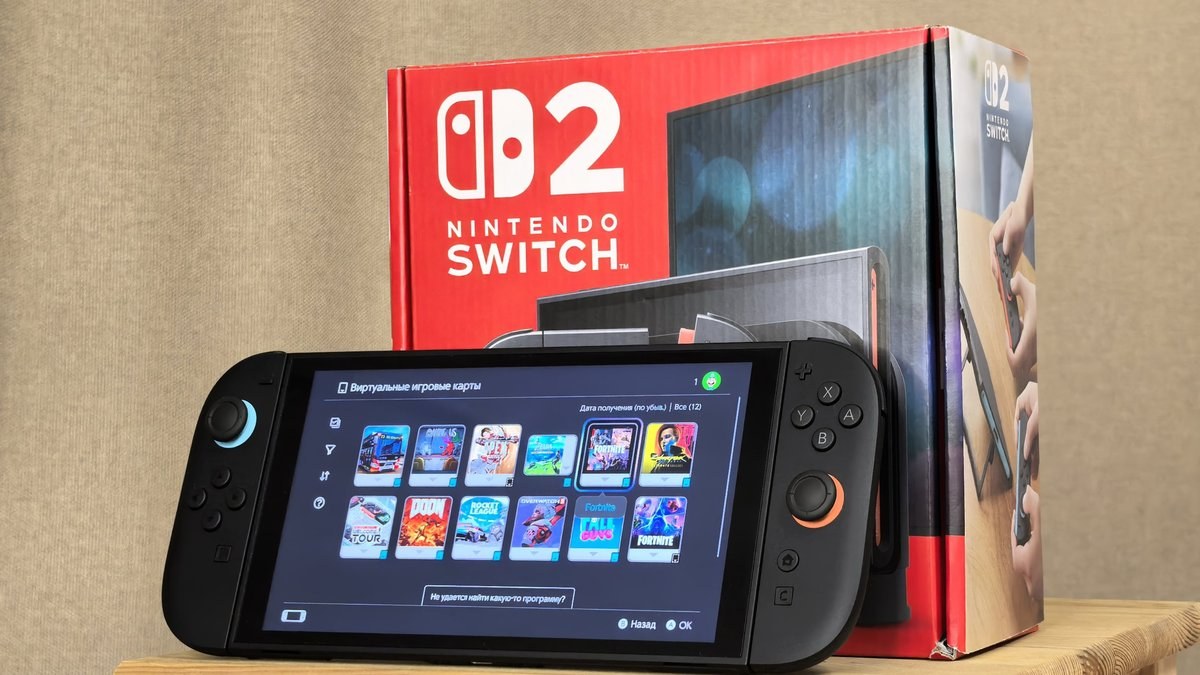
Nintendo quietly rolled out a revised Switch 2 hardware revision ditching glued-down batteries for a modular design to comply with upcoming EU mandates. The change allows owners to swap degraded battery packs at home using standard screws in just a few minutes.

The Nuvell Plantein shrinks commercial bean curd processing into a countertop appliance resembling an espresso maker. It turns dry soybeans into warm tofu in forty minutes for $1,000 to $1,300, targeting dedicated plant-diet enthusiasts.

Carriers are adopting dynamic spectrum sharing to launch 5G over existing LTE infrastructure. The move prevents network congestion in crowded areas but fails to deliver true gigabit speeds. Smartphone owners have little reason to upgrade their hardware just for the status icon.

An independent maker bypassed million-dollar cleanroom equipment by building a desktop micro-resin printer using off-the-shelf optical parts and household turmeric. The kitchen spice extracts acted as a cheap UV light blocker, enabling the device to print sub-micron models like a tiny Stanford bunny.
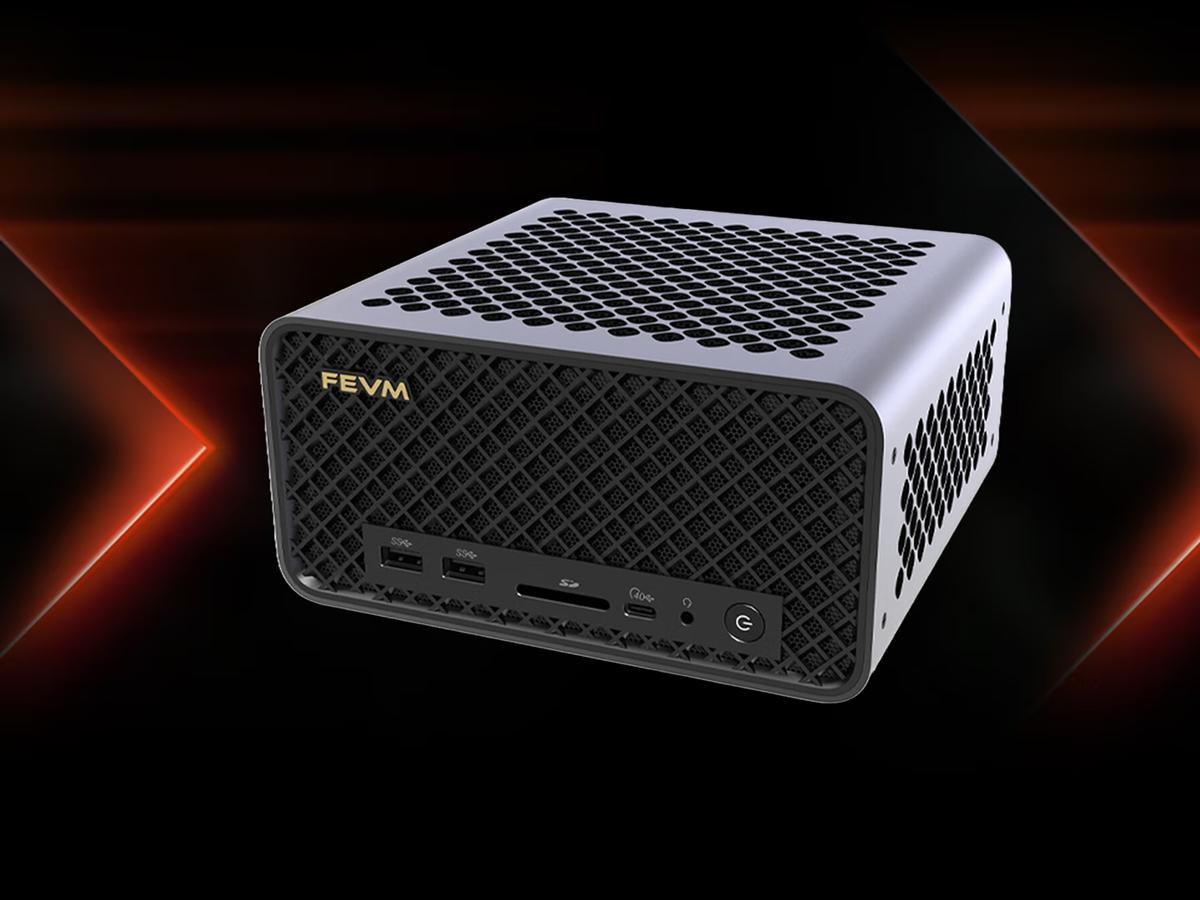
Chinese brand FEVM has revealed the FA80G, combining an AMD Ryzen 9 desktop chip and a mobile RTX 5090 in a 2.6-liter case. The ultra-compact system eliminates bulky desk towers for gamers and creators, though soldered graphics rule out future hardware upgrades.

Xiaomi took over IFA 2026 with concept cars and robotics, but its practical announcements center on tangible hardware. The company introduced its wide-format 18 Fold smartphone powered by in-house silicon alongside a broader lineup of smart home appliances for the European market.
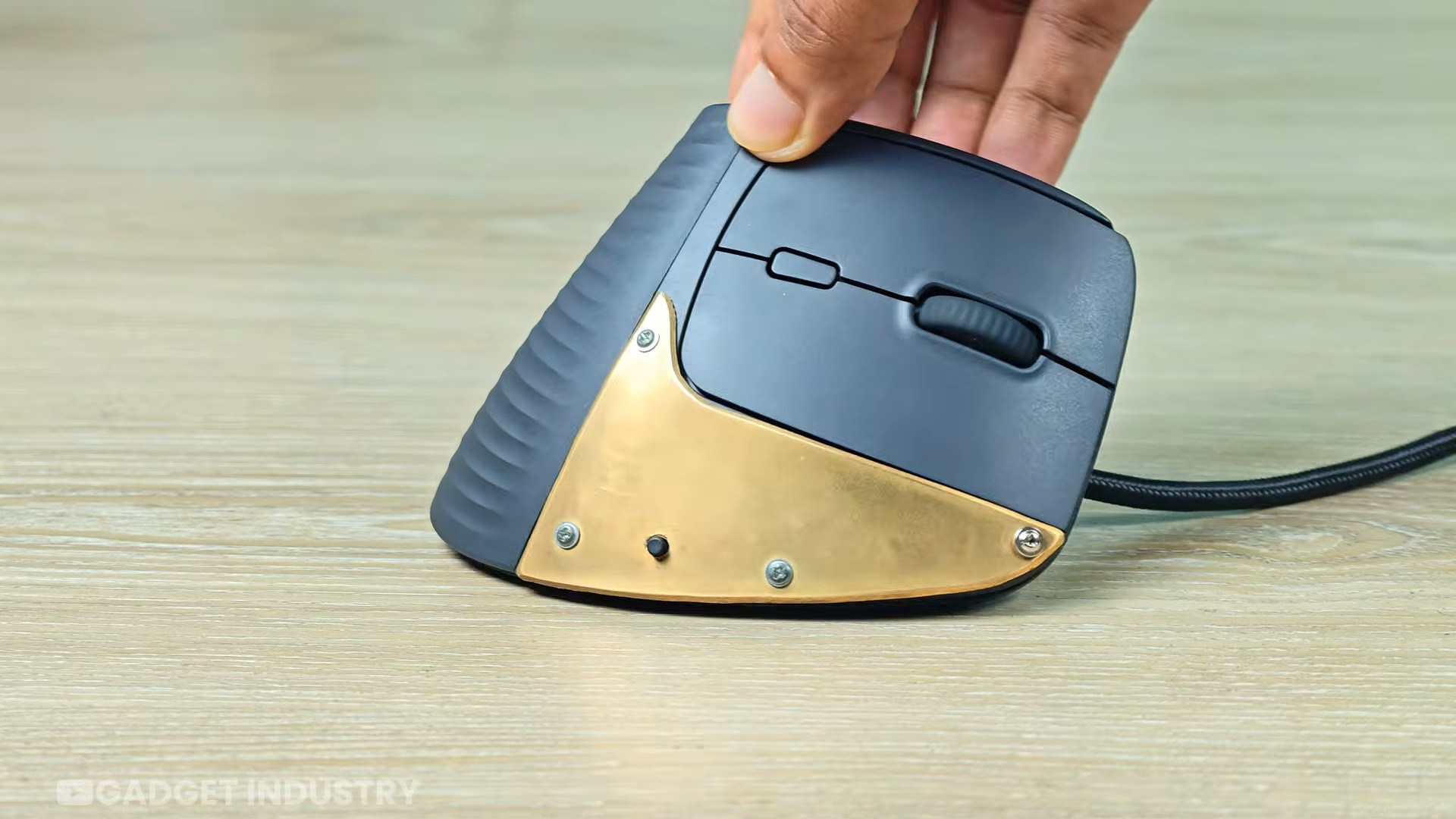
An independent maker gutted a broken Samsung Galaxy S21 and crammed its main board into a standard wireless mouse chassis. By plugging the peripheral into an external monitor via USB-C, users get a hidden desktop workstation powered by Samsung DeX without buying a separate mini-PC.

Maker Michael Klements has built an autonomous offline server running inside a rugged 3D-printed case, complete with Wikipedia mirrors, local maps, and running AI models. It projects a private Wi-Fi bubble to keep your essential data alive when the local broadband grid goes down.
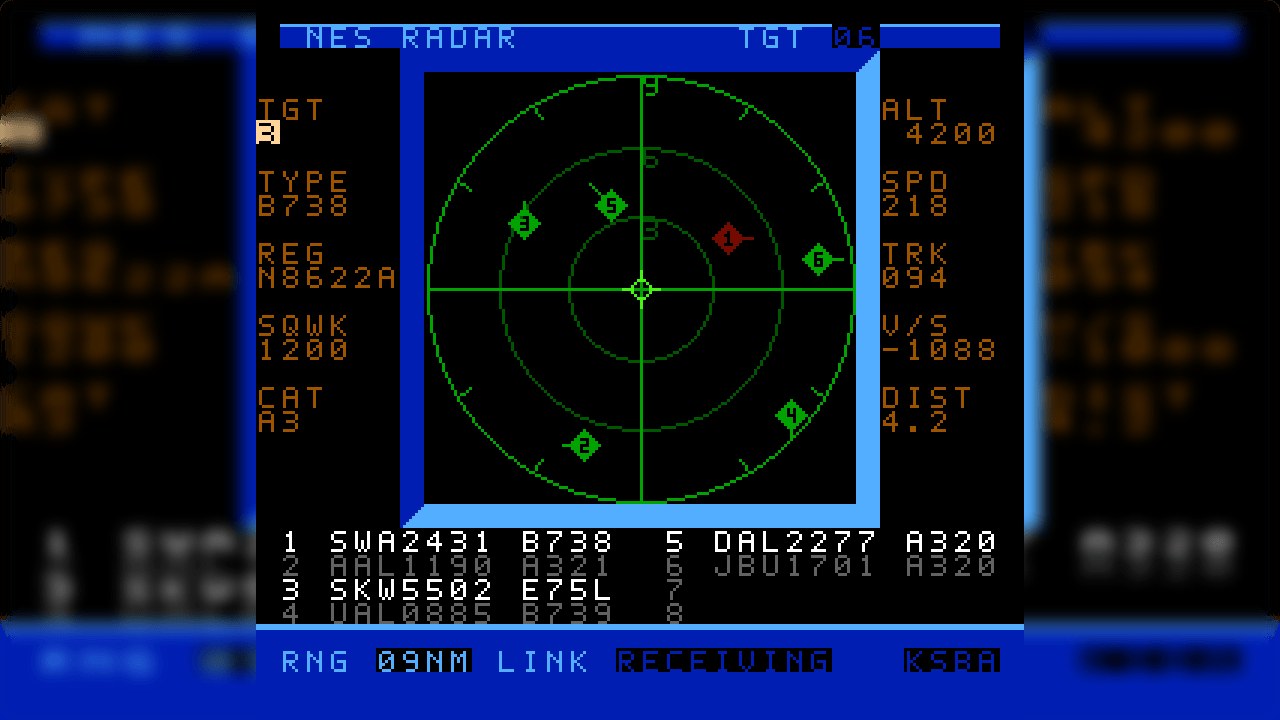
Maker Levi Maaia has turned an unmodified 1985 Nintendo Entertainment System into a live desktop airspace monitor using a simple USB cable and an open-source script. It tracks up to eight planes simultaneously within nine nautical miles, transforming retro hardware into functional desk art.

Developer Tim compressed image generation models to run entirely on a $1 RP2350 microcontroller. The project yields 128×128 RGB portraits in seconds without massive server farms, proving edge devices can handle offline AI.
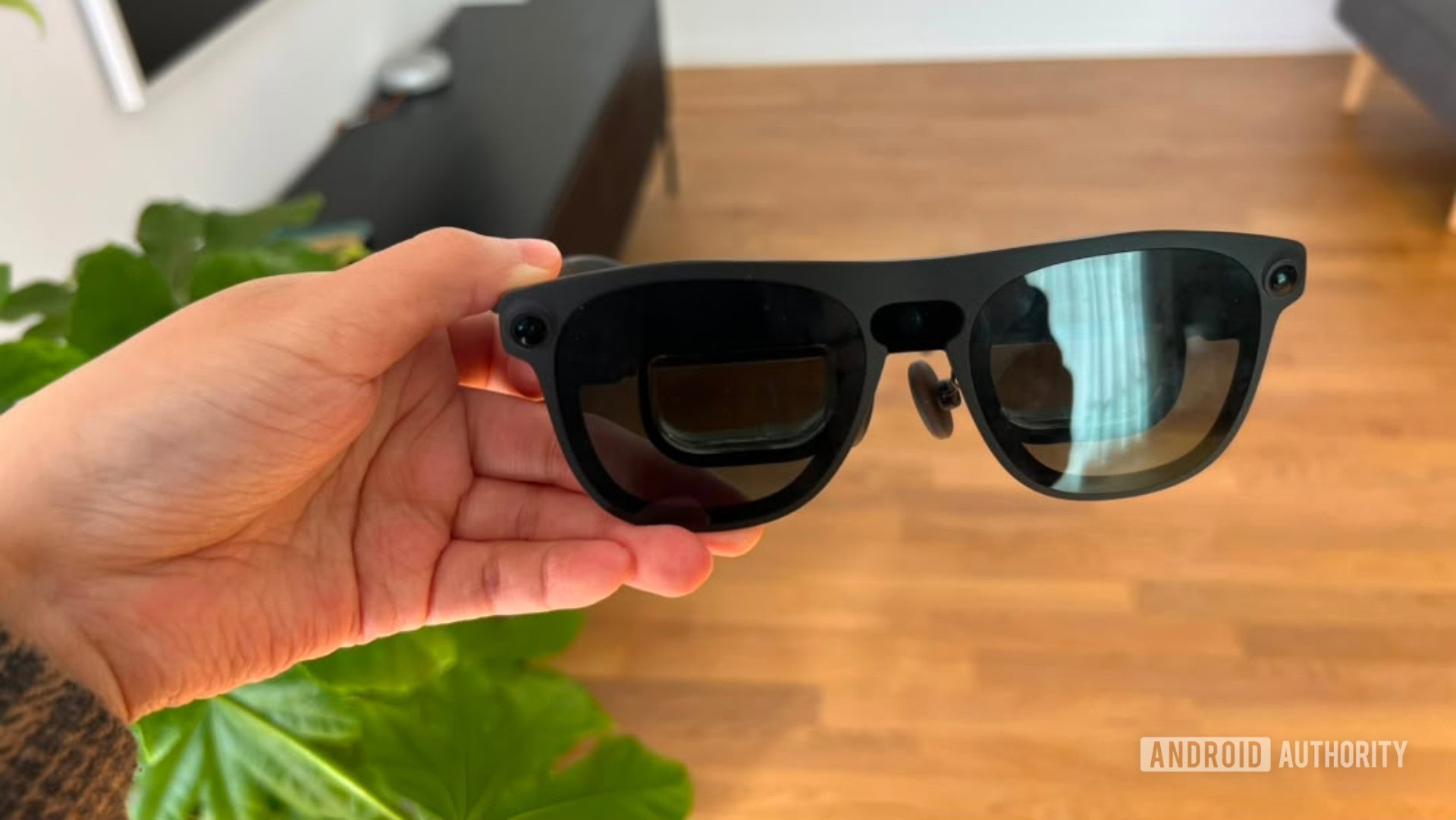
XREAL is preparing to launch the Aura, lightweight smart glasses running Google's Android XR. The headset trades heavy built-in batteries for a pocket-tethered design, giving frequent travelers a multi-window Android workstation under $1,500.
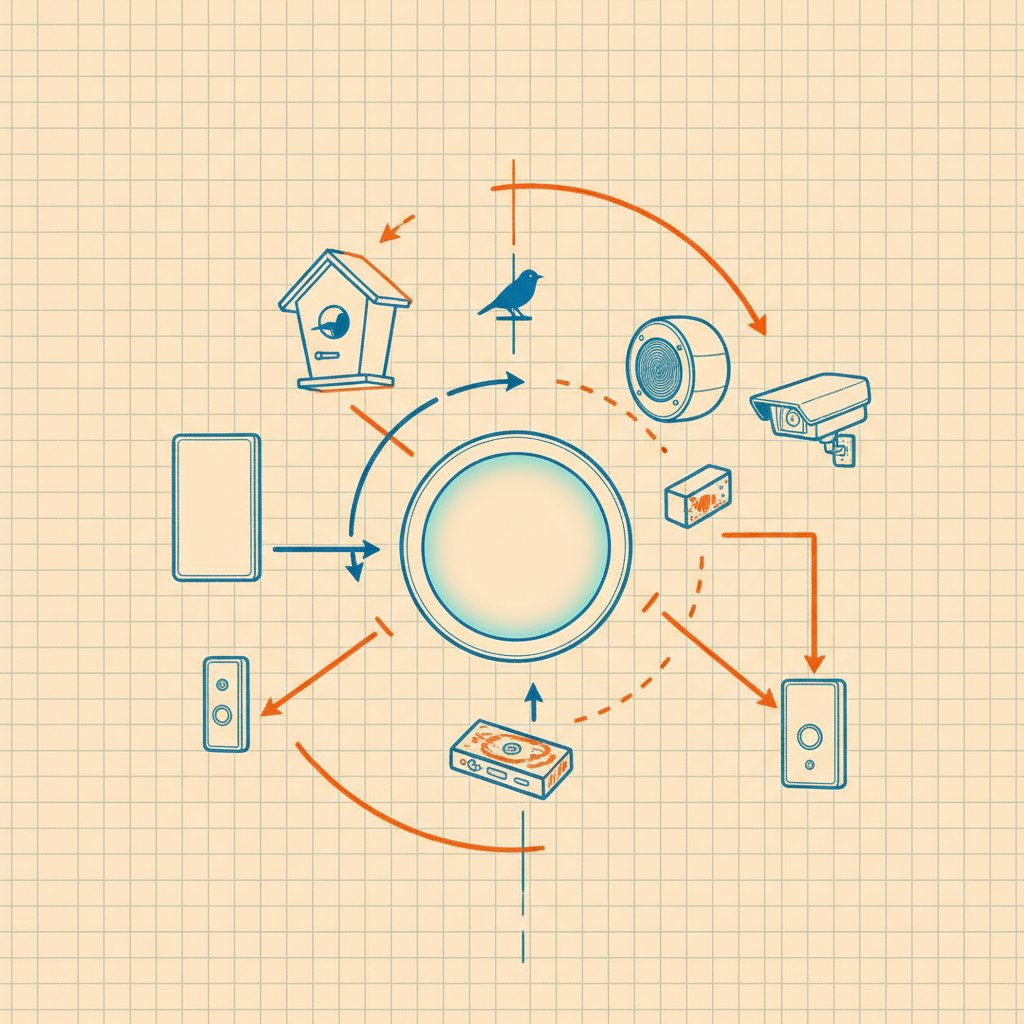
Maker arnegiacomo has built Fugleramme, an open-source gadget that identifies backyard birdsong locally and displays 19th-century botanical engravings on a large E-Ink screen. It cuts out monthly subscriptions, microphones feeding the cloud, and blinding screens in favor of calm, private hardware.
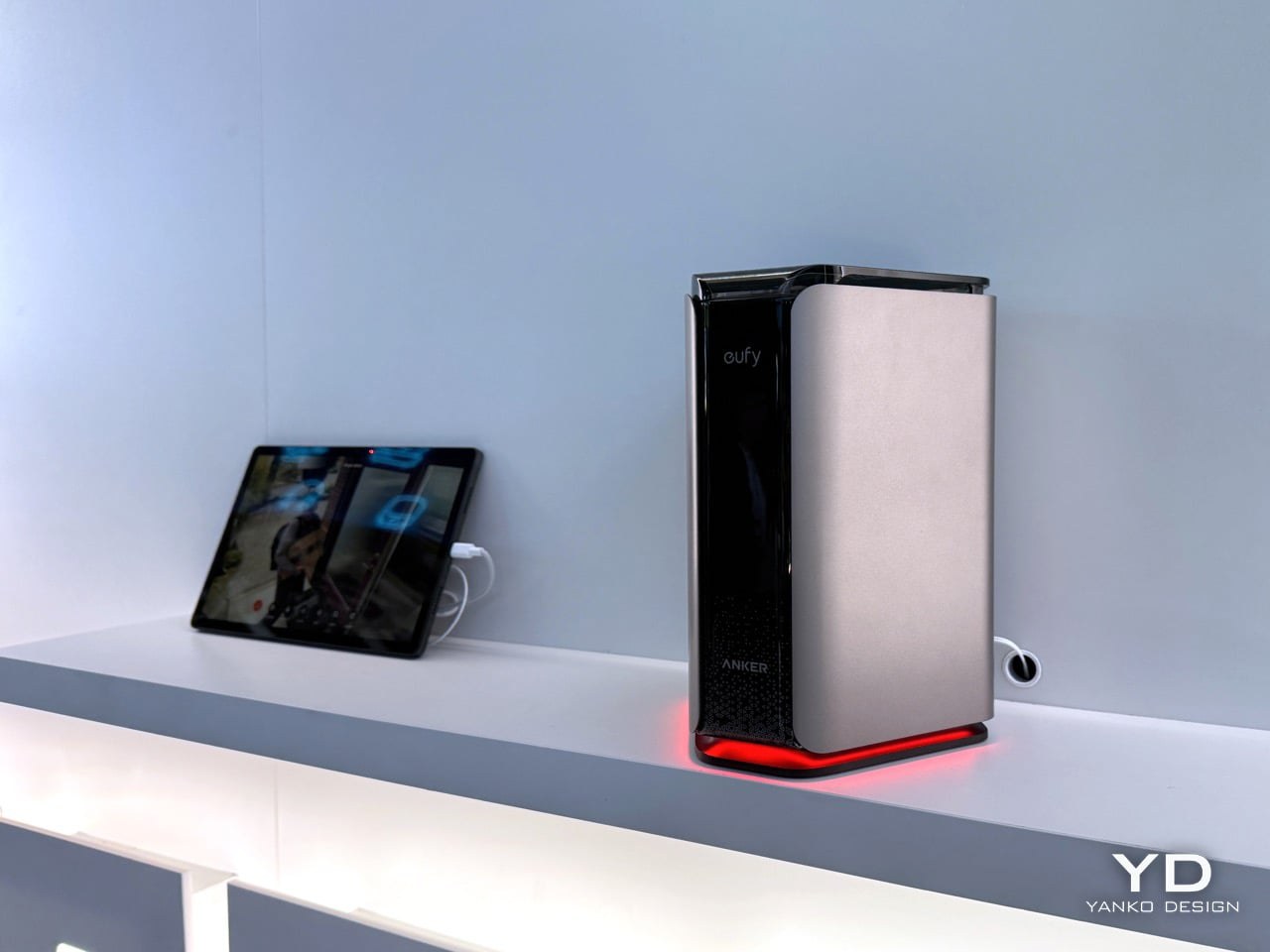
Anker's new MindBase hub rescues older eufy security cameras from the landfill by shifting all video processing and storage locally. Equipped with a 48TB drive bay and a built-in neural chip, it completely eliminates monthly cloud subscription fees.
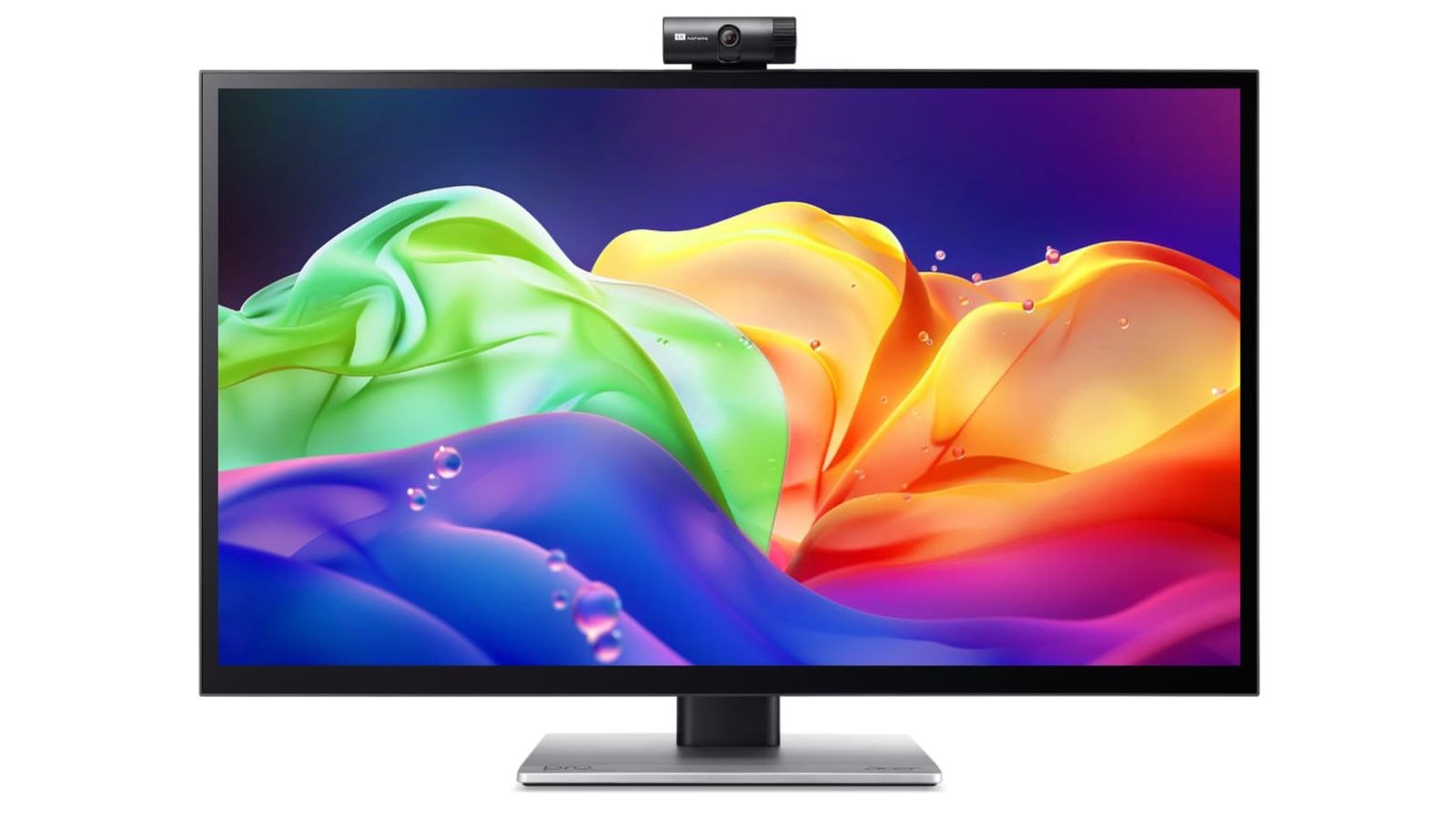
Acer built a 31.5-inch 6K touchscreen monitor meant for digital artists, but it comes wrapped in a bulky 2006-era chassis. Between dim 400-nit backlighting and clumsy macOS touch workarounds, everyday desk life with this giant display involves serious compromises.

ORNL researchers doubled the peak power of saltwater batteries simply by adding 5% household bleach to the electrolyte. The bulkier, fireproof cells cannot fit into smartphones, but startup Coulomb Technology is already preparing them for data centers and power grids.

Hardware startup Neufangled has introduced the Stringman, an aerial cable-driven manipulator designed to pick up dropped items from above. The $965 device avoids floor obstacles, but exposed wiring and heavy external PC requirements make it a better fit for robotics labs than ordinary homes.

Advanced robot mowers unveiled at IFA 2026 feature mechanical arms that finally eliminate manual edge trimming. However, sweeping U.S. security bans on foreign autonomous hardware mean American buyers cannot purchase these border-clearing models.

An experimental cooling jacket drops traditional electric fans and heavy batteries in favor of swappable liquid CO2 cartridges. Instead of recharging a power bank, users snap in compressed gas canisters using a magnetic lock for instant torso relief.
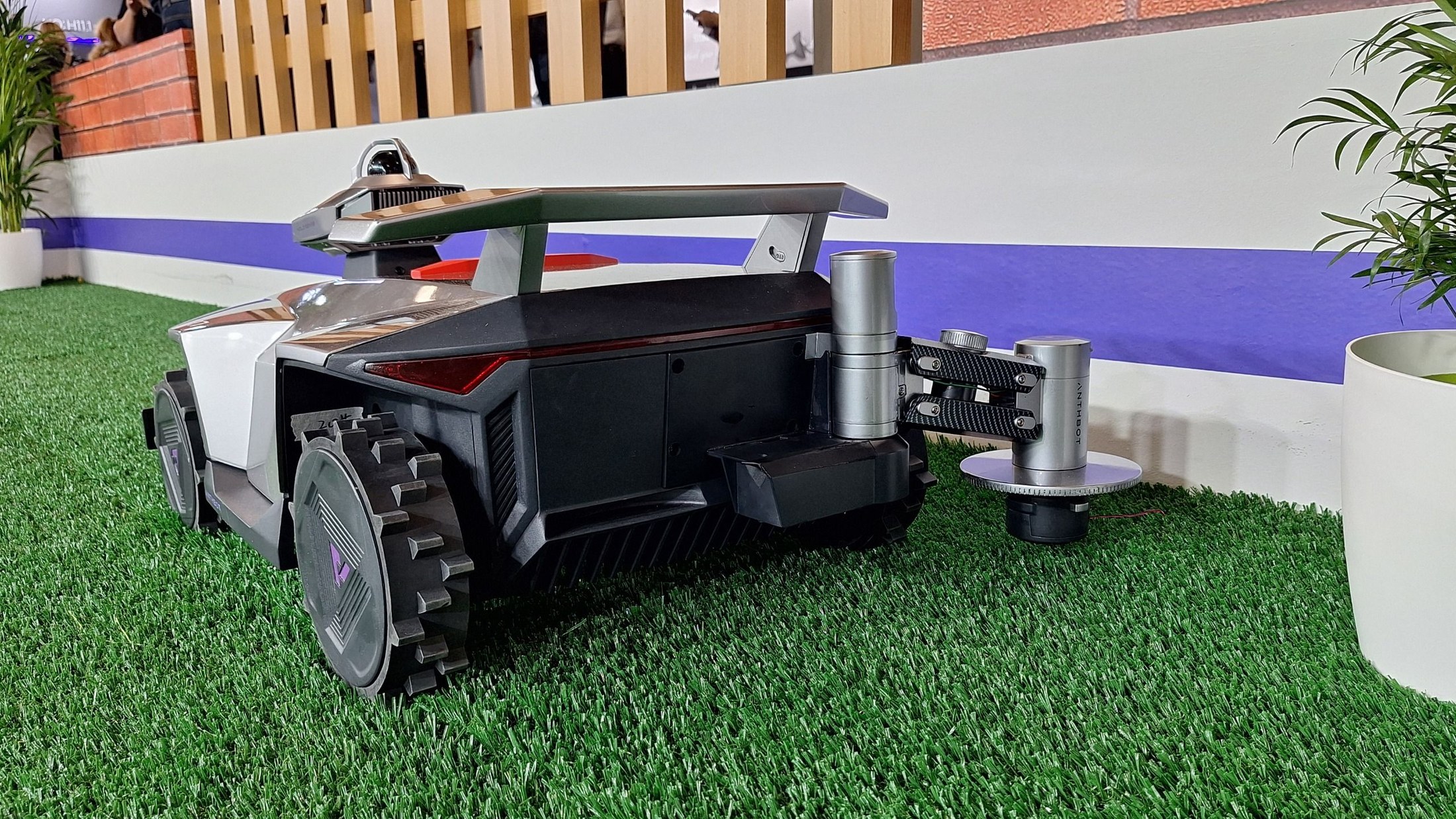
The Anthbot R7 series addresses the chronic blind spots of robot mowers by mounting a physical string trimmer on a side arm. Along with thermal sensors designed to spot hidden hedgehogs, the system aims to eliminate manual fence-line touch-ups, though its mechanical durability on rough soil remains untested.

Starting September 3, 2026, owners of Nanoleaf Shapes can integrate wall panels into the Philips Hue app using a $39.99 adapter. The dongle unlocks Hue features like entertainment sync, but forces users to unplug the original controller and lose physical touch buttons.
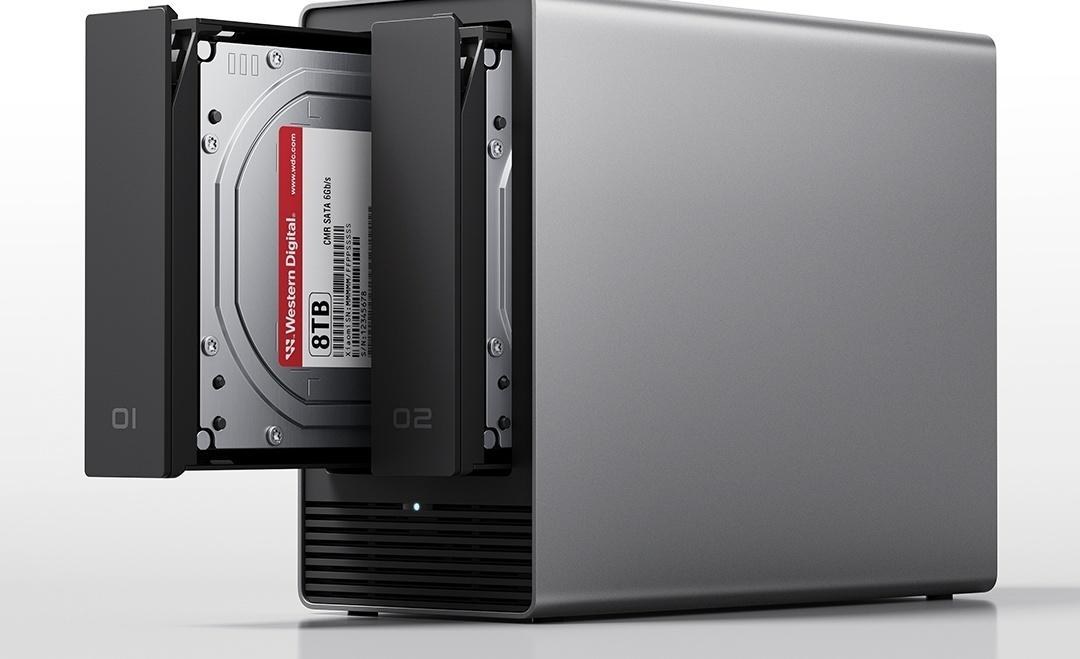
Xiaomi launched Smart Storage, a consumer-friendly home NAS with up to 60 TB capacity and AI media sorting. It turns local drives into an automated private cloud for up to 16 users, targeting families tired of paying recurring subscription fees to Apple and Google.

Nubia launched the Magnetic Phone Cooler Neo, promising sub-zero plate temps for $15. While the Peltier module delivers impressive cooling on paper, thick phone chassis and tethered cables limit its real-world benefits for gamers.
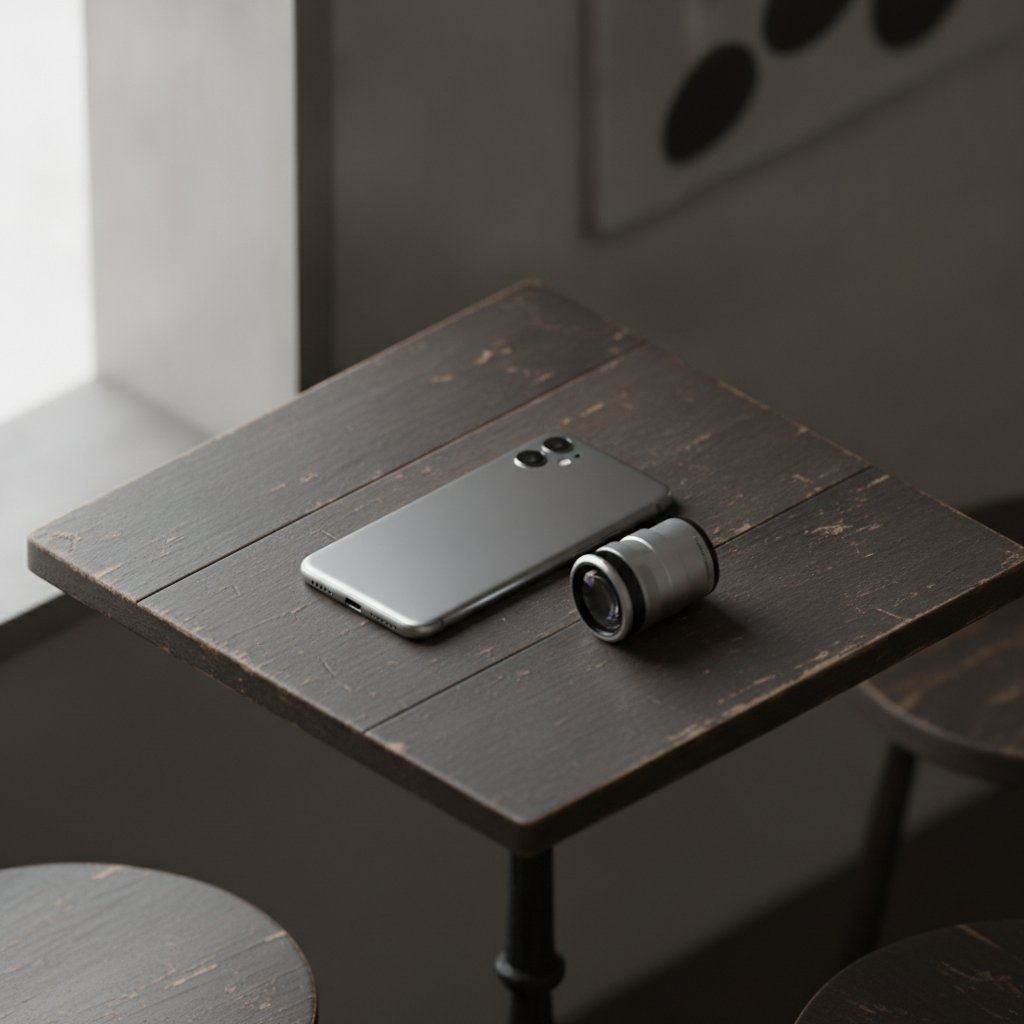
Oppo reportedly plans to test a clip-on telephoto camera module on the Reno 17 to keep the phone ultra-thin. While this removes the rear camera bump, history shows that modular mobile optics fail against built-in periscopes when it comes to daily convenience.
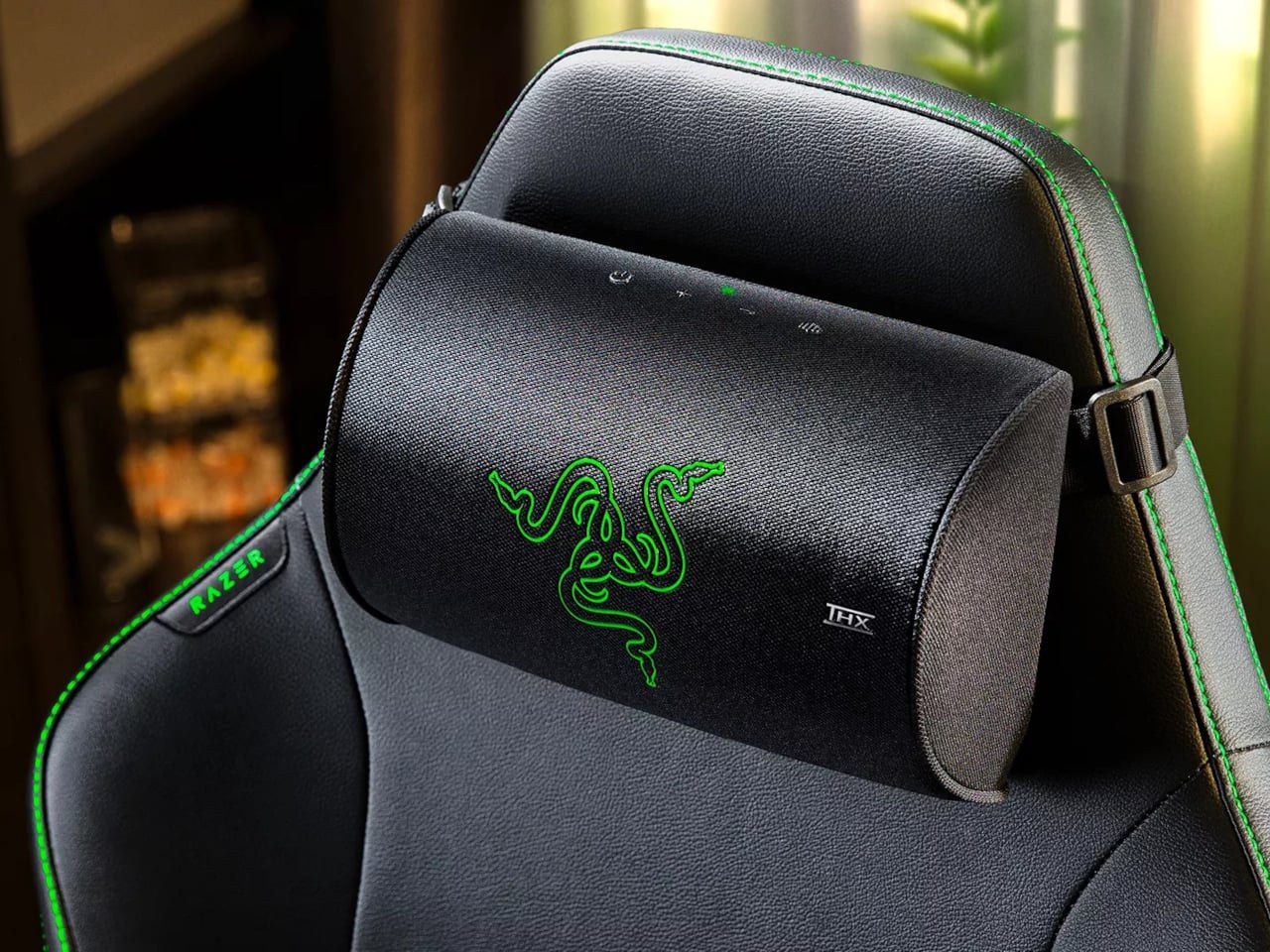
The Razer Clio X mounts a spatial audio speaker system straight into a chair headrest, letting players escape heavy headsets. It connects via low-latency wireless, though you will need to run a USB-C power cable to your seat.

Maker zomb23 has built a mechanical step sequencer that replaces digital menus and touchscreens with ordinary LEGO bricks mounted on a revolving cylinder. Using a smartphone camera and computer vision, the setup translates physical plastic placement into real-time audio loops.
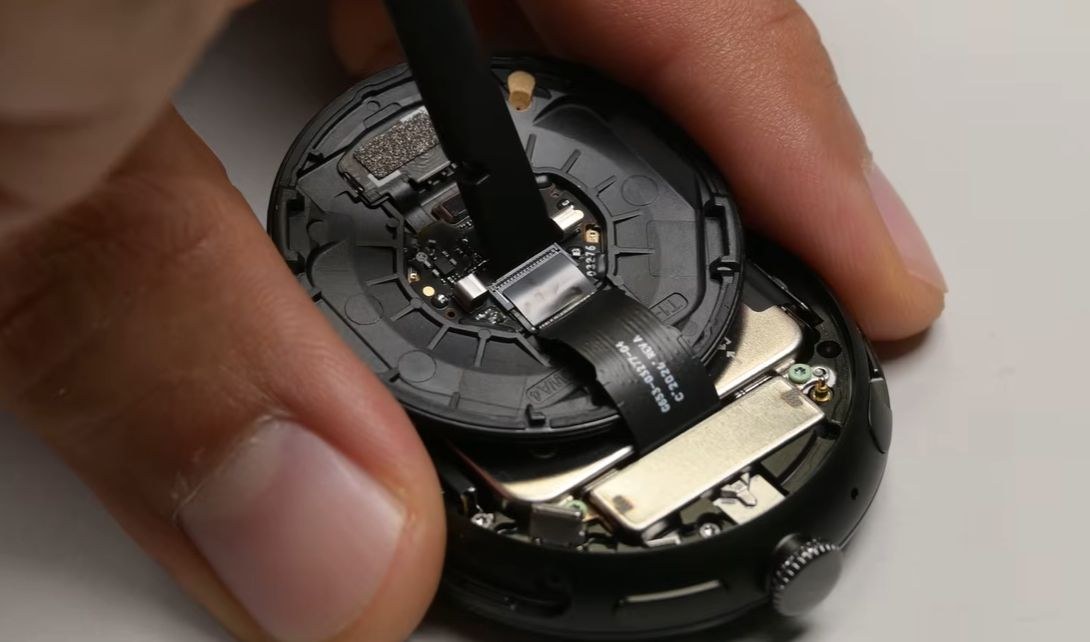
Google's newest wearable ditches industrial glue in favor of standard screws and a reusable rubber seal, earning a 9/10 repair score from teardown experts at iFixit. For buyers, this means a dead battery or cracked screen no longer automatically turns an expensive gadget into disposable trash.

SwitchBot's featherweight AI lapel pod automatically turns spoken meetings into organized task lists and transcripts. But offloading audio to the cloud brings hidden subscription fees and social friction in public spaces.
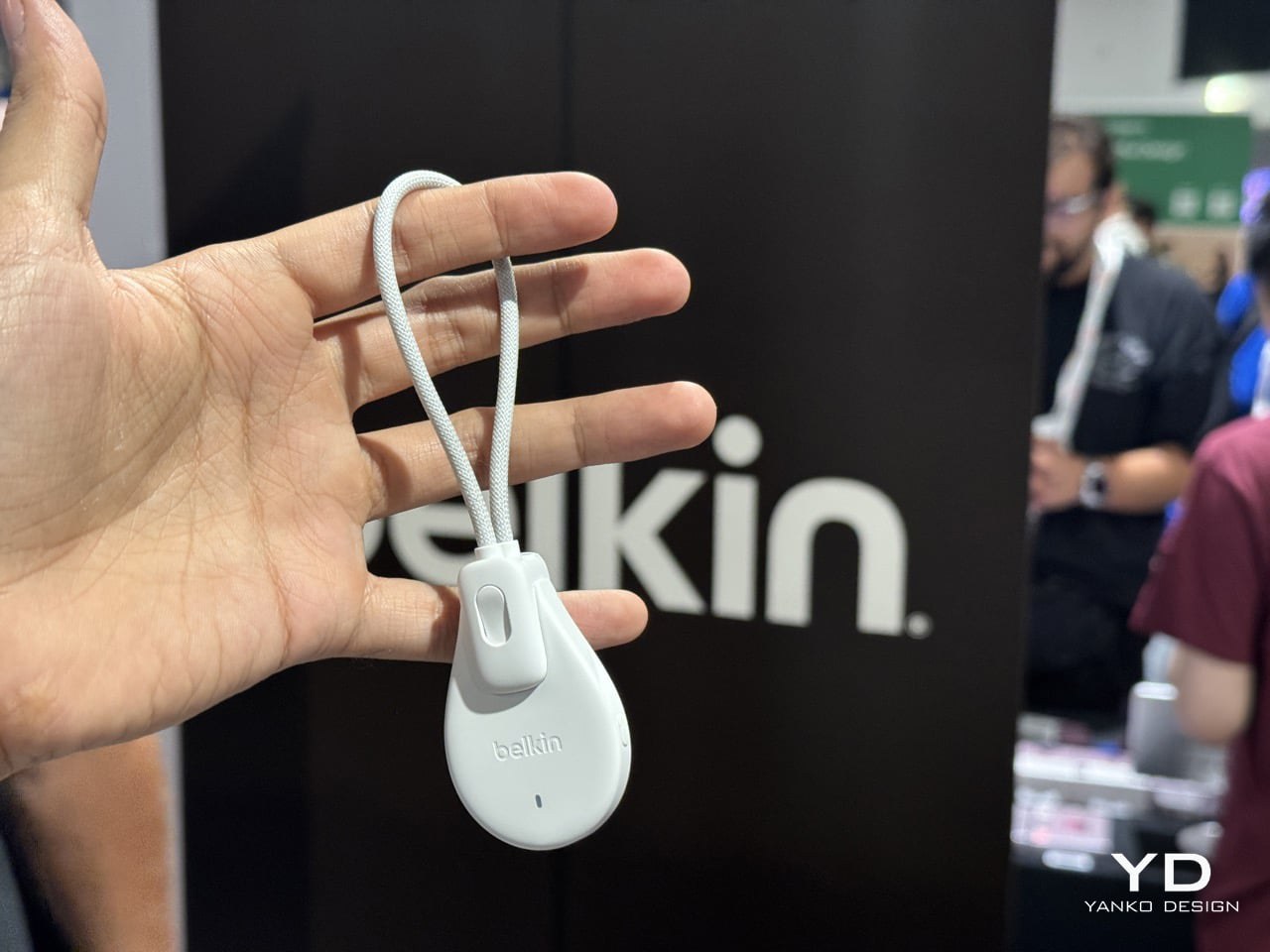
Belkin's new SureFind Loop replaces disposable batteries with a built-in USB-C cable that can charge your phone in a pinch. The $24.99 tracker works with Apple Find My and Google Find Hub, arriving this September across major regions.
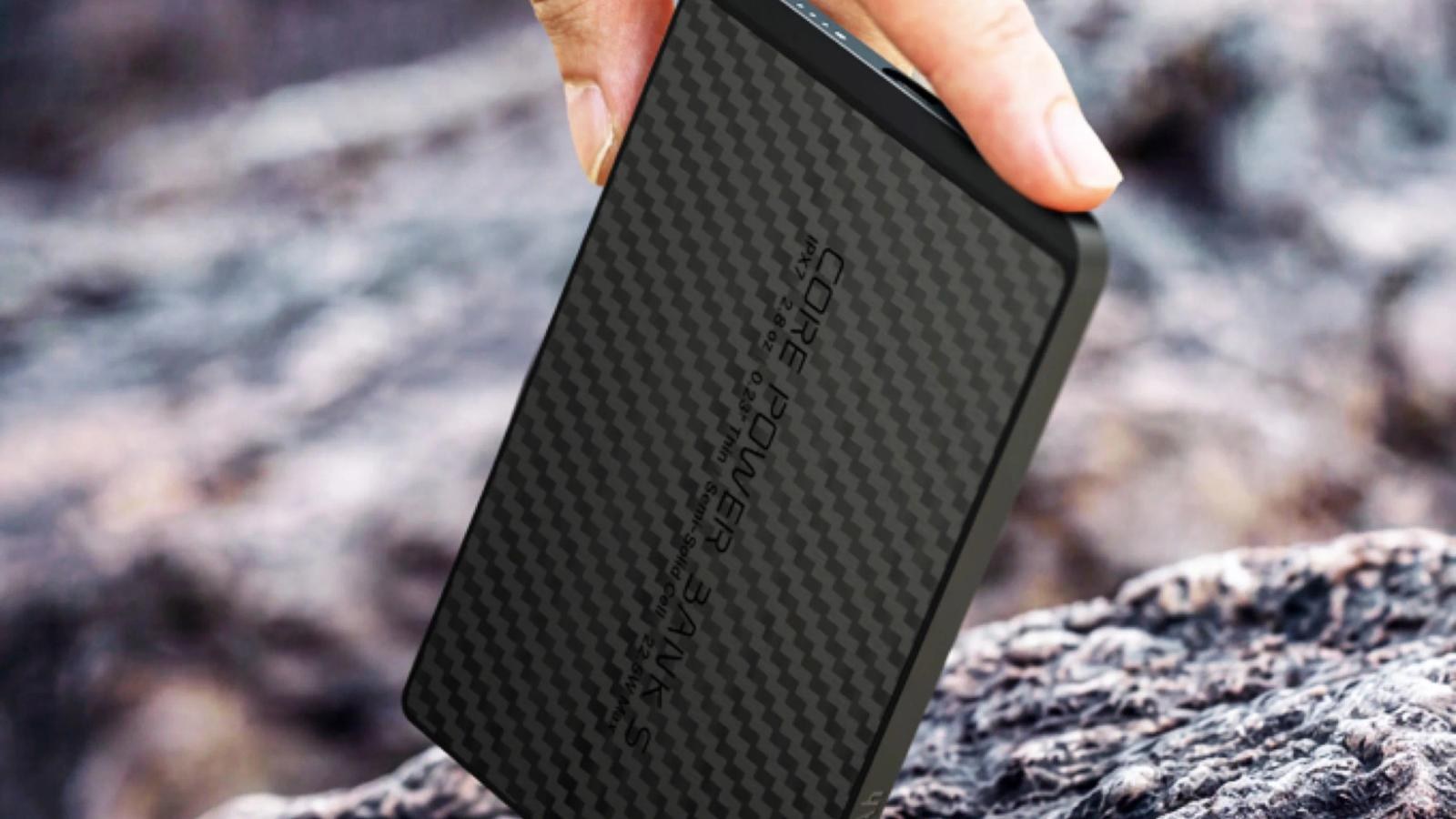
Oztech Lab has crowdfunded the Core Power Bank S, an ultra-thin 78-gram battery pack built into a carbon-fiber, water-resistant chassis. It delivers 22.5W fast charging for $32, though backers will face an unusually long wait for shipping.

Passing a smartphone back and forth ruins a conversation, so Timekettle built AI translation earbuds with industry-specific vocabulary for face-to-face meetings. For tourists, free phone apps are still plenty, but cross-border professionals get low-latency audio processing directly in their ears.
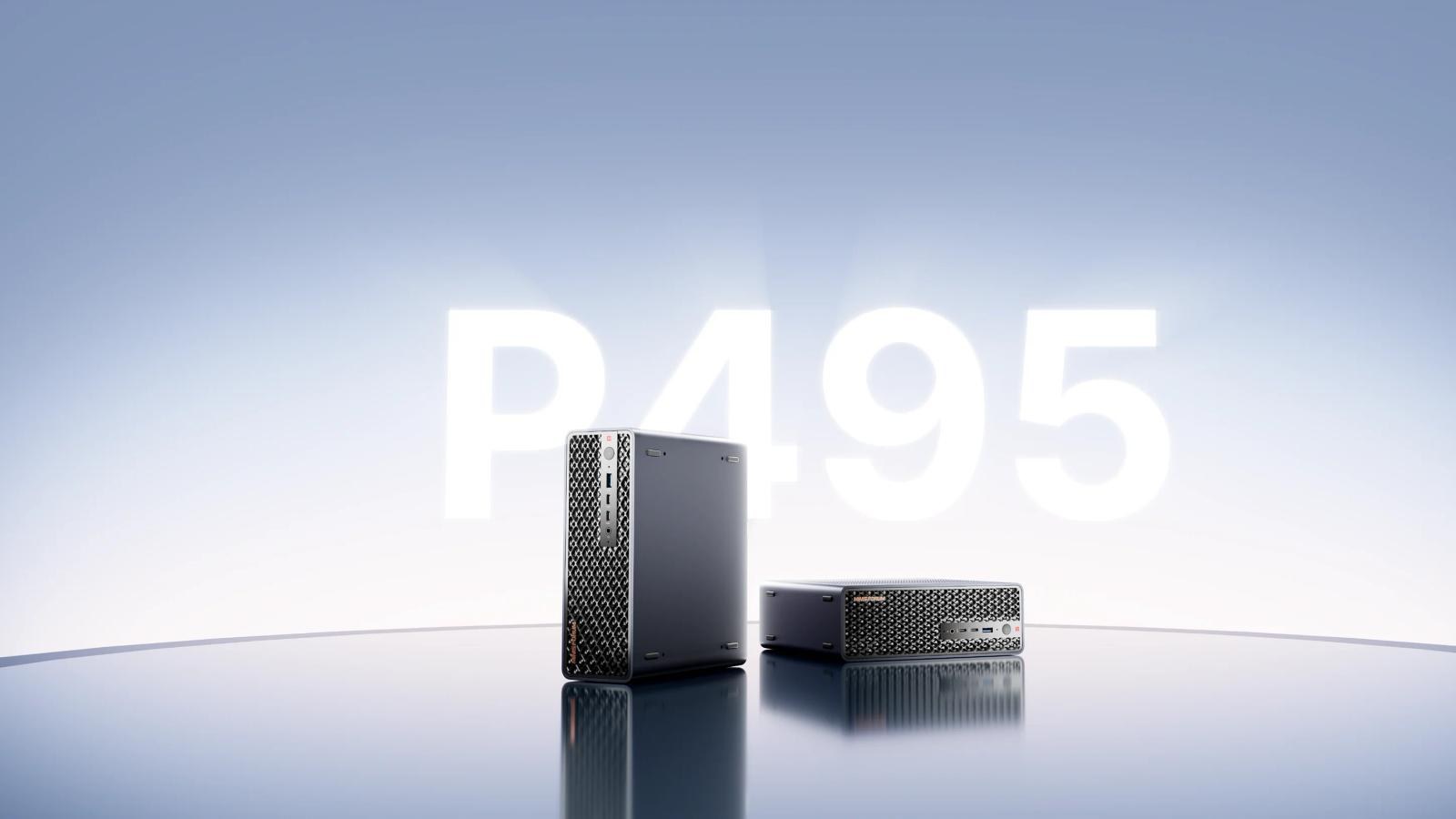
Minisforum has introduced the MS-S1 MAX-P495 workstation, cramming an AMD Ryzen AI Max+ chip and 192 GB of unified memory into a palm-sized chassis. Priced near €7,000, it is built exclusively for enterprise engineers looking to host massive AI models locally.
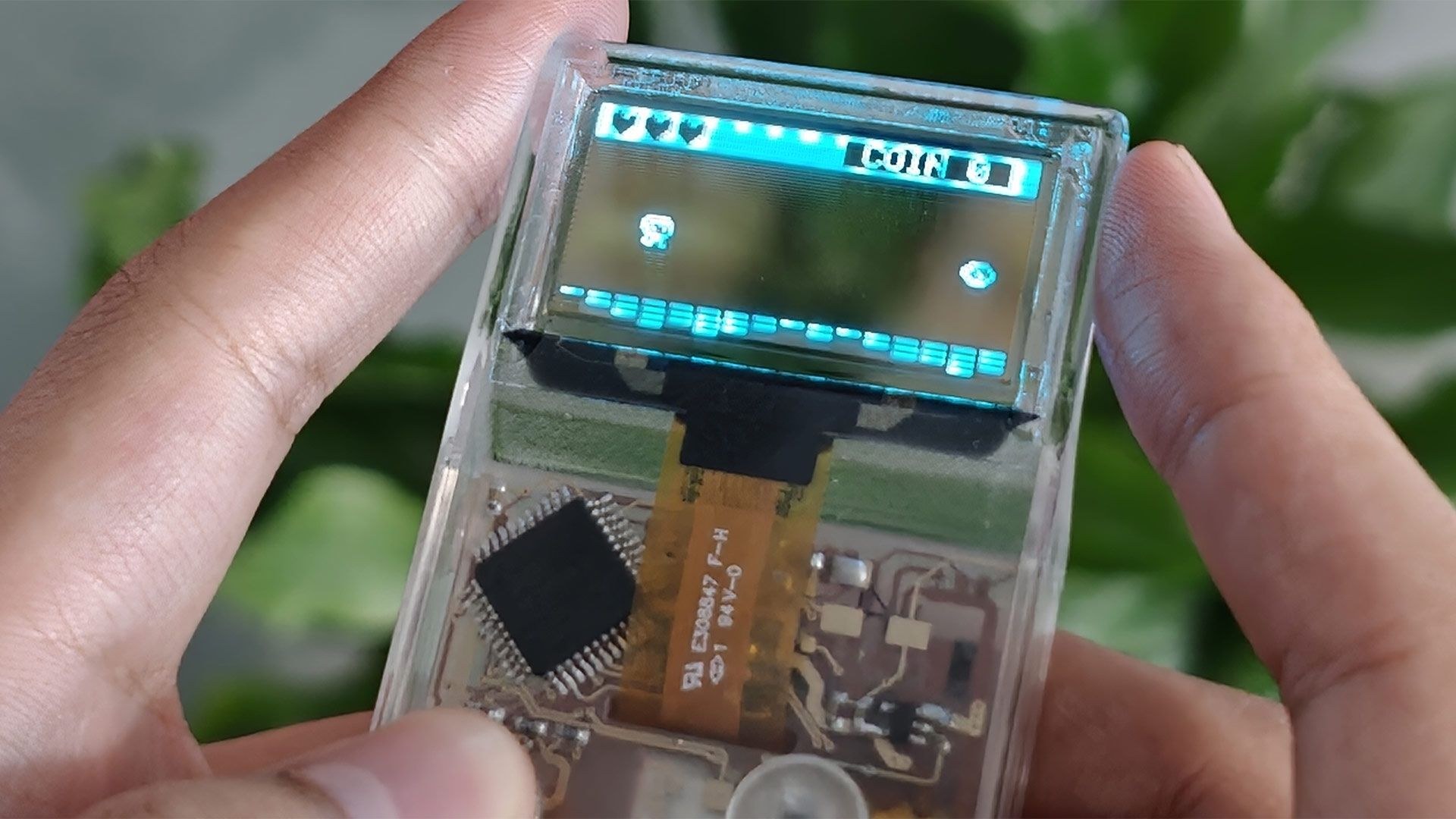
Student inventor Louis Huang built a 50-gram retro console featuring a completely see-through screen, circuit board, and case. Pre-loaded with 400 games and priced at $100, the crowdfunding project requires a long wait until 2027 fulfillment.
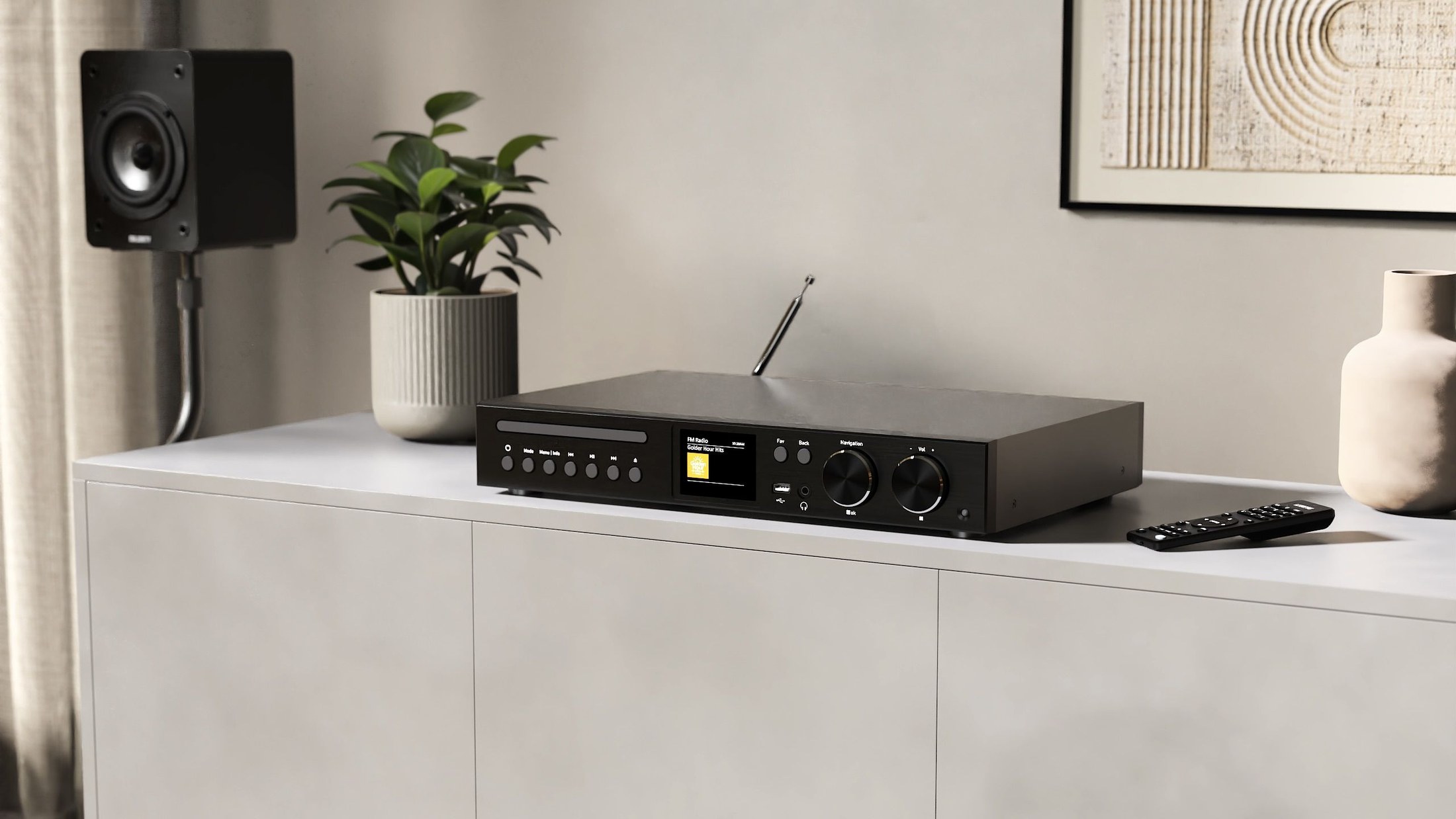
British audio maker Majority has released four hybrid audio devices that combine physical CD playback with modern streaming apps like Spotify Lossless. These systems let buyers keep their physical music collections while ditching complex, expensive multi-component setups.

Hardware enthusiast fregacmols converted an authentic rotary telephone into a desktop cellular phone using an external interface module. The mod preserves the original shell completely while routing physical dial pulses and ringing real brass bells over a cellular connection.

Tecno showcased an IFA concept smartphone featuring dual-layer curved glass that hides black screen borders using an optical lens effect. While striking under showroom lights, the design makes fitting a case impossible and introduces major accidental touch problems. It remains a trade-show showcase rather than a practical daily driver.
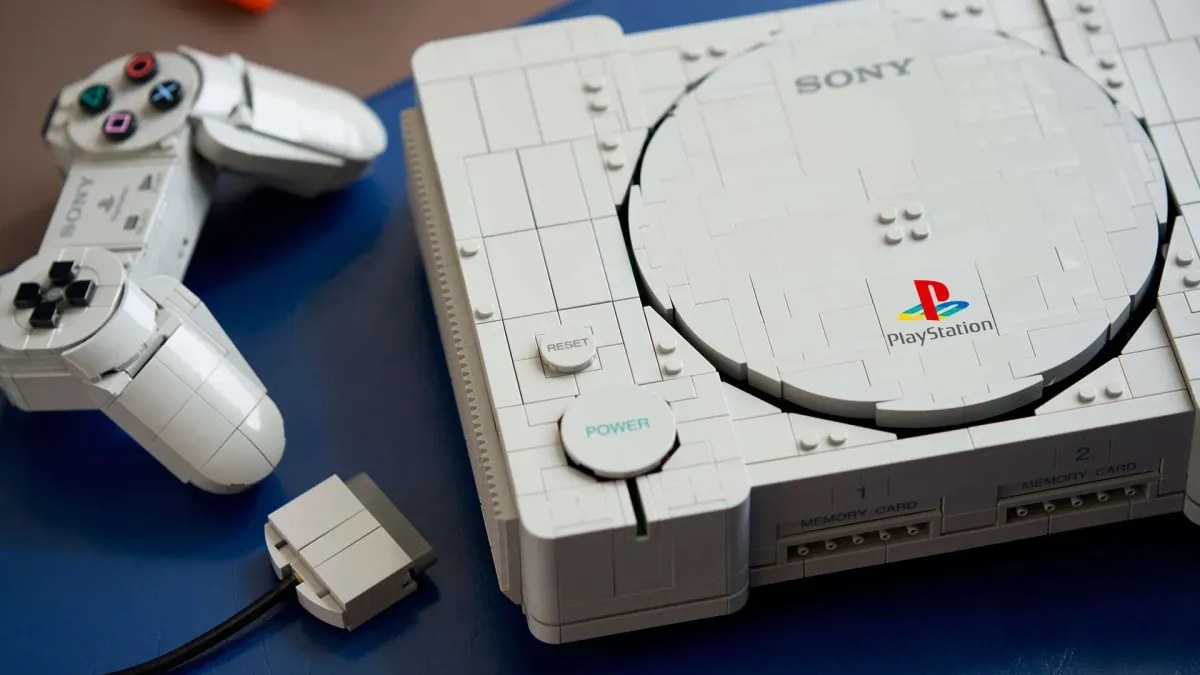
Thomas Bertani’s BrickBoy team is designing a custom Raspberry Pi module that slides into LEGO's upcoming PlayStation set. For over $250 total, collectors get a working emulation machine operated by the model's actual power button.
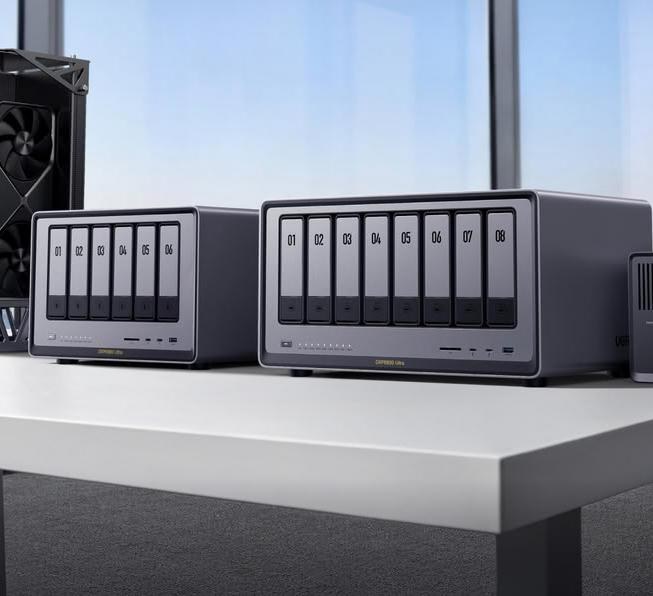
Ugreen unveiled the NASync DXP6800 Ultra and DXP8800 Ultra, packing laptop-grade Intel Core processors and direct display outputs into multi-bay network storage enclosures. The hybrid design serves as both a high-capacity local cloud and a standalone desktop PC. Units start at $1,450, offering a powerful alternative to recurring cloud subscriptions.

The Miele G8 Diamond snaps a single photo as you close the door to map your dishes and adjust water pressure automatically. Launching in Germany, Austria, and Switzerland in April 2027, this luxury appliance promises hands-off cleaning for a steep price, though physics still limits what spray arms can reach.
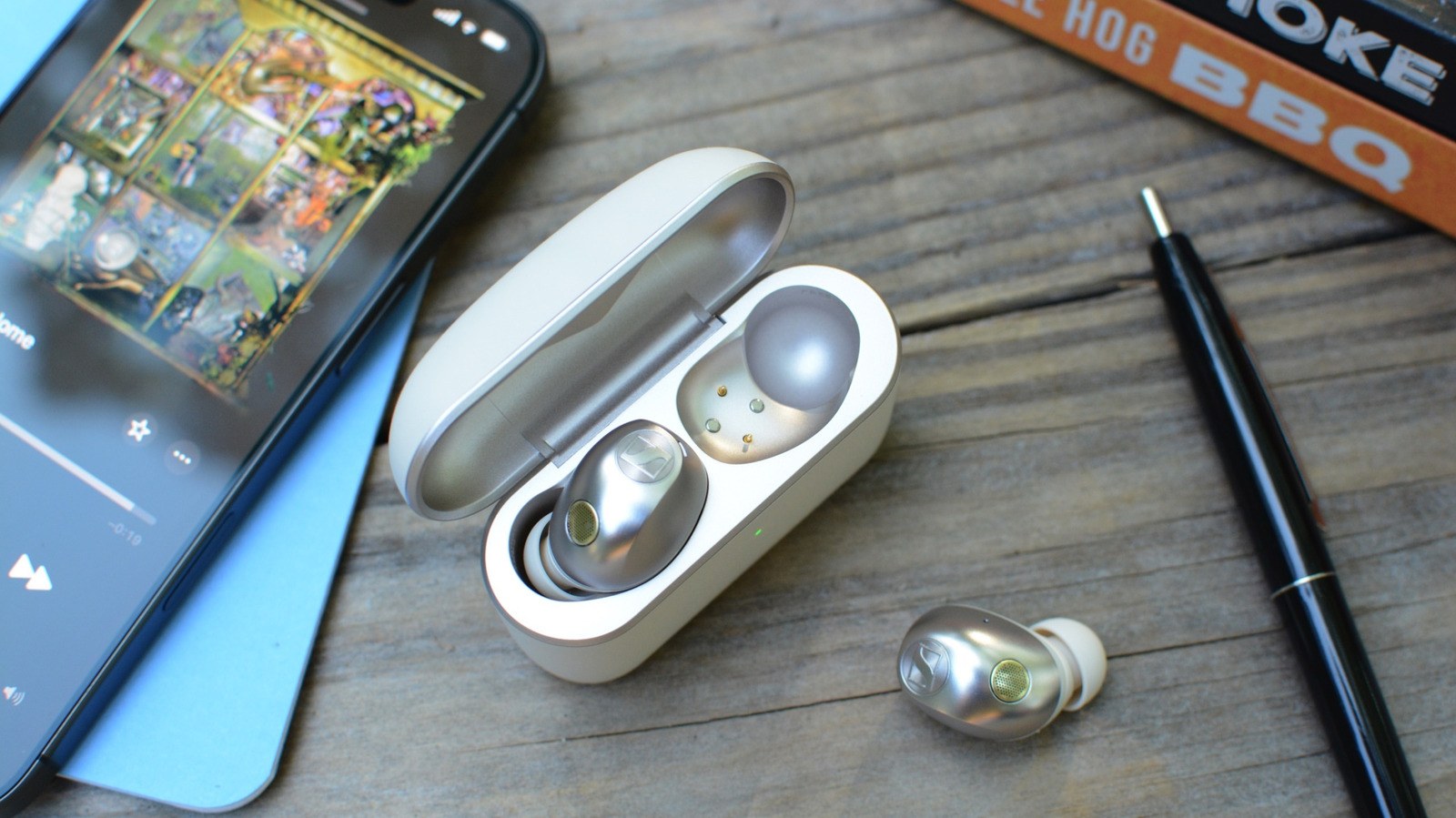
Sennheiser has unveiled the Momentum True Wireless 5, tackling disposable electronics with user-replaceable batteries in both the earbuds and the case. The $300 flagship offers up to 12 hours of ANC runtime and bundles a specialized opening tool for DIY repairs.
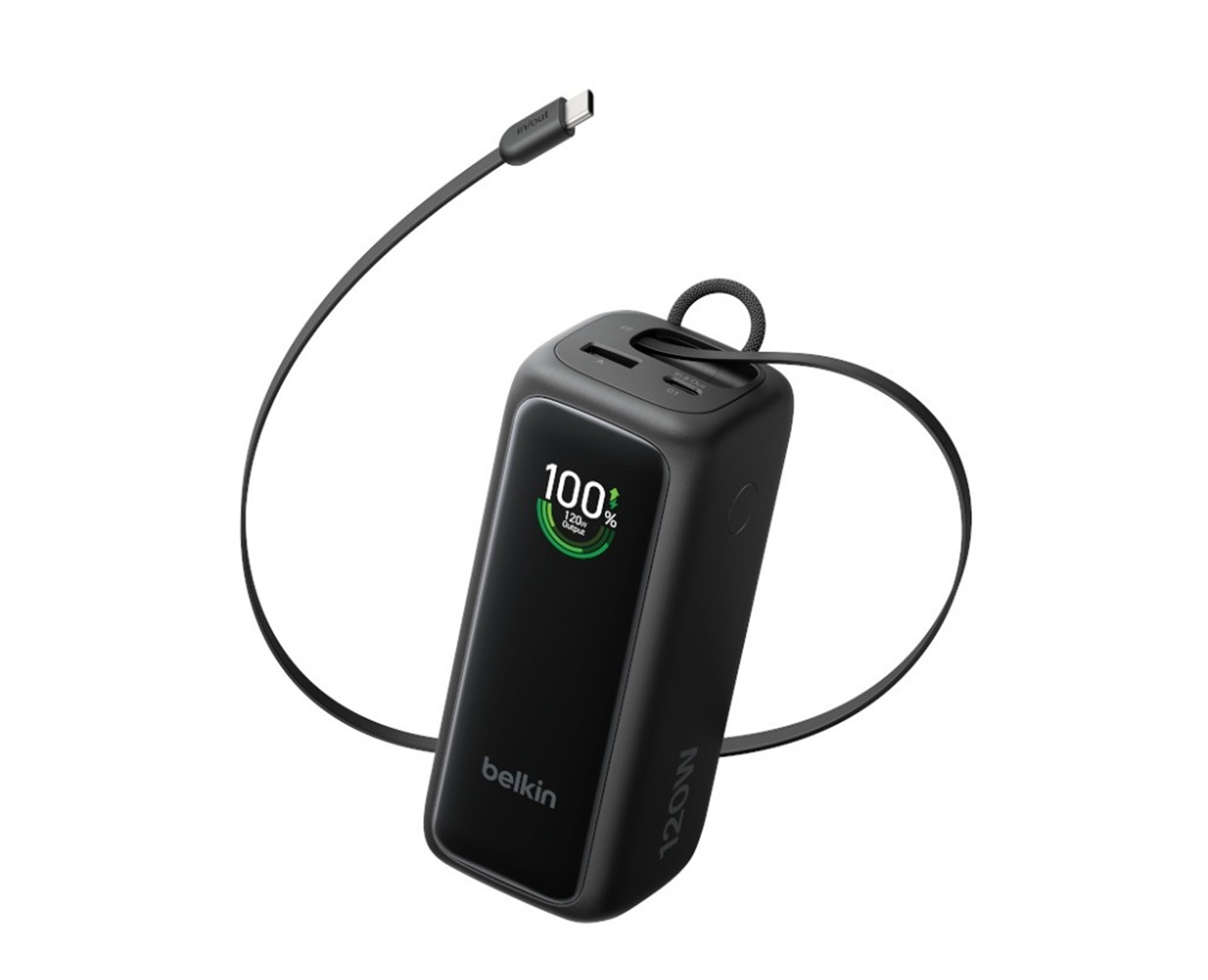
Belkin introduced the $100 UltraCharge 22K featuring a gel-like cell structure designed to stop internal swelling and lower temperatures during high-wattage charging. The new lineup hits stores in early September alongside compact options and tracking tags.

The 13.3-inch Ugreen Gallery uses paper-like color E-Ink technology to hold static images without pulling power from the wall. Backed by a massive 10,000 mAh battery, the frame hangs anywhere like a real painting and syncs directly with home storage to cycle through family photos.
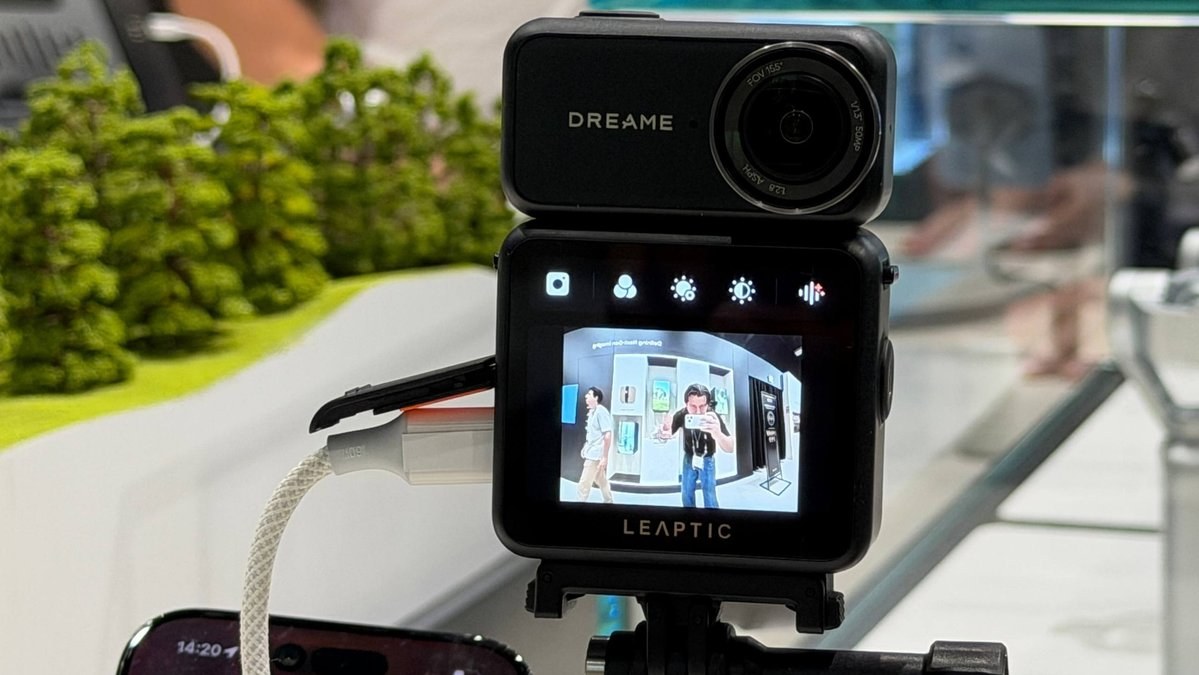
Vacuum maker Dreame has introduced the Leaptic Cube, a $449 modular 8K action camera with a detachable lens block and a wireless screen base. The hardware delivers versatile vlogging angles, though split battery management and heavy stabilization crops make it a niche alternative to rugged market incumbents.
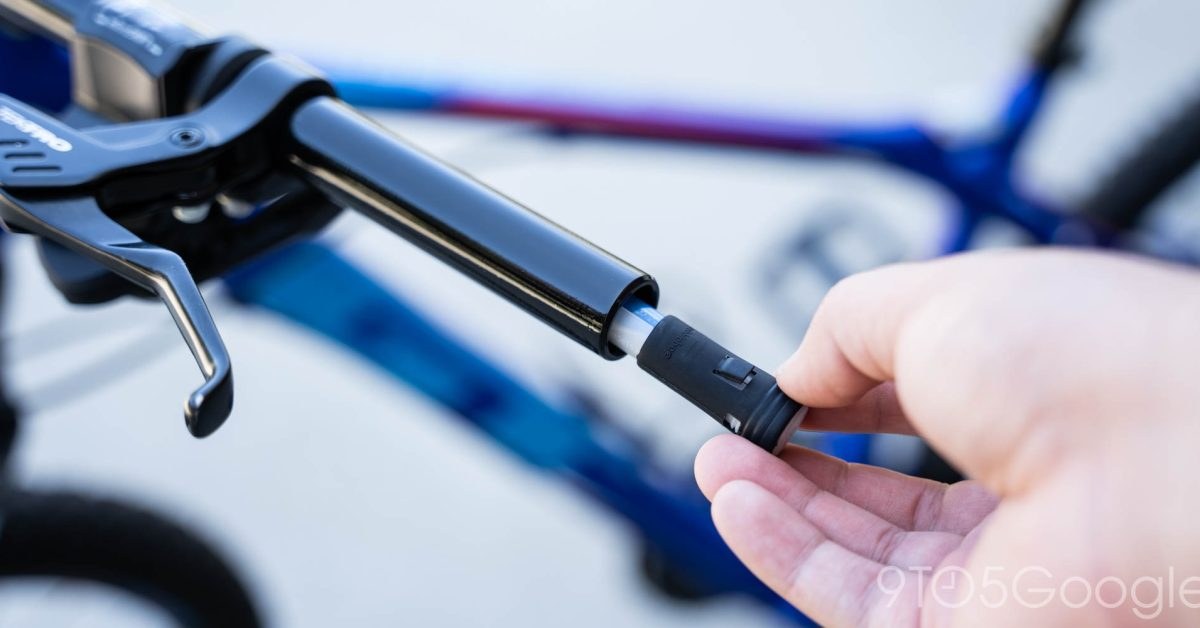
Pebblebee built the LÔC8 cylindrical tracker to slip directly inside hollow bike handlebars or golf club shafts instead of dangling as a tempting keychain. It connects to both Apple and Google tracking networks for a three-year lifespan, though finding its rare replacement battery later on will test your patience.
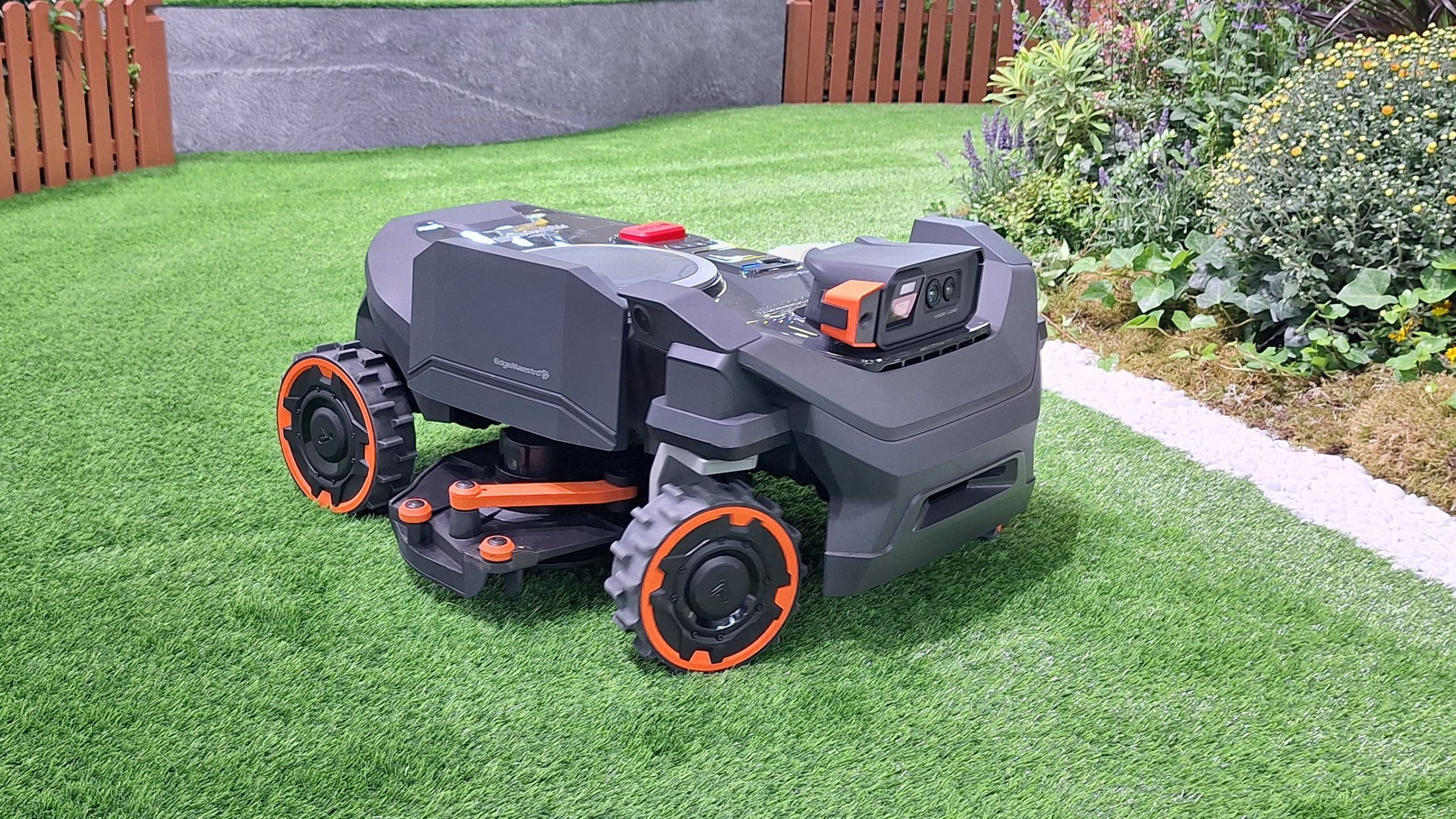
The Segway Navimow H510 Pro features a motorized cutting deck that extends by nearly three inches to cut grass flush against walls and fences. This mechanical reach finally solves the annoying need to follow up an expensive robot with a manual string trimmer.
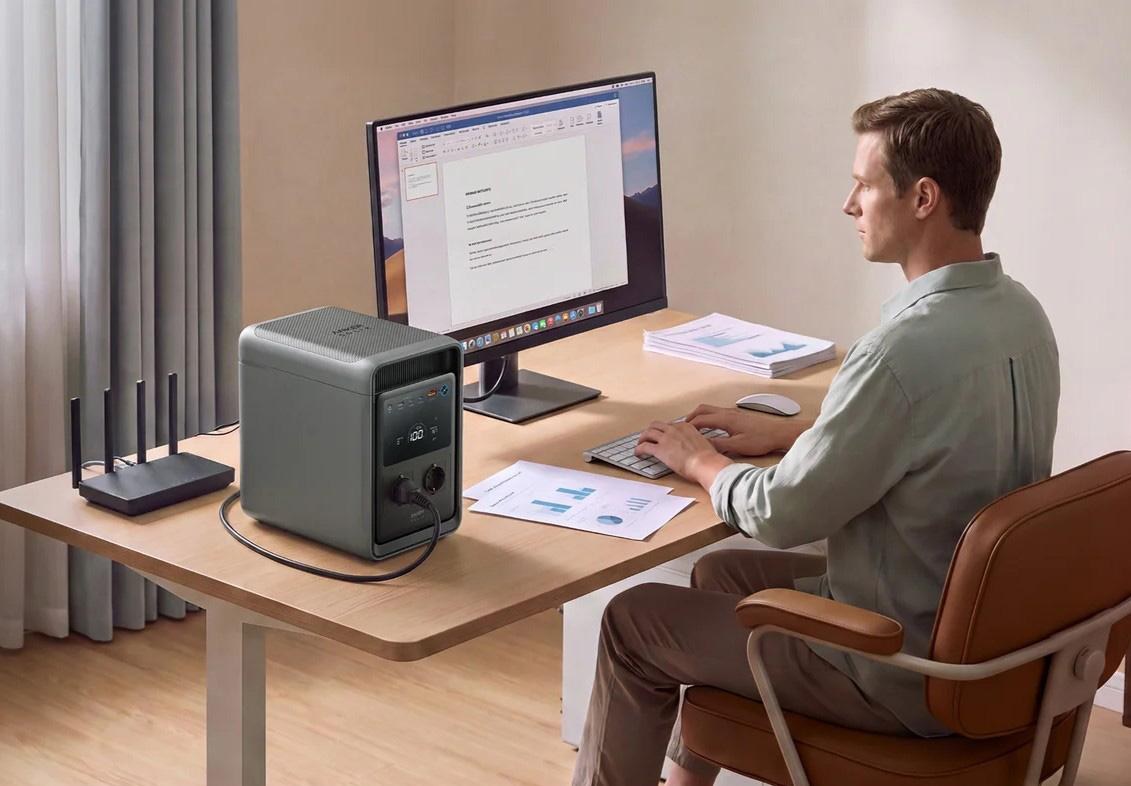
Anker introduced the Solix S2000 portable power station in Europe, cramming 2,010 Wh of LFP battery storage into a manageable 16.2 kg frame. The €700 unit delivers 1,500 W of continuous power and fast UPS failover, offering urban households a quiet alternative to fossil-fuel generators during power outages.
An enthusiast created open-source firmware for the off-the-shelf M5Stack Stick PLUS 2, turning the tiny gadget into a universal Bluetooth shutter remote. The pocket-sized device eliminates clunky smartphone apps and replaces costly proprietary triggers with tactile, reliable hardware control.

iRobot's new concept tackles hard-to-reach dust by packing a slim secondary vacuum inside a heavy-duty scrubbing unit. A built-in robotic arm deploys the smaller bot under low furniture before docking it back onto the mothership. While mechanically impressive, the setup introduces double the maintenance points and complex hardware.
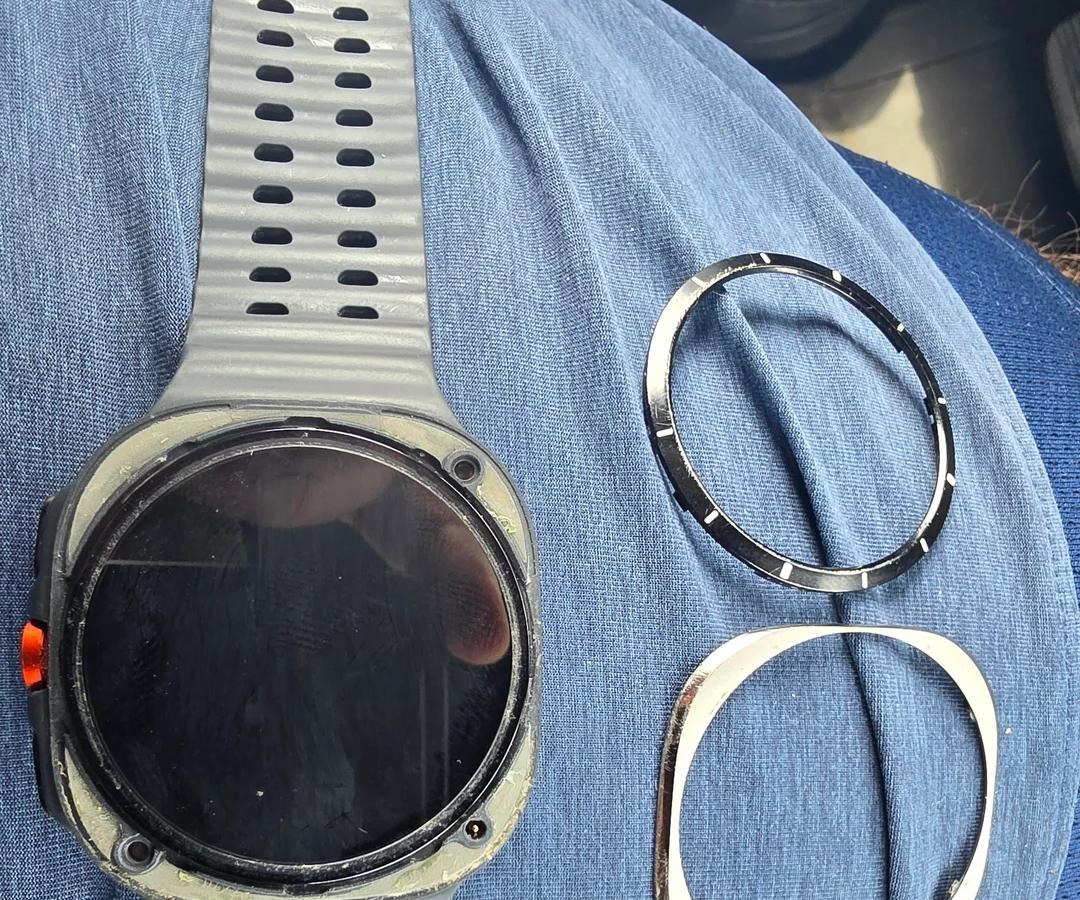
Owners of the premium Samsung Galaxy Watch Ultra report that the top bezel panel detaches during regular daily use due to adhesive failure. The defect destroys the watch's water resistance, and service centers are refusing free warranty repairs.
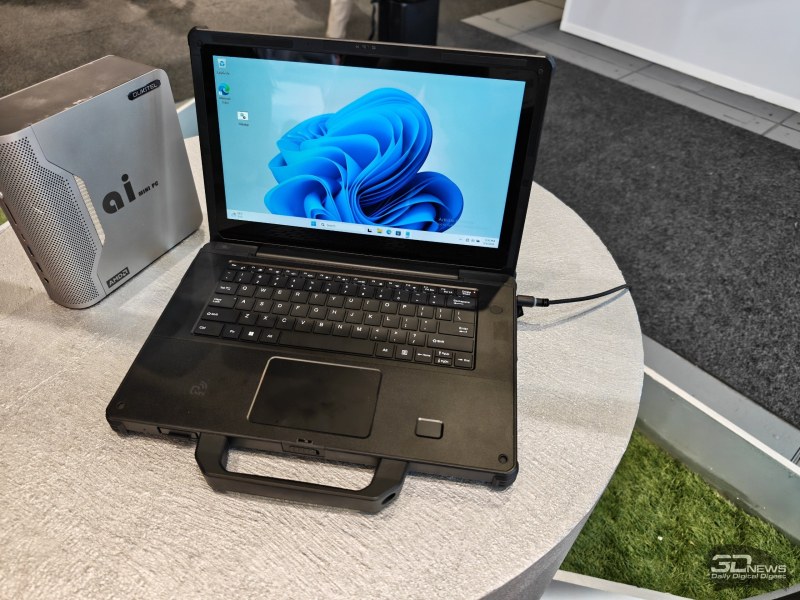
Oukitel has unveiled the RG14-P, a rugged laptop featuring an integrated solar panel on its outer lid. While built to survive drops and harsh weather, the tiny photovoltaic surface adds noticeable bulk without generating enough power for real-time field work.
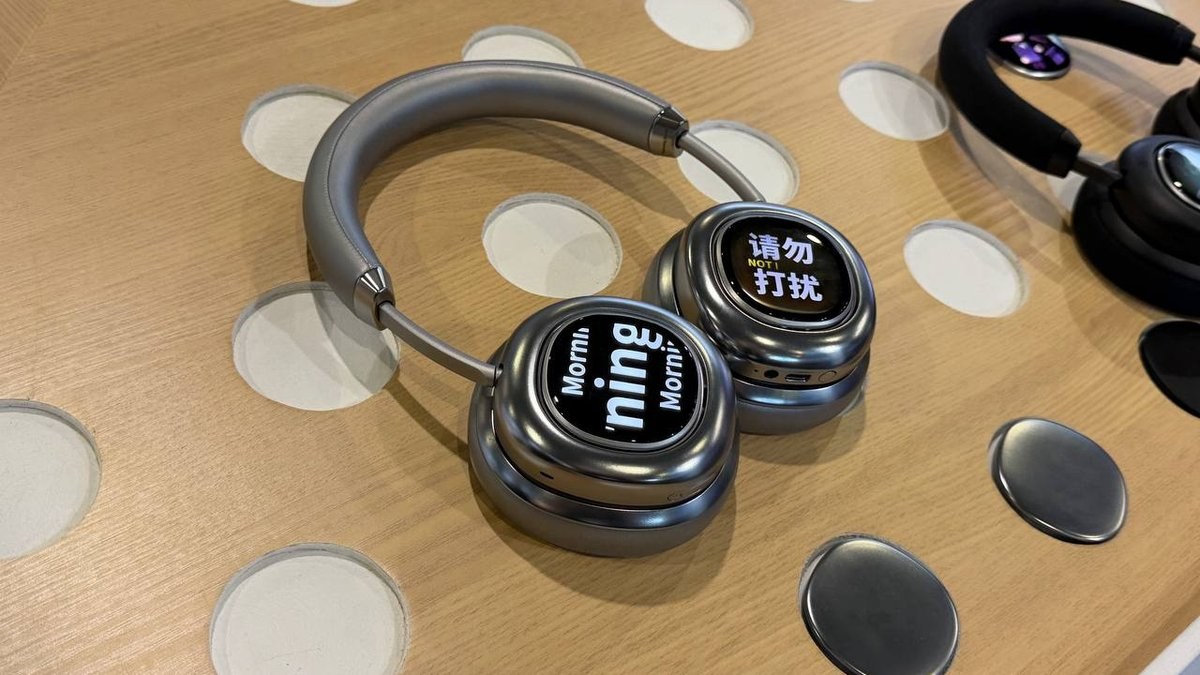
MorningBlues released the VWS X1, an over-ear wireless headset featuring detachable 2.2-inch touchscreens on both ear cups for $599. The design prioritizes visual novelty for bystanders over practical ergonomics, while the headline 60-hour battery life requires keeping the displays powered down.

Anbernic's RG DS Plus brings dual-screen gaming back in a $90 clamshell complete with a built-in stylus and Linux. To hit that price, the maker dropped system memory to 1GB and reused an older processor, leaving heavy emulation off the table.
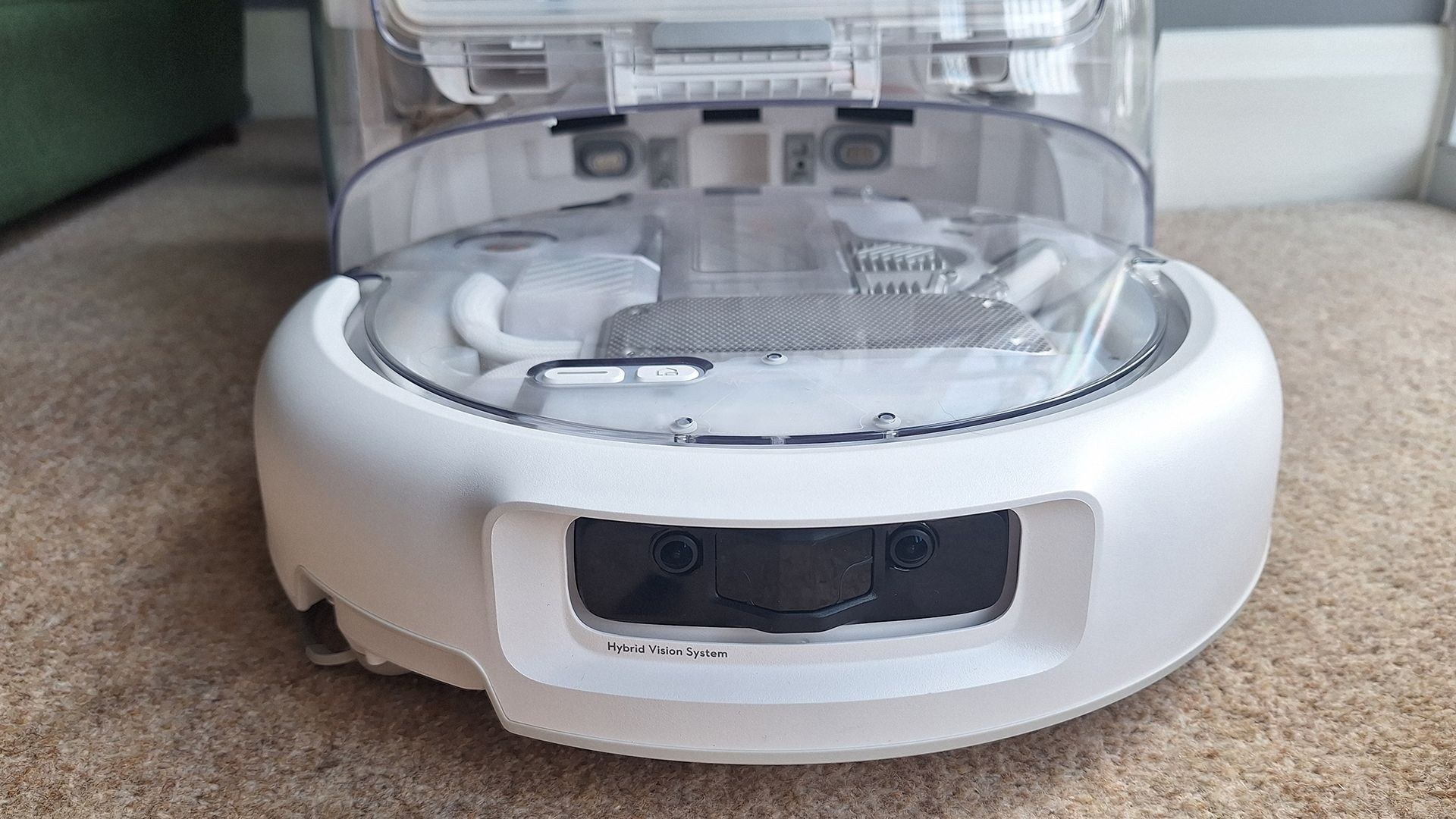
DJI has unveiled the Romo 2, a robot vacuum featuring a see-through chassis and drone-grade LiDAR navigation. To address past security flaws, it includes a strict local data mode that blocks internet access and keeps your home maps entirely offline.

Ultra-compact folding controllers solve the problem of bulky mobile gaming gear by easily slipping into a pocket. However, shallow thumbstick travel, flat triggers, and fragile hinges create major hurdles for competitive shooter players.

The POCO X8 brings high-density silicon-carbon battery technology to the budget segment with an 8,340mAh cell. It eliminates power bank anxiety for heavy mobile users without adding bulky rugged armor. The tradeoff comes down to noticeably longer charging times.
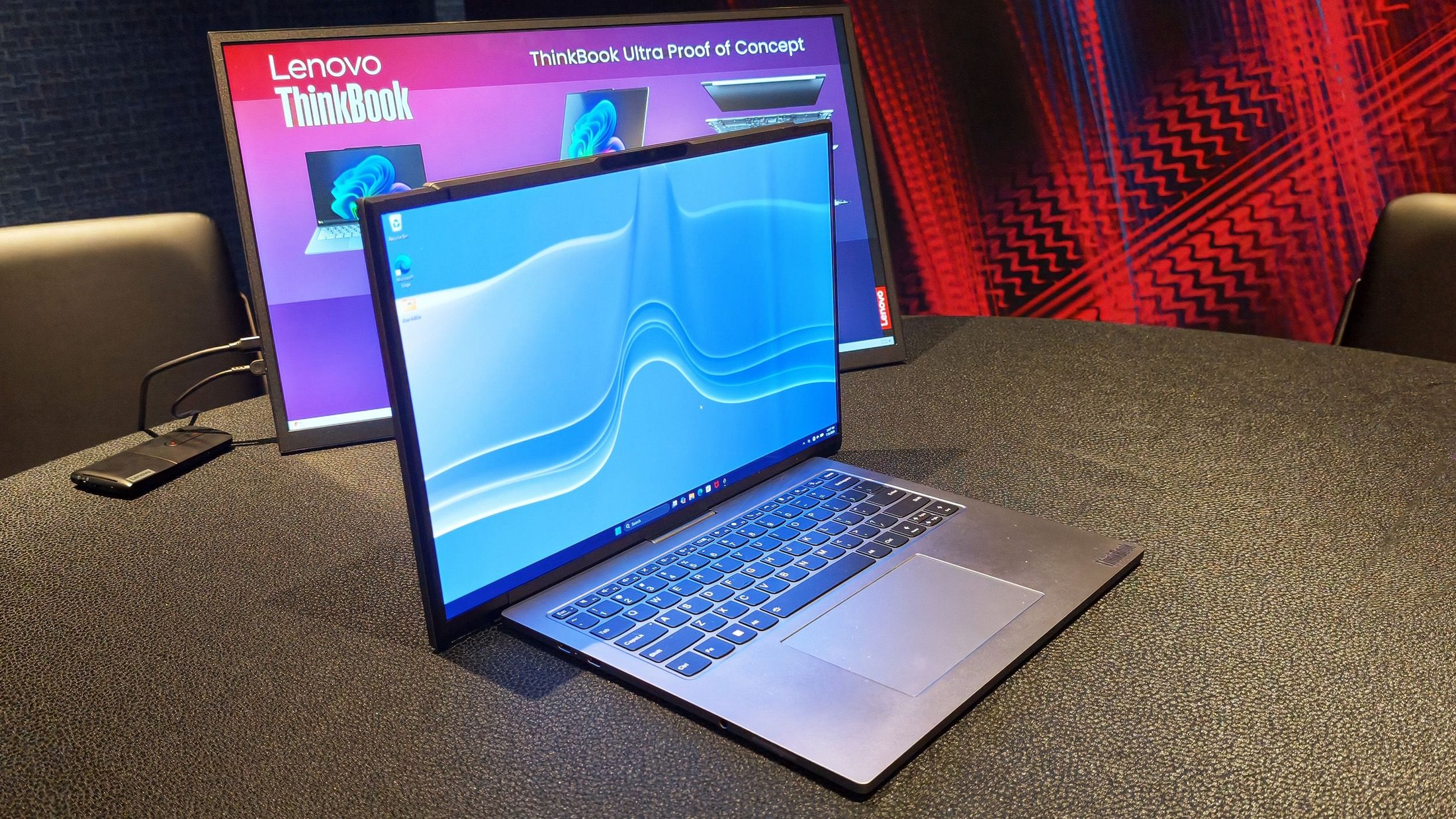
Project Swan hides a 17-inch horizontal display inside a standard 1.6 kg laptop chassis that expands at the push of a button. While it avoids the annoying middle crease of foldable devices, the moving parts invite dust and extreme price tags for frequent travelers.
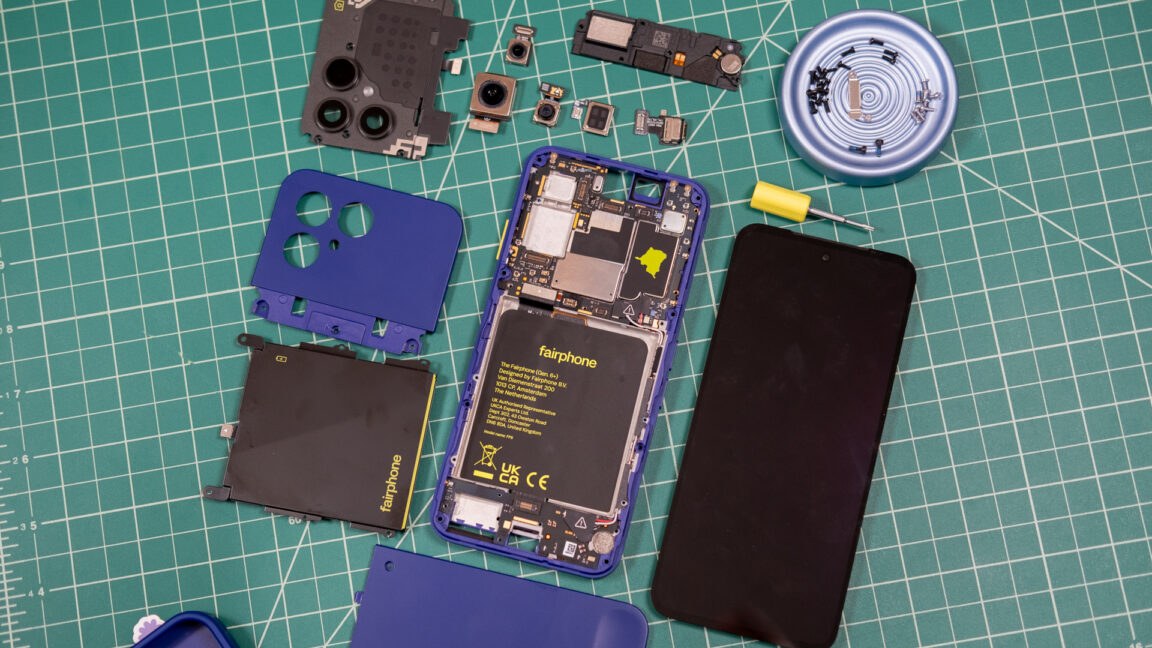
The $650 Fairphone Gen 6+ ditches industrial glue for standard screws, letting you swap broken screens and worn batteries in minutes. However, this repairability forces you to accept a bulky plastic frame and slower hardware than typical phones at this price.
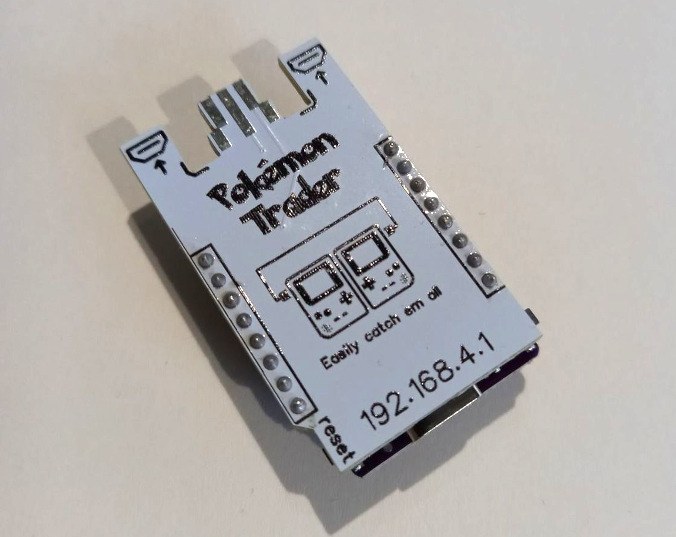
A compact microcontroller board plugs directly into original hardware to act as an automated trading partner over Wi-Fi. It eliminates the need to buy a second vintage console just to complete a classic monster collection.

MOVA unveiled a robotic lawn mower featuring an articulated arm to clear yard debris and a vacuum with tactile touch sensors. While marketed as hands-free automation, the fragile moving parts are prone to rapid wear in real-world conditions.

Lexar announced the Muse, a credit card-thin portable SSD launching in Q4 2026 with 512GB and 1TB options. To achieve its 3.8mm profile, the drive ditches a standard USB-C port for a proprietary magnetic snap-on cable.
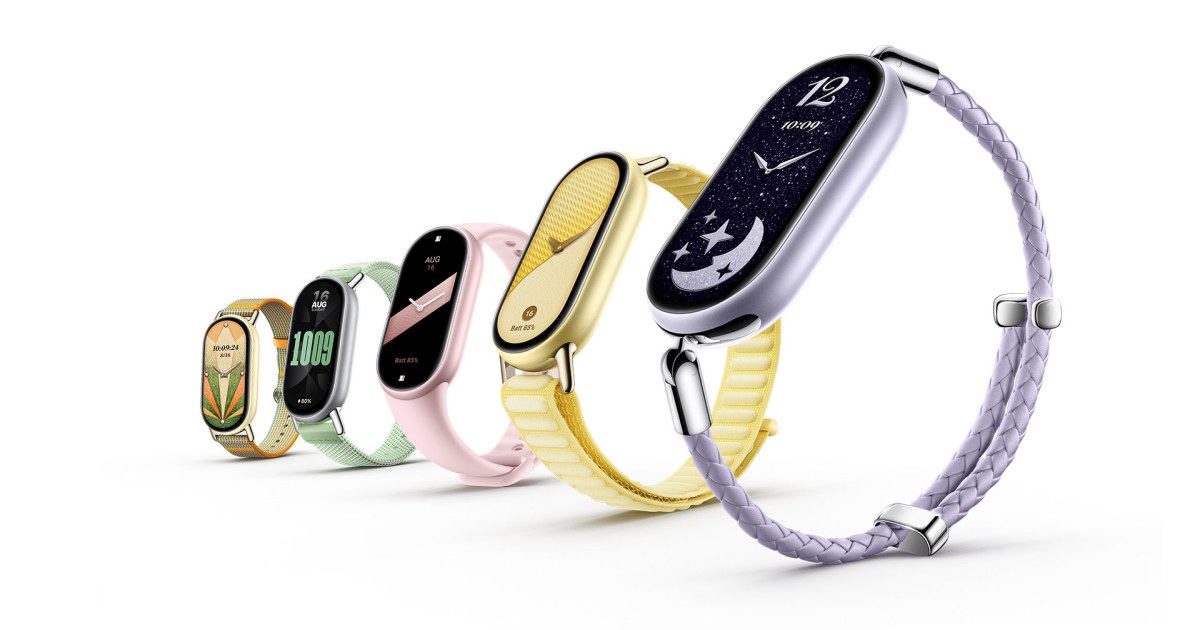
Xiaomi has unveiled the Smart Band 11 with a slimmer sub-10 mm chassis and a significantly brighter 2,000-nit display. It keeps the 21-day battery life and aggressive sub-$50 pricing intact. The wearable offers a solid upgrade for users replacing aging fitness trackers, even if recent owners can safely skip it.

Sony and LEGO have teamed up to launch a 1,911-piece life-size replica of the original PlayStation for $180. The purely decorative set includes clickable buttons, a pop-up disc drive, and an authentic classic controller for retro gaming enthusiasts.

Sonos has officially launched the Ace Ultra flagship over-ear headphones to compete directly with Apple and Sony. The cans offer soundbar audio handoff and upgraded active noise cancellation, but beta features make them hard to recommend to non-Sonos owners.

A hardware hobbyist built a pocket-sized 20-watt laser lighter using off-the-shelf industrial diodes and basic hand tools. While it effortlessly sets paper ablaze, the complete absence of safety interlocks makes it far more hazardous than practical.
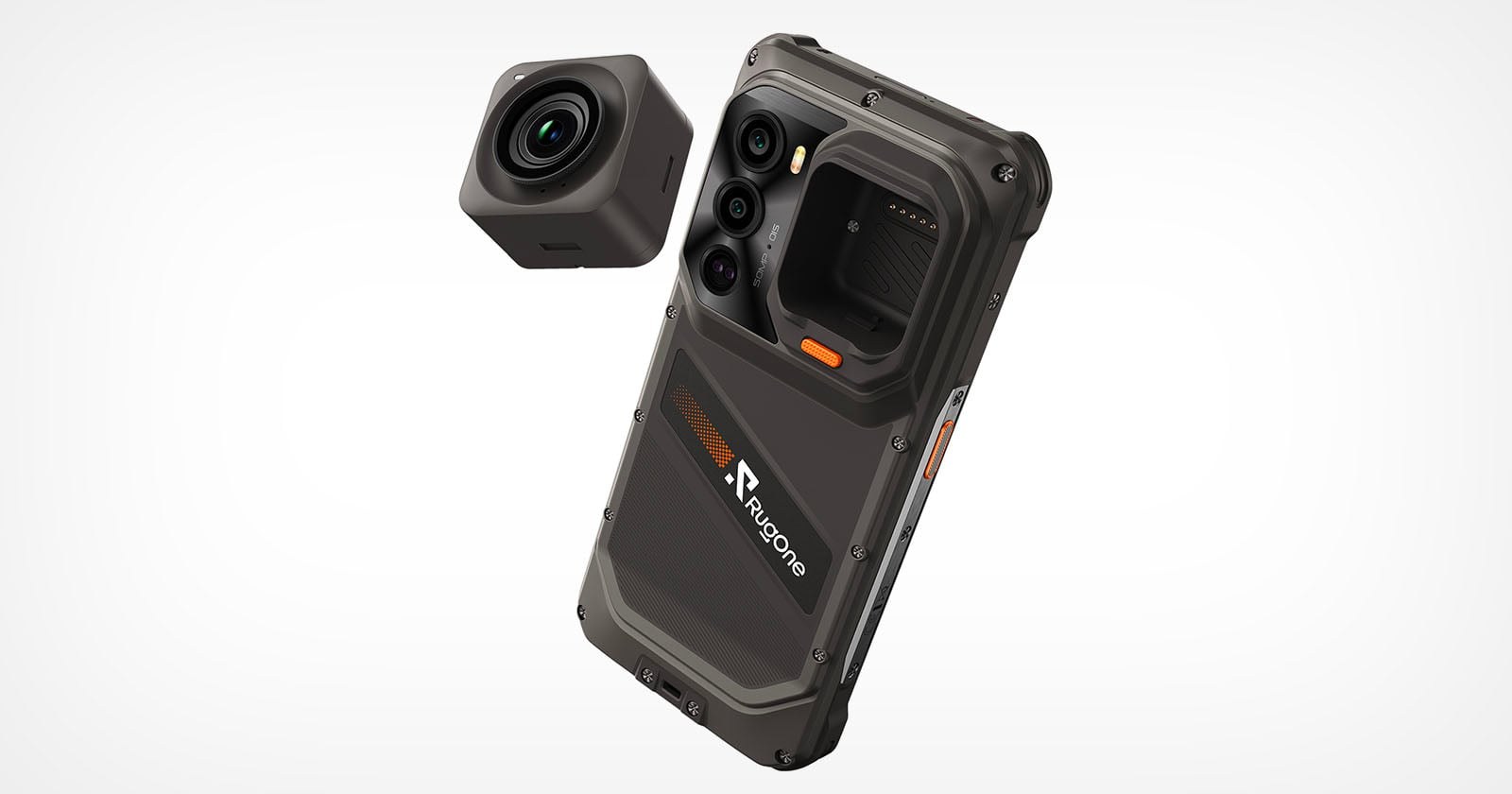
RugOne's new modular handset lets you pop off a 39-gram waterproof action camera right from the back of your phone to mount on a helmet or bike. It saves you an extra pocket on the trail, though the video maxes out at a modest 2.7K resolution for a steep €799 early-bird price.
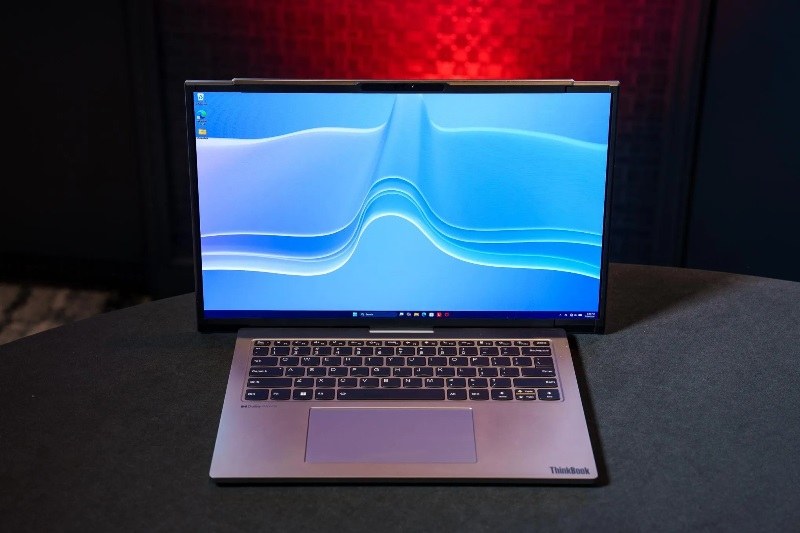
Lenovo unveiled a concept laptop that rolls out vertically from 14 to 17 inches at the push of a button. The motorized OLED panel eliminates secondary portable monitors but introduces delicate moving parts and heavy battery drain. Mainstream buyers are better off waiting for second-generation hardware.
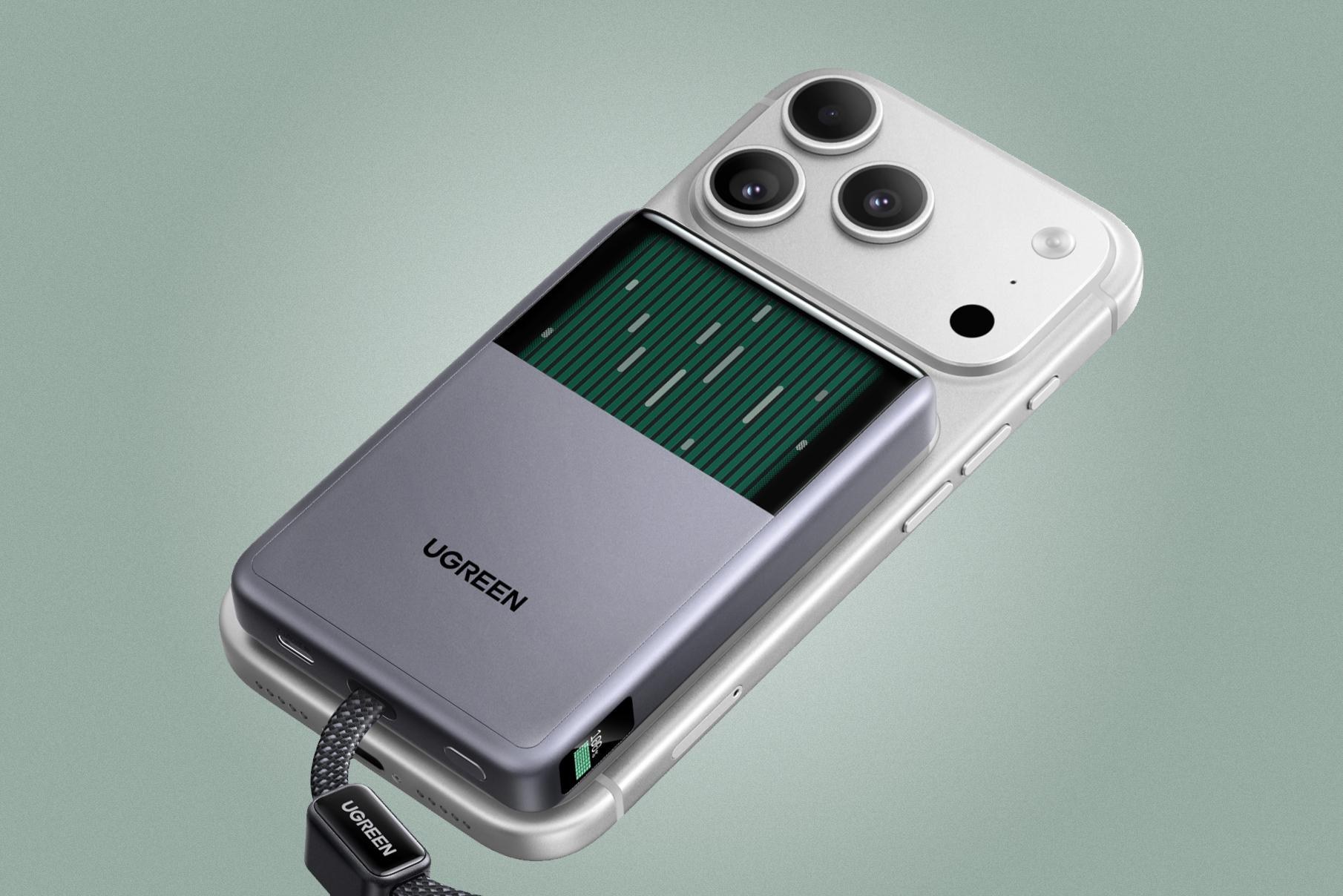
Ugreen equips its new 10,000mAh MagFlow Pro power bank with a miniature liquid-cooling pump to sustain 25W wireless charging. At $149.99, it costs triple the price of conventional chargers while introducing mechanical parts to your pocket.
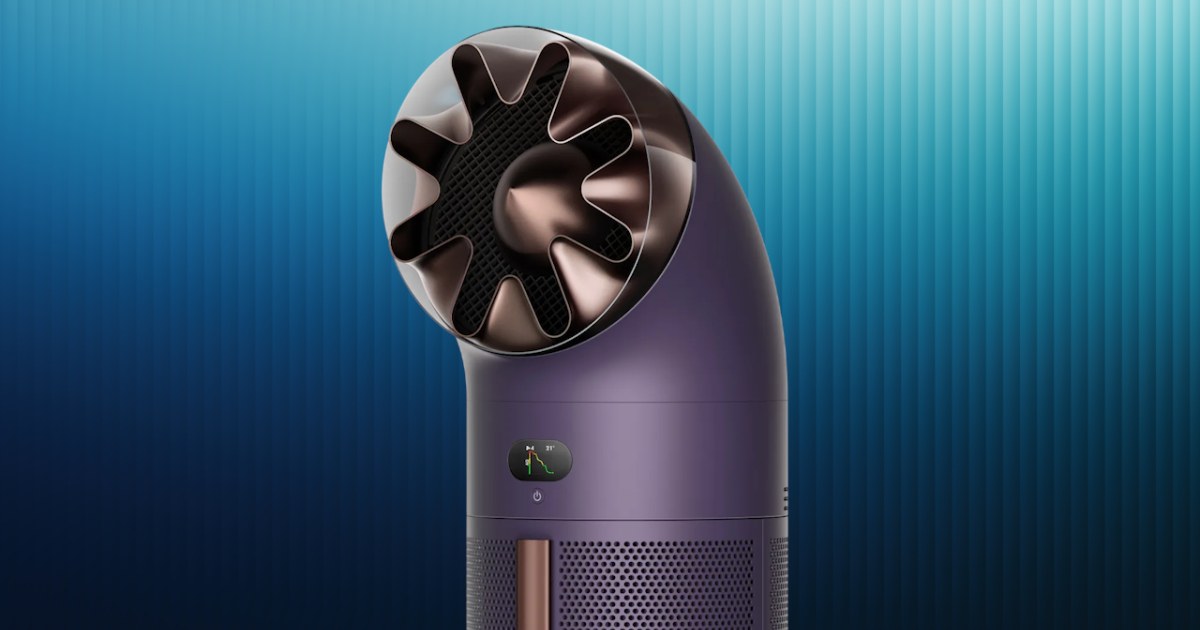
Dyson announced the HushJet series of air purifiers with advanced filtration and ultra-quiet operation, priced between $599 and $1,099. With the retail launch delayed until autumn 2026, buyers have plenty of time to weigh whether the premium is worth the wait.
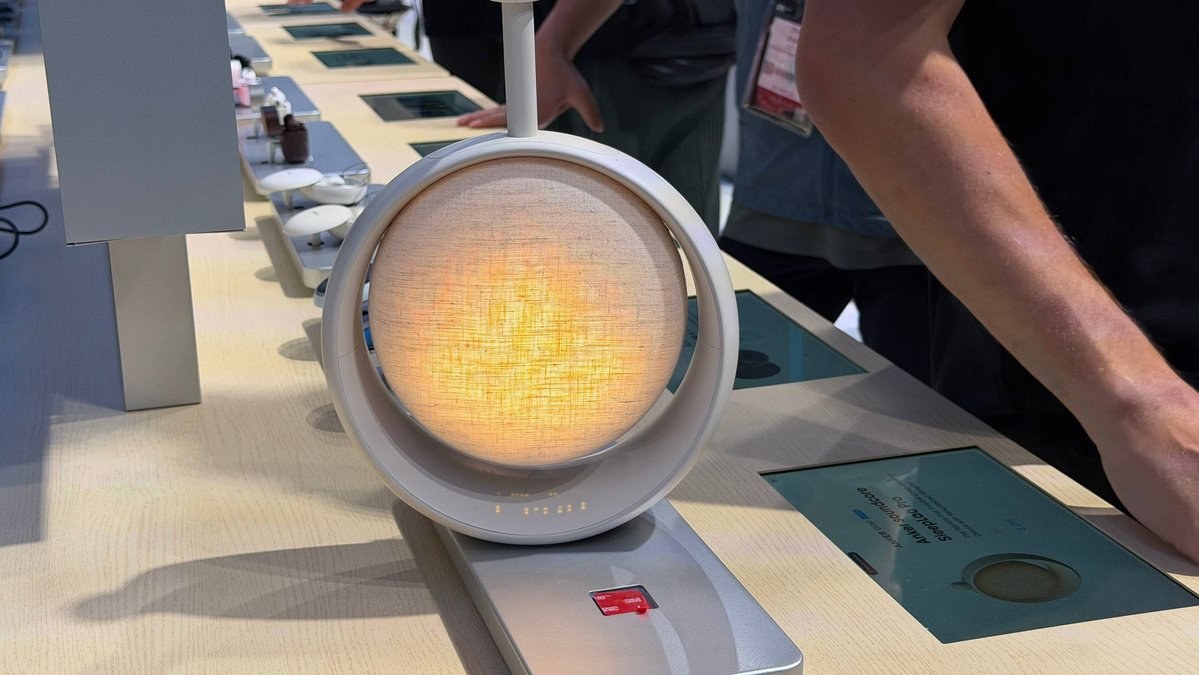
Anker unveiled the SleepLab Pro, a bedside Bluetooth speaker equipped with a 60GHz radar that tracks heart rate, respiration, and sleep cycles from the nightstand. The system eliminates the need for uncomfortable wearables and requires no paid subscription to view core health charts.
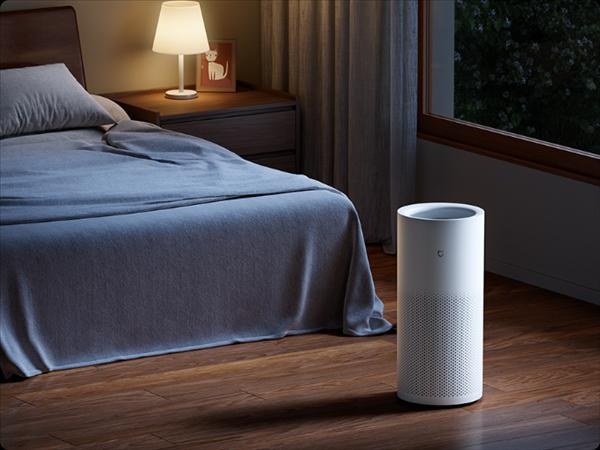
Xiaomi has introduced the Mijia No-Mist Humidifier 3, delivering high-output cold evaporation without the white dust typical of ultrasonic models. Its modular, fully washable components solve the chronic mold problem, though international buyers will face regional app hurdles.
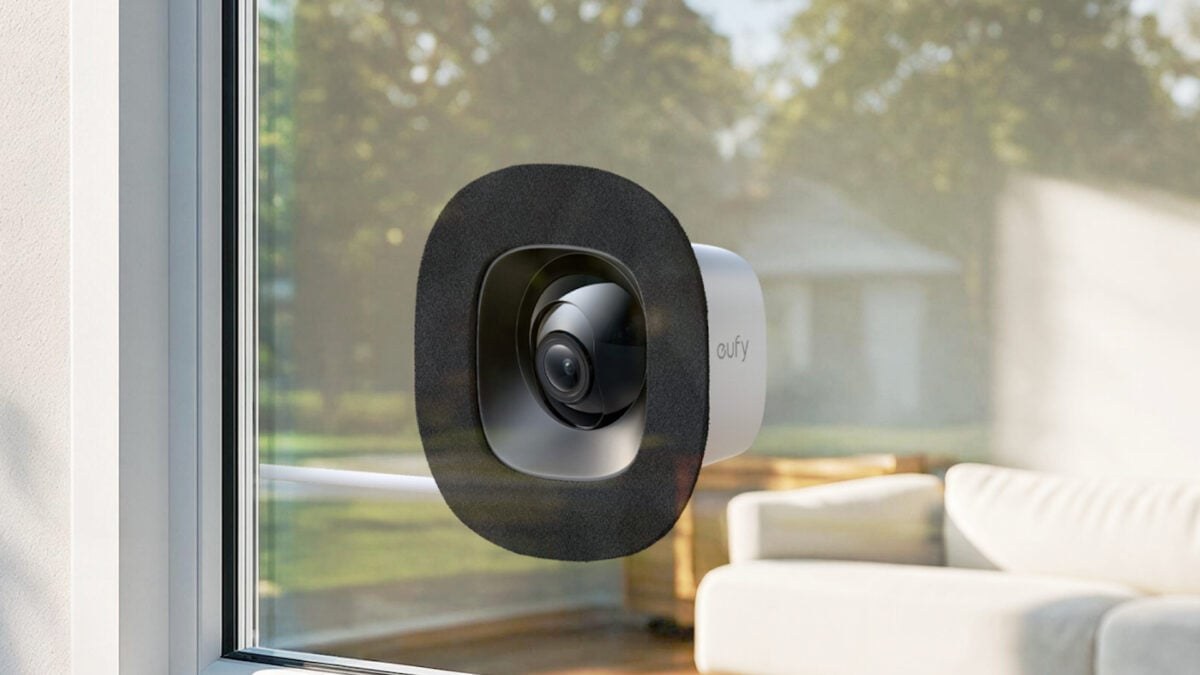
The Eufy Window Camera E10 sticks onto apartment glass to bypass landlord drilling restrictions without blinding night vision. For 70 dollars, tenants get 2.5K local recording, though living room aesthetics take a hit from the dangling USB-C power cable.
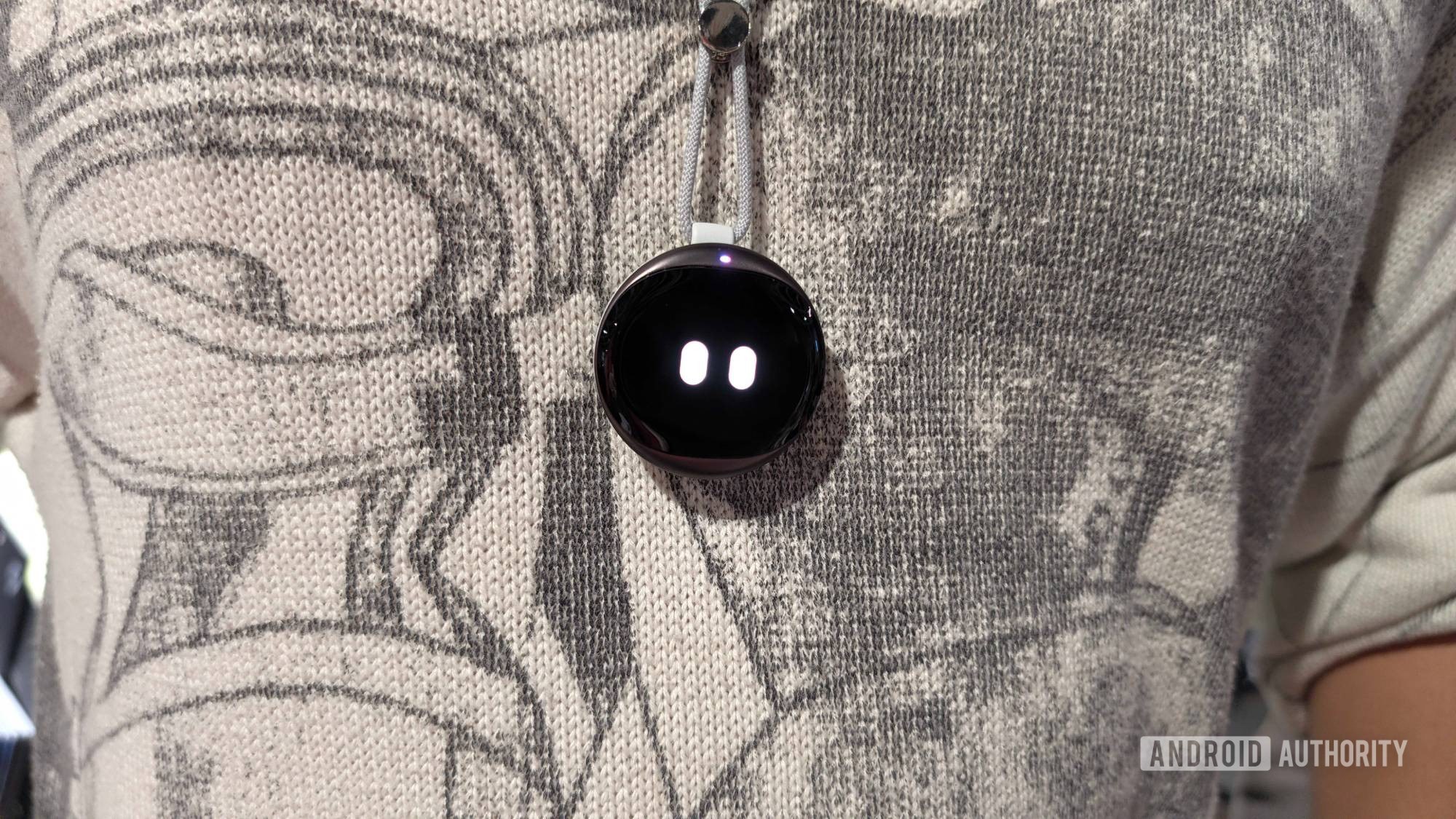
Singaporean startup Lingverse unveiled the iKairos at IFA 2026, a modular hybrid device that pops out of a desktop robot stand and hangs on a lanyard. While it attempts to track daily telemetry for proactive reminders, it lacks finalized pricing and launch dates.
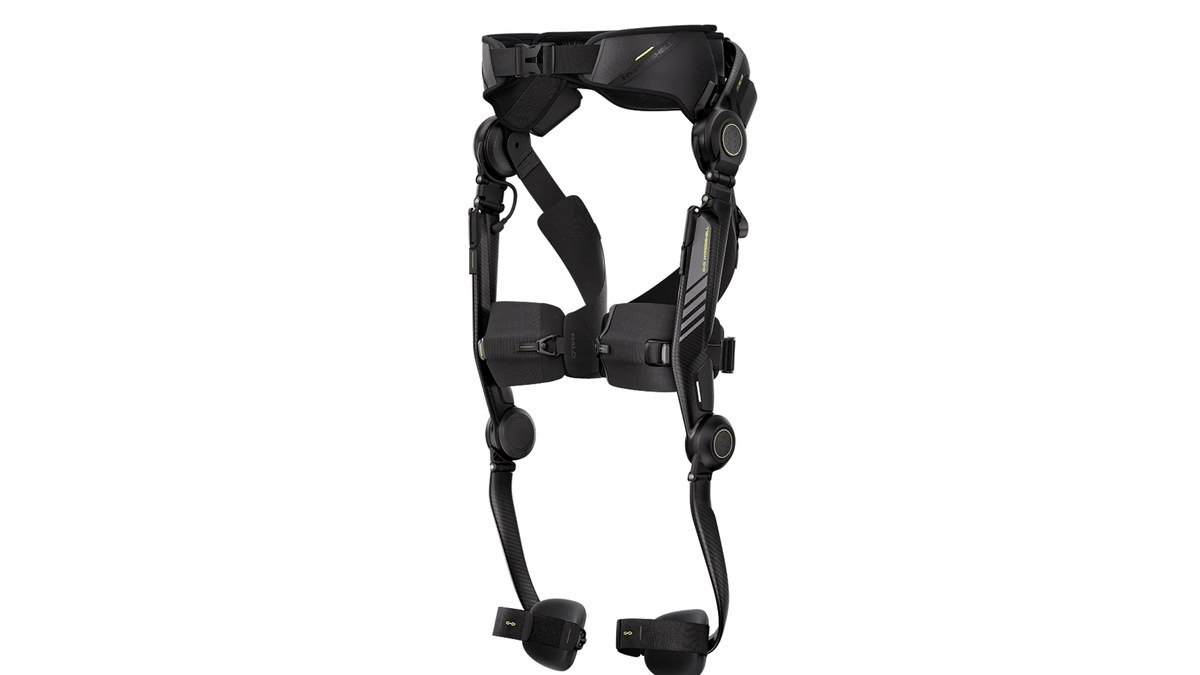
Hypershell unveiled the Halo, an active carbon-titanium exoskeleton that powers both hip and knee joints to cut muscle fatigue by up to 40%. It turns wearable robotics into practical field gear for hikers and heavy-load workers, provided the premium price tag fits the workload.

Anker previewed a compact fabric printer at IFA that packs commercial garment printing into a 3D-printer footprint. Set to launch in Q1, it promises indie creators on-demand printing without bulk orders, though final ink and hardware costs are still hidden.
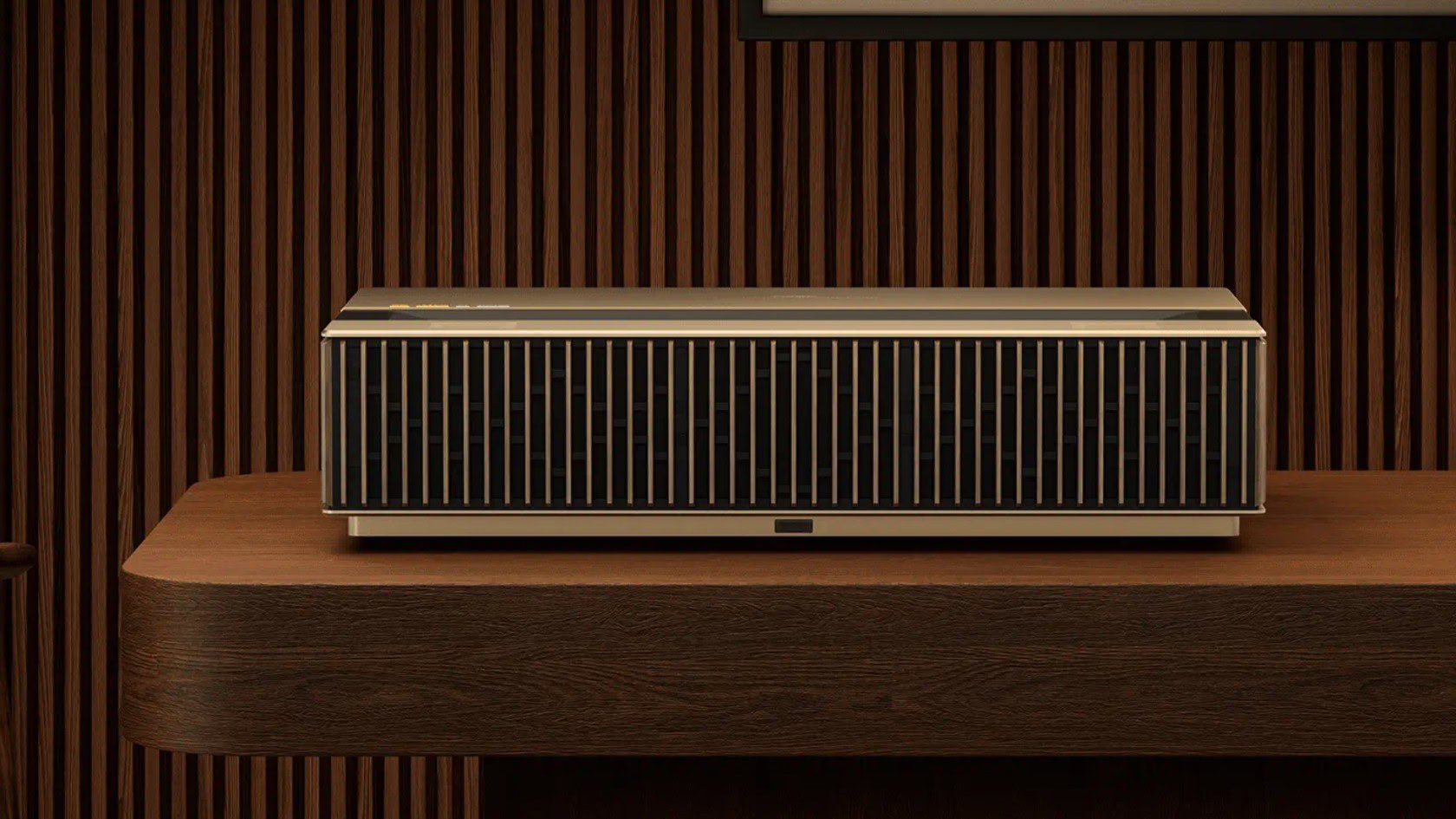
AWOL Vision brings its LuxVision ultra-short-throw projector to market this October, offering a 120-inch home theater image from just inches away from the wall. The $6,500 unit uses mechanical lens shift and a high-brightness laser to replace massive living-room televisions.
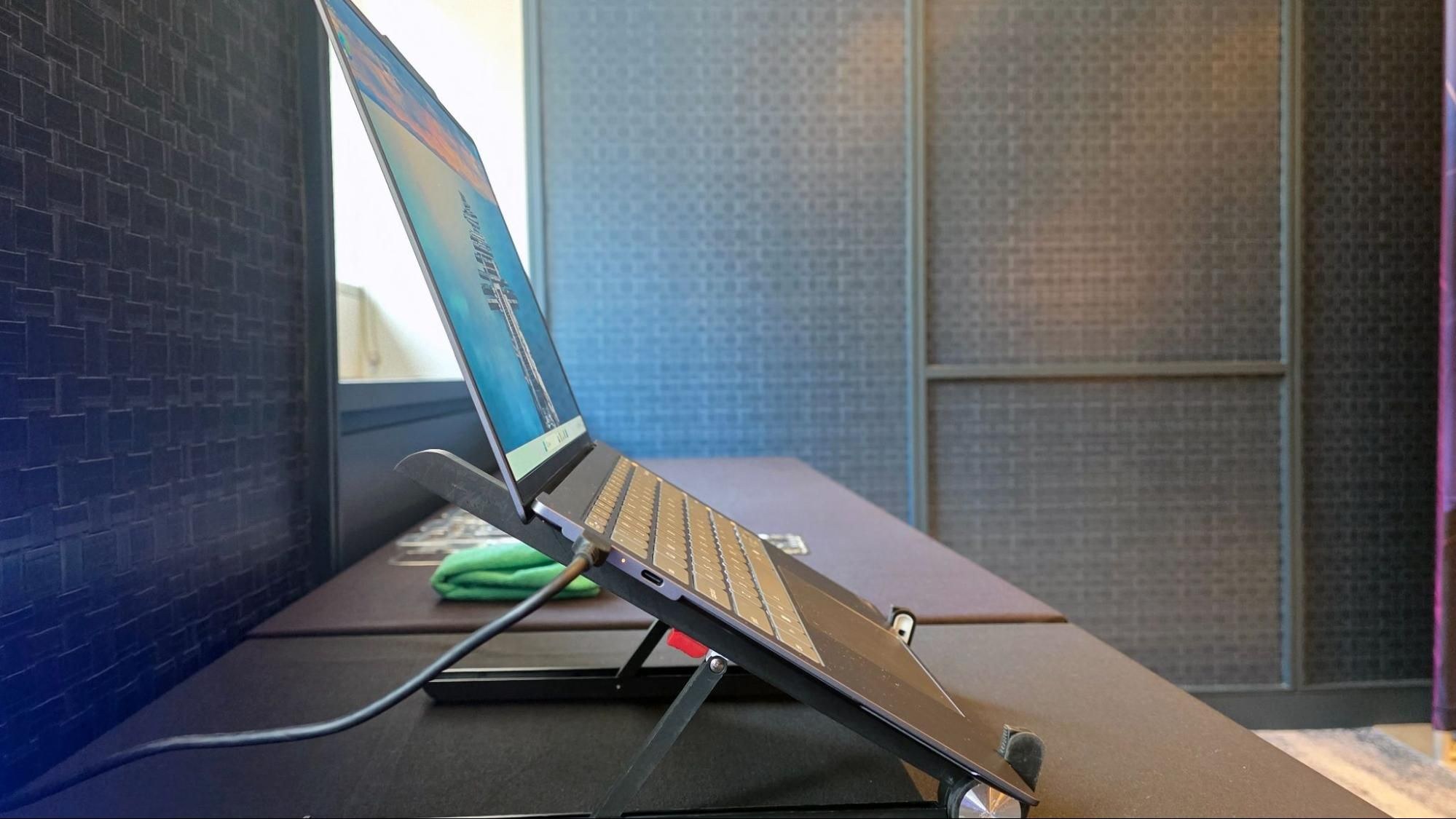
Lenovo's Project AeroBlade replaces traditional cooling fans with Frore Systems' solid-state AirJet chips, shrinking a full-performance laptop down to 830 grams. The fanless design eliminates noise and thermal throttling without adding bulk to your daily bag.
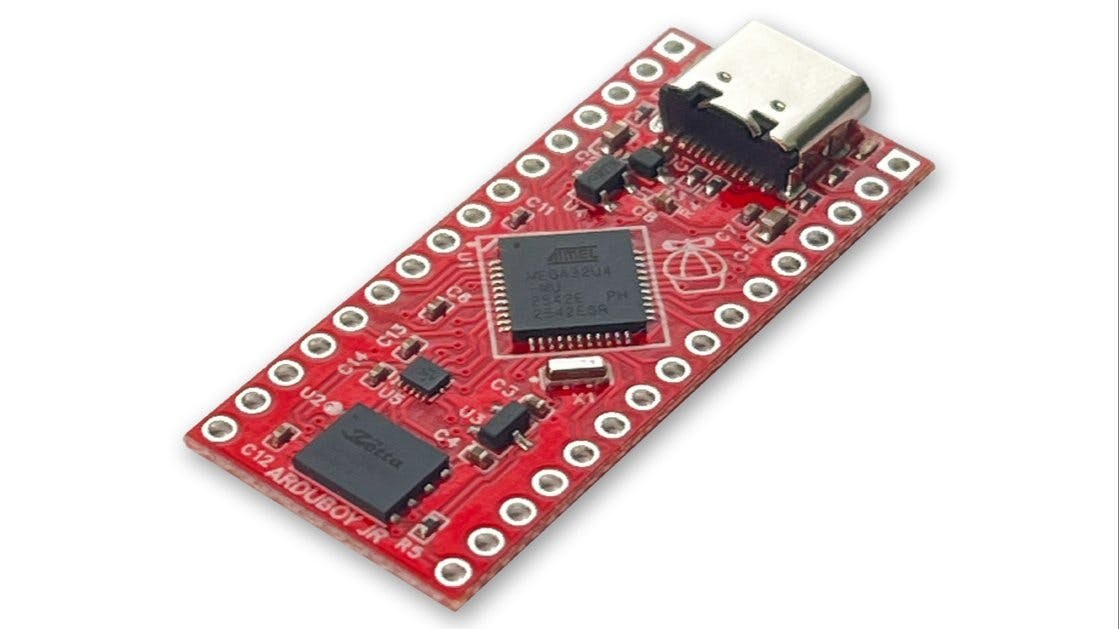
Arduboy released the Arduboy Jr for $29, offering a pre-loaded bare circuit board with 300 indie games. Buyers must solder their own screen, buttons, and battery to create a custom handheld.
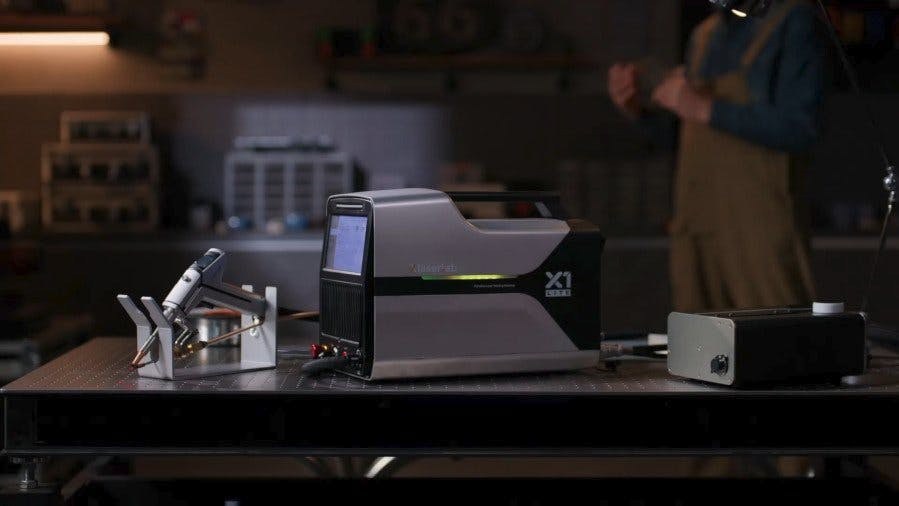
XLaserlab has launched a Kickstarter campaign for the X1 LITE, a 500W desktop fiber laser designed for cutting, rust removal, and welding in compact spaces. Priced from $1,799 to $2,699 with expected delivery by year-end, it brings heavy industrial tech to small repair benches.
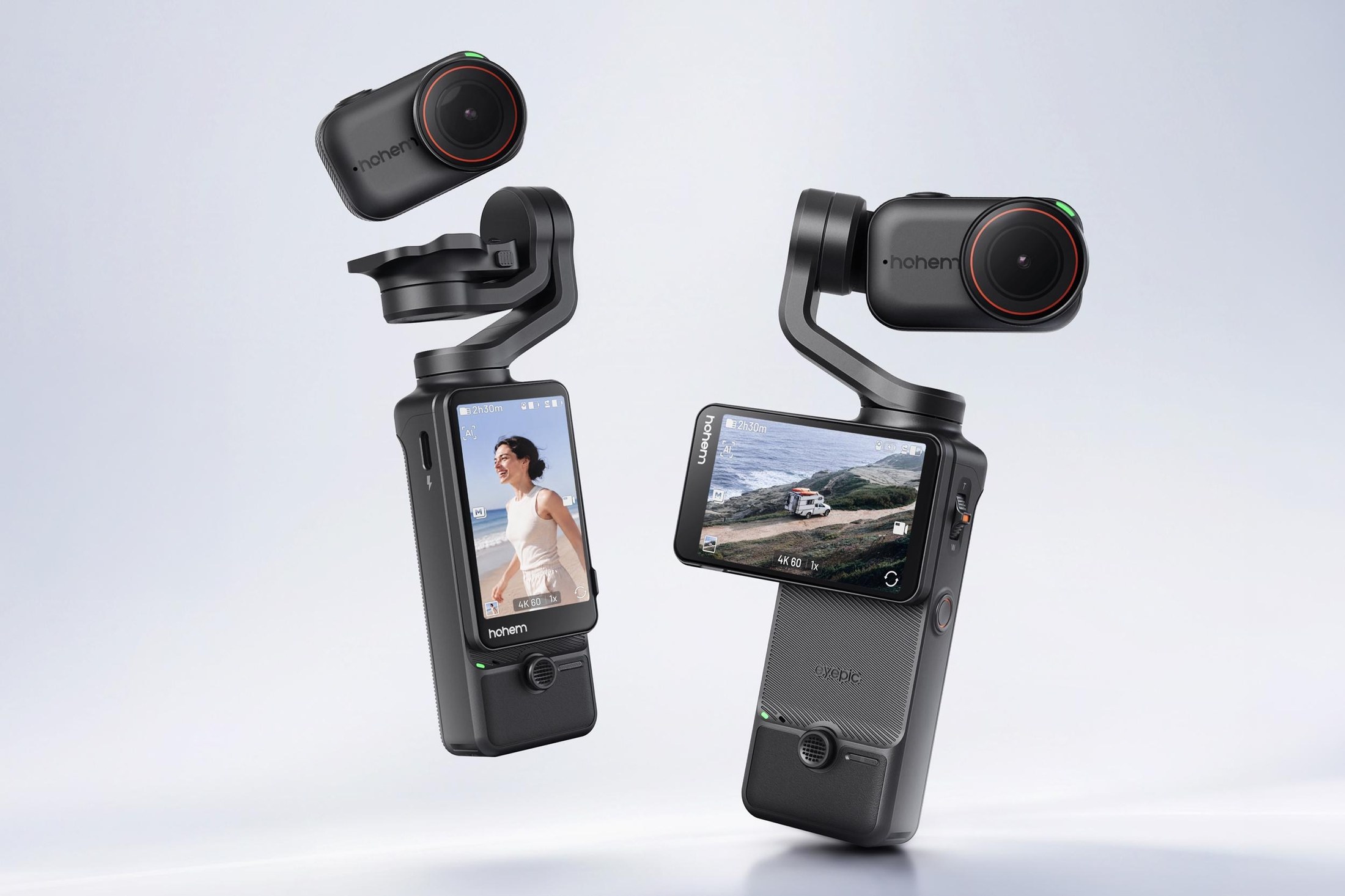
Hohem's new Eyepic hybrid device combines a standard 3-axis pocket gimbal with a removable waterproof sensor block that streams live video back to the handle. It aims to replace both travel wands and action cameras, though critical details like battery life and pricing remain unannounced.
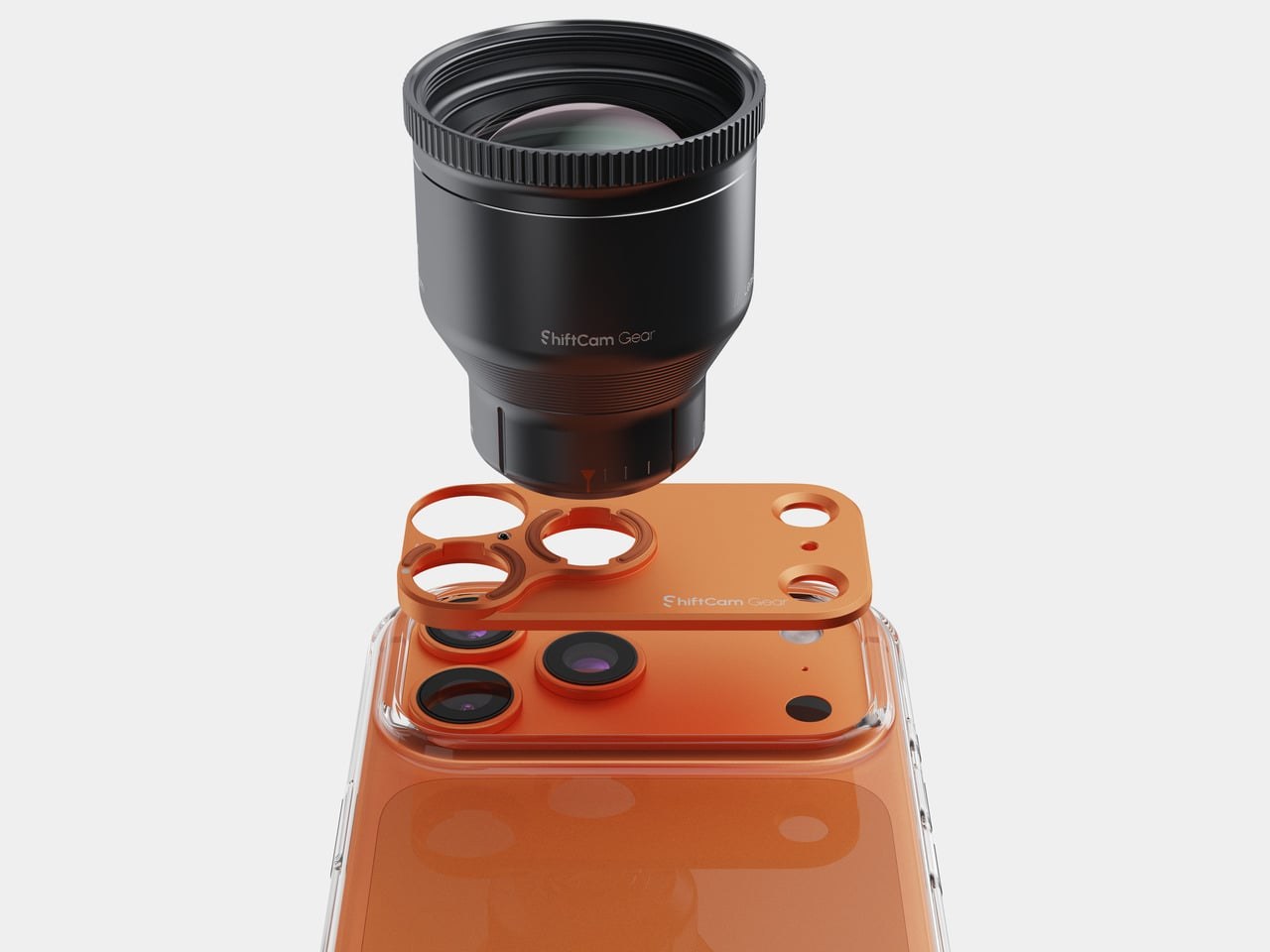
ShiftCam's new $25.99 adhesive plate lets mobile photographers attach extra lenses directly to their favorite protective cases. Instead of forcing you to buy a brand-specific plastic shell, the slim mount aligns heavy glass precisely over your phone's camera sensors.

TCL's new P80 Ultra phone pairs a 6.83-inch matte OLED screen with a physical switch that turns Android into an e-reader. With a 5,800mAh battery lasting up to seven days of reading, it tackles screen glare without forcing you to carry a separate Kindle.
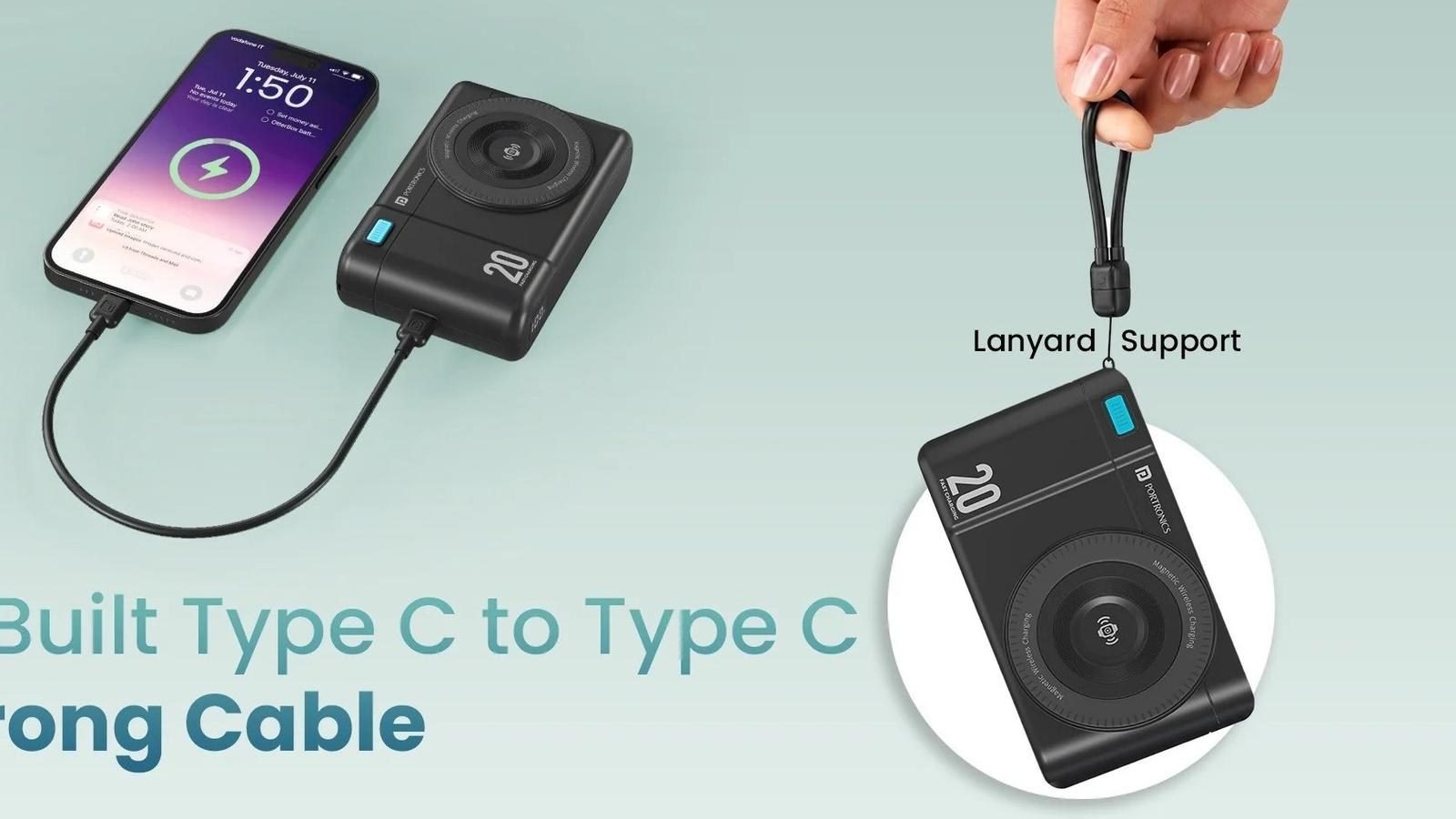
Portronics has launched the Power Shutter Air 20K, a high-capacity magnetic battery pack shaped like a retro camera. The ergonomic grip and Qi2 mount turn heavy emergency power into a practical tool for mobile photographers.

Leica has resurrected an ultrarare 1960s U.S. Navy reconnaissance optic as the Summicron-M 66mm f/2. For everyday photographers, its reversed aperture rings and luxury price tag make it a shelf piece rather than a practical daily tool.

DJI is launching the Romo A2 and P2 robot vacuums in Europe starting at €1,200, featuring retractable motorized legs that climb over obstacles up to 8.5 cm tall. The lineup packs 36,000 Pa suction and promises up to a full year of maintenance-free dock operation.
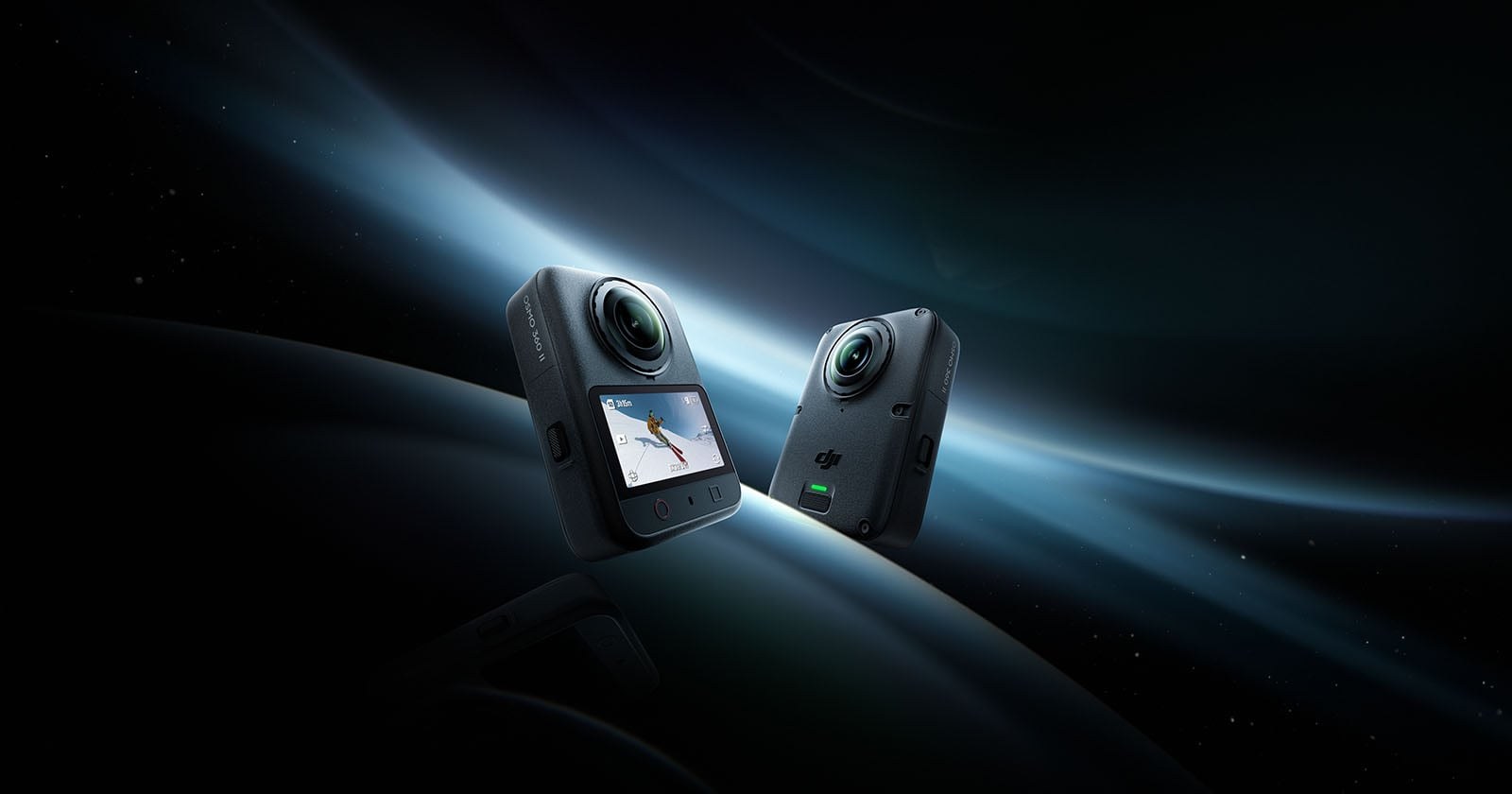
DJI unveiled the Osmo 360 II with user-replaceable scratch-resistant glass, a custom square 1-inch sensor, and 100-minute 8K battery life. Launching globally on September 15 for 589 euros, though US buyers face regulatory delays.
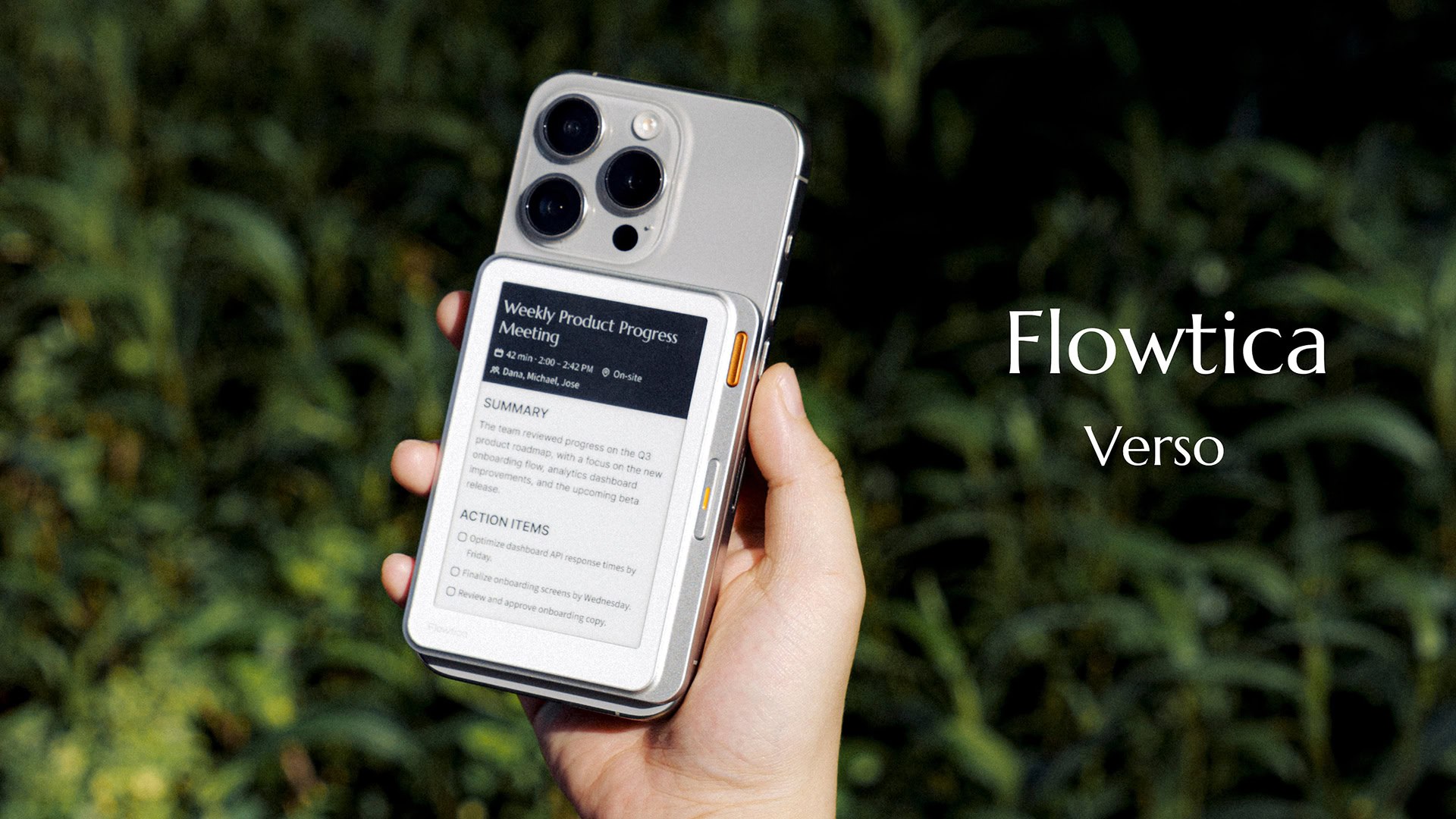
The Flowtica Verso attaches an E-Ink display and AI voice recorder to the back of your smartphone for $299. It keeps meeting notes visible without phone notifications, but straps a noticeable 98-gram metal block to your daily handset.
A new $1.99 Safari extension called Weedout automatically removes YouTube videos marked with official artificial intelligence tags from your feed. It runs entirely on your Mac to give users tired of synthetic clutter a clean timeline without tracking data.

A new utility called slotstream lets you run a massive 125-billion-parameter AI model on a mid-tier MacBook Pro with 48GB of RAM. By pulling data straight from the internal solid-state drive as you type, it completely bypasses Apple's expensive memory upgrade fees without needing an enterprise workstation.
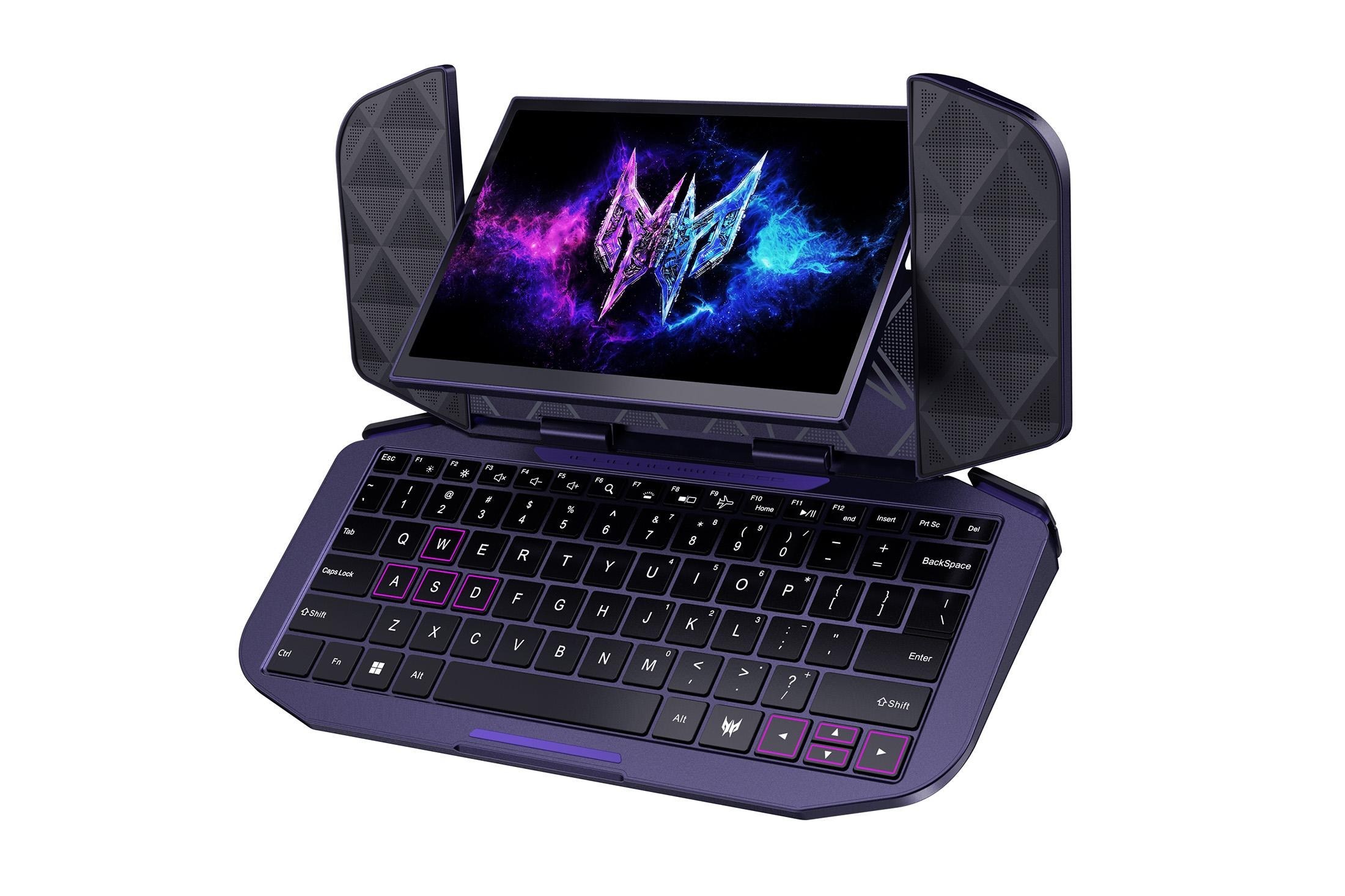
Acer's Project DualPlay Mini concept packs an eight-inch screen that flips open like a giant Nintendo DS to reveal a hidden physical keyboard. While it tries to fix Windows typing on the go, the moving hinge adds heavy mechanical wear and top-heavy awkwardness.
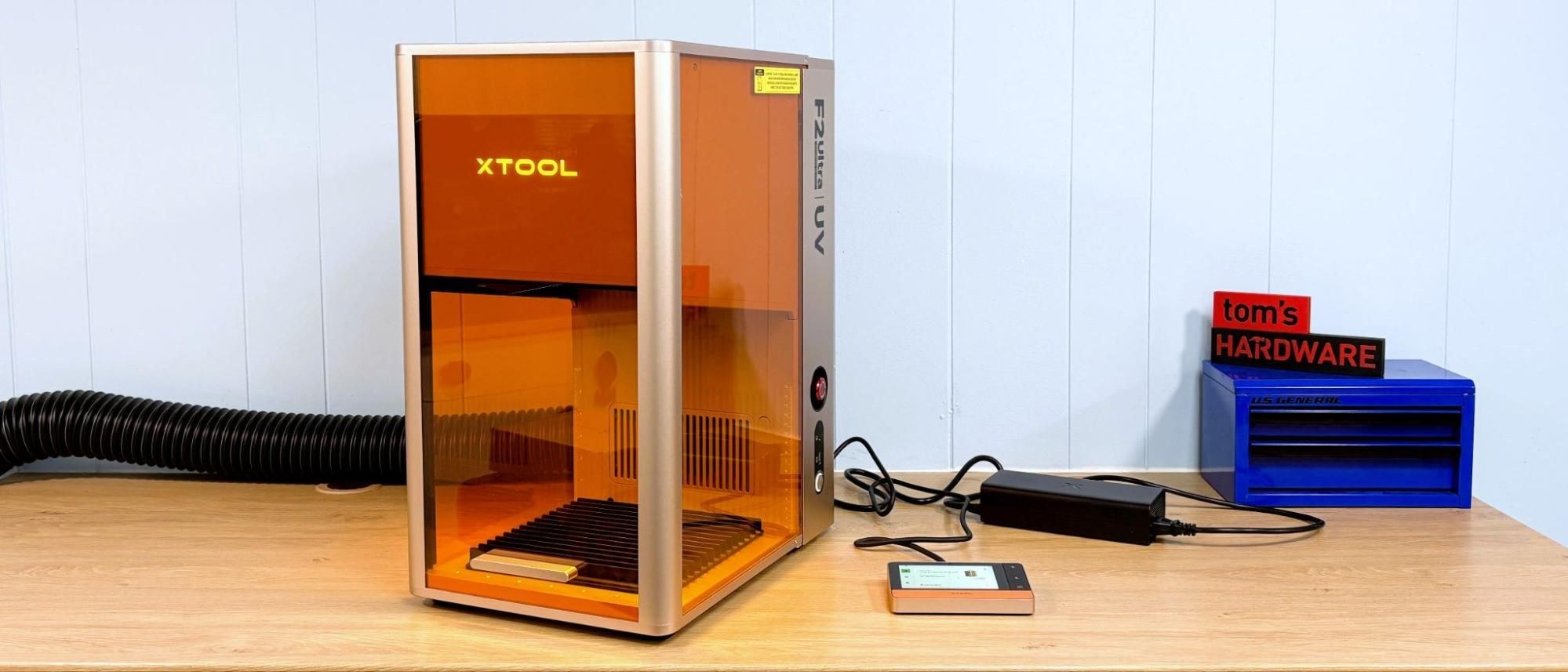
xTool has released the F2 Ultra UV, a galvanometer laser engraver that uses a 355 nm wavelength to cut materials through cold photochemical reactions instead of heat. Operating at speeds up to 15,000 mm/s, the machine eliminates soot and scorch marks on wood and glass. At $4,299, it offers commercial craft studios an industrial-grade alternative to traditional diode and CO2 lasers.
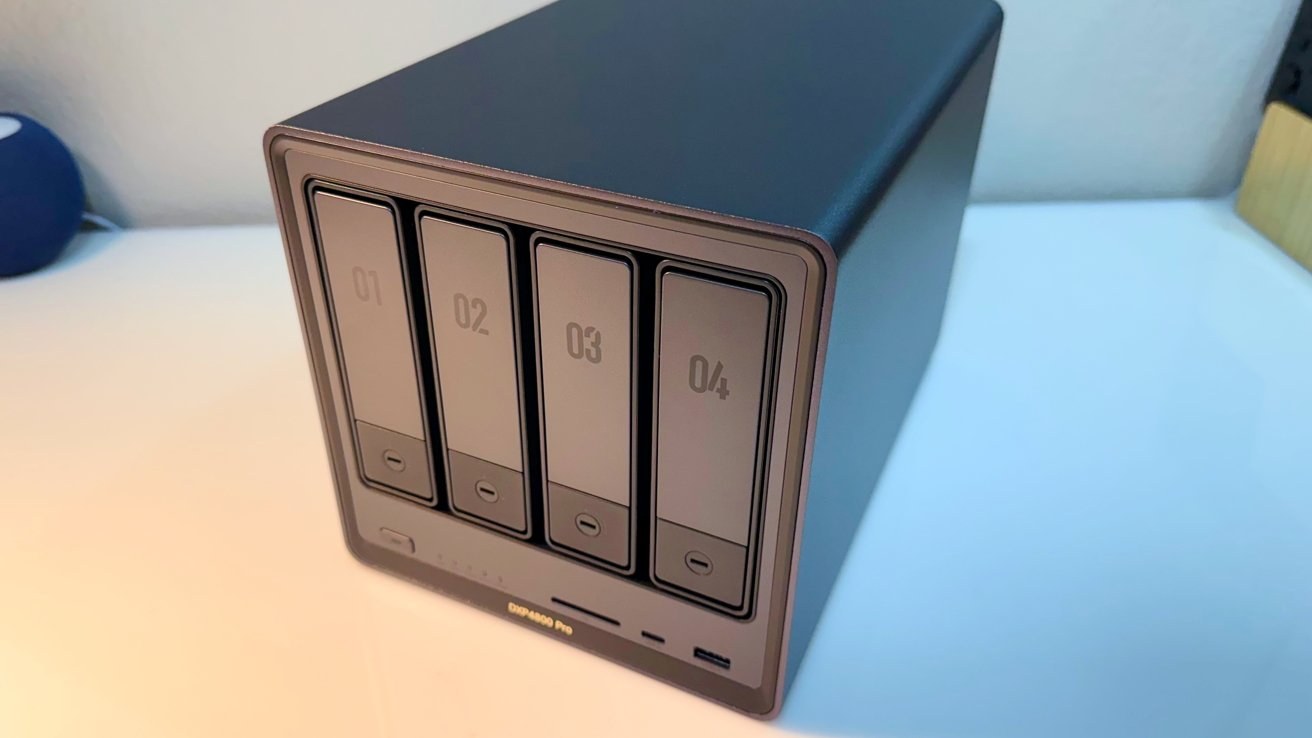
UGreen has released the NASync DXP4800 Pro, packing a six-core Intel processor and 10GbE networking into a $680 four-bay enclosure. It delivers an easy-to-manage private cloud alternative for creative pros and heavy data users, though drive costs can quickly multiply the final price tag.

Square Enix is releasing six miniature cathode-ray tube TV replicas for $12 each that light up and play classic Final Fantasy battle themes. However, buyers purchasing the six-pack bundle face a blind-box gamble that does not guarantee a complete set.
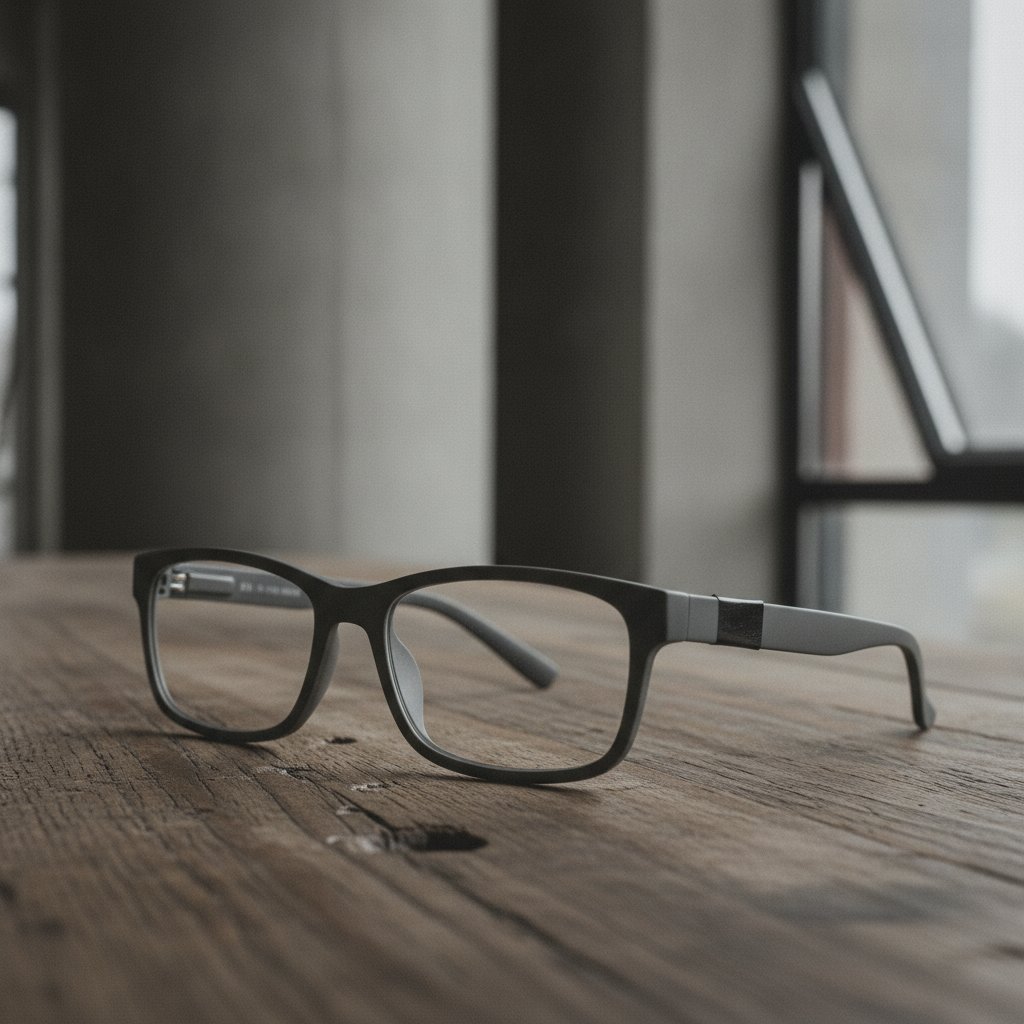
Meta is actively using remote software updates to disable cameras on thousands of Ray-Ban smart glasses whose owners taped over the recording indicator light. This server-side crackdown permanently turns a $300 camera into an ordinary pair of Bluetooth earbuds, raising major questions about device ownership.

Weighing as much as four regular phones, the 8849 Tank 5 Pro combines a 2K projector, FLIR thermal sensor, and massive 17,600mAh battery into a single industrial brick. It replaces a bagful of job-site gear for field technicians who do not mind carrying a 715-gram device.

Bangalore engineer Mithil Vakde built a reasoning AI from scratch in 90 minutes on an RTX 5090 for pocket change. The open-source experiment proves independent developers can bypass costly server clusters right from their desks.

Sonos introduced the Ace Ultra headphones and Beam Ultra soundbar alongside a rebranded software platform dubbed Sonos 27. The hardware boasts upgraded acoustic drivers and improved noise cancellation, but buyers should hold off until the new software proves stable.

Engineers have fitted drones with biomimetic claws that anchor directly into vertical ice cliffs. By latching on and killing their motors, the aircraft switch from energy-draining hovering to low-power surveillance that lasts for days.
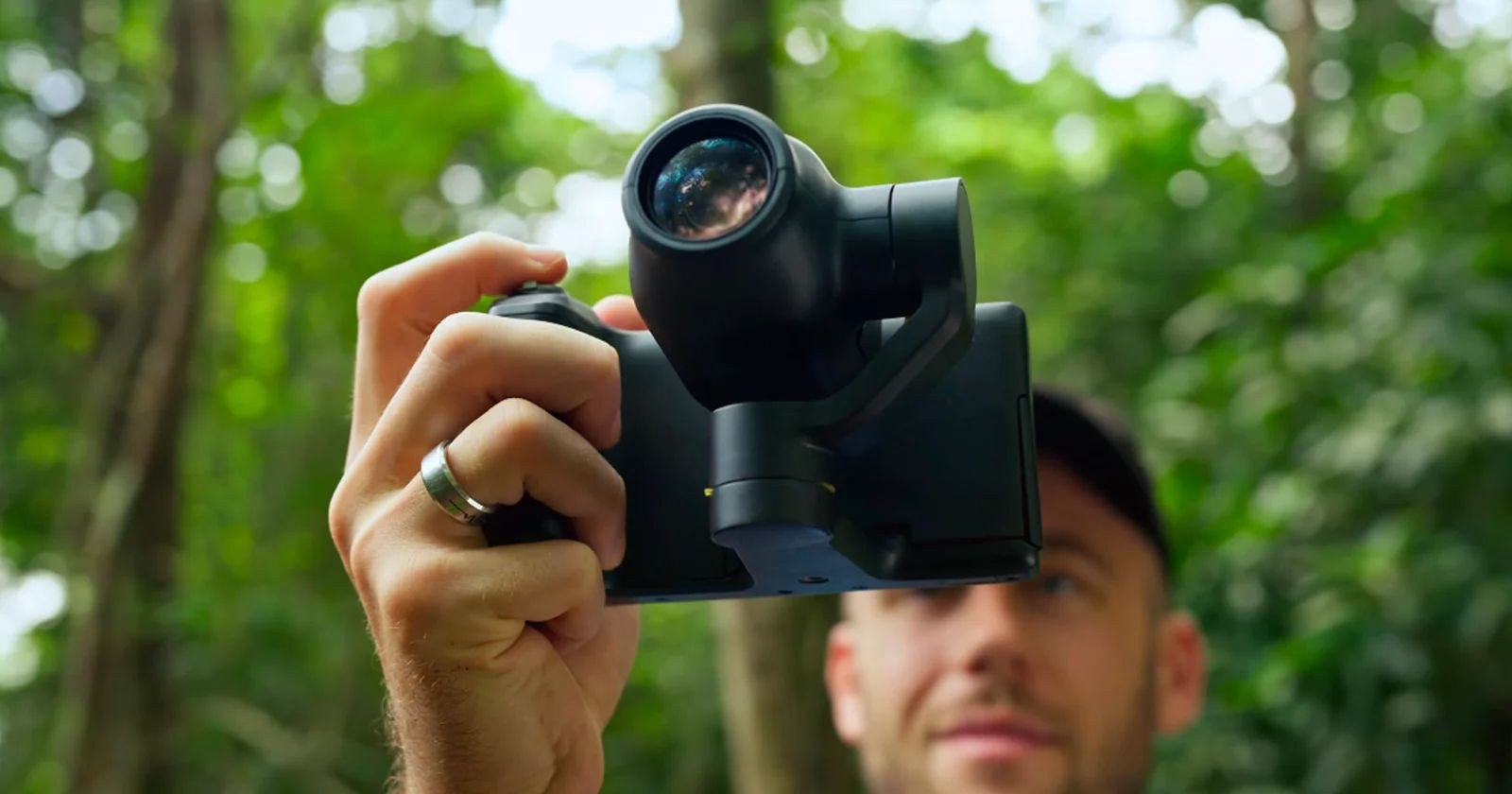
Former DJI engineers at FarseerTech designed the handheld RocXZoom to replace heavy telephoto setups with automated gimbal tracking and built-in bird recognition. The $499 Kickstarter gadget uses a 50x hybrid zoom to capture distant backyard nature without tripods or shaky footage.
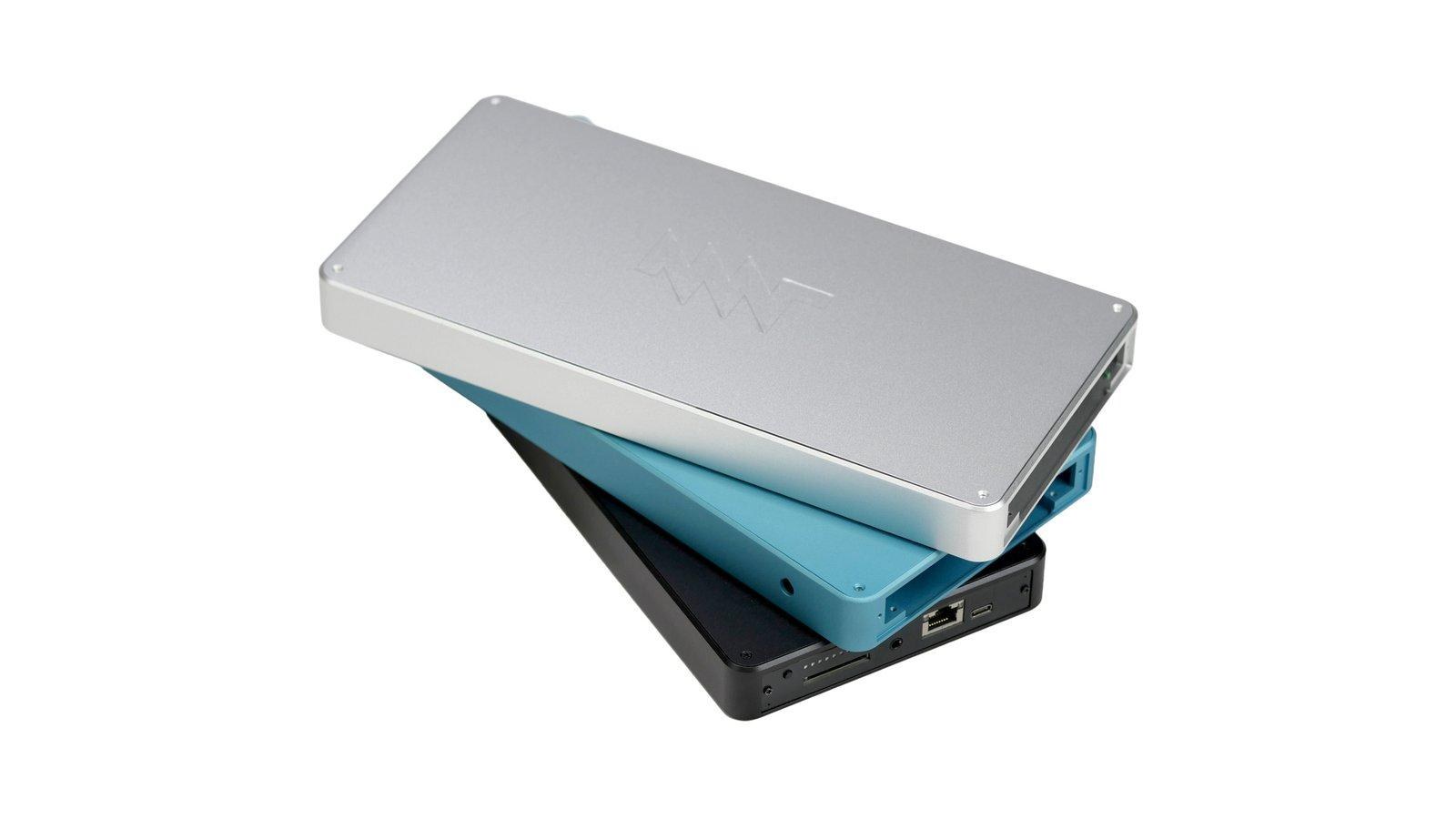
German boutique maker MNT Research launched a modular fanless mini PC in a solid aluminum chassis on Crowd Supply. Swappable ARM processor modules allow users to upgrade computing power without discarding ports or casing. It offers a sustainable, quiet alternative for home server and media hub setups.
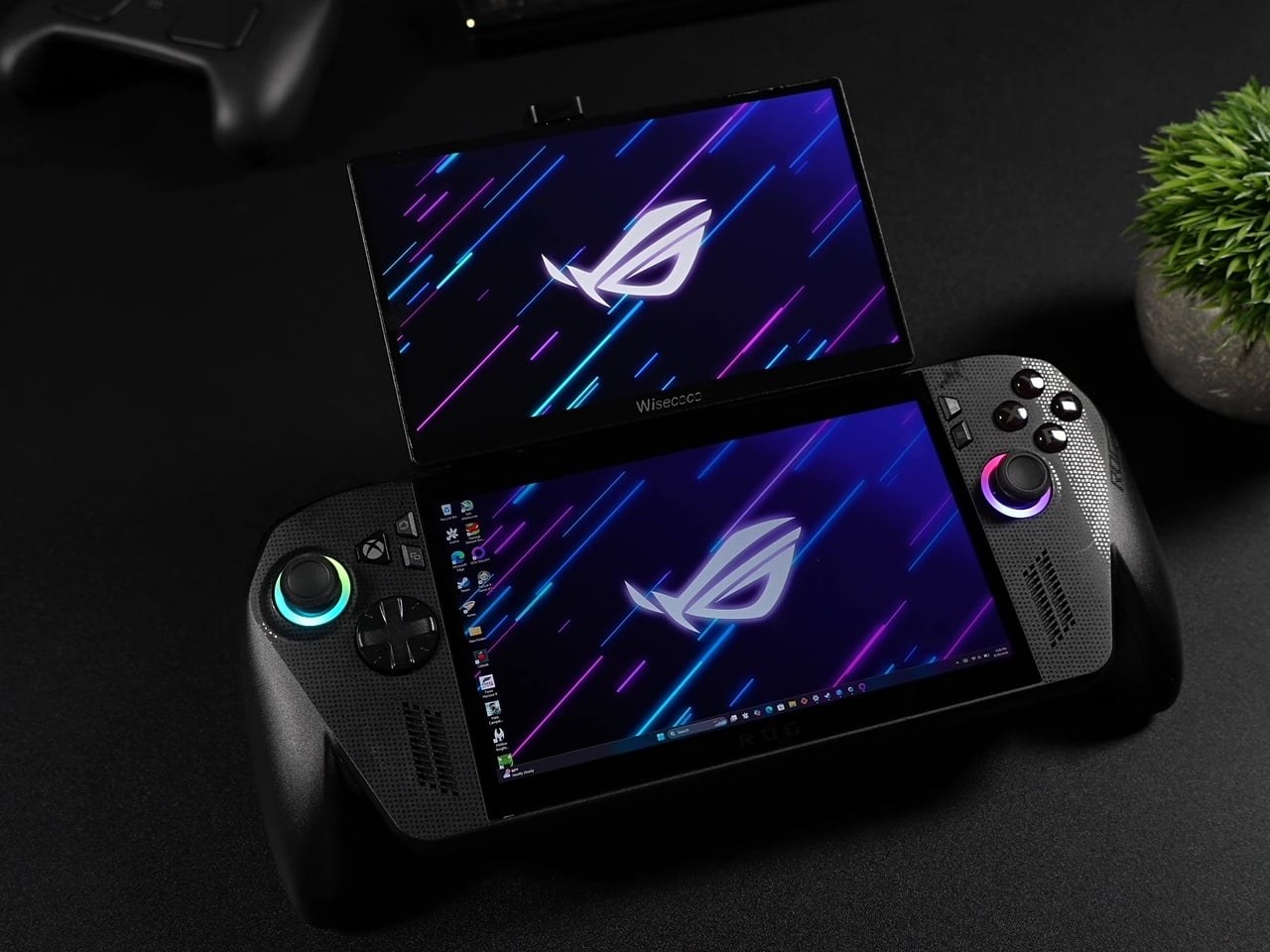
A modular magnetic setup adds a secondary 120Hz display to the ASUS ROG Ally X using off-the-shelf parts instead of a dedicated dual-screen console. The add-on unlocks DS emulation and live telemetry panels while detaching instantly for everyday travel.

Startup ViewX has launched a Kickstarter campaign for a 27-inch 4K monitor that projects 3D depth without requiring a VR headset or plastic glasses. While the $1,200 pledge undercuts commercial 3D displays, backing an unreleased optical panel carries serious risks compared to established OLED alternatives.
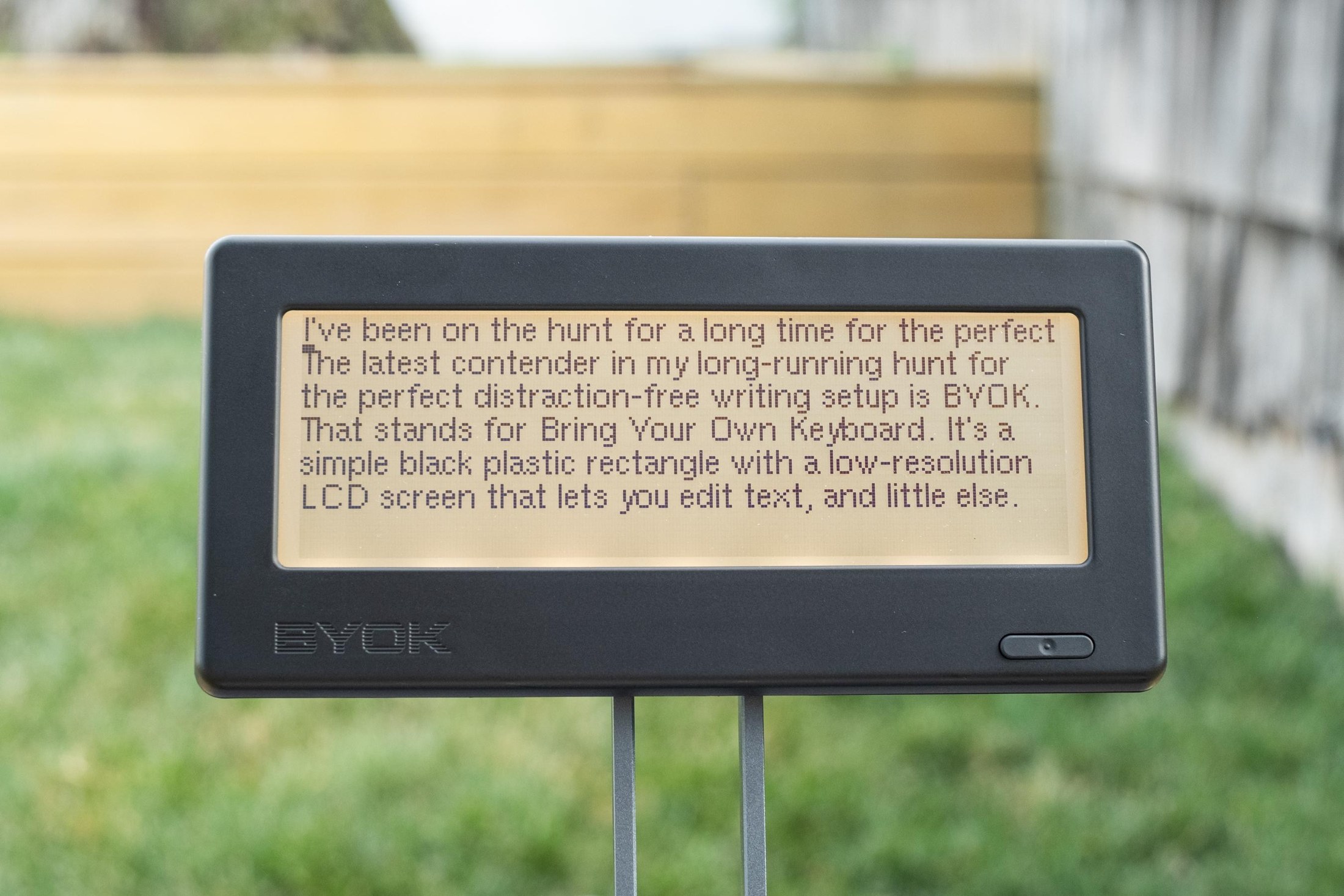
Minimalist digital typewriter BYOK is introducing an optional scripting engine for screenwriters and novelists. Founder Nick Sjolinder aims to support complex writing tools without cluttering the screen for those who only want plain text.

Unico USA packaged a 4:3 display into a retro-style chassis to end widescreen distortion on vintage consoles. The portable ULQ10 Traveller features HDMI, VGA, and RGBs inputs, though classic composite video was dropped to keep the case compact.

Startup Enough revealed a concept for a compact 5.3-inch smartphone featuring a flush rear camera and a replaceable battery. The project targets users tired of oversized flagships, though it currently exists only as renders ahead of a planned Kickstarter campaign.
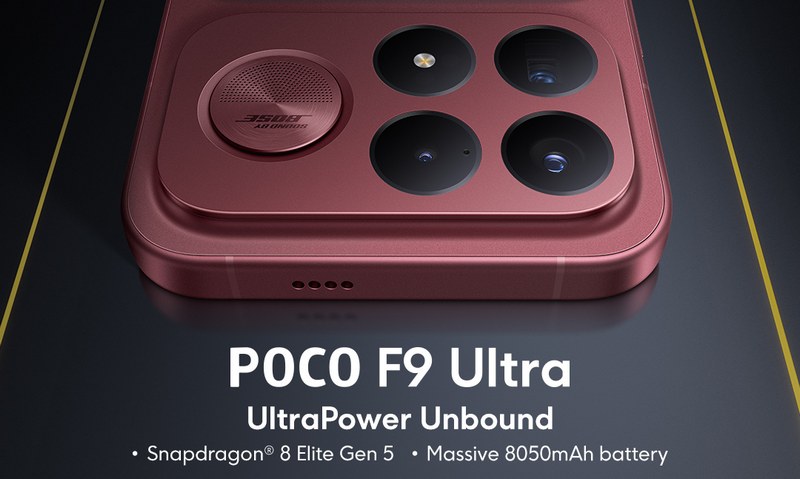
POCO has squeezed a tablet-grade 8,050mAh silicon-carbon battery into the new F9 Ultra alongside a niche 185Hz screen. The resulting hardware delivers multi-day endurance for power users at the expense of a heavier, thicker frame.
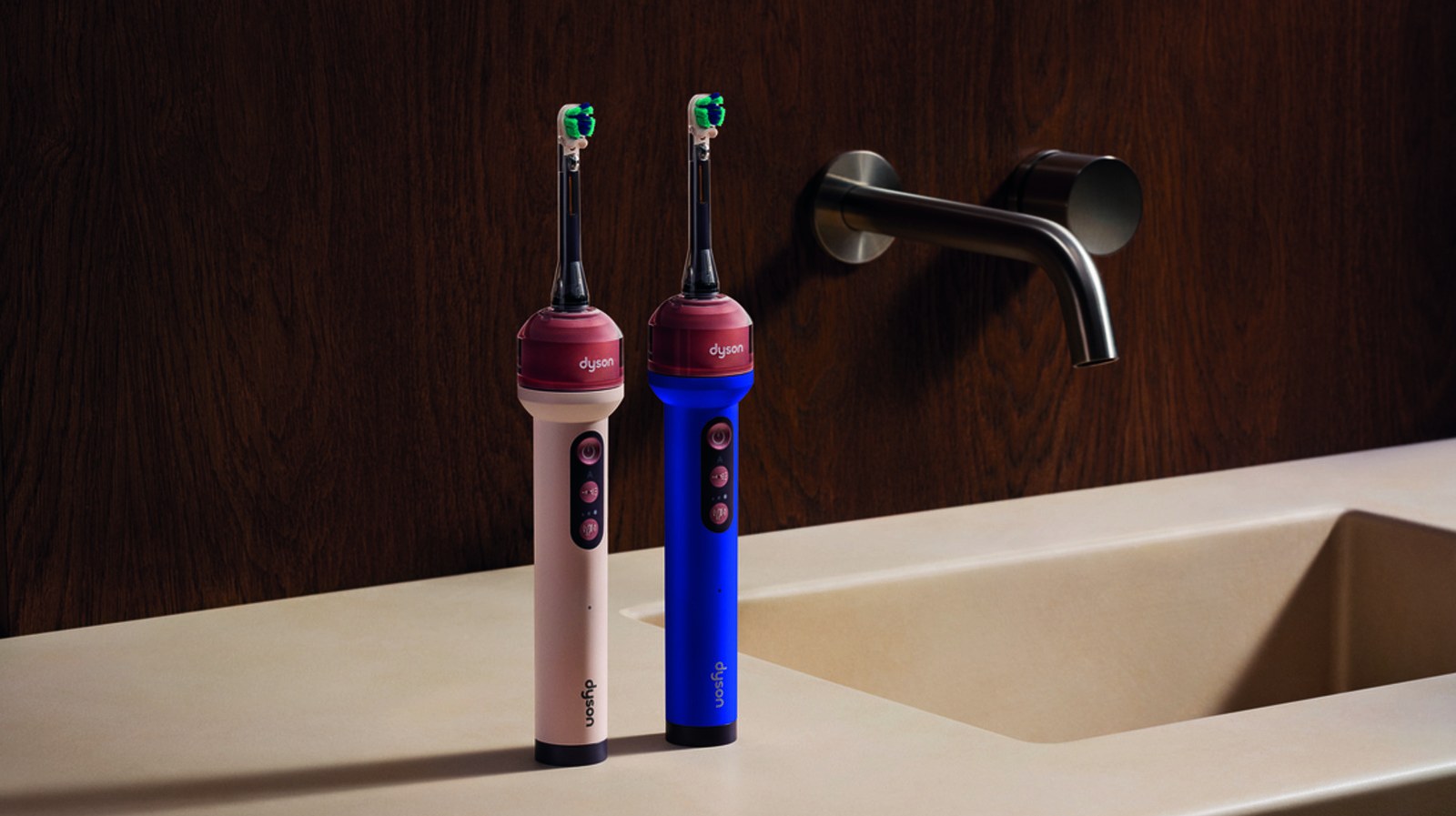
Dyson entered oral care with the CameraJet, packing an optical sensor and computer vision into an electric brush to blast tooth gaps automatically. The luxury wand streams live video to smartphones, but its tiny 12.5-milliliter water reservoir turns everyday flossing into a constant refill chore.

TP-Link has introduced its first Wi-Fi 8 mesh systems and routers boasting speeds up to 22 Gbps. However, the lack of compatible smartphones and laptops makes the expensive hardware entirely premature for regular consumers.
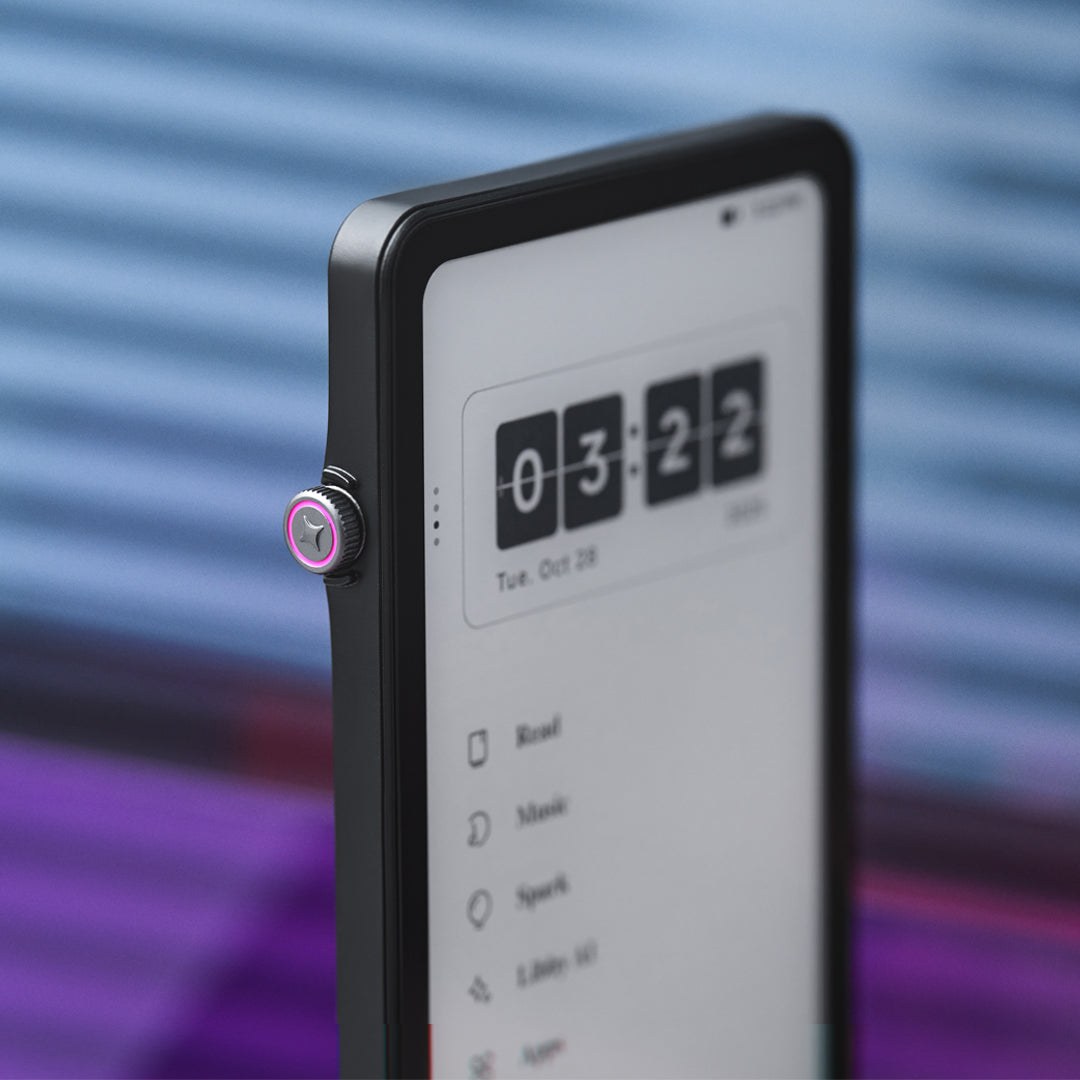
DuRoBo has launched the Krono, a phone-sized E Ink reader running full Android with a hardware scroll dial for $280. While the ultraportable form factor and battery life impress, sluggish screen refreshes and the lack of cellular support make it an expensive niche device.
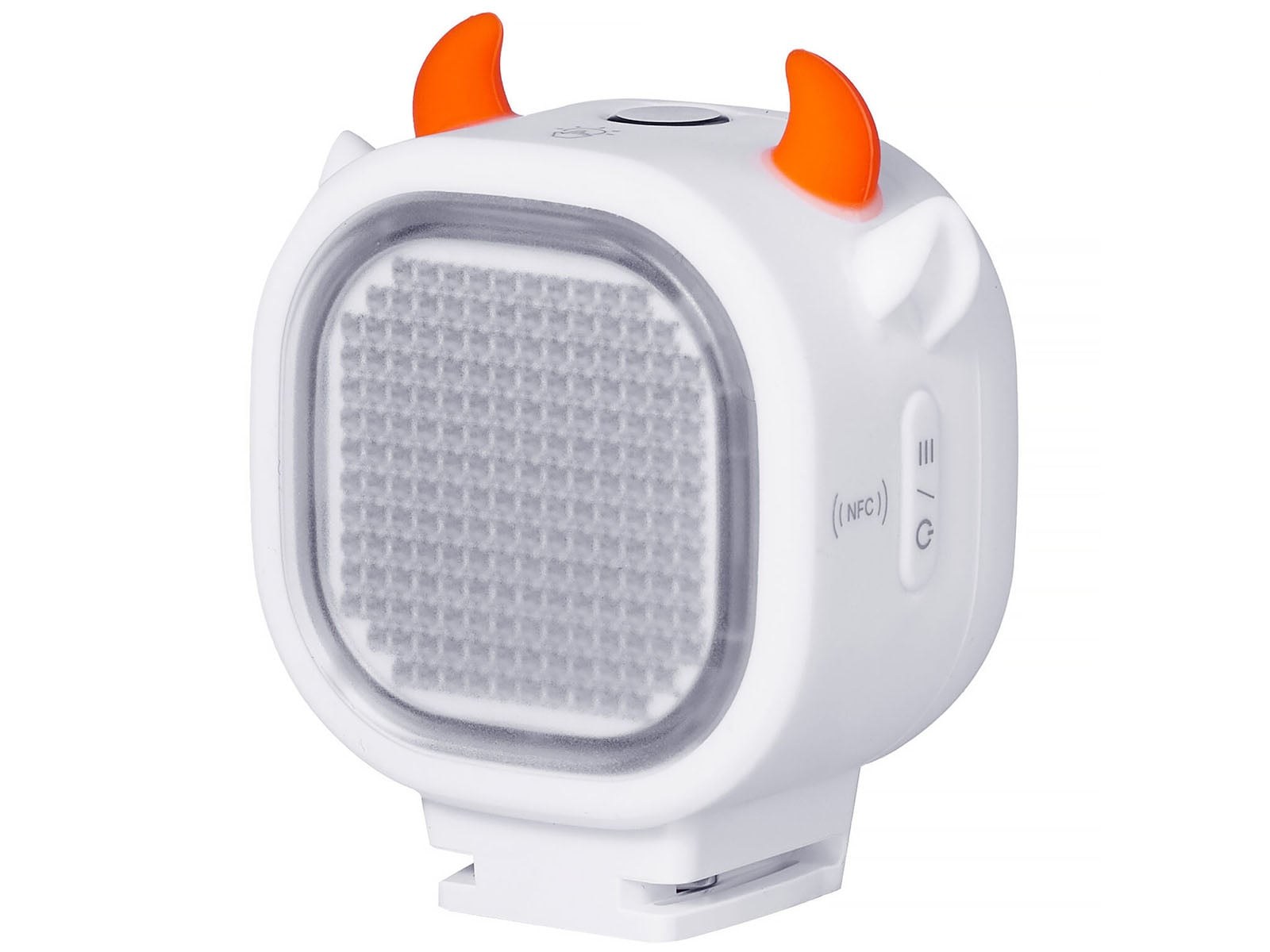
Godox released the LT1, a 37-gram pixel screen that mounts to a camera hot shoe for $33.90. While useless as a primary video light, it offers solo creators a physical shortcut to toggle studio lighting scenes without a smartphone.

Researchers at POSTECH developed MiPAL, a single-transducer acoustic speaker that focuses private sound directly at an individual seat. The metamaterial design eliminates bulky hardware arrays and headphone fatigue, though current prototypes still face volume limits.
Maker Sachin Soni built a DIY smart door lock powered by an infrared palm vein scanner that cannot be fooled with lifted fingerprints. While the biometric sensor is virtually unpickable, unencrypted data wiring on the exterior leaves it vulnerable to basic tampering.
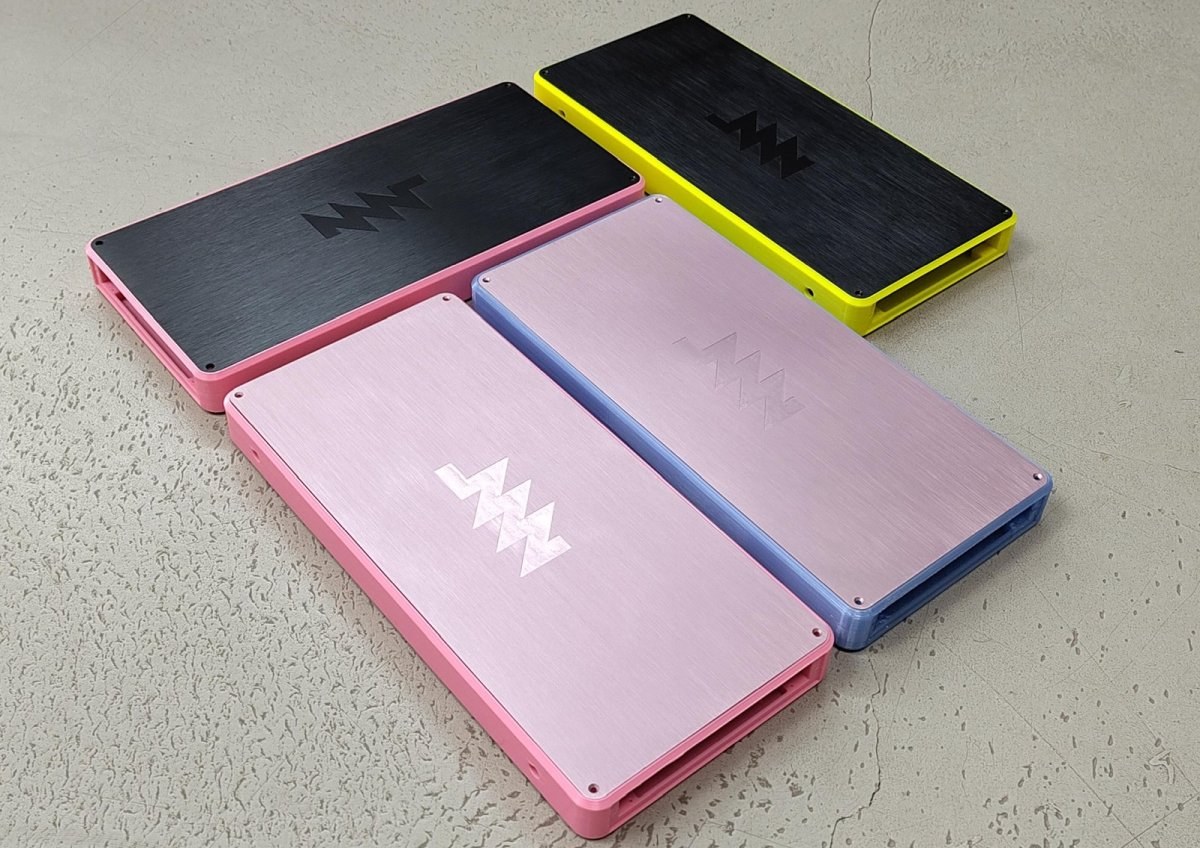
Boutique workshop MNT Research unveiled the MNT Station, an aluminum hub designed to convert retired Reform laptop motherboards into functional desktop mini-PCs. While it offers a sustainable second life for existing modular hardware owners, building a standalone setup from scratch climbs past $1,800.
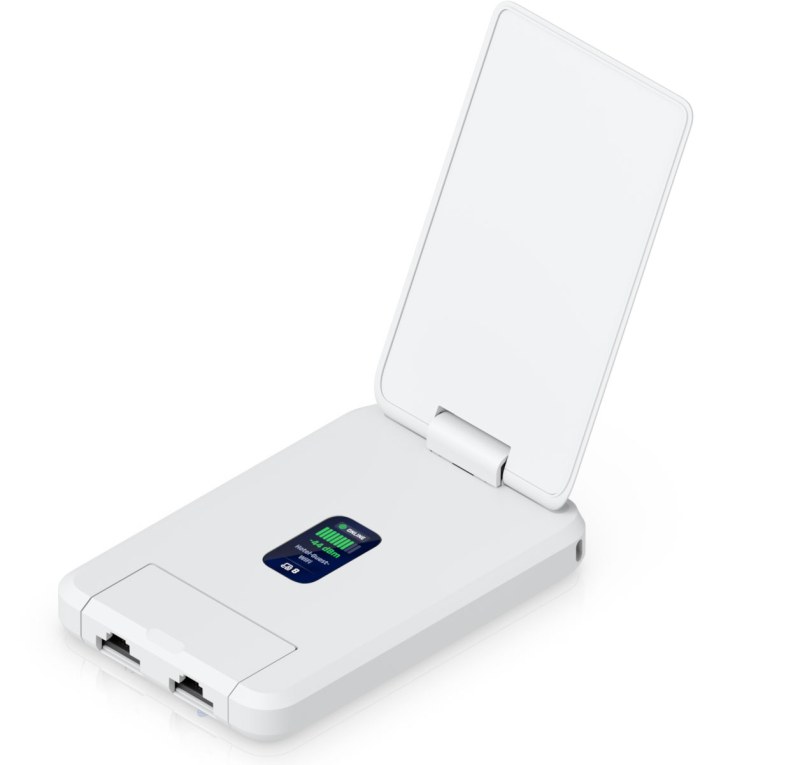
Ubiquiti has launched the UniFi Travel Router Long-Range, a pocketable €89 device with built-in hardware VPN encryption. It automates network isolation across multiple devices in hotel rooms, though it requires an external USB-C power source to stay online.
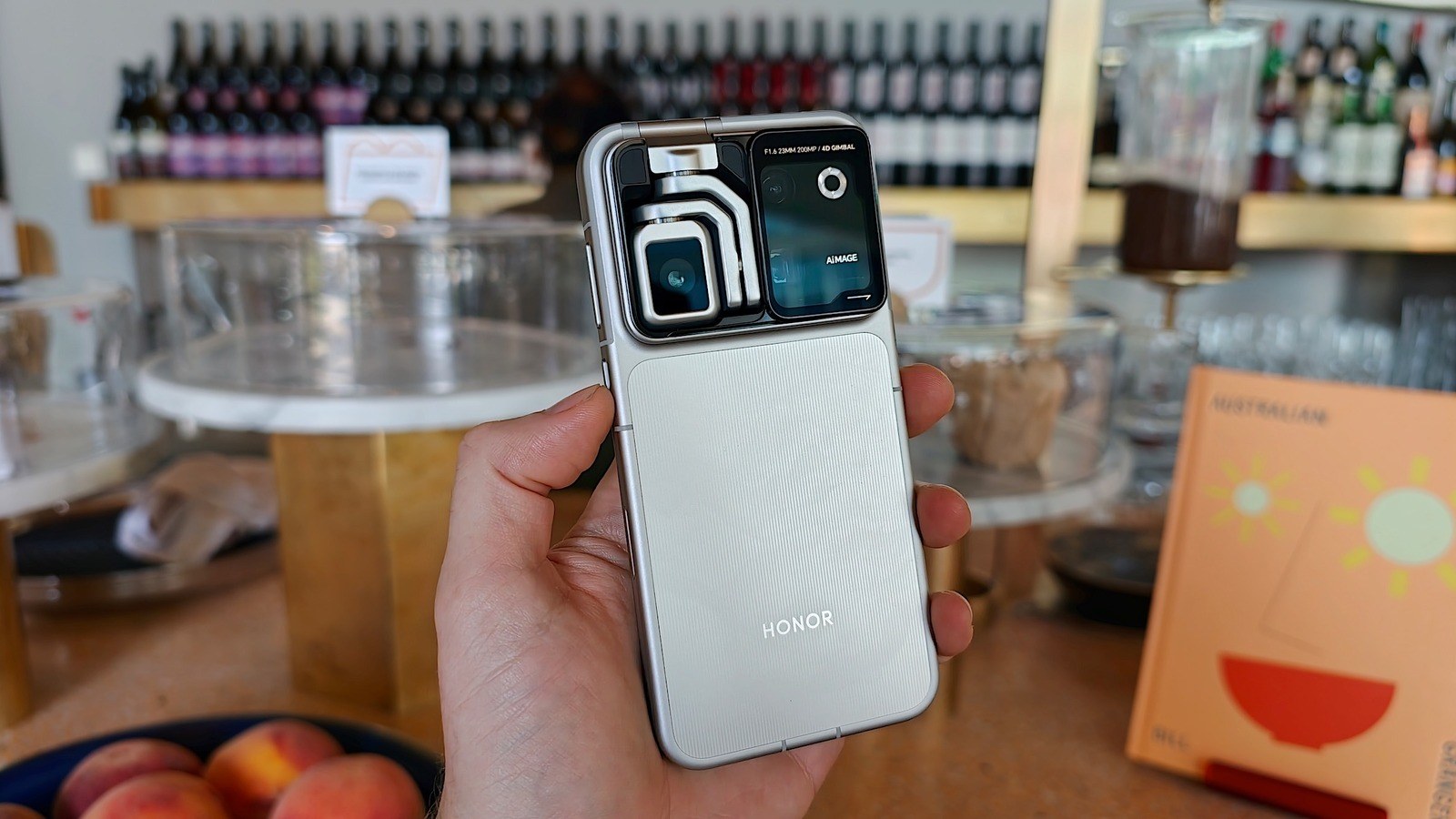
Honor engineered a functional three-axis motorized stabilizer directly into the rear chassis of its new experimental flagship. While mechanical horizon leveling delivers remarkably smooth footage, manual deployment and fragile moving parts limit its daily practicality.

Independent creators are bringing back the 1990s transparent tech aesthetic with single-purpose desktop hardware. Major smartphone makers cannot easily follow suit, trapped by thermal heatsinks, radio shielding, and unsightly internal glue.

Budget smart padlocks with fingerprint scanners promise keyless security for under $30. Teardowns reveal that weak alloy casings and loose shackle tolerances can be bypassed with paperclips and screwdrivers in seconds.

Developers behind PhoneLLM Alpha 1 cut conversational AI response times by 1,300 milliseconds while reducing operational compute costs by 94 percent. The open-source architecture matches top closed models, paving the way for lag-free voice assistants in smart home gear without mandatory subscriptions.

Huawei redesigned its tri-folding phone ahead of a September 7 launch, turning the delicate 10-inch display inward to prevent pocket scratches. The hardware offers up to 2TB of storage, but it remains a heavy, ultra-expensive pocket brick meant strictly for luxury flexes.

HMD has unveiled the 105 4G School Edition, a back-to-school feature phone stripped of all games, web browsing, and media tools. Built solely for basic calls and texts, it offers parents total hardware lockdown at the expense of student appeal.
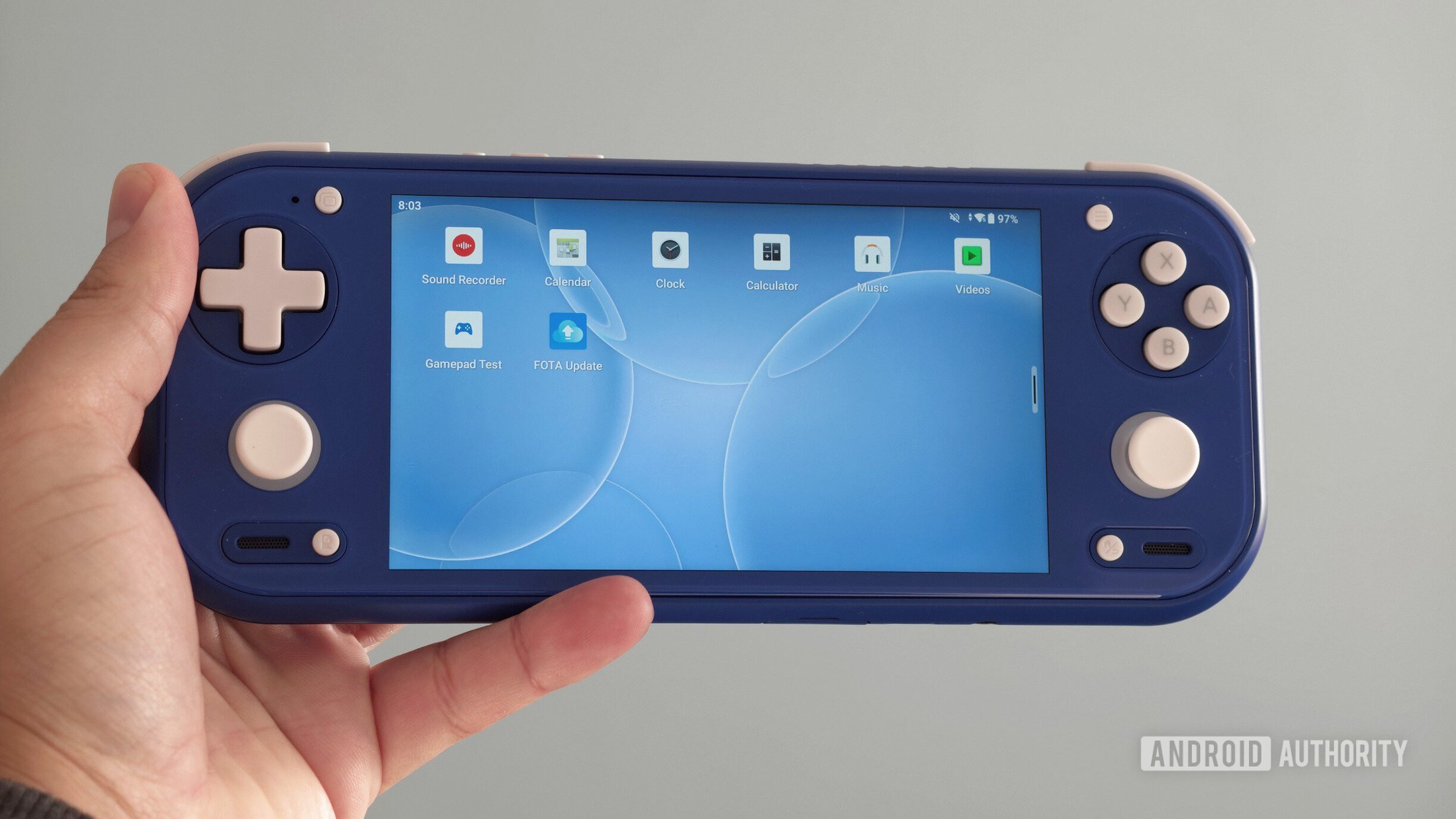
Anbernic released the RG 55G1 handheld featuring a 5.5-inch 1080p screen and drift-proof Hall sticks wrapped in Nintendo Switch Lite ergonomics. The $139.99 Snapdragon-powered device targets classic PS1 and PSP libraries rather than modern native console titles.

Huawei introduced the Watch D3, equipping the smartwatch with a physical inflatable cuff for certified blood pressure monitoring. The design delivers genuine medical-grade data even at high heart rates, though the bulky strap sacrifices gym and sleep comfort.
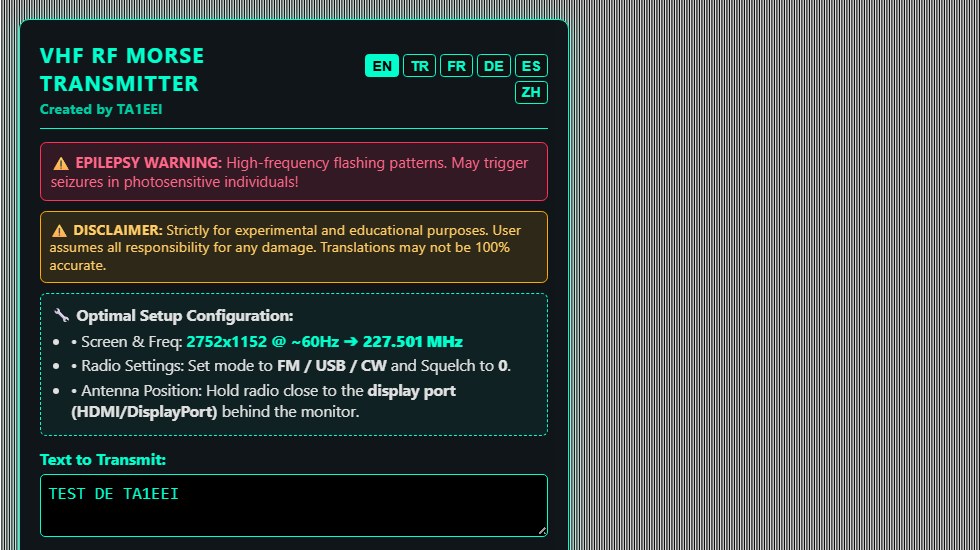
Hardware tinkerer Efe demonstrated how standard HDMI and DisplayPort cables can act as VHF radio antennas via pixel clock manipulation. By switching patterns on a 1080p display at 60 Hz, an offline browser page pulses Morse code at 148.5 MHz. The exploit allows unauthorized data transmission from air-gapped computers without using Wi-Fi hardware.
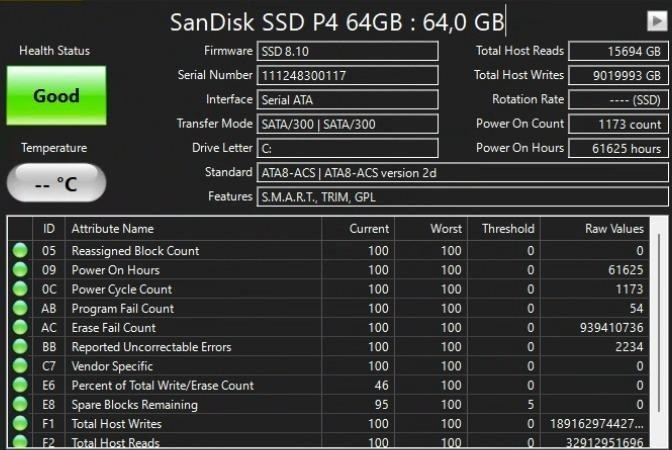
A 16-year-old 64 GB SSD survived over 140,000 full overwrite cycles before showing sector errors. The real-world torture test confirms that factory endurance ratings are legal safeguards rather than hard operational limits for everyday computer users.
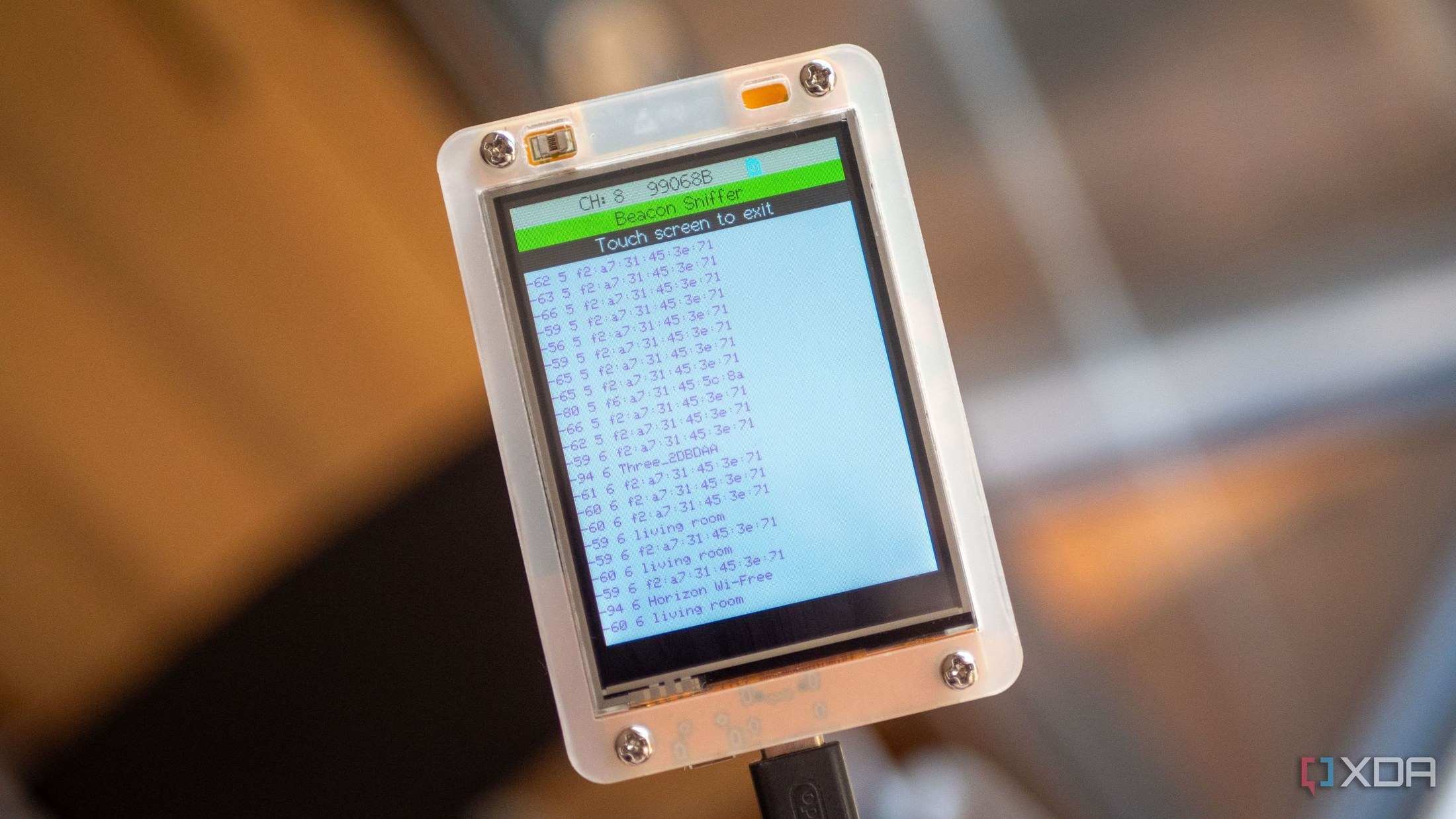
Developer alunmorris turned the cheap ESP32 'Cheap Yellow Display' board into a standalone pocket encyclopedia holding 285,000 articles. The no-solder build runs off a microSD card and a basic power bank, delivering instant reference access without an internet connection.
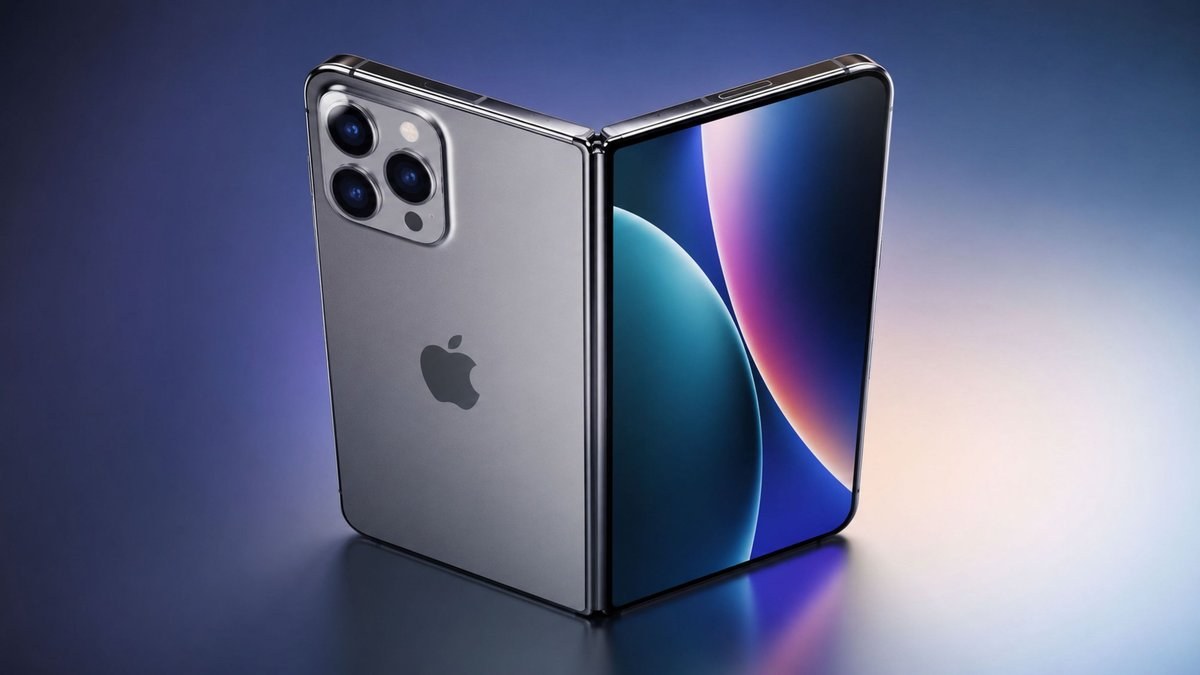
Early repair estimates show fixing a broken iPhone Fold internal display will cost at least $1,155, nearly double what Samsung charges for similar Galaxy Fold screens. The extreme complexity of Apple's custom hinge mechanism will force independent shops to invest in specialized tooling, driving up out-of-warranty costs for early adopters.

Xiaomi launched the Mijia Mini Dual-Tube Washer Dryer, placing two independent drums side by side to handle separate wash loads simultaneously. While it speeds up delicate and infant garment care, a modest 5 kg total capacity makes it better suited as a secondary appliance than a full-size replacement.
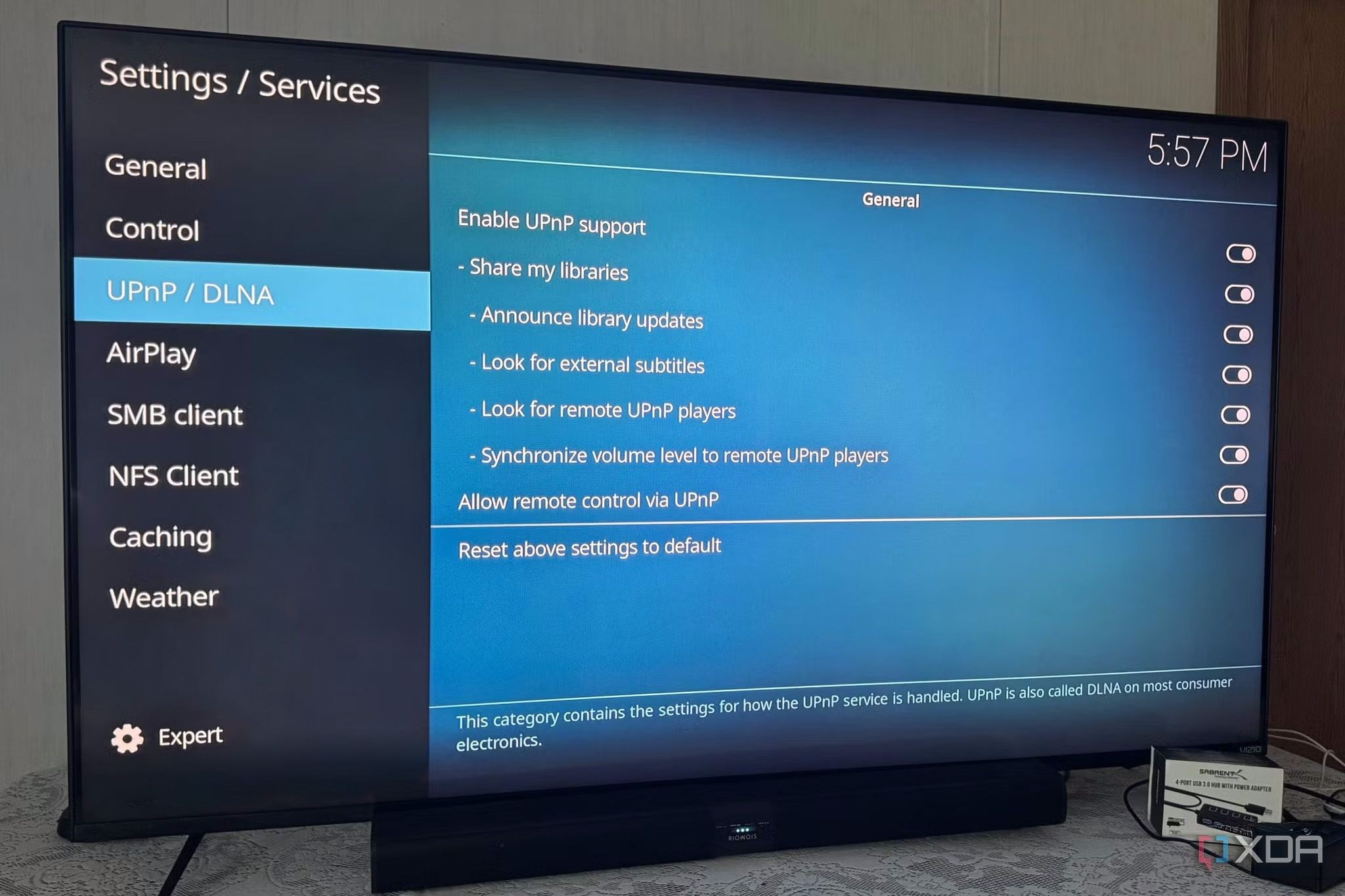
Repurposing the budget Onn 4K Pro into a self-hosted media server sounds like an affordable hack, but physical bottlenecks quickly derail the project. Underpowered USB ports, dropped 4K frames, and Android TV permission bugs make dedicated hardware the only practical choice.
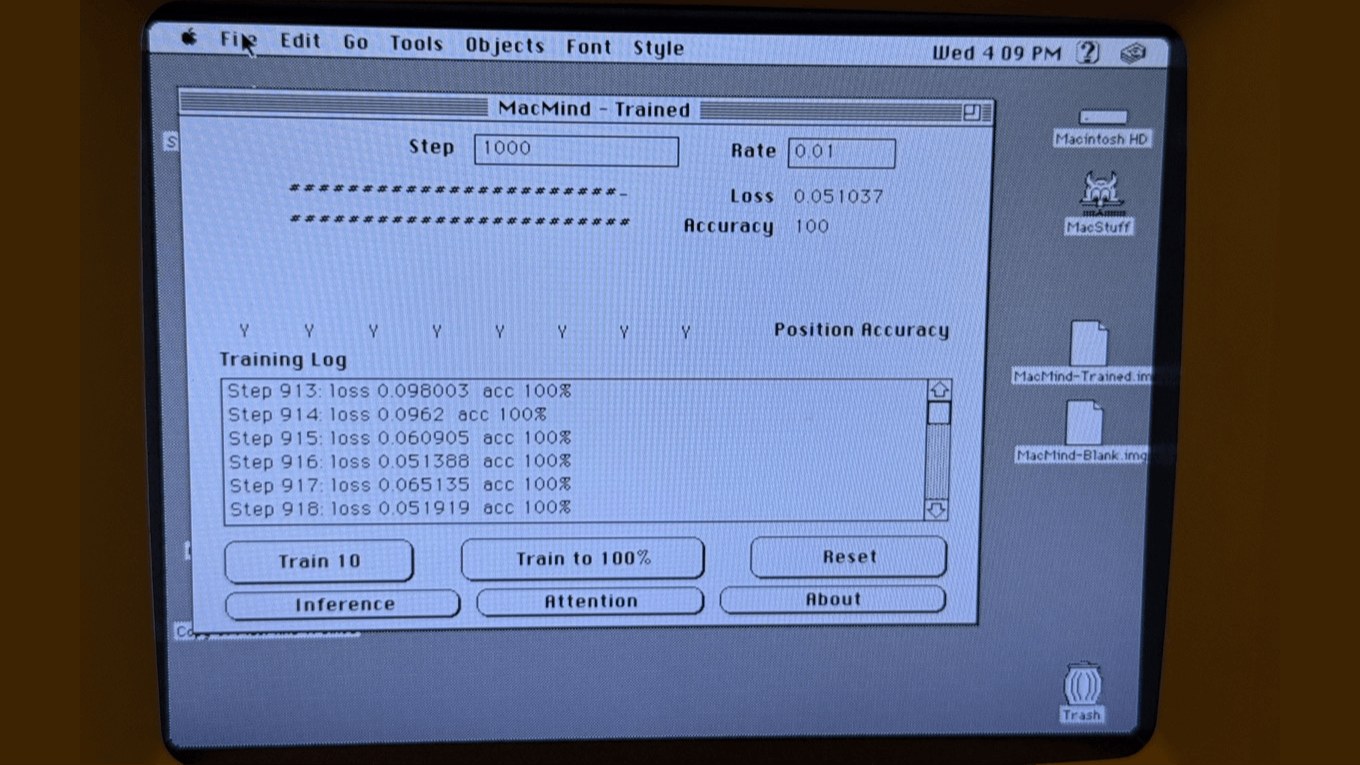
Developer Sean Lavigne built a functioning transformer neural network on a 1989 Macintosh SE/30 using HyperTalk scripting. The 1,216-parameter project proves that modern AI is grounded in straightforward math rather than exclusive mega-datacenter hardware.

Xiaomi is rolling out official battery upgrades that fit higher-density cells into aging flagship smartphones instead of standard factory replacements. The initiative extends device lifespans and delivers higher capacity than original launch specifications without forcing users to buy new hardware.
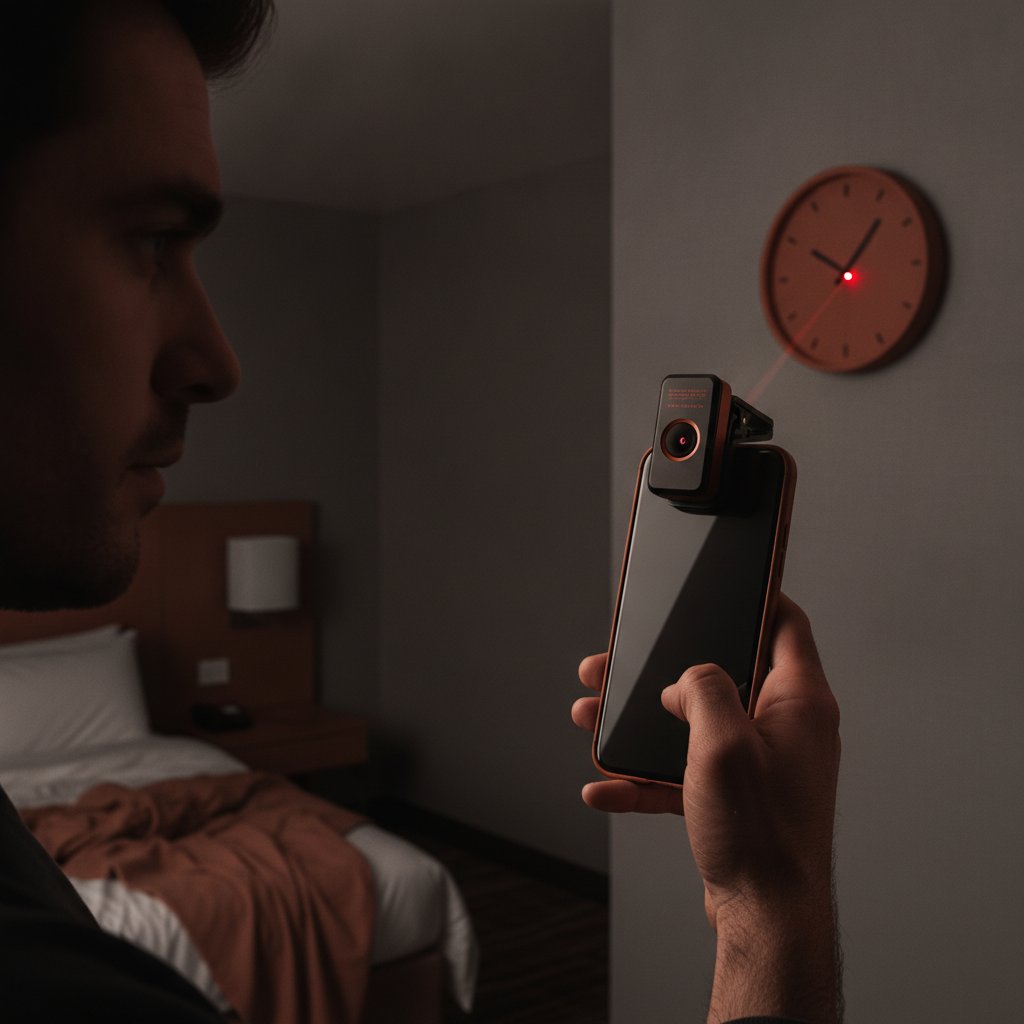
Commercial spy camera detectors miss nearly 60% of hidden lenses due to misleading glare from screws and plastic. Researchers from KAIST developed SweepLED, a $7 multi-angle phone attachment that automates reflection analysis to pinpoint hidden cameras in five seconds. The open design paves the way for cheap, highly accurate travel privacy tools.
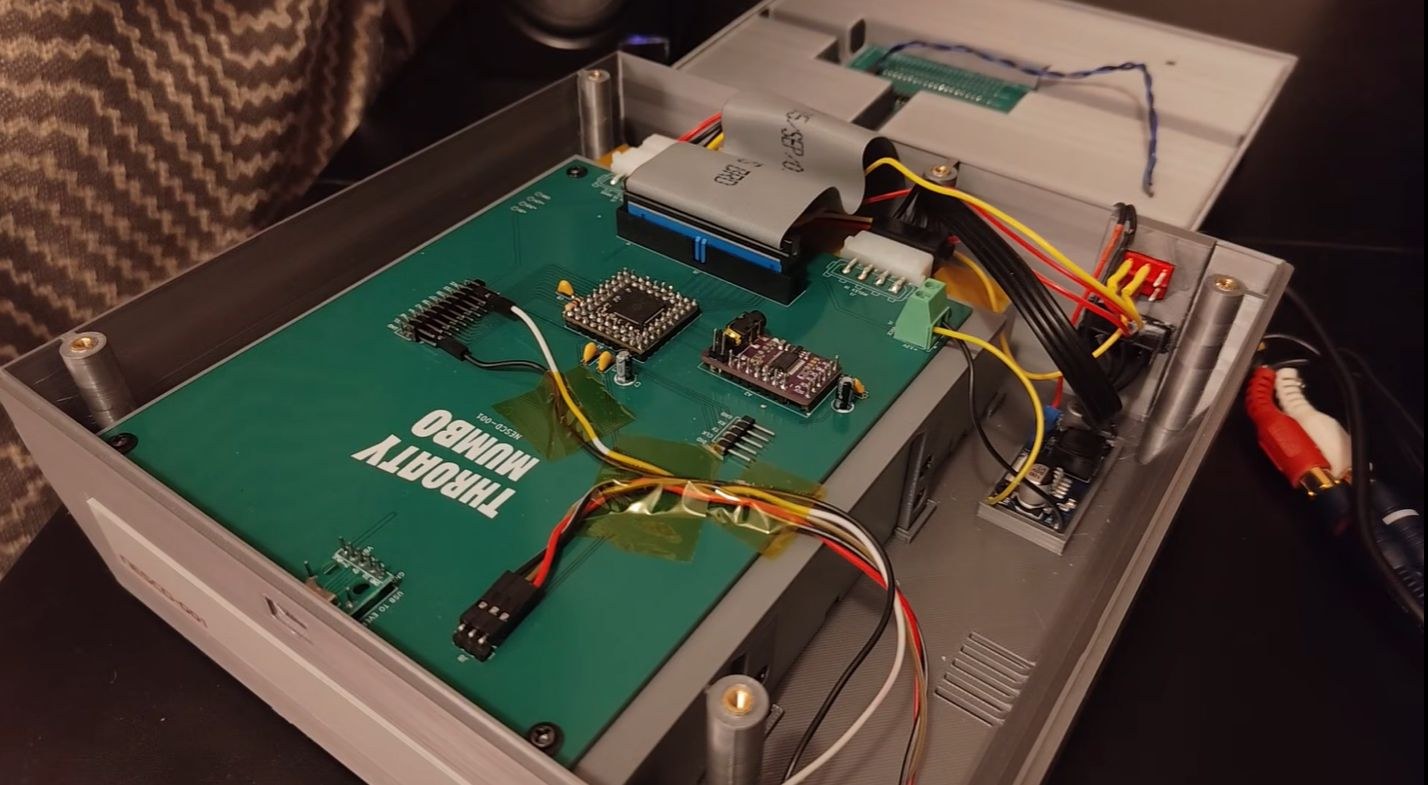
Hardware hacker Throaty Mumbo created a custom expansion board that connects a full-size optical CD drive to an unmodified 1985 Nintendo Entertainment System. The setup streams CD-quality audio and loads massive games directly through vintage hardware ports without soldering the console board. It showcases how 8-bit retro consoles can break past cartridge storage limits while preserving original silicon.
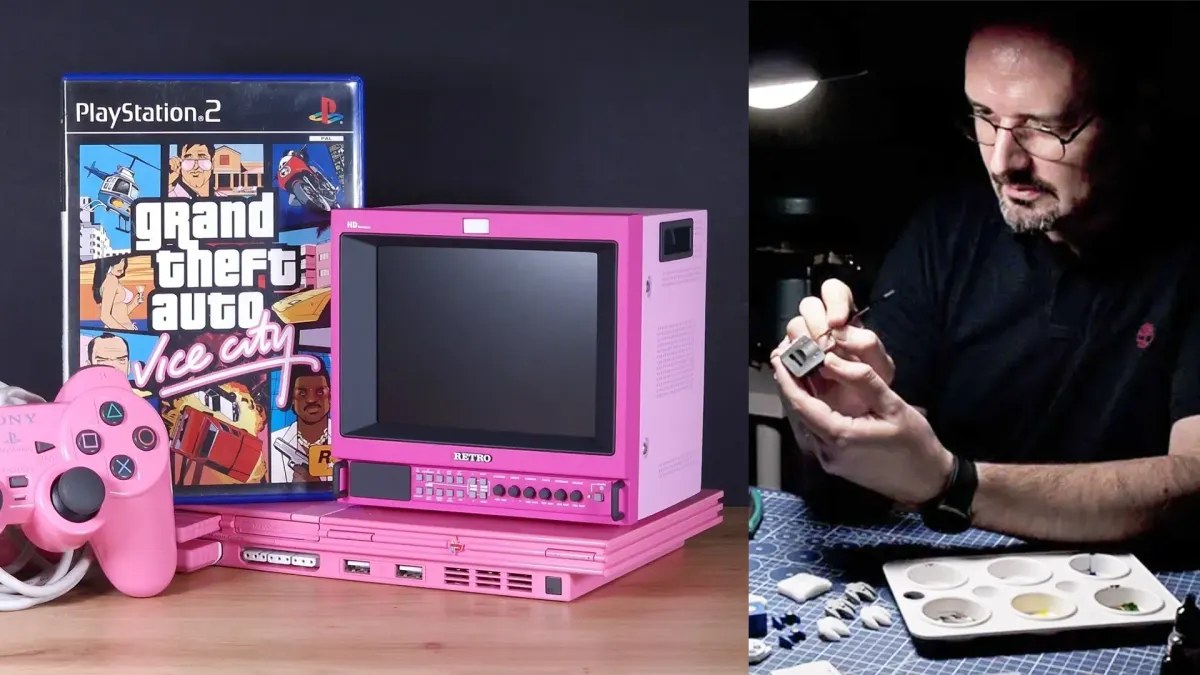
Engineer JC Ayala opened pre-orders for artisan 8-inch and 10.5-inch mini displays designed to look like vintage broadcast monitors. Despite prices reaching $1,475, retro gaming collectors continue to sell out the handcrafted units for their authentic analog controls and modern HDMI inputs.
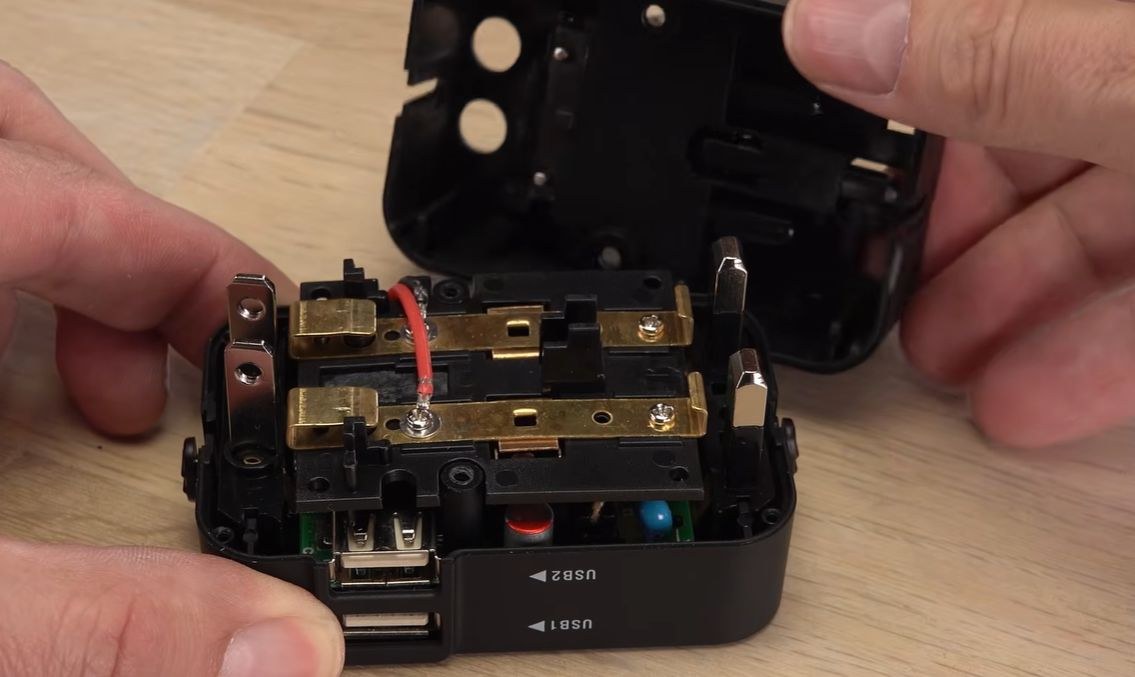
A hardware dissection of a generic $9 travel plug revealed that all sliding prongs share unisolated parallel wiring. Plugging the unit into mains voltage leaves unused pins fully energized, turning cheap all-in-one chargers into severe shock hazards.

Open-source tool StemDeck isolates six audio stems directly on local consumer hardware instead of charging monthly cloud fees. The software eliminates upload queues and keeps unreleased music strictly on personal drives with a full multitrack mixer interface.

Aoostar has released the NEX395 mini PC featuring AMD's flagship Ryzen AI Max+ 395 chip and 64 GB of RAM for $1,785. To hit that price point, the manufacturer omitted internal storage entirely, forcing buyers to install their own SSD before booting up.
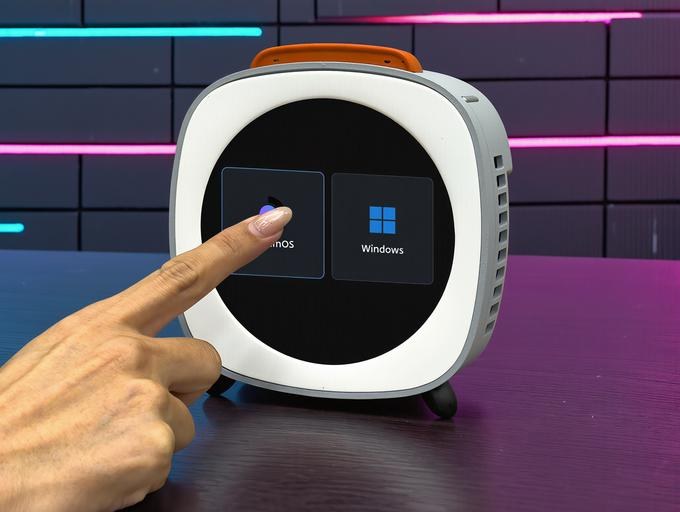
The Piston V mini-PC has raised hundreds of thousands on Kickstarter by wrapping modern AMD silicon in a vintage CRT television chassis. Equipped with an integrated touchscreen for dual-booting and an OCuLink port for external GPUs, it trades raw price-to-performance for bold desktop aesthetics.

Nintendo is increasing the base 256GB Switch 2 price from $450 to $500 next week due to surging component and memory costs across the supply chain. The price hike pushes the handheld into direct financial competition with full-sized home consoles like the PS5 and Xbox Series X.
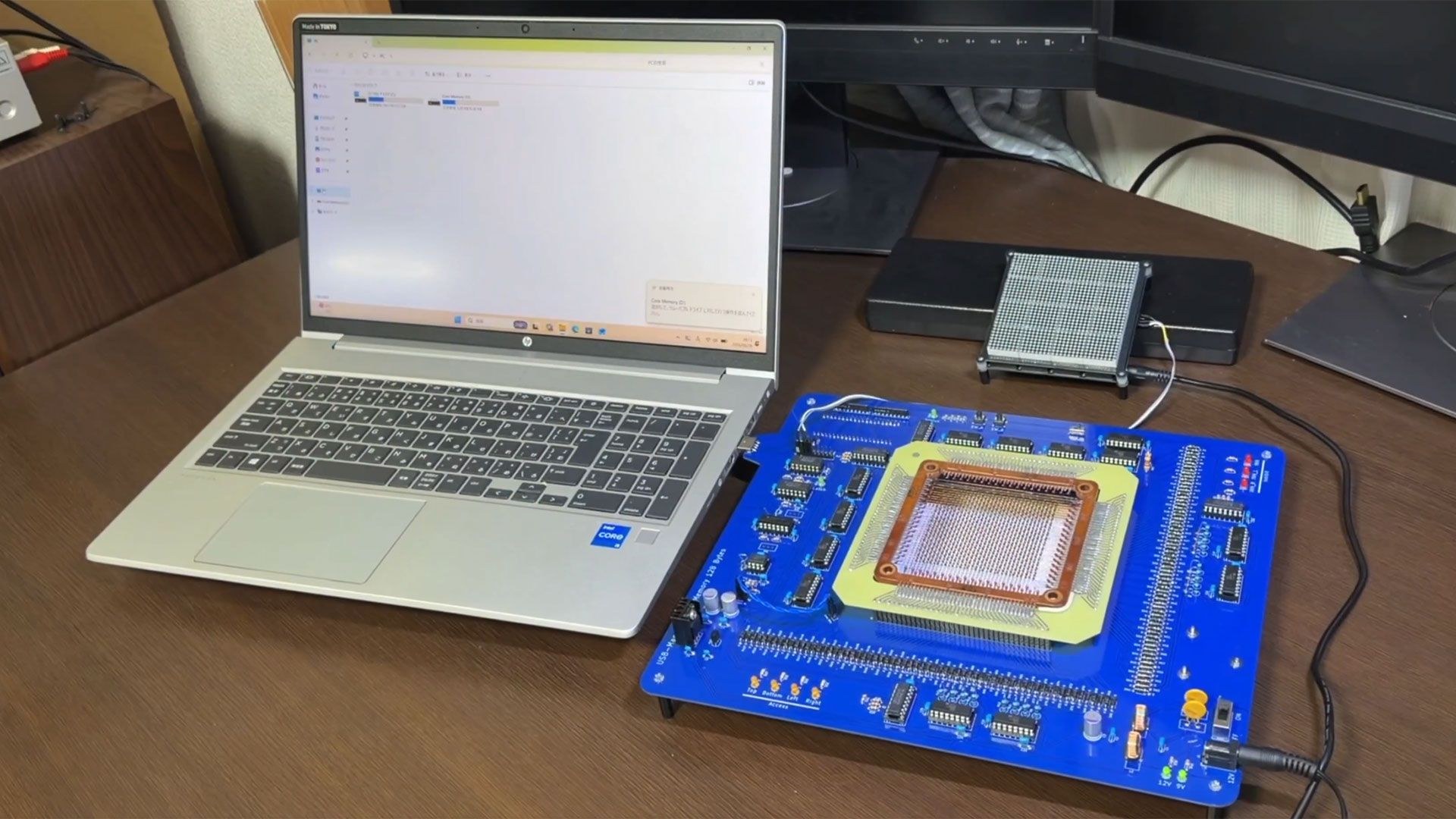
A Japanese space researcher engineered a foot-wide circuit board that uses Apollo-era magnetic core memory to physically move data over USB. The dinner-plate-sized device holds only 128 bytes and blinks with 1,024 LEDs to visualize every single bit in transit.
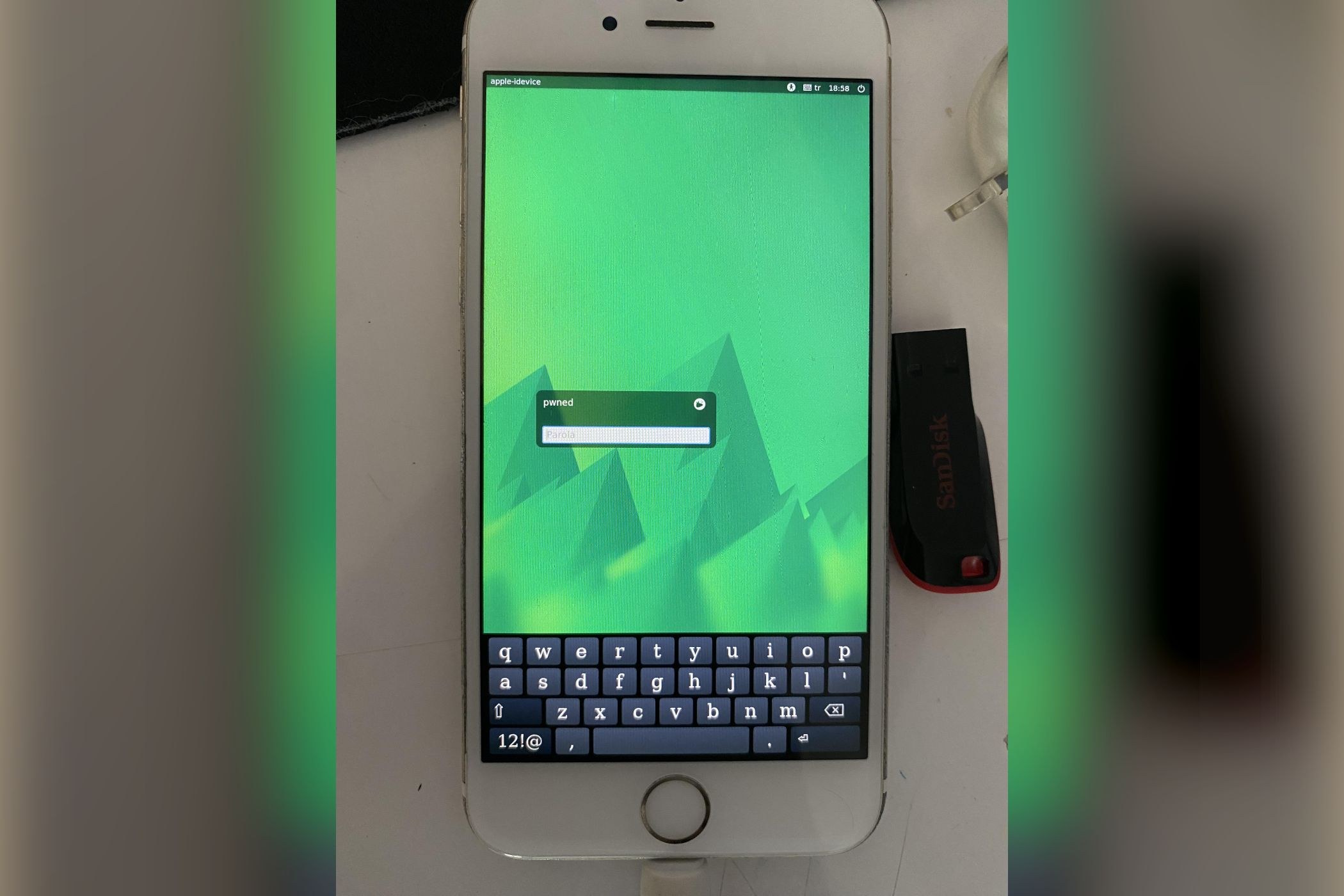
A tech enthusiast successfully booted postmarketOS Linux onto a decade-old iPhone 6S after a three-hour setup. The project proves obsolete Apple hardware can run alternative desktop systems, though broken mobile features make dedicated boards like a Raspberry Pi far more practical for everyday utility.
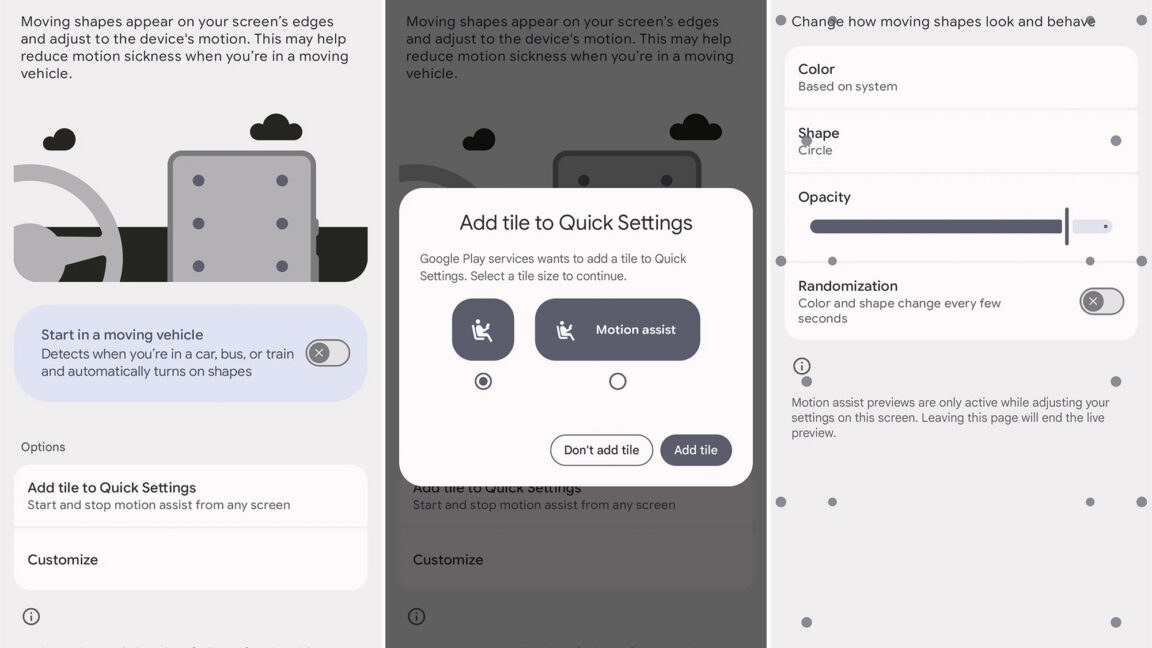
Google is rolling out Motion Assist, an Android feature that places animated markers along screen edges to counteract vehicle motion sickness. The tool uses internal sensors to match visual cues with inner-ear acceleration in real time.

Engineers at UC San Diego built a smart ring prototype that reads glucose, lactate, and electrolytes directly from fingertip sweat pores without needles. The biochemical micro-sensors replace standard optical trackers with real metabolic data, though packaging the tech into retail jewelry remains years away.

Microsoft partnered with Ikea to launch the nine-piece Yxstaby furniture collection for the 25th anniversary of the original Xbox console. The lineup features standard living-room storage alongside an oversized thumbstick stool molded directly from official controller 3D design files.

Apple raised the standalone Apple TV fee to $15 per month and bumped Apple One bundle pricing across all tiers. The adjustment offsets streaming catalog deficits by extracting recurring revenue from existing device owners. iPhone and Mac users face higher ongoing costs unless they rotate subscriptions seasonally.
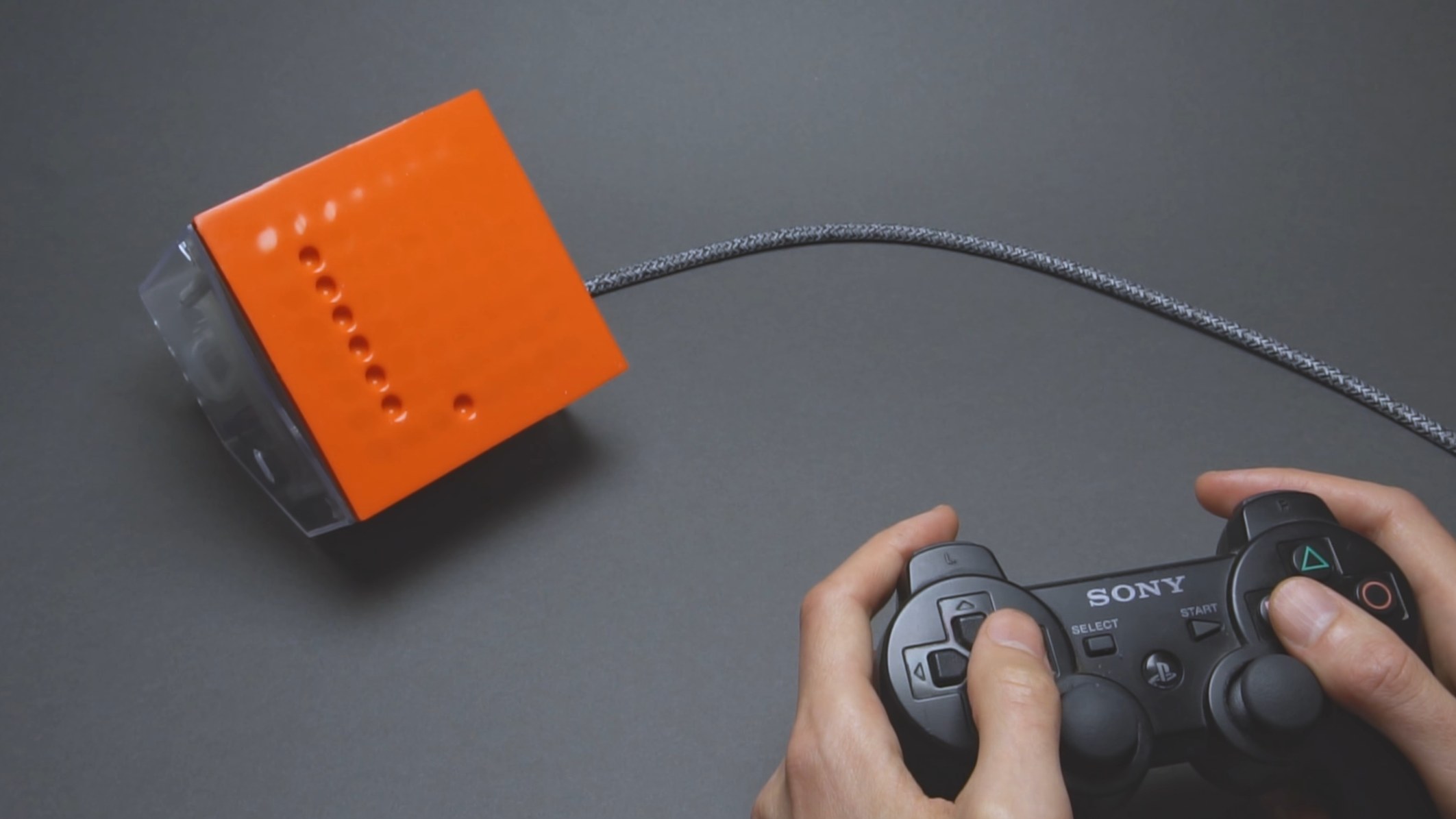
An independent engineer built a fully mechanical dot-matrix screen out of silicone membranes and vacuum logic channels that can run simple games like Snake. The dimpling rubber surface creates shadow pixels and registers physical touch without relying on electronic microchips.
Physicists have demonstrated a working quantum battery prototype that charges faster as its capacity grows, using superradiance instead of chemical reactions. While the breakthrough eliminates charging heat and cell degradation, the bulky optical setup cannot yet store or steadily release power for mobile hardware. Mainstream smartphones will rely on standard lithium-ion packs for years to come.
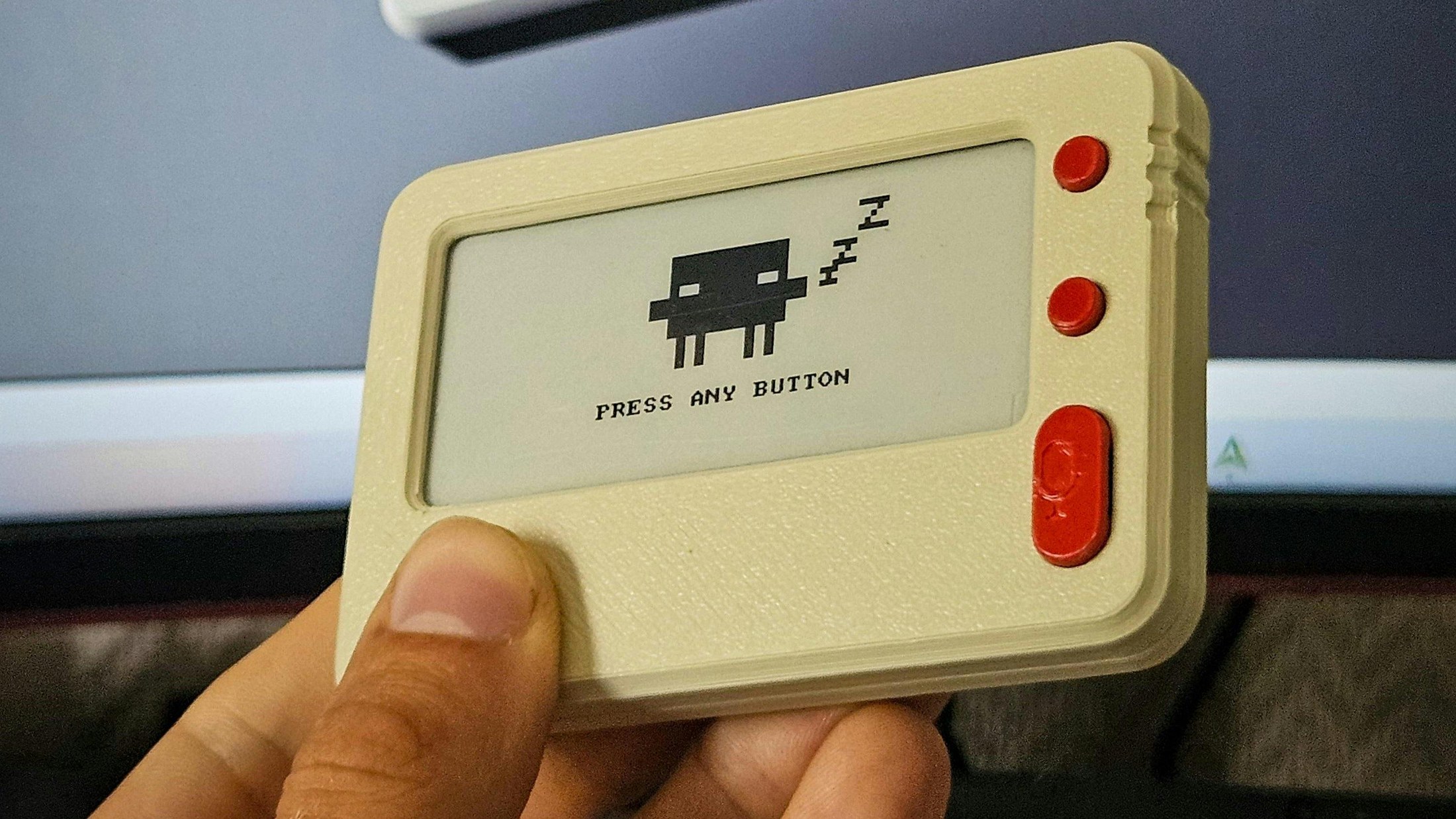
Makers are bypassing bloated AI pins and screen distractions by turning back to tactile hardware. JeanDeBaill built the Claude Pager, an ESP32-powered pocket device that converts spoken prompts into instant text on a 2.9-inch e-paper display. It delivers multi-day battery life and silent answers without phone notifications or rambling voice assistants.
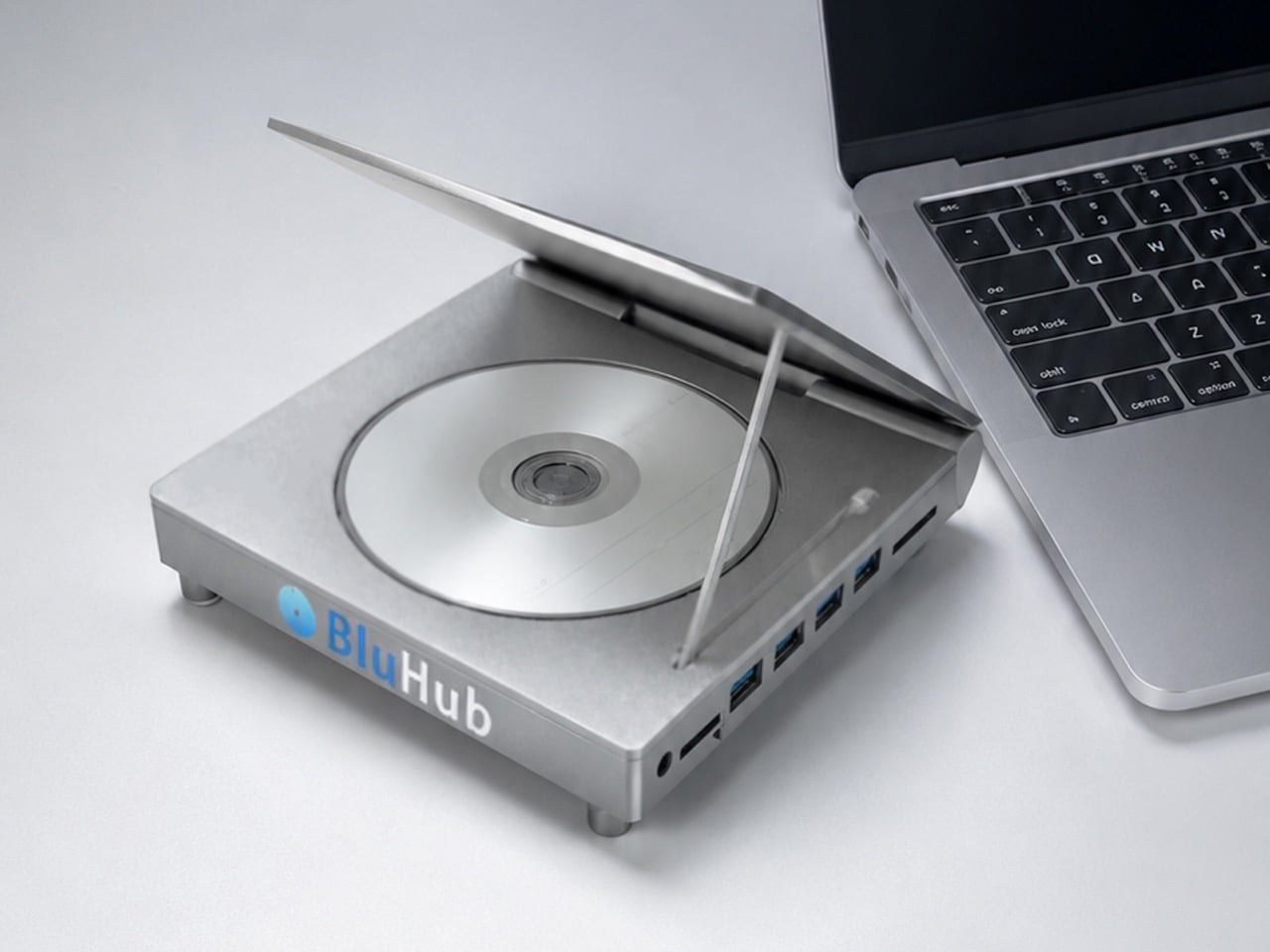
An LA collective has launched BluHub on Kickstarter, combining an everyday USB-C hub with a 100GB BDXL optical burner to fight rising cloud fees and deleted digital purchases. The bus-powered aluminum dock includes four USB 3.0 ports, card slots, and an integrated album art display. Early backers can pre-order the offline backup station for $59 ahead of its November 2026 release.
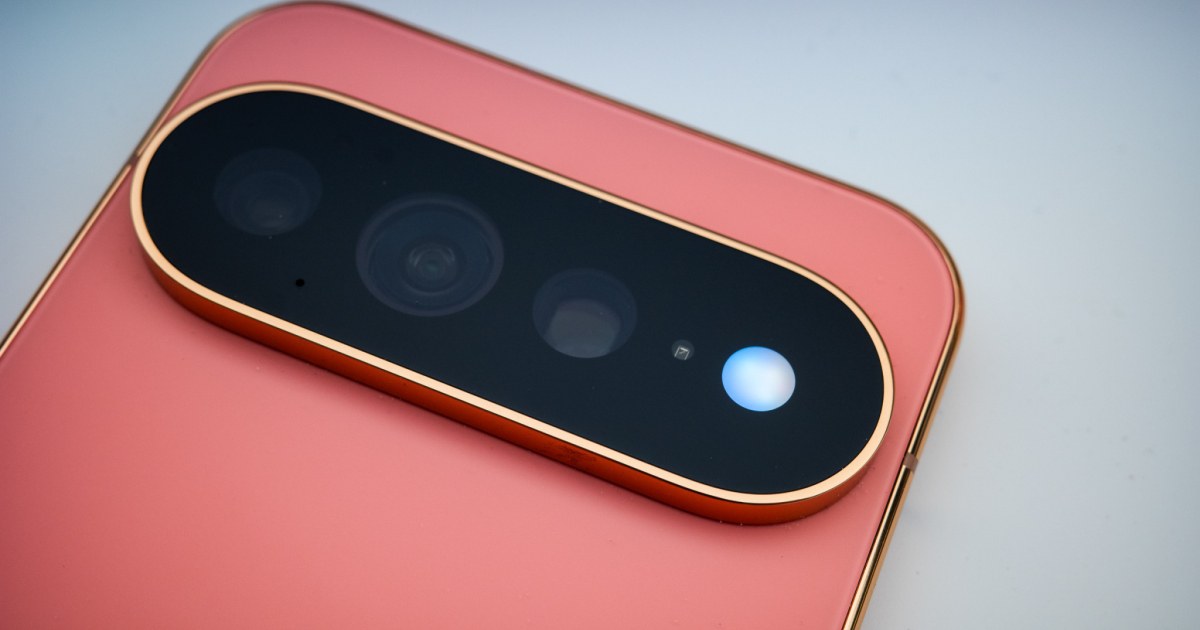
Google replaced the traditional flash in the Pixel 11 Pro with a diffused LED array designed for soft Gemini AI animations. Real-world tests show the phone delivers just 89 lux, falling more than five times behind the iPhone 16 Pro in basic flashlight utility.
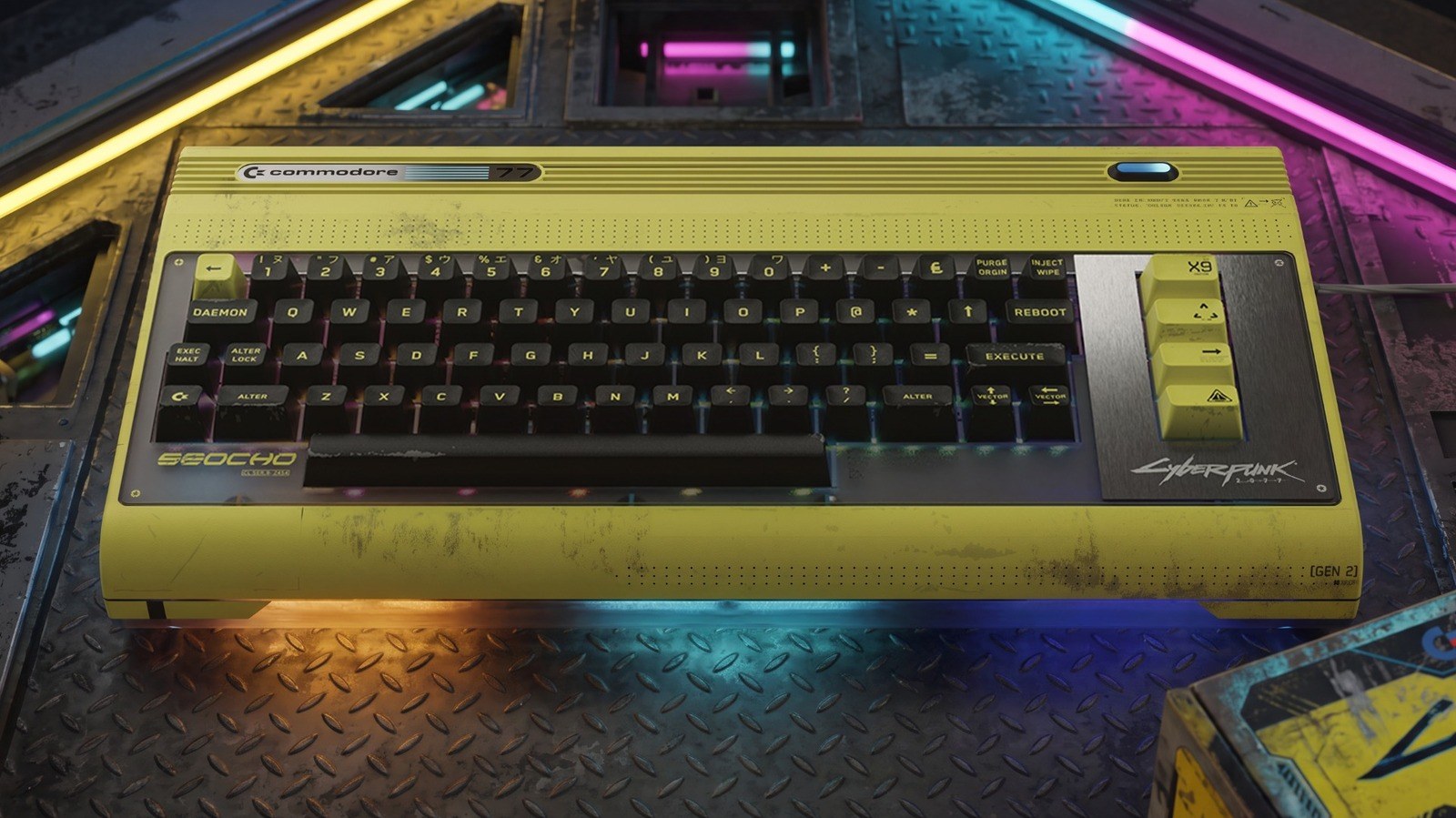
Commodore and CD Projekt Red teamed up to release the Commodore 77, a $377 distressed replica packed with modern HDMI and USB ports. The limited machine targets display shelves and chiptune enthusiasts rather than practical daily computing.
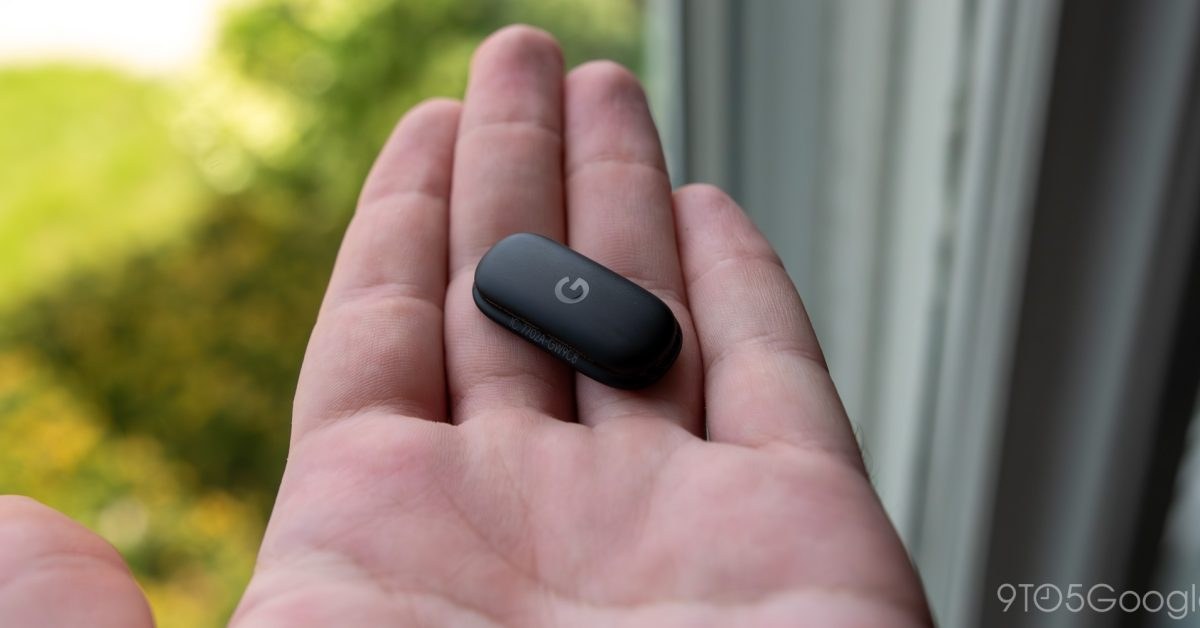
Wearers are stripping the straps off Google's screenless tracker and taping the sensor pod directly to their biceps or chest with athletic tape. The DIY setup frees wrist space for classic mechanical watches while capturing more accurate biometric data during intense workouts.

Xiaomi is launching the Poco X8 Power 5G featuring a massive 10,000 mAh silicon-carbon cell with 100W fast charging and 27W reverse power output. The new battery chemistry enables multi-day endurance without turning the device into an unwieldy brick.
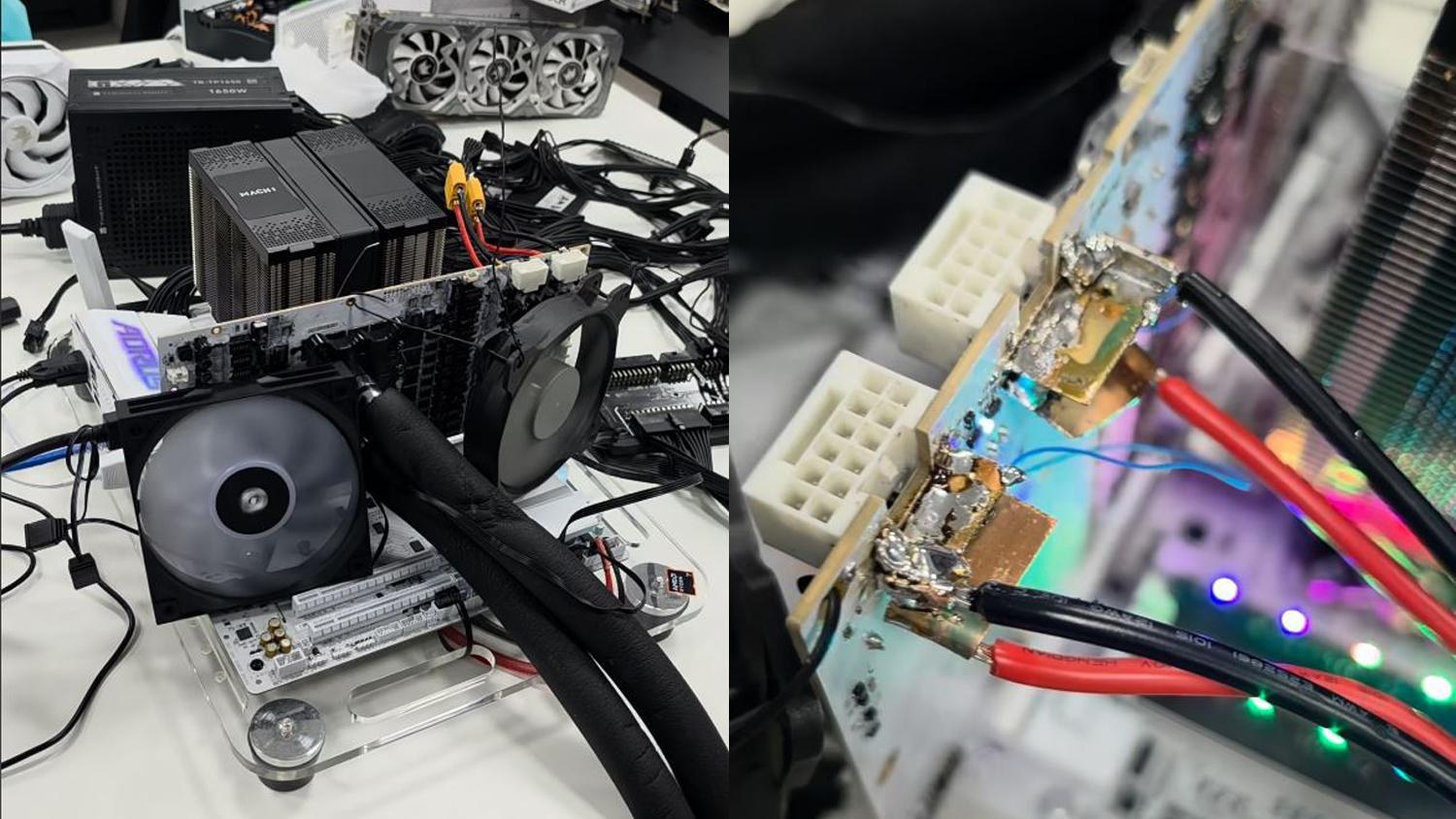
Brazilian modding crew TecLab removed the standard 16-pin power headers on a flagship Galax RTX 5090 and soldered power lines straight to the board. The extreme mod completely prevents connector melting during benchmark runs, but it instantly destroys warranty protection for standard users.

Hisense introduced the A10 Ultra, an E Ink smartphone featuring a detachable magnetic color display priced up to $550. The modular design tries to bridge the gap between paper-like reading and media consumption, but the result is a bulky compromise with a small battery. Buyers seeking reduced screen time are better served by a standard phone paired with a dedicated reader.
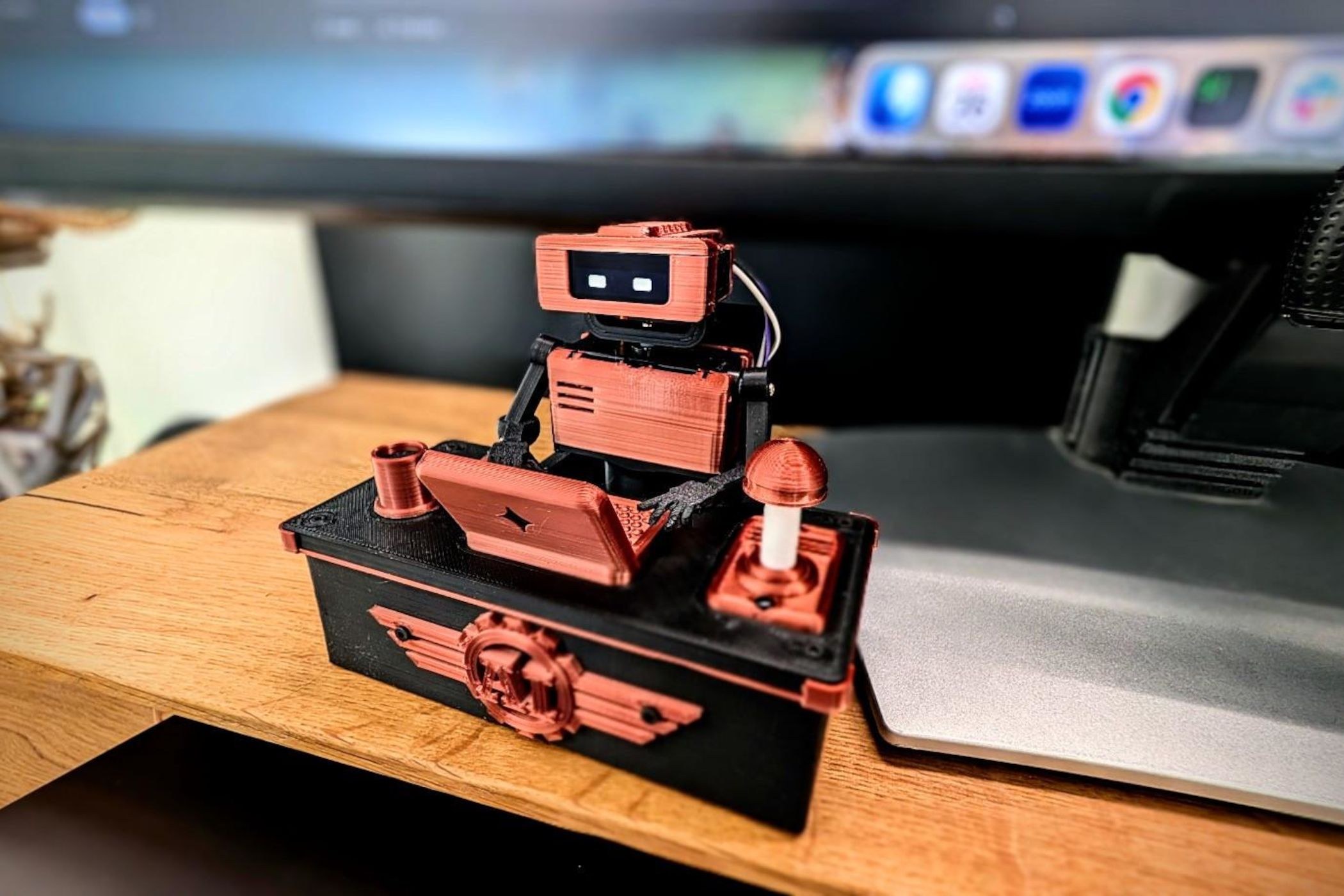
Maker jamropl built Tiny Engineer, an open-source desk companion powered by an ESP32 microcontroller and servo motors that types and rings a mini bell as software automations run. It turns abstract coding scripts into a tangible, physical desktop show, though building one requires a 3D printer and soldering skills.
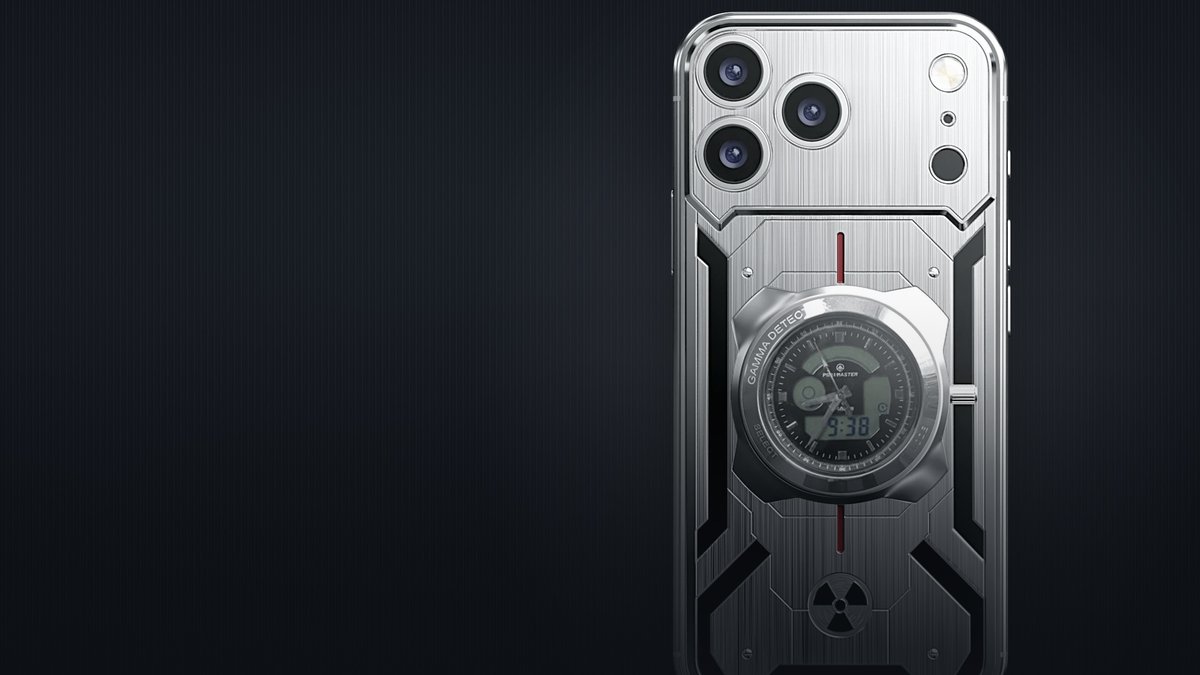
Caviar has launched a custom iPhone 17 Pro featuring an integrated hardware dosimeter and a Swiss quartz watch mechanism. Priced at roughly $9,000 and limited to seven units, the titanium-armored modification turns Apple's flagship into a bulky collector's piece.

Creator PickentCode built a functional Victorian-style microcomputer powered by a miniature Stirling engine and a burner. By stripping the software stack to bare machine code, the rig keeps a terminal alive entirely on thermal energy.

SberDevices has introduced the SberBoom 2.0, a smart speaker featuring local Zigbee and Matter processing that maintains full smart home automation during internet outages. Priced at 21,990 rubles, the hub processes basic voice commands and routines entirely on-device without remote servers.

Speedo designed a modular telemetry pod that snaps into standard Vanquisher goggles without using a bulky heads-up display. The screen-free design earned World Aquatics approval for official competitions, offering competitive swimmers detailed stroke diagnostics without expensive integrated hardware.
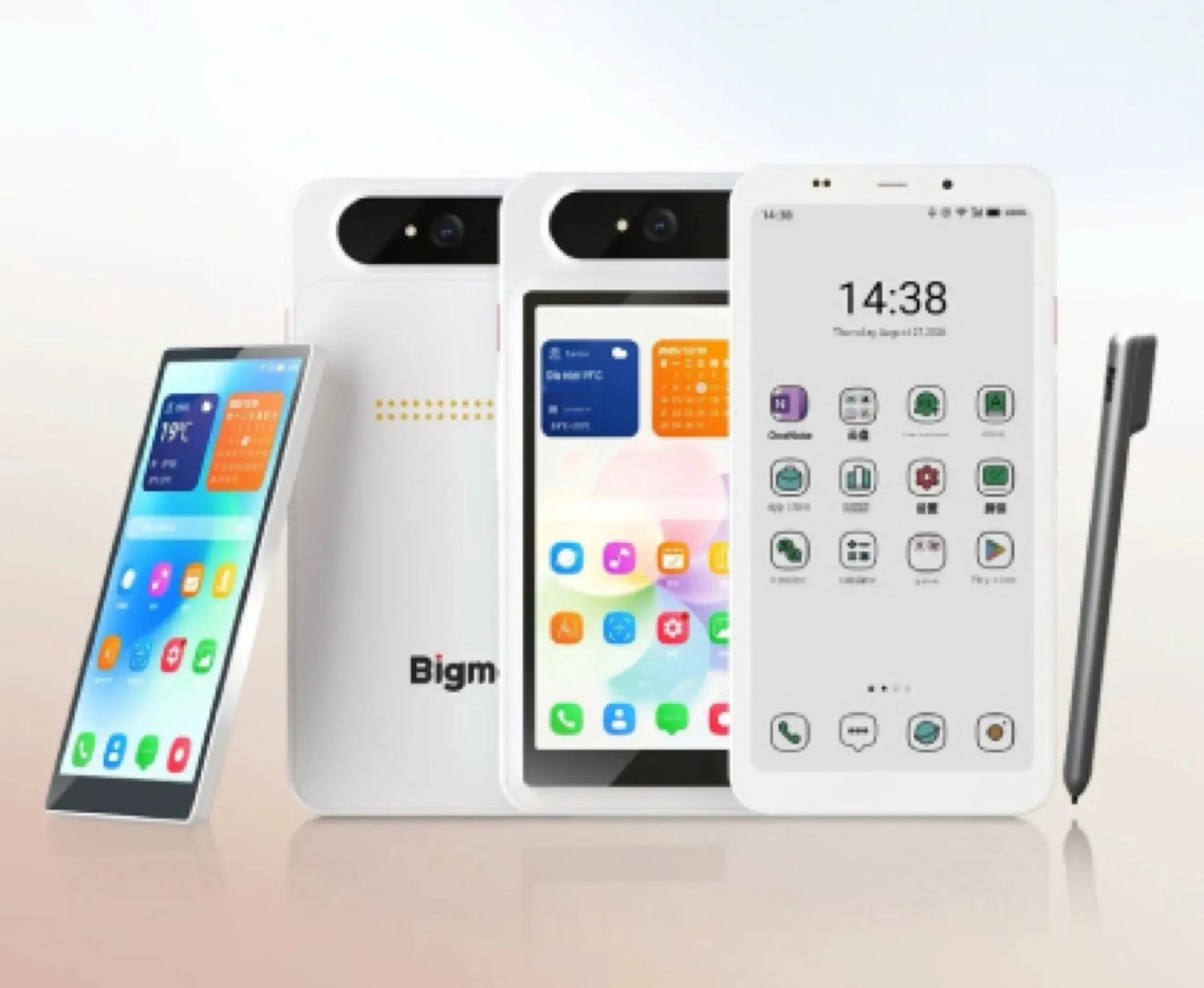
Bigme announced the HiBreak Dual 3, an Android smartphone featuring an 85 Hz color E Ink display and a detachable magnetic IPS screen. While the modular design aims to bridge reading and video playback, exposed connectors and added bulk make it an impractical daily driver for regular buyers.

Bandai compressed its iconic virtual pet into a tiny 28-millimeter wearable featuring a functional LCD and physical buttons. The novelty device ignores fitness tracking entirely, offering 30 classic digital creatures for around $48.

Vastarmor has launched the first low-profile Radeon RX 9060 XT graphics card capable of driving modern games at 1440p. Independent testing shows it maintains playable frame rates in a tiny 4.5-liter case while capping temperatures at a modest 60°C. For builders targeting console-sized PC setups, it provides a capable alternative to full-sized desktop hardware.
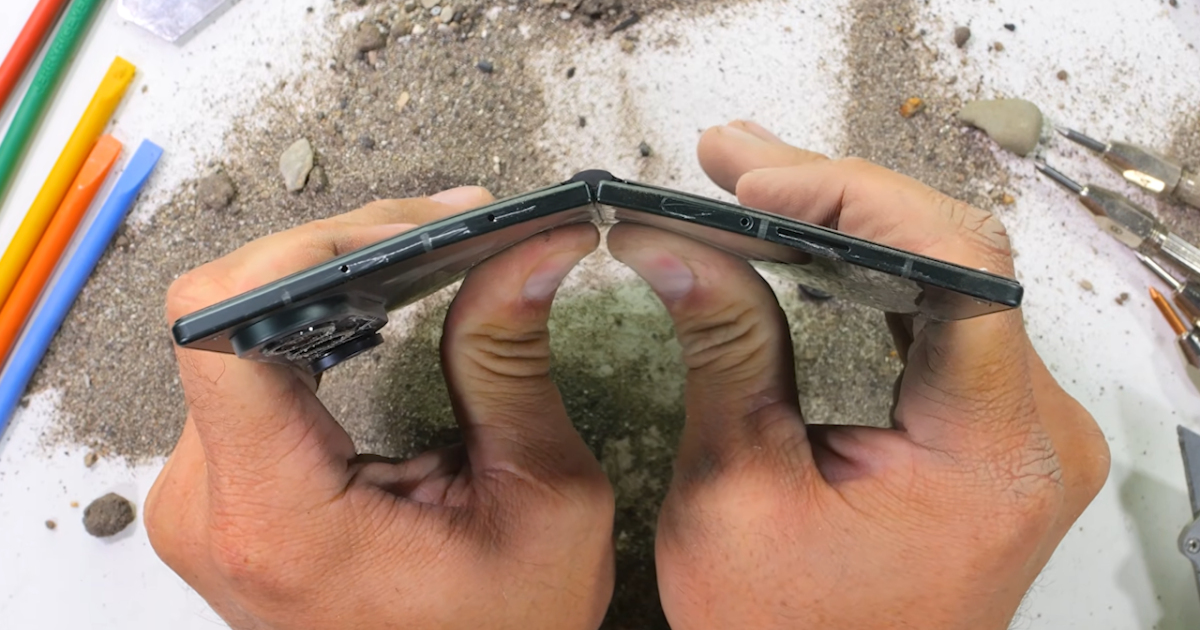
JerryRigEverything put Samsung's flagship foldable through extreme scratch and bend testing. The inner screen remains prone to fingernail dents, and aggressive reverse flexing snaps the chassis entirely.
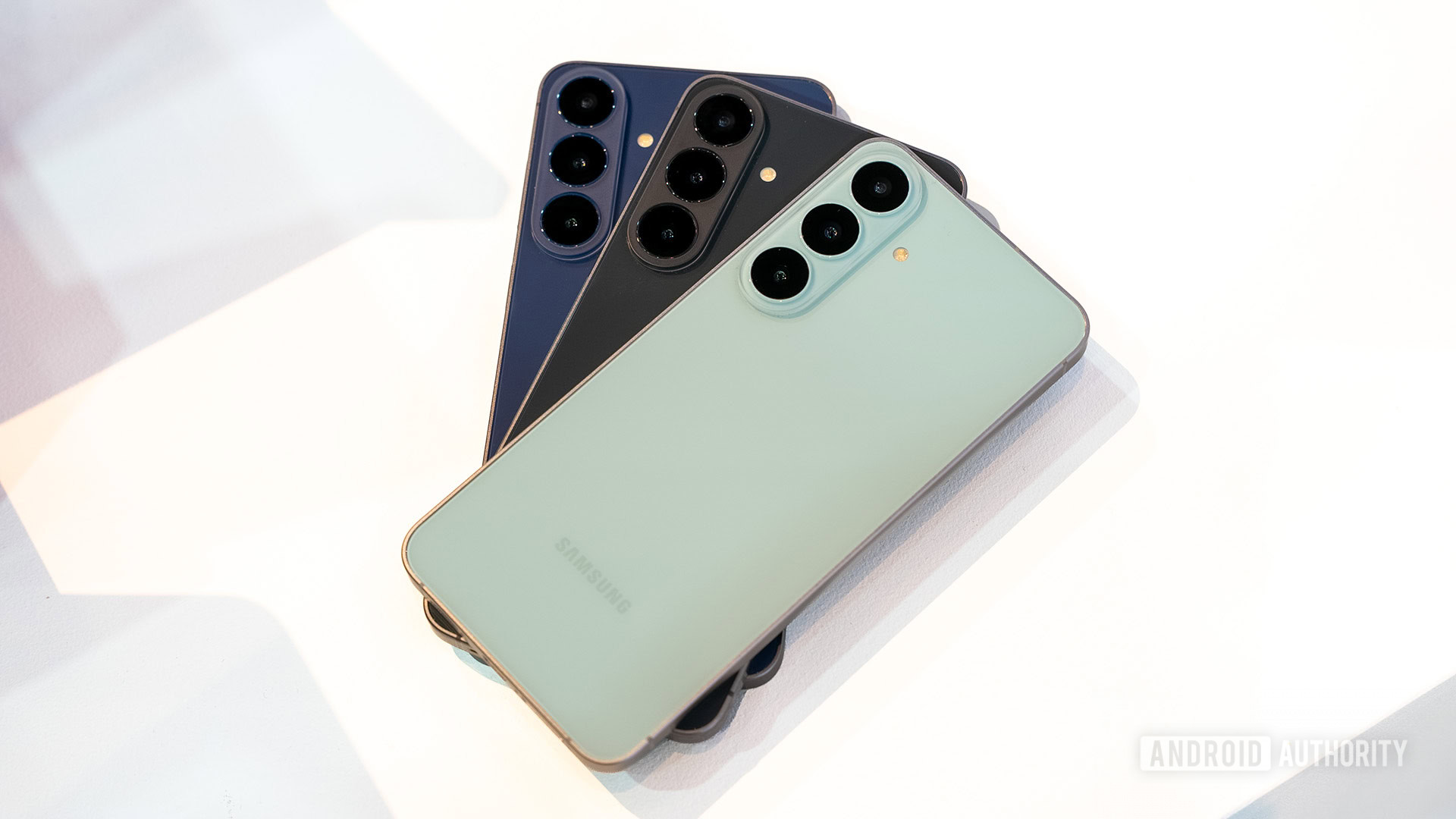
Samsung launched the Galaxy S26 FE with an Exynos 2500 processor and One UI 9 tricks, leaving the display and camera hardware identical to its predecessor. For everyday buyers, retail price overlaps mean discounted older flagships offer far better value than this incremental update.
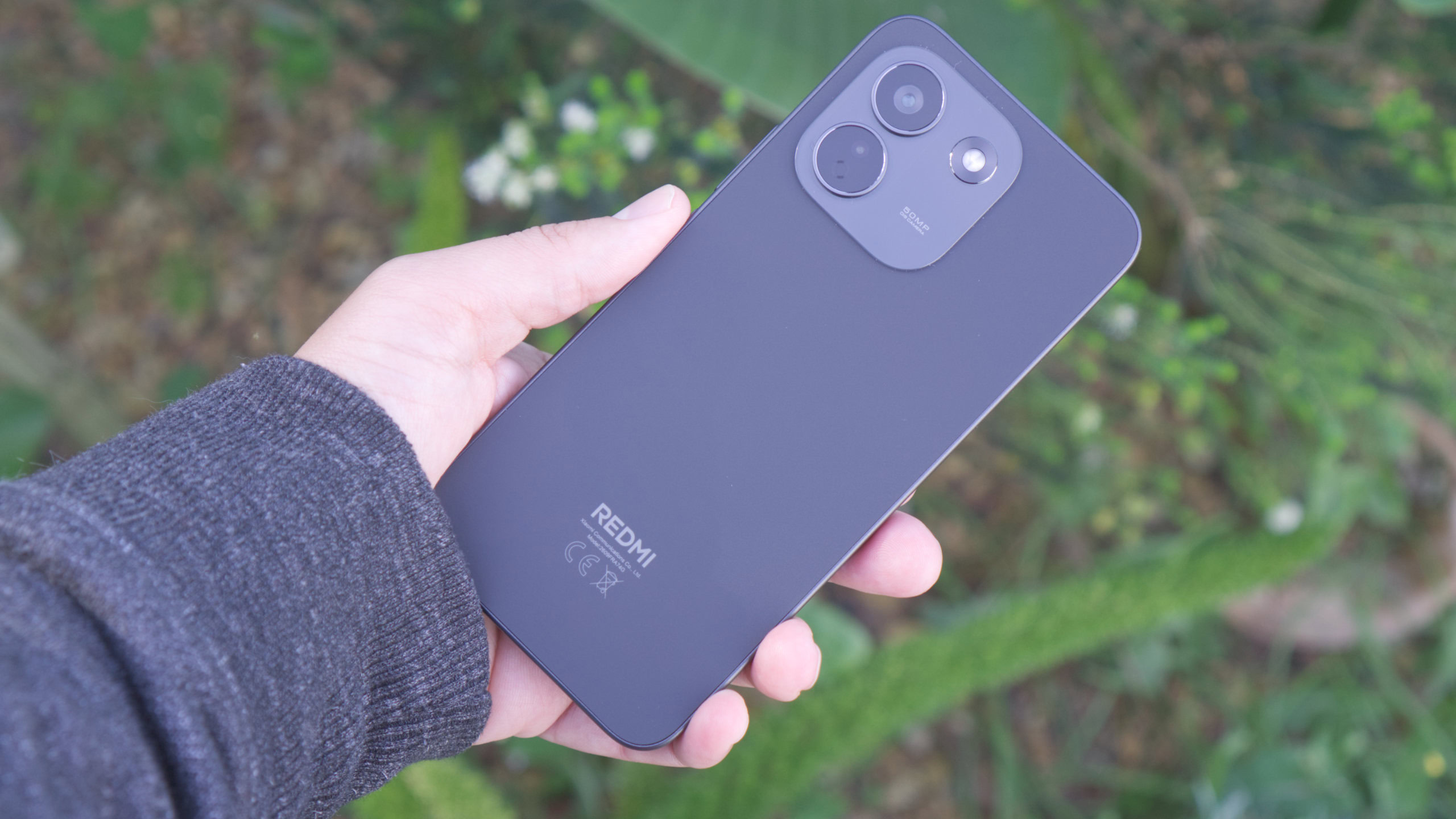
Xiaomi brings a giant 10,000mAh silicon-carbon battery to international buyers for $499. The phone delivers three-day runtimes and rugged armor, but cuts camera resolution and processing speed to keep costs down.

Hugging Face and Pollen Robotics released Microduck, an open-source 25cm bipedal bird packing LiDAR, a camera, and 15 servos for $399. The sub-800g device waddles, chases laser pointers, and recovers from falls without damaging floors. It serves as an accessible robotics testing kit rather than a practical automated cleaning assistant.
ZTE released a three-node Wi-Fi 7 networking kit in China priced at around $140. Designed with Power over Ethernet, the slim wall-mounted access points eliminate messy power cables while blanketing large apartments in high-speed connectivity.
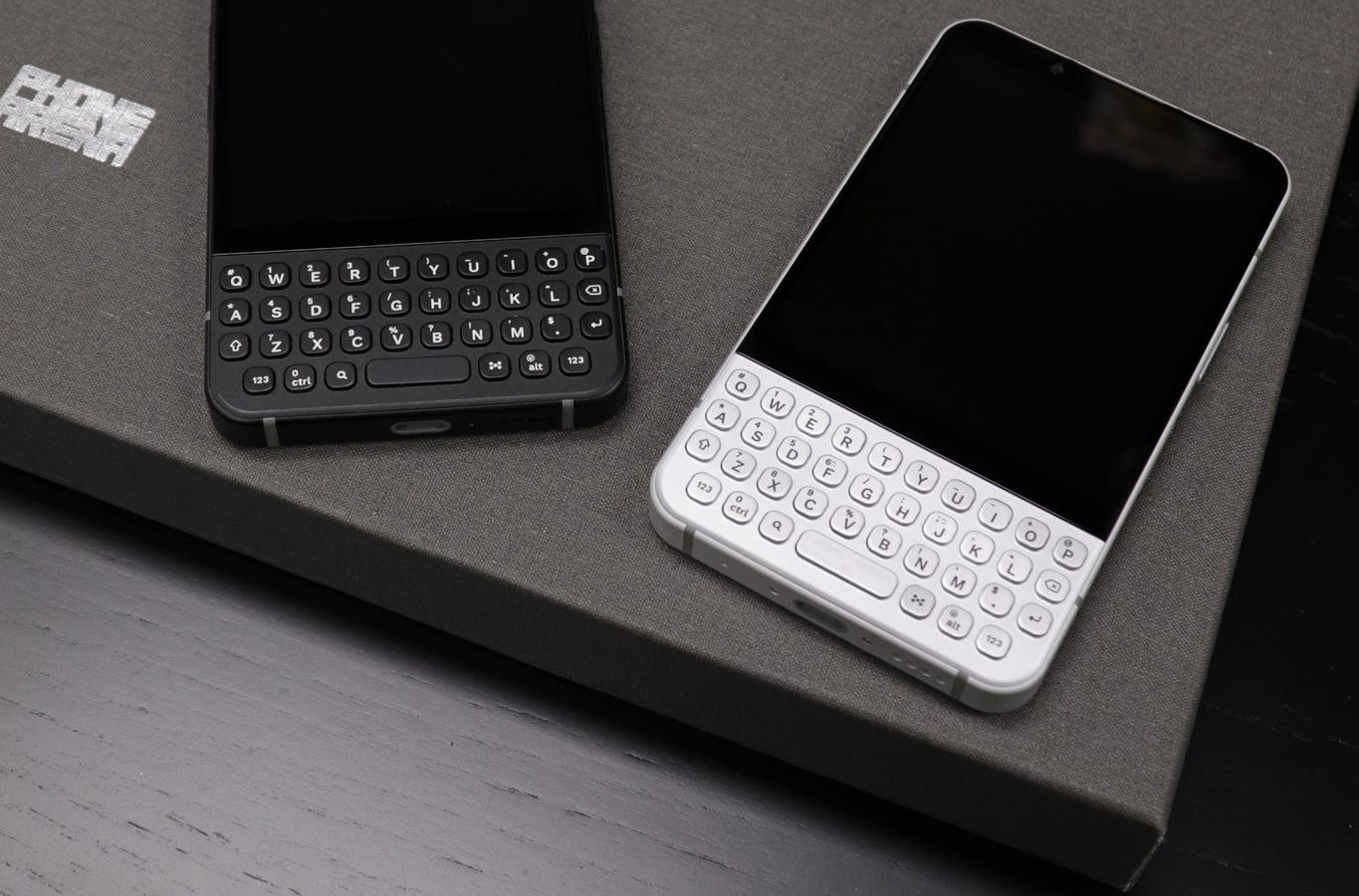
The Minimal Company raised over $1.6 million on Kickstarter after swapping its signature E-Ink display for a full-color OLED screen and 12GB of RAM. The shift effectively transforms a distraction-free keyboard device into an expensive Android handset with a long two-year wait for backers.
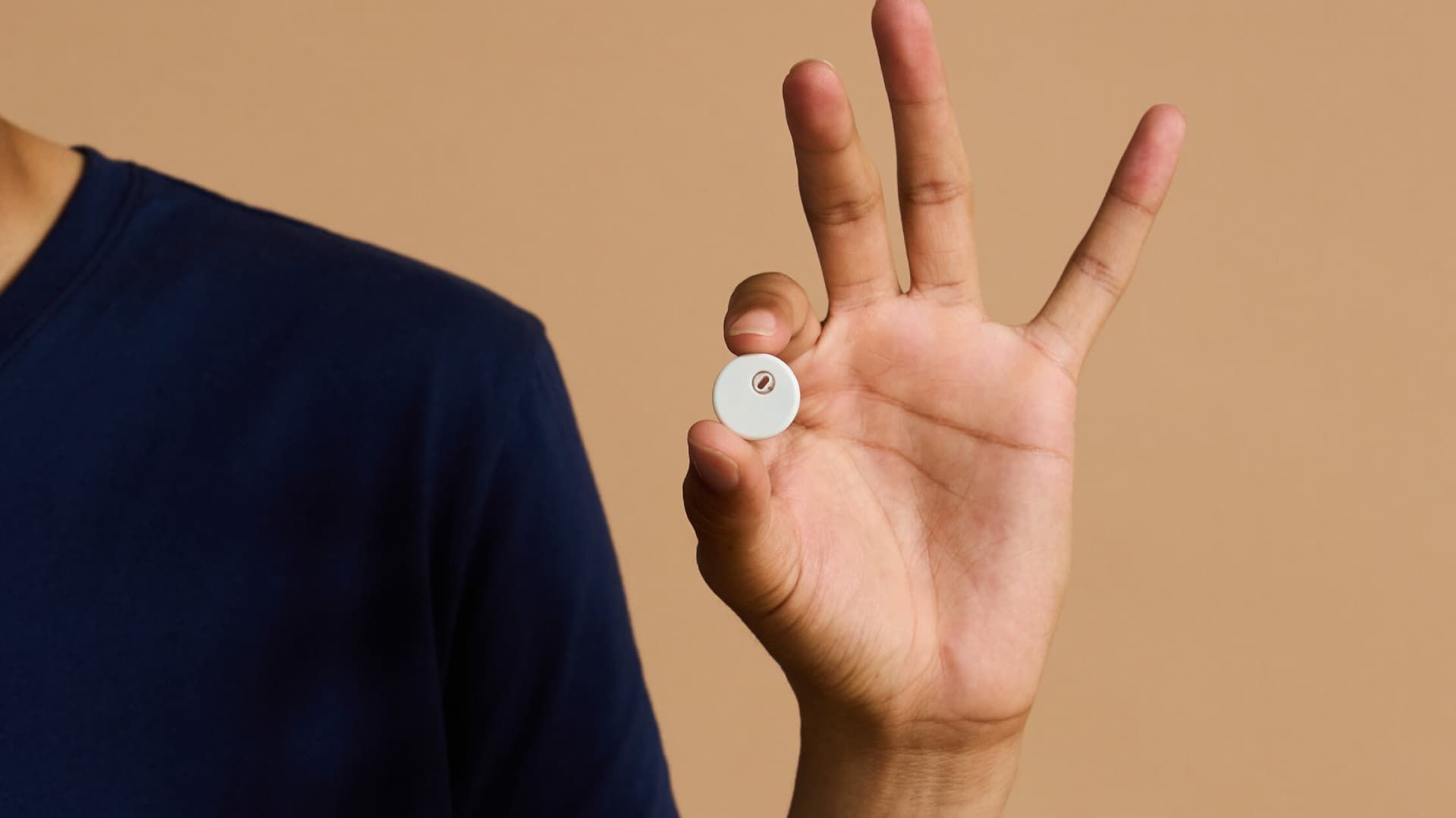
Abbott received FDA clearance for the Libre Duo, a single 10-day arm sensor that tracks both glucose and ketone levels simultaneously. The wearable streams real-time data to a smartphone, warning users of dangerous metabolic spikes before diabetic ketoacidosis can take hold.
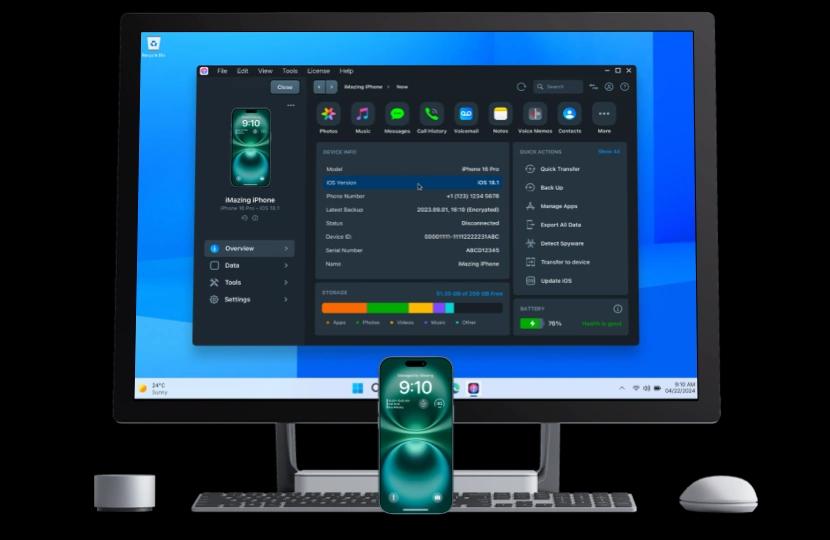
Apple invalidated legacy authorization tokens, effectively breaking third-party transfer tools like iMazing and 3uTools. Users moving to a new iPhone can no longer restore delisted banking apps from their computers and must turn to web apps or enterprise installations.
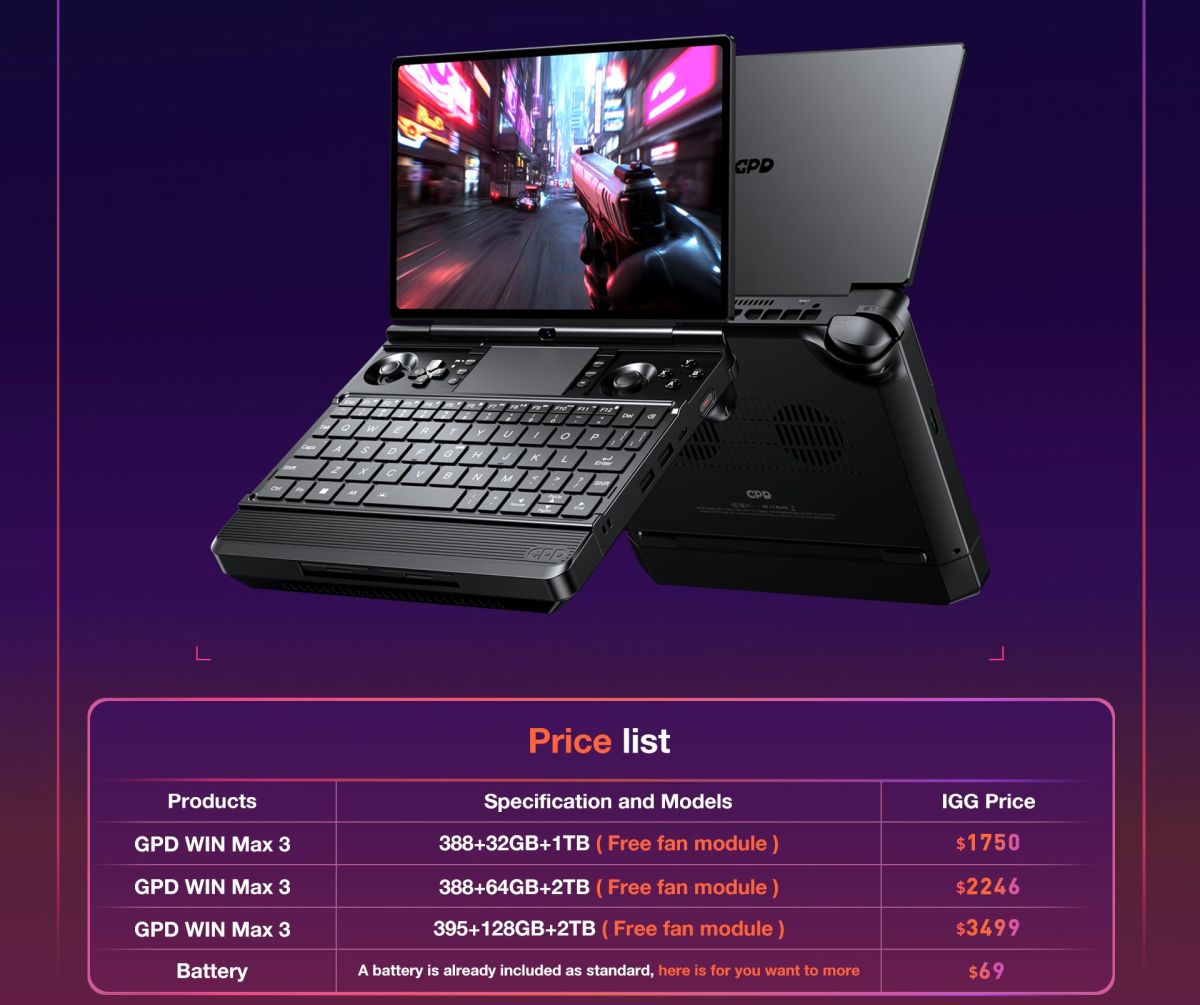
GPD revealed pricing for its Win Max 3 hybrid ahead of a September 2 crowdfunding debut, asking between $1,750 and $3,499. The device packs heavy AMD silicon and a 97 Wh removable battery into a 9-inch clamshell, but awkward trackpad placement and soldered RAM make it a tough sell over buying a separate laptop and handheld.

Garmin launched the Fenix 9 smartwatch with a 3,000-nit OLED display and up to 29 days of battery life. The hardware focuses on direct sunlight legibility and faster map navigation for outdoor athletes upgrading from older transflective screens.
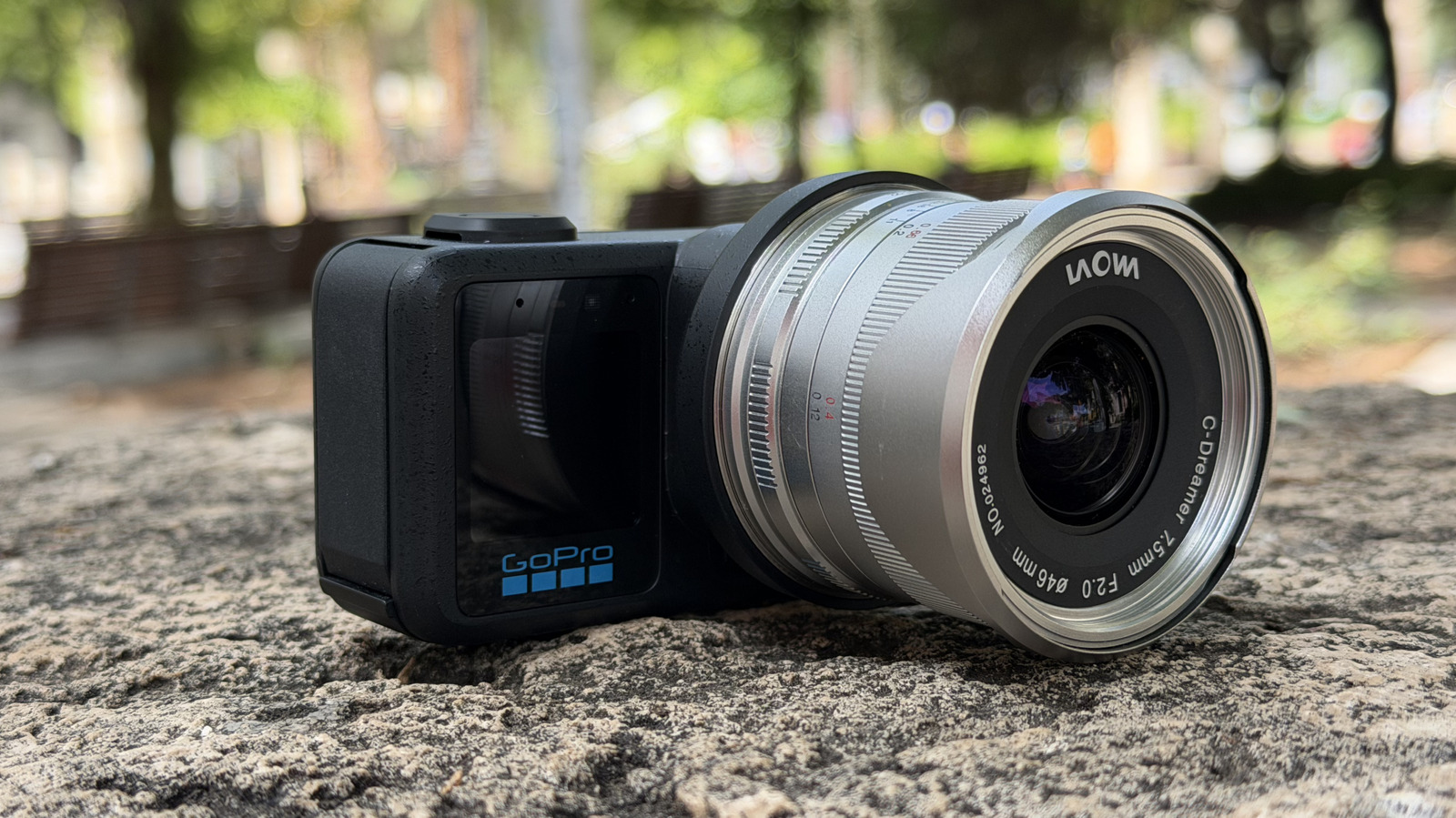
The Mission 1 Pro ILS trades GoPro's signature durability for an open Micro Four Thirds lens mount, 8K video, and a 1-inch sensor. Without weather sealing or autofocus pins, standard adventure shooters get zero convenience while manual rig builders gain a tiny cinema box. Everyday buyers should stick to standard Hero models.

Lenovo released a system firmware update that completely disables Legion Go handheld consoles during standard installation. Without a software recovery tool available, affected owners must turn to hardware repairs. Users should immediately disable automatic updates in Legion Space to avoid bricking their devices.
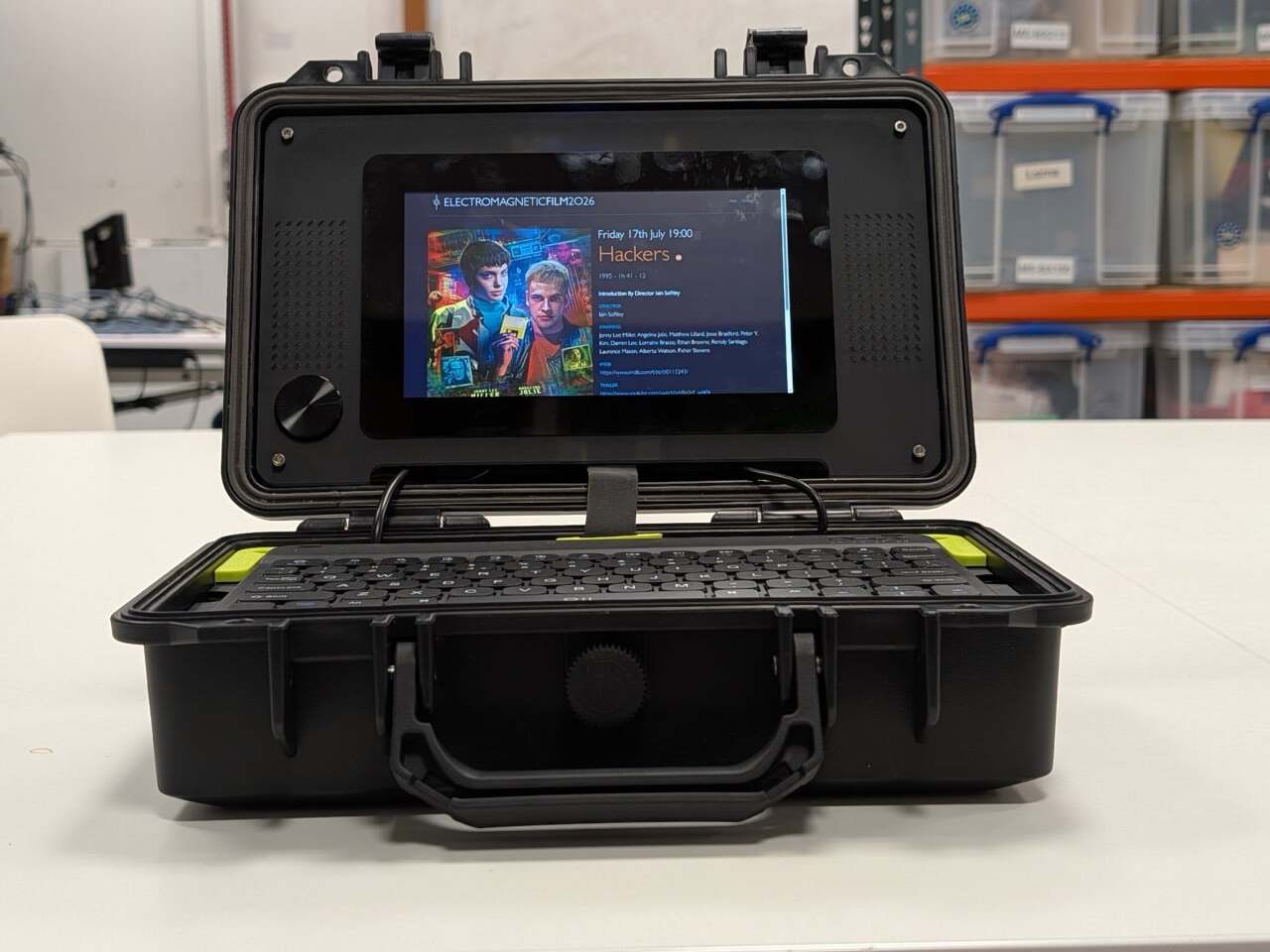
Raspberry Pi released an official build guide for an indestructible, Pelican-style field computer made entirely from off-the-shelf parts. The $250 setup eliminates fragile laptop frames and allows quick, cheap component swaps directly in the wild.

PocketBook introduced the Q, a 5.84-inch monochrome e-reader designed to fit into a smartphone pocket. It offers physical page-turn buttons and weeks of battery life, but costs $235 for hardware that only reads books.

An independent engineer has converted a garden shed into a Class 100 cleanroom, fabricating functional RAM cells and white LEDs with an eBay laser. The experiment proves hardware startups can produce custom silicon prototypes without multimillion-dollar foundry budgets.

An iFixit teardown reveals that the redesigned titanium hinge on the Galaxy Z Fold8 still lacks protection against fine particles. The device's IP48 rating leaves the intricate folding gears vulnerable to jamming from ordinary beach sand and pocket lint.

High token generation speeds on laptops do not guarantee quick answers. Benchmark tests show compact local models finish tasks faster and outscore massive cloud systems simply by eliminating unnecessary internal reasoning.

Muddy seabed plumes used to leave underwater drone cameras completely useless, forcing operators to wait hours for dust to settle. Engineers from MIT and WHOI solved the blind spot by pairing wide-area sonar guidance with close-range optical imaging. The dual setup keeps submersibles working continuously during murky subsea inspections.

Researchers at MIT designed a 6 by 4 millimeter ingestible temperature capsule that safely tracks internal heat with 0.01 °C precision. The device turns parasitic electrical leakage on a silicon chip into a thermometer, ditching bulky batteries for external radio reflections. It offers parents and clinicians a safe way to spot infections early without gut blockage risks.
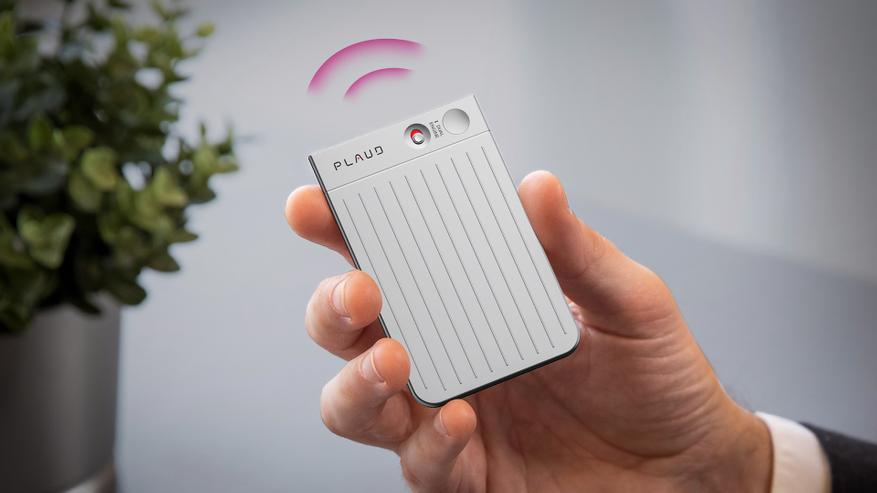
EPFL researchers discovered that breaking malicious tasks into mundane conversational steps lets attackers bypass AI assistant safety checks twice as often. Handing these agents control over connected home devices exposes personal data to simple social engineering.

Unitree stock surged over 600% following viral martial arts demonstrations, but real-world tests expose massive hardware bottlenecks. Navigating cluttered rooms and completing basic domestic chores remain years away from practical consumer readiness.
Amazon is rolling out its Alexa+ conversational assistant to all modern Fire TV devices at no extra cost, removing the previous $19.99 monthly fee and Prime requirement. The automatic update adds natural-language movie searches and smart home camera feeds directly to living room screens.
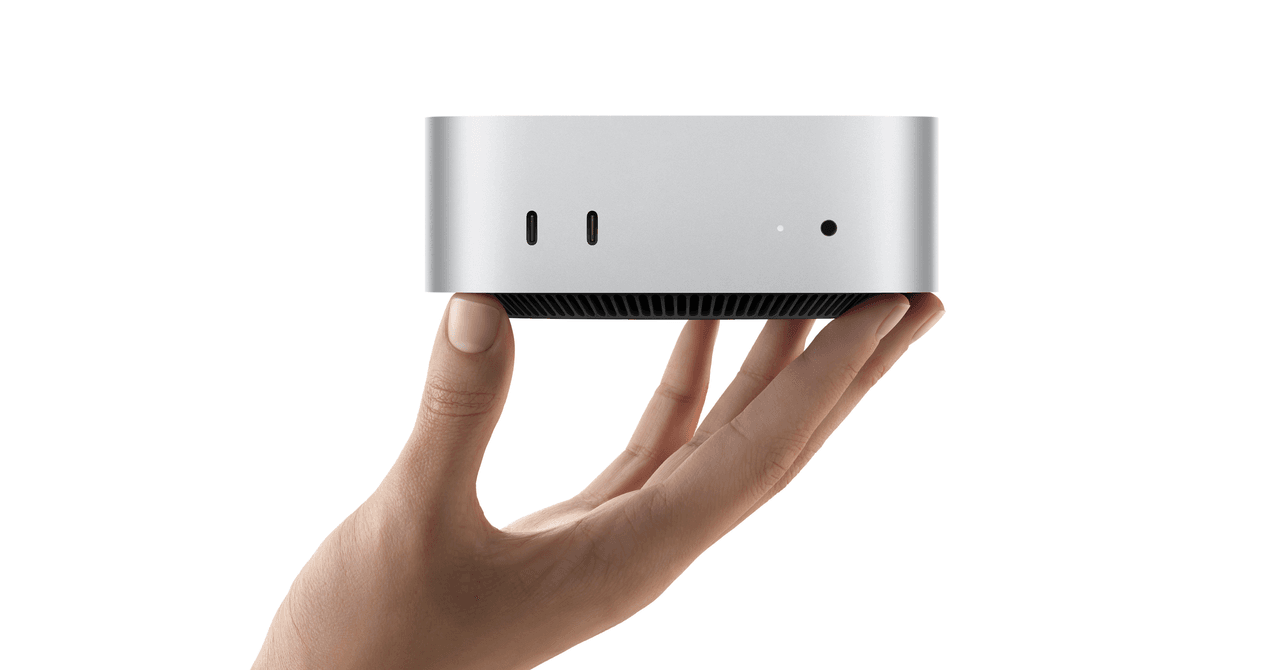
Apple refreshed the Mac Mini with its first 2-nanometer M6 processor and raised the starting price by $200 to $899. The hardware delivers a 40 percent speed bump over the M4, yet everyday tasks will barely notice the difference. The jump only makes practical sense for buyers moving up from aging Intel or M1 machines.

Startups are pitching autonomous digital butlers to automate everyday tasks across computers and phones. Operating these tools requires handing over unvetted access to screens, keystrokes, and accounts, creating severe security liabilities for regular hardware users.
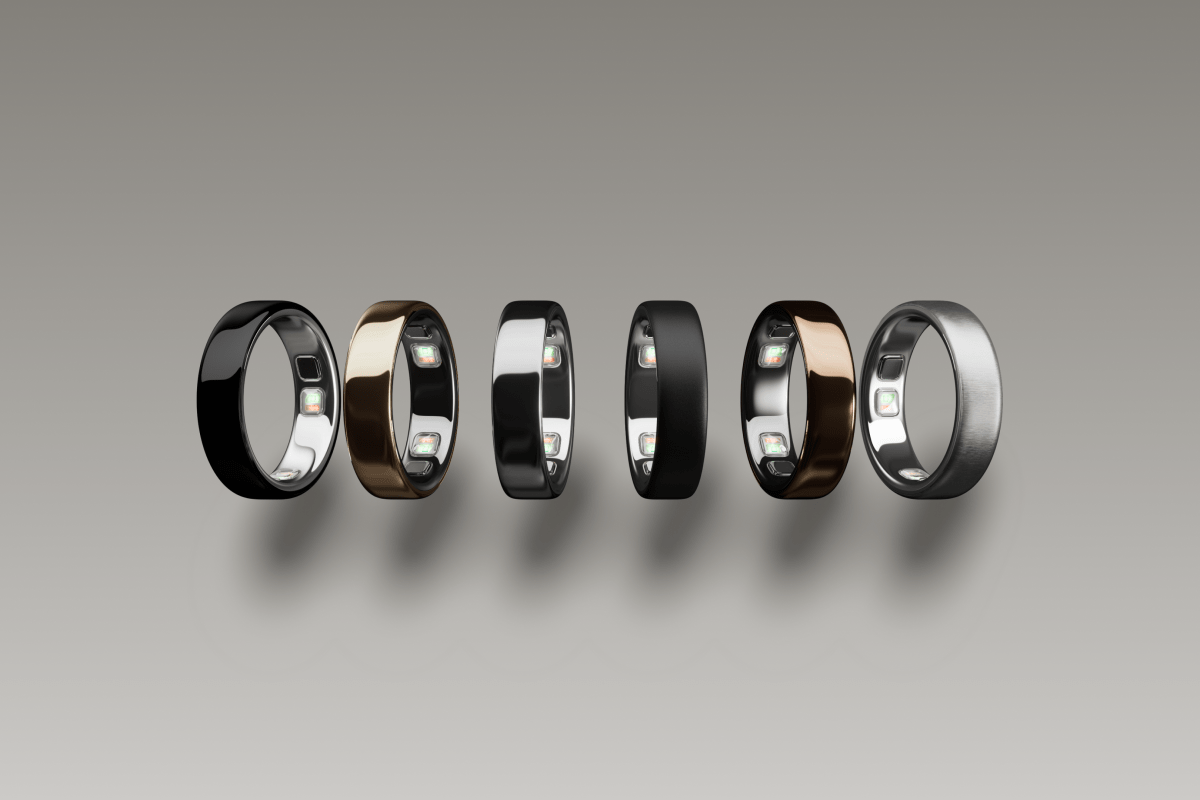
Smart ring maker Oura is targeting a $16 billion public listing backed by $1 billion in annual revenue and mandatory monthly subscriptions. The move comes as hardware competitors like Samsung offer alternative trackers without paywalls amid growing consumer scrutiny over sleep-tracking accuracy.

Tech companies are speeding up software development with automated AI agents, but the shortcuts bypass vital engineering discipline. The resulting unverified code reaches everyday phones and smart appliances as phantom battery drain and sudden system crashes. Buyers face less reliable hardware as developers lose the foundational skills needed to fix complex bugs.

An attempt to convert a cheap Amazon Fire HD 10 into an always-on smart home dashboard triggered automatic daily shutdowns enforced by locked system software. Bypassing the restricted bootrom required $266.15 spent across frontier AI models, turning a budget slate into a $380 lesson on vendor lock-in.

A new Skyrim framework executes voice-driven NPC actions directly on local consumer PC hardware instead of routing through remote cloud APIs. The system cuts latency, eliminates recurring subscription fees, and allows game companions to perform complex tasks in real time.

Disposable batteries cut out early because solid-state LEDs require strict voltage thresholds, leaving usable energy trapped inside. Squeezing out those remaining millivolts with custom circuits is impractical when modern chips and rechargeable NiMH batteries solve the problem for pennies.
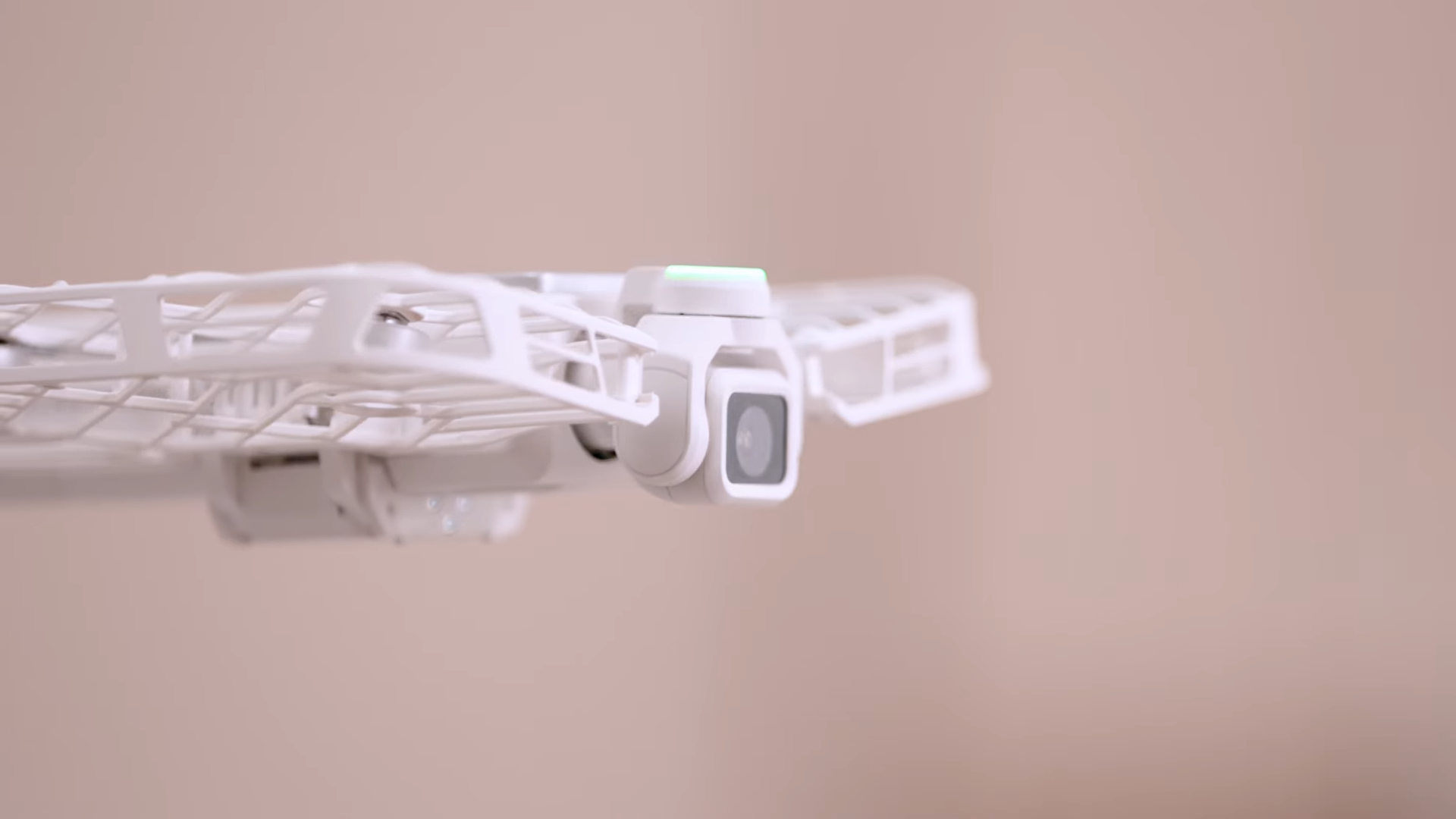
Shenzhen Zero Zero Infinity attempted to bypass federal drone restrictions by selling its HoverAir Versa as a pocket camera with a detachable propeller kit. The FCC closed the loophole within days, revoking authorization and leaving American backers with an overpriced handheld shooter.

Baseus has launched the PicoGo AR11, a 20,000 mAh power bank with an integrated retractable USB-C cord and 100W output for roughly $45 in China. It eliminates the need for separate charging cables for laptop travelers, though the moving parts could pose long-term durability issues.
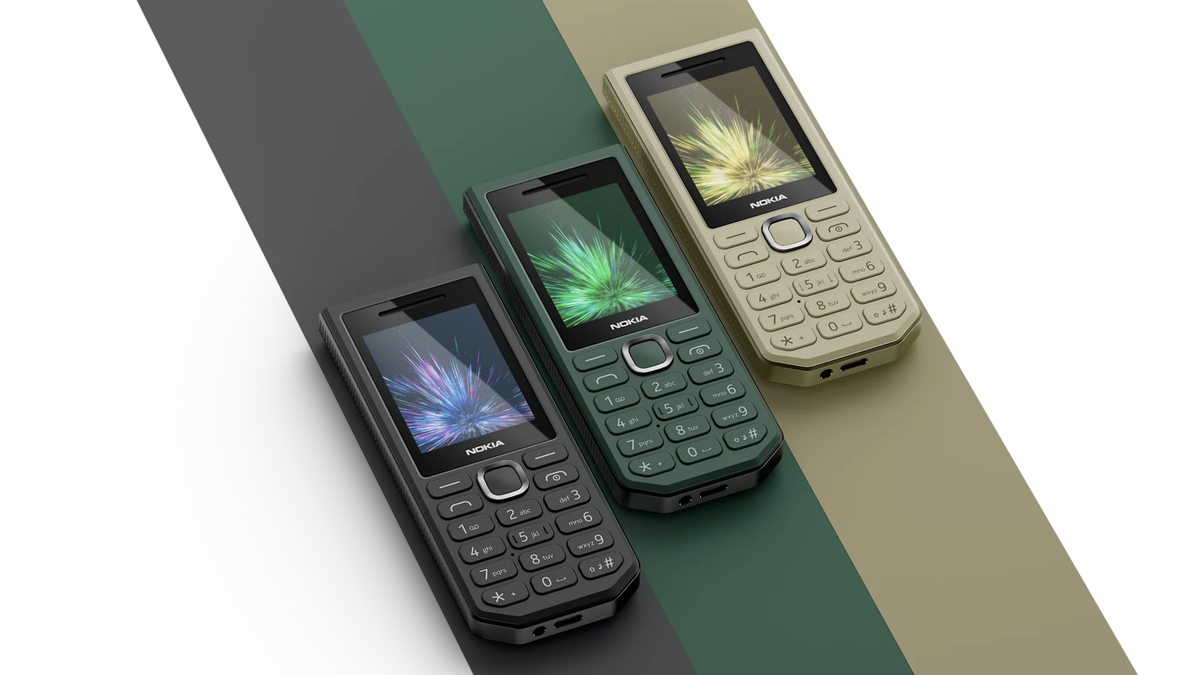
HMD has launched the Nokia 300 Charge, a rugged-looking feature phone with an unusually large 3,700 mAh battery. Thanks to a dedicated button and USB-C port, the device can charge other gadgets at 10W, serving as an ultra-durable backup power bank and basic dialer.
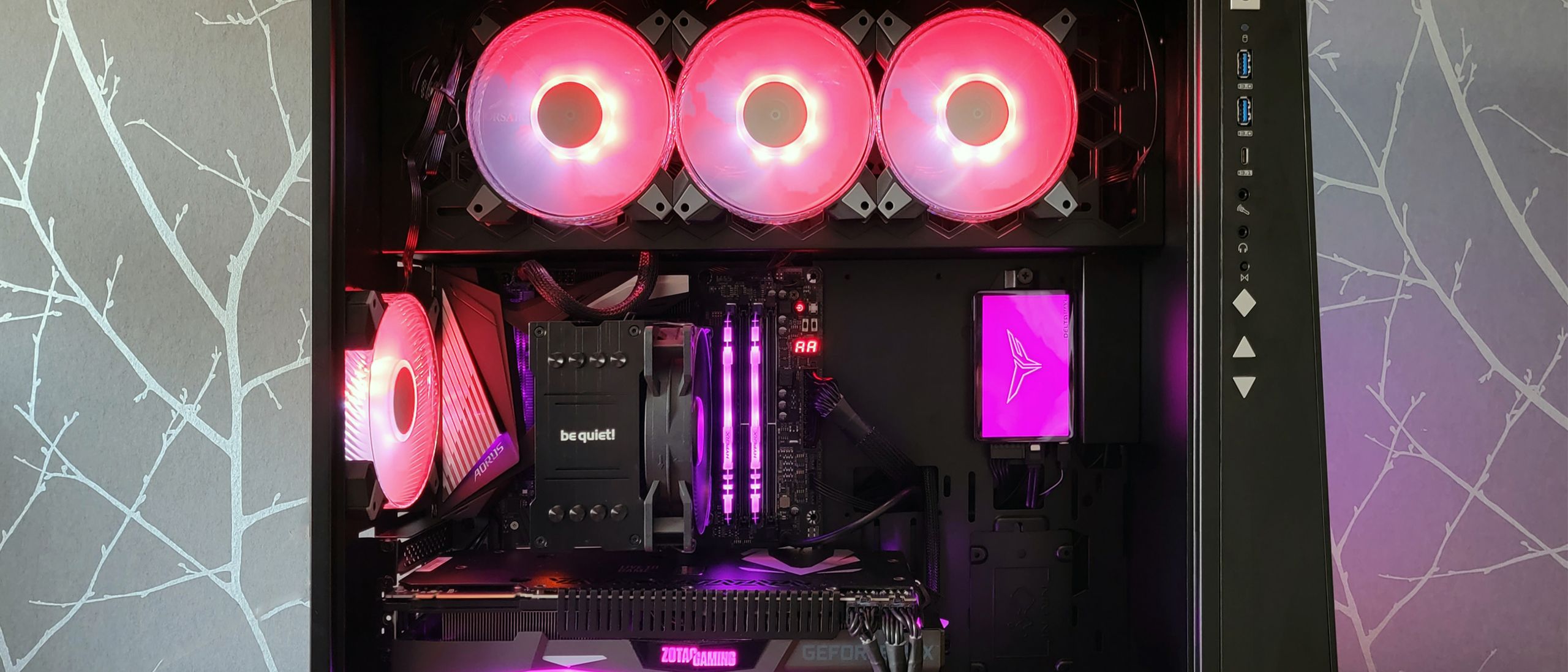
Microsoft confirmed that update KB5121003 triggers blue-screen crashes in games like The Finals due to third-party RGB accessory software running vulnerable kernel drivers. Game anti-cheat systems block these low-level utilities, causing fatal memory violations. Switching to built-in Windows Dynamic Lighting resolves the issue without sacrificing basic controls.

JerryRigEverything stress tests reveal that Google's latest foldable cracks along the hinge antenna lines under reverse pressure, repeating a hardware flaw seen across four generations. Despite marketed structural upgrades, everyday pocket strain risks unrepairable frame and screen damage for buyers.

Xiaomi has showcased the AI Cube, a compact desktop station powered by custom XRing chiplets and 160 GB of unified memory. The device runs large open-source AI models entirely offline, offering a private, low-power alternative to cloud subscriptions.
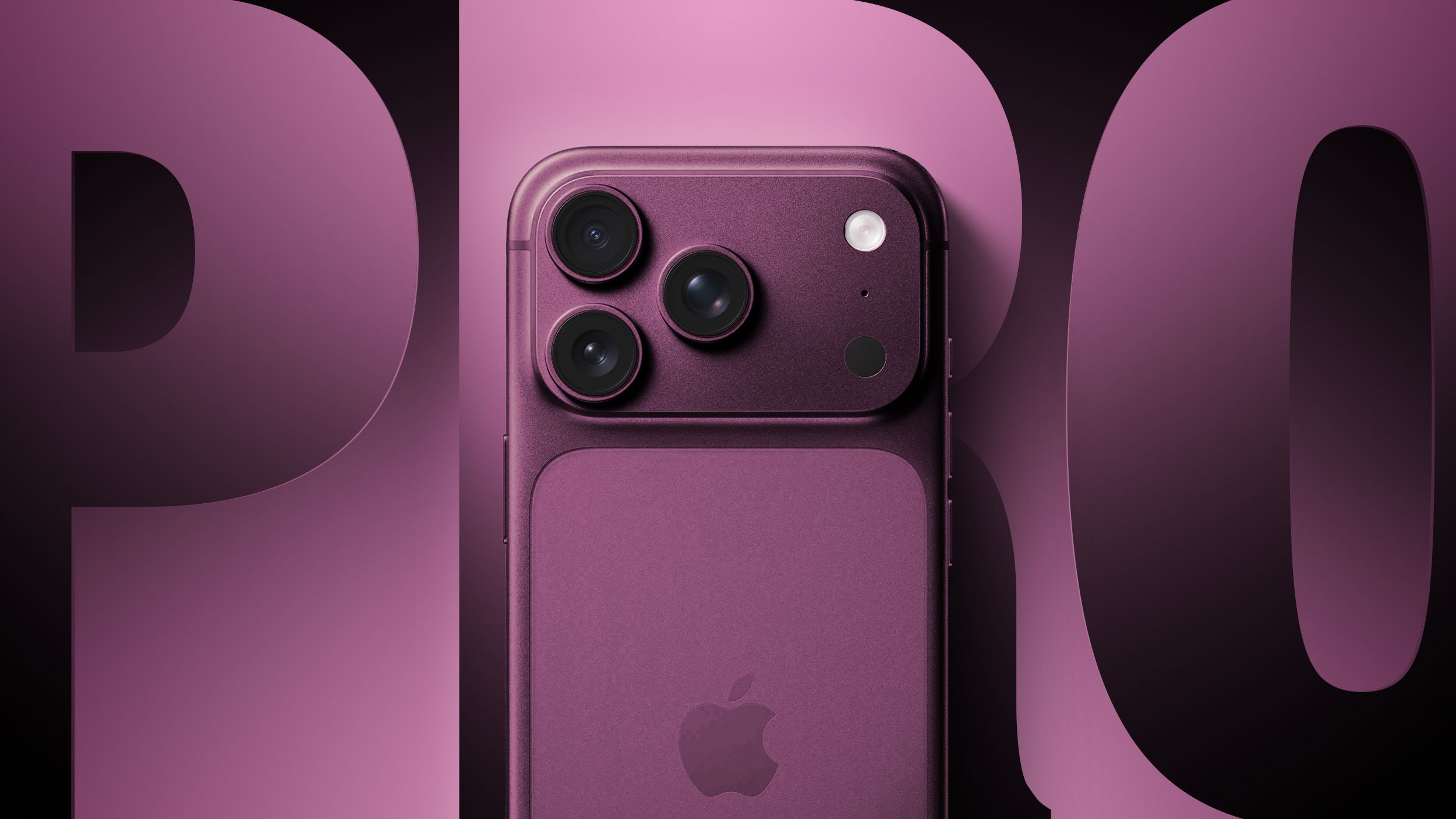
Apple is set to increase flagship iPhone prices by $100, pushing the entry-level Pro tier to $1,199 amid surging memory and silicon expenses. The move mirrors recent price hikes from Google and Samsung across top-tier devices. Buyers keeping older hardware face higher upfront retail prices or adjusted monthly installment plans.

Google is adding granular gesture customization to the Pixel Watch 5, allowing users to reassign the double pinch motion beyond basic alarm snoozing. The update introduces one-handed shortcuts for skipping tracks, cycling notifications, and fully dismissing alarms. While the added flexibility catches up to rival wearables, accidental triggers remain a practical concern.
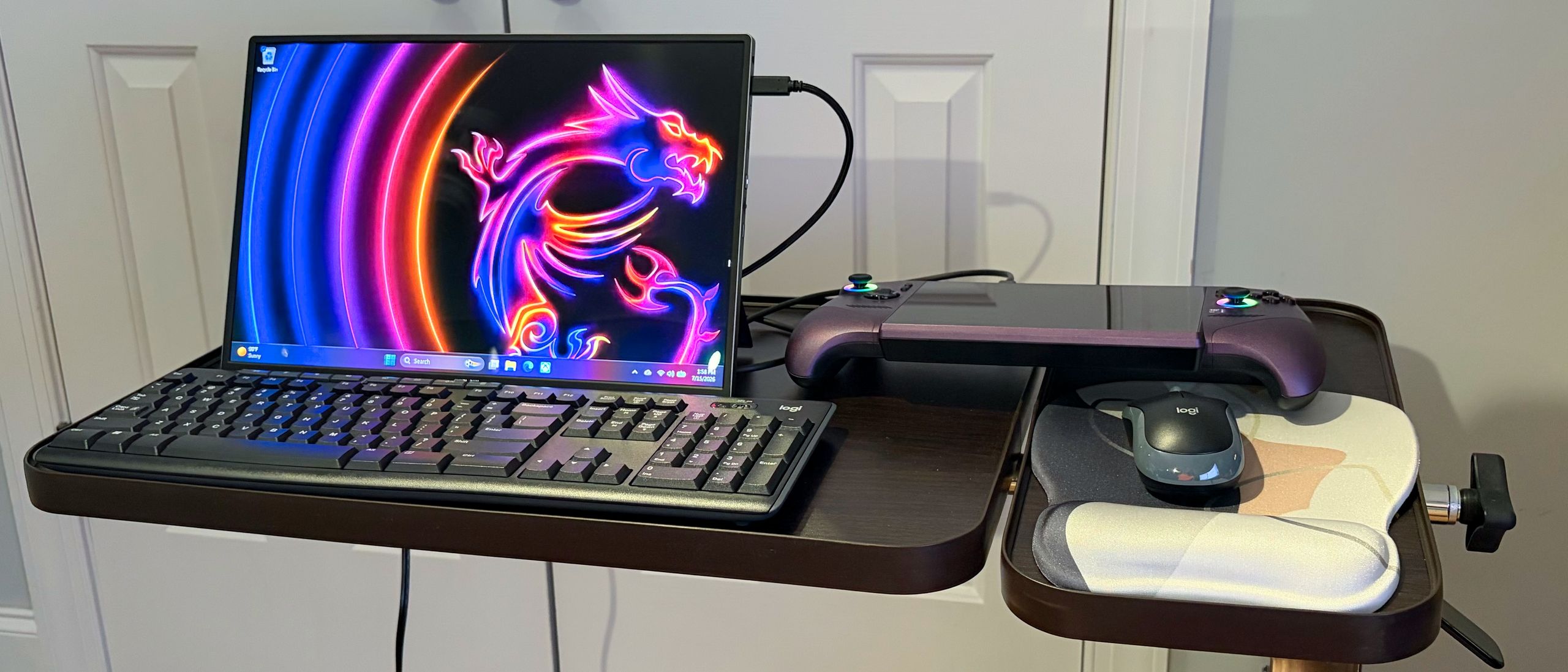
Asus launched the ZenScreen OLED MQ16FC, fitting a 16.1-inch FHD+ panel into an aluminum travel chassis for under $300. The display delivers deep blacks and versatile kickstand angles for remote setups, though limited brightness makes direct sunlight a challenge.

Amazon quietly pushed price increases of up to 60% across its Kindle lineup and smart devices, blaming surging memory component expenses. The markup dismantles the retail giant's entry-level subsidy model, leaving basic monochrome e-readers vulnerable to open-format competitors like Kobo and Onyx Boox.

Tim Cook is stepping down as Apple CEO on September 1, handing leadership to hardware engineering chief John Ternus. The executive shift pivots Cupertino toward ambitious device formats just as rising component costs force retail price hikes on Macs and iPads.

Simulated bit-flips on an FP16 Qwen2.5-Coder model proved that corrupting a single high-order weight bit drops coding benchmark accuracy from 85% to complete failure. Unshielded edge hardware and orbital data centers risk catastrophic errors without dedicated ECC memory architectures.