
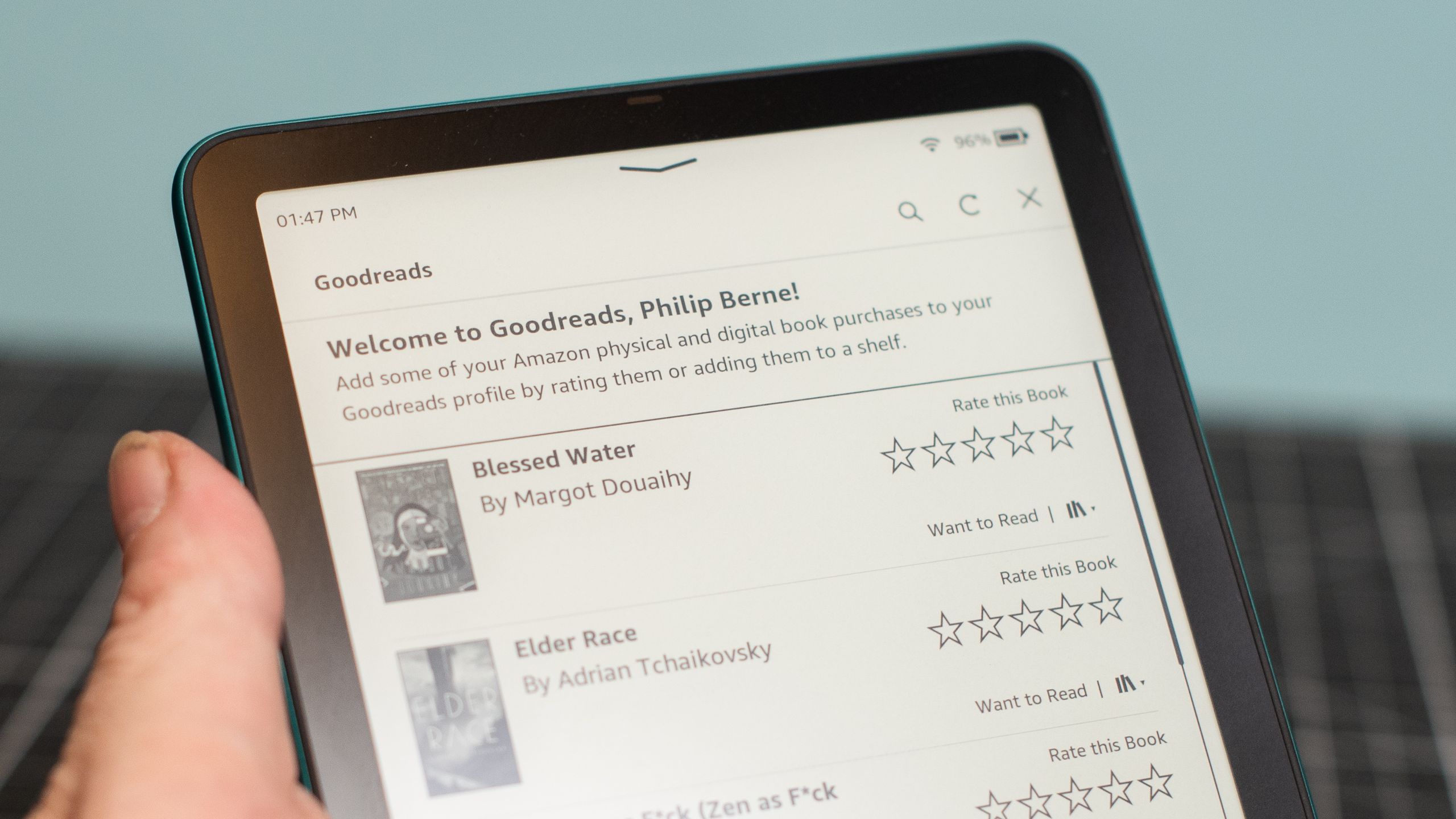
 mazon has quietly pulled the plug on affordable hardware. Without advance warning or a formal announcement, the retail giant pushed aggressive price increases across its smart device roster, hitting the entry-level Kindle and mid-range Kindle Paperwhite with markups reaching up to 60%. As Fortune first noted during a routine product review, only Ring doorbells and the pricey Kindle Scribe escaped the hike unscathed, while devices like the Echo Dot Max, Echo Show 21, and select Fire TV sticks saw immediate price bumps.
An Amazon spokesperson confirmed the shift to Fortune, citing mounting component expenses across the supply chain:
"Consumer tech is facing significant increases in memory and storage component costs. After absorbing these increases for as long as we could, we recently adjusted pricing across our product lines."
For years, Amazon's hardware model relied on a straightforward subsidy: sell barebones e-readers at cost—or near it—and recoup the margins via digital book sales, Prime perks, and Audible subscriptions. That compact is broken. While broader tech inflation saw Apple raise prices on Macs, iPads, and HomePods, slapping a $30 to $40 surcharge onto a basic plastic e-reader fundamentally distorts its value proposition, especially when Amazon still dares to charge an extra fee just to strip lockscreen ads.
The Alternatives: Gray Markets, Backstock, and Open Rivals
Paying inflated retail tags for basic monochrome screens makes little sense. For buyers caught out by the price bump, the smartest immediate move is hunting down old warehouse stock, certified refurbished units, or secondary-market devices before reseller inventories adjust upward.
More importantly, Amazon's price hikes strip away its main competitive moat against open ecosystems. When a basic Kindle encroaches on mid-tier pricing, alternatives like Kobo's Clara lineup and Android-powered Onyx Boox readers become substantially more compelling. With open format support and no proprietary lock-in, competing hardware suddenly looks like the rational buy—leaving Amazon's walled garden looking less like a bargain and more like an overpriced gate.