
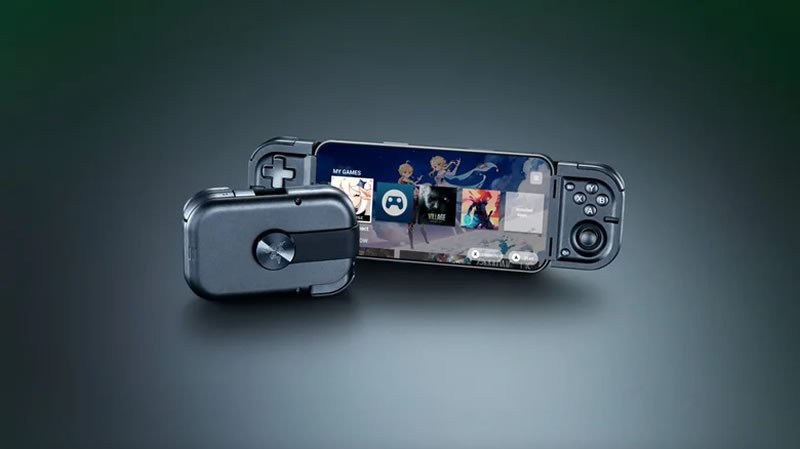
 arrying a full-sized mobile controller with a bulky telescopic bridge is rarely convenient: it barely fits into a jacket pocket and takes up valuable space in a backpack. Accessories makers like Razer are betting on ultra-compact folding designs that slide straight into your jeans. It sounds compelling on paper, but in mobile gaming, extreme portability always comes with mechanical trade-offs.
The Mechanics of Compromise
Let’s be realistic: shrinking a gamepad down to pocket size inevitably forces engineers to compromise on ergonomics. Reduced dimensions mean shorter analog stick travel and flatter triggers that can easily slip under sweaty fingers during intense moments. Compatibility is another headache: if your phone sits in a rugged shockproof case, you will likely have to pry it out before every gaming session just to secure a solid connection.
The folding form factor solves the portability problem, but it introduces serious concerns about hinge durability and precision in fast-paced games.
In competitive shooters where micro-adjustments dictate match outcomes in fractions of a second, miniature stick travel simply cannot match a full-sized stick. Aggressive button mashing and physical strain will also loosen mechanical folding hinges over time. While a direct physical connector eliminates input latency, it draws power straight from your phone, draining the battery much faster and practically requiring a power bank on hand.
What This Means in Practice
If you want an everyday portable controller for quick fifteen-minute arcade sessions on your commute, a folding gamepad makes sense. However, if mobile gaming means long ranked shooter sessions, you are better off sticking with a rigid, full-sized controller. Saving a few pocket millimeters is not worth compromised aim and loose hinges.