
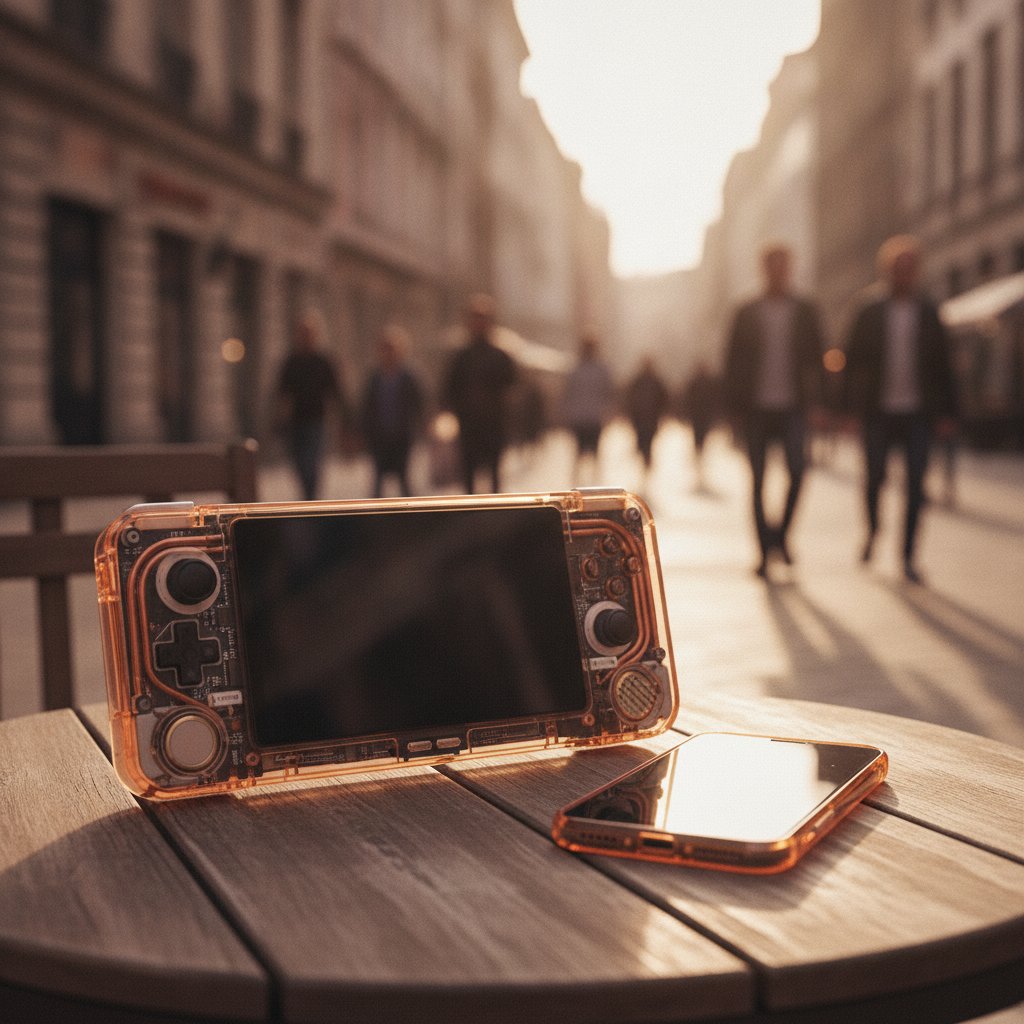
 very year, tech giants sell us the exact same rectangular slab, trimming screen bezels by a fraction of a millimeter and boosting low-light camera speeds by a single percentage point. Consumers have grown numb to these identical black consumables, losing the simple joy of holding something unique. Against this background of dull uniformity, 1990s nostalgia is surging—reviving memories of translucent Game Boys and pagers that proudly put their raw microchips on display.
Exposed Circuit Boards Challenge the Factory Conveyor
As mass-market electronics sealed themselves into anonymous dark monoliths, the exposed-circuit aesthetic migrated to independent makers and DIY hardware creators. Vitaly Mitrofanov, a presales analyst at KORUS Consulting who built an open-source desktop voice robot measuring just 41×41 millimeters, explains that users crave dedicated hardware again—devices that solve one clear task without burying their internals under layers of industrial glue.
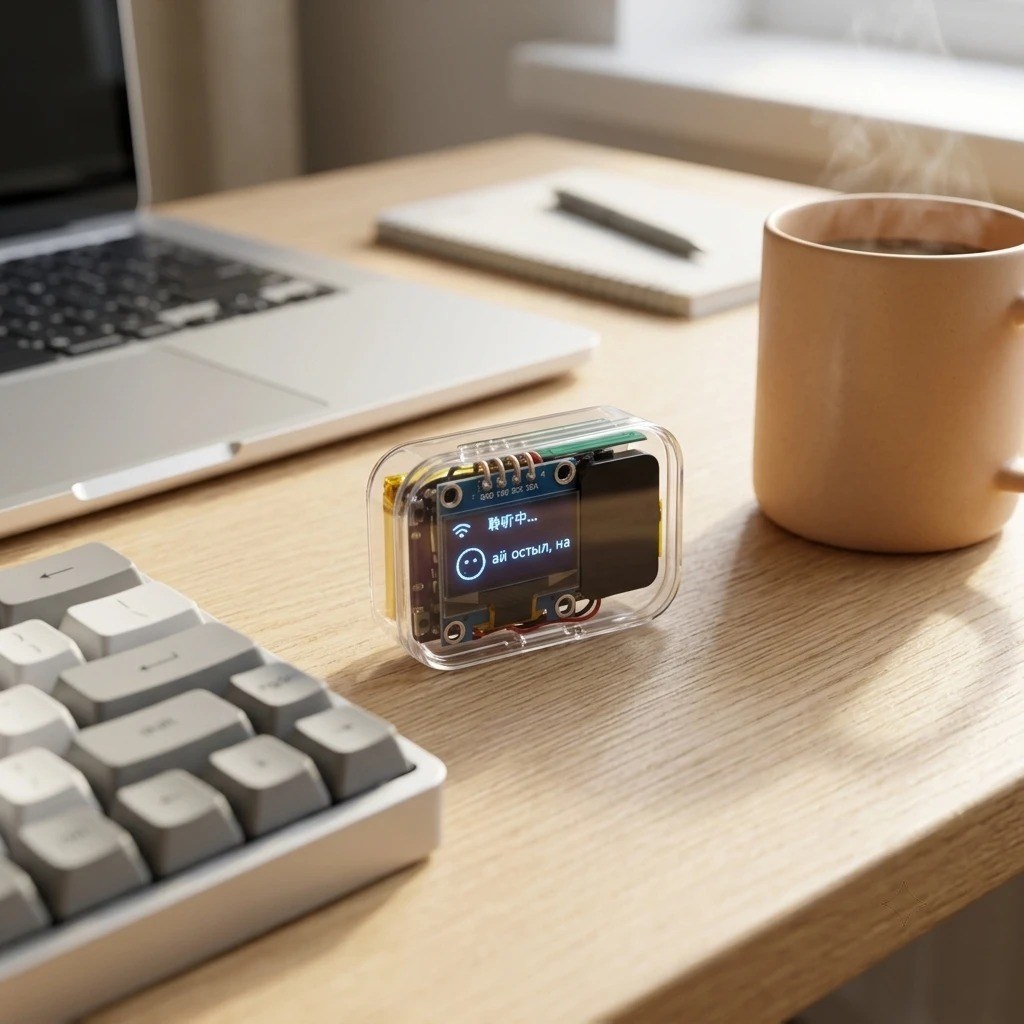
"I wanted a device that would be transparent in every sense of the word: allowing you to see the components, understand how it works, and keep it on your desk just to look at it."
Such desktop assistants run on modest ESP32-S3 microcontrollers paired with compact 0.96-inch or 1.3-inch displays. They require no recurring subscriptions and thrive in clear plastic housings because low-power chips generate virtually no excess heat.
Why Big Tech Struggles to Expose the Guts
Assembling a transparent desktop box for a single task is simple; scaling a complex flagship into mass manufacturing is an entirely different engineering challenge. Clear plastic instantly exposes harsh thermal realities: high-performance processors demand direct contact with metal chassis or heavy heatsinks to prevent overheating in hand. Complex modern devices also require extensive metal shielding to block RF interference, while their crowded interiors are packed with messy ribbon cables, copper shielding, and glue spills that factories cannot afford to polish for aesthetics. As a result, big brands settle for decorative shortcuts, using faux internal panels and LED accents instead of real transparency.
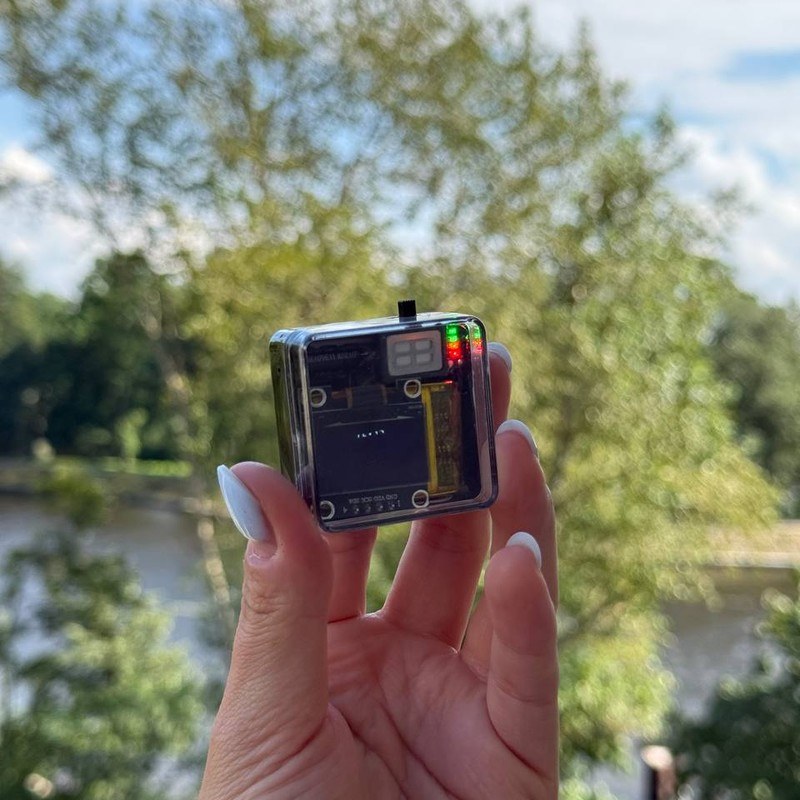
Key points: Transparent hardware remains the domain of custom DIY builds and single-purpose desktop gadgets. Building these devices by hand delivers clarity, openness, and pure tactile satisfaction, while major brands continue hiding engineering compromises behind opaque glass.