
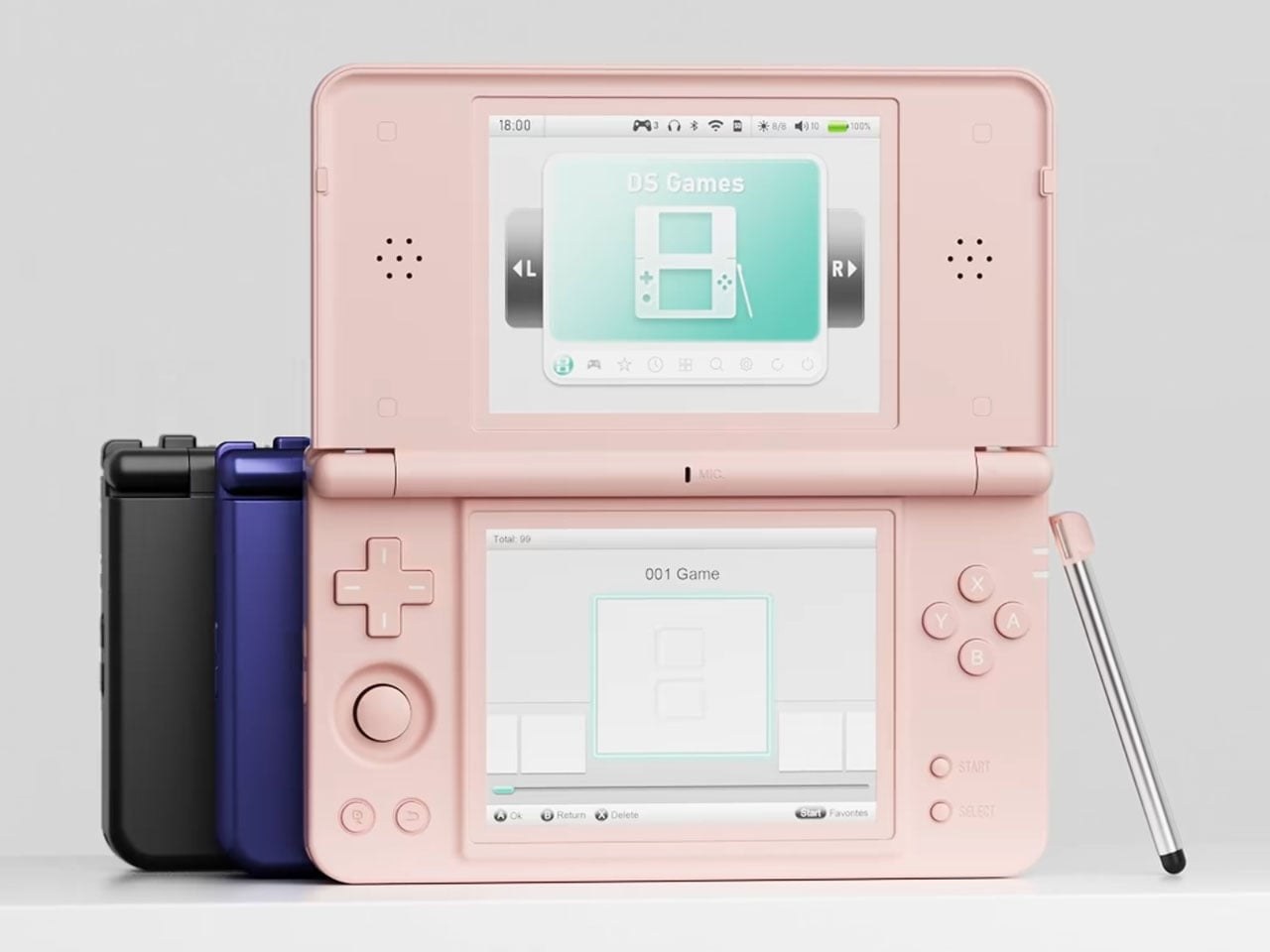
 f you want to play dual-screen retro classics today, you usually face an annoying compromise. You either bolt clumsy add-on displays onto handhelds, cram squished side-by-side layouts onto a single widescreen panel, or pay hundreds of dollars for heavy Windows monsters like the AYANEO Flip DS. Anbernic takes a far more sensible route with the RG DS Plus, delivering an affordable clamshell built strictly around dual-screen ergonomics.
The hardware setup solves the biggest irritations of emulating dual-display titles on modern devices. Anbernic integrated two 4.3-inch panels running at 1024×768 resolution, with the bottom screen handling touch input. To save you from smudging screens with your thumbs or wrestling with external headsets for voice prompts, the chassis includes a built-in capacitive stylus and an integrated microphone.
What makes the RG DS Plus a step ahead of rivals like AYANEO is the presence of an integrated capacitive stylus and a microphone.
This physical setup recreates the natural controls of original dual-screen portables without requiring janky aftermarket mods. The chassis also features an upgraded dual alloy hinge with stepless positioning for rock-solid viewing angles, four digital shoulder buttons, an analog stick, front-facing stereo speakers, a headphone jack, dual USB-C ports, and dual microSD card slots.
The Software Shift and the Hardware Compromise
The software side marks a practical pivot away from mobile operating systems. The RG DS Plus runs lightweight Linux OS rather than the bloated Android setup of earlier iterations, slashing boot overhead, lowering power drain, and improving battery life when driving two active screens simultaneously. This environment leans on a dedicated dual-screen emulator, NNDSS, which supports instant microphone triggers, seamless display swapping, 76 shaders, a real-time clock, and instant save states.
Keeping the price tag under three digits forced some obvious hardware cuts you need to know before buying. Anbernic stuck with the older Rockchip RK3568 chipset, stripped out internal eMMC storage entirely, and downgraded system RAM to 1GB compared to 3GB on previous hardware. If you expect raw computing muscle or high-end emulation, look elsewhere; the Plus moniker denotes physical dimensions and dual-display ergonomics rather than silicon performance.
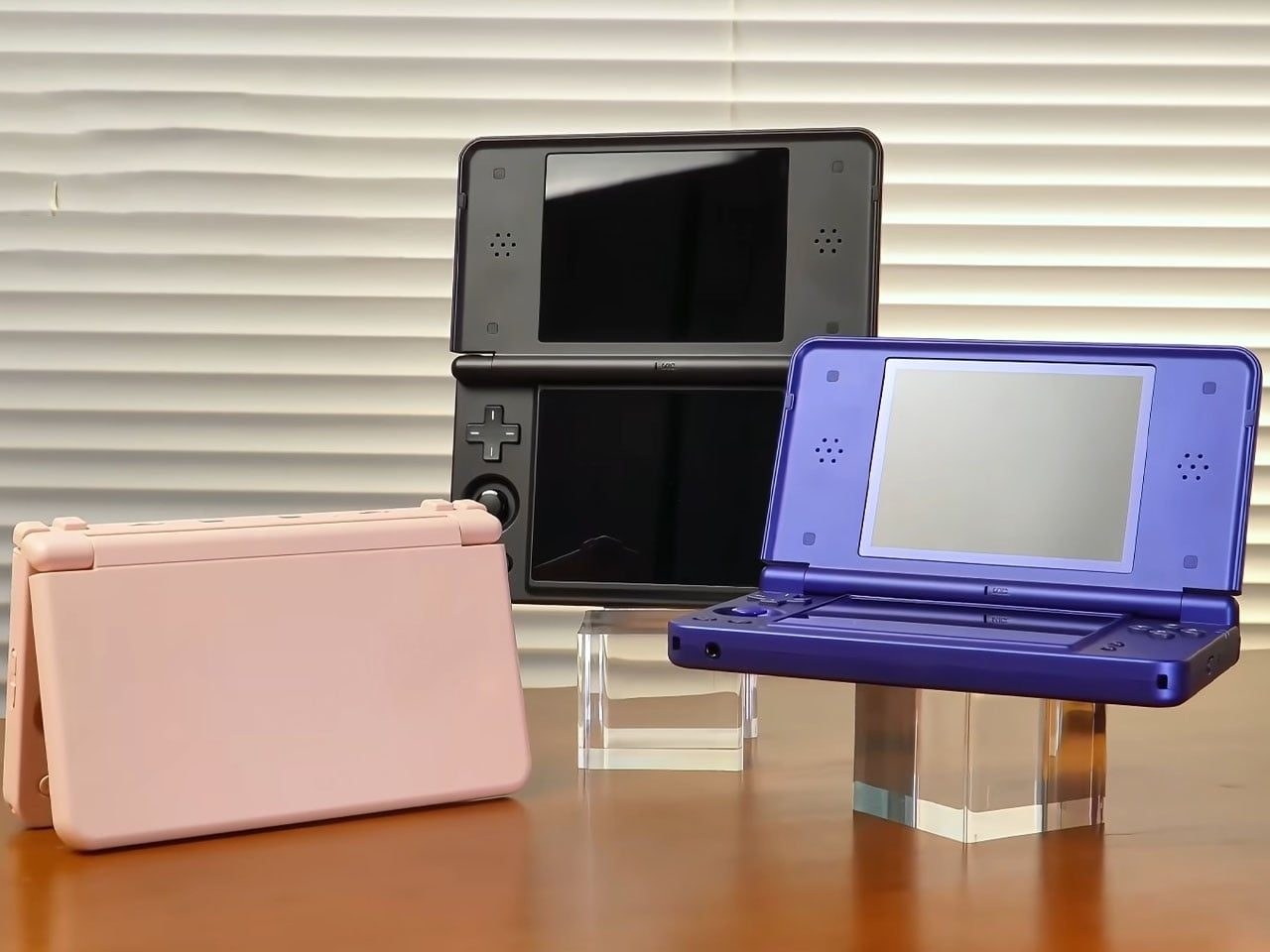
Anbernic priced the RG DS Plus below $100 across Metallic Blue, Matte Black, and Coral Pink finishes, with early buyers grabbing it for around $90 at launch. While the stripped-down memory and recycled processor won't satisfy power users looking for heavy multitasking, anyone wanting an honest, sub-$100 clamshell with native stylus controls gets exactly what was missing from the market.