
 our fitness tracker is built to become electronic garbage because the battery dies. When the sealed cell inside finally gives up after daily notifications and heart-rate checks, you throw the whole device away and buy a new one. That disposable hardware cycle is how the industry makes its money, forcing a hardware upgrade every time chemistry takes its natural course. Google is trying to break that loop with a device that treats the power source as something you can actually swap out.
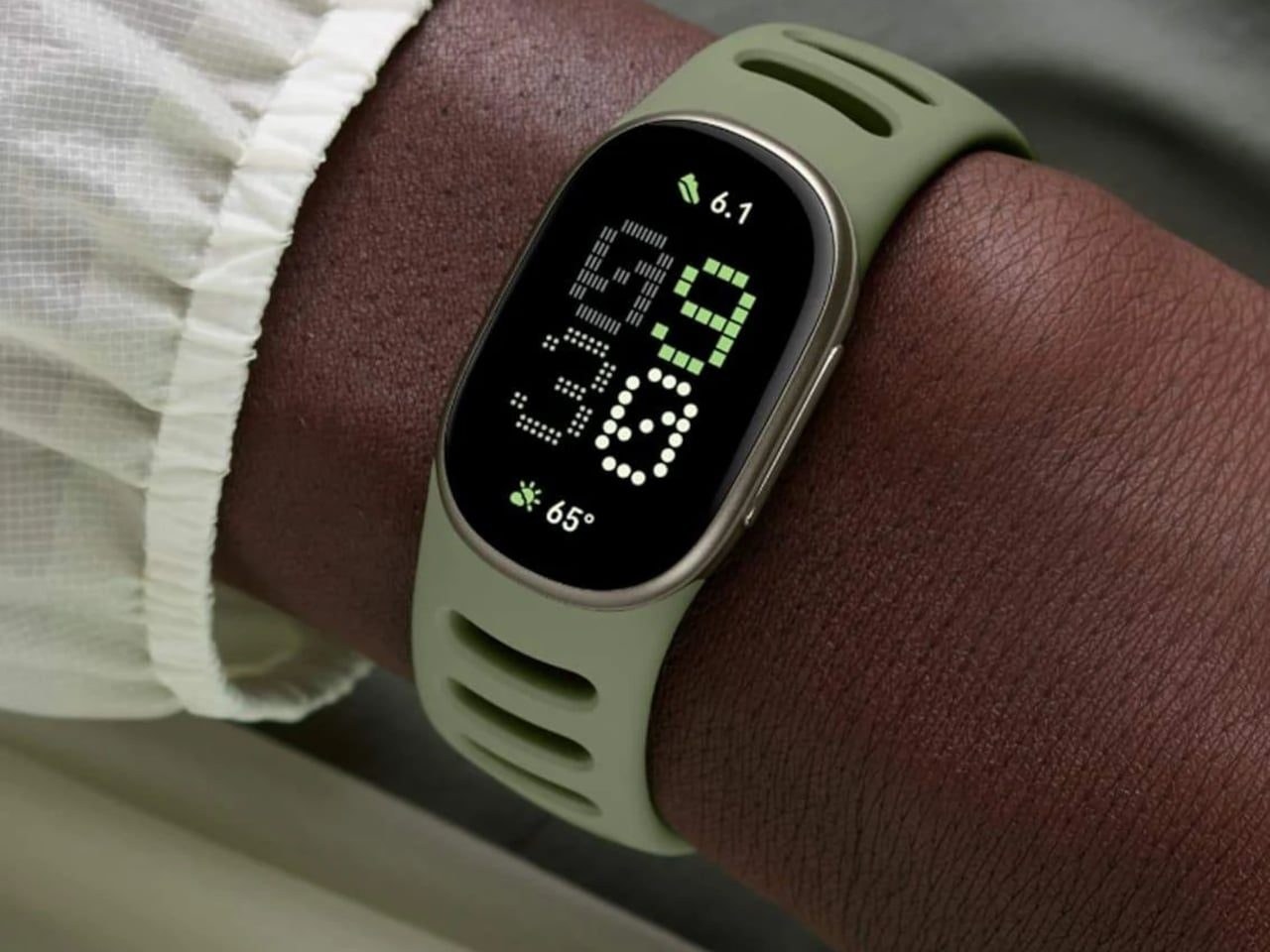
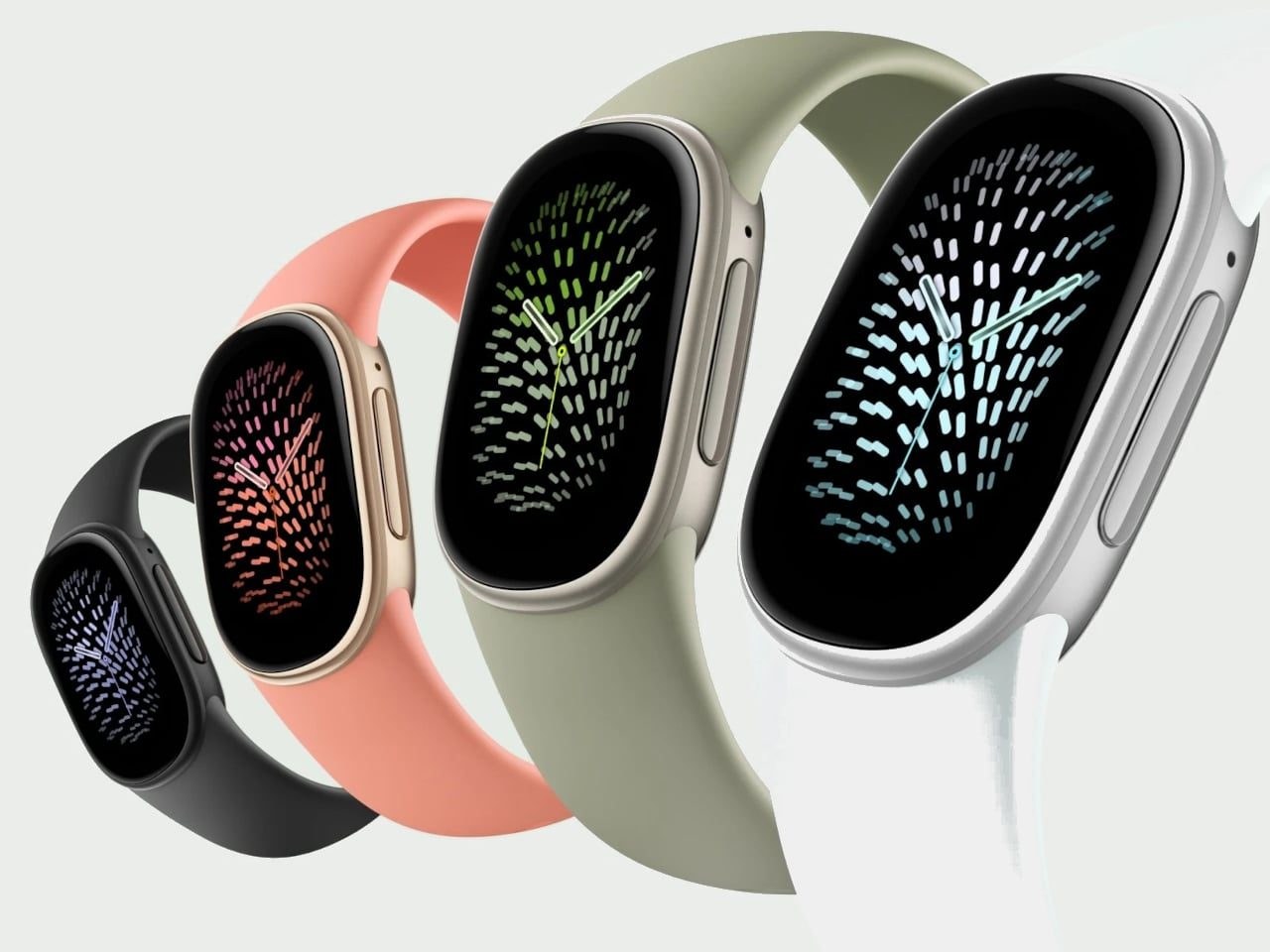
The Google Fitbit Edge features an elongated aluminum case that is roughly 0.46 inches thick and 0.62 ounces without the band, using recycled aluminum for the housing. This isn't a bulky computer strapped to your wrist, but a compact unit pairing a screen with a physical button. If you are tired of watching a perfectly good screen get tossed just because its battery stopped holding a charge, this design is the first time a major manufacturer actually acknowledges the problem.
What you get on your wrist
Unlike basic fitness bands that leave you squinting at tiny LED dots, the hardware packs a 1.34-inch AMOLED display that puts your steps and heart rate right beside the time. You also get built-in GPS so recording a run doesn’t require carrying your phone, alongside an altimeter that tracks elevation changes when you take the stairs. The device comes with a silicone band in the box, while optional magnetic bands and metal links are available to change the look.
Google Fitbit Edge is designed with a replaceable battery.
Heart rate monitoring and sleep tracking provide information to review later, while a skin temperature sensor records nightly variations. As Google stated, its Gemini-powered Health Coach can suggest routines, but it requires Google Health Premium after an included three-month trial. That coaching subscription costs extra on top of the hardware, reminding you that software subscriptions never truly leave your wrist.
The reality of repairability
Before you grab your screwdriver and celebrate the death of disposable electronics, read the fine print on how that battery swap actually works. Google specifies that replacing the cell inside the modular layout doesn’t mean popping open a cover and swapping batteries at breakfast, because tools and technical expertise are required, and repair options vary by region. You still need access to the right replacement parts, meaning your local repair shop might just look at you blankly when you walk in with a fitness band.
Battery life depends entirely on whether you can live with a blank screen until you raise your arm. According to Google’s testing conditions, the device claims up to seven days of battery life, or only up to two days with the always-on display enabled. When you do run low, a five-minute charge promises up to a day’s use. Keeping that display on constantly means charging more often, turning your repairable gadget into just another thing you have to feed on the nightstand.
Google wants to sell you a tracker that outlives its own battery, but the company made sure the repair process remains complicated enough that most people will probably still buy a new one anyway. If you have the patience to track down specialized parts and technical help when the battery dies, the Google Fitbit Edge changes the math of disposable wearables. Otherwise, it is just a slightly greener way to buy another gadget.
This device proves that hardware giants can build modular trackers when they want to, even if they prefer you didn't actually fix them yourself. When the first battery finally dies, you will find out whether repairability is a real feature or just a marketing talking point.