
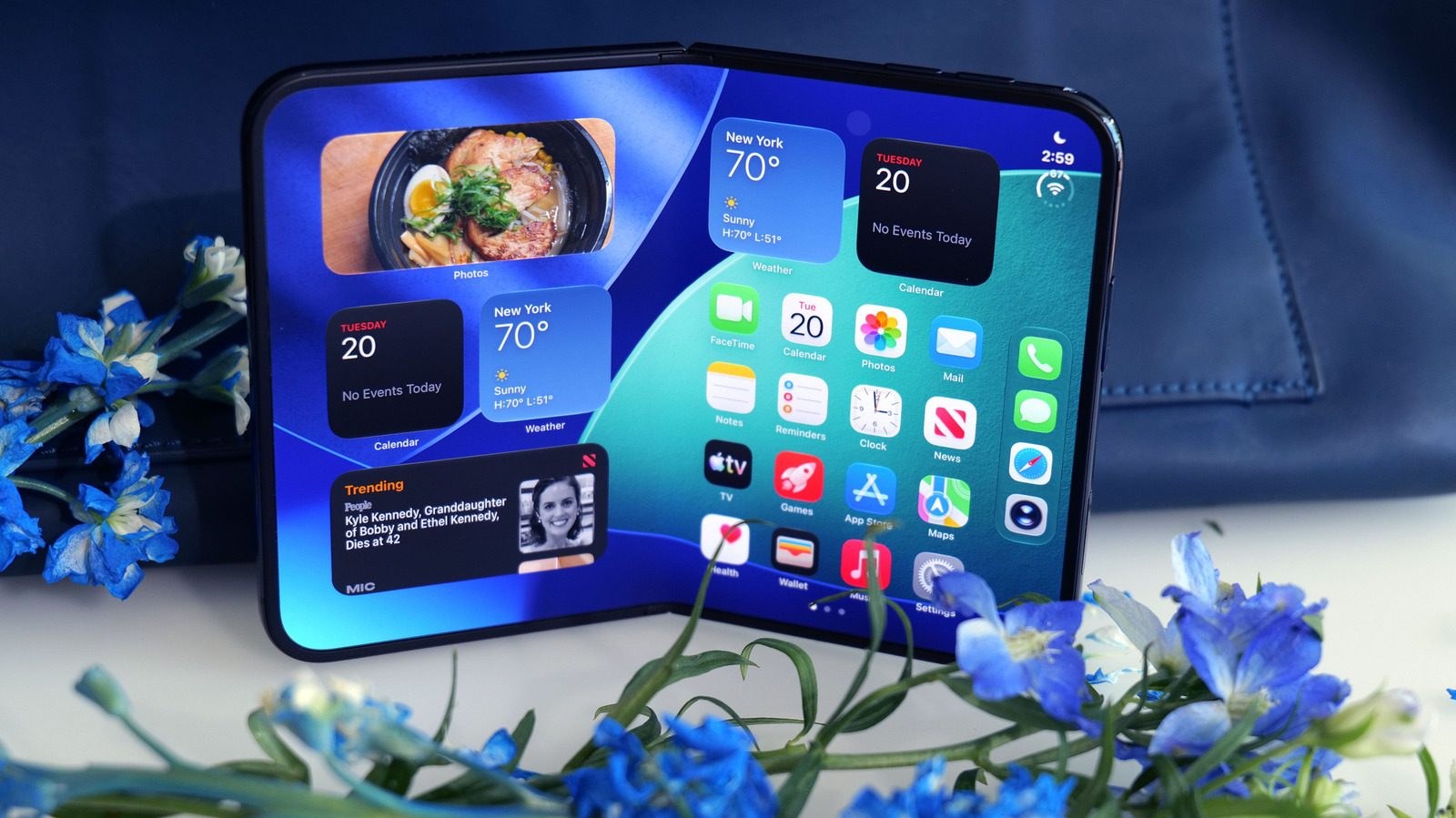
 pple has finally entered the folding screen market with the $1,999 iPhone Duo, arriving fashionably late to the party. Under John Ternus's leadership, the company has delivered a heavy device that borrows the best engineering tricks from its competitors while bringing back features everyone else has already ditched. That $1,999 price tag is a bold statement for anyone willing to splurge on a flexible screen.
Two screens and a heavy price tag
The outer shell features a glossy 5.4-inch OLED display running at 1,878 x 2,670 pixels, complete with a 120Hz ProMotion high refresh rate (making scrolling buttery smooth) and peak brightness hitting up to 3,000 nits. The panel is punchy and comfortable for one-handed navigation. Unfold the titanium body, and you'll find a 7.6-inch interior display pushing 1,398 x 2,034 pixels, coated in a protective nano-texture matte finish instead of the usual glossy plastic. This screen cuts down on glare and practically hides the center crease, but it's easily damaged by a stray fingernail, so Apple made the protective layer replaceable for $49. The hinge packs more than 100 moving parts and holds the panels firmly at any angle.
Performance and the return of old-school unlocking
Powering the phone is the A20 Pro processor. The device also packs full IP68 dust and water resistance—a level of durability found in only one folding competitor on the US market.
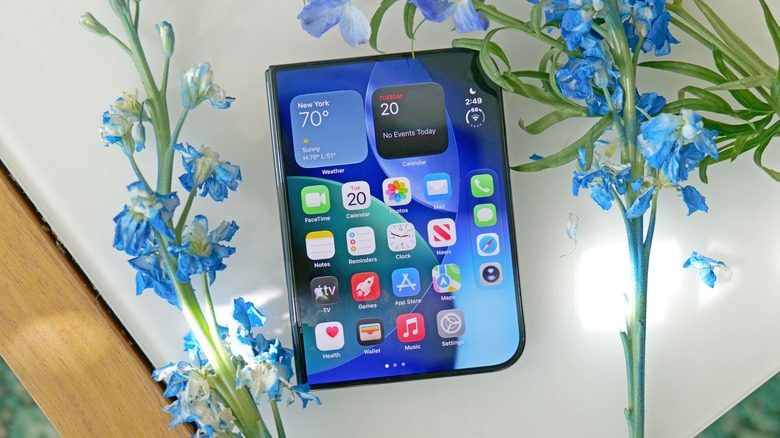
Beneath the screens lies serious hardware and robust protection, but Apple abruptly ditched facial recognition in favor of a fingerprint scanner. Instead of the usual Face ID (facial scanning), a Touch ID sensor (fingerprint reader) familiar from iPad tablets is built right into the side power button. The sensor reads prints accurately, though unlocking takes a fraction of a second longer than you'd expect. On top of that, the inner screen will soon support drawing and note-taking via the proprietary Apple Pencil, landing on store shelves later this month.
Daily usage quirks
Despite the premium materials and complex engineering, early adopters will quickly realize that many apps still can't properly scale to fit the folding screen format. The software has some catching up to do with the hardware. Weighing in at 254 grams (8.96 ounces), the gadget feels noticeably heavier than its main rivals, and your hand will tire out quickly if you spend too much time reading news on the outer screen.