
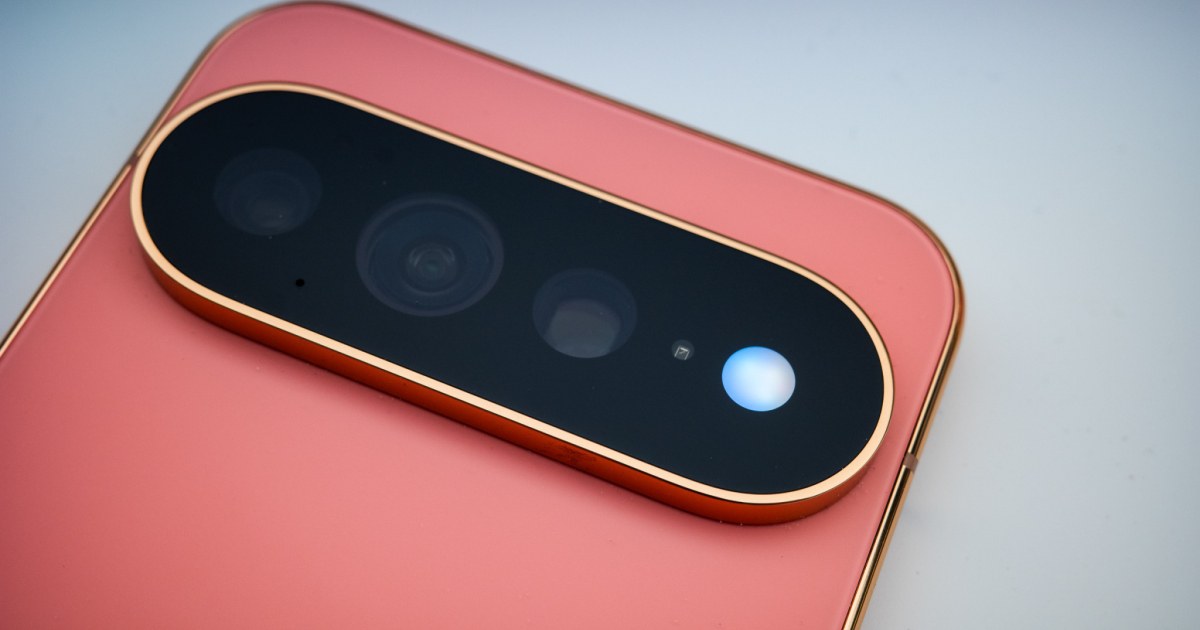
 n its pursuit of AI novelties, Google managed to ruin a feature that had worked flawlessly for years. In the new Pixel 11 Pro, the traditional bright flash was replaced with a "HiLight" LED system. Its main purpose is to pulse softly during incoming calls and show when the built-in Gemini assistant is "thinking." However, engineers seem to have completely forgotten about the basic utility of a standard flashlight.
Reddit users were the first to raise the alarm, prompting *Android Authority* to run a detailed lux meter test. The measurement results feel almost insulting to buyers: the Pixel 11 Pro XL produces a meager 89 lux. To put that into perspective, last year's Pixel 10 Pro XL reached 123 lux, while the standard iPhone 16 Pro illuminates the dark with 490 lux — more than five times brighter.
Journalists found that the root of the problem lies in the frosted diffuser. To prevent the LEDs from blinding users during notifications and to create an aesthetic glow for Gemini, Google covered them with a dense light diffuser that severely stifles output. As a result, the beam simply cannot cut through darkness.
This is a textbook example of marketing triumphing over common sense. When spending over $1,000 on a flagship phone, you expect to light up a dark hallway or find a keyhole, not end up with an ineffective nightlight designed solely for AI status indicators.