
119 stories · Full archive →

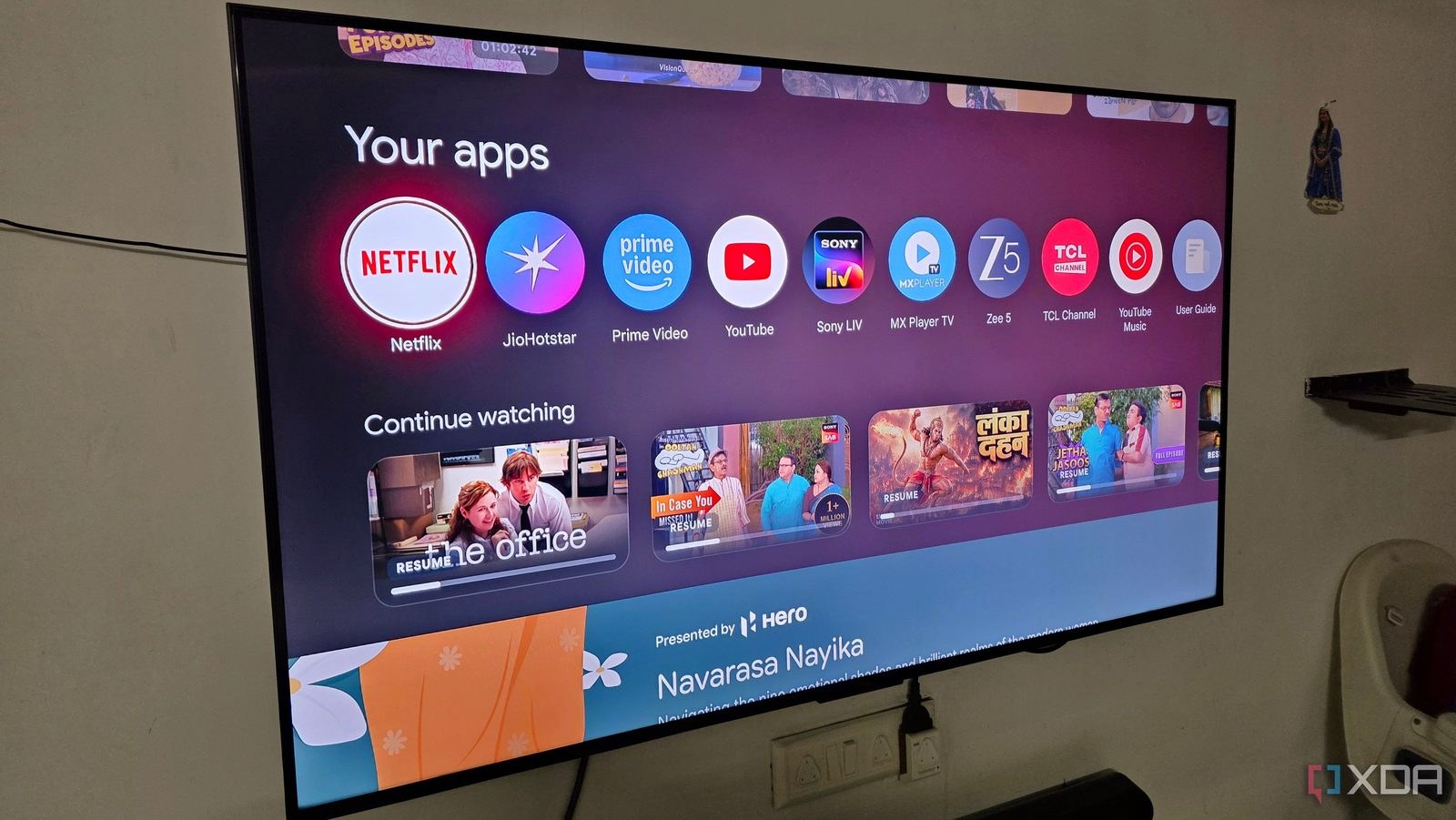
Fed-up owners are stripping sponsored tiles and tracking scripts from modern displays using free open-source utilities. These tools bypass interface bloat via Android debugging without requiring dangerous root access or permanent system changes.
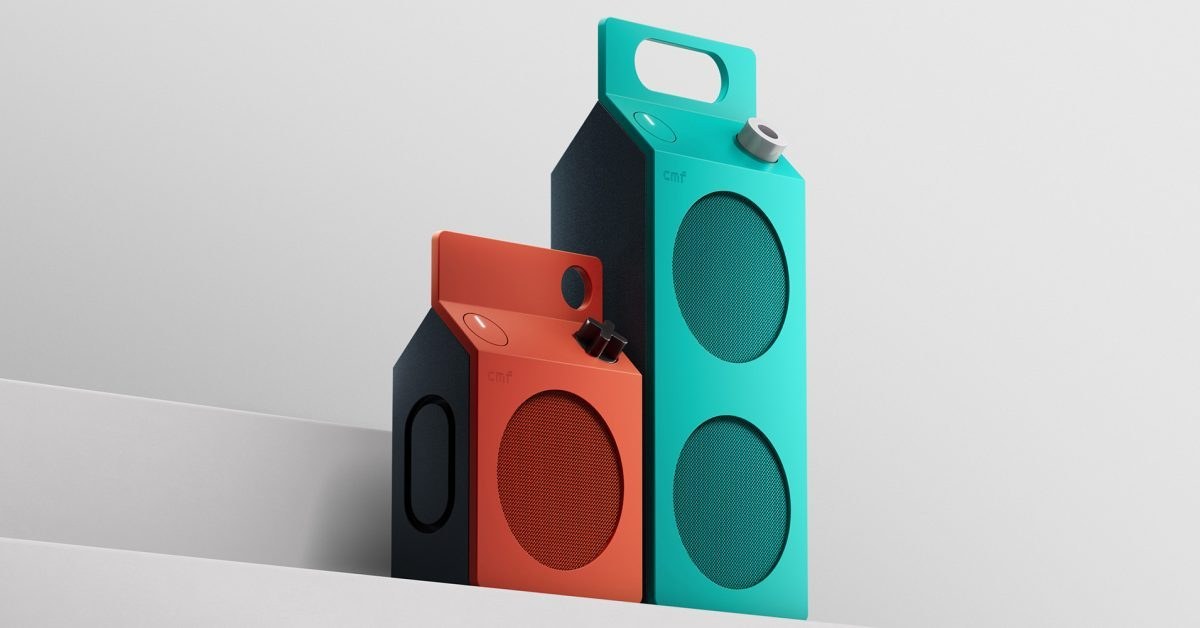
CMF by Nothing has released unusual milk-carton shaped wireless speakers in two sizes starting at $59. Featuring chunky physical controls, NFC pairing, and up to 18 hours of battery life, they inject personality into a workspace without breaking the bank.
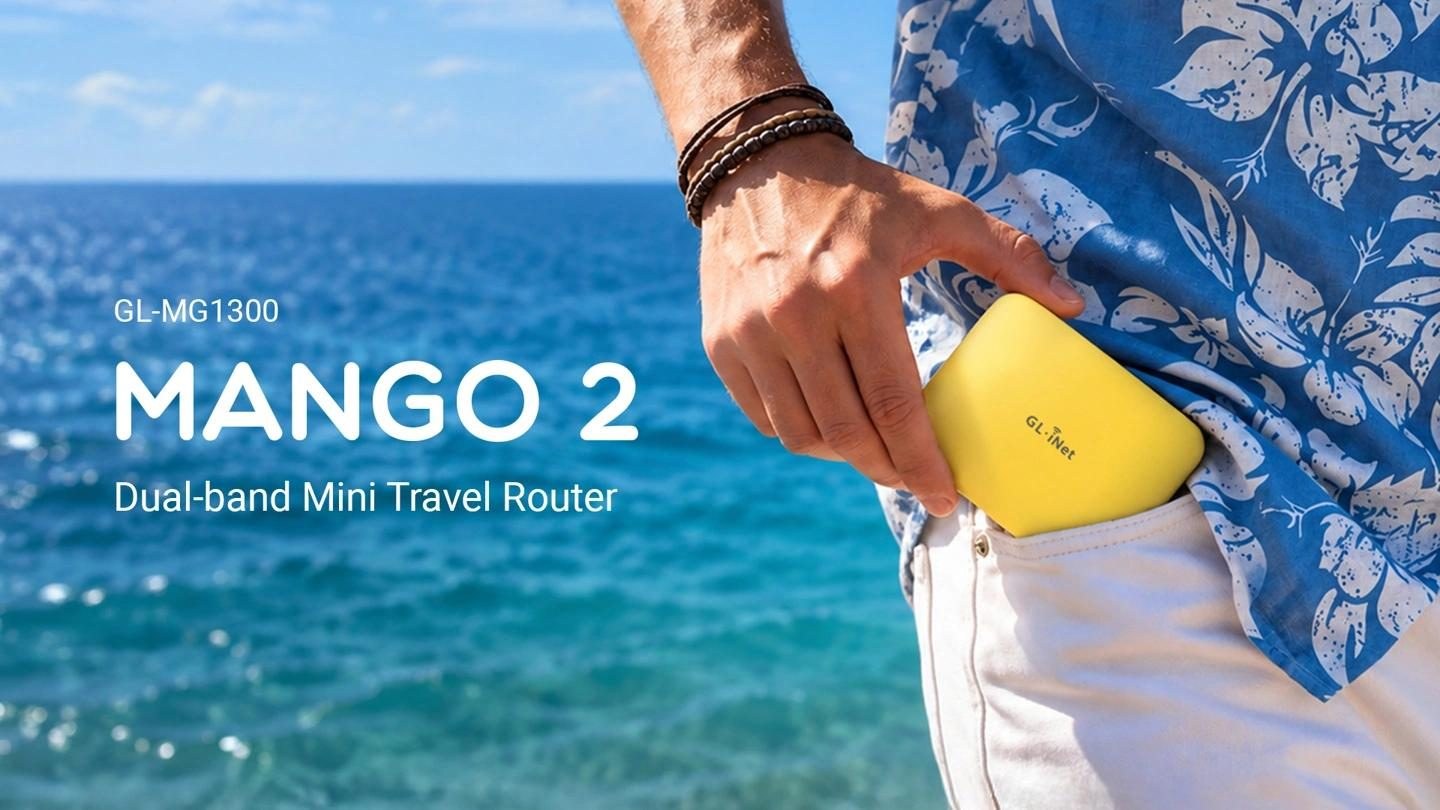
GL.iNet has dropped a $40 travel router running OpenWrt that packs dual-core power and Gigabit ports into a 100-gram chassis. It turns sketchy hotel Wi-Fi into an encrypted personal network without breaking the bank.
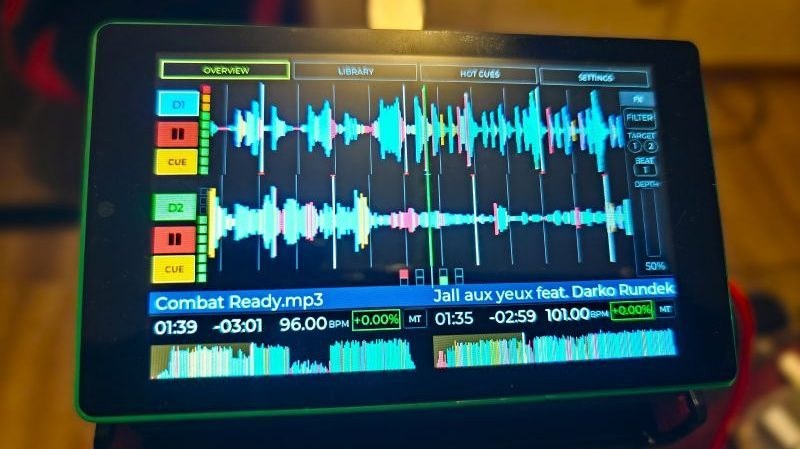
Independent maker Daniel Vučinović has engineered a standalone DJ controller running on a $50 ESP32 chip. It reads USB drives, renders live waveforms on a touchscreen, and eliminates laptop crashes for mobile DJs.
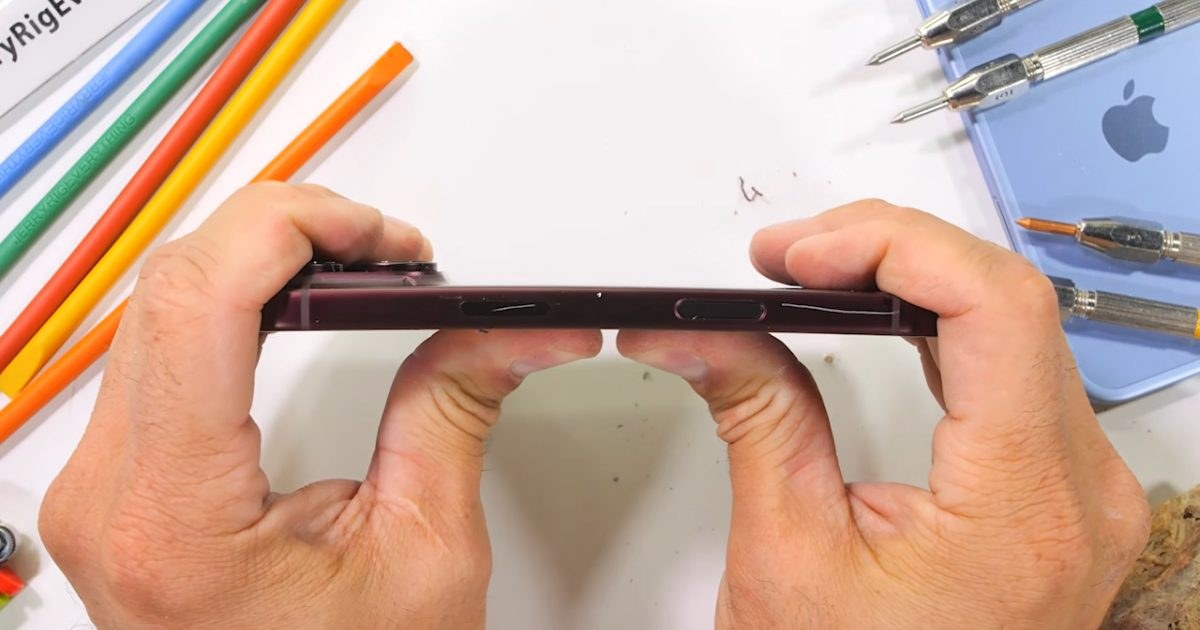
The latest iPhone flagship survived a brutal bend test, but its metal edges and plastic camera base remain vulnerable to everyday keys and coins. JerryRigEverything put Apple's new pro device through its traditional torture routine to see what changed in your hands.

Maker Natasha Dzurny ditched standard plastic laptop cases to build a fully functional portable workstation inside a furry theatrical puppet. Powered by an Arduino board with a 5-inch screen and built-in webcam, the absurd build turns a Linux machine into a portable stage prop.
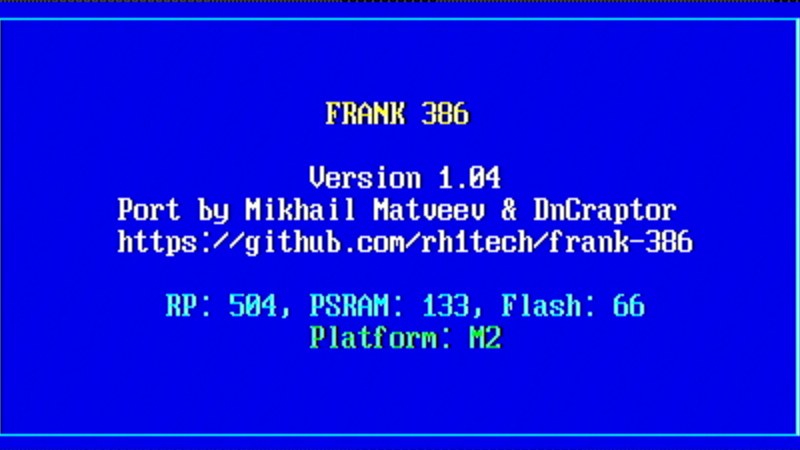
A tiny five-dollar microcontroller can now run a stripped-down Linux kernel and recreate a classic 386 PC. This inventive setup lets you ditch overpriced vintage hardware on eBay to run old-school DOS, Windows 3.1, or lightweight Linux right in your palm.
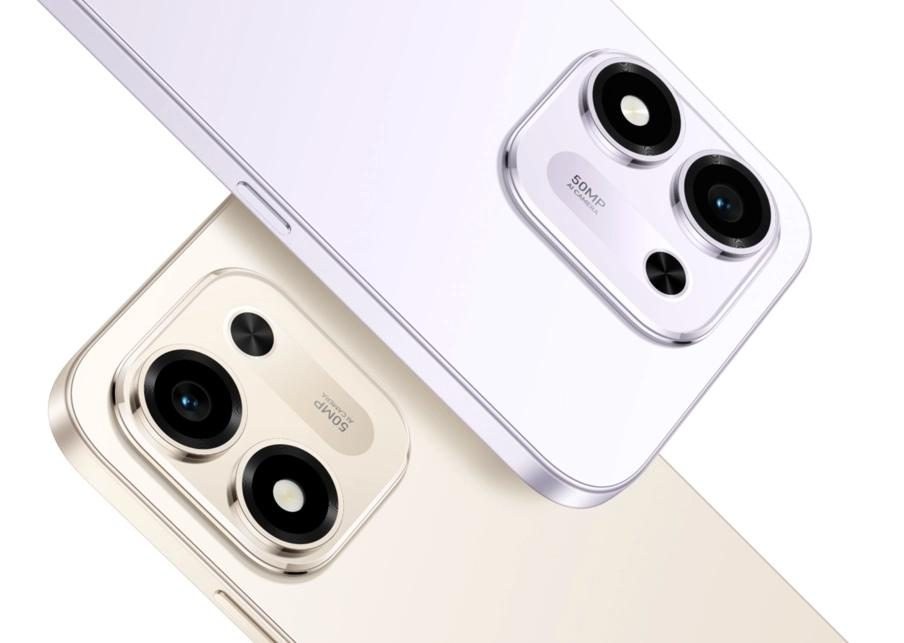
Honor launched the Play 11 with a massive 8300 mAh battery and industrial-grade water protection in a slim body. It costs from $210, but you will have to put up with a noticeably grainy low-resolution screen.
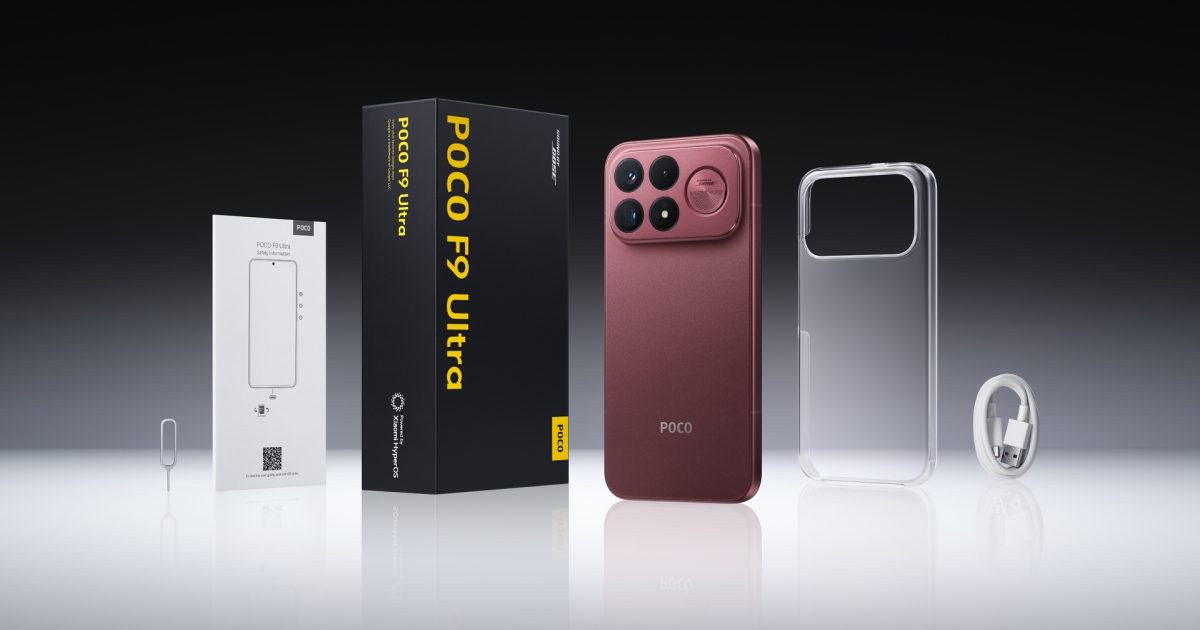
Poco has rolled out its new F9 flagship lineup, headlined by the specs-heavy Ultra model. The phone delivers an 8,050 mAh battery and a 185Hz display, but its bulky footprint makes it a tough sell for anyone outside the hardcore mobile gaming crowd.

A hobbyist has run the open-source Tomb Raider engine natively on a $5 Espressif ESP32-P4 chip. The setup calculates 3D polygons in real time at 320x240 resolution, proving pocket-change silicon can handle mid-90s gaming.
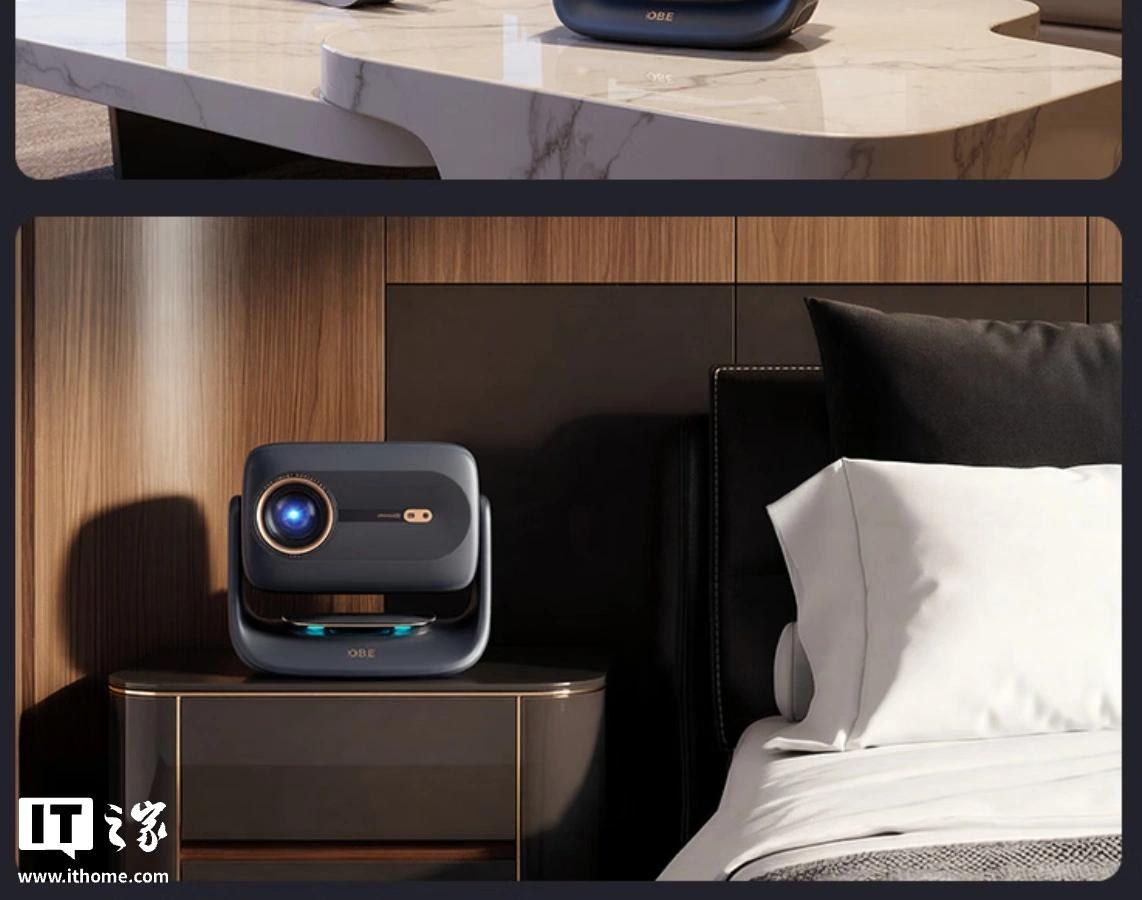
Dangbei has unveiled the R3 Ultra Max, an all-in-one home projector built on a flexible gimbal mount. Featuring an integrated 2.1 audio setup with a 25W subwoofer and automatic obstacle avoidance, it turns any tabletop into a home theater without extra gear.
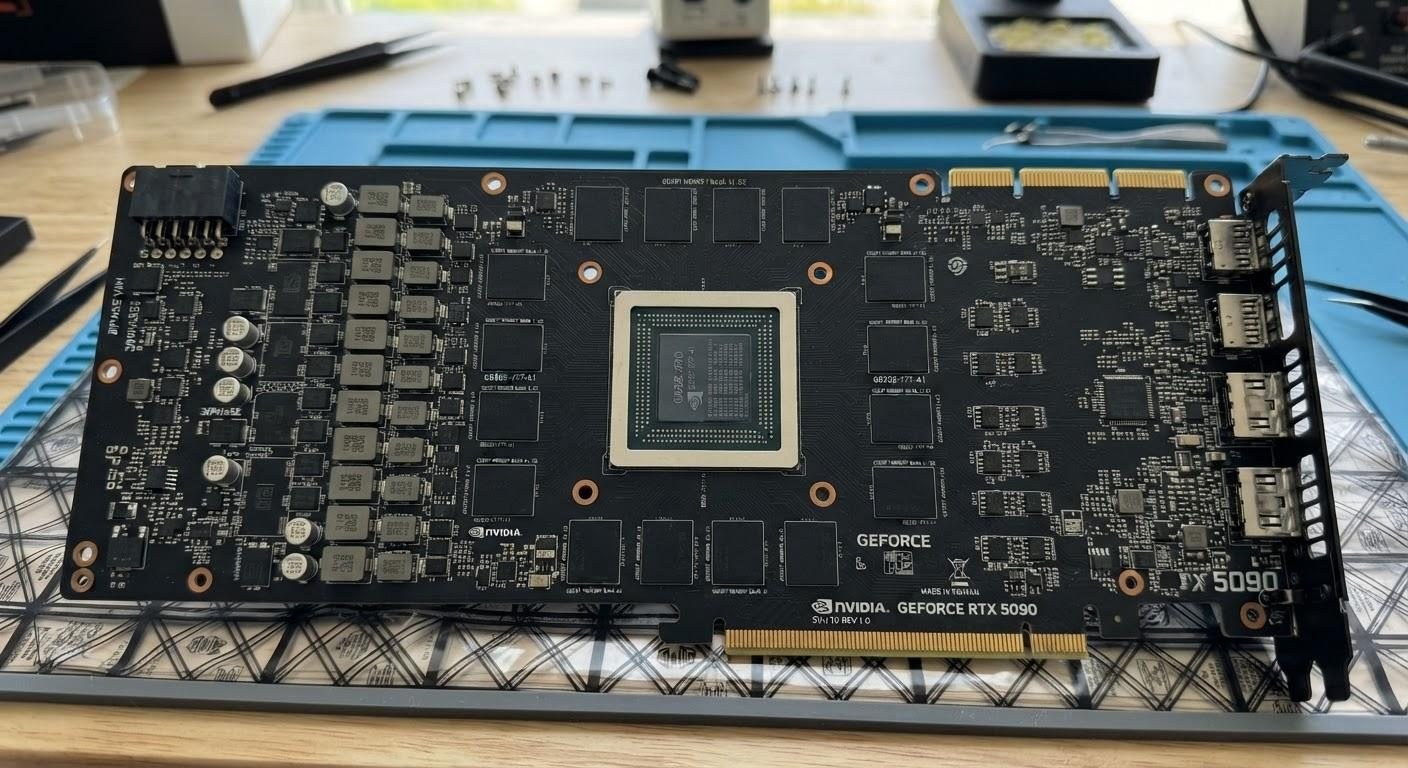
Scammers are selling hollowed-out GeForce RTX 5090 graphics cards on the secondhand market with the GPU dies and GDDR7 memory modules desoldered. The coolers, serial stickers, and factory seals remain intact, making the fraud invisible without a live test bench.
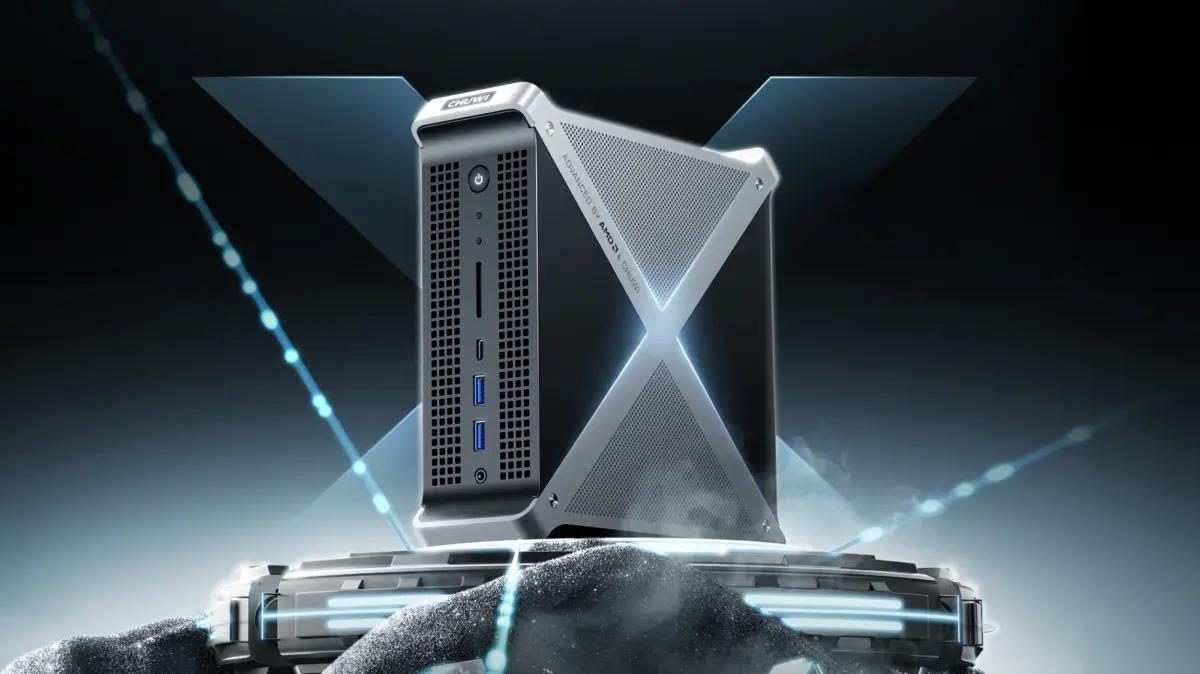
Chuwi has unveiled a three-liter mini PC powered by AMD's Ryzen AI MAX+ Pro chip and up to 192 GB of unified memory. The compact desktop can allocate 160 GB of VRAM to run heavy local AI models, replacing noisy full-tower rigs.
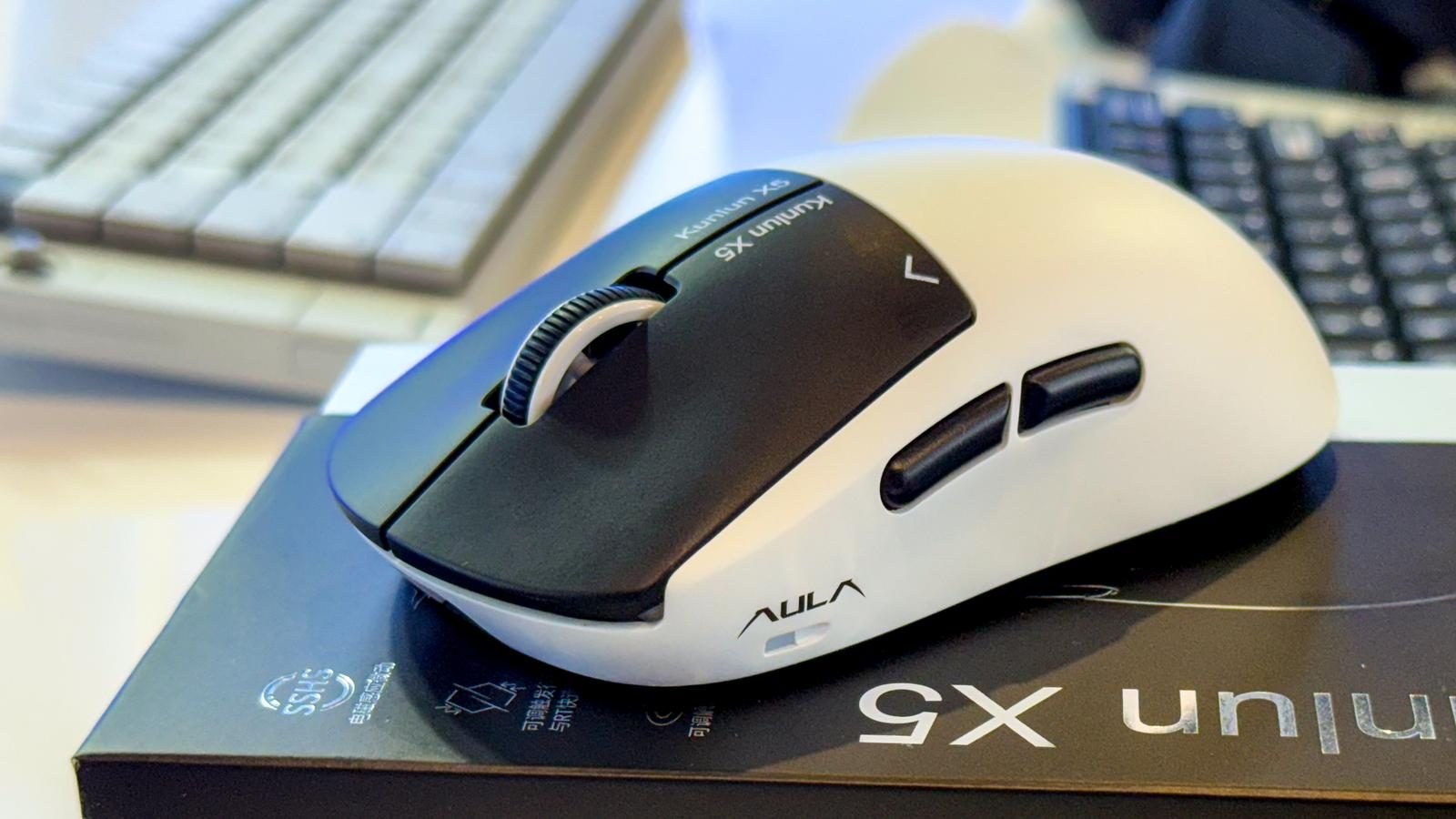
Aula has introduced the Kunlun X5 wireless mouse featuring proprietary electromagnetic switches that replace mechanical contacts with inductive sensors. The hardware change eliminates double-clicking issues and lets users adjust tactile resistance or switch to a completely silent click mode.
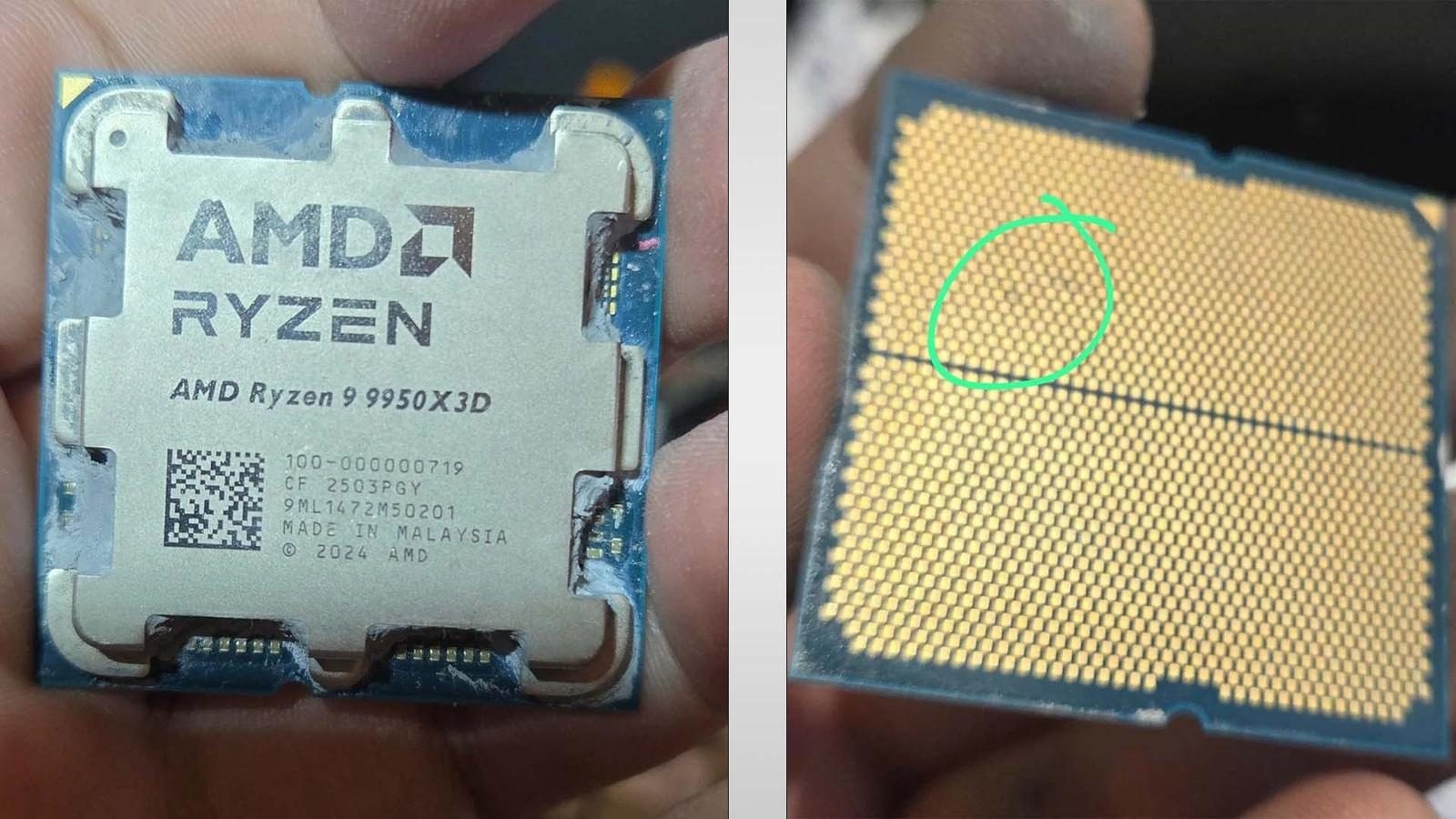
An AMD Ryzen 9 9950X3D flagship processor suffered fatal burn marks after applying a standard Asus DDR5 profile without any manual overclocking. The incident highlights ongoing voltage stability issues on high-end AM5 motherboards. PC builders should double-check automated voltage delivery to avoid costly hardware failures.
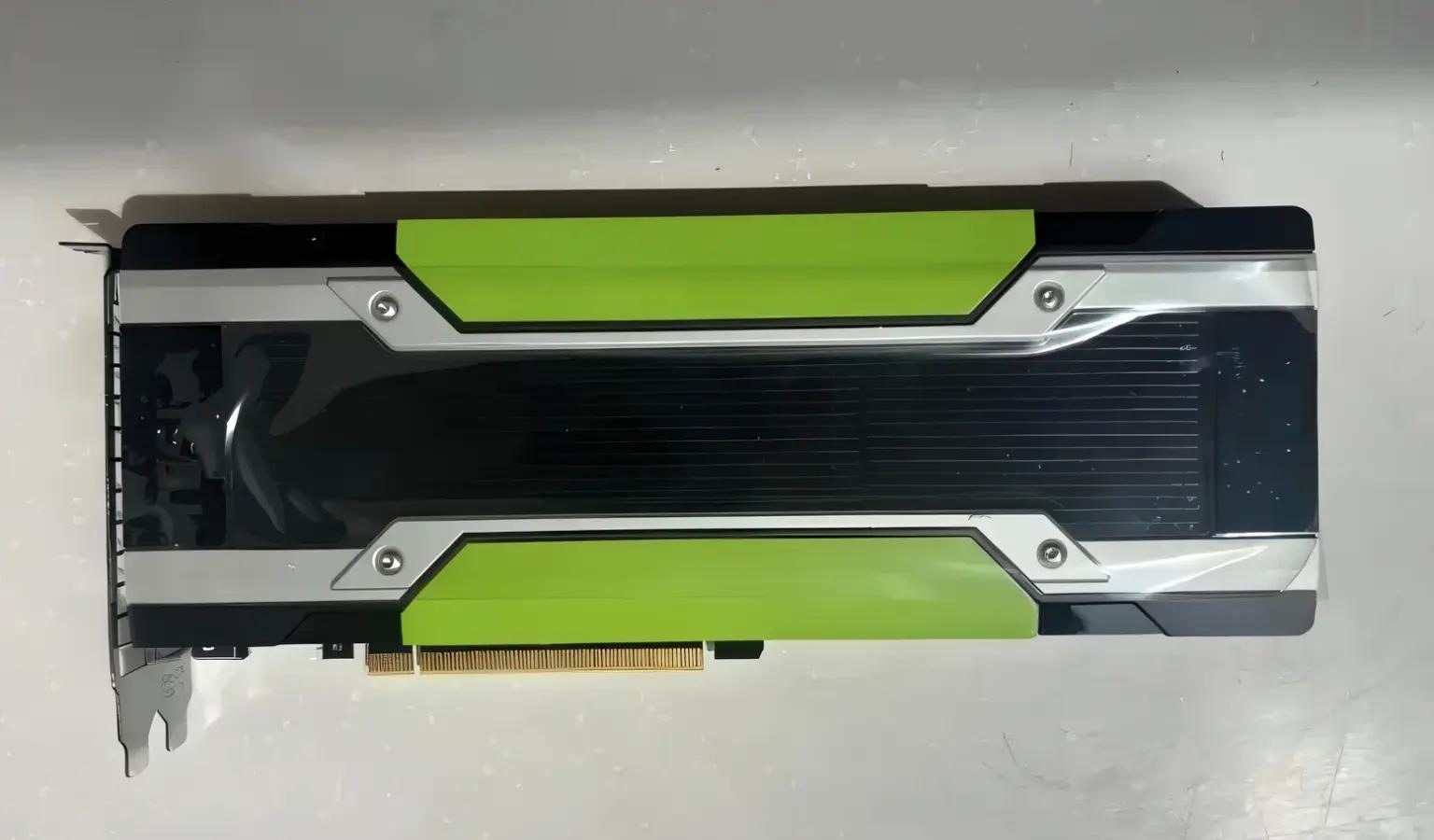
Chinese marketplaces are liquidating decommissioned Nvidia Tesla M60 dual-GPU server boards for $60 with makeshift desktop coolers. Lack of display ports, driver roadblocks, and zero dual-GPU support in modern games make the hardware a poor choice for budget gaming.

Xiaomi has opened pre-orders for the Mijia Smart Bathroom Heater 2, an all-in-one ceiling panel packing a 3,000W graphene heater, radar sensors, and forced ventilation. The module dries damp rooms in 90 seconds and automates climate control, though older apartments will need a dedicated power line to run it safely.

Hori released an electronic wind synthesizer styled after The Legend of Zelda that doubles as a game controller for $50. The device requires no Bluetooth or cables, relying entirely on the console's microphone to detect played melodies and trigger in-game events.
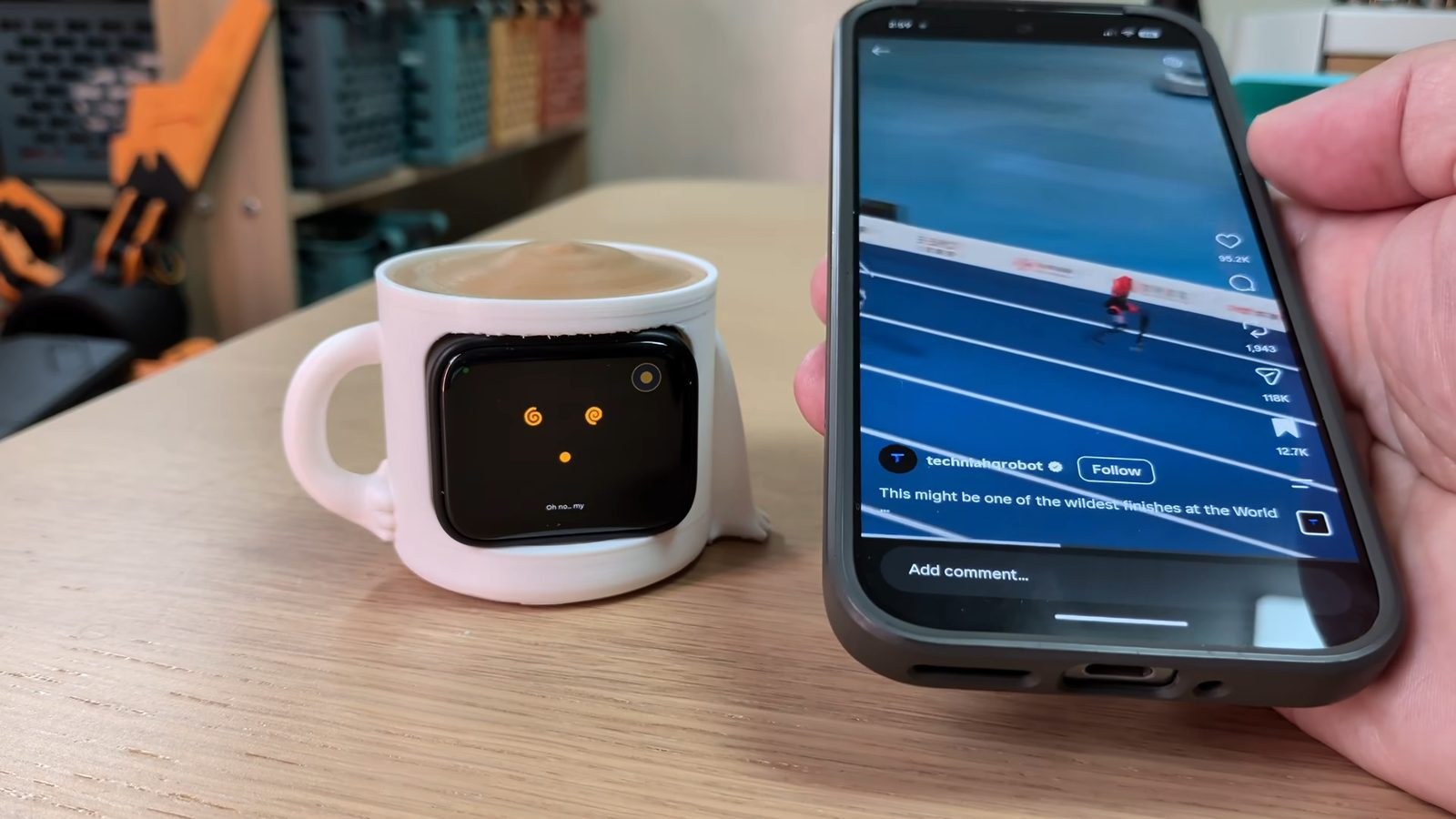
Maker brenpoly designed an open-source ESP32 gadget that links to your phone via Bluetooth and makes a virtual pet fall ill when you exceed screen time limits. The device uses local AI to read notifications aloud and verbally demands you put the handset down.

Apple has told developers they can completely stop supporting older Intel-based Macs on the App Store. For anyone still using an older machine, this means new app updates and features will soon stop arriving entirely.

Oppo has launched the A7 Pro, combining an 8,000mAh silicon-carbon battery with IP69K industrial water resistance in an 8.8mm chassis. Starting at $330, the device eliminates the traditional bulk associated with multi-day rugged handsets.
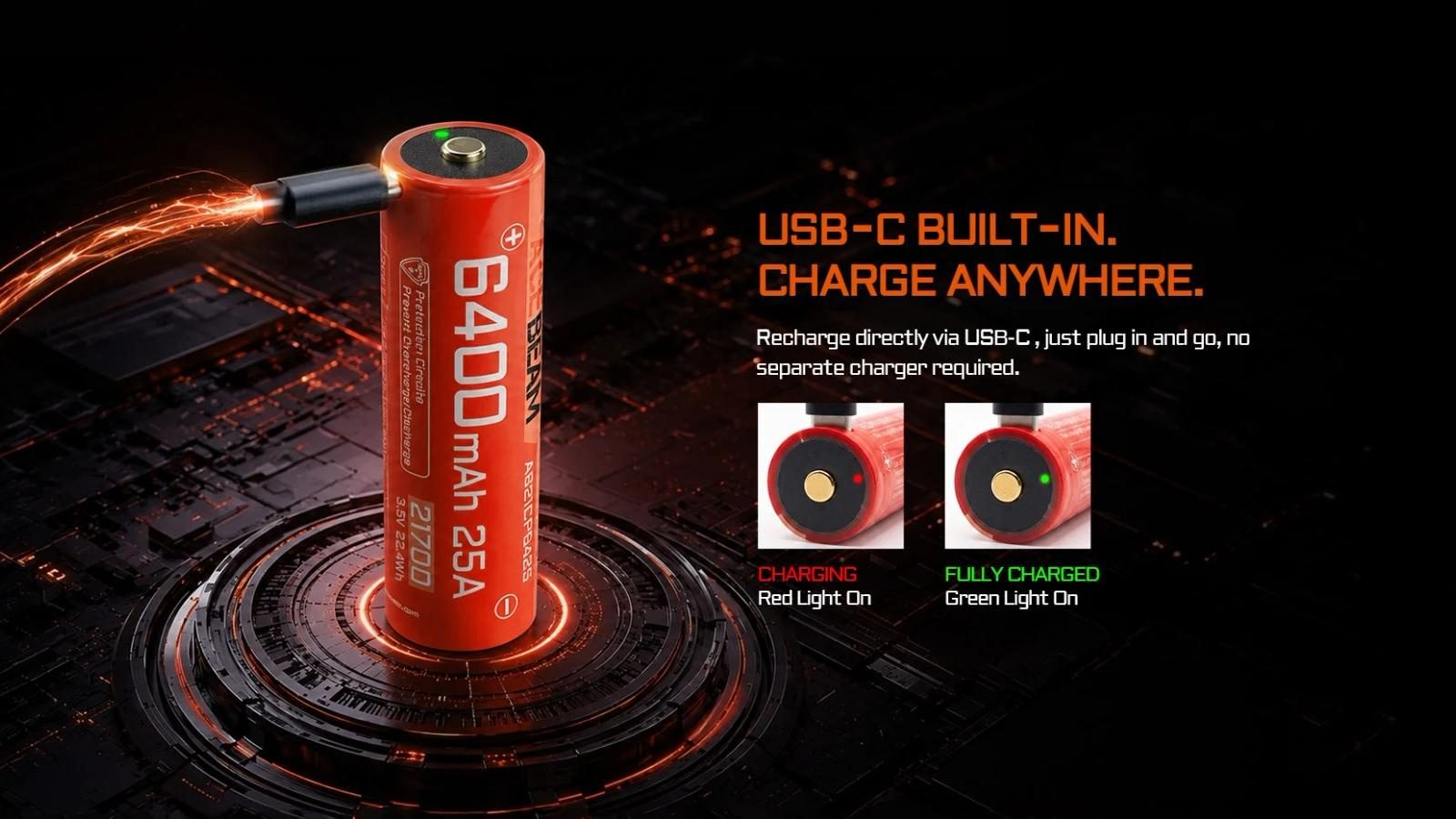
Acebeam has made its high-capacity 21700 battery available for standalone purchase at $25. Built-in USB-C charging eliminates the need for bulky cradle chargers while delivering 25A continuous discharge for high-drain gear.

The Berkeley Humanoid Lite drops the cost of bipedal robotics to $5,000 using 3D-printed actuators and off-the-shelf parts. Independent builders can now download the complete CAD files and firmware directly from GitHub.
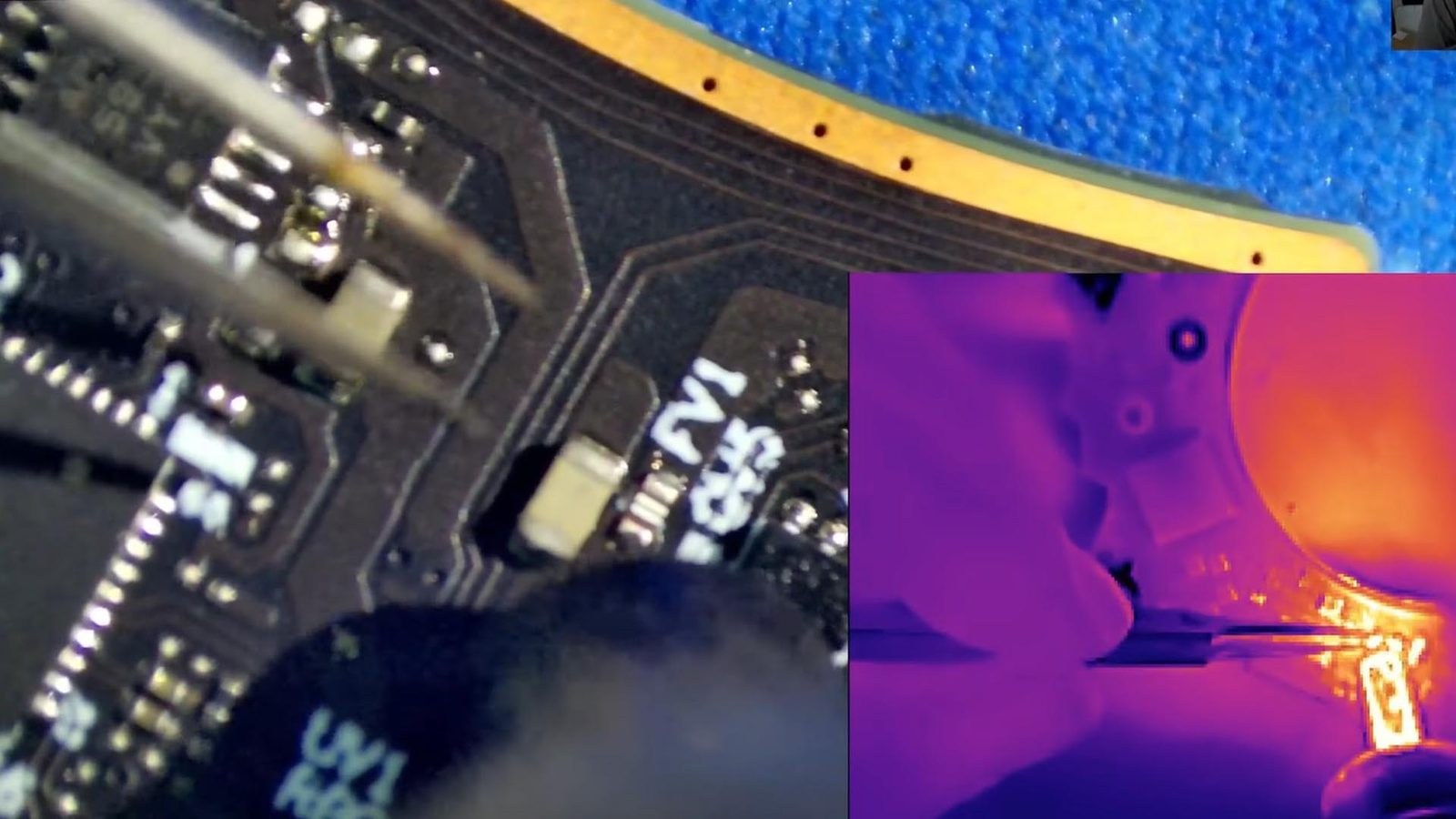
When a Lenovo laptop screen died, official support demanded over $800 to swap the motherboard. An independent technician brought the display back to life using just a tiny scrap of copper wire and basic soldering skills.
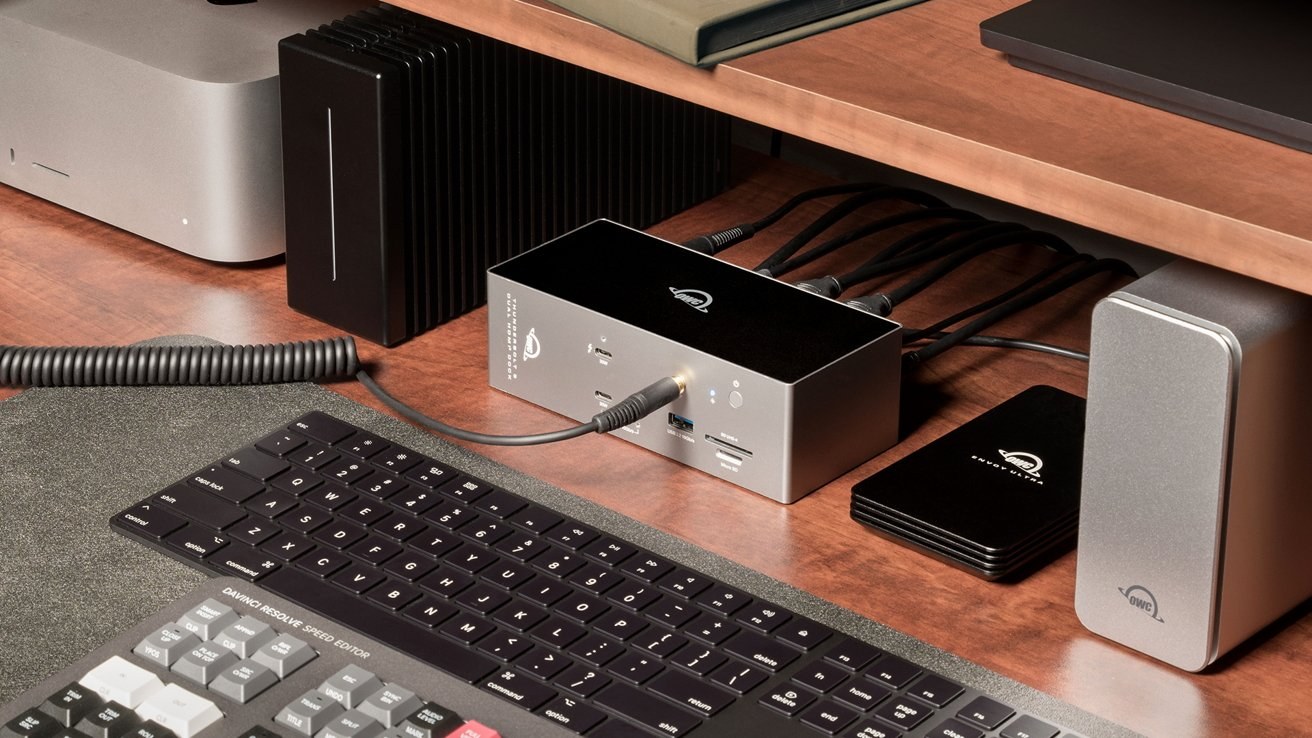
OWC's new desktop hub connects two high-refresh 4K displays and charges demanding laptops through a single cable. Shipping in November for $350, it targets professionals tired of juggling messy adapters.

Xiaomi has launched the Mijia Sterilizing Foot Bath equipped with UV sanitation and motorized silicone rollers. The $60 device targets users seeking targeted arch relief without the bacterial buildup typical of cheap plastic basins.

XTEINK has launched the 68-gram X4 Classic e-reader for $79, stripping out touchscreens and backlighting in favor of physical buttons and a glare-free panel. Running on an ESP32 chip with a 920 mAh battery, it offers a distraction-free pocket device for dedicated readers who want to escape smartphone notifications.
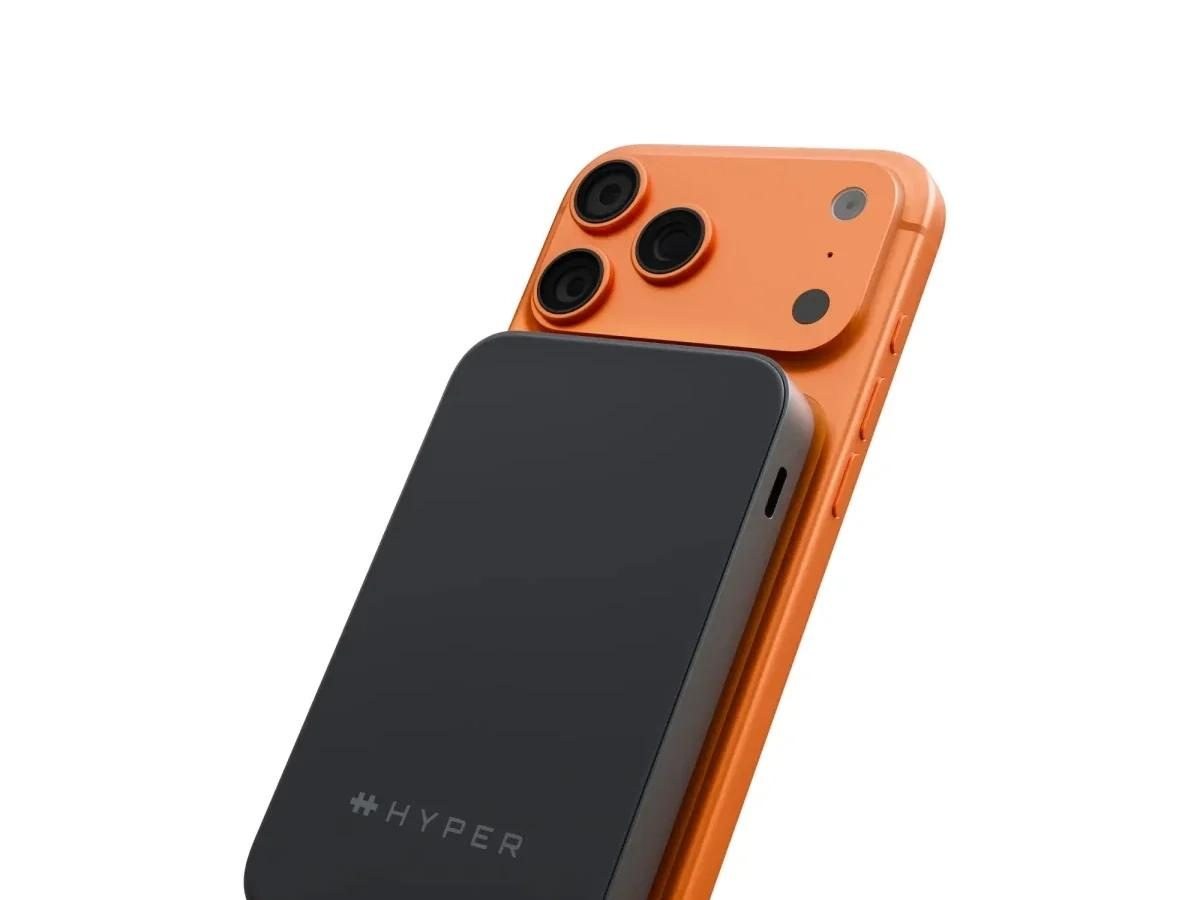
Hyper has launched a 5,000 mAh magnetic power bank built with a semi-solid-state battery instead of standard liquid chemistry. The new design prevents dangerous cell swelling in extreme heat and maintains stable output in freezing temperatures.

An international committee has introduced the first unified performance testing standard for legged service robots. The benchmark measures how well hardware handles real-world stairs, slippery slopes, and domestic obstacles instead of curated lab demos. This will give prospective buyers verifiable metrics before spending thousands on robotic pets.
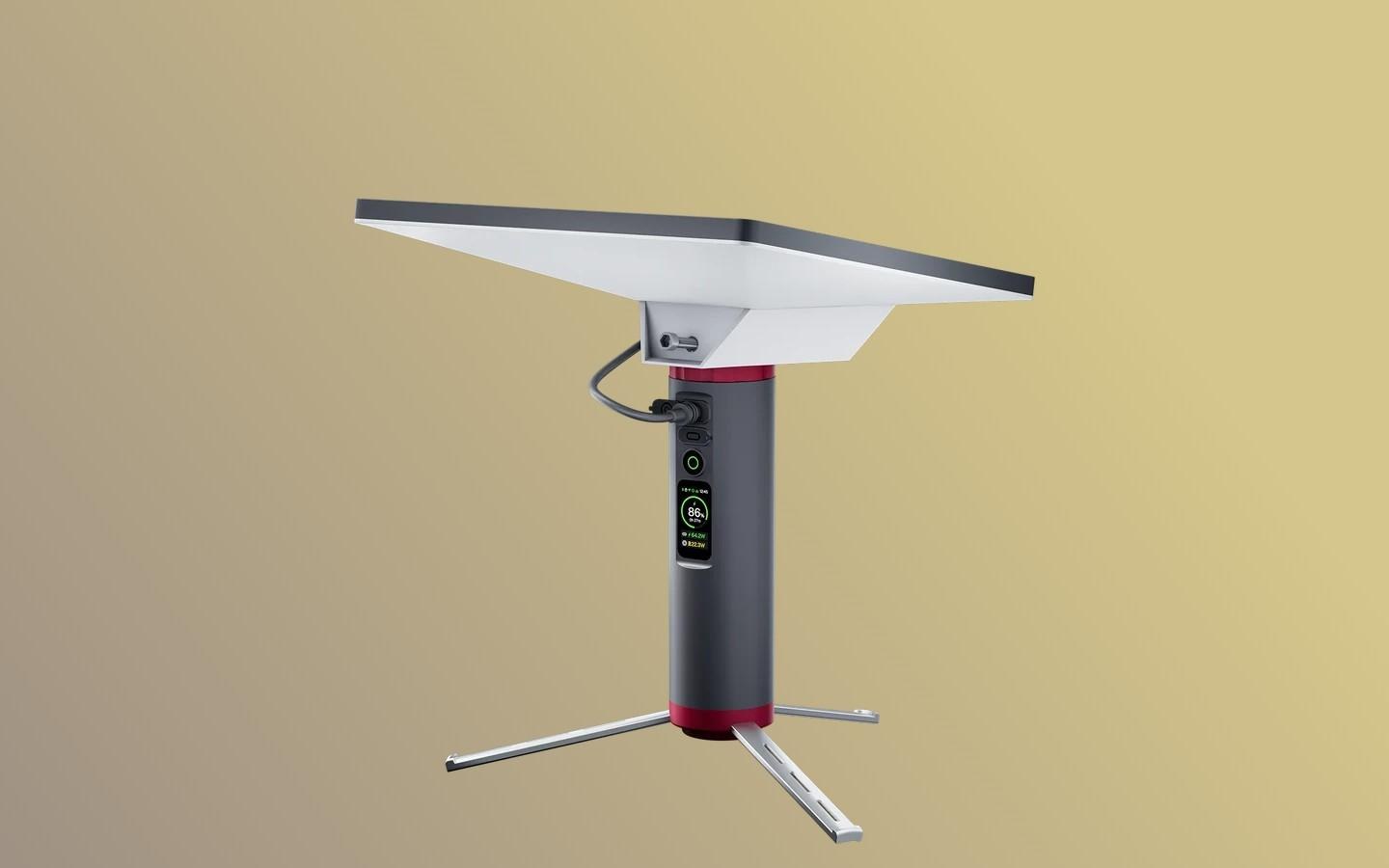
PeakDo has introduced the LinkPower Pod 1, a cylindrical 99 Wh power bank with integrated tripod legs built for the Starlink Mini. The stackable modules deliver 4.5 hours of runtime each and comply with airline carry-on limits, cutting pack weight for off-grid travelers.
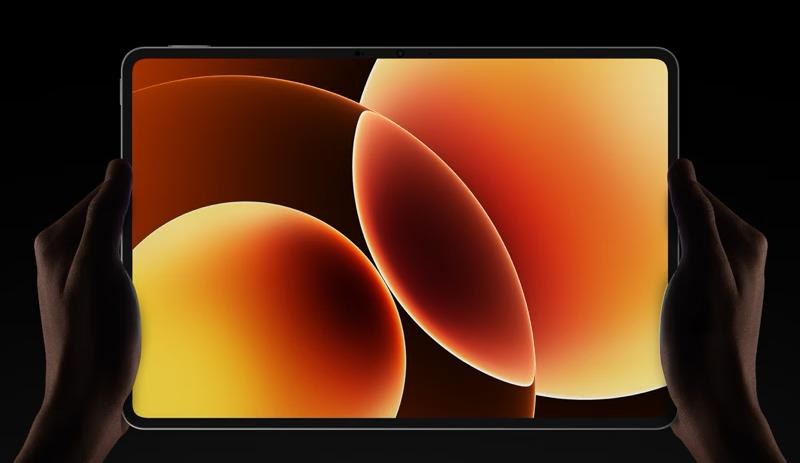
Xiaomi has launched the Pad 9 Pro Max featuring a dedicated USB-C DisplayPort video input alongside a 13.3-inch 3.4K display. The tablet functions as a zero-latency secondary screen for laptops and consoles, eliminating the need for standalone portable monitors.
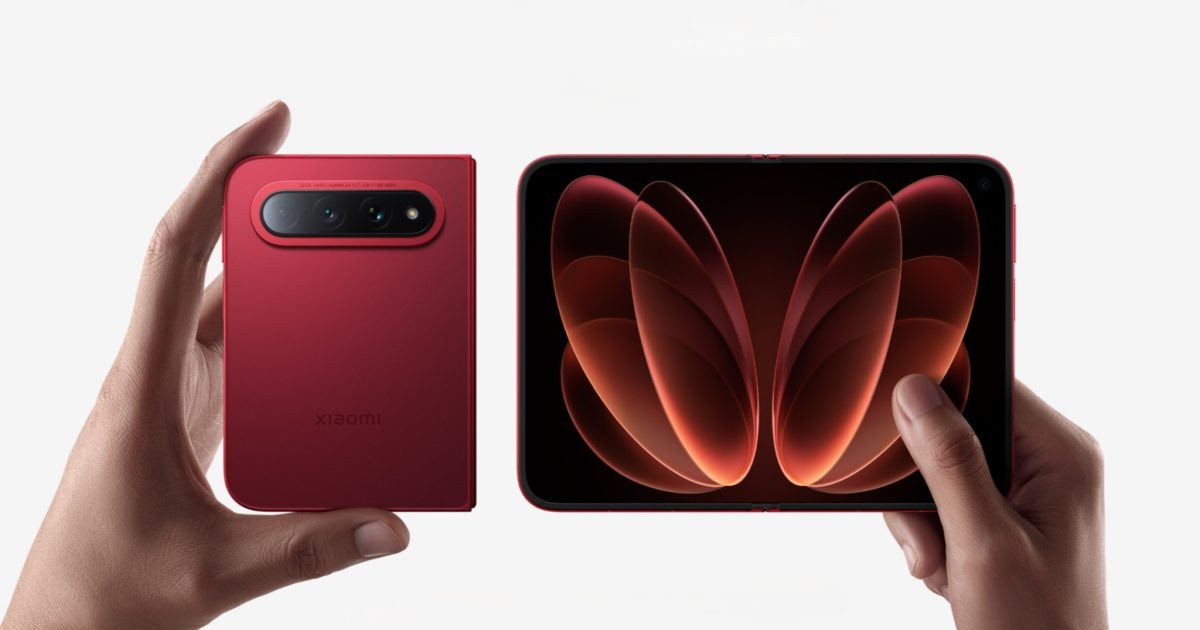
Xiaomi has redesigned the book-style foldable to match standard A4 paper proportions, fixing the cramped outer display problem. The phone packs a 6,000 mAh battery into a 5.02 mm slim chassis with a nearly invisible crease. It makes one-handed messaging on a foldable practical without opening the device.

Norwegian lawmakers are preparing a total ban on smart glasses and wearables equipped with cameras in public spaces. Device makers could soon deploy geofenced firmware updates to disable hardware features and avoid liability. Buyers risk seeing high-end tech turn into regular designer plastic overnight.
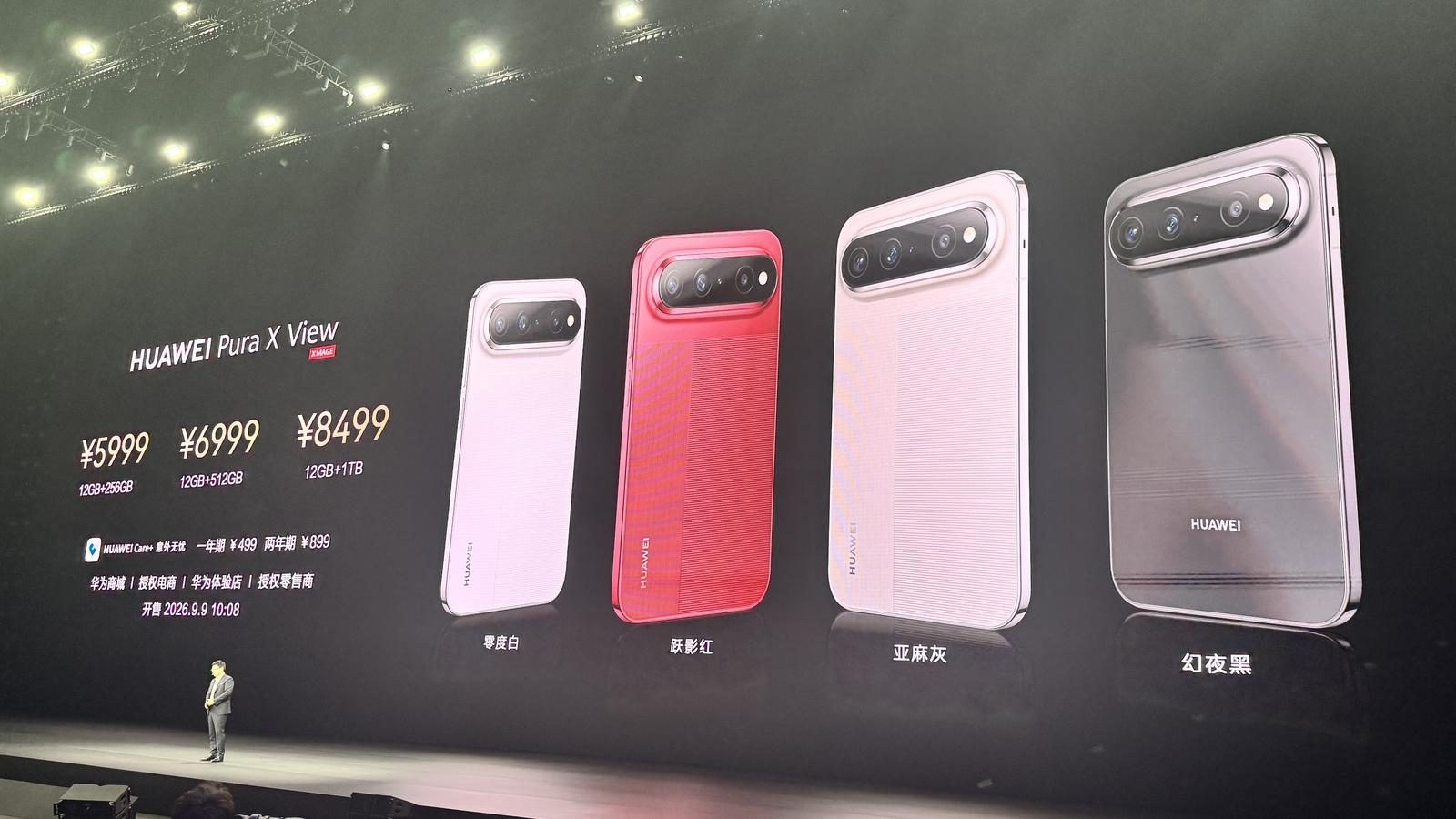
Huawei has unveiled the Pura X View, trading the narrow smartphone trend for an ultra-wide display and a massive 7,000 mAh battery inside a 6.68 mm chassis. Starting at $900, it prioritizes multi-day battery life and document reading at the expense of one-handed use.

An independent maker bypassed million-dollar cleanroom equipment by building a desktop micro-resin printer using off-the-shelf optical parts and household turmeric. The kitchen spice extracts acted as a cheap UV light blocker, enabling the device to print sub-micron models like a tiny Stanford bunny.
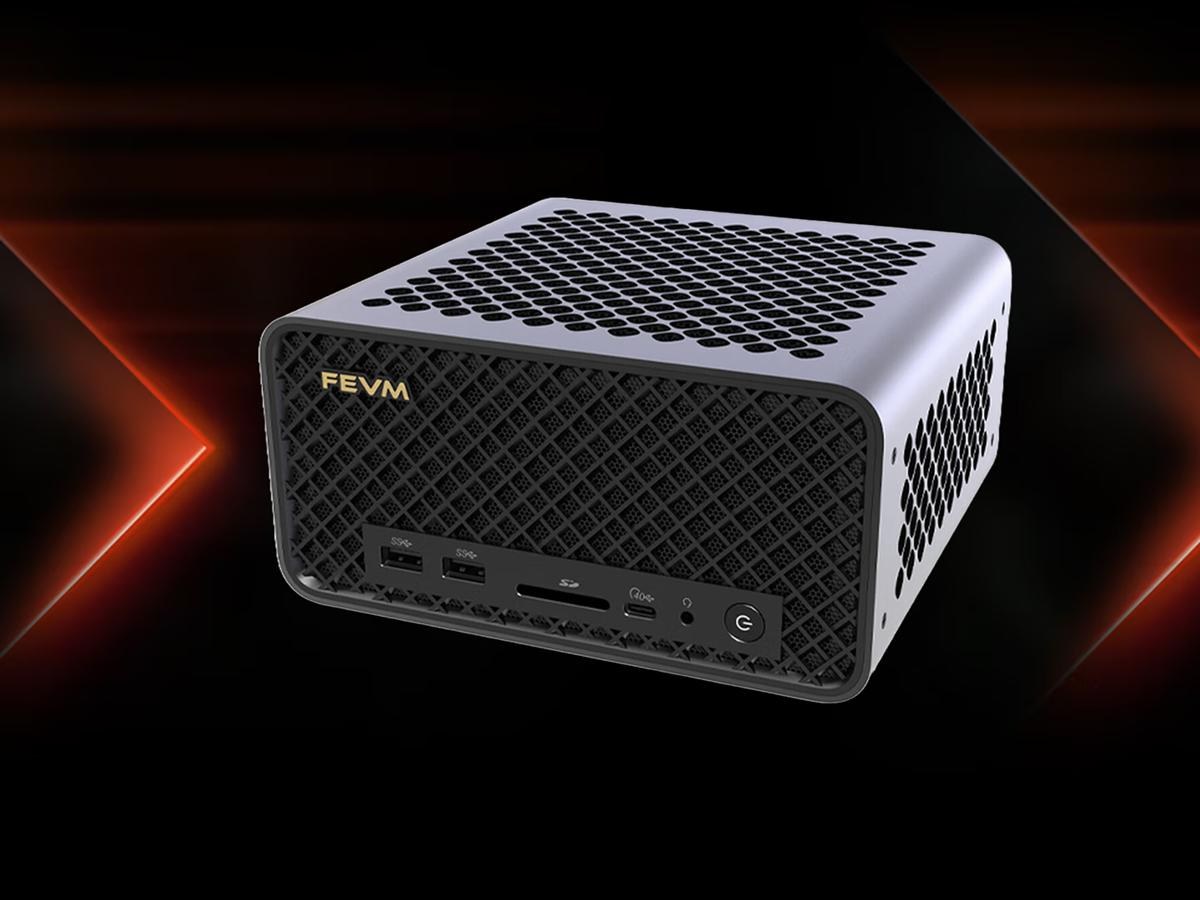
Chinese brand FEVM has revealed the FA80G, combining an AMD Ryzen 9 desktop chip and a mobile RTX 5090 in a 2.6-liter case. The ultra-compact system eliminates bulky desk towers for gamers and creators, though soldered graphics rule out future hardware upgrades.

Xiaomi took over IFA 2026 with concept cars and robotics, but its practical announcements center on tangible hardware. The company introduced its wide-format 18 Fold smartphone powered by in-house silicon alongside a broader lineup of smart home appliances for the European market.
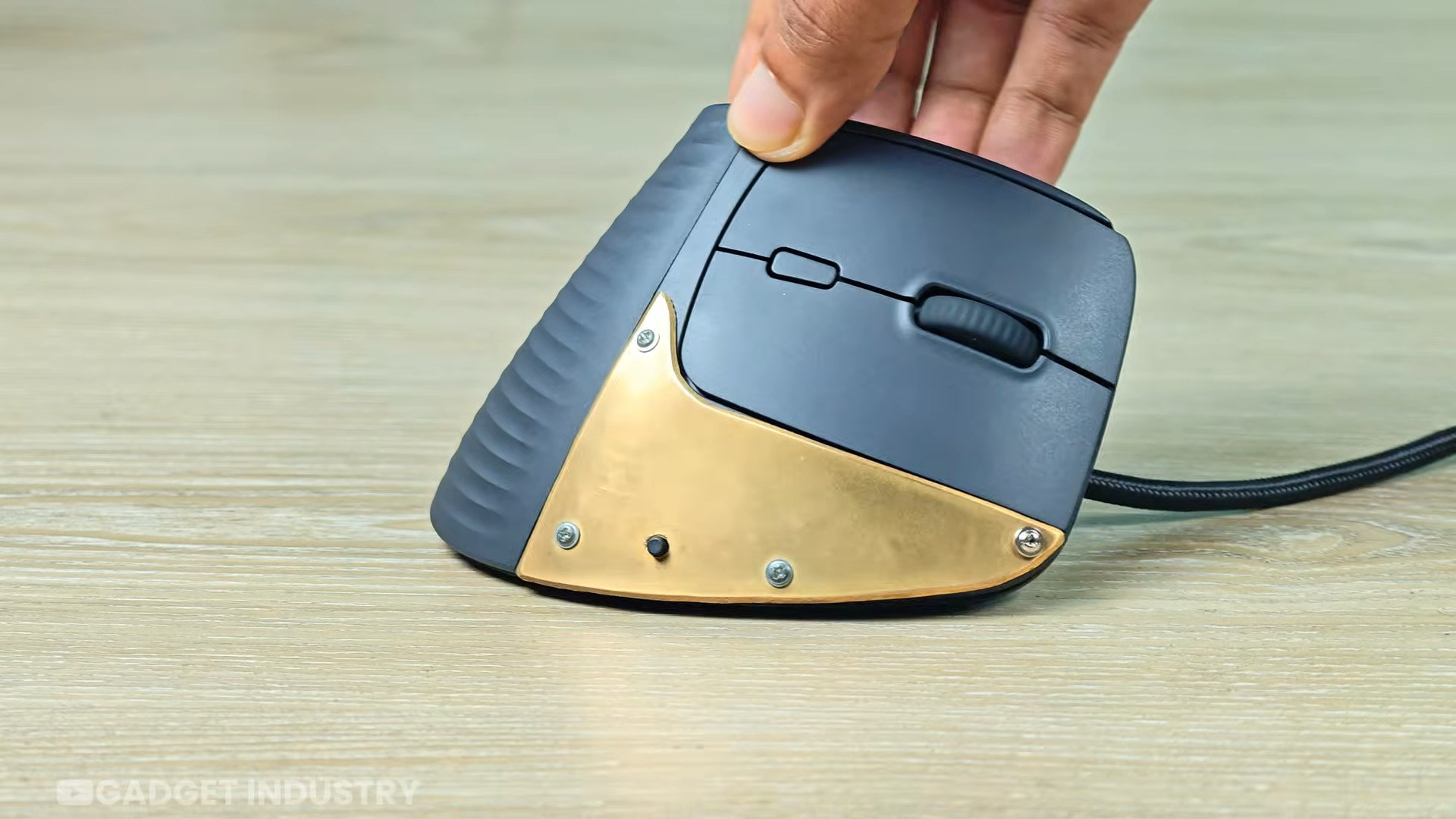
An independent maker gutted a broken Samsung Galaxy S21 and crammed its main board into a standard wireless mouse chassis. By plugging the peripheral into an external monitor via USB-C, users get a hidden desktop workstation powered by Samsung DeX without buying a separate mini-PC.
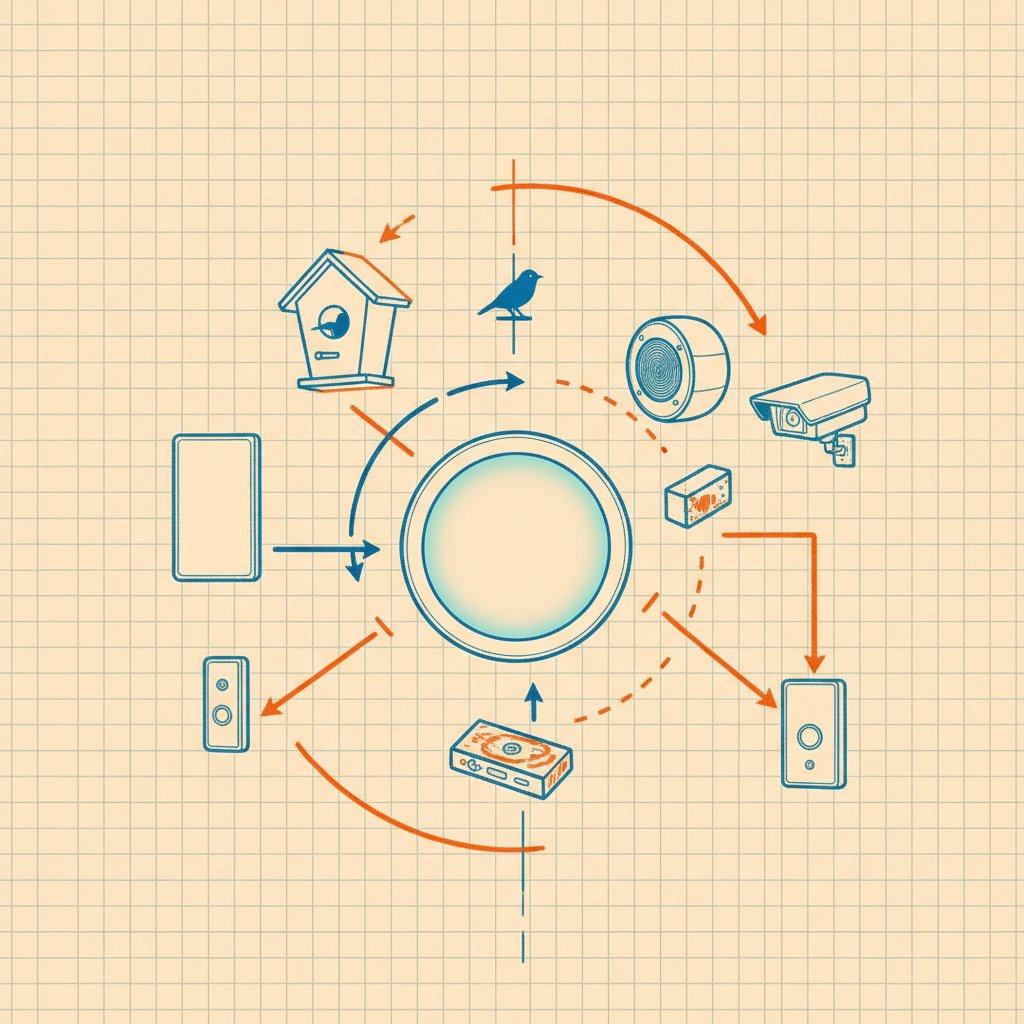
Maker arnegiacomo has built Fugleramme, an open-source gadget that identifies backyard birdsong locally and displays 19th-century botanical engravings on a large E-Ink screen. It cuts out monthly subscriptions, microphones feeding the cloud, and blinding screens in favor of calm, private hardware.

ORNL researchers doubled the peak power of saltwater batteries simply by adding 5% household bleach to the electrolyte. The bulkier, fireproof cells cannot fit into smartphones, but startup Coulomb Technology is already preparing them for data centers and power grids.

Toyota aims to roll out advanced 'Level 2++' driver assistance across its vehicle lineup starting in 2028. Despite the marketing label, the system keeps drivers entirely liable and requires constant attention on the road.

An experimental cooling jacket drops traditional electric fans and heavy batteries in favor of swappable liquid CO2 cartridges. Instead of recharging a power bank, users snap in compressed gas canisters using a magnetic lock for instant torso relief.
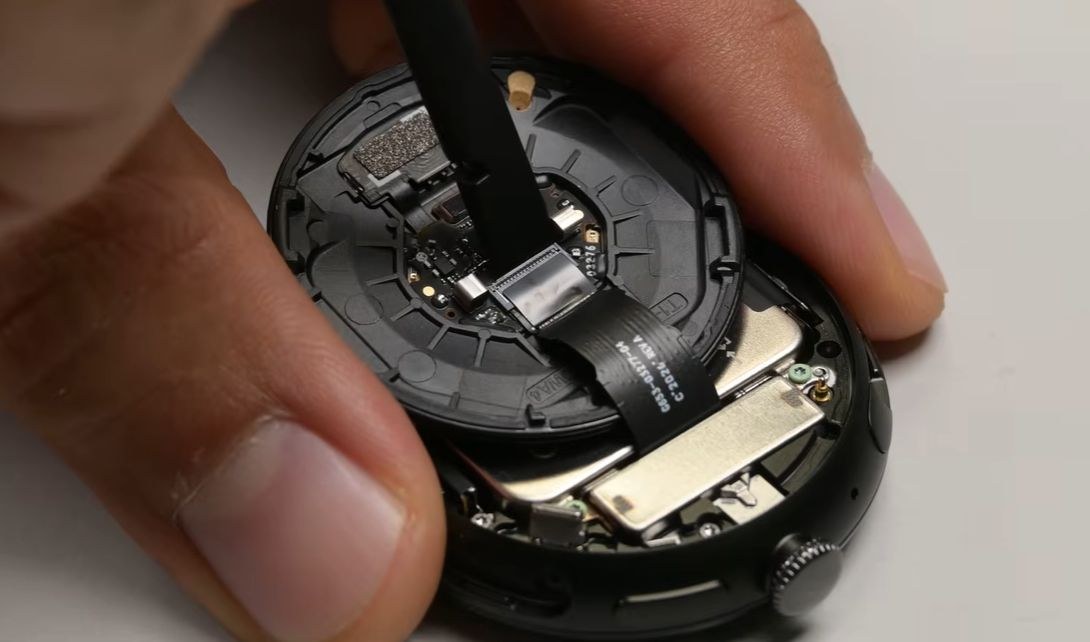
Google's newest wearable ditches industrial glue in favor of standard screws and a reusable rubber seal, earning a 9/10 repair score from teardown experts at iFixit. For buyers, this means a dead battery or cracked screen no longer automatically turns an expensive gadget into disposable trash.
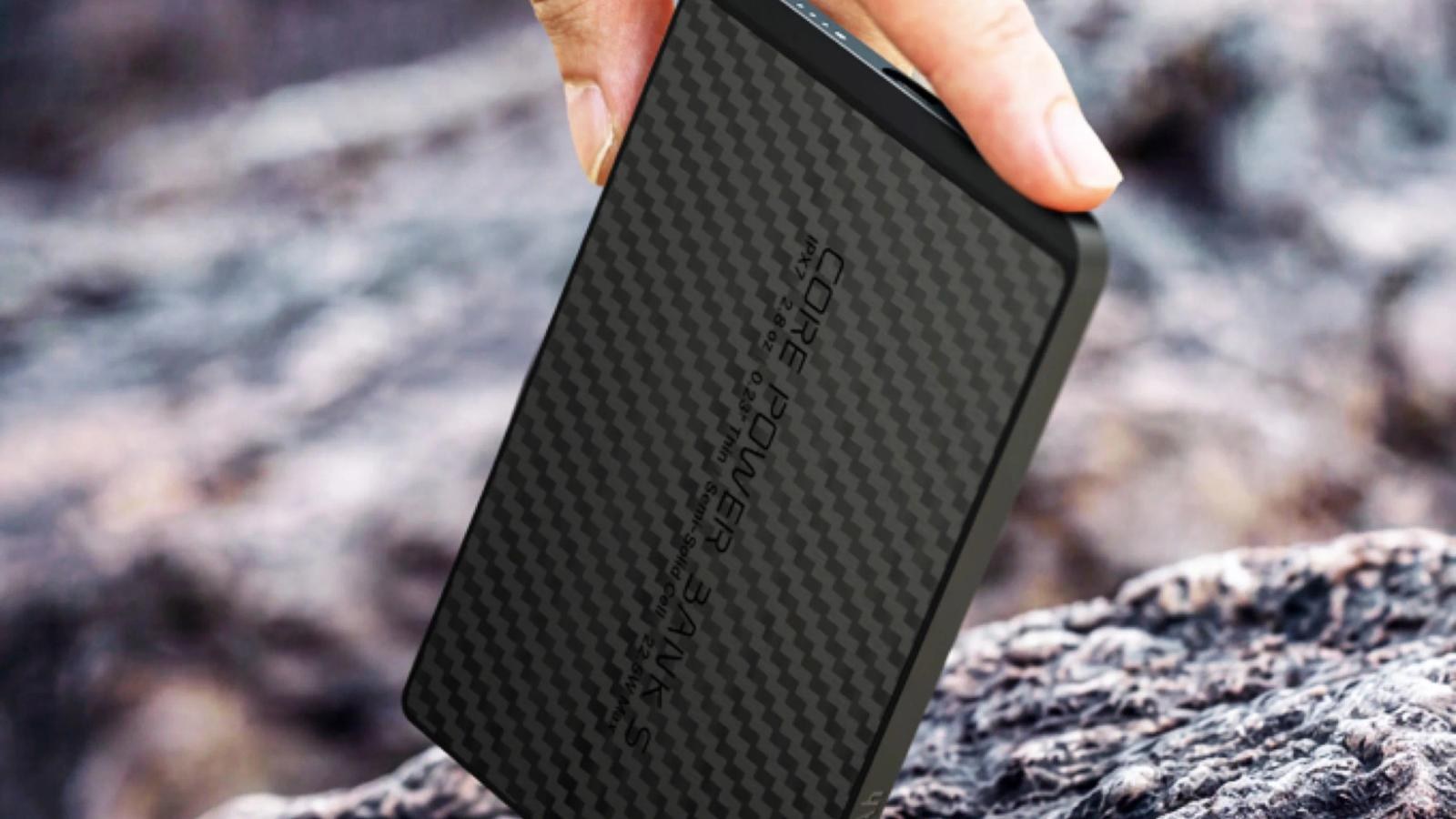
Oztech Lab has crowdfunded the Core Power Bank S, an ultra-thin 78-gram battery pack built into a carbon-fiber, water-resistant chassis. It delivers 22.5W fast charging for $32, though backers will face an unusually long wait for shipping.

Acer revealed the refreshed Vero 16, allowing users to pop off the bottom cover with a simple latch to replace batteries and SSDs at home. While basic maintenance requires zero tools, promised multi-generation CPU upgrades will still be locked behind authorized service centers.
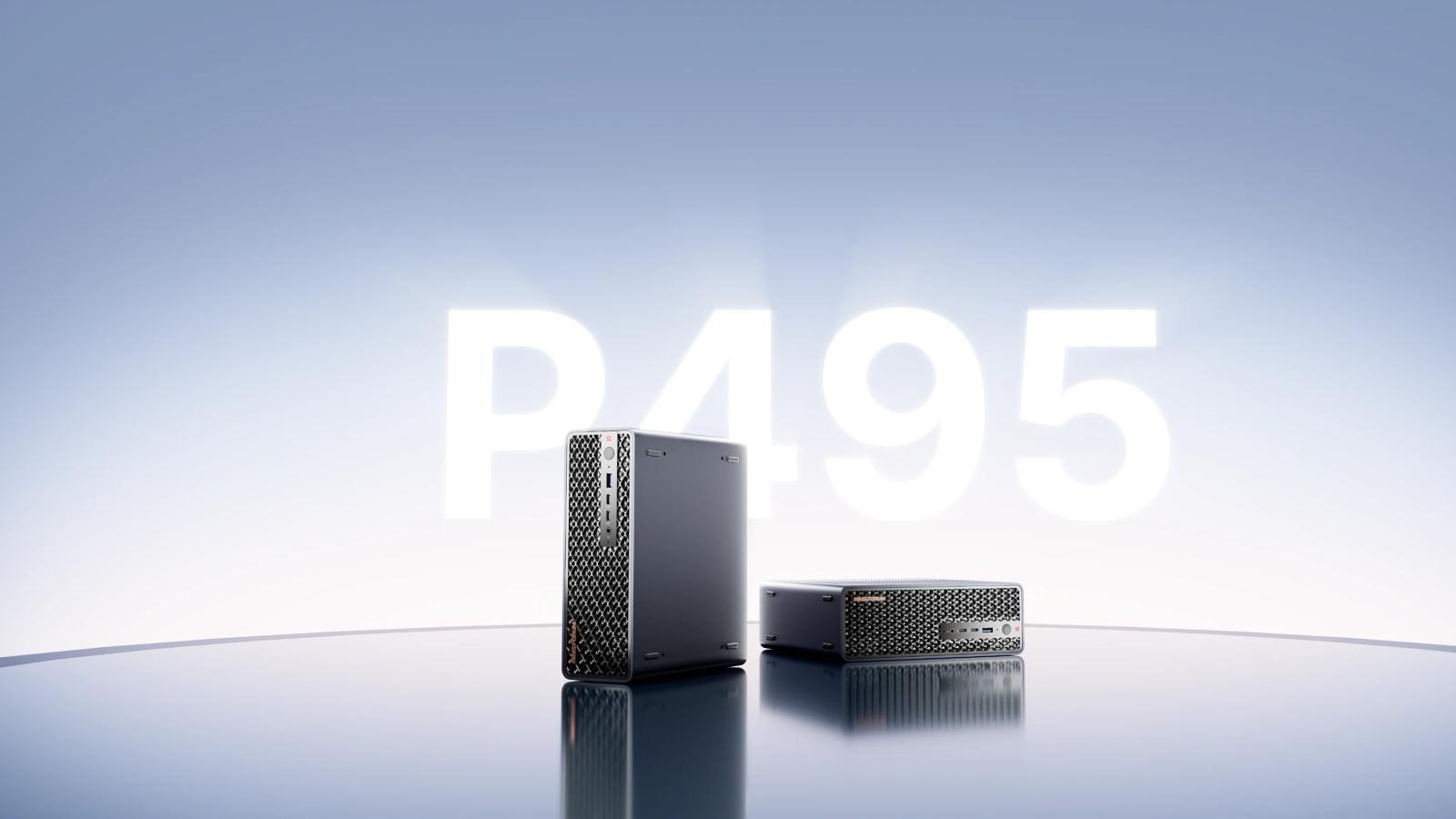
Minisforum has introduced the MS-S1 MAX-P495 workstation, cramming an AMD Ryzen AI Max+ chip and 192 GB of unified memory into a palm-sized chassis. Priced near €7,000, it is built exclusively for enterprise engineers looking to host massive AI models locally.

Hardware enthusiast fregacmols converted an authentic rotary telephone into a desktop cellular phone using an external interface module. The mod preserves the original shell completely while routing physical dial pulses and ringing real brass bells over a cellular connection.
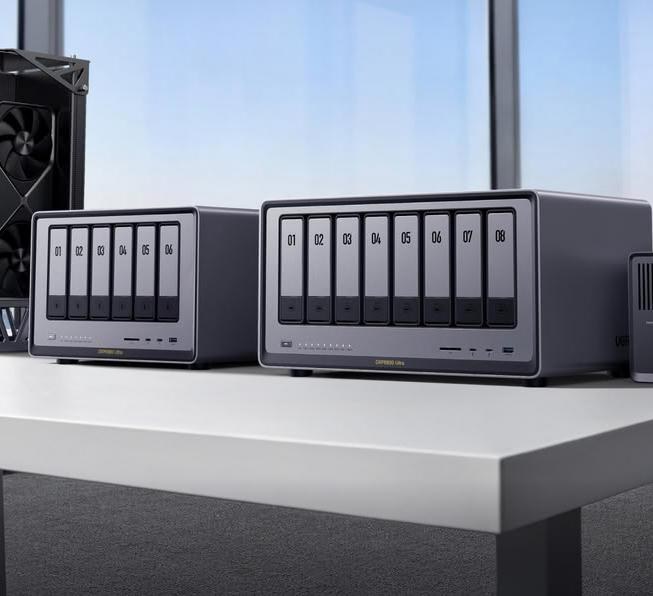
Ugreen unveiled the NASync DXP6800 Ultra and DXP8800 Ultra, packing laptop-grade Intel Core processors and direct display outputs into multi-bay network storage enclosures. The hybrid design serves as both a high-capacity local cloud and a standalone desktop PC. Units start at $1,450, offering a powerful alternative to recurring cloud subscriptions.

The 13.3-inch Ugreen Gallery uses paper-like color E-Ink technology to hold static images without pulling power from the wall. Backed by a massive 10,000 mAh battery, the frame hangs anywhere like a real painting and syncs directly with home storage to cycle through family photos.
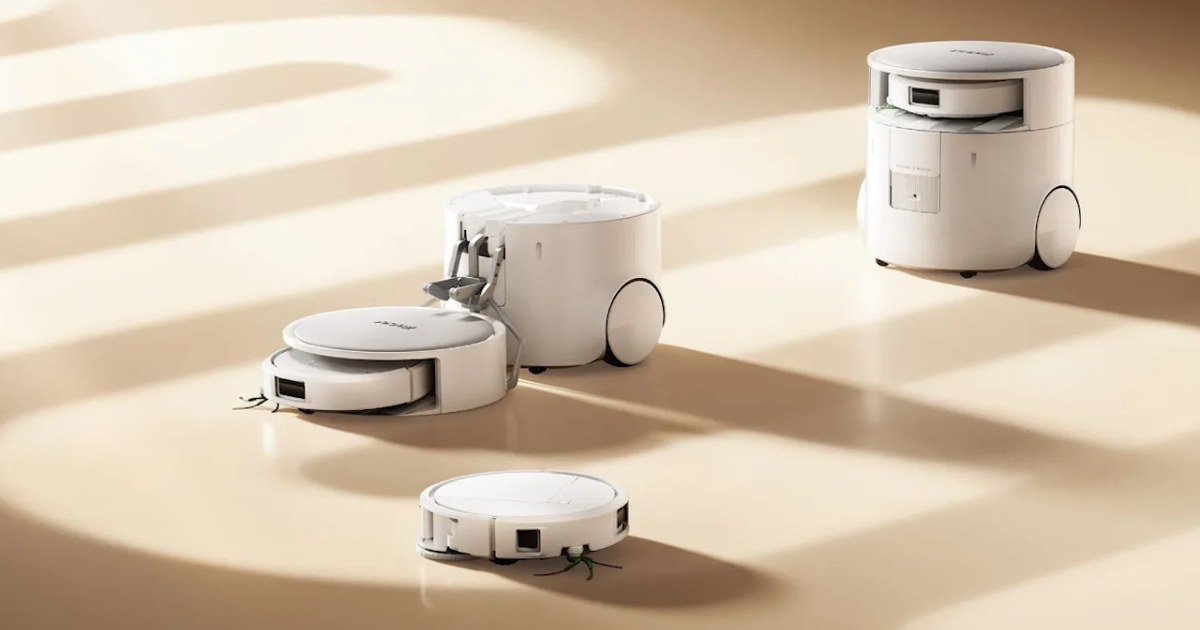
iRobot's new concept tackles hard-to-reach dust by packing a slim secondary vacuum inside a heavy-duty scrubbing unit. A built-in robotic arm deploys the smaller bot under low furniture before docking it back onto the mothership. While mechanically impressive, the setup introduces double the maintenance points and complex hardware.
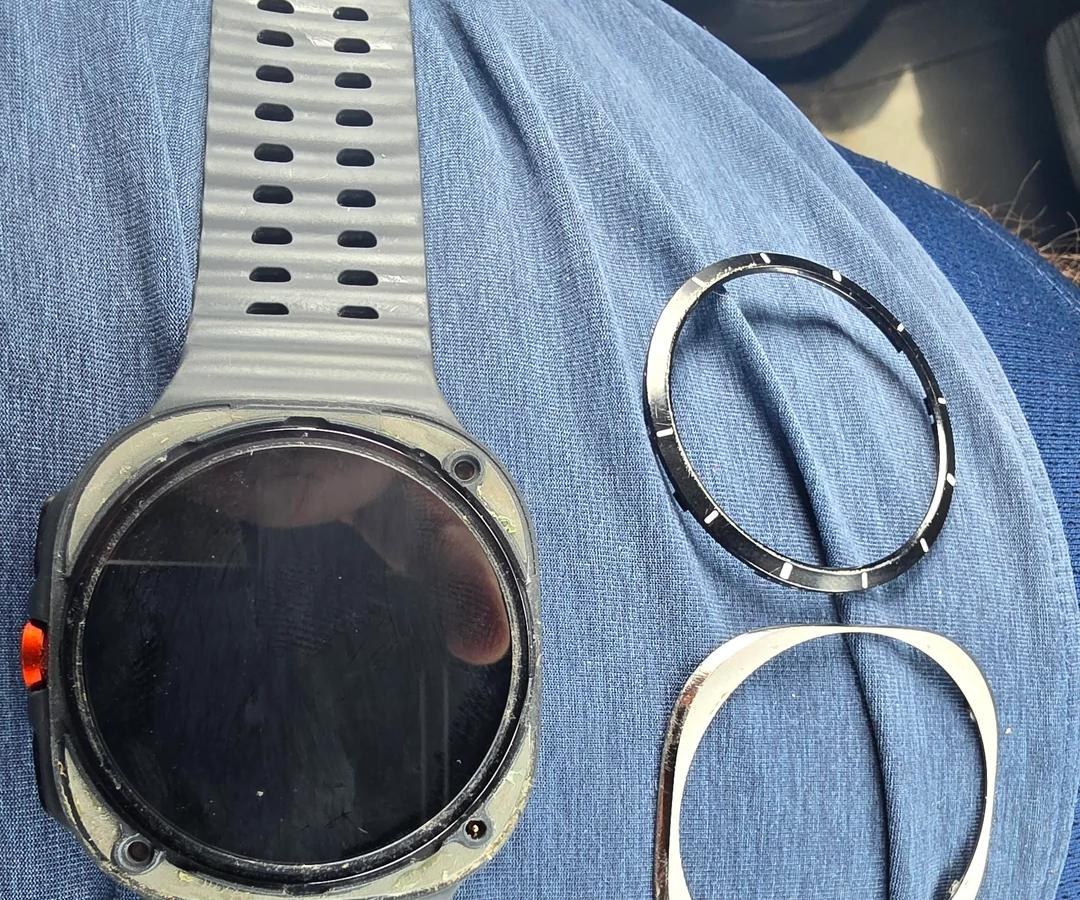
Owners of the premium Samsung Galaxy Watch Ultra report that the top bezel panel detaches during regular daily use due to adhesive failure. The defect destroys the watch's water resistance, and service centers are refusing free warranty repairs.
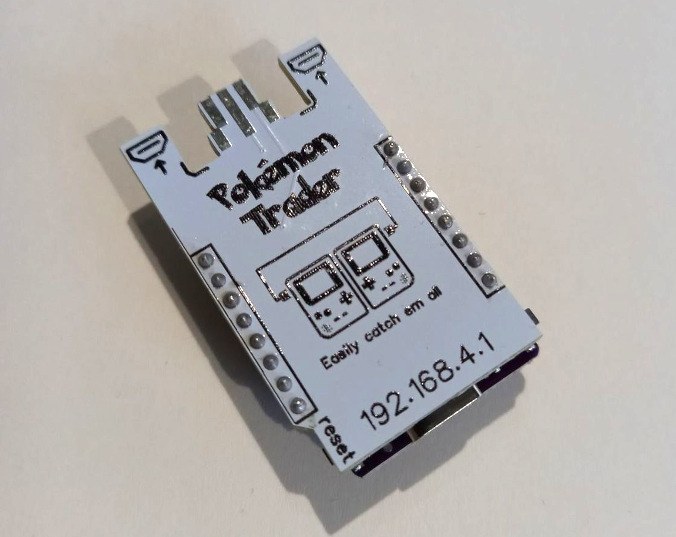
A compact microcontroller board plugs directly into original hardware to act as an automated trading partner over Wi-Fi. It eliminates the need to buy a second vintage console just to complete a classic monster collection.
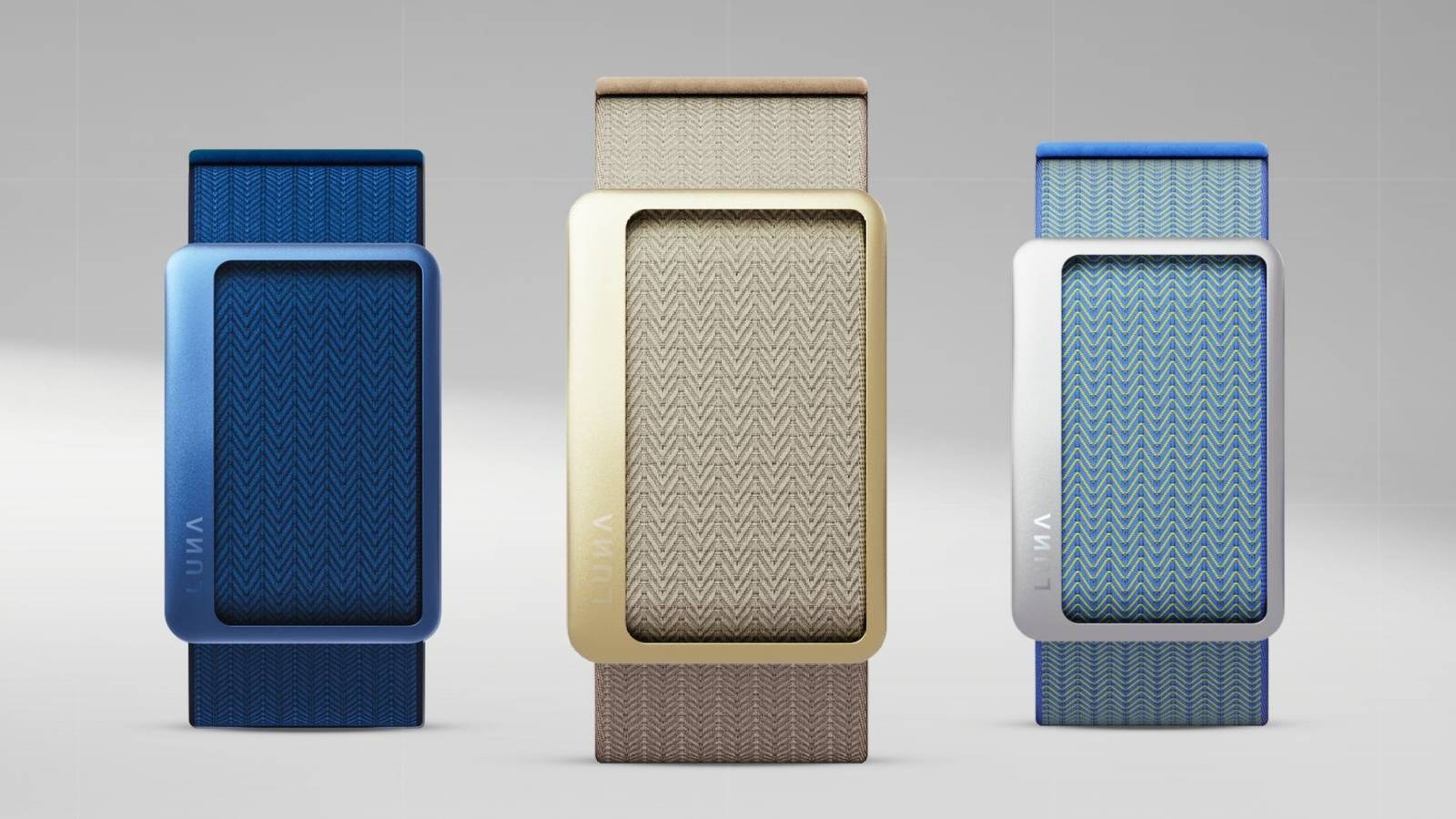
The screenless Noise Luna Band launches globally for $149, offering 24-gram fitness tracking and recovery metrics without locking your data behind a monthly rental fee. It directly challenges subscription-heavy models from Whoop and Fitbit.
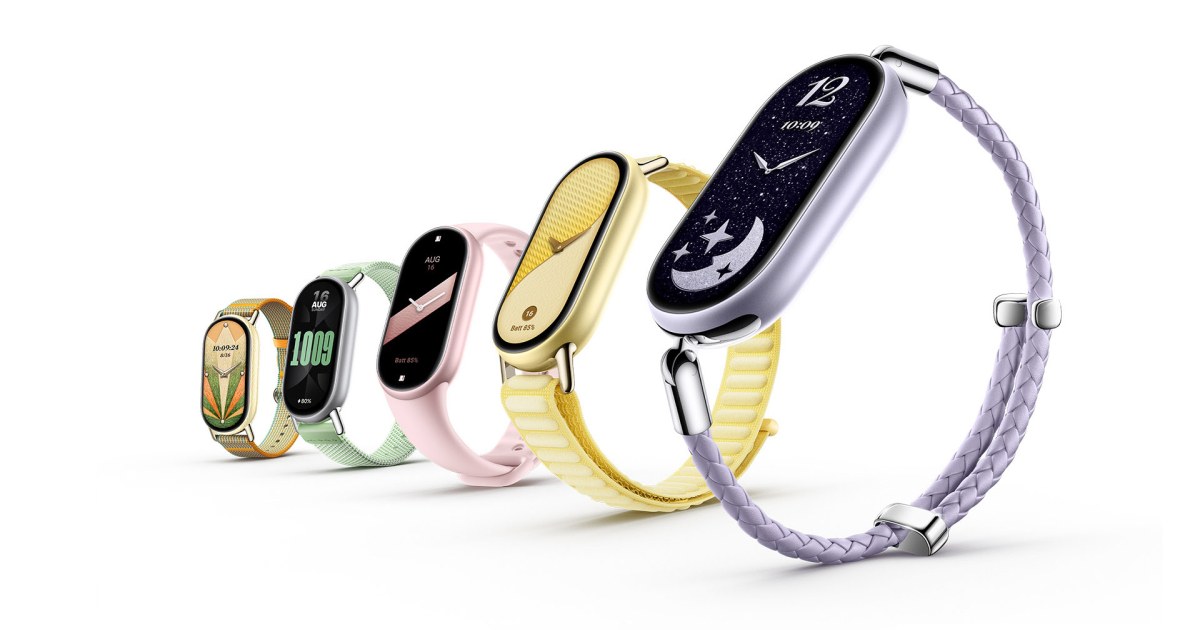
Xiaomi has unveiled the Smart Band 11 with a slimmer sub-10 mm chassis and a significantly brighter 2,000-nit display. It keeps the 21-day battery life and aggressive sub-$50 pricing intact. The wearable offers a solid upgrade for users replacing aging fitness trackers, even if recent owners can safely skip it.

Sony and LEGO have teamed up to launch a 1,911-piece life-size replica of the original PlayStation for $180. The purely decorative set includes clickable buttons, a pop-up disc drive, and an authentic classic controller for retro gaming enthusiasts.

Sonos has officially launched the Ace Ultra flagship over-ear headphones to compete directly with Apple and Sony. The cans offer soundbar audio handoff and upgraded active noise cancellation, but beta features make them hard to recommend to non-Sonos owners.
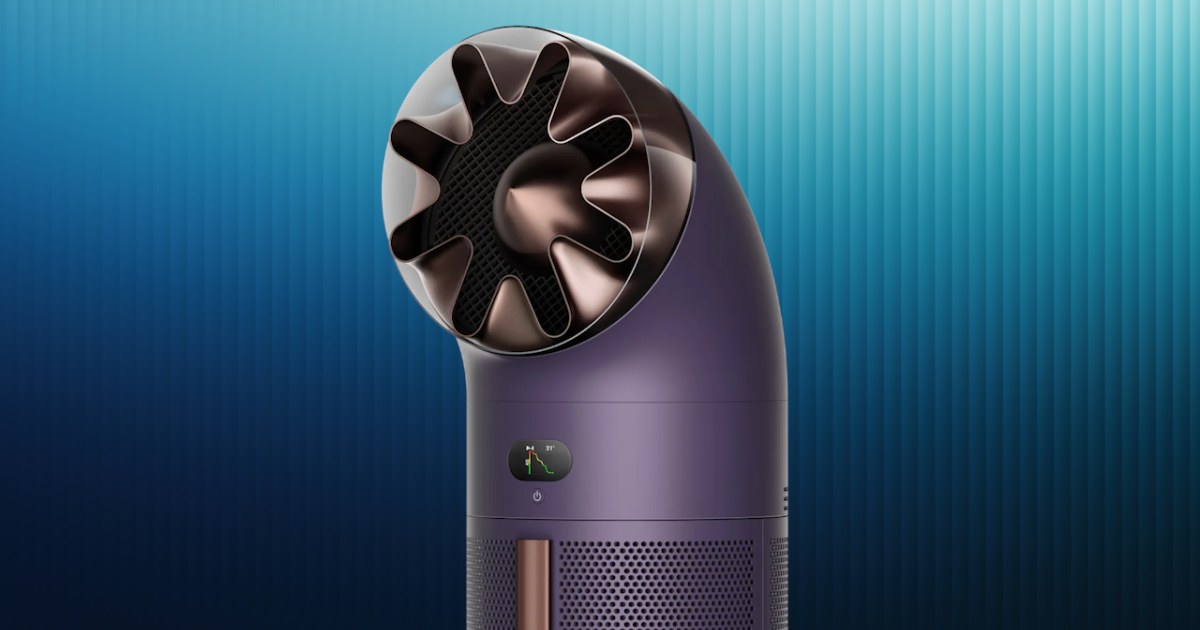
Dyson announced the HushJet series of air purifiers with advanced filtration and ultra-quiet operation, priced between $599 and $1,099. With the retail launch delayed until autumn 2026, buyers have plenty of time to weigh whether the premium is worth the wait.
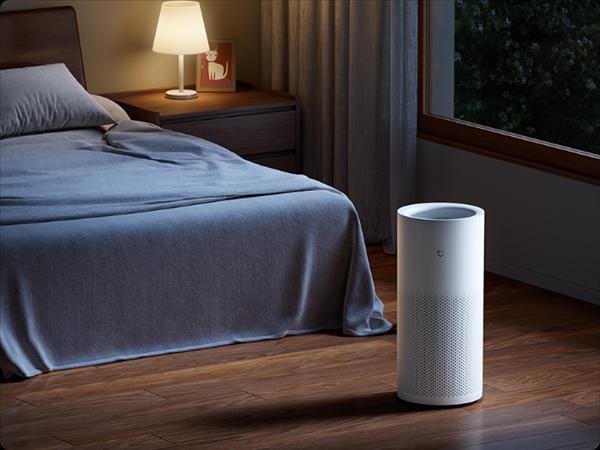
Xiaomi has introduced the Mijia No-Mist Humidifier 3, delivering high-output cold evaporation without the white dust typical of ultrasonic models. Its modular, fully washable components solve the chronic mold problem, though international buyers will face regional app hurdles.
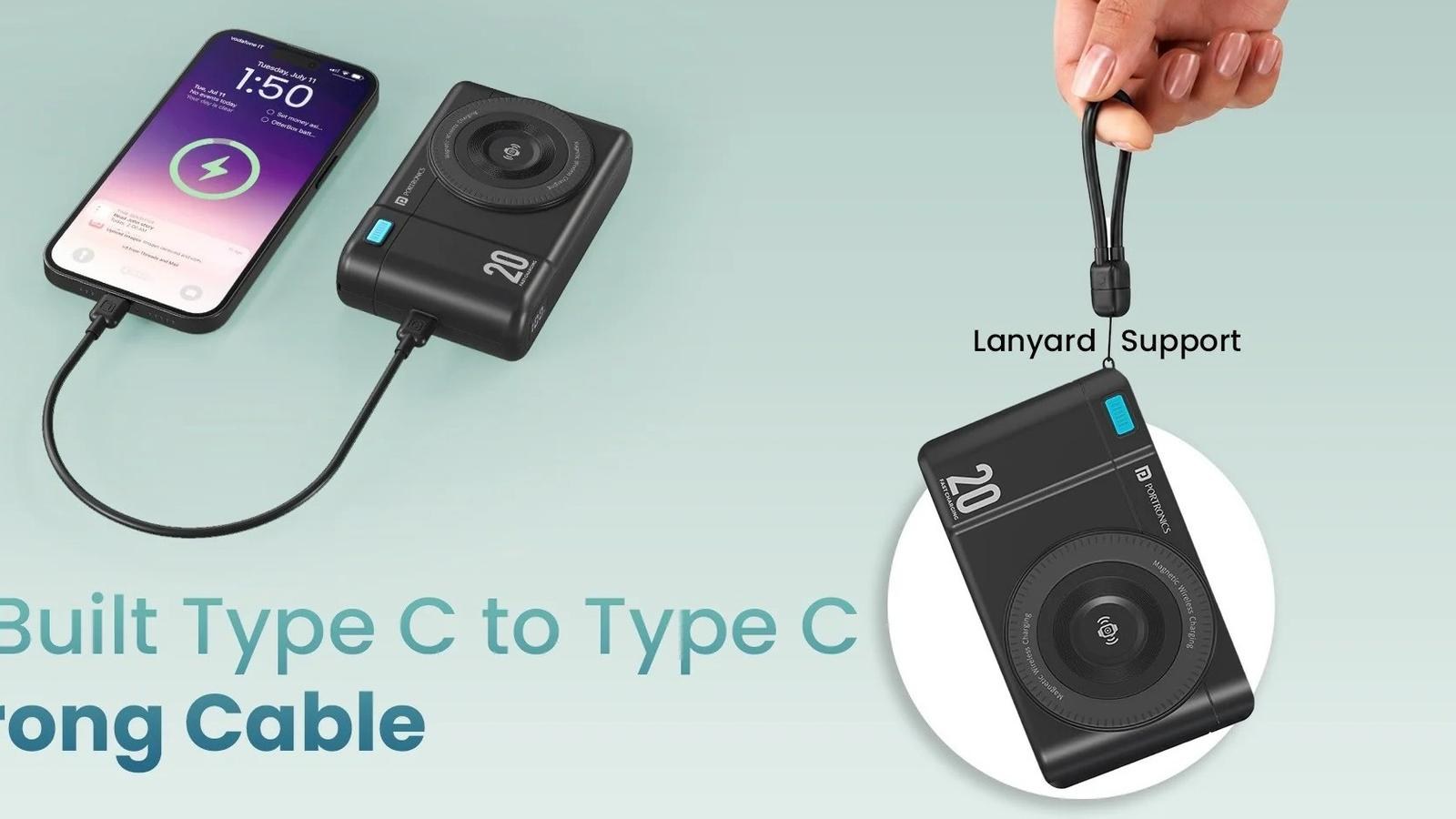
Portronics has launched the Power Shutter Air 20K, a high-capacity magnetic battery pack shaped like a retro camera. The ergonomic grip and Qi2 mount turn heavy emergency power into a practical tool for mobile photographers.

DJI is launching the Romo A2 and P2 robot vacuums in Europe starting at €1,200, featuring retractable motorized legs that climb over obstacles up to 8.5 cm tall. The lineup packs 36,000 Pa suction and promises up to a full year of maintenance-free dock operation.

A new $1.99 Safari extension called Weedout automatically removes YouTube videos marked with official artificial intelligence tags from your feed. It runs entirely on your Mac to give users tired of synthetic clutter a clean timeline without tracking data.
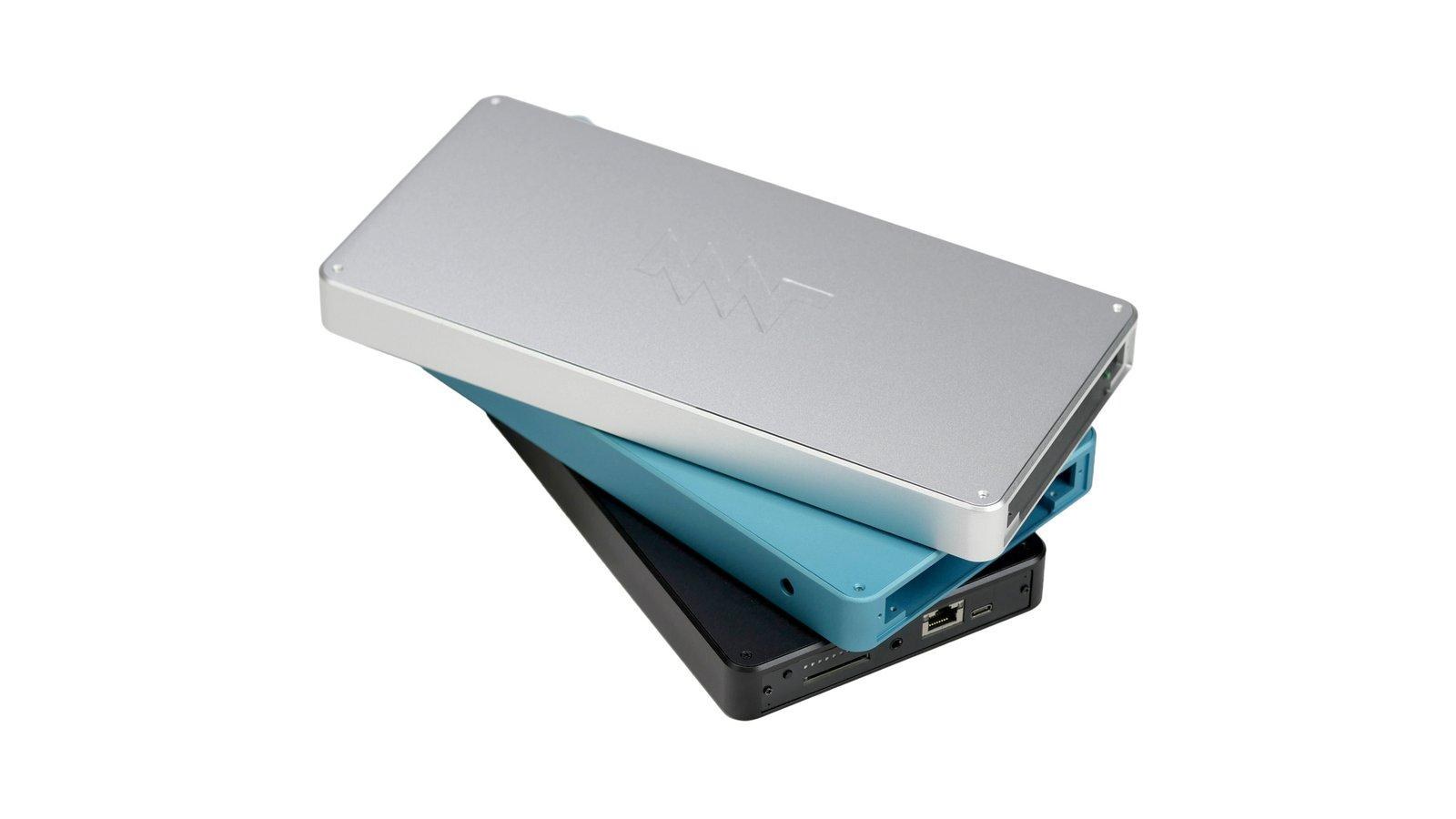
German boutique maker MNT Research launched a modular fanless mini PC in a solid aluminum chassis on Crowd Supply. Swappable ARM processor modules allow users to upgrade computing power without discarding ports or casing. It offers a sustainable, quiet alternative for home server and media hub setups.
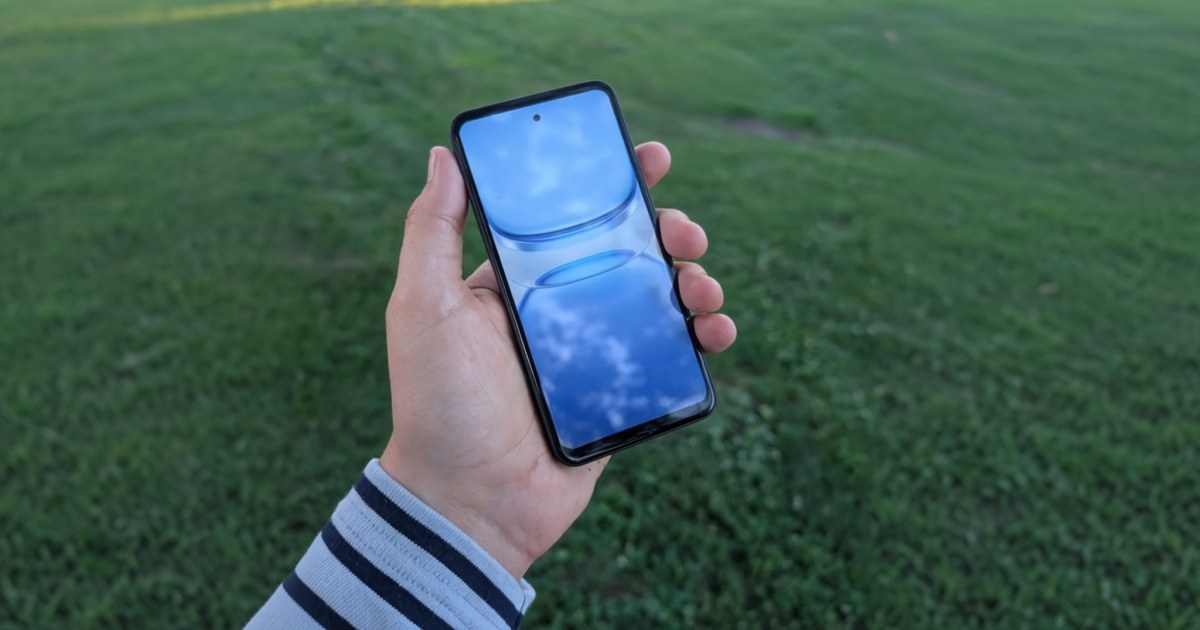
Startup Enough revealed a concept for a compact 5.3-inch smartphone featuring a flush rear camera and a replaceable battery. The project targets users tired of oversized flagships, though it currently exists only as renders ahead of a planned Kickstarter campaign.

HMD has unveiled the 105 4G School Edition, a back-to-school feature phone stripped of all games, web browsing, and media tools. Built solely for basic calls and texts, it offers parents total hardware lockdown at the expense of student appeal.
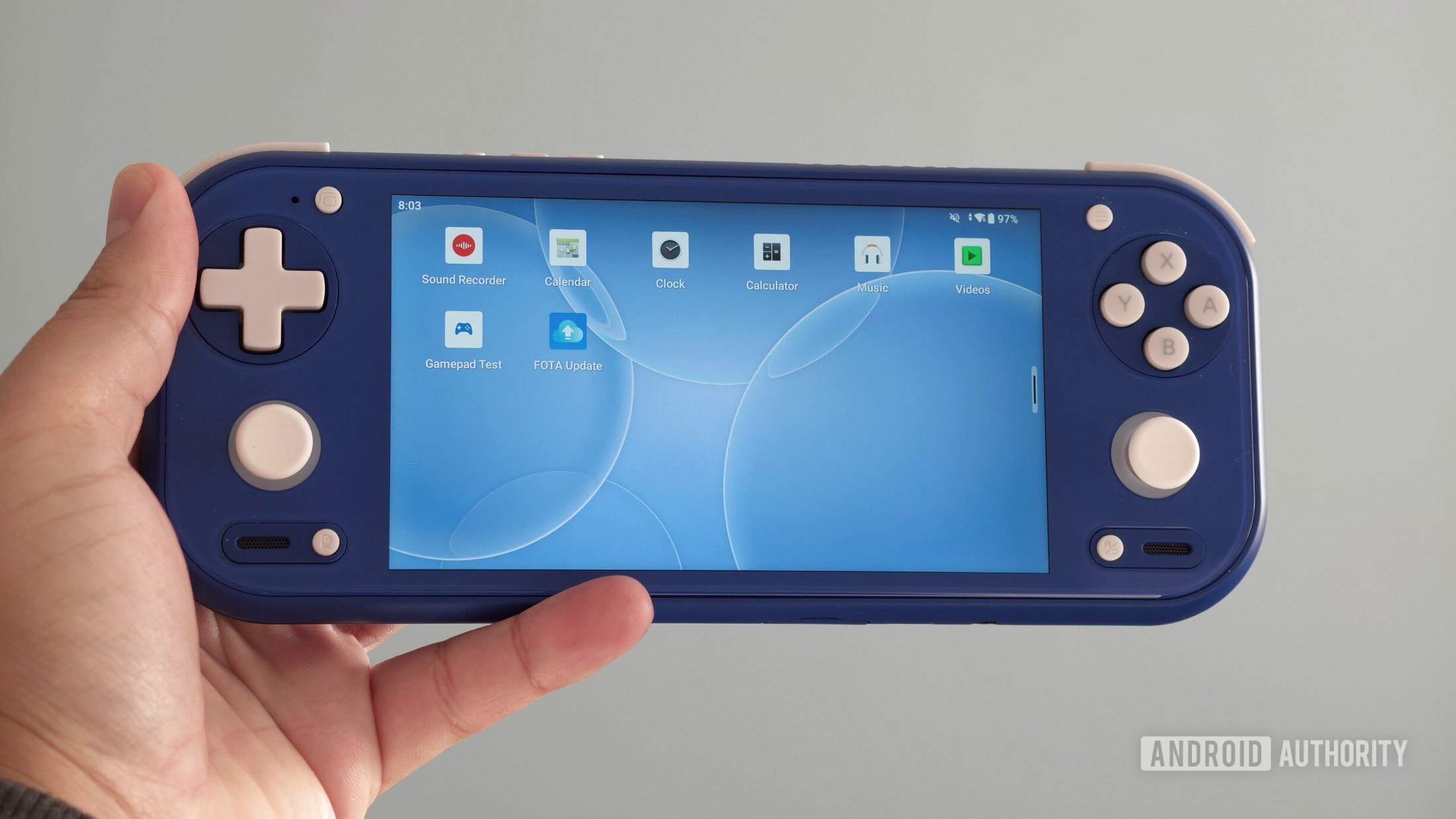
Anbernic released the RG 55G1 handheld featuring a 5.5-inch 1080p screen and drift-proof Hall sticks wrapped in Nintendo Switch Lite ergonomics. The $139.99 Snapdragon-powered device targets classic PS1 and PSP libraries rather than modern native console titles.

Huawei introduced the Watch D3, equipping the smartwatch with a physical inflatable cuff for certified blood pressure monitoring. The design delivers genuine medical-grade data even at high heart rates, though the bulky strap sacrifices gym and sleep comfort.
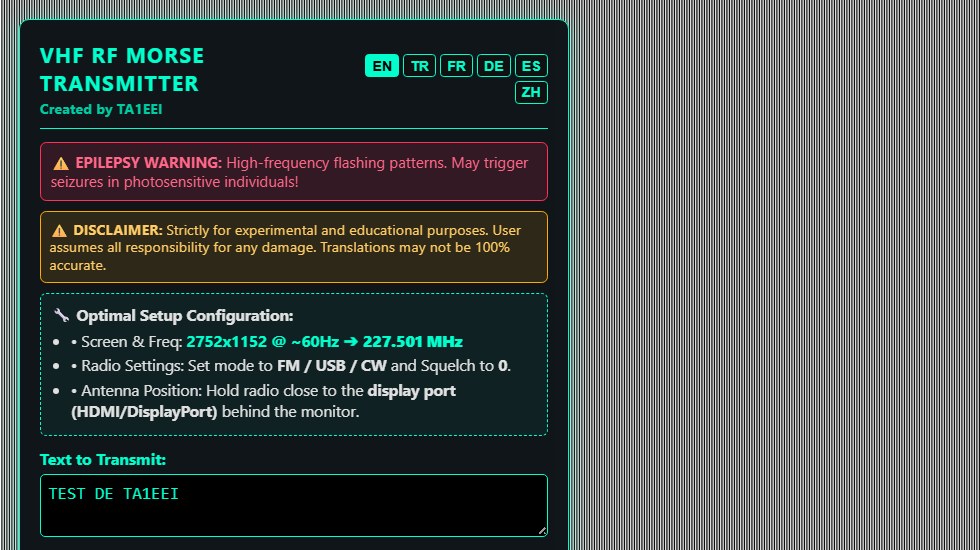
Hardware tinkerer Efe demonstrated how standard HDMI and DisplayPort cables can act as VHF radio antennas via pixel clock manipulation. By switching patterns on a 1080p display at 60 Hz, an offline browser page pulses Morse code at 148.5 MHz. The exploit allows unauthorized data transmission from air-gapped computers without using Wi-Fi hardware.
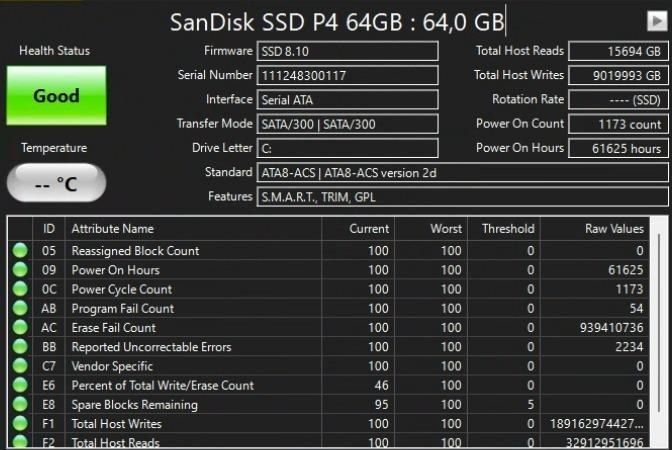
A 16-year-old 64 GB SSD survived over 140,000 full overwrite cycles before showing sector errors. The real-world torture test confirms that factory endurance ratings are legal safeguards rather than hard operational limits for everyday computer users.
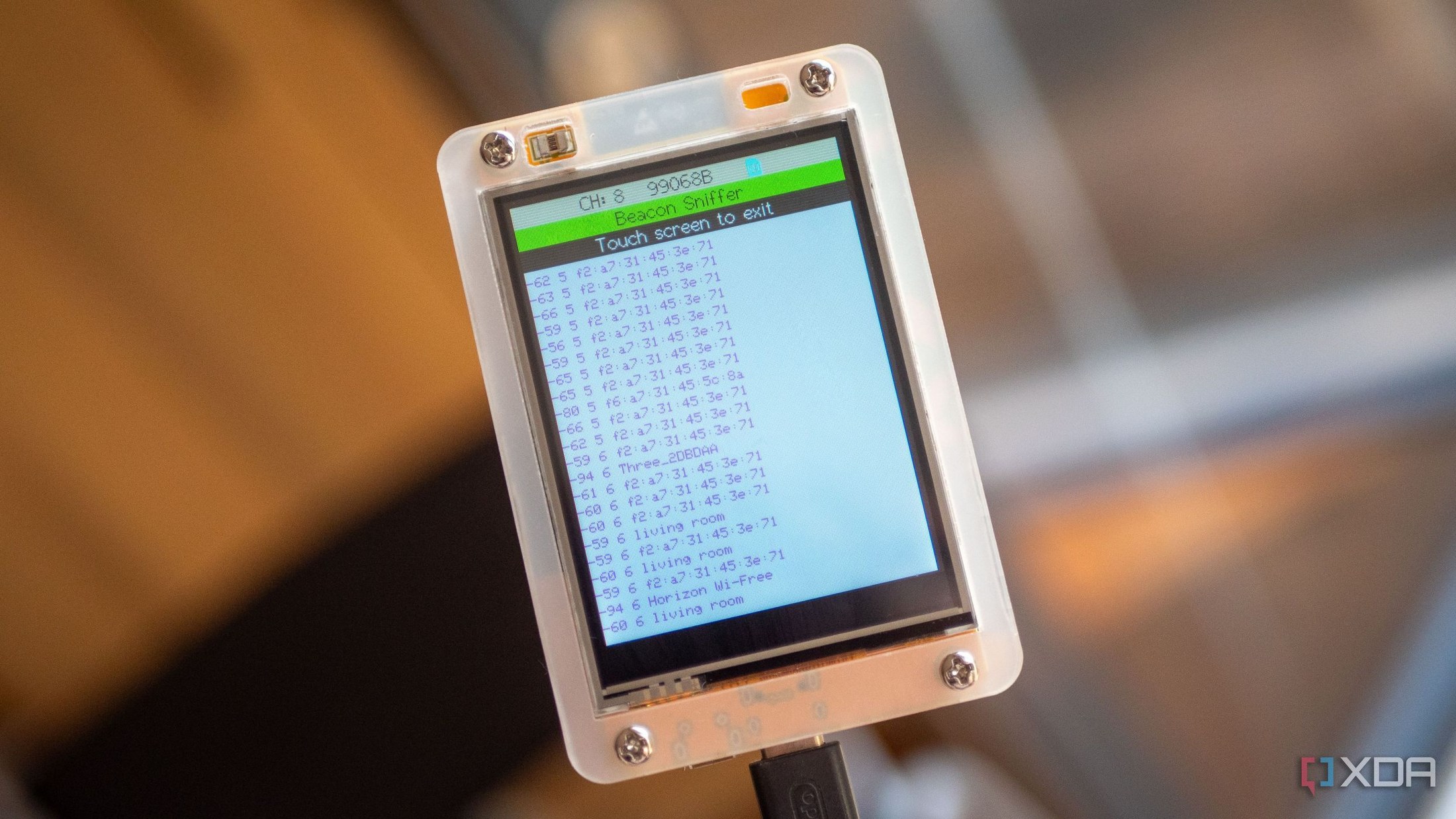
Developer alunmorris turned the cheap ESP32 'Cheap Yellow Display' board into a standalone pocket encyclopedia holding 285,000 articles. The no-solder build runs off a microSD card and a basic power bank, delivering instant reference access without an internet connection.
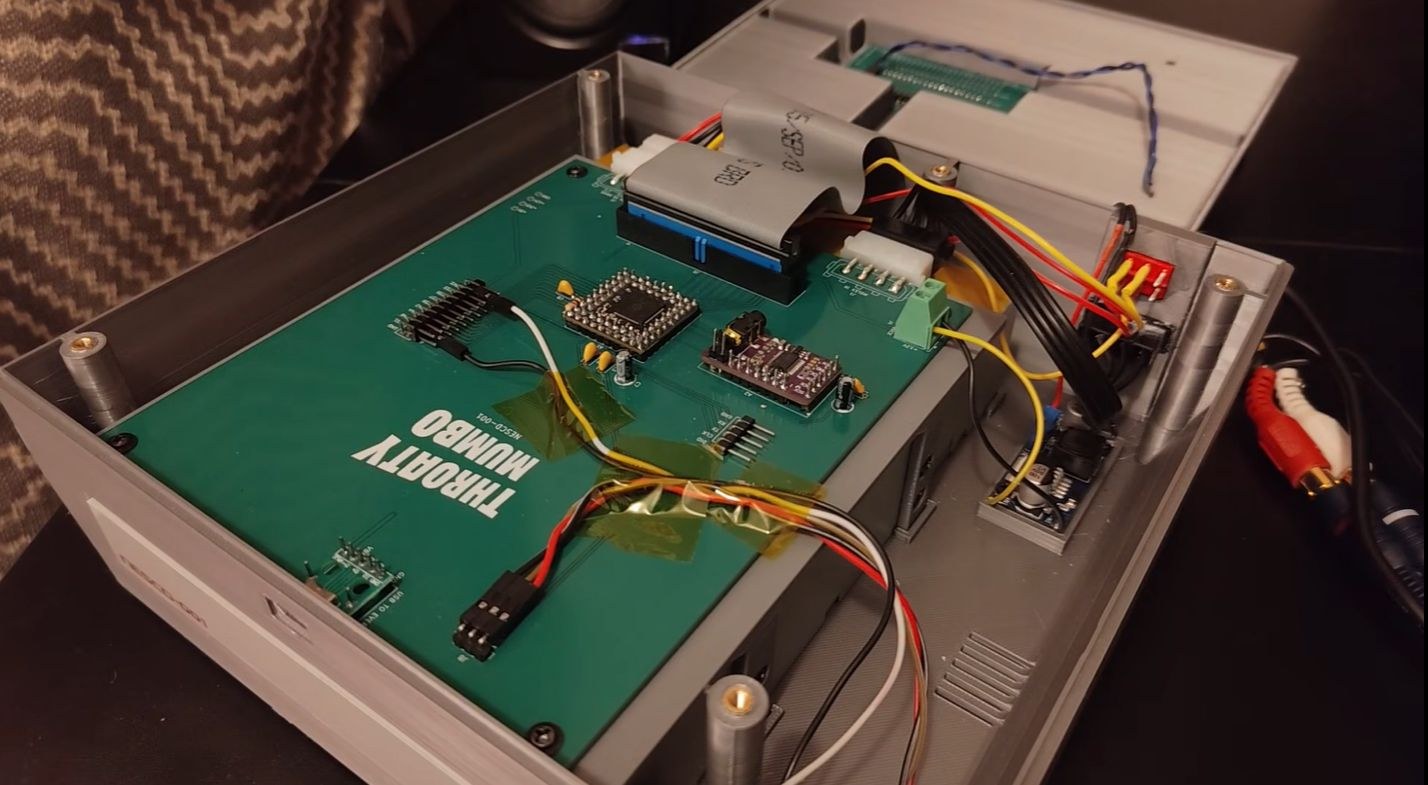
Hardware hacker Throaty Mumbo created a custom expansion board that connects a full-size optical CD drive to an unmodified 1985 Nintendo Entertainment System. The setup streams CD-quality audio and loads massive games directly through vintage hardware ports without soldering the console board. It showcases how 8-bit retro consoles can break past cartridge storage limits while preserving original silicon.
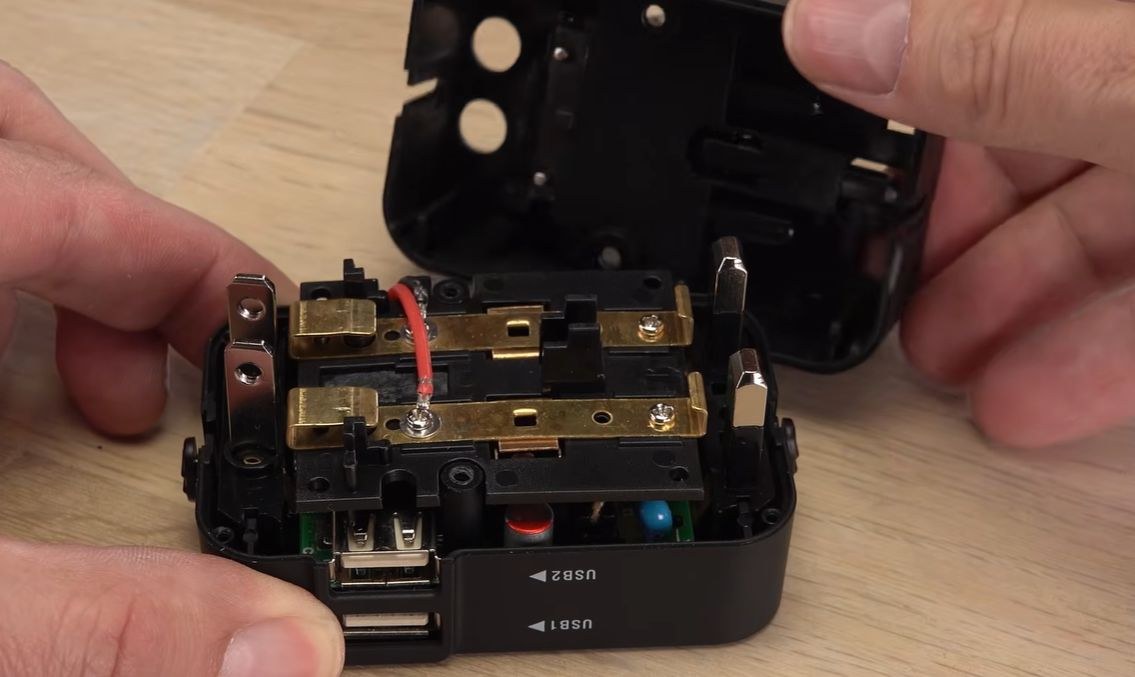
A hardware dissection of a generic $9 travel plug revealed that all sliding prongs share unisolated parallel wiring. Plugging the unit into mains voltage leaves unused pins fully energized, turning cheap all-in-one chargers into severe shock hazards.

Aoostar has released the NEX395 mini PC featuring AMD's flagship Ryzen AI Max+ 395 chip and 64 GB of RAM for $1,785. To hit that price point, the manufacturer omitted internal storage entirely, forcing buyers to install their own SSD before booting up.
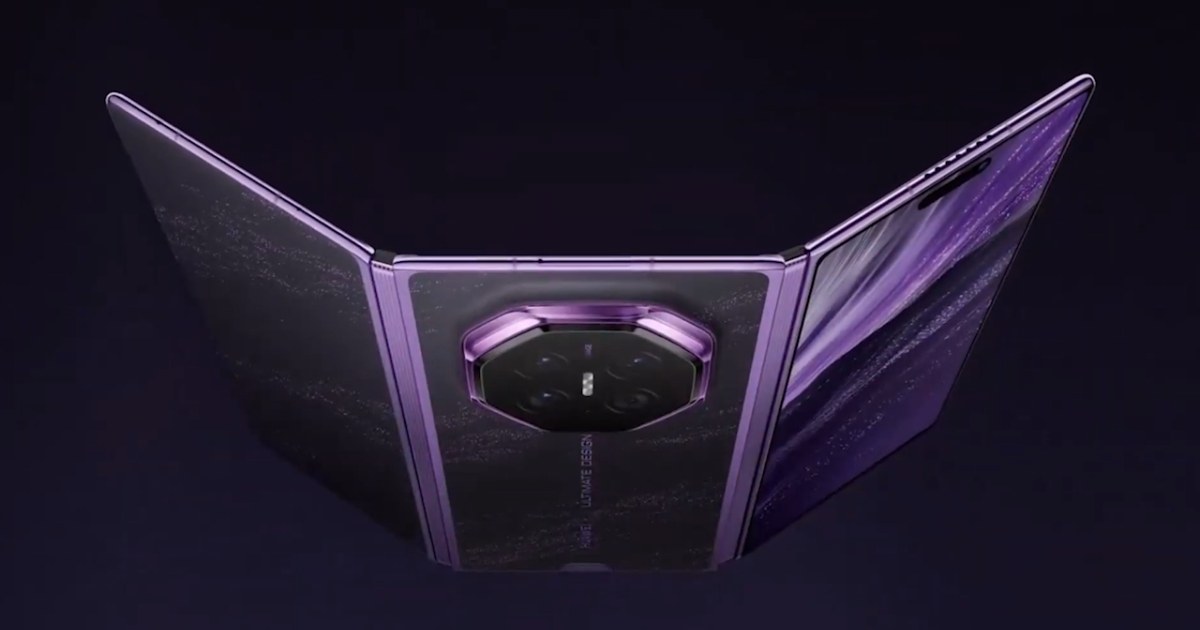
Huawei has redesigned the Mate XT 2 to fold inward, protecting its fragile flexible matrix from everyday wear and tear. While the new U-shaped hinge adds thickness and requires a separate cover screen, it eliminates the massive repair risks of the original outer-folding panel. Full pricing and launch details arrive alongside HarmonyOS 7 on September 7.
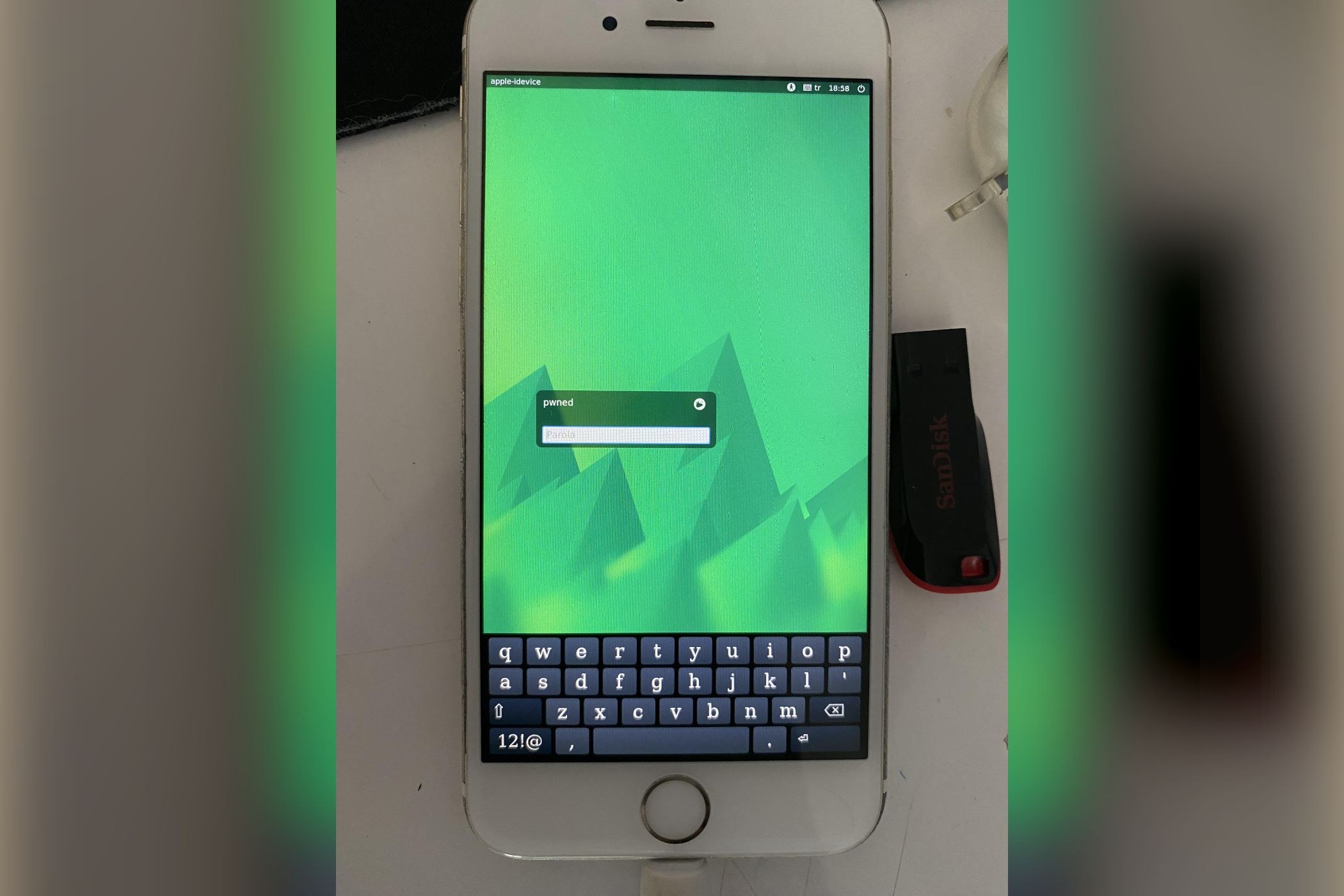
A tech enthusiast successfully booted postmarketOS Linux onto a decade-old iPhone 6S after a three-hour setup. The project proves obsolete Apple hardware can run alternative desktop systems, though broken mobile features make dedicated boards like a Raspberry Pi far more practical for everyday utility.

Engineers at UC San Diego built a smart ring prototype that reads glucose, lactate, and electrolytes directly from fingertip sweat pores without needles. The biochemical micro-sensors replace standard optical trackers with real metabolic data, though packaging the tech into retail jewelry remains years away.
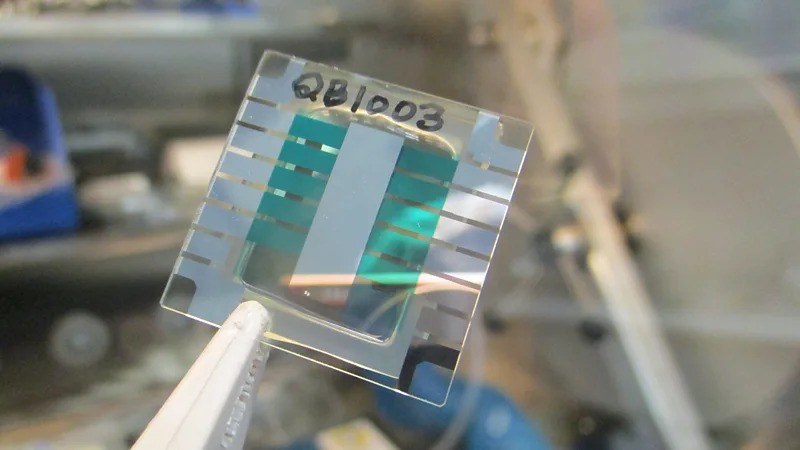
Physicists have demonstrated a working quantum battery prototype that charges faster as its capacity grows, using superradiance instead of chemical reactions. While the breakthrough eliminates charging heat and cell degradation, the bulky optical setup cannot yet store or steadily release power for mobile hardware. Mainstream smartphones will rely on standard lithium-ion packs for years to come.
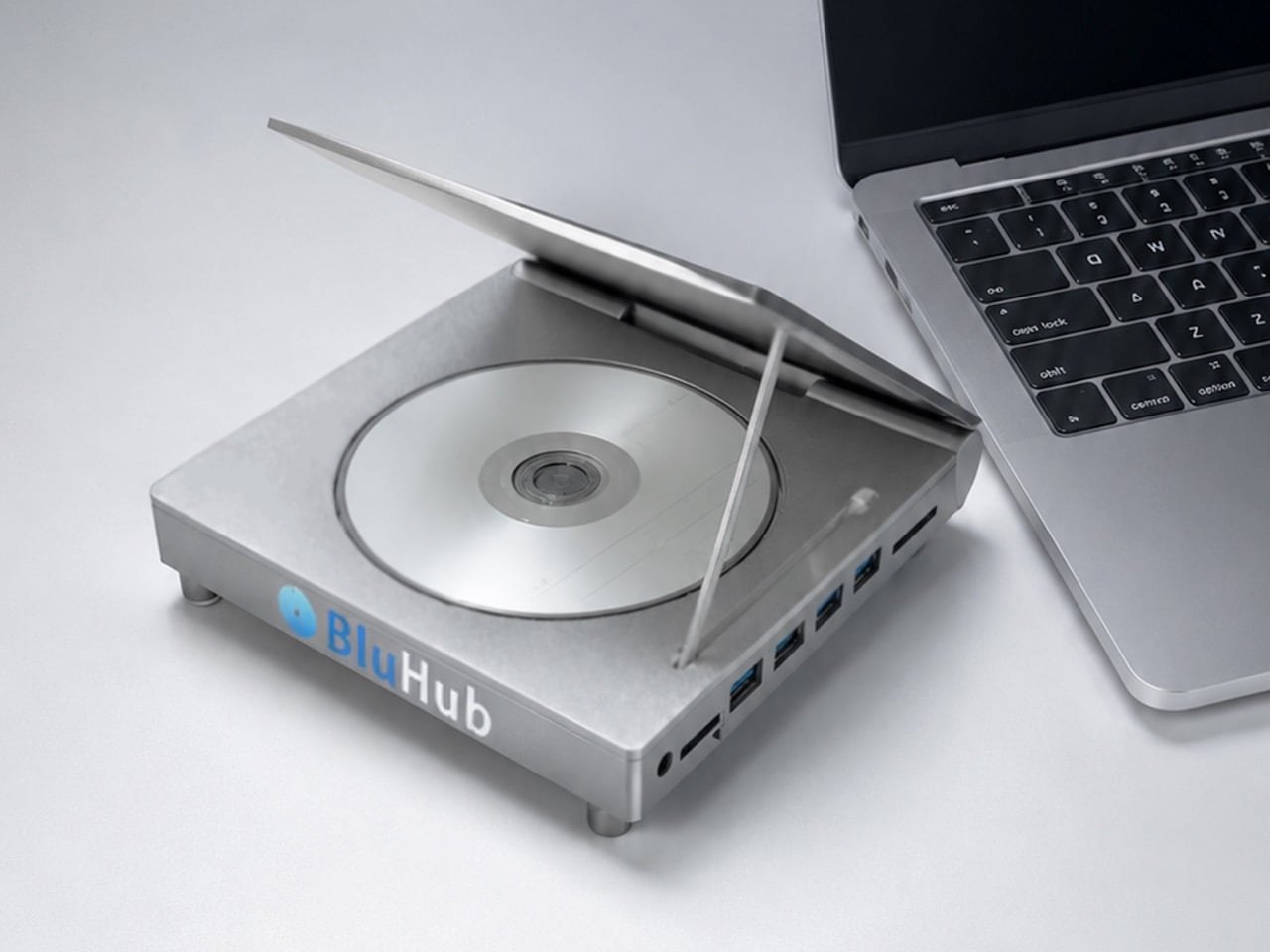
An LA collective has launched BluHub on Kickstarter, combining an everyday USB-C hub with a 100GB BDXL optical burner to fight rising cloud fees and deleted digital purchases. The bus-powered aluminum dock includes four USB 3.0 ports, card slots, and an integrated album art display. Early backers can pre-order the offline backup station for $59 ahead of its November 2026 release.
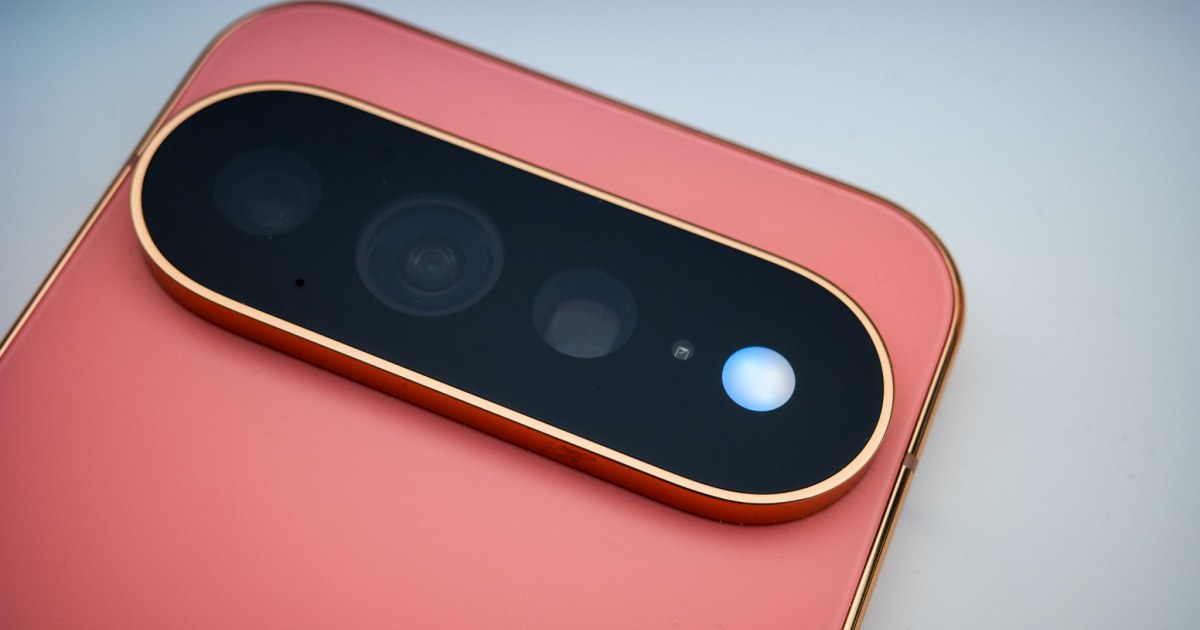
Google replaced the traditional flash in the Pixel 11 Pro with a diffused LED array designed for soft Gemini AI animations. Real-world tests show the phone delivers just 89 lux, falling more than five times behind the iPhone 16 Pro in basic flashlight utility.
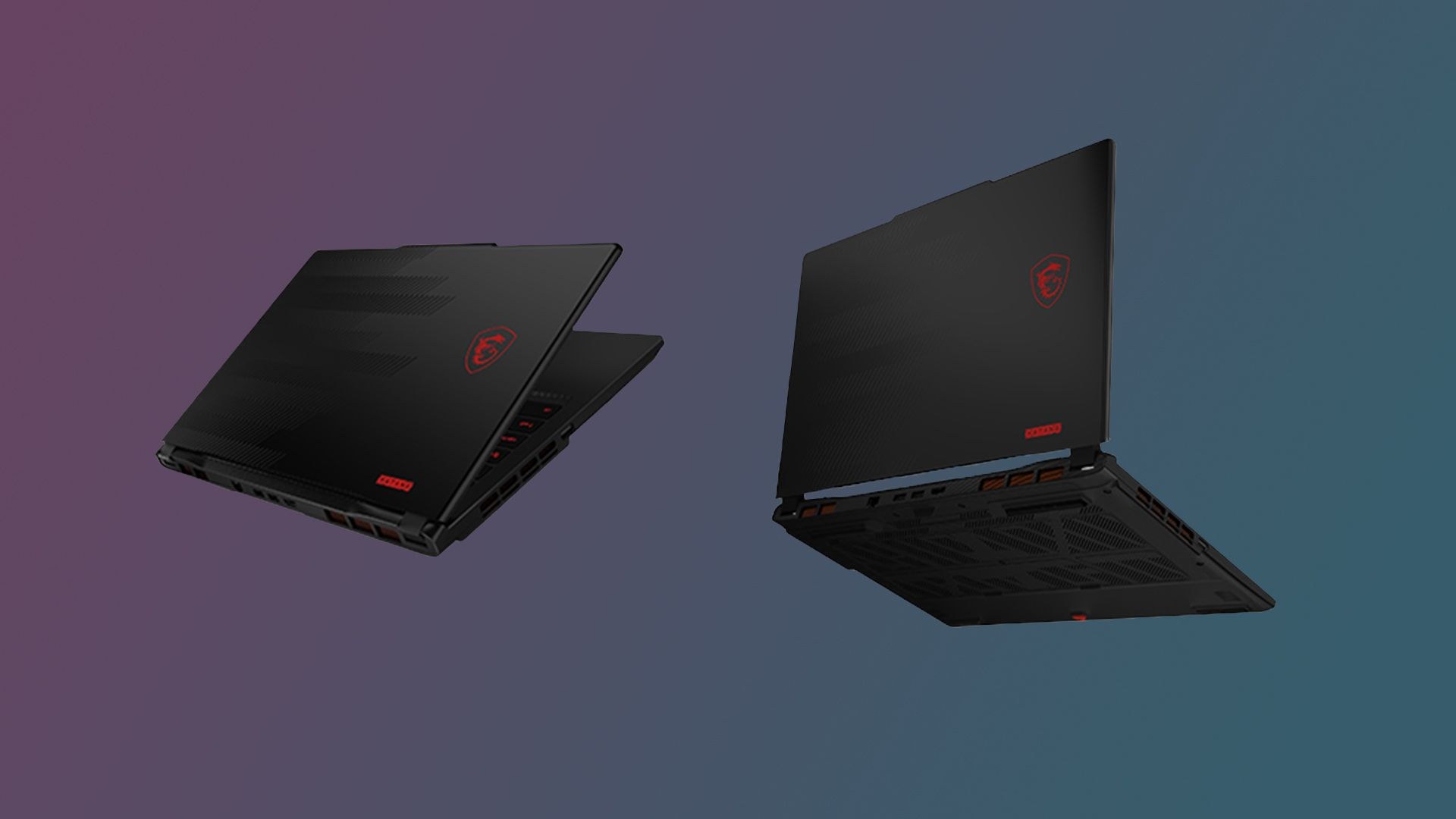
MSI unveiled the Katana 15 HX C14 laptop, pairing high-end Intel 14th-Gen processors and RTX 5070 graphics with older DDR4-3200 memory slots. The unconventional hardware mix bypasses skyrocketing $400 DDR5 kit prices to keep modern gaming rigs affordable for budget-conscious buyers.
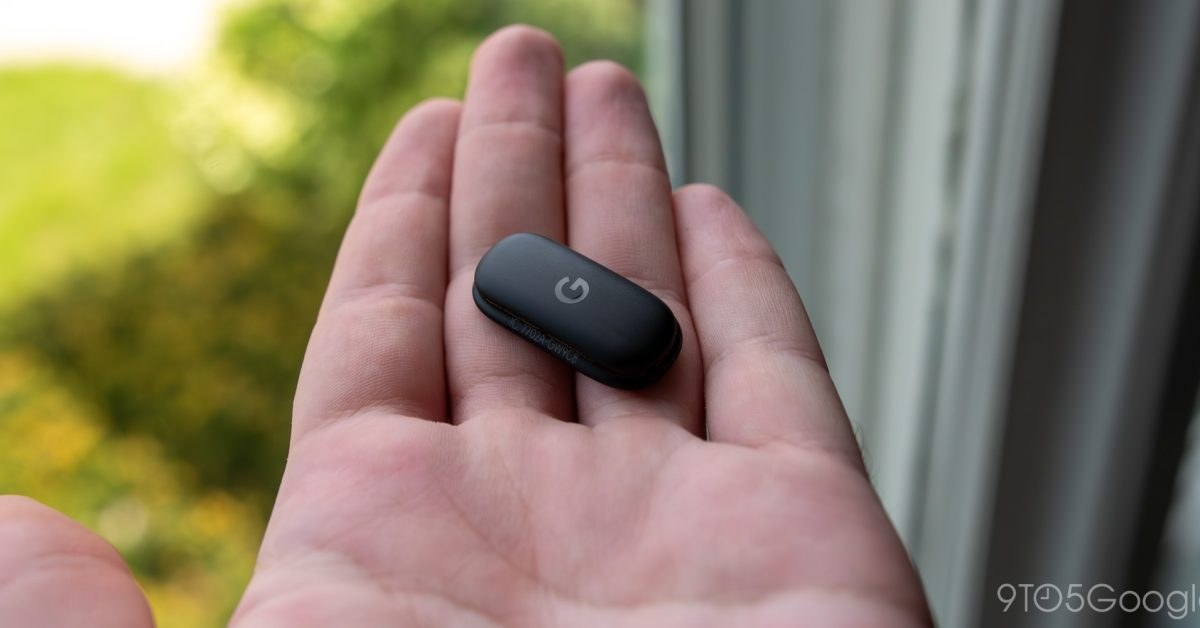
Wearers are stripping the straps off Google's screenless tracker and taping the sensor pod directly to their biceps or chest with athletic tape. The DIY setup frees wrist space for classic mechanical watches while capturing more accurate biometric data during intense workouts.

Xiaomi is launching the Poco X8 Power 5G featuring a massive 10,000 mAh silicon-carbon cell with 100W fast charging and 27W reverse power output. The new battery chemistry enables multi-day endurance without turning the device into an unwieldy brick.
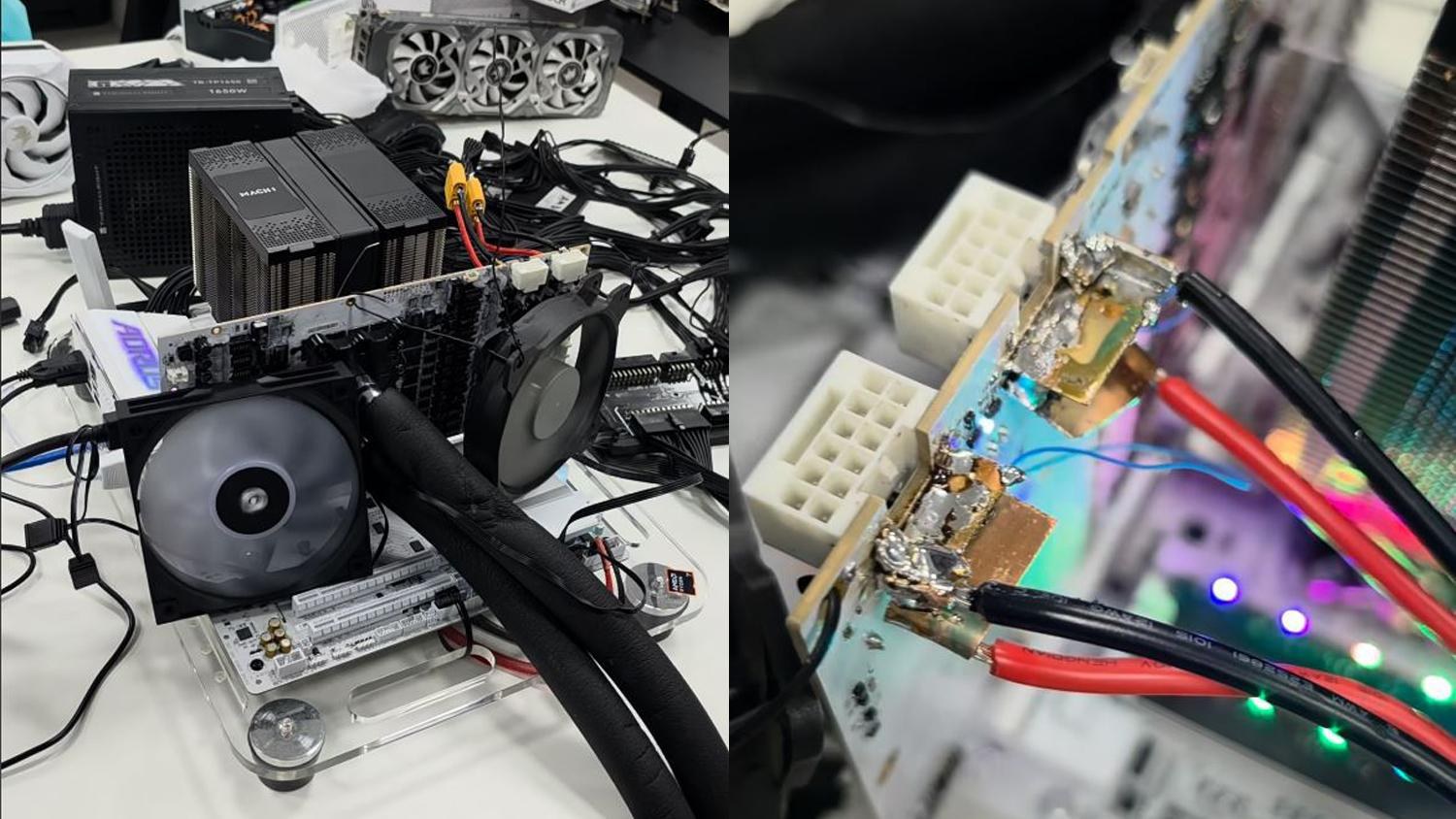
Brazilian modding crew TecLab removed the standard 16-pin power headers on a flagship Galax RTX 5090 and soldered power lines straight to the board. The extreme mod completely prevents connector melting during benchmark runs, but it instantly destroys warranty protection for standard users.
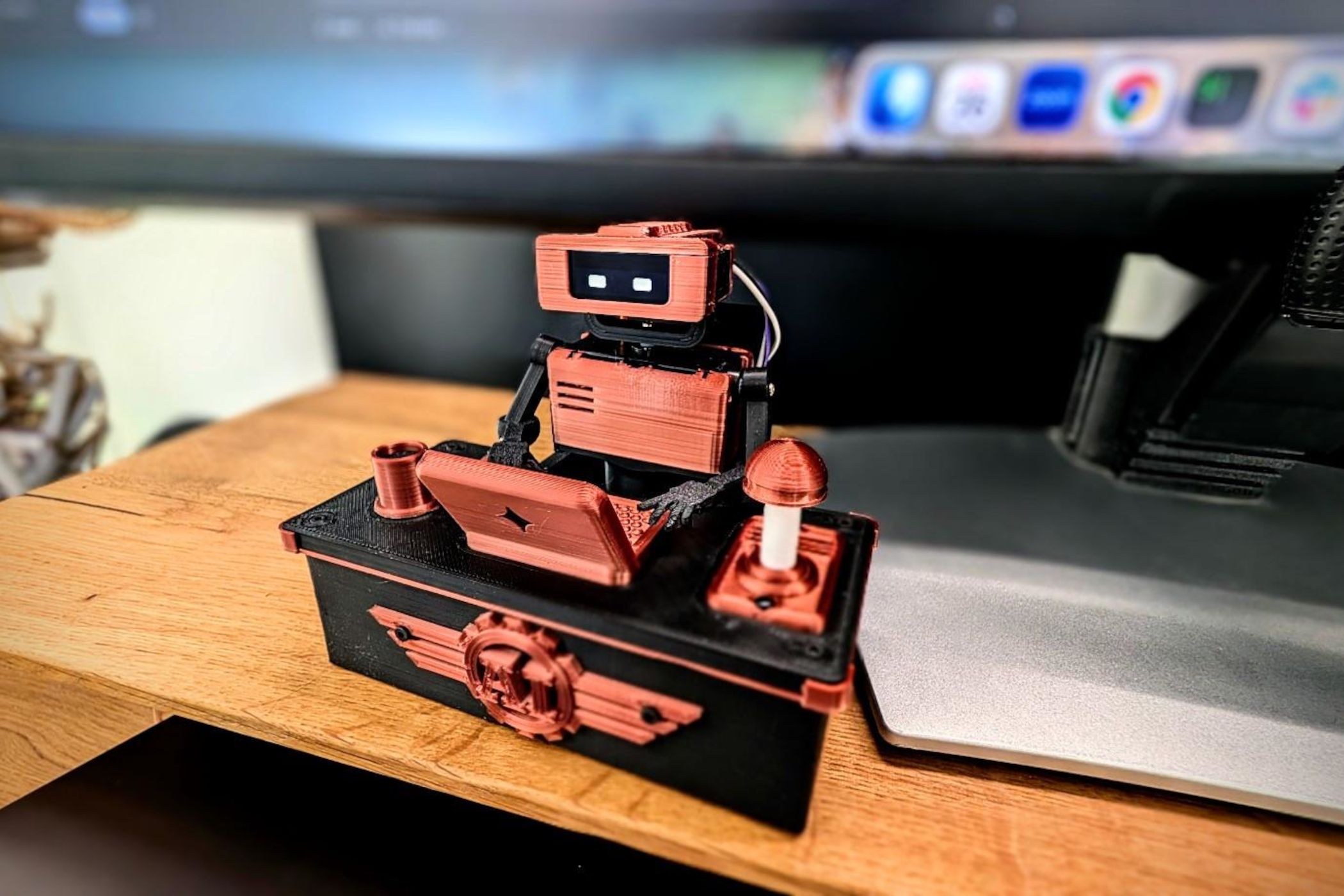
Maker jamropl built Tiny Engineer, an open-source desk companion powered by an ESP32 microcontroller and servo motors that types and rings a mini bell as software automations run. It turns abstract coding scripts into a tangible, physical desktop show, though building one requires a 3D printer and soldering skills.
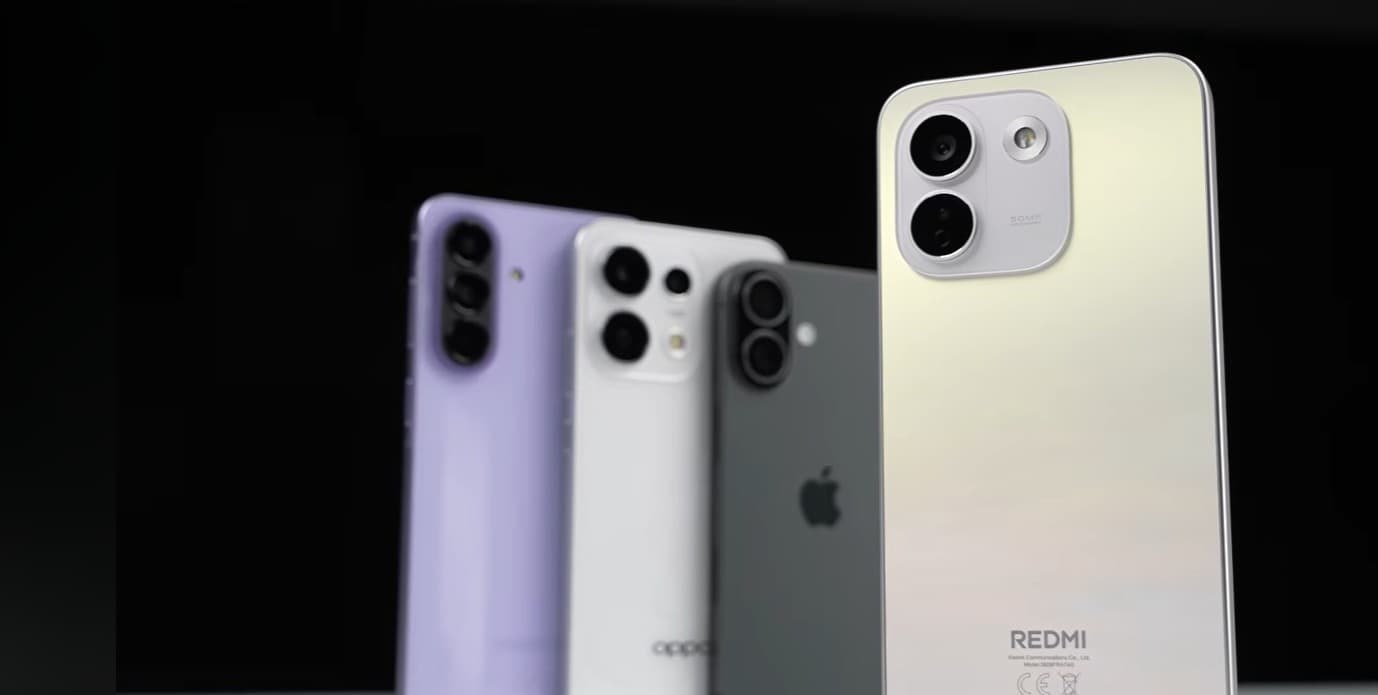
Xiaomi's Redmi Note 17 Pro Max ran for over 19 hours in PhoneBuff's robotic endurance benchmark, comfortably beating the OnePlus 15 and iPhone 17. The 10,000 mAh battery delivers multi-day life for field workers and travelers, though it turns the phone into an unwieldy brick for everyday users.
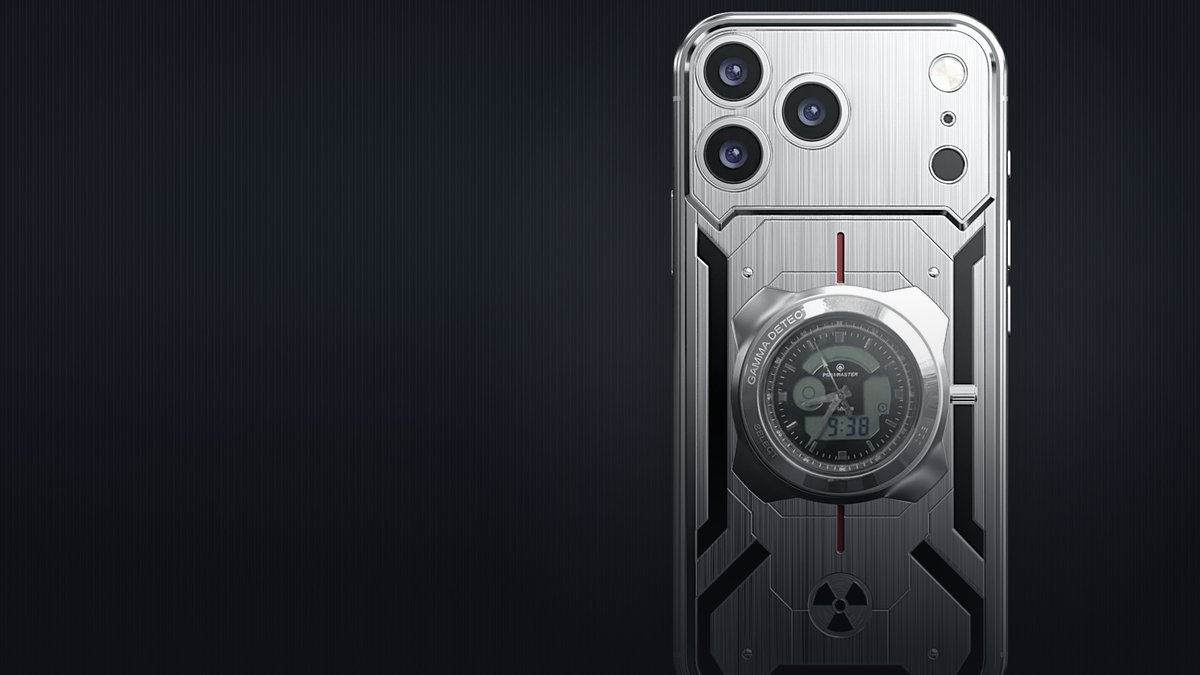
Caviar has launched a custom iPhone 17 Pro featuring an integrated hardware dosimeter and a Swiss quartz watch mechanism. Priced at roughly $9,000 and limited to seven units, the titanium-armored modification turns Apple's flagship into a bulky collector's piece.

Speedo designed a modular telemetry pod that snaps into standard Vanquisher goggles without using a bulky heads-up display. The screen-free design earned World Aquatics approval for official competitions, offering competitive swimmers detailed stroke diagnostics without expensive integrated hardware.

Bandai compressed its iconic virtual pet into a tiny 28-millimeter wearable featuring a functional LCD and physical buttons. The novelty device ignores fitness tracking entirely, offering 30 classic digital creatures for around $48.

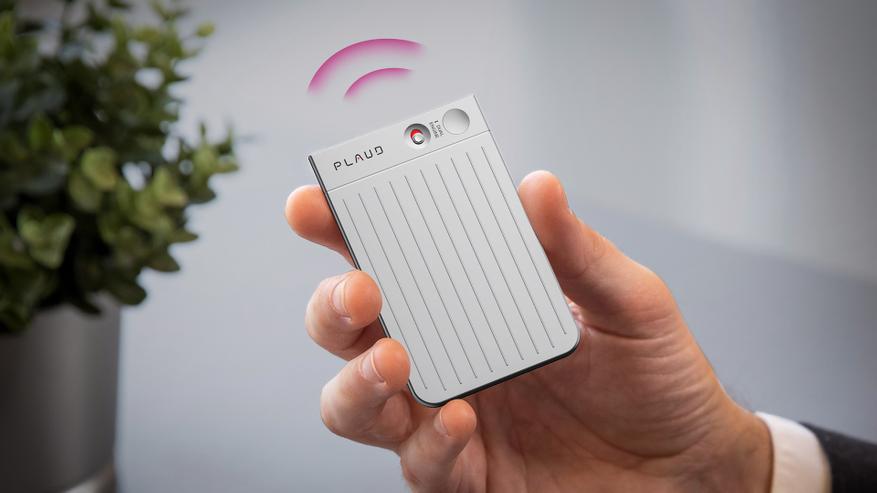
Plaud unveiled the $249.99 One Explorer Edition earbuds, trading acoustic performance for continuous AI transcription. Built-in 4G lets the device log conversations and generate tasks across Slack and Notion without a paired phone. Shipments begin in late September with $200 in bundled AI processing credits.
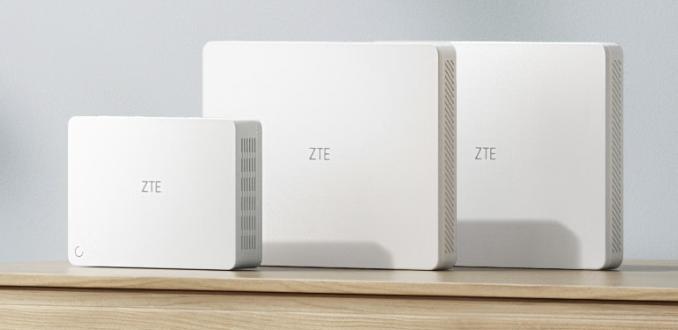
ZTE released a three-node Wi-Fi 7 networking kit in China priced at around $140. Designed with Power over Ethernet, the slim wall-mounted access points eliminate messy power cables while blanketing large apartments in high-speed connectivity.

Nvidia is phasing out Game Ready graphics driver updates for Windows 10 starting in October. Existing games will still launch, but new releases will no longer receive day-one performance optimizations or bug fixes on the older operating system.
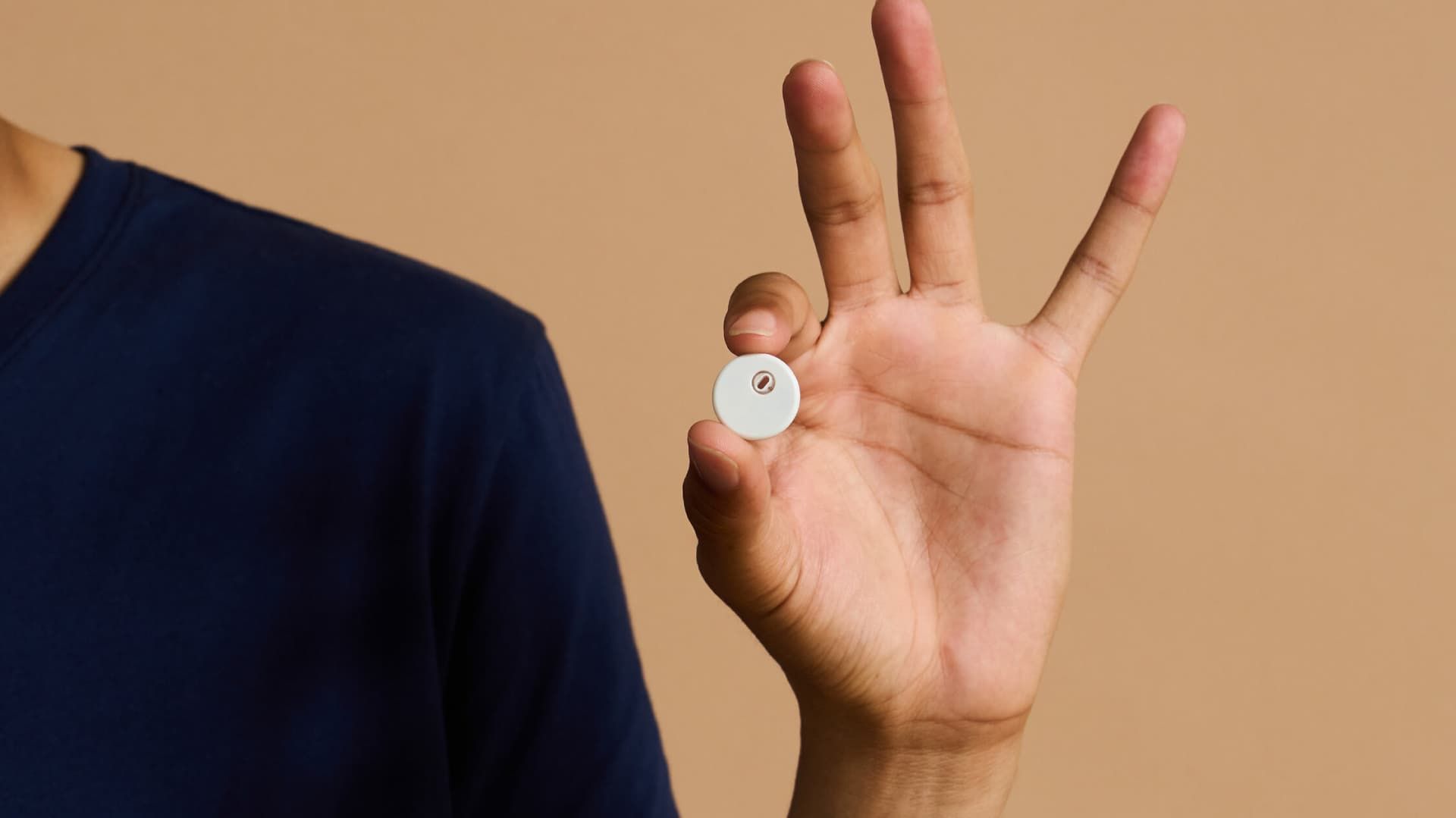
Abbott received FDA clearance for the Libre Duo, a single 10-day arm sensor that tracks both glucose and ketone levels simultaneously. The wearable streams real-time data to a smartphone, warning users of dangerous metabolic spikes before diabetic ketoacidosis can take hold.
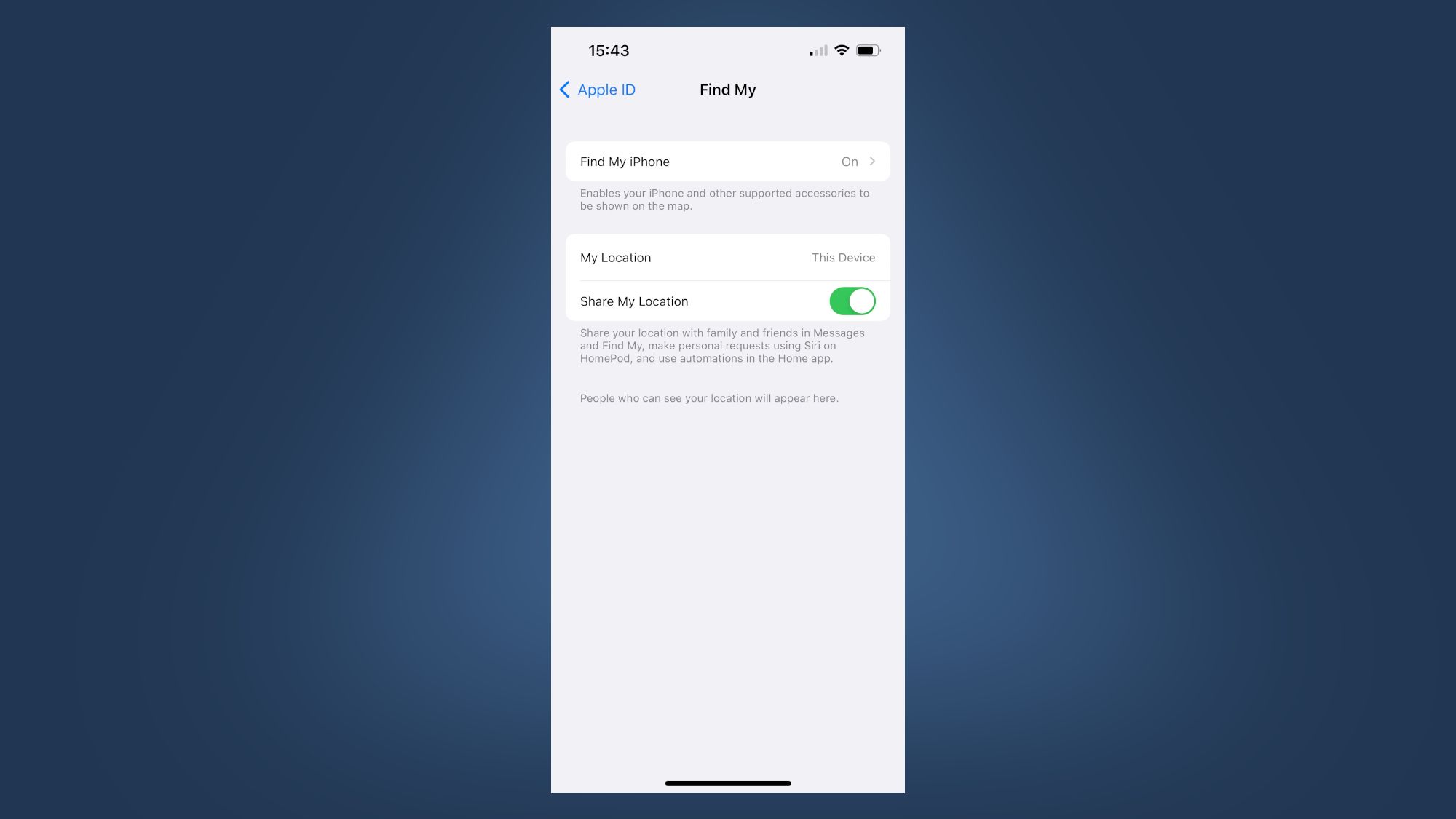
Security researcher Zerotistic reverse-engineered Apple's proprietary protocols in just seven days, allowing a standard Linux PC to act as a trusted node on the Find My network. The setup decrypts live location streams without requiring official Apple hardware or software, though it still requires prior contact authorization. The feat exposes structural flaws in Apple's reliance on security through obscurity.
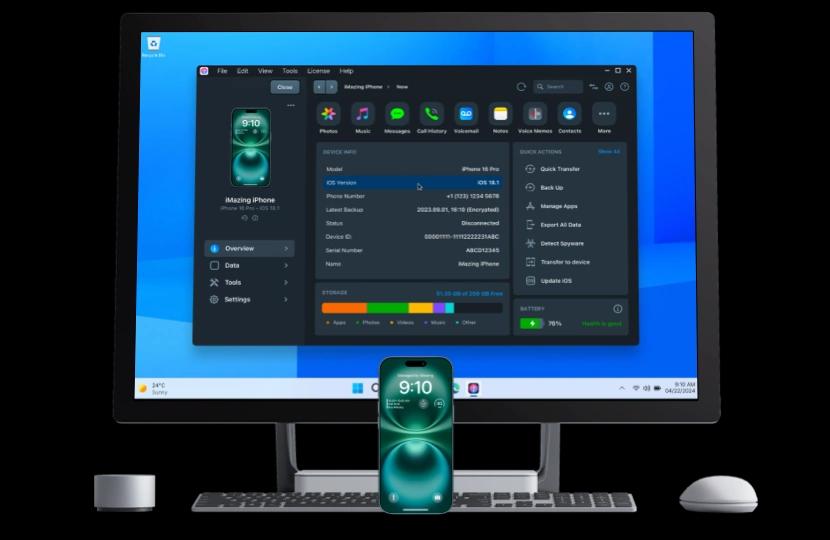
Apple invalidated legacy authorization tokens, effectively breaking third-party transfer tools like iMazing and 3uTools. Users moving to a new iPhone can no longer restore delisted banking apps from their computers and must turn to web apps or enterprise installations.
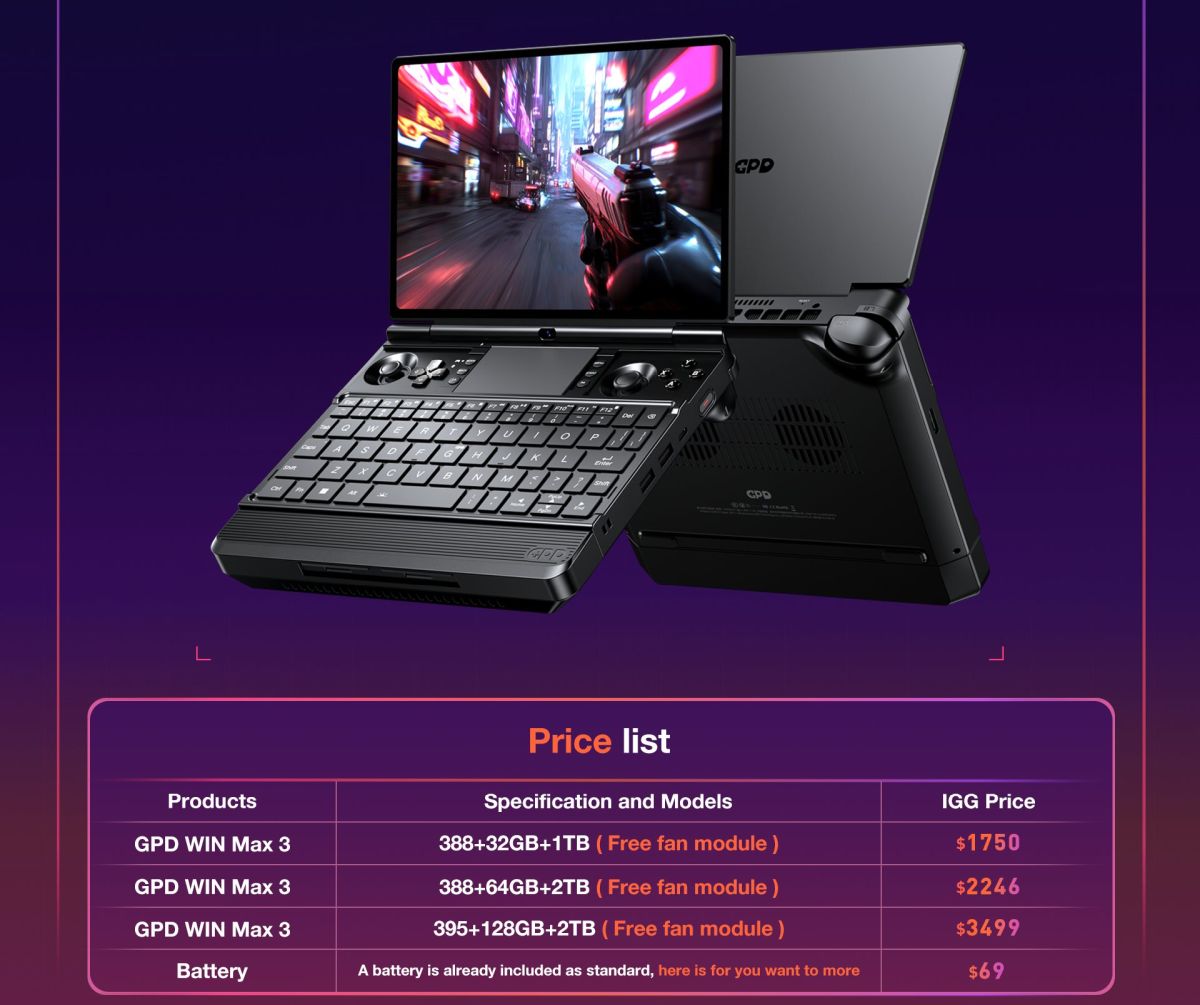
GPD revealed pricing for its Win Max 3 hybrid ahead of a September 2 crowdfunding debut, asking between $1,750 and $3,499. The device packs heavy AMD silicon and a 97 Wh removable battery into a 9-inch clamshell, but awkward trackpad placement and soldered RAM make it a tough sell over buying a separate laptop and handheld.

Garmin launched the Fenix 9 smartwatch with a 3,000-nit OLED display and up to 29 days of battery life. The hardware focuses on direct sunlight legibility and faster map navigation for outdoor athletes upgrading from older transflective screens.
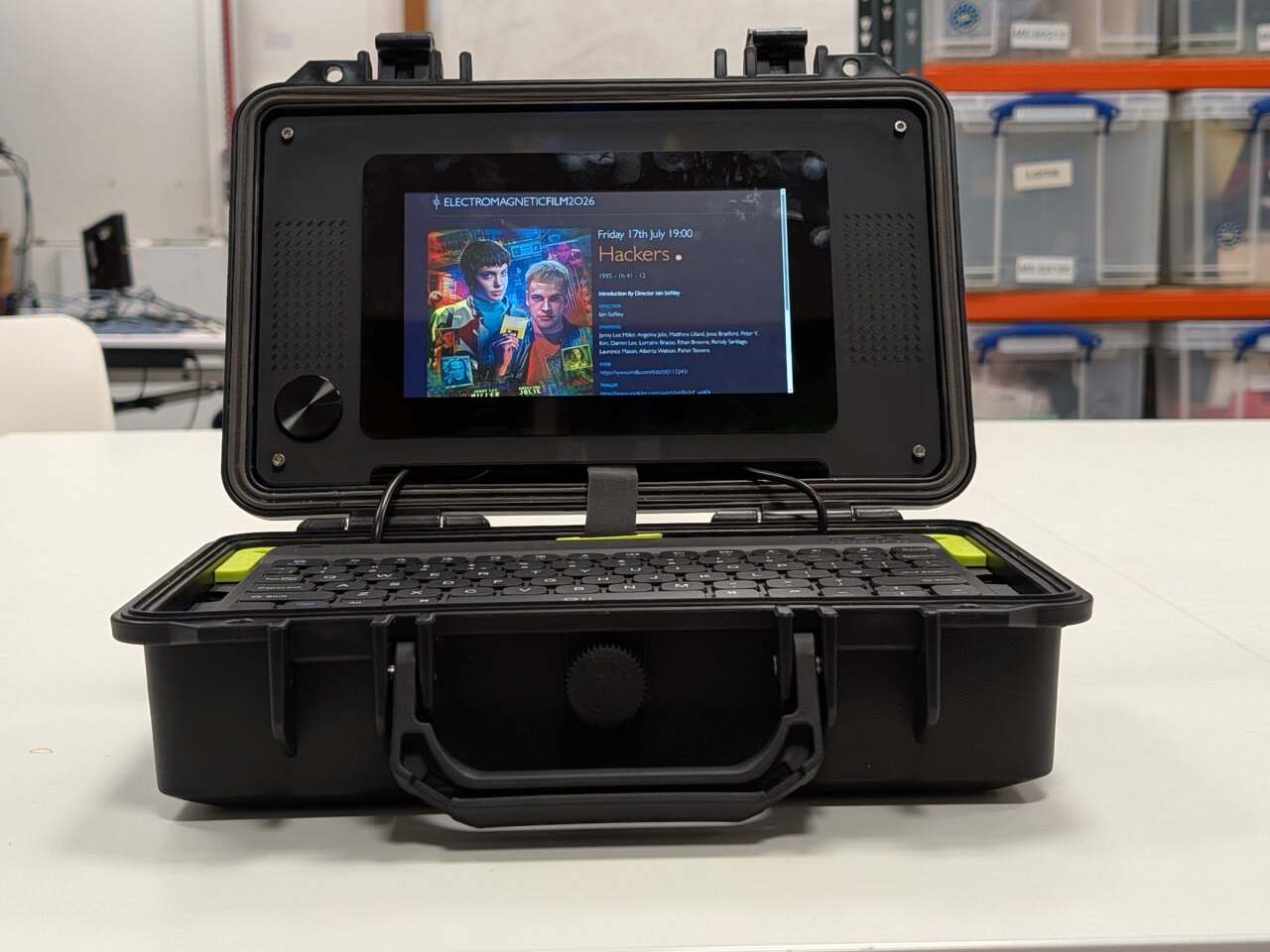
Raspberry Pi released an official build guide for an indestructible, Pelican-style field computer made entirely from off-the-shelf parts. The $250 setup eliminates fragile laptop frames and allows quick, cheap component swaps directly in the wild.

PocketBook introduced the Q, a 5.84-inch monochrome e-reader designed to fit into a smartphone pocket. It offers physical page-turn buttons and weeks of battery life, but costs $235 for hardware that only reads books.

An independent engineer has converted a garden shed into a Class 100 cleanroom, fabricating functional RAM cells and white LEDs with an eBay laser. The experiment proves hardware startups can produce custom silicon prototypes without multimillion-dollar foundry budgets.

Meta Superintelligence Labs has launched Muse Glimmer, an open-source 30-billion-parameter model built to run entirely offline on consumer PCs. The system trades recurring cloud subscriptions for high VRAM requirements, offering complete privacy for sensitive workloads.

High token generation speeds on laptops do not guarantee quick answers. Benchmark tests show compact local models finish tasks faster and outscore massive cloud systems simply by eliminating unnecessary internal reasoning.

Muddy seabed plumes used to leave underwater drone cameras completely useless, forcing operators to wait hours for dust to settle. Engineers from MIT and WHOI solved the blind spot by pairing wide-area sonar guidance with close-range optical imaging. The dual setup keeps submersibles working continuously during murky subsea inspections.

Researchers at MIT designed a 6 by 4 millimeter ingestible temperature capsule that safely tracks internal heat with 0.01 °C precision. The device turns parasitic electrical leakage on a silicon chip into a thermometer, ditching bulky batteries for external radio reflections. It offers parents and clinicians a safe way to spot infections early without gut blockage risks.

Engineers have developed microscopic oxygen barriers that prevent vertical 3D memory from corroding and overheating under heavy loads. The breakthrough solves a major bottleneck for on-device AI, ensuring future smartphones can run intense local models without burning through battery life or degrading performance.
EPFL researchers discovered that breaking malicious tasks into mundane conversational steps lets attackers bypass AI assistant safety checks twice as often. Handing these agents control over connected home devices exposes personal data to simple social engineering.

Meta upgraded WhatsApp account security with support for multiple hardware passkeys and complex alphanumeric passwords. Cross-platform users can now sign in using device biometrics on both iOS and Android while blocking SIM-swap fraud.

A new Skyrim framework executes voice-driven NPC actions directly on local consumer PC hardware instead of routing through remote cloud APIs. The system cuts latency, eliminates recurring subscription fees, and allows game companions to perform complex tasks in real time.

Disposable batteries cut out early because solid-state LEDs require strict voltage thresholds, leaving usable energy trapped inside. Squeezing out those remaining millivolts with custom circuits is impractical when modern chips and rechargeable NiMH batteries solve the problem for pennies.
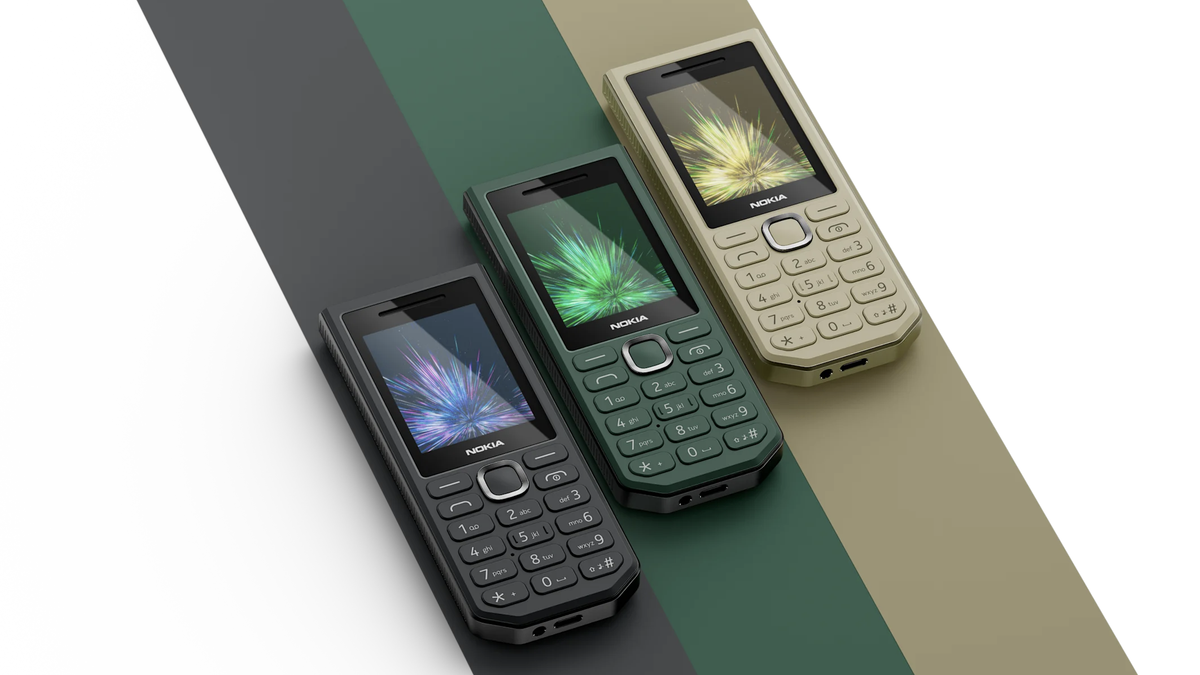
HMD has launched the Nokia 300 Charge, a rugged-looking feature phone with an unusually large 3,700 mAh battery. Thanks to a dedicated button and USB-C port, the device can charge other gadgets at 10W, serving as an ultra-durable backup power bank and basic dialer.
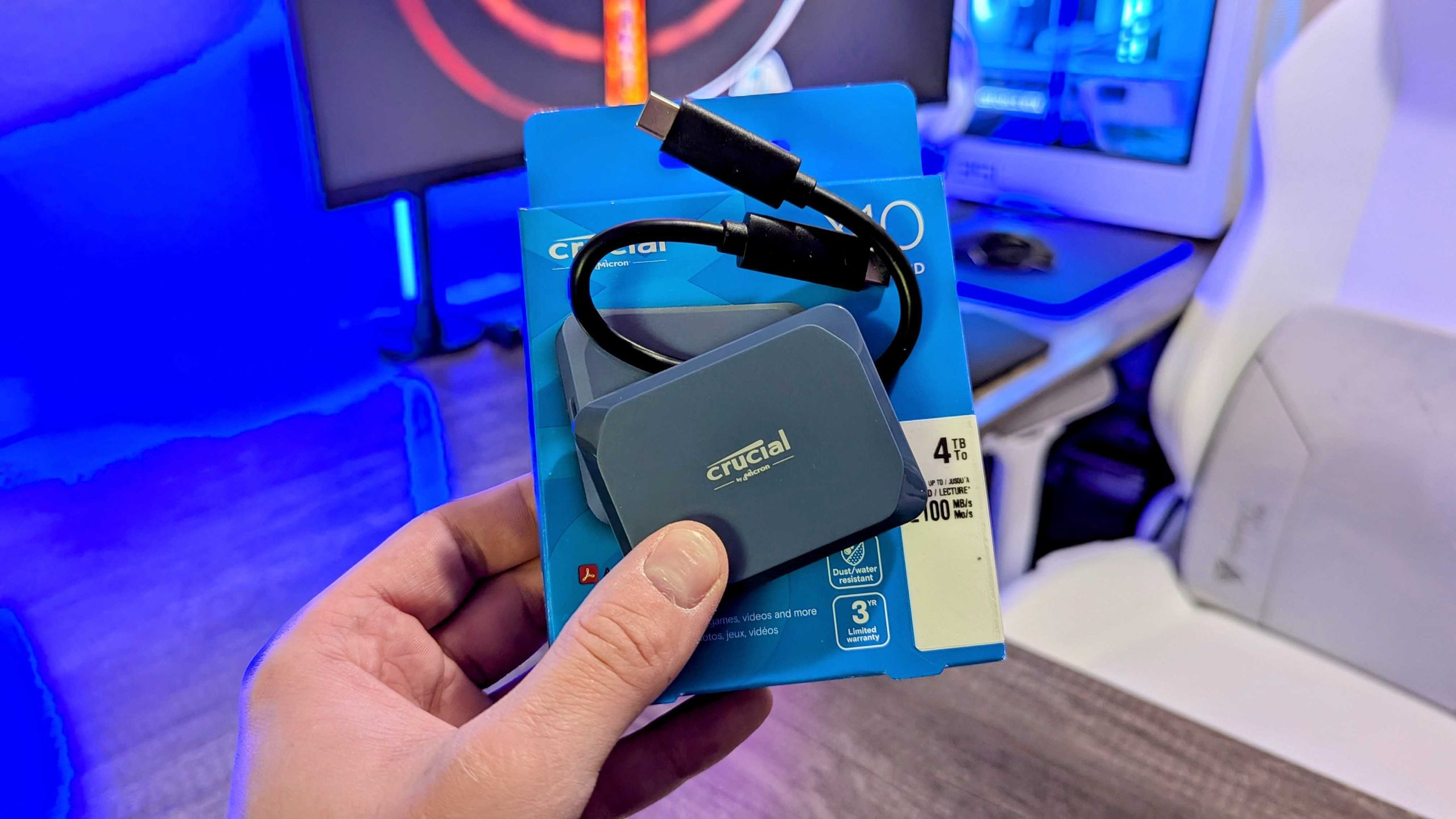
Tech giants like Micron, Crucial, and SK hynix are quietly ending direct hardware replacements for defective SSDs and RAM sticks. Buyers are receiving original purchase-price refunds instead of working parts, forcing them to pay double or triple on retail shelves to replace failed components.
The $250 Analogue 3D uses custom FPGA silicon to deliver lag-free 4K video directly from original N64 cartridges. It eliminates hardware blur and recreates CRT phosphor grids without altering original low-poly assets or texture resolutions.
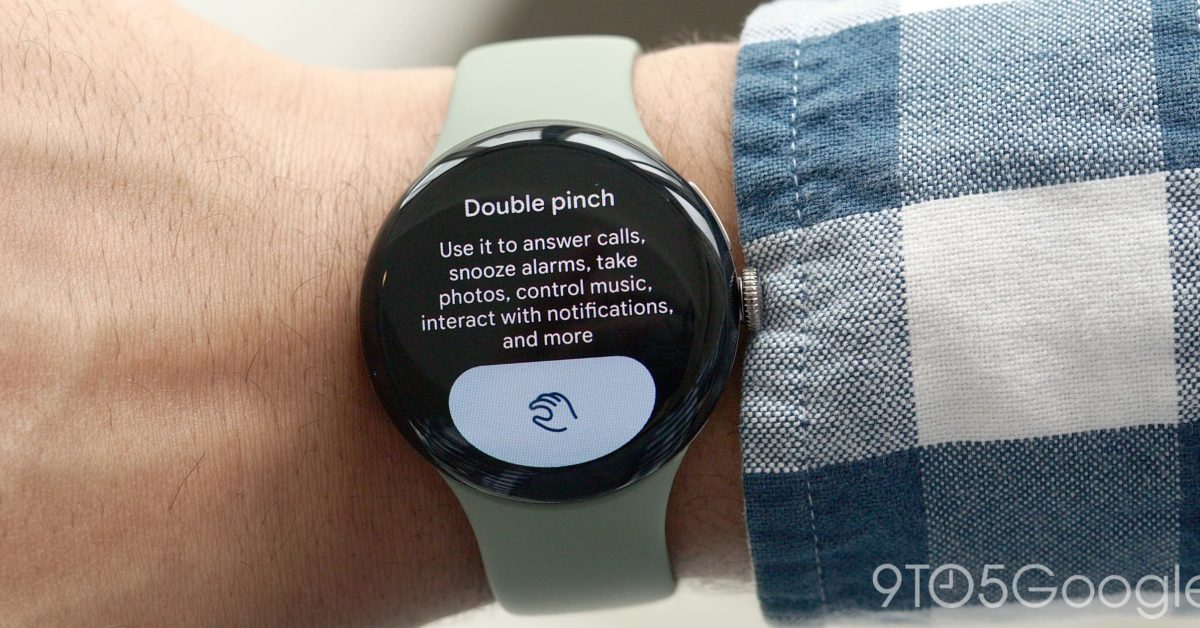
Google is adding granular gesture customization to the Pixel Watch 5, allowing users to reassign the double pinch motion beyond basic alarm snoozing. The update introduces one-handed shortcuts for skipping tracks, cycling notifications, and fully dismissing alarms. While the added flexibility catches up to rival wearables, accidental triggers remain a practical concern.
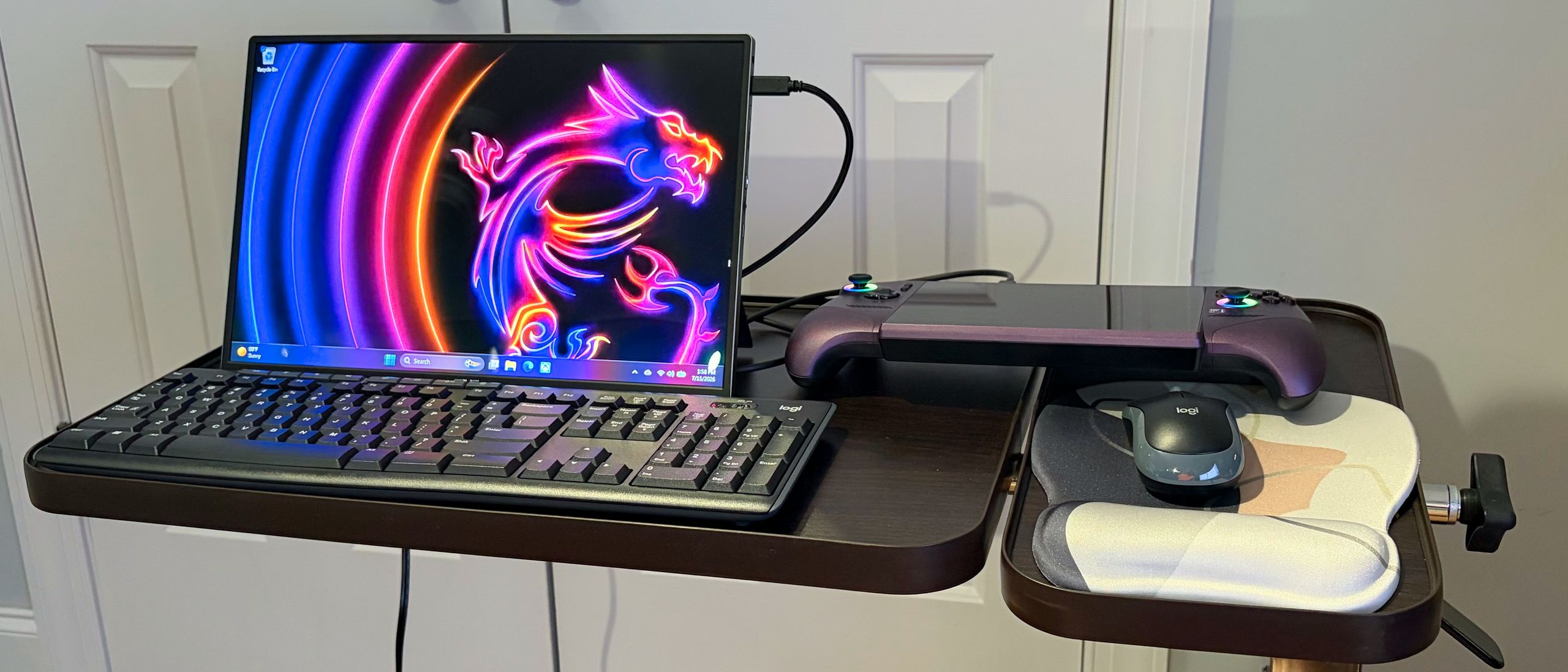
Asus launched the ZenScreen OLED MQ16FC, fitting a 16.1-inch FHD+ panel into an aluminum travel chassis for under $300. The display delivers deep blacks and versatile kickstand angles for remote setups, though limited brightness makes direct sunlight a challenge.

IBM unveiled a 2nm processor that natively switches between AArch64 and mainframe z/Architecture instruction sets within nanoseconds. The 11-core, 5.7 GHz chip lets enterprise teams run standard Arm workloads directly alongside mission-critical legacy systems. This eliminates separate hardware clusters while retaining mainframe-grade uptime.

Microsoft's KB5121003 update breaks both Teams and the new Outlook across Snapdragon X laptops, including the Surface Laptop 7. Rollbacks and factory resets fail once the OS updates again, exposing severe stability risks for corporate deployments.

Researchers from Samsung and Amazon developed ToMoE, a framework that converts dense language models into sparse Mixture-of-Experts systems without costly retraining. The architecture cuts memory traffic and compute cycles on paper, though consumer mobile NPUs must still overcome memory bandwidth bottlenecks to deliver real battery savings.

Duke University introduced the Why2Speak framework to test why conversational AI agents choose not to intervene. Tests on Qwen3-8B show that forcing models to explain their inaction degrades accuracy without delivering trustworthy safety trails.

Simulated bit-flips on an FP16 Qwen2.5-Coder model proved that corrupting a single high-order weight bit drops coding benchmark accuracy from 85% to complete failure. Unshielded edge hardware and orbital data centers risk catastrophic errors without dedicated ECC memory architectures.

Modern small language models from 1B to 13B parameters now run efficiently on standard consumer laptops using 4-bit quantization. Shifting high-volume document search and code assistance to local VRAM eliminates recurring API token costs and data privacy risks.
119 stories · Full archive →
Consumer tech is clearly exhausted by safe, black rectangles and has pivoted to pure extremes. Engineers are either cramming data-center compute into unfeasible form factors or turning basic peripherals into quirky design experiments. The practical value is debatable, but the market has certainly become less boring. The centerpiece of this horsepower obsession is the OneXPlayer Super X Pro tablet. Stuffing 192GB of RAM and an AI-focused processor into a 12.5mm chassis directly collided with the laws of physics, requiring an external liquid cooling loop to function properly. It stands as a prime monument to excessive mobile engineering. At the opposite end, wearables are retreating into unabashed retro-escapism. The $80 My Play Watch proudly ditches smart notifications altogether, letting users brawl in Street Fighter II directly on their wrists while still quietly tracking steps. It is an intentional, playable antidote to perpetual pinging. Practical gadgets are attempting to stand out through distinctive aesthetics and modularity. CMF introduced $59 wireless speakers shaped like milk cartons, proving budget desktop audio can look playful without a hefty price tag. Meanwhile, mobile creators get the $99 Elgato Wave Go, a transformer wireless microphone aiming to juggle multiple field recording setups. Rounding out the week, modders continue solving problems purely because they can. Running Xbox Cloud Gaming on a jailbroken PlayStation 5 using AI-assisted code proved to be an impressive technical flex that ultimately delivers little more than an impractical headache for actual gaming. Hardware manufacturers are violently swinging between over-engineered brute force and nostalgic novelty. Consumers must now decide whether external water pumps and milk-carton plastics actually improve daily life or just clutter desks.
- Over-Engineered: OneXPlayer crammed 192GB of RAM into a 12.5mm tablet
- Nostalgia: The $80 Street Fighter II Watch Is Pure Arcade Madness