
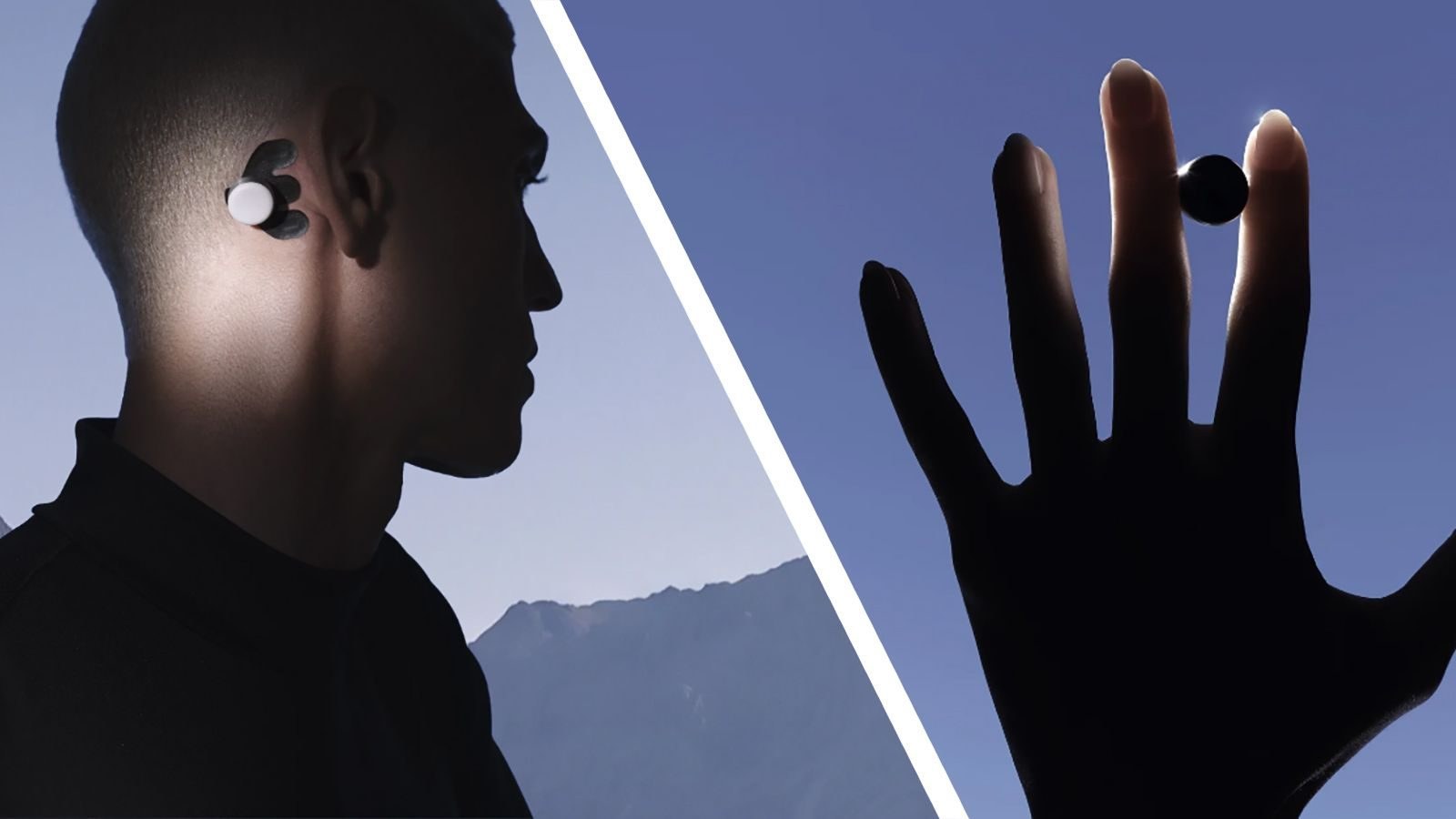
 trapping a silicone band to your wrist to count steps has become routine, but paying half a thousand dollars to clip an electroencephalography sensor behind your ear to measure mental fatigue is the newest frontier in biohacking hardware. Neurotech outfit Atlas launched its debut wearable, the Atlas 1.0 Pioneer Edition, pricing the miniature behind-the-ear brain pattern monitor at $499 (about £370 / AU$695). Despite the steep price tag, the initial batch of pre-orders vanished in days.
Lab claims versus daily wear
Unlike bulky headband monitors like Muse or clinical rigs that plaster electrodes across your forehead, this discreet hook sits behind the ear to monitor focus dips, stress spikes, and cognitive burn across an entire workday. Atlas claims it spent six years amassing over 500,000 brainwave recordings during mundane daily routines to train its decoding models. In bench tests, the company even asserted that its tiny consumer sensor matches the data fidelity of a $30,000 research-grade EEG machine.
"Atlas gives you a map of your own mind, so you can understand what brings out the best in you, change what doesn't, and become who you want to be."
As Atlas co-founder and CEO Ana Montero put it, the hardware aims to translate raw neural oscillations into practical productivity metrics for buyers who lack a neuroscience degree. The module remains strictly passive, reading tiny electrical signals without zapping or altering brain patterns. A rated two-day battery life means you can actually wear it through several work sessions without hunting for a charger by lunch.
The real cost of mental tracking
Before rushing into the next drop, consider the hidden ownership toll. The companion software is locked to iOS at launch, shutting out Android owners completely. Worse, the upfront $499 hardware fee is only your entry ticket: deciphering your cognitive scores requires a mandatory $29.99 monthly subscription (roughly £22 / AU$42).
Until independent reviews verify that background brainwave tracking delivers tangible lifestyle upgrades rather than overpriced placebo graphs, paying an ongoing monthly rent on your own neural activity remains a niche indulgence for hardware pioneers with money to burn.