
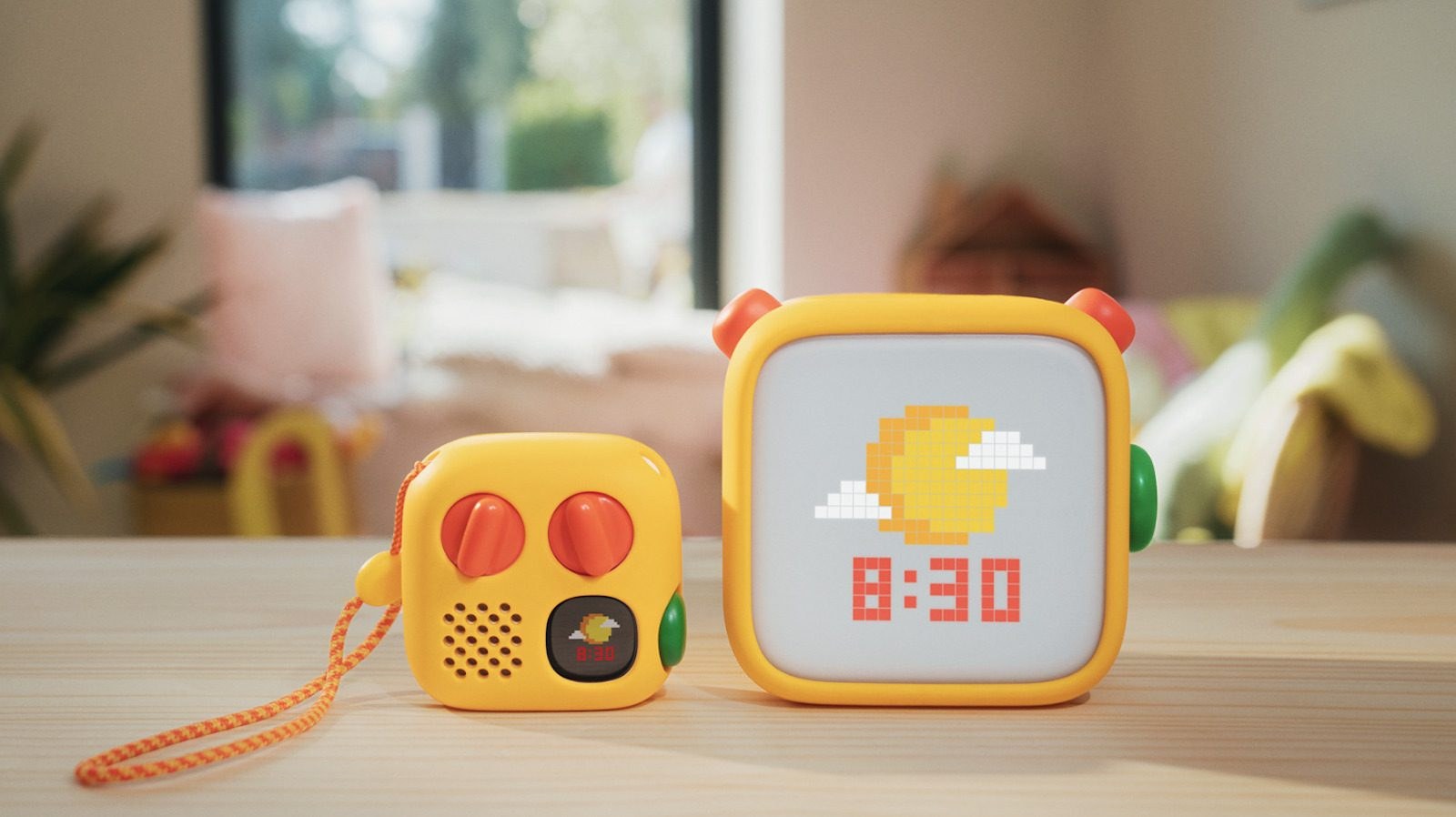
 anding an iPad to a restless child starts as a harmless five-minute fix and inevitably spirals into algorithmic video bingeing. Yoto built its brand on offering a deliberate, physical exit ramp from that trap: standalone speaker boxes running on plastic NFC cards, tactile knobs, and low-res pixel displays instead of glowing retina panels. Now, the company has revealed its next hardware cycle—the fourth-generation Yoto Player and a refreshed Yoto Mini—doubling down on tactile engagement while making a steep bet on parental wallets.
Dialing Down Phone Dependence
The central tweak to the hardware is a green selector meant to cut out parental phones entirely. The new Yoto Player features a big green dial that allows children to access up to 20 pieces of favorite audio content, such as podcasts, stories, and songs, directly without Yoto Cards or a parent's phone.
"The device has enough storage for '1,000 hours of audio' and it integrates with both wired and Bluetooth headphones."
Beyond the shortcut knob, the fourth-generation Yoto Player packs 64GB of local storage, faster downloads, and an upgraded ambient nightlight. Meanwhile, the updated Yoto Mini leans into playground durability: ruggedized, water- and dust-resistant, and rated for accidental sofa launches. It keeps the identical green preset dial alongside wired and Bluetooth headphone support, ensuring kids can navigate audiobooks independently without handing back a locked iPhone every ten minutes.
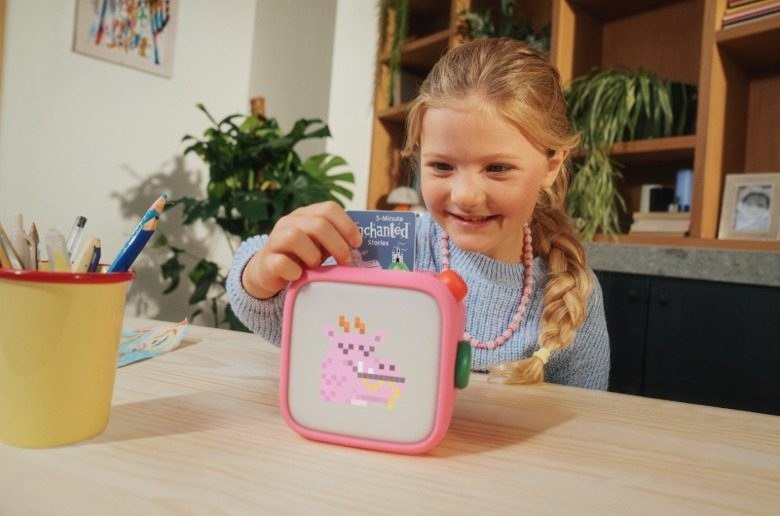
The Real Cost of Anti-Screen Tech
Turning screen time into physical audio playback is getting noticeably more expensive. The fourth-generation Yoto Player is priced at $150, up from $110, and is available for pre-order with shipments beginning October 15. The smaller sibling sees a similar jump: the updated Yoto Mini is priced at $110, up from $80, and is available for pre-order with shipments starting on September 30. To complete the setup, Yoto is introducing accessories including four-color scratch-proof cases for both the Mini and Player, a wireless dock, and a case for Yoto Cards.
The real dilemma for parents isn't whether Yoto's tactile, ad-free hardware works—it unmistakably stops the dopamine-chasing doomscroll far better than software locks on an old iPad. The question is whether you want to buy into an ongoing closed ecosystem where physical cards cost $8 to $15 a pop on top of a $150 plastic cube. If you want true independence from screens and app-store monetization, Yoto delivers the best physical interface in the room, but you are unmistakably paying a premium gatekeeper tax for childproof peace of mind.