
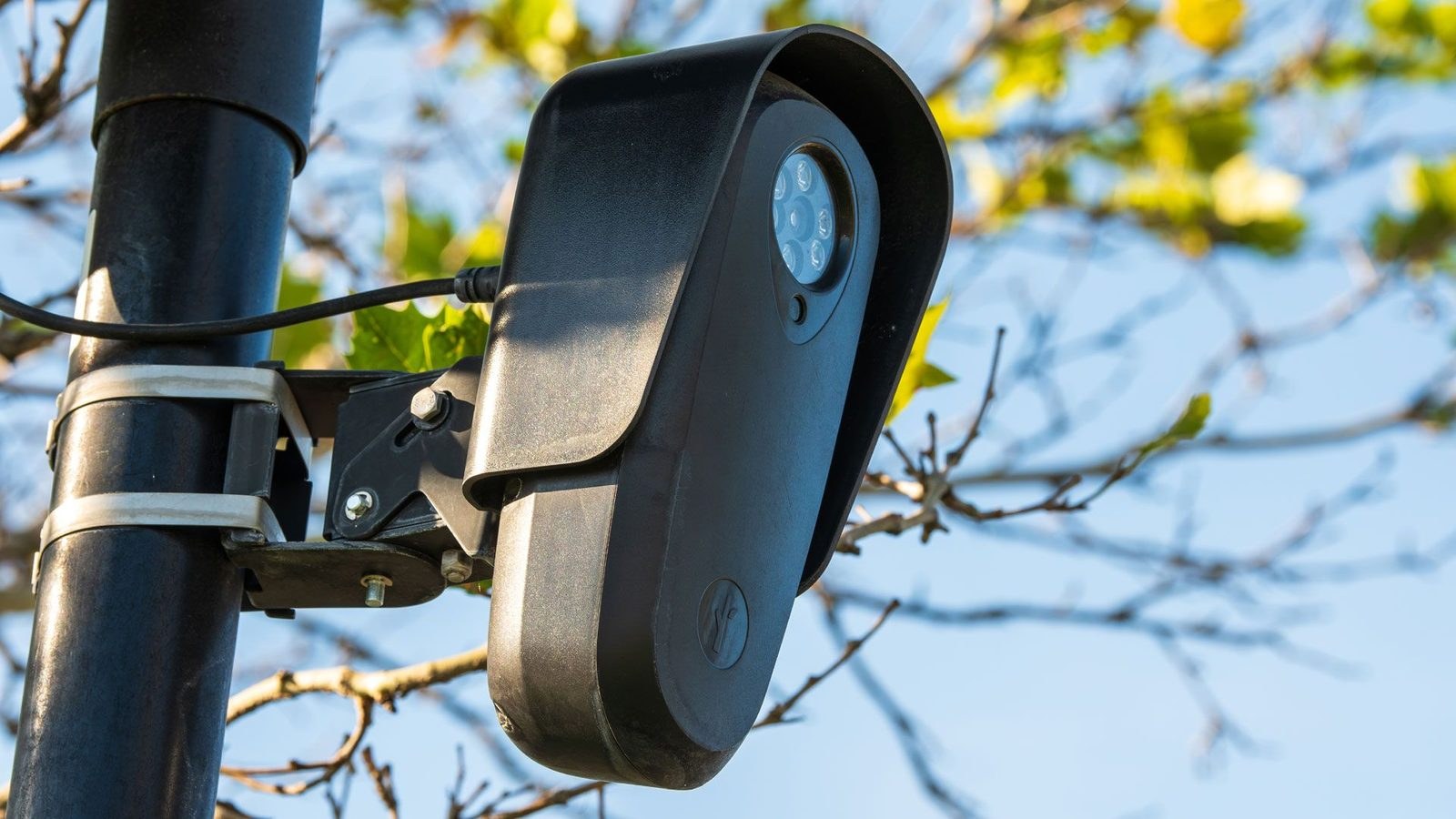
 hen street cameras automatically log every passing license plate, law enforcement calls it public safety. But the moment an engineer points that exact same technology back at the police, the narrative flips instantly. Canadian software developer Anthony Sistilli built a budget automated license plate reader tuned specifically to track patrol cruisers—and received a visit from the police on his doorstep just two weeks later.
One of the officers took the time to specifically mention how scary it would be for them, because people would be able to find out where they lived, when they got on their shift and what they were doing throughout the day.
The profound irony is that ordinary citizens have grown thoroughly exhausted by the unchecked creep of mass surveillance. Automated plate-reading networks already blanket Canadian neighborhoods just as heavily as American ones, prompting Sistilli to assemble his own cruiser-tracking setup—which he pitched on TikTok as a personal tool to "Flock the Flockers."
Garage Tech Exposes the Double Standard
This garage-built experiment lays bare a stark reality: powerful tracking technology that once required government budgets or corporate contracts can now be pieced together for a few hundred dollars. Public frustration is boiling over precisely because police departments routinely share harvested location data across jurisdictional lines without public votes or meaningful federal oversight.
As Sistilli demonstrated, building a targeted counter-surveillance node costs pocket change compared to the multi-million-dollar automated networks operated by municipal departments.
When confronted about the project, according to Sistilli's video documentation, local officers argued that anti-surveillance tools could leak active operation details to criminals and put officers at risk from bad actors. Yet the track record of these proprietary databases hardly inspires confidence. After internal investigations revealed that police employees routinely abused these systems to stalk ex-partners and acquaintances, major municipalities including Los Angeles and Fullerton quietly suspended or outright canceled their contracts with commercial surveillance vendors.
What This Means for Your Home Defense
Commercial vendors assure buyers that their cameras use robust encryption and store captures only briefly before uploading them to cloud servers. In our view, installing a private automated plate scanner to protect your driveway is a terrible idea that feeds into neighborhood paranoia while creating a massive liability on your own property. A database that corporate giants and municipal police forces routinely fail to secure will simply turn your front porch into an open buffet for data brokers and local snoops.