
 andering around your apartment pointing a smartphone camera at every corner is hardly convenient, even with an AI assistant by your side. Google is heavily promoting Guided Vision inside Gemini Live, promising that real-time video streaming will turn your phone into a dedicated detective for misplaced household items.
A Camera Instead of Eyes
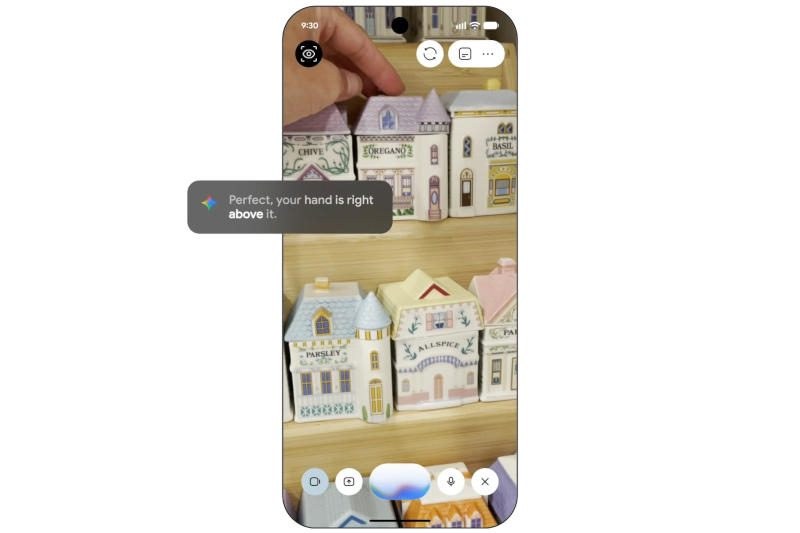
On stage, the pitch sounds effortless: open Live mode, pan your phone around the room, and ask out loud where your glasses or passport went. The model analyzes the video stream on the fly and points you in the right direction, cutting out manual text prompts entirely.
Pointing your camera at a room with a spoken query aims to eliminate typing when searching for misplaced small items.
Everyday reality quickly punctures the marketing pitch. Streaming high-resolution live video to remote servers demands a rock-solid connection, turning the phone into a pocket heater and draining the battery in minutes. In real-world clutter, the vision model frequently stumbles, mistaking small gadgets for folds in a blanket.
AI Search vs. Hardware Trackers
A phone camera cannot peek beneath couch cushions or search through jacket pockets in the hallway. A cheap physical tracker like an Apple AirTag or an Android equivalent emits a loud beep and solves the problem in three seconds. It requires zero gigabytes of high-speed data and skips the expensive monthly Gemini Advanced subscription Google pushes for these features.
In daily use, Guided Vision remains a flashy tech demo. Sacrificing battery life and paying a recurring cloud fee for an unreliable way to locate a set of keys is a tough sell.