
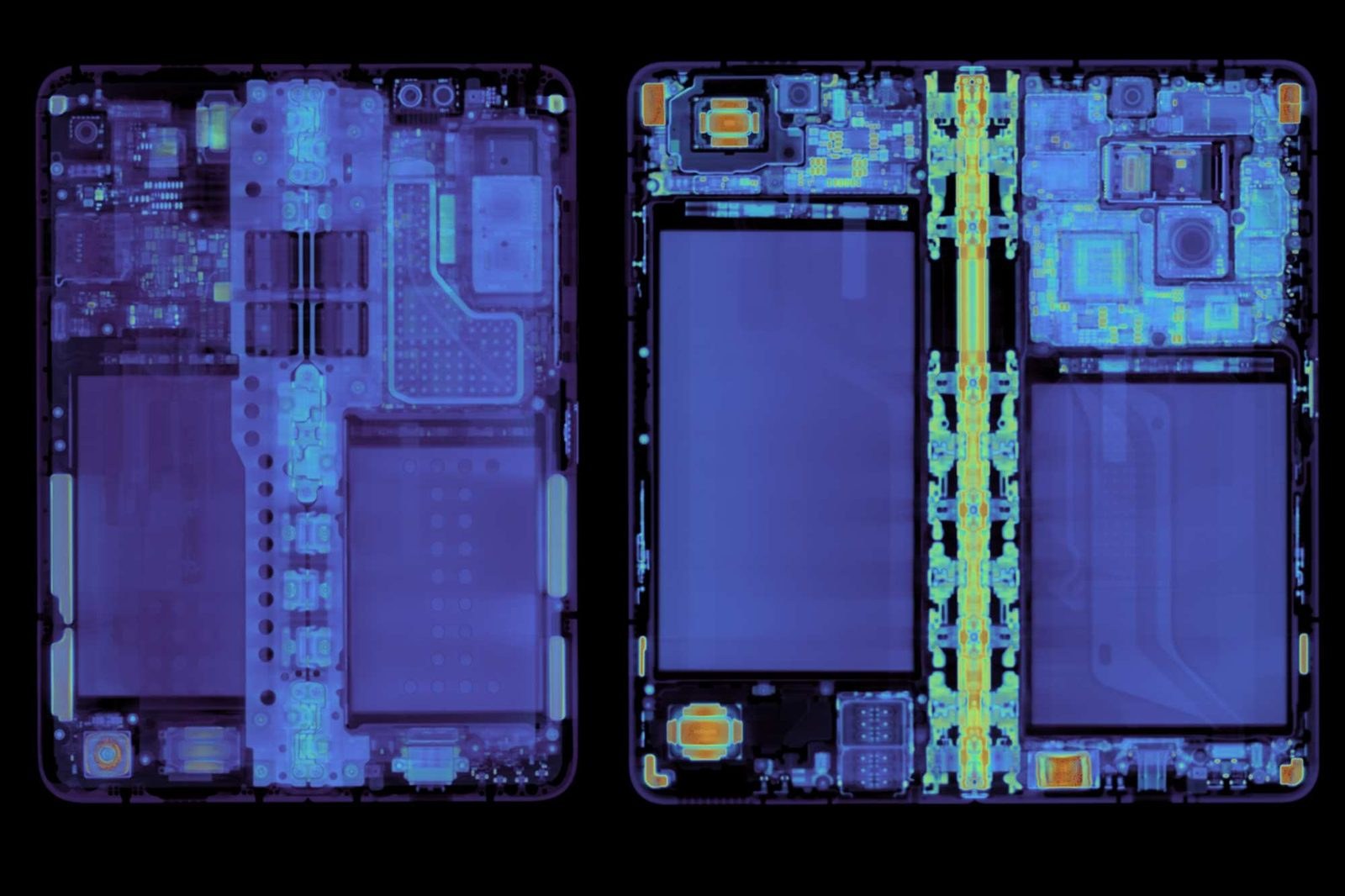
 f you are planning to spend your hard-earned cash on a modern folding phone, you need to understand exactly what sits inside that hinge. The concept started in 1989 with the Motorola MicroTAC 550, which used a basic plastic flip cover held by two plastic nubs, a spring, and a magnet mechanism. That basic idea shifted into the clamshell Moto Razr in 2004, but the real leap arrived when folding OLED panels turned a pocket phone into a tablet.
Today, teardown specialists like iFixit examine these machines under X-rays to reveal complex multi-gear hinge systems and flexible panels. While early devices felt like fragile prototypes, the hardware evolved at a breakneck pace to hide the dreaded screen crease.
"The complex devices on the market today incorporate folding OLED panels, flexible glass, and increasingly sophisticated hinge mechanisms"
Consumers looking for a wider passport-style device first saw the form factor mature with pioneers like Oppo, quickly followed by Google. Meanwhile, the rest of the industry continues to chase these hardware gymnastics, trying to make folding screens durable enough for actual pockets rather than museum display cases.
The Real Cost Behind the Hinge
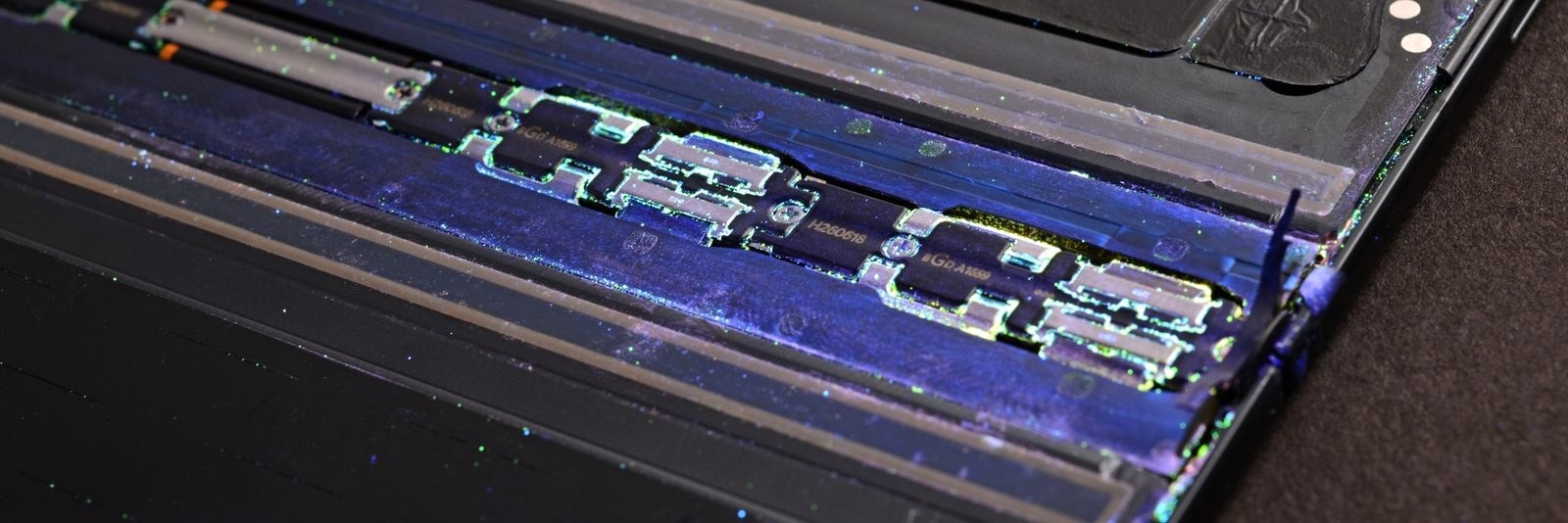
The geography of this hardware revolution has shifted entirely, with Chinese manufacturers now dominating global sales volume and packing silicon-carbon batteries, fast charging, and complex camera systems into folding chassis.
Yet every mechanical hinge and flexible display creates an inevitable repair headache for you as the buyer. When you drop a standard glass slab, replacing a flat screen is straightforward; when you drop a foldable, you risk damaging interwoven micro-gears, support plates, and flexible layers that cost almost as much as a brand-new flagship phone to replace. Buying into this category means accepting that you are paying top-tier prices for an intricate mechanical device that demands far more delicate handling than any conventional device you have previously owned.