
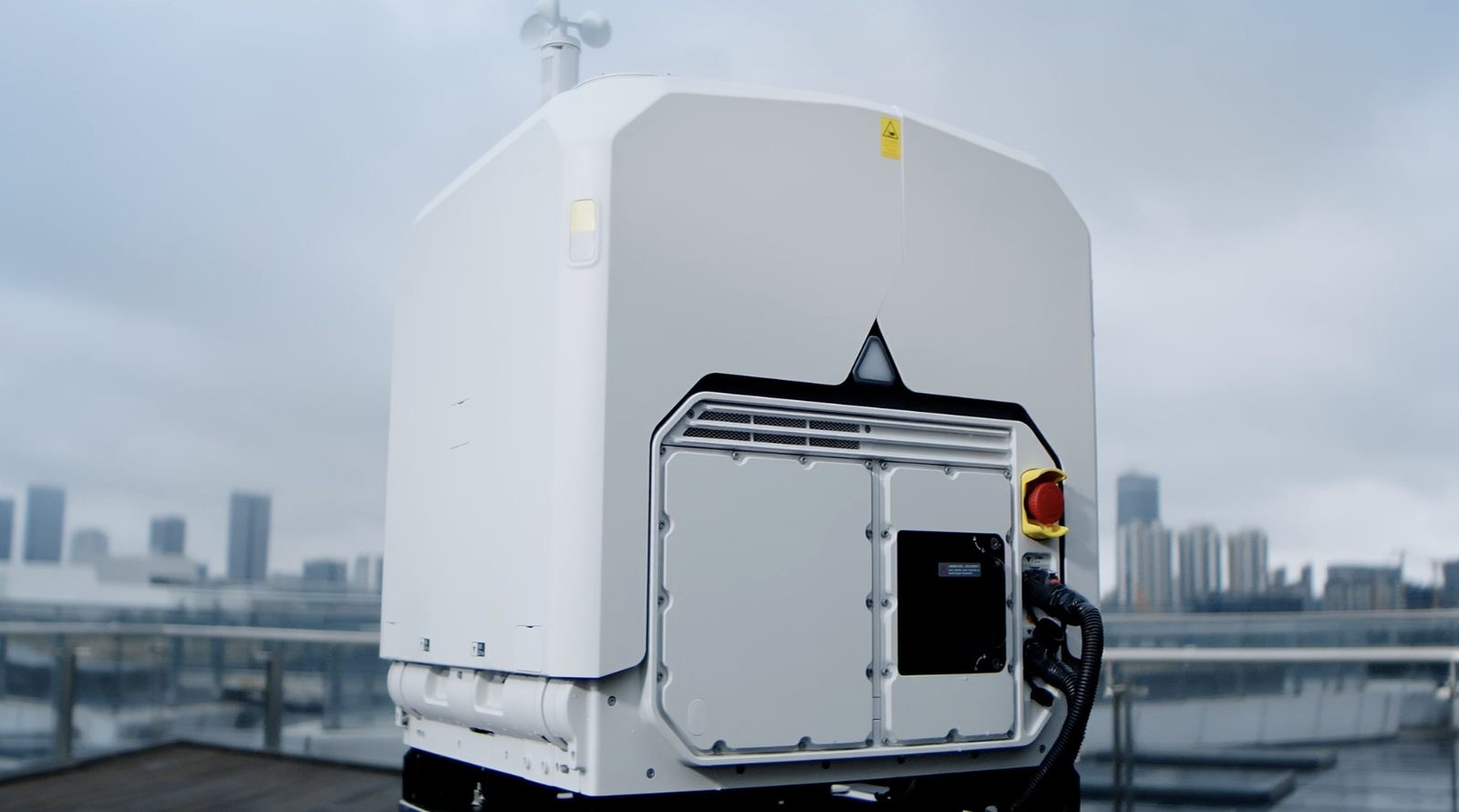
 ecurity drones and infrastructure inspection tools have always had an annoying habit of flying back to their base just to park themselves on a charger for hours while operators sit around waiting for the percentage to tick up. DJI is now attempting to fix that bottleneck with the DJI Dock 4, introducing a mechanical hot-swapping system designed to pull out a dead battery and shove in a fresh one without human intervention.
At 167,999 yuan, or roughly $25,100 bundled with the Matrice 5TD drone, this setup immediately shifts autonomous flights from a neat tech demo into a serious, heavy-duty capital expenditure for corporate security and industrial monitoring. According to DJI’s specifications, the custom mechanical arm swaps out a depleted battery in under 25 seconds from the moment the protective housing slams shut. In controlled vendor tests, the entire cycle of landing, swapping, and lifting off again takes about 45 seconds, though real-world wind, dust, and installation quirks will inevitably stretch that timeline.
The Mechanics and the Missing Pieces
The station is built to handle rough weather, but it has distinct physical limits. The internal housing holds up to four battery bays, yet only three slots can actively store and manage power cells at any given time. Two dedicated charging channels can take a battery from 15% to 95% in roughly 27 minutes at 25°C, as DJI noted in its technical documentation.
DJI’s new Dock 4 addresses that problem by swapping batteries instead of waiting for them to recharge inside the aircraft.
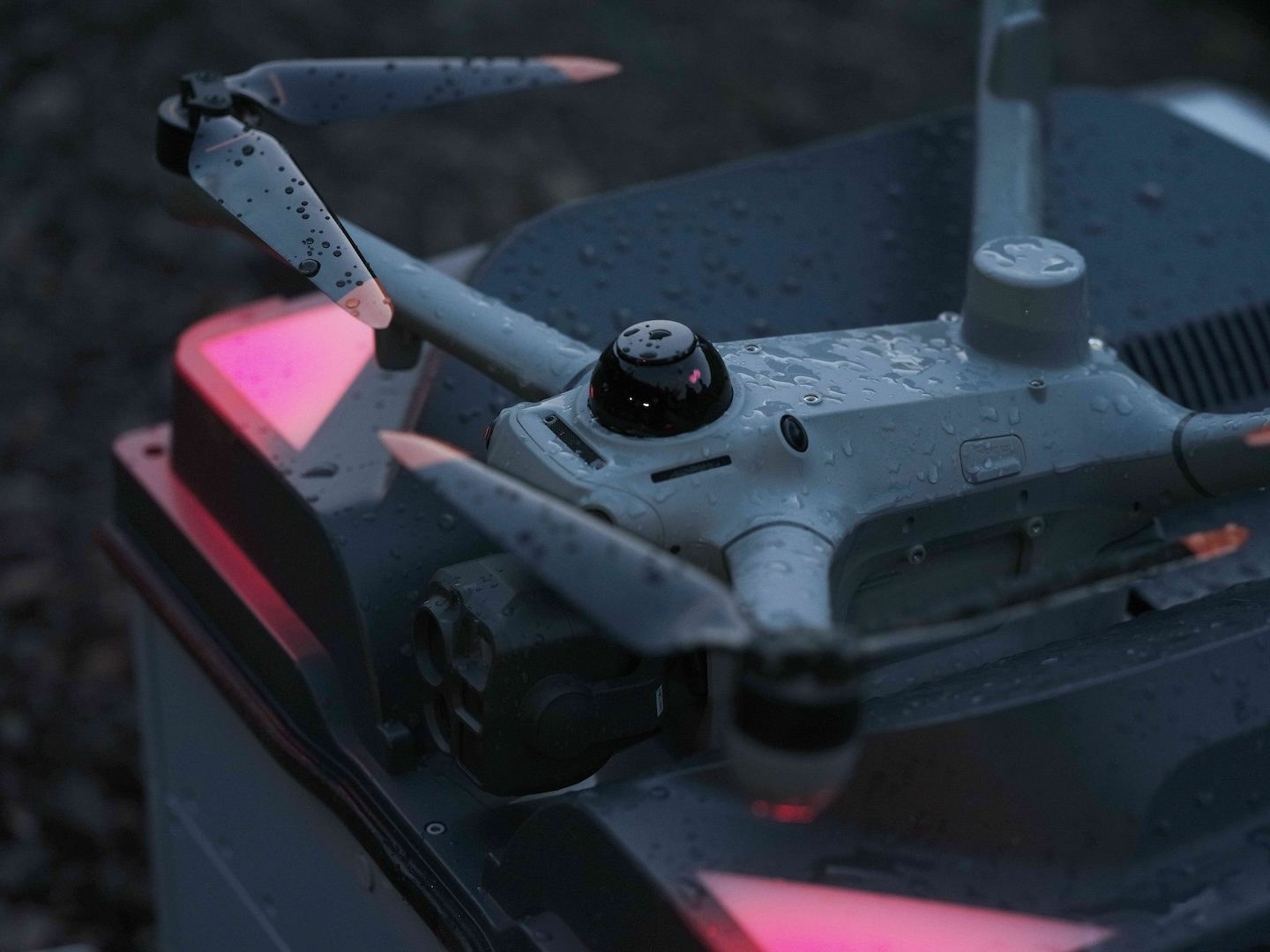
This architecture reveals a catch: a single dock cannot maintain an infinite, uninterrupted stream of airborne surveillance. While the station re-energizes the discharged packs, the drone itself has to sit grounded and wait for its turn. The Matrice 5TD promises respectable flight endurance on paper, but actual field conditions, heavy sensor payloads, and sudden gusts of wind routinely shred those manufacturer estimates.
What This Means for Your Operations Budget
For emergency response teams and perimeter security units, deployment speed dictates success, especially when thermal cameras and LiDAR sensors are doing the heavy lifting to scan complex assets. Yet dropping $25,100 on a single automated docking point means you are buying into a rigid infrastructure bet. In our view, unless your facility requires round-the-clock automated eyes in the sky to justify the steep hardware tax, traditional manual pilot shifts remain far more forgiving to your balance sheet.