
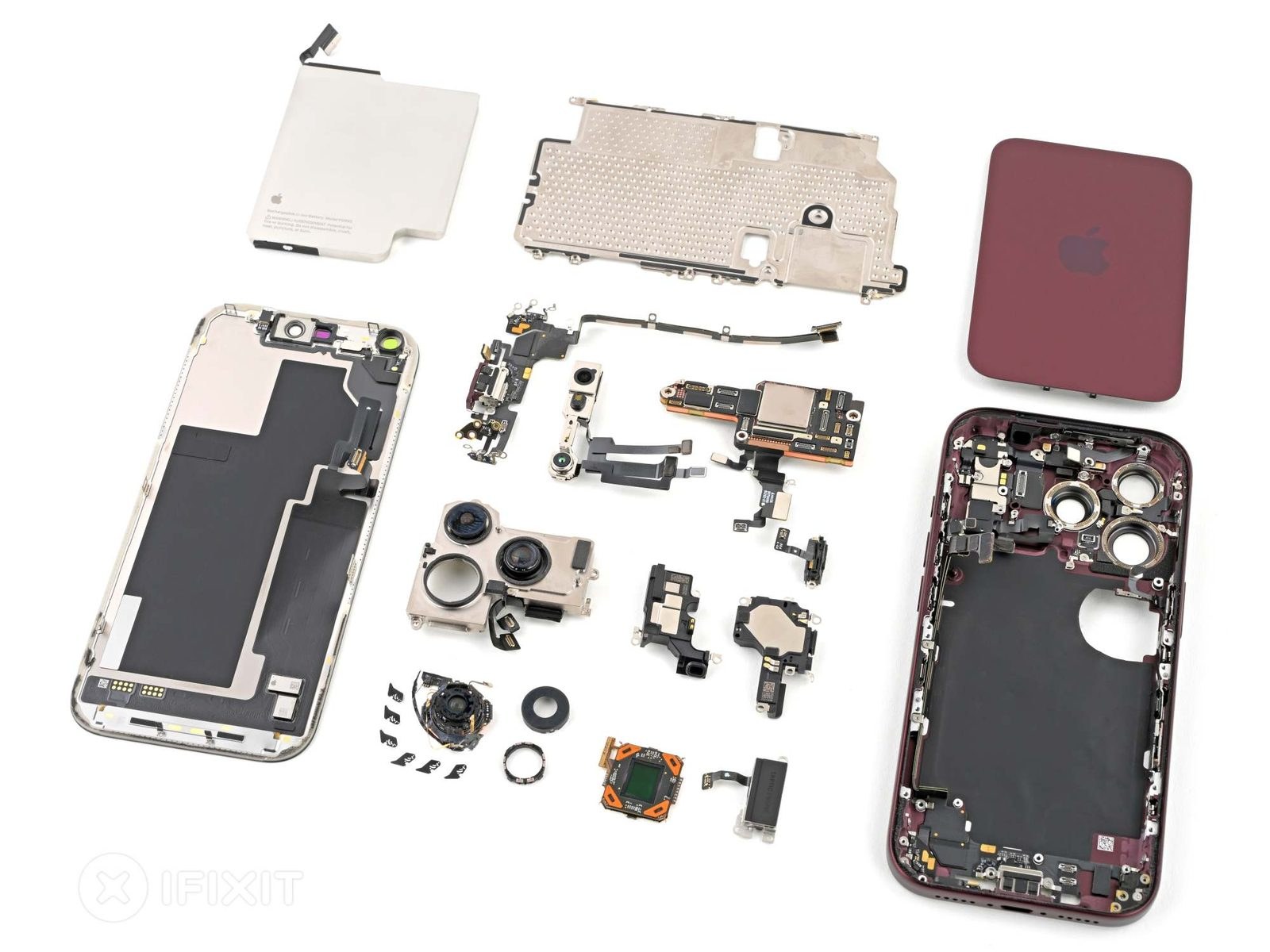
 pple pitched its newest hardware with cinematic flair, noting that its Hollywood-themed keynote was shot entirely on an iPhone 18 Pro. Yet beneath the marketing polish, real-world ownership comes with immediate physical risks. When repair specialists at iFixit opened up the iPhone 18 Pro and iPhone 18 Pro Max for a teardown, they ran into severe structural fragility before even reaching the core electronics.
Opening the handset proved destructive to basic housing parts during standard servicing tests.
We weren’t prepared for the screen’s plastic frame to tear apart on three of the four phones we opened, though.
This structural tearing means that everyday disassembly carries a high chance of collateral damage, turning routine maintenance into a costly gamble for anyone attempting fixes.
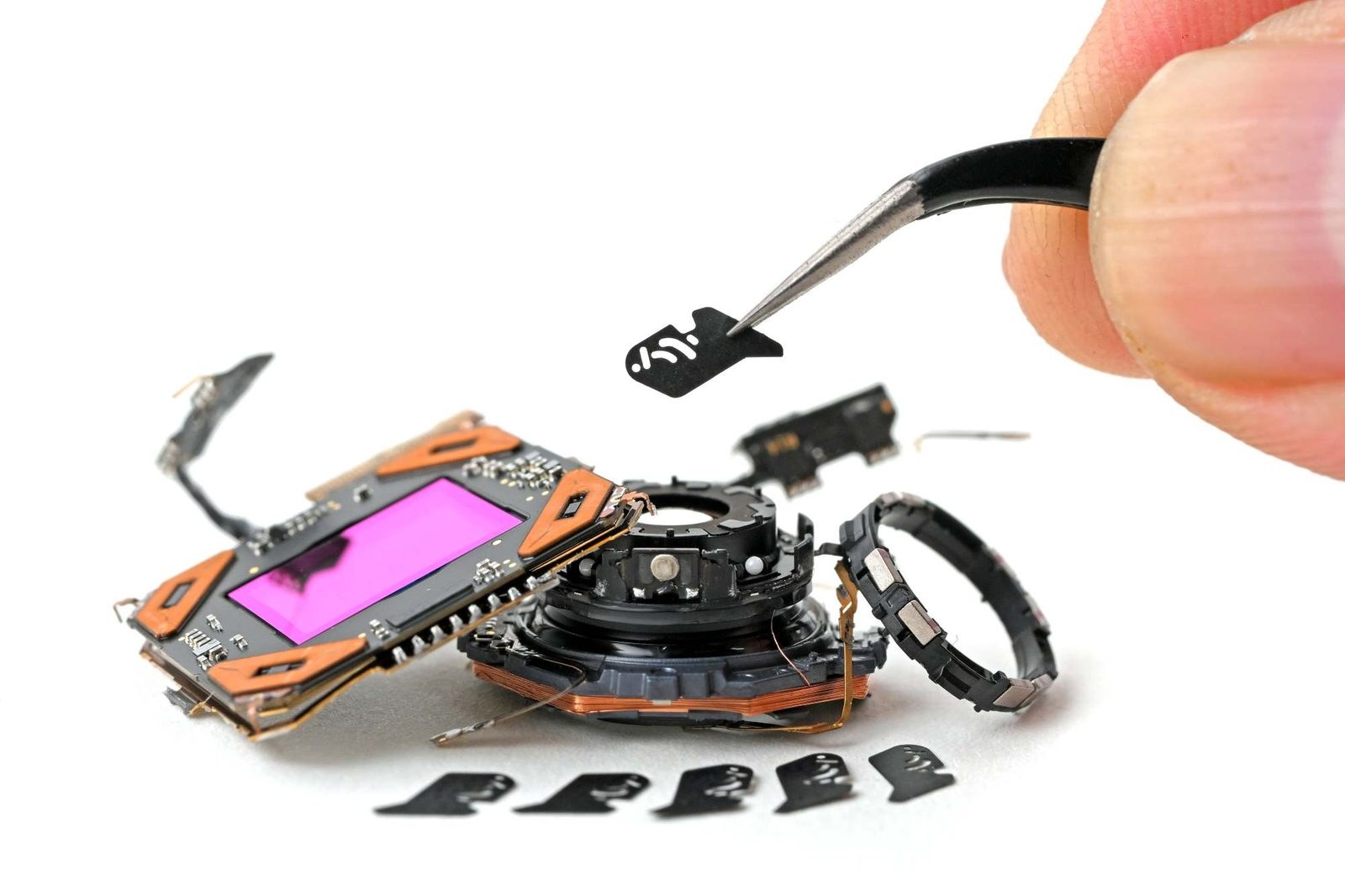
The central engineering change this year sits inside the primary camera module, where Apple introduced a variable aperture mechanism. Adjusting the size of a photographic opening is hardly modern wizardry. Harrison and Schnitzer patented an overlapping-blade photographic diaphragm in 1858, which happened to be the exact same year John Mason patented the jars in your grandma’s pantry. Within phones, Nokia featured a variable aperture in the N86 in 2009, and Samsung featured it in the Galaxy S9 in 2018, and it’s showed up in more recent models from Huawei and Xiaomi.
Apple's current implementation packs six tiny aperture blades into the main camera assembly. While these moving leaves shape incoming light, they also introduce complex failure points that make component-level repairs practically impossible.
Packing hair-thin moving plastic leaves into a phone introduces significant durability hazards over years of daily drops and shocks. When an aperture blade jams or snaps, independent technicians cannot simply replace a single microscopic polymer sheet; the entire optical module must be swapped out. For context on replacement expenses, the added mechanical complexity of this six-blade assembly will keep repair prices punishingly steep.
Dropping a flagship phone with delicate mechanical lenses creates an expensive repair liability rather than a noticeable photographic leap for everyday users. Sticking with your current handset remains the sensible financial choice while Apple works through the fragile growing pains of moving optical parts.