
 five percent boost in battery capacity might look like standard marketing spin on paper. But when it comes to replacing a degraded cell in a two-year-old flagship, simple math works entirely in your favor.
For years, the smartphone industry conditioned users to follow a predictable script: once your device stops making it to the evening, it is time to buy a new one. Discarding a perfectly capable phone for minor annual performance gains makes little financial sense. Xiaomi is offering a much more practical alternative: an official battery upgrade program through its service centers.
What the Battery Upgrade Program Actually Delivers
There is a fundamental difference between standard repairs and this new initiative. A regular service visit replaces a worn-out component with an identical factory-spec battery. The Battery Upgrade program installs a higher-density cell with greater capacity than the device originally shipped with.
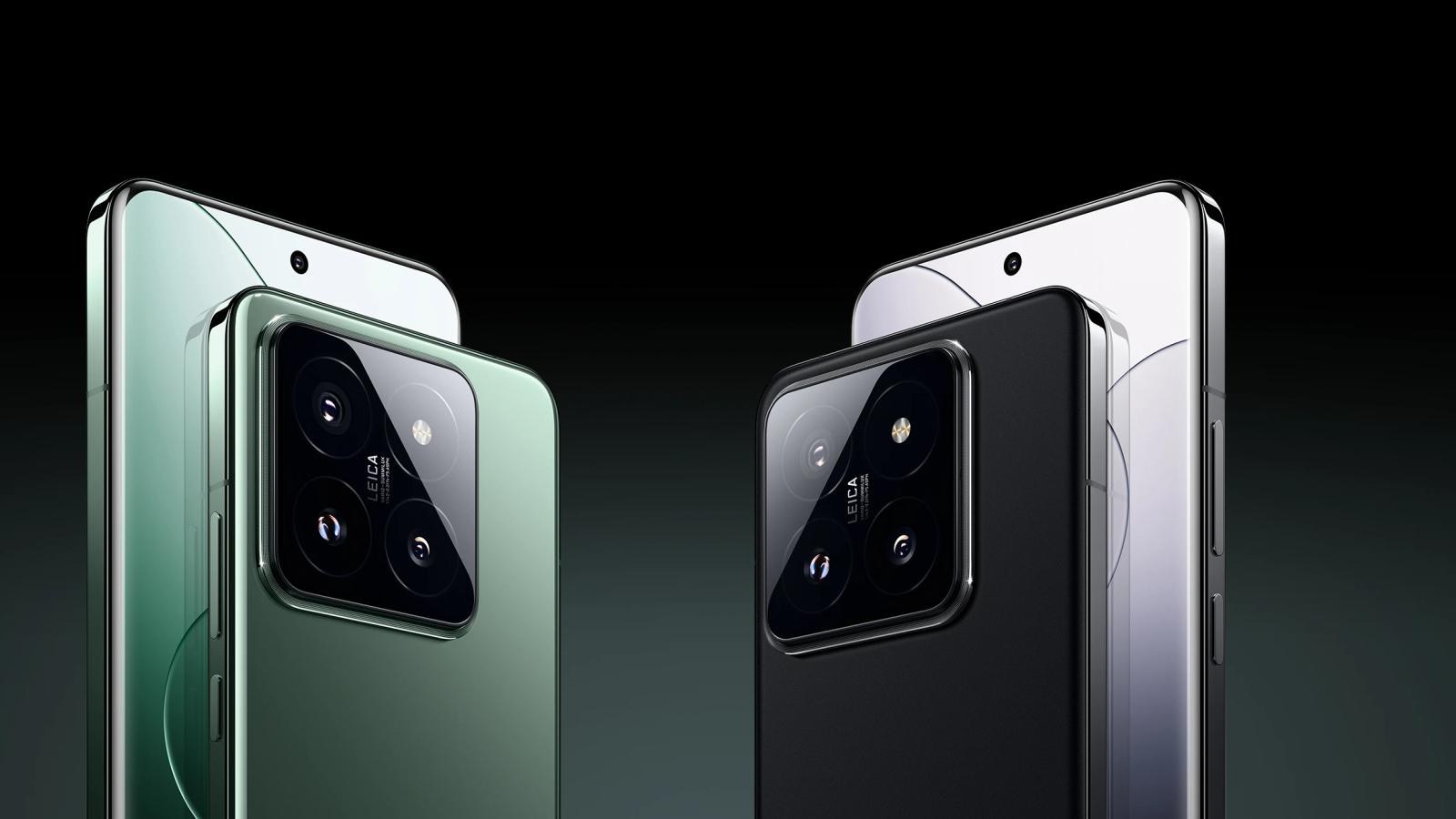
The next model in line for the treatment is the Xiaomi 14 Pro. According to analysis of recent HyperOS firmware, the replacement battery designed for the handset features a typical capacity of 5,140 mAh (rated at 5,000 mAh), up from the stock 4,880 mAh. The additional 260 mAh delivers roughly a 5% bump in volume, which combined with fresh cell chemistry translates to noticeable gains in screen-on time.
The company has already tested this playbook on the Xiaomi 13 lineup, where the numbers look even more substantial. The standard Xiaomi 13 steps up from 4,500 to 4,850 mAh, the Xiaomi 13 Pro jumps from 4,820 to 5,361 mAh, and the flagship Xiaomi 13 Ultra increases from 5,000 to 5,500 mAh. Depending on the chassis, capacity gains range between 8% and 11%.
Ownership Economics and Timeline
The primary appeal of this approach comes down to basic math. Getting an official battery upgrade costs a fraction of buying a new flagship. Modern processors offer performance headroom that easily lasts four to five years, flagship displays hold up well over time, and the only real pain point remains a rapidly draining battery icon.
Rather than pushing incremental hardware refreshes, the vendor is shifting focus toward retaining brand loyalty: an owner satisfied with a durable, long-lasting device is far more likely to remain invested in paid ecosystem services and accessories.
While the increase is modest on paper, combining it with fresh cell chemistry significantly restores real-world battery life and extends the device's usable lifespan.
Official upgrades directly challenge the habit of retiring functional electronics due to a single degraded component. The only caveat is the rollout schedule: company representatives indicate that the upgrade rollout for the Xiaomi 14 series is scheduled for the fourth quarter of 2026.
This represents a rare, constructive shift in mobile aftermarket service, offering consumers a transparent way to extend the lifespan of premium hardware without hidden trade-offs.