
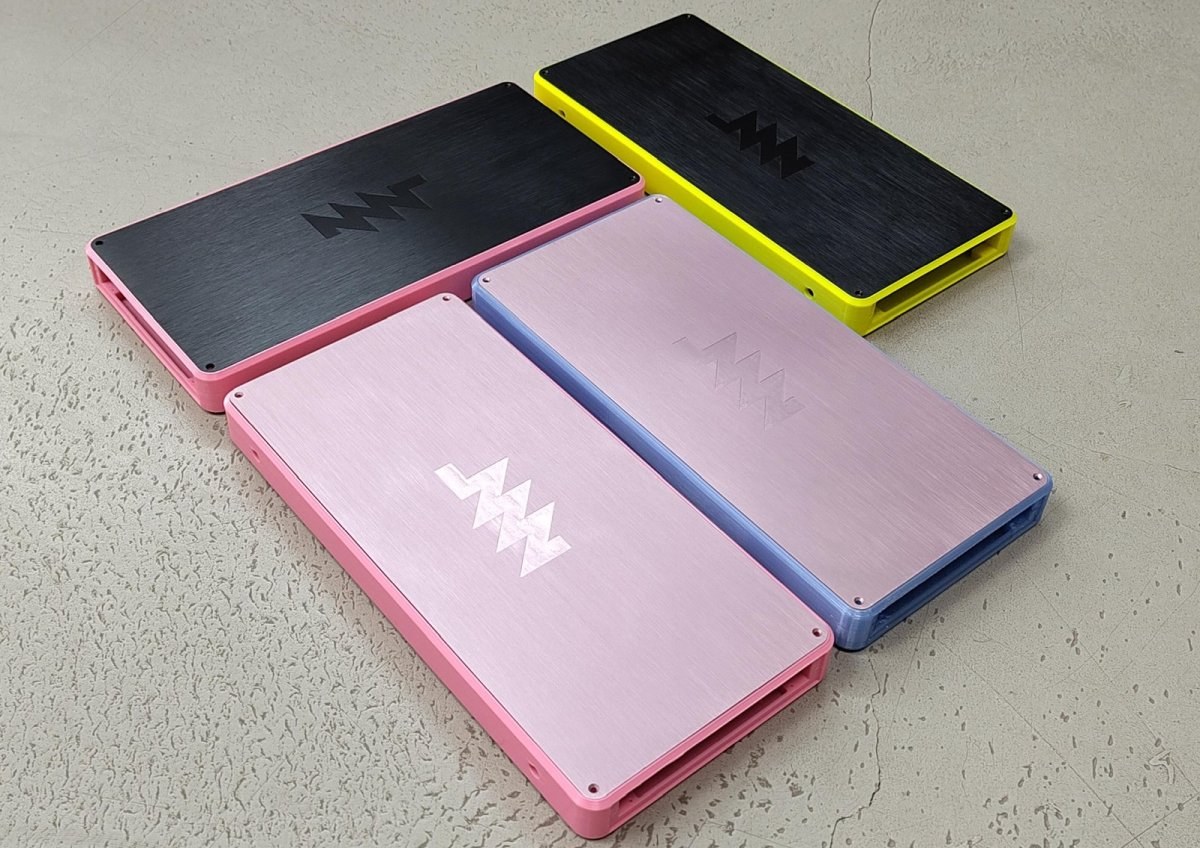
 ost old laptops suffer an unceremonious death inside a desk drawer, discarded the moment their display shatters or their lithium cells turn into spicy pillows. Five years after rolling out its modular, open-source Reform notebook, boutique hardware workshop MNT Research wants to break that cycle by giving retired laptop guts a permanent desk job. Its new conversion hub, the MNT Station, takes the motherboard straight out of an MNT Reform and houses it inside a standalone mini-PC enclosure tailored for light workstation duty, network storage, or a home media rig.
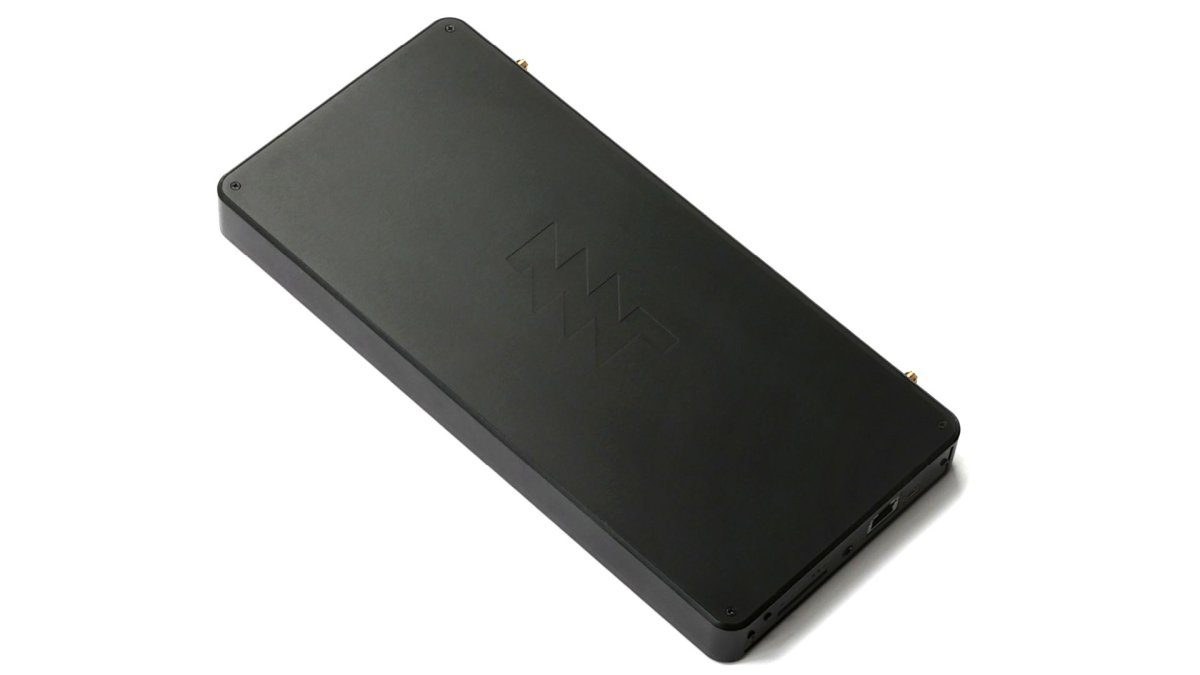
The machined aluminum chassis measures 279 x 133 x 26 mm and can rest flat, balance on its edge, or bolt directly to the rear of a monitor via standard VESA mounts. Alongside shielding the bare PCB, the case integrates a front port cover with a physical power switch and an addressable 10-LED light bar driven by an onboard ATTiny microcontroller, letting you script Linux to flash real-time CPU spikes or network traffic straight to the front panel.
The High Price of True Modularity
Turning yesterday's portable into today's home server sounds noble, but boutique modularity still demands a brutal financial toll if you are not already sitting on spare hardware. The enclosure accepts MNT Reform motherboards (revision 2.0 or newer), exposing standard USB ports, Gigabit Ethernet, HDMI, and audio jacks while leaning on a 200-pin connector for swappable system-on-module (SOM) processor cards.
While this open source computer is a versatile, modular, customizable PC, it’s not necessarily going to give you the best bang for the buck.
Securing the bare aluminum shell via Crowd Supply requires a $299 pledge, with fulfillment targeted for January 2027. If you do not already have an MNT Reform to harvest for parts, grabbing a standalone motherboard adds another $429, while a top-tier Rockchip RK3588 compute module with 32GB of RAM commands up to $1,099. Building this machine from the ground up quickly pushes the total bill past $1,800—far beyond the price of a far beefier off-the-shelf mini-PC.
Niche Rescue vs. Mainstream Reality
Repurposing laptop motherboards into desktops is not entirely uncharted territory. Modular PC builder Framework previously teamed up with Cooler Master to offer a dirt-cheap desktop shell for its own bare boards. The difference is ruthless economics of scale: Framework targets mainstream DIY repair, whereas MNT Research operates as a craft workshop hand-assembling open-source hardware in tiny production batches.
If you already own an MNT Reform and plan to swap in a newer core board, dropping $299 on the MNT Station enclosure is an elegant, sustainable way to keep your retired silicon crunching away 24/7 rather than languishing in an electronics recycling bin. But for anyone looking for a practical everyday desktop, assembling one of these from zero makes zero economic sense. You are paying a hefty surcharge for pure open-source transparency and niche craftsmanship, which cannot compete with mass-market silicon if all you want is raw compute per dollar.