
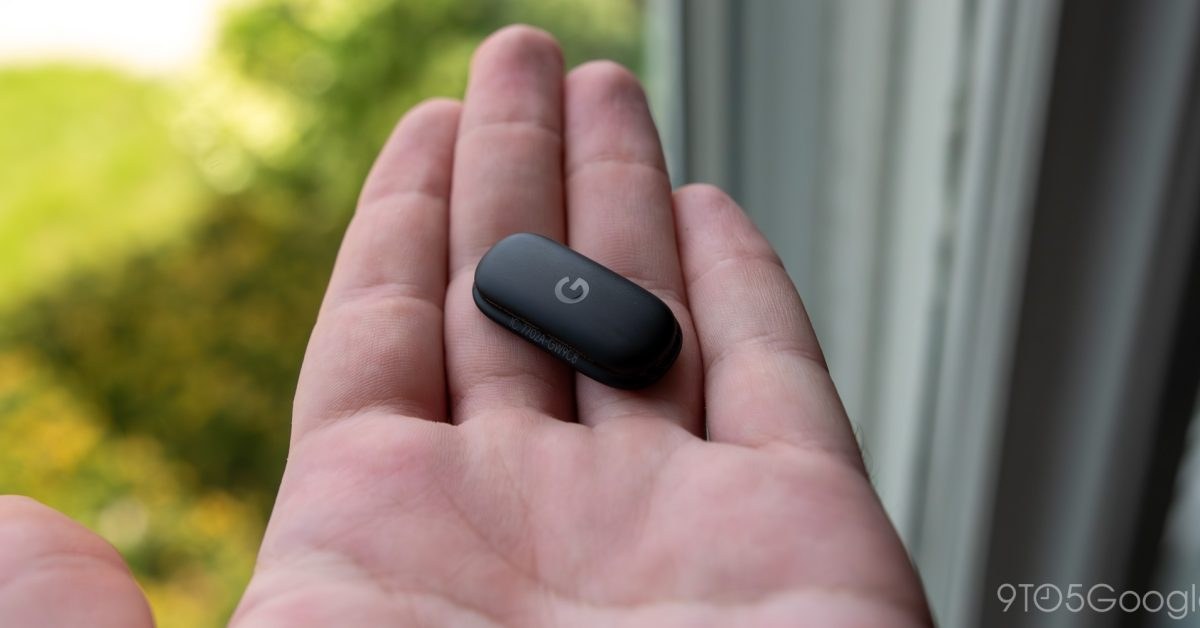
 f you bought a fitness tracker only to despise wearing a black silicone slab alongside a mechanical watch, you are hardly alone. Rather than suffering wrist clutter, owners of Google’s Fitbit Air are tossing the stock strap entirely and sticking the sensor pod straight onto their bicep or chest with kinesiology tape.
As 9to5Google editor Ben Schoon noted, a wave of Reddit tinkerers—including u/Hubi_D97, u/LunaticLabRat, u/Bikezilla, and u/xxxyyyssss—are using basic athletic tape to anchor the device to their upper arms or slide it into socks. Moving the hardware away from the wrist is not just about freeing up real estate for traditional timepieces; it also cuts down on motion noise during workouts, borrowing a page from Whoop’s dedicated bicep bands.
This grassroots duct-tape engineering highlights a genuine blind spot in the wearable market: people want seamless health tracking without wearing miniature screens on their wrists. Google may have designed the Fitbit Air for forearms, but the spontaneous shift toward kinesiology patches shows massive untapped demand for purpose-built medical adhesives and discreet on-body wear. Until manufacturers sell dedicated skin patches, a five-dollar roll of kinesiology tape is all you need to turn the tracker into an invisible biometric monitor.