
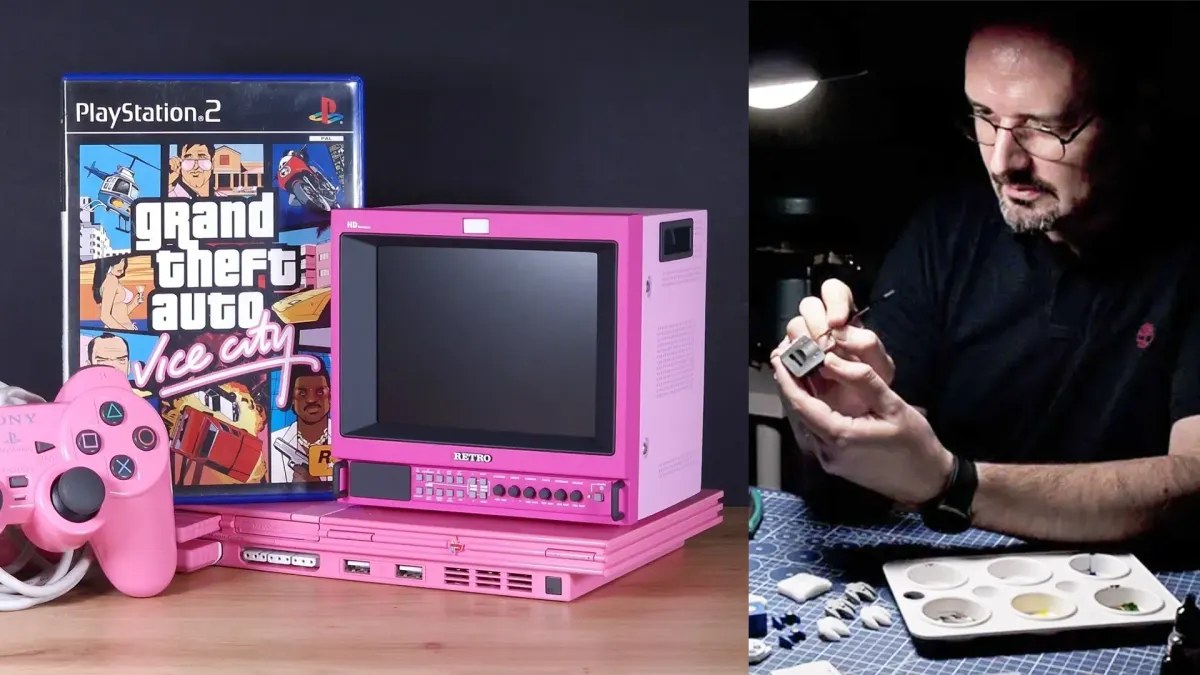
 f you want to play vintage games the way you remember them, your options are notoriously stark: haul an 80-pound cathode-ray tube into your living room, or slap a sterile software scanline filter over an emulator and pretend it satisfies the itch. Neither quite works. Enter RetroldTech, a boutique workshop run by JC Ayala, which pitches an audacious alternative: hand-assembled miniature LCD displays styled as retro broadcast monitors, priced anywhere from $825 to $1,475.
Ayala, an industrial mechanical engineer and project manager by training, opened his latest order window on RetroldTech.com from August 29 to September 6, 2026. His lineup spans 8-inch and 10.5-inch panels across 28 shell colors—including slim variants, high-resolution Pro editions, and 16:9 Wide PVM form factors—alongside historical 3-inch novelties that started at $600. On paper, charging four figures for a miniature desktop screen borders on provocation. In practice, retro gaming enthusiasts consistently exhaust his pre-order allocations within days, choosing artisan hardware over factory-made compromises.
Authentic Craft Meets Modern Trade-offs
What buyers are actually purchasing is a physical bridge between modern signal standards and analog tactility. Ayala's custom housings pack HDMI and VGA inputs, 60Hz refresh rates, automatic signal detection, and front-panel tactile controls for power and OSD navigation. Around the back, he installs physical rotary pots for treble, bass, and volume—the kind of clicky, analog feedback that flat-panel TVs abandoned decades ago.
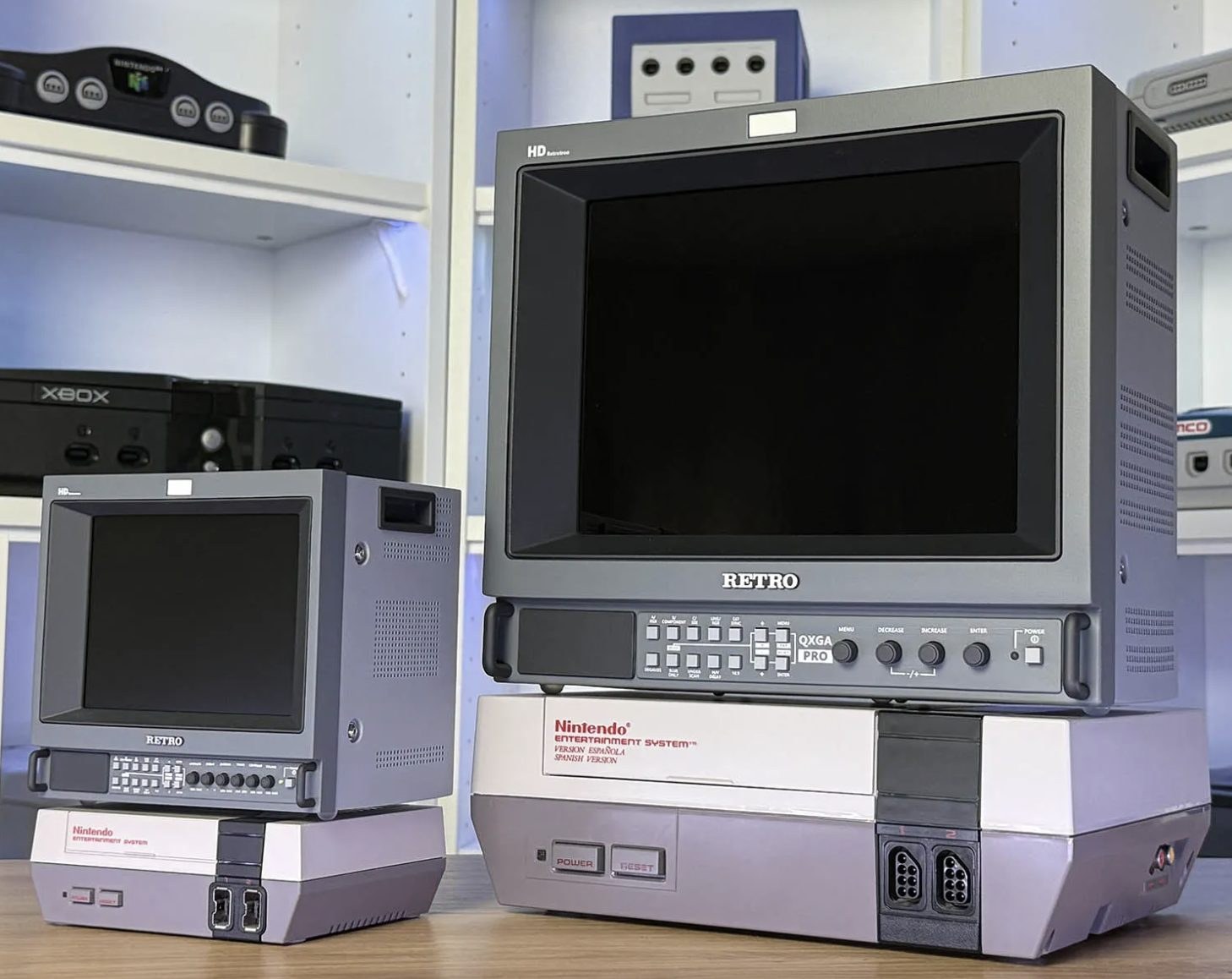
Because these are hand-fabricated craft builds rather than mass-market assembly-line runs, tolerances and finishes reflect artisan workshop realities rather than sterile industrial stamping. Each unit ships with a remote control (fueled by a standard CR2032 cell, which you will need to supply yourself).
Software shaders can mimic phosphor bleed on a 65-inch 4K panel, but they cannot replicate the physical presence of a dedicated mini-monitor sitting next to your keyboard. For a specific class of retro collector, that tangible charm easily justifies paying independent craftsmen a premium over mass-market convenience.