
 hen literally everything on the market is getting more expensive, buying a new laptop turns into a survival quest for your wallet. Against this backdrop, the modular Framework Laptop 12 catches the eye with a compelling pitch: it is a machine designed for easy self-repair and custom assembly. According to hardware testing by Tom's Hardware, the bare-bones version starts at $549 without RAM and storage, which looks enticing for budget-conscious buyers. However, pre-built configurations easily climb to around $1,000, turning a noble crusade for eco-friendliness into a hefty surcharge for the brand name.
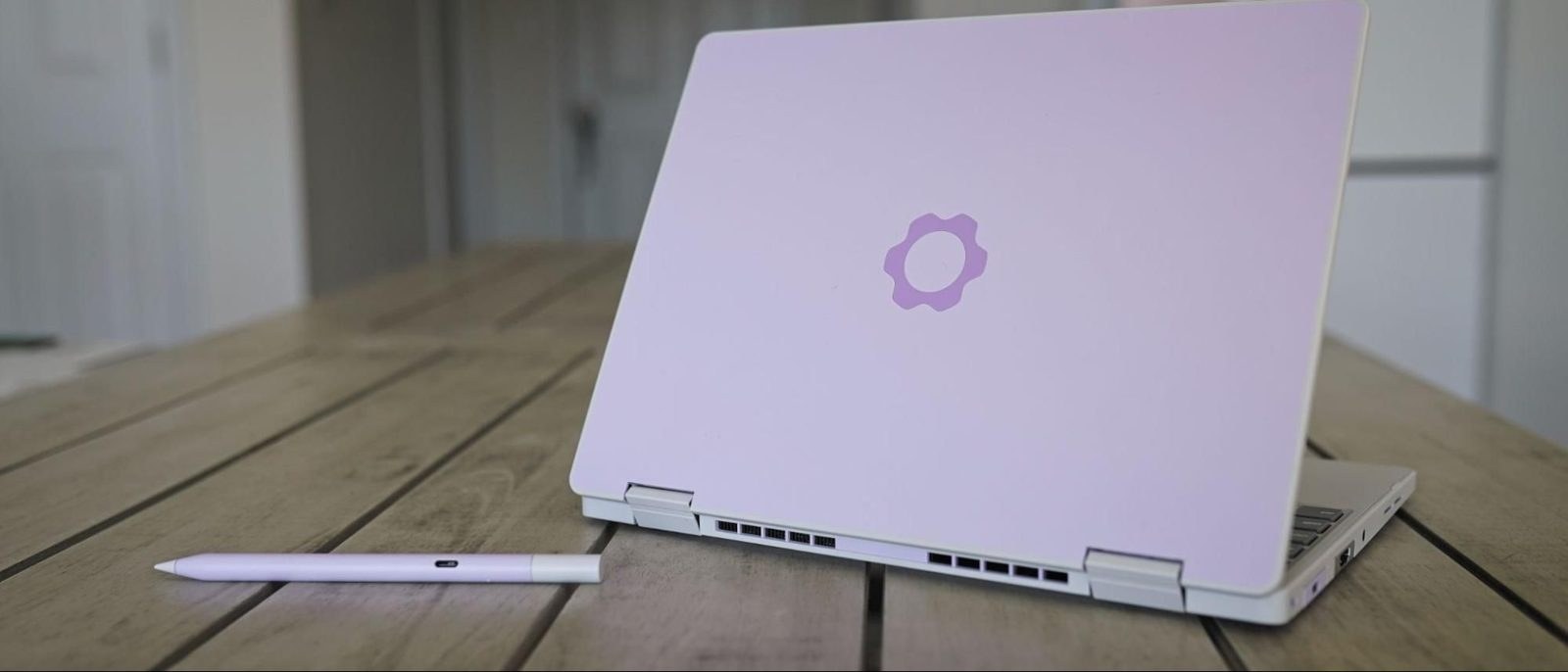
For that kind of money, you get a machine measuring 0.72 inches thick and weighing 2.8 pounds, featuring a metal structural frame paired with a plastic chassis coated in thermoplastic polyurethane for drop protection, as Tom's Hardware points out. By comparison, sleeker competitors look significantly more refined: for instance, a thin-and-light alternative with a Wildcat Lake processor weighs a mere 2.2 pounds at 0.5 inches thick with an aluminum finish, while another rival sits at 2.7 pounds and 0.5 inches. Framework offers a choice of five colors (Black, Gray, Lavender, Bubblegum, and Sage), but at the time of the review, the pre-assembled version is sold only in Sage, whereas the other options require rolling up your sleeves for DIY assembly.
The Framework Laptop 12 is a highly portable and repairable budget laptop, but it’s lacking features compared to the competition and lands at a higher price — unless you’re willing to supply your own RAM and SSD.
The device's touch-enabled display supports an optional $59 stylus, yet standard keyboard color choices remain restricted to Gray and Lavender, and the built-in webcam delivers underwhelming image quality across multiple tests.
Performance and the Harsh Reality of Hardware Costs
At the heart of the top-tier tested configuration sits the Core 7 350 processor. As Tom's Hardware reports, it is a 6-core, 6-thread chip boasting a max boost up to 4.8 GHz with a configurable TDP ranging from 15W to 35W. The silicon relies on the Wildcat Lake architecture—a more accessible sibling to Panther Lake built on Intel's advanced 18A process node with substantial cutbacks, where only two cores are performance-focused P-cores while the remaining four are low-power efficient LPE-cores.
The math behind the savings only checks out if you already have spare memory modules and SSD storage lying around at home ready to drop in. If you buy a fully loaded kit straight off the shelf, you end up overpaying by $200 to $300 compared to mainstream market alternatives, all while settling for a plastic housing instead of aluminum and a mediocre display. Amid global component shortages and climbing prices for raw silicon, purchasing a modular laptop without a pre-existing stash of parts stops looking like financial prudence and starts looking like charity work for the planet.
Open up your spare parts drawer and verify whether you actually own compatible RAM and storage before clicking buy on that $549 entry-level kit.