
 arrying five proprietary remotes in your photo bag for each flash and camera—or wrestling with a glitchy smartphone app that constantly drops the connection mid-shoot—is a frustrating reality. Phone controls only sound modern on paper: by the time you unlock the screen, dismiss pop-ups in a bloated app, and hunt for the right slider, the shot is gone. On set, photographers need a simple, physical clicker, and an open-source DIY project has finally delivered a reliable alternative without the markup of brand-name triggers.
Off-the-Shelf Hardware, No Soldering Required
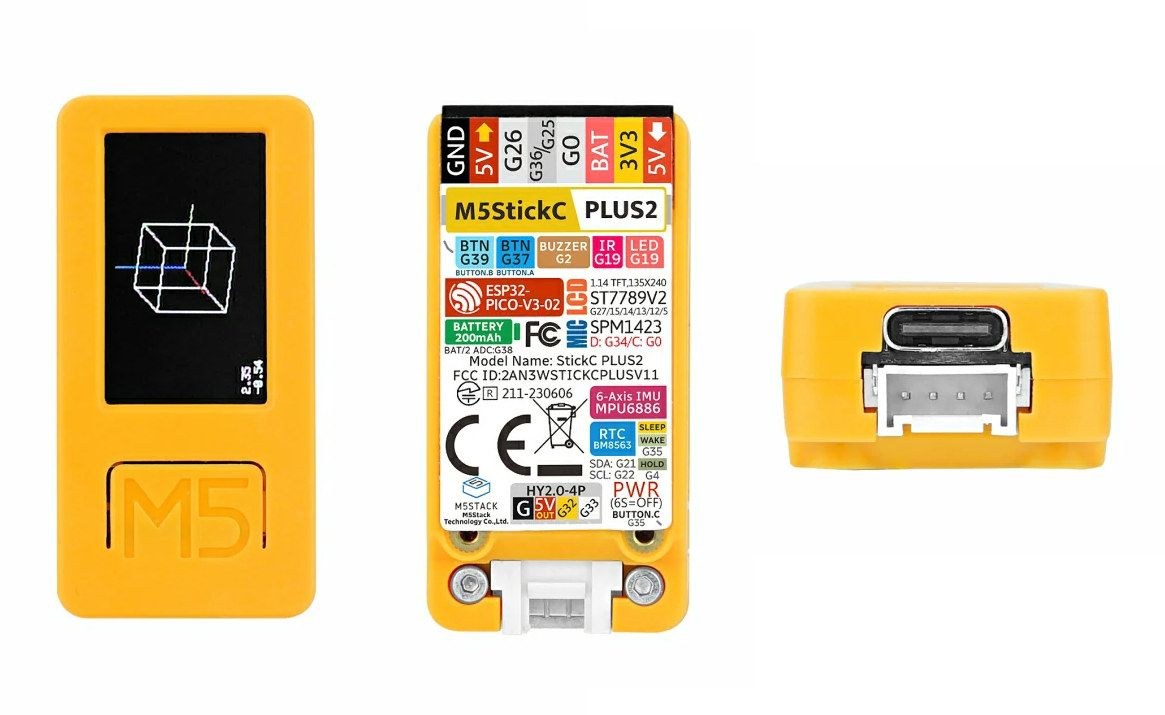
Instead of messy custom circuit boards and wire tangles, the project runs on an off-the-shelf M5Stack Stick PLUS 2 module. The developer built free, open-source firmware that turns this compact pocket device into a universal Bluetooth remote for cameras and lights. Under the hood, it features an ESP32 chip paired with 8 MB of flash memory and 2 MB of PSRAM, a 135×240 color display, and a built-in battery charged via USB-C. You do not need to touch a soldering iron: the entire setup is handled via software in minutes.
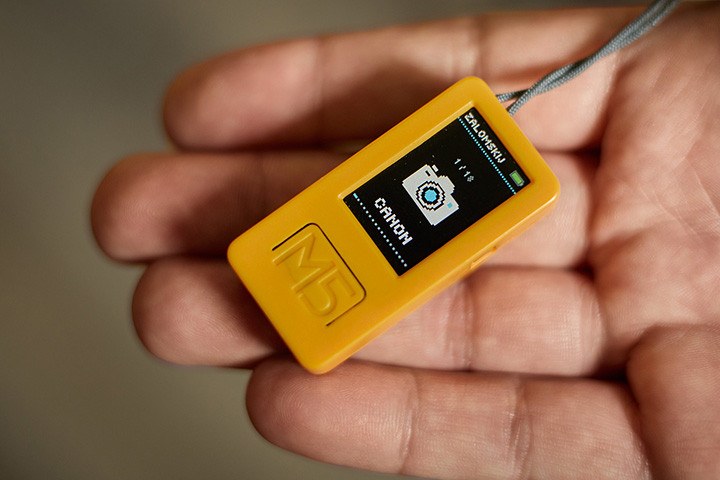
Three physical buttons—including a prominent key on the front—bring back reliable, blind tactile control so you never have to look away from the viewfinder.
"It also packs a gyroscope, accelerometer, IR transmitter, buzzer, and digital microphone."
This suite of sensors, combined with lanyard cutouts and an integrated magnet, makes the tiny gadget exceptionally durable in the field. You can slap it directly onto a metal tripod leg between shots. The prototype even survived an accidental spin in a washing machine and handled more than six months of heavy shooting without a hitch.
Switching to C++ for Peak Performance
The software was originally written in MicroPython using standard M5Stack libraries, but it quickly ran into memory bottlenecks. After adding a third operating mode, the system triggered OutOfMemory errors. To eliminate interface lag and ensure instant shutter response, the creator rewrote the entire firmware in C++.
The bottom line: an inexpensive mini-computer costing under $25 fully handles timelapses, shutter releases, and lighting setups. Instead of maintaining a pricey ecosystem of proprietary triggers, creators get a compact, virtually indestructible clicker that works instantly right out of their pocket.