
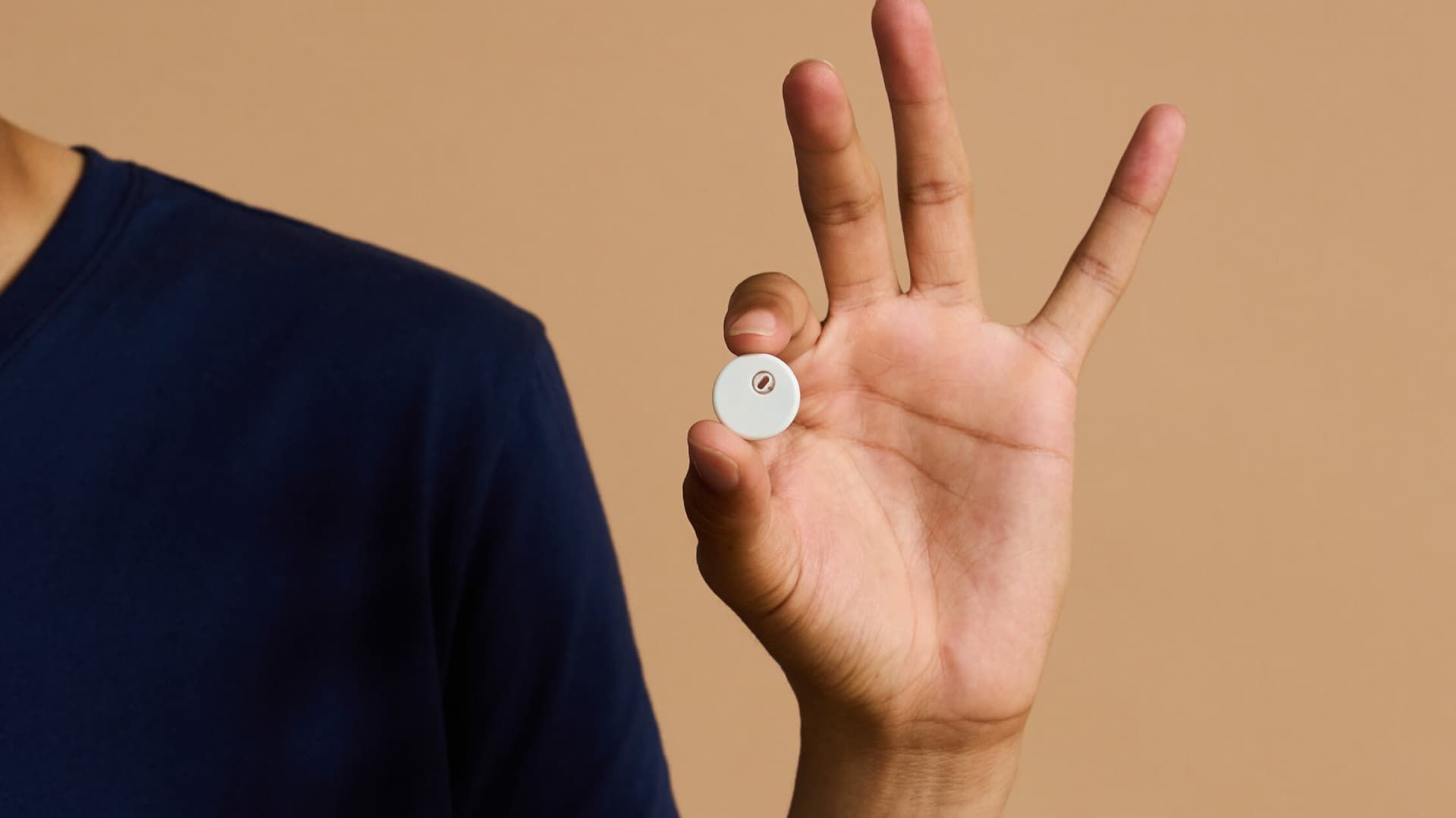
 anaging type 1 diabetes has long meant juggling bulky test kits, routine finger-pricks, and multiple adhesive patches just to keep basic metabolic markers in check. That routine is finally shifting toward practical consolidation: the US Food and Drug Administration has approved Abbott's Libre Duo, a 10-day continuous wearable that tracks both ketone and glucose levels simultaneously through a single arm sensor.
Cleared for adults and children as young as two, the compact wearable reads interstitial fluid just beneath the skin. It streams real-time glucose numbers to your smartphone every minute while constantly monitoring for ketone spikes. The clinical benefit here is immediate: when the body burns fat instead of sugar, ketones surge and risk triggering diabetic ketoacidosis (DKA)—a severe, life-threatening emergency. Instead of relying on periodic finger-stick strips that only capture a static snapshot after the fact, continuous monitoring catches metabolic shifts early enough to intervene before a hospital visit becomes necessary.
This clearance signals a broader shift in wearable health tech, moving consumer hardware from passive wellness logging into active, clinical-grade medical oversight on the body. While Abbott has not confirmed launch pricing or a firm retail window—listing the sensor simply as "coming soon"—for the 2.1 million Americans navigating daily DKA risks, trading standalone test strips for a single adhesive sensor is a long-overdue functional upgrade.