
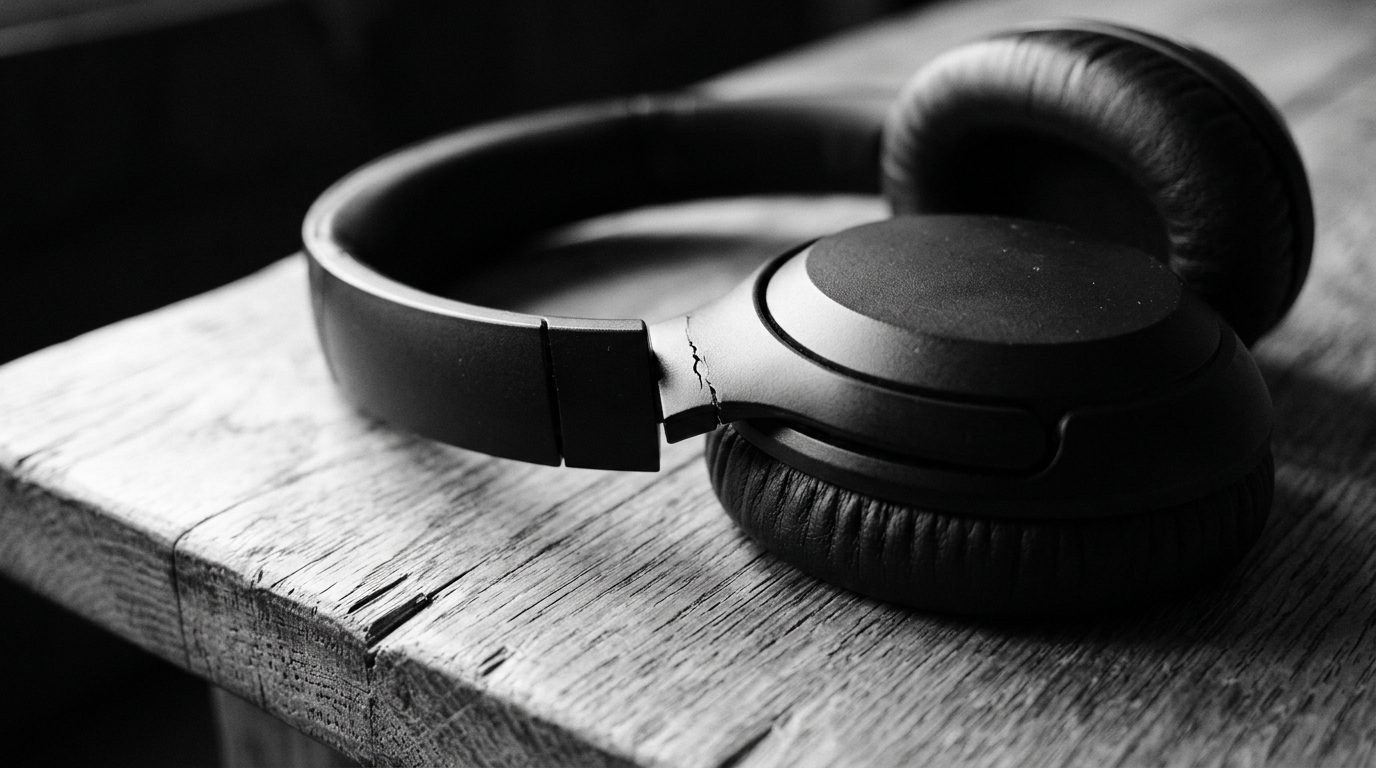
 hen you buy flagship wireless headphones for $400, you expect them to outlive more than one smartphone. But the reality is far more prosaic: in May 2022, Sony released the Sony WH-1000XM5, which earned high marks in authoritative reviews like TechRadar for sound and noise cancellation, yet in practice turned out to be a disappointment for owners. The flimsy plastic hinge joint cannot withstand everyday wear and tear, turning a working and expensive device into absolute garbage.
The problem of disposable premium devices has become commonplace for the portable electronics market today, but in the high-end over-ear headphones segment it has reached a peak. The repair and service industry is structured in such a way that replacing any small part turns into a quest with a predictably losing outcome. If you turn to the official warranty, the typical response from service centers boils down to the fact that mechanical damage and plastic cracks occur due to "improper operation" or excessive pressure on the headband. As a result, users are left to fend for themselves with a device that costs as much as half a modern laptop, but breaks from the banal act of putting it on your head.
Anatomy of disposable premium
The Sony WH-1000XM5 weighs about 250 grams, features 30mm drivers and a noise-canceling system based on eight microphones and two processors — the QN1 and V1. Bluetooth 5.2 and support for SBC, AAC, and LDAC codecs handle the audio, while battery life reaches 30 hours with active noise cancellation turned on. But all this technological luxury hangs by a thread and thin plastic that cracks right at the point where the headband connects to the ear cup.
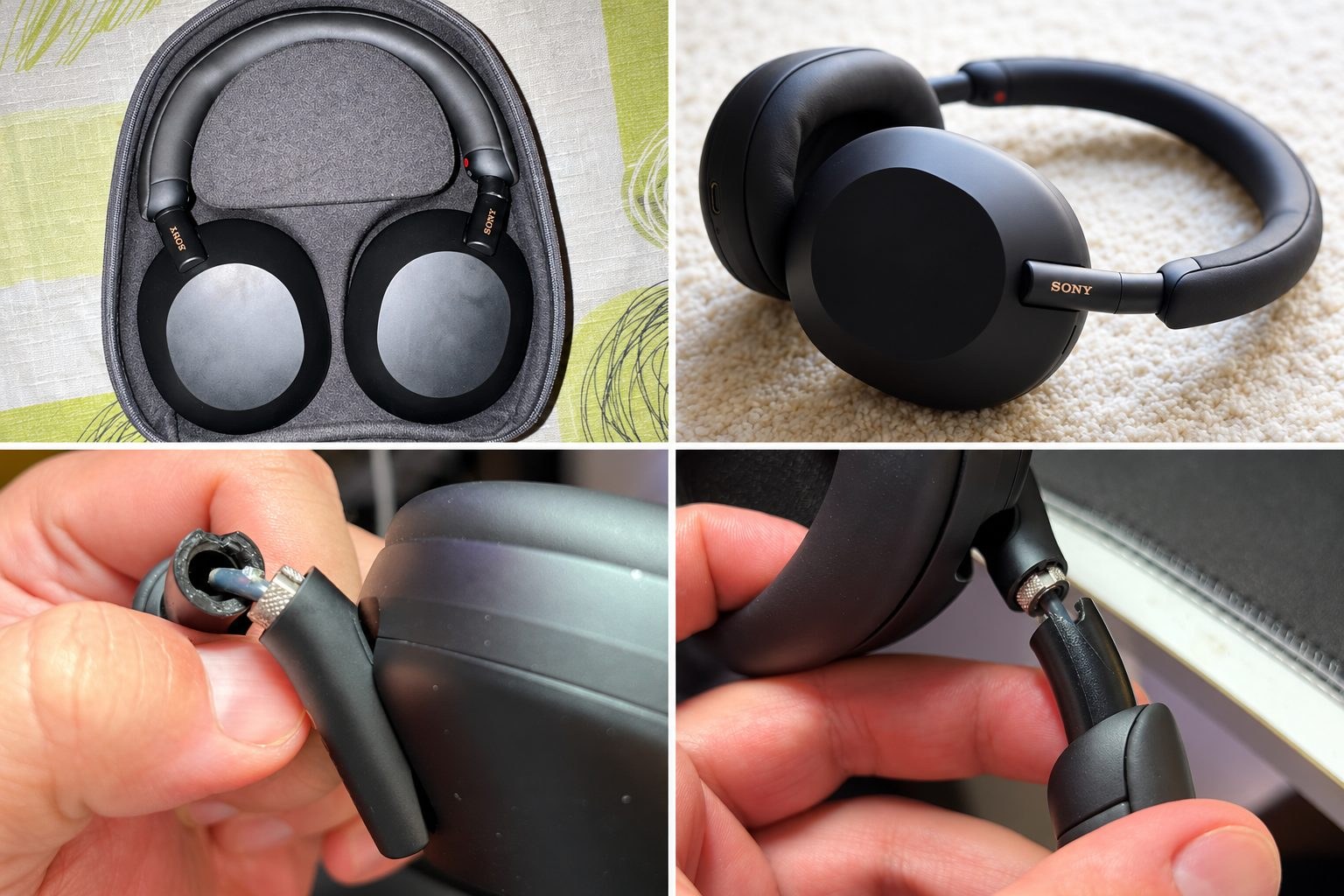
In my unit, the metal hinge popped right out of the upper plastic tube that connects the headband to the ear cup.
Trying to fix the break with superglue quickly exposes the dead-end nature of the situation. The design is engineered so that the stress from expanding the headband goes straight onto a short and vulnerable joint, and the manufacturer does not sell spare parts for DIY repairs. The situation is aggravated by the fact that alternative component makers have flooded the market with dubious-quality parts, but even those pieces are hard to get. Official repair kits do not exist in nature: at the service center, you will be offered a modular repair, which effectively means replacing the entire expensive assembly at once. The cost of such a repair at an unauthorized workshop can reach half the price of new headphones, making any attempts to bring the device back to life economically pointless.
Classified ads as a mirror of engineering flaws
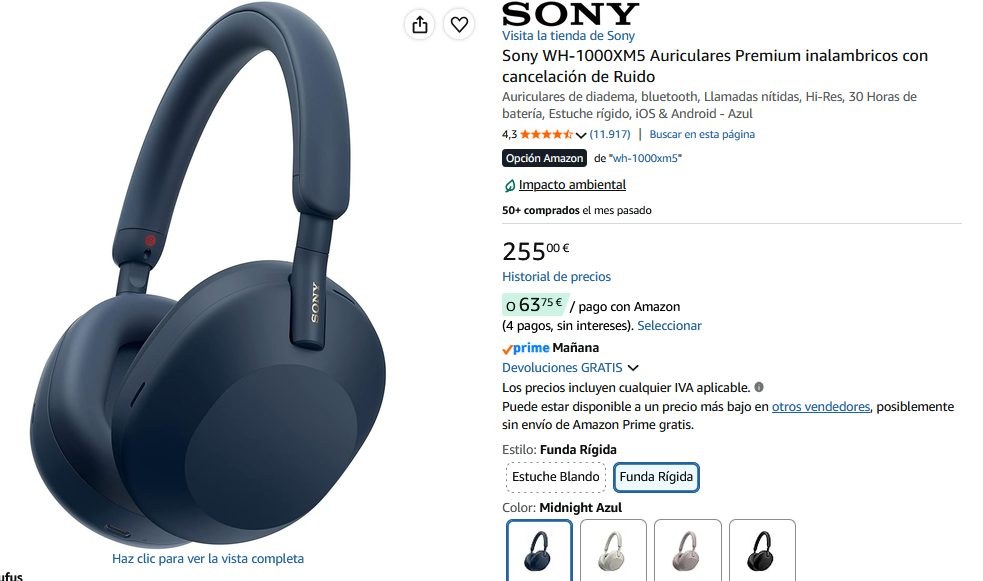
The economics of owning such devices looks depressing: on online marketplaces, you can easily find Sony WH-1000XM5 headphones with broken hinges for just 70 euros, while working used headphones cost 150–200 euros. Trying to restore a damaged unit on your own usually ends in failure because the cracked plastic will not hold any load even after being glued back together.
The secondhand tech market clearly demonstrates a systemic crisis in gadget design approaches. Previous generations of these same Sony headphones, such as the WH-1000XM4 model, used a foldable design with massive metal hinges built right into the headband. The shift to a non-foldable body in the XM5 for the sake of weight savings and minimalist styling resulted in a catastrophic drop in structural durability. Buyers of premium devices find themselves hostages to the marketing race for a thin profile and sleek aesthetics, where longevity is sacrificed for looks. In the end, the secondhand market is flooded with gear featuring flawless electronics and a dead chassis, while users are forced to either put up with fragile builds or budget in advance for a brand-new pair of headphones.