
 ringing a real-world object into a computer for 3D printing used to require professional equipment costing as much as a used car. Industrial systems demanded massive budgets, intricate setups, and usually a dedicated engineer to keep them from crashing. That monopoly is finally starting to crack as companies roll out portable tools designed to bring 3D capture down to earth. For anyone trying to turn a favorite coffee mug or a custom bracket into a digital file without emptying their savings account, the market is shifting toward genuinely accessible hardware.
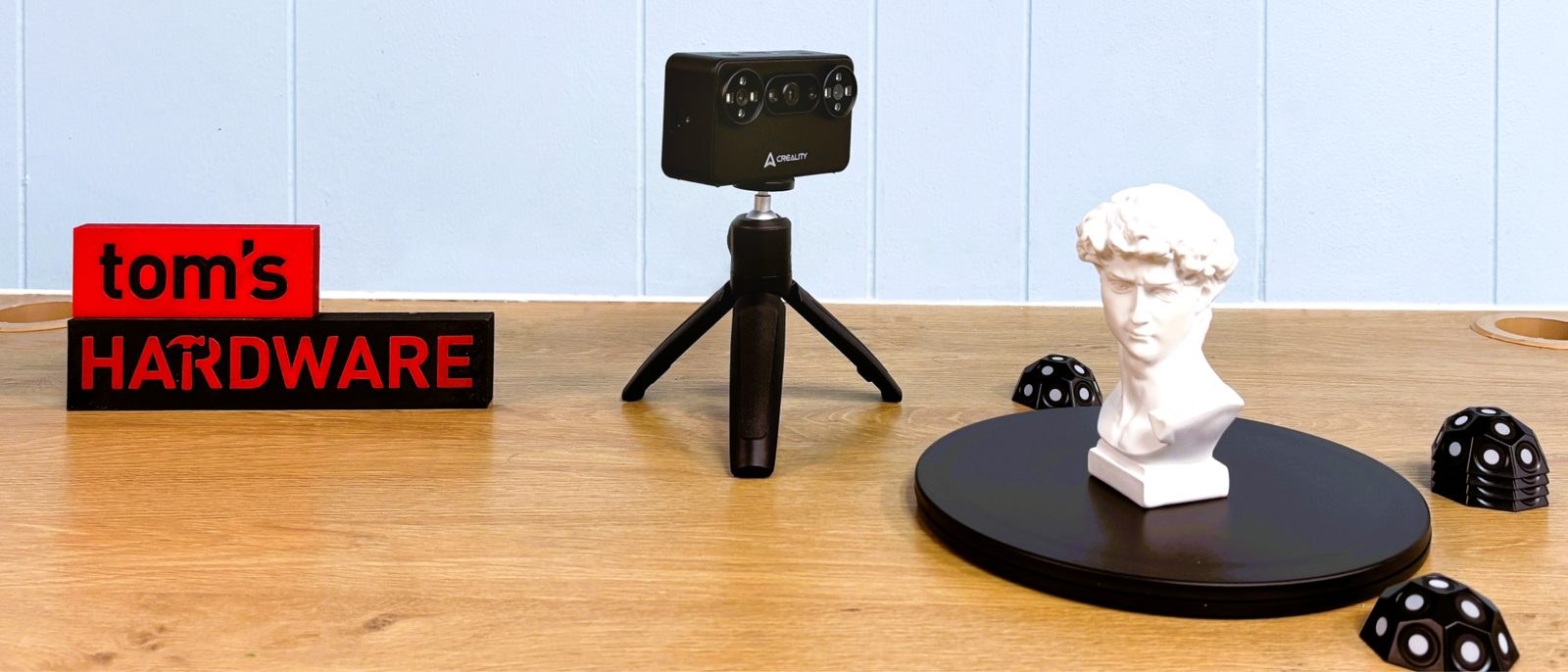
Weighing a mere 260 grams with batteries installed, the Creality Pika lets you scan objects by hand for extended periods without forearm fatigue, according to testing by Tom's Hardware. The unit runs on standard rechargeable AA batteries included in the box. A 3-inch touchscreen on the rear panel lets you monitor the capture process in real time, while an onboard 8-core 2.0 GHz CPU handles some of the local processing, though heavier lifting still falls to your connected host device.
Cutting the Cord Without Losing Your Mind
The Creality Pika is a truly portable scanner with excellent software.
One of the most practical upgrades in this generation of hardware is true wireless operation when paired with an iPhone 15 or an Android 10+ device. You no longer have to sit tethered to a bulky desktop tower while awkwardly rotating an object from every conceivable angle. Furthermore, infrared (NIR) scanning technology eliminates the tedious chore of sticking physical marker dots all over your subject, which saves considerable time and patience. Naturally, that convenience comes with a catch: infrared tracking demands a steady hand and a steep learning curve, frequently failing when faced with reflective or complex geometry.
Before you capture a single polygon, the device demands a strict calibration routine using an included glass board. The process requires holding the scanner at various angles and heights across a ten-minute window. If you insist on going completely wireless, Wi-Fi file transfers run noticeably slower than a direct cable link, and the hefty system requirements needed to process your final scans can easily spoil the experience. Once captured, the proprietary Creality Scan software lets you export models in STL, PLY, OBJ, or ASC formats for further cleanup in standard editing suites.
The Real-World Compromises of Desktop Making
Priced at $699 for early adopters, the hardware undercuts professional industrial alternatives by thousands of dollars. Inside the box, buyers get a tripod, a manual turntable, the calibration board, marker kits, and a spare set of power cells. Yet for that price, you are buying a finicky workshop tool rather than an automated magic wand. The supplied batteries feature specific flat-top terminal designs that prevent you from tossing ordinary spares into your pocket alongside a set of keys.
The Creality Pika makes a genuine attempt to put 3D scanning into the hands of hobbyists, but it routinely trips over fussy software and the realities of wireless bandwidth. Cheap hardware still demands patience, calibration rituals, and a beefy computer to process the output. If you are willing to wrestle with tracking drops and software quirks just to save a few thousand dollars, it fits right into a maker's workshop. Otherwise, leaving objects in the physical world and downloading pre-made models from the internet remains the path of least resistance.