
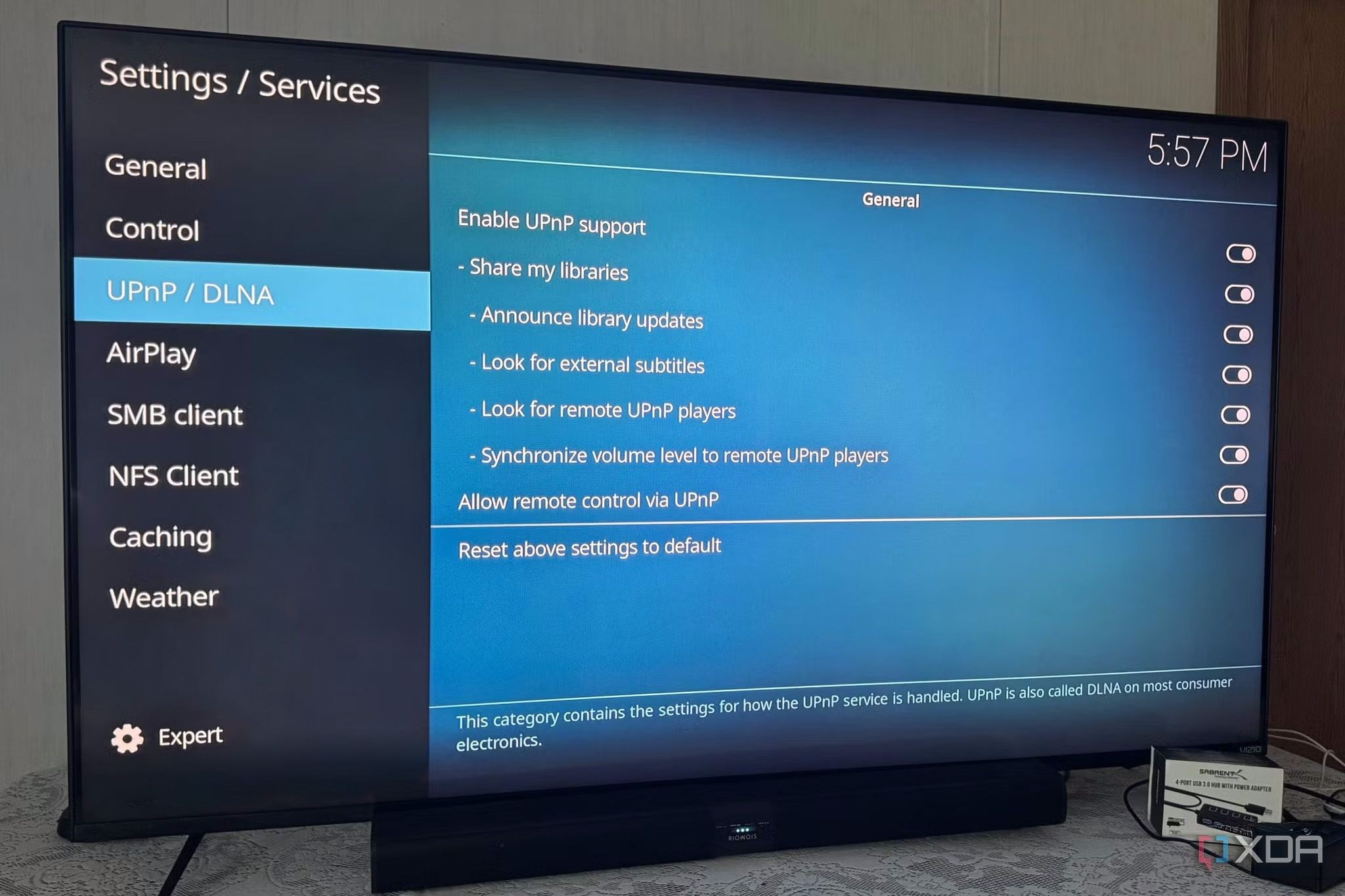
 etting up a dedicated home streaming setup usually means shelling out for an expensive network-attached storage array or buying a premium Nvidia Shield to run Plex, Emby, or Jellyfin. On paper, repurposing a bargain-bin Onn Android TV 4K Pro from Walmart into a self-hosted media server via Kodi, VLC, and UPnP/DLNA sounds like an ingenious shortcut. The pitch is irresistible for anyone wanting a whole-home library without buying enterprise-grade gear. Yet what begins as a thrifty DIY project rapidly devolves into a masterclass in hardware bottlenecks and operating system headaches.
Cables, Hubs, and Playback Stutters
The physical setup immediately exposes why this hardware costs under fifty bucks. While the Onn Android TV 4K Pro features an integrated USB 2.0 port, the connector cannot deliver enough electrical juice to spin a standard mechanical hard drive, such as an older 250GB Seagate unit. Making the drives readable demands an external powered USB hub with pass-through charging just to tether that mechanical drive alongside a 250GB Samsung 860 EVO SATA SSD enclosure via USB-A-to-C. While Android TV registers the external storage, real-world throughput collapses under heavy loads.
"I will start by saying this is more of a proof of concept than a tangible media server solution."
Performance hits a brick wall the moment you demand actual 4K playback. The budget chipset inside the Onn box choked hard on direct 4K AV1 video playback from the attached SSD, forcing manual downscaling and re-encoding to 1080p H.264 in HandBrake just to stop frames from dropping. Network delivery over local UPnP remained painfully sluggish even with a physical Ethernet cable plugged into the box. Worse, leaving this setup running 24/7 turns a sleek streaming puck into an unsightly spiderweb of dangling cables, external hubs, and power bricks.
The Software Roadblock
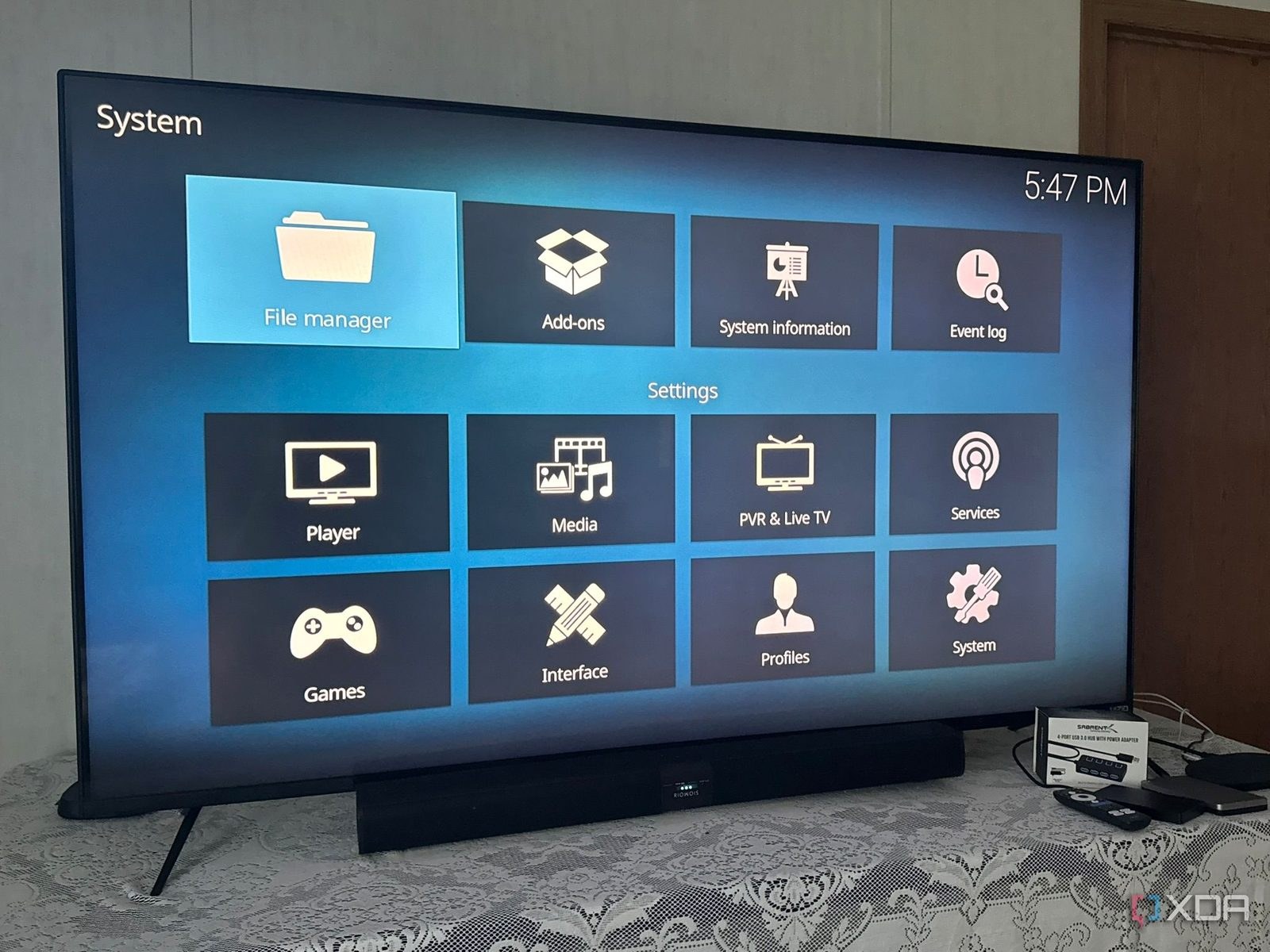
The ultimate dealbreaker is Android TV's combative file permission system when interacting with Kodi. Android TV stubbornly refuses to let Kodi index external SSD directories properly without tedious permission workarounds. When these patches glitch, automated media library scraping fails completely. Instead of a polished Netflix-style dashboard with metadata and poster art, you are left digging through raw file directories inside VLC over local DLNA shares.
Rigging a makeshift media server out of an Onn TV box, external hubs, and software workarounds saves cash upfront, but it completely discards the seamless playback, hardware transcoding, and intuitive cataloging that make platforms like Plex worth using. If your idea of a fun weekend involves chasing storage permission bugs and manually batch-converting codecs, it is a quirky technical diversion. For everyone else, investing in dedicated network storage or repurposing an old office PC saves countless hours of unrewarding troubleshooting.