
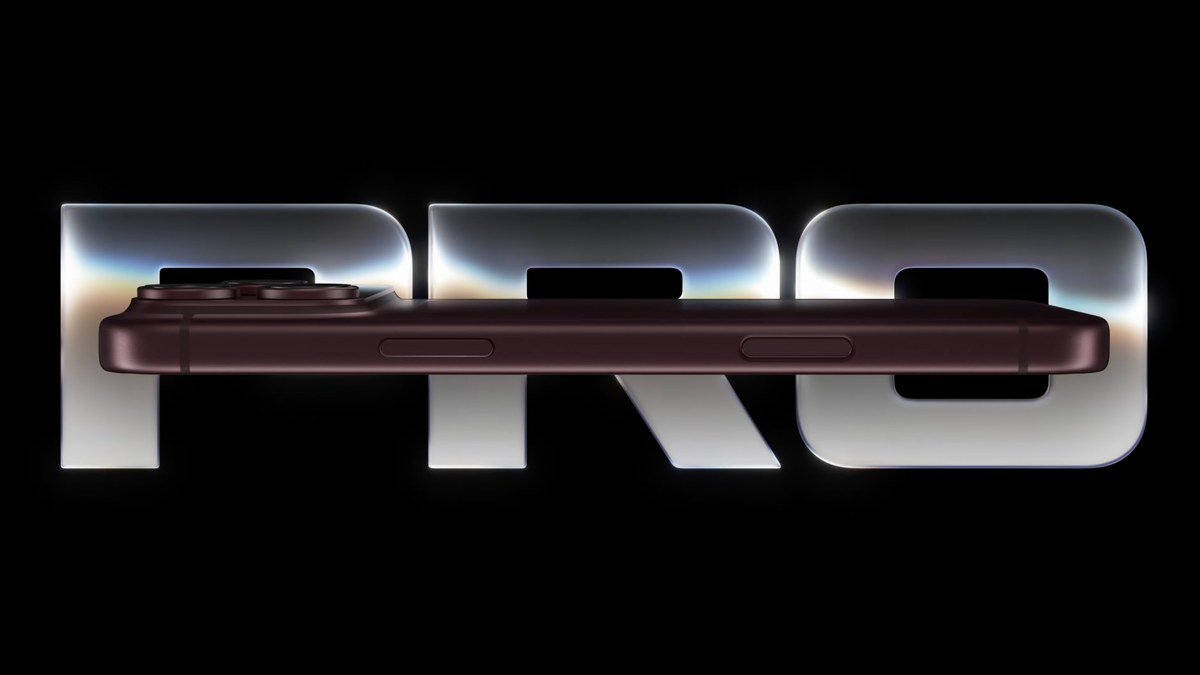
 ohn Ternus took the stage on September 9 without Tim Cook to introduce Apple's flagship refresh: the iPhone 18 Pro and iPhone 18 Pro Max. While the chassis remains virtually identical to its predecessor, the price tag jumped by $200. The base Pro now starts at $1,199, while the Pro Max will run you at least $1,299. Cupertino chalked up the price hike to a global shortage of memory chips. Meanwhile, the standard iPhone 18 and the slim iPhone Air 2 were nowhere to be seen, their launch pushed to spring 2027.
In the hand and on the screen
In hand, the new flagship feels just like last year's models. On the outside, the only telltale signs are fresh colorways—burgundy, light blue, black, and silver—along with a trimmer glass cutout. The oval Dynamic Island shrank by nearly 20% after Apple tucked several Face ID sensors beneath the display panel. That frees up a bit of screen real estate, letting up to three Live Activity widgets fit around the island.
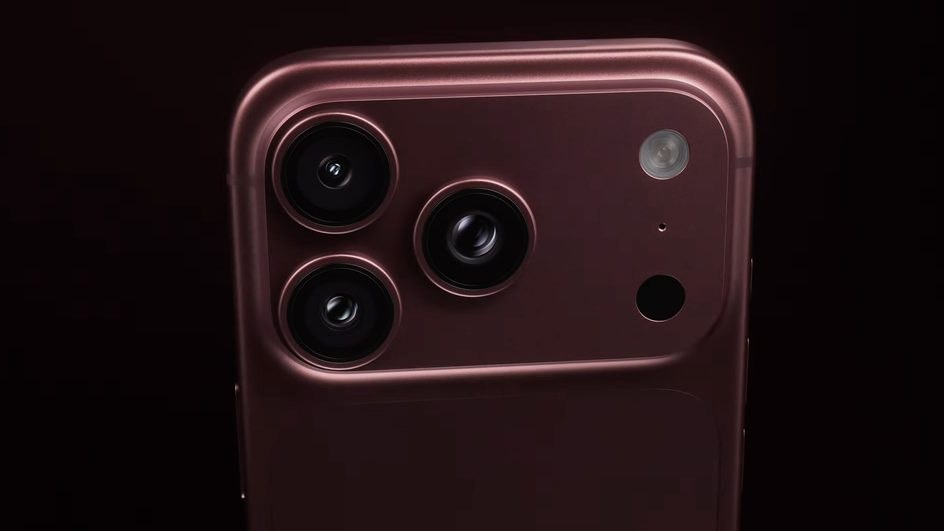
The centerpiece engineering upgrade sits inside the main 48-megapixel camera module. Apple fitted it with a physical variable aperture that mechanically regulates light intake rather than relying purely on algorithmic processing.
"At night, you can open up the aperture to let more light hit the sensor, delivering properly exposed shots."
In practice, this yields genuine low-light sharpness and natural optical depth-of-field in portraits, skipping the smudgy artifacts of neural network processing. The camera app now features a full manual mode covering shutter speed, aperture, white balance, and intelligent tracking autofocus. For video capture, a new "Audio Focus" tool filters out ambient street rumble.
Silicon, battery life, and upgrade math
Under the hood runs the A20 Pro chip, fabricated on a 2nm node. Apple claims graphics performance jumped 40% while computing power gained 20% over the A19 Pro. In everyday use, another shift matters far more: the silicon-carbon battery delivers noticeable endurance gains. The compact iPhone 18 Pro lasts up to 24 hours, while the Pro Max cruises past 30 hours. Both handsets reach a 50% charge in 15 minutes. Alongside the flagship phones, Apple revealed the foldable iPhone Duo, AirPods 5, and the Apple Watch Series 12 paired with the Ultra 4.
Sales kick off on September 24. Shelling out $1,199 or more for a slightly smaller cutout and a mechanical lens shutter makes sense only if you are still carrying an iPhone 14 Pro or older. For anyone on an iPhone 15 Pro, 16 Pro, or 17 Pro, this release offers little: paying a steep premium for the same chassis and a handful of minor perks simply does not add up.