
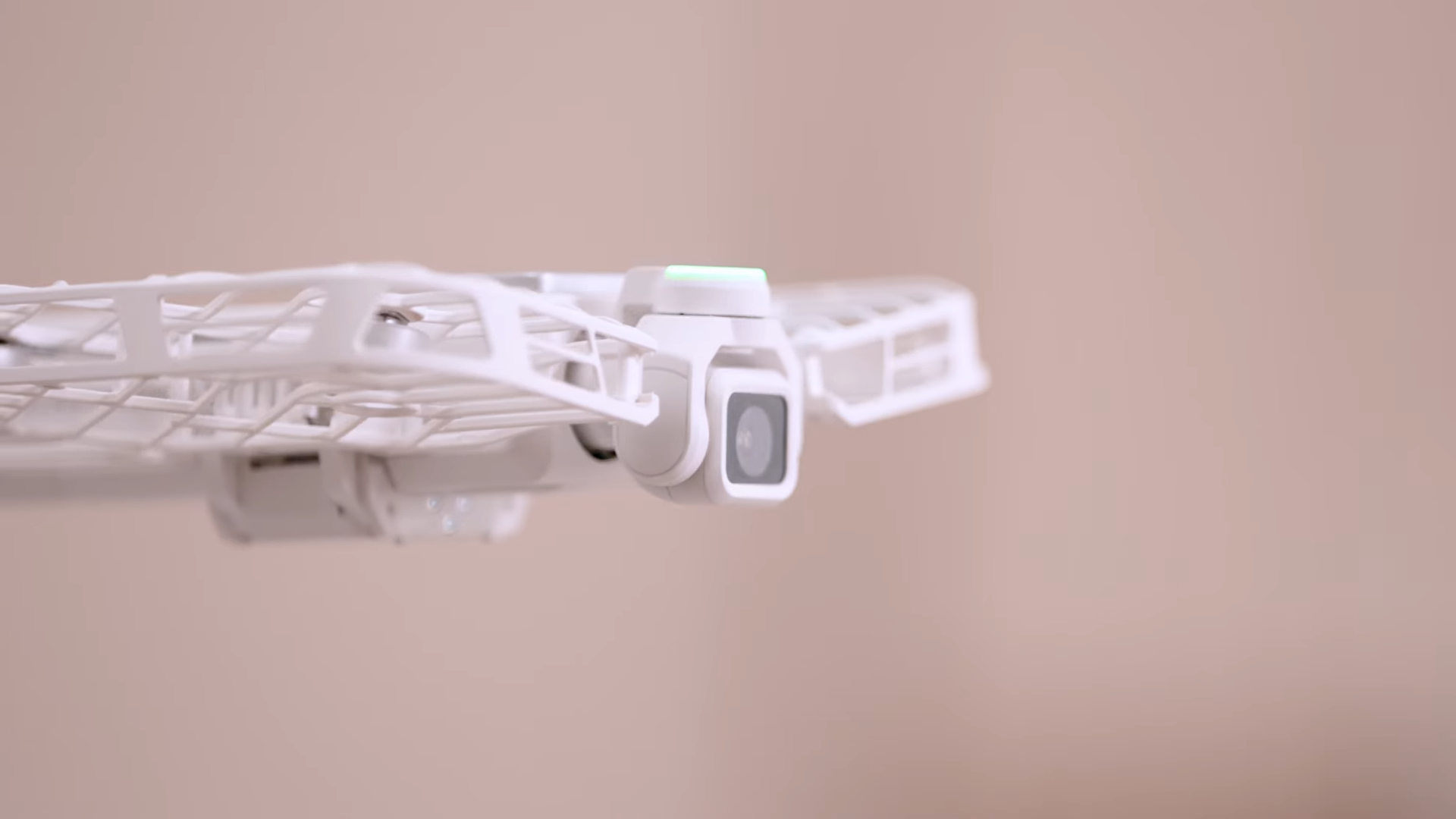
 f you put down up to $630 hoping to get an agile pocket camera that transforms into a flying drone, we have bad news. The Federal Communications Commission just crushed that pitch. Shenzhen Zero Zero Infinity Technology, the team behind the HoverAir brand, launched an Indiegogo campaign on August 19 for the HoverAir Versa, hauling in over $230,000 within hours. The pitch sounded neat on paper: buy a 230-gram pocket gimbal camera for an early-bird price of $449, or drop roughly $630 for a bundle with the Flight Kit propeller frame to dodge the regulatory hammer that locked DJI out of the American market.
That regulatory loophole lasted exactly three days. On August 21, U.S. backers noticed the Flight Kit reward tiers quietly vanished from the campaign page, even while international buyers could still click purchase. Backers received a corporate email claiming the sudden disappearance was merely due to "a few remaining logistics updates with the Flight Kit." But as the FCC bluntly stated to DroneXL, the initial equipment authorization was granted erroneously. The commission confirmed the hardware is a prohibited foreign-made drone component, declared the company was apparently willfully violating federal regulations, and wiped the product's FCC ID entirely from its public registry.
How the Hardware Trick Failed
HoverAir attempted an engineering sleight of hand to bypass the December 2025 Covered List restrictions. The company certified the 230-gram Versa under ID 2AIDW-ZZ-H-1-006 strictly as a handheld camera rather than an unmanned aircraft system. The detachable Flight Kit contained the motors and propellers without a standalone radio, pulling power and flight telemetry directly from the camera housing via pogo pins.
The authorization was granted erroneously, and the device is a prohibited UAS critical component produced in a foreign country.
Because the propeller frame lacked an active transmitter, HoverAir wagered it could bypass direct regulatory filings. That gamble fell apart. FCC public notice DA 25-1086 explicitly defines covered drone components to include flight controllers, navigation gear, power modules, motors, and dedicated sensors or cameras. An optical rig engineered to lock into a motorized chassis falls squarely under that restriction no matter how creatively the marketing team frames the paperwork. In response, the FCC is now dispatching updated guidance to private Telecommunications Certification Bodies to tighten scrutiny on modular consumer hardware.
What Buyers Are Left Holding
American consumers who paid for a modular flying transformer now face an expensive reality check. The only exemptions granted under the federal mandate apply to Blue UAS-listed hardware and domestic platforms—neither of which covers a Chinese consumer hybrid. While DJI continues to challenge these sweeping restrictions in federal court, that litigation brings zero solace if you backed the Indiegogo campaign expecting a self-flying camera at your doorstep by October.
Shenzhen Zero Zero Infinity Technology previously pulled over $2 million for its waterproof Aqua drone, but this regulatory misstep hits end users directly in the wallet. The company sold backers on an unrestricted, modular flying camera for $630. Instead, regulators flagged the system as contraband tech, leaving early adopters holding an overpriced pocket camera that is legally grounded before taking its first flight.