
 eica has officially turned military reconnaissance into a luxury gadget. The company announced the Summicron-M 66mm f/2, presenting it as a modern reinterpretation of the legendary, ultrarare Elcan 66mm f/2. Designed in the late 1960s by optical pioneer Dr. Walter Mandler at Ernst Leitz Canada, the original optic was commissioned specifically for covert intelligence operations by the U.S. Navy. Leitz produced only about 200 units of that military piece, cementing its status as an elusive holy grail for vintage glass collectors.
Now, anyone with sufficient capital can buy into that espionage heritage. Yet for an ordinary photographer who simply wants a sharp portrait or street prime, you are primarily paying for archive mystique, a collectible barrel, and an unusual focal length rather than everyday practical utility.
Spy Mechanics and Glass Design
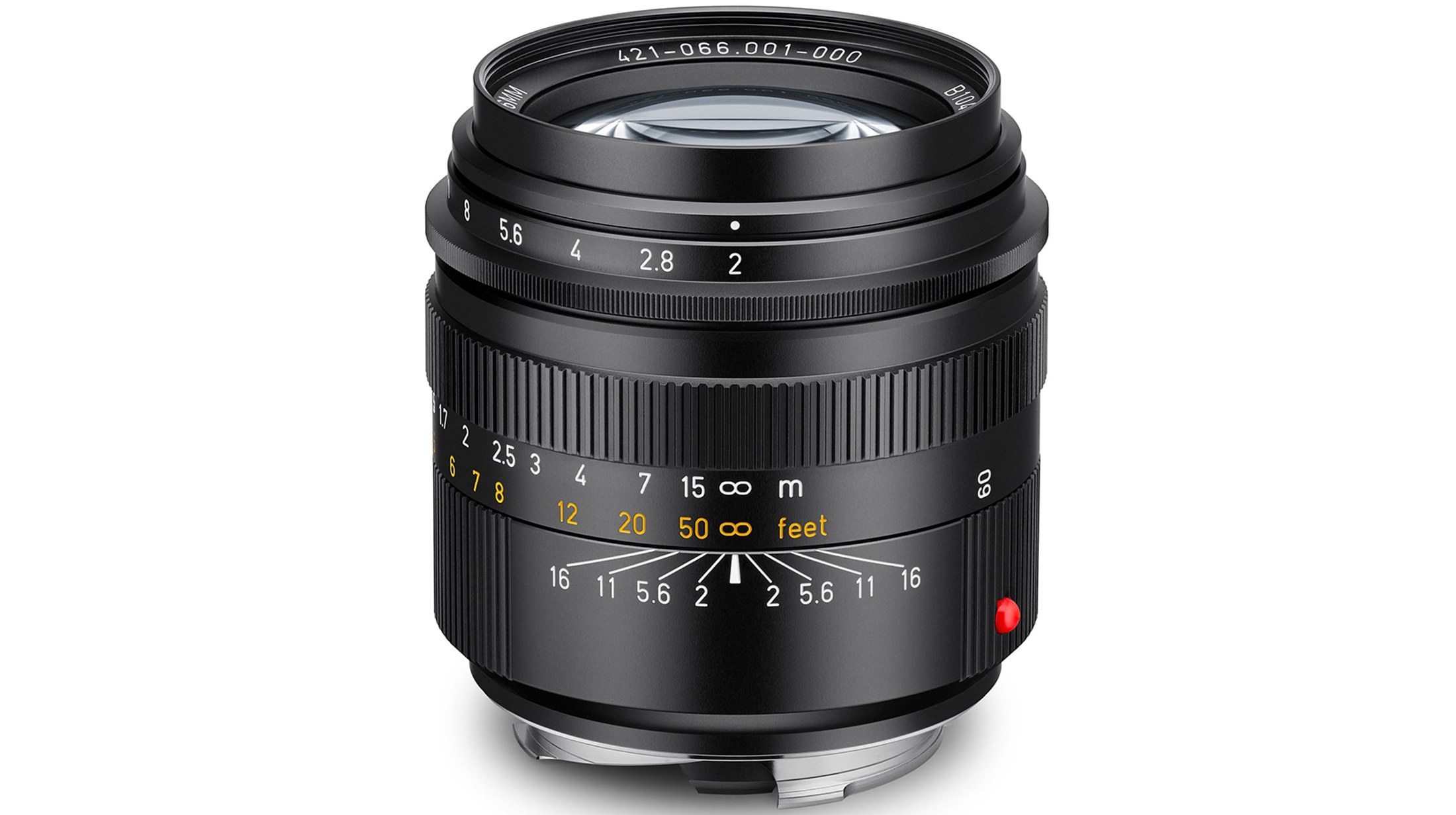
Handling this hardware comes with deliberate mechanical quirks lifted straight from classified blueprints. Standard M-mount lenses do not work like this: on the Summicron-M 66mm f/2, the aperture ring turns in the exact opposite direction compared to civilian Leica M glass. The distance scale also follows strict military specifications rather than conventional consumer layouts.
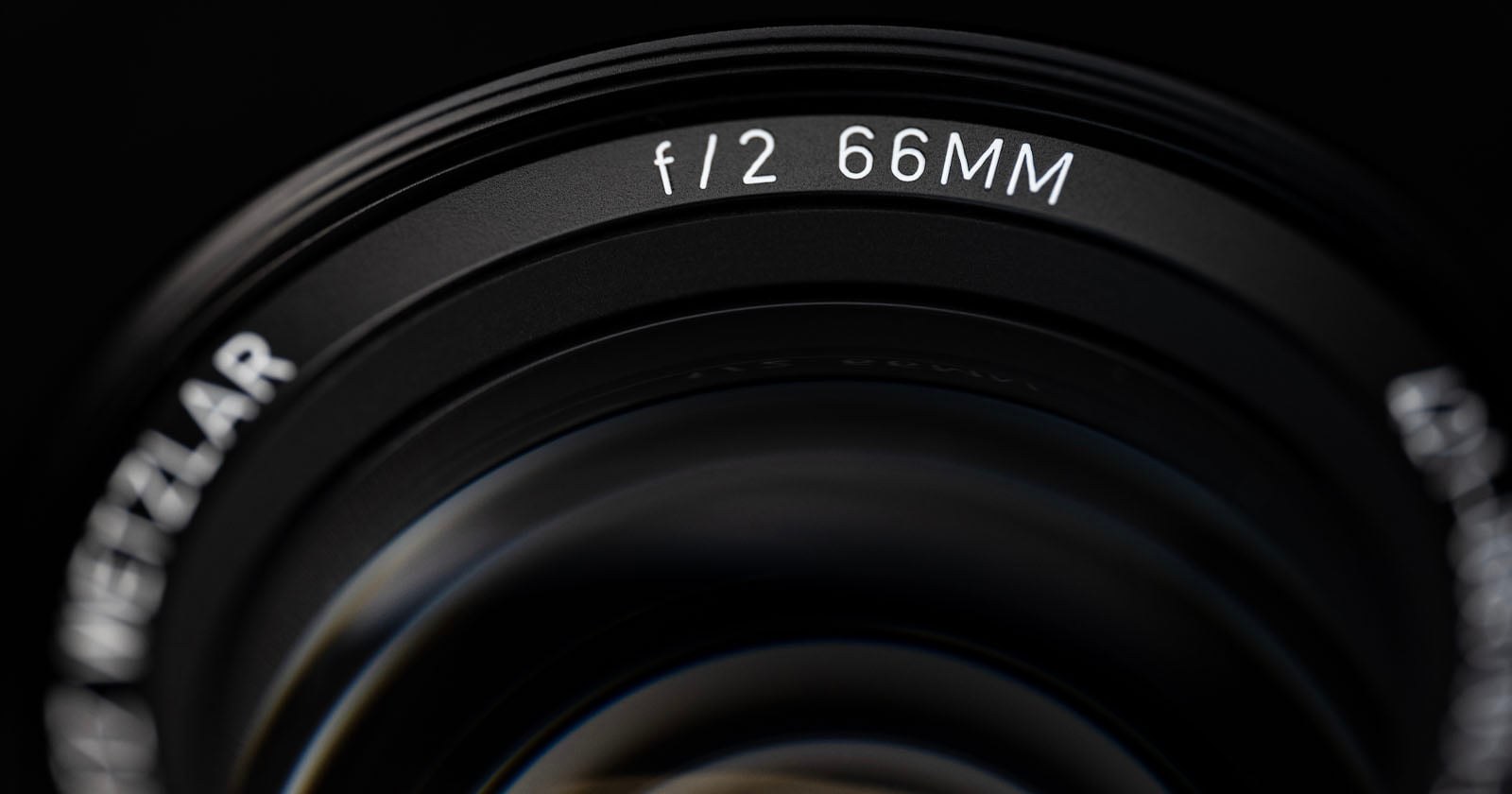
Inside, the optic relies on six glass elements arranged across five groups, paired with a nine-bladed diaphragm covering an aperture range from f/2 through f/16. In terms of dimensions, the barrel measures approximately 60.1 millimeters long by 60 millimeters wide and weighs in at a hefty 456 grams.
The Naval Intelligence Service wanted a lens that looked like any other but delivered an unparalleled level of resolution.
As Dr. Mandler noted during its development, naval intelligence demanded extreme resolving power in a nondescript civilian shell to capture surveillance film without optical distortion. On modern digital and film M bodies, that formula yields razor-sharp central detail with creamy, vintage bokeh.
The Exclusivity
If you are an everyday shooter looking for a functional daily driver, spending luxury money on an awkward 66mm manual-focus oddity with reversed controls makes zero practical sense over a standard Summicron 50mm or 75mm. Leica understands this dynamic completely: the reissue is a calculated monetization of Cold War archive history tailored for display cases and well-heeled collectors. Unless you want to park it on a shelf as conversational art, this military remake is strictly an exotic piece of optical trivia to admire from a safe financial distance.