
 pple markets its walled garden as an impenetrable vault, but a 22-year-old security researcher just exposed that those proprietary walls are built on reverse-engineerable protocol handshakes rather than unbreakable magic. As reported by TechRadar, the researcher known as Zerotistic turned an ordinary Linux PC into a trusted node inside Apple's Find My network. In plain terms, a standard non-Apple computer successfully spoofed Apple's servers into treating it as a genuine iOS or macOS device, siphoning live geolocation streams directly from the network without a single piece of Cupertino's official software running.
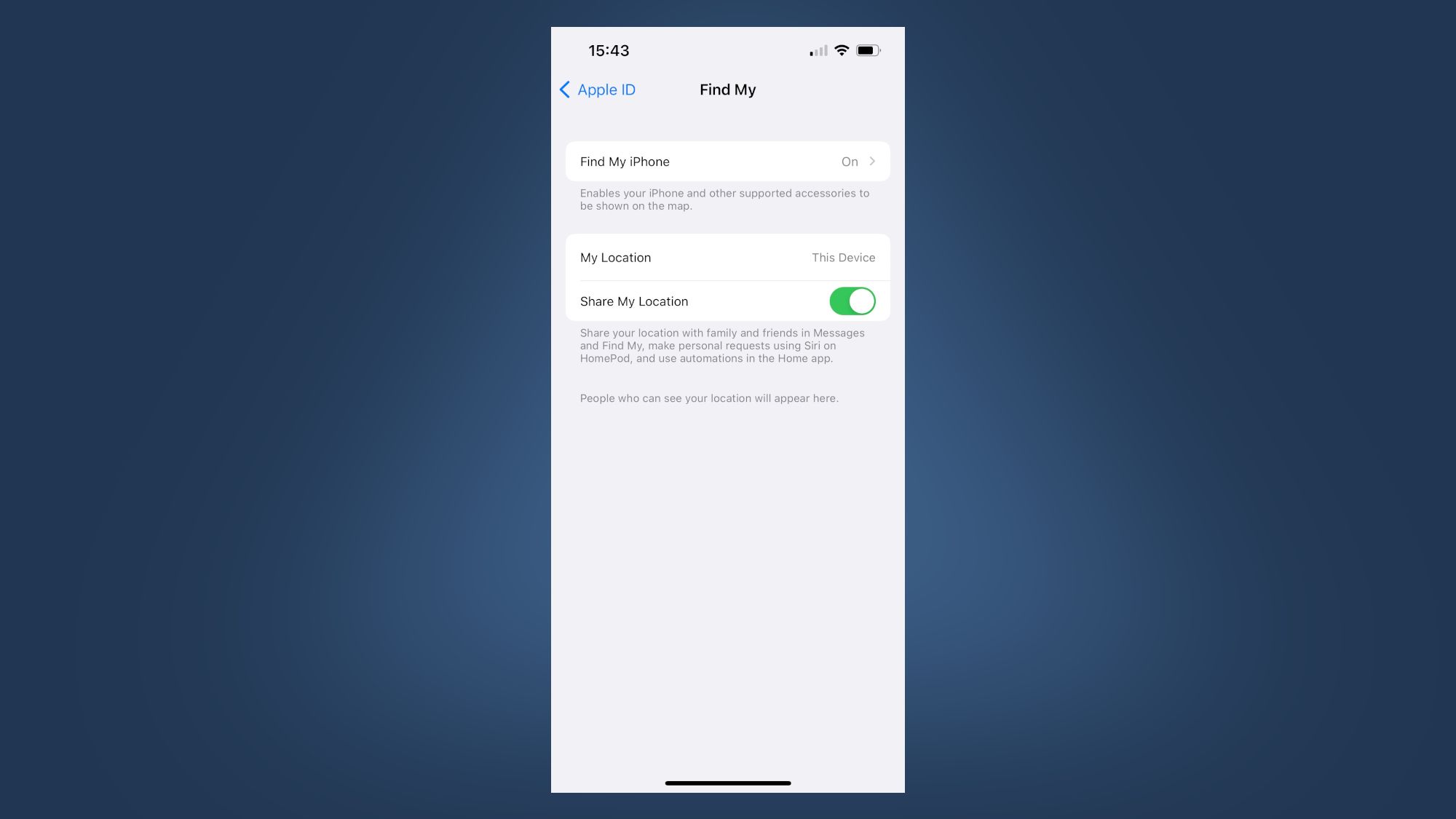
Before throwing your AirTags into the nearest river, note that this is not an open-season surveillance backdoor that lets random strangers monitor your commute. The exploit requires an existing contact to have already agreed to share their coordinates with you. To make the Linux rig masquerade as an Apple client, Zerotistic reverse-engineered Apple's private endpoints to acquire an Apple Identity Services certificate, pairing push notification tokens with end-to-end encryption keys. The Linux machine intercepted and decrypted coordinates straight from Apple hardware without needing a physical Mac, a jailbreak, or leaked private keys.
The stinging blow for Apple is that dissecting this proprietary architecture took less than seven days. The Cupertino giant's celebrated platform exclusivity relies largely on obscurity, and once an external machine learns the secret protocol dialect, Apple happily hands over the keys. While users face no immediate risk of rogue tracking without prior consent, the experiment lays bare how rapidly Apple's closed security perimeter unravels under scrutiny, leaving the company with uncomfortable questions about whether a structural patch is even feasible.