
#Displays
85 stories on this topic, newest first.
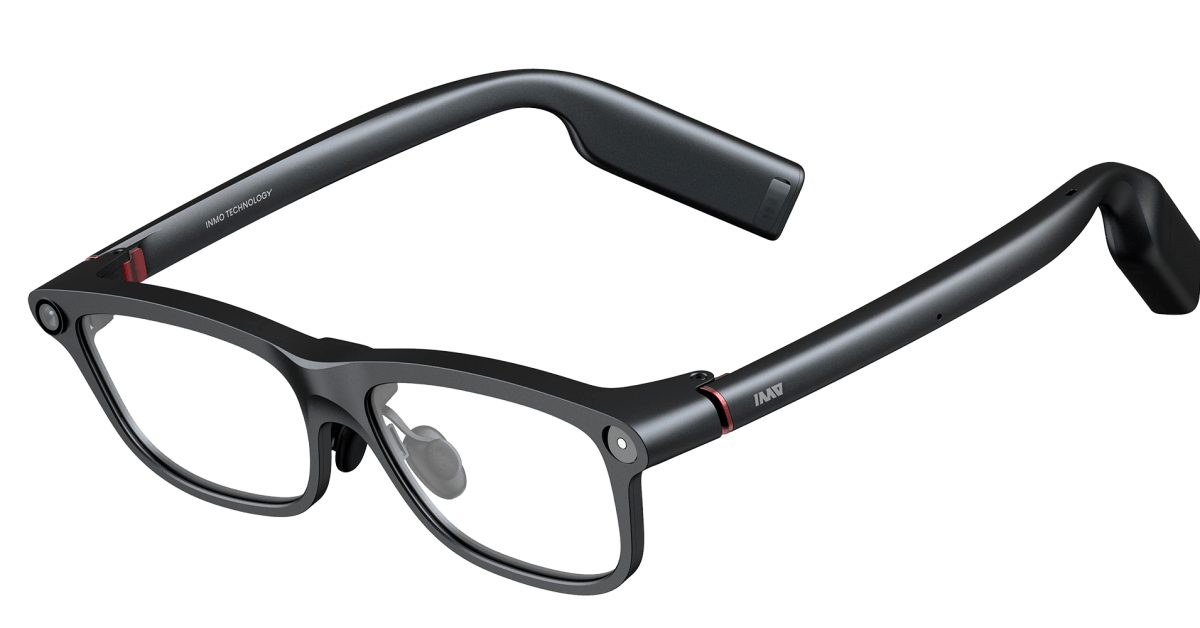
The $509 INMO GO3 smart glasses pack dual MicroLED displays and Gemini AI, but their most useful feature is a manual physical shutter covering the camera. An interchangeable battery system also lets you swap power packs on the fly without tethering your face
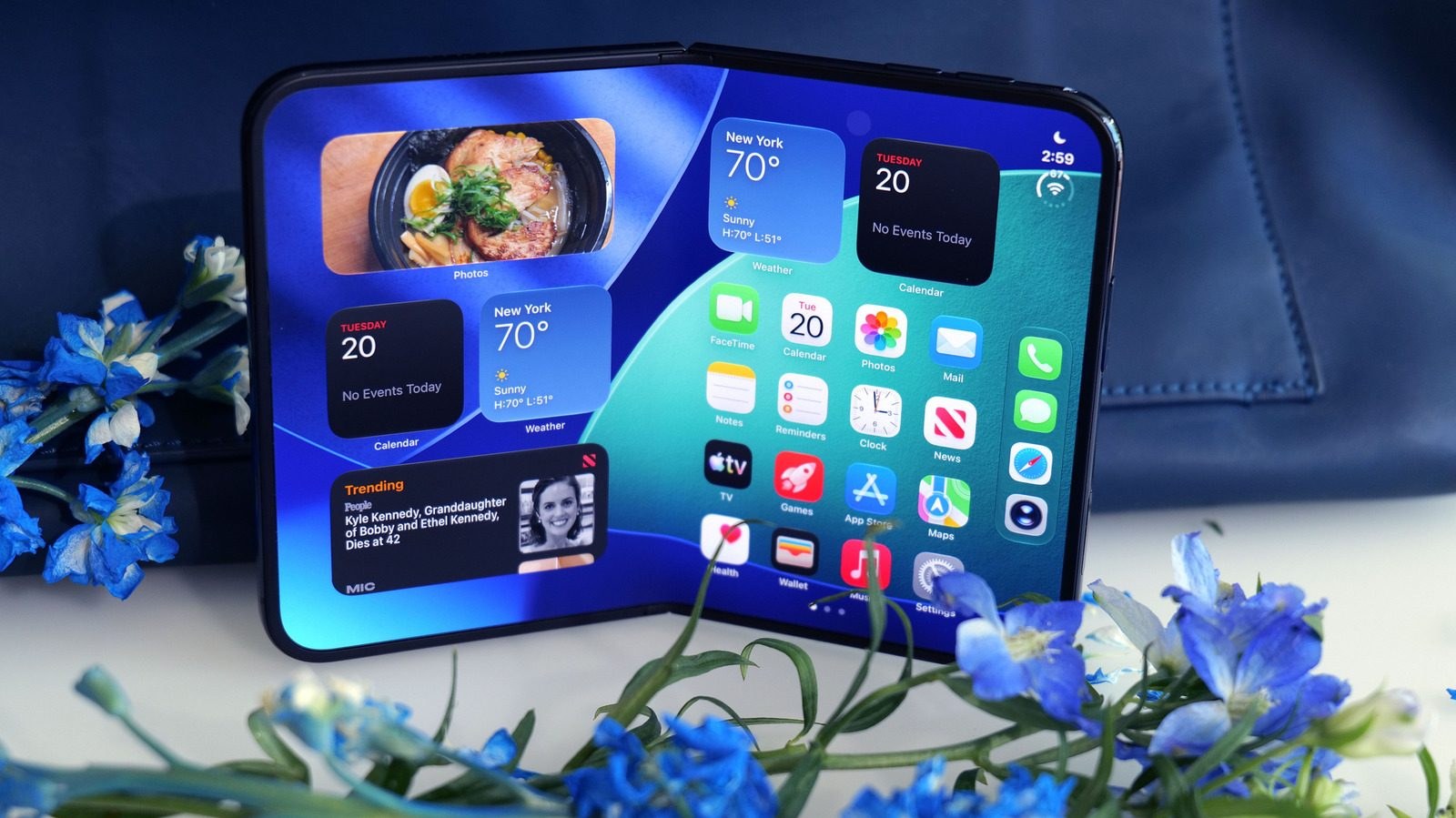
Apple finally drops its first folding phone with a $1,999 price tag, a heavy titanium frame, and a side-mounted fingerprint scanner. It brings serious specs and a nano-texture inner screen, but software optimization still lags behind the hardware.
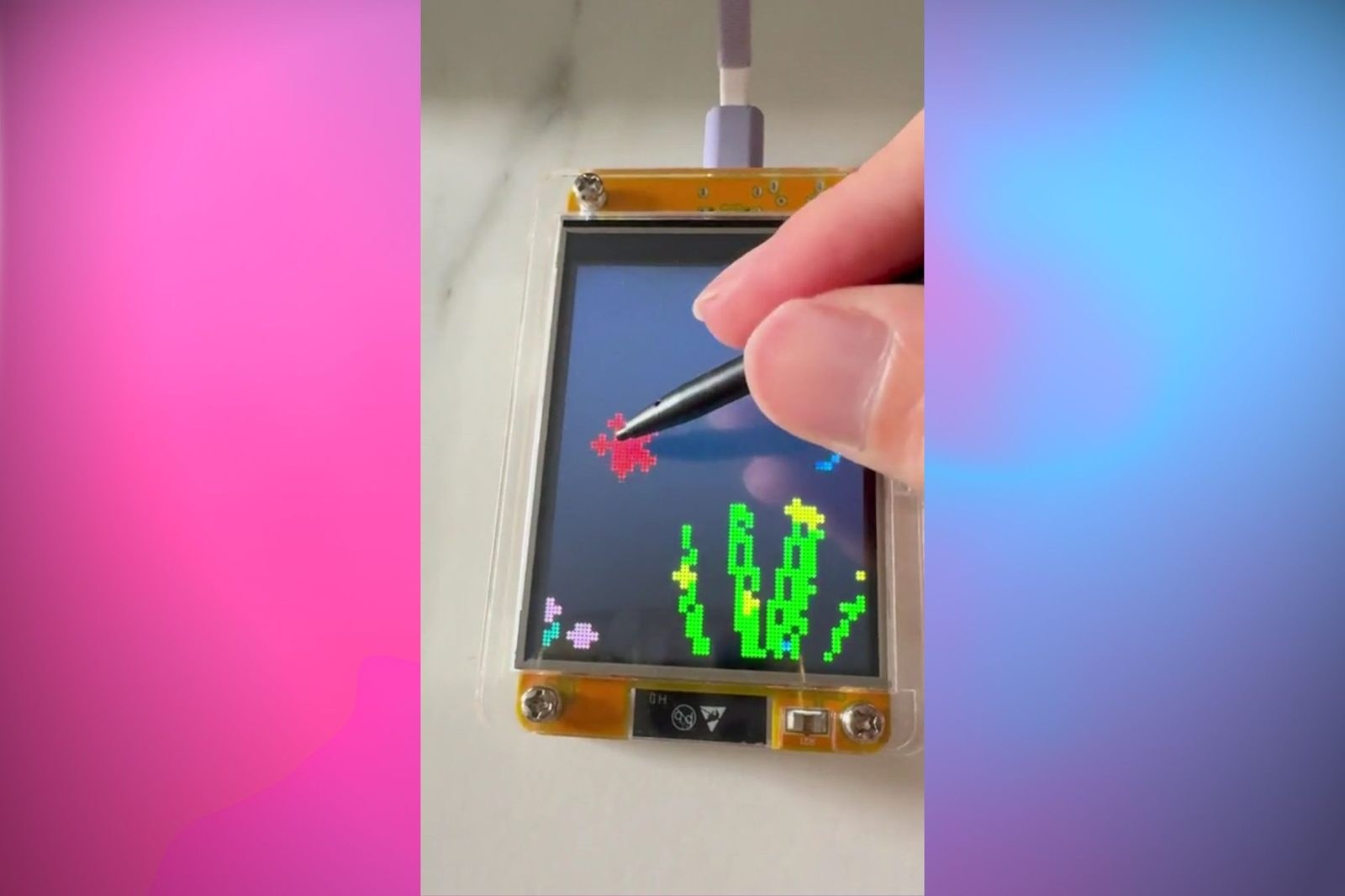
A maker known as PowerfulChart560 has converted a $5 ESP32 touchscreen module into a local marine ecosystem featuring 100 species and no subscription fees. The offline project runs entirely on device memory, bypassing cloud servers and companion apps for a
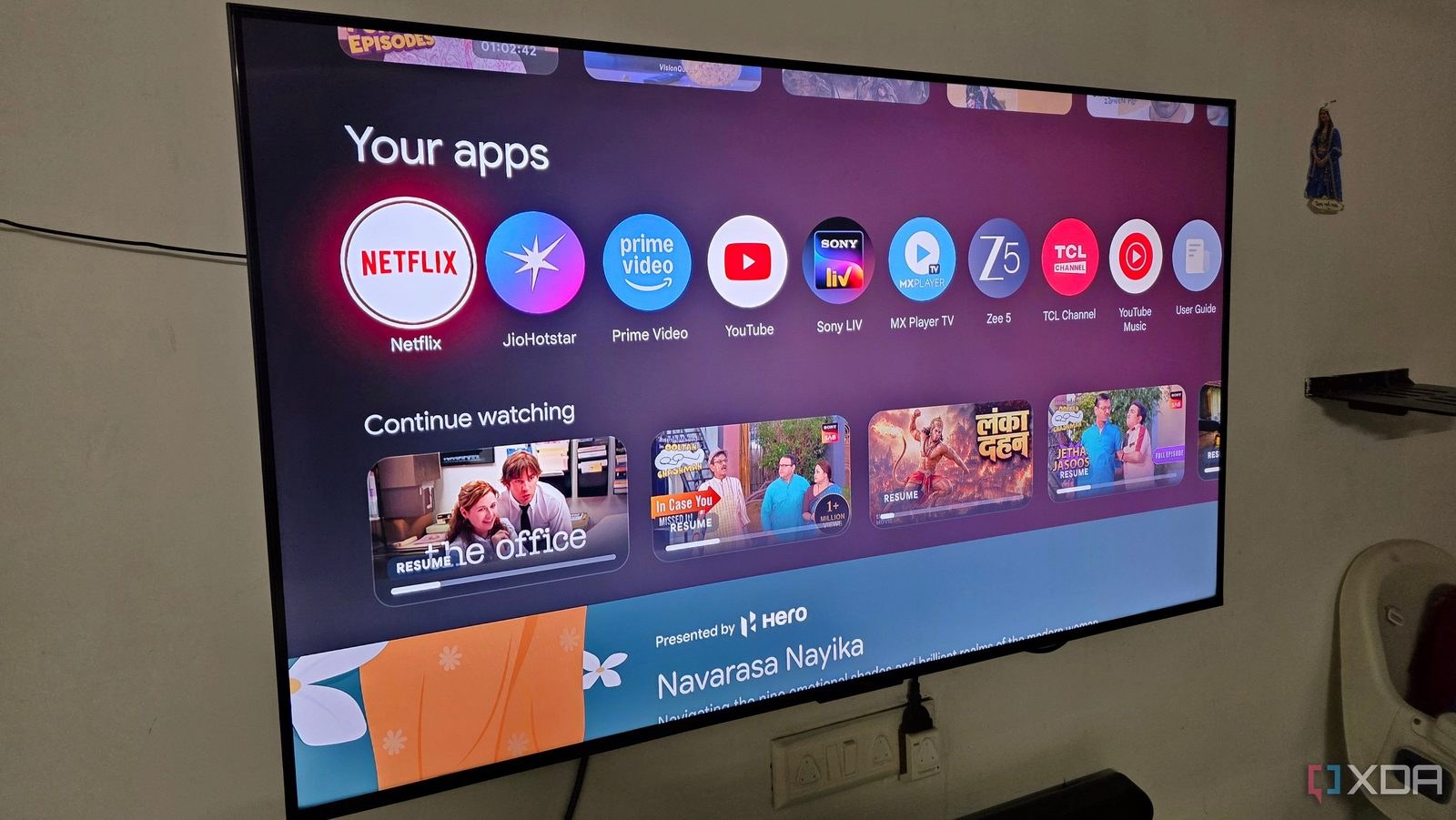
Fed-up owners are stripping sponsored tiles and tracking scripts from modern displays using free open-source utilities. These tools bypass interface bloat via Android debugging without requiring dangerous root access or permanent system changes.

The new Kaleido 4 color e-paper panels finally speed up page turns and boost contrast by 50 percent, making graphics and documents actually readable. Hanvon Technology is launching the global debut in its M10C II notebook, though missing price tags mean
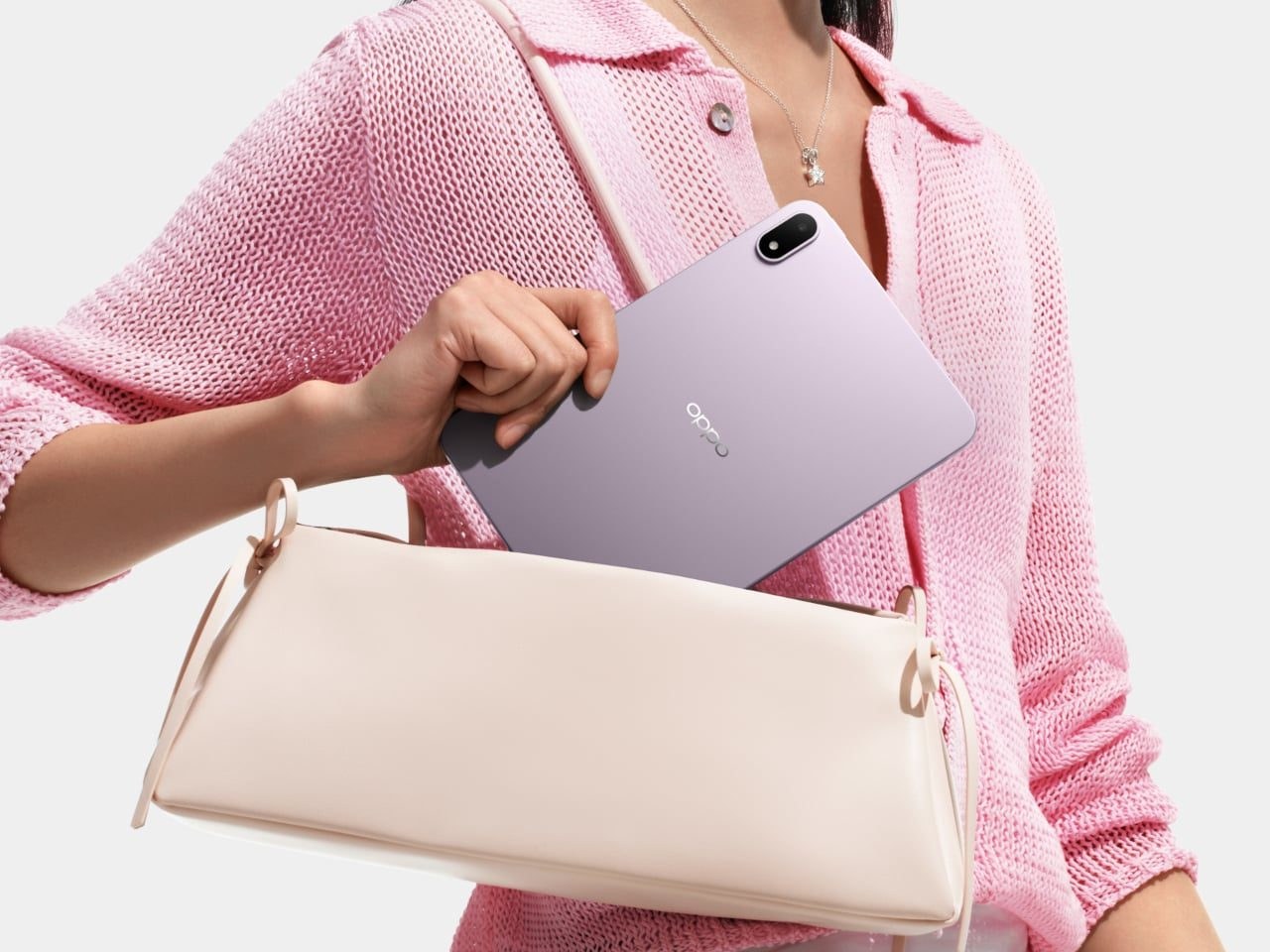
OPPO's 8.8-inch tablet combines an anti-glare matte OLED display with a 9.95-ounce metal body and Snapdragon 8 Gen 5 performance. It offers a practical alternative for commuters and readers tired of glossy screens acting as mirrors.

Maker ItzSunBoi has built a pocket-sized gaming console that replaces a traditional display with an 11×15 grid of individual LEDs and physical buttons. It cannot be bought and changes nothing for daily tech, but proves strict hardware limits still spark clever
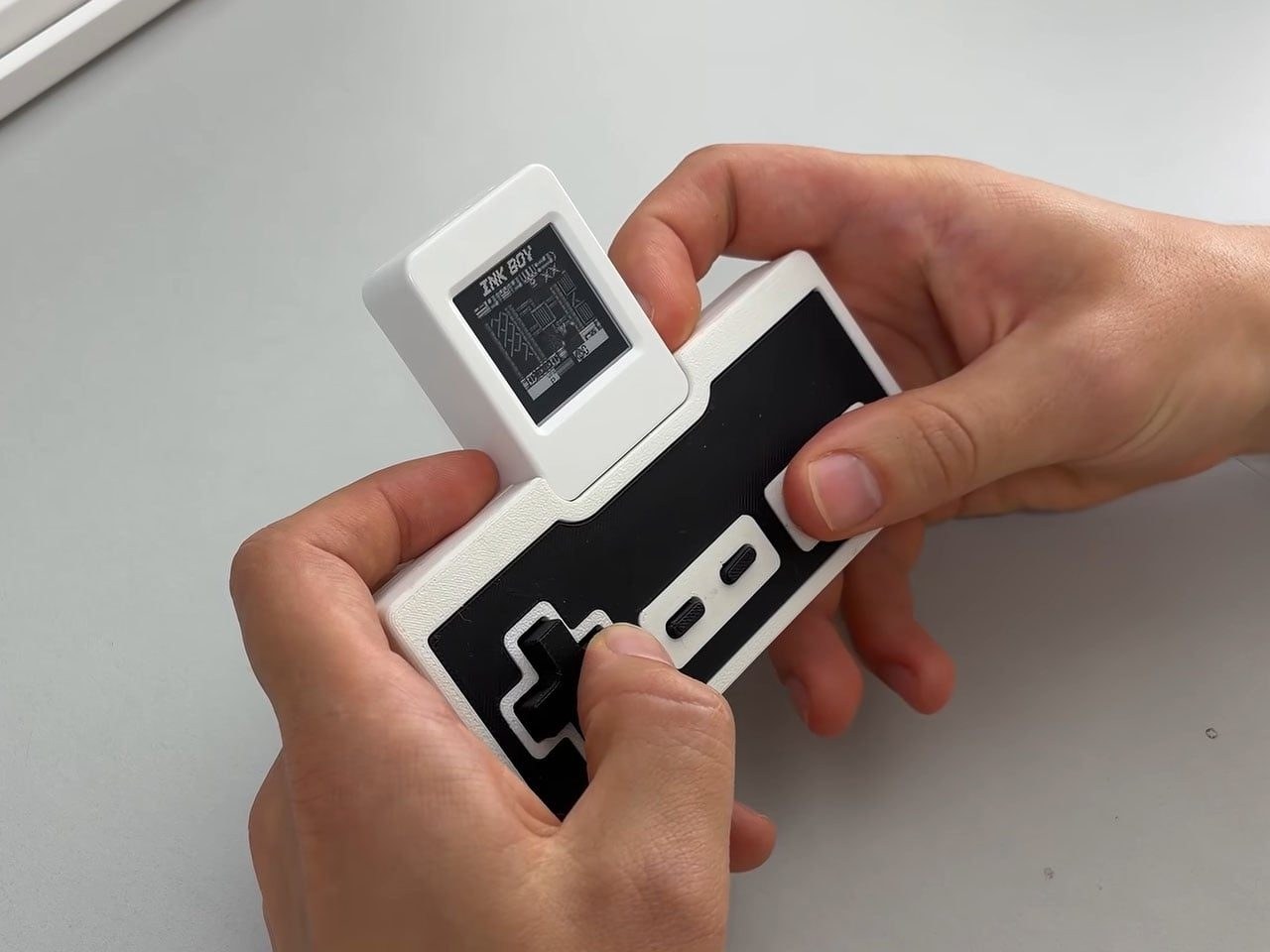
Independent developer Bo Made It built InkBoy, a tiny gadget that forces slow electronic paper screens to run retro games at 30 frames per second. Powered by an ESP32 chip and custom pixel-refresh software, it proves monochrome book displays can handle fast
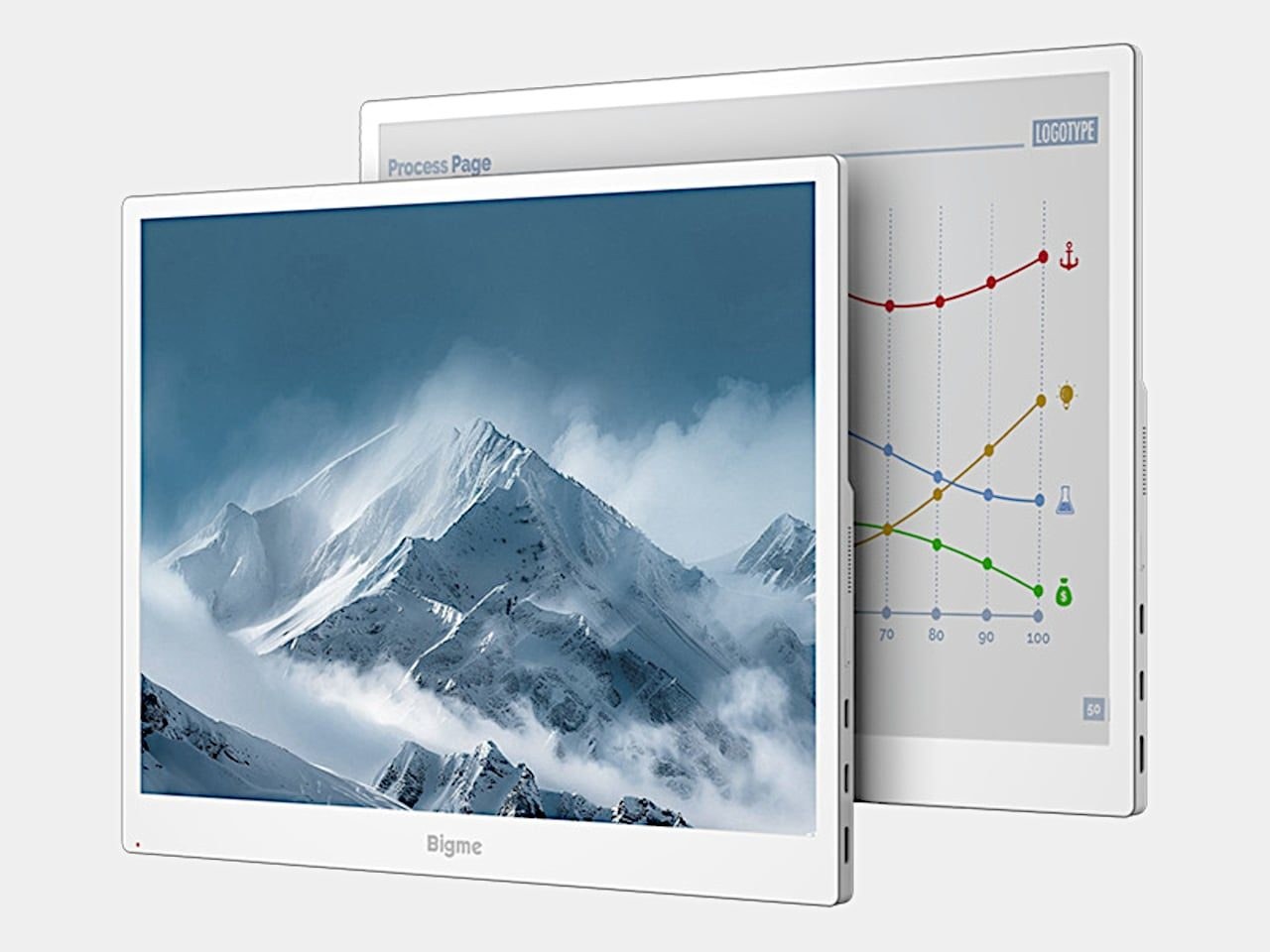
Staring at spreadsheets all day leaves eyes exhausted, prompting Bigme to release a 13.3-inch color e-paper monitor with a 60 FPS refresh rate. The $600+ screen relies on reflected ambient light instead of a harsh backlight to make text-heavy work easier on
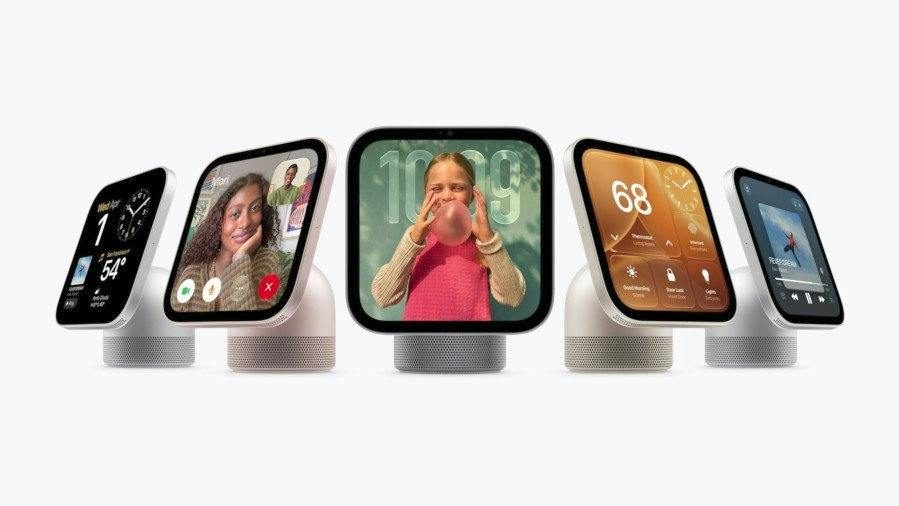
Apple is launching a 299-dollar smart home hub shaped like the classic iMac G4 with facial recognition for six people. Available in November, the device brings FaceTime and HomeKit controls to your kitchen wall but demands full ecosystem commitment.
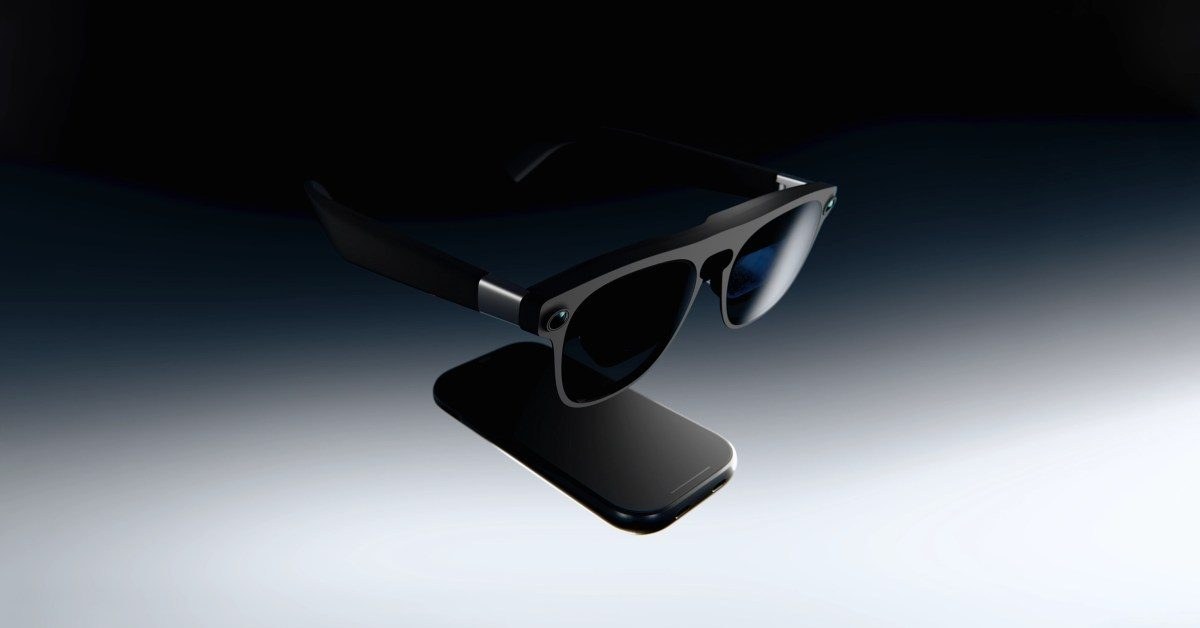
XREAL's first Android XR glasses ditch the direct phone cable for a separate computing puck and start at $1,279. Pre-orders require a $199 non-refundable-sounding deposit ahead of holiday deliveries.
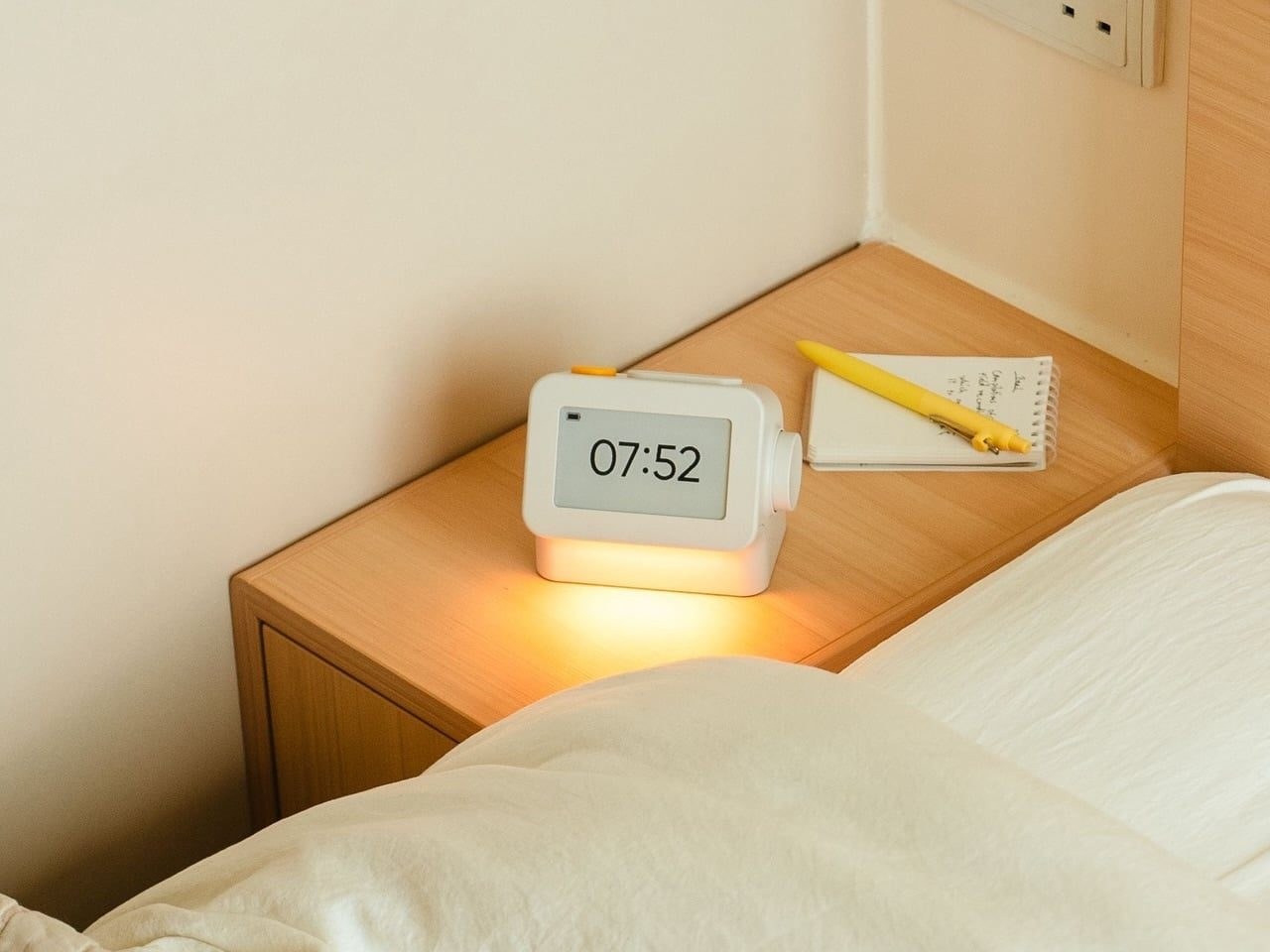
Designers Peter Arvad and Jesper Westendahl built a dedicated bedside clock to break the smartphone morning scroll habit. The 3.7-inch e-paper display uses ambient light, physical controls prevent half-asleep mistakes, and built-in sleep sounds require no apps or subscriptions.
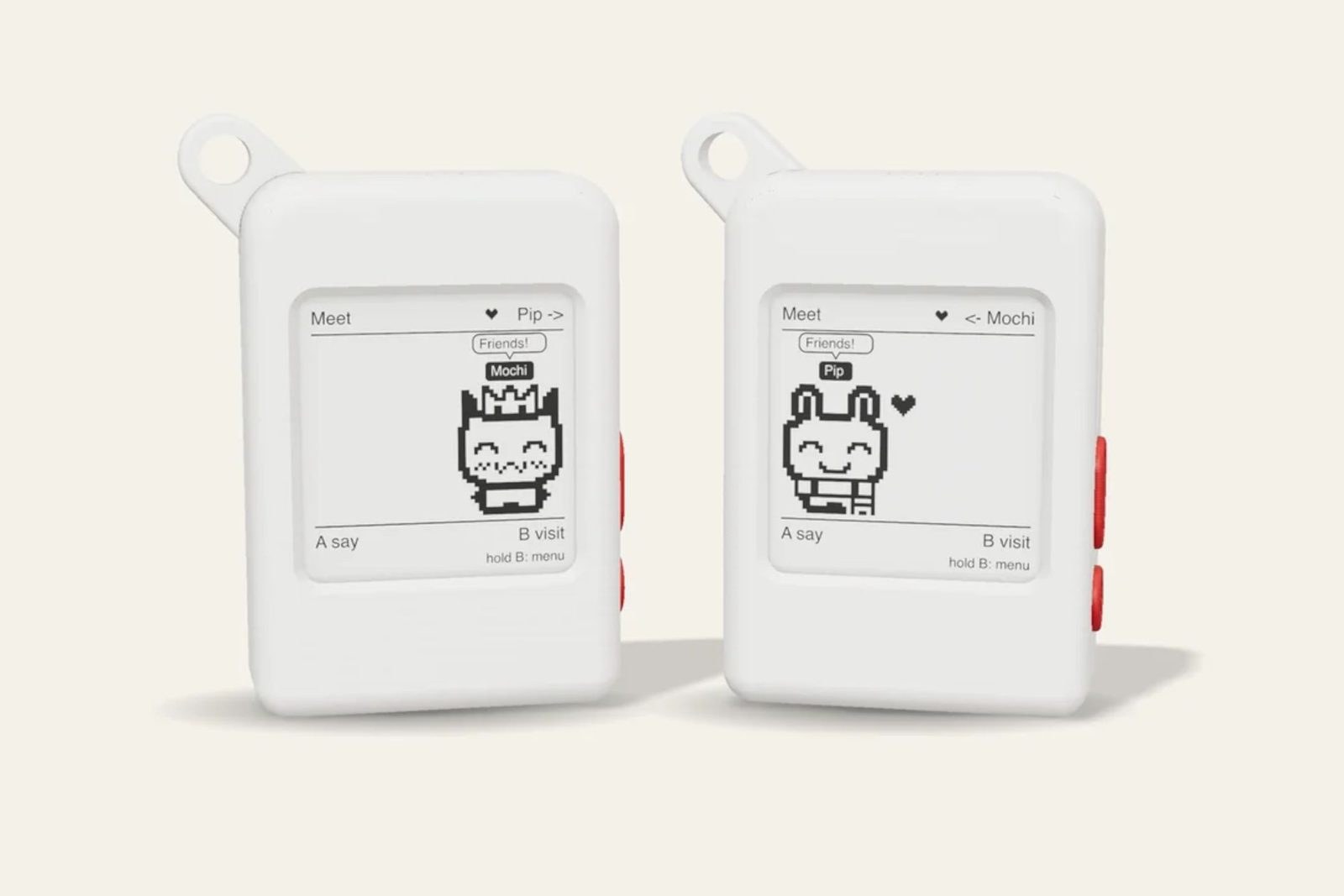
A developer created unidex, an open-source operating system running on a tiny 1.54-inch Waveshare ESP32-S3 e-paper display. It tracks your schedule, stores notes, and features a digital pet without pulling you into algorithmic feeds.

Anbernic announced the RG DDS clamshell handheld featuring dual IPS displays and a Qualcomm Snapdragon G2 Gen 2 chip. The device mimics the classic 3DS layout for retro gaming enthusiasts, though pricing and release dates remain unconfirmed.
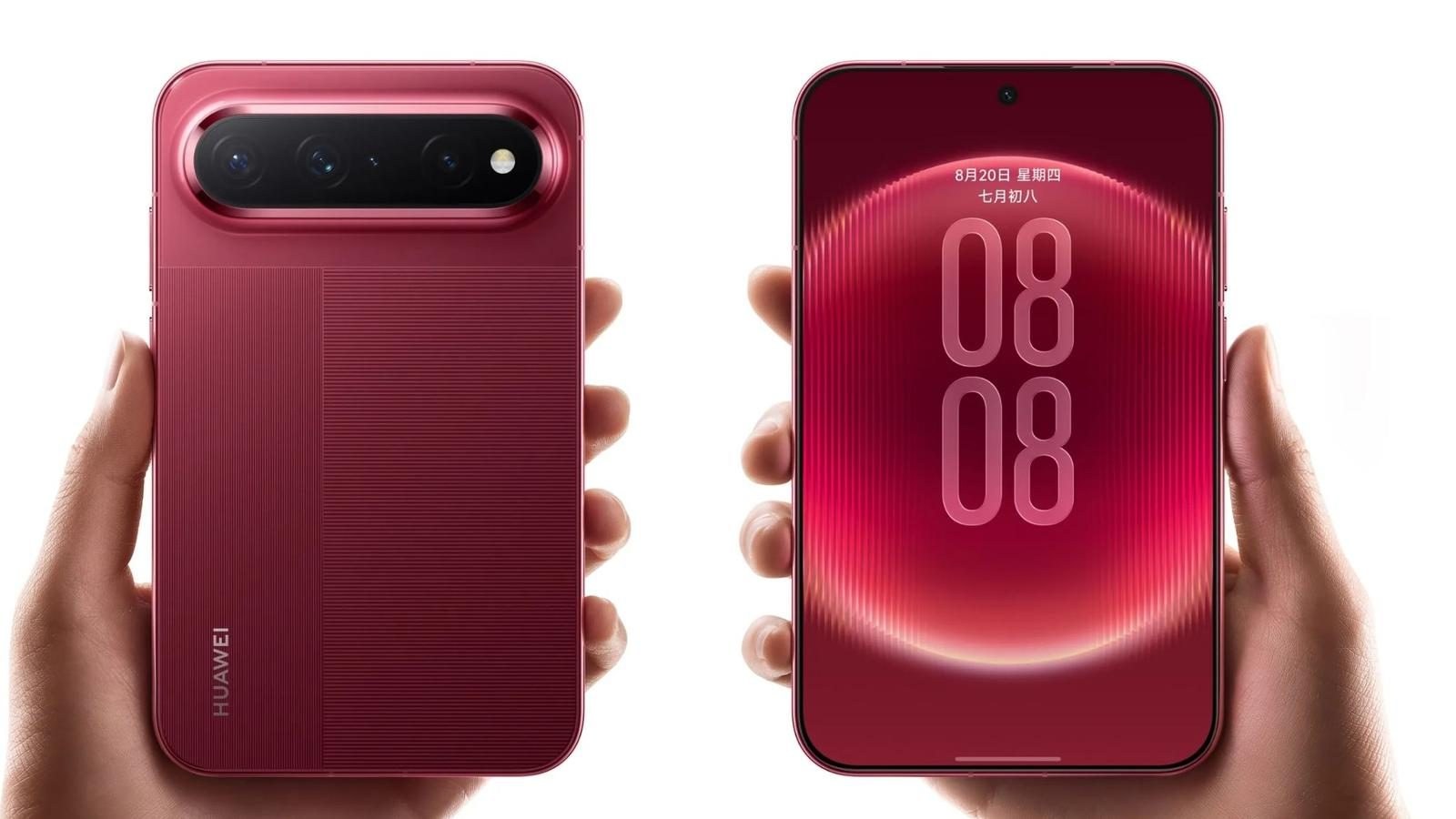
The unusually proportioned Huawei Pura X View has become a runaway hit, triggering severe retail shortages and heavy reseller markups. Buyers are ditching narrow screens for a wider format, defying manufacturer volume expectations.

The Kickstarter-backed CyboPal ONE mounts a 27-inch 4K screen onto a motorized six-axis arm that tracks your face and adjusts its position automatically. Packed with a built-in Linux computer, it promises seamless ergonomic shifts but introduces heavy mechanical and software complexity to your desk.

Honor has added a tiny 2.01-inch rear display to the budget Honor X5d s alongside a 6,000 mAh battery. The secondary screen promises selfie framing and quick notifications, but mostly serves as a marketing gimmick on a low-end device.
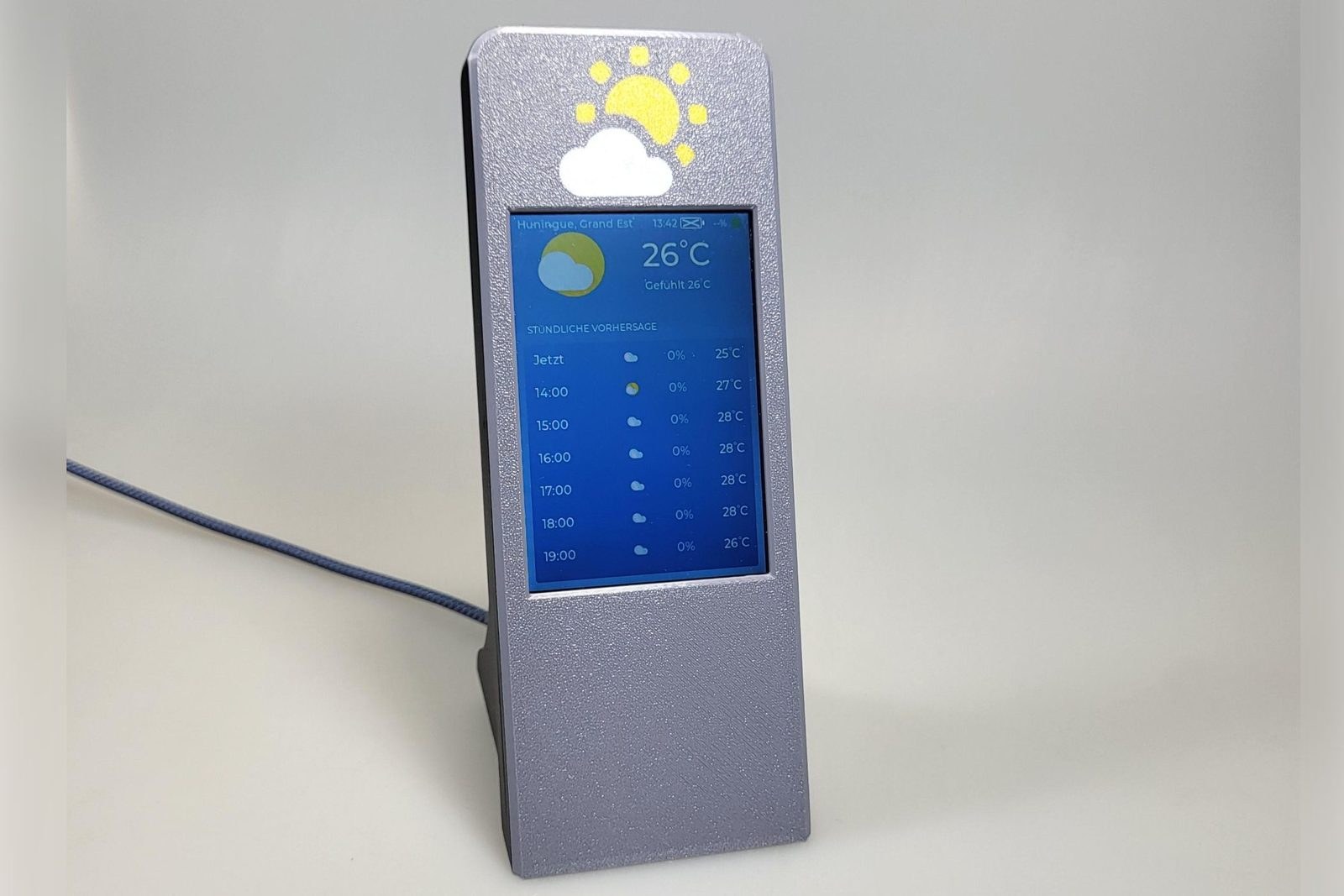
A new DIY weather display swaps blind motion sensors for a millimeter-wave radar chip that detects actual human presence. The device wakes up only when someone steps close enough to read the screen, solving the annoyance of glowing smart home hubs in the dark.

TDK has built a smart glasses prototype with a projector embedded straight into an 80% transparent lens. The technology bypasses bulky plastic frames and privacy issues, but right now it only outputs monochrome text and has no release date.
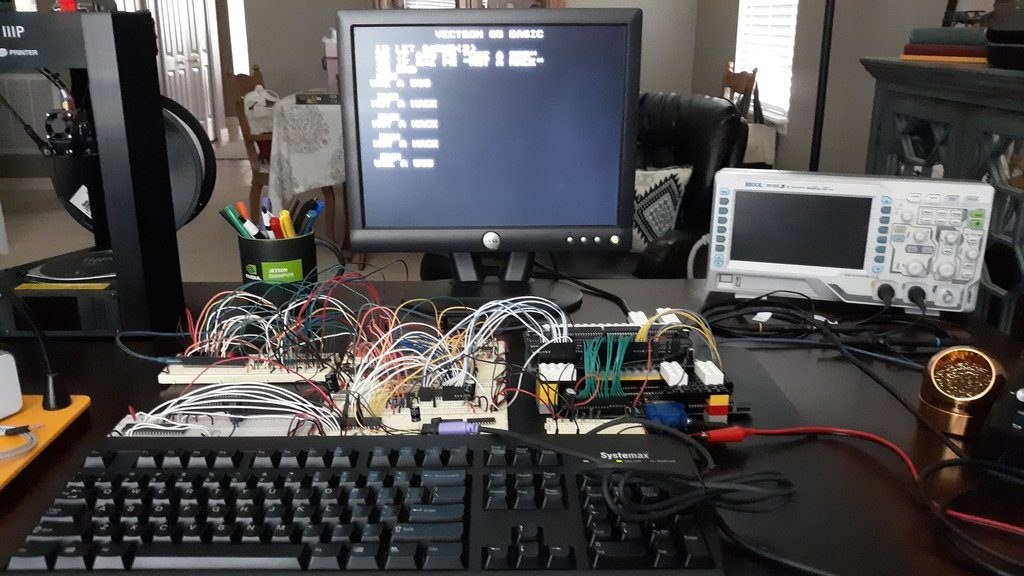
The Vectron65 Plus has evolved from a breadboard experiment into a modular printed circuit board with extra RAM and independent graphics coprocessors. Built by engineer Nick Bild around the classic 6502 chip, it offers a fully repairable alternative to modern disposable hardware.

An independent developer named Mañolo has built a custom 6-DoF VR headset using 3D-printed parts and custom Fresnel lenses. The project proves that high-end virtual reality components are now cheap enough to bypass corporate monopolies entirely.
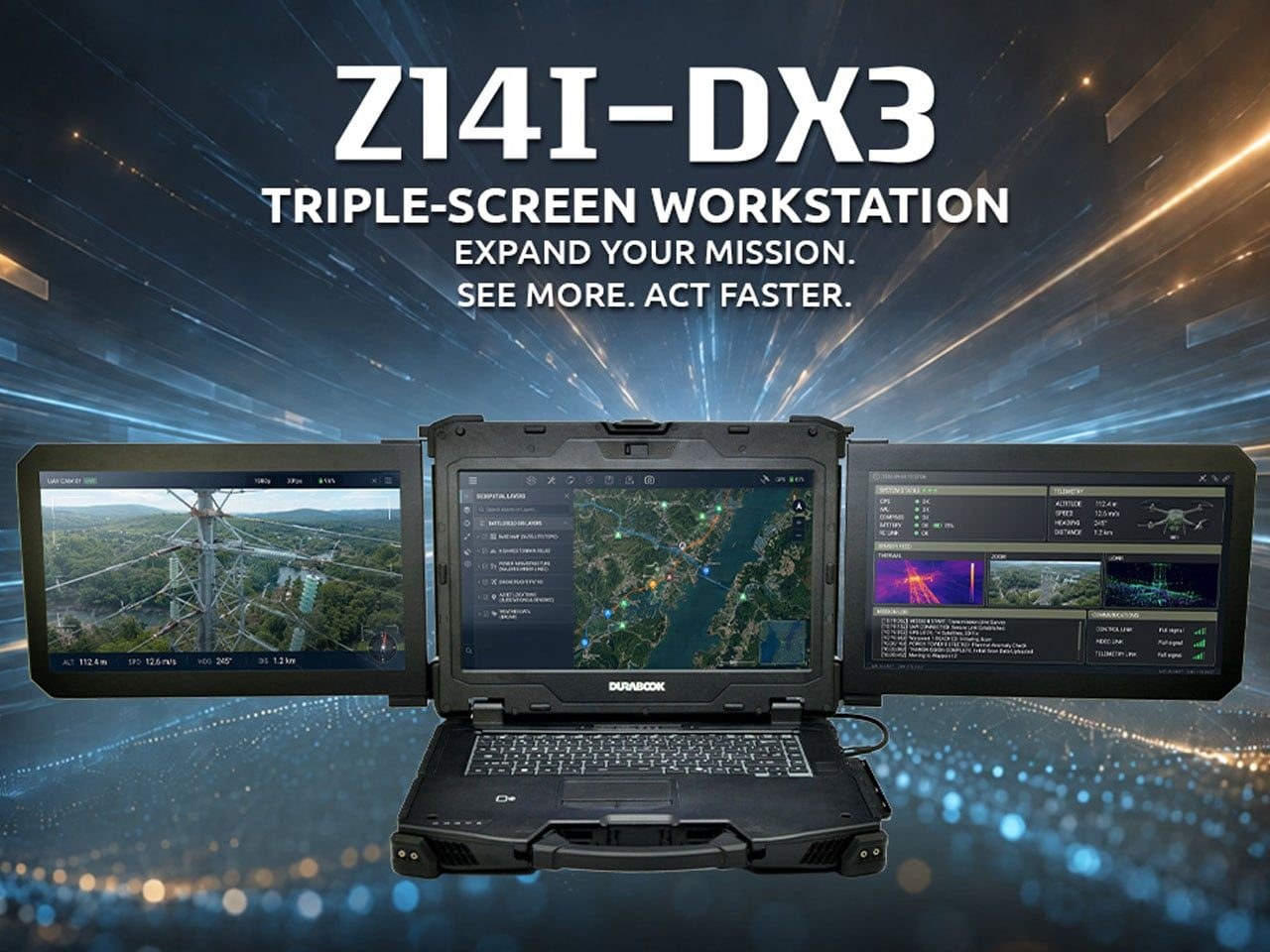
Durabook designed an armored workstation featuring three built-in 14-inch touchscreens that fold together for field operations. Weighing nearly 10 kilograms, the machine targets industrial command posts and enterprise users who need multi-monitor setups in extreme environments.
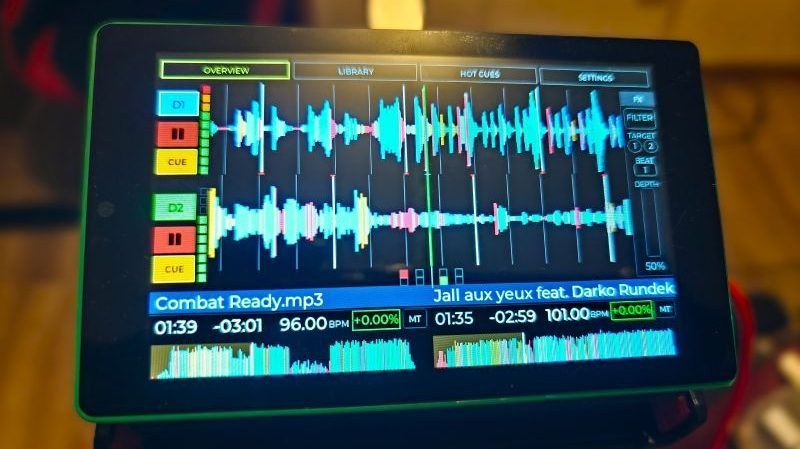
Independent maker Daniel Vučinović has engineered a standalone DJ controller running on a $50 ESP32 chip. It reads USB drives, renders live waveforms on a touchscreen, and eliminates laptop crashes for mobile DJs.
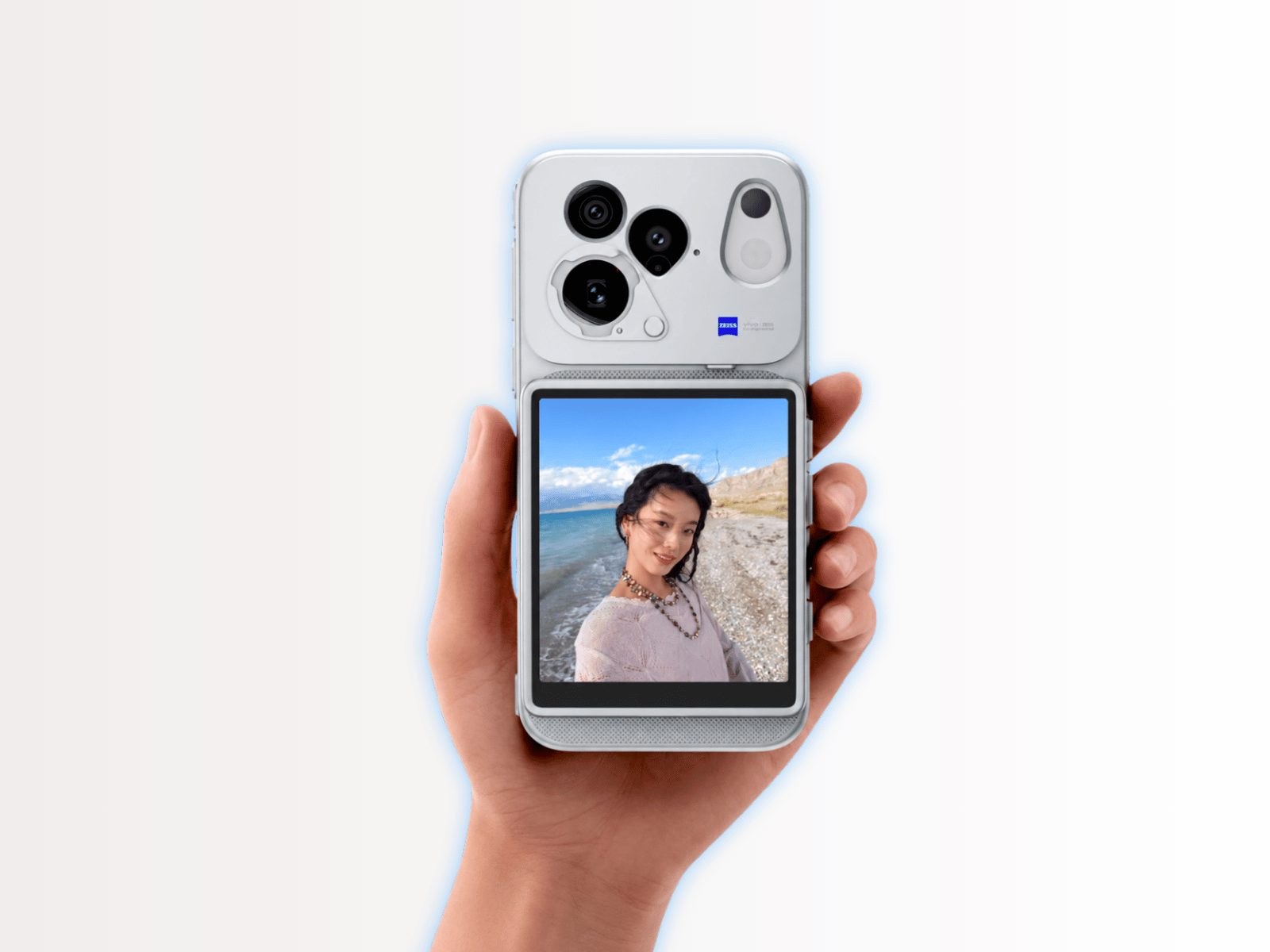
Vivo's new X500 pairs a giant 7,500mAh battery and a super-smooth 144Hz screen with a CNY 5,499 starting price. While the core hardware delivers solid daily stamina, adding the optional magnetic snap-on screen and zoom attachments quickly inflates the final bill into an impractical gadget collection.
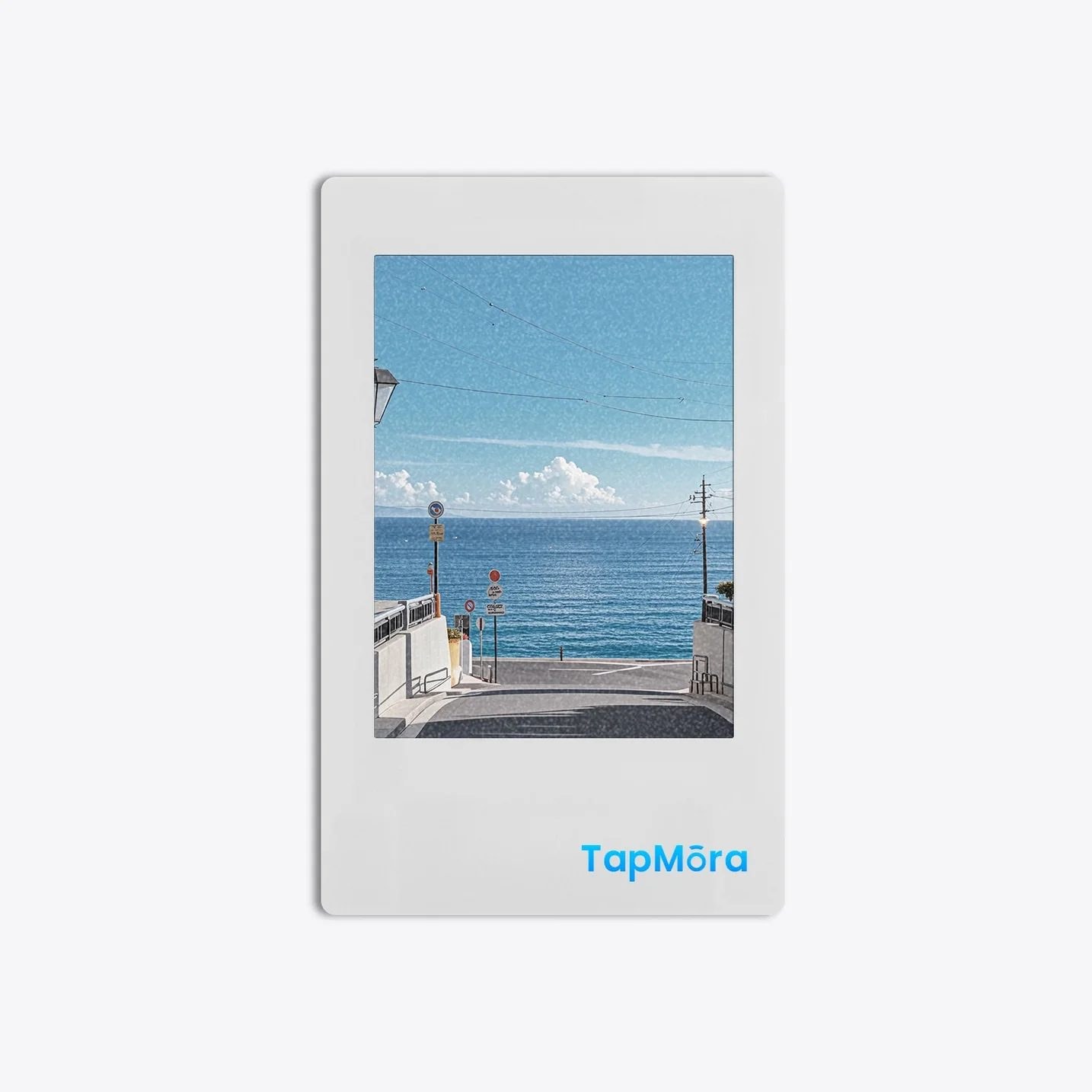
Tapmora has introduced a $45 pocket-sized E Ink photo frame for your fridge that runs entirely without batteries, cables, or Wi-Fi. By harvesting energy directly from your smartphone's NFC chip during a quick tap, it delivers a glare-free paper-like display.

Snap introduces standalone augmented reality glasses with dual hand-tracking cameras and a 132-gram frame. The wire-free headset costs $2,195 and targets developers rather than everyday buyers.

Maker Natasha Dzurny ditched standard plastic laptop cases to build a fully functional portable workstation inside a furry theatrical puppet. Powered by an Arduino board with a 5-inch screen and built-in webcam, the absurd build turns a Linux machine into a portable stage prop.
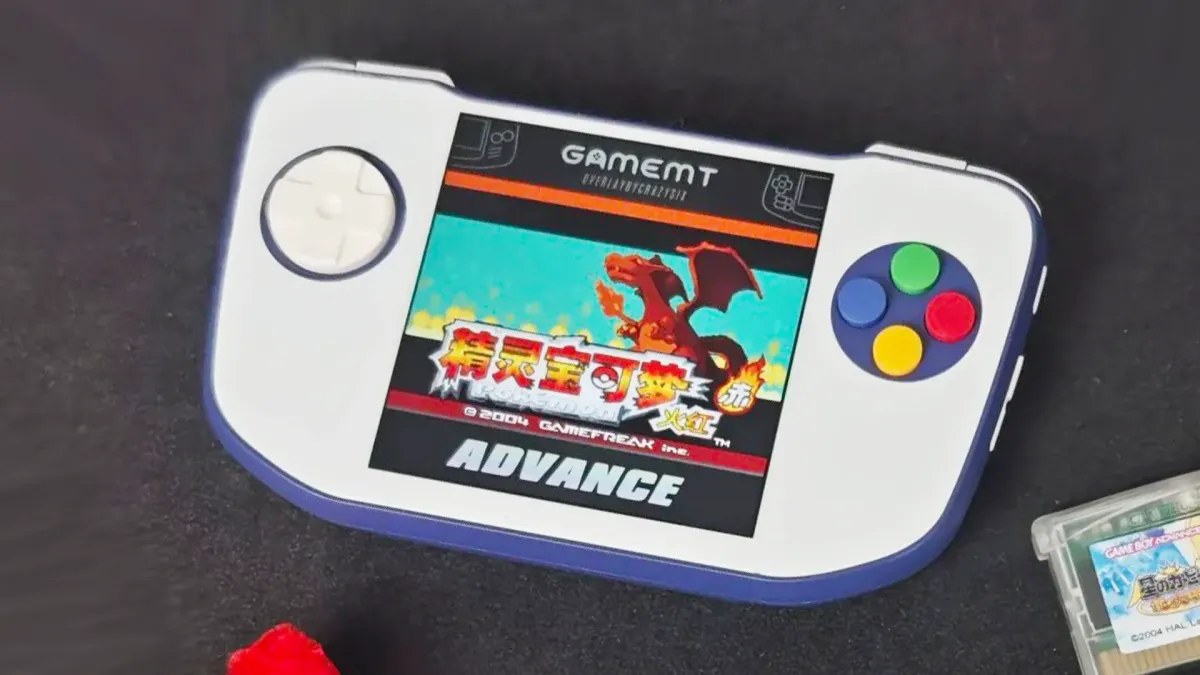
The new GAMEMT MTX handheld combines physical cartridge slots with an unusual square display. Early leaks reveal this design choice forces massive black bars on classic widescreen games, compromising the experience for retro collectors.
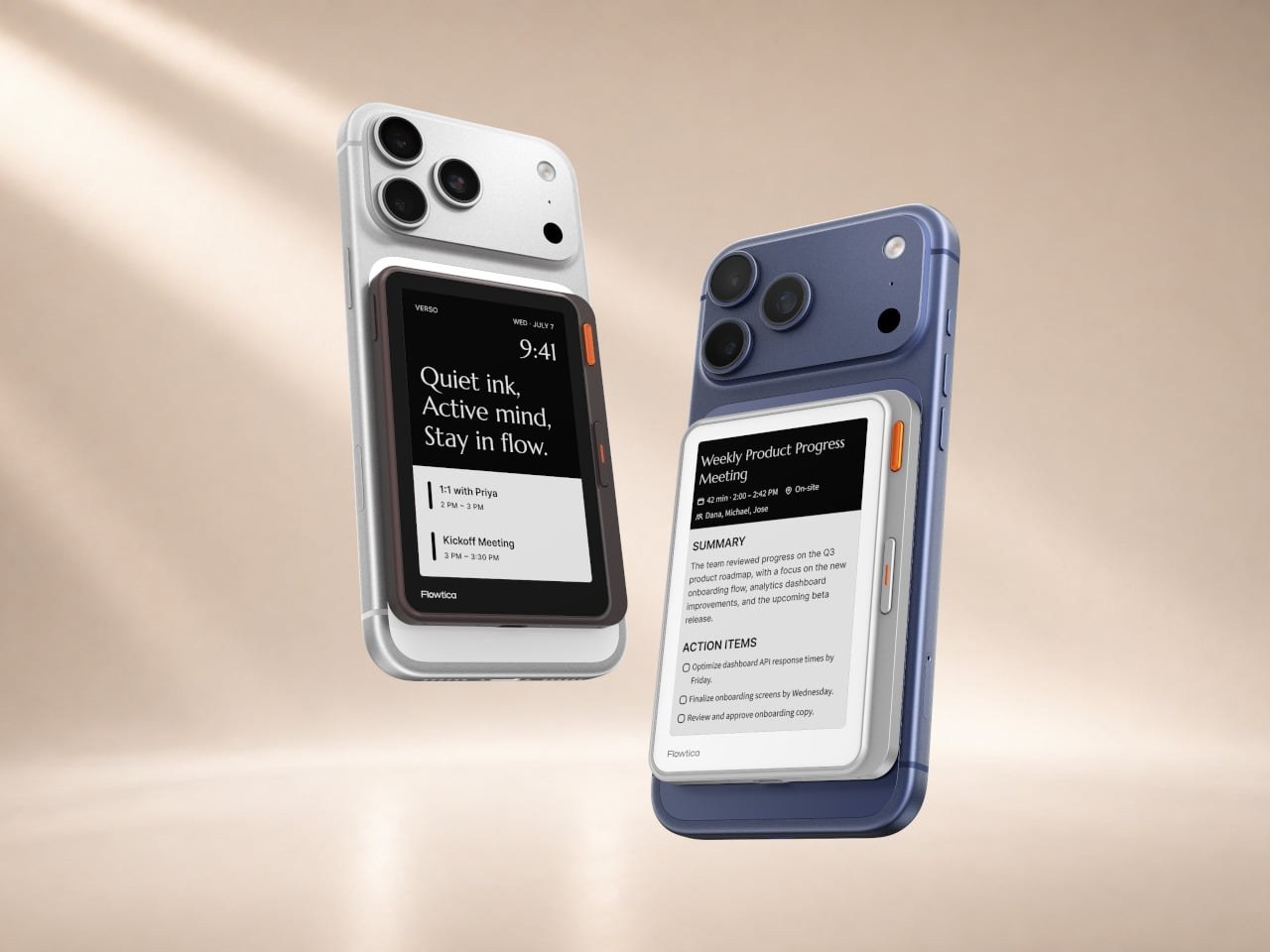
The Flowtica Verso attaches a magnetic e-paper screen and microphone array to the back of your smartphone to handle notes and summaries without unlocking the main display. At $299, it attempts to cure phone addiction by adding more hardware.

Apple asks $1,999 for the folding iPhone Duo with a matte screen and software hacks for awkward cases. Is it worth your money?
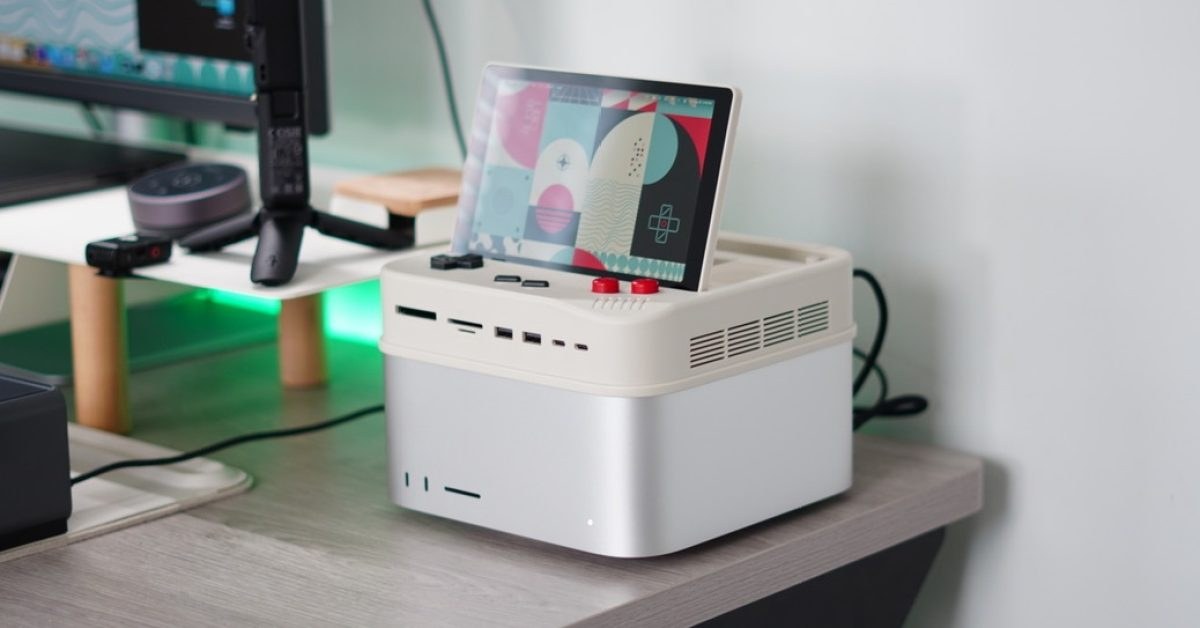
The Wokyis G7 dock adds a 7-inch display, physical shortcut buttons, and extra storage to a Mac Studio. We look at whether this nostalgic desktop upgrade is actually useful in daily work.
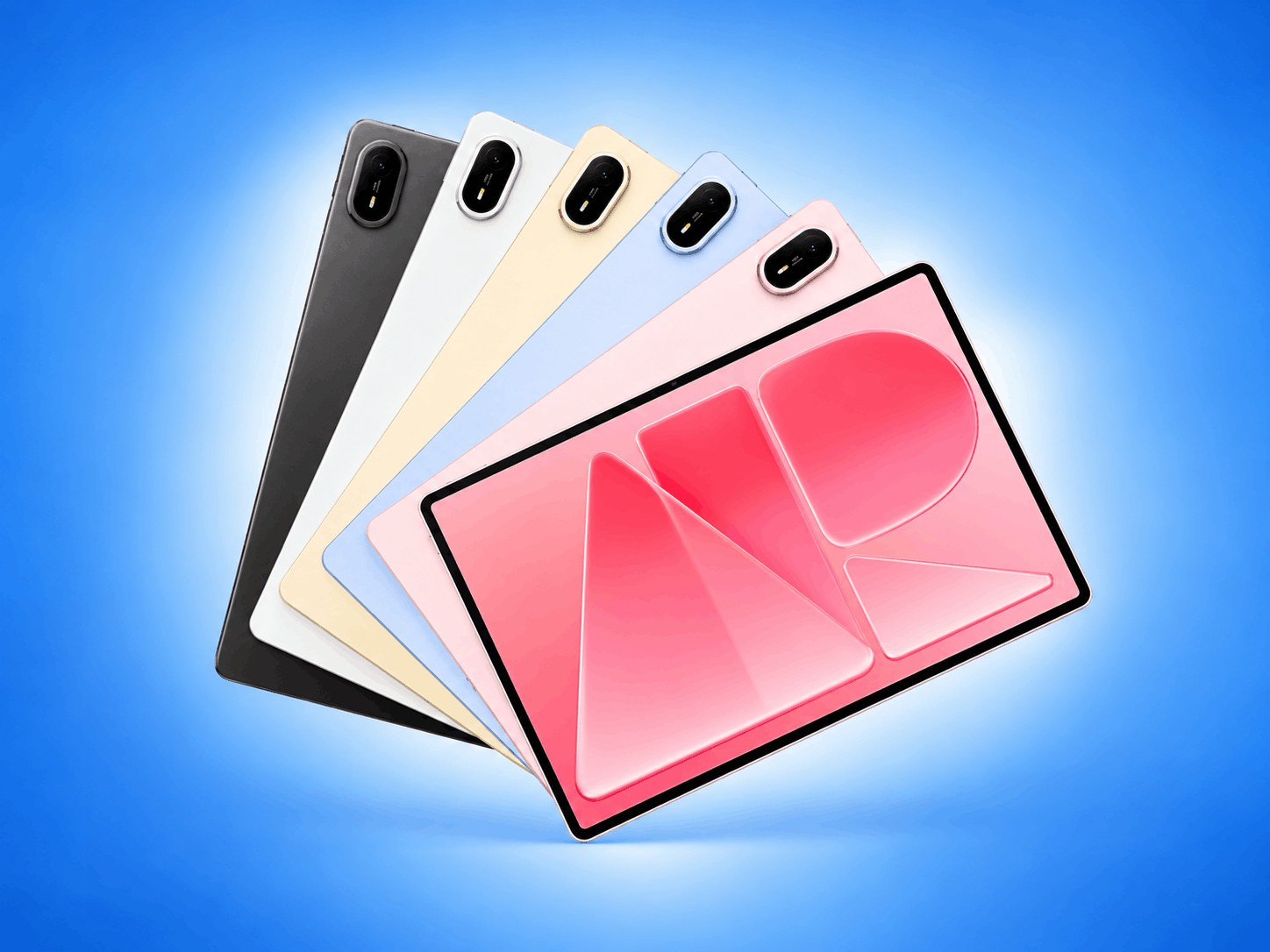
Huawei's new 509-gram tablet delivers flagship hardware and a stunning display, but relies on a restricted operating system that struggles to replace a traditional office machine. European buyers face a steep €799 entry price for the base configuration.
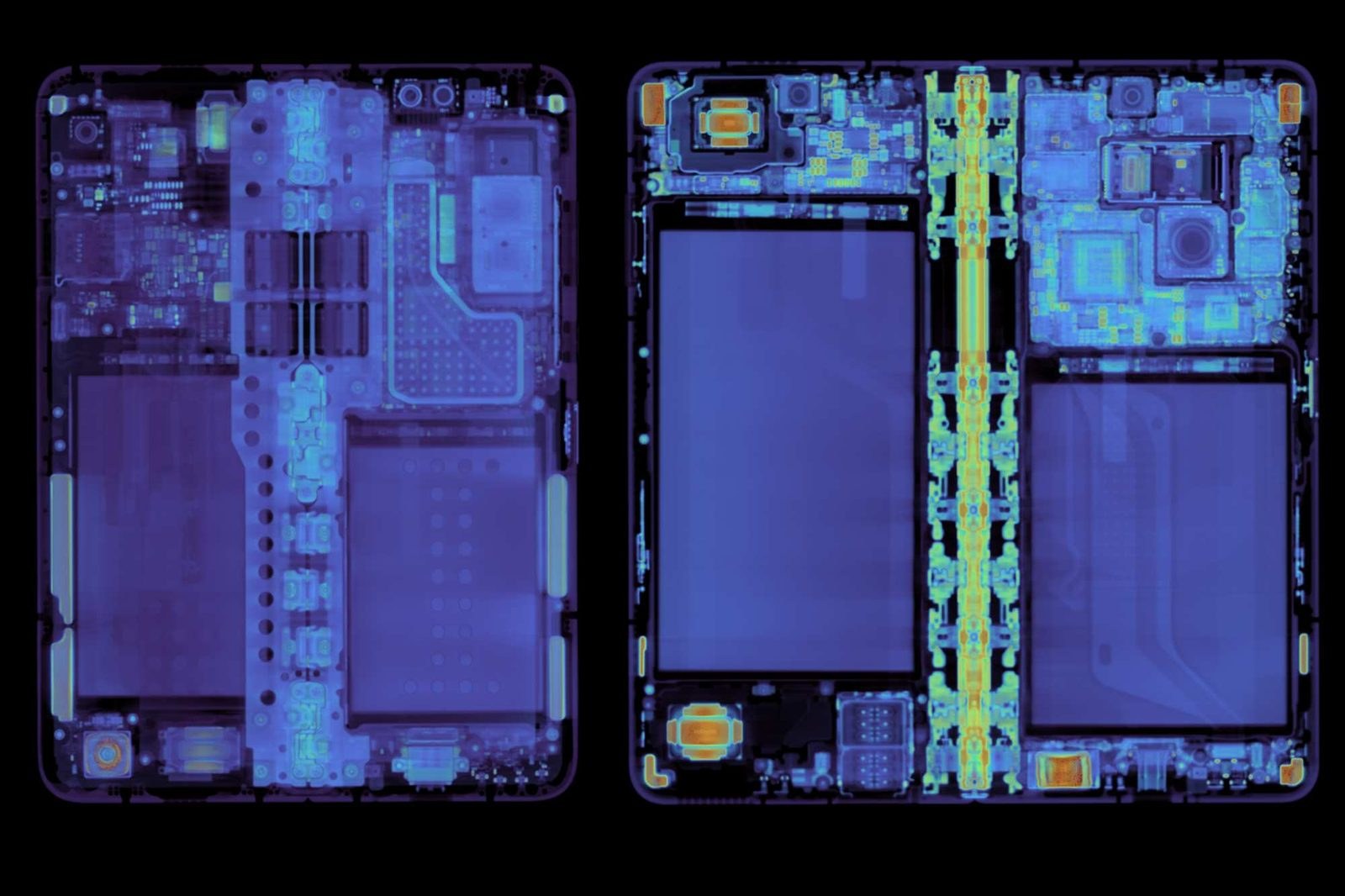
Today's folding smartphones pack multi-gear hinges and flexible glass into slim pockets, but accidental drops risk damage that rivals the price of a brand-new flagship device. Buyers trade everyday durability for cutting-edge hardware that still demands exceptionally careful handling.
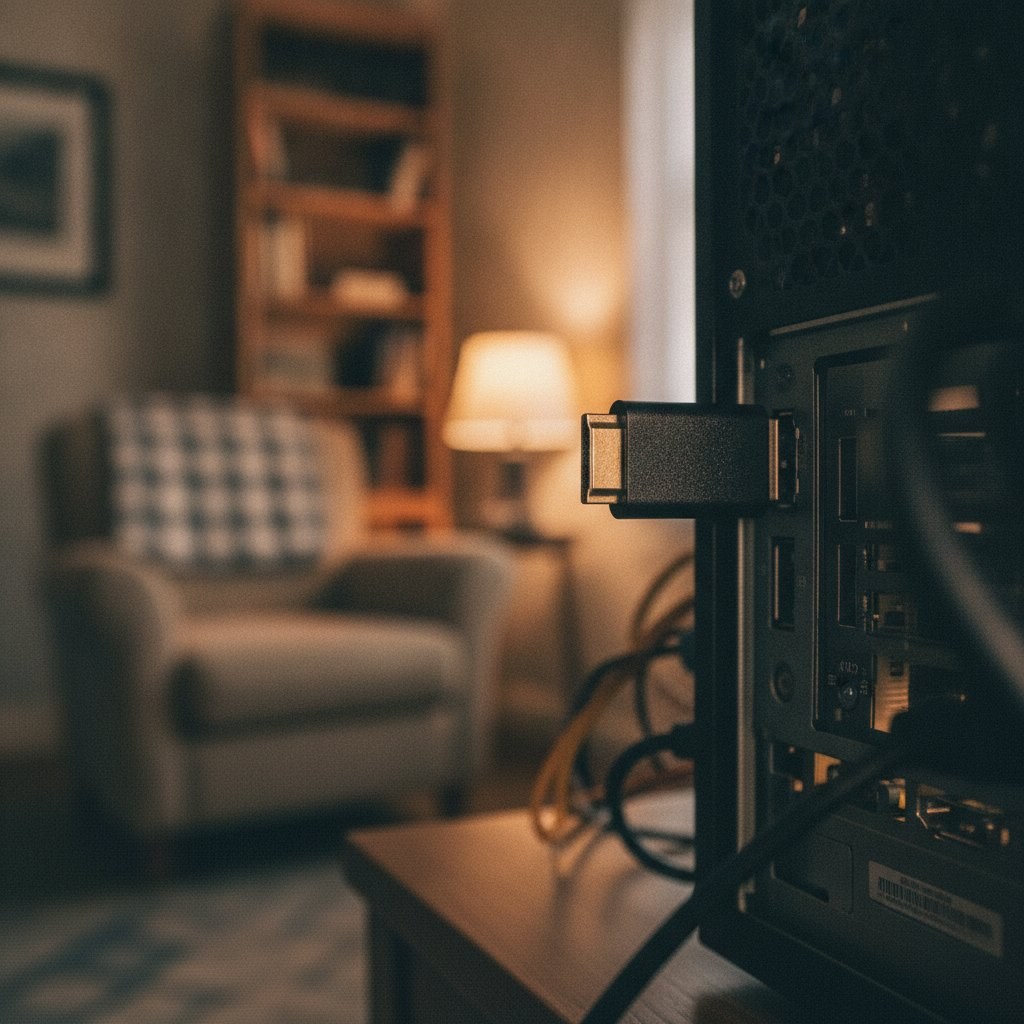
Streaming PC games to a living room TV often fails because graphics cards refuse to render without an active monitor. A thumbnail-sized four-dollar hardware dongle tricks the system into broadcasting a permanent 4K signal, replacing buggy virtual display drivers for good.
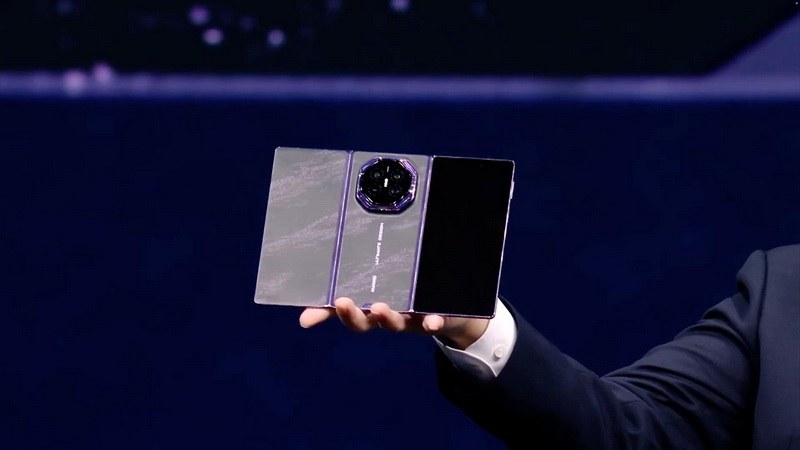
Tri-fold phones pack a 10.2-inch tablet into your pocket, but their mechanical complexity introduces real-world headaches. Dual hinges and fragile flexible displays demand two hands and carry astronomical repair costs. For mainstream buyers, paying a massive premium for a second crease yields very little practical utility.

Grocery chains are replacing paper labels with electronic screens linked to dynamic pricing software. The shift lets stores silently raise prices multiple times a day during peak hours while cutting thousands of floor jobs.
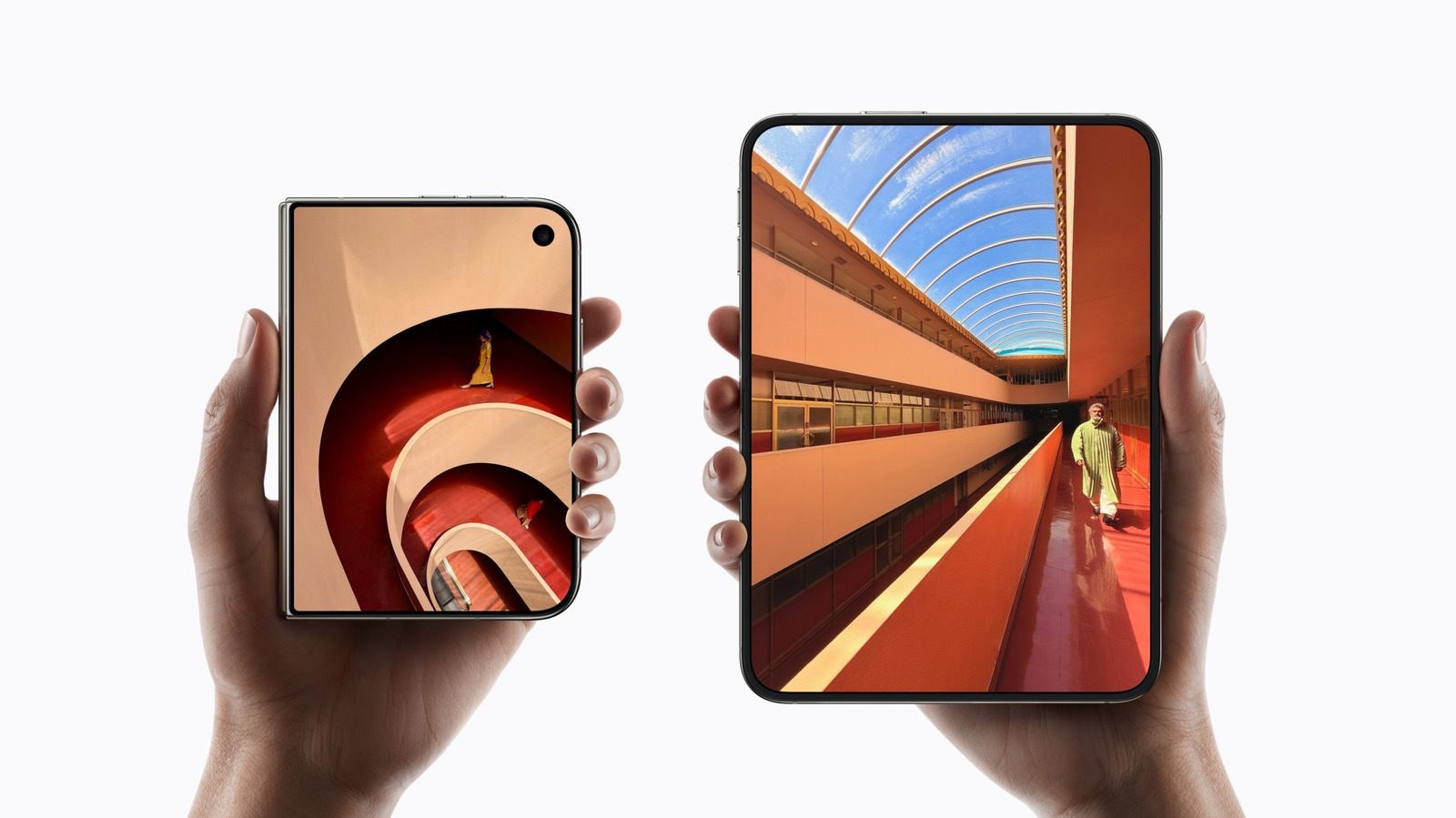
Samsung and Apple have shifted to a wider passport-style format for the Galaxy Z Fold 8 and iPhone Duo. These folding screens offer a usable phone when closed and a tablet workspace when opened, though high prices and delicate hinges remain.
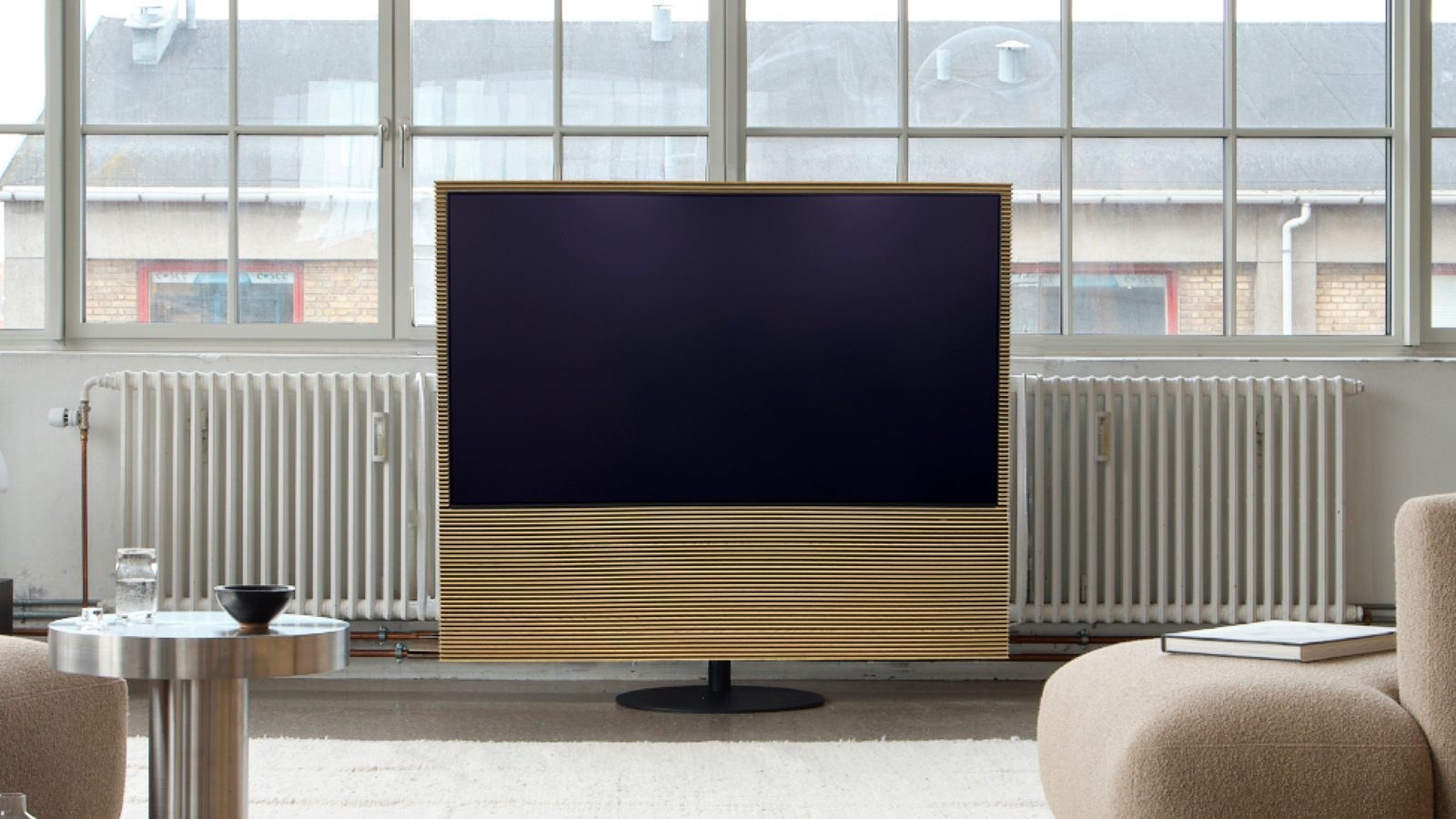
Samsung has teamed up with Danish acoustic brand Canvas to embed its flagship OLED panel inside custom wooden cabinetry with up to 1,500 watts of power. Starting at $7,999 when it arrives in October 2026, the setup eliminates messy AV receivers for design-conscious buyers who want big sound without rear speakers.
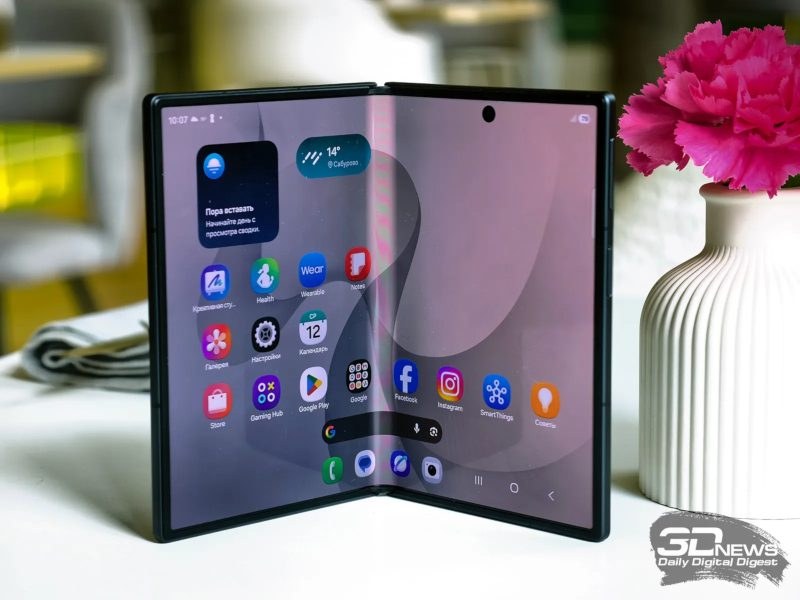
Galaxy Z Fold 8 owners are finding permanent physical dents across their folding panels, but Samsung refuses warranty repairs by calling the flaws an intended material trait. This shifts the financial burden of fragile flexible OLED displays entirely onto buyers who paid flagship prices.
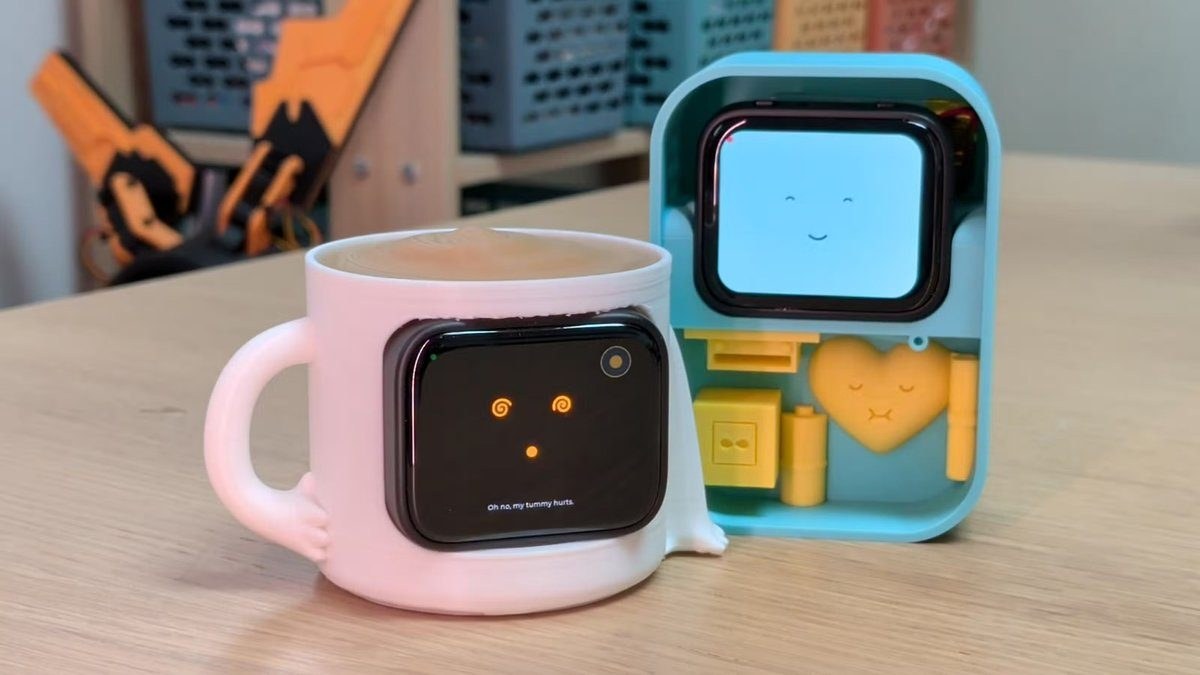
An open-source DIY keychain uses classic Tamagotchi mechanics to break doomscrolling habits by letting a virtual pet sicken whenever phone limits are exceeded. The offline gadget replaces easily ignored software prompts with emotional accountability at a fraction of the cost of commercial blockers.
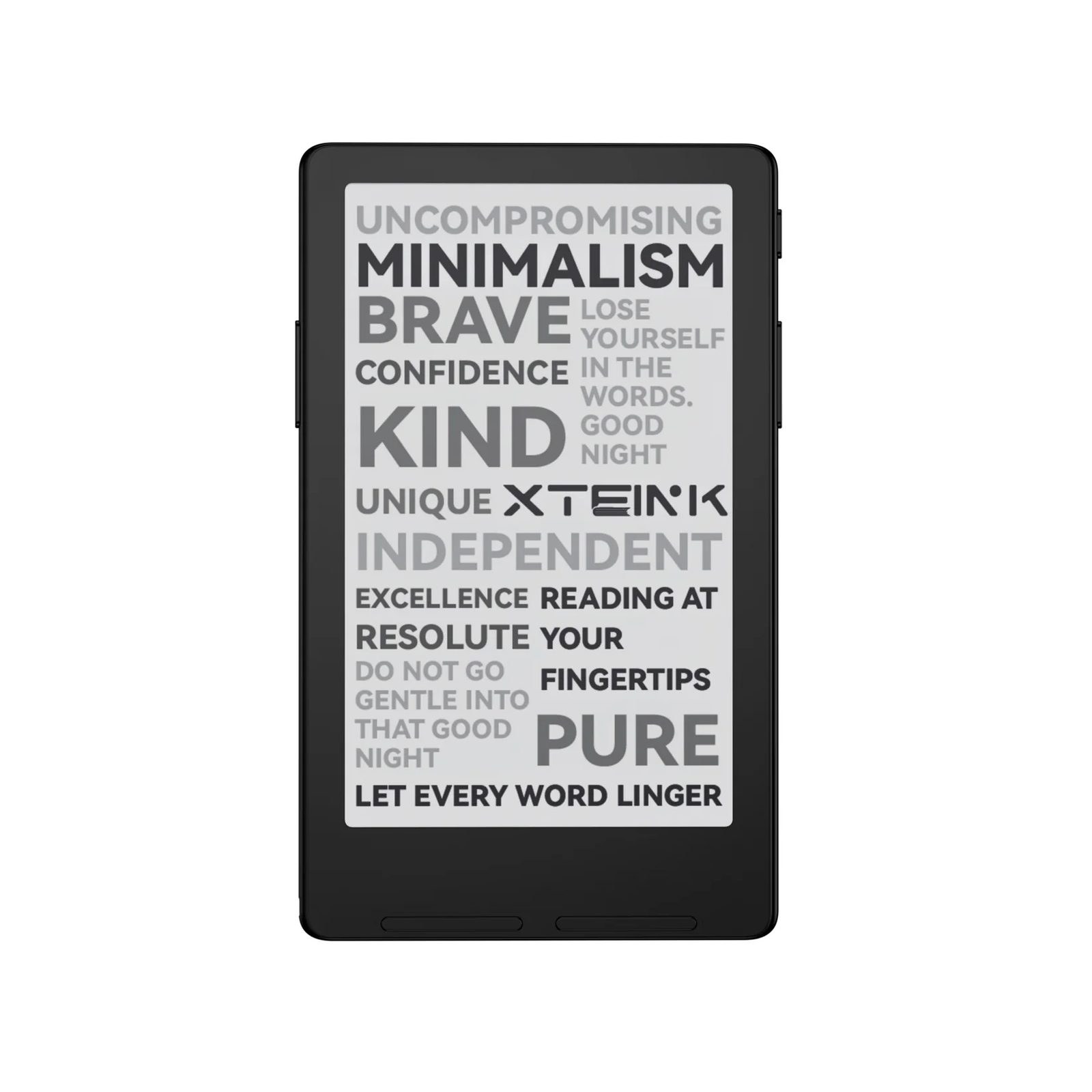
XTEINK has launched the 68-gram X4 Classic e-reader for $79, stripping out touchscreens and backlighting in favor of physical buttons and a glare-free panel. Running on an ESP32 chip with a 920 mAh battery, it offers a distraction-free pocket device for dedicated readers who want to escape smartphone notifications.

Security researchers discovered that flagship LG OLED TVs scan local networks, profile your other gadgets, and record microphone audio even in standby mode. All collected telemetry feeds directly into the manufacturer's aggressive advertising wing, turning the display into a passive surveillance beacon.
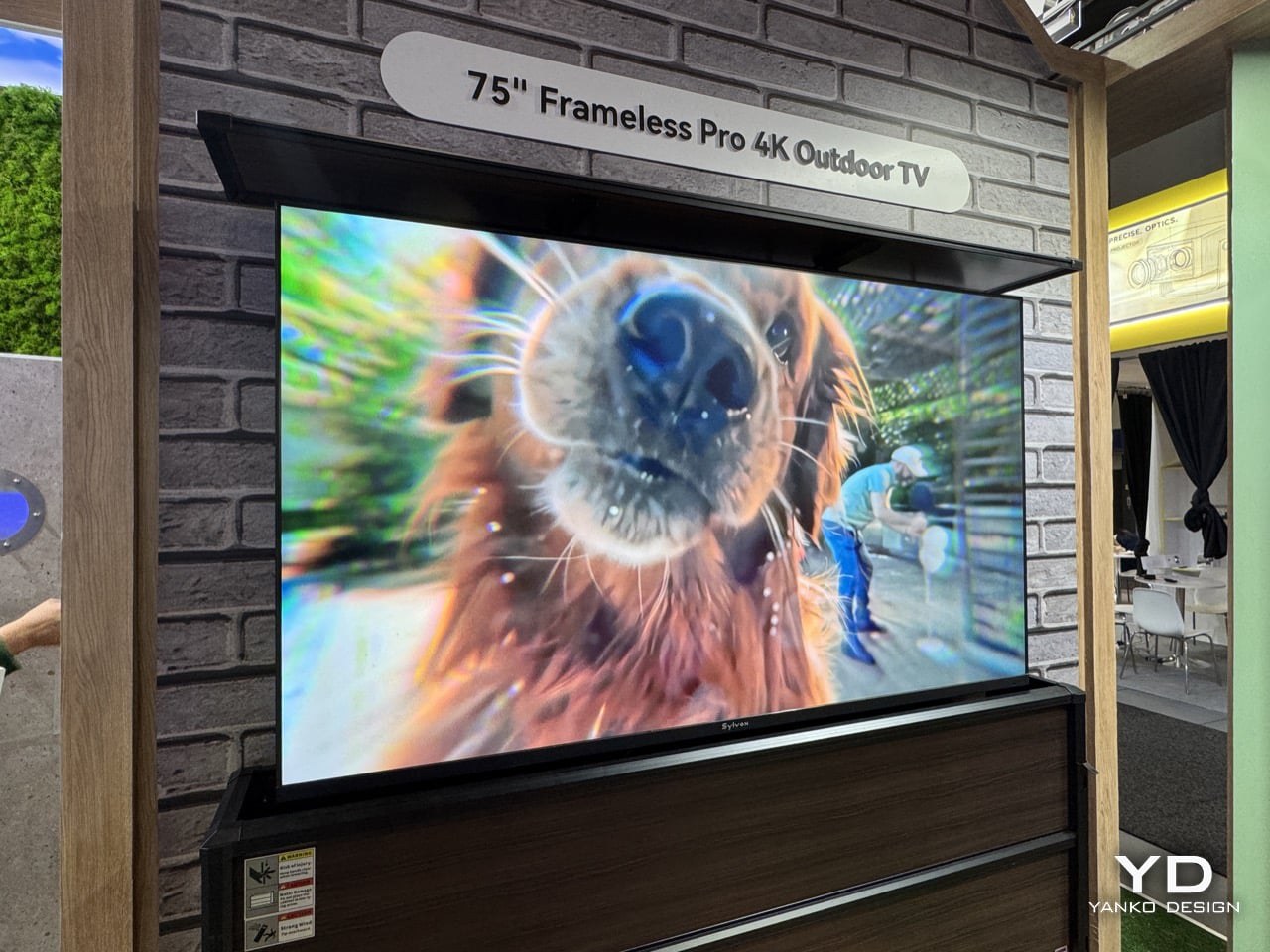
Sylvox has squeezed weather-proofing gaskets into the back of its 75-inch Frameless Pro to eliminate the bulky industrial frames on open-air screens. Operating between -22 and 122 degrees Fahrenheit with 2,000 nits of brightness, the 5,299-dollar panel trades boxy borders for a deeper chassis meant for luxury patios.
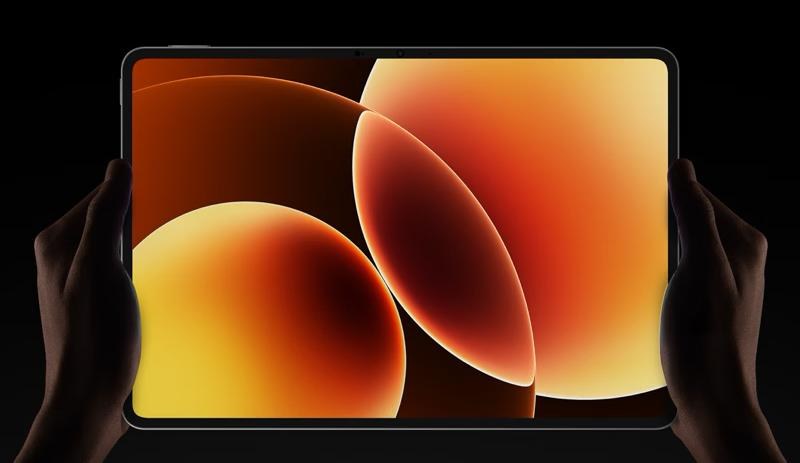
Xiaomi has launched the Pad 9 Pro Max featuring a dedicated USB-C DisplayPort video input alongside a 13.3-inch 3.4K display. The tablet functions as a zero-latency secondary screen for laptops and consoles, eliminating the need for standalone portable monitors.
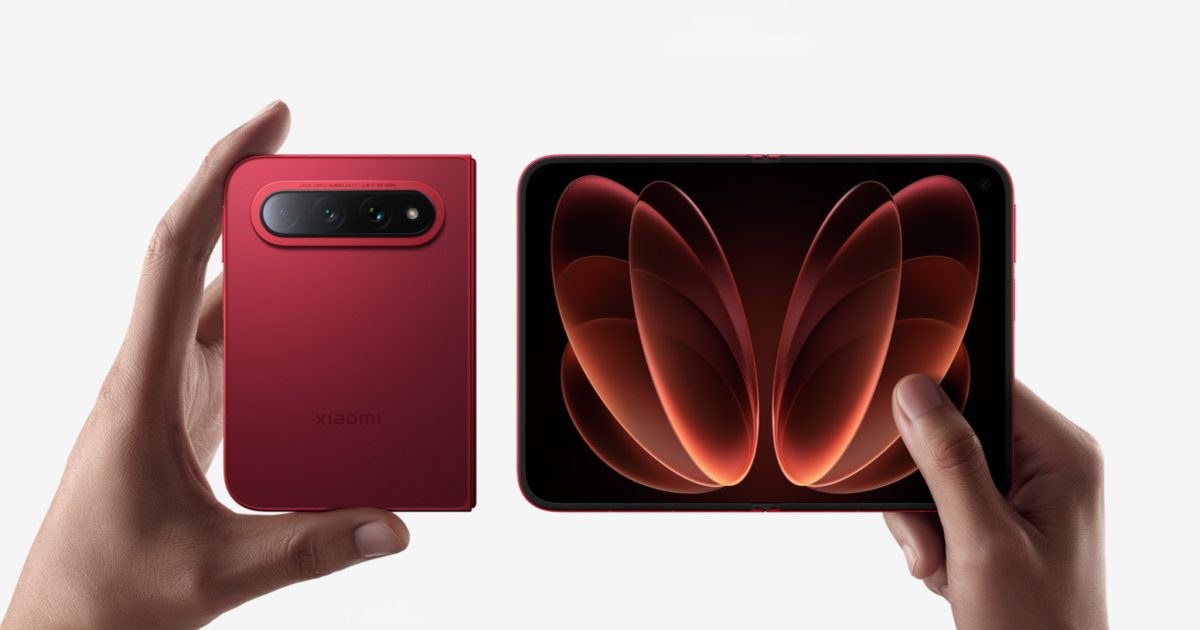
Xiaomi has redesigned the book-style foldable to match standard A4 paper proportions, fixing the cramped outer display problem. The phone packs a 6,000 mAh battery into a 5.02 mm slim chassis with a nearly invisible crease. It makes one-handed messaging on a foldable practical without opening the device.
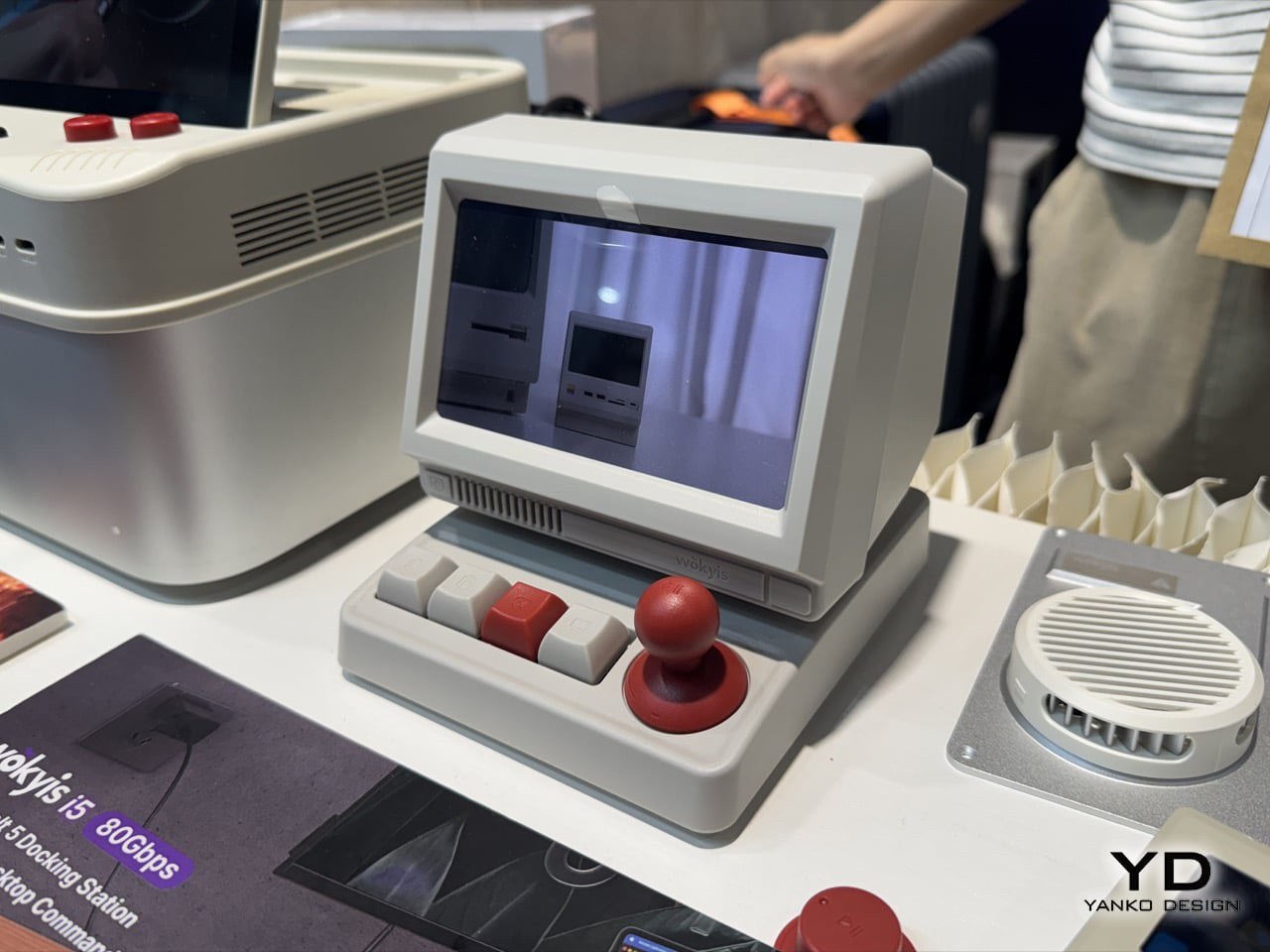
Wokyis has launched the i5, a desktop docking station styled after a classic vintage Macintosh. It integrates a 5-inch secondary monitor, mechanical shortcut buttons, and an internal SSD enclosure to replace sterile aluminum hubs with practical desk aesthetics.
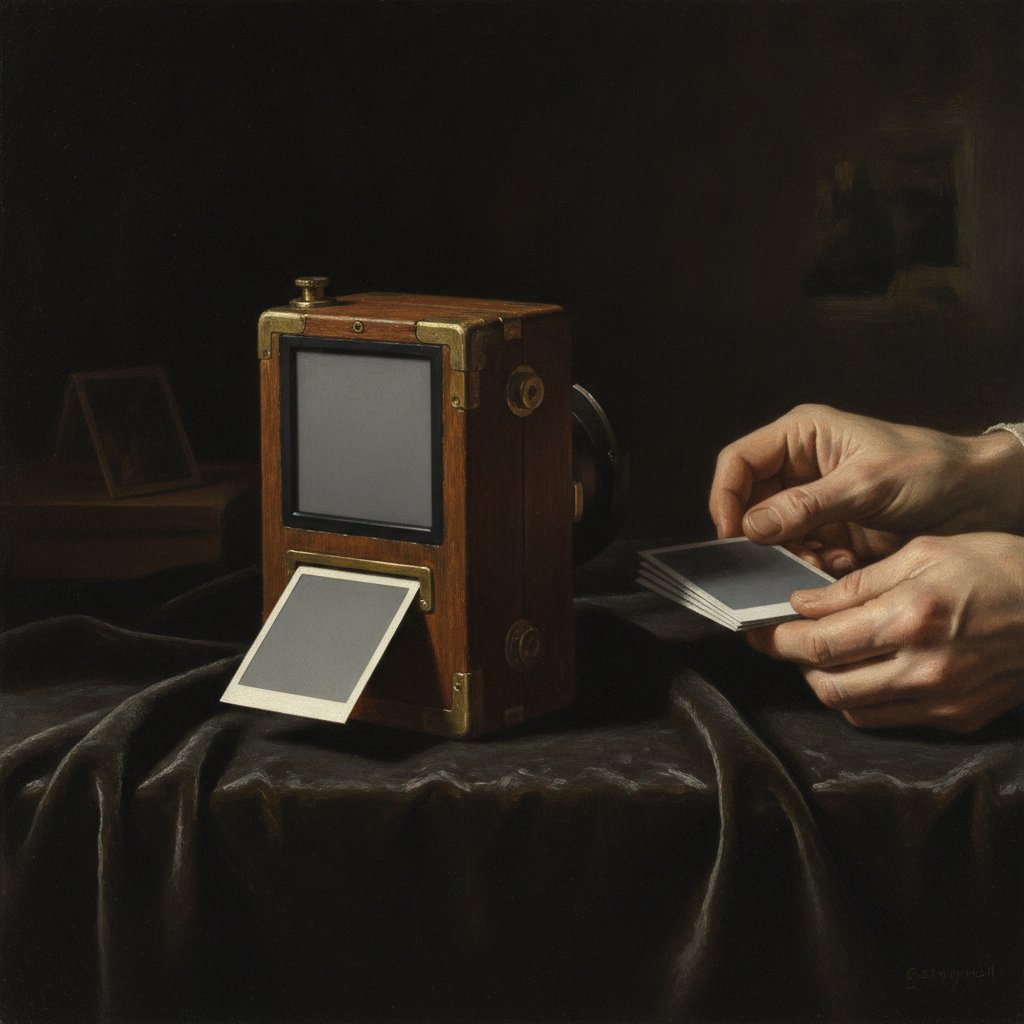
Independent workshop Strange Inventions engineered a 3D-printed instant camera that prints digital photos onto removable four-color E-Ink cartridges. The $150 open-source build eliminates the recurring dollar-per-shot cost of traditional chemical film.
Security researchers identified vulnerabilities in LG smart TVs running webOS that permit remote device takeover and unauthorized audio recording. The issue leaves home networks exposed unless owners manually install the manufacturer's latest firmware patch.
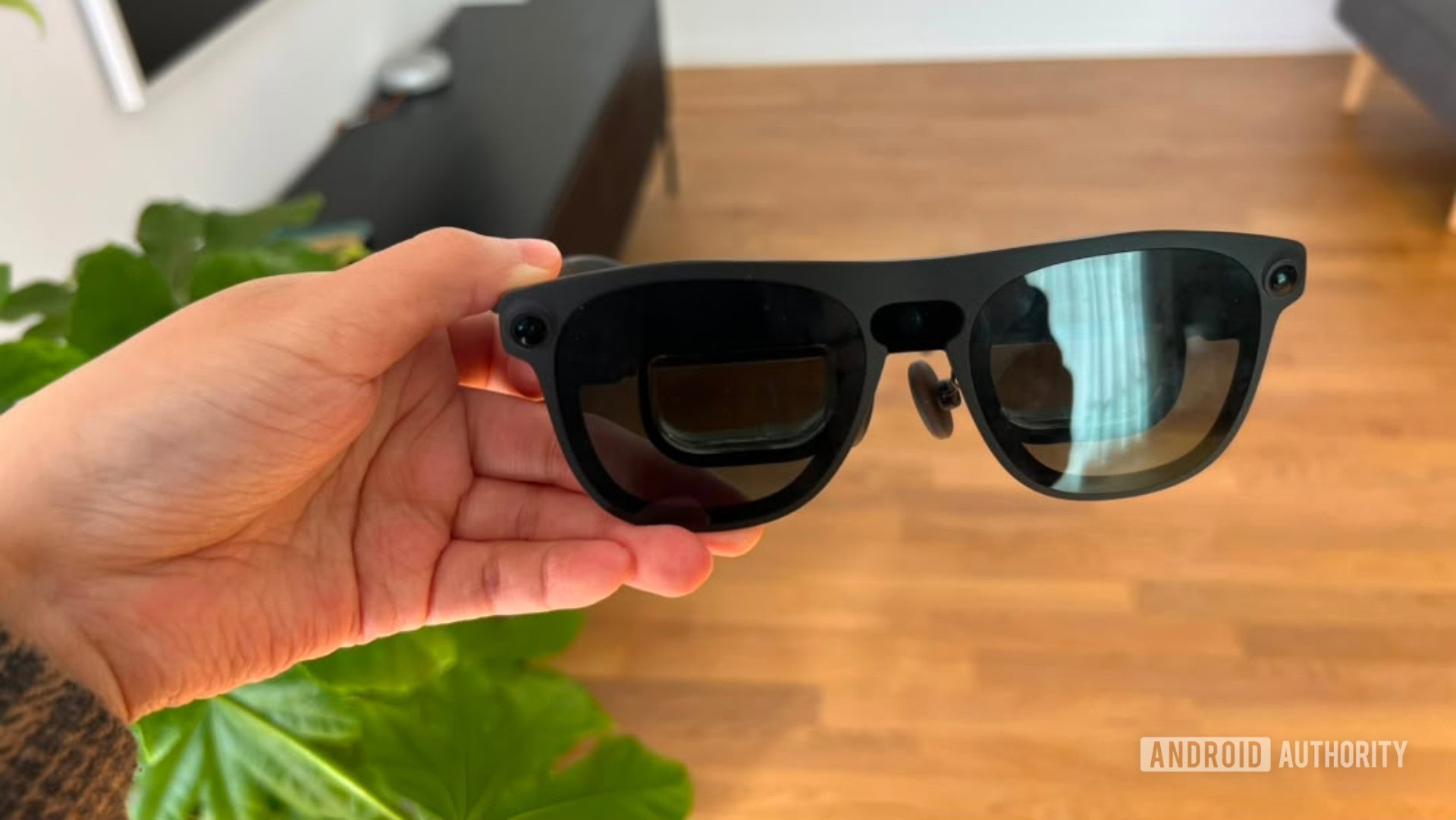
XREAL is preparing to launch the Aura, lightweight smart glasses running Google's Android XR. The headset trades heavy built-in batteries for a pocket-tethered design, giving frequent travelers a multi-window Android workstation under $1,500.
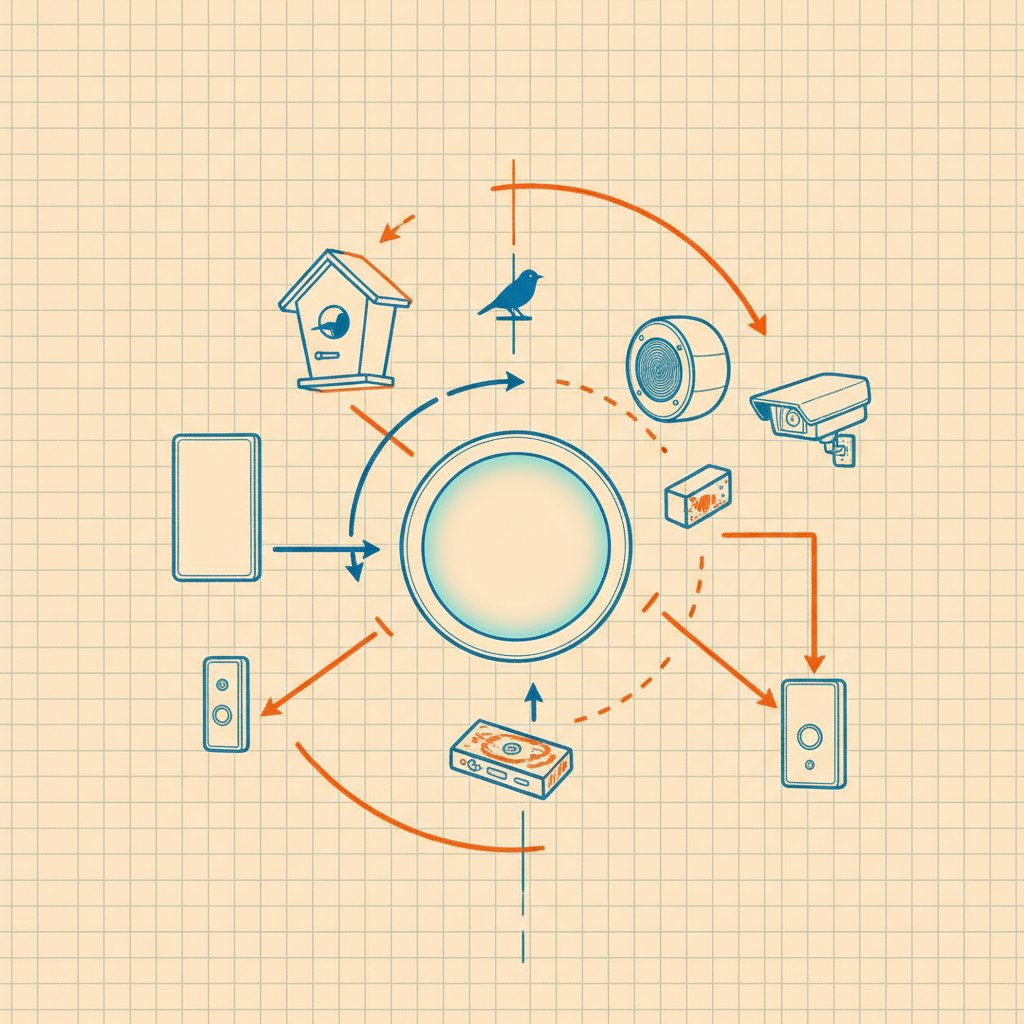
Maker arnegiacomo has built Fugleramme, an open-source gadget that identifies backyard birdsong locally and displays 19th-century botanical engravings on a large E-Ink screen. It cuts out monthly subscriptions, microphones feeding the cloud, and blinding screens in favor of calm, private hardware.
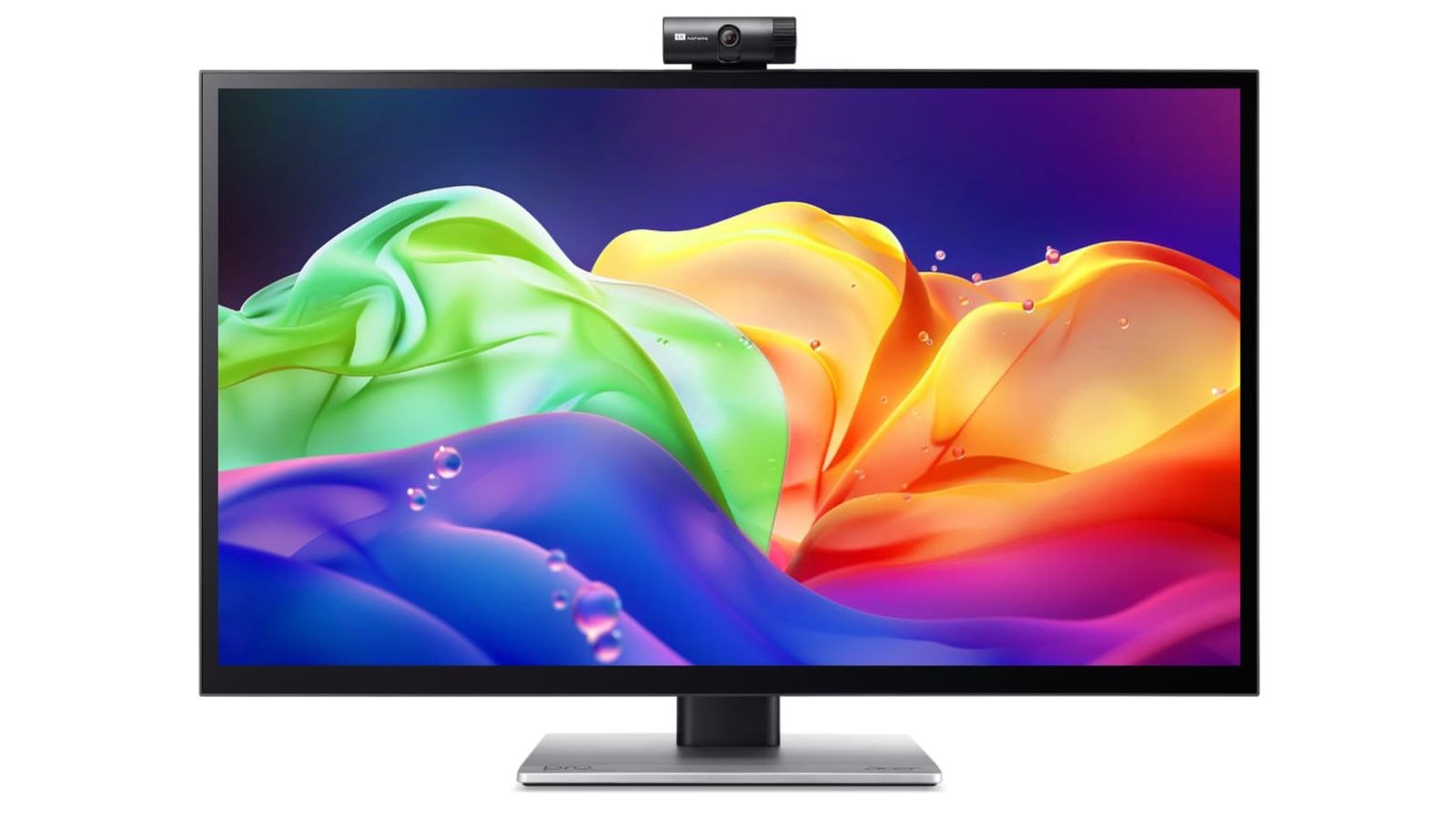
Acer built a 31.5-inch 6K touchscreen monitor meant for digital artists, but it comes wrapped in a bulky 2006-era chassis. Between dim 400-nit backlighting and clumsy macOS touch workarounds, everyday desk life with this giant display involves serious compromises.
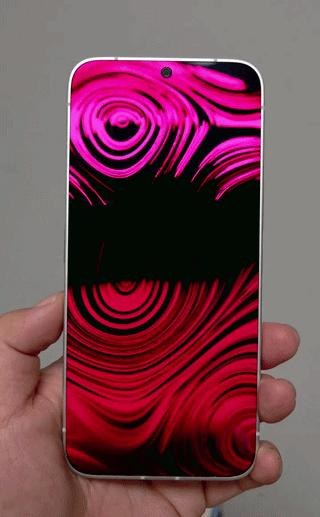
Tecno showcased an IFA concept smartphone featuring dual-layer curved glass that hides black screen borders using an optical lens effect. While striking under showroom lights, the design makes fitting a case impossible and introduces major accidental touch problems. It remains a trade-show showcase rather than a practical daily driver.

The 13.3-inch Ugreen Gallery uses paper-like color E-Ink technology to hold static images without pulling power from the wall. Backed by a massive 10,000 mAh battery, the frame hangs anywhere like a real painting and syncs directly with home storage to cycle through family photos.
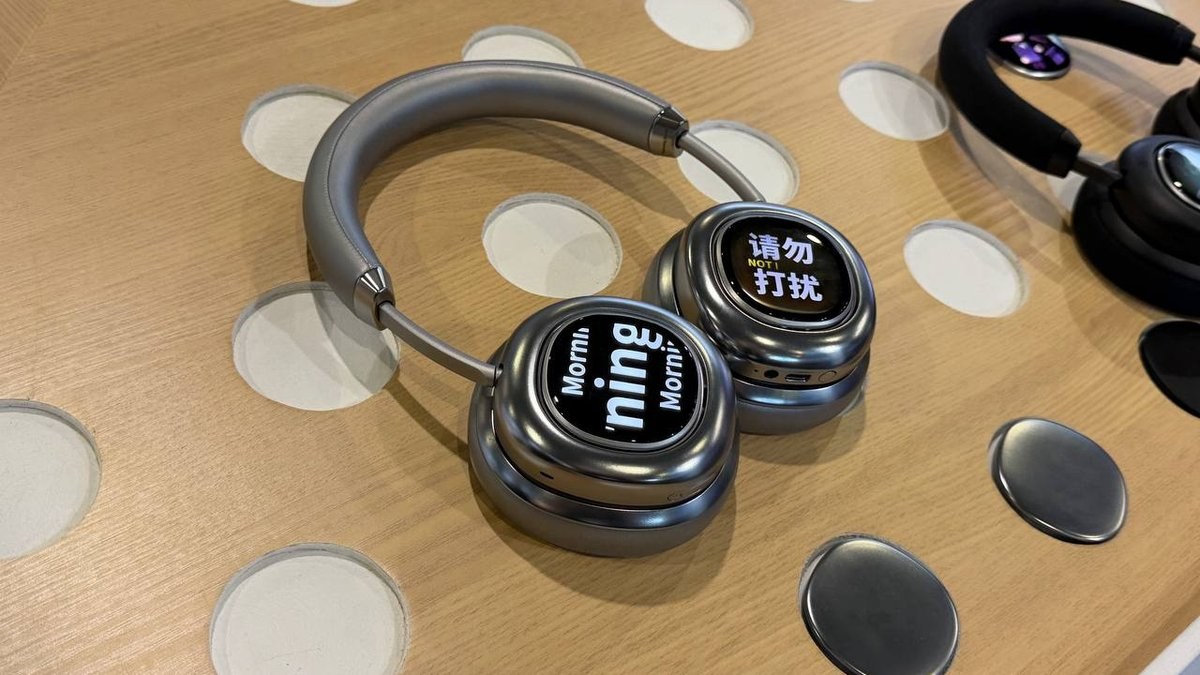
MorningBlues released the VWS X1, an over-ear wireless headset featuring detachable 2.2-inch touchscreens on both ear cups for $599. The design prioritizes visual novelty for bystanders over practical ergonomics, while the headline 60-hour battery life requires keeping the displays powered down.
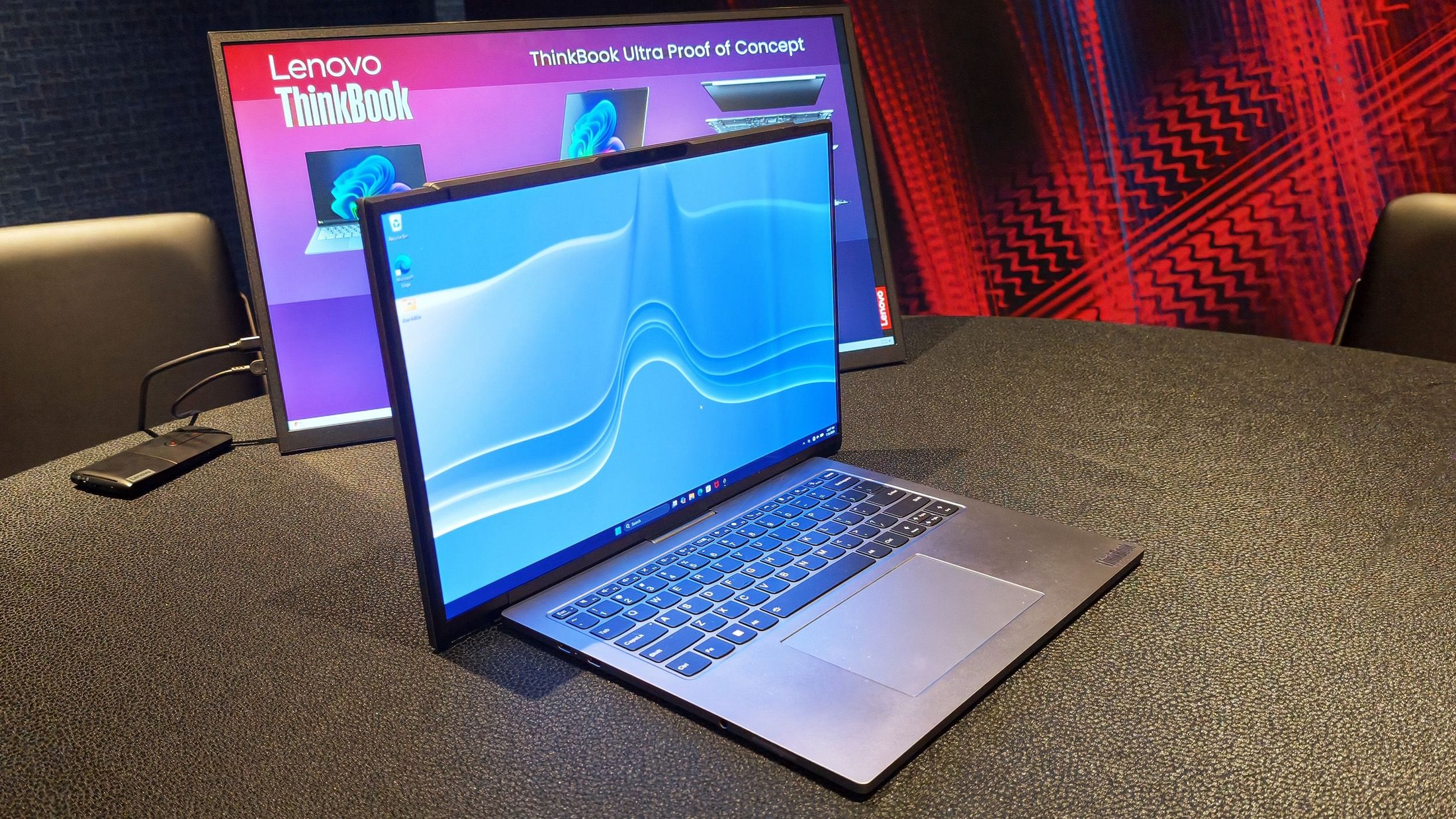
Project Swan hides a 17-inch horizontal display inside a standard 1.6 kg laptop chassis that expands at the push of a button. While it avoids the annoying middle crease of foldable devices, the moving parts invite dust and extreme price tags for frequent travelers.
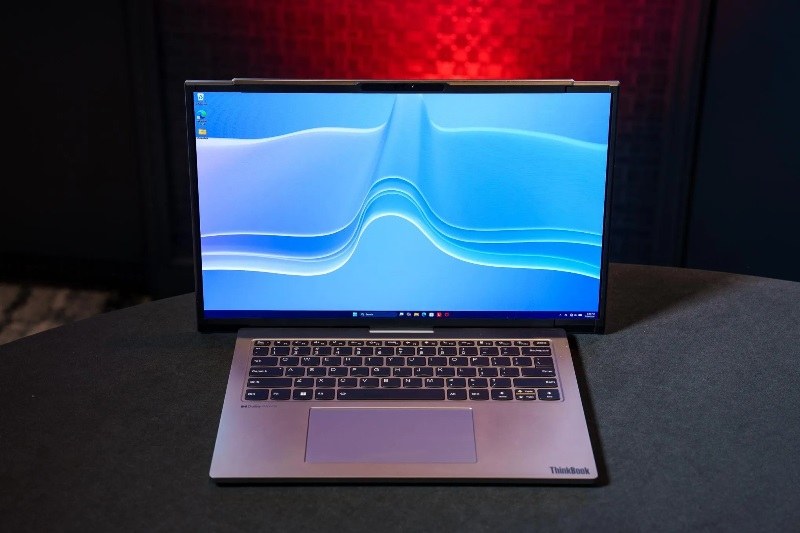
Lenovo unveiled a concept laptop that rolls out vertically from 14 to 17 inches at the push of a button. The motorized OLED panel eliminates secondary portable monitors but introduces delicate moving parts and heavy battery drain. Mainstream buyers are better off waiting for second-generation hardware.
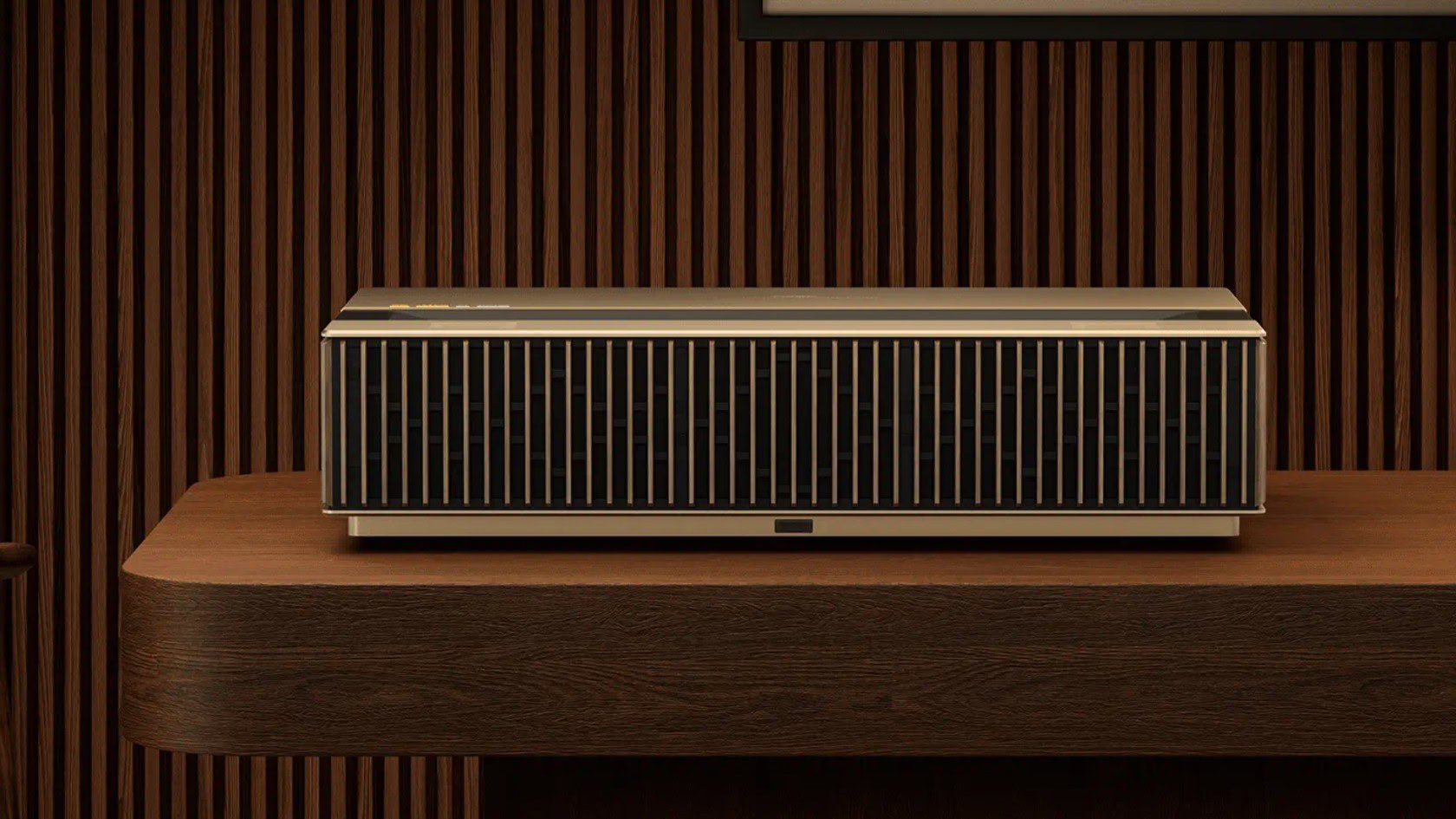
AWOL Vision brings its LuxVision ultra-short-throw projector to market this October, offering a 120-inch home theater image from just inches away from the wall. The $6,500 unit uses mechanical lens shift and a high-brightness laser to replace massive living-room televisions.
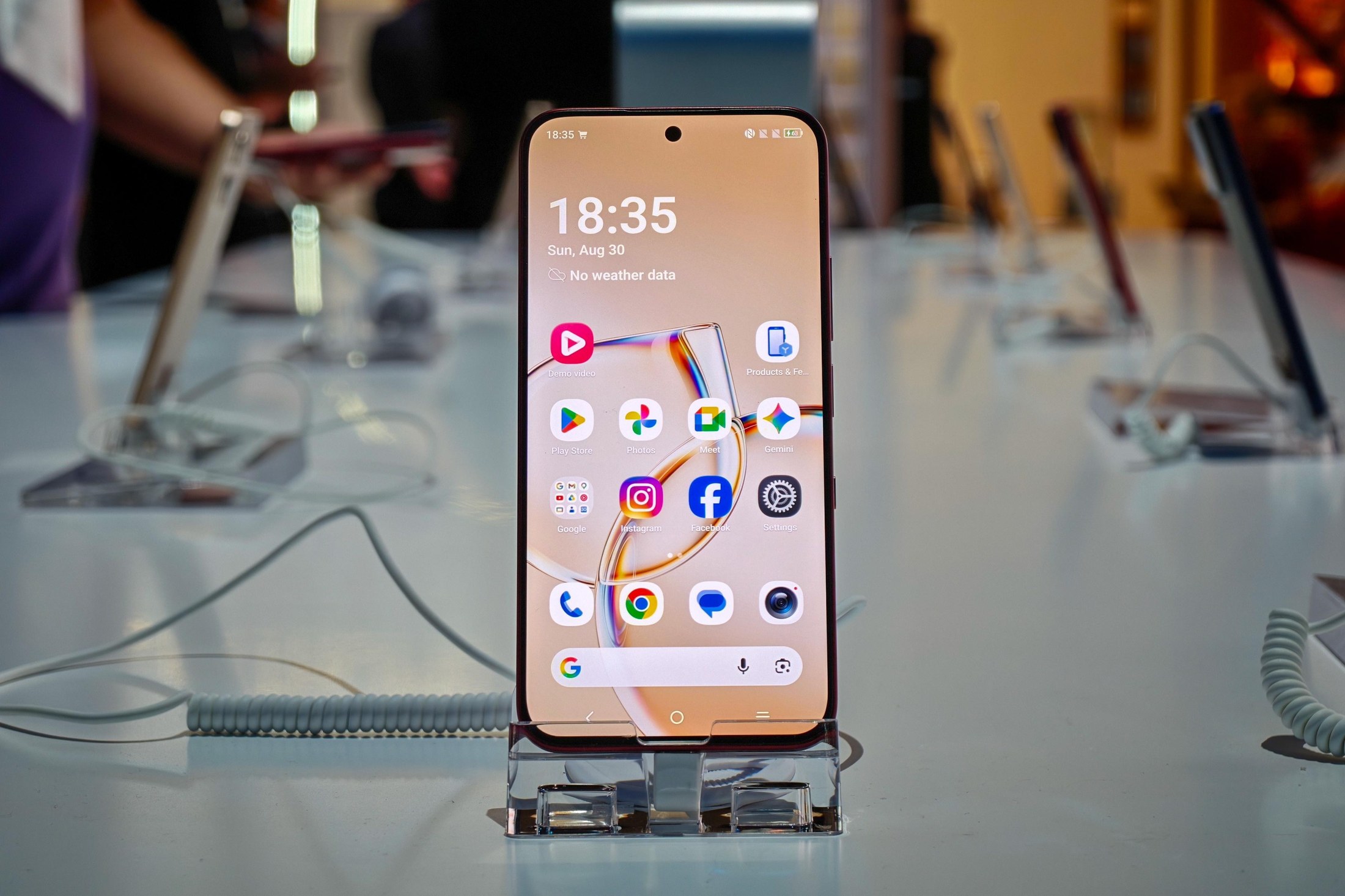
TCL's new P80 Ultra phone pairs a 6.83-inch matte OLED screen with a physical switch that turns Android into an e-reader. With a 5,800mAh battery lasting up to seven days of reading, it tackles screen glare without forcing you to carry a separate Kindle.
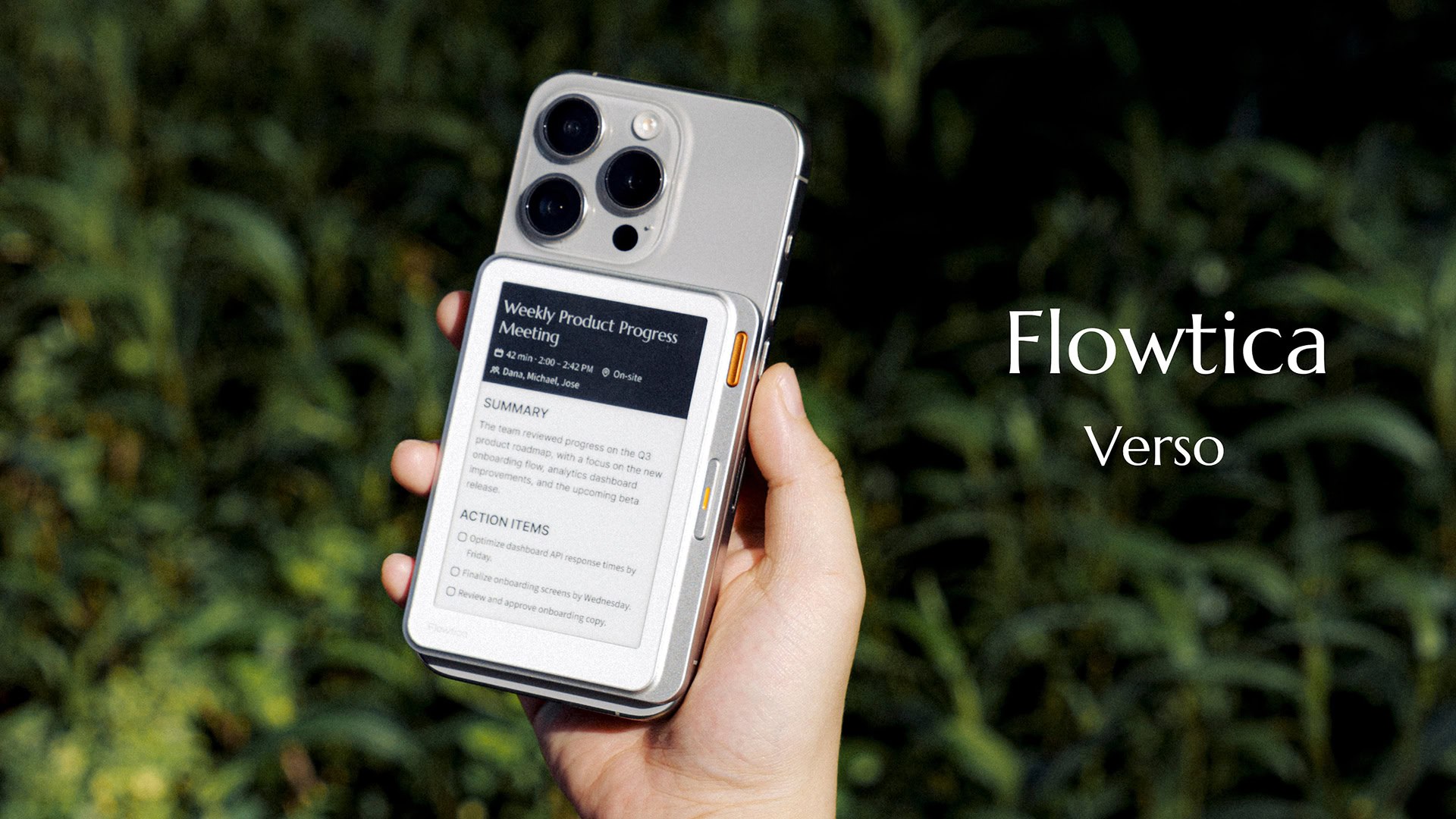
The Flowtica Verso attaches an E-Ink display and AI voice recorder to the back of your smartphone for $299. It keeps meeting notes visible without phone notifications, but straps a noticeable 98-gram metal block to your daily handset.
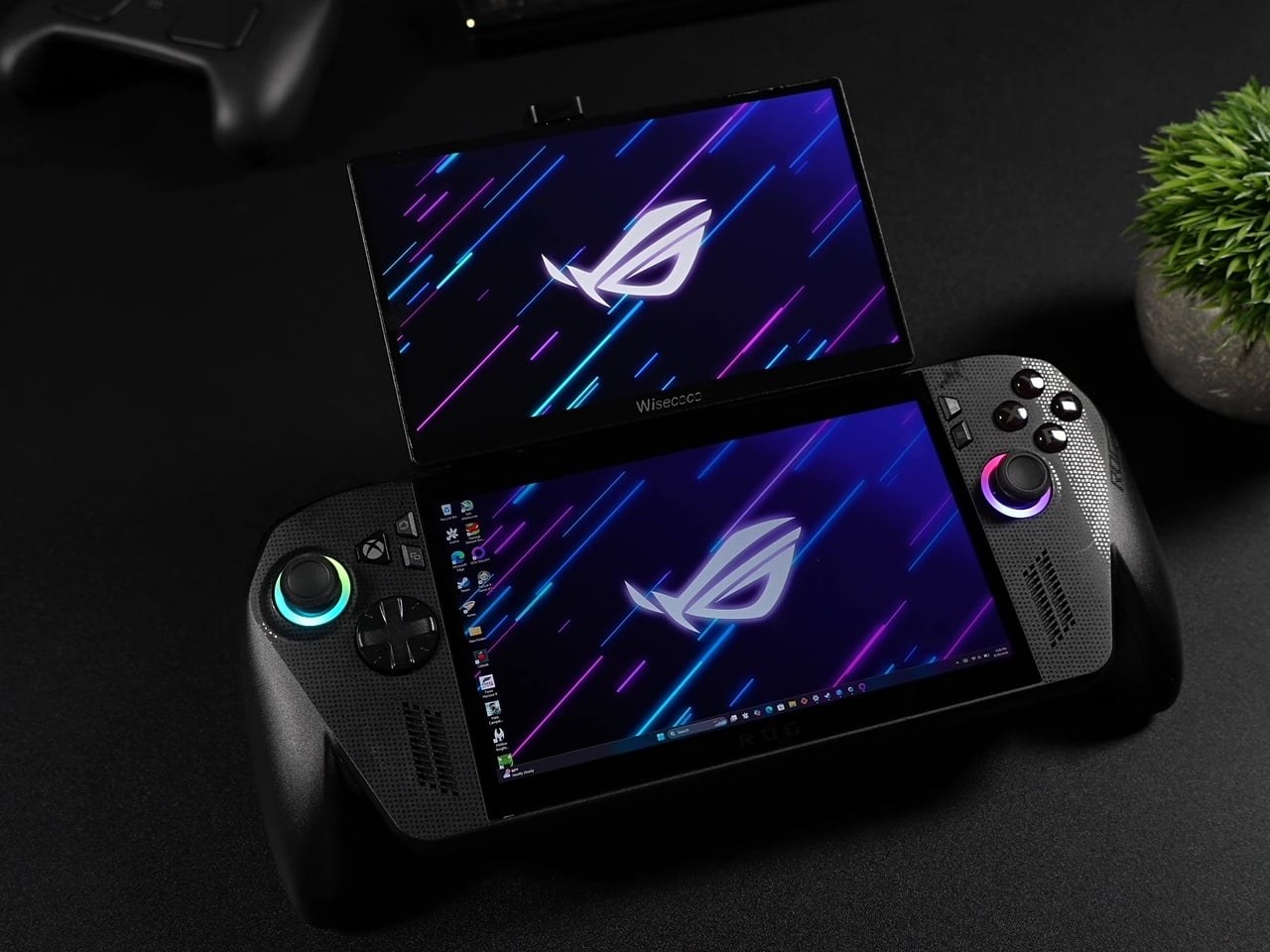
A modular magnetic setup adds a secondary 120Hz display to the ASUS ROG Ally X using off-the-shelf parts instead of a dedicated dual-screen console. The add-on unlocks DS emulation and live telemetry panels while detaching instantly for everyday travel.

Startup ViewX has launched a Kickstarter campaign for a 27-inch 4K monitor that projects 3D depth without requiring a VR headset or plastic glasses. While the $1,200 pledge undercuts commercial 3D displays, backing an unreleased optical panel carries serious risks compared to established OLED alternatives.
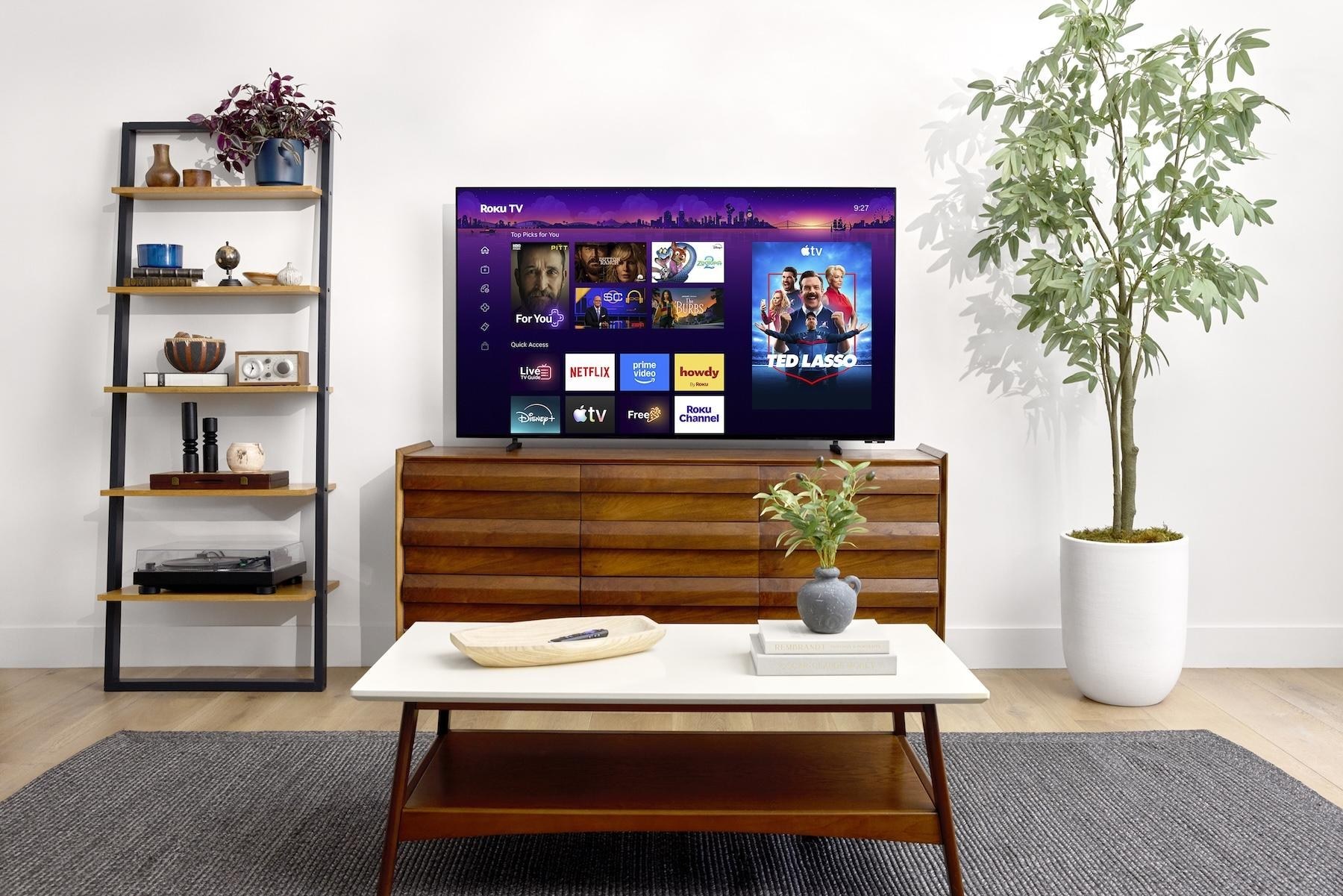
Roku released its first OLED television lineup with 120Hz refresh rates and HDMI 2.1 starting at under $1,000. The aggressive pricing directly undercuts premium sets from LG and Samsung, though buyers accept an ad-heavy software platform in exchange.
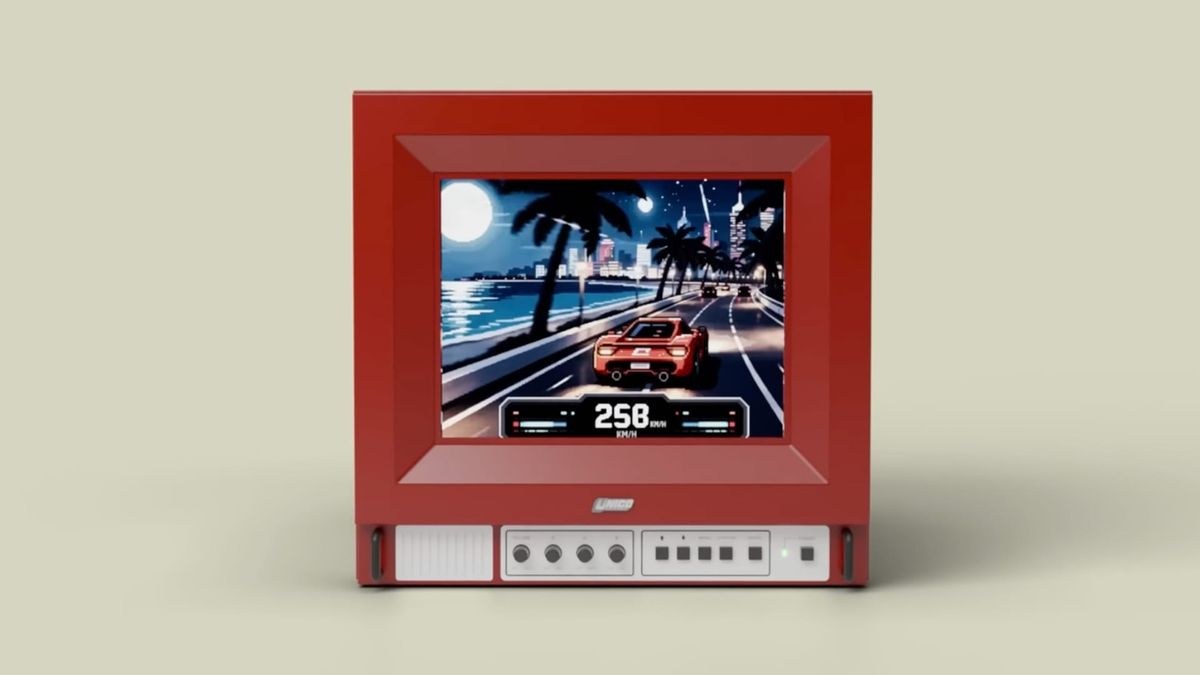
Unico USA packaged a 4:3 display into a retro-style chassis to end widescreen distortion on vintage consoles. The portable ULQ10 Traveller features HDMI, VGA, and RGBs inputs, though classic composite video was dropped to keep the case compact.
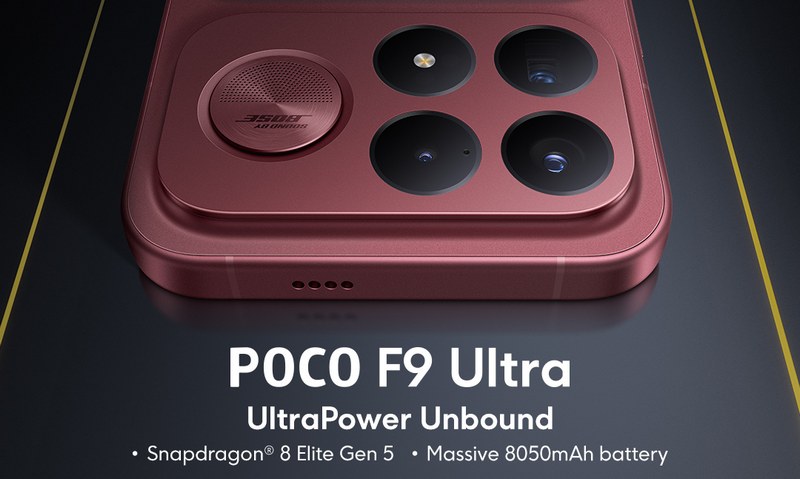
POCO has squeezed a tablet-grade 8,050mAh silicon-carbon battery into the new F9 Ultra alongside a niche 185Hz screen. The resulting hardware delivers multi-day endurance for power users at the expense of a heavier, thicker frame.
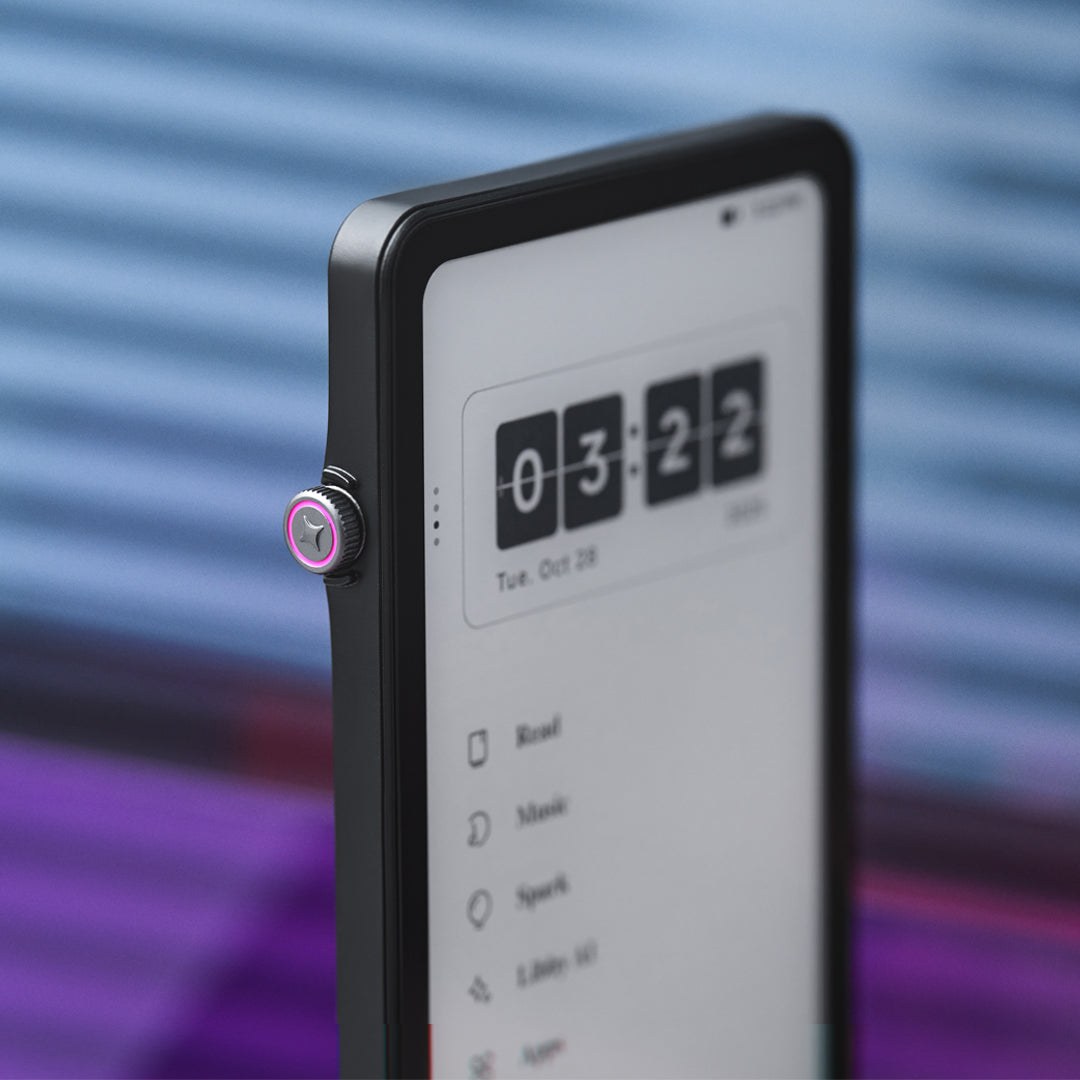
DuRoBo has launched the Krono, a phone-sized E Ink reader running full Android with a hardware scroll dial for $280. While the ultraportable form factor and battery life impress, sluggish screen refreshes and the lack of cellular support make it an expensive niche device.

Huawei redesigned its tri-folding phone ahead of a September 7 launch, turning the delicate 10-inch display inward to prevent pocket scratches. The hardware offers up to 2TB of storage, but it remains a heavy, ultra-expensive pocket brick meant strictly for luxury flexes.
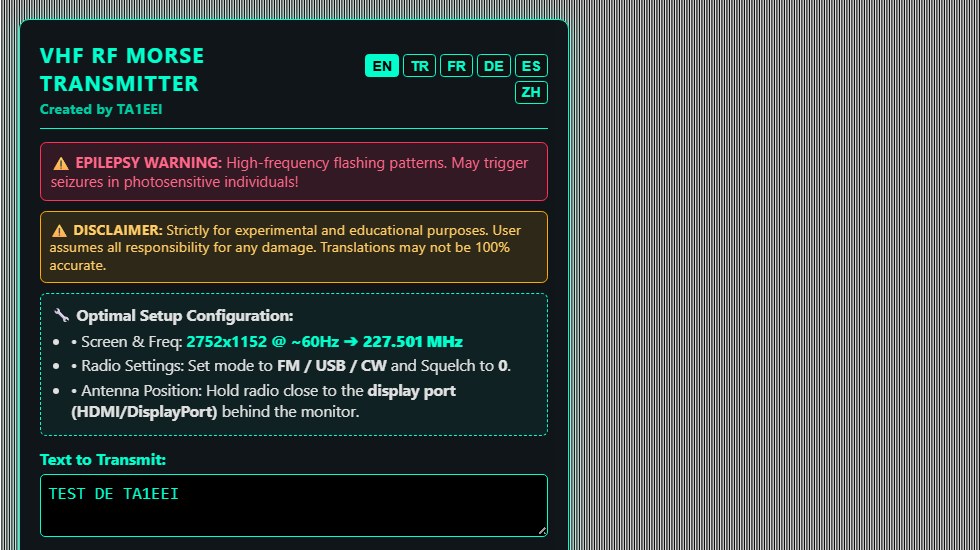
Hardware tinkerer Efe demonstrated how standard HDMI and DisplayPort cables can act as VHF radio antennas via pixel clock manipulation. By switching patterns on a 1080p display at 60 Hz, an offline browser page pulses Morse code at 148.5 MHz. The exploit allows unauthorized data transmission from air-gapped computers without using Wi-Fi hardware.
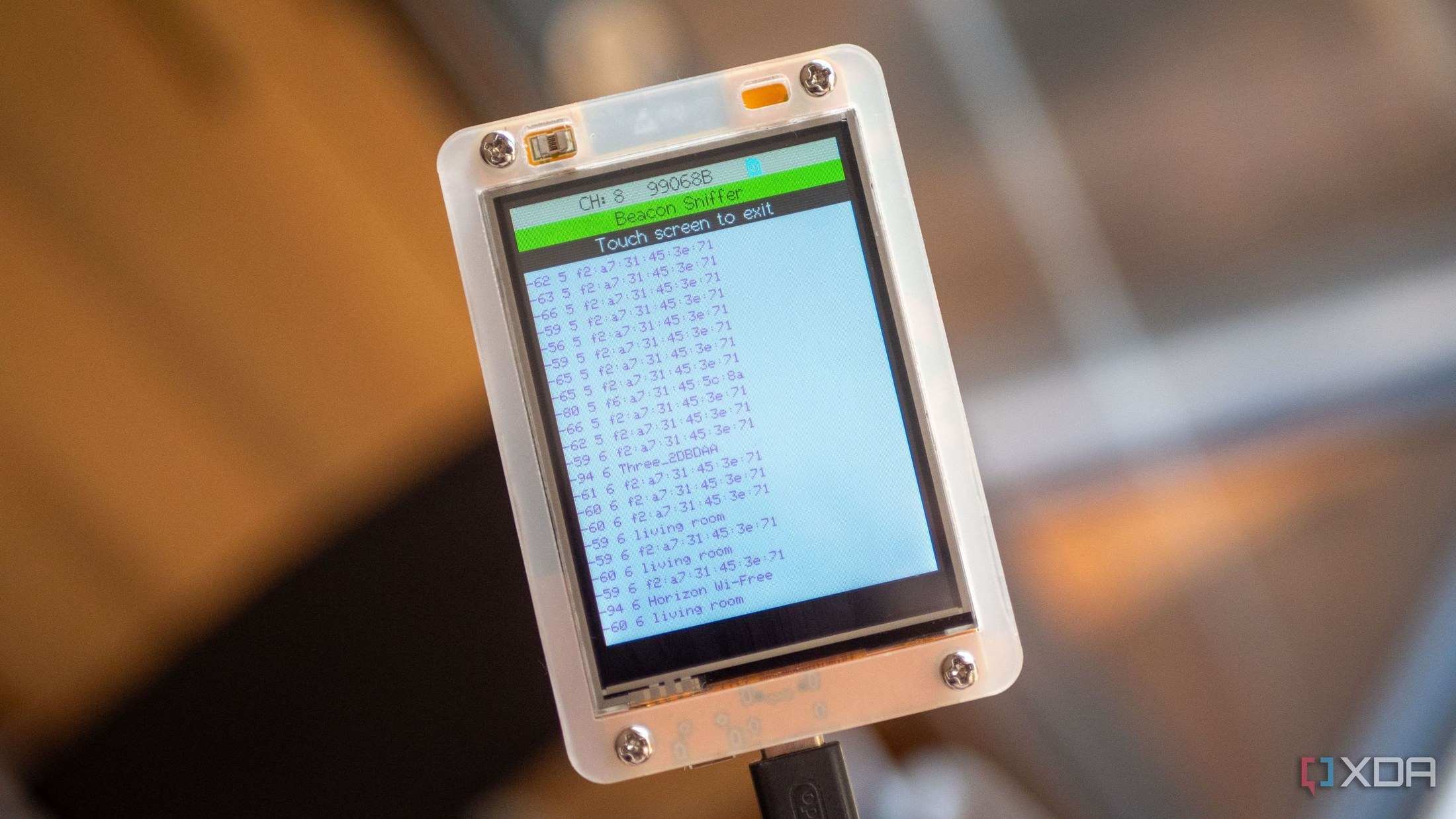
Developer alunmorris turned the cheap ESP32 'Cheap Yellow Display' board into a standalone pocket encyclopedia holding 285,000 articles. The no-solder build runs off a microSD card and a basic power bank, delivering instant reference access without an internet connection.
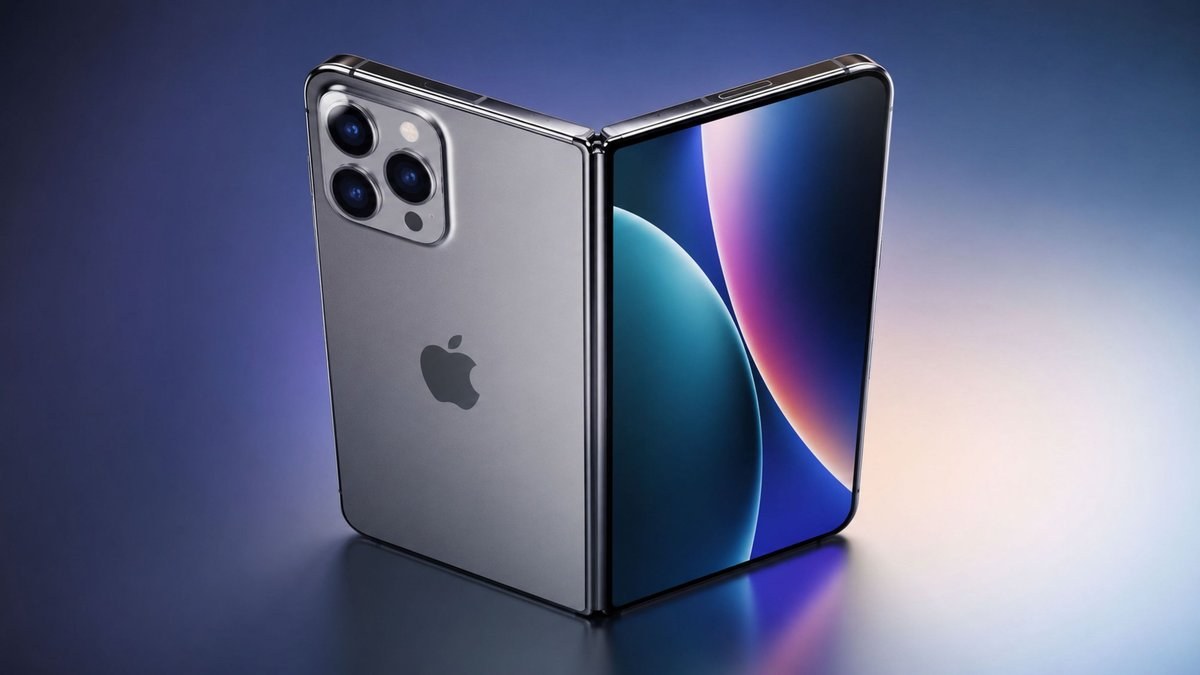
Early repair estimates show fixing a broken iPhone Fold internal display will cost at least $1,155, nearly double what Samsung charges for similar Galaxy Fold screens. The extreme complexity of Apple's custom hinge mechanism will force independent shops to invest in specialized tooling, driving up out-of-warranty costs for early adopters.
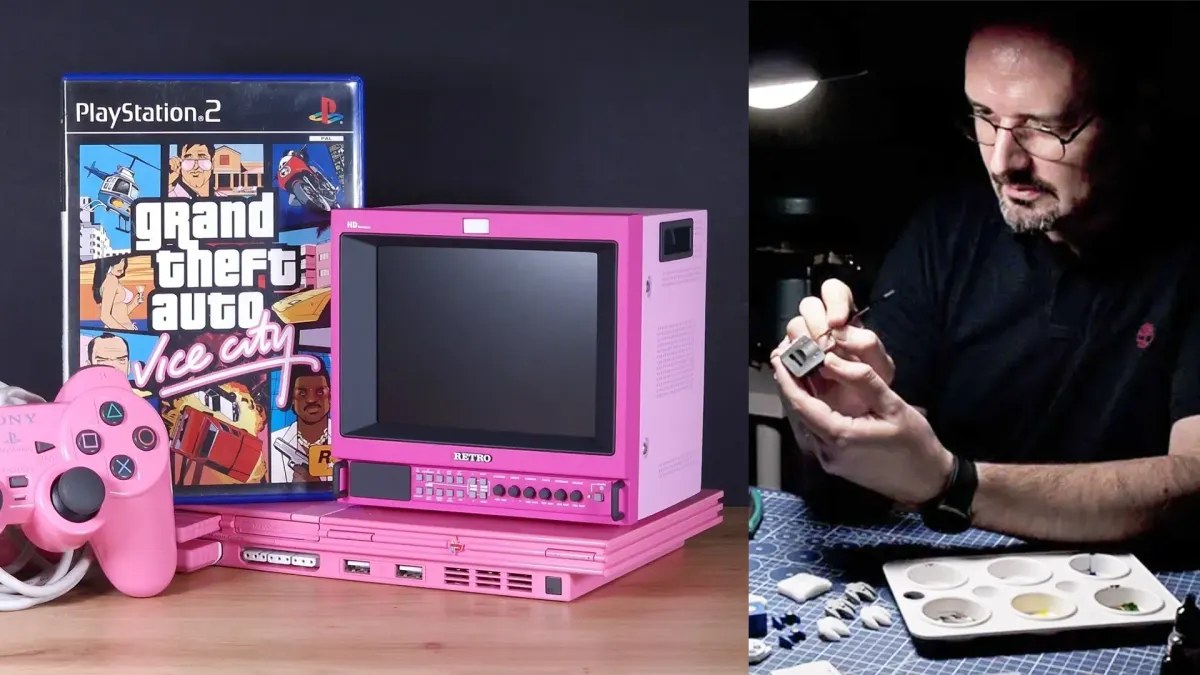
Engineer JC Ayala opened pre-orders for artisan 8-inch and 10.5-inch mini displays designed to look like vintage broadcast monitors. Despite prices reaching $1,475, retro gaming collectors continue to sell out the handcrafted units for their authentic analog controls and modern HDMI inputs.
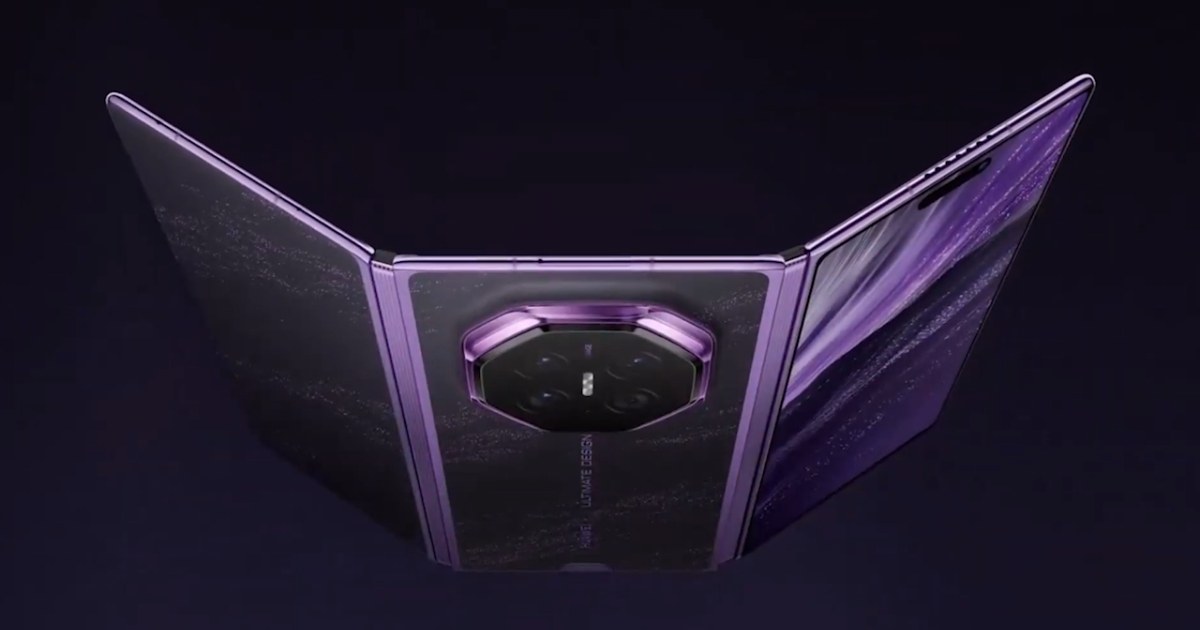
Huawei has redesigned the Mate XT 2 to fold inward, protecting its fragile flexible matrix from everyday wear and tear. While the new U-shaped hinge adds thickness and requires a separate cover screen, it eliminates the massive repair risks of the original outer-folding panel. Full pricing and launch details arrive alongside HarmonyOS 7 on September 7.
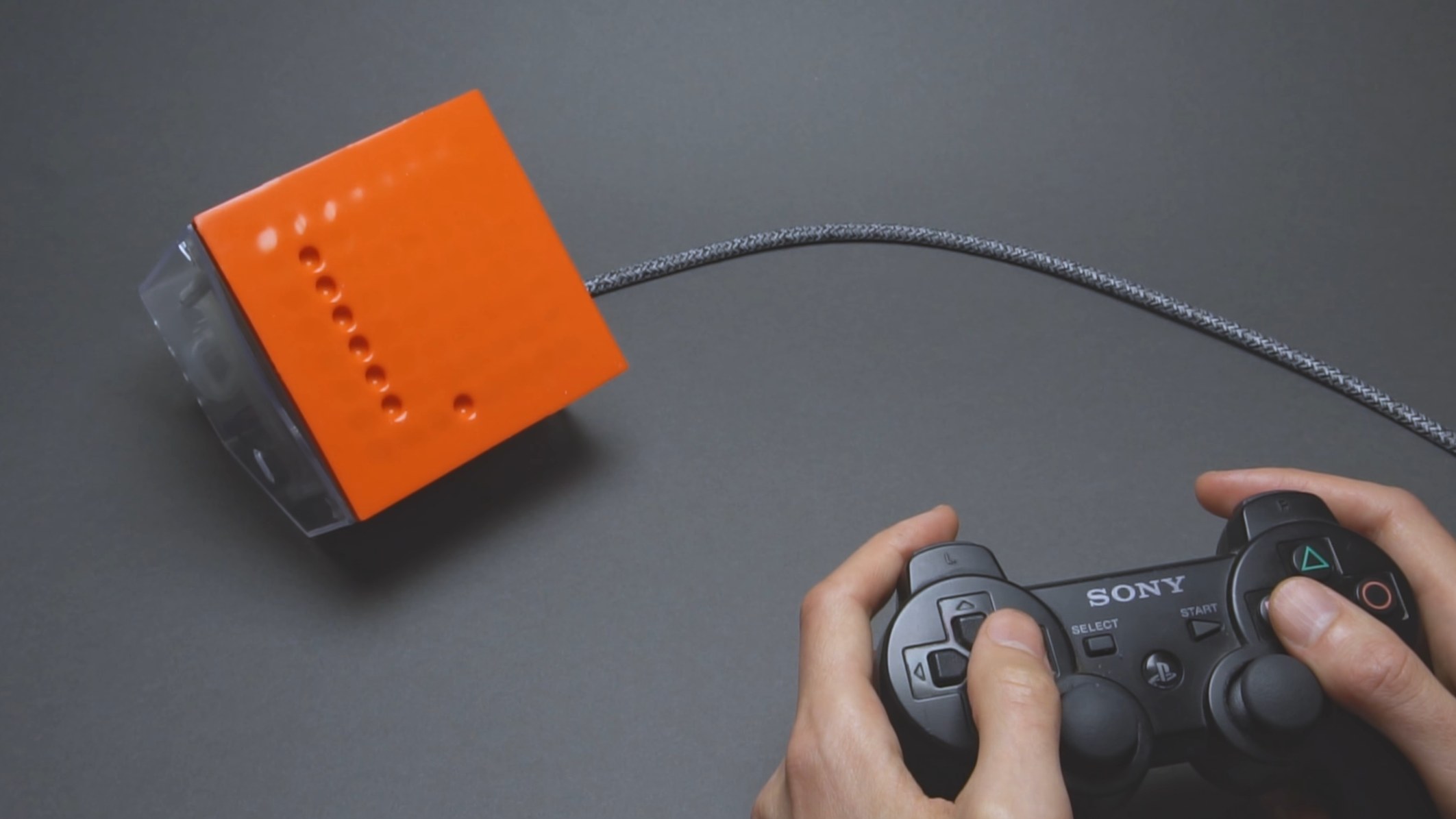
An independent engineer built a fully mechanical dot-matrix screen out of silicone membranes and vacuum logic channels that can run simple games like Snake. The dimpling rubber surface creates shadow pixels and registers physical touch without relying on electronic microchips.
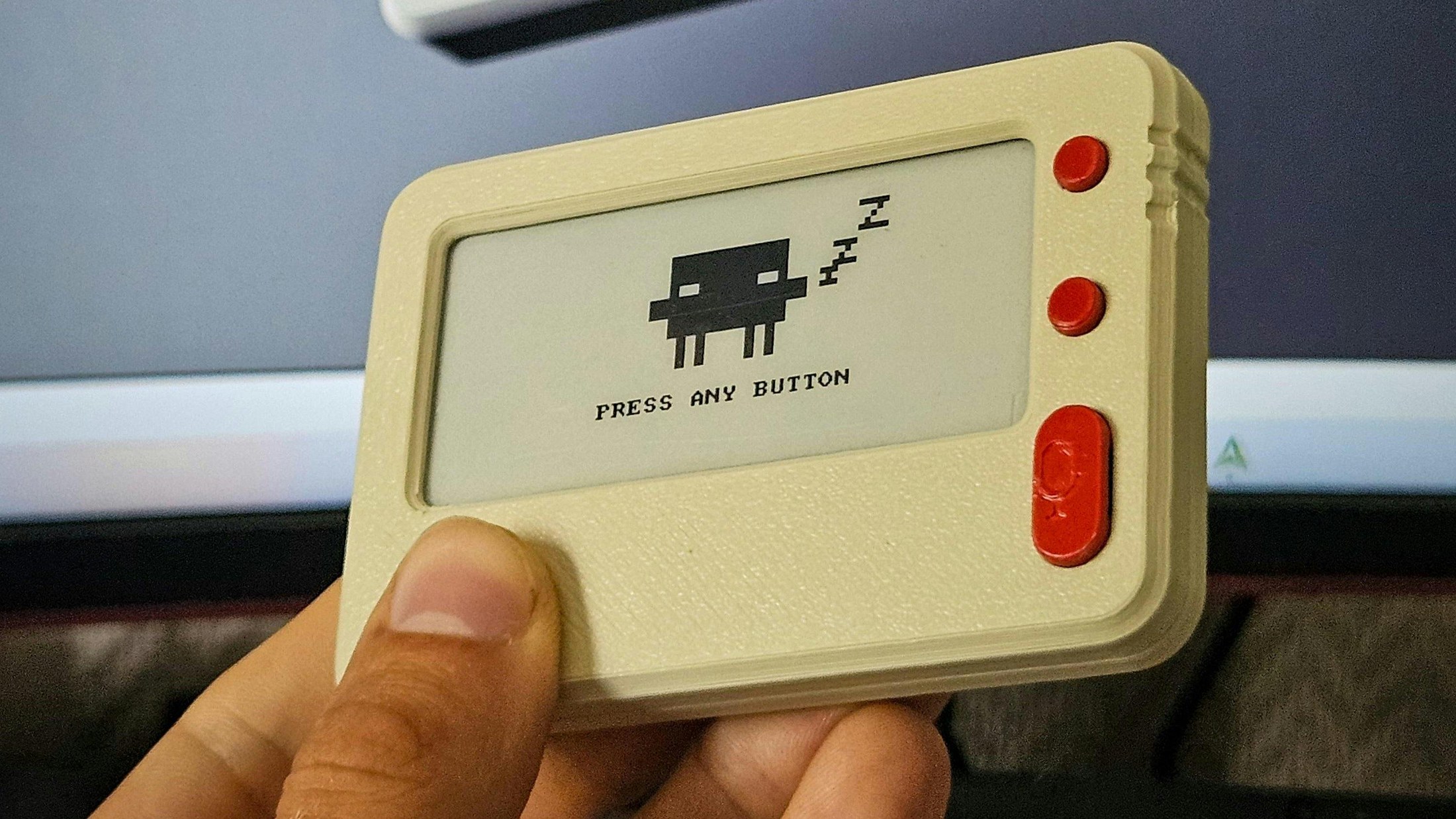
Makers are bypassing bloated AI pins and screen distractions by turning back to tactile hardware. JeanDeBaill built the Claude Pager, an ESP32-powered pocket device that converts spoken prompts into instant text on a 2.9-inch e-paper display. It delivers multi-day battery life and silent answers without phone notifications or rambling voice assistants.
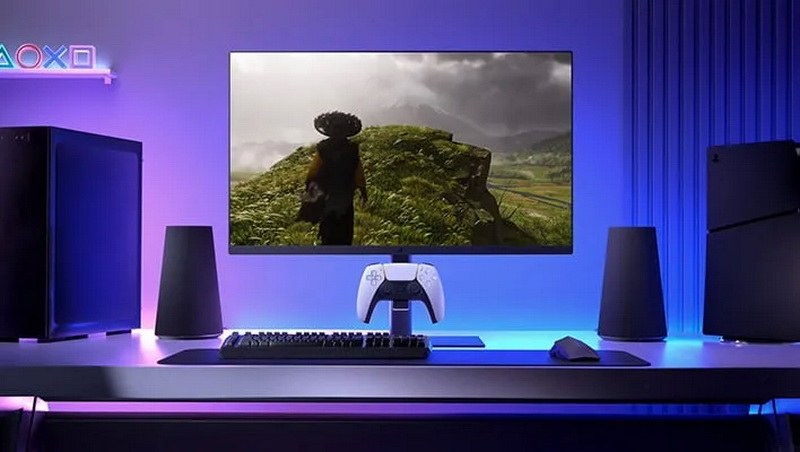
Sony has introduced a $350 27-inch gaming display equipped with a built-in DualSense charging cradle in the base. The design eliminates desktop cable clutter for console players, though standalone docks offer the same utility for a fraction of the cost.

Hisense introduced the A10 Ultra, an E Ink smartphone featuring a detachable magnetic color display priced up to $550. The modular design tries to bridge the gap between paper-like reading and media consumption, but the result is a bulky compromise with a small battery. Buyers seeking reduced screen time are better served by a standard phone paired with a dedicated reader.
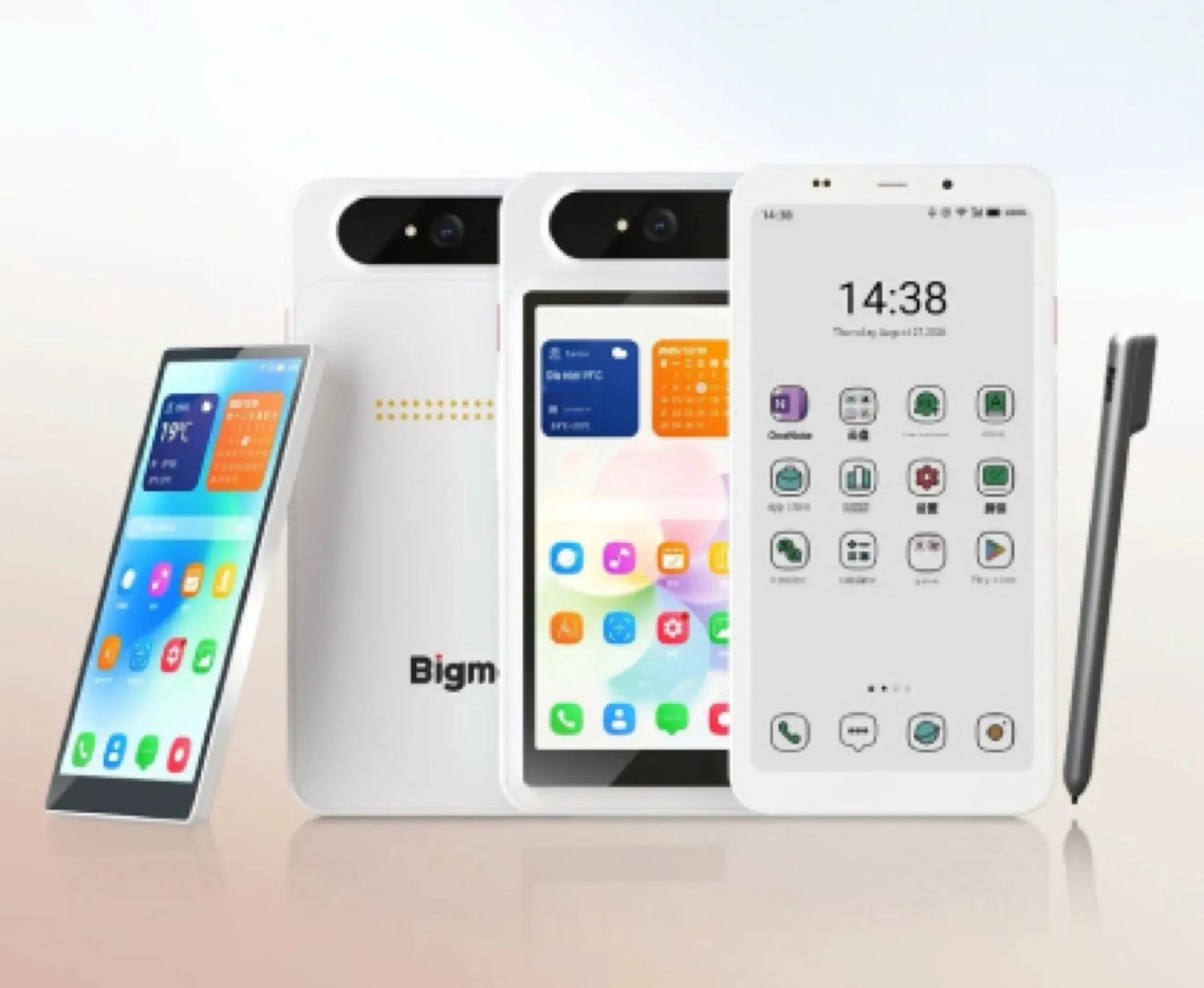
Bigme announced the HiBreak Dual 3, an Android smartphone featuring an 85 Hz color E Ink display and a detachable magnetic IPS screen. While the modular design aims to bridge reading and video playback, exposed connectors and added bulk make it an impractical daily driver for regular buyers.
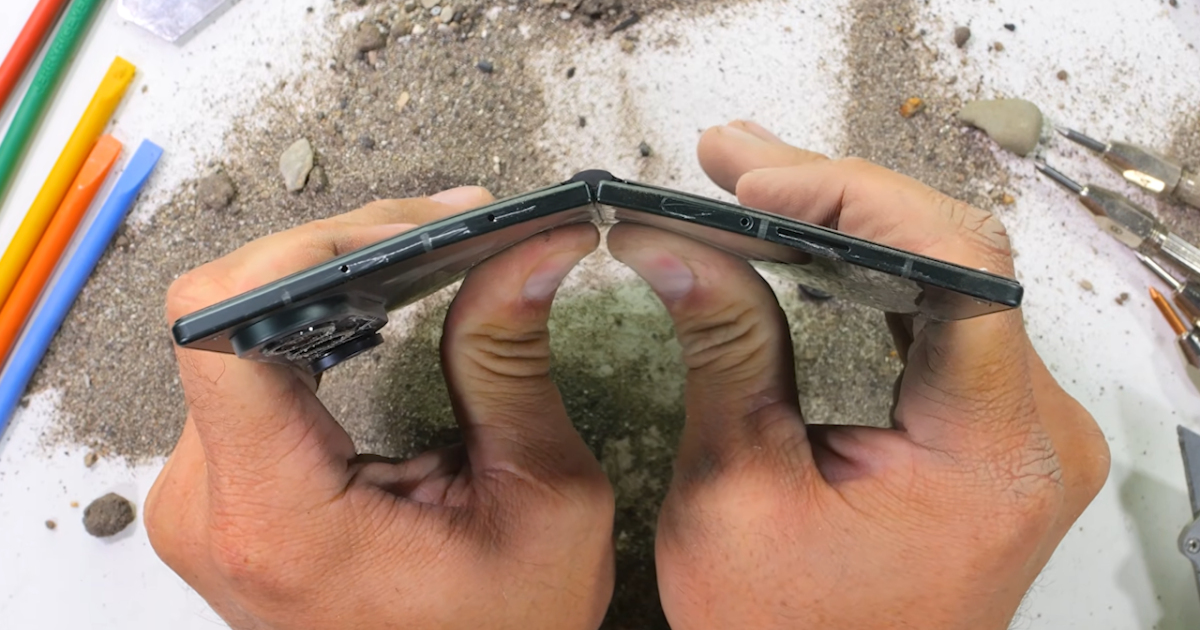
JerryRigEverything put Samsung's flagship foldable through extreme scratch and bend testing. The inner screen remains prone to fingernail dents, and aggressive reverse flexing snaps the chassis entirely.
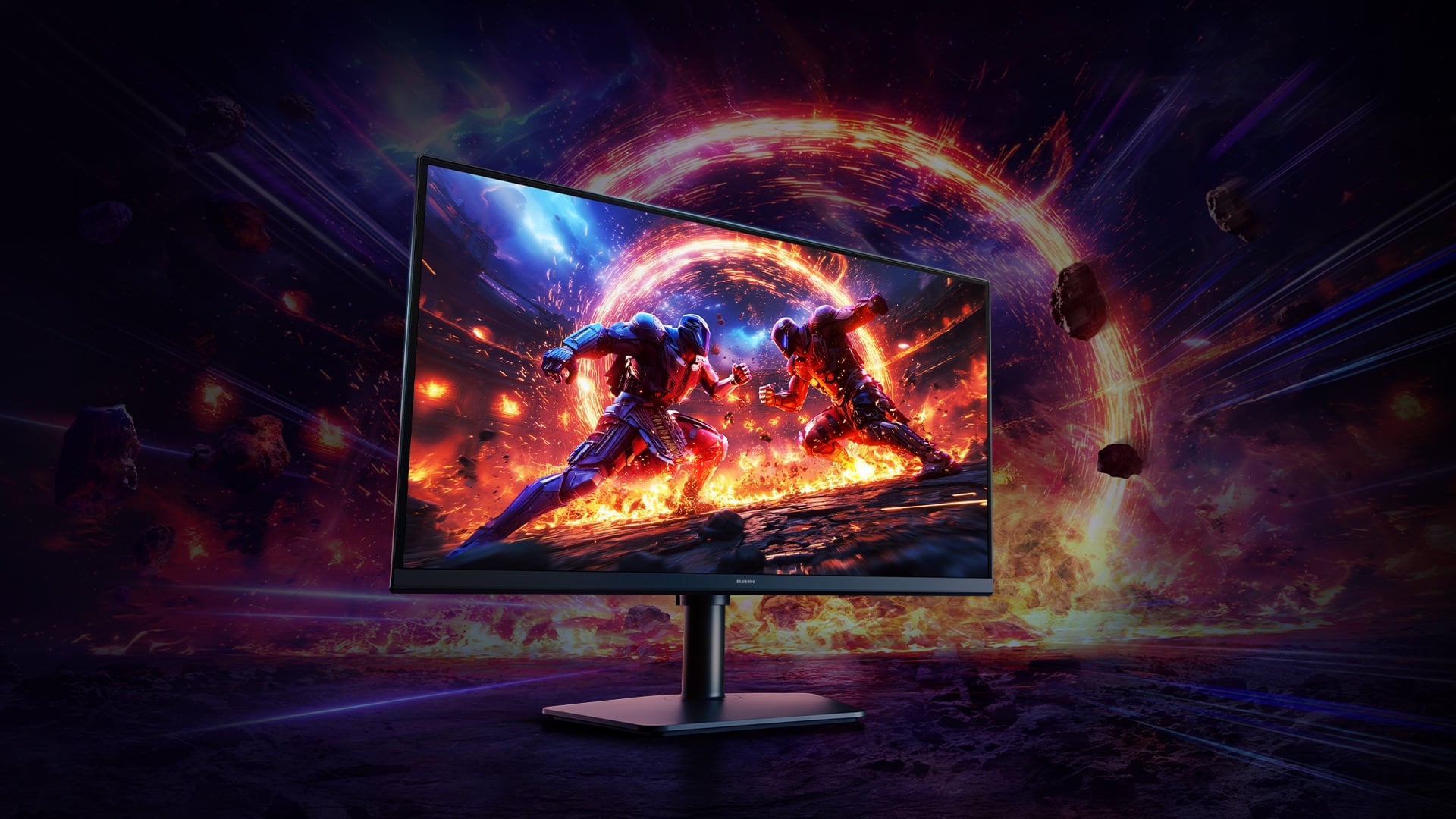
Samsung unveiled the 27-inch Odyssey G6 capable of reaching a record 1,100Hz refresh rate. However, unlocking maximum speed requires dropping the native 1440p resolution down to blurry 720p HD, turning high-end specs into a pixelated compromise.
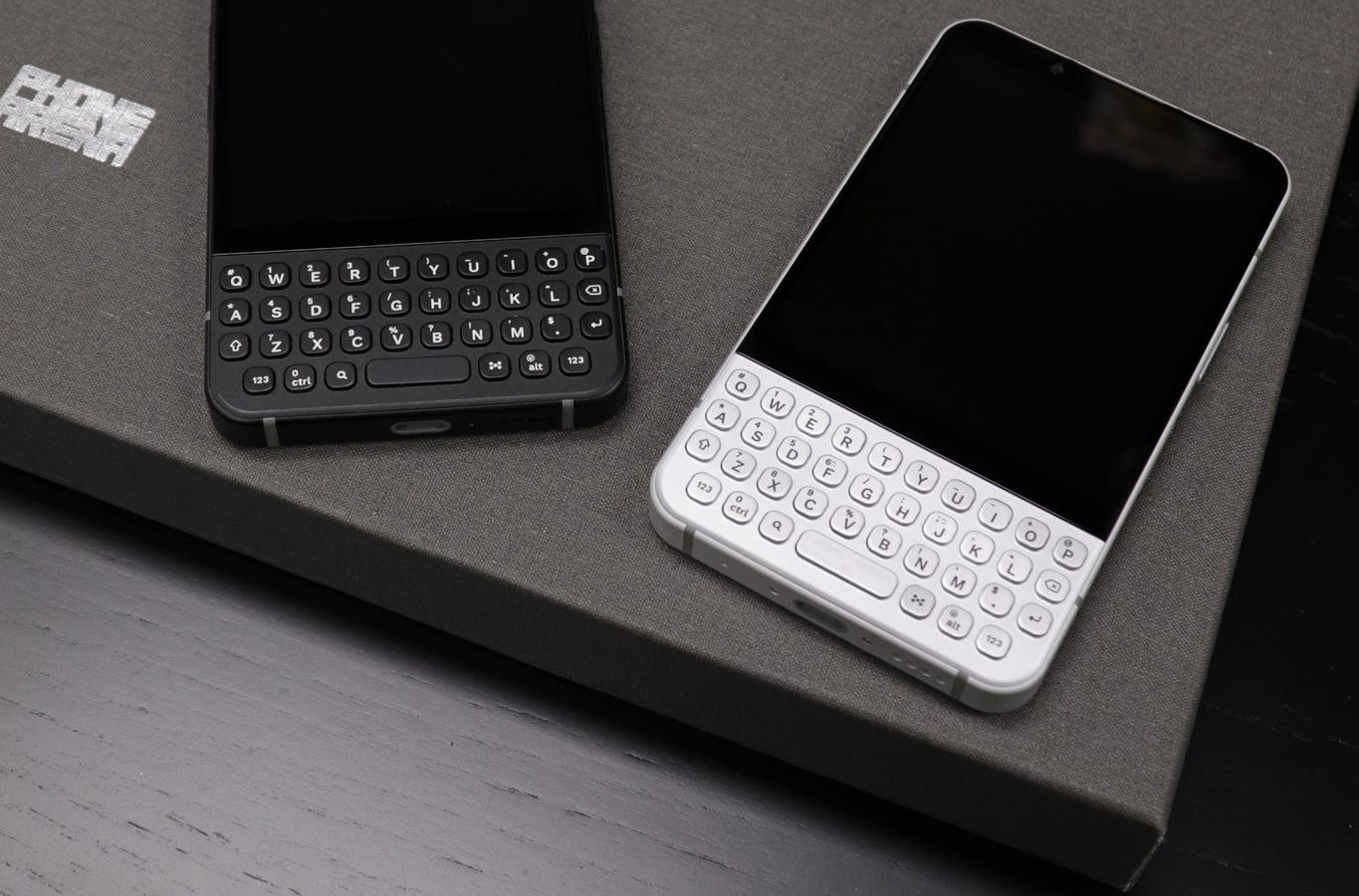
The Minimal Company raised over $1.6 million on Kickstarter after swapping its signature E-Ink display for a full-color OLED screen and 12GB of RAM. The shift effectively transforms a distraction-free keyboard device into an expensive Android handset with a long two-year wait for backers.

Garmin launched the Fenix 9 smartwatch with a 3,000-nit OLED display and up to 29 days of battery life. The hardware focuses on direct sunlight legibility and faster map navigation for outdoor athletes upgrading from older transflective screens.
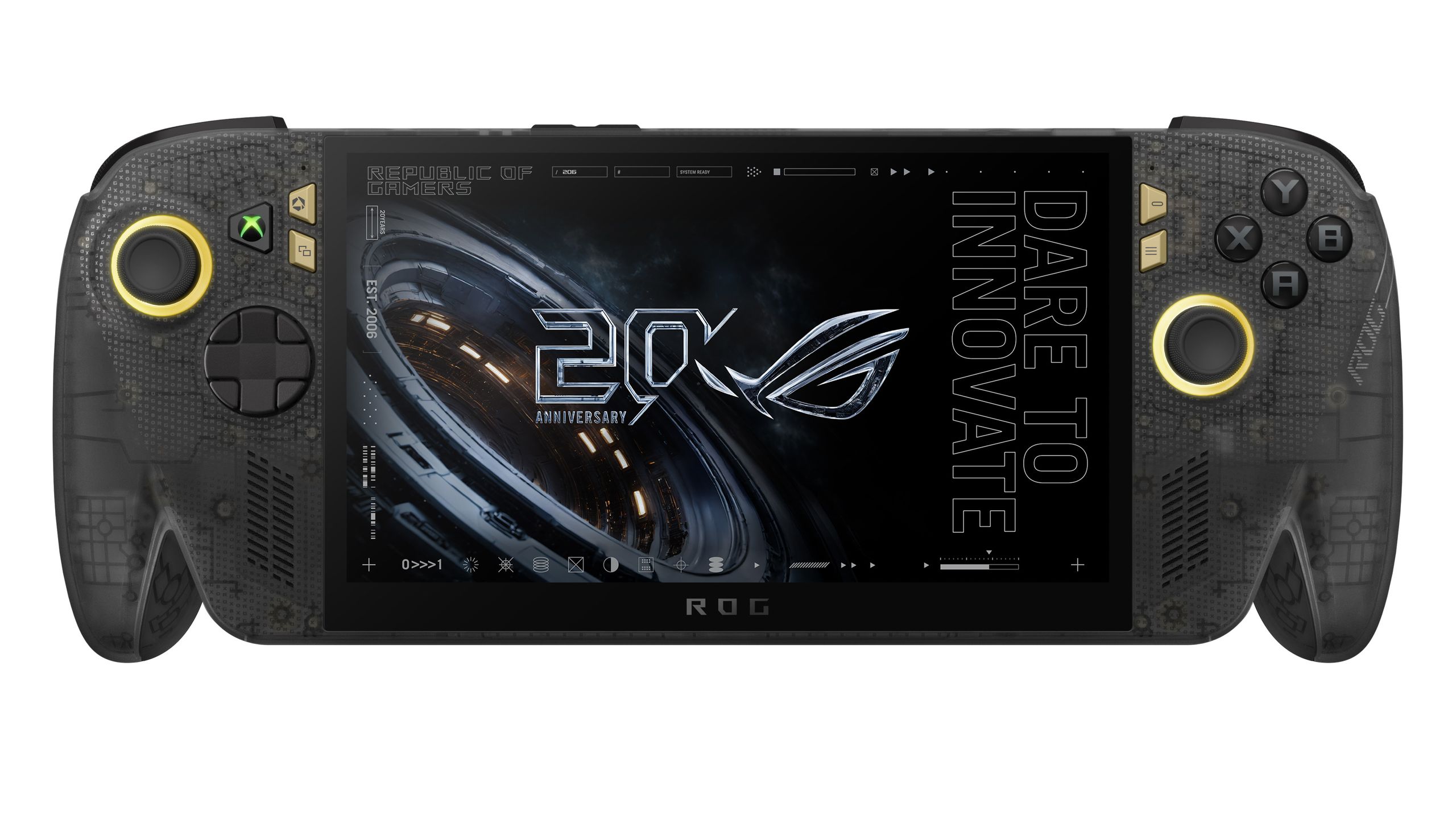
ASUS updated its flagship gaming handheld with a vivid 7.4-inch OLED panel and reworked thermals to keep palms cool during long sessions. However, the $1,299.99 starting price asks mainstream gamers to pay premium laptop money for what is fundamentally a screen upgrade.

PocketBook introduced the Q, a 5.84-inch monochrome e-reader designed to fit into a smartphone pocket. It offers physical page-turn buttons and weeks of battery life, but costs $235 for hardware that only reads books.
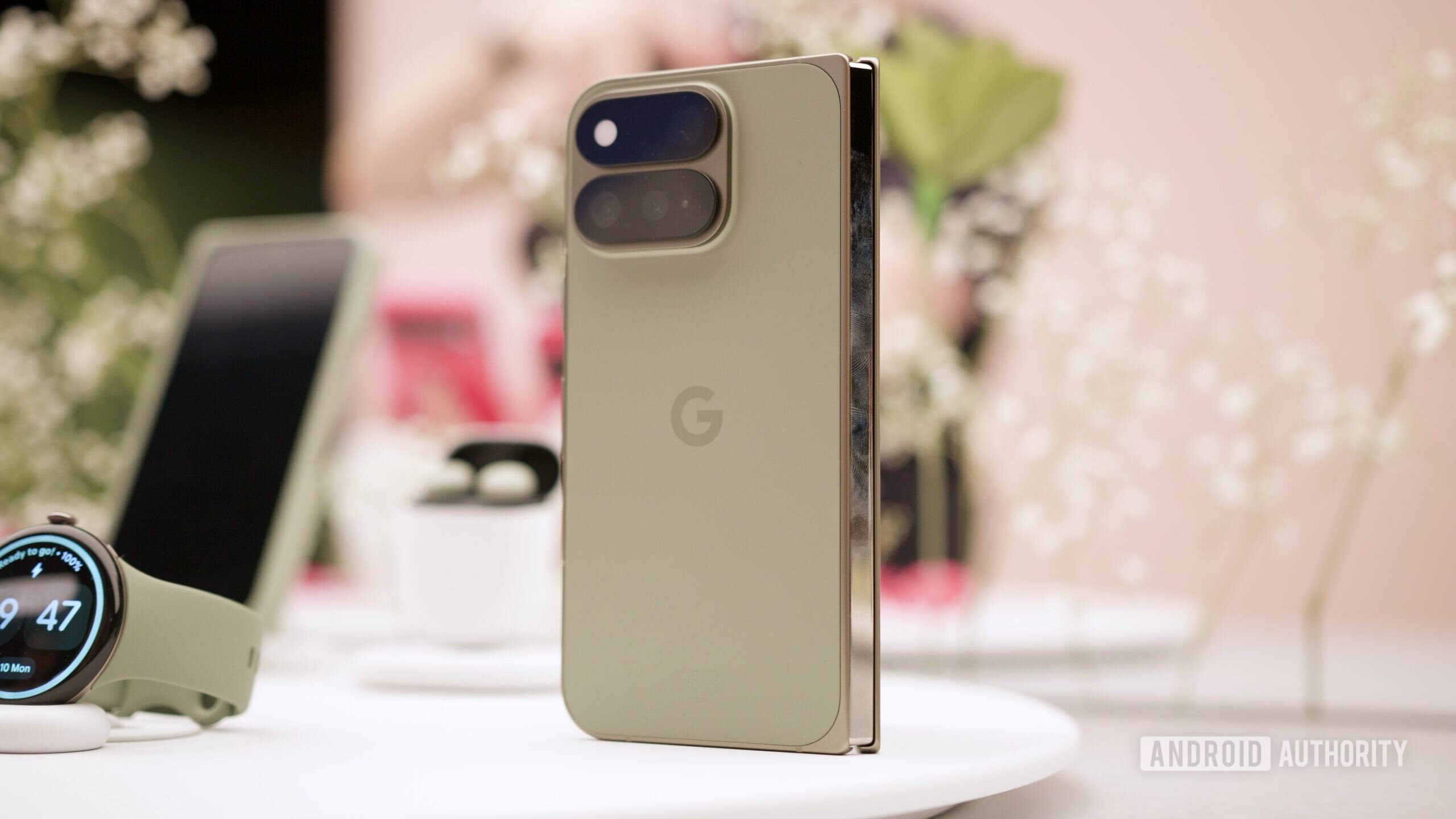
JerryRigEverything stress tests reveal that Google's latest foldable cracks along the hinge antenna lines under reverse pressure, repeating a hardware flaw seen across four generations. Despite marketed structural upgrades, everyday pocket strain risks unrepairable frame and screen damage for buyers.
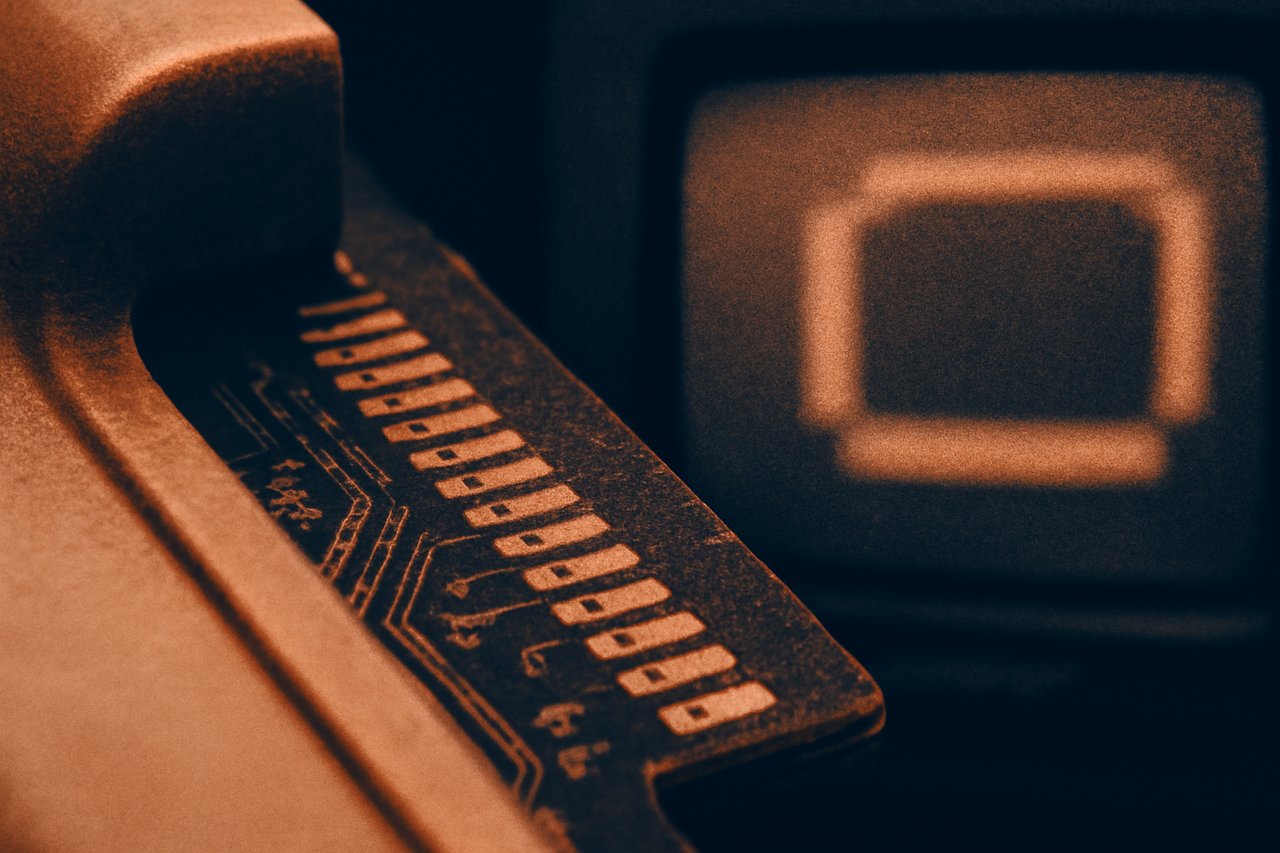
The $250 Analogue 3D uses custom FPGA silicon to deliver lag-free 4K video directly from original N64 cartridges. It eliminates hardware blur and recreates CRT phosphor grids without altering original low-poly assets or texture resolutions.
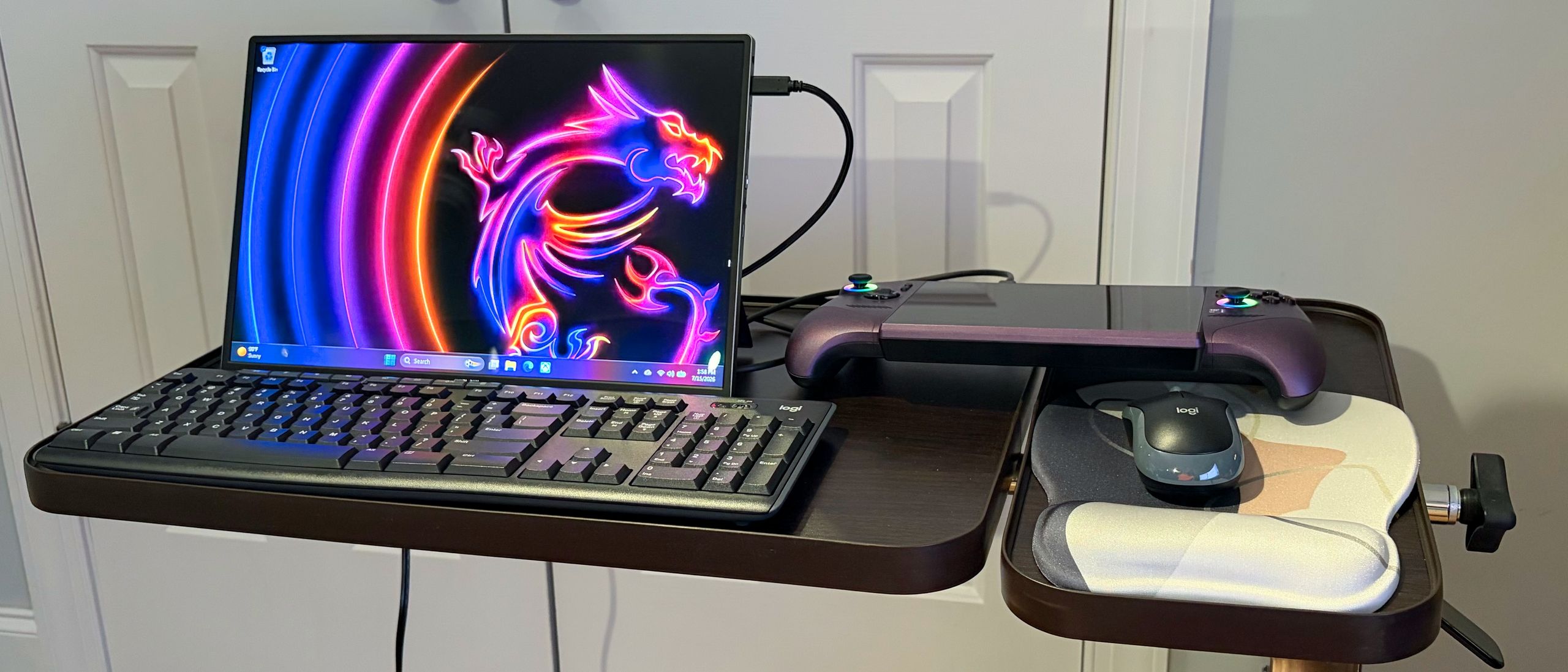
Asus launched the ZenScreen OLED MQ16FC, fitting a 16.1-inch FHD+ panel into an aluminum travel chassis for under $300. The display delivers deep blacks and versatile kickstand angles for remote setups, though limited brightness makes direct sunlight a challenge.