
Algorithmic Aisles
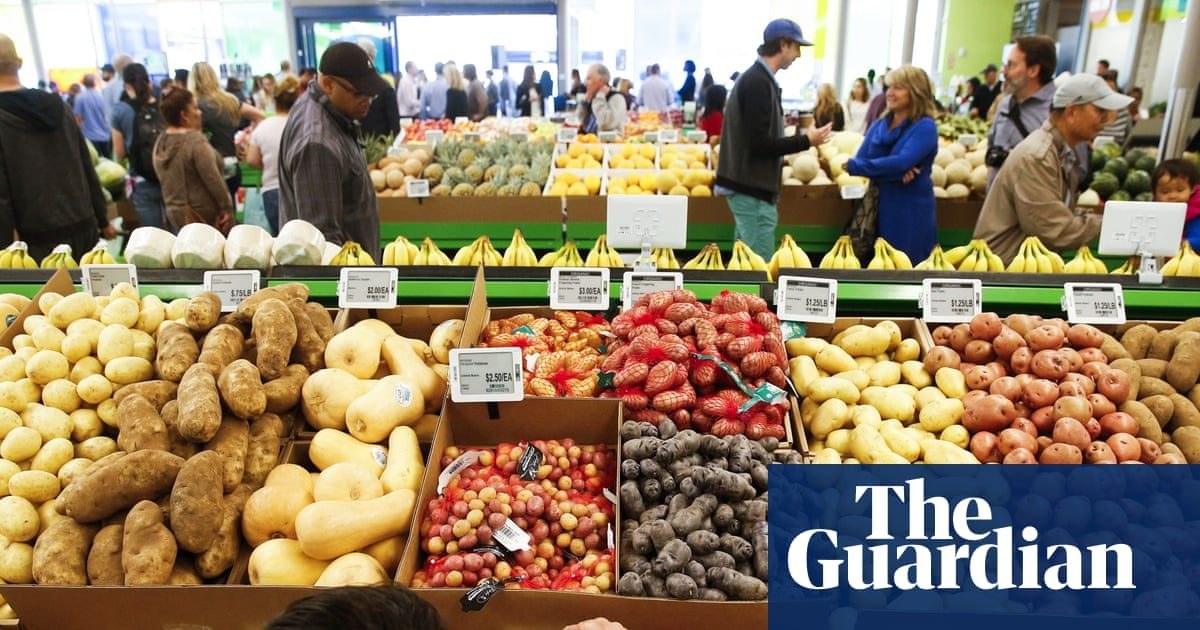
 hose tiny e-ink displays replacing humble paper labels on supermarket shelves look like a harmless hardware refresh, but they are engineered to squeeze your wallet. A policy brief titled 'Priced Out, Pushed Out: Electronic Shelf Labels Raise Prices and Shrink Paychecks' from the AFL-CIO Tech Institute calls for an outright ban on electronic shelf labels (ESLs) across supermarket chains like Whole Foods. US food prices have already surged 33% over the past seven years, easily outpacing wage gains. Replacing static paper with networked screens does not make retail more efficient for shoppers; it turns everyday grocery runs into real-time bidding wars against automated revenue-maximization software.
The Surge Pricing Machine
Unlike printed paper tags that demand manual labor to update, electronic shelf labels give retailers the power to quietly manipulate prices multiple times a day. Grocery chains link these digital tags directly to dynamic pricing algorithms originally engineered for airline seats and e-commerce platforms. If peak foot traffic hits at 5:30 PM, or local temperatures spike, software can bump the cost of bottled water or pantry staples without a single store clerk touching a shelf. Shoppers bear the brunt of tracking-based pricing while chains pocket the margin on algorithmic impulse hikes.
Job Cuts and Legislative Pushback
The fallout hits store staff just as hard as consumer budgets. The AFL-CIO Tech Institute calculates that universal adoption of electronic shelf labels across US grocery stores would strip workers of $1.6bn to $6.9bn in annual wages, eliminating between 44,223 and 191,633 floor jobs. Staff previously tasked with price audits and physical tagging see their shifts slashed as centralized servers take over.
Regulators are finally stepping into the fray against algorithmic gouging. Maryland became the first state to ban surveillance pricing in April, followed swiftly by bans enacted in Connecticut in June and New Jersey in July. Until federal rules catch up, audit your paper receipt against shelf displays before leaving the checkout counter—because the price you saw five minutes ago in aisle four may not be what registered at the scanner.