
#Cameras
60 stories on this topic, newest first.
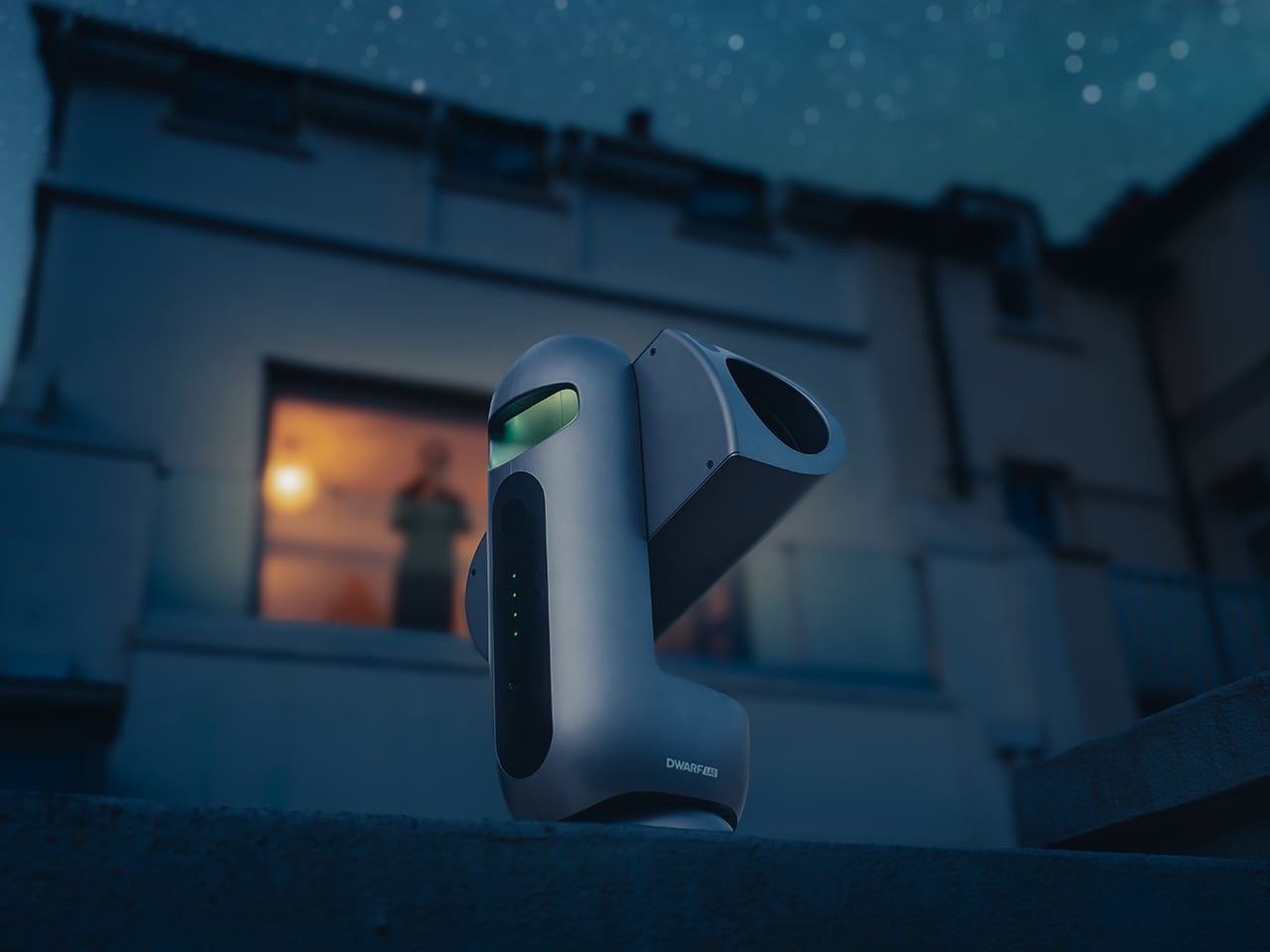
Dwarflab's new Draco telescope automates polar alignment with a rotating sensor to combat earth's rotation. Costing up to $1,599, it targets backyard astronomers who want deep-space shots without hours of manual setup.
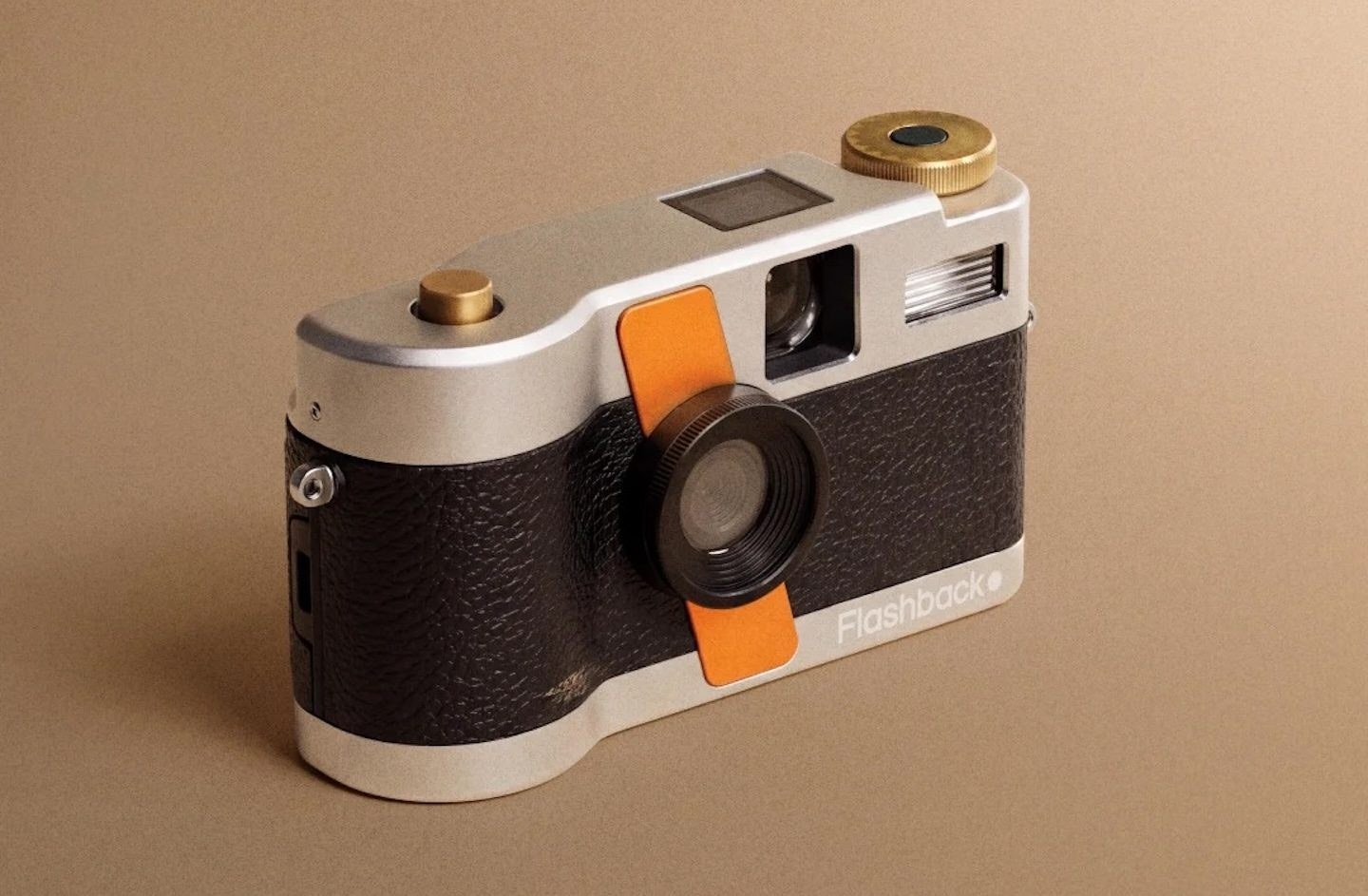
The Flashback ONE75 packages a basic 13-megapixel sensor in an aluminum body with a mechanical wind-on lever and artificial 24-hour photo delays. It swaps digital convenience for manufactured nostalgia, making you pay a premium to delete your ability to review

Weighing just 18 grams with no screen and a tiny 1.38-megapixel sensor, the Kenko Tokina Pieni III trades smartphone perfection for pure tactile novelty. It costs $38 and ditches computational photography entirely, leaving every shot a surprise until you
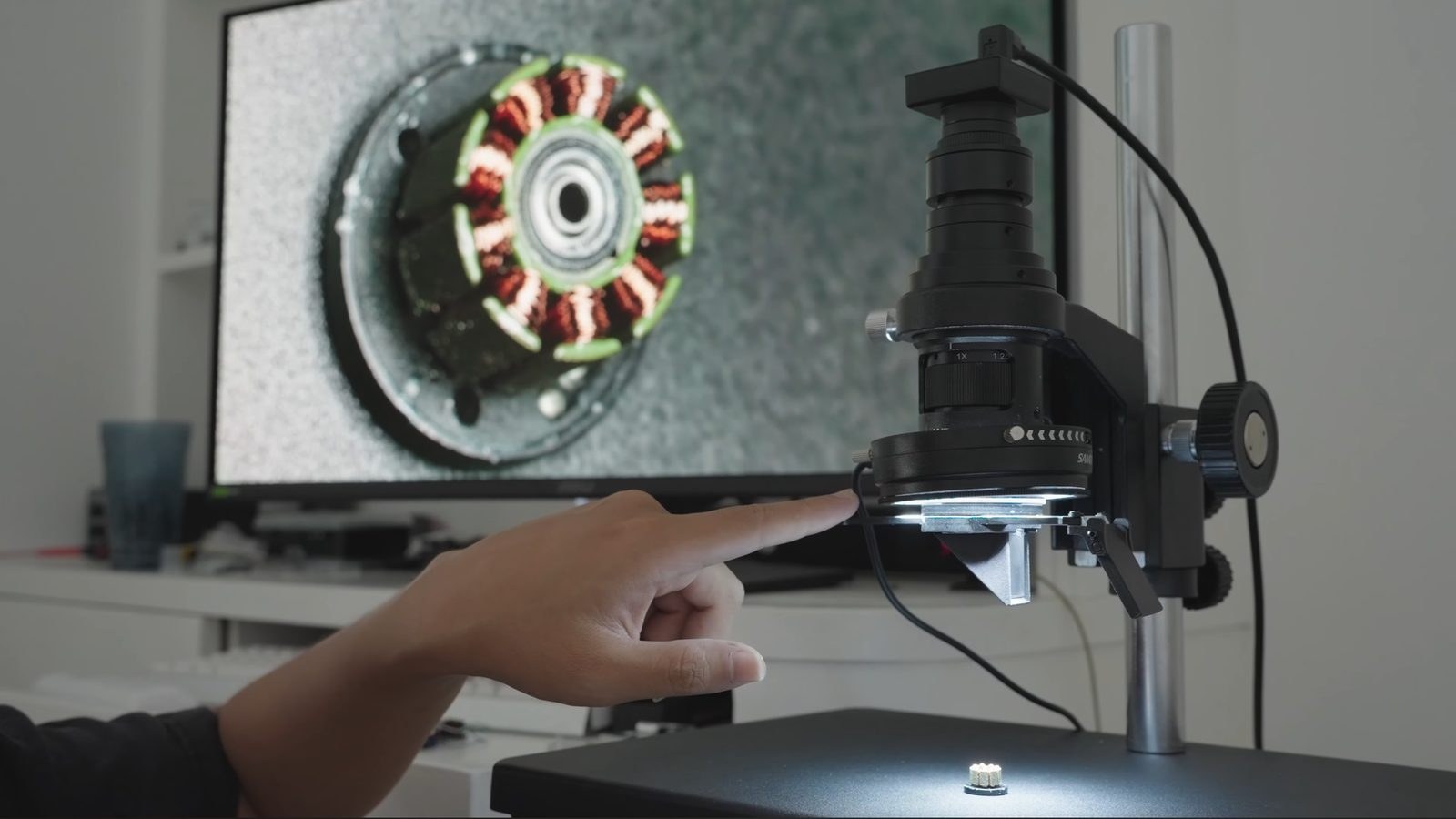
Standard factory microscopes hide microscopic circuit board defects under flat overhead angles. Frustrated by the optical dead end, one maker machined a custom aluminum side-view mirror attachment to inspect solder joints from any angle.
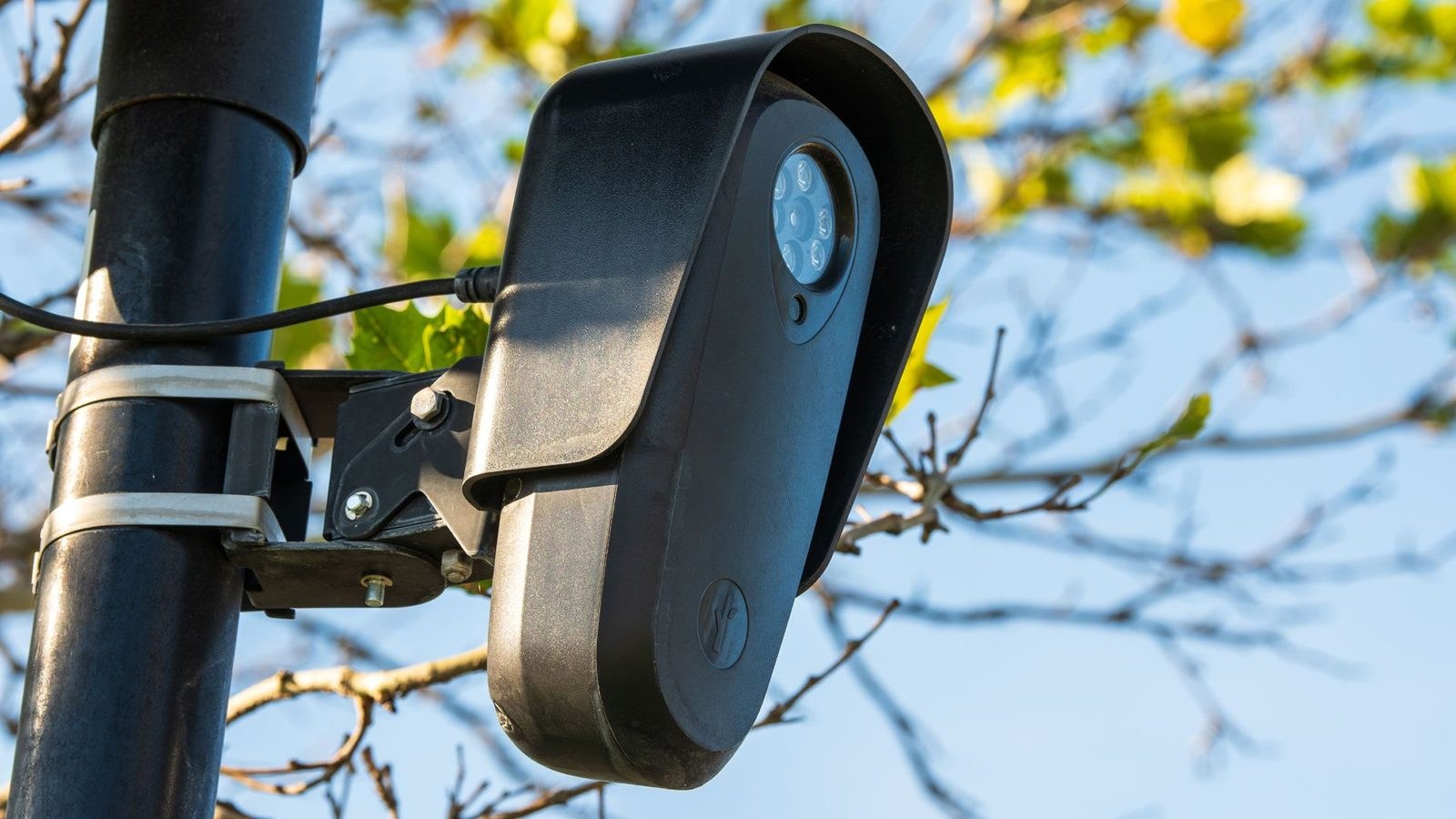
Canadian developer Anthony Sistilli built a cheap automated license plate reader to track police cruisers and got a doorstep visit two weeks later. The garage-built setup exposes the double standard of mass surveillance and why private tracking is a liability.

Lachlan Fysh designed the FTC-1 using 3D printing and CNC milling to bring architectural shift photography down to an $850 price tag. Weighing 2.4 pounds, the camera uses Mamiya backs and large format lenses to correct skewed buildings without requiring a
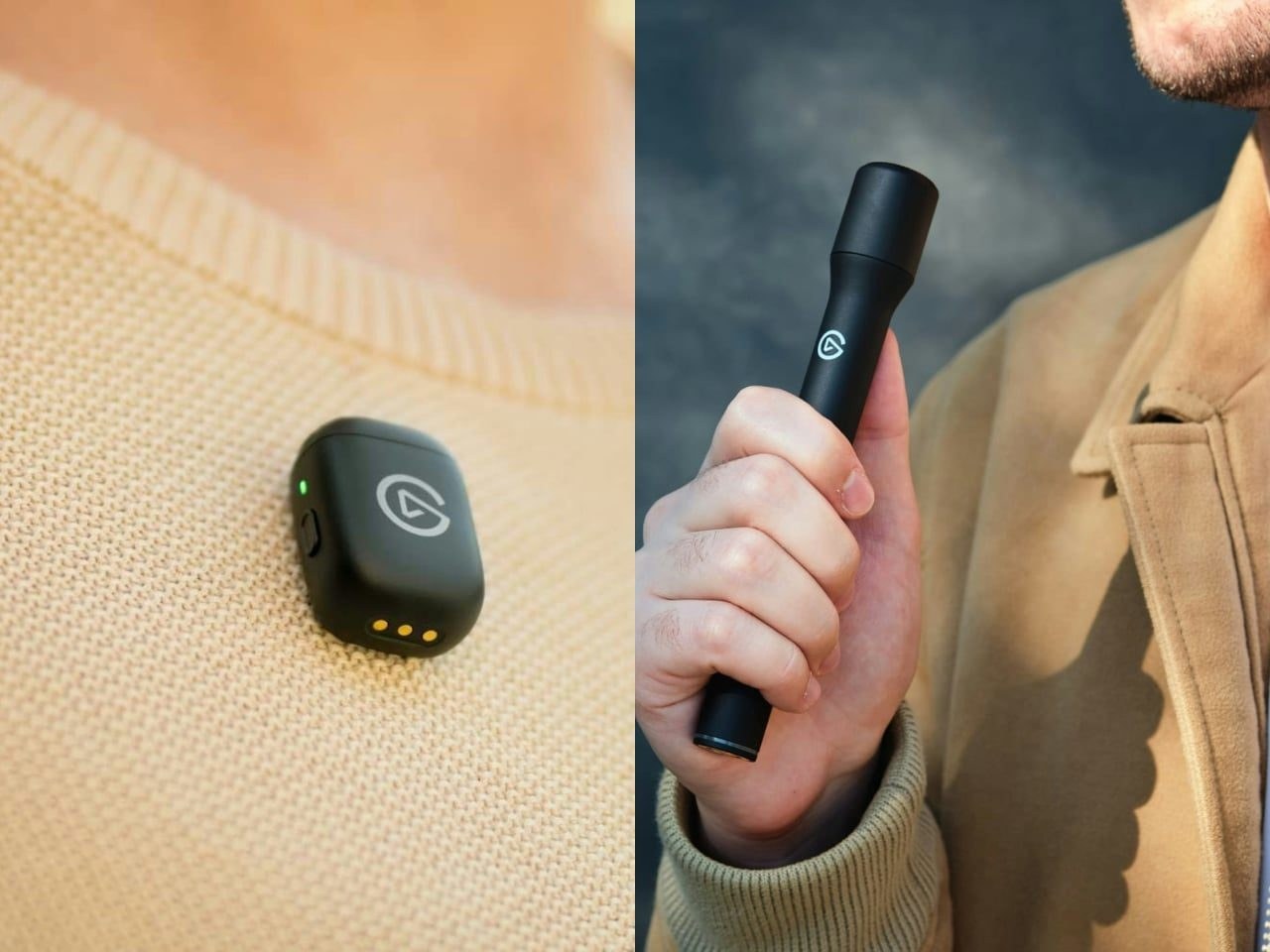
The new Elgato Wave Go is a tiny 0.25-ounce wireless transmitter that snaps into a plastic wand for street interviews. For $99, creators get a dual-purpose setup with 48 hours of total battery life, bypassing the need to carry two separate mics.
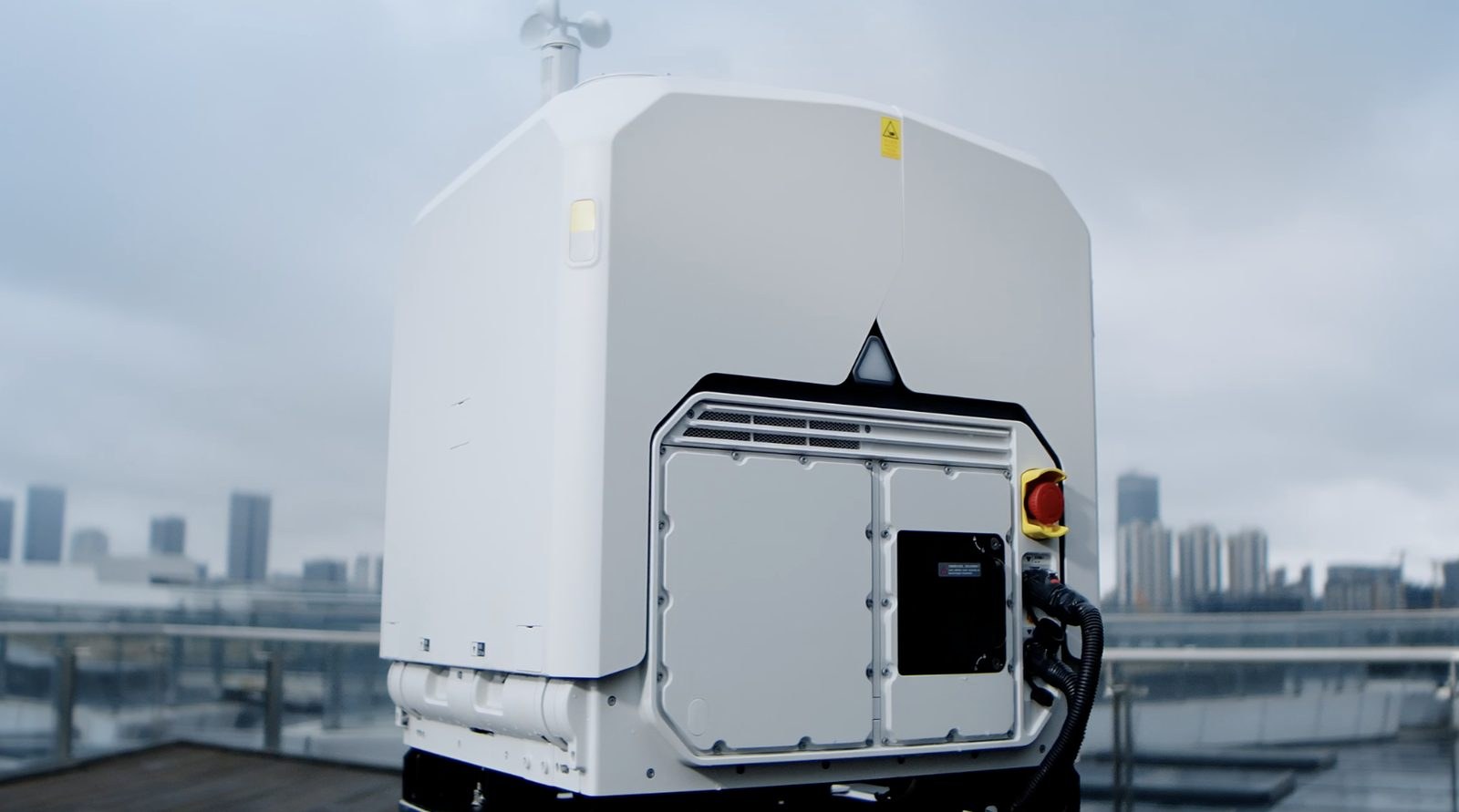
DJI's automated mechanical dock swaps dead drone batteries in under 25 seconds to eliminate hours of charging downtime. At $25,100 bundled with the Matrice 5TD, it transforms security surveillance into a heavy capital investment.

UCLA researchers have built a 19-inch humanoid robot powered by a discarded Android phone running TensorFlow Lite. The project cuts entry-level bipedal robotics costs to roughly $400, letting old pocket hardware handle vision and navigation.

Xiaomi released the Smart Camera 5 Pro featuring dual 8MP and 4MP lenses, 4K recording, and local AI processing for around $75. The camera brings flagship-grade hardware to a budget price point, though it currently lacks an official international release.
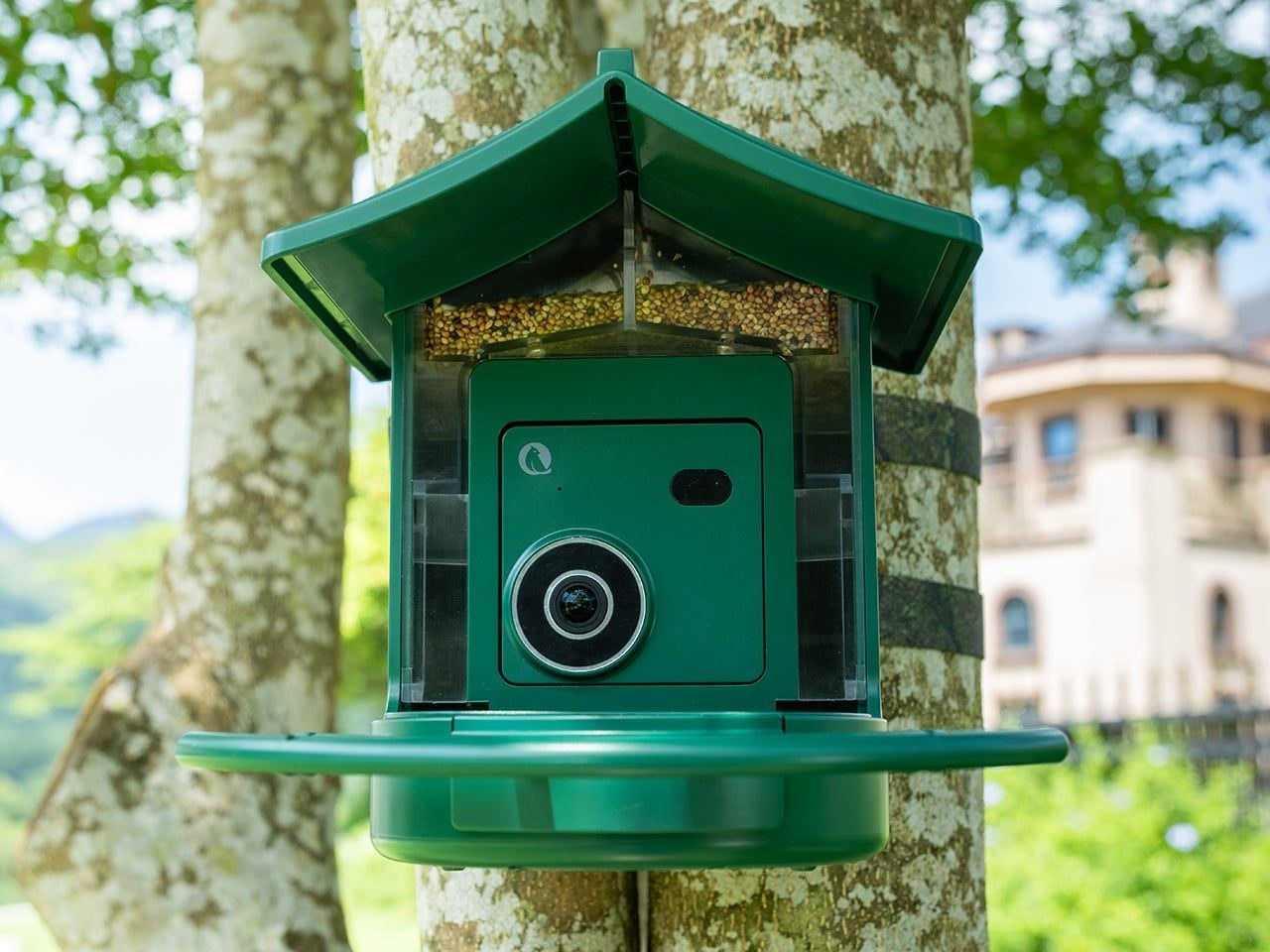
The BirdVue FEED 1 ditches home Wi-Fi limits by adding 4G LTE and an eSIM to a $179 smart bird feeder. It lets you track wildlife deep in your garden, though cellular data adds an ongoing cost.
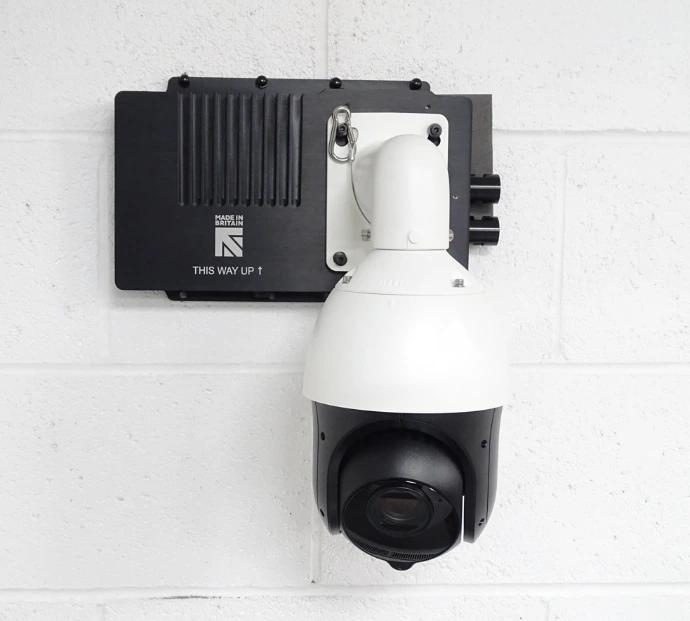
VisionGuard's new VG-15M6 surveillance unit runs on desktop-grade Intel silicon to process heavy video feeds locally. It eliminates cloud subscriptions for industrial sites, but brings overkill hardware to anyone else.

Swiss gadget maker Rolling Square has released the Await, a pocket-sized digital camera that restricts users to 24 exposures per roll with no preview screen. Priced at $100 on Kickstarter ahead of a $145 retail release, the device forces deliberate shooting and requires physical print orders for digital access.
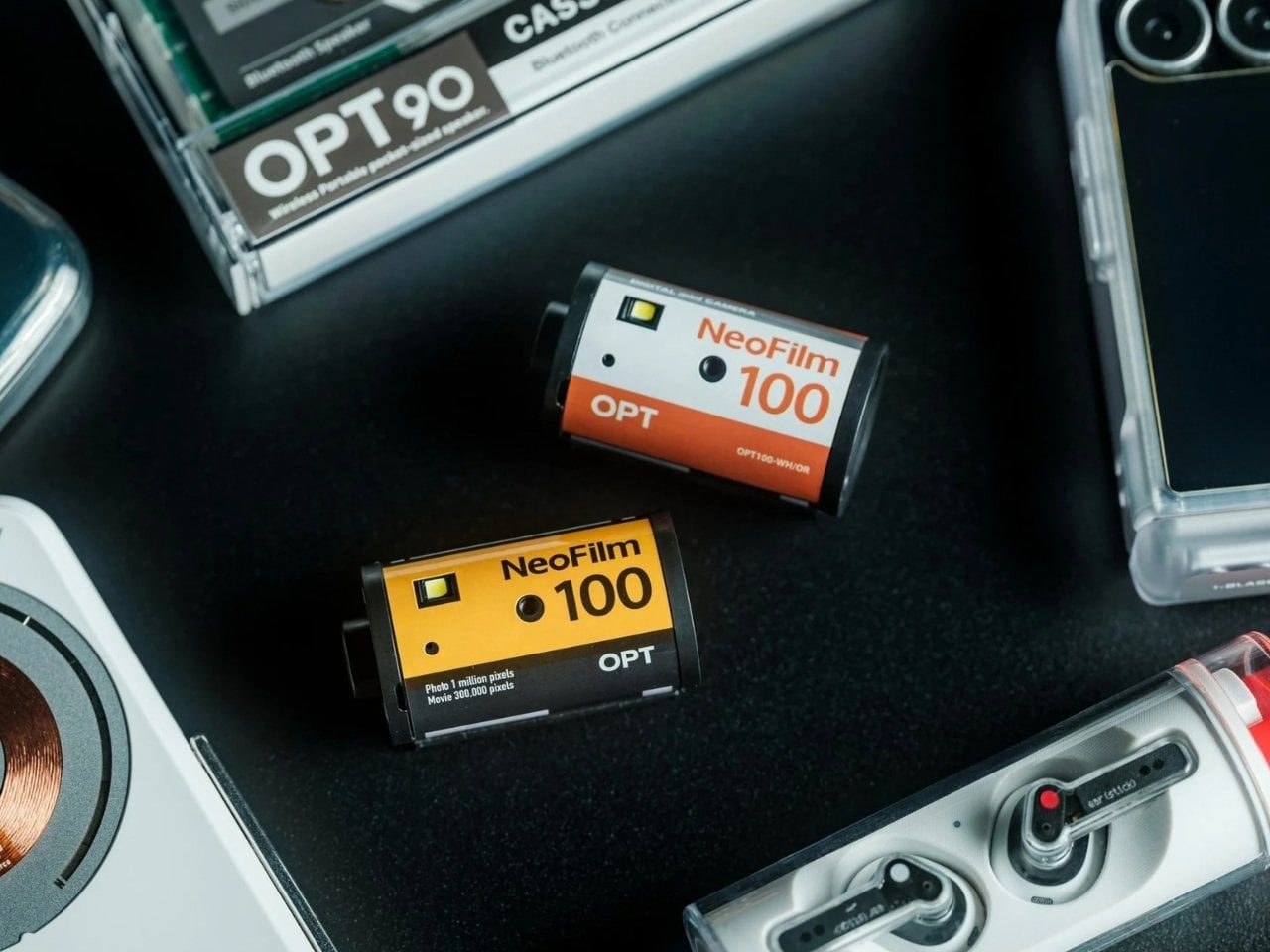
The Analog Capsule Camera packs a 1-megapixel sensor into a 25-gram 35mm film shell. It gives you grainy, imperfect vintage shots via USB-C and microSD without the cost of real film or chemical developing.

Huawei brings back modular camera attachments with the $900 Z10 lens for its new Mate 90 Pro Max. The setup delivers a 1-inch sensor and 10x optical zoom, but turns a pocket phone into an awkward, heavy hybrid.

An anonymous prototype at IFA sparked rumors of a budget Micro Four Thirds camera from Sonida, but the company denies any connection. The device turned out to be a cheap mockup with an incompatible lens mount that leaves buyers with nothing to actually purchase.

Electron Dust has engineered the Hexa-Bouncer, a mechanical table tennis platform driven by six stepper motors and high-speed stereo cameras. The garage project exposes the cloud dependency and sluggish response times plaguing modern smart home automation.

Maker Jim Bruges built an instant camera using a webcam and a thermal receipt printer, swapping expensive chemical cartridges for pennies-per-roll paper. It even packs an onboard processor to turn your photos into AI-generated rubber ducks without touching a cloud server.
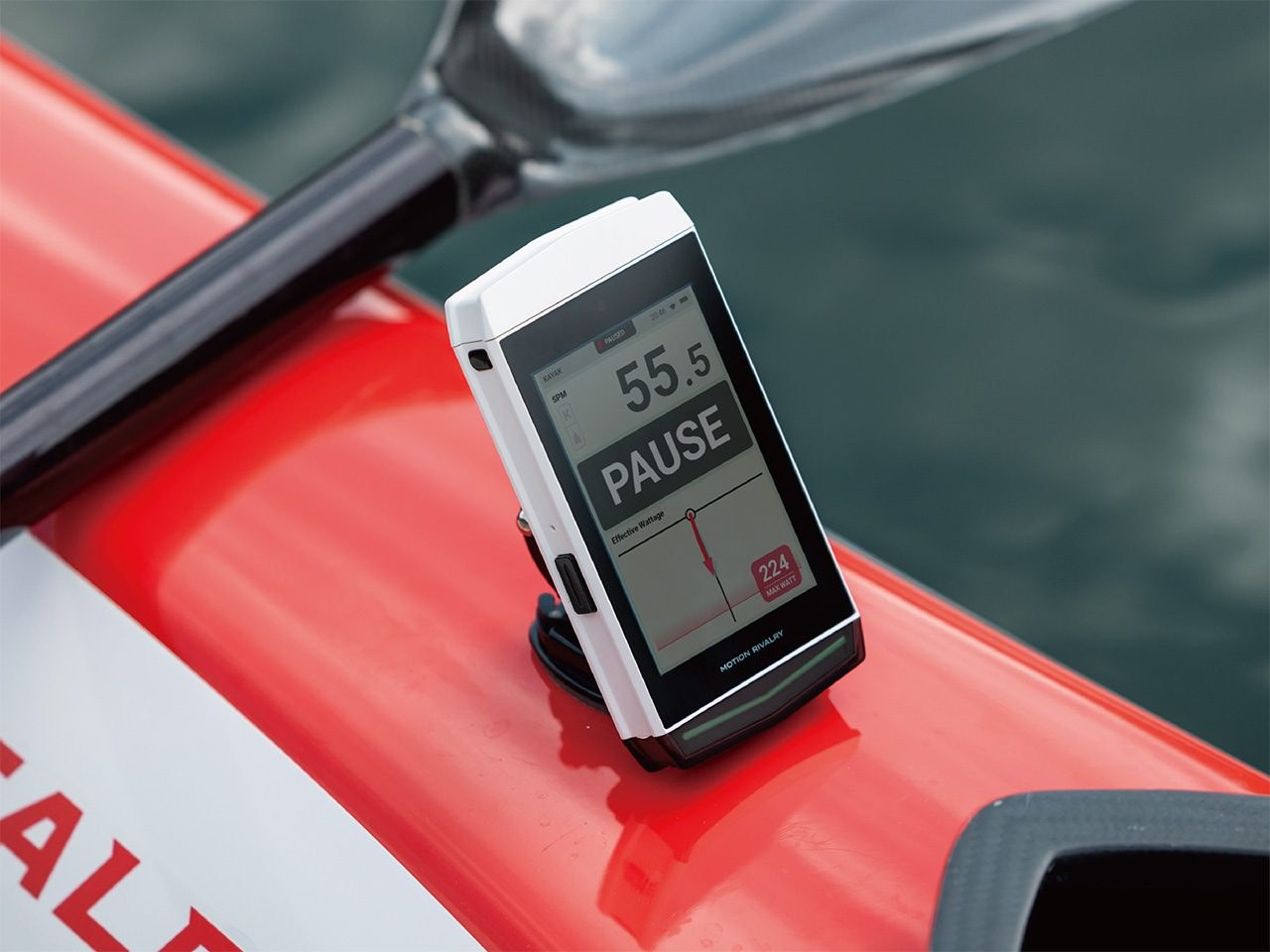
Motion Rivalry designed REACH to replace action cameras and walkie-talkies with interchangeable hardware modules on a single base unit. The crowdfunding campaign raised over $122,000, bringing the entry price to $359.
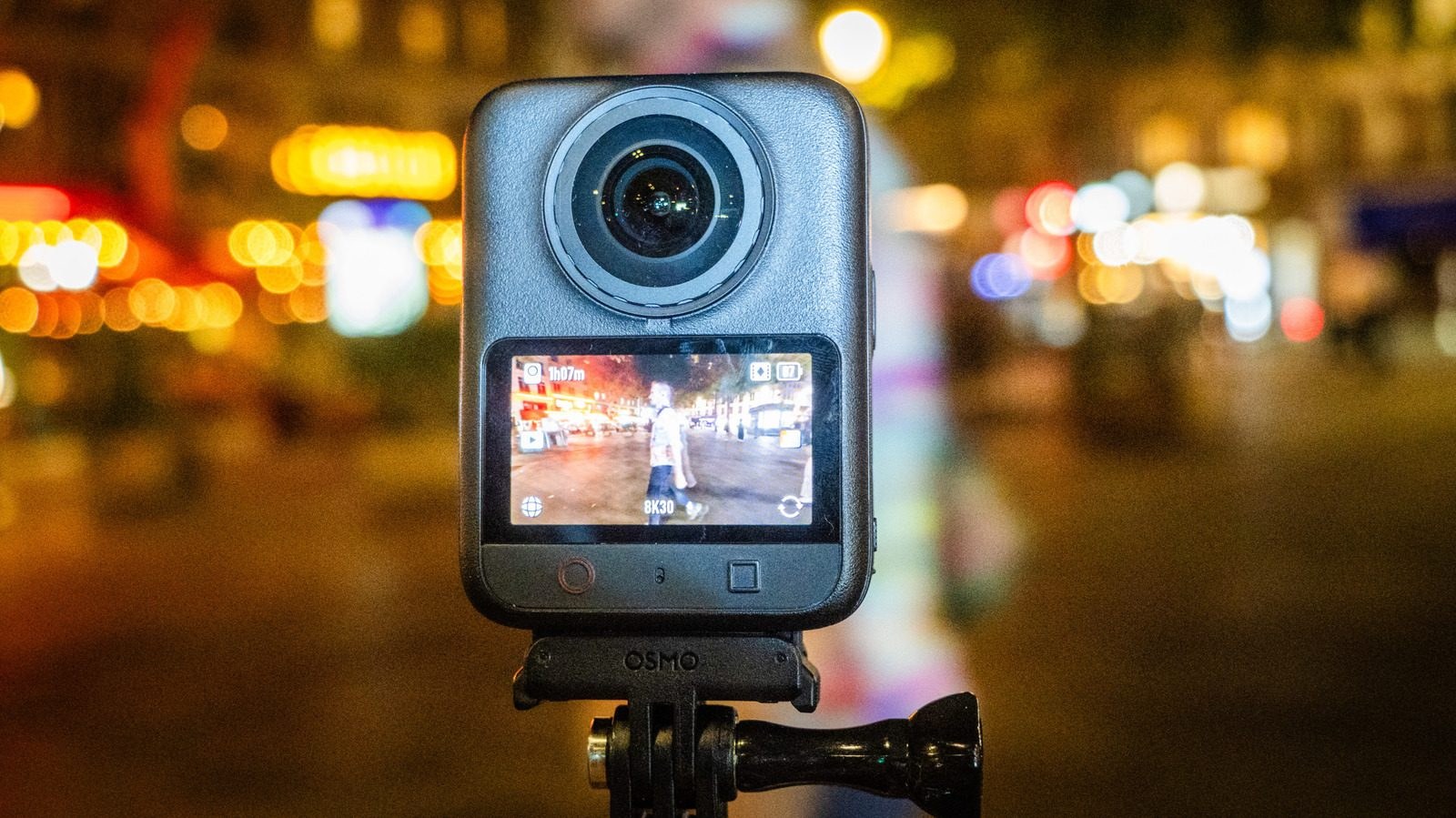
DJI's Osmo 360 II solves the perennial action camera nightmare of scratched lenses by letting you replace broken glass on your workbench in under five minutes. Alongside 8K recording and 105GB of built-in storage, it undercuts rival pricing at €589, though US creators are locked out of the launch.

Vivo's new X500 pairs a giant 7,500mAh battery and a super-smooth 144Hz screen with a CNY 5,499 starting price. While the core hardware delivers solid daily stamina, adding the optional magnetic snap-on screen and zoom attachments quickly inflates the final bill into an impractical gadget collection.

Repair specialists found that opening the new iPhone 18 Pro often breaks its plastic frame, while a complex mechanical camera ensures repairs will cost a fortune. Regular users dropping their phones face steep bills for microscopic moving parts that cannot be individually replaced.
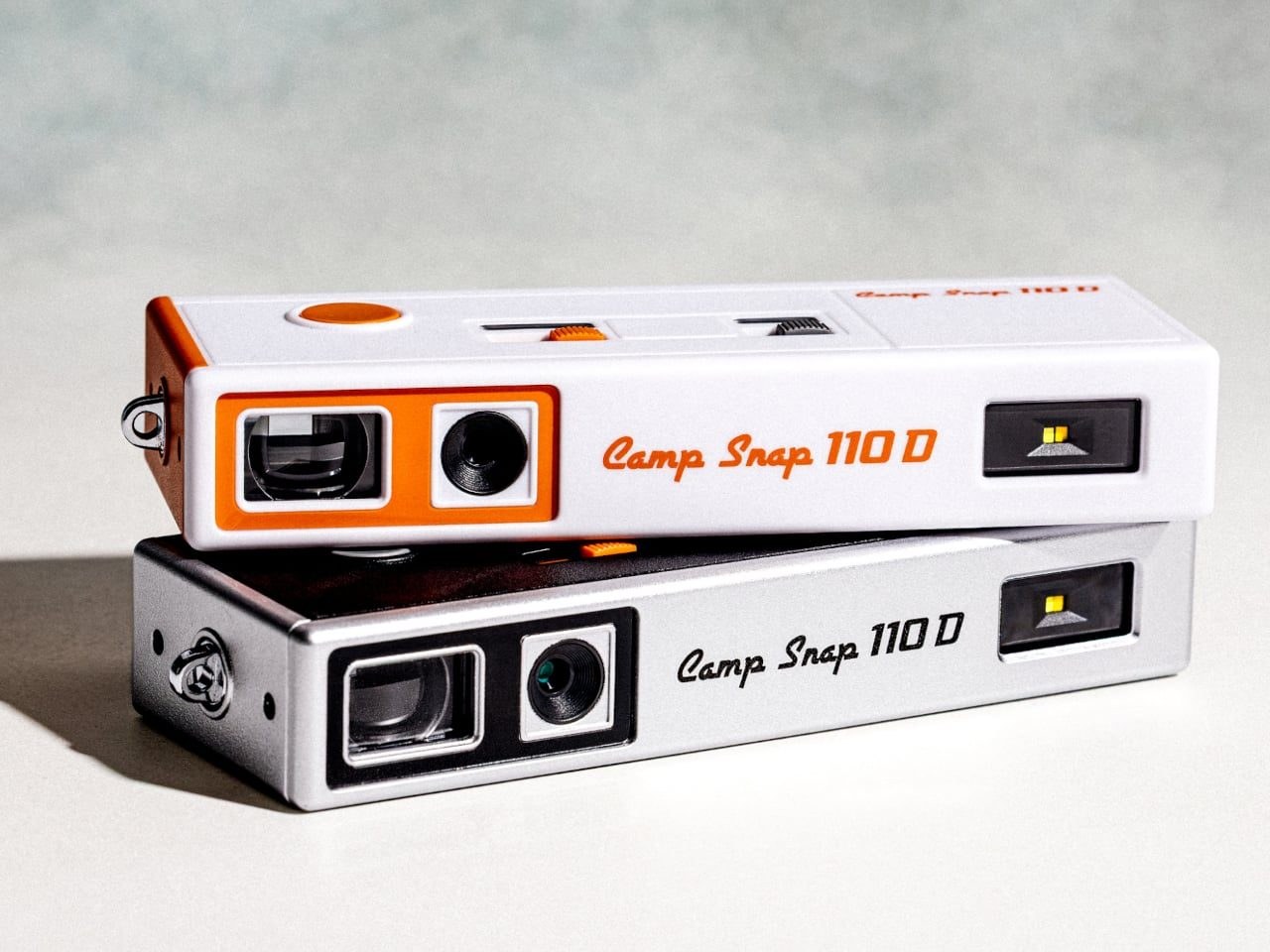
The $75 Camp Snap 110D ditches the review screen entirely, forcing you to shoot blind and wait until you plug it in to see your photos. Built like a 1970s film camera with an 8-megapixel sensor, it trades modern digital perfection for genuine peace of mind.
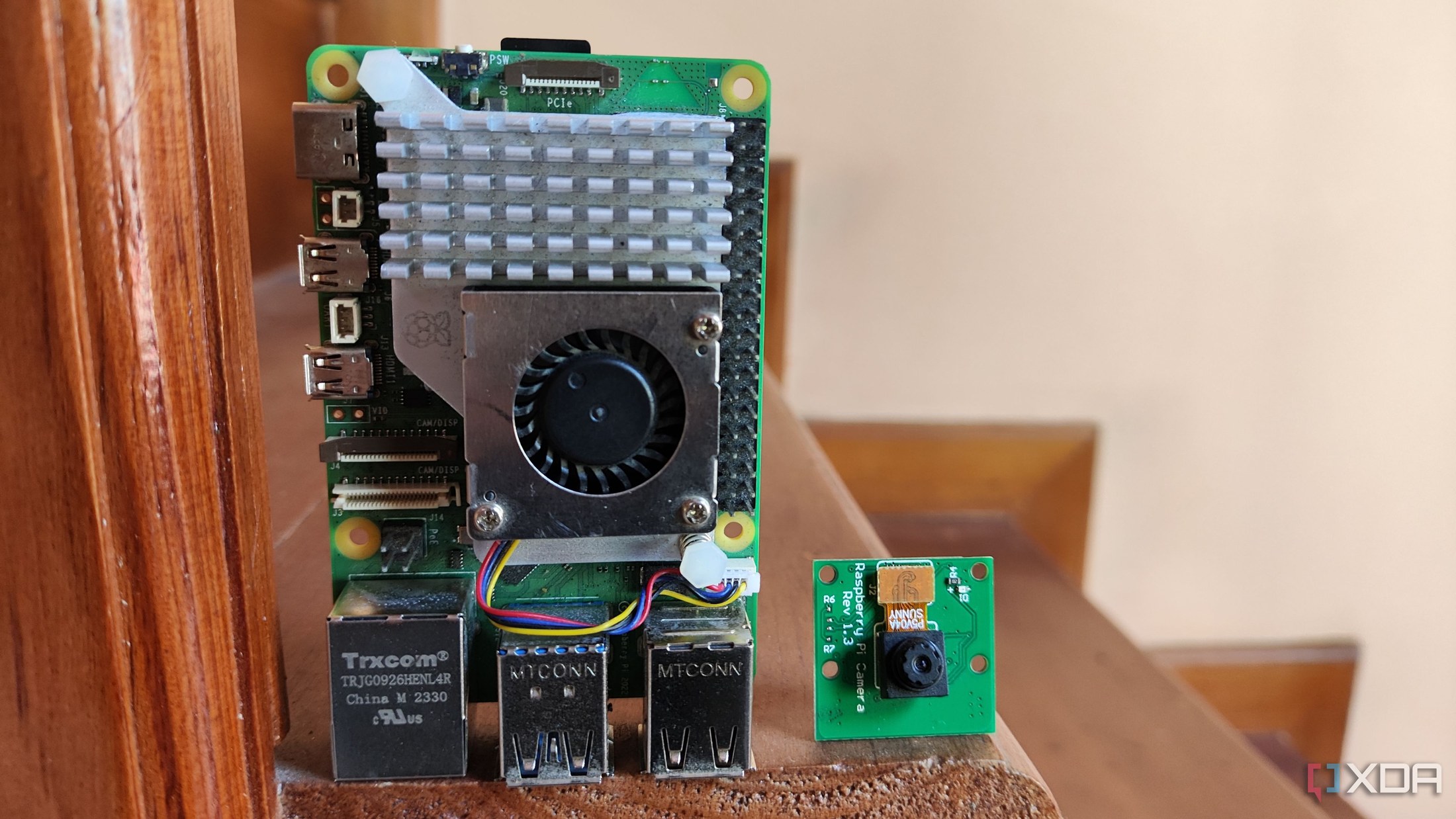
A DIY enthusiast built a portable camera array using four synchronized microcomputers to shoot 3D wigglegrams on a budget. While the maker hasn't released blueprints yet, the wireless setup proves you can get Hollywood bullet-time effects without a massive professional studio budget.

JerryRigEverything tested the Honor Robot motorized camera and discovered a fatal flaw with sand. A single trip to the beach can jam the moving lens permanently and force an expensive mechanical replacement.

Xiaomi launched a $890 kitchen hood equipped with a 3-megapixel camera and computer vision to automatically adjust airflow. We break down whether this AI upgrade makes sense or is just an expensive marketing trick.

IT Store is crowdfunding the DV42 on Makuake for $55, packaging a tiny novelty camera inside a miniature audio cassette shell. Despite 48-megapixel marketing claims, the built-in non-replaceable battery and cheap sensor mean you are paying for desk decor rather than real photography.
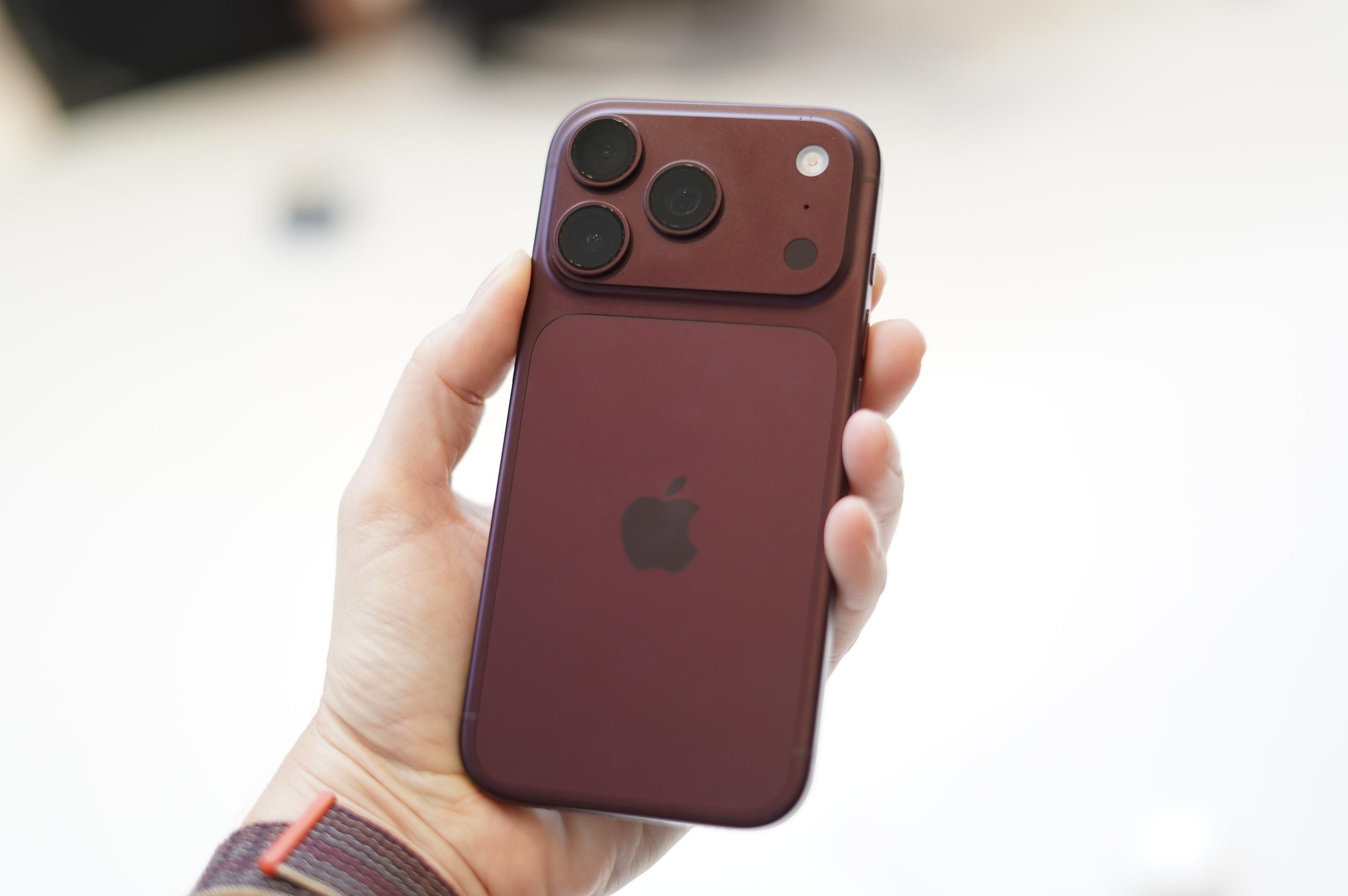
Apple's iPhone 18 Pro arrives on September 18 starting at $1,199 with manual aperture controls and a slightly smaller Dynamic Island. For anyone using a recent phone, the aluminum chassis and everyday experience remain completely unchanged.

Apple introduced the iPhone 18 Pro and Pro Max with a mechanical variable aperture camera and a $200 price increase across the lineup. The internal silicon upgrades and smaller Dynamic Island provide notable battery and photo enhancements. However, the identical chassis and steep entry price leave little incentive to upgrade from recent generations.
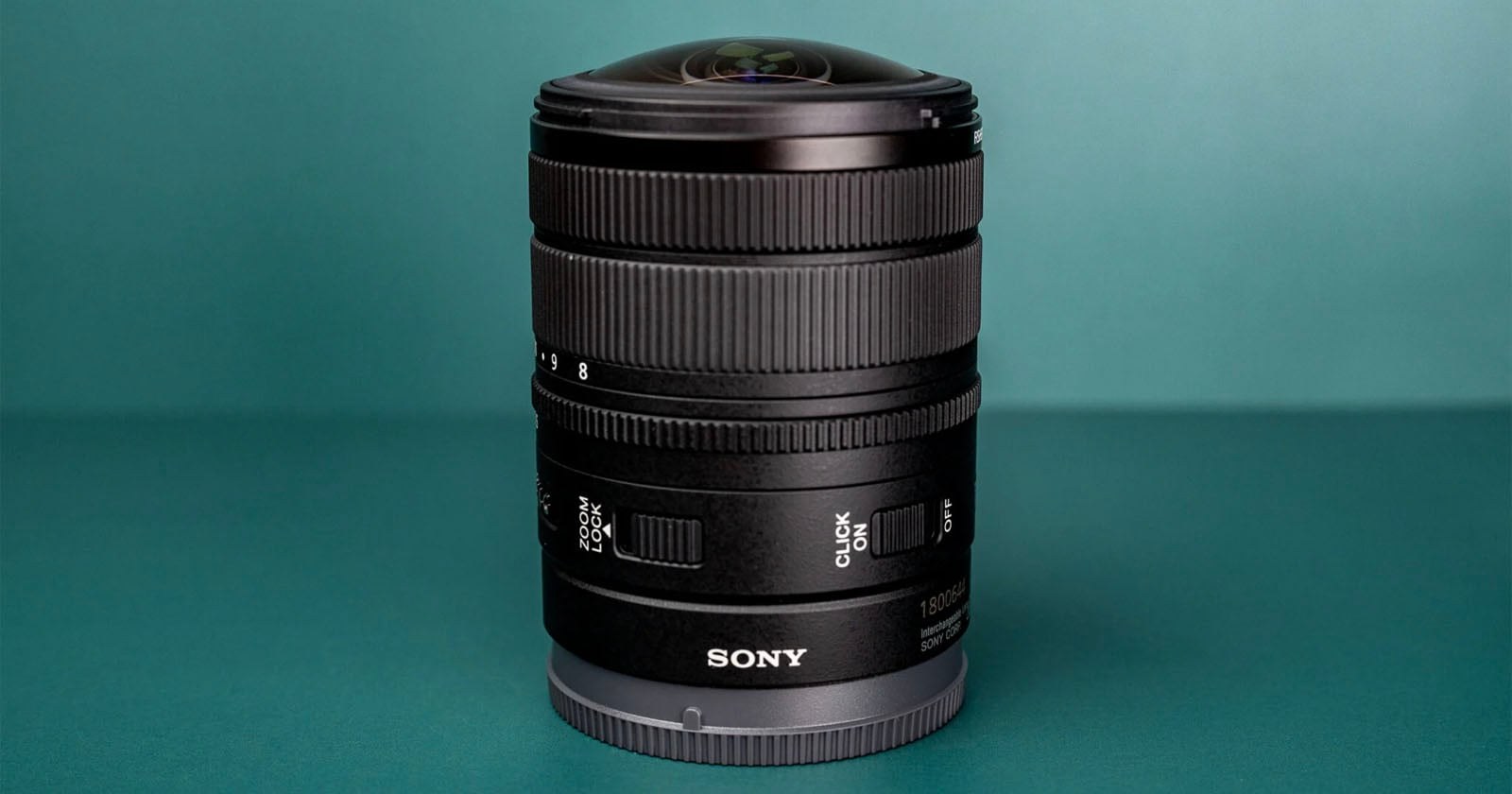
Sony launches the FE 8-14mm f/3.5 G lens, bringing 180-degree wide-angle optics to E-mount cameras after a 20-year gap. The 314-gram zoom lens arrives in October 2026 for $1,600, targeting professional skate filmmakers and high-end video creators.
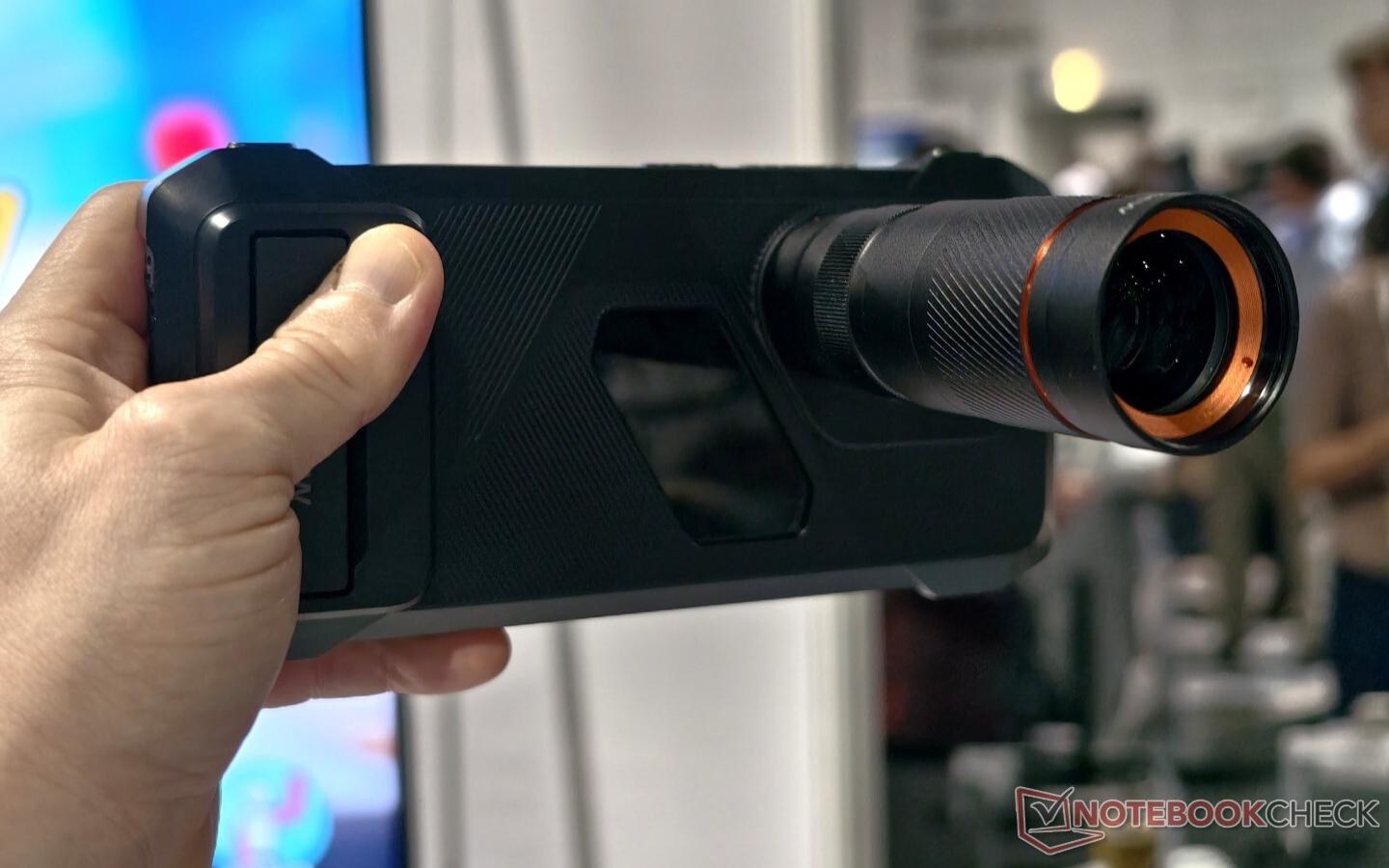
Blackview has introduced the Xplore 6, a rugged phone equipped with a 12,000mAh battery and a modular 10x optical telephoto lens. It combines flagship specs with extreme IP69K durability, though its massive 428-gram body limits its appeal strictly to field professionals.

Norwegian lawmakers are preparing a total ban on smart glasses and wearables equipped with cameras in public spaces. Device makers could soon deploy geofenced firmware updates to disable hardware features and avoid liability. Buyers risk seeing high-end tech turn into regular designer plastic overnight.

Independent workshop Strange Inventions engineered a 3D-printed instant camera that prints digital photos onto removable four-color E-Ink cartridges. The $150 open-source build eliminates the recurring dollar-per-shot cost of traditional chemical film.
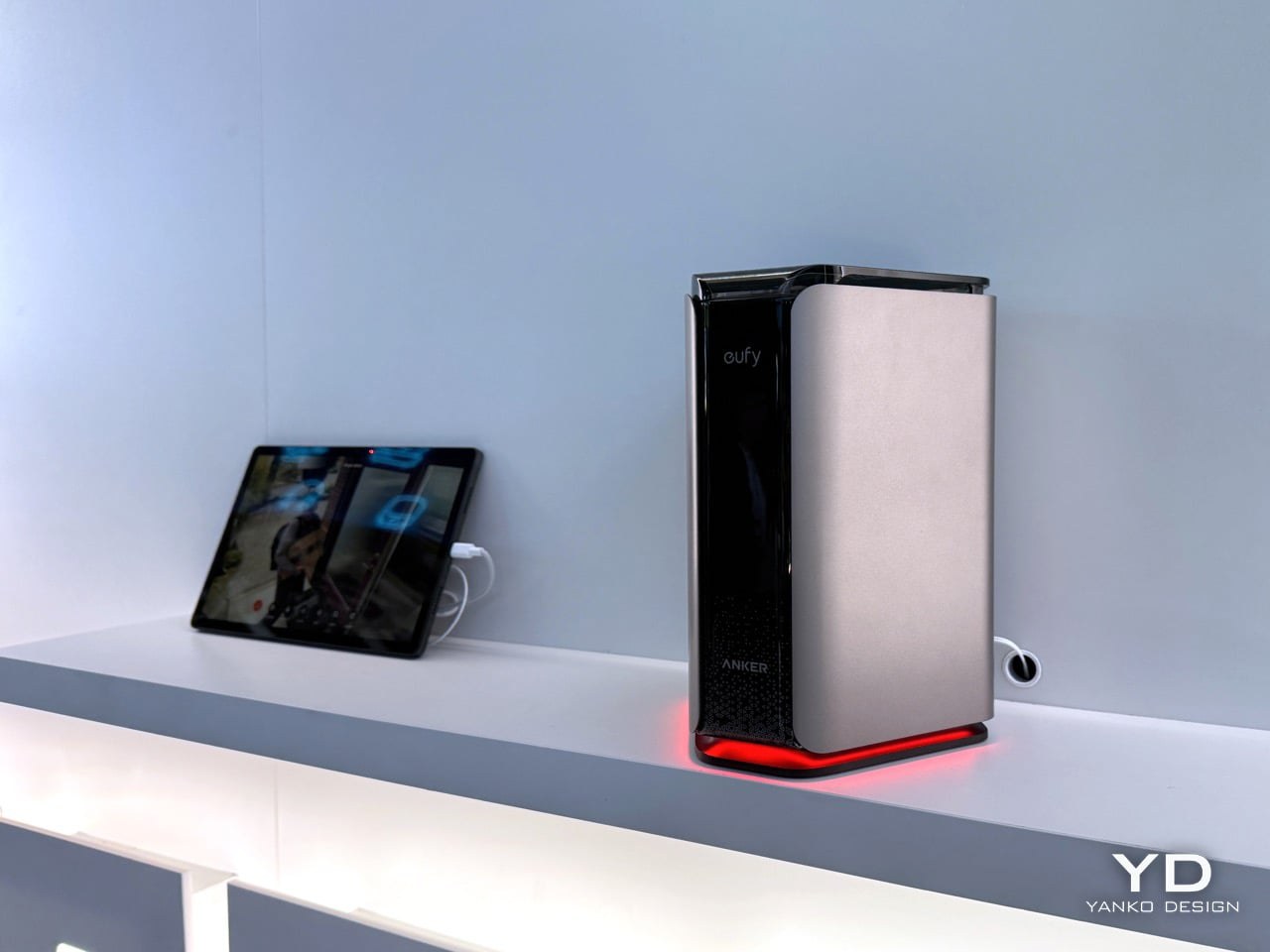
Anker's new MindBase hub rescues older eufy security cameras from the landfill by shifting all video processing and storage locally. Equipped with a 48TB drive bay and a built-in neural chip, it completely eliminates monthly cloud subscription fees.
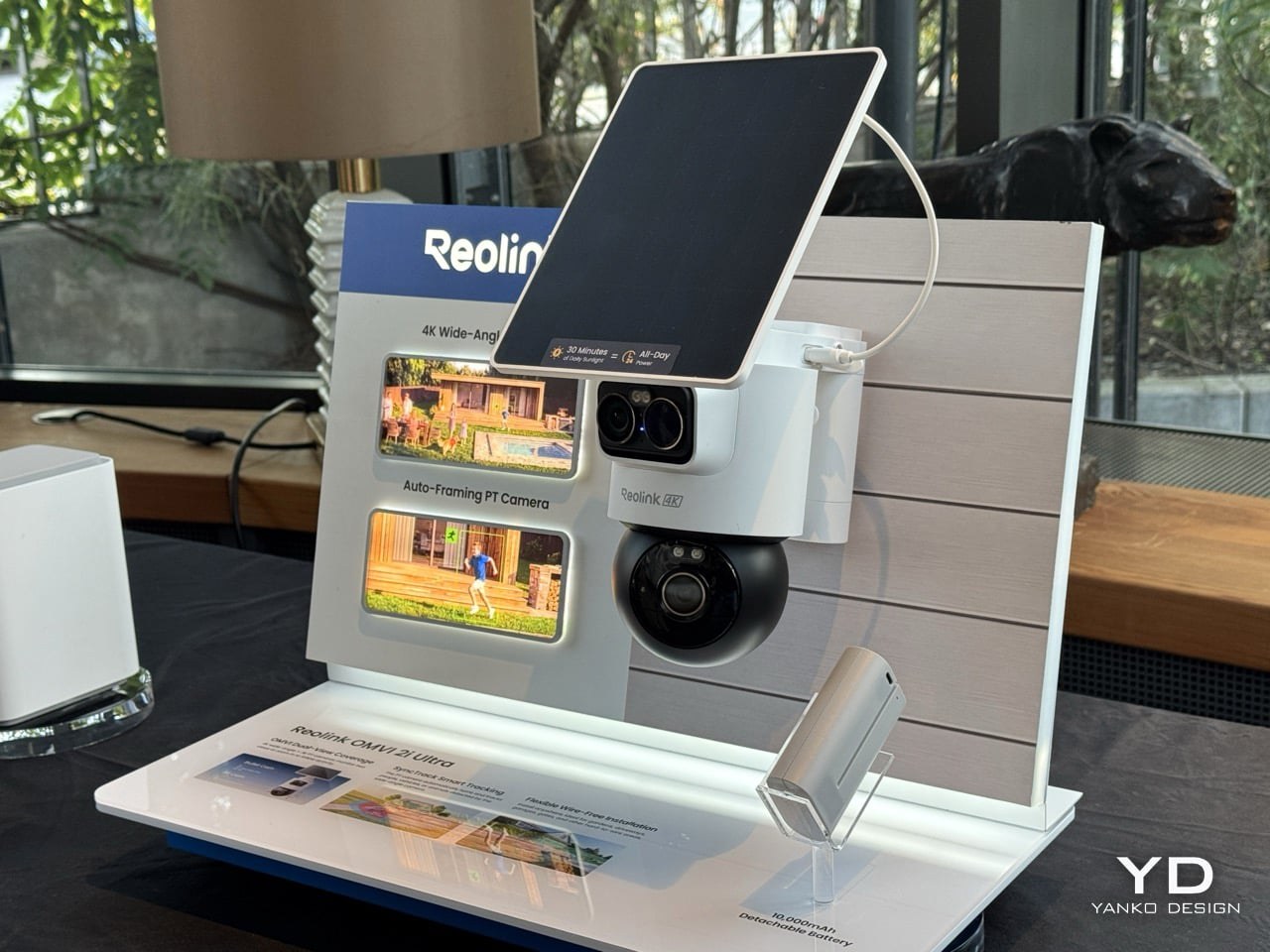
Traditional rotating security cameras look at an intruder and leave your yard wide open. Reolink's $200 to $250 OMVI 2i Ultra solves this with a fixed 4K wide lens stacked above a motorized tracking sphere, running entirely on a solar-powered battery.

Oppo reportedly plans to test a clip-on telephoto camera module on the Reno 17 to keep the phone ultra-thin. While this removes the rear camera bump, history shows that modular mobile optics fail against built-in periscopes when it comes to daily convenience.
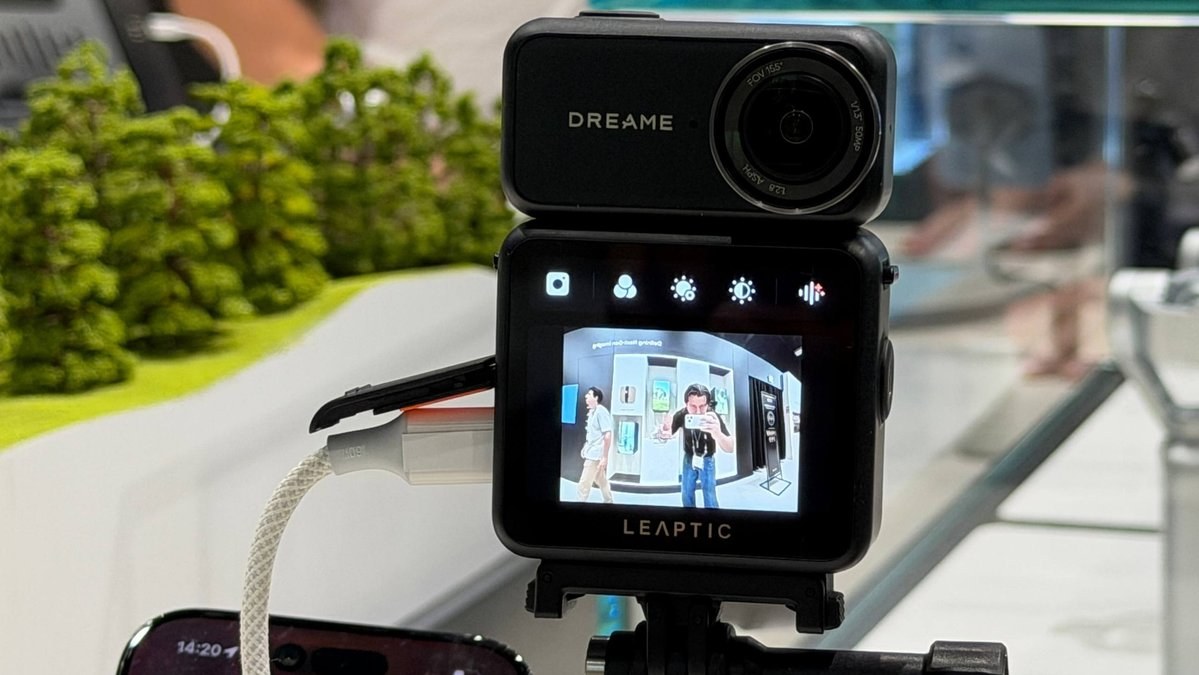
Vacuum maker Dreame has introduced the Leaptic Cube, a $449 modular 8K action camera with a detachable lens block and a wireless screen base. The hardware delivers versatile vlogging angles, though split battery management and heavy stabilization crops make it a niche alternative to rugged market incumbents.
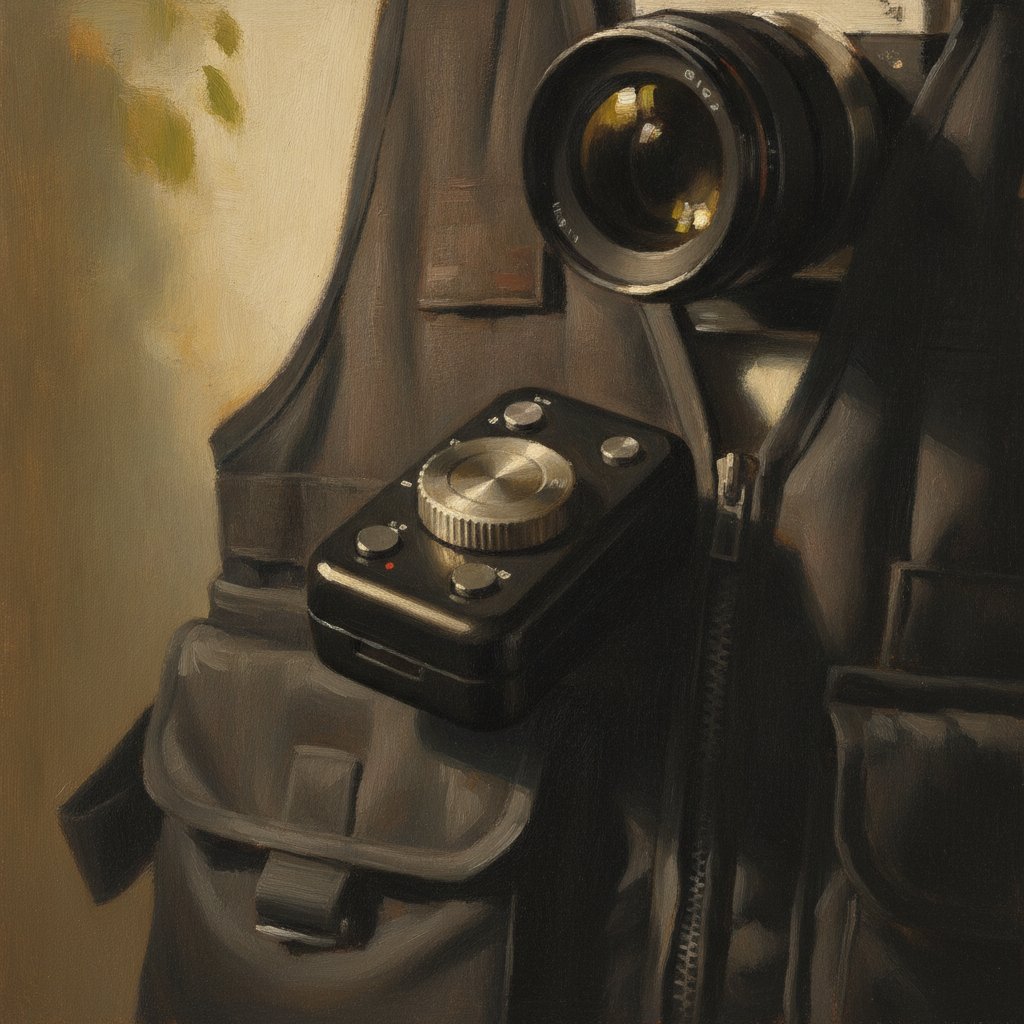
An enthusiast created open-source firmware for the off-the-shelf M5Stack Stick PLUS 2, turning the tiny gadget into a universal Bluetooth shutter remote. The pocket-sized device eliminates clunky smartphone apps and replaces costly proprietary triggers with tactile, reliable hardware control.

Shelly is releasing a $49.99 home security camera that records directly to a microSD card over local Wi-Fi. It lets buyers skip monthly cloud fees entirely while keeping video footage off third-party servers.
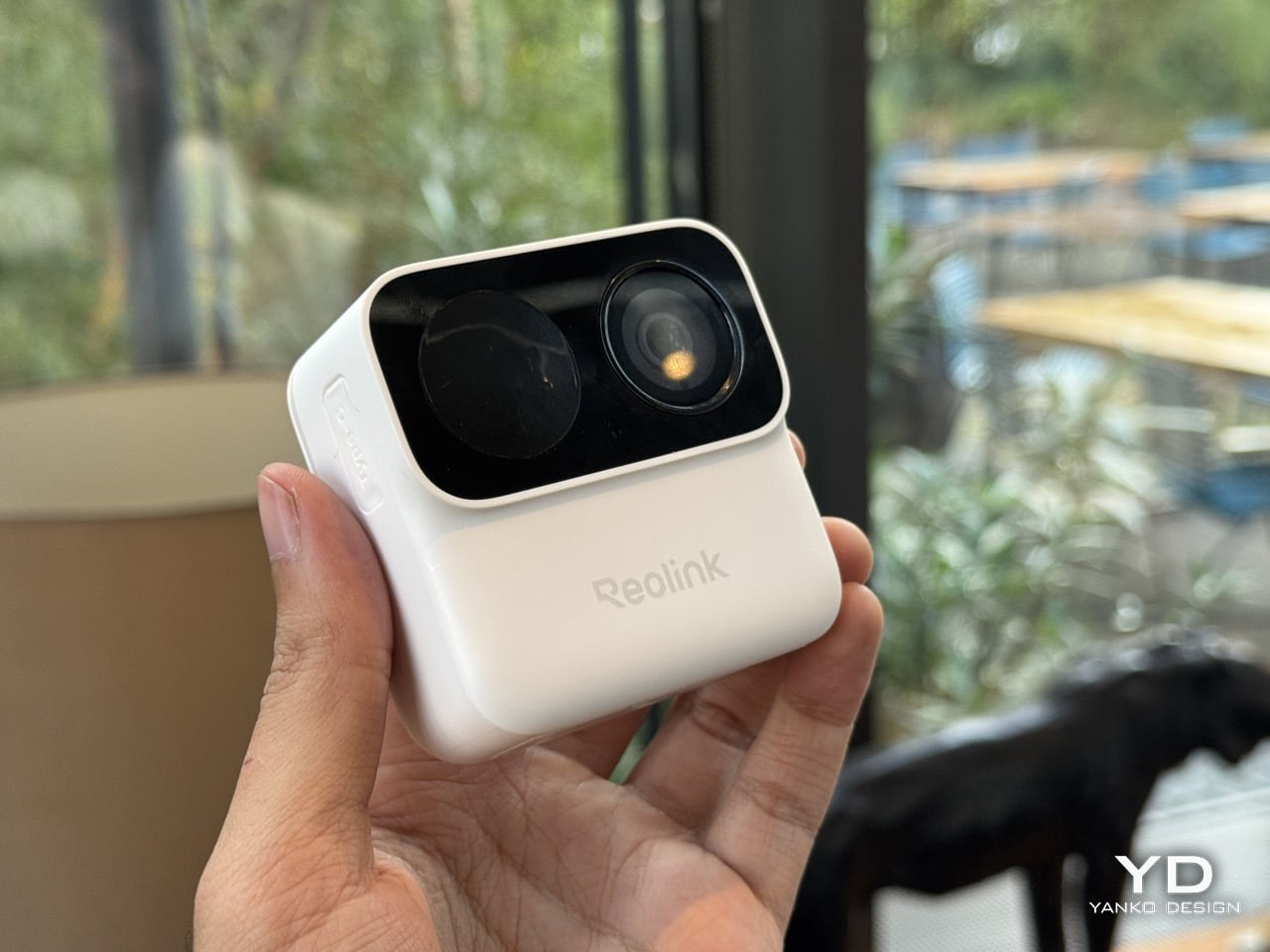
The Reolink Argus MagiCam snaps onto any metal surface without mounting brackets and runs on two standard AA lithium batteries for up to nine months. At $65 with local microSD storage, it targets renters and homeowners avoiding monthly subscription fees.
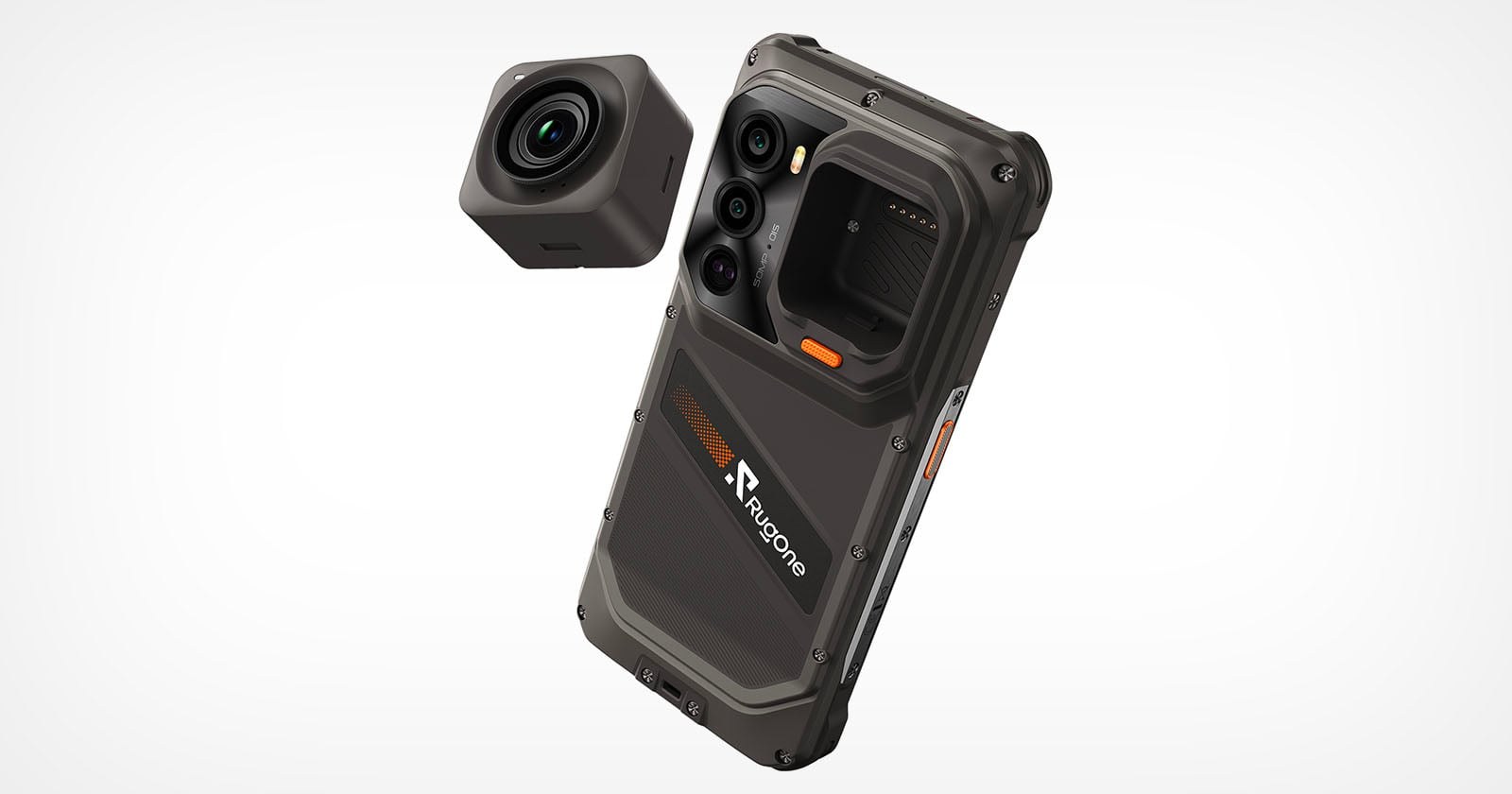
RugOne's new modular handset lets you pop off a 39-gram waterproof action camera right from the back of your phone to mount on a helmet or bike. It saves you an extra pocket on the trail, though the video maxes out at a modest 2.7K resolution for a steep €799 early-bird price.
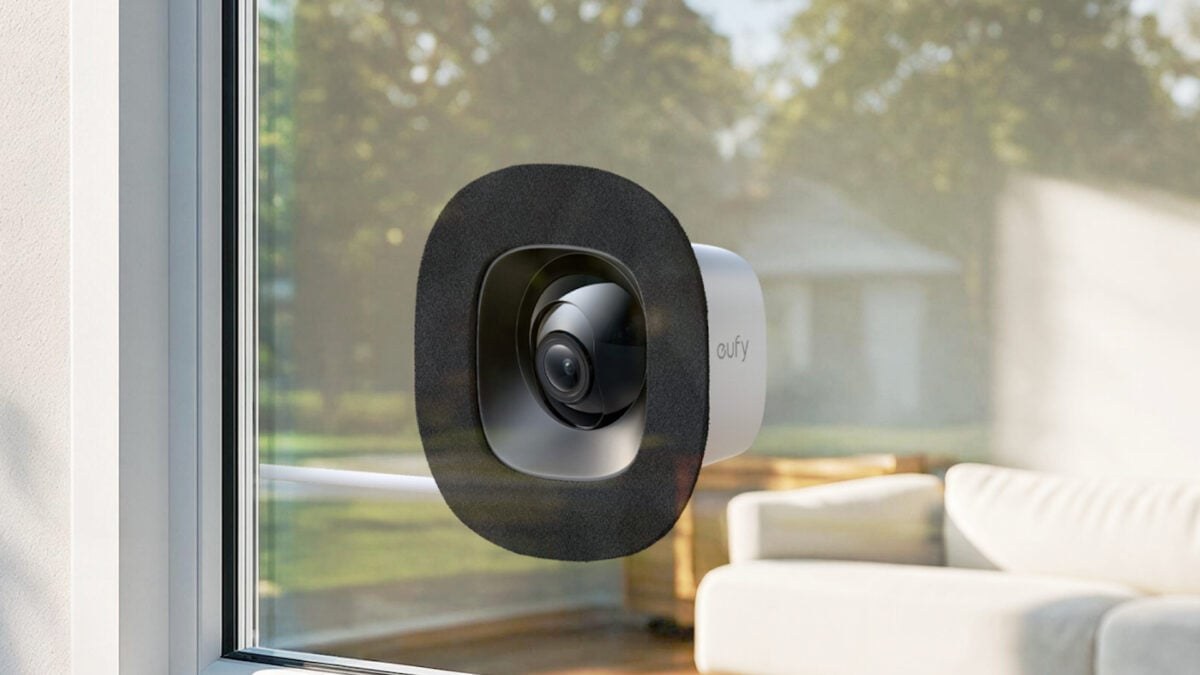
The Eufy Window Camera E10 sticks onto apartment glass to bypass landlord drilling restrictions without blinding night vision. For 70 dollars, tenants get 2.5K local recording, though living room aesthetics take a hit from the dangling USB-C power cable.
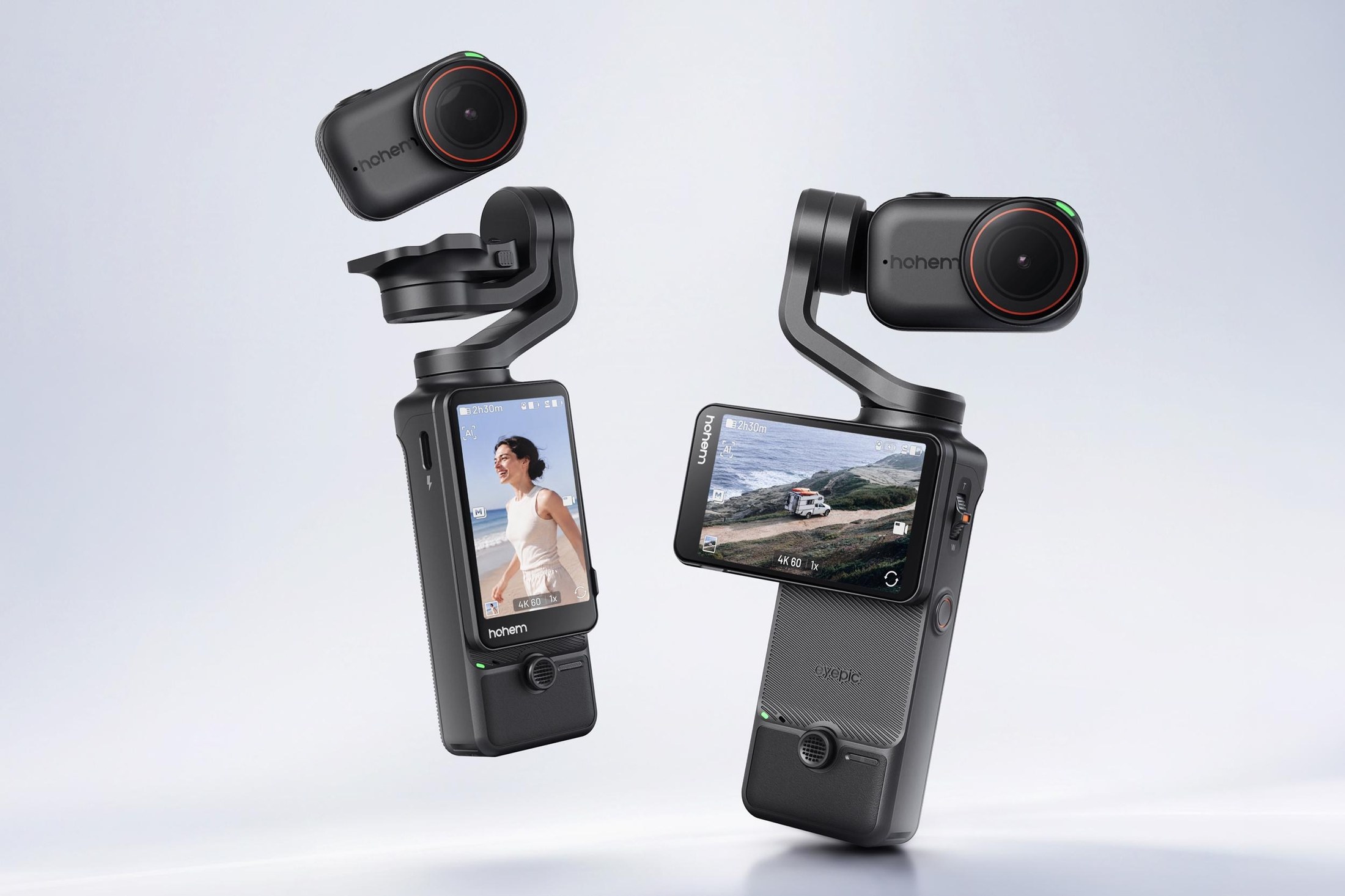
Hohem's new Eyepic hybrid device combines a standard 3-axis pocket gimbal with a removable waterproof sensor block that streams live video back to the handle. It aims to replace both travel wands and action cameras, though critical details like battery life and pricing remain unannounced.
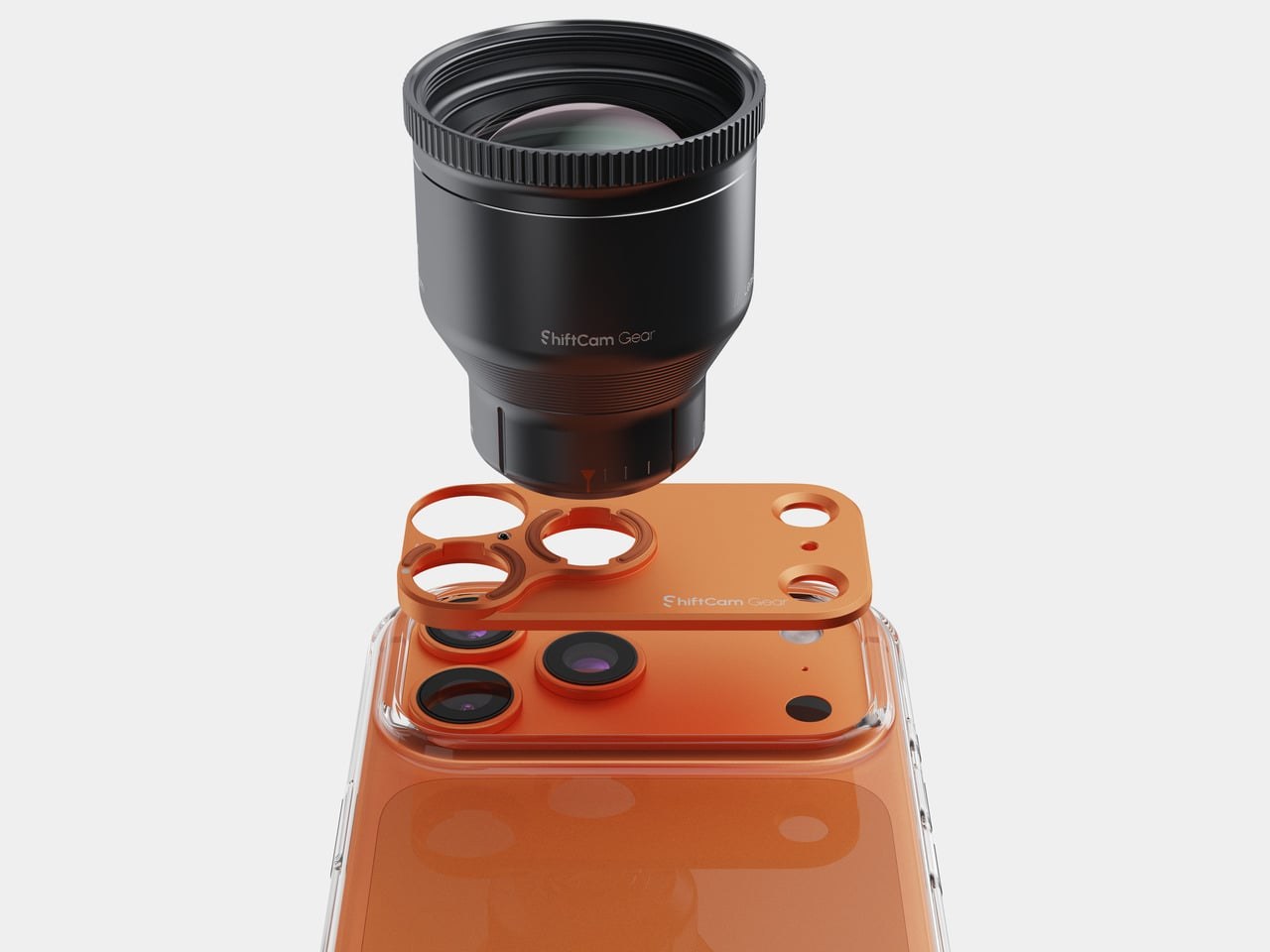
ShiftCam's new $25.99 adhesive plate lets mobile photographers attach extra lenses directly to their favorite protective cases. Instead of forcing you to buy a brand-specific plastic shell, the slim mount aligns heavy glass precisely over your phone's camera sensors.
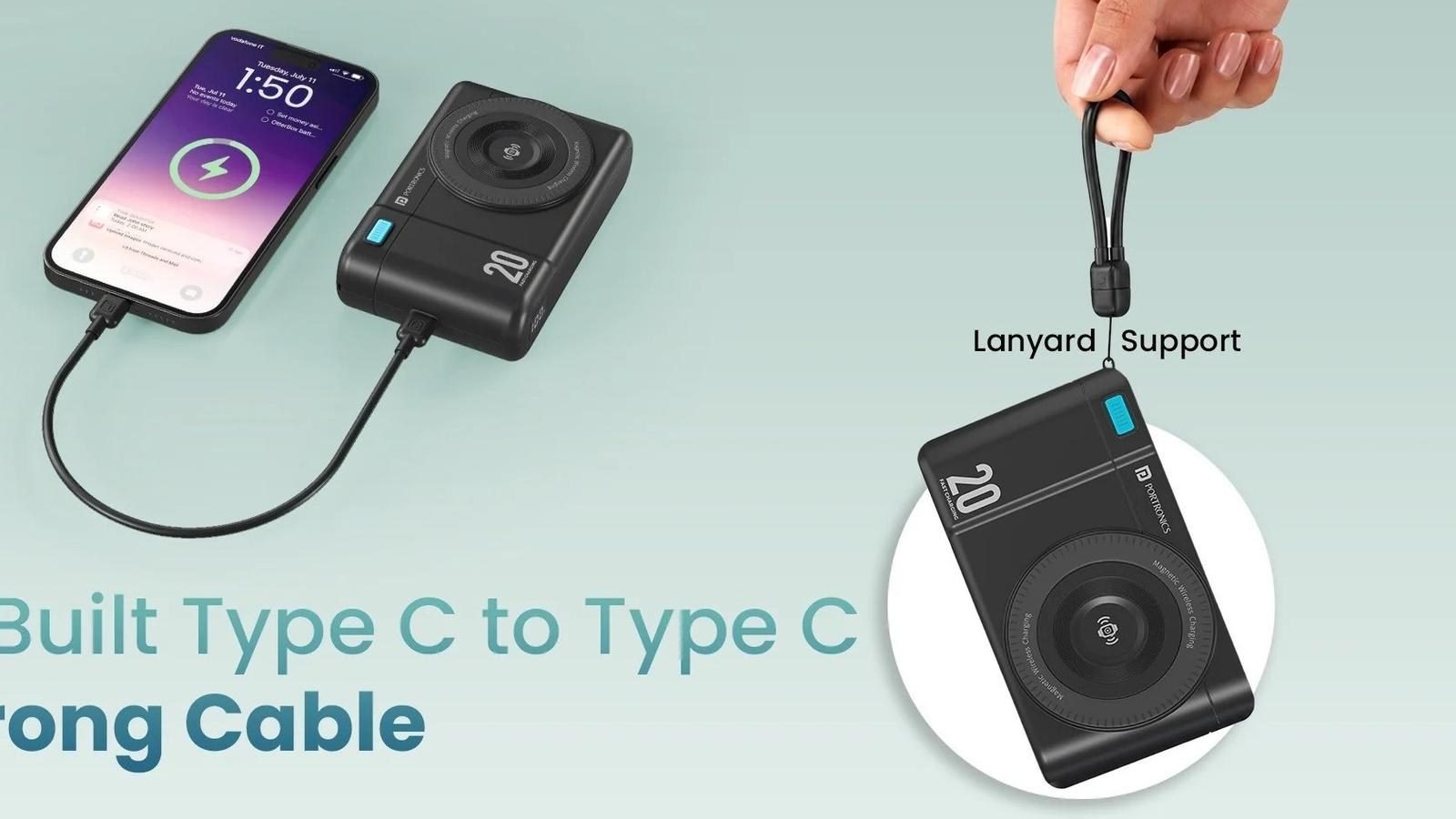
Portronics has launched the Power Shutter Air 20K, a high-capacity magnetic battery pack shaped like a retro camera. The ergonomic grip and Qi2 mount turn heavy emergency power into a practical tool for mobile photographers.

Leica has resurrected an ultrarare 1960s U.S. Navy reconnaissance optic as the Summicron-M 66mm f/2. For everyday photographers, its reversed aperture rings and luxury price tag make it a shelf piece rather than a practical daily tool.
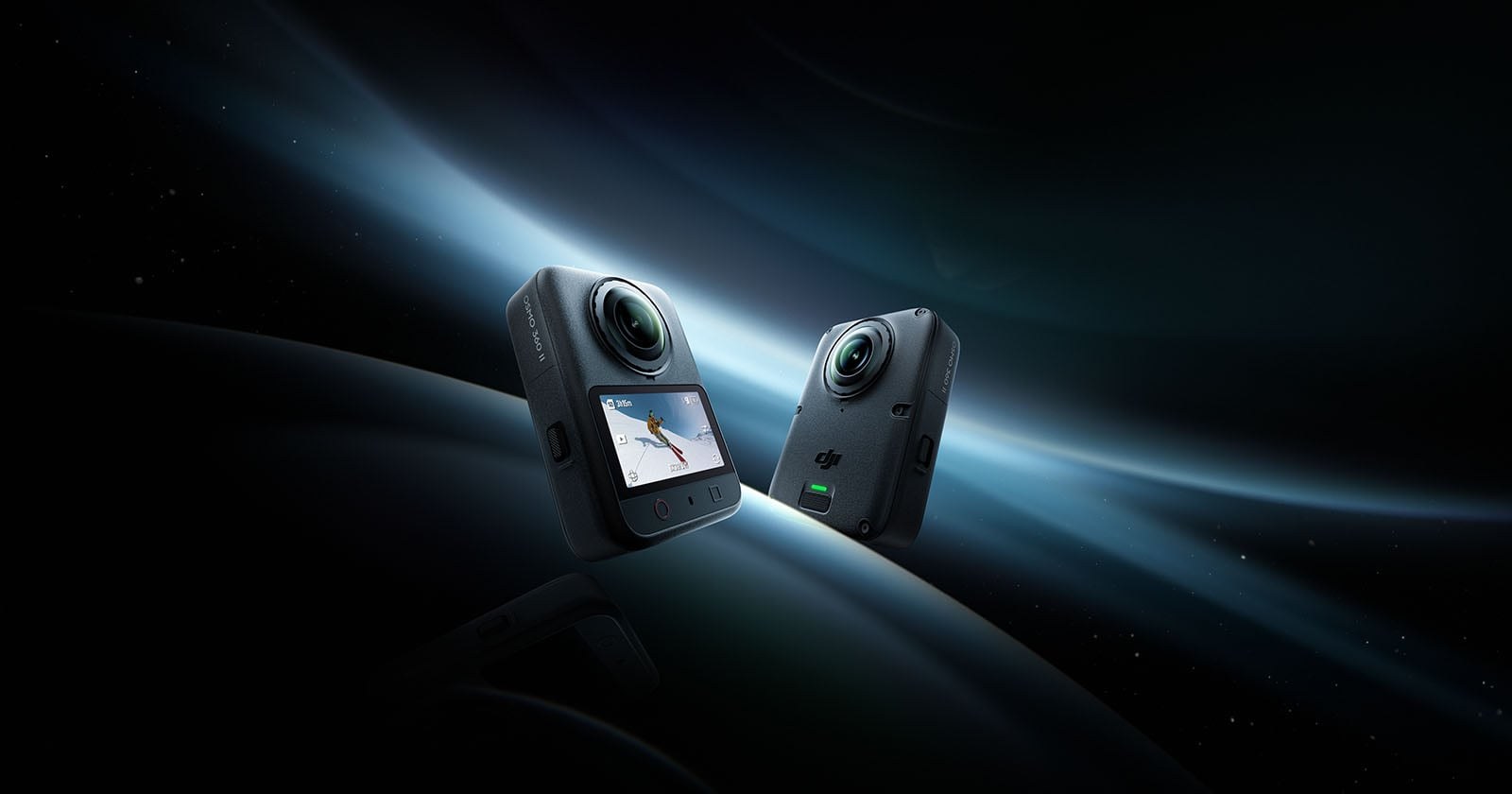
DJI unveiled the Osmo 360 II with user-replaceable scratch-resistant glass, a custom square 1-inch sensor, and 100-minute 8K battery life. Launching globally on September 15 for 589 euros, though US buyers face regulatory delays.

Meta is actively using remote software updates to disable cameras on thousands of Ray-Ban smart glasses whose owners taped over the recording indicator light. This server-side crackdown permanently turns a $300 camera into an ordinary pair of Bluetooth earbuds, raising major questions about device ownership.

Weighing as much as four regular phones, the 8849 Tank 5 Pro combines a 2K projector, FLIR thermal sensor, and massive 17,600mAh battery into a single industrial brick. It replaces a bagful of job-site gear for field technicians who do not mind carrying a 715-gram device.
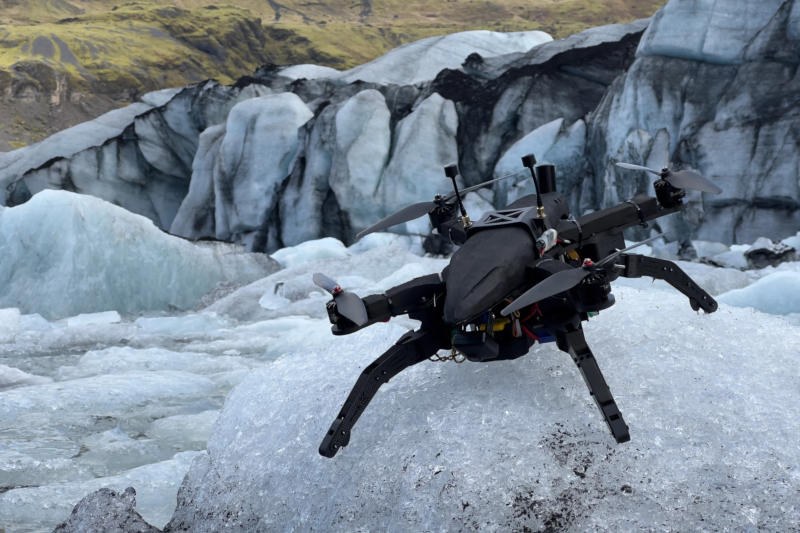
Engineers have fitted drones with biomimetic claws that anchor directly into vertical ice cliffs. By latching on and killing their motors, the aircraft switch from energy-draining hovering to low-power surveillance that lasts for days.
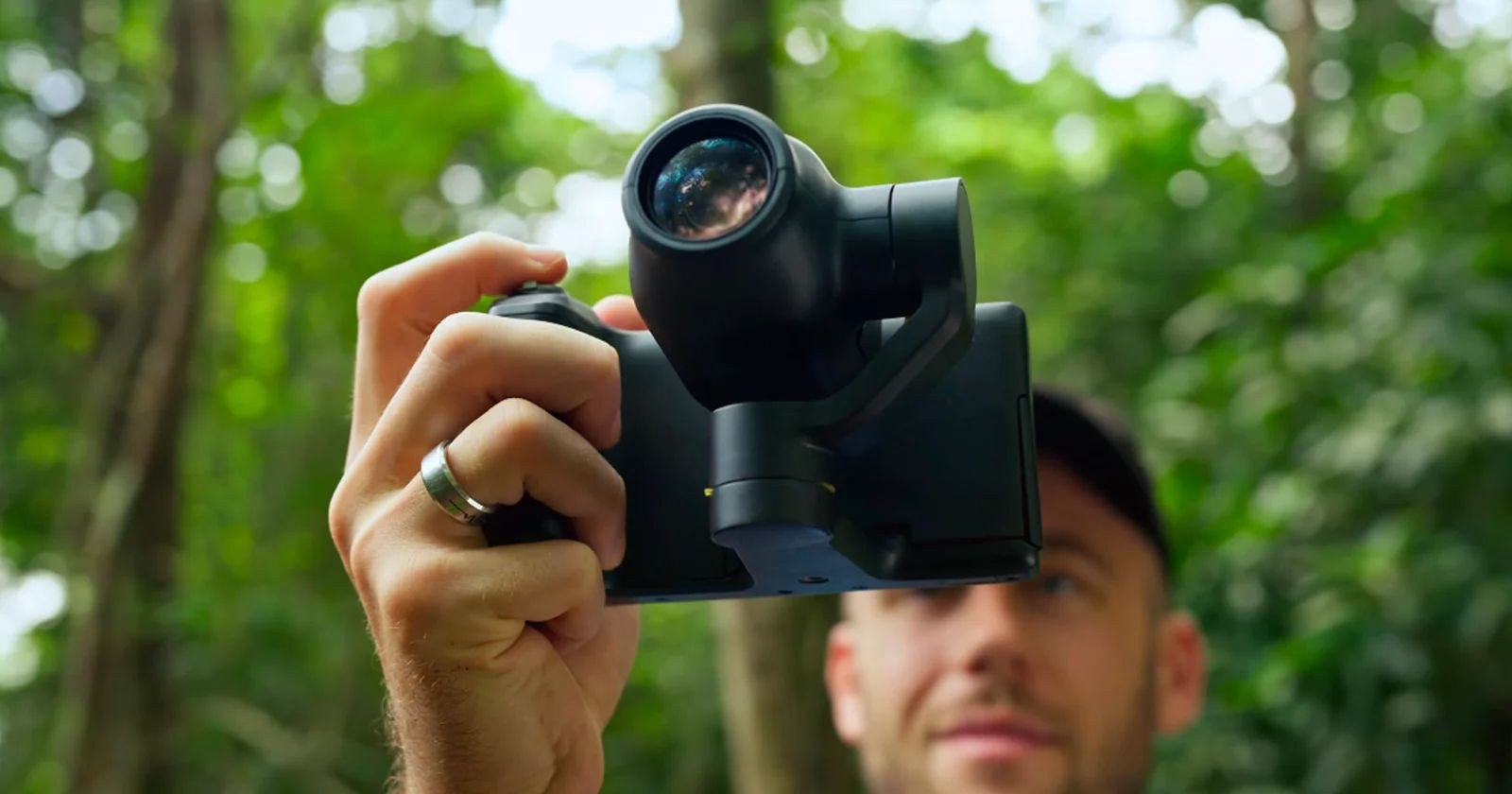
Former DJI engineers at FarseerTech designed the handheld RocXZoom to replace heavy telephoto setups with automated gimbal tracking and built-in bird recognition. The $499 Kickstarter gadget uses a 50x hybrid zoom to capture distant backyard nature without tripods or shaky footage.
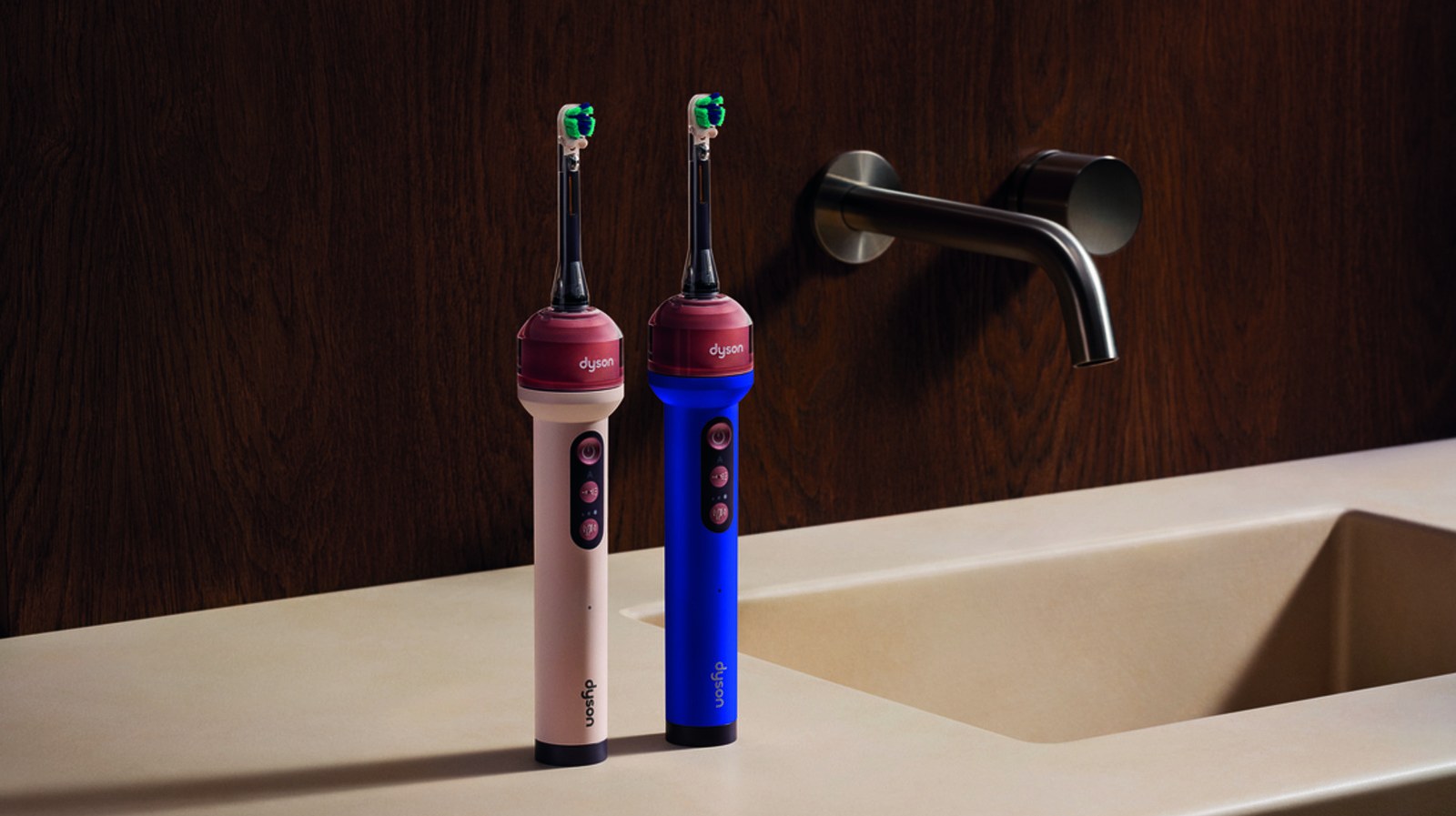
Dyson entered oral care with the CameraJet, packing an optical sensor and computer vision into an electric brush to blast tooth gaps automatically. The luxury wand streams live video to smartphones, but its tiny 12.5-milliliter water reservoir turns everyday flossing into a constant refill chore.
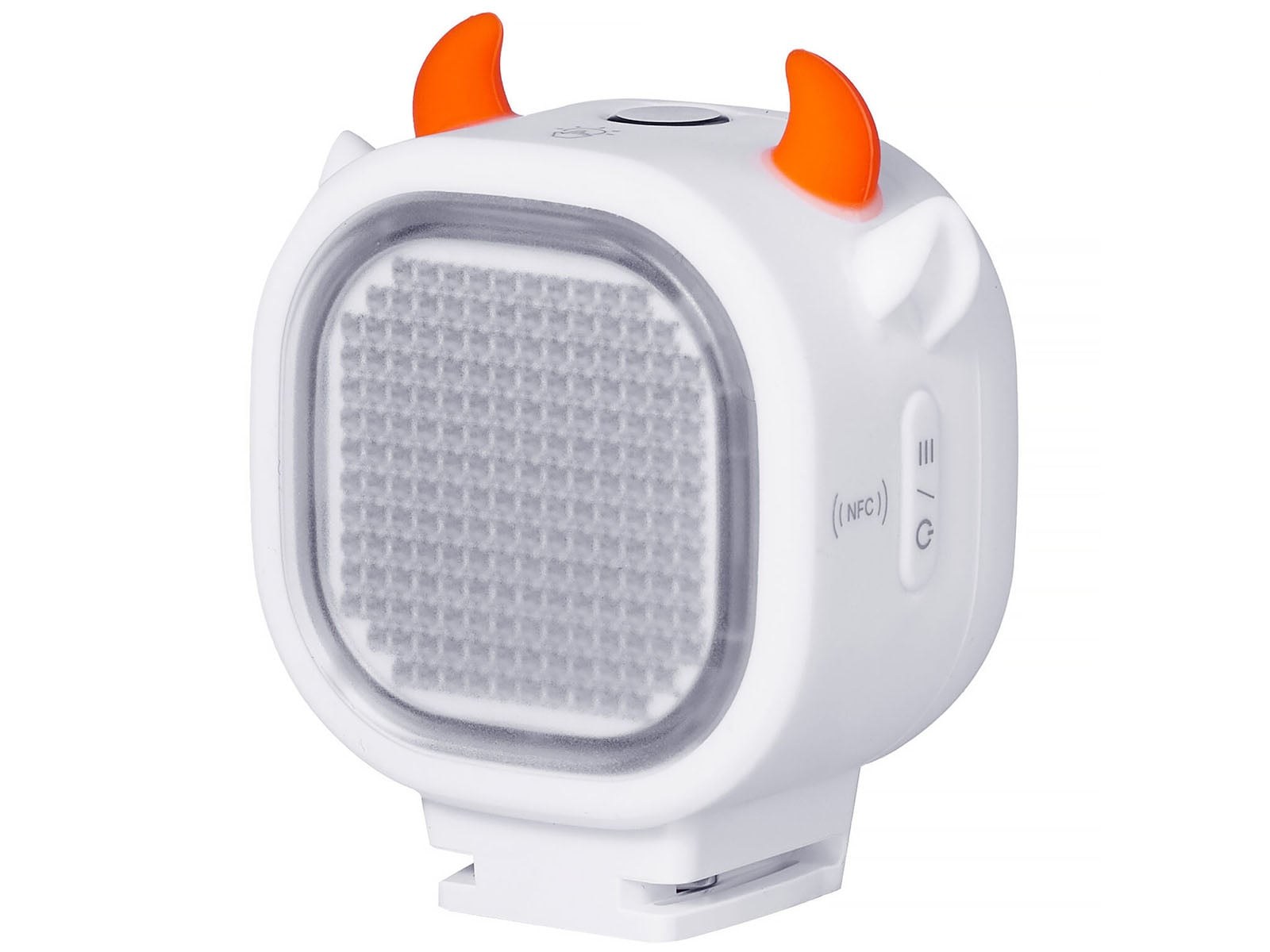
Godox released the LT1, a 37-gram pixel screen that mounts to a camera hot shoe for $33.90. While useless as a primary video light, it offers solo creators a physical shortcut to toggle studio lighting scenes without a smartphone.

Maker Sachin Soni built a DIY smart door lock powered by an infrared palm vein scanner that cannot be fooled with lifted fingerprints. While the biometric sensor is virtually unpickable, unencrypted data wiring on the exterior leaves it vulnerable to basic tampering.
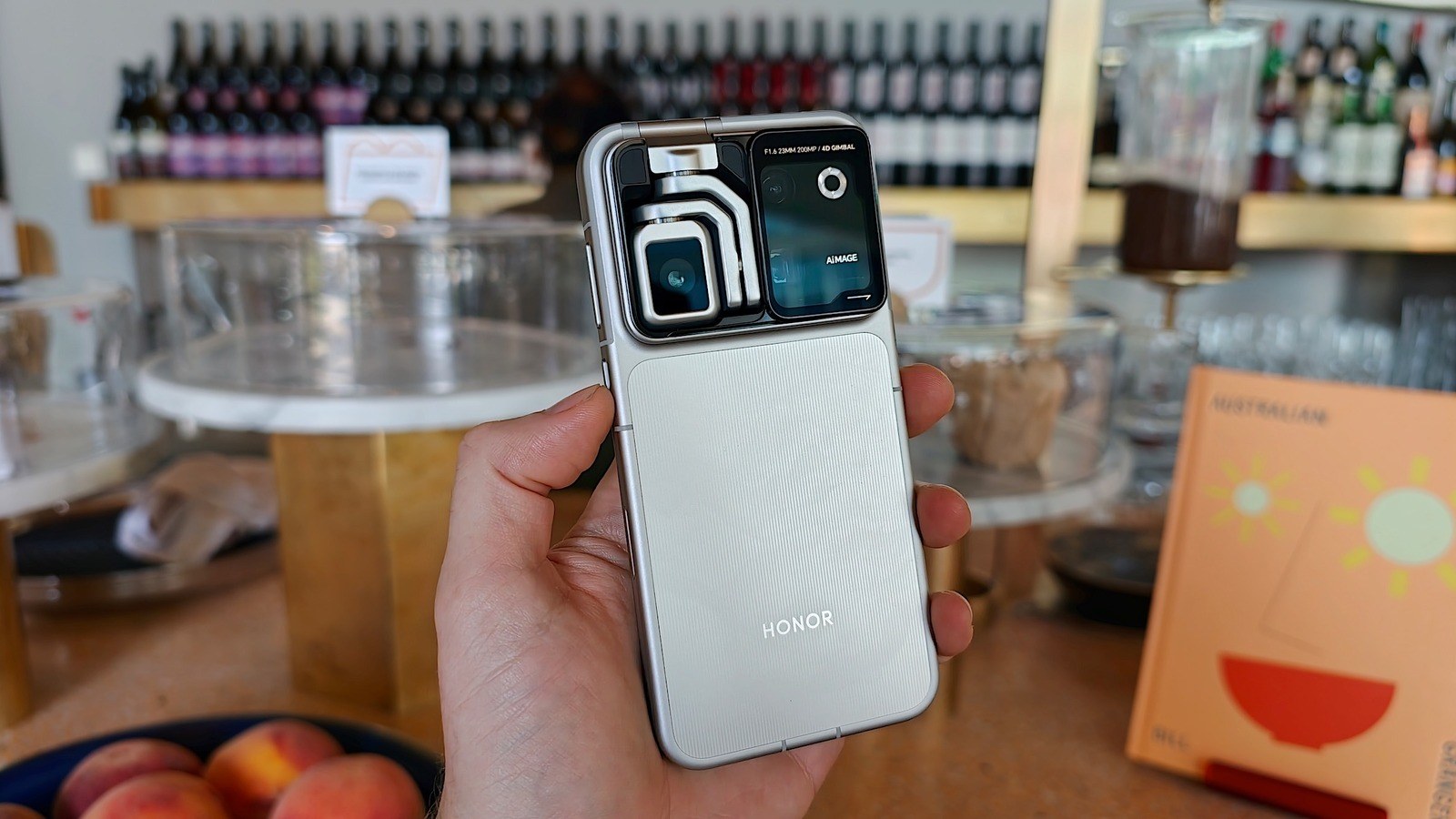
Honor engineered a functional three-axis motorized stabilizer directly into the rear chassis of its new experimental flagship. While mechanical horizon leveling delivers remarkably smooth footage, manual deployment and fragile moving parts limit its daily practicality.
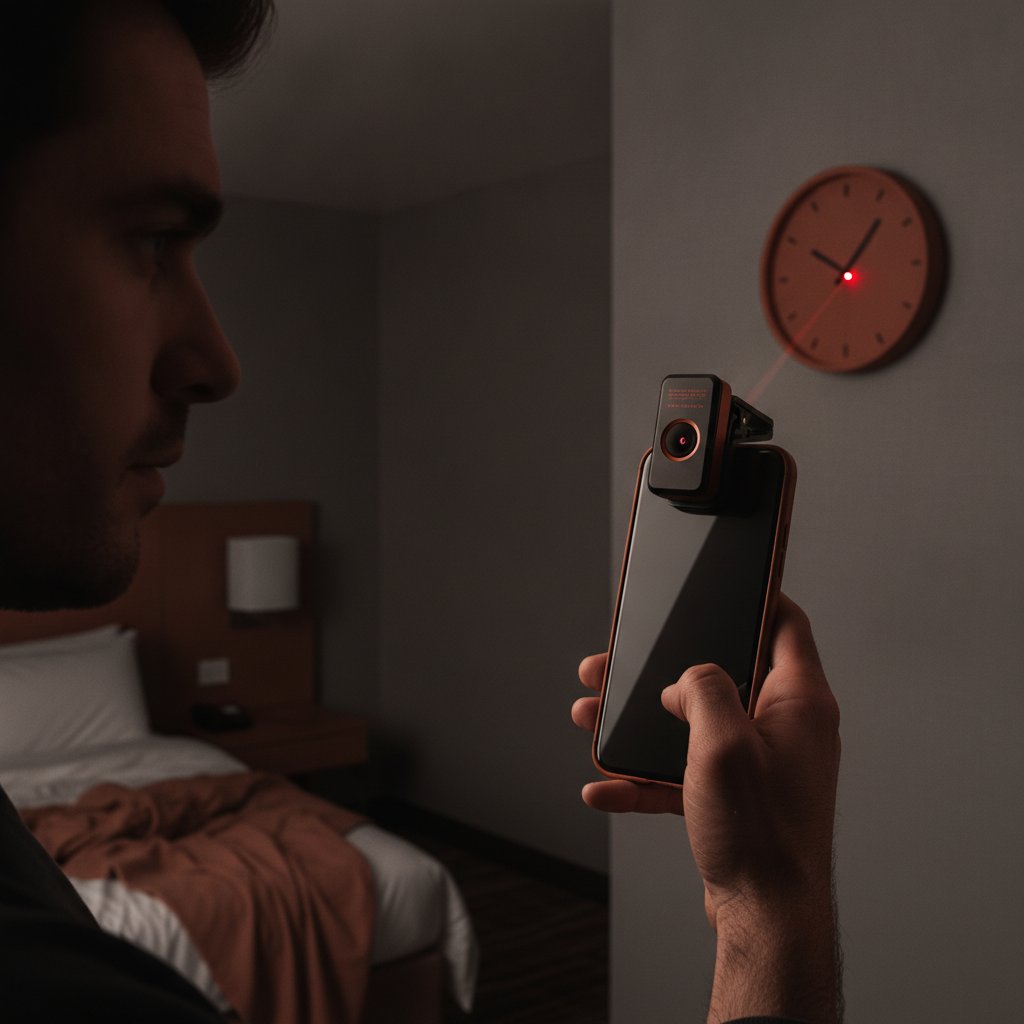
Commercial spy camera detectors miss nearly 60% of hidden lenses due to misleading glare from screws and plastic. Researchers from KAIST developed SweepLED, a $7 multi-angle phone attachment that automates reflection analysis to pinpoint hidden cameras in five seconds. The open design paves the way for cheap, highly accurate travel privacy tools.
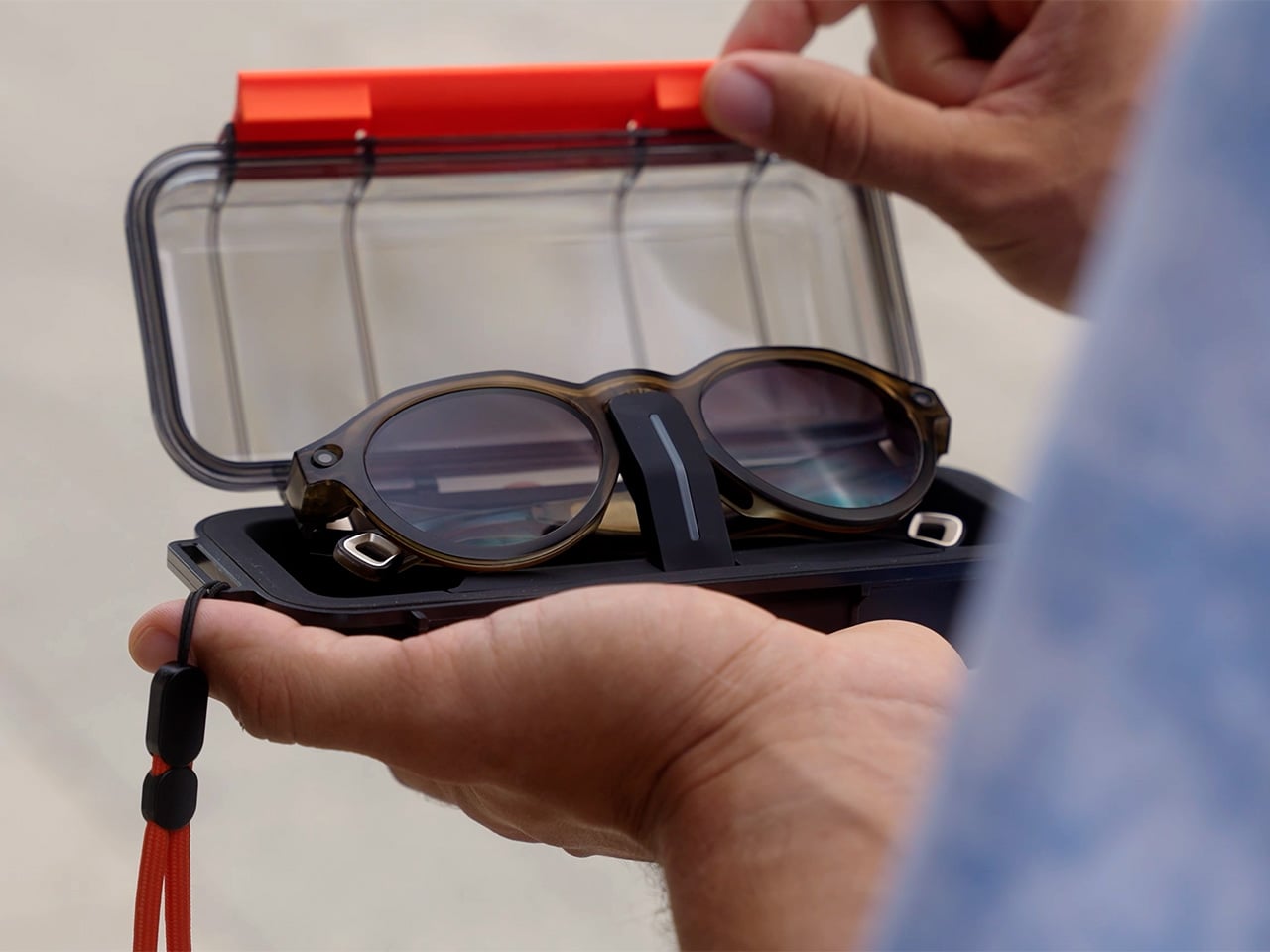
Berlin-based L’Atitude 52°N skipped HUD displays to build the 50-gram Milan frames, hiding a 12MP Sony sensor, open-ear speakers, and AI translation inside vintage panto eyewear. The $399 device ditches visible tech bulk in favor of everyday street style, though video caps at 1080p.
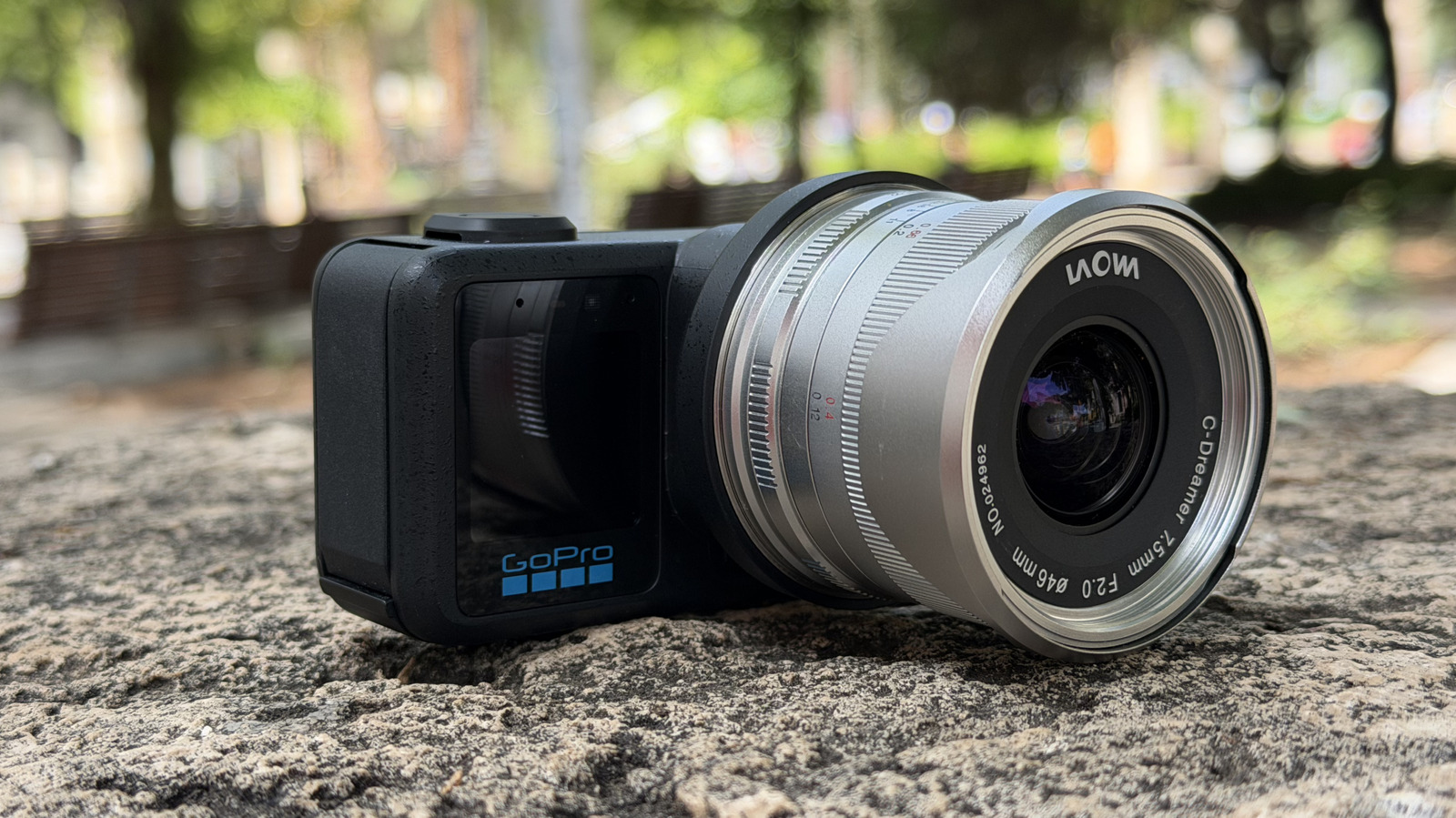
The Mission 1 Pro ILS trades GoPro's signature durability for an open Micro Four Thirds lens mount, 8K video, and a 1-inch sensor. Without weather sealing or autofocus pins, standard adventure shooters get zero convenience while manual rig builders gain a tiny cinema box. Everyday buyers should stick to standard Hero models.

Muddy seabed plumes used to leave underwater drone cameras completely useless, forcing operators to wait hours for dust to settle. Engineers from MIT and WHOI solved the blind spot by pairing wide-area sonar guidance with close-range optical imaging. The dual setup keeps submersibles working continuously during murky subsea inspections.
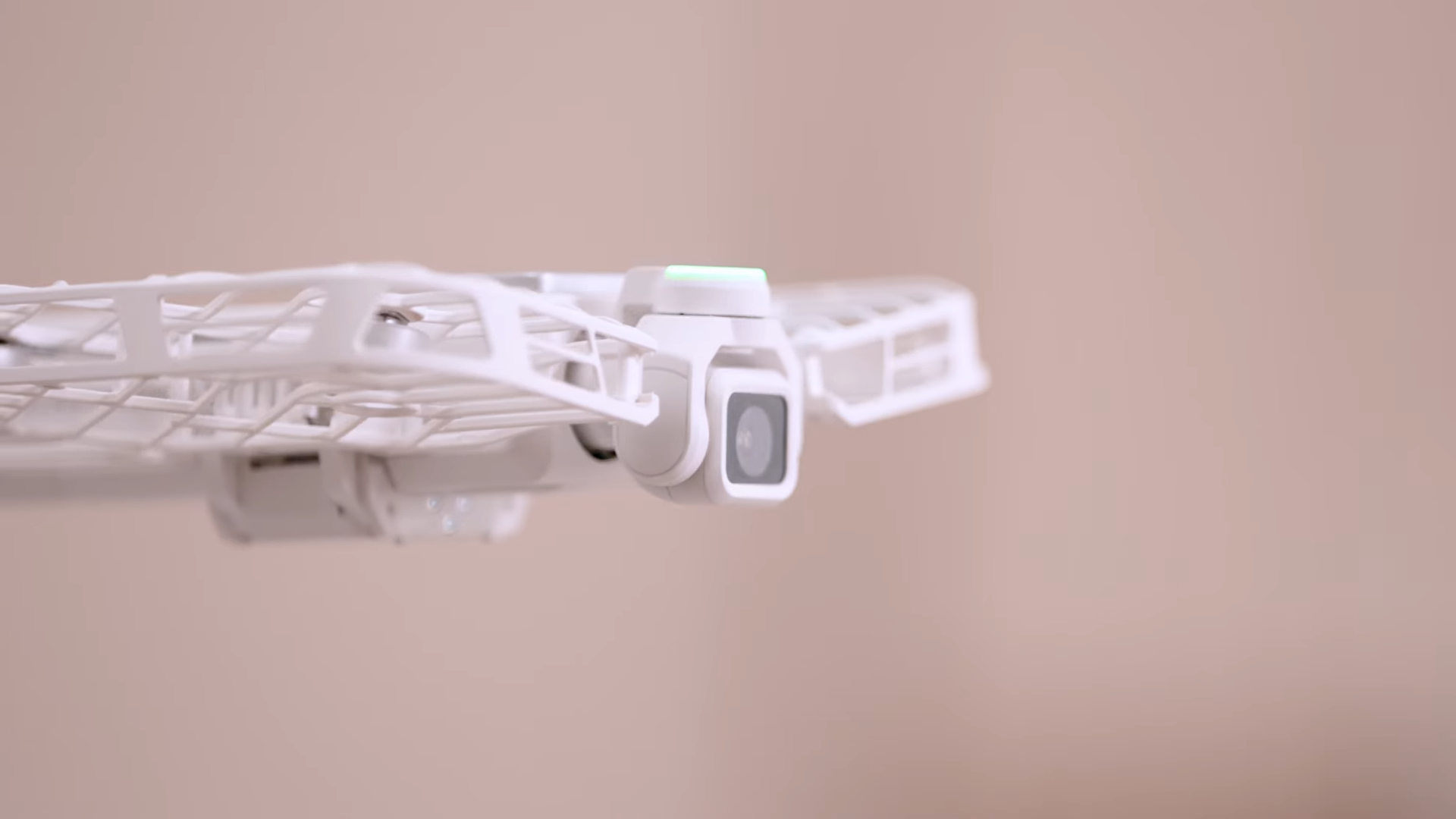
Shenzhen Zero Zero Infinity attempted to bypass federal drone restrictions by selling its HoverAir Versa as a pocket camera with a detachable propeller kit. The FCC closed the loophole within days, revoking authorization and leaving American backers with an overpriced handheld shooter.