
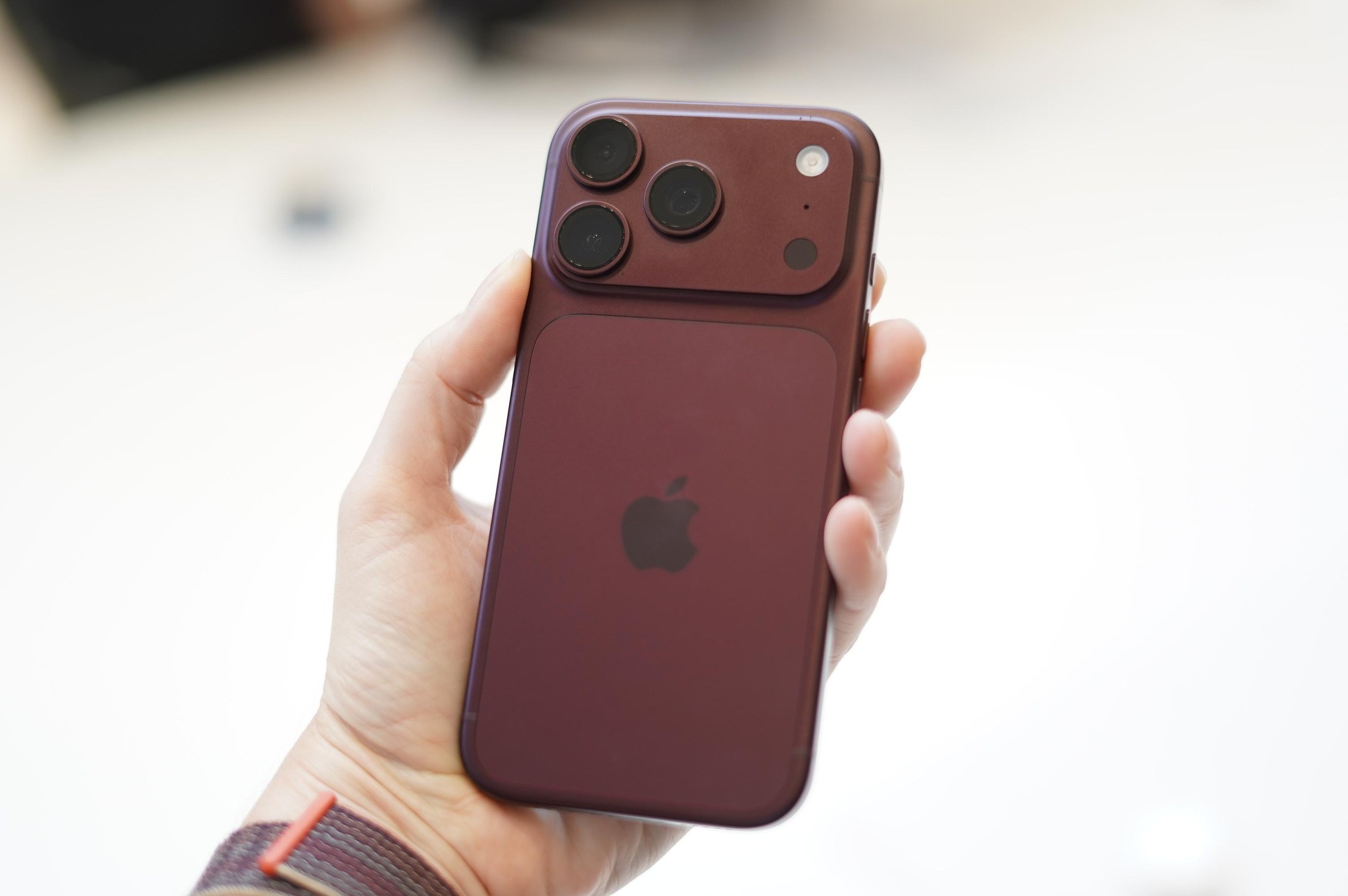
 f you expected Apple to reinvent the flagship at its 'Surprise and shine' presentation, prepare for a reality check. The iPhone 18 Pro and Pro Max look and feel almost indistinguishable from the iPhone 17 Pro and 16 Pro lines they supersede. You get the same screen dimensions, the same aluminum frame, and the exact same palm ergonomics. In your hands, it remains the exact slab you have held for years.
Apple introduced four finishes this cycle: black, silver, 'glacier' (marketing shorthand for blue), and burgundy. The sole cosmetic touch is rear glass that blends slightly more cleanly into the perimeter rail. It looks polished on a pedestal, but the second you snap on a protective case, that micro-refinement disappears entirely.
Camera Perks for Pro Photographers Only
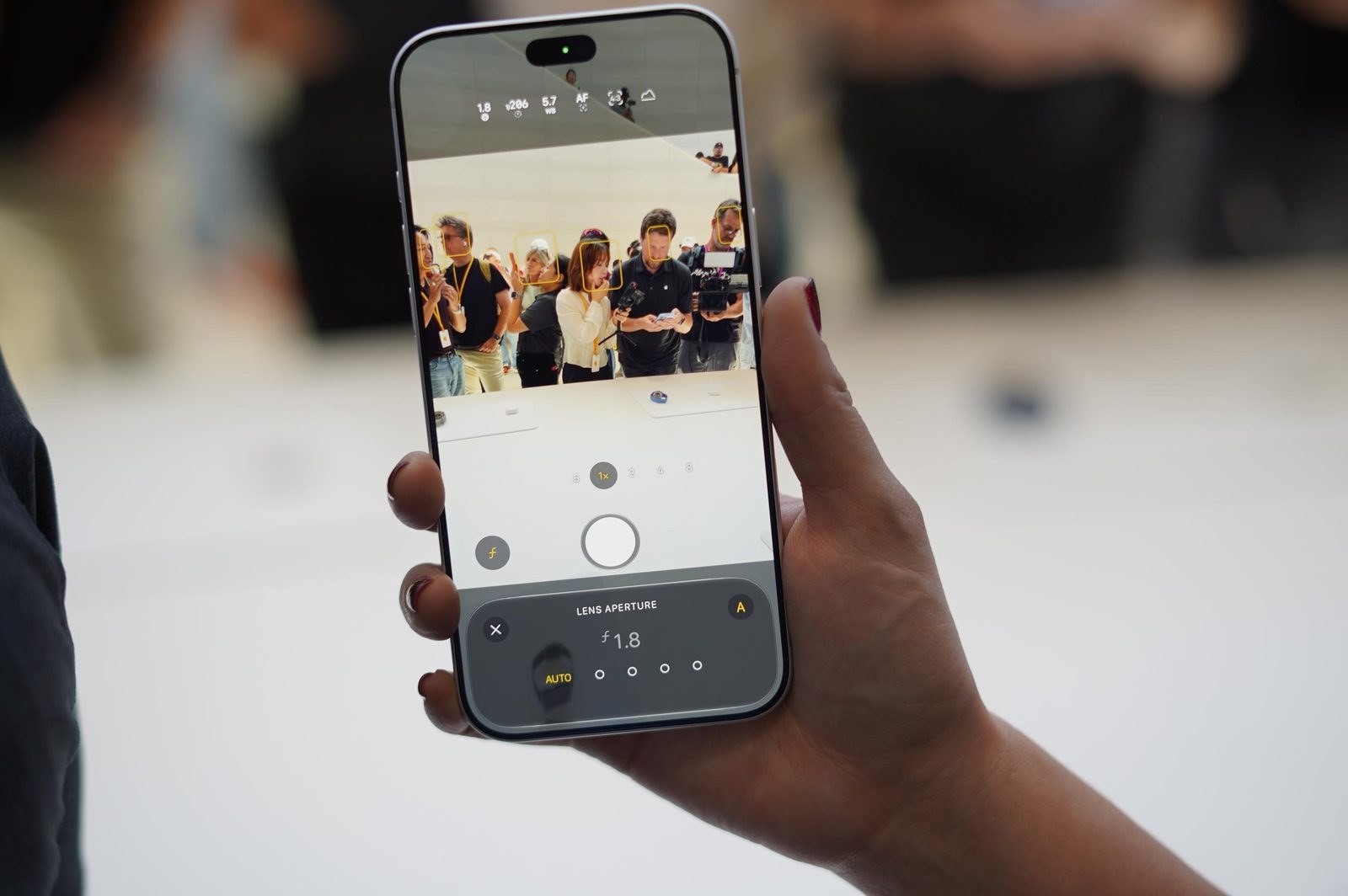
On the hardware front, Apple's marquee addition is a variable-aperture lens on the primary camera paired with dedicated pro controls. The default camera app now lets you manually toggle between four distinct aperture stops—f/1.48, f/1.8, f/2.8, and f/4.0—or leave the phone to handle exposure shifts automatically.
Apple added manual controls for shutter speed, white balance, and focus with preview focus peaking to the native camera app.
That focus peaking feature highlights in-focus edges directly on your display, which is genuinely useful for manual shooters. But if you simply pull your phone out to grab quick photos of your family or dinner in auto mode, these granular toggles change nothing about your daily shooting experience. Elsewhere, the Dynamic Island shrinks slightly and now stacks three Live Activities simultaneously on screen.
The Upgrade Math
Preorders for both flagships open on September 12th before hitting store shelves on September 18th, following the rollout of iOS 27 and macOS 27 Golden Gate on September 14th. Stepping up to these minor adjustments comes at a steep premium.
The iPhone 18 Pro starts at $1,199, while the iPhone 18 Pro Max climbs to $1,299. Spending over a grand gets you an identical chassis, an incremental display tweak, and manual camera dials most buyers will never touch. Unless you are nursing a battered four-year-old handset with a dying battery, you should keep your wallet closed.