
#Review
68 stories on this topic, newest first.

Twelve months of daily testing reveal whether the $249–$429 AYN Thor dual-screen handheld actually delivers on its ambitious hardware promises. While 3D emulation finally runs smoothly, bulky dimensions and idle secondary screens mean it remains strictly for
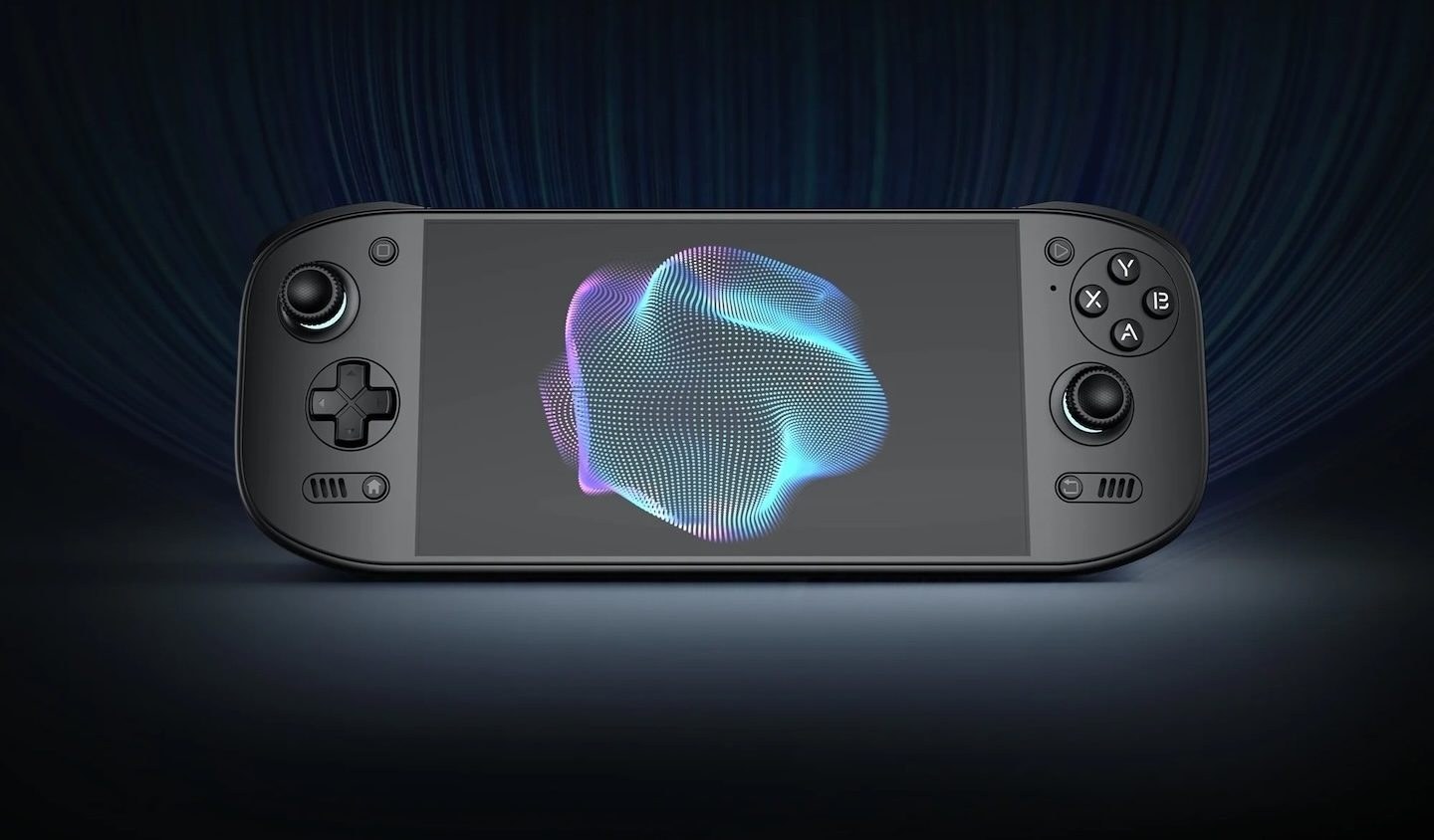
The AYN Odin 3 Portal brings a 7-inch 120Hz OLED screen and Qualcomm's Dragonwing Q8 processor starting at $399. We look at whether this heavy, large-format handheld improves portable gaming or just creates a bulky burden in your bag.
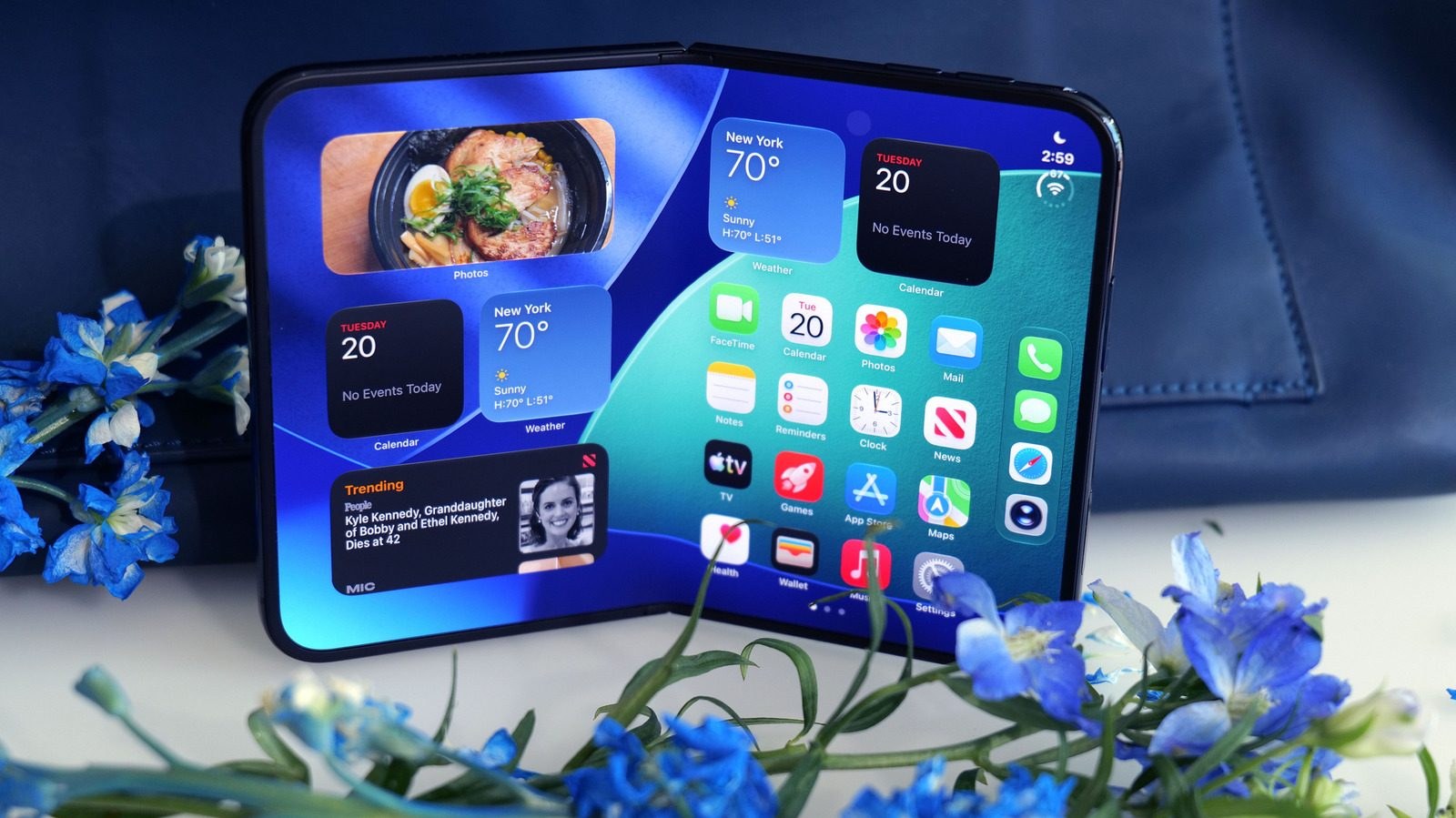
Apple finally drops its first folding phone with a $1,999 price tag, a heavy titanium frame, and a side-mounted fingerprint scanner. It brings serious specs and a nano-texture inner screen, but software optimization still lags behind the hardware.
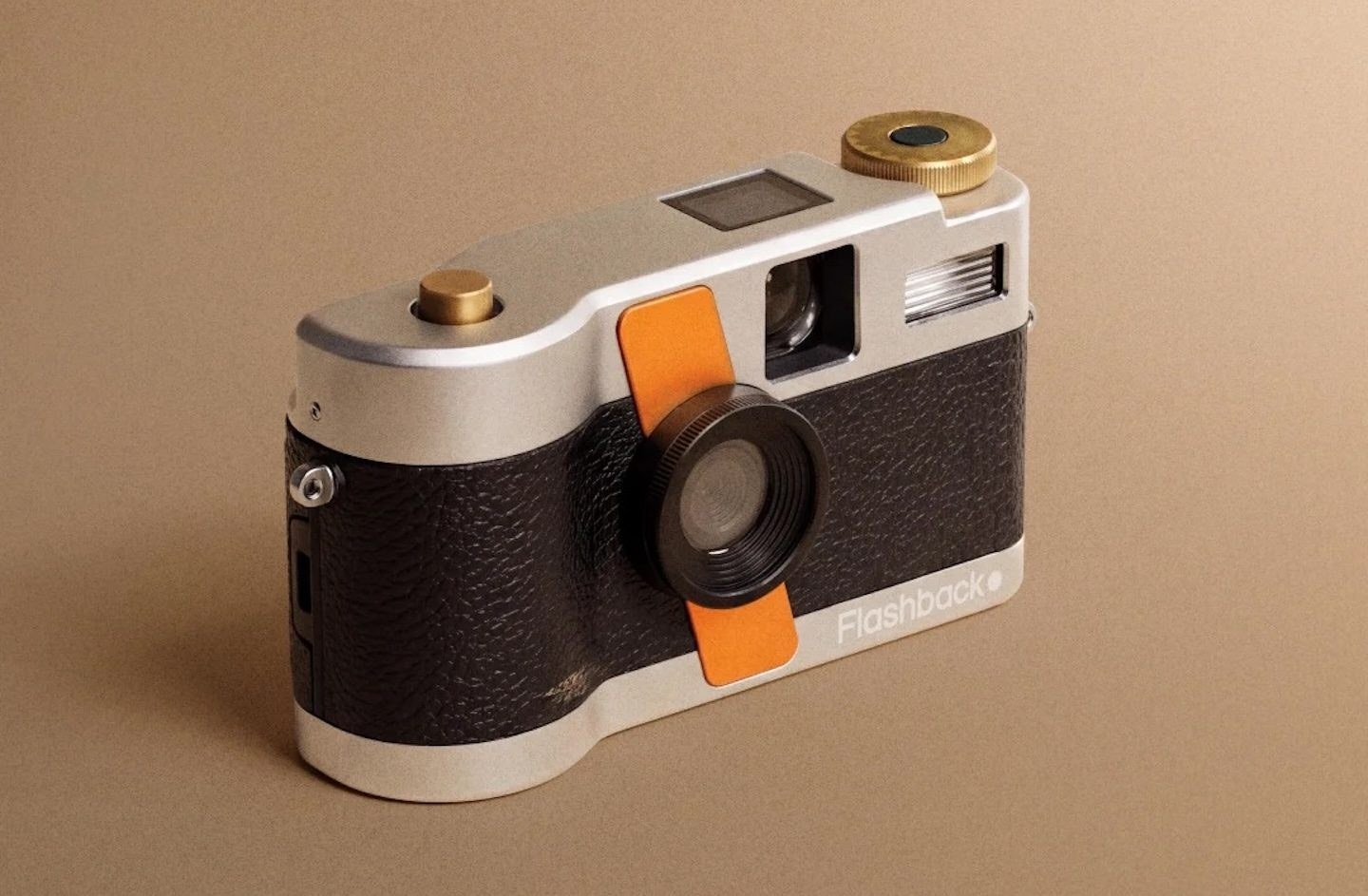
The Flashback ONE75 packages a basic 13-megapixel sensor in an aluminum body with a mechanical wind-on lever and artificial 24-hour photo delays. It swaps digital convenience for manufactured nostalgia, making you pay a premium to delete your ability to review
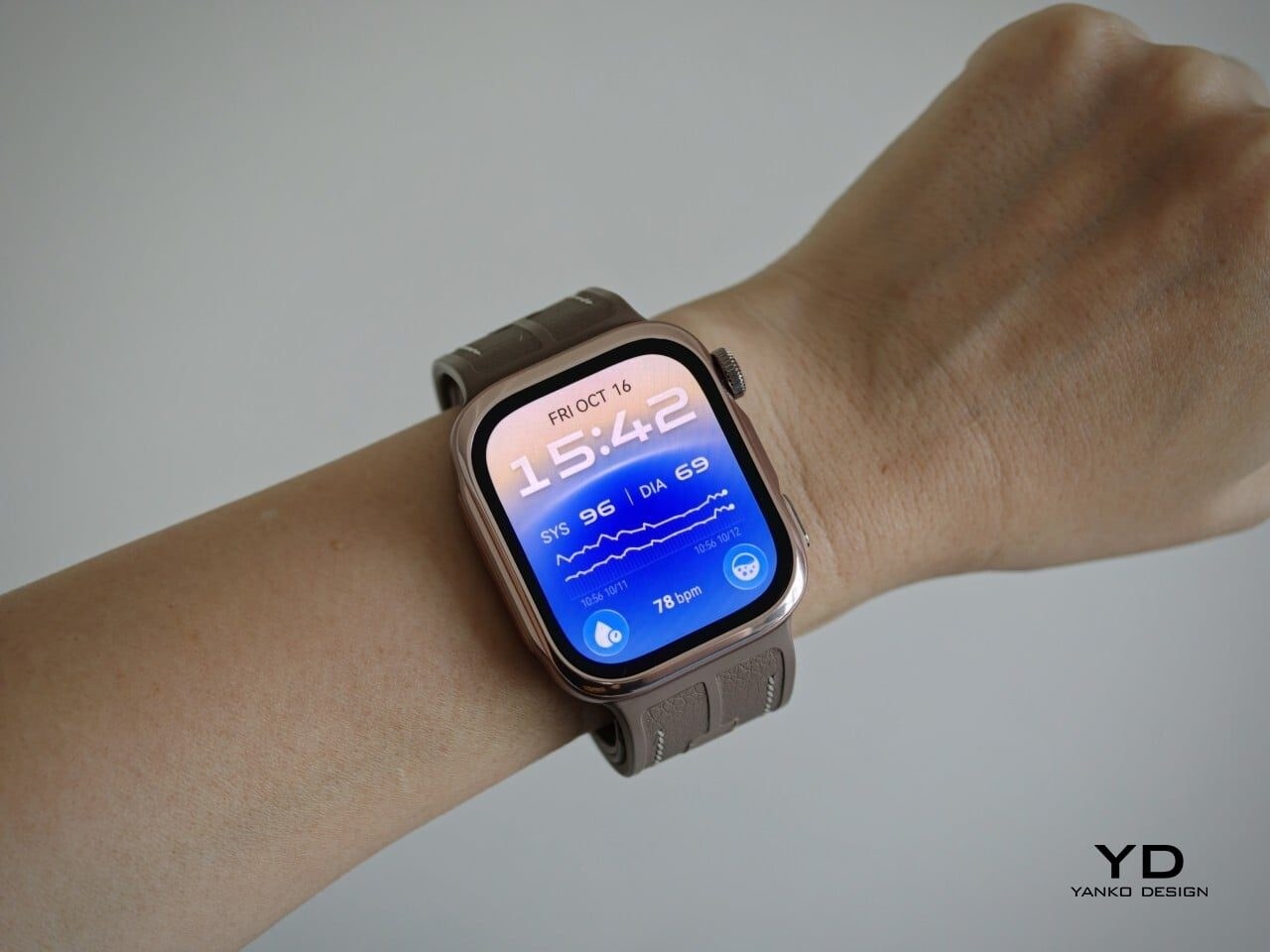
Huawei packs a genuine inflatable cuff inside the Watch D3 to deliver clinical blood pressure monitoring without the bulk. We tested how the slimmer design and 24-hour tracking handle daily life and doctor visits.
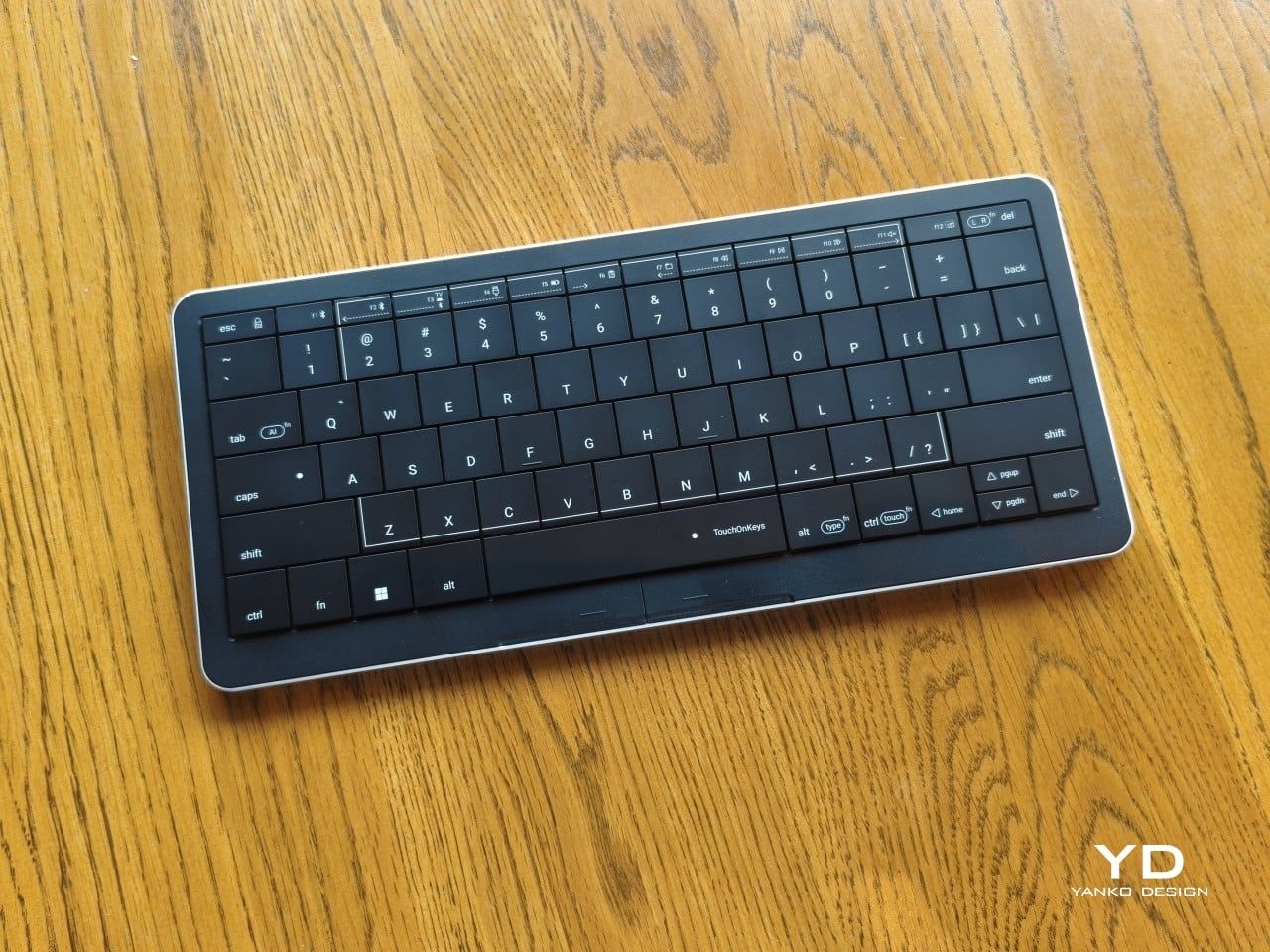
The 78-key Clevetura S turns its entire typing grid into a giant touchpad to eliminate desktop clutter. But paying a luxury tax for dual-purpose hardware means enduring accidental gestures until its adaptive software finally learns your typing habits.
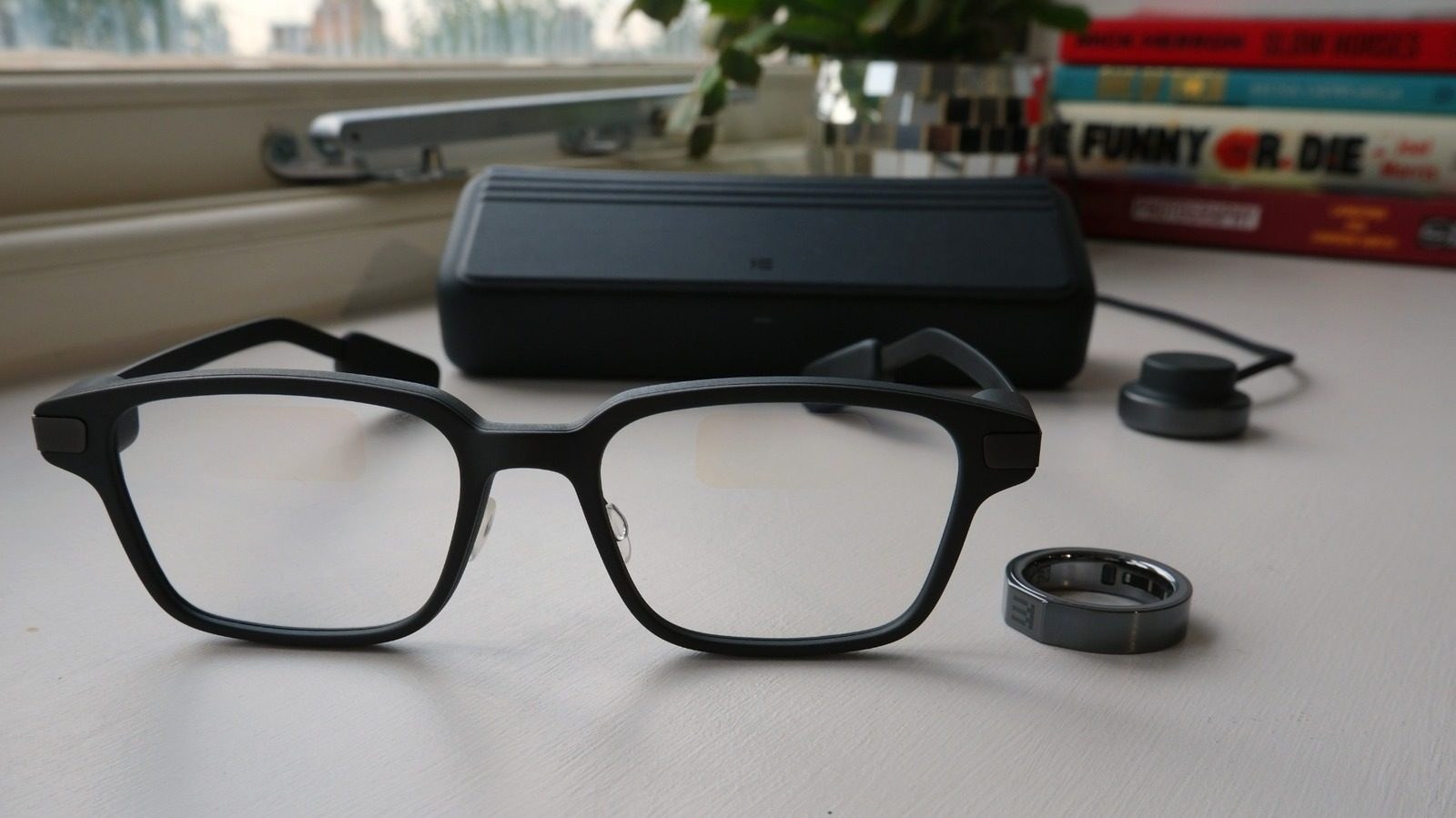
Even Realities upgraded its smart glasses with sharper displays and water resistance for $599, but forcing users to buy a separate $249 control ring creates unnecessary daily frustration.
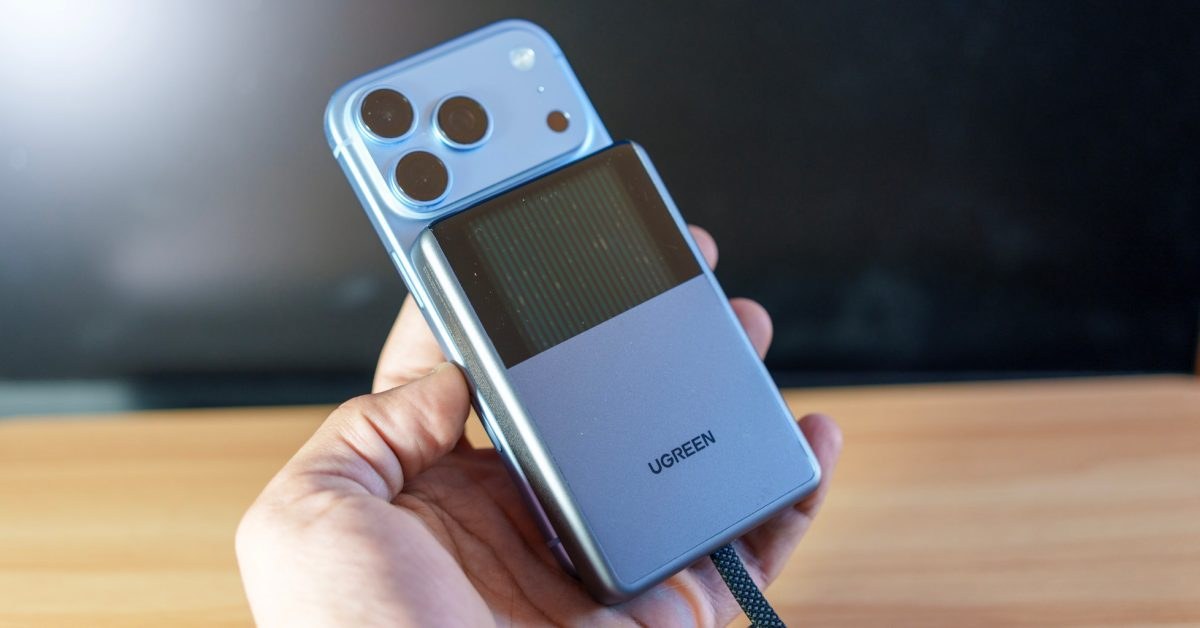
UGREEN added a swirling liquid cooling loop to a 10,000 mAh MagSafe power bank to tame 25W wireless charging heat. At $95 to $149, it looks like a sci-fi prop, but the chunky chassis lacks a kickstand and changes how your phone sits in your hand.
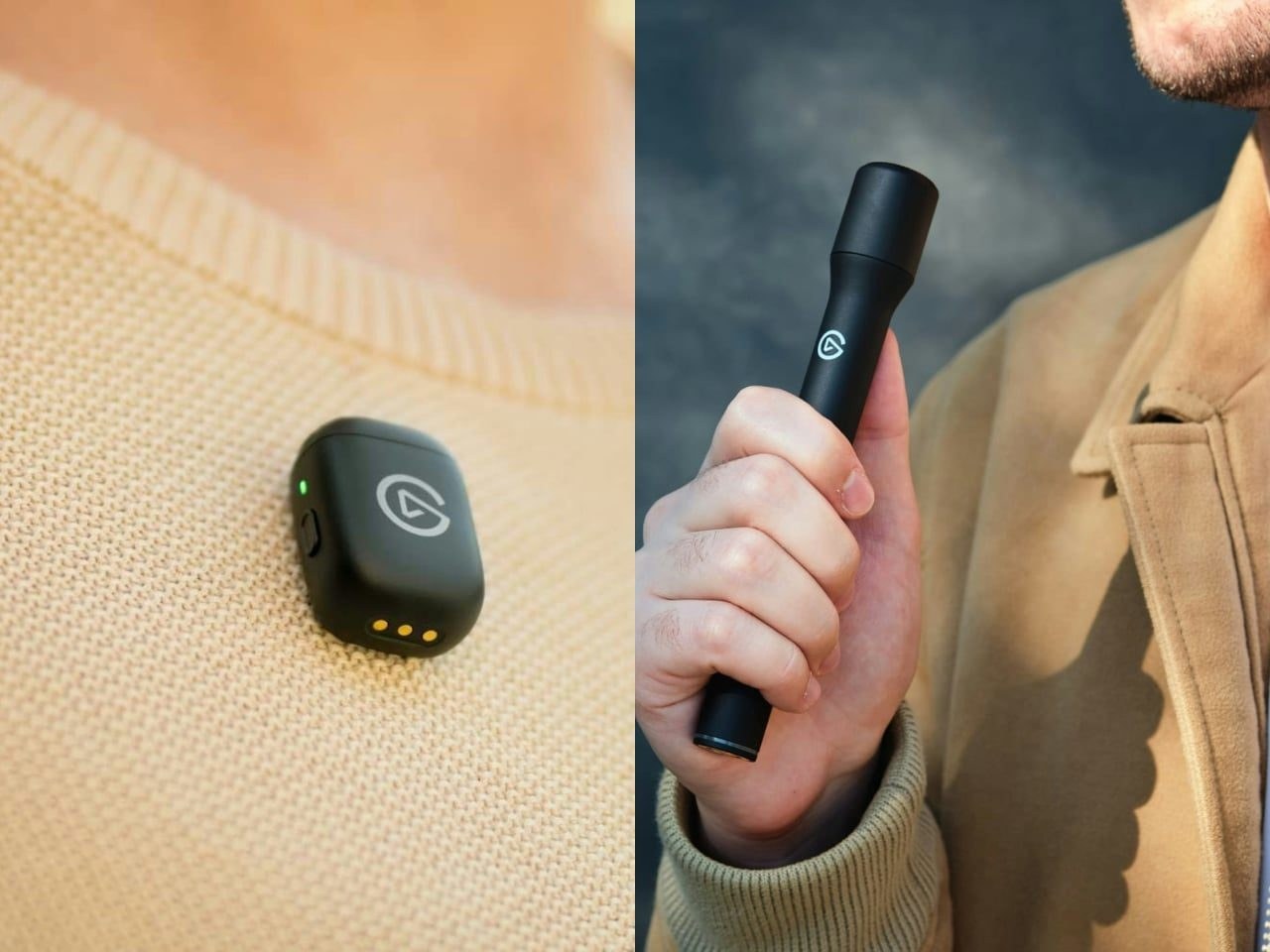
The new Elgato Wave Go is a tiny 0.25-ounce wireless transmitter that snaps into a plastic wand for street interviews. For $99, creators get a dual-purpose setup with 48 hours of total battery life, bypassing the need to carry two separate mics.
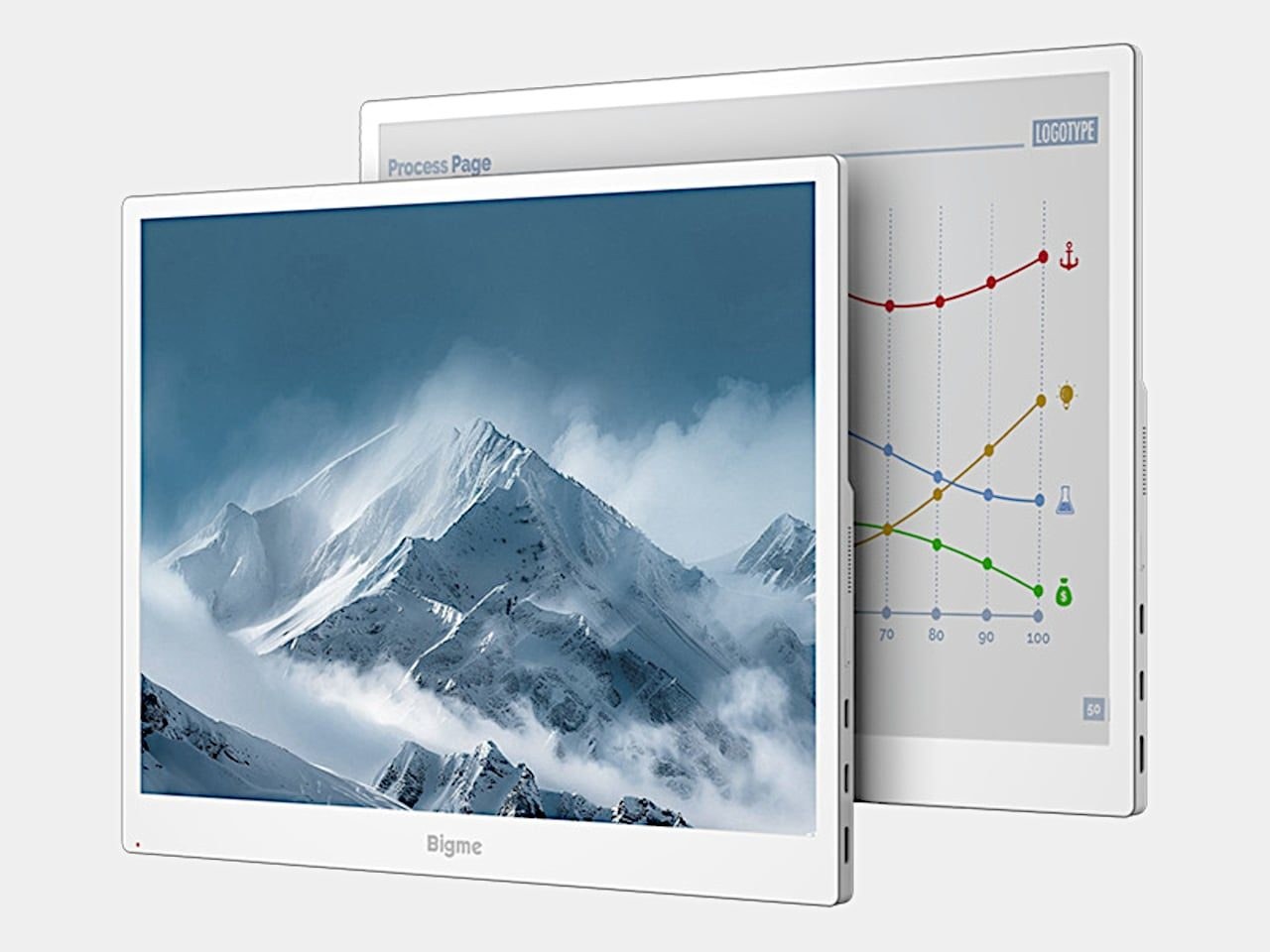
Staring at spreadsheets all day leaves eyes exhausted, prompting Bigme to release a 13.3-inch color e-paper monitor with a 60 FPS refresh rate. The $600+ screen relies on reflected ambient light instead of a harsh backlight to make text-heavy work easier on
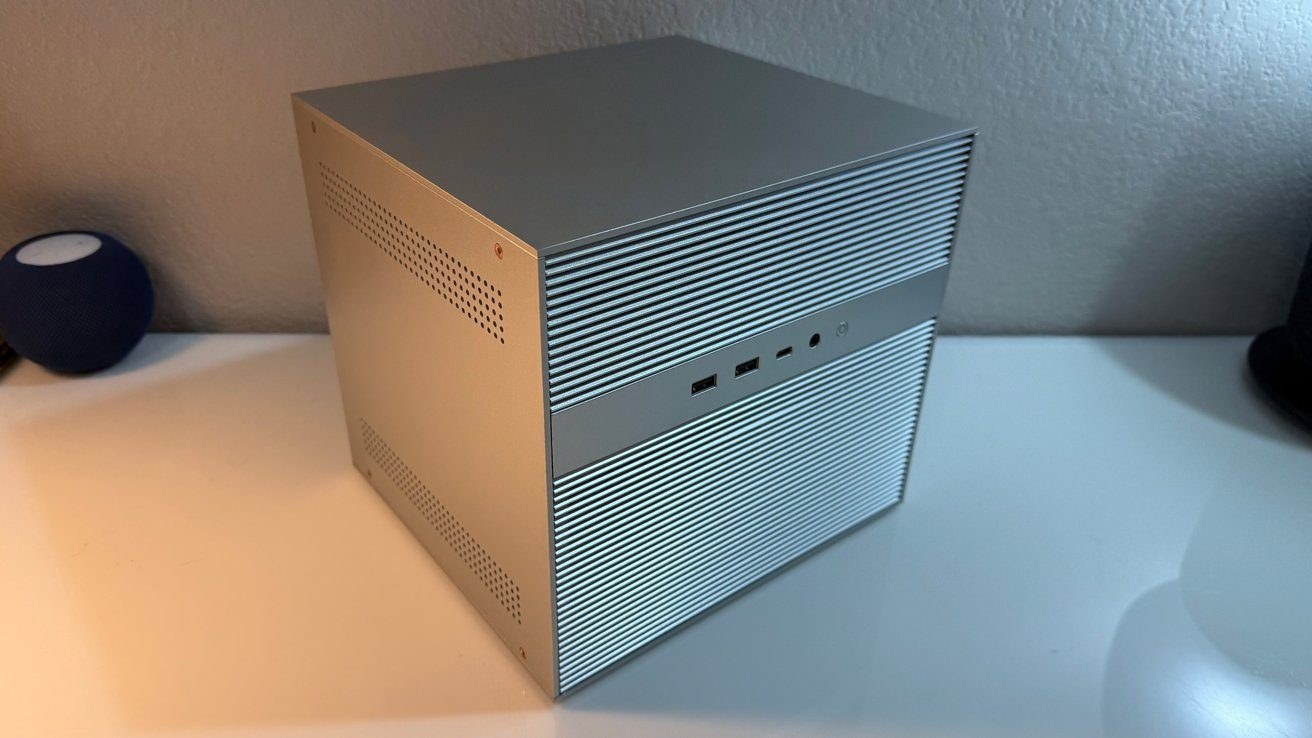
IceWhale's $799 six-bay NAS lets you ditch cloud subscriptions and install your own operating system, but its hyped Thunderbolt speeds require extra legwork.
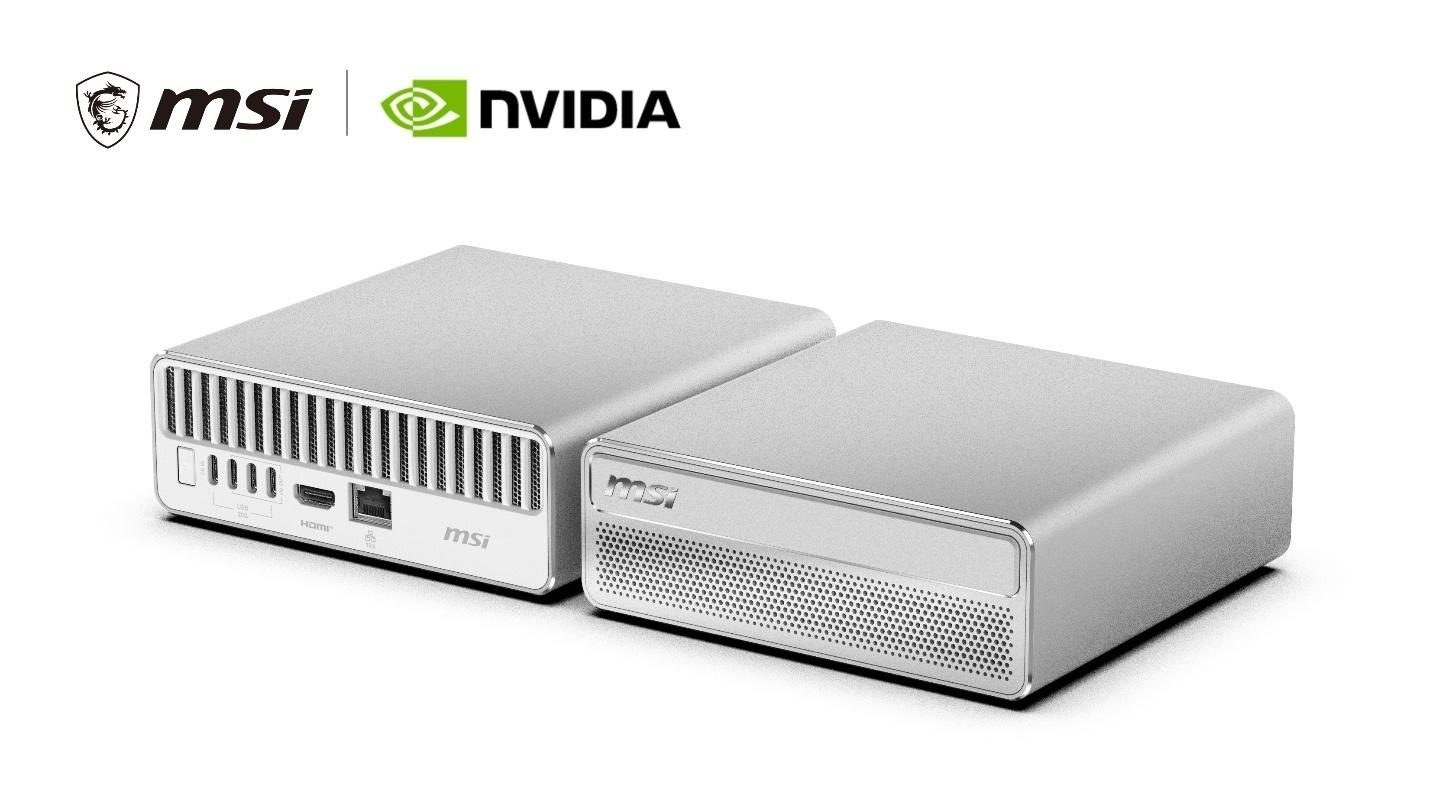
MSI squeezed a 1-petaflop AI server into a 1.3-liter desktop box with 128 GB of memory. We check if a home neural network workstation is worth its massive price tag.
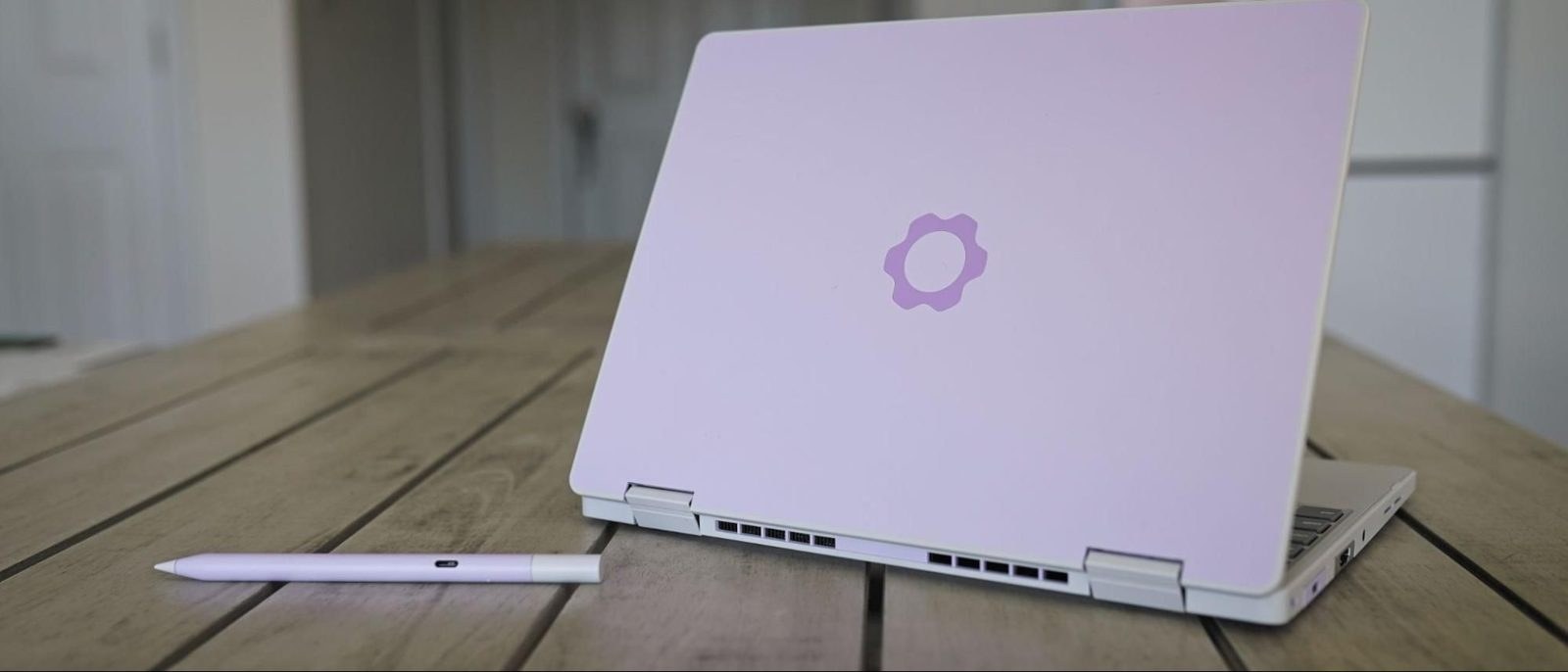
The modular Framework Laptop 12 starts at $549 for a bare-bones kit, promising easy self-repair and custom assembly. However, fully pre-built versions climb to $1,000, trading premium aluminum for a plastic chassis and higher costs unless you supply your own RAM and SSD.

The TDM Neo solves packing space by twisting its headband to double as external speakers, but dropping active noise cancellation makes long trips a noisy chore. With a $249 price tag, four audio drivers, and a 200-hour battery, these quirky headphones demand heavy trade-offs for travel convenience.
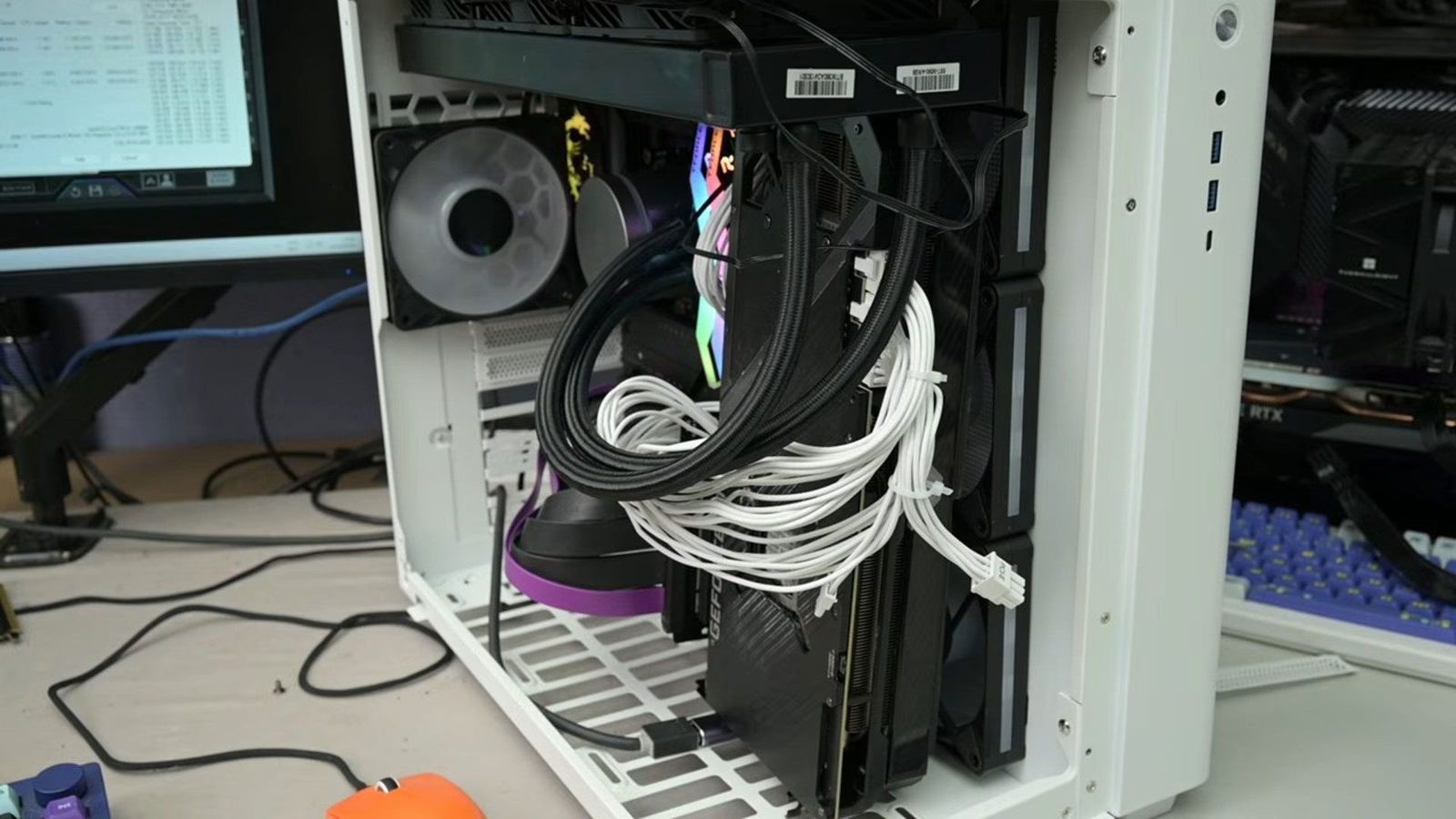
Hardware modder TrashBench tested a radical PC layout that shifts the graphics card away from its standard motherboard slot. The unorthodox configuration slashed GPU hotspot temperatures by 19°C, though it introduces new cooling hurdles for the processor.
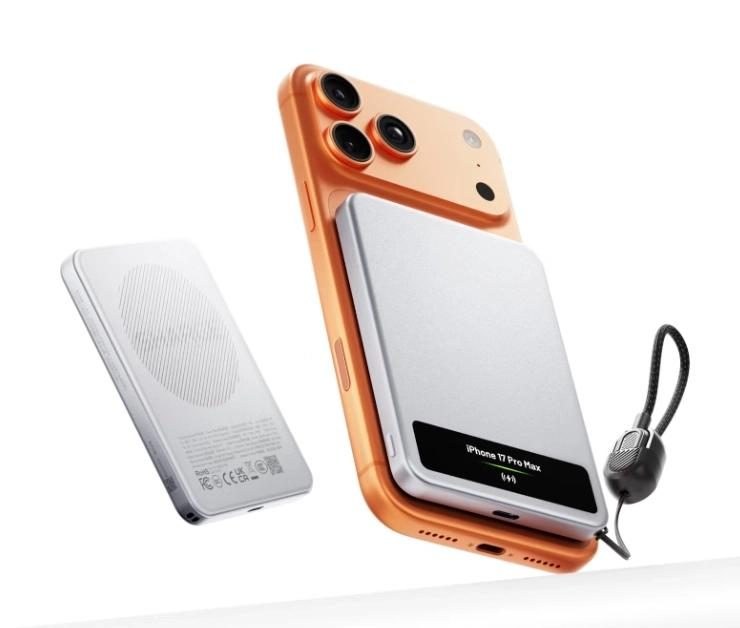
Sharge released the Vision Mag magnetic power bank featuring a real-time power display and a $30 price tag. It delivers fast-charging protocol support in an 11.7 mm metal body for everyday carry.

The BougeRV DuneRover turns heavy backyard hauling into a remote-control game, flattening steep hills with dual electric motors. But this Kickstarter prototype packs annoying software quirks and won't ship until February 2027.
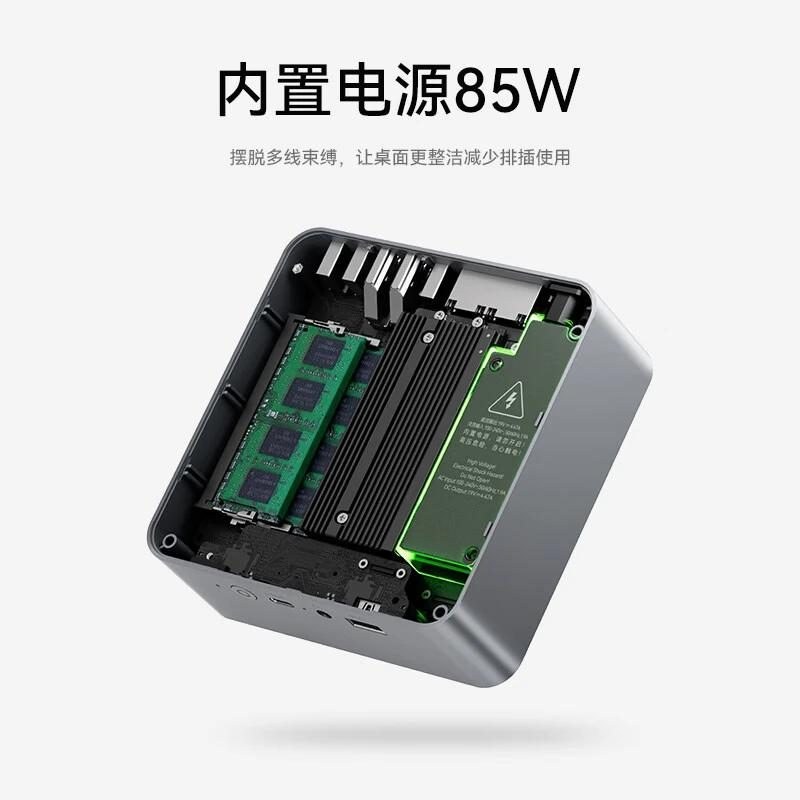
Beelink expands its mini PC lineup with an AMD Ryzen 5 5500U model aimed at everyday office work and home server setups. It ditches the bulky desktop tower format while offering silent operation and dual Ethernet ports.
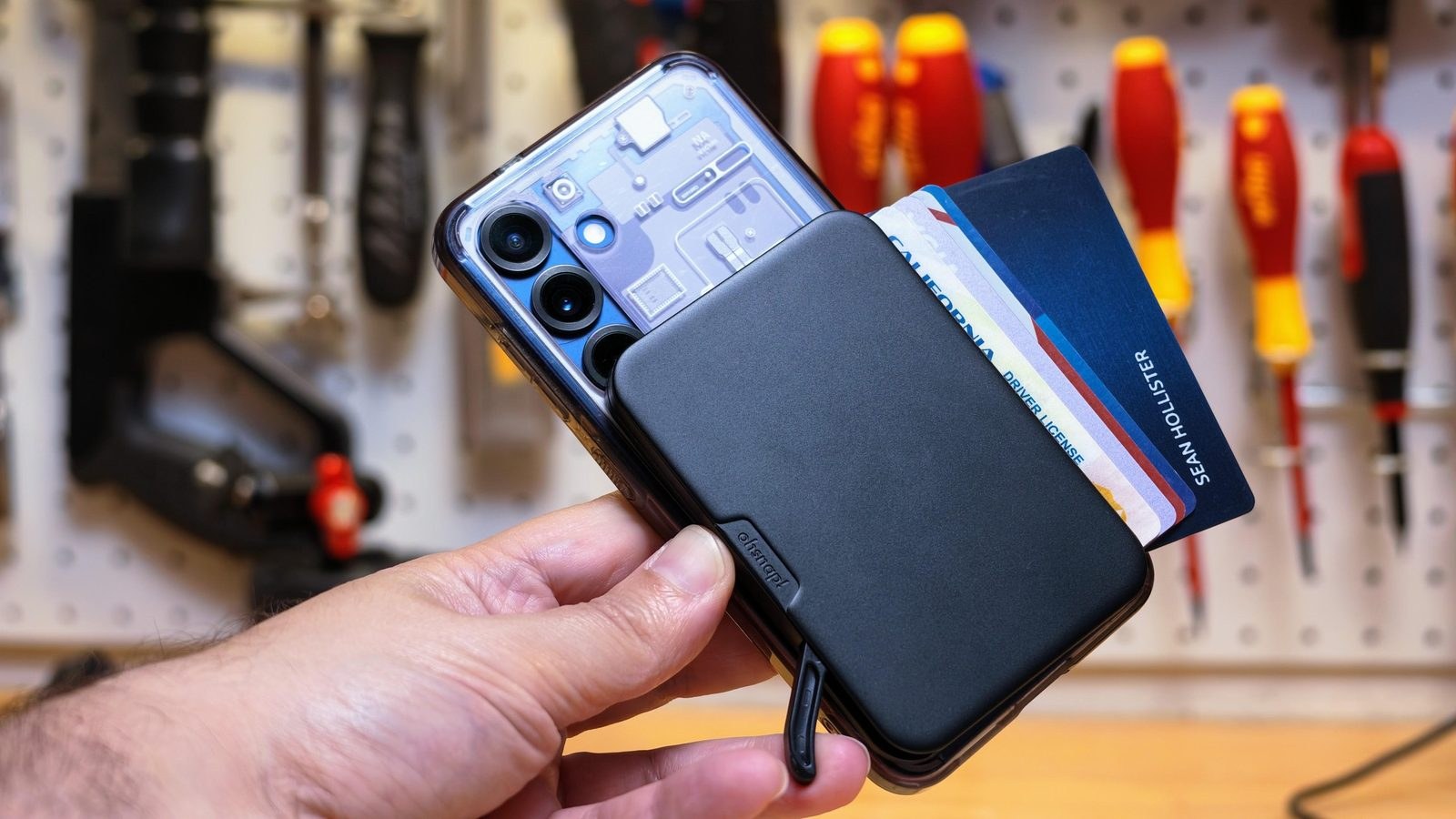
The OhSnap Wallet 2 trades boring leather sleeves for a spring-loaded mechanical lever that fans out your cards. But turning your wallet into a fidget toy adds noticeable weight and wrist fatigue to your daily phone use.
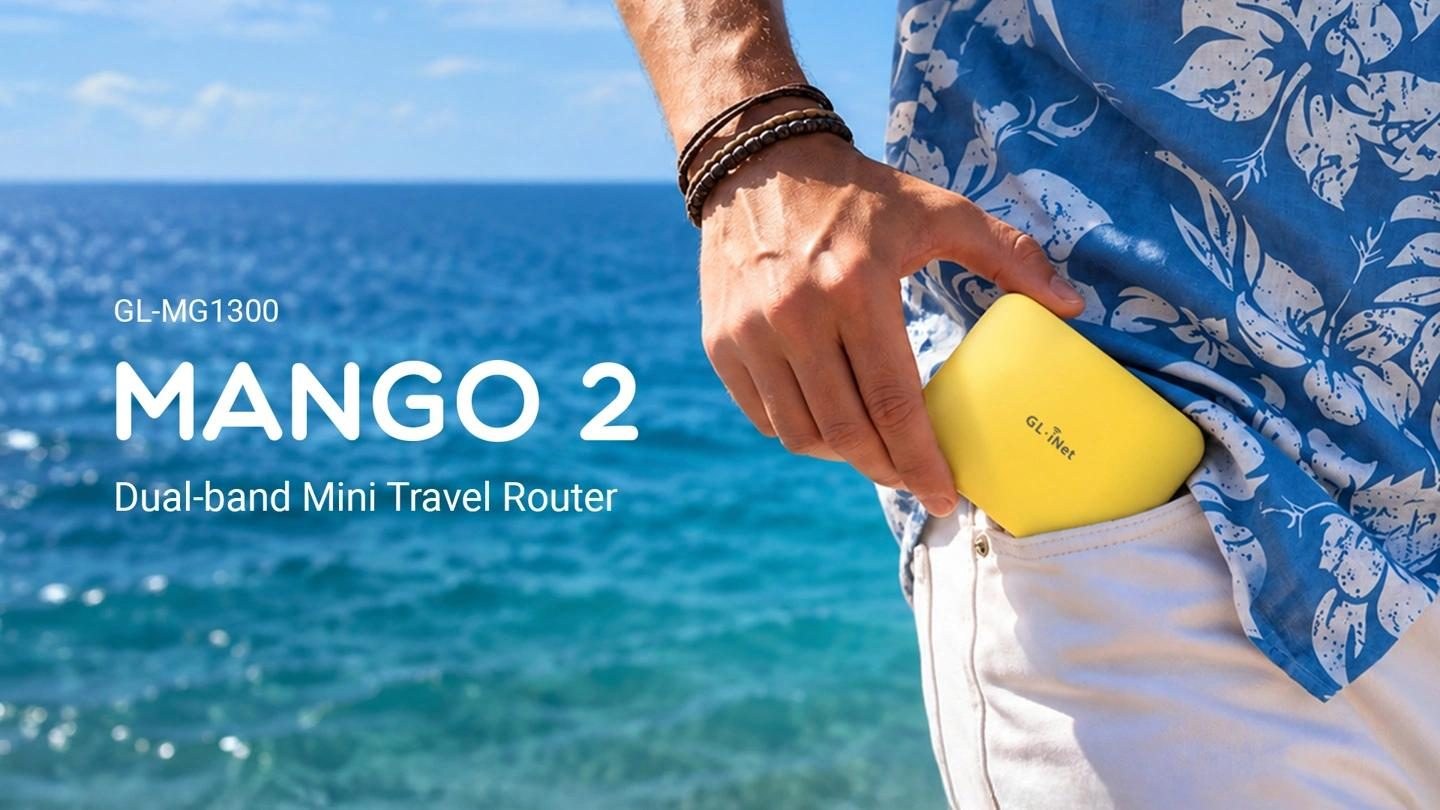
GL.iNet has dropped a $40 travel router running OpenWrt that packs dual-core power and Gigabit ports into a 100-gram chassis. It turns sketchy hotel Wi-Fi into an encrypted personal network without breaking the bank.
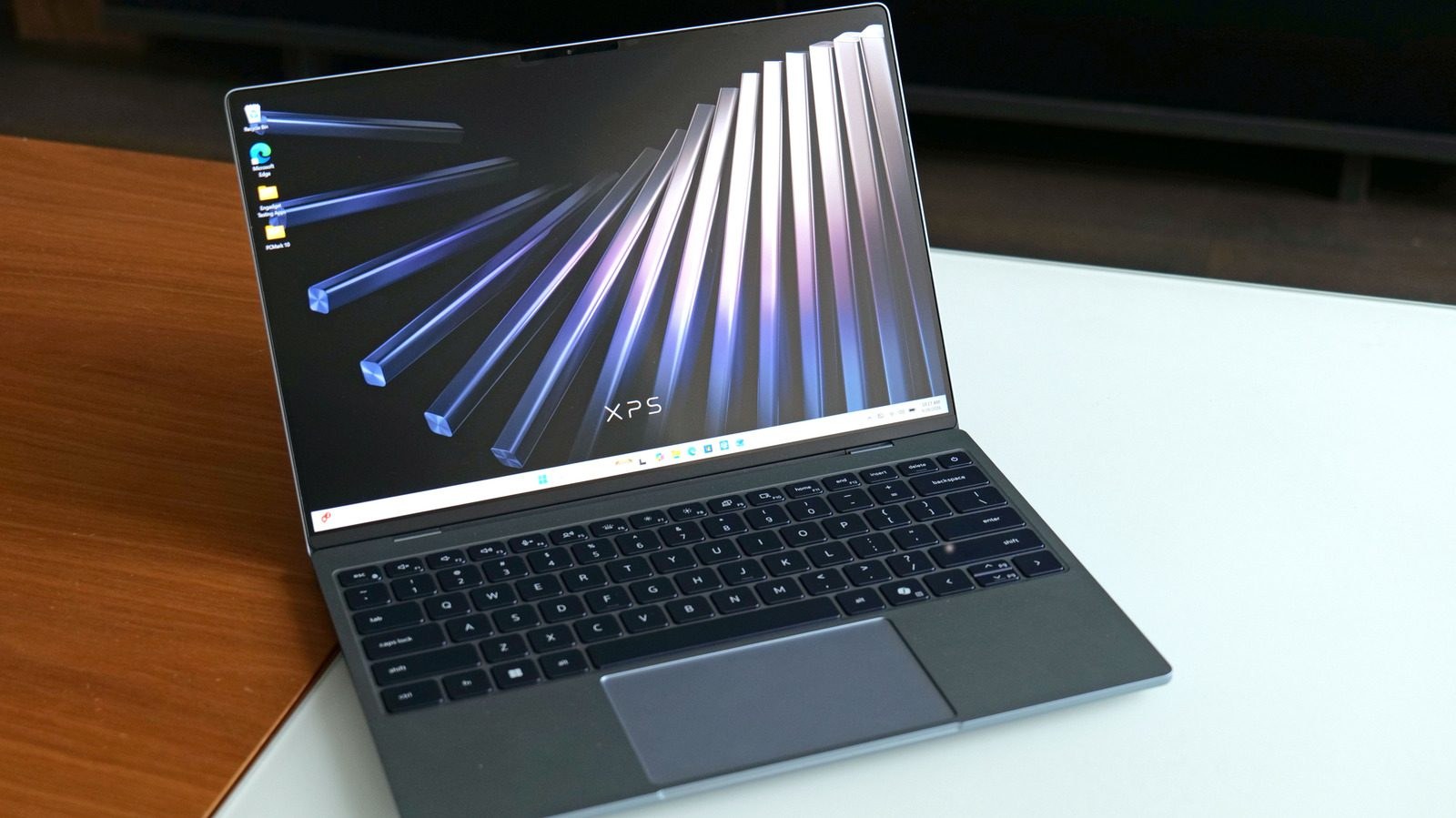
Dell dropped its flagship ultraportable to a $700 entry price, but the base configuration pairs modern hardware with just 8GB of soldered RAM. Testing proves this memory bottleneck severely cripples daily speed, multitasking, and battery life.
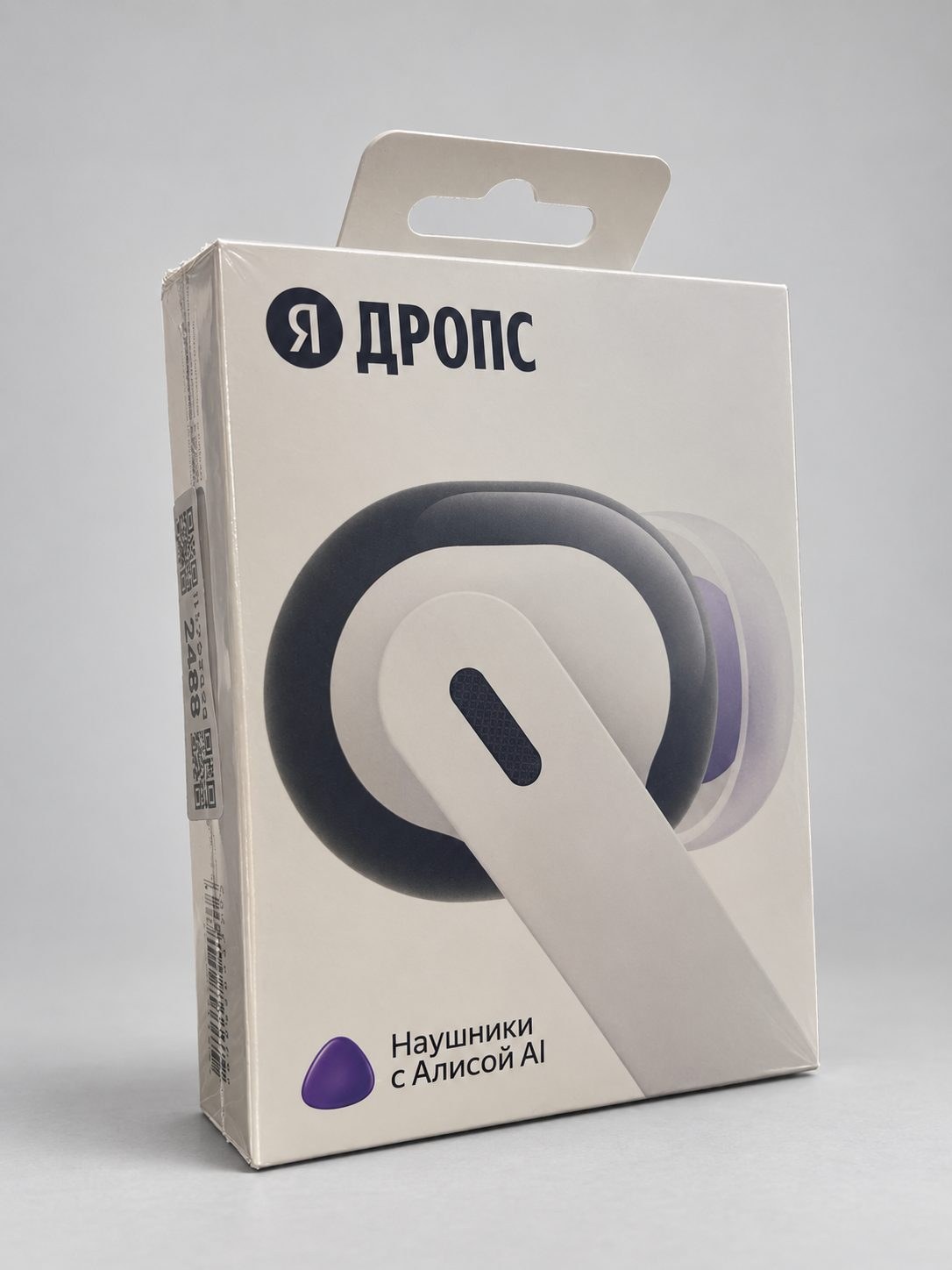
An X-ray microtomography scan of the Yandex Drops reveals a tightly packed, unrepairable layout. Find out why this AI-powered gadget is built to be disposable once the battery dies.
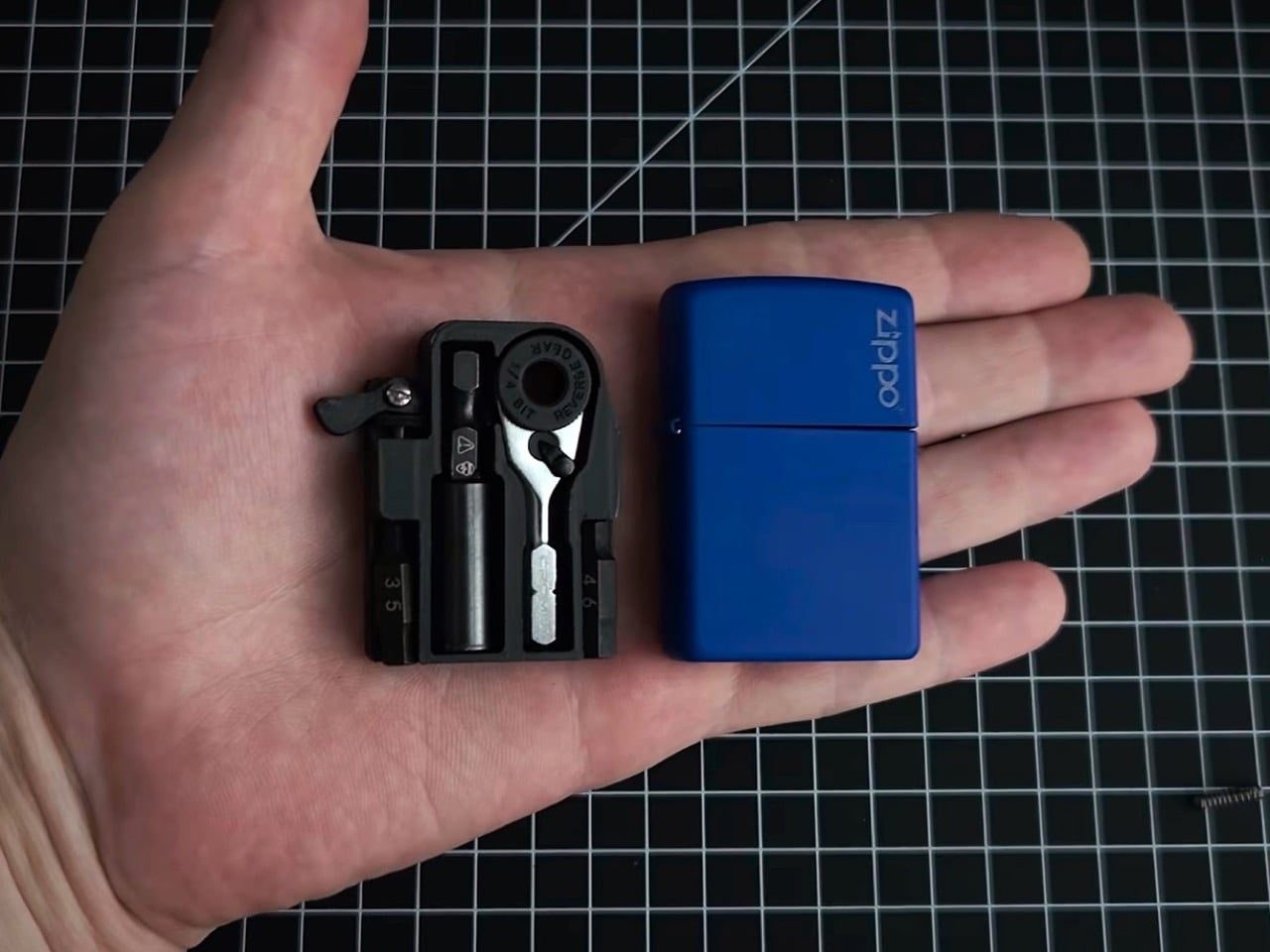
An independent maker gutted a vintage 1932 Zippo lighter and packed it with a micro ratchet, S2 steel bits, and a spring from a Bic lighter. The resulting $150 kit fits entirely in a coin pocket without weighing down your trousers.

Xiaomi's Pocket Guitar snaps onto the back of a flagship phone to act as a Bluetooth rhythm controller. We look at whether this 90-dollar plastic accessory is worth your cash.

The $69 FunnyPlaying GB Mini offers budget FPGA cartridge gaming, but severe plastic flexing and loose screens ruin the experience. Retro fans should skip this fragile console until manufacturing quality improves.
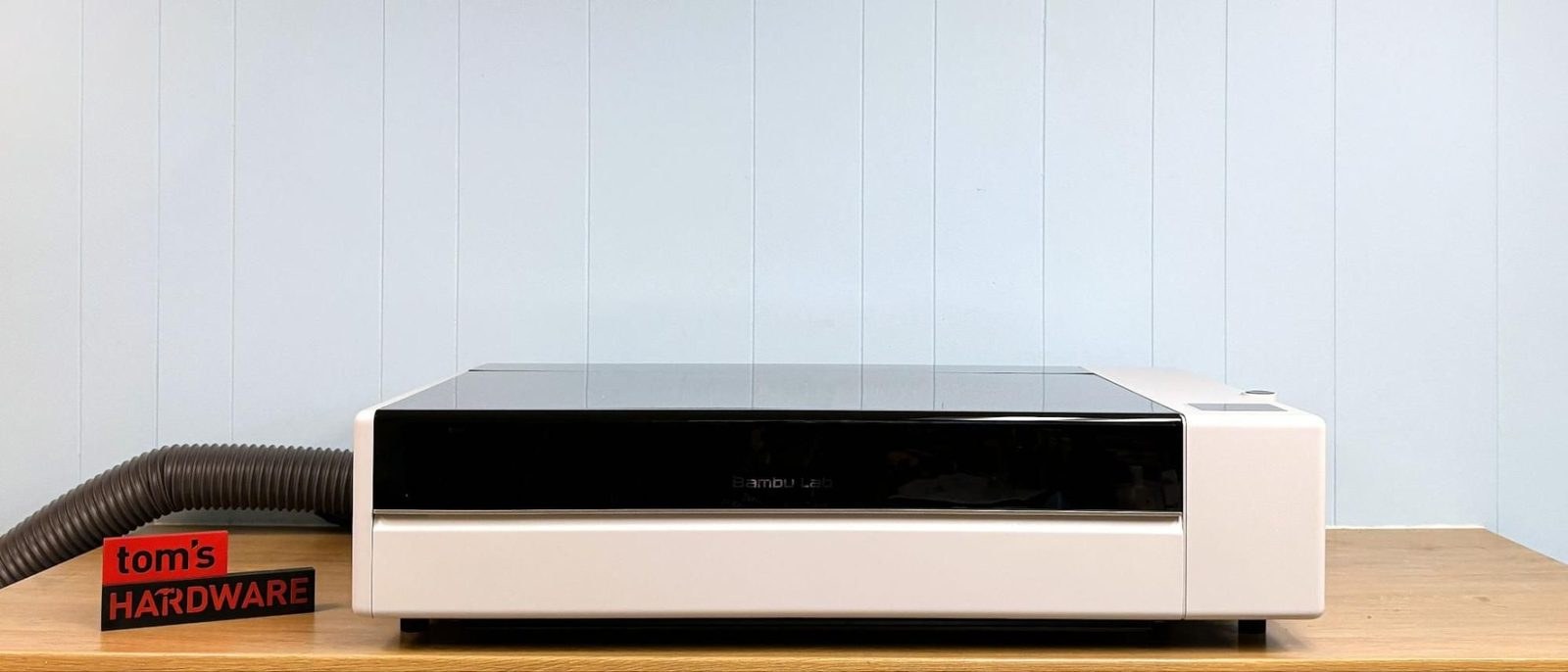
The $2,499 Bambu Lab R1 brings a 55W CO2 laser, overhead alignment camera, and 70-pound steel chassis to small-shop owners. While it slices cleanly through wood and acrylic, tedious lens swaps and loud cooling fans complicate daily work.
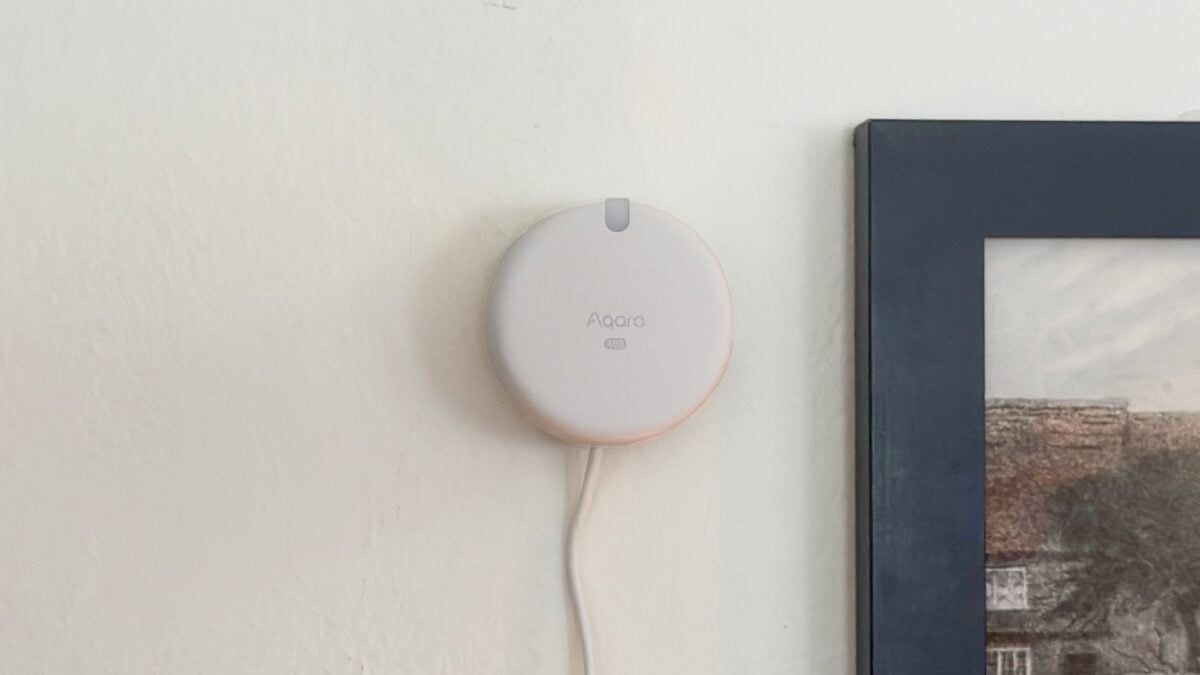
Aqara's new spatial sensor uses radio waves to map up to 10 people in a room locally without cloud lag. However, dropping battery support means you are tethered to a USB-C wall wire.
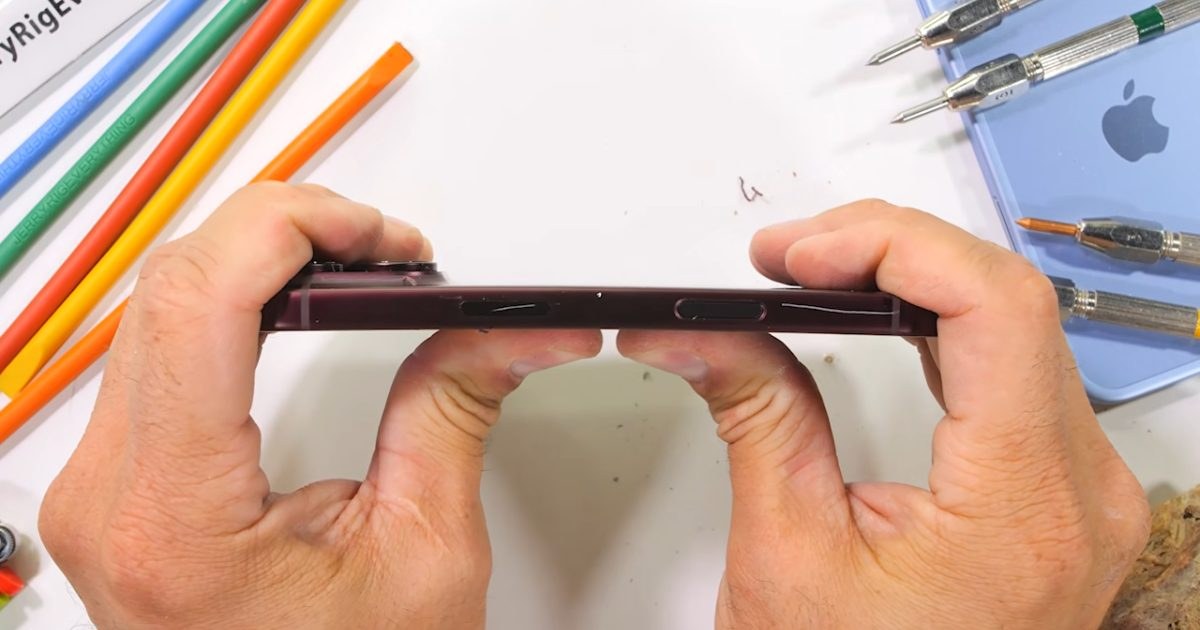
The latest iPhone flagship survived a brutal bend test, but its metal edges and plastic camera base remain vulnerable to everyday keys and coins. JerryRigEverything put Apple's new pro device through its traditional torture routine to see what changed in your hands.
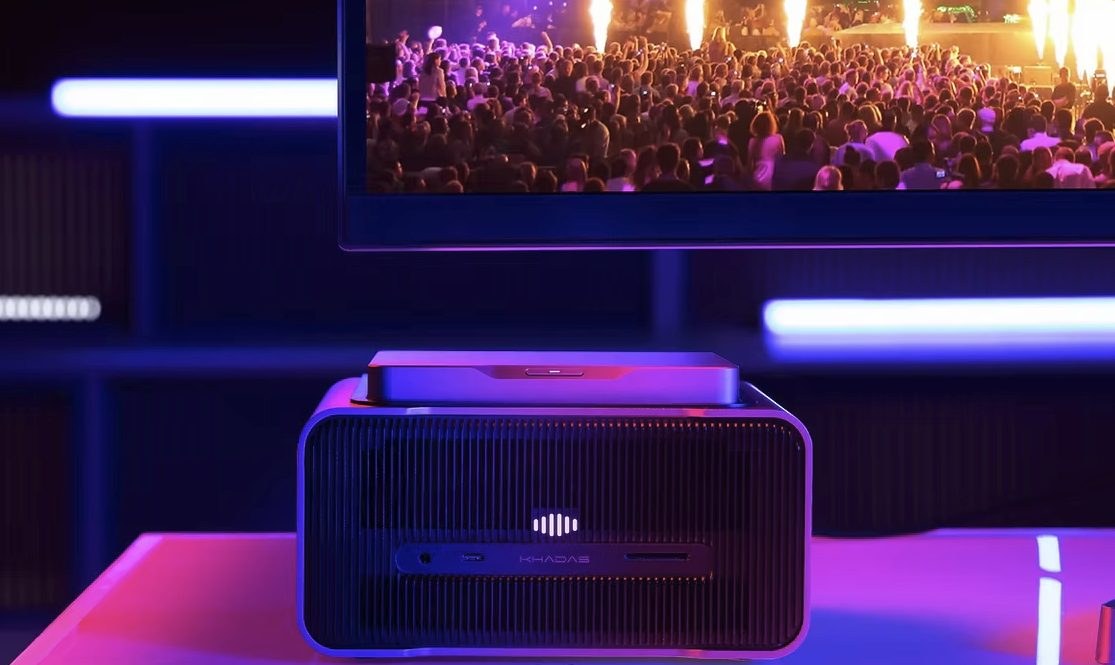
We tested the pocket-sized Khadas Mind 2 modular PC that transforms into a gaming station with an external dock. Here is whether the concept actually works in practice.
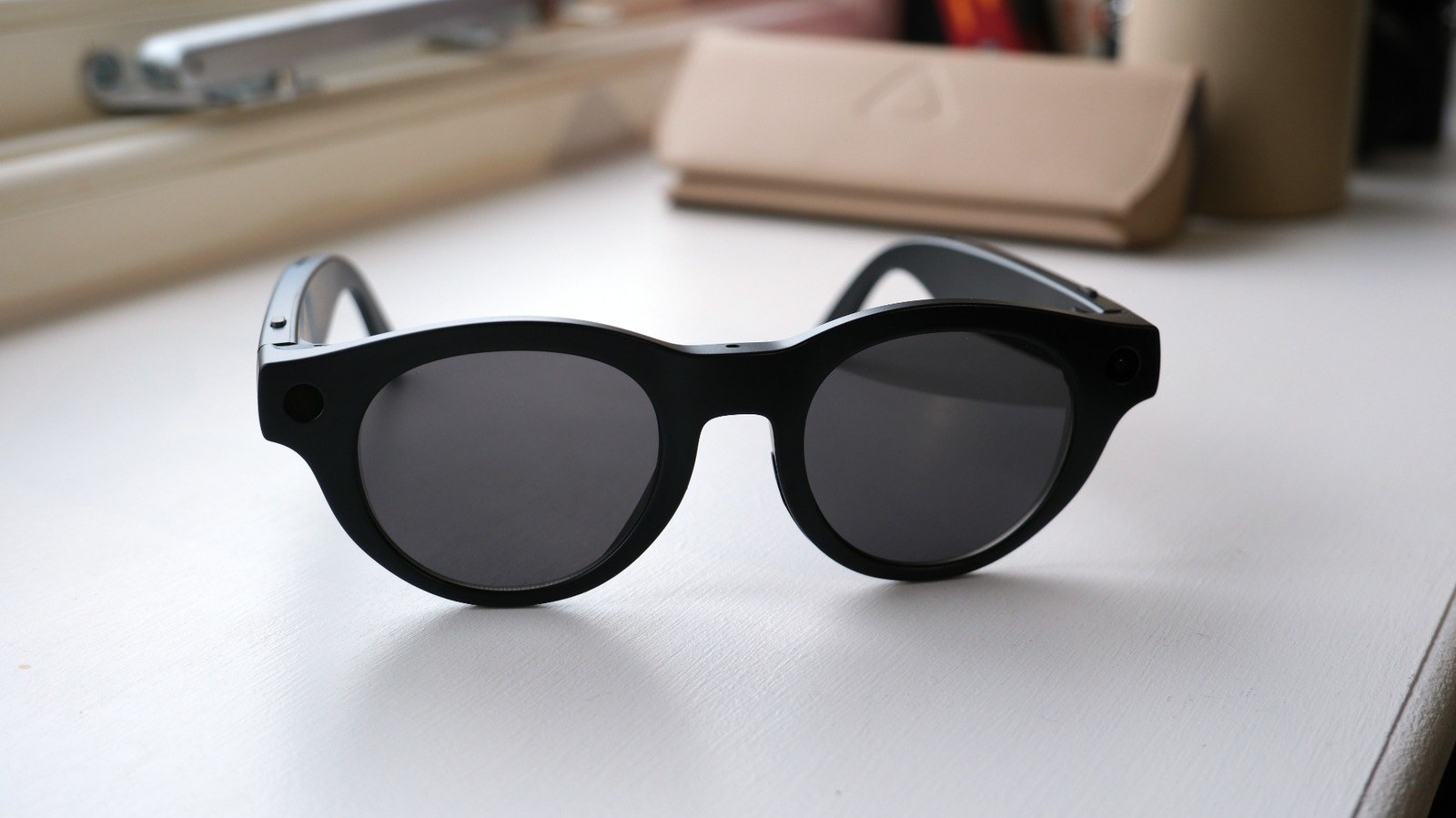
HTC has brought its Vive Eagle smart frames to Western markets for $499, packing open-ear audio, a 235mAh battery, and a Snapdragon processor into a 49-gram package. Despite physical controls and a lightweight build, the glasses struggle with tinny music playback and barely last three hours on phone calls, making them a hard sell against your smartphone.
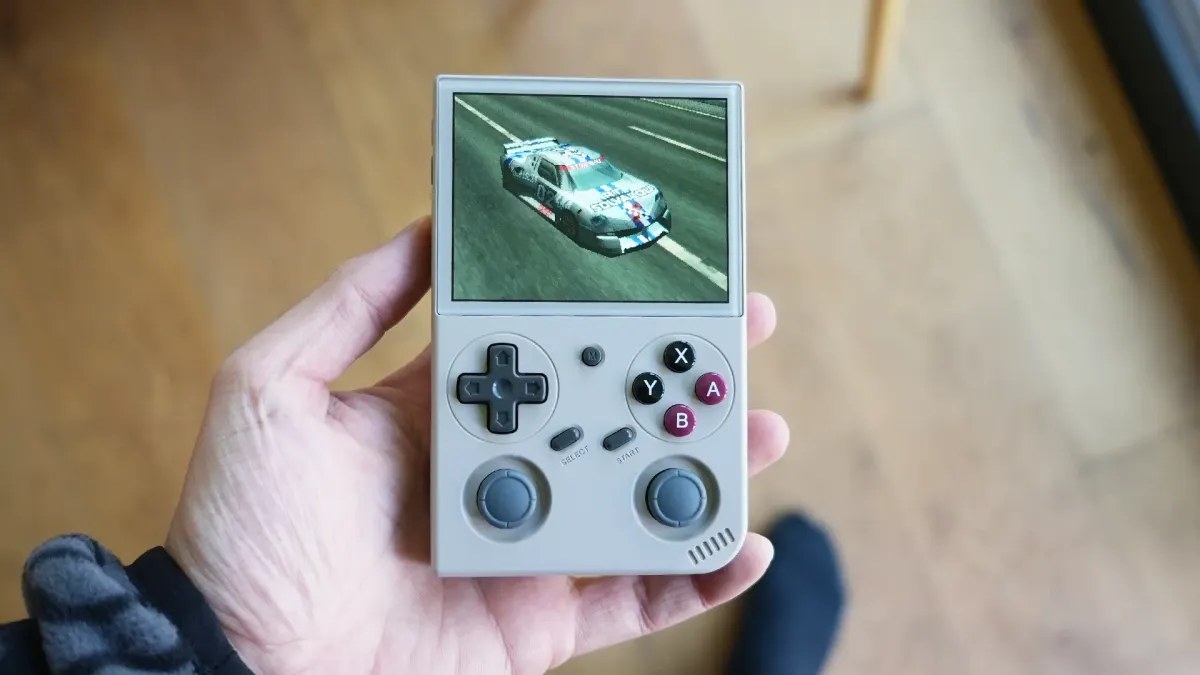
ANBERNIC is dropping a $37.99 retro handheld that beats the usual garbage flooding the budget market. It gives you a solid 3.5-inch screen and real buttons without asking you to remortgage your house.

Apple asks $1,999 for the folding iPhone Duo with a matte screen and software hacks for awkward cases. Is it worth your money?
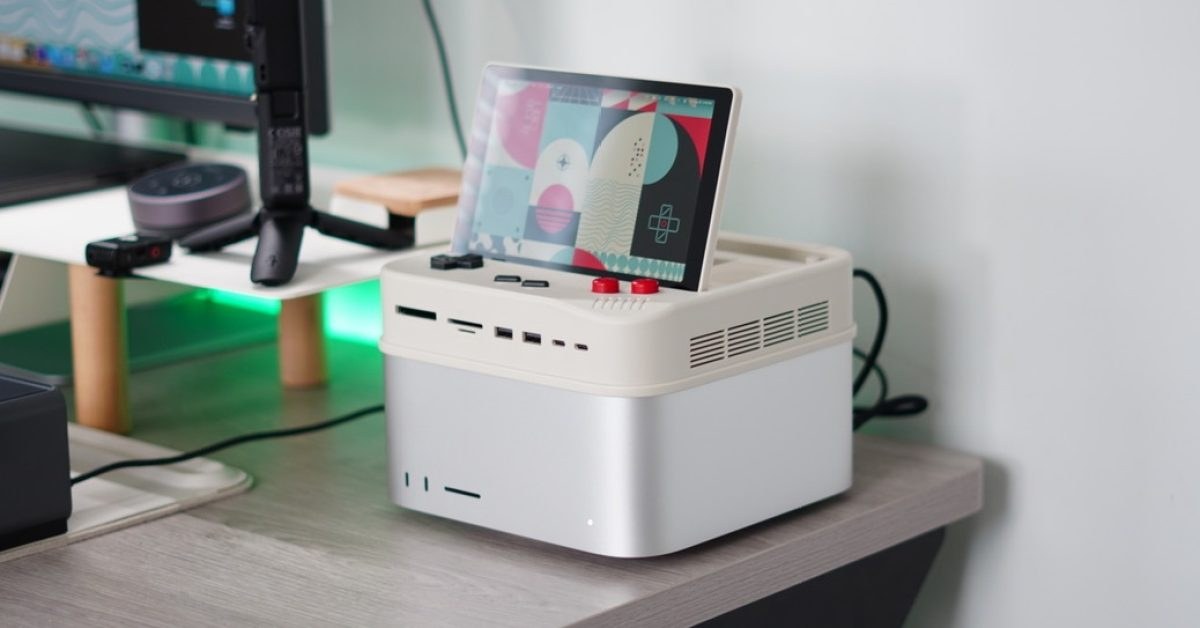
The Wokyis G7 dock adds a 7-inch display, physical shortcut buttons, and extra storage to a Mac Studio. We look at whether this nostalgic desktop upgrade is actually useful in daily work.
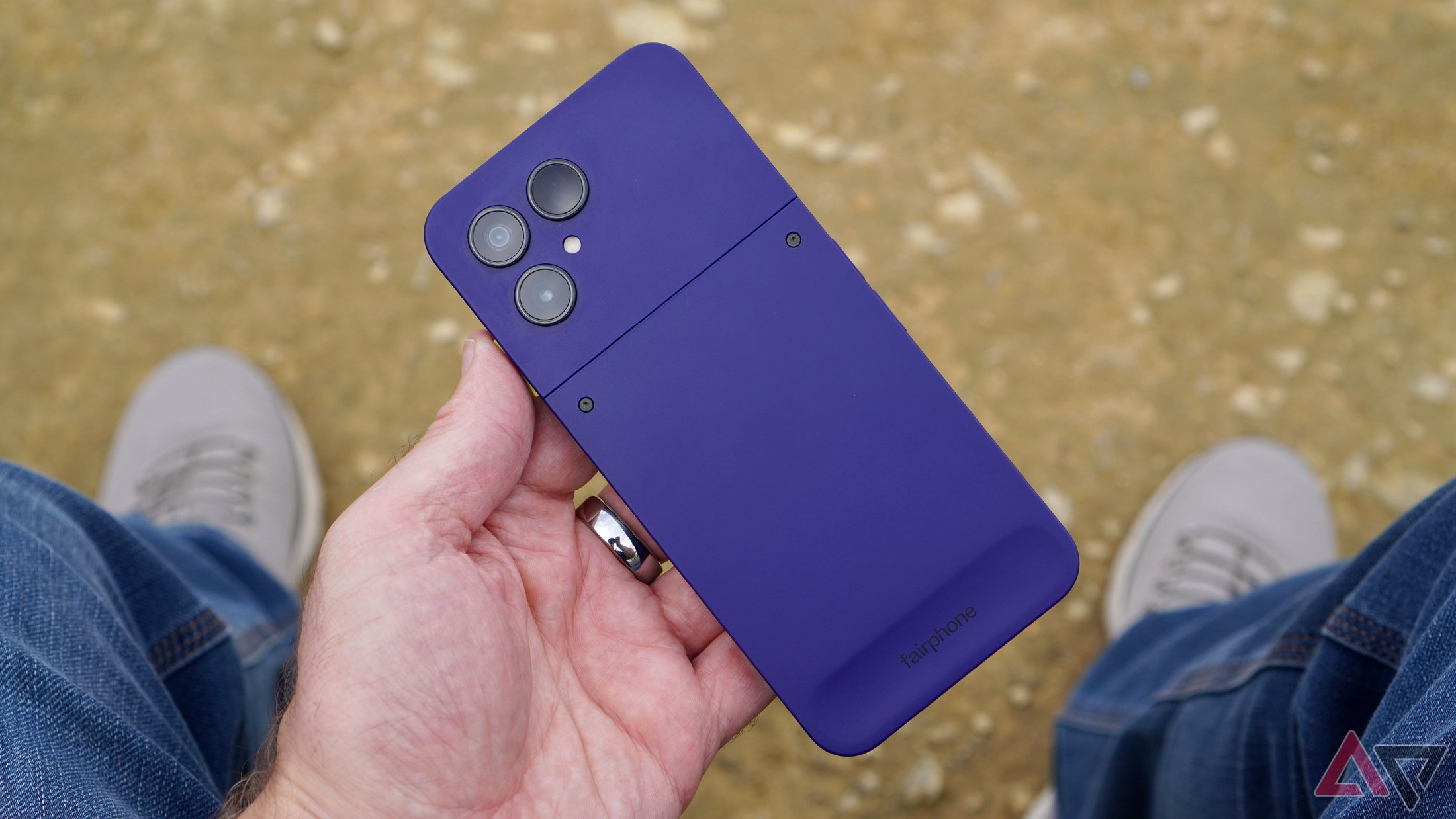
Fairphone's latest modular smartphone lets you swap parts with a screwdriver, but living with it means dealing with a thick plastic body, poor water resistance and a sluggish camera shutter. The $650 device promises seven years of life, yet demands immediate sacrifices in everyday handling.
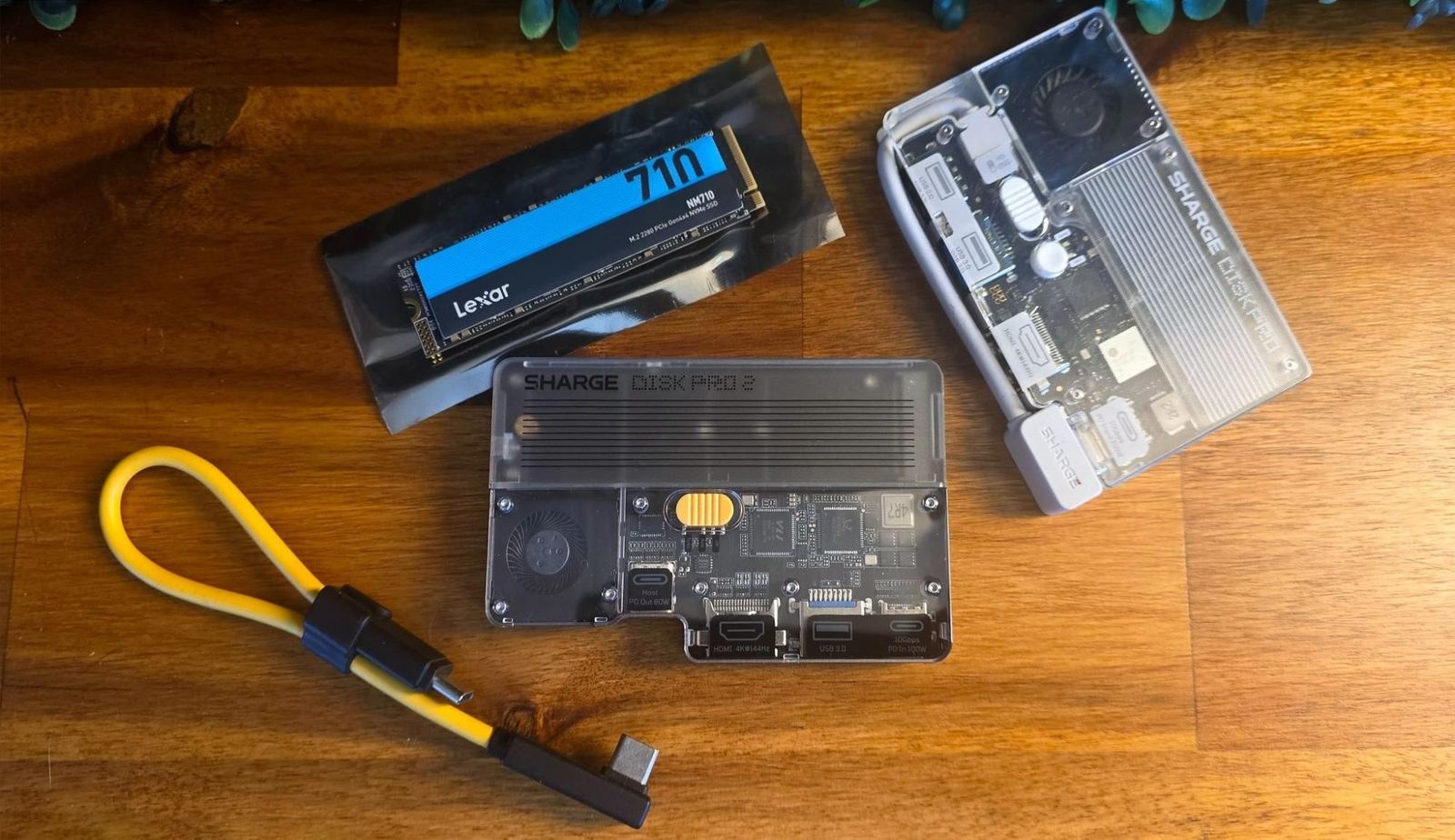
Sharge combined a portable solid-state drive enclosure, active cooling, and a multiport hub into a single pocketable shell with MagSafe. However, its 10 Gbps speed limit throttles fast NVMe drives when moving data and video signals at the same time.
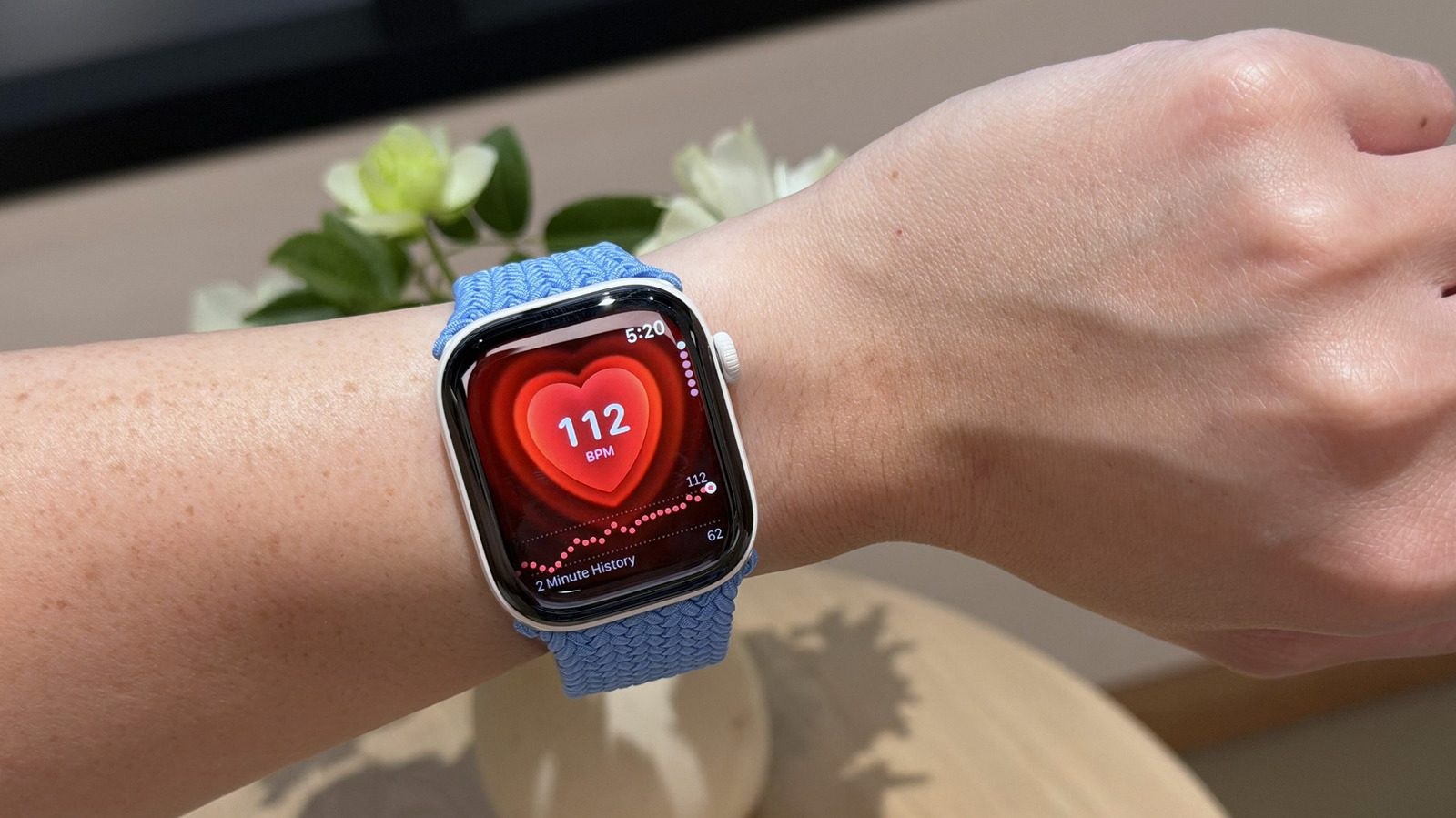
The Apple Watch Series 12 swaps out older LEDs for a 12-light sensor ring that checks your pulse every five minutes. While it adds a daily 0-to-10 recovery score and smart audio transcription, the battery life is still stuck at a single day.
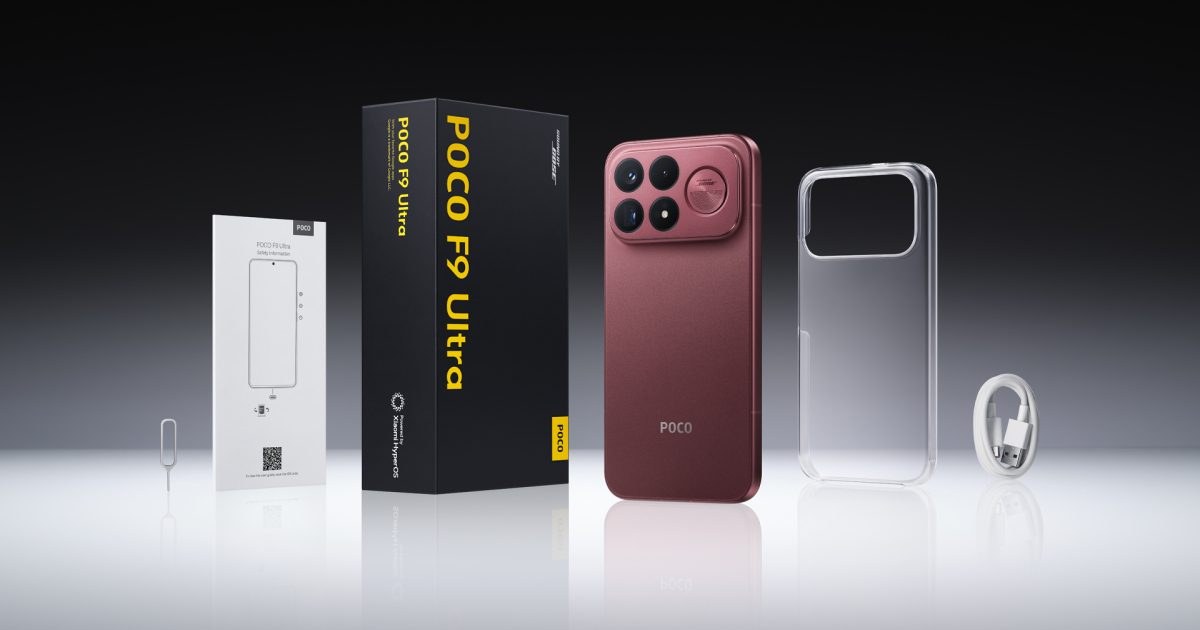
Poco has rolled out its new F9 flagship lineup, headlined by the specs-heavy Ultra model. The phone delivers an 8,050 mAh battery and a 185Hz display, but its bulky footprint makes it a tough sell for anyone outside the hardcore mobile gaming crowd.

Apple launched the Watch Ultra 4 powered by the new S11 silicon. Real-world testing shows battery life and workout accuracy remain essentially identical to prior models, offering existing Ultra owners few reasons to upgrade.
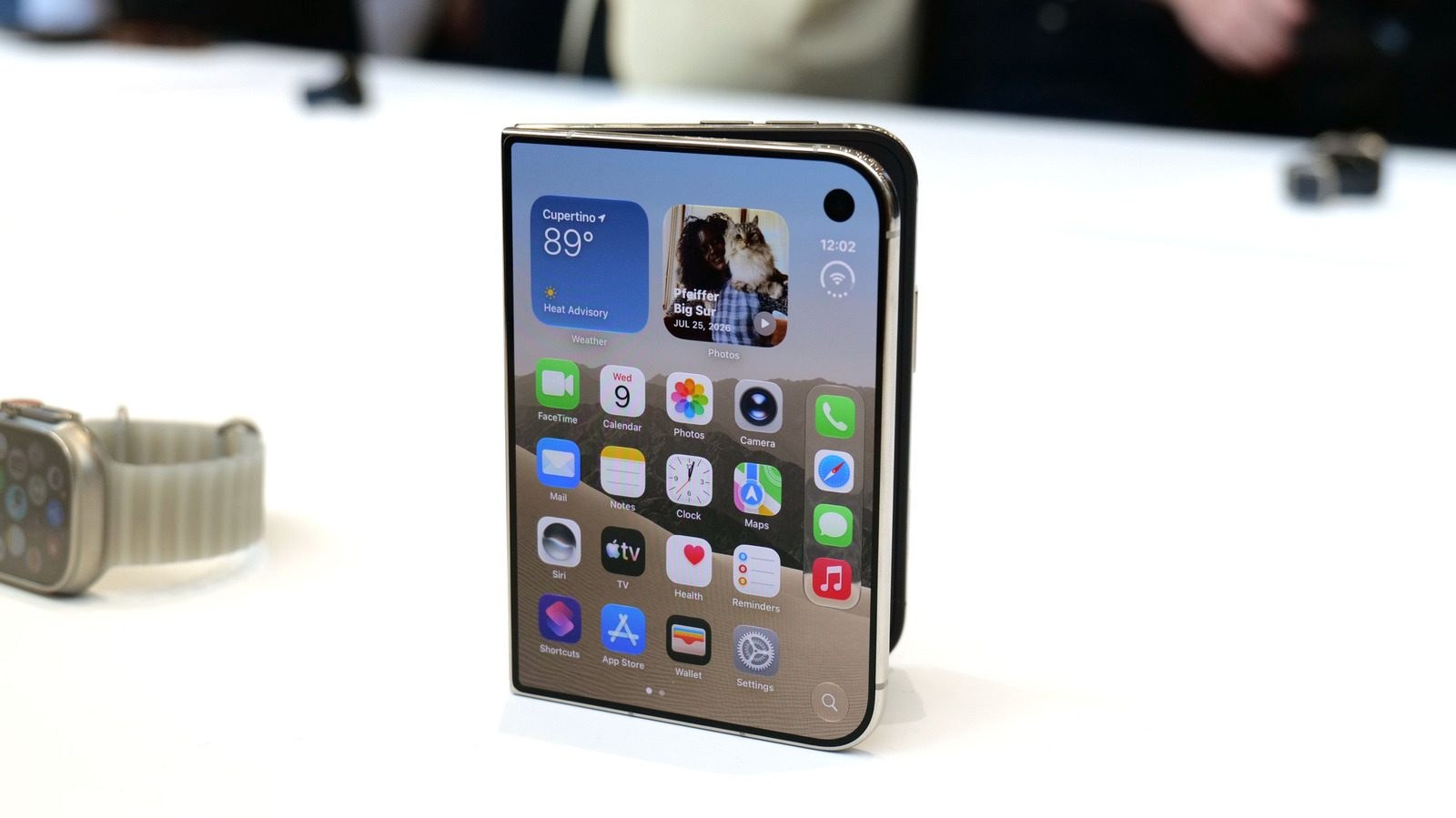
Apple's first folding phone packs a 7.6-inch flexible screen inside a titanium shell, but weighs 254 grams and completely skips the optical zoom lens. Daily testing reveals a heavy pocket brick that forces major camera compromises for early adopters.
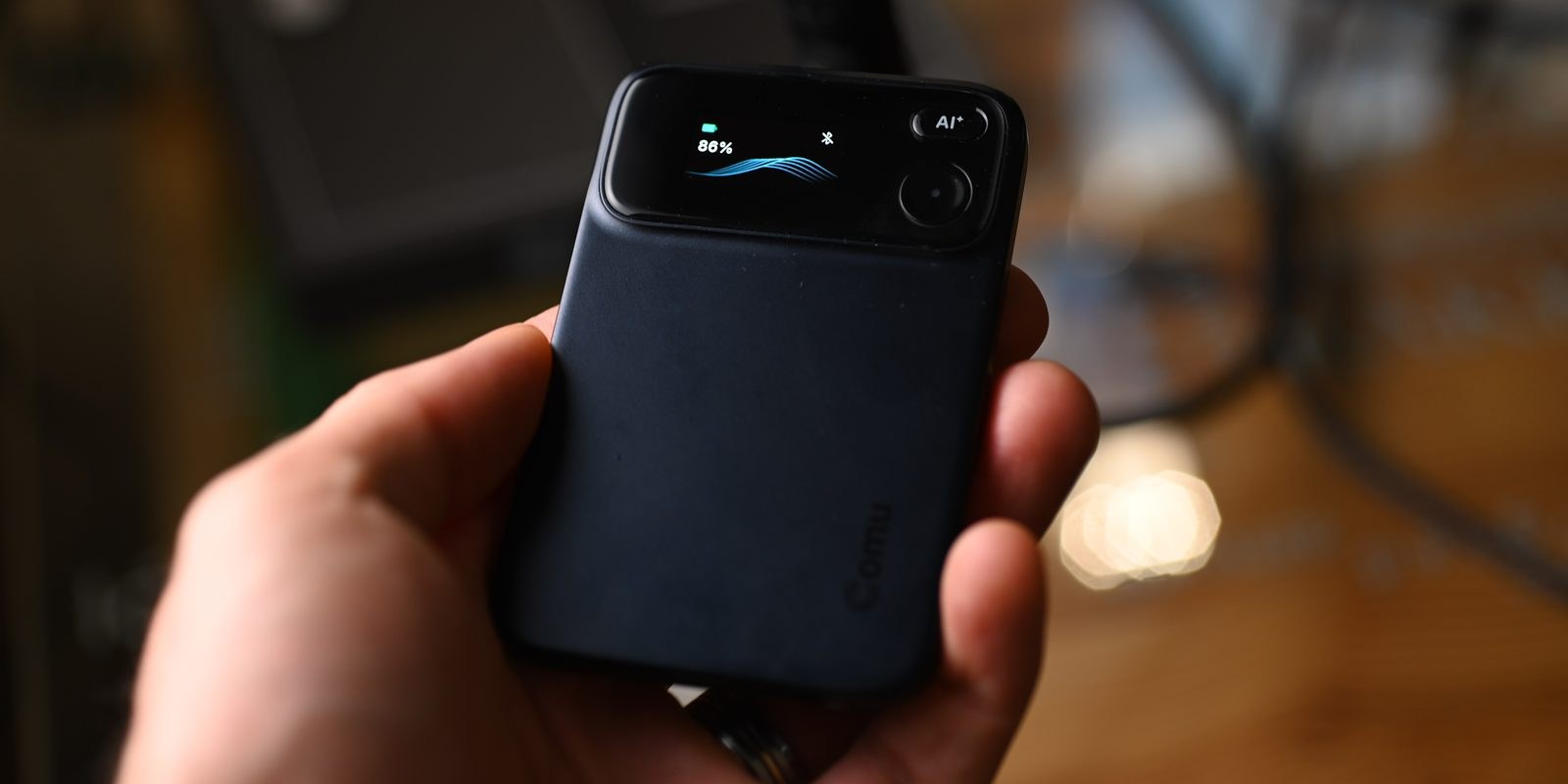
The $180 Comu Action Pro snaps neatly to the back of your phone and packs a 70-hour battery, but locked-down cloud transcription fees turn a handy pocket gadget into an expensive monthly subscription trap for everyday buyers.

The LUCAS system replaces exhausted paramedic arms with a battery-powered aluminum piston that delivers flawless chest compressions. While trials show it does not magically raise survival rates, it frees rescue crews to handle critical drugs and airways on the move.
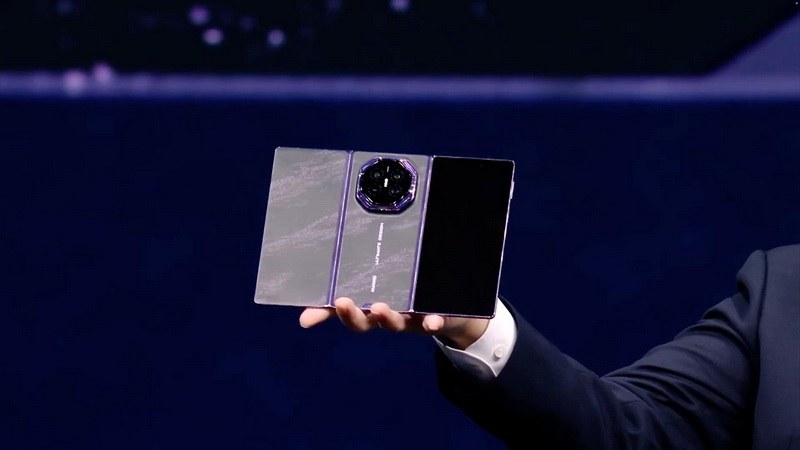
Tri-fold phones pack a 10.2-inch tablet into your pocket, but their mechanical complexity introduces real-world headaches. Dual hinges and fragile flexible displays demand two hands and carry astronomical repair costs. For mainstream buyers, paying a massive premium for a second crease yields very little practical utility.

Apple enters the folding market with the $1,999 iPhone Duo, packing a 7.6-inch inner screen and the A20 Pro chip into a passport-shaped body. Everyday buyers get a noticeable center crease and downgraded cameras for double the price of a standard flagship.
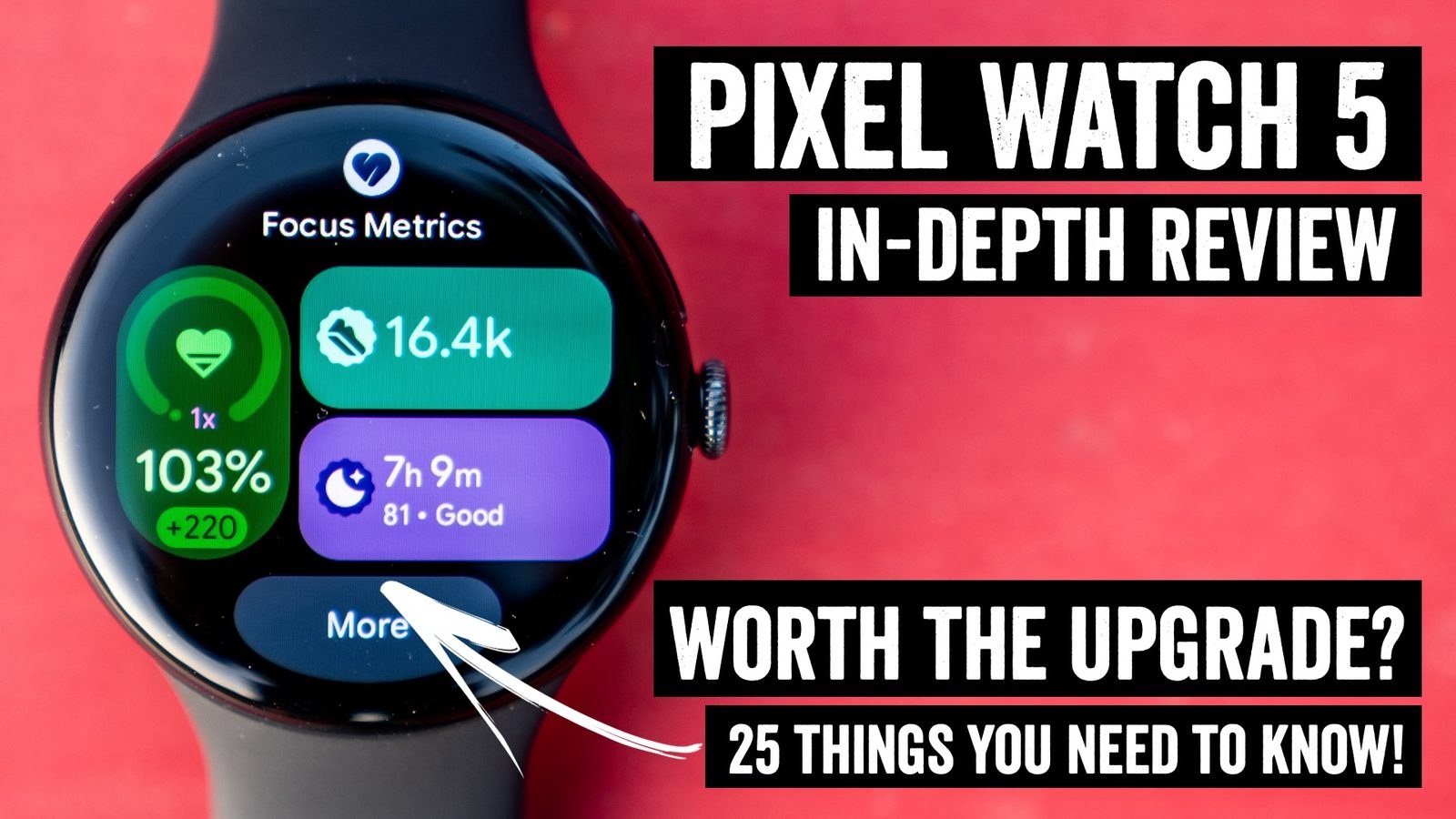
Three weeks of real-world testing reveal that Google's new smartwatch offers snappier daily apps and precise tracking. However, heavy GPS workouts still drain the battery before bedtime, making it a skippable upgrade for current owners.
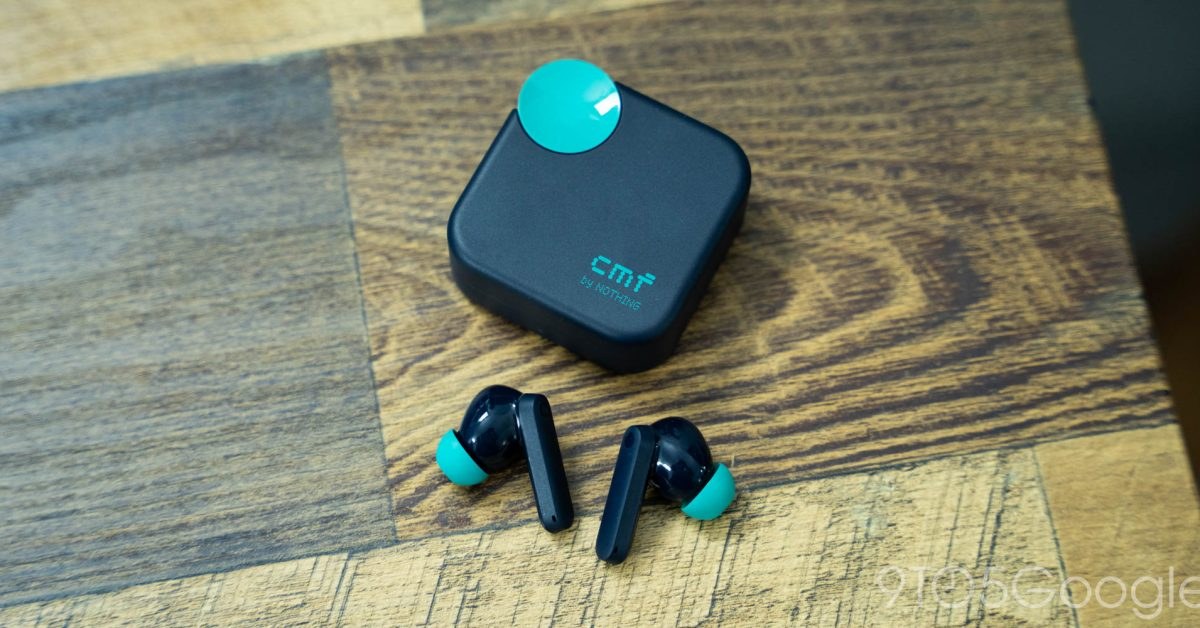
Nothing sub-brand CMF undercuts the budget audio market with twenty-five dollar wireless earbuds featuring active noise cancellation and multipoint pairing. Out-of-the-box sound requires app tweaks, but the hardware delivers genuine daily utility for travelers and gym-goers.

Huawei fitted the Watch GT 7 Pro with sapphire glass, a nanoceramic case, and offline ski maps to challenge dedicated sports gear. While the wrist navigation adds real convenience on the slopes, the hefty luxury build limits its appeal as a purely utilitarian mountaineering tool.
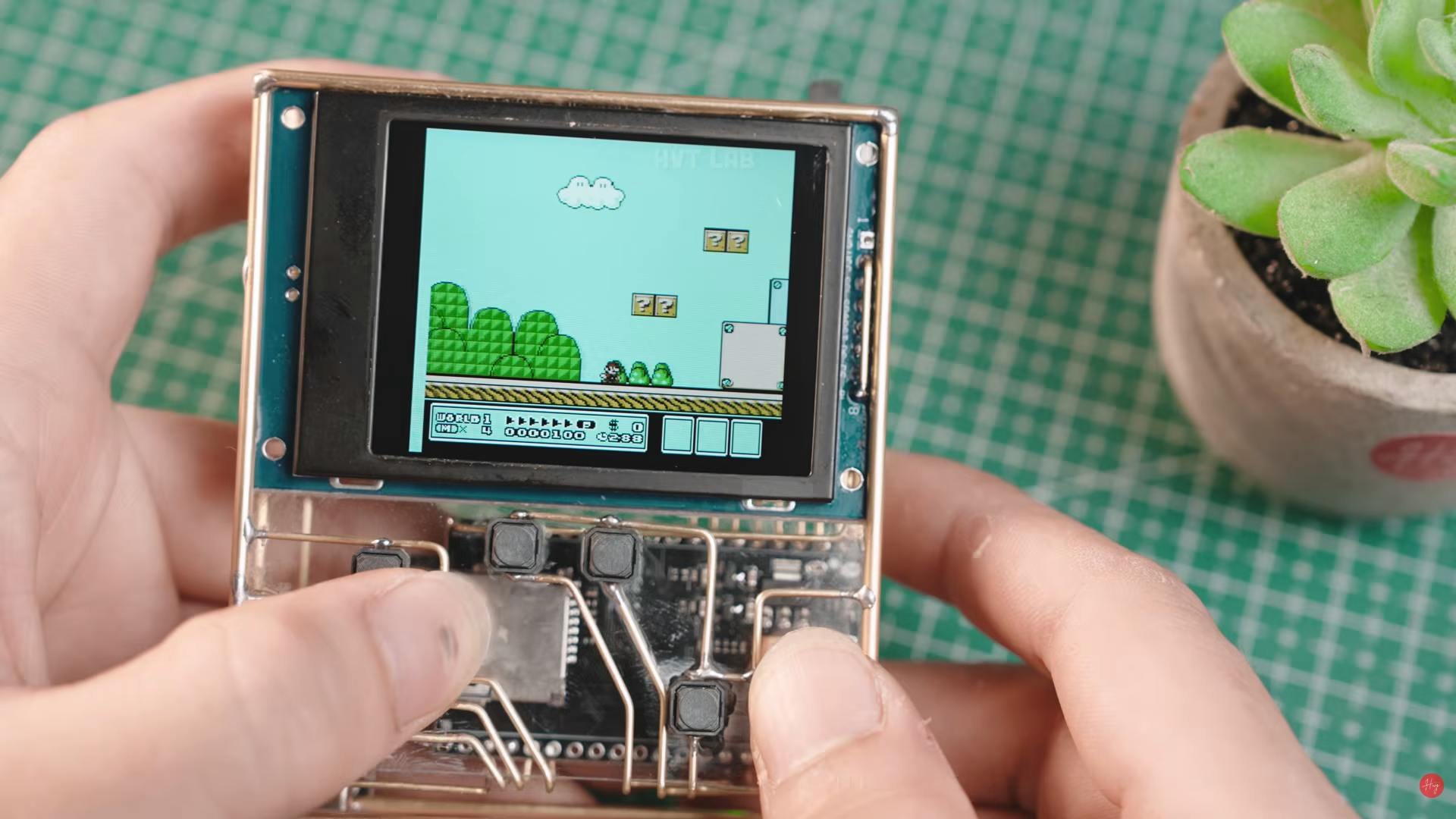
Vietnamese maker Huy Vector replaced cheap plastic with a rigid 2mm brass skeleton to build an open-frame retro handheld running classic games. Powered by an ESP32-S3 chip and rechargeable AAA cells, it offers a fully repairable, tactile alternative to mass-market consoles.

Xiaomi has redesigned the book-style foldable to match standard A4 paper proportions, fixing the cramped outer display problem. The phone packs a 6,000 mAh battery into a 5.02 mm slim chassis with a nearly invisible crease. It makes one-handed messaging on a foldable practical without opening the device.
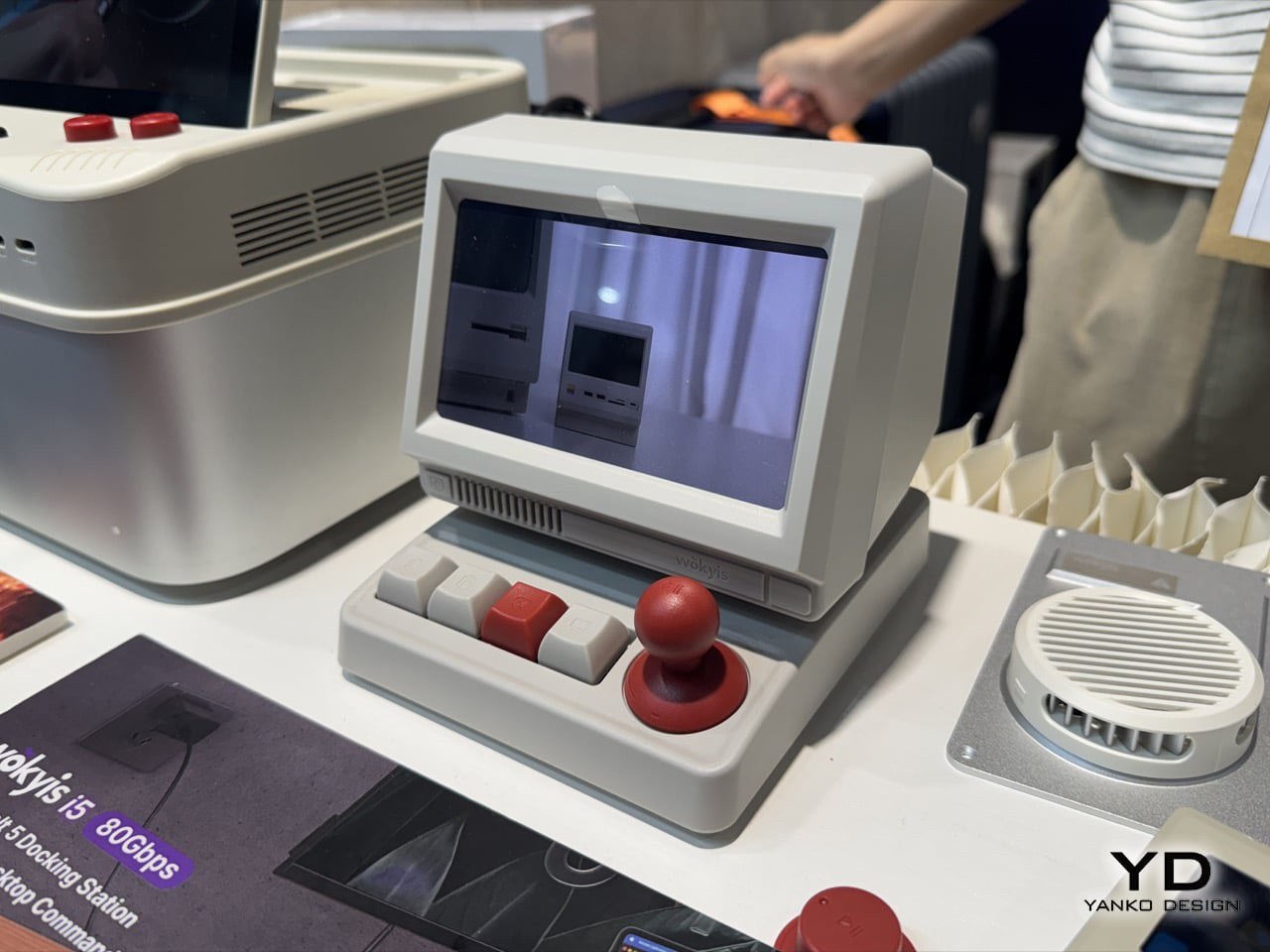
Wokyis has launched the i5, a desktop docking station styled after a classic vintage Macintosh. It integrates a 5-inch secondary monitor, mechanical shortcut buttons, and an internal SSD enclosure to replace sterile aluminum hubs with practical desk aesthetics.
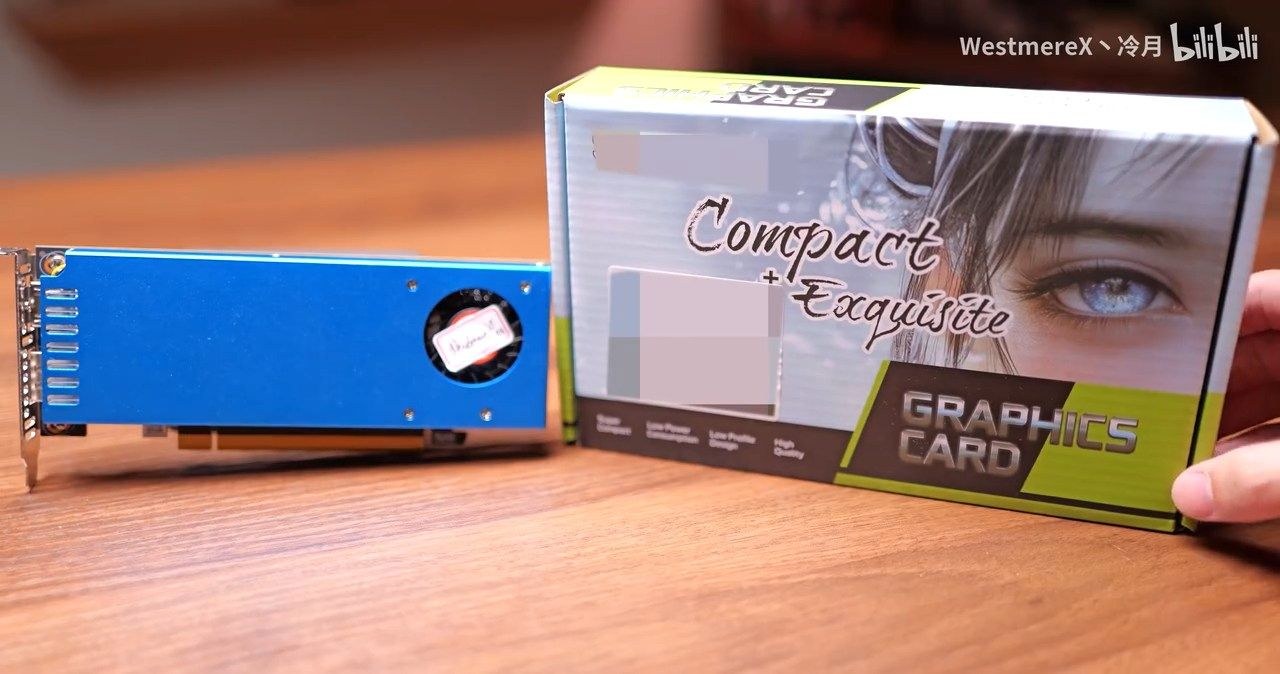
A Chinese modder turned an Nvidia RTX 3060 into a phone-sized, single-slot card pulling just 75W without external power cables. Tests reveal that severe thermal throttling and missing VRAM cooling pads drop its performance below older budget cards like the GTX 1060.
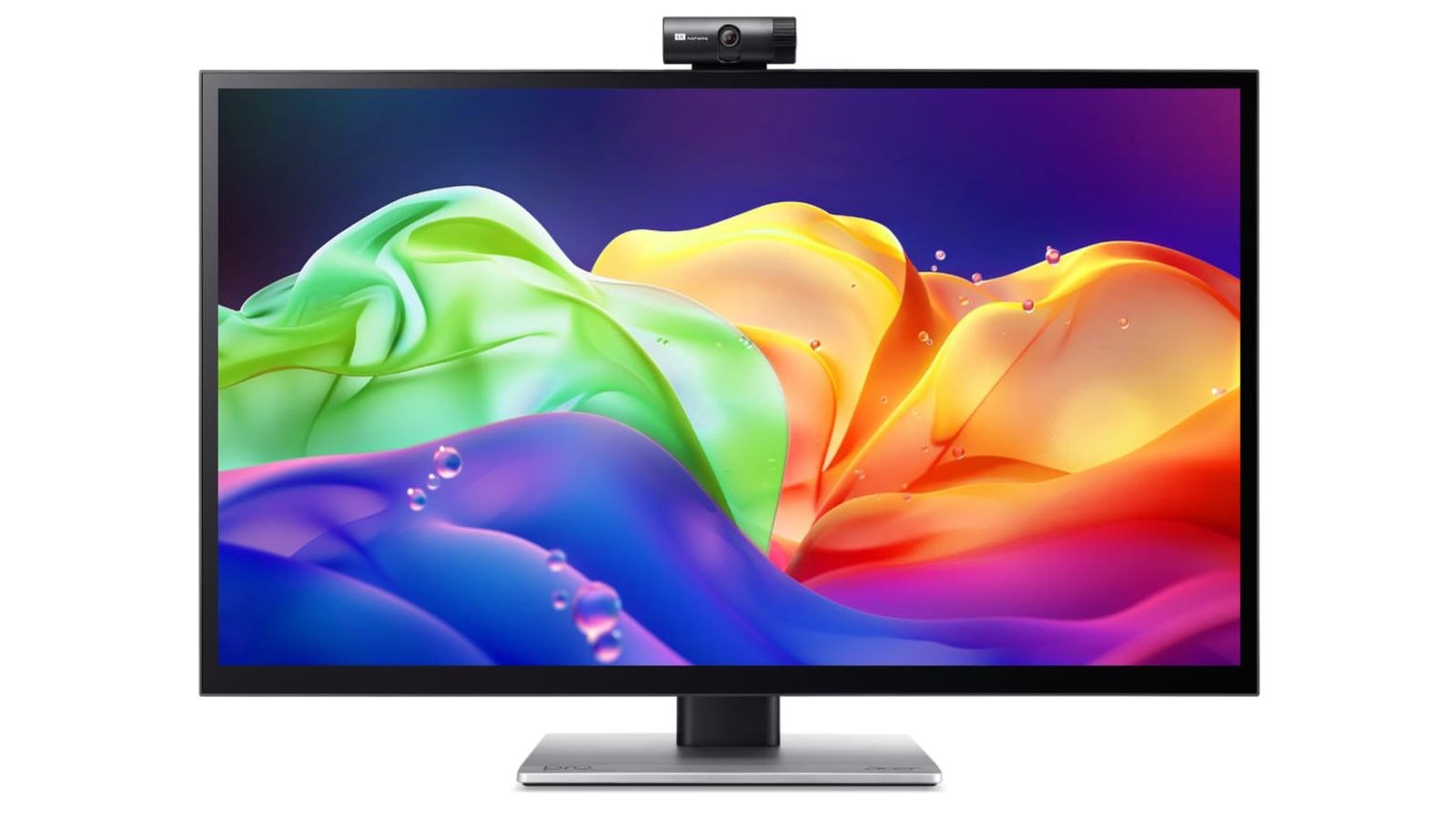
Acer built a 31.5-inch 6K touchscreen monitor meant for digital artists, but it comes wrapped in a bulky 2006-era chassis. Between dim 400-nit backlighting and clumsy macOS touch workarounds, everyday desk life with this giant display involves serious compromises.
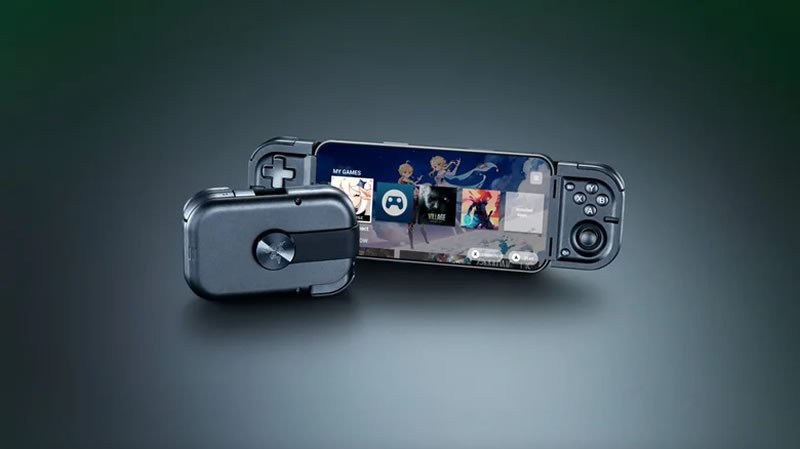
Ultra-compact folding controllers solve the problem of bulky mobile gaming gear by easily slipping into a pocket. However, shallow thumbstick travel, flat triggers, and fragile hinges create major hurdles for competitive shooter players.

A hardware hobbyist built a pocket-sized 20-watt laser lighter using off-the-shelf industrial diodes and basic hand tools. While it effortlessly sets paper ablaze, the complete absence of safety interlocks makes it far more hazardous than practical.
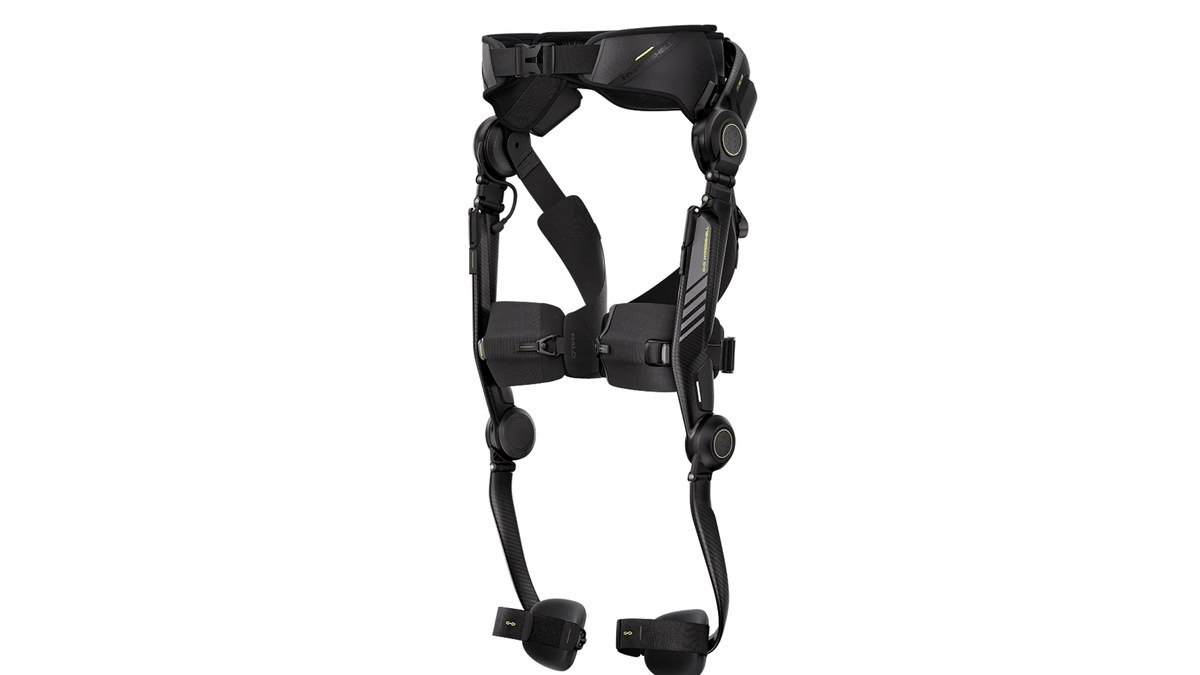
Hypershell unveiled the Halo, an active carbon-titanium exoskeleton that powers both hip and knee joints to cut muscle fatigue by up to 40%. It turns wearable robotics into practical field gear for hikers and heavy-load workers, provided the premium price tag fits the workload.
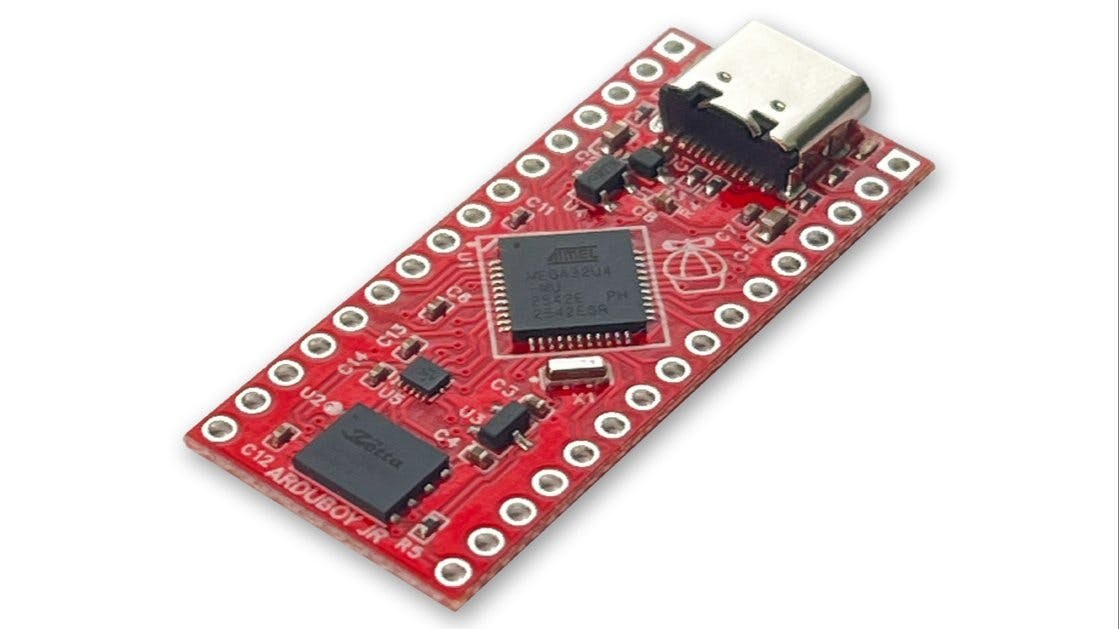
Arduboy released the Arduboy Jr for $29, offering a pre-loaded bare circuit board with 300 indie games. Buyers must solder their own screen, buttons, and battery to create a custom handheld.
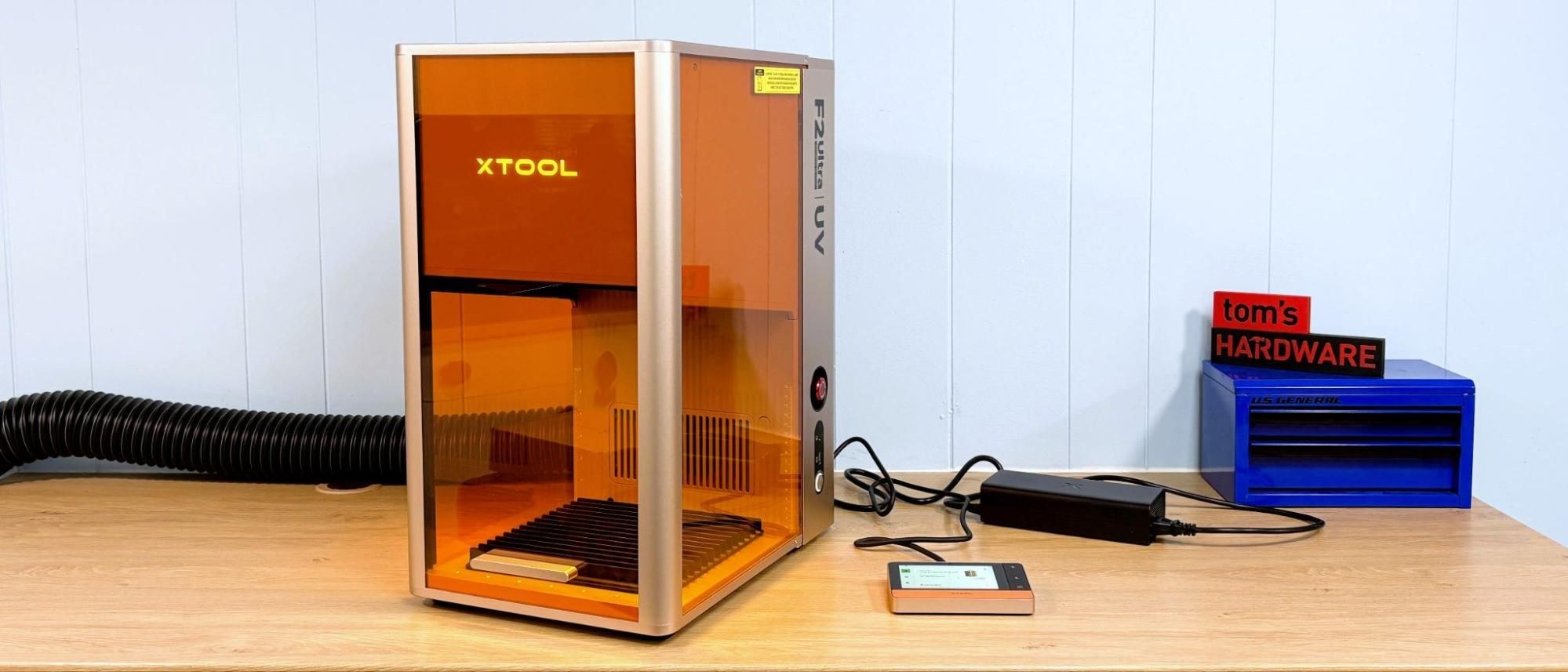
xTool has released the F2 Ultra UV, a galvanometer laser engraver that uses a 355 nm wavelength to cut materials through cold photochemical reactions instead of heat. Operating at speeds up to 15,000 mm/s, the machine eliminates soot and scorch marks on wood and glass. At $4,299, it offers commercial craft studios an industrial-grade alternative to traditional diode and CO2 lasers.
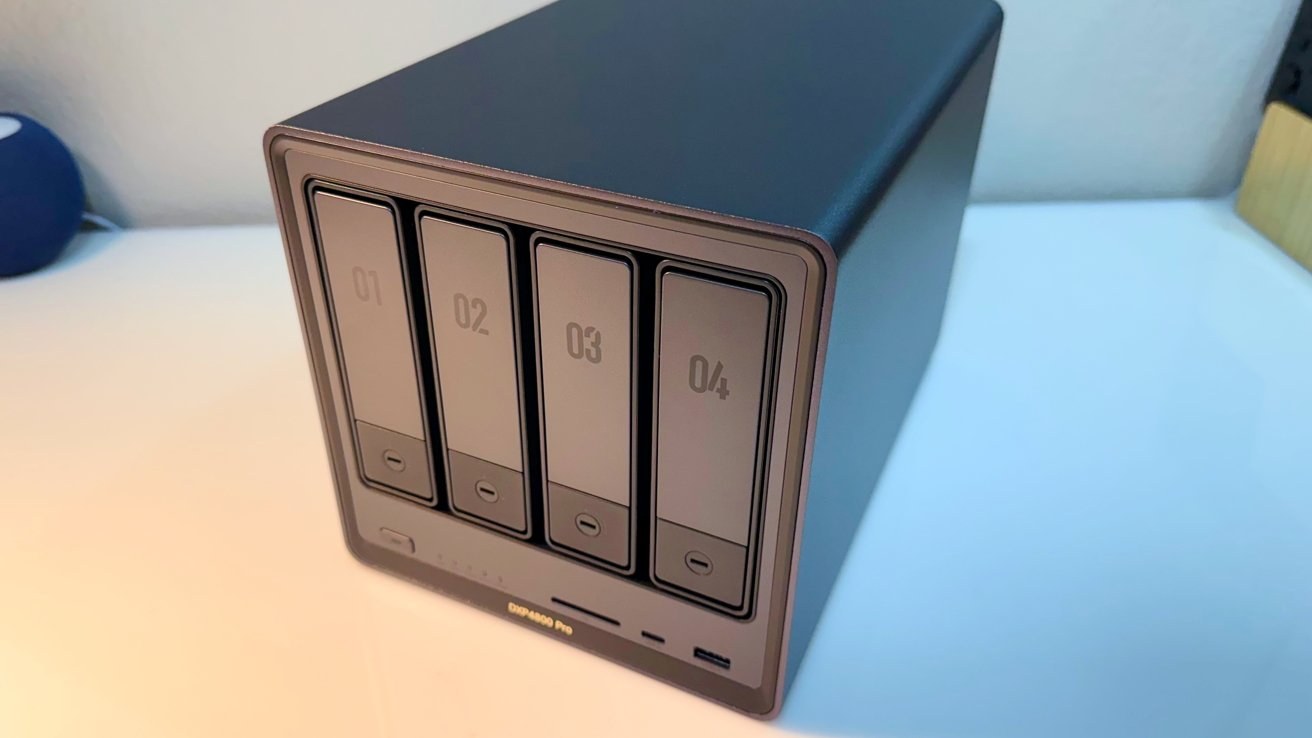
UGreen has released the NASync DXP4800 Pro, packing a six-core Intel processor and 10GbE networking into a $680 four-bay enclosure. It delivers an easy-to-manage private cloud alternative for creative pros and heavy data users, though drive costs can quickly multiply the final price tag.
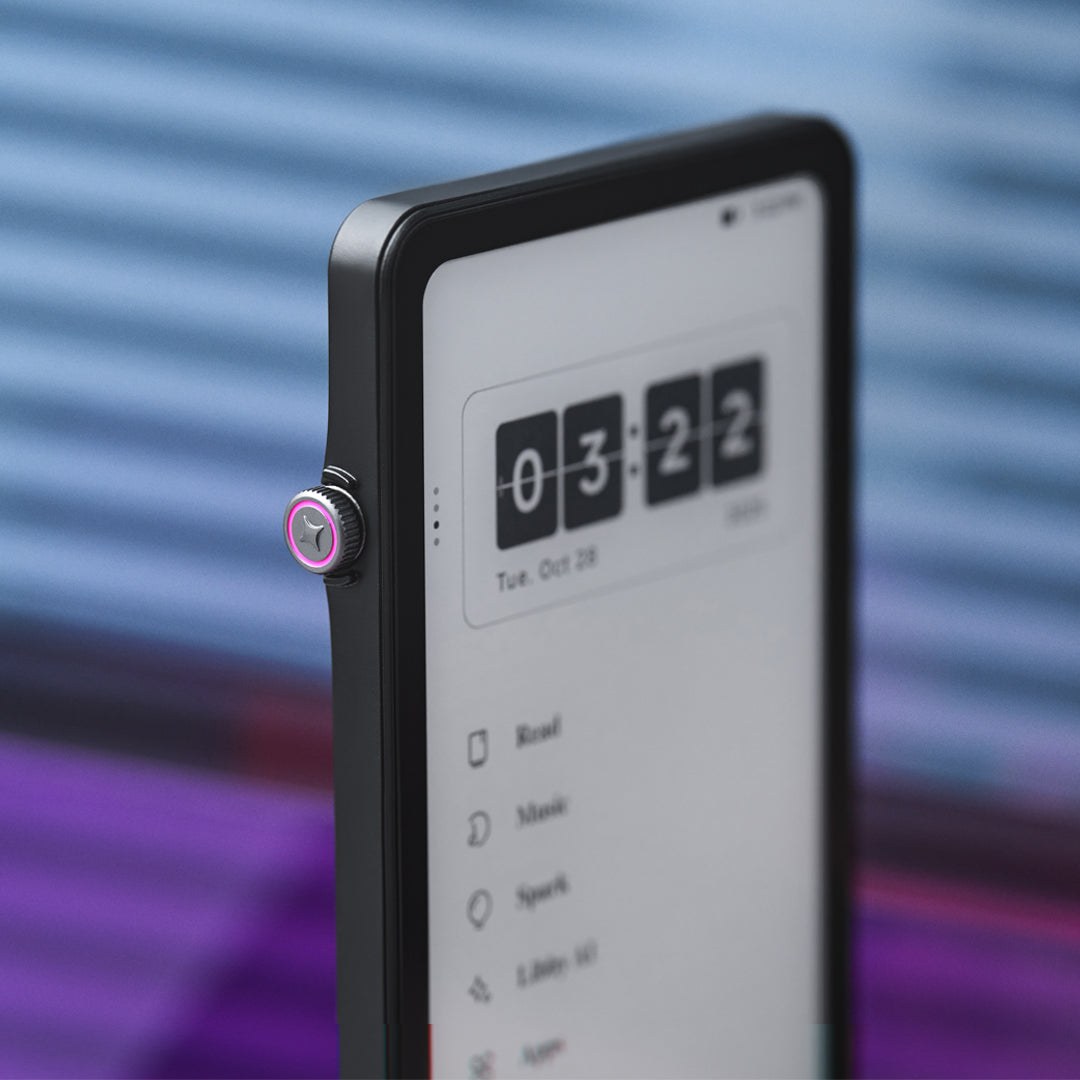
DuRoBo has launched the Krono, a phone-sized E Ink reader running full Android with a hardware scroll dial for $280. While the ultraportable form factor and battery life impress, sluggish screen refreshes and the lack of cellular support make it an expensive niche device.
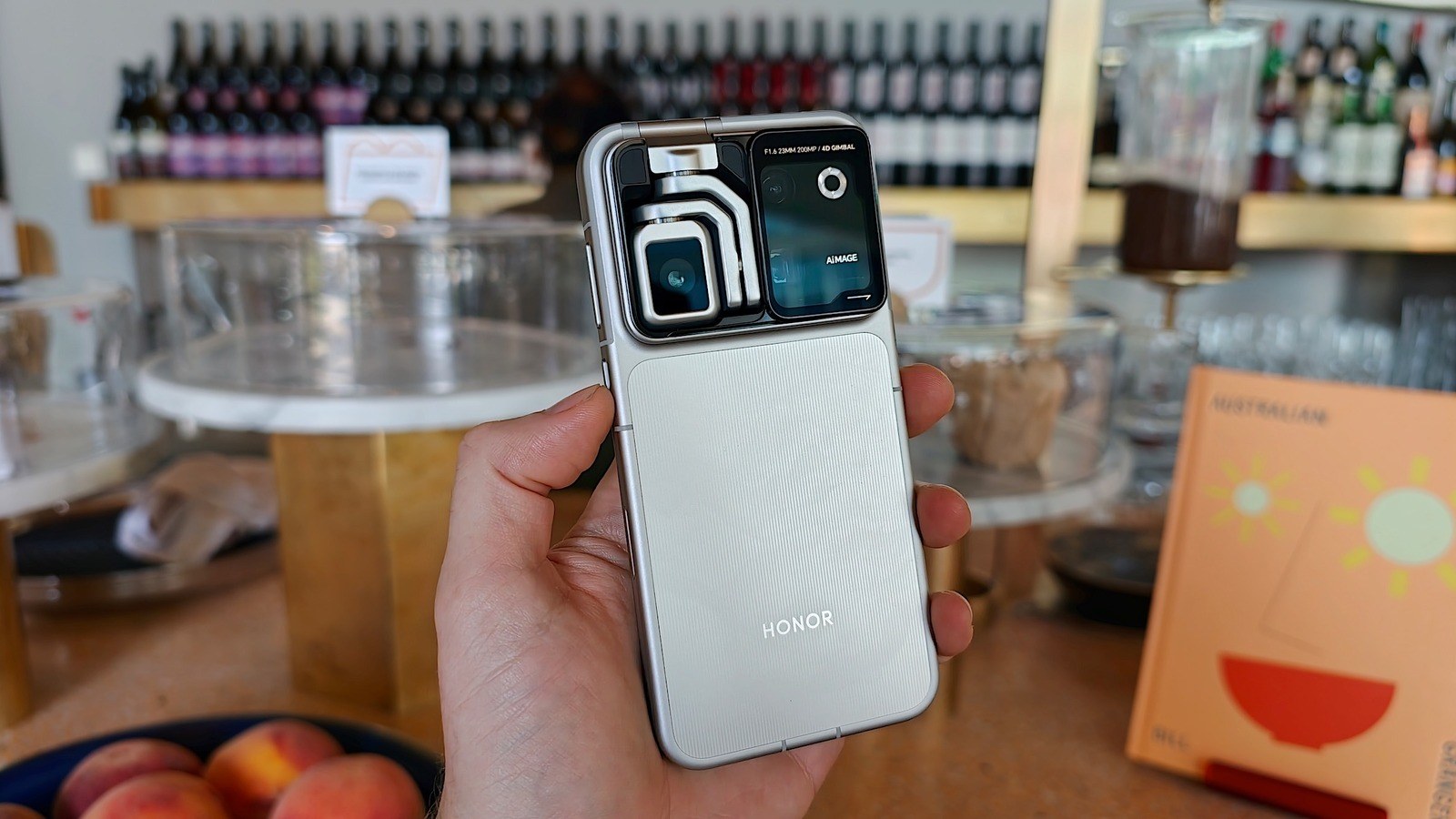
Honor engineered a functional three-axis motorized stabilizer directly into the rear chassis of its new experimental flagship. While mechanical horizon leveling delivers remarkably smooth footage, manual deployment and fragile moving parts limit its daily practicality.

Budget smart padlocks with fingerprint scanners promise keyless security for under $30. Teardowns reveal that weak alloy casings and loose shackle tolerances can be bypassed with paperclips and screwdrivers in seconds.
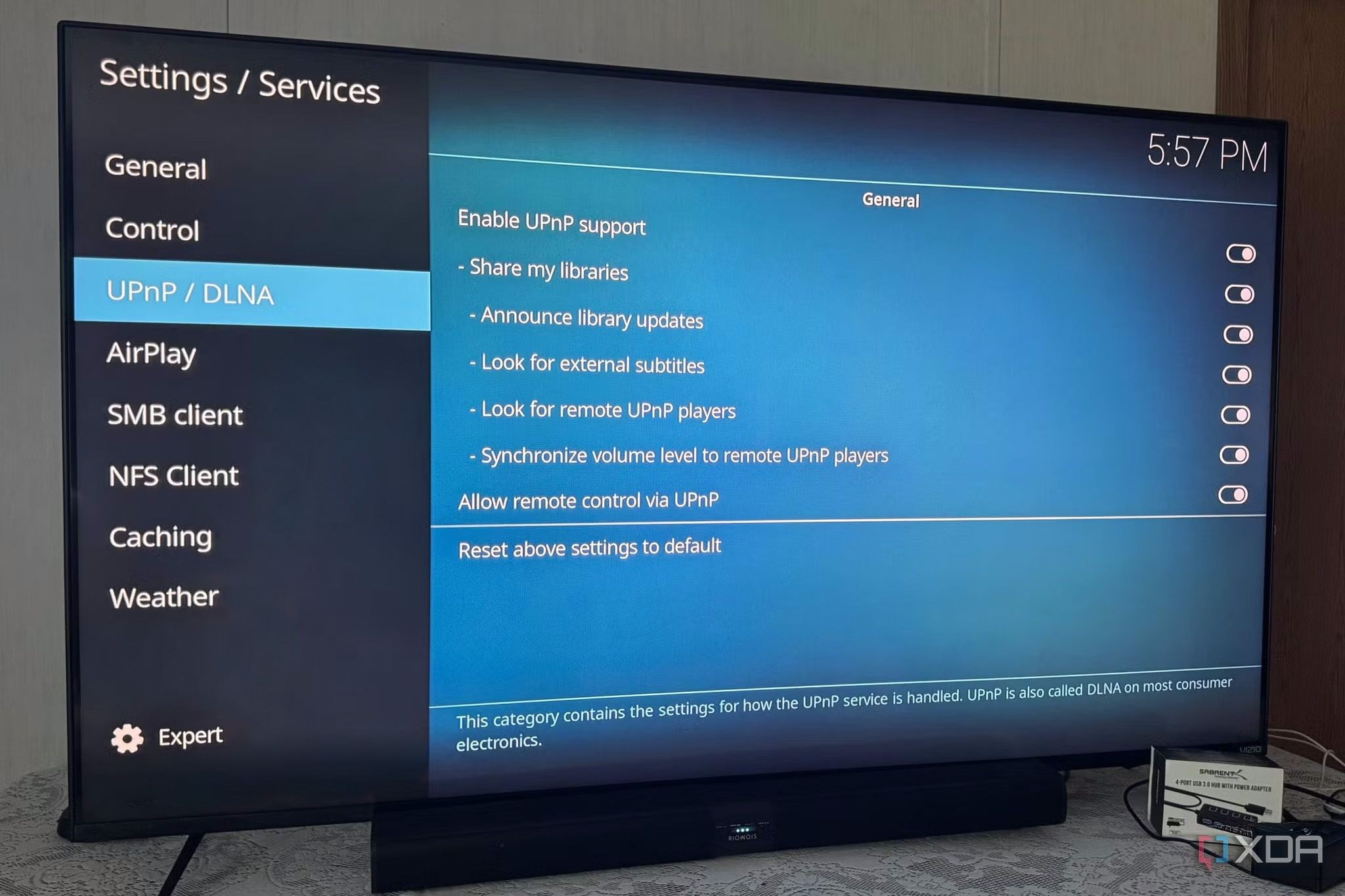
Repurposing the budget Onn 4K Pro into a self-hosted media server sounds like an affordable hack, but physical bottlenecks quickly derail the project. Underpowered USB ports, dropped 4K frames, and Android TV permission bugs make dedicated hardware the only practical choice.
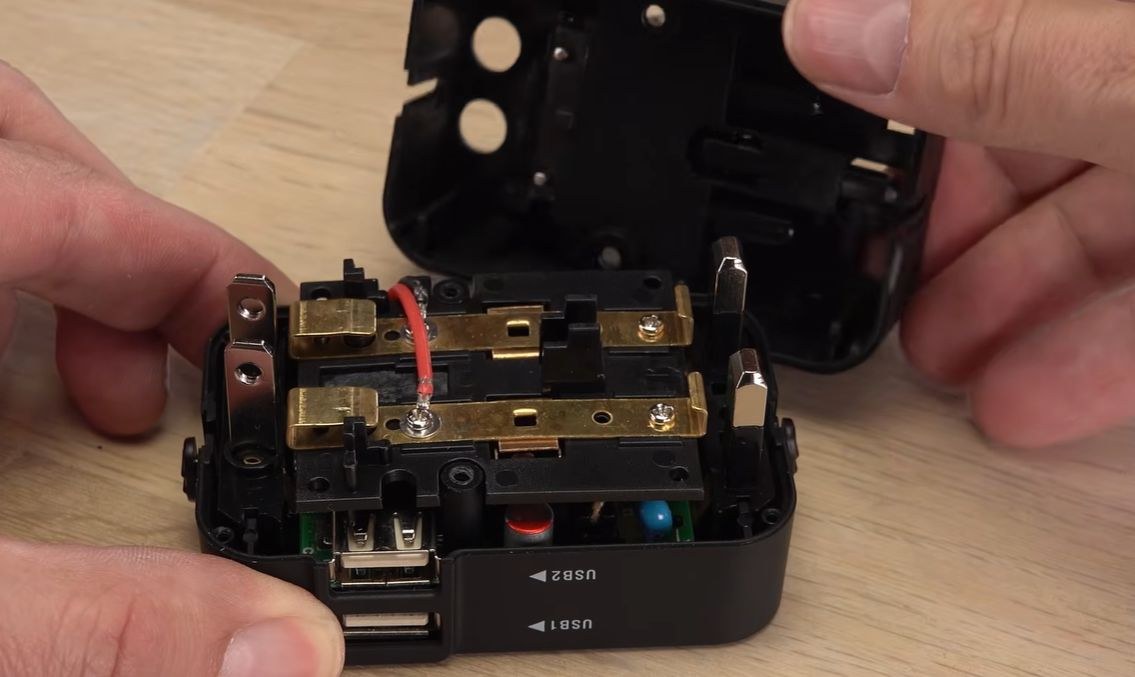
A hardware dissection of a generic $9 travel plug revealed that all sliding prongs share unisolated parallel wiring. Plugging the unit into mains voltage leaves unused pins fully energized, turning cheap all-in-one chargers into severe shock hazards.

Vastarmor has launched the first low-profile Radeon RX 9060 XT graphics card capable of driving modern games at 1440p. Independent testing shows it maintains playable frame rates in a tiny 4.5-liter case while capping temperatures at a modest 60°C. For builders targeting console-sized PC setups, it provides a capable alternative to full-sized desktop hardware.
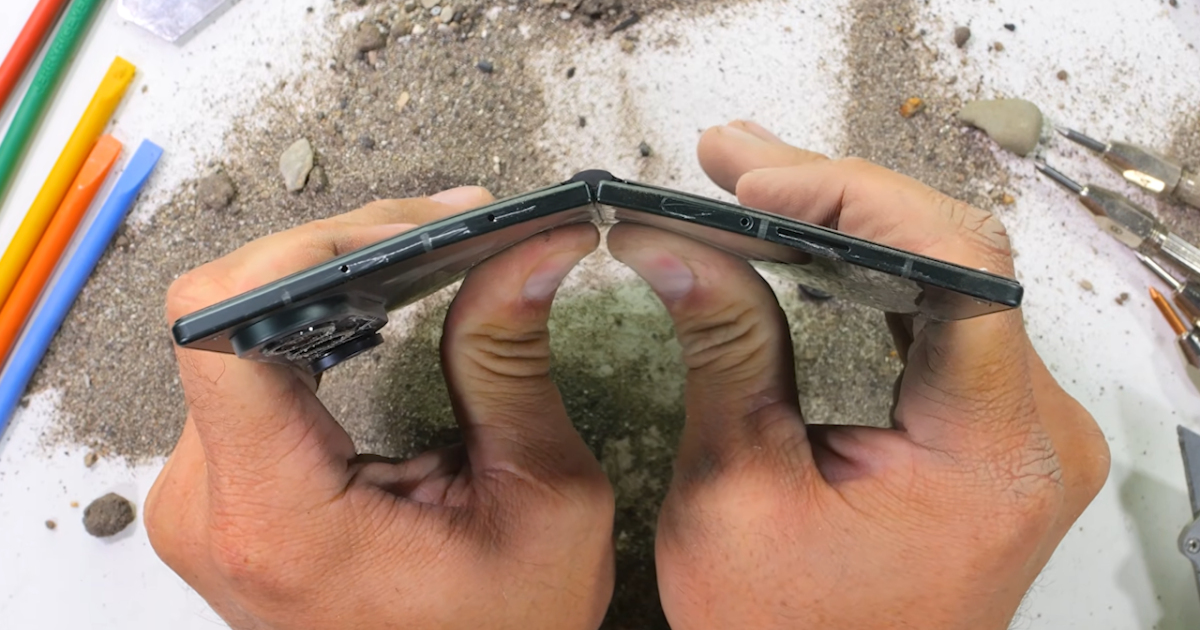
JerryRigEverything put Samsung's flagship foldable through extreme scratch and bend testing. The inner screen remains prone to fingernail dents, and aggressive reverse flexing snaps the chassis entirely.
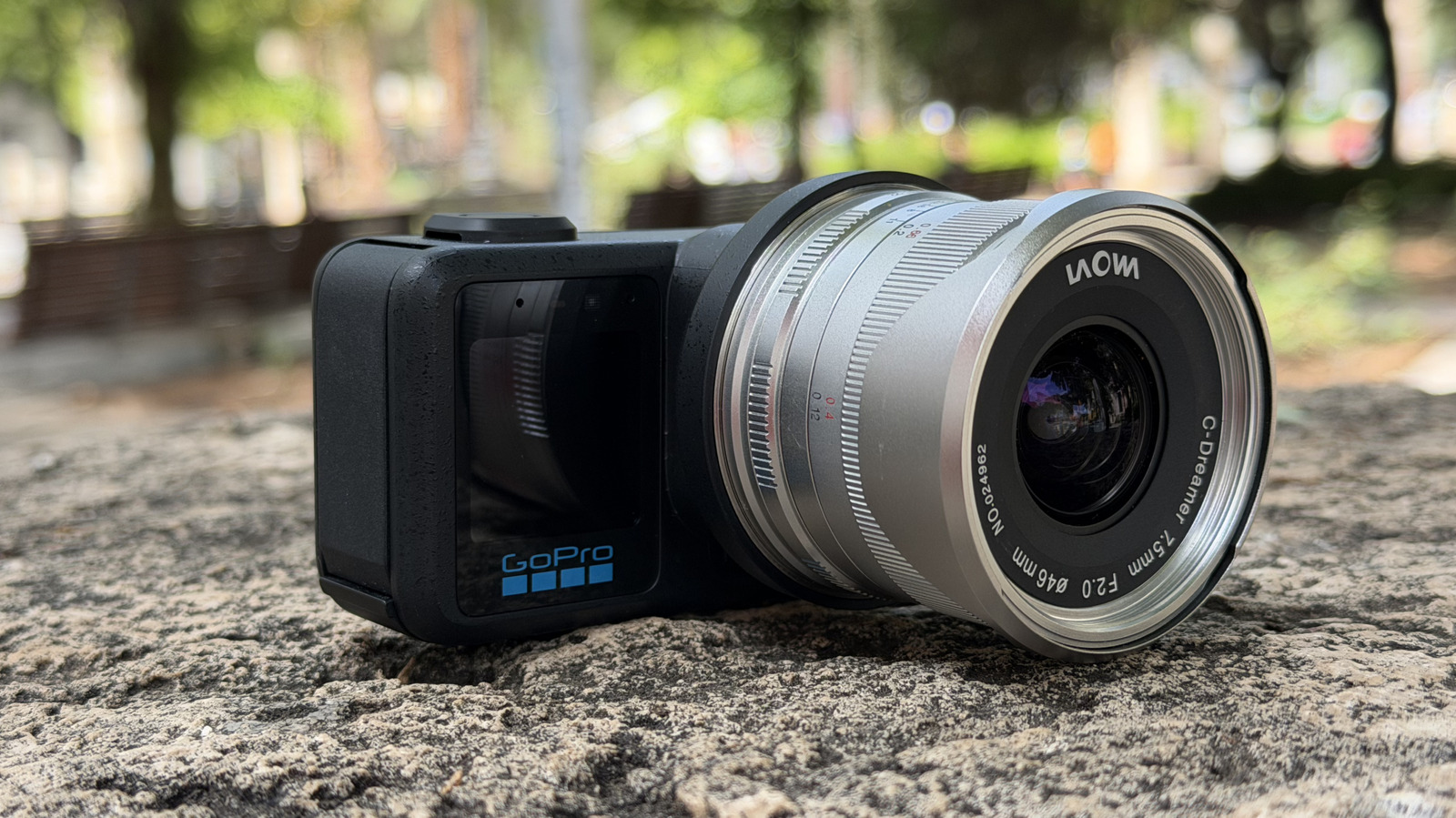
The Mission 1 Pro ILS trades GoPro's signature durability for an open Micro Four Thirds lens mount, 8K video, and a 1-inch sensor. Without weather sealing or autofocus pins, standard adventure shooters get zero convenience while manual rig builders gain a tiny cinema box. Everyday buyers should stick to standard Hero models.
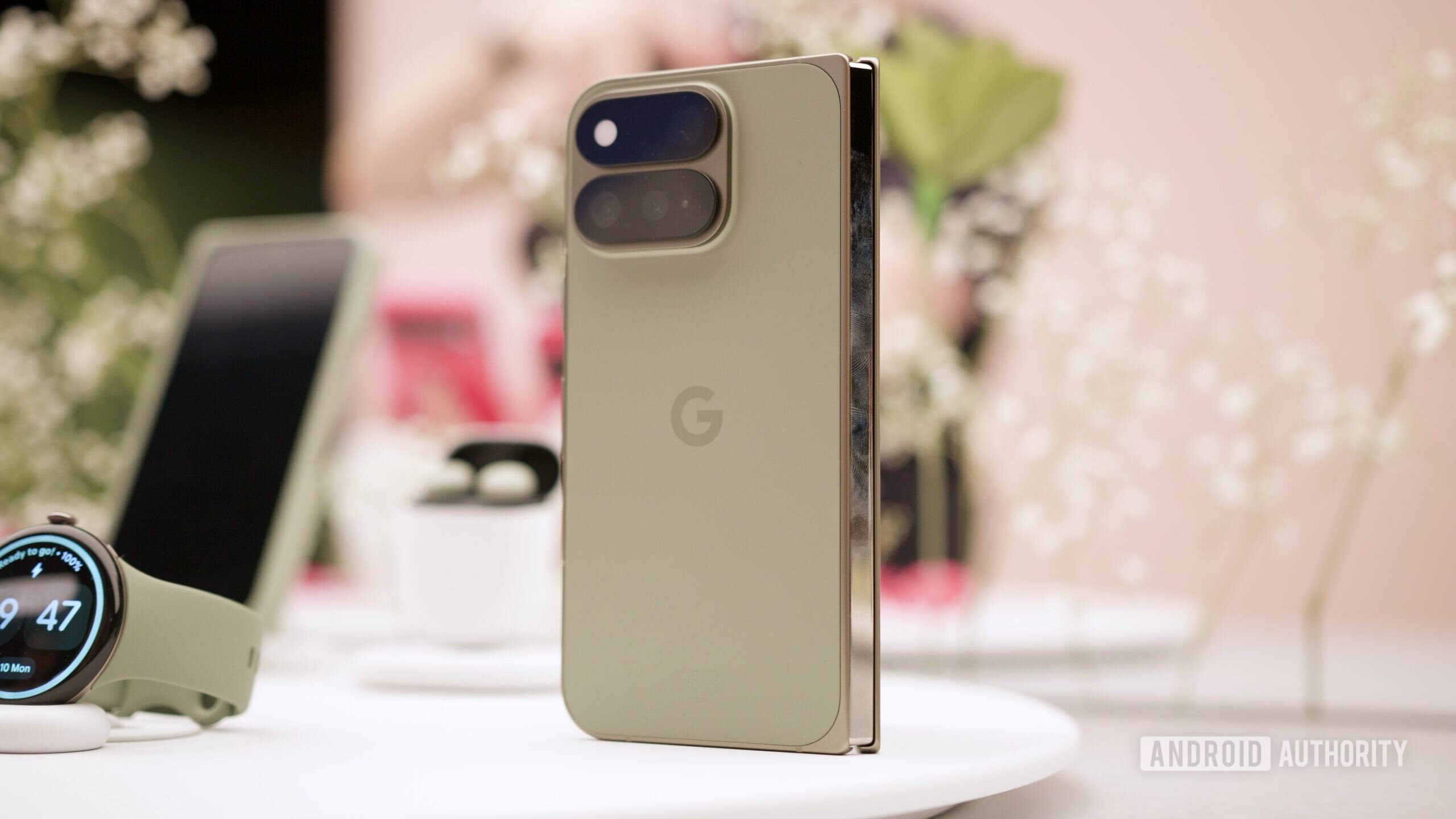
JerryRigEverything stress tests reveal that Google's latest foldable cracks along the hinge antenna lines under reverse pressure, repeating a hardware flaw seen across four generations. Despite marketed structural upgrades, everyday pocket strain risks unrepairable frame and screen damage for buyers.
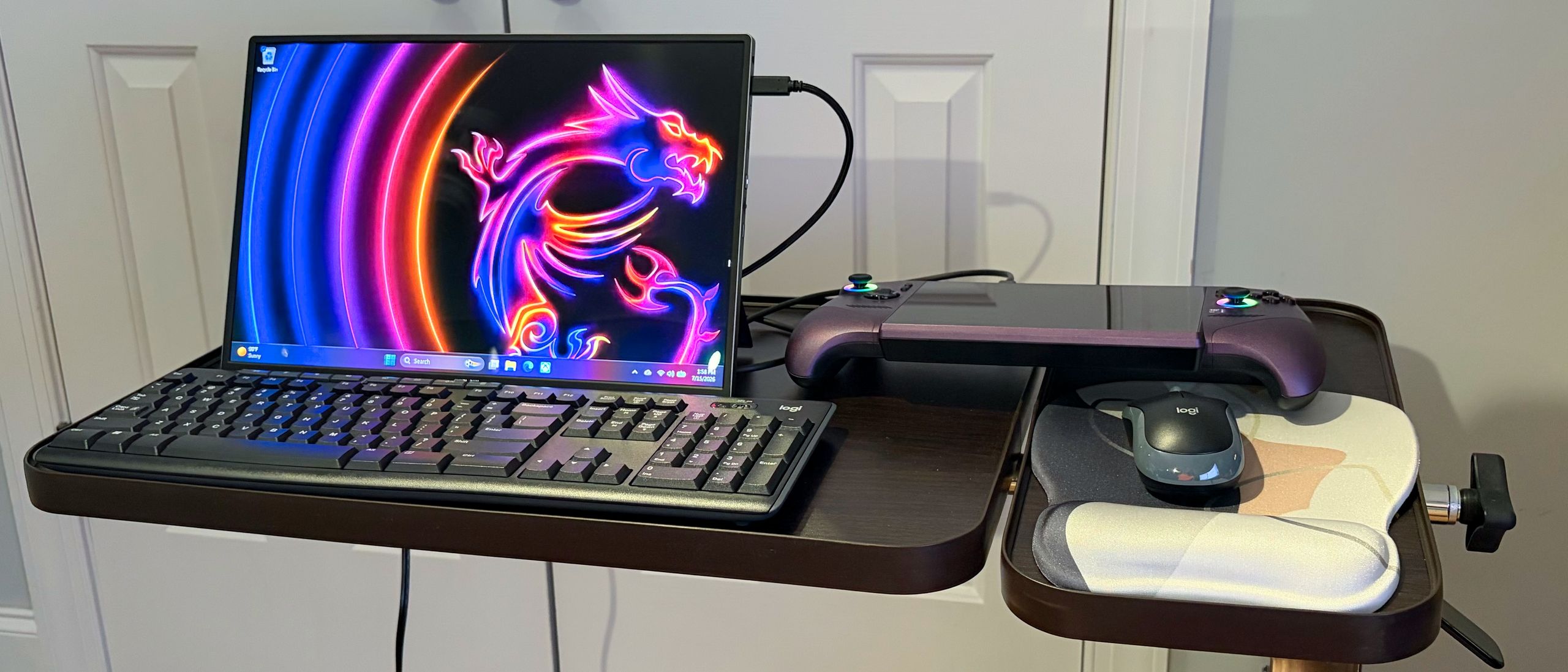
Asus launched the ZenScreen OLED MQ16FC, fitting a 16.1-inch FHD+ panel into an aluminum travel chassis for under $300. The display delivers deep blacks and versatile kickstand angles for remote setups, though limited brightness makes direct sunlight a challenge.
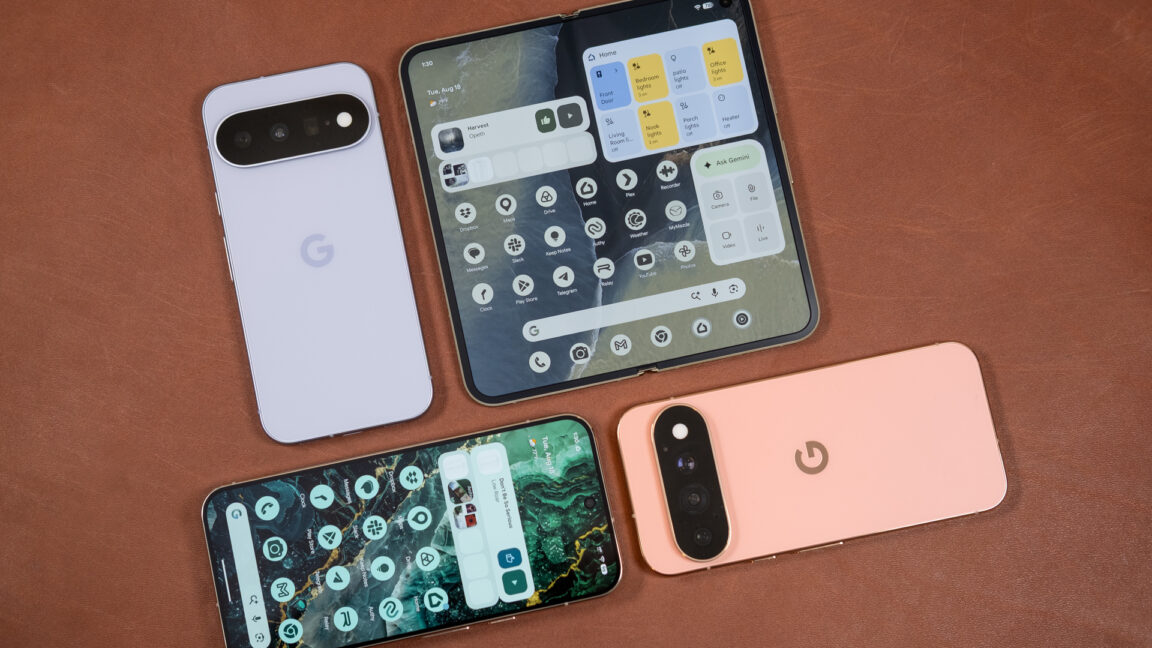
Google launched the Pixel 11 lineup starting at $899 with the Tensor G6 chip, but physical modifications remain microscopic across the roster. Owners of recent predecessors gain virtually no daily ergonomic advantage or performance leap to justify the upgrade cost.