
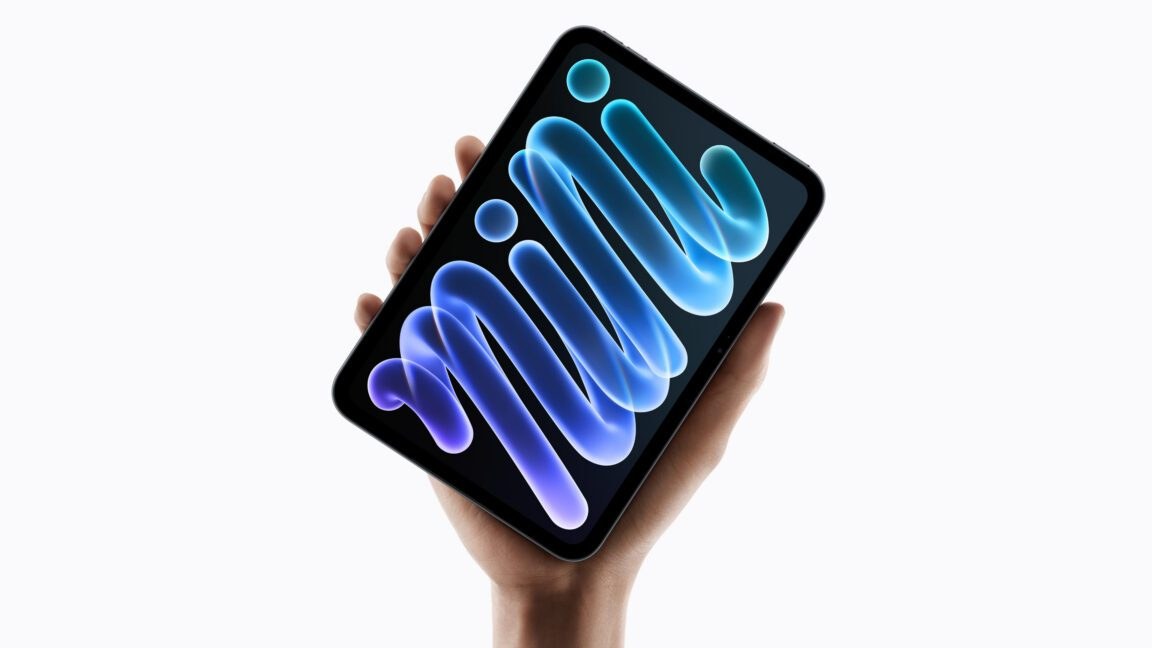
 tarting at $699, the 8th-gen iPad mini price has gone up, making a small handheld tablet cost more than an entry-level laptop. You might look at that price tag and wonder if Apple has lost its mind or if this tiny screen is suddenly made of solid gold.
Apple moves its smallest tablet into the luxury tier for anyone willing to pay top dollar for serious power in a pocket-sized body. Does a compact Apple tablet with a questionable processor for this format and an OLED screen really justify almost seven hundred dollars? We are about to find out if this steep price makes any sense for your daily routine.
The OLED screen and the A20 Pro chip
Apple says the refreshed 8th-gen iPad mini marks the most significant update ever for its petite tablet, featuring an OLED screen and the A20 Pro chip that we first saw in the iPhone 18 Pro and iPhone Duo. The previous model had a 3-nanometer A17 Pro chip, which was already a year old when it appeared in the iPad mini. In the iPhone 18 Pro, we found the A20 Pro significantly improved graphics performance thanks in part to a 50 percent increase in memory bandwidth. This means the tablet runs heavier apps and games much smoother without choking on demanding tasks.
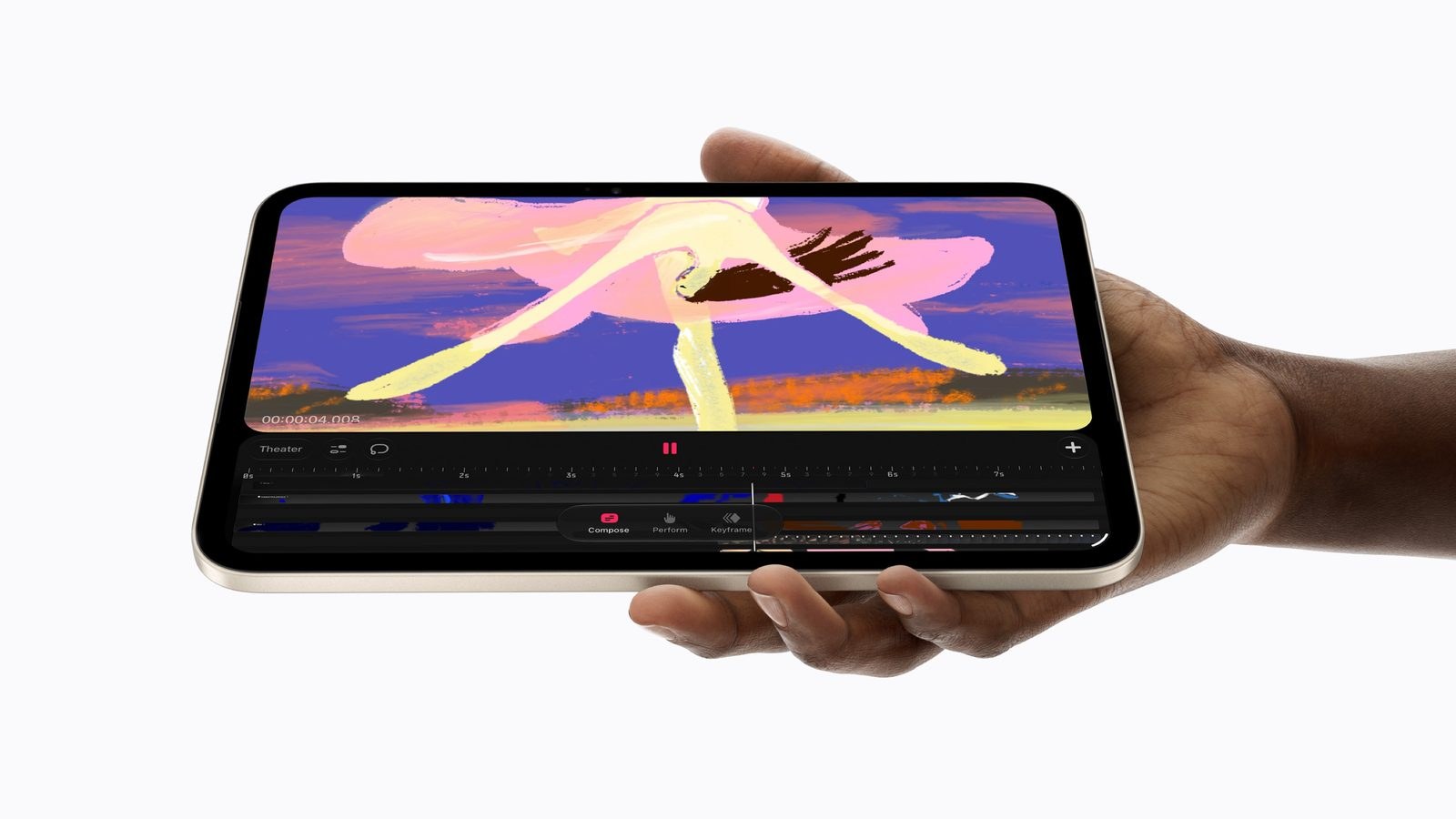
Apple says the refreshed 8th-gen iPad mini marks the most significant update ever for its petite tablet, featuring an OLED screen and the A20 Pro chip that we first saw in the iPhone 18 Pro and iPhone Duo.
As for the screen itself, the 8.5-inch Super Retina XDR display—up from 8.3 inches—leaves behind the IPS technology of the previous generation to adopt OLED. That swap brings deep blacks and a much higher peak brightness of 1,200 nits, compared to just 500 nits on the old mini. It can also dial down to 1 nit for comfortable viewing in a dark room, and there is an optional nano-textured matte glass finish. The new tablet keeps roughly the same physical footprint as the 2024 model, but the display area is slightly larger thanks to a 24 percent reduction in bezel thickness. It is also almost a full millimeter thinner than its predecessor, measuring just 5.4 mm.
Water resistance and the real-world trade-off
For durability, the chassis now carries an IP67 rating for water and dust protection. The previous iPad mini lacked any official ingress rating, meaning using it near a kitchen sink or in a dusty workshop meant crossing your fingers. Now you get actual protection against accidental splashes.
Yet paying $699 for a screen you hold in one hand raises a tough question about everyday value. If you only read books and watch videos on your commute, the raw speed of the A20 Pro chip is completely wasted on you. You are paying laptop prices for a screen that fits in your jacket pocket, while cheaper options handle casual browsing just fine. That raw power makes sense only if you edit video on the go or push mobile games to their absolute limits—making this a luxury device for very specific workflows rather than a sensible upgrade for most readers.
Editorial analysis
We have written about this before: September 9 — the opening bid starts at a steep $2,000 for a 256GB base model, stretching all the way to roughly $3,000 for a 2TB tier. A $699 starting price tag puts this compact tablet uncomfortably close to full-sized laptops, showing how aggressively hardware tiers are shifting. When Apple unveiled a foldable device starting at an eye-watering $2,000 in early autumn, we reported on the massive pricing gap across the line. Pocket-sized devices are no longer entry-level options, turning portable screens into premium hardware. That $699 entry fee makes a miniature tablet harder to justify against traditional computing setups.
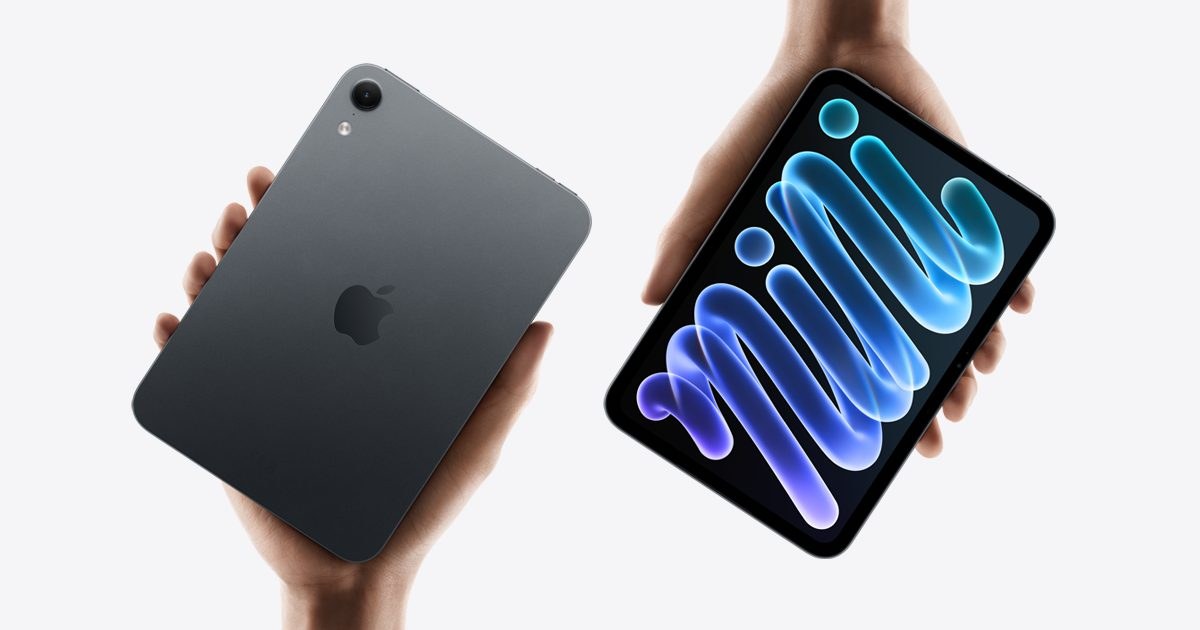
We covered this: September 9