
#Tablets
13 stories on this topic, newest first.

The new Kaleido 4 color e-paper panels finally speed up page turns and boost contrast by 50 percent, making graphics and documents actually readable. Hanvon Technology is launching the global debut in its M10C II notebook, though missing price tags mean

OPPO's 8.8-inch tablet combines an anti-glare matte OLED display with a 9.95-ounce metal body and Snapdragon 8 Gen 5 performance. It offers a practical alternative for commuters and readers tired of glossy screens acting as mirrors.

OneXPlayer has built the Super X Pro, a 2-in-1 tablet housing an AMD Ryzen AI MAX+ 495 processor and up to 192GB of unified memory. While it matches workstation performance, reaching its 120W peak requires an external liquid-cooling dock that is sold separately.

Repurposing old tablets for smart home dashboards leads to bloated hardware, swollen batteries, and endless reboots. We test a dedicated 10.1-inch panel running on a lightweight chip to see if it fixes the problem.
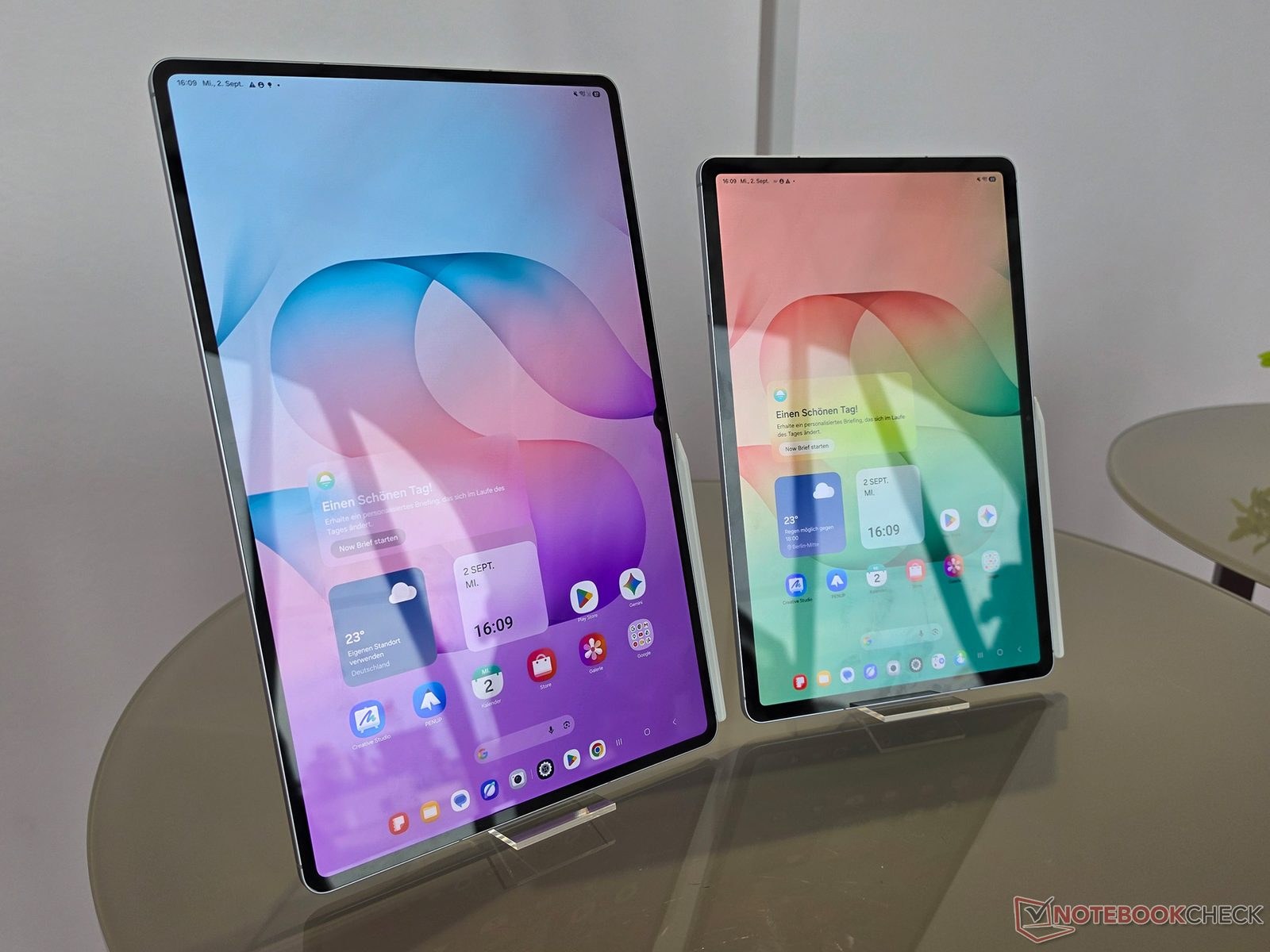
Samsung unveils the 5.1mm-thin Galaxy Tab S12 Ultra and S12+, replacing familiar Qualcomm chips with MediaTek processors. These premium Android slates pack massive screens, up to 16GB of RAM, and hefty price tags.

Huawei's new 509-gram tablet delivers flagship hardware and a stunning display, but relies on a restricted operating system that struggles to replace a traditional office machine. European buyers face a steep €799 entry price for the base configuration.
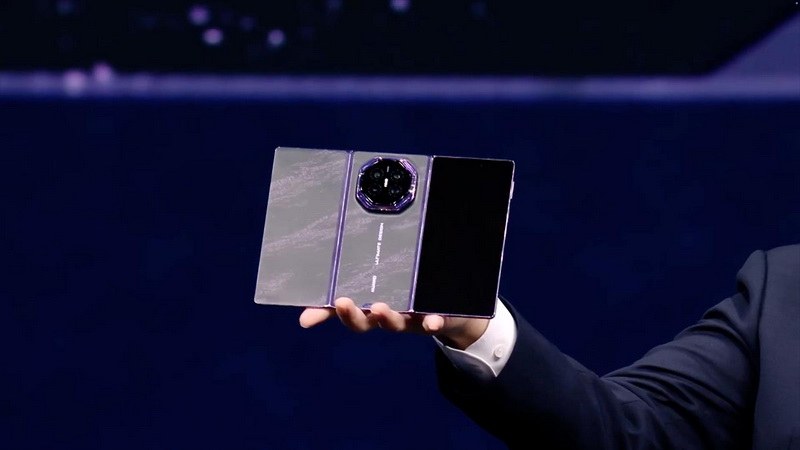
Tri-fold phones pack a 10.2-inch tablet into your pocket, but their mechanical complexity introduces real-world headaches. Dual hinges and fragile flexible displays demand two hands and carry astronomical repair costs. For mainstream buyers, paying a massive premium for a second crease yields very little practical utility.
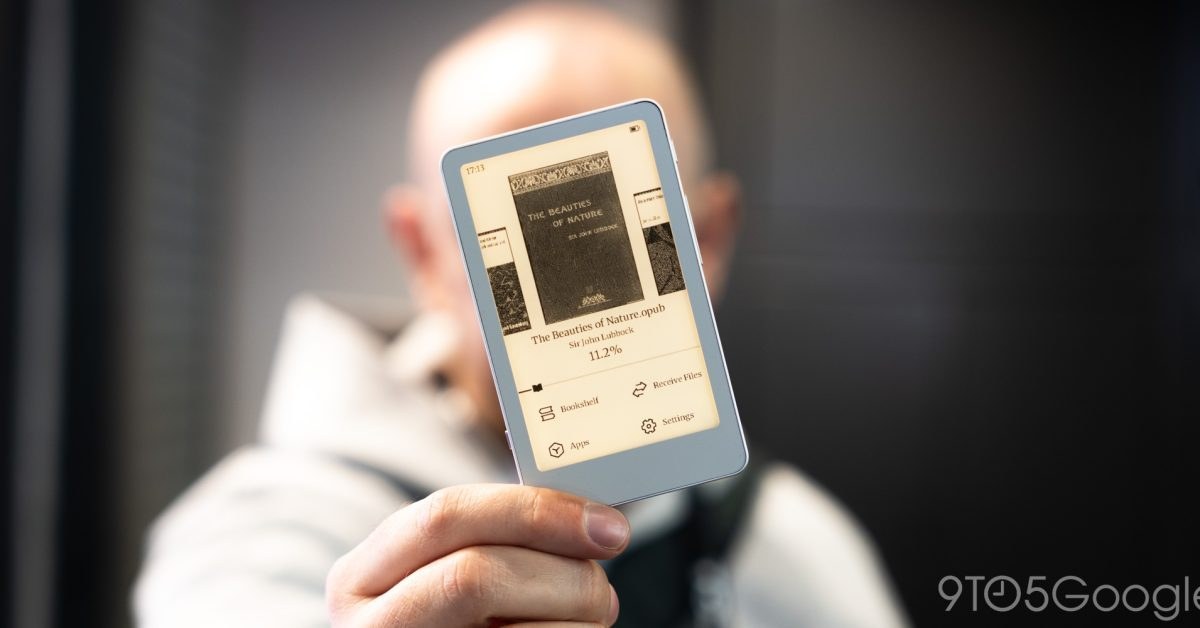
Scheduled for release in November 2026, the 4-inch Boox Picco prototype trades open Android software for a closed operating system to hit a projected $100 price. Buyers lose access to the Kindle app and Google Play, trading app flexibility for physical page turners and extreme portability.

XTEINK has launched the 68-gram X4 Classic e-reader for $79, stripping out touchscreens and backlighting in favor of physical buttons and a glare-free panel. Running on an ESP32 chip with a 920 mAh battery, it offers a distraction-free pocket device for dedicated readers who want to escape smartphone notifications.
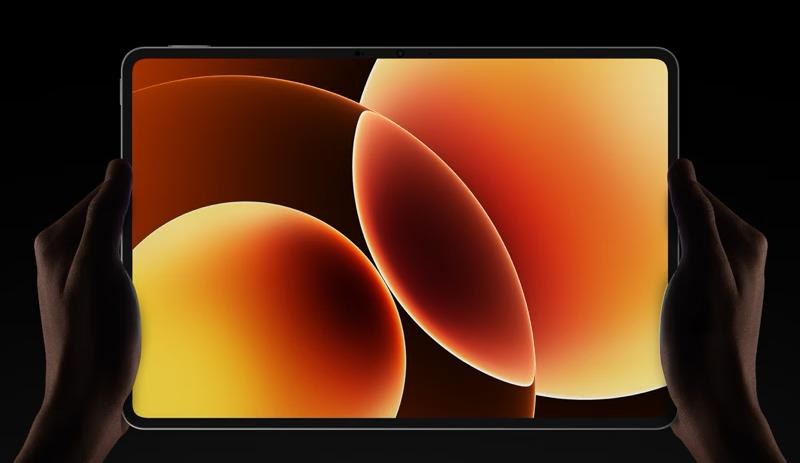
Xiaomi has launched the Pad 9 Pro Max featuring a dedicated USB-C DisplayPort video input alongside a 13.3-inch 3.4K display. The tablet functions as a zero-latency secondary screen for laptops and consoles, eliminating the need for standalone portable monitors.

Meta upgraded WhatsApp account security with support for multiple hardware passkeys and complex alphanumeric passwords. Cross-platform users can now sign in using device biometrics on both iOS and Android while blocking SIM-swap fraud.

An attempt to convert a cheap Amazon Fire HD 10 into an always-on smart home dashboard triggered automatic daily shutdowns enforced by locked system software. Bypassing the restricted bootrom required $266.15 spent across frontier AI models, turning a budget slate into a $380 lesson on vendor lock-in.
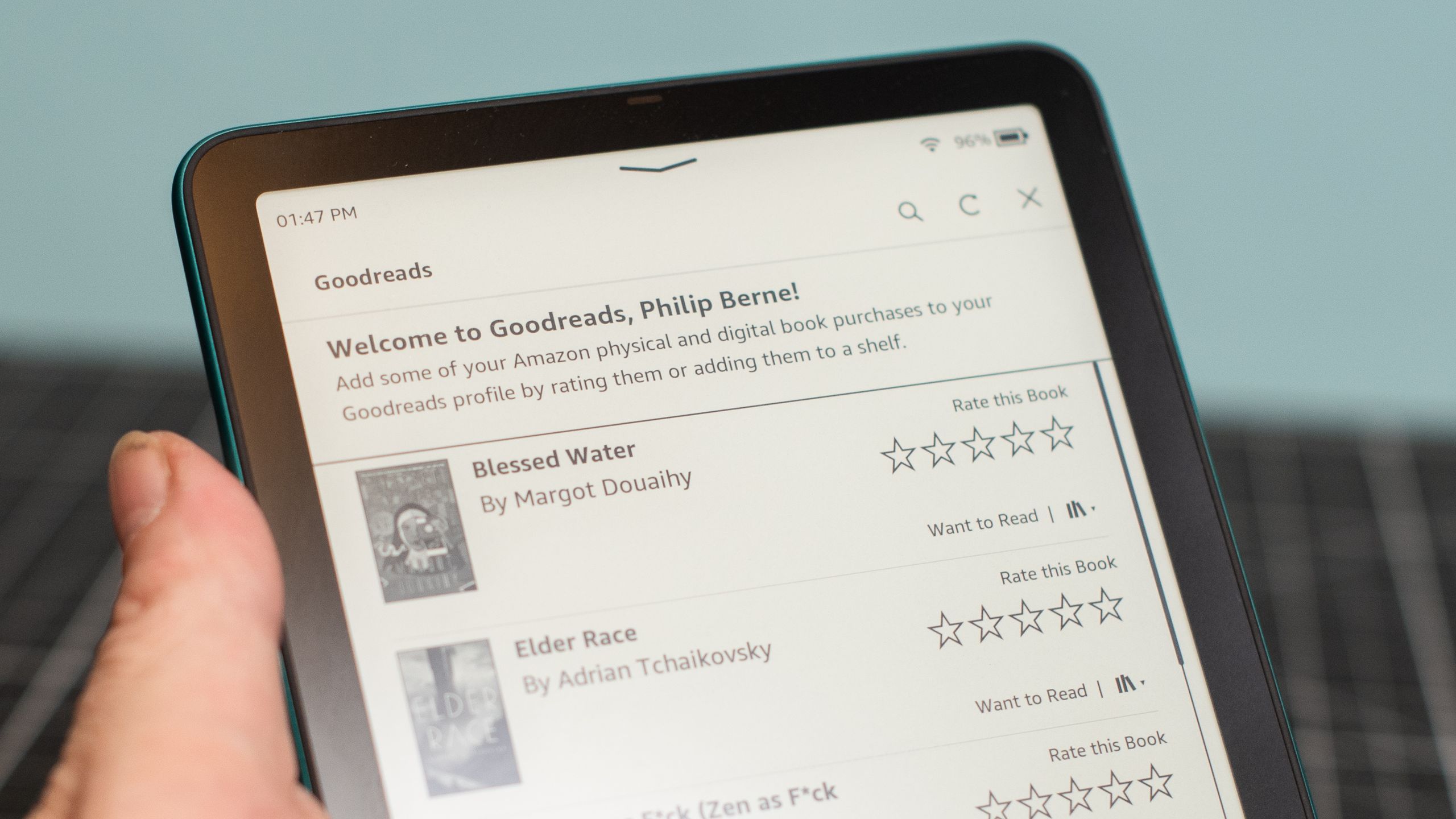
Amazon quietly pushed price increases of up to 60% across its Kindle lineup and smart devices, blaming surging memory component expenses. The markup dismantles the retail giant's entry-level subsidy model, leaving basic monochrome e-readers vulnerable to open-format competitors like Kobo and Onyx Boox.