
#DIY and Workshop
18 stories on this topic, newest first.
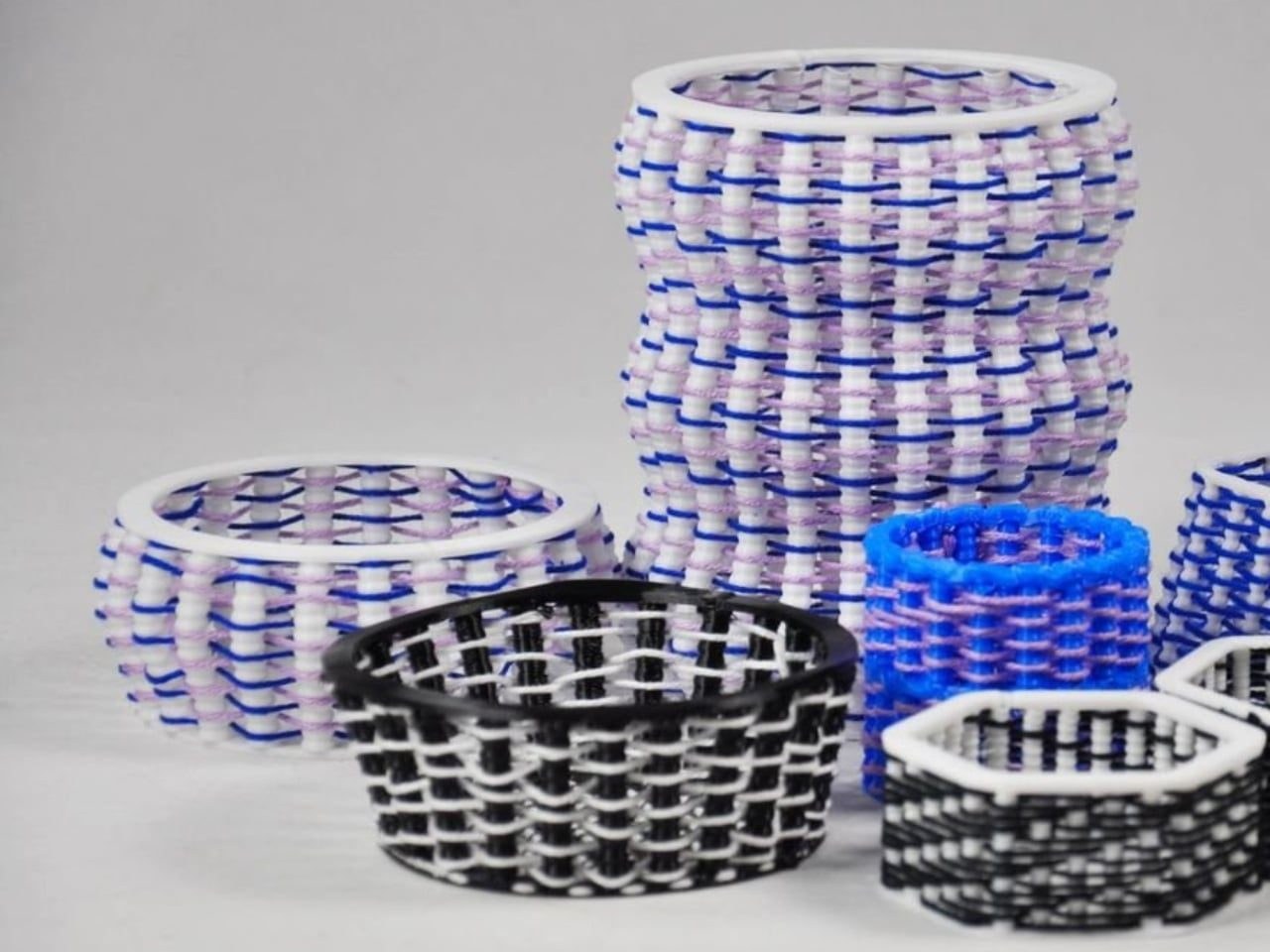
TU Delft graduate Joram de Haas developed FilaLoom, an open-source attachment for the Bambu Lab A1 that lets a desktop 3D printer automatically weave colorful yarn into rigid plastic objects.
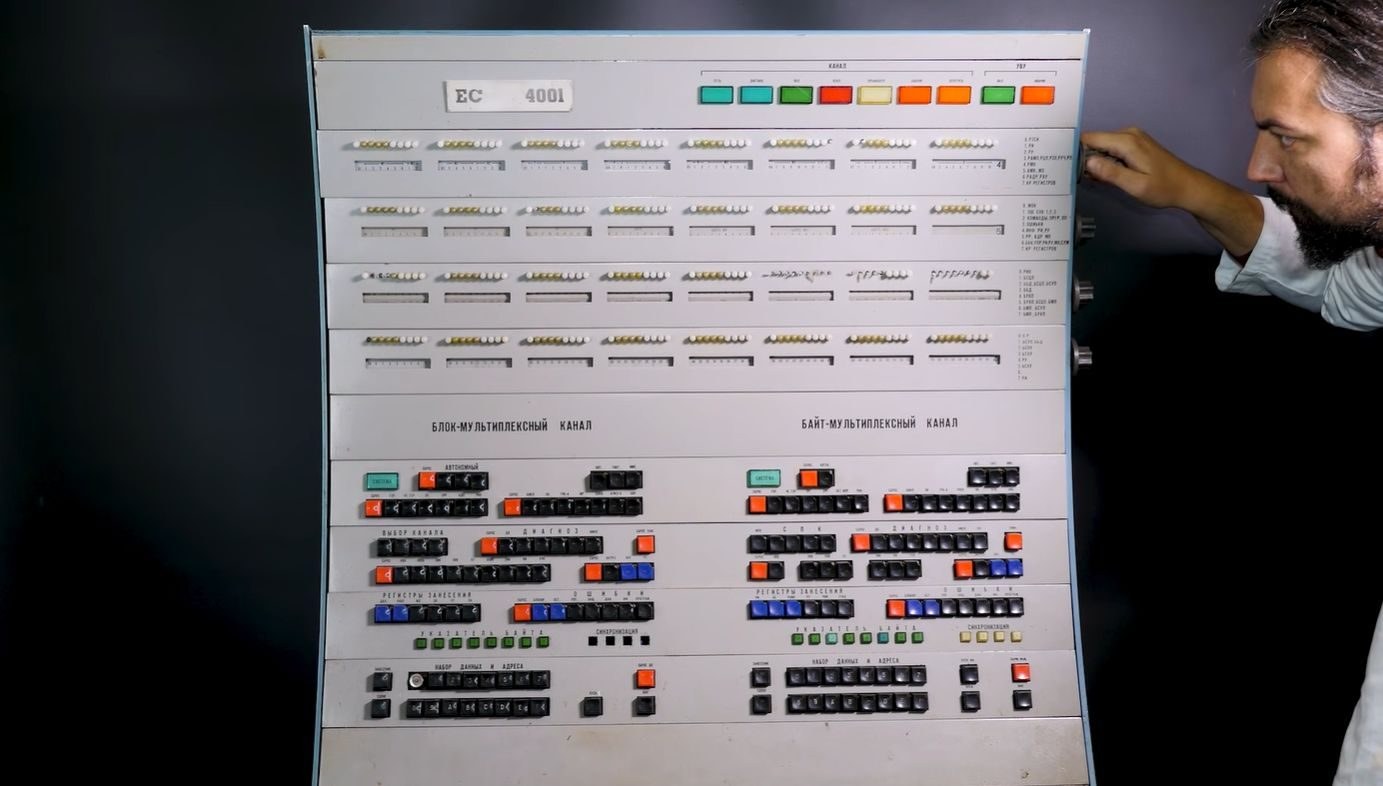
Enthusiasts have resurrected a control panel from a 1970s Soviet ES-4001 mainframe, exposing the contrast between repairable historical engineering and today's sealed, disposable hardware.
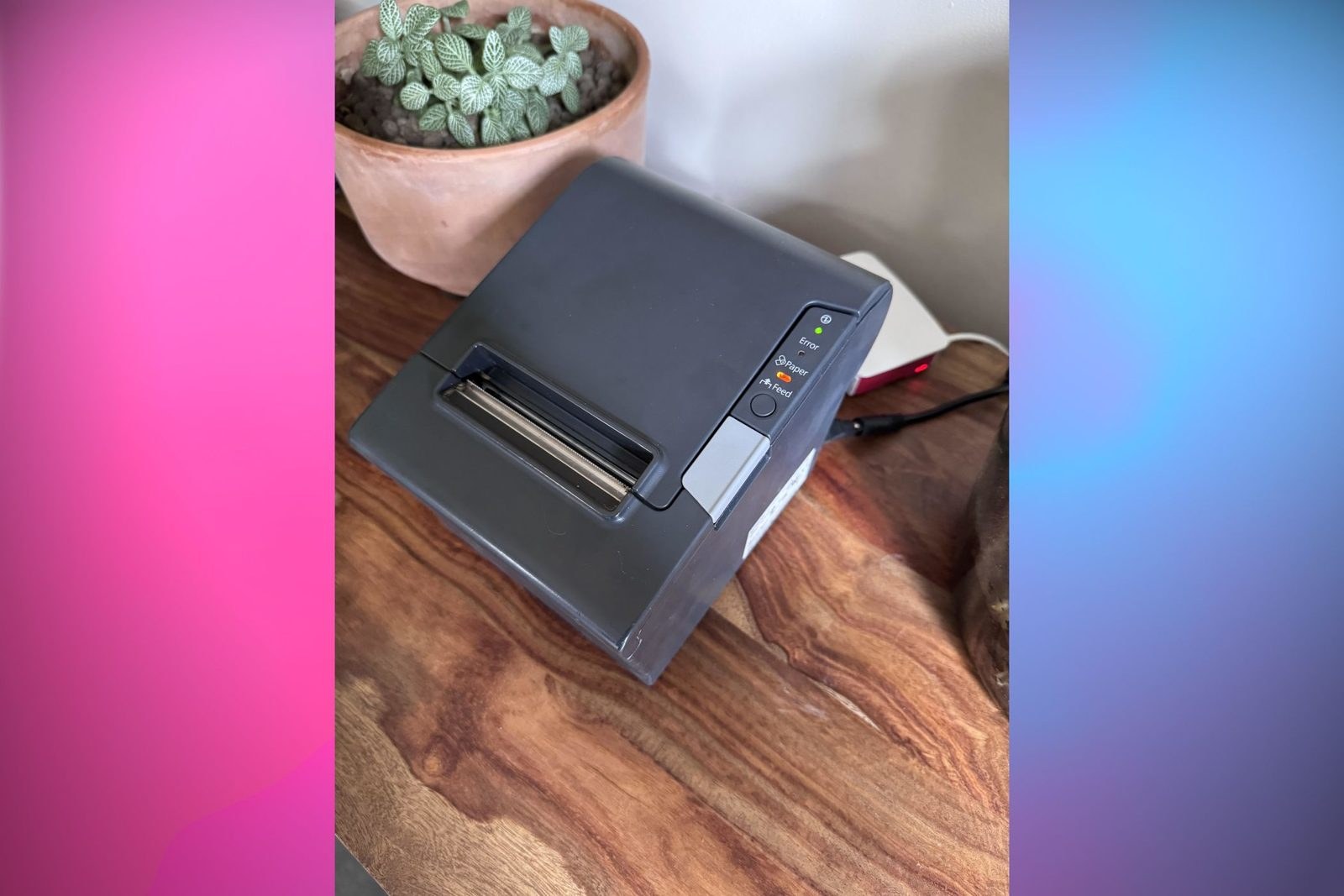
A Reddit hobbyist has turned a spare mini-computer and an old Epson receipt printer into a kitchen bulletin board that prints daily weather, chores, and puzzles.
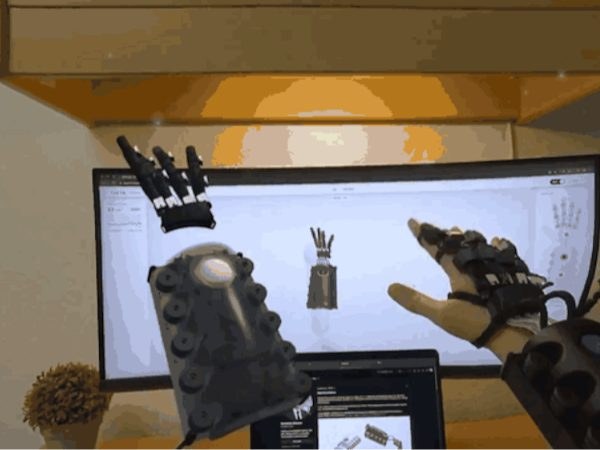
Engineer Sebastian Molano turned his master's thesis into the TAKTO ONE, a 10-motor hand exoskeleton designed to guide finger movements. While you cannot buy it at a store, all hardware and software files are available on GitHub for dedicated makers willing to
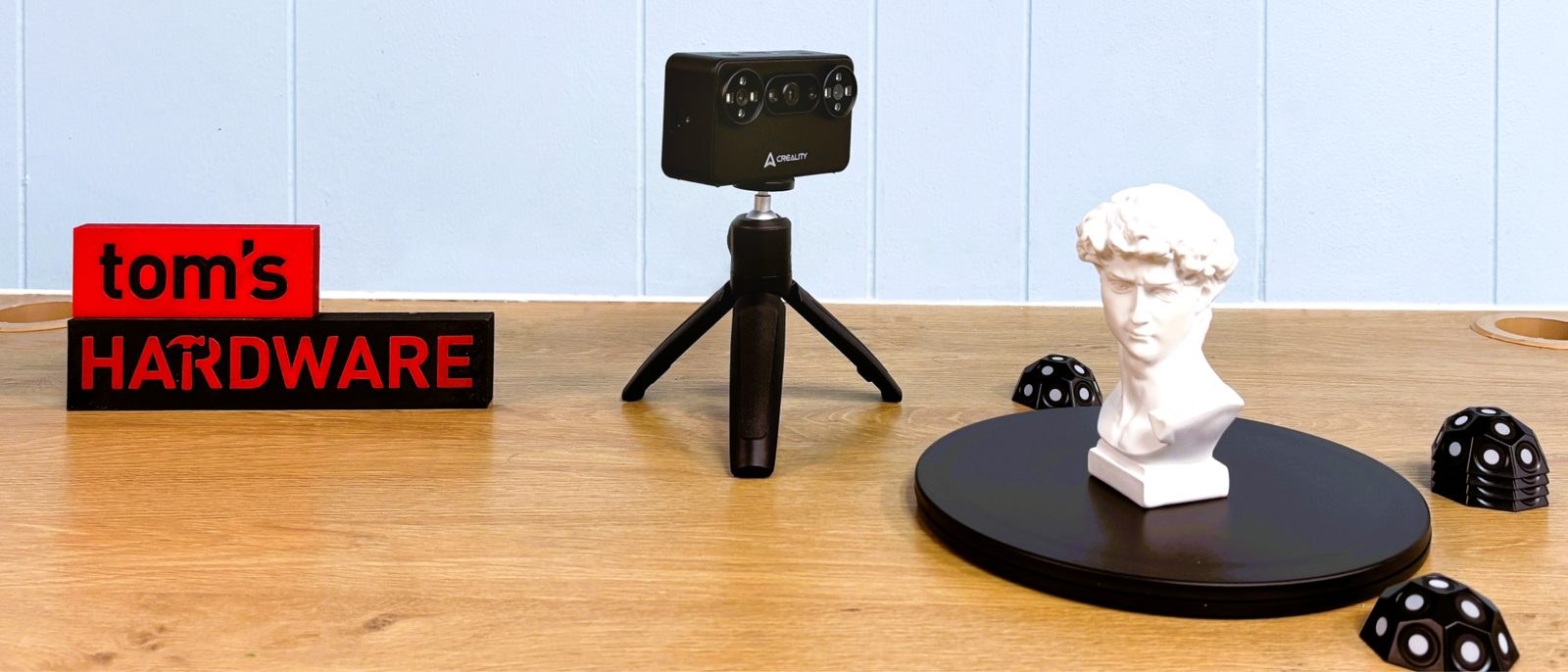
Weighing just 260 grams, the $699 Creality Pika brings handheld 3D scanning down to desktop budgets by ditching marker dots and computer cables. Yet infrared tracking requires a steady hand, strict ten-minute calibrations, and patience with proprietary
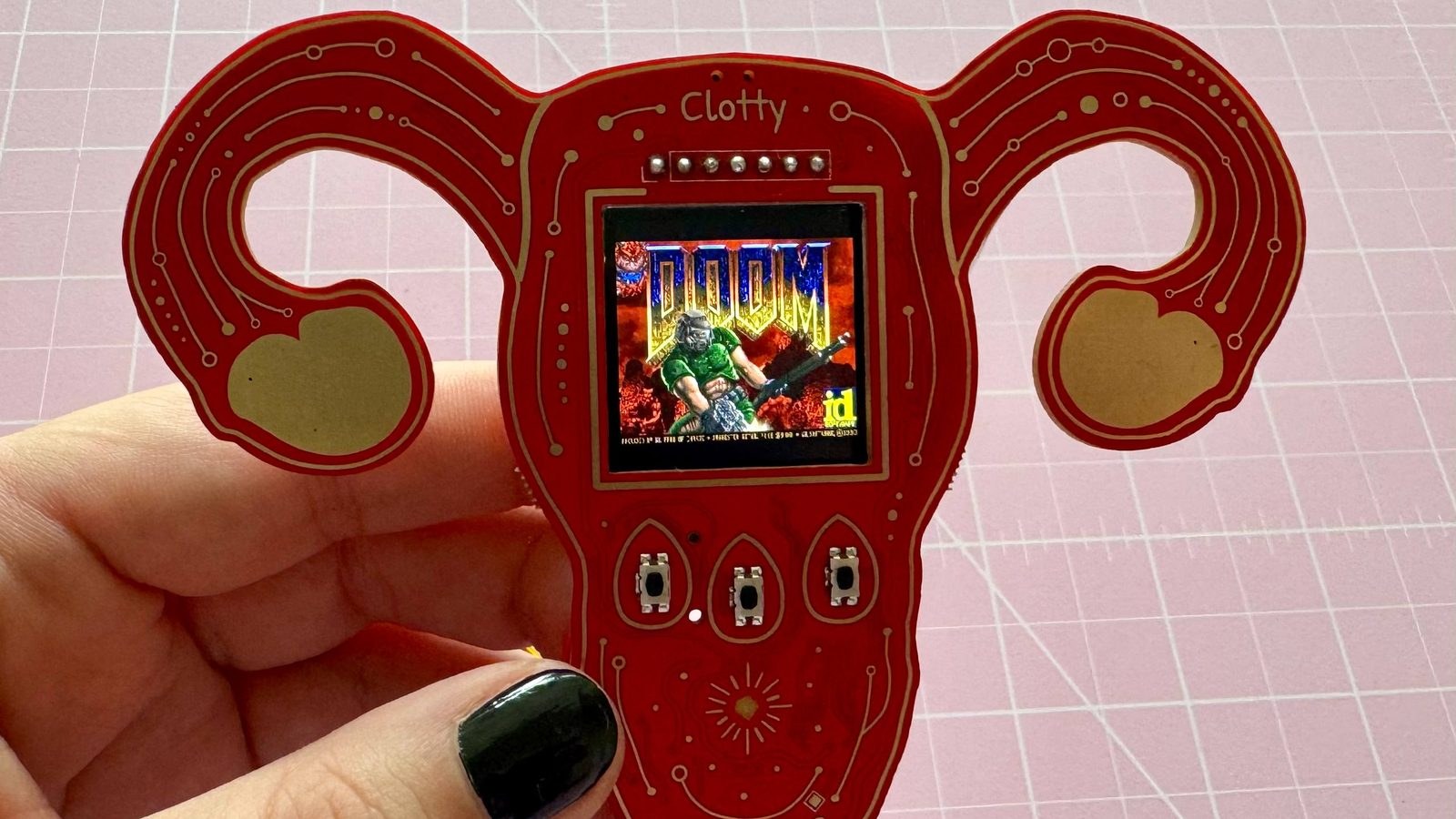
Designer kati created Clotty, a palm-sized physical period tracking device shaped like a uterus that keeps all health data completely offline and away from corporate servers. The open-source prototype even runs DOOM on its custom circuit board.
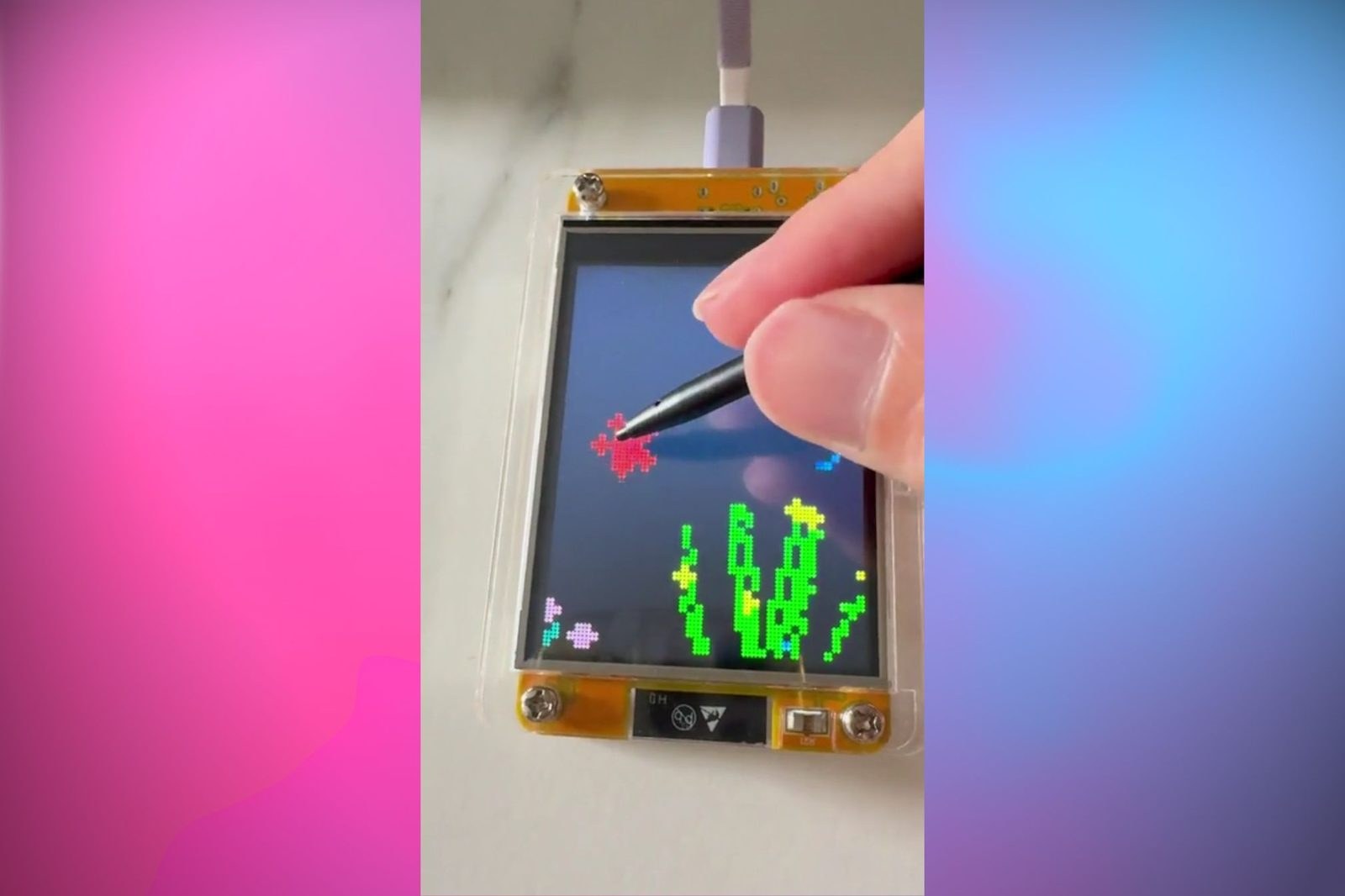
A maker known as PowerfulChart560 has converted a $5 ESP32 touchscreen module into a local marine ecosystem featuring 100 species and no subscription fees. The offline project runs entirely on device memory, bypassing cloud servers and companion apps for a
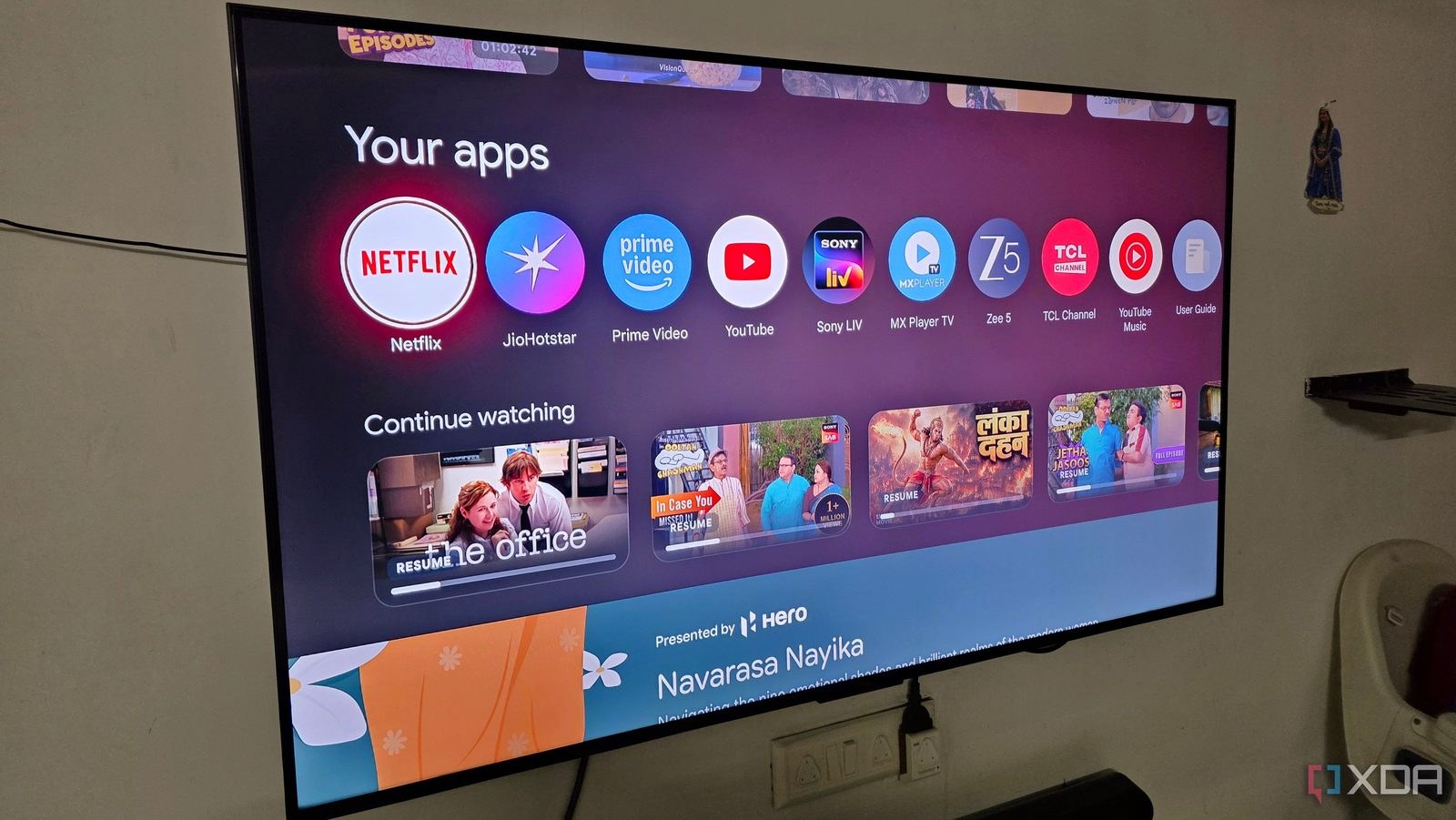
Fed-up owners are stripping sponsored tiles and tracking scripts from modern displays using free open-source utilities. These tools bypass interface bloat via Android debugging without requiring dangerous root access or permanent system changes.
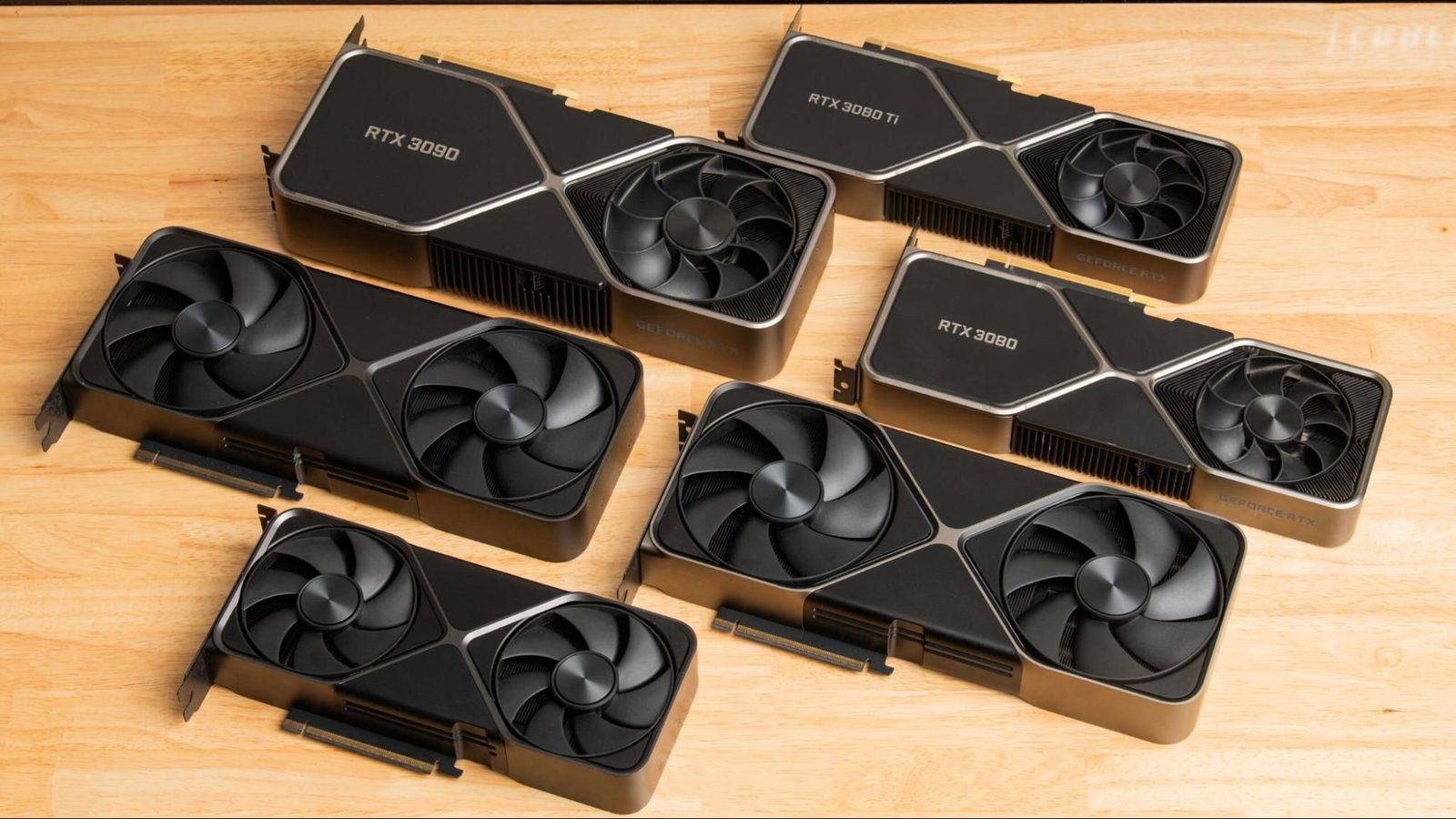
Developer Panchovix has released a GitHub utility for RTX 30, 40, and 50 series GPUs that stores modified firmware in registry keys. It lets you adjust voltage and power limits without risking a permanent brick, though it still requires caution with hardware
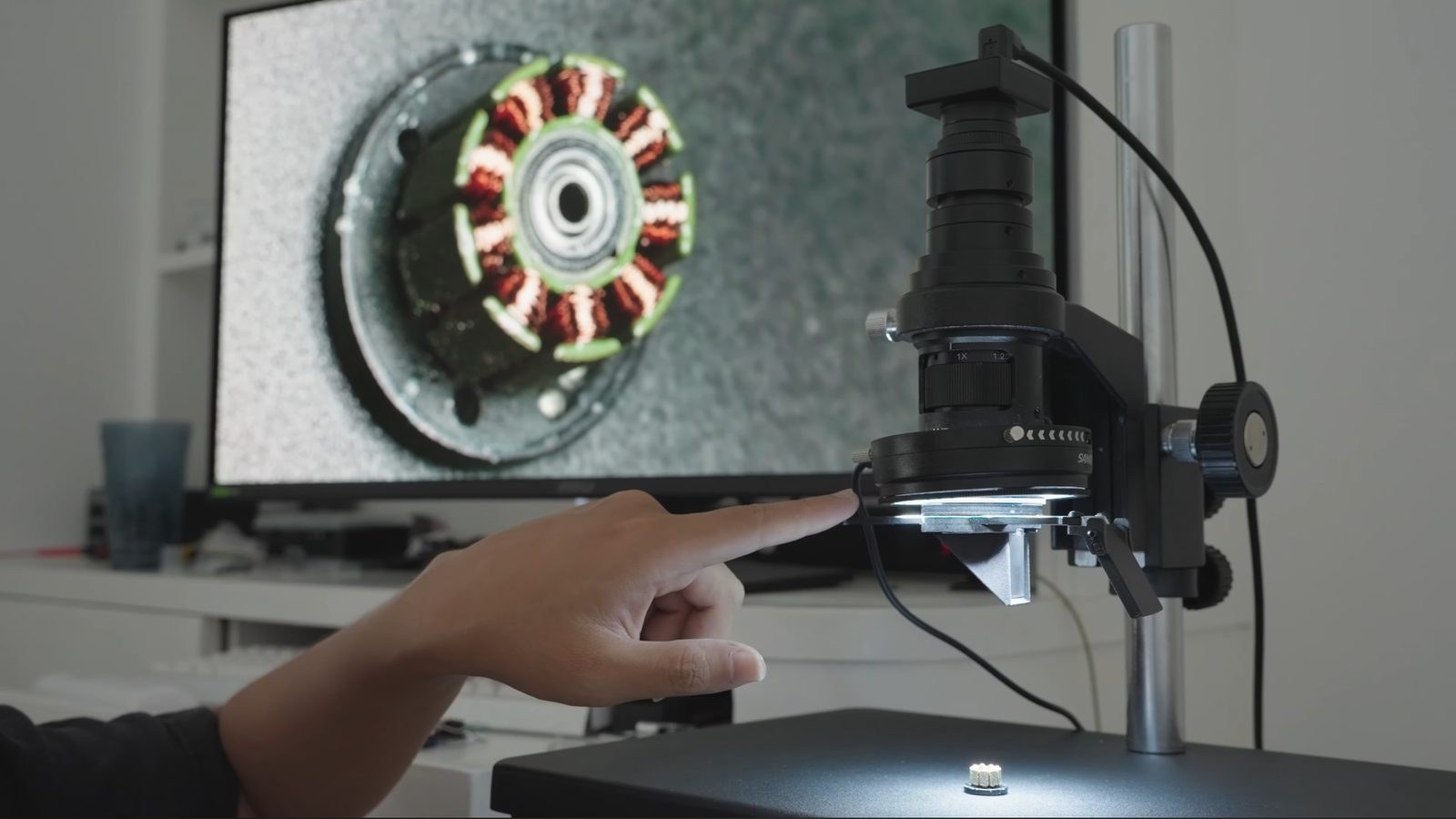
Standard factory microscopes hide microscopic circuit board defects under flat overhead angles. Frustrated by the optical dead end, one maker machined a custom aluminum side-view mirror attachment to inspect solder joints from any angle.
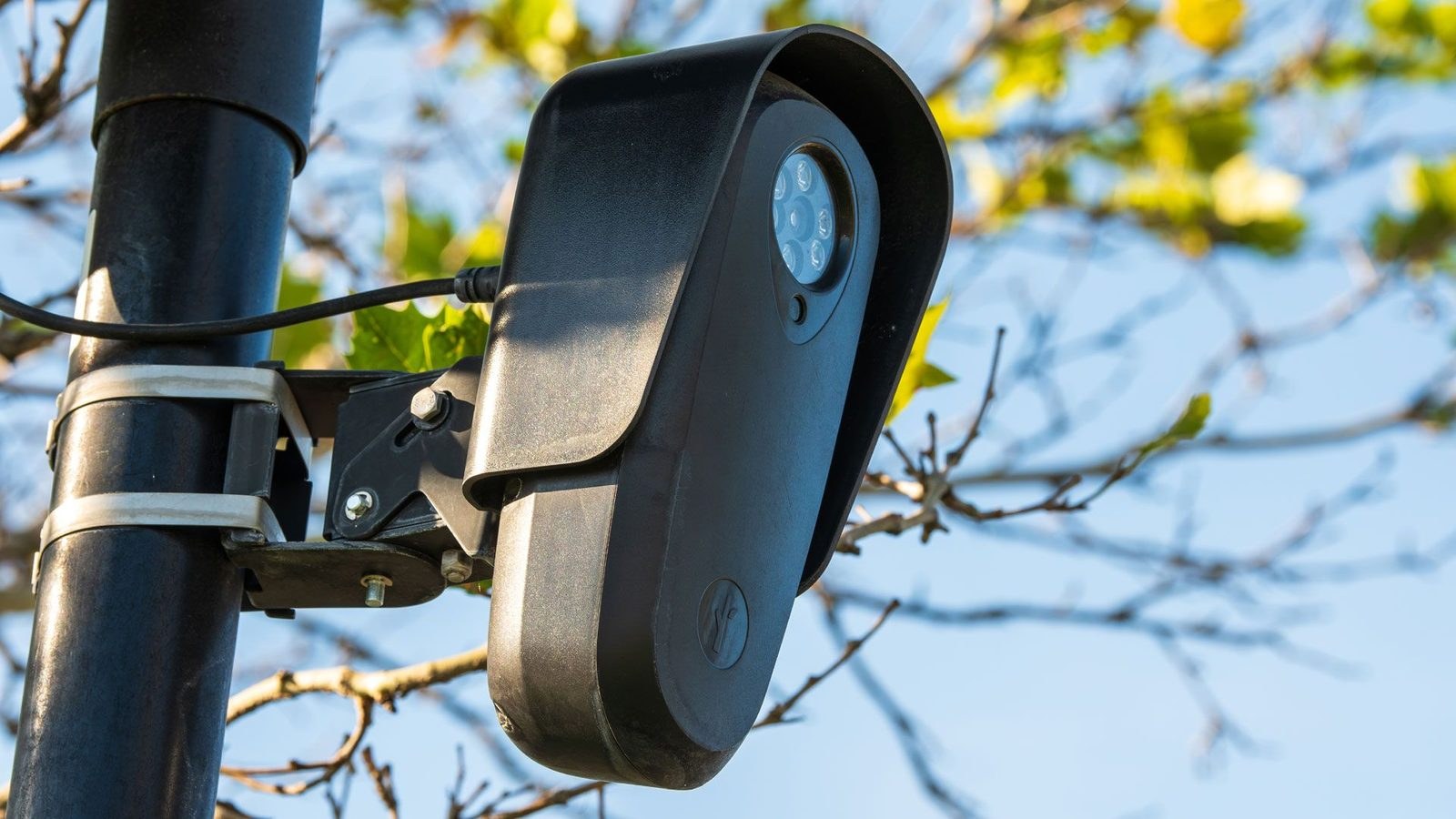
Canadian developer Anthony Sistilli built a cheap automated license plate reader to track police cruisers and got a doorstep visit two weeks later. The garage-built setup exposes the double standard of mass surveillance and why private tracking is a liability.
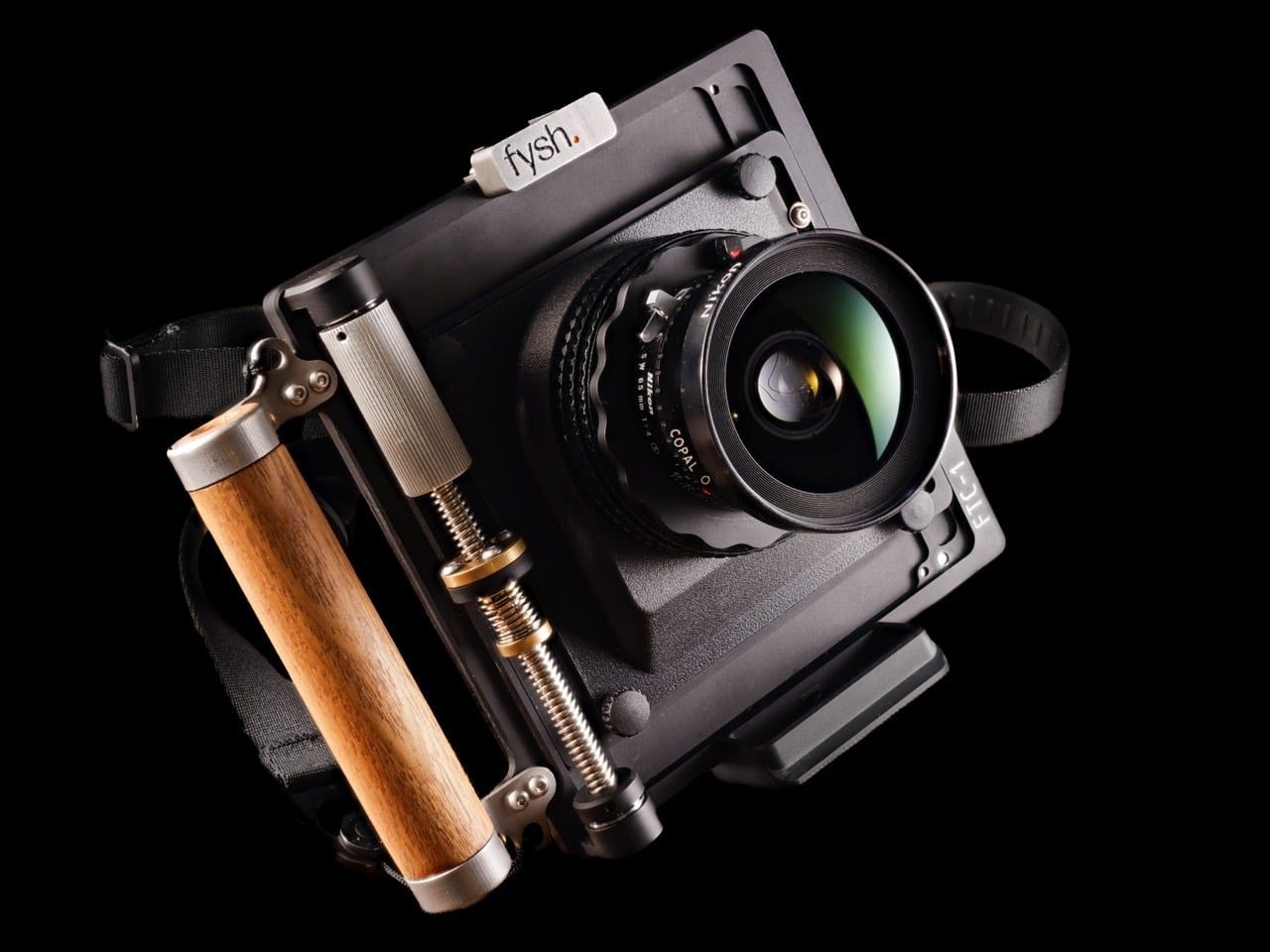
Lachlan Fysh designed the FTC-1 using 3D printing and CNC milling to bring architectural shift photography down to an $850 price tag. Weighing 2.4 pounds, the camera uses Mamiya backs and large format lenses to correct skewed buildings without requiring a
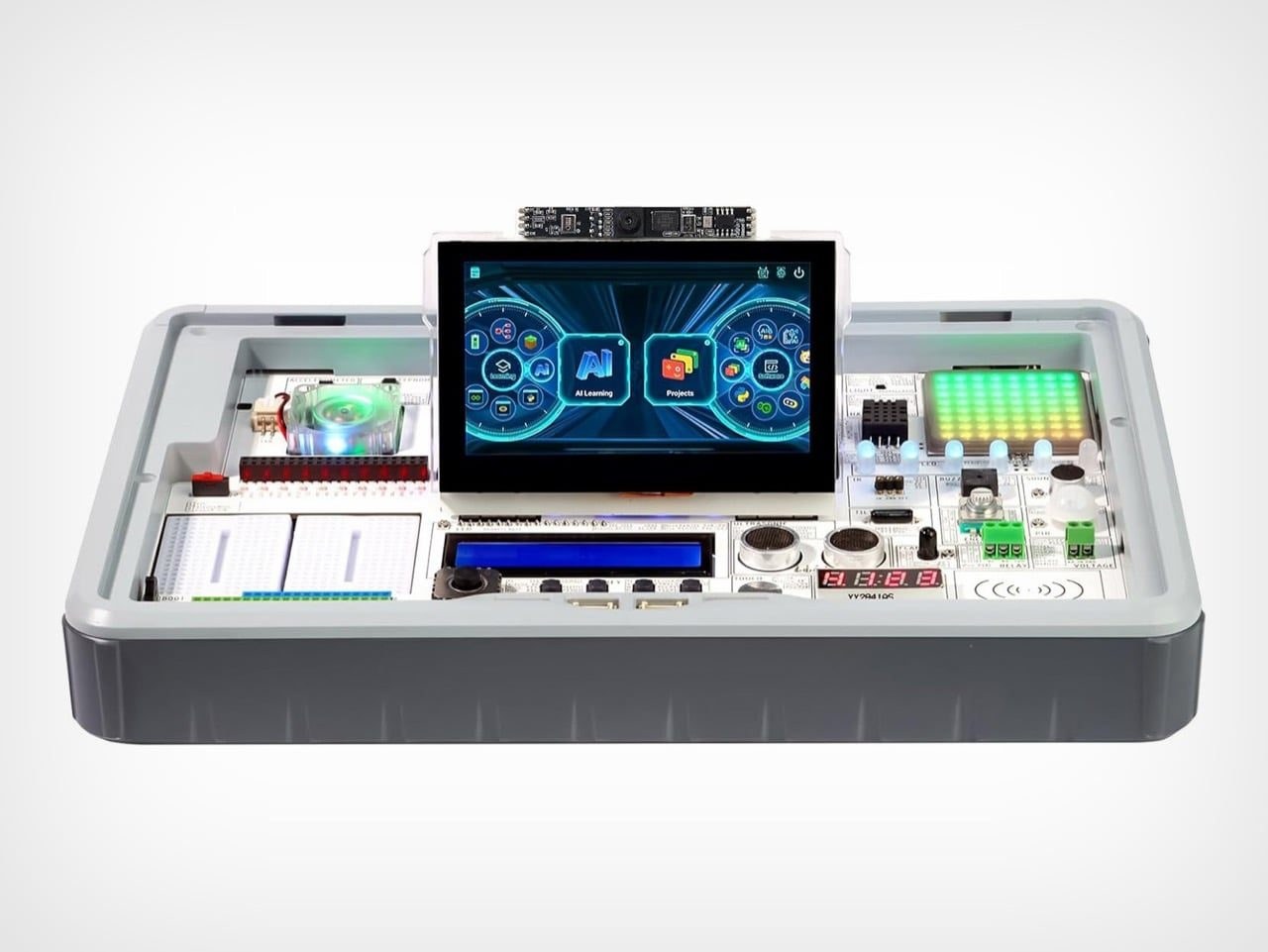
The CrowPi 3 packs a Raspberry Pi 5, 41 sensors, and AI chatbot integration into a 2.4-pound rugged gray briefcase. It gives middle schoolers a ready-to-code hardware kit without the hassle of 3D printing a custom cyberdeck from scratch.
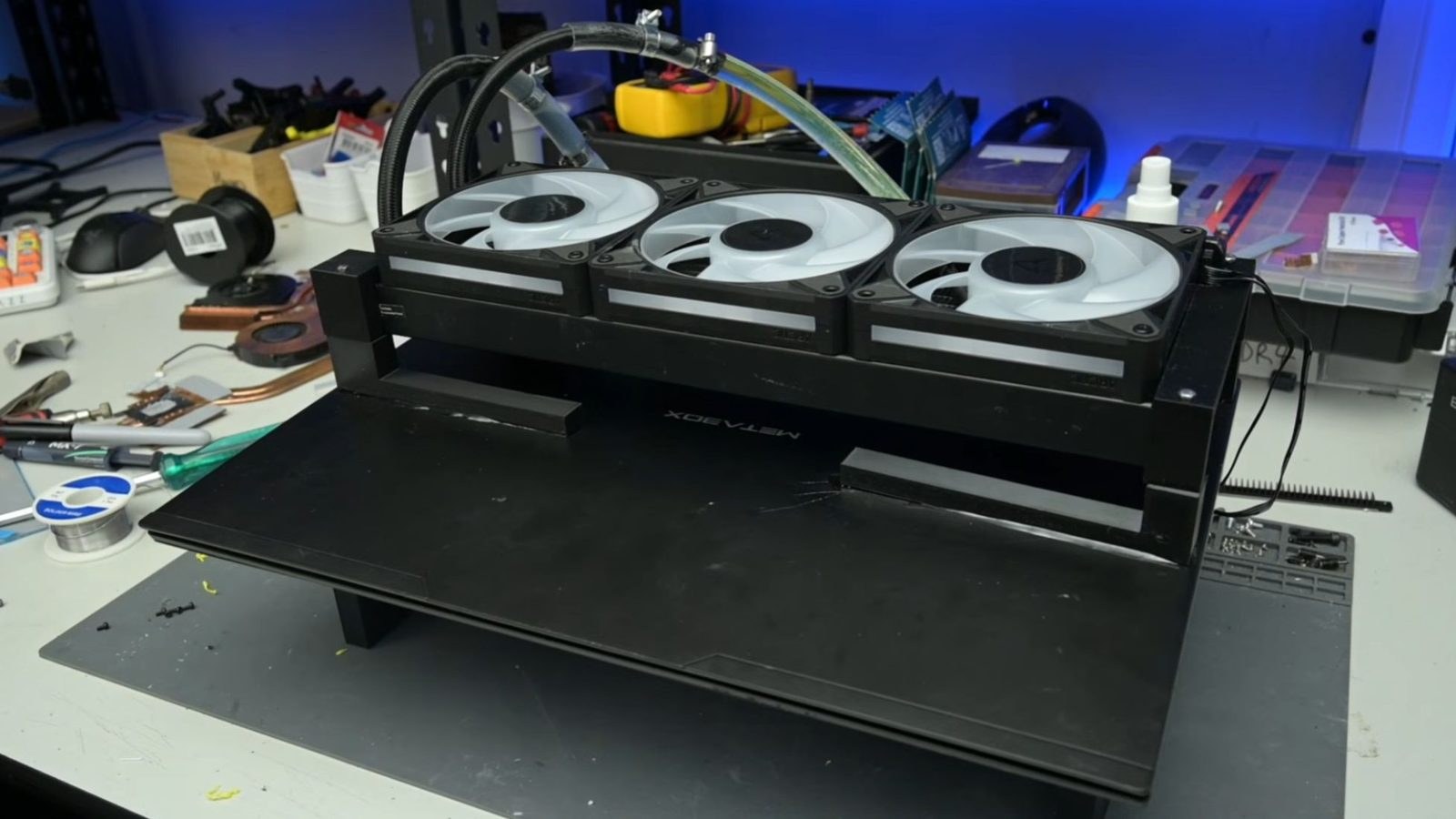
Modder TrashBench bolted a 360mm radiator and waterblocks to a Metabox laptop, slashing temperatures by 60℃ and boosting frame rates by 14%. But the drastic surgery permanently destroyed its portability, turning a mobile machine into a tethered desktop

Developer abhi245y transformed a hacked PlayStation 5 into a $300 AI accelerator running language models via Vulkan. However, the modification triggers permanent network bans and ruins online console functions.
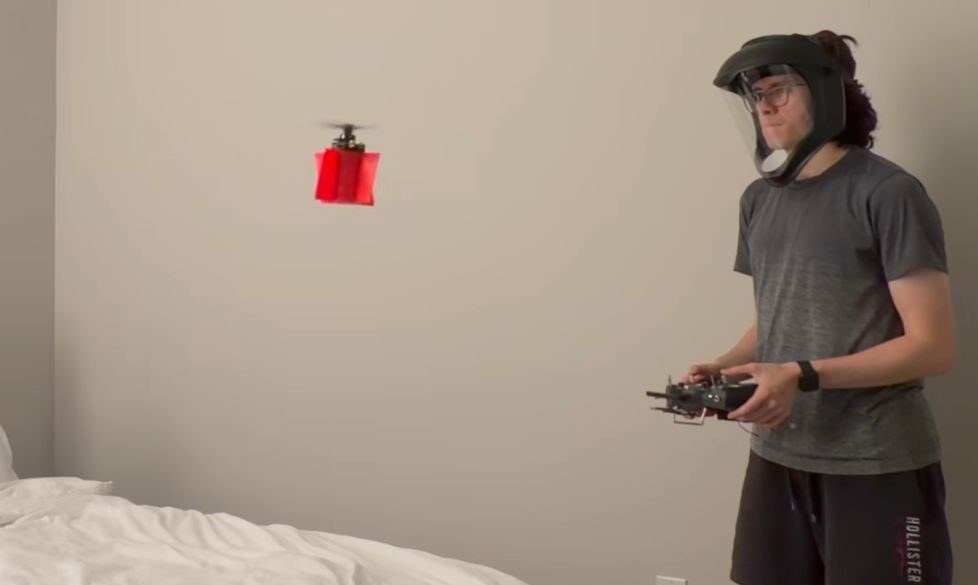
Enthusiast Joshua Bird bypassed standard four-motor drone design by building a working single-propeller aircraft from scratch. Using custom code, a hinged blade hub, and an external infrared beacon, he solved a stability problem that defeats most commercial
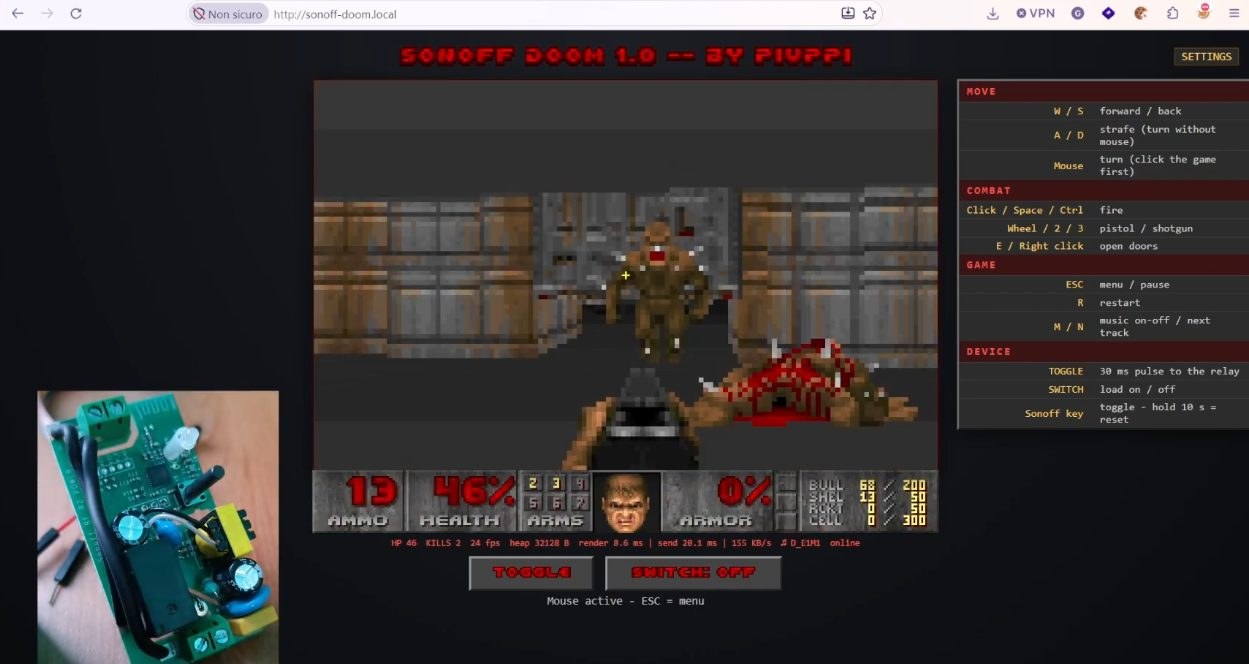
An independent modder got the rendering engine of Doom to run on a $5 Sonoff Basic R2 light switch. The stunt proves that cheap microcontrollers possess more raw computing muscle than overpriced smart home hubs demand.
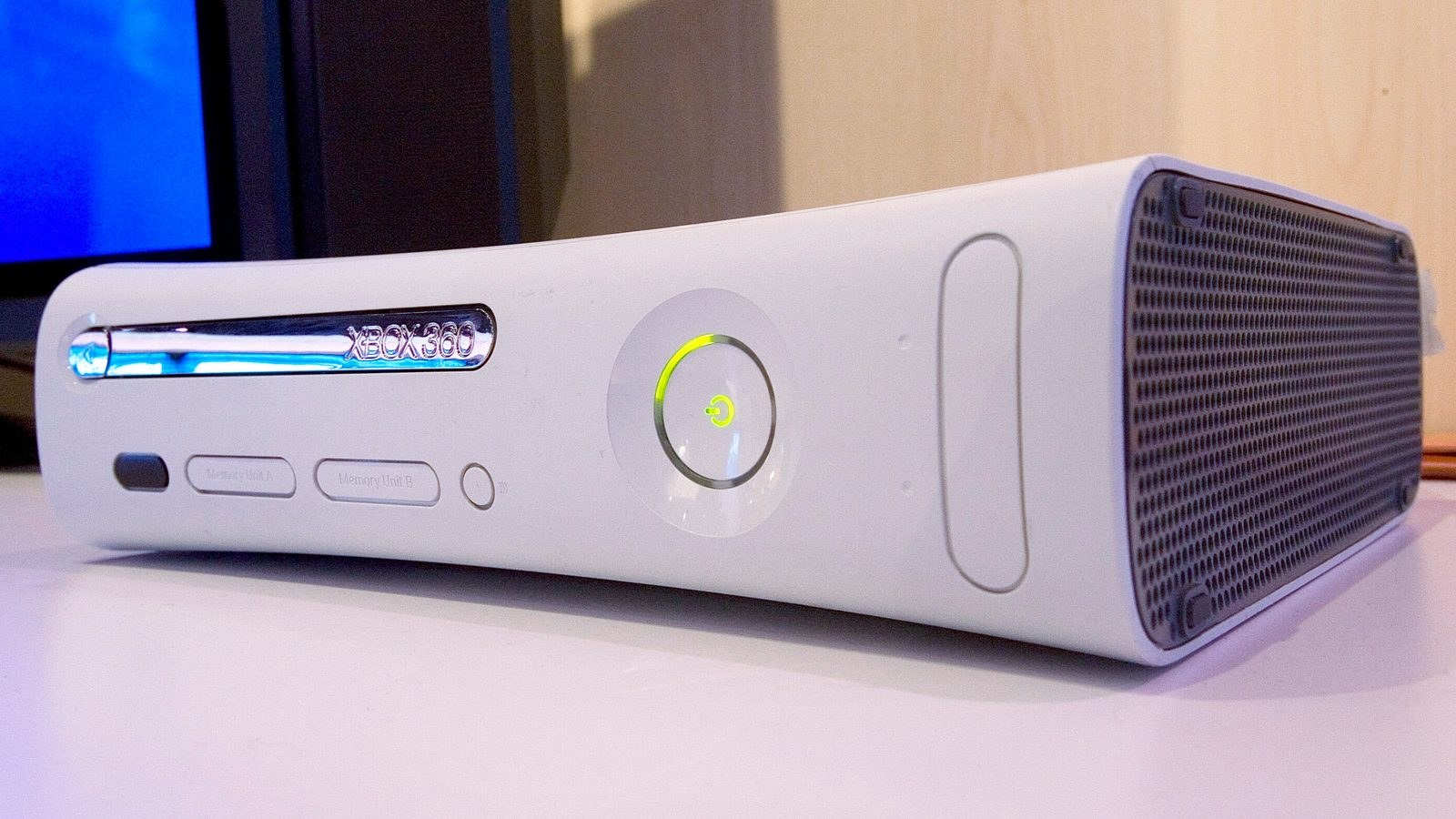
Hacker Joshua Kennedy finished a nine-year effort to crack Microsoft's aging console using a $4 Raspberry Pi Pico. The breakthrough bypasses hardware cryptography, though it still demands steady hands and basic soldering skills.