

 uying yet another virtual reality headset just for a couple of exclusives is a niche hobby, especially when it requires a powerful desktop computer and yards of cables all over the room. Valve decided to free players from cable dependence and released a hybrid device combining the functions of a gaming console and a headset. Let's figure out what lies behind the pretty promises and whether you should spend your money on this gadget.
Hardware and code translation magic
The technical internals of the device spark both respect and questions about actual performance. A Snapdragon 8 Gen 3 mobile processor handles the computations, backed by 16 GB of LPDDR5X RAM and 256 GB or 1 TB of storage with expansion via a microSD slot. The screen consists of two LCD displays with a resolution of 2160 by 2160 pixels for each eye, with a refresh rate varying from 72 to 120 Hz and an experimental 144 Hz mode. The device weighs 440 grams including the strap, and the engineers smartly moved the battery to the back of the head as a counterweight, sparing your neck from extra strain.
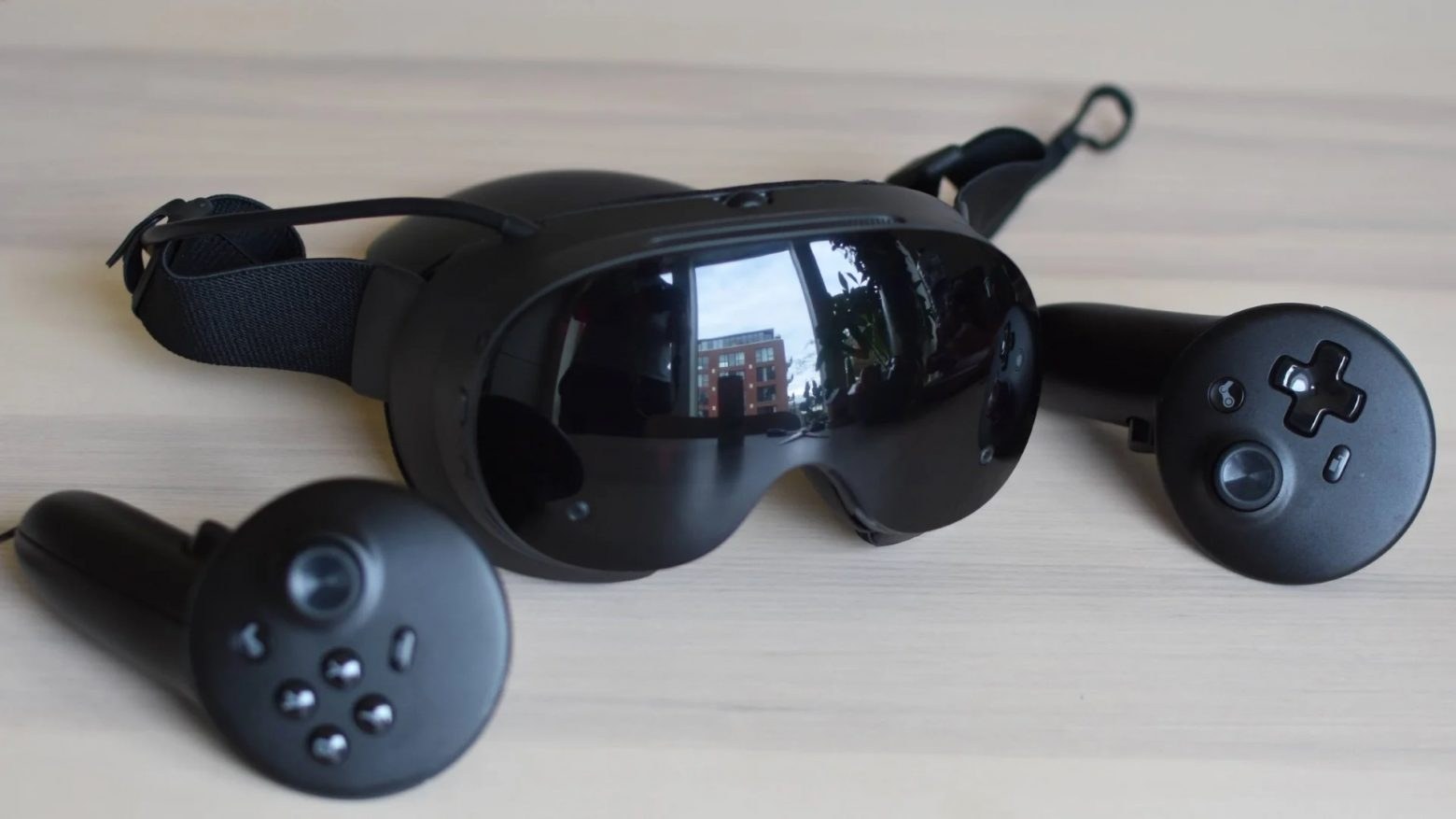
A Snapdragon 8 Gen 3 handles the computations, backed by 16 GB of LPDDR5X RAM and 256 GB or 1 TB of storage.
The main trick lies in how the headset runs games for regular computers based on x86 processors without rewriting the code for the ARM64 mobile architecture. It uses a combination of the Proton compatibility layer, which replaces Windows components and translates DirectX into Vulkan, and the FEX processor instruction translator. Still, do not expect miracles: the mobile chip paired with emulation spends a massive amount of resources on background service tasks.
Two usage scenarios and harsh reality
In practice, the device offers two usage scenarios: full standalone operation without wires or wireless streaming of your library from a powerful gaming PC. In standalone mode, the headset runs on SteamOS 3 based on Arch Linux, launching mobile apps, native Linux games through the Lepton container, and ported projects. To track what is happening, the housing features four external cameras for tracking the headset and controllers, while another two watch the user's eyes, saving bandwidth via foveated streaming technology.
Four cameras on the housing track the position of the headset and controllers, while another two watch your eyes.
If you want to run modern demanding games without lags, you will have to forget about standalone mode and switch to streaming from a PC via a dedicated Wi-Fi 6E adapter or Wi-Fi 7 networks. Buying this hybrid for portable launching of heavy projects is a direct path to disappointment due to modest battery life and the limitations of mobile hardware. The device proves its worth either as a wireless monitor for a powerful home PC or as a travel console for undemanding indie games, but by no means as a replacement for a full-fledged gaming rig.
Key takeaways
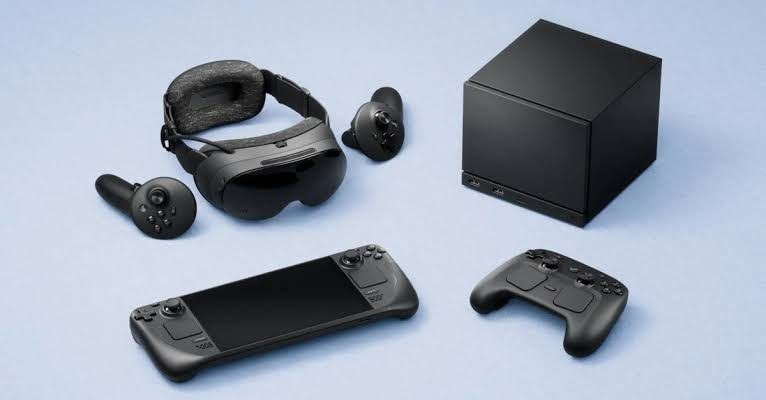
- Valve's Steam Frame headset offers a hybrid experience of a wireless headset and a standalone console based on the Snapdragon 8 Gen 3 processor through complex software emulation. The 440-gram device sits comfortably on the head, but standalone battery life in heavy projects is severely limited, meaning serious gaming still requires a powerful home PC.