
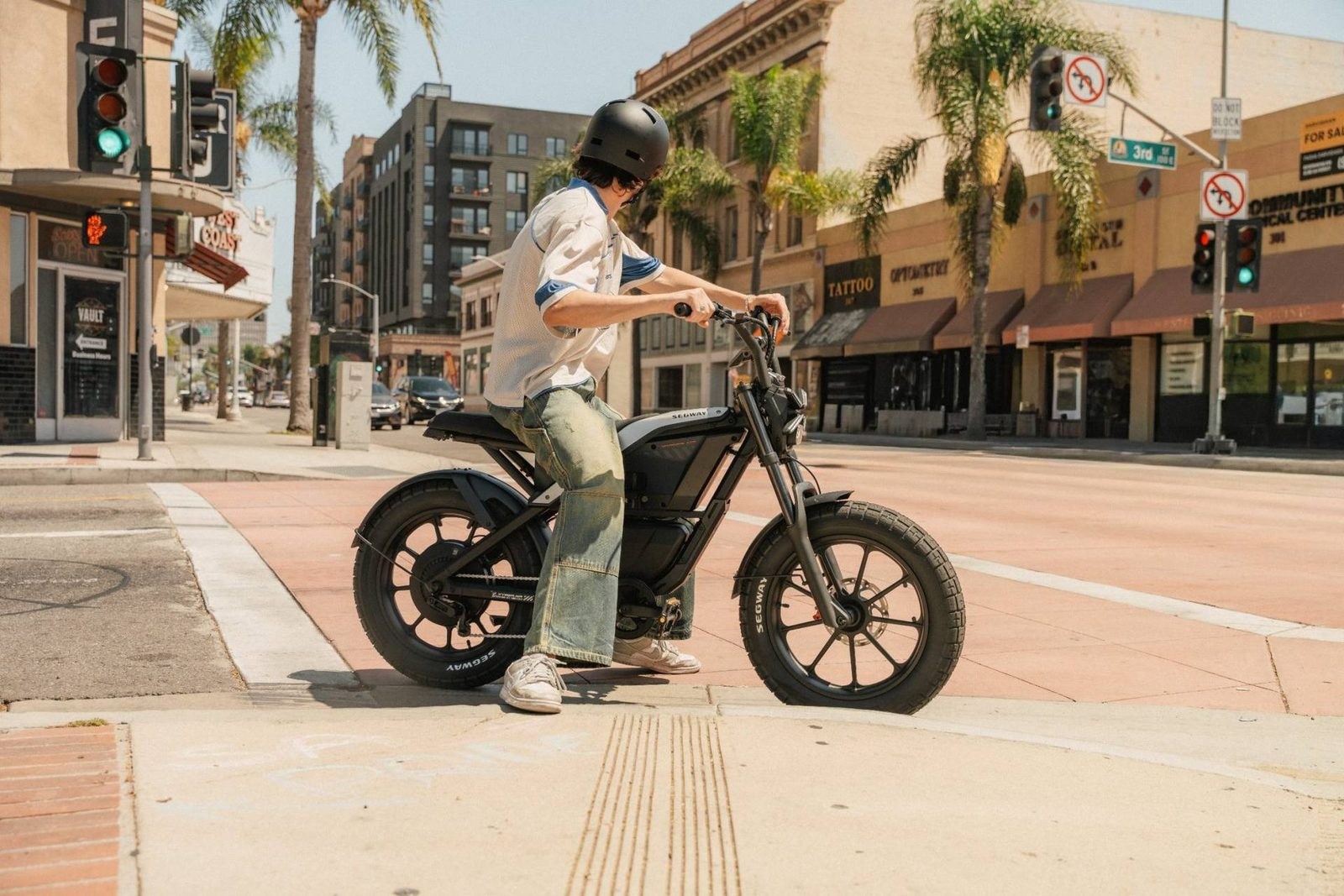
 t $1,999.99, the Segway Xyber Air keeps the original Xyber’s angular frame and distinctive X-shaped lights while shifting the focus toward paved-road riding. You might look at this chunky machine and wonder if dragging an 84-pound two-wheeler up three flights of stairs counts as cardio, or if it is just an expensive way to ruin your back before you even reach the street.
Segway’s Xyber Air looks like a small electric motorcycle, but its most useful trick is choosing how the motor helps you ride. At a price of $1,999.99, the machine aims at everyday riders who want a motorcycle aesthetic without dealing with actual gas engines, though its heavy build and recurring software fees demand a close look before you open your wallet.
How the Class-Switching System Actually Works
The 750W e-bike offers pedal-assist and throttle settings for everyday trips, with up to 28 mph of pedal assistance where Class 3 operation is allowed. You configure the behavior through the app to match local laws, switching between different assistance levels depending on whether you are hitting bike lanes or open pavement.

Class 1 provides pedal assistance up to 20 mph, keeping things tame for shared paths. Class 2 adds throttle operation at that same speed limit so you can cruise without pedaling, while Class 3 raises pedal assistance to 28 mph for faster commuting. Hybrid Mode combines a throttle that stops assisting at 20 mph with pedal assistance up to 28 mph. Segway excludes that mode in California, reminding everyone that software toggles do not magically override local traffic enforcement.
Segway’s Xyber Air looks like a small electric motorcycle, but its most useful trick is choosing how the motor helps you ride.
Those settings give riders a way to configure the bike for different permitted uses, rather than treating its highest speed as the default everywhere. But do these software modes actually keep you out of trouble with local authorities, or are they just a digital shield for a very fast machine?
Power, Range, and the Reality of Lifting 84 Pounds
The motor is rated at 750W nominal power, with 80Nm of peak torque, paired with a single-speed drivetrain that keeps gear selection out of the routine while cadence and motion sensors adjust the assistance as you pedal. The 717Wh battery has a claimed range of up to 58 miles, though according to Segway’s published test using a 165-pound rider on flat pavement, hills, cold weather, and your own groceries will chew through that distance much faster.
An 80mm-travel front suspension fork and 20-by-4-inch tires give the Air its chunky stance, while front and rear hydraulic disc brakes use 180mm rotors to bring the momentum to a halt. When you factor in the physical dimensions, the specified rider-height range is 4 feet 8 inches to 6 feet, with a maximum payload of 330 pounds. But at 84 pounds, the bike is a substantial lift for anyone who needs to carry it upstairs or load it onto a rack.
Hidden Costs and What It Means for Your Wallet
The color TFT display puts navigation, battery status, and ride data in front of you with automatic brightness adjustment, while AirLock provides proximity-based unlocking through the Segway Mobility app. Apple Find My, a wheel lock, and a motion alarm sit alongside Segway’s GPS tracking and Lost Mode remote disabling. GPS tracking, disturbance notifications, and Lost Mode use cloud services that are included for the first year, then require a subscription.
According to Segway’s October 27 announcement, U.S. availability runs through its own store, authorized dealers, and SCHEELS, with the official store listing the Xyber Air at $1,999.99. First-party accessories like a rear rack, fenders, and a lockable frame bag will also require additional spending and drive up the final total.
This machine suits riders who want moped styling and legal flexibility on paved roads, provided they have ground-floor storage and room in the budget for ongoing app fees. If you live on the third floor without an elevator or expect free security tracking forever, look elsewhere.
The catch
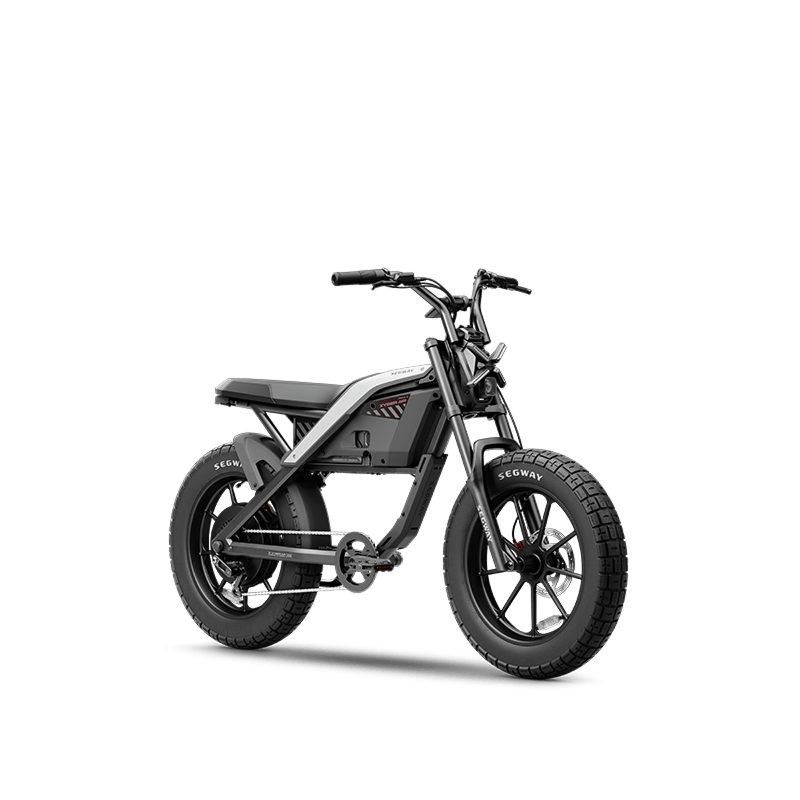
City streets used to see lightweight pedal commuters, but now they get a 38 kg quasi-moped for $1,999.99 that relies entirely on software toggles to stay street-legal. The beefy 750 W motor and fat tires offer effortless cruising up to 45 km/h, yet the hidden cost comes down to hauling that dead mass up staircases and paying recurring fees for GPS security features. Packing full moped dynamics into a bicycle frame leaves city riders with an overweight commuter that demands subscription fees to stay protected.