
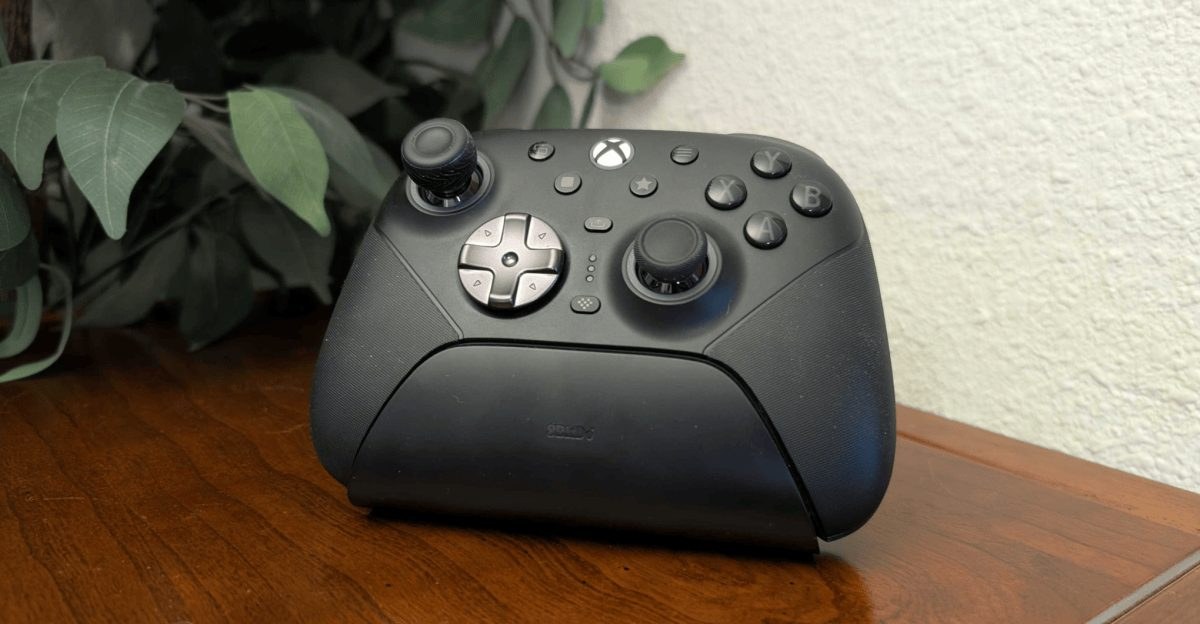
 or a long time, buying a high-end Xbox controller meant choosing between Microsoft's aging flagship and whatever third-party manufacturers offered, but now 8BitDo has entered the ring with a serious contender that tries to bridge the gap between retro charm and modern customization. Still, 8BitDo’s $150 Ultimate 3E is a bold controller that holds its own against other feature-packed options, targeting players who want a deeper level of customization and a more refined design than Microsoft’s pricier Xbox Elite Series 2 and 8BitDo’s own $60 Ultimate 2, as noted in testing by The Verge.
At $150, you are paying a steep price that positions the device directly against big names like Razer, PowerA, SteelSeries, and rising star GameSir. But the question of whether it is worth parting with your cash for this specific gamepad comes down to whether its advanced hardware can justify a cost well above basic controllers while competing against cheaper alternatives like the non-modular 8BitDo Ultimate 3 for $99 or the solid but basic Microsoft model that’s around $50.
Customization and the hardware advantage
Out of the box, the controller packs nearly every feature you could look for, including drift-proof TMR joysticks, extra shoulder buttons, rear paddles, motion control support, modular buttons and joysticks, a 3.5mm audio jack for chat or private listening, and a 1,000Hz polling rate over a low-latency wireless connection when connected to a PC. It also includes a carrying case and a wireless charging dock that you can stash the USB dongle within.
It includes two four-button modules, two directional pads, and three extra joysticks.
The modular design opens up more customization than a lot of other controllers on the market, helping it age more gracefully than cheaper alternatives by letting you swap parts out as preferences change. Its TMR joystick mechanisms shouldn’t wear down, meaning you will only need to be concerned with replacing the joystick tops down the line, and the controller includes several to choose from.
The missing pieces and real-world friction
Despite the impressive spec sheet, the device stumbles on practical ownership details that matter when you actually sit down to play. However, 8BitDo doesn’t sell replacement accessories for the Ultimate 3E, as it does for many of its other controllers, and it hasn’t responded to The Verge as to whether it ever will.
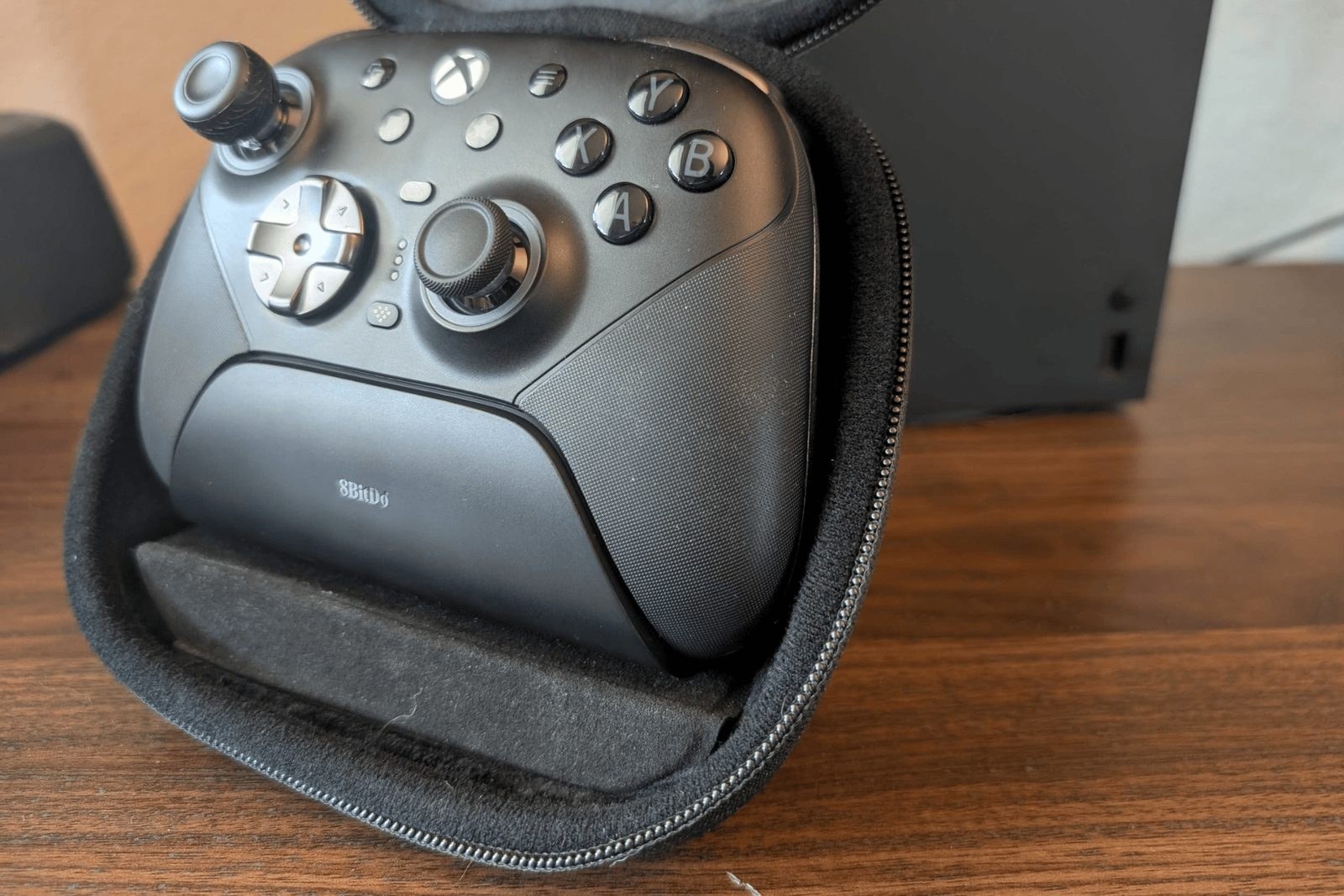
Physical use brings a few minor annoyances as well, such as clips holding the face button module in place that are very tight, requiring a careful use of a plastic toothpick to pop them out, alongside joysticks that require a surprising amount of force to yank off the first time. The soft touch grips and back gather dust and gunk pretty quickly, though you can at least clean the joystick tops by removing them.
What this means in your hands
When stacked against the competition, Microsoft’s Elite Series 2 is a poor value by comparison because it uses potentiometer joysticks that are likely to drift over time, which feels disqualifying given the price point. Meanwhile, nobody using 8BitDo’s Ultimate 2 should feel the urge to upgrade to the Ultimate 3E because there simply are not enough differences to make it worthwhile.
Overall, the Ultimate 3E feels similar to use as other Elite-style controllers, and that is genuinely impressive for a company that hasn’t tried to take on pricier competition before. But given the increased frequency of Xbox Elite Series 3 leaks and alternative choices like the GameSir G7 Pro costing only $80 at full price with a nearly identical set of features, spending $150 on an ecosystem with zero replacement parts for sale is a hard gamble to justify.
What changed
Advanced Xbox controller buyers previously had to tolerate aging potentiometers inside the Microsoft Elite Series 2, but now the modular 8BitDo Ultimate 3E brings durable TMR sensors directly into the premium tier. Packing swappable modules and a 1,000 Hz polling rate pushes the gamepad into direct rivalry with heavyweights like Razer and SteelSeries. Yet the promise of a long-lasting customizable design runs straight into frustrating physical compromises, from stubborn latches requiring a toothpick to dust-attracting grips. Does the modular build justify its premium if spare parts never become available for purchase separately?