
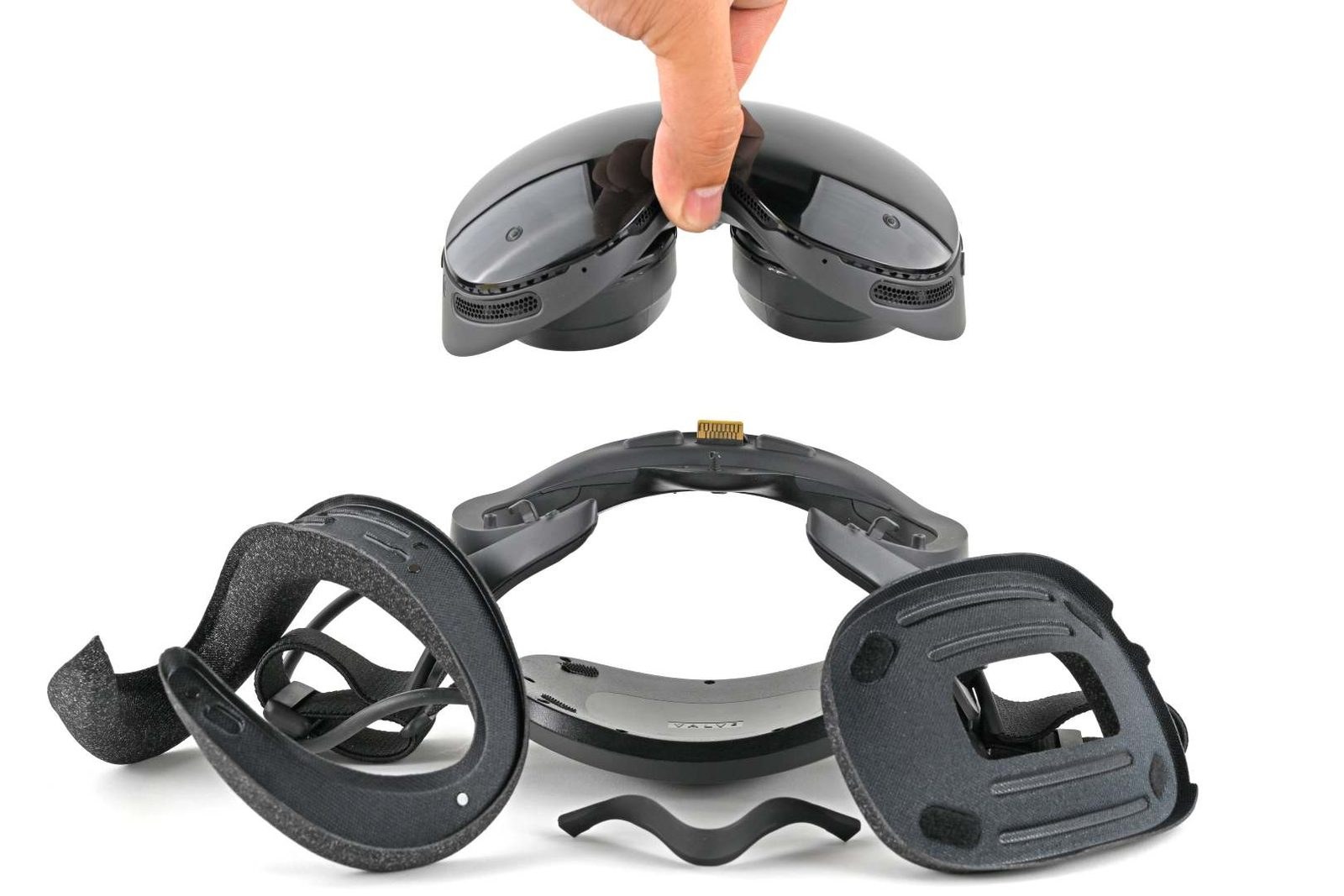
 ive years of breathless anticipation for the project codenamed Deckard finally culminated in the Steam Frame, an untethered, standalone headset capable of running games without external base stations or clumsy wires. Naturally, the hardware immediately ended up on the workbenches of iFixit, and its physical construction delivers a wonderfully refreshing contrast to the glued-shut monoliths dominating the spatial computing market.
According to iFixit, which famously handed the original Steam Deck a respectable 7 out of 10 for repairability, Valve managed to translate much of that user-serviceable philosophy into a far less forgiving form factor. The optical and computing guts of the device detach cleanly from the headband. In our view, separating the core processor from the wearable harness is precisely how expensive spatial hardware ought to be built. Headwear encounters daily exposure to sweat and friction, so Valve engineered the face and headrest foams to snap off effortlessly for replacement. Should you need to service the display assemblies, the nose bridge is likewise modular and independently replaceable, turning what is normally a nightmare of proprietary glue into straightforward optical maintenance. While these screens rely on standard LCD panels rather than ultra-dense micro-OLEDs, the modular rail assembly ensures you can actually reach the components if something goes wrong.
The Battery and Storage Trade-offs
"Reviewers say that this translates into 1-2 hours of use"
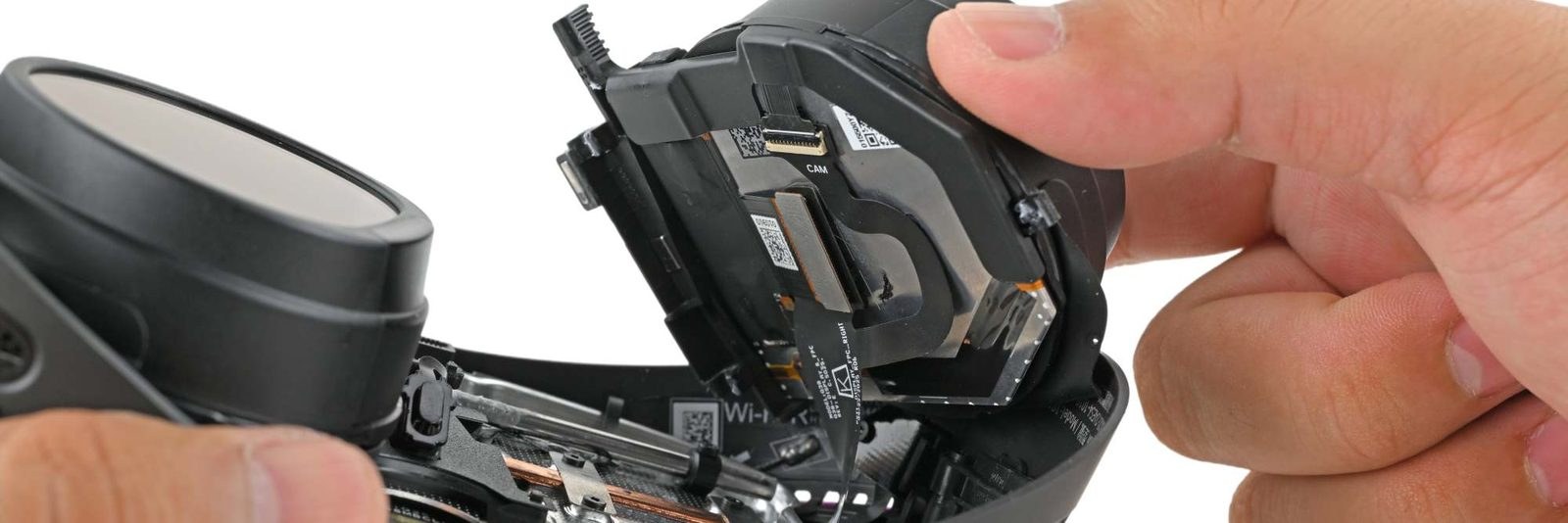
Yet the hardware is hardly exempt from frustrating compromises. The curved, two-cell lithium-polymer pack tucked inside the headset is rated at 20.9 Wh. In practice, reviewers note that this translates into a meager 1 to 2 hours of actual use before you are forced back to the wall. When a battery drains that aggressively, standard lithium degradation means users will inevitably want a replacement cell within a couple of years. While the strap detaches to simplify rear servicing, Valve unfortunately secured the battery itself with adhesive—a disappointing relapse into smartphone-era design. Compounding that friction, iFixit has partnered with Valve since 2022 to supply official replacement parts, tools, and repair guides for hardware ranging from the Steam Index to the Steam Deck, making the presence of glue even more baffling.
Valve attempts to balance this glaring power limitation by treating storage with a rare degree of respect. By combining modular rails, magnetic lenses, and genuinely expandable storage, Valve has given this hardware a realistic chance of surviving beyond the predatory two-year gadget lifecycle favored by competitors. The short runtime and glued-in power cell remain stubborn bottlenecks, but the accessible chassis proves once and for all that complex spatial computing does not have to be delivered as a sealed, disposable paperweight.