
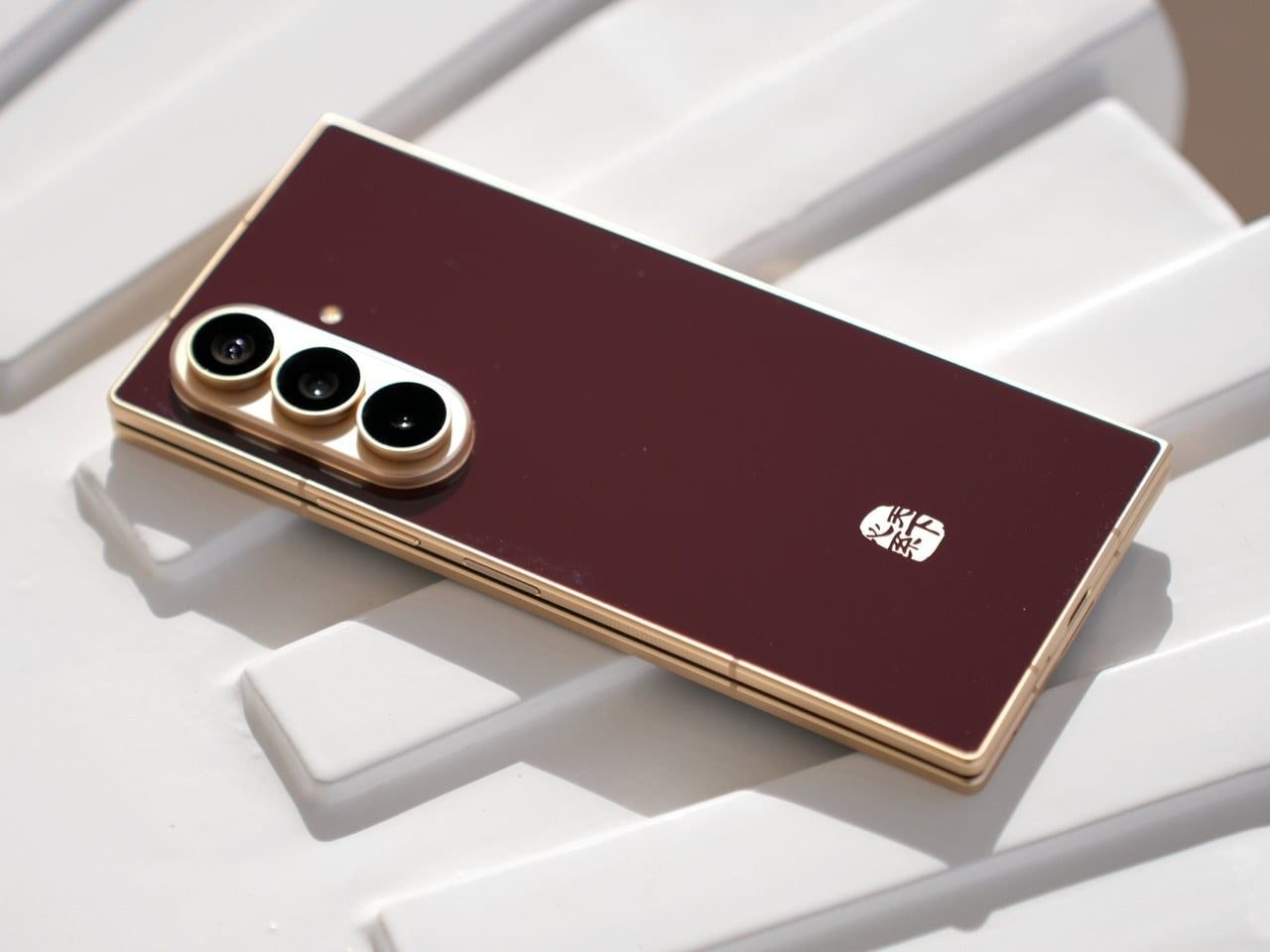
 eighing 7.6 ounces or 215 grams, the Samsung W27 packs an 8-inch inner screen and a Snapdragon 8 Elite Gen 5 for Galaxy into a device that looks less like a consumer gadget and more like a museum artifact. Samsung has been running an entire phone line in China since 2008 called the W series. The W series, called 心系天下 or "Heart of the World," started as luxury flip phones sold through China Telecom, back when flip phones were still a flex. It has survived keypads, touchscreens, and the slow death of the old-school clamshell, receiving a new number and a fancier outfit every year.
Samsung sells status under the guise of a gadget: for a starting price of CNY 18,999 (roughly $2,850), the buyer gets the exact internal hardware of a standard foldable wrapped in imperial gold and porcelain history. The stakes here are simple: you are paying roughly one and a half times the price of a normal flagship for a device that restricts its exclusivity to a single country and swaps sensible durability for a history lesson. Pricing starts at CNY 18,999 for 16GB of RAM and 512GB of storage, while the 1TB model costs CNY 21,999, making this an expensive exercise in brand heritage.
The Imperial Makeover
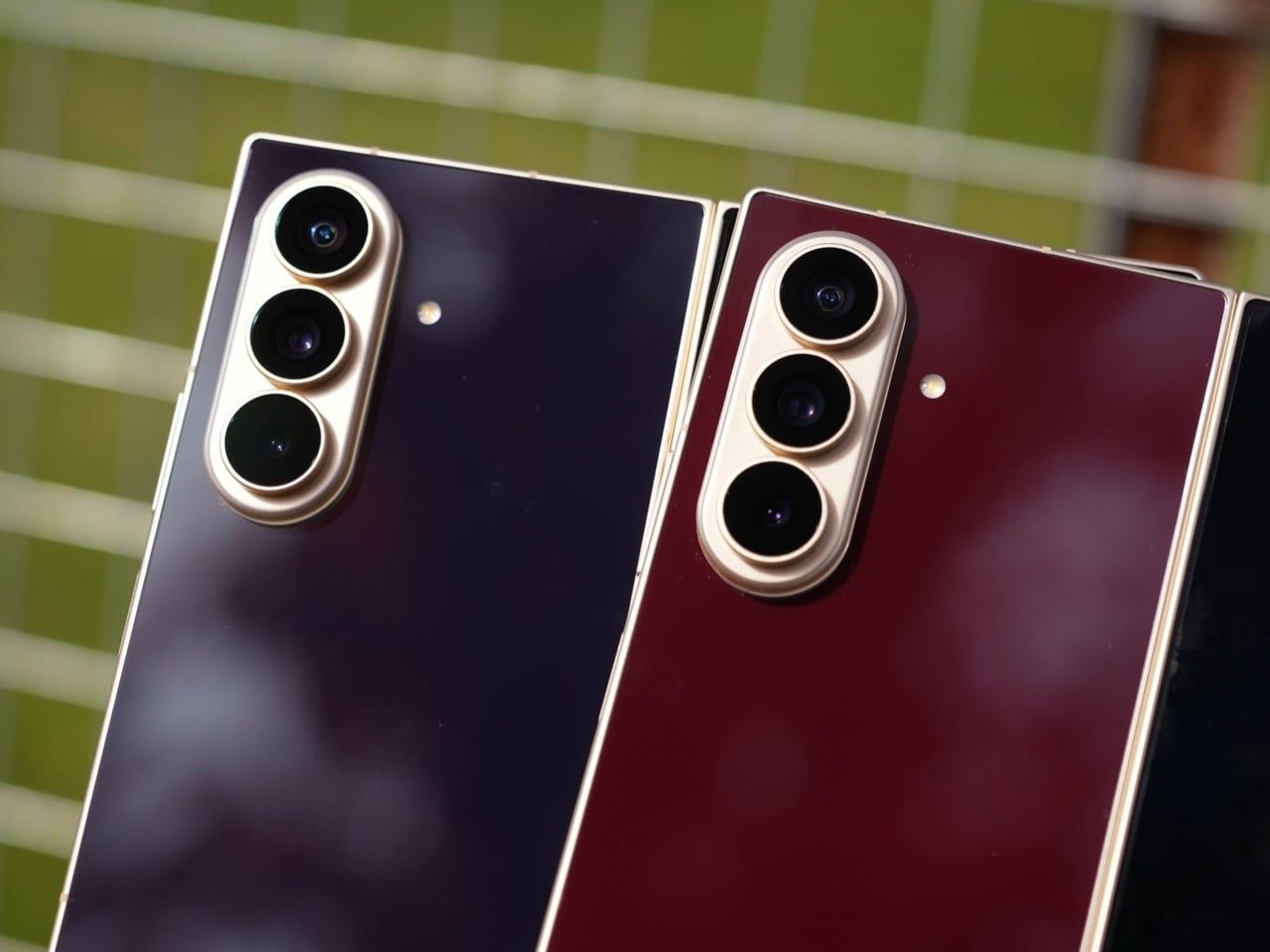
The blue color draws from 霁蓝, sacrificial blue, and the red from 霁红, sacrificial red, two glazes associated with imperial Ming porcelain. Imperial rituals used blue porcelain for the Altar of Heaven and red for the Altar of the Sun, with the red glaze perfected during the Xuande reign from 1426 to 1435. Samsung swapped the Fold’s Victus 2 glass back for Gorilla Glass Ceramic 3 on the W27, applying it to both the back and the cover screen. Glass-ceramic contains tiny crystals within its glass structure, which Corning says help deflect cracks and improve toughness, giving the historical reference a tangible material connection.
The Armor Aluminum frame gets a gold relief texture Samsung compares to cut gemstones
Beneath that jewelry, the W27 measures 0.16 inches or 4.1mm thick unfolded and 0.35 inches or 8.9mm folded, excluding the camera bump. Folded, that is roughly a regular phone wearing a case. The 5,000mAh battery is a jump from last year’s 4,400mAh W26, and Samsung rates it for up to 27 hours of video playback under its test conditions. The camera setup includes a 200MP main camera and a telephoto camera with 3x optical zoom, while the displays are rated for up to 3,000 nits of peak brightness.
Connectivity and Practicality
Tiantong satellite calling and texting offer another way to get a message home when terrestrial coverage disappears, subject to service availability and activation, with the launch offer including a year of satellite service alongside call and text allowances. The box includes a Kevlar case and a 45W charger, while eligible launch-period buyers can claim Elite-tier Samsung Care+ coverage. On the screen, animated wallpapers ripple with gold leaf, inspired by the Tao Te Ching line about the highest good being like water.
Why pay nearly $3,000 for a phone with standard internals just wrapped in gold and sold only in China? As we see it, the counter-argument is straightforward: you are paying a massive luxury tax for an identical core experience to a mass-market foldable, and the device is a China-only release, meaning buyers elsewhere would need an importer. Samsung has wrapped a gadget people may replace in a few years in colors potters have chased for six centuries.
For comparison
The exclusive Samsung W27 carries a steep starting price of 18,999 yuan for the sake of rarity, yet beneath the imperial trim lies the exact hardware of a standard folding flagship. Buyers are essentially paying a massive premium for glass-ceramic panels and styling tied entirely to one domestic market. This ongoing formula of the W series exposes a clear contradiction: the device commands a collector's markup without offering a single architectural leap over the regular phone. The hefty surcharge ultimately buys a porcelain homage rather than any tangible technological edge.