
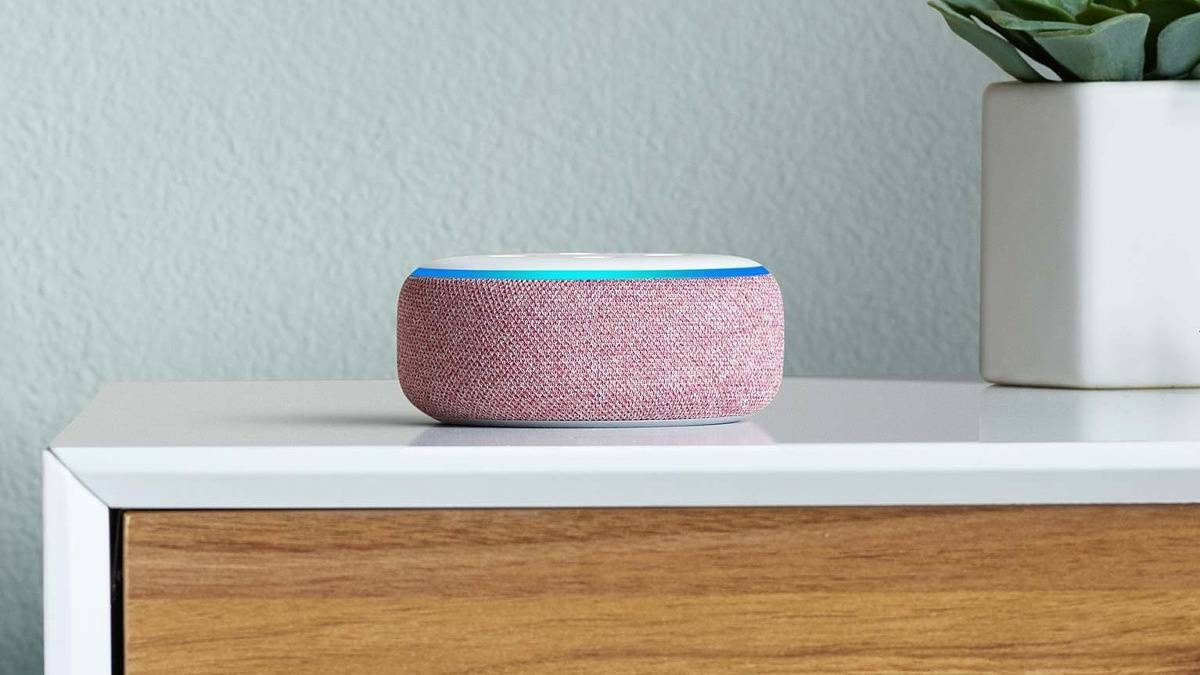
 usting off an old Amazon Echo Dot from 2018 usually means tossing it into a drawer or watching it slowly turn into an overpriced paperweight as cloud support shifts. But for anyone willing to risk a bit of hardware tinkering, the project run by Andy's Tech Lab offers a way to rip that old speaker away from corporate servers and turn it into a local voice assistant for platforms like Home Assistant.
How to wire your old speaker to work for you
The process requires cracking open the case and physically soldering a USB connector straight onto the circuit board of a 2018 Echo Dot 3 to repurpose its microphone array. As Andy's Tech Lab demonstrated by turning an Echo Dot 3 into a local Home Assistant voice satellite by replacing the stock Amazon firmware, this hardware intervention lets you bypass corporate infrastructure entirely. The procedure involves soldering a USB to the dot's board, gaining root access, and using the Claude language model to write custom software named Echo Dot Assist.
Andy's Tech Lab turned an Echo Dot 3 (2018) into a local Home Assistant voice satellite by replacing Amazon firmware.
What this gives the owner and where the catch lies
The main advantage of this modification is keeping the original audio hardware intact while completely stopping your voice data from heading off to Amazon's servers. This setup allows you to keep the microphone processing and wake-word engine on the device itself. As Andy's Tech Lab showed, you retain local control without feeding telemetry back to the manufacturer.
This allows Andy to keep the microphone processing and wake-word engine but stop data from going to Amazon.
Physical soldering and rooting require technical skills that will scare away most everyday users, despite the open-source code and step-by-step instructions available on GitHub. The method also refuses to cooperate with certain hardware revisions. Unfortunately, neither the Echo Dot 3rd gen with a built-in clock nor units manufactured between 2019 and 2020 work with this particular custom firmware.
Compatibility is limited to specific older hardware, including the Echo Dot 2nd gen from 2016, the Echo 2nd gen from 2017, and early generations of the Echo Show display units. Anyone eyeing this project needs to verify their exact hardware revision before heating up the soldering iron.
What doesn’t add up
The project promises easy liberation from corporate cloud servers, yet it demands cracking open the plastic case and soldering a USB port directly to the circuit board. While Andy's Tech Lab leveraged the Claude model to generate the custom Echo Dot Assist software, ordinary users still face the barrier of hardware root access. Strict hardware limitations narrow the escape hatch even further, as the custom firmware refuses to work with the clock-equipped Echo Dot or units produced between 2019 and 2020. True local privacy for an aging smart speaker still comes with a mandatory soldering iron tax.