
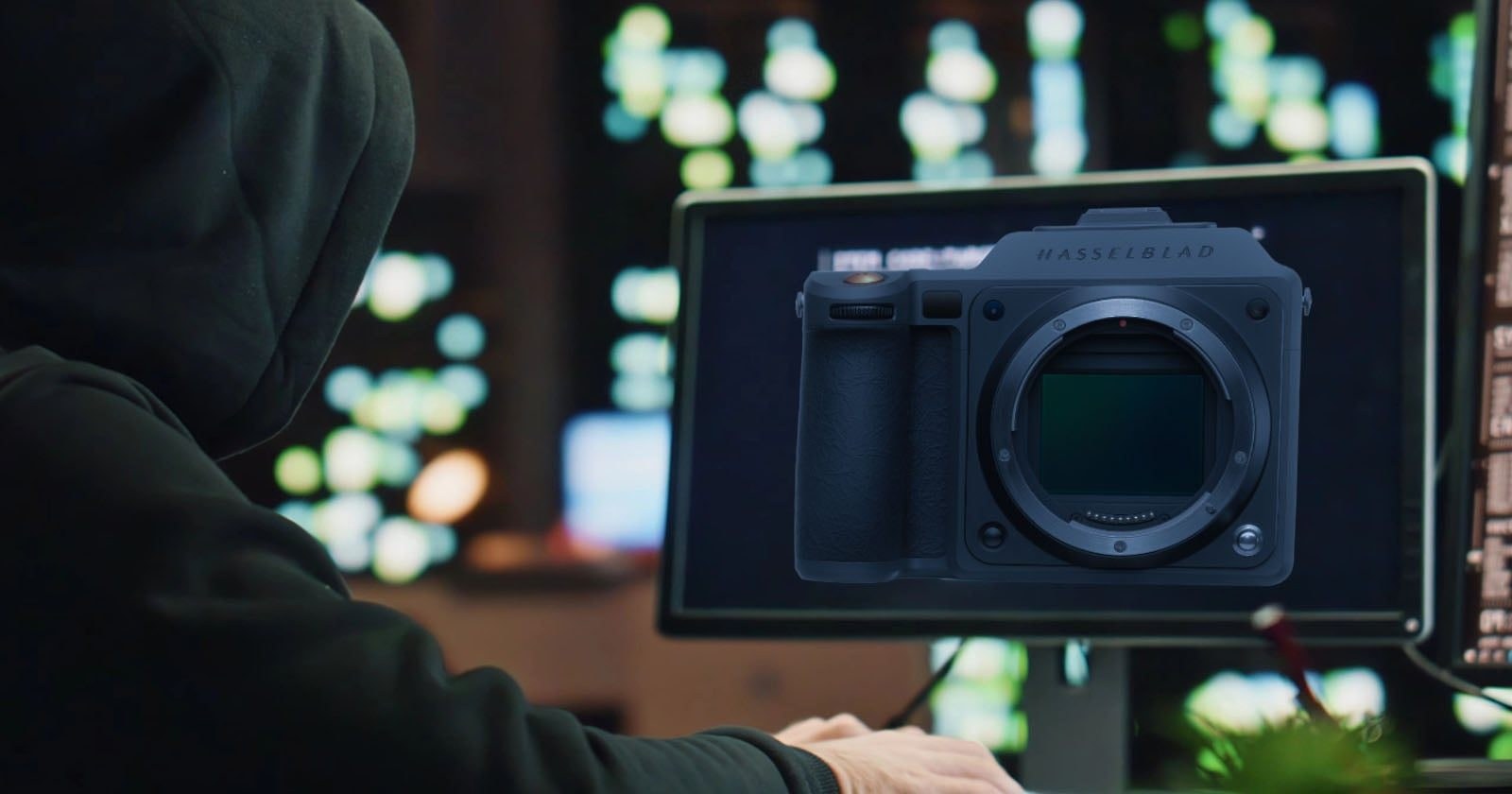
 s risking a luxury camera for experimental software worth trading away the official manufacturer warranty?
A few weeks ago, PetaPixel posted about someone who got Doom running on a Hasselblad X2D II 100C. That playful experiment opened the door for far deeper modifications to Hasselblad's newest medium-format mirrorless camera, transforming a pure photography tool into a playground for custom code.
Unlocking Hidden Features
Developers have pushed the limits of the hardware by adding capabilities the manufacturer never intended to provide. As PetaPixel reports, a Chinese creator named 奶酪 has built experimental firmware for the X2D II 100C that adds video recording — something the camera cannot do out of the box, and Hasselblad has announced no plans to add such a feature. Beyond simple video capture, creators took the modifications much further into unexpected territory. Radium Wang got Apple CarPlay running on the camera and installed ChatGPT to it. Reddit user u/Unable_Ad_1804 even loaded up a Linux kernel on the camera. What started as a joke with retro gaming has escalated into running desktop-grade operating systems on medium-format camera hardware.
These software tweaks are paired with deep modifications to core hardware controls. Radium Wang has created a series of repositories on GitHub related to individual camera features and functions, including LiDAR, autofocus, IBIS, and AF-C. This sort of open-source tinkering has historical precedents in the photography world. A natural comparison is Magic Lantern for Canon cameras. People have achieved impressive things through open-source firmware updates before, such as adding new video features, improving performance, and unlocking advanced time-lapse capabilities. Magic Lantern even enabled HDR video recording on select Canon cameras long before the manufacturer ever added it natively. But when you look past the engineering feats, how does this affect someone who actually owns the device?
The Real Cost of Tinkering
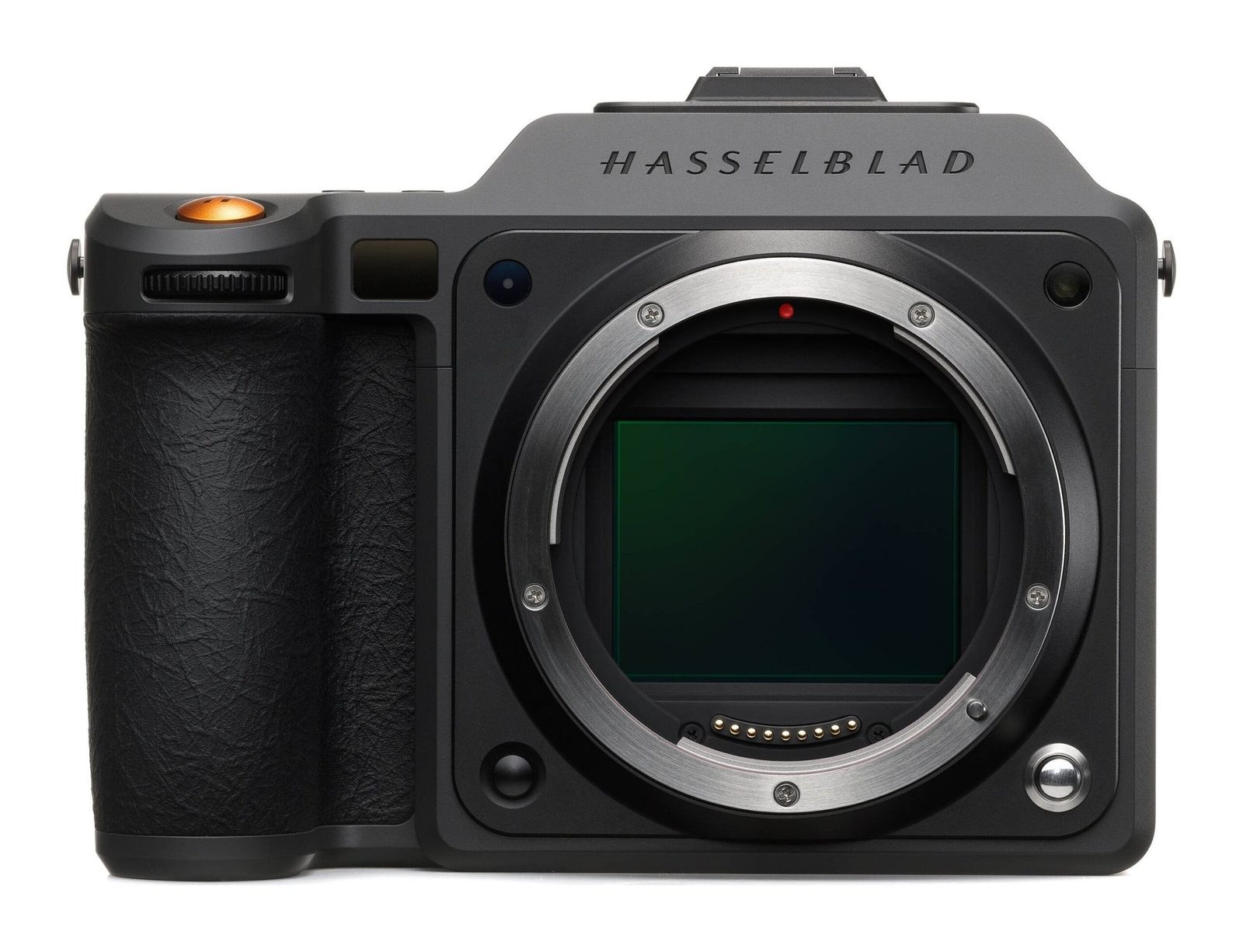
Anyone who hacks their camera must do so with a clear understanding of the potential risks. There are real legal and technical implications to modifying source-level camera code. PetaPixel shared this information for its technical interest rather than as an endorsement of the behavior described. As PetaPixel warns, installing third-party code can cause operating glitches, violates terms of service, and risks warranty trouble if something goes wrong and the camera turns into a "brick". For hardware that commands an eight-thousand-dollar price tag, trading official support for experimental features is a gamble where a single failed update turns expensive gear into an expensive paperweight.
This wave of custom firmware shows that dedicated creators will always find ways around manufacturer limitations, regardless of how locked-down or expensive the equipment is. While running artificial intelligence or an entire operating system on a medium-format camera makes for a fascinating technical achievement, the permanent loss of manufacturer support means most owners should admire these hacks from a safe distance.
What changed
While the pricey Hasselblad body originally hit the market as a closed tool solely for stills, community hacks have now turned it into a general-purpose computer capable of video capture. Such grass-roots coding previously pushed camera hardware forward during the Canon Magic Lantern era, but messing with autofocus and sensor stabilization shifts the entire risk of failure onto the owner. Running a desktop operating system alongside a chatbot inside an optical instrument highlights just how artificial the vendor's software limitations really were. Community hacks laid bare the enormous untapped processing power of the body, yet the price of unlocking it remains the total forfeiture of manufacturer support.