
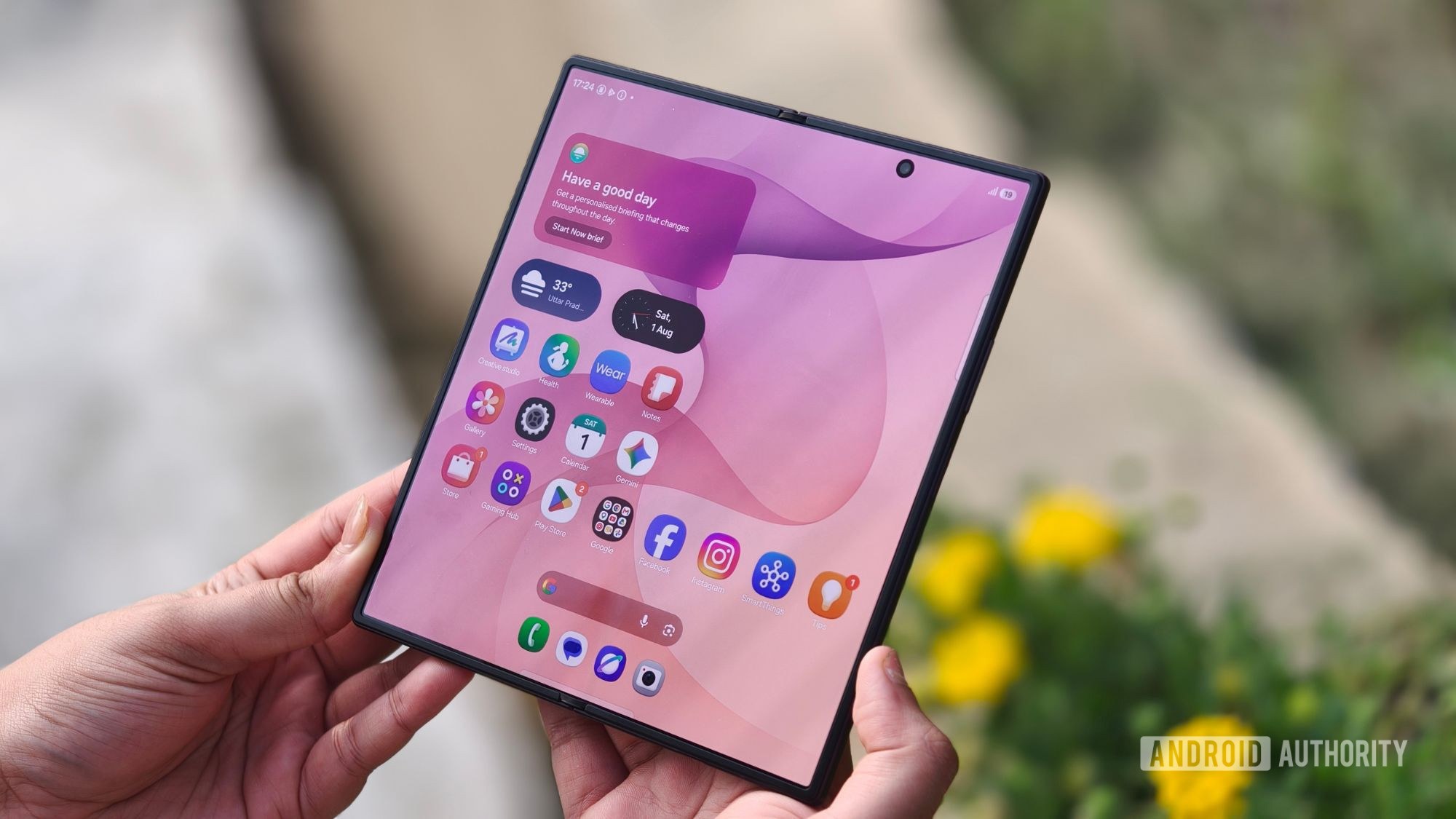
 ropping $2,000 on a flagship handset usually guarantees ironclad durability, but Samsung's Galaxy Z Fold 8 Ultra just crashed into an embarrassing engineering wall. In a teardown and stress test published by veteran hardware stress-tester Zack Nelson on his JerryRigEverything channel, the ultra-premium foldable failed a test its predecessor passed with flying colors. While the chassis weathered aggressive dust exposure and standard glass scratching, the internal flexible OLED matrix suffered a fatal breakdown under reverse bending.
Nelson bent the device backward against its natural hinge direction, and the internal panel immediately gave up the ghost. While the matrix flickered sporadically after the assault, the primary display died completely.
Bending the smartphone a couple of times, albeit with some force, effectively broke the screen.
The exterior cover panel remained fully functional, but the entire $2,000 premise of the device went dark. While reverse bending sounds like an extreme lab scenario, it lays bare a critical regression in structural stiffness between hardware generations.
Shaving Millimeters and Paying the Price
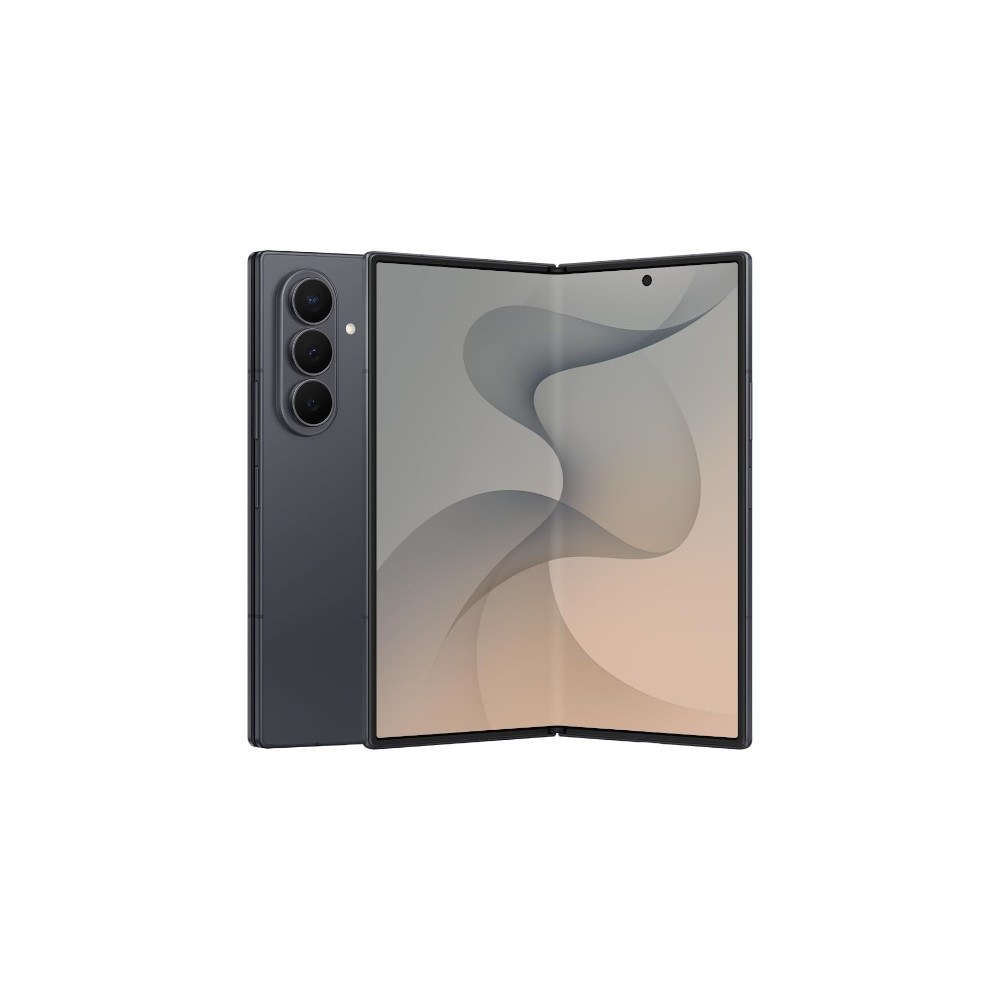
Samsung engineered the Galaxy Z Fold 8 Ultra into a marginally sleeker profile, shaving 0.1mm of thickness compared to the Galaxy Z Fold 7. As analysis from Android Authority notes, trimming chassis thickness and lightening hinge components compromised the structural frame's torsional rigidity. When flexed backward, that lack of internal bracing redirects mechanical leverage directly into the delicate folding panel rather than dispersing it through the spine.
Everyday scratch tolerance remains identically fragile. The outer display held up to Mohs level 6 with deeper grooves at level 7, but the soft inner plastic layer still marks at a flimsy level 2—meaning an aggressive fingernail jab will leave a permanent scar. While dust ingress protection matched the previous generation, surviving grit is small consolation when structural flex destroys the main screen.
The Repair Bill Reality
Carrying a $2,000 folding device in a snug back pocket shouldn't require a prayer against catastrophic structural flex. If an accidental sit-down tweaks the chassis, Samsung's warranty department routinely flags physical frame deformation as user-inflicted damage, leaving owners on the hook for full repair costs.
That repair bill is brutal: Nelson noted that while repairing the undamaged outer screen costs a reasonable $149, replacing the shattered folding inner panel demands an eye-watering $639—nearly a third of the phone's total retail price. For shoppers weighing a conventional titanium slab against Samsung's latest foldable, paying a steep premium for compromised structural headroom and high out-of-warranty repair risks makes the Z Fold 8 Ultra an exceptionally hard sell.