
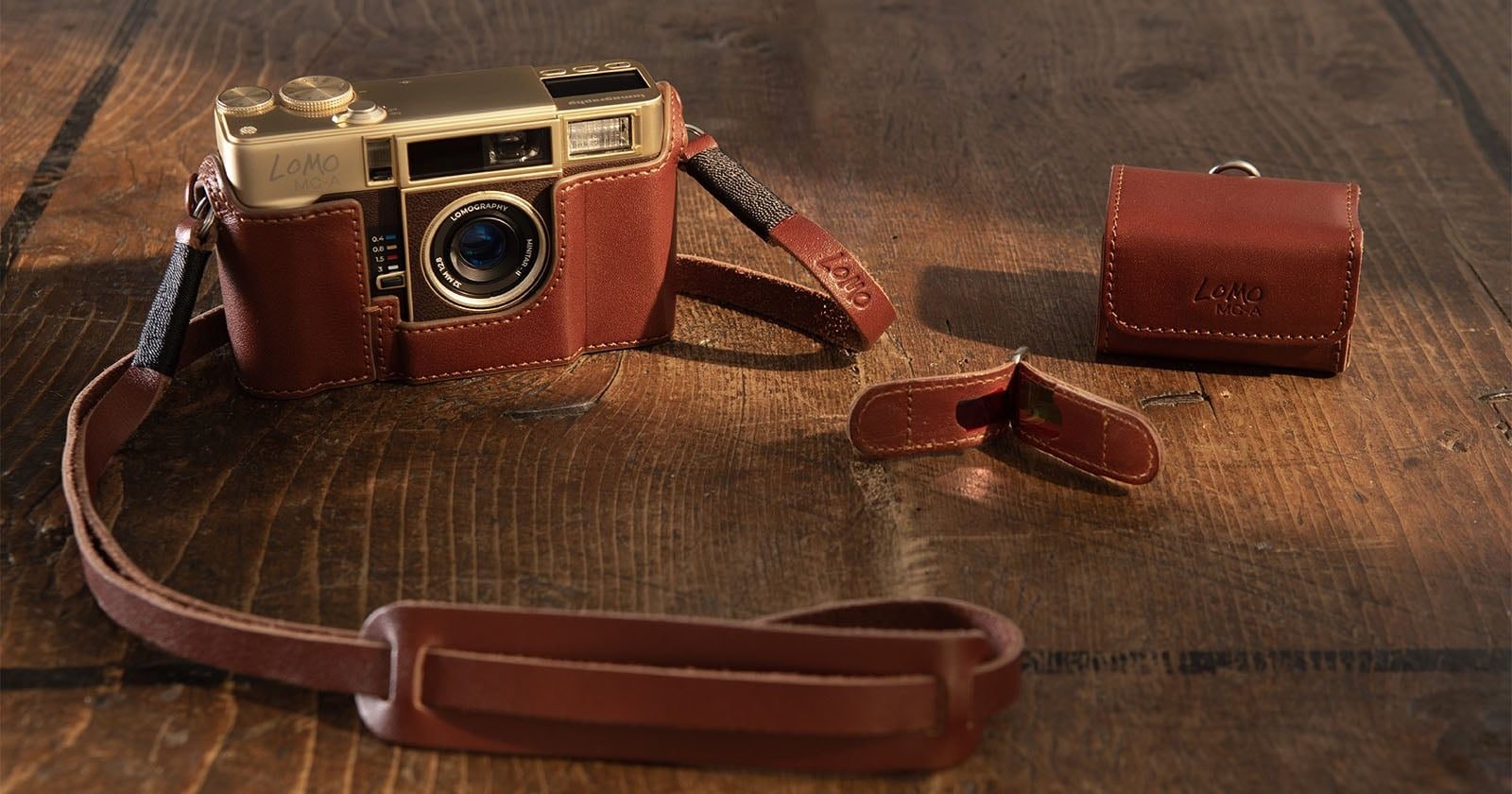
 our analog snapshot will now cost you an extra hundred dollars purely for shiny metal and leather trim, as Lomography celebrates the first birthday of its MC-A 35mm point-and-shoot camera with two limited-edition redesigns. According to Lomography, at least 15,872 film rolls have run through MC-A cameras over the past twelve months, and the brand is using that anniversary to test how much extra cash buyers will part with for luxury wrapping.
At its core, the underlying hardware inside these premium shells remains identical to the standard point-and-shoot camera. Both limited editions are full-frame film cameras carrying a built-in 32mm f/2.8 multi-coated glass lens constructed from five elements across five groups, which can stop down to f/16. In our view, charging a premium for the exact same optical system is pure marketing theater when the base hardware has not shifted. You still get autofocus or zone focusing starting from 0.4 meters (1.3 feet), a built-in Xenon flash for retro aesthetic lighting, and a single CR2 battery powering the electronics alongside multiple exposure support and a tripod mount.
Firmware Tweaks and Practical Fixes
What actually matters for everyday shooting comes from minor usability corrections that Lomography added after listening to owner complaints from the first year. As Lomography stated, the updated versions promise easier film loading, can preserve user settings after powering off, and feature a built-in LCD info panel that displays shooting settings a little longer whenever you half-press the shutter button.
"Learning and growing with experience, the Lomo MC-A is the camera made BY, FOR and WITH film photography lovers all around the globe. The same pocket-sized rebel, just a little wiser and a lot more YOU!"
As Lomography commented, the updated exposure logic also makes the camera more likely to shoot at f/3.5 in automatic mode. You still retain automatic, aperture priority, and fully manual shooting modes to dial in scenes yourself, meaning the actual shooting experience will feel slightly less frustrating when swapping rolls or turning the camera back on.
The Price of Real Gold and Faux Snakeskin
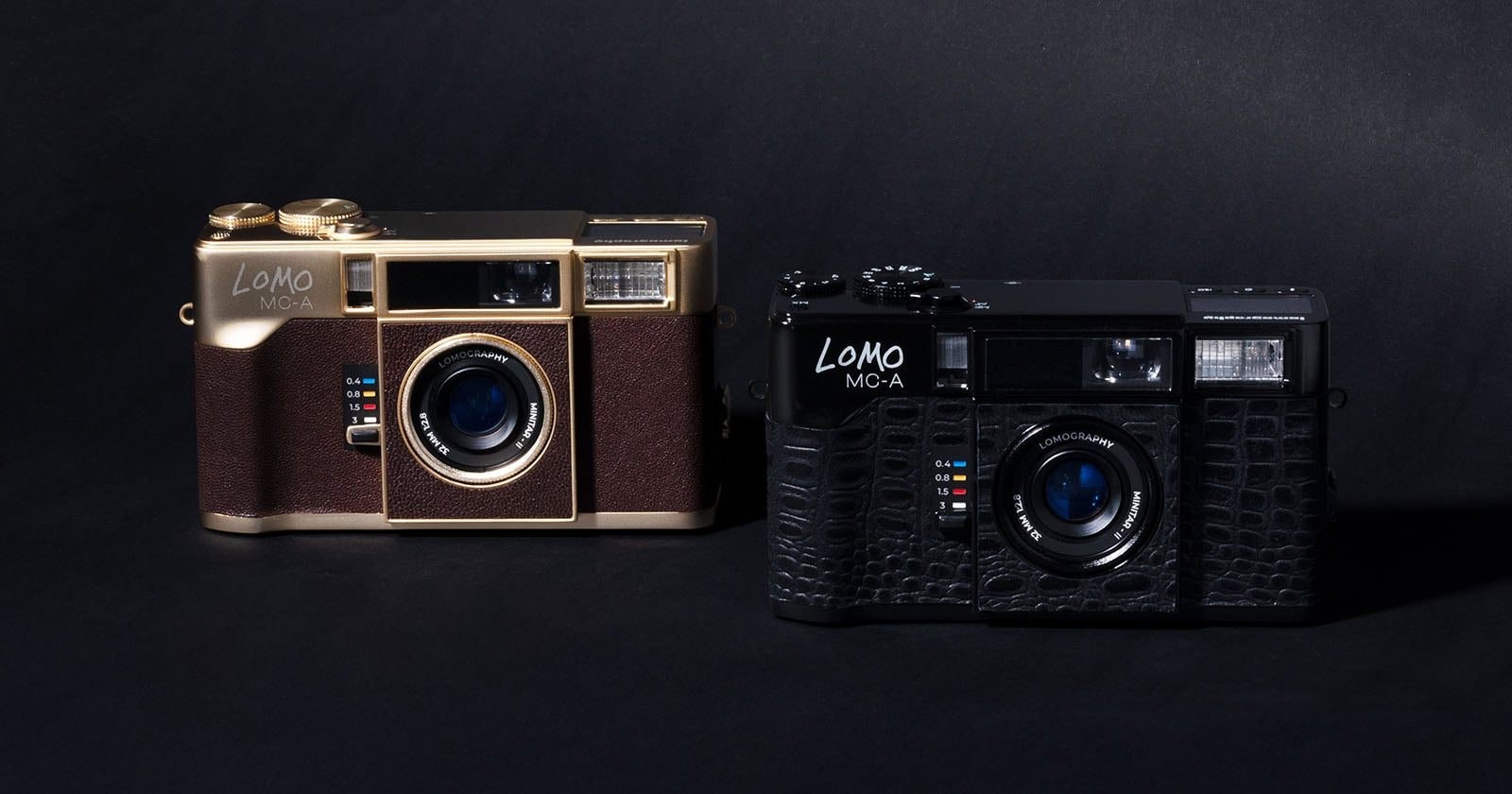
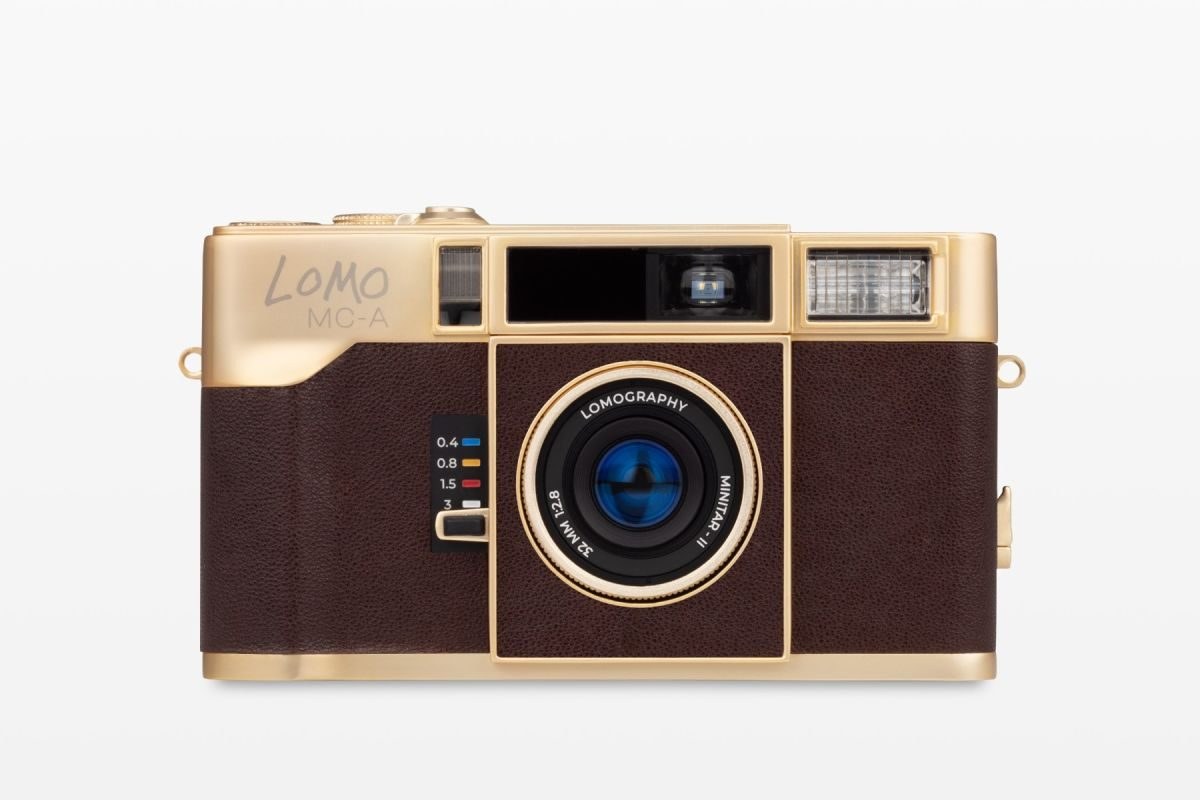
The exterior styling is where the price hike actually shows up on the counter. The flagship Lomo MC-A 35mm Film Camera Gold Plated is genuinely gold-plated, comes wrapped in a rich brown leather cover, ships with a free glass lens filter set, and works with a matching leather half-case. The Film Camera Noir edition drops the gold for a glossy, chunky, textured black leather reminiscent of snakeskin.
Preorders are open now with shipments slated for December, but the pricing math is straightforward. The standard Lomography MC-A in basic black and silver costs $549, while the Film Camera Noir costs $599 and the Gold Plated version hits $649. If you want the fixed film-loading quirks and saved settings, you get them regardless of shell color, making the $100 gold tax an absurd vanity purchase for an otherwise basic film camera.
What came before
Long-awaited usability fixes, like easier film loading and memory retention after powering down, arrive disguised as a luxury milestone rather than an optical overhaul. Underneath the gold layer and leather trim sits the identical hardware with a built-in xenon flash and a single CR2 battery. The biggest engineering feat in a full year of film camera development turns out to be remembering user settings after power-off.