
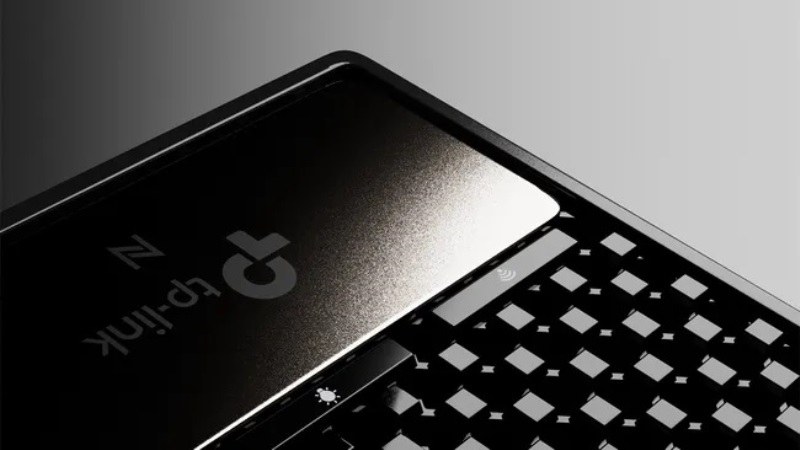
 he latest antenna-covered black box promises to fix all network woes, but in reality, it simply kicks off another round of the marketing arms race. TP-Link has announced the Archer 8 Ultra, the first consumer router built on the upcoming Wi-Fi 8 (IEEE 802.11bn) standard. Hardware makers are once again rushing to sell a newer number on the box, even though most households have barely settled into Wi-Fi 6 and Wi-Fi 7.
Stability Over Abstract Speed Records
Cutting through the promotional hype, the core concept behind Wi-Fi 8 is surprisingly sensible. Unlike Wi-Fi 7, the new standard does not aim to squeeze out even more theoretical gigabits per second. Instead, it focuses on bringing basic order to crowded airwaves. Engineers focused on signal stability and lower latency in environments where dozens of neighboring apartment networks interfere with one another.
The goal is simple: keep your connection responsive in the living room while someone downloads massive files in the next room. Under the specification, the router dynamically manages channels and minimizes latency spikes under heavy load.
The real upgrade in the new standard is not raw throughput, but rock-solid stability and low latency across congested apartment airwaves.
It sounds great on paper, but without client-side hardware support, all this advanced coordination does nothing.
Zero Practical Value Right Now
Stripping away the buzzwords, the actual value of buying the Archer 8 Ultra today is precisely zero. To unlock these improvements in your hands, the corresponding Wi-Fi 8 chip must be present in both the router on your wall and in your smartphone, tablet, or laptop. There are currently no consumer devices on the market that support Wi-Fi 8, and they will not appear anytime soon.
Buying this router now means paying an early-adopter premium for features that will sit idle for years. The router is ready to beam the internet of tomorrow, but nothing in your home can actually catch the signal.