
 he device's hinge clogs with dust after exposure to sand and dirt, and replacing a damaged internal screen costs a thousand dollars—precisely the figure blogger Zack Nelson, known as JerryRigEverything, estimated for the repair. When you test an ultra-expensive folding device, you expect reliability, but instead get a design that fails a key bend test, leaving users stranded with an extremely vulnerable and insanely expensive gadget to maintain. As the folding smartphone market has spent years trying to prove its viability, such teething problems in an ultimate flagship look particularly painful for anyone accustomed to paying for flawless quality.
Engineering vulnerabilities of the flexible body
Mechanics proved to be the device's weak spot from the very first durability checks. Despite the advertised IP68 water and dust resistance, after sand and grit entered the hinge mechanism, the smartphone stopped folding completely as debris penetrated inside and prevented magnets from holding the halves closed. For an average buyer who carries a phone in jeans pockets or bags alongside keys and pocket lint, this means a constant risk of the mechanism jamming at the worst possible moment.
After sand and grit entered the mechanism the smartphone stopped folding completely.
Screen conditions look alarming. The external display proved quite scratch-resistant—barely noticeable marks appeared around the seventh level on the Mohs hardness scale. With the internal flexible display, the situation differed: scratches appeared at level two, and deeper grooves resulted from contact with objects comparable in hardness to a fingernail. The matte coating hid damage well while the screen was on, though the marks themselves never vanished, forcing owners to constantly fear for the expensive matrix's integrity every time they opened the lid.
Ownership cost and accessories
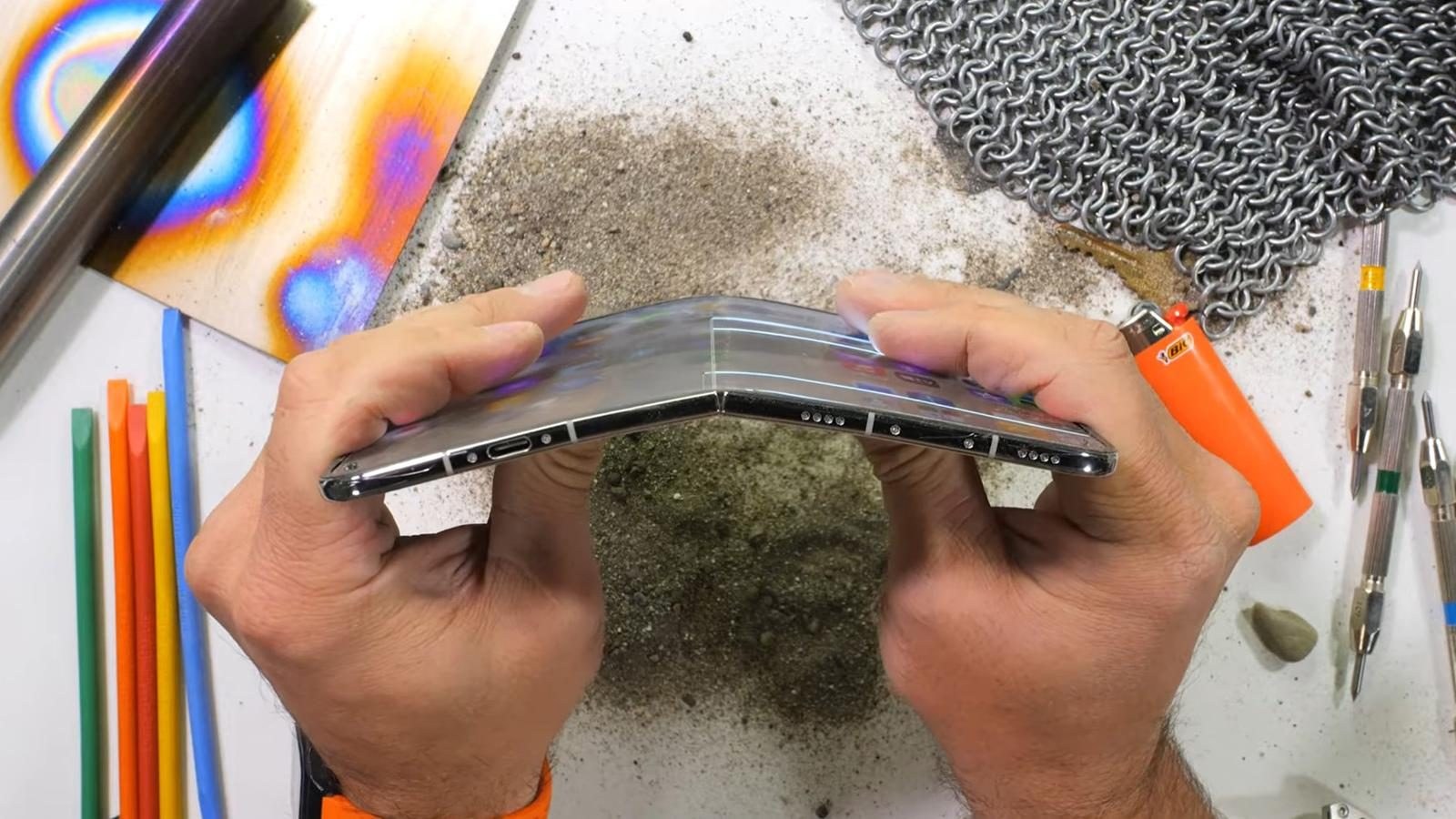
The bend test proved decisive: the internal display suffered irreversible damage and completely stopped responding to touch. When attempting to bend the device, the body warped visibly, and lines appeared on the internal display stretching from the center to the titanium frame. Upon re-bending, multiple lines emerged, and the internal screen completely stopped responding to touches. Reports previously indicated that one user's screen broke just 6 hours after purchase, vividly demonstrating the overall fragility of this first-generation design.
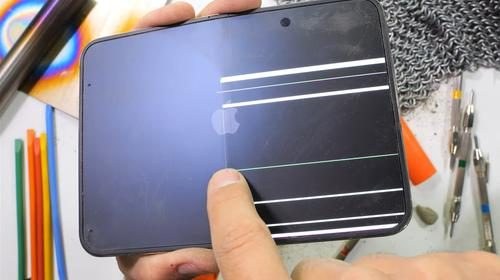
Replacing the top layer costs $50, but repairing a damaged internal display runs $1000. Ultimately, buying first-generation folding form-factor devices remains an extremely risky investment for average buyers due to raw engineering choices that charge astronomical sums for a gadget requiring surgical precision and ready to break from ordinary pocket dust.
Editorial analysis
How the story developed
On 10 September 2026, details emerged that the iPhone Duo combines an external 5.4-inch OLED screen with a 7.6-inch internal flexible OLED display, followed by Apple launching the foldable smartphone on 21 October for $1,999. Now, blogger Zack Nelson of JerryRigEverything revealed that its hinge clogs with sand and dirt, the device failed the bend test, and replacing the damaged inner screen costs $1,000. A two-thousand-dollar flagship price tag fails to protect the company's first foldable from severe structural fragility and exorbitant repair bills.
Sources: our stories of 10.09.2026, 21.10.2026