
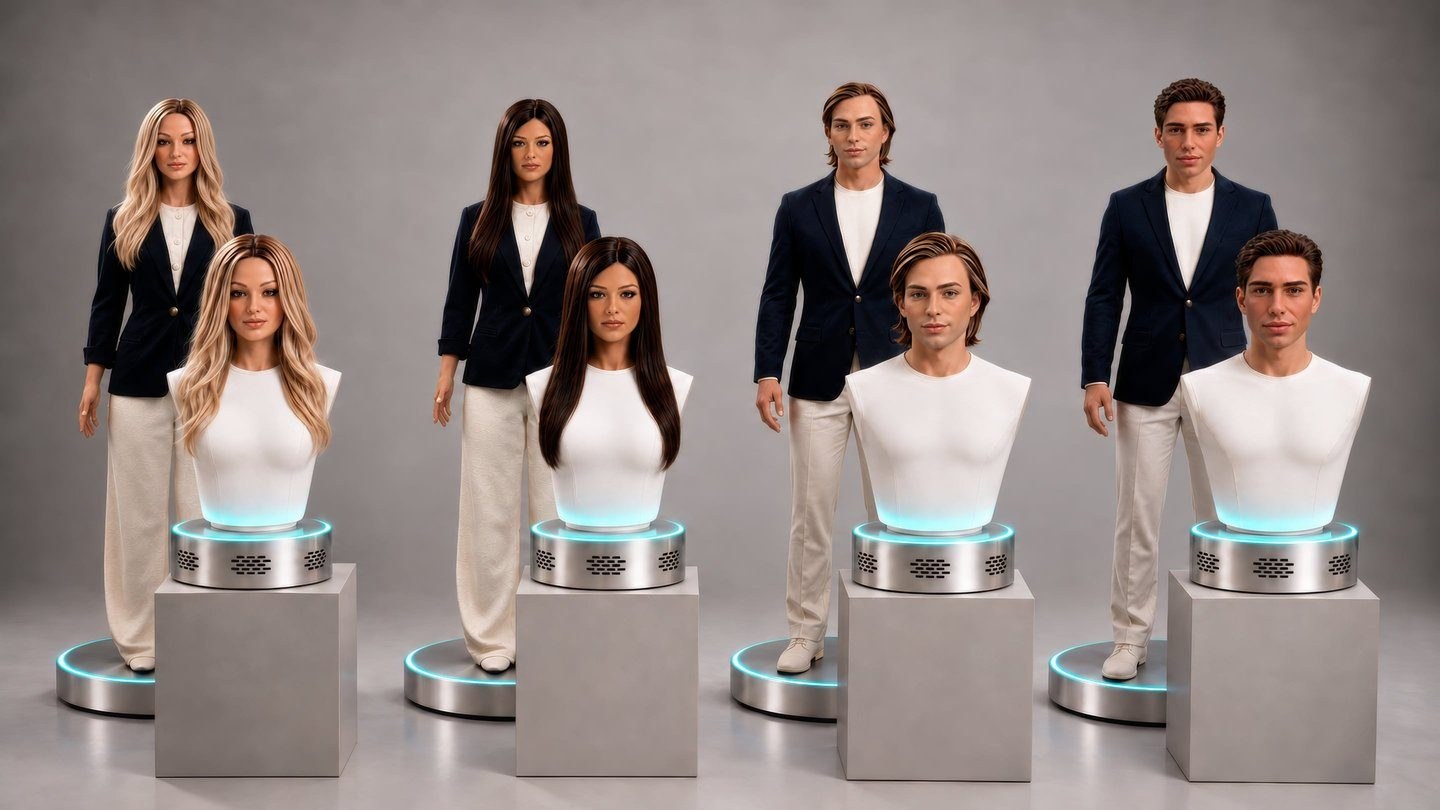
 tanding 77 inches tall with 39 degrees of freedom and weighing 88 pounds, Realbotix's full-body robot looks like the humanoid future has finally arrived in a physical shell. But behind that robotic presence is a commercial setup that fundamentally changes what it means to own a machine.
Buying an Echo does not mean you own a companion; it means you are perpetually renting its ability to talk. The starting price is $11,950 for a tabletop bust with silicone skin, while the full-body version climbs to $59,950, and both require an ongoing monthly subscription just to keep conversational artificial intelligence functioning. In our view, paying five figures for hardware that demands a recurring software toll just to speak is a steep trade-off that buyers need to evaluate carefully.
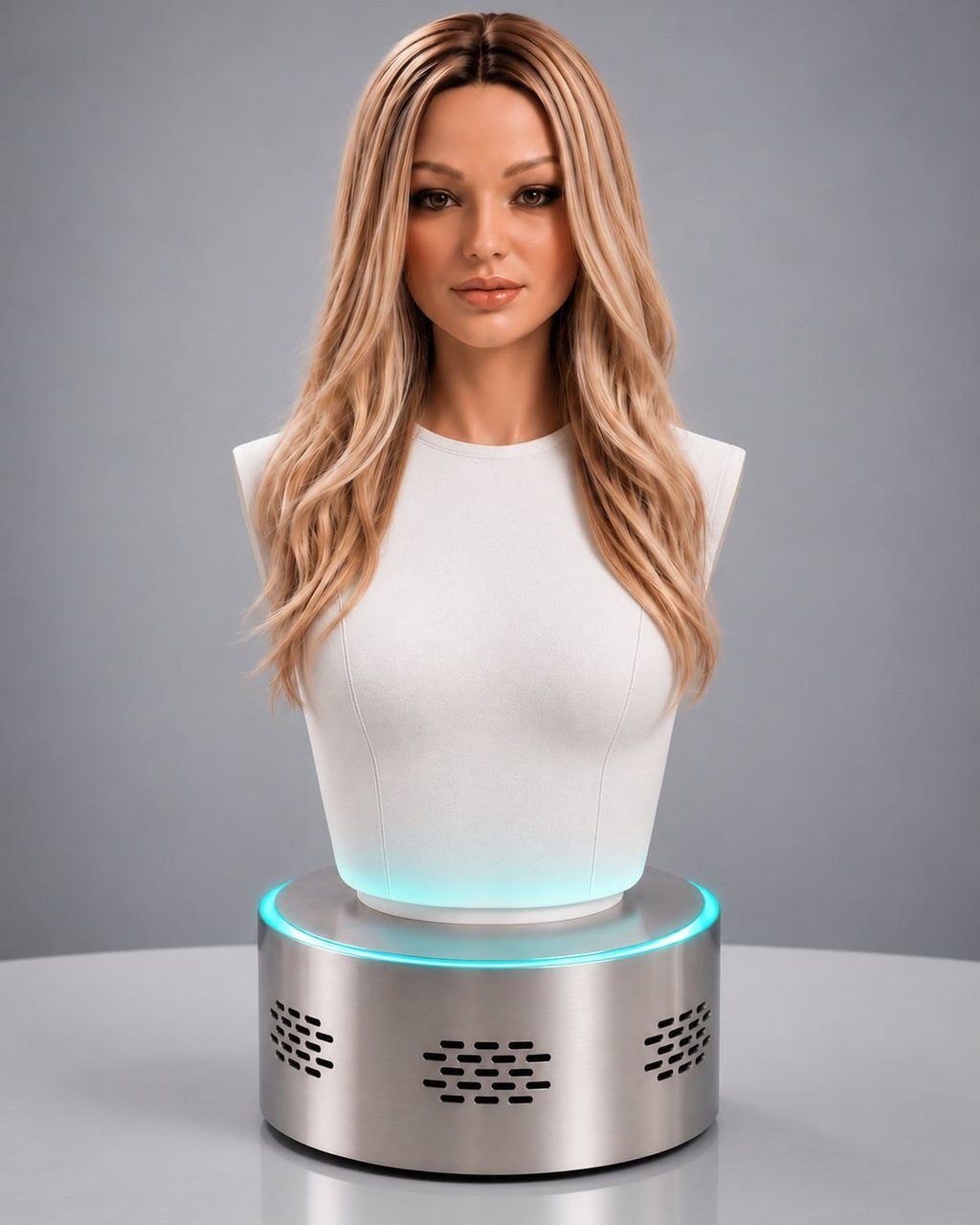
Echo comes in four distinct personas named Aria, Mila, Dave, and Amar, each featuring a unique face, voice, and backstory managed through a dedicated app. Yet beneath the silicone face, the mechanical capabilities are sharply limited.
The Stationary Reality Behind the Silicone
Despite the towering silhouette of the full-size model, neither version of this humanoid can walk. Realbotix's safety page lists only the head, face, arms, and hands as moving parts.
"The face sells Echo. The subscription keeps it talking."
This basic limitation means the machine remains entirely stationary wherever you place it. The tabletop version stands 31 or 32 inches tall, weighs 25 pounds, offers 17 degrees of freedom, and simply plugs into a regular wall outlet, while the full-body build adds individual finger articulation, four microphones, stereo cameras, and stereo speakers. If you ever need to stop the robot, Realbotix instructs that you pull the plug.
What happens when you stop paying the monthly fee?
Without a continuous subscription, the robot essentially turns into an expensive, silent bust. The Base tier costs $19.99 a month for just 10 hours of conversation, which breaks down to about 20 minutes of daily chat. If you talk more, the Plus plan runs $39.99 for 40 hours with expressive voices and over 100 languages and accents, while the Enterprise plan demands $199 monthly for 100 hours alongside custom character creation and external AI model integration. When those hours run out, the machine drops to basic functions, and unused time never rolls over.
Upfront Cash and the Subscription Trap
Some might argue that paying recurring server fees for advanced conversational AI is standard industry practice, making ongoing subscriptions a fair compromise for maintaining complex software. However, Realbotix couples these recurring fees with unusually strict payment terms before manufacturing even begins.
Securing a reservation requires a non-refundable $199 deposit that holds a spot in the initial batch and applies toward the final balance. Before building the robot, Realbotix issues an invoice for half the total price—$5,975 for the tabletop model or $29,975 for the full-body build—which must be paid within 30 days or the reservation is canceled and the deposit is forfeited. The remaining balance, plus shipping and sales tax, is due right before delivery, and buyers only receive a refund if the company fails to deliver.
Optional hardware upgrades push these numbers significantly higher. The proprietary Vinci camera system, designed to track eye contact, recognize faces, and interpret emotional expressions, costs an extra $24,950 for either size and requires the $199-a-month Enterprise with Vision tier. Adding Vinci to the tabletop unit brings the upfront cost to $36,900. Realbotix builds these units in Las Vegas to steer clear of new FCC restrictions on foreign-made robots, though the company notes in its fine print that some website imagery relies on AI-generated renderings and physical units may differ.
For those who want an interactive companion without spending five figures, alternatives like Loona offer a robot pet with voice and gesture control on Amazon for $499. Realbotix plans to manufacture only 225 tabletop units and 25 full-body robots for 2027, backed by a 12-month limited warranty, with public demonstrations scheduled for CES 2027 in Las Vegas from January 6 to 9 ahead of its second-half 2027 release window in the US.
What it signals
Where buying premium hardware used to grant unconditional ownership, Realbotix charges nearly $60,000 for a full-size android while still gating its conversational AI behind a metered monthly subscription. Packed with movable joints and stereo cameras, the stationary robot remains entirely tethered to a wall outlet and cloud servers, muting itself the moment a payment lapses. The buyer covers the full manufacturing cost of a silicone statue, only to rent its actual voice on an hourly allowance. A six-foot android costing tens of thousands of dollars ultimately requires a monthly fee simply to speak.